20 Japanese Clan Rivalries That Were More Dramatic Than Fiction
Family Feuds Could Reshape an Entire Country
Japan's warrior clans weren't exactly known for settling disagreements peacefully. For centuries, powerful families fought over land, titles, castles, marriage alliances, and sometimes the right to control the country itself. Alliances could fall apart almost overnight, relatives regularly ended up fighting on opposite sides, and one betrayal could completely shift the balance of power across a region. Here are 20 of history's most dramatic Japanese clan rivalries.
 Utagawa, Kunisada, 1786-1864, artist on Wikimedia
1. Taira vs. Minamoto
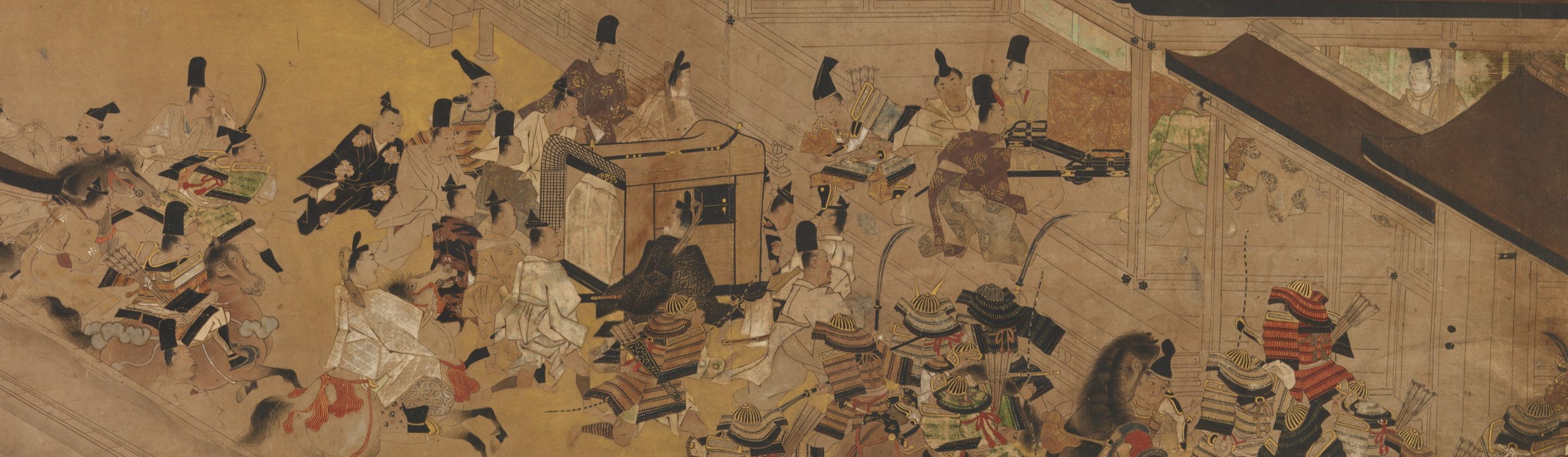
Few Japanese clan rivalries had consequences as far-reaching as the struggle between the Taira and Minamoto. After years of competing for influence around the imperial court, their feud erupted into the Genpei War in 1180. The Minamoto eventually crushed Taira power at the Battle of Dan-no-ura in 1185, paving the way for Minamoto no Yoritomo to establish the Kamakura shogunate and Japan's first lasting warrior government.
2. Hōjō vs. Miura
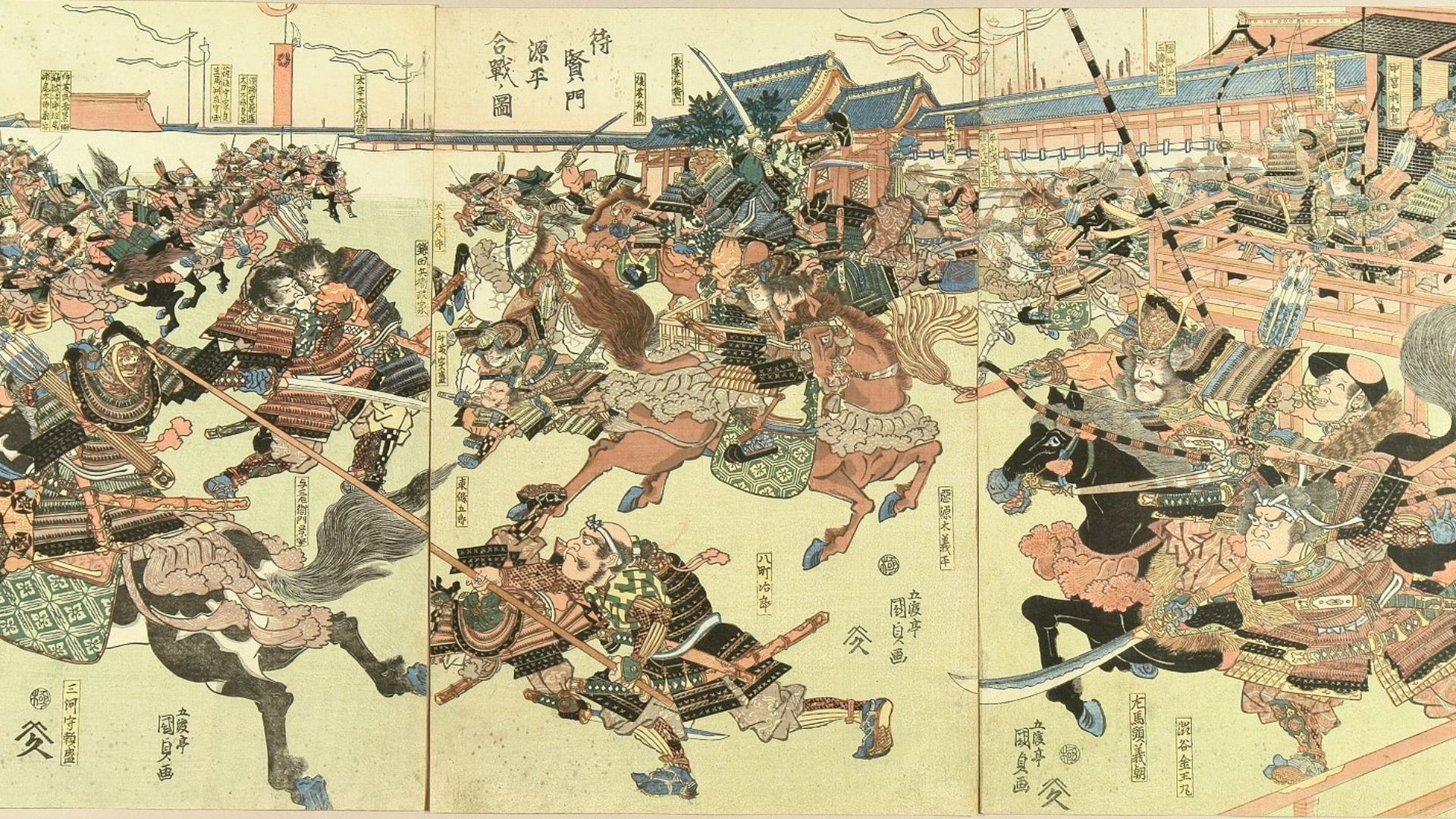
The Hōjō and Miura had both helped the Kamakura shogunate rise, but sharing political power was another matter entirely. Tensions between the influential warrior families continued to grow until the Hōjō finally moved against their increasingly powerful rivals in 1247. The resulting Hōji conflict virtually wiped out the Miura as a major political force and strengthened the Hōjō family's hold on the shogunate.
3. Ashikaga vs. Nitta
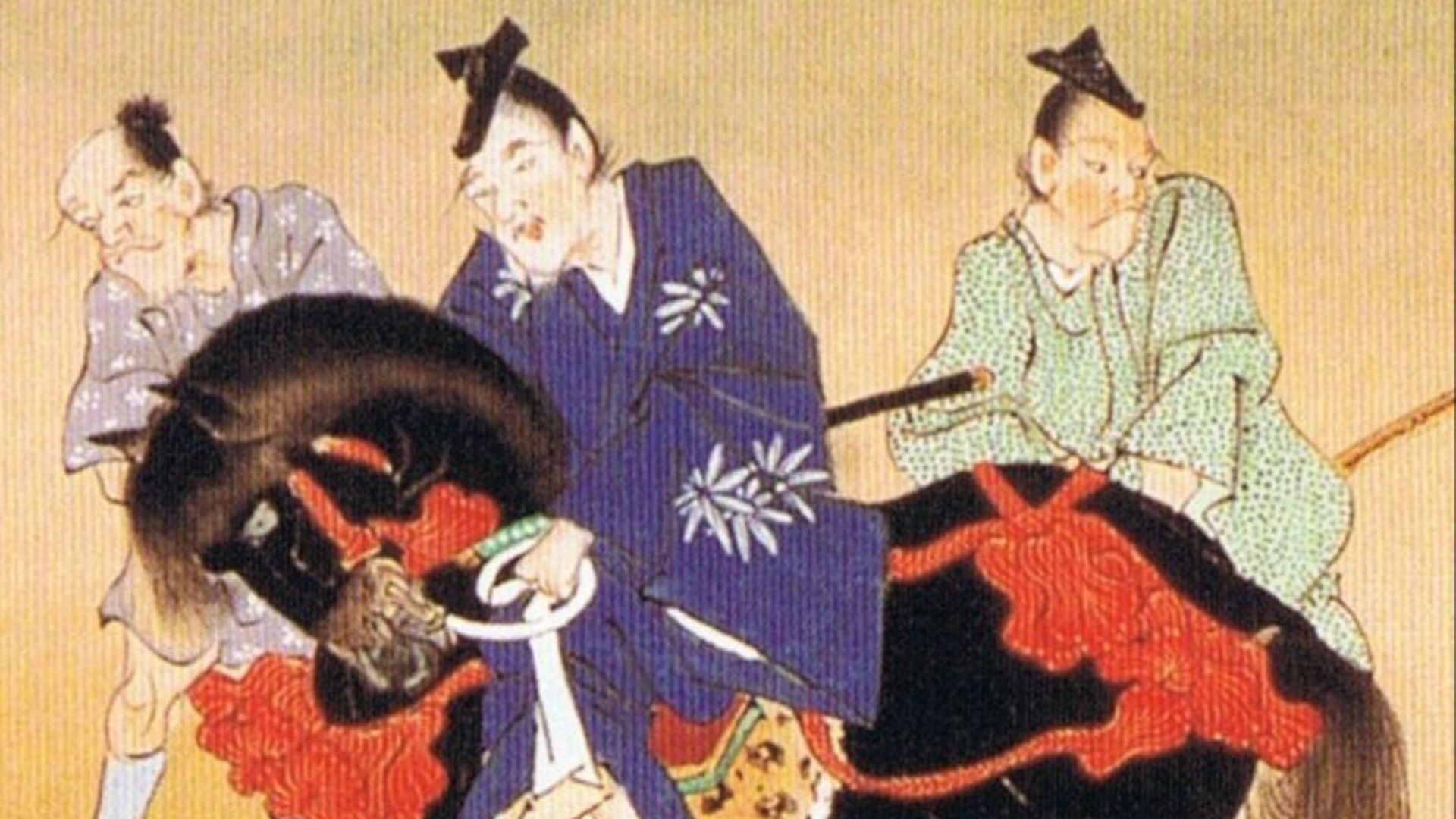
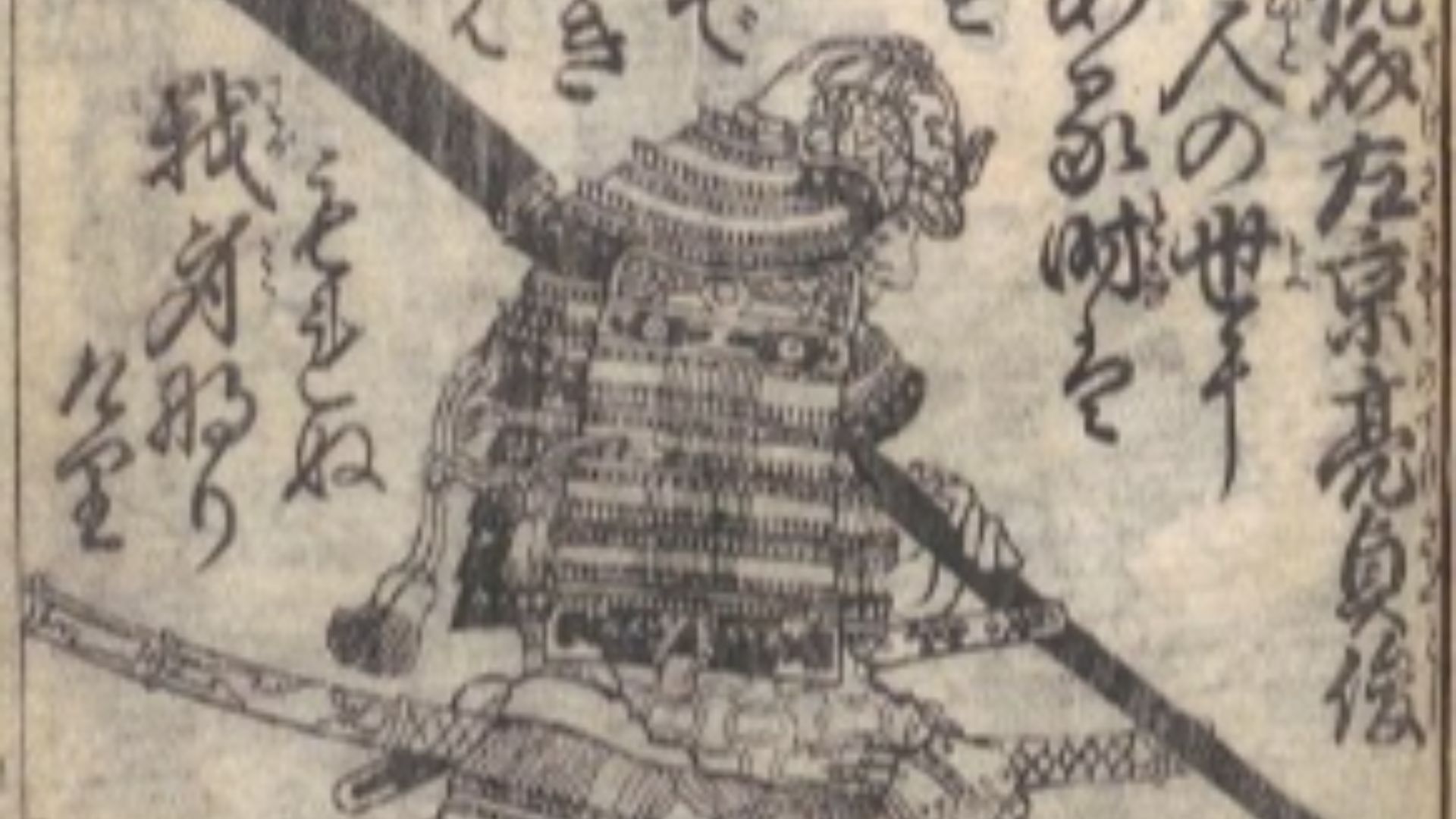
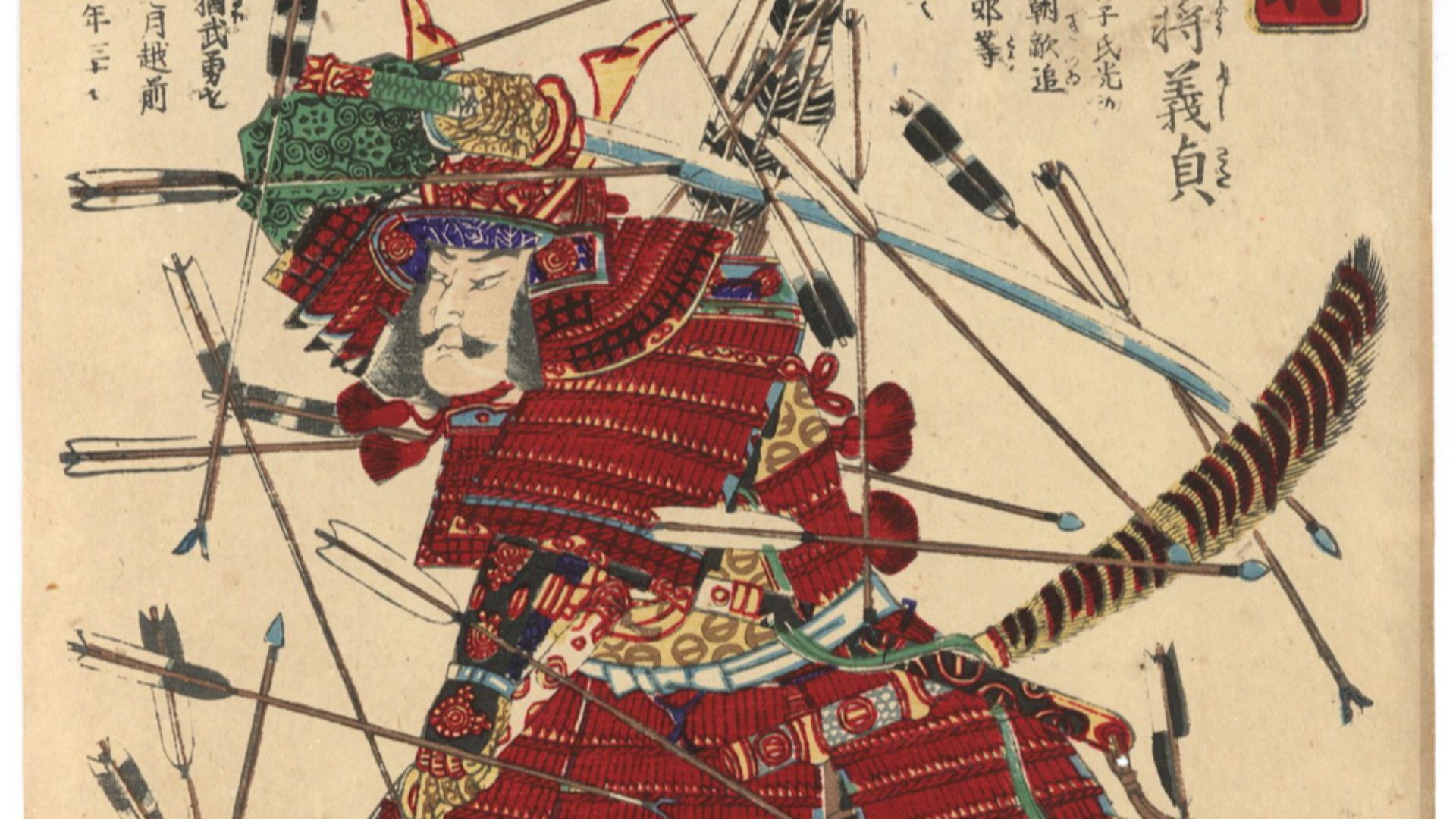
Ashikaga Takauji and Nitta Yoshisada originally had a major goal in common, since both helped bring down the Kamakura shogunate. That partnership didn't survive the political chaos that followed, particularly after Takauji broke with Emperor Go-Daigo. Nitta stayed loyal to the emperor while the Ashikaga built a rival military government, turning former allies into bitter opponents during the early Nanbokuchō conflicts.
 Utagawa Yoshitora on Wikimedia
4. Hosokawa vs. Yamana
Sometimes a succession dispute gets much bigger than the family it started with. During the 1460s, the powerful Hosokawa and Yamana factions backed competing interests surrounding the Ashikaga shogunate, helping push tensions into the Ōnin War. The fighting devastated Kyoto, dragged on for roughly a decade, and weakened central authority so badly that it helped set the stage for the Sengoku period.
5. Rokkaku vs. Azai
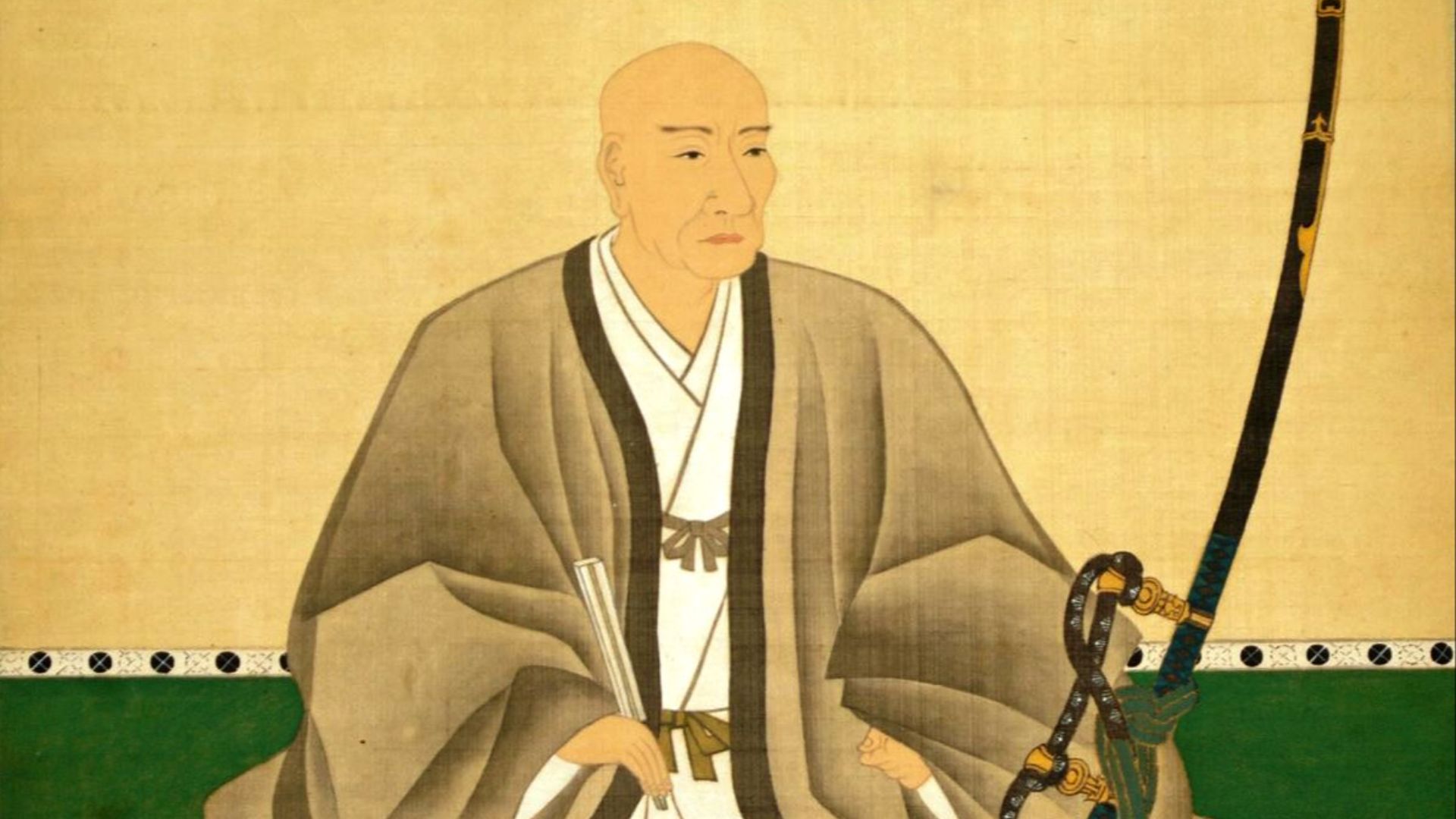
The Azai clan initially lived under the shadow of the much stronger Rokkaku family in Ōmi Province. That arrangement changed as the Azai grew more ambitious and pushed back against Rokkaku control, eventually establishing themselves as an independent regional power. Their repeated clashes made the area around Lake Biwa one of the more politically complicated parts of Sengoku Japan.
6. Takeda vs. Uesugi
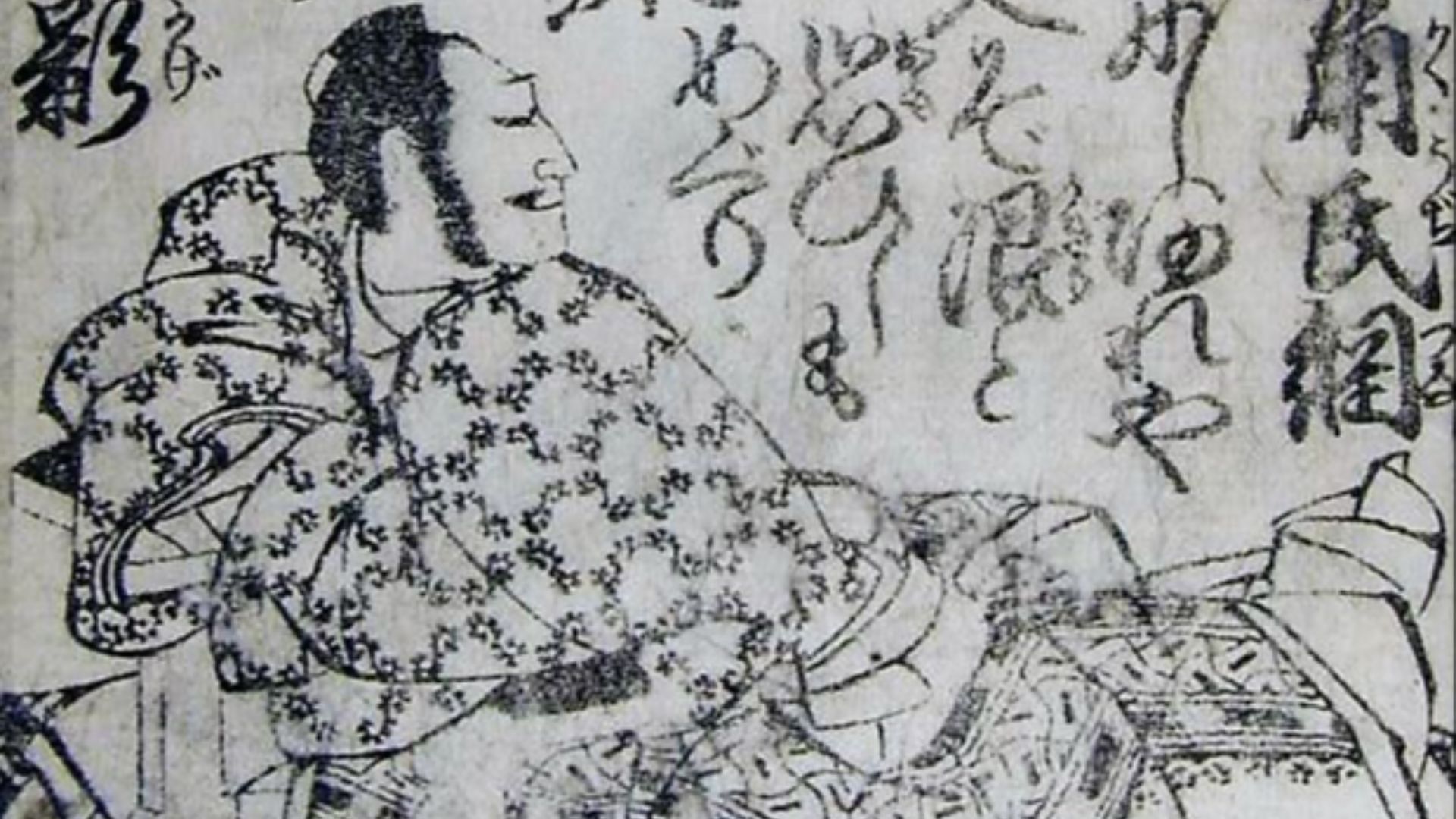
Takeda Shingen and Uesugi Kenshin became two of the Sengoku period's best-known rival warlords. Their armies repeatedly met around Kawanakajima, where several campaigns were fought between 1553 and 1564. Neither side ever managed to permanently destroy the other, which helped turn their rivalry into one of the most famous military contests of the era.
7. Oda vs. Imagawa
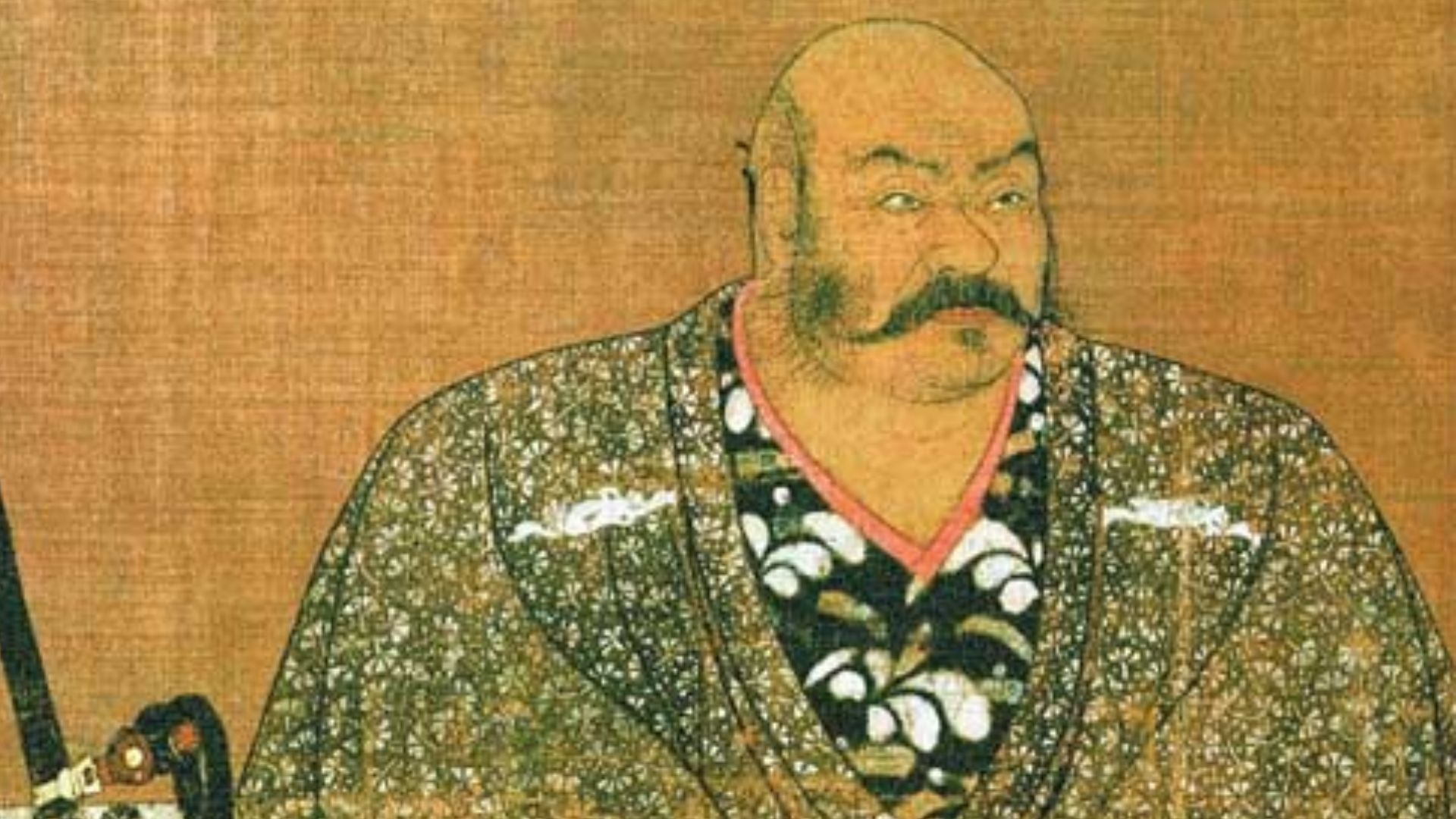
On paper, the Imagawa clan seemed to have every advantage over Oda Nobunaga. Imagawa Yoshimoto marched toward Owari in 1560 with a much larger army, making the smaller Oda domain look dangerously exposed. Nobunaga's surprise victory at Okehazama killed Yoshimoto, wrecked Imagawa momentum, and suddenly made the Oda clan impossible for its neighbors to ignore.
8. Oda vs. Saitō
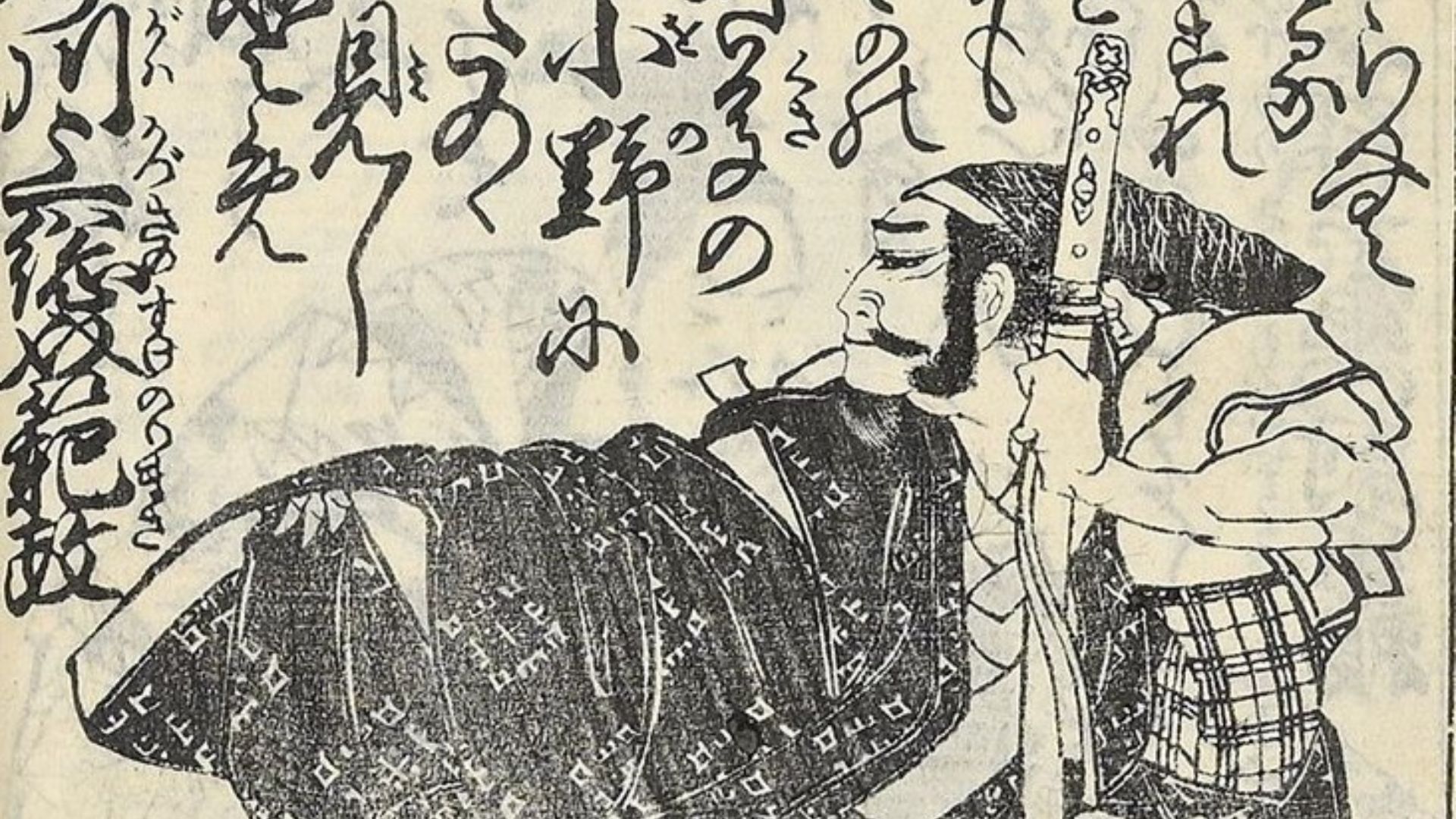
This feud was especially awkward because marriage was supposed to make the two families closer. Oda Nobunaga married Nōhime, the daughter of Saitō Dōsan, but relations between the clans became increasingly hostile after Dōsan's death. Nobunaga eventually captured the Saitō stronghold of Inabayama Castle in 1567, renamed it Gifu Castle, and added their territory to his expanding power base.
9. Oda vs. Azai
Oda Nobunaga and Azai Nagamasa weren't simply political allies. Nagamasa was married to Nobunaga's sister Oichi, which should have made their relationship unusually secure by Sengoku standards. Instead, Nagamasa sided with the Asakura clan after Nobunaga attacked them, setting off years of fighting that ended with the destruction of the Azai clan in 1573.
10. Oda vs. Asakura
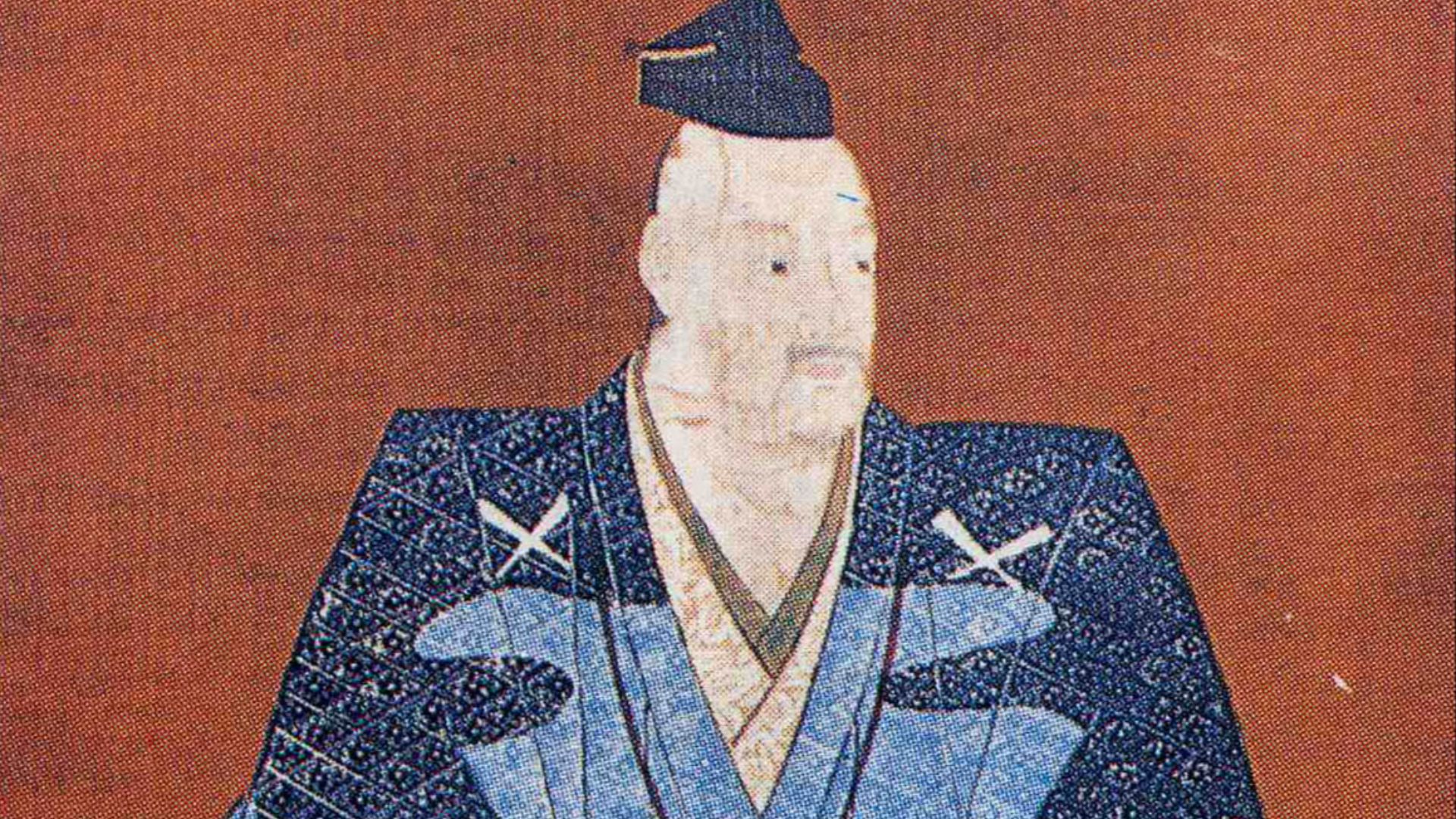
The Asakura had ruled Echizen for generations before Nobunaga decided they were standing in the way of his expansion. His campaign against them suddenly became far more dangerous when the neighboring Azai clan turned against him, leaving Oda forces in a potentially disastrous position. Nobunaga escaped the setback, came back with greater strength, and destroyed both rival clans in 1573.
11. Mōri vs. Amago
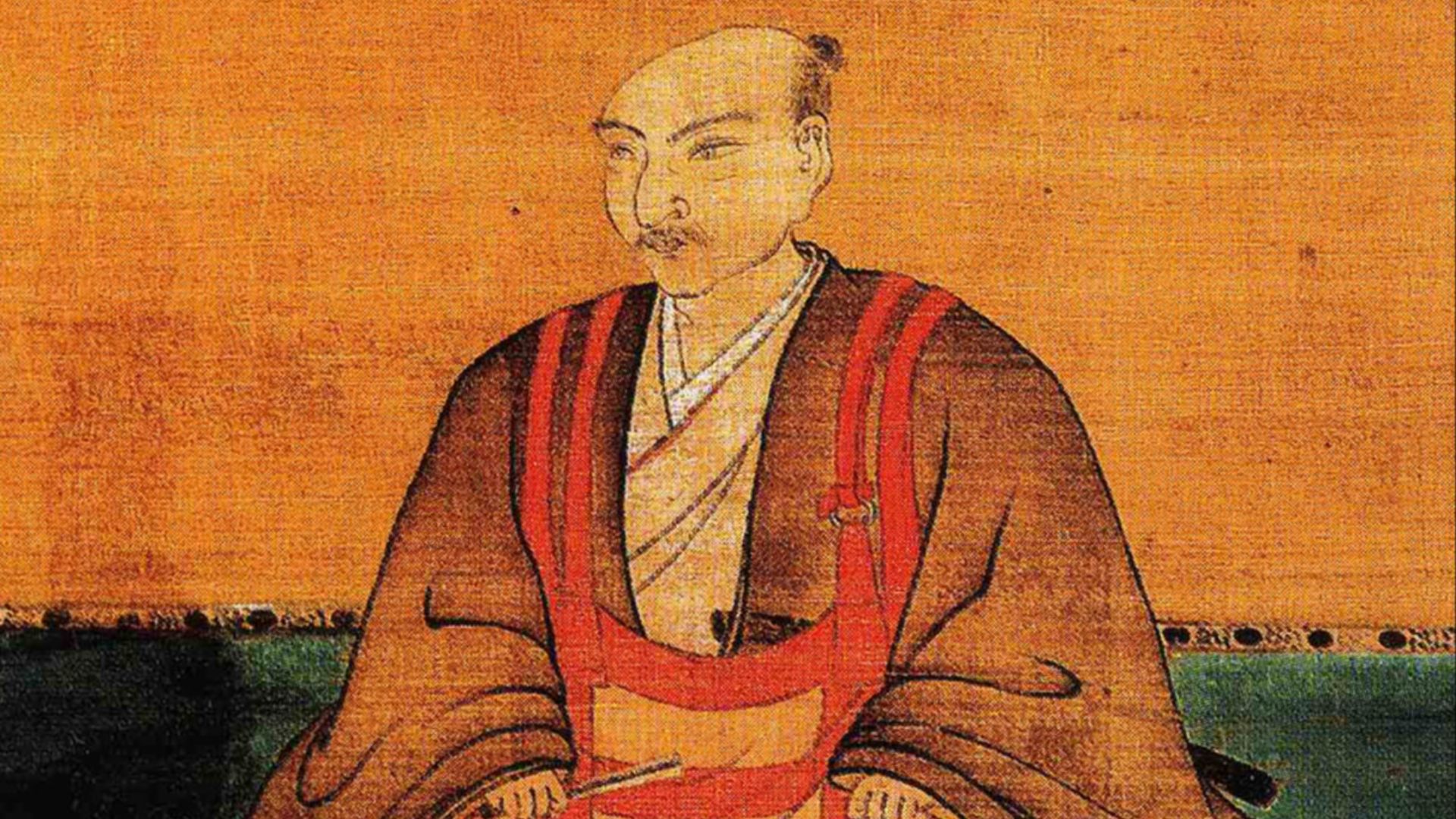
The fight for control of western Honshu produced one of the Sengoku period's longest-running regional rivalries. The Amago had built considerable power around Izumo, while Mōri Motonari steadily expanded outward from neighboring Aki Province. After years of warfare and political maneuvering, the balance tipped toward the Mōri, who captured the Amago stronghold of Gassantoda Castle in 1566.
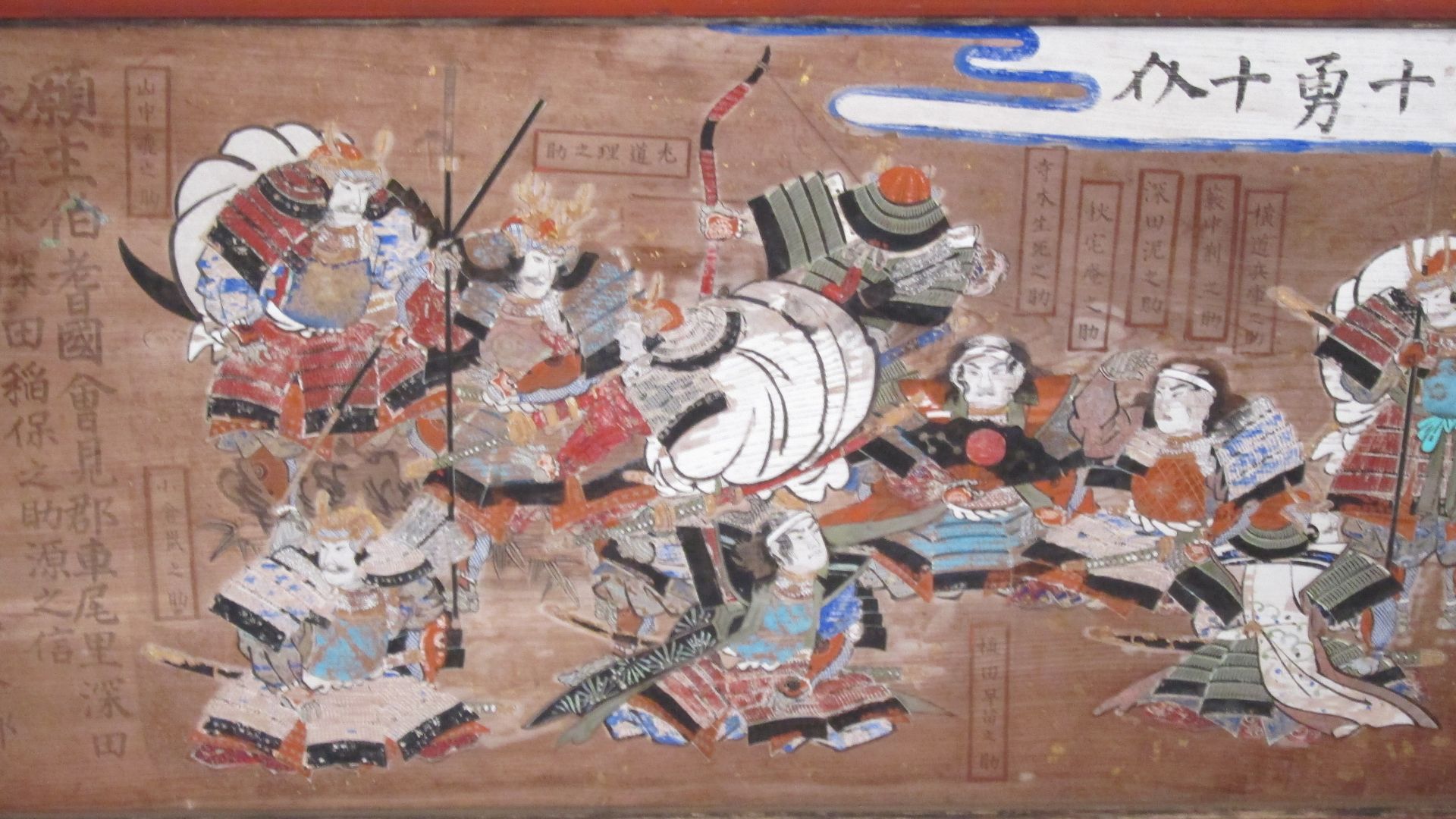
12. Mōri vs. Ōuchi
Before becoming one of western Japan's strongest clans, the Mōri spent years squeezed between much larger neighbors, including the powerful Ōuchi. Mōri Motonari initially operated within the Ōuchi political sphere, but everything changed after Sue Harukata overthrew Ōuchi Yoshitaka. Motonari defeated Sue at Miyajima in 1555 and then absorbed much of the former Ōuchi territory, dramatically increasing Mōri influence.
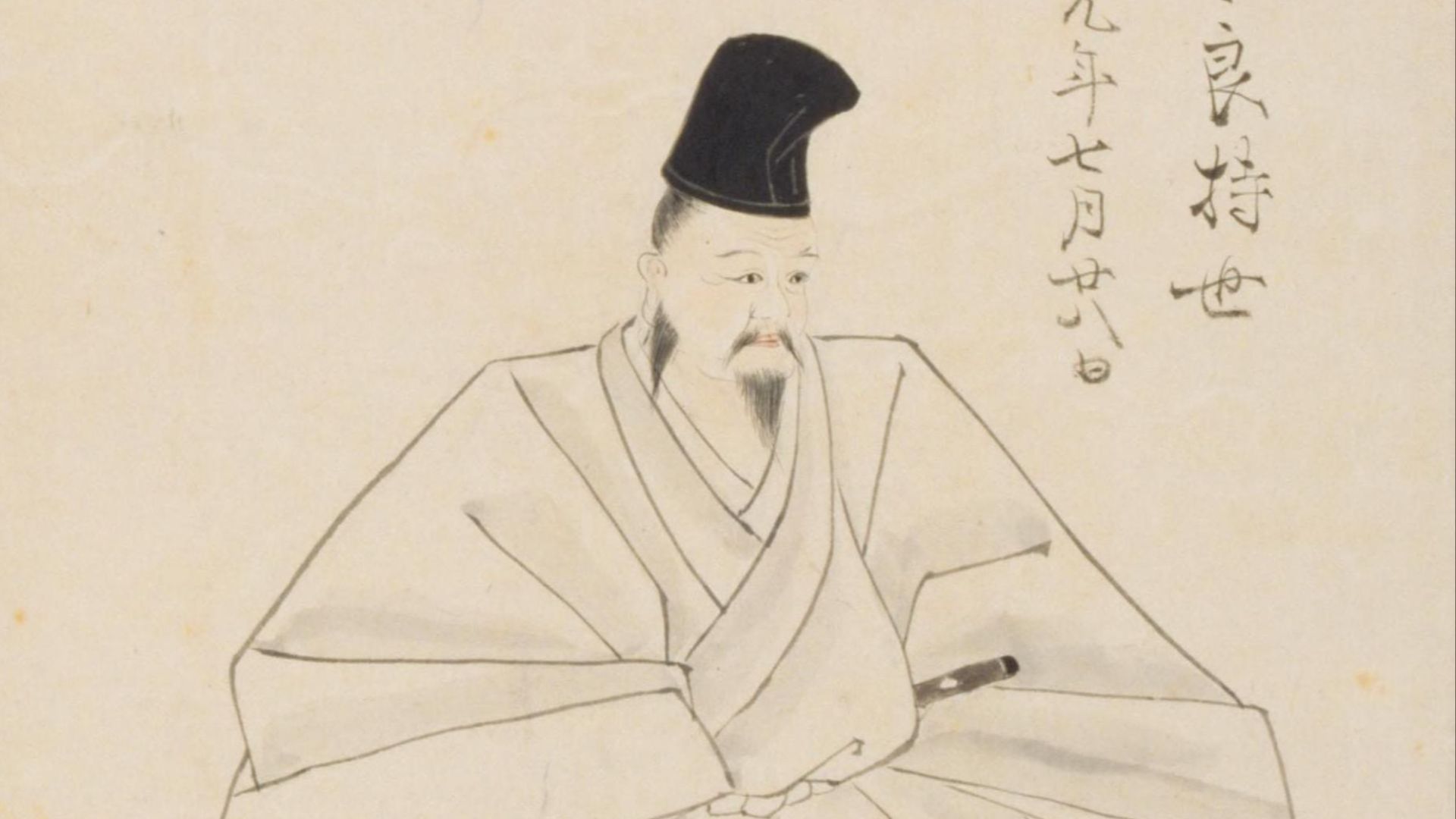
13. Shimazu vs. Ōtomo
Kyushu had plenty of ambitious families fighting for control, and the Shimazu and Ōtomo were among the most powerful. The Ōtomo once dominated a substantial part of the island, but the steadily expanding Shimazu pushed northward during the late 1500s. Their rivalry became one piece of the much larger struggle for Kyushu, which was eventually interrupted when Toyotomi Hideyoshi stepped in.
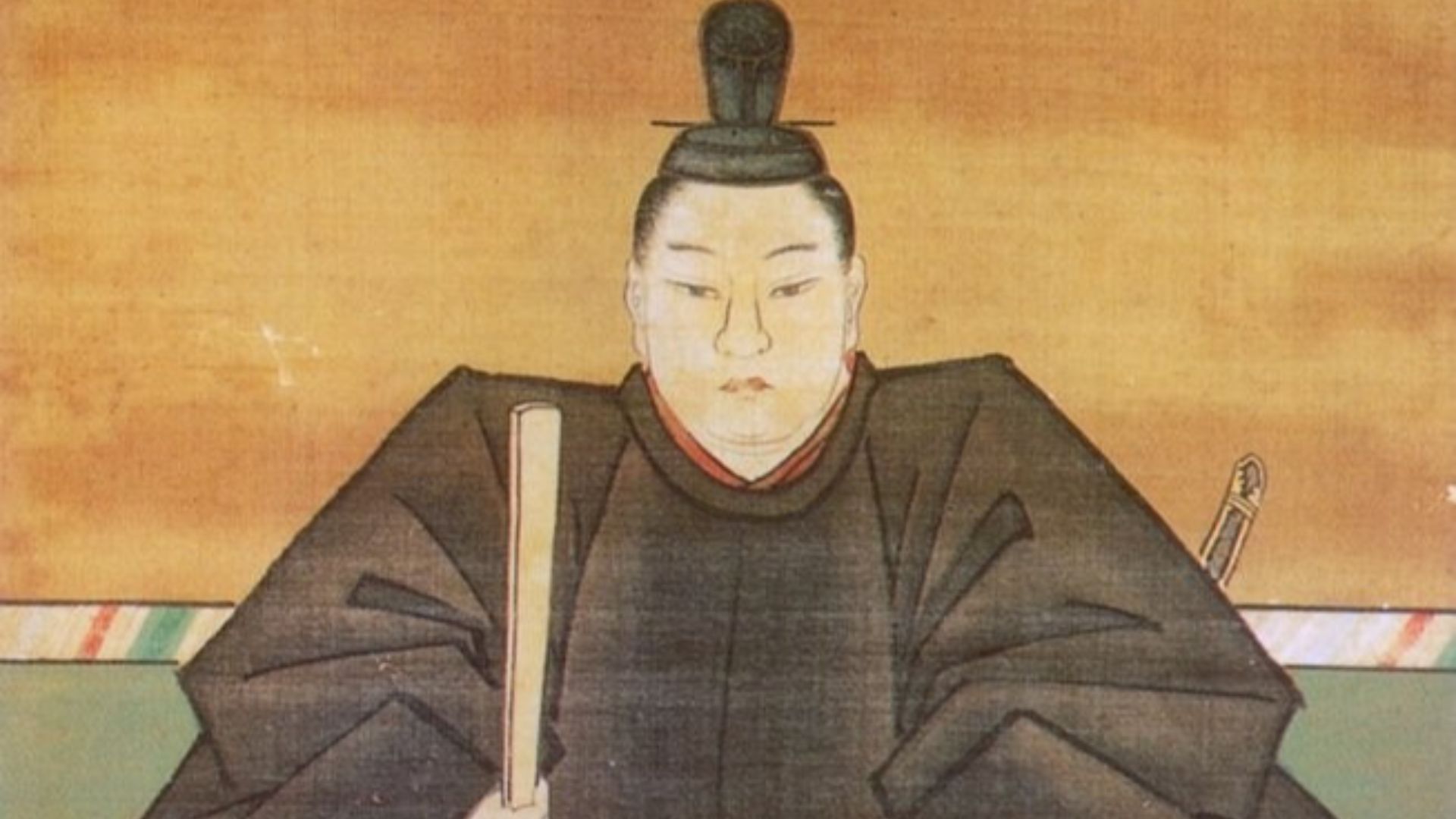
14. Shimazu vs. Ryūzōji
The Ryūzōji clan rose quickly in northern Kyushu under Ryūzōji Takanobu, putting them on a direct collision course with the Shimazu. Their fortunes changed dramatically at the Battle of Okitanawate in 1584, where Takanobu was killed fighting an alliance that included Shimazu forces. His death badly weakened the Ryūzōji and brought the Shimazu another step closer to dominating the island.
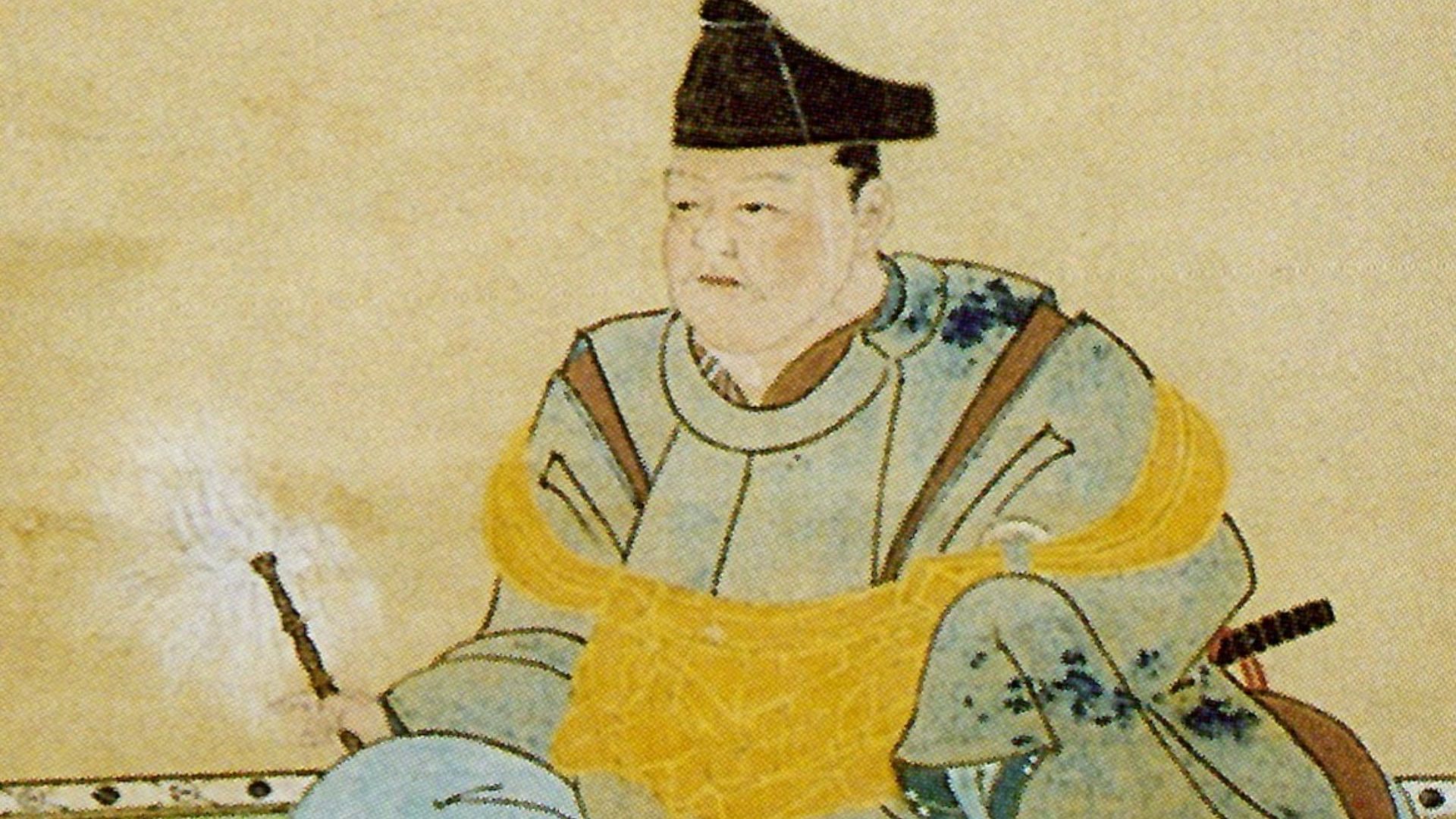
15. Hōjō vs. Uesugi
The later Hōjō clan built a formidable domain around Odawara, but the Uesugi weren't about to let them dominate the Kantō region without resistance. Uesugi Kenshin invaded Hōjō territory and even besieged Odawara Castle in 1561, although he failed to capture the fortress. Their fighting became part of a constantly changing three-way struggle involving the Hōjō, Uesugi, and Takeda clans.
16. Hōjō vs. Takeda
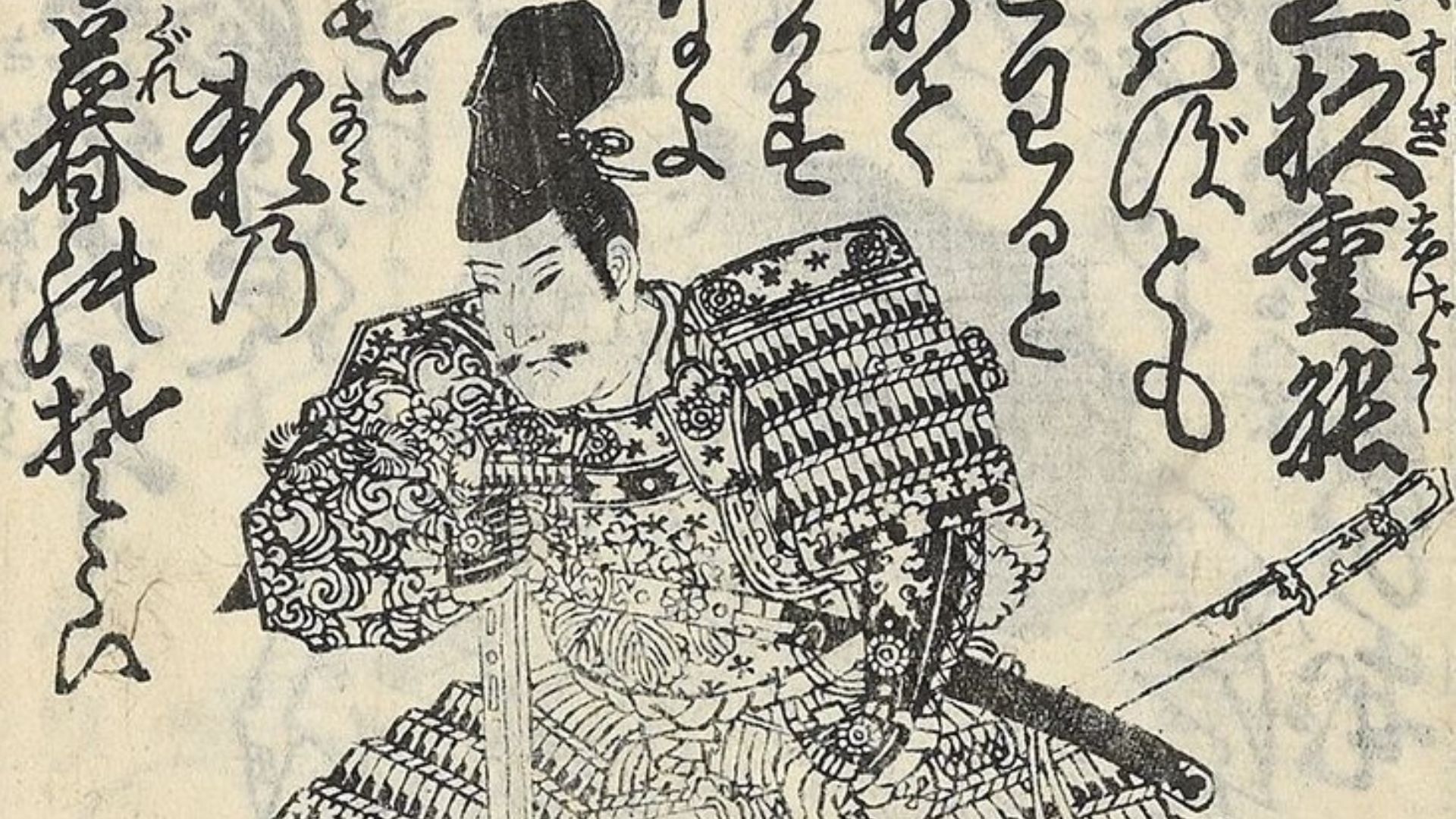
The Takeda and Hōjō weren't always enemies, which somehow made their relationship even more complicated. At different points, they cooperated, negotiated, competed, and fought as alliances across central Japan kept shifting. In 1569, Takeda Shingen invaded Hōjō territory and attacked Odawara before withdrawing, then defeated pursuing Hōjō forces at Mimasetoge.
 Utagawa Kuniyoshi on Wikimedia
17. Tokugawa vs. Takeda
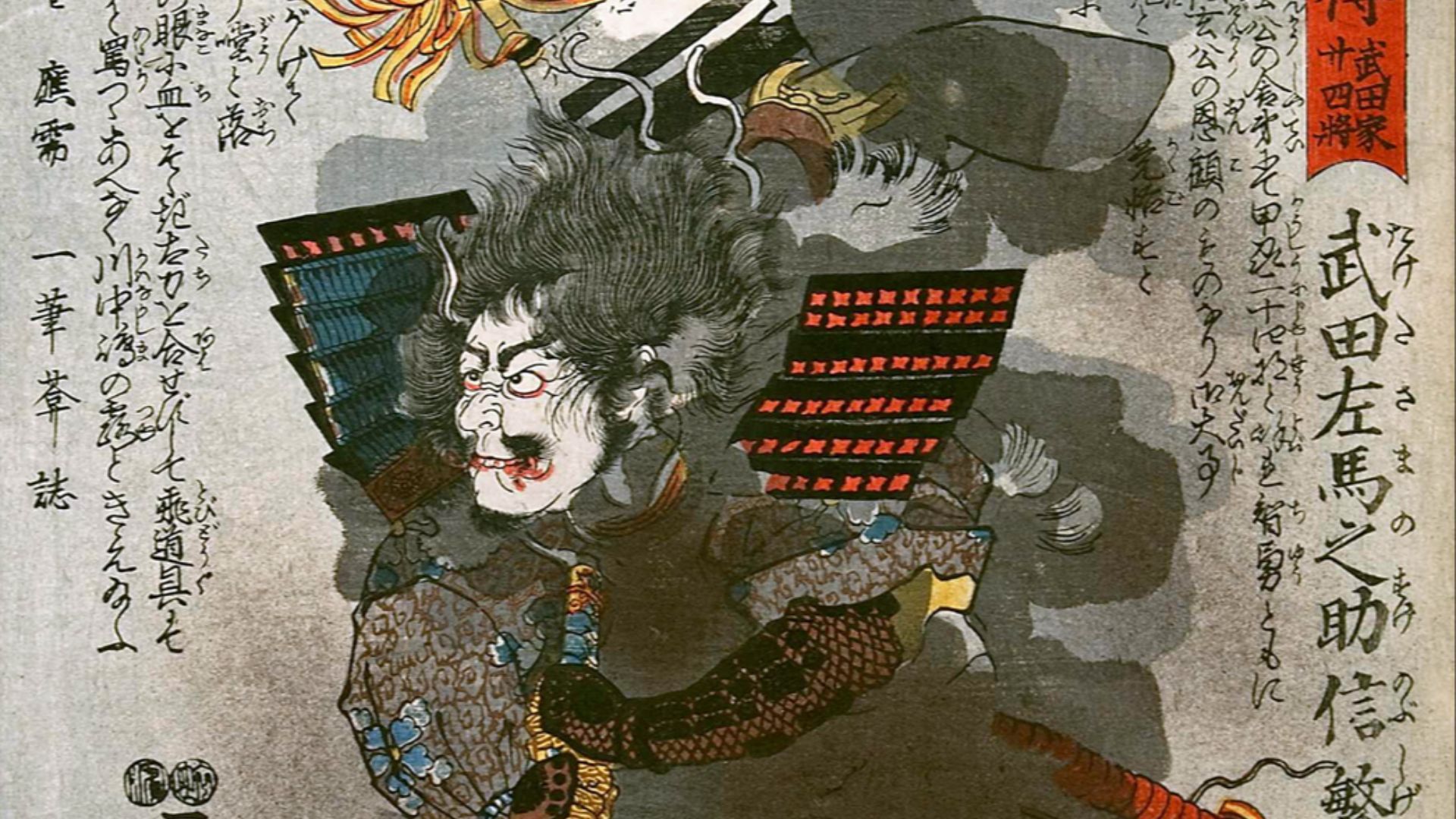
Tokugawa Ieyasu had very good reason to take the Takeda clan seriously. Takeda Shingen defeated him at the Battle of Mikatagahara in 1573, giving the future shogun one of the most memorable defeats of his career. The balance changed after Shingen's death, and Tokugawa and Oda forces crushed Takeda Katsuyori at Nagashino in 1575 before the clan finally collapsed several years later.
 Kobayashi Toshimitsu on Wikimedia
18. Date vs. Ashina
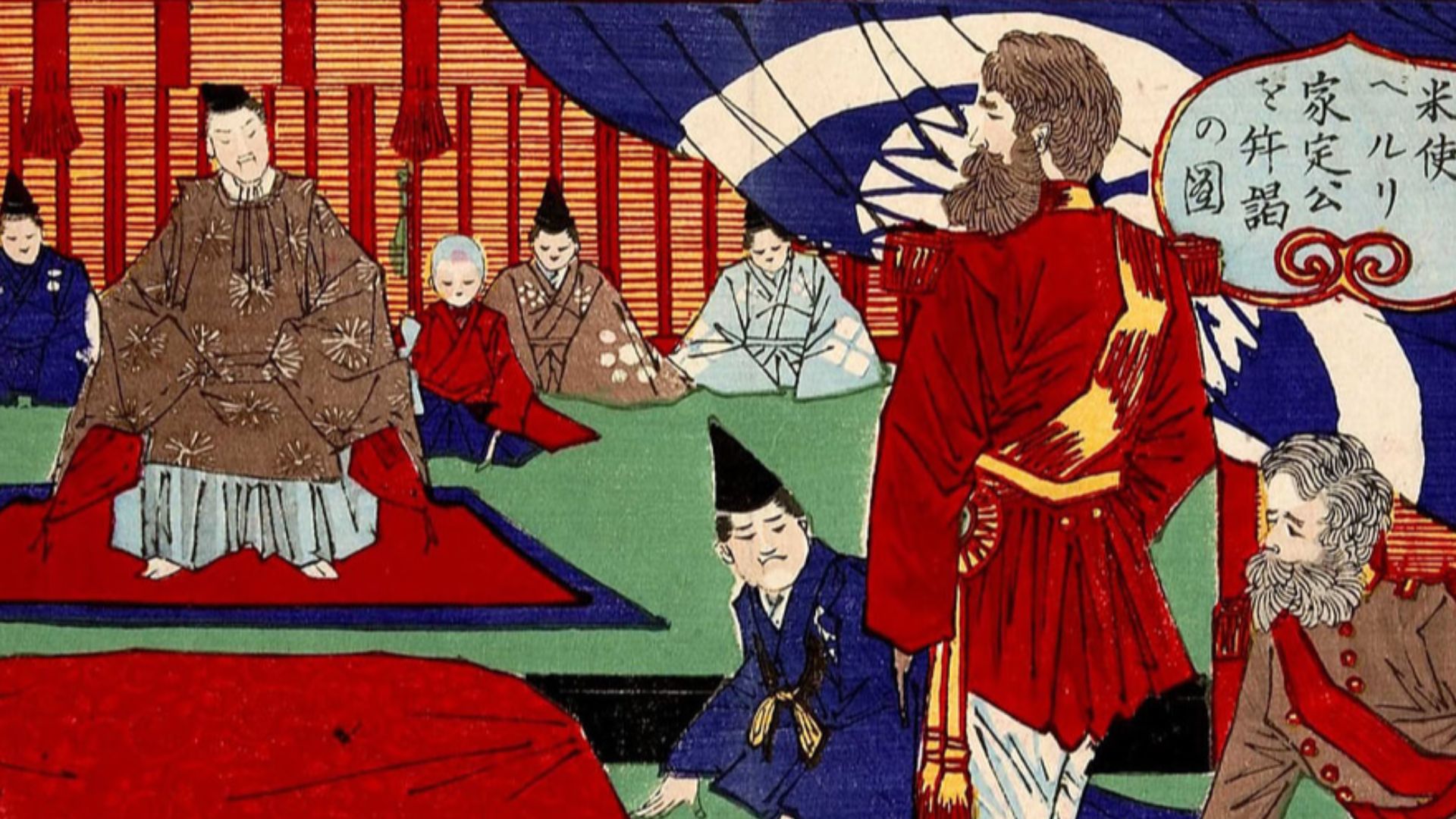
Date Masamune had little interest in remaining just one regional lord among many in northern Japan. The Ashina controlled territory that stood directly in the way of his expansion, leading to a fierce struggle for control of southern Tōhoku. Masamune decisively defeated them at Suriagehara in 1589, allowing the Date clan to seize the valuable Aizu region.
 6th century Chinese painter on Wikimedia
19. Nanbu vs. Tsugaru
This rivalry began with what the Nanbu viewed as a serious act of betrayal. Ōura Tamenobu, later known as Tsugaru Tamenobu, broke away from Nanbu authority during the late 1500s and seized territory in the Tsugaru region of northern Honshu. His descendants held onto their independence despite continuing hostility from the Nanbu, leaving the neighboring domains with little reason to trust one another.
20. Tokugawa vs. Toyotomi
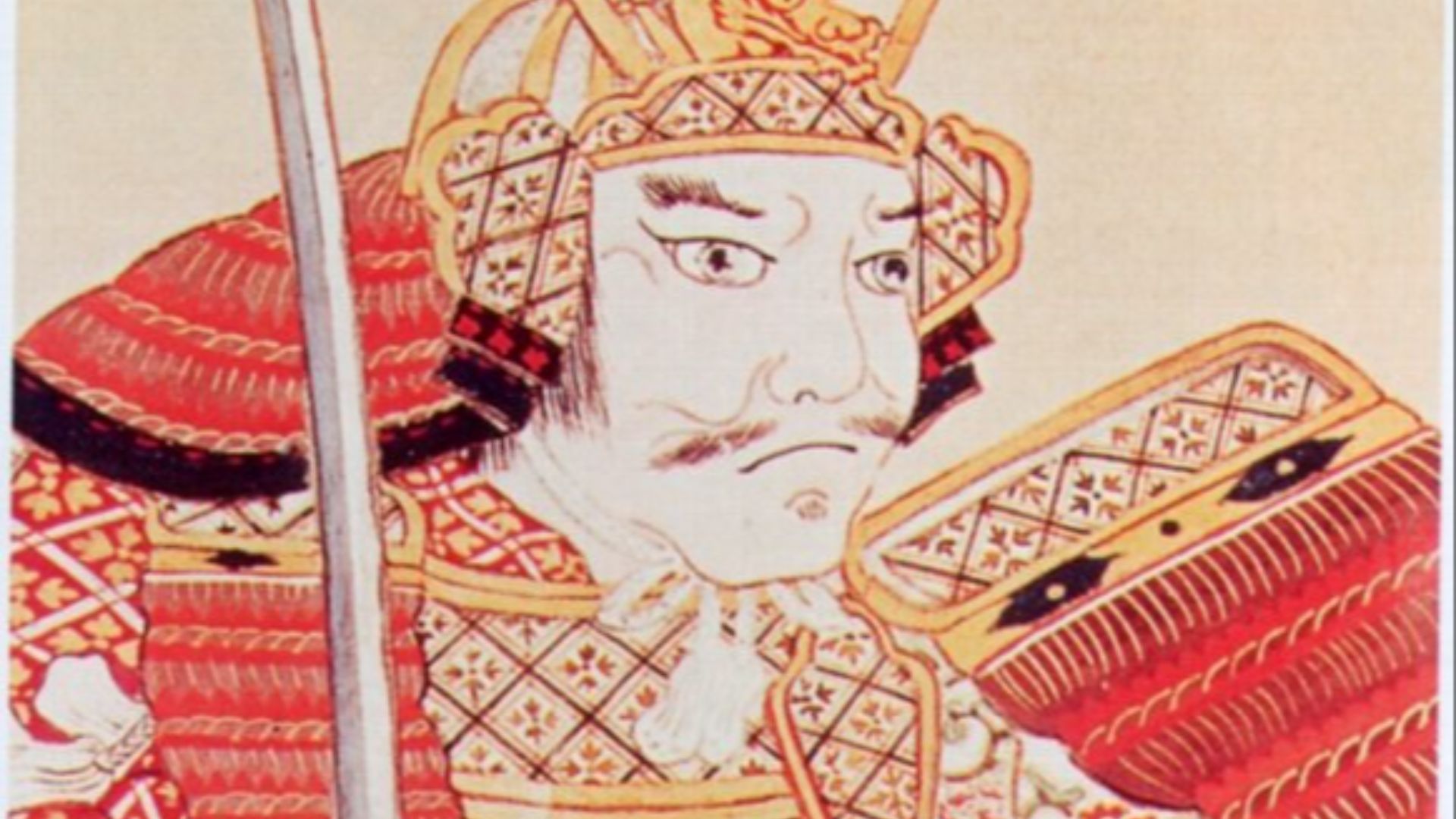
The struggle between the Tokugawa and Toyotomi clans was essentially the final major showdown of Japan's long era of warring families. After Toyotomi Hideyoshi died, Tokugawa Ieyasu became the country's dominant military leader following Sekigahara in 1600, but Hideyoshi's heir, Hideyori, remained a potential rival at Osaka. Ieyasu finally destroyed the Toyotomi clan during the Osaka campaigns of 1614 and 1615, securing Tokugawa rule for generations and bringing the great clan wars to a dramatic end.
KEEP ON READING