Hollywood Has Its Own Dress Code
Do you know what’s funny about a historical movie? Even the best ones can recreate a palace down to the wallpaper…only to put its characters in some of the most inaccurate costumes you’ve ever seen. For modern audiences, costume designers usually change fabrics, silhouettes, or even underwear to make actors more appealing, but some productions couldn’t care less about that. Come with us as we dive into which movies did it right, and which ones really didn’t.
 Trailer screenshot on Wikimedia
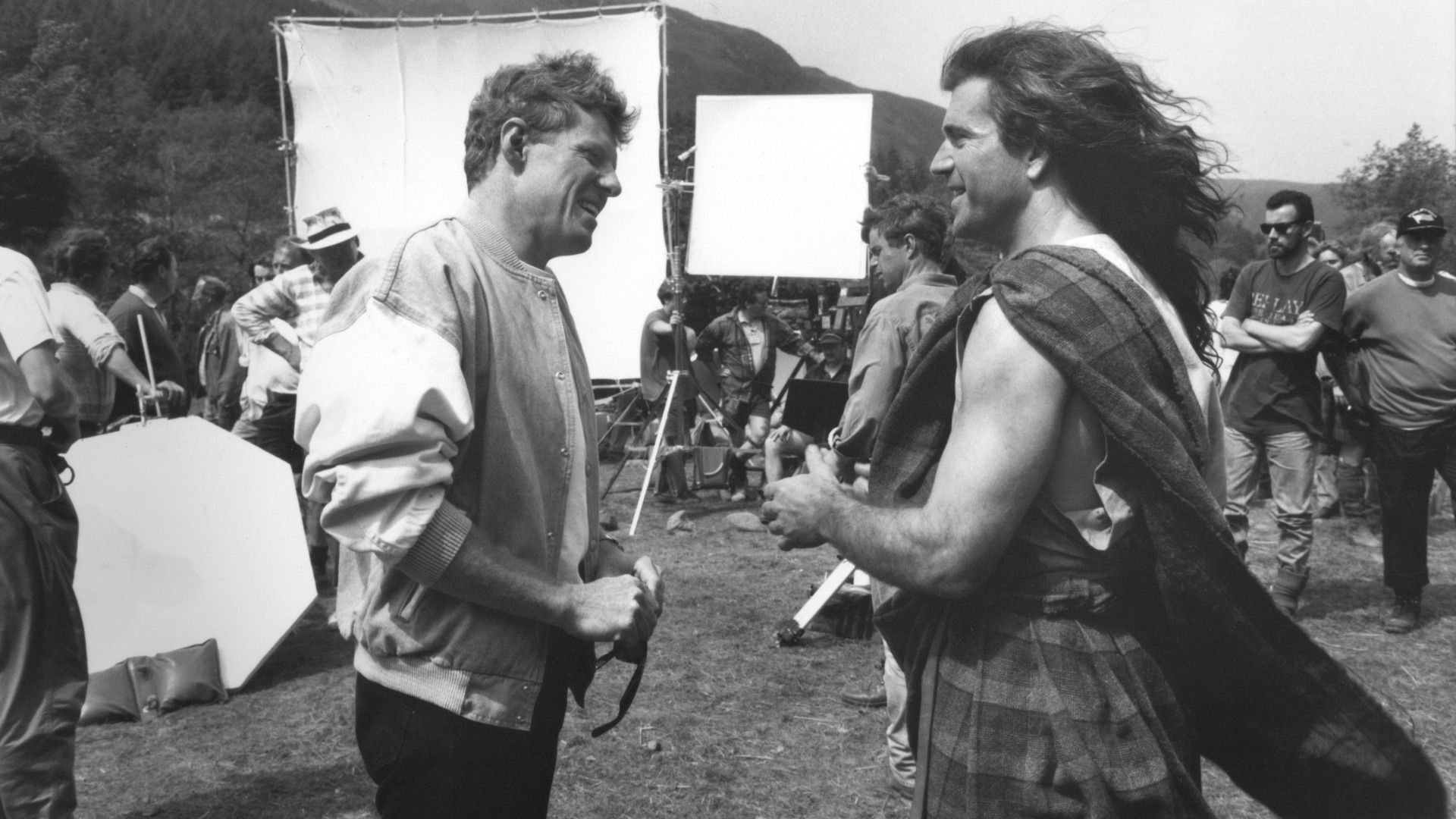
1. Braveheart
William Wallace died in 1305, but that didn’t stop Braveheart from dressing its Scottish fighters in tartan kilts. Don’t just assume that makes sense, either! Kilts were associated with much later centuries. The blue woad face paint is even further removed, recalling ancient Picts roughly a millennium before Wallace's rebellion.
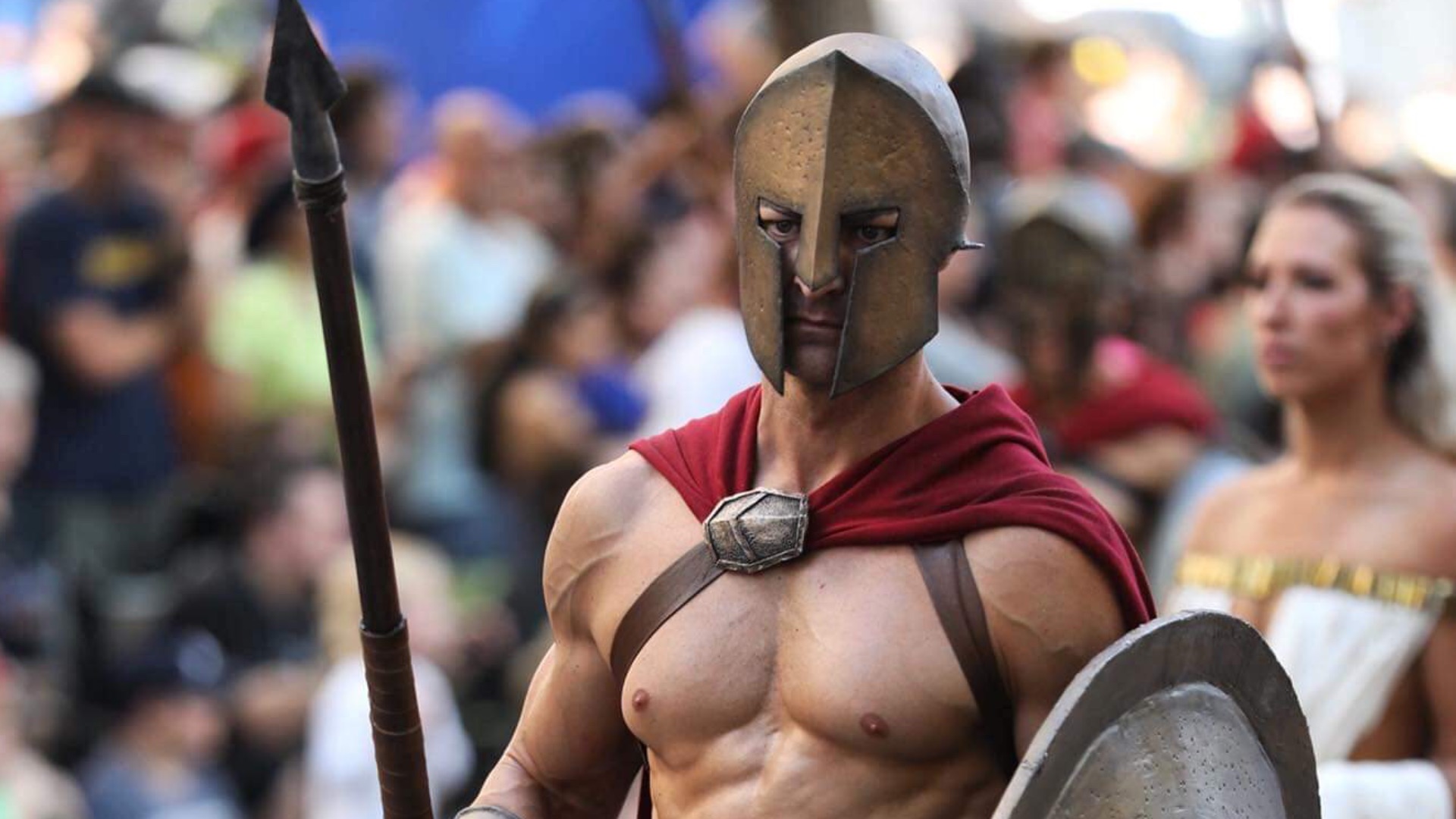
2. 300
At what point are we allowed to admit that 300 was just eye candy? The scantily-clad Spartans certainly make Leonidas's army easy to recognize, but they aren't ready for an actual battlefield. Spartan hoplites at Thermopylae in 480 BC would normally have carried heavy shields and worn helmets, tunics, greaves, and defensive body armor rather than charging the field in briefs and capes.
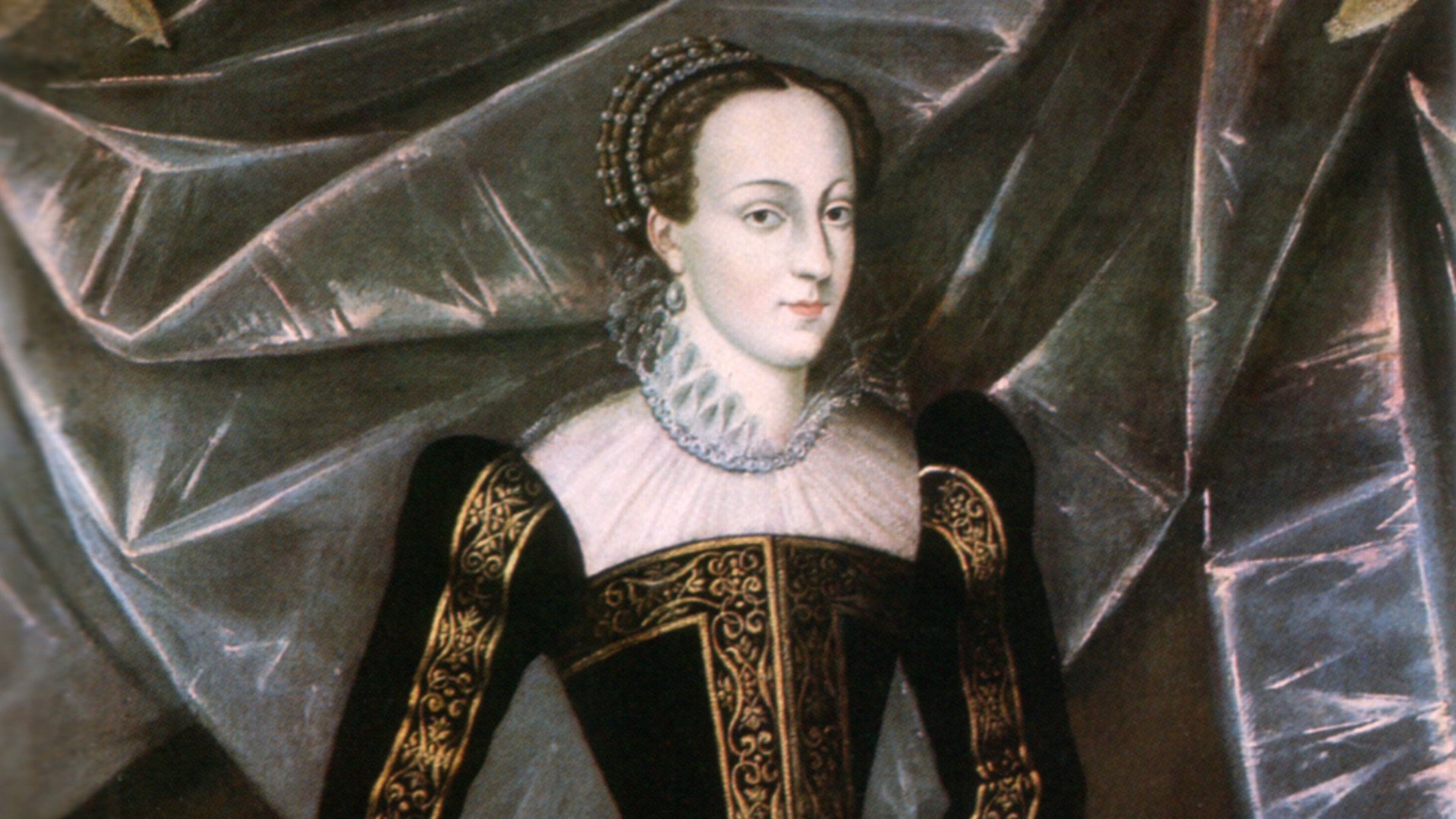
3. Mary Queen of Scots
You’d think that since Alexandra Byrne researched 16th-century portraits, the wardrobe would’ve been accurate. Well, not quite. She deliberately combined Elizabethan shapes with unmistakably modern materials, and Byrne openly described the costumes as a balance between contemporary dress and Elizabethan fashion. That didn’t make denim any less weird, though.
 Unidentified painter on Wikimedia
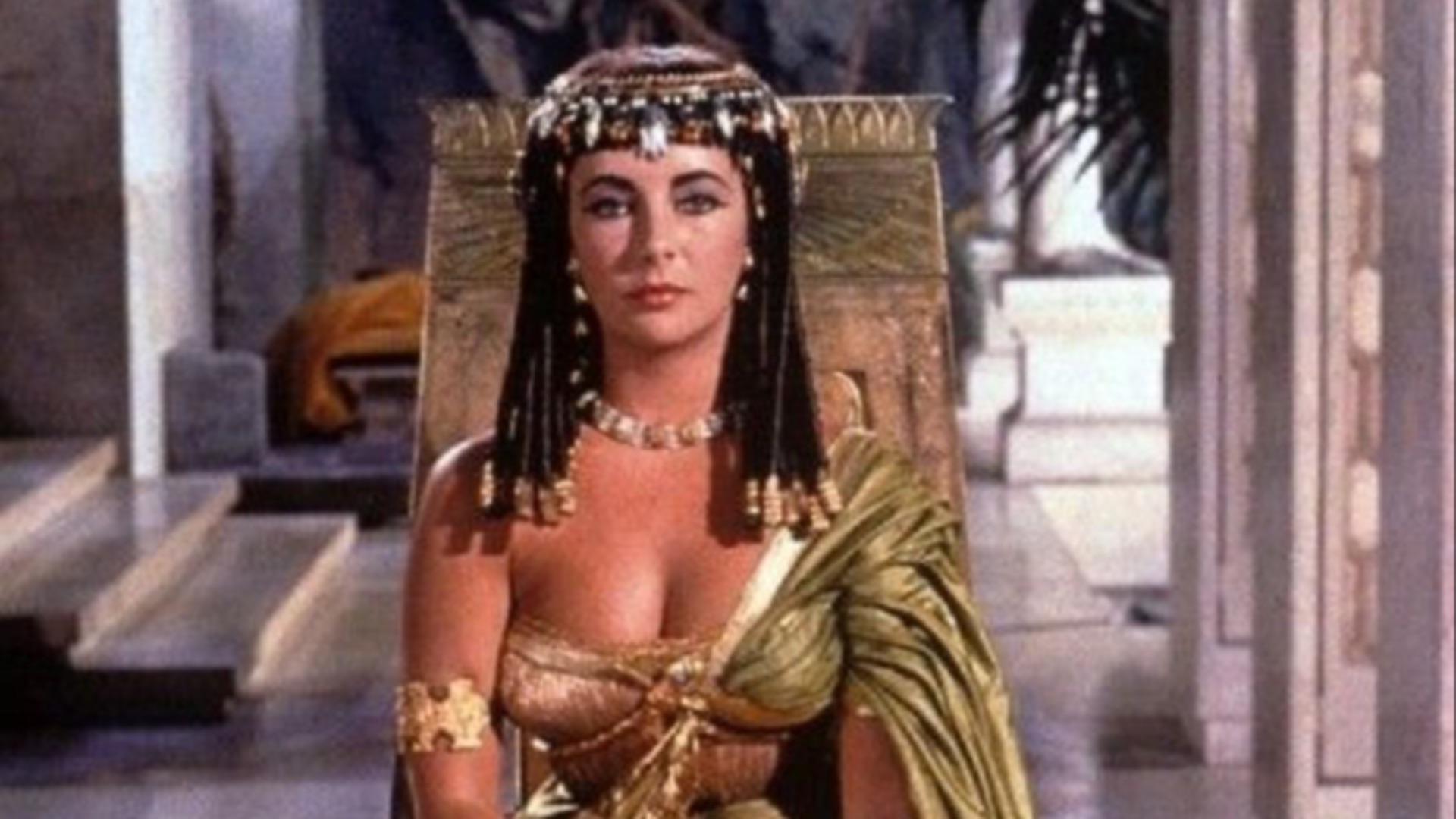
4. Cleopatra
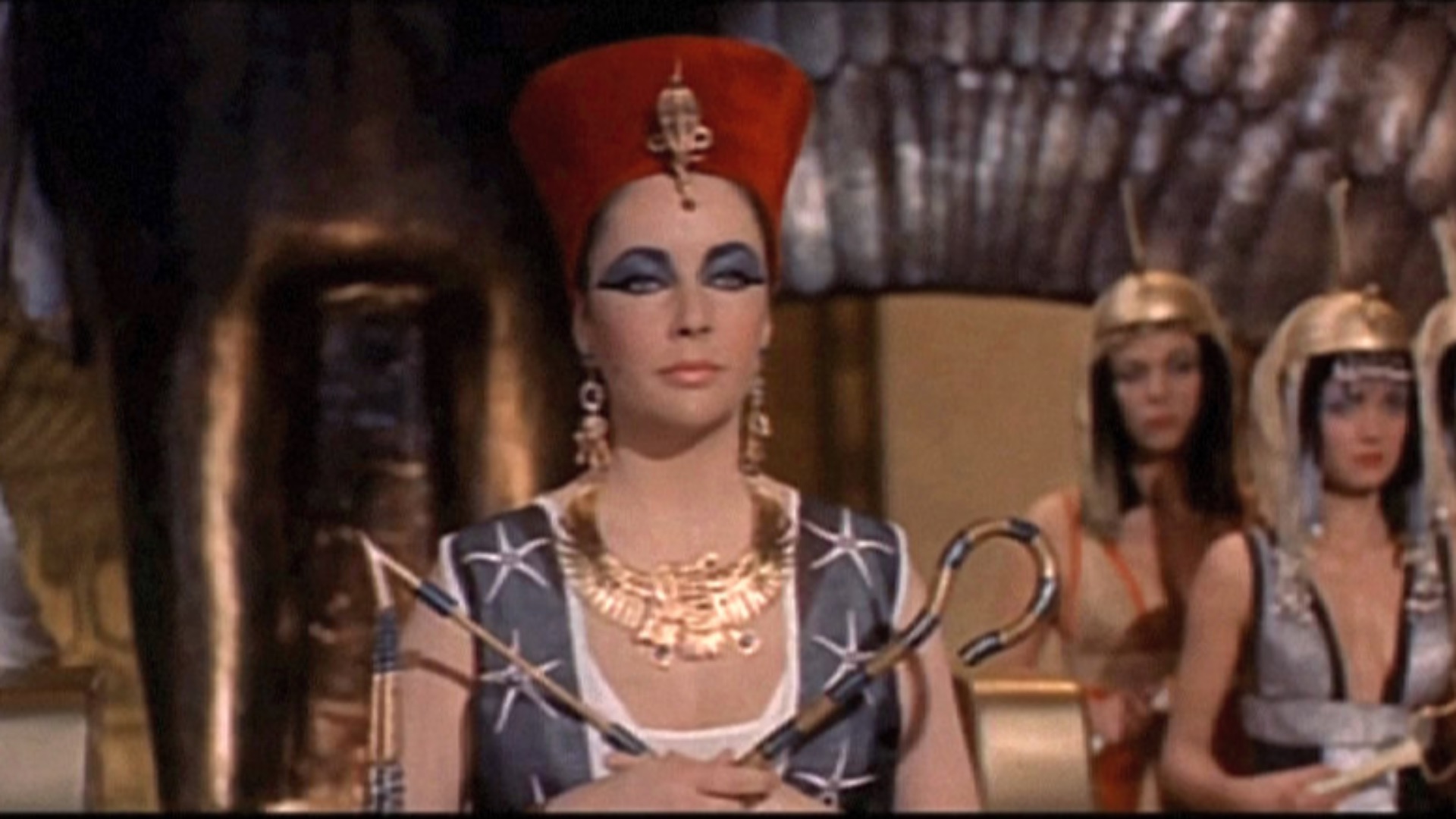
Elizabeth Taylor's wardrobe in Cleopatra borrowed recognizable Egyptian motifs, but many of the gowns look more like 1963 eveningwear than first-century clothing. The historical Cleopatra came from the Greek Ptolemaic dynasty and likely wore Greco-Roman dress regularly, reserving more traditionally Egyptian imagery for ceremonial purposes. Instead, the movie leaned heavily into modern cuts and a glamorous silhouette.
 Unknown photographer on Wikimedia
5. The Favourite
Despite its name, the wardrobe in this flick was far from our favorite! Sandy Powell never intended the fabrics to fool a costume historian. Servants' bodices, breeches, and waistcoats were actually constructed from thrift-store denim. She also said that the shapes were historically grounded while the textiles intentionally weren't.
6. Memoirs of a Geisha
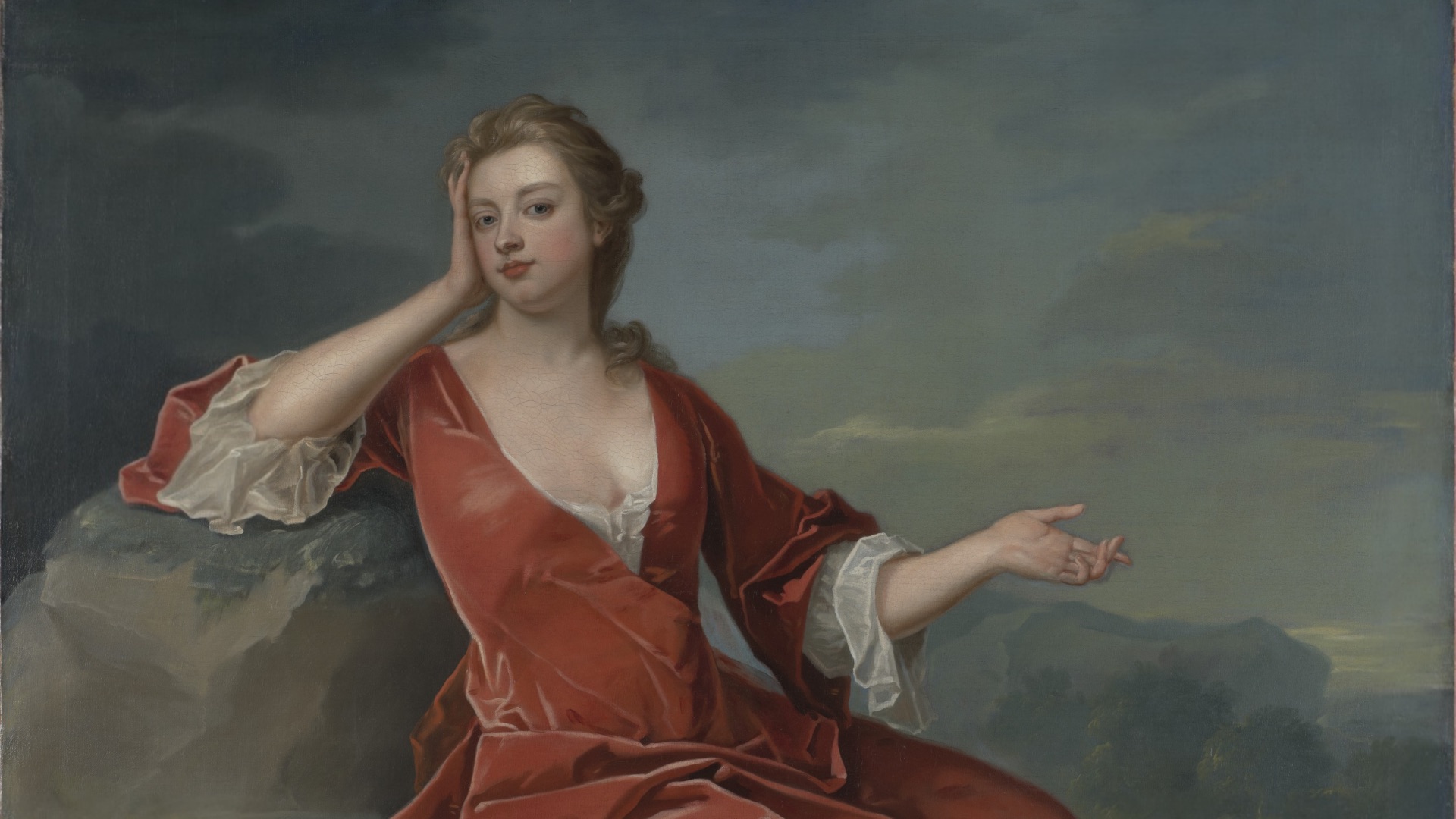
The book caught enough heat for its inaccuracies, and the costumes suffered the same fate. Designer Colleen Atwood researched Japanese textiles from the 1920s to the 1950s, but she also altered traditional kimonos for Hollywood. Her choices really just made the costumes more familiar to Western viewers.
7. Gladiator
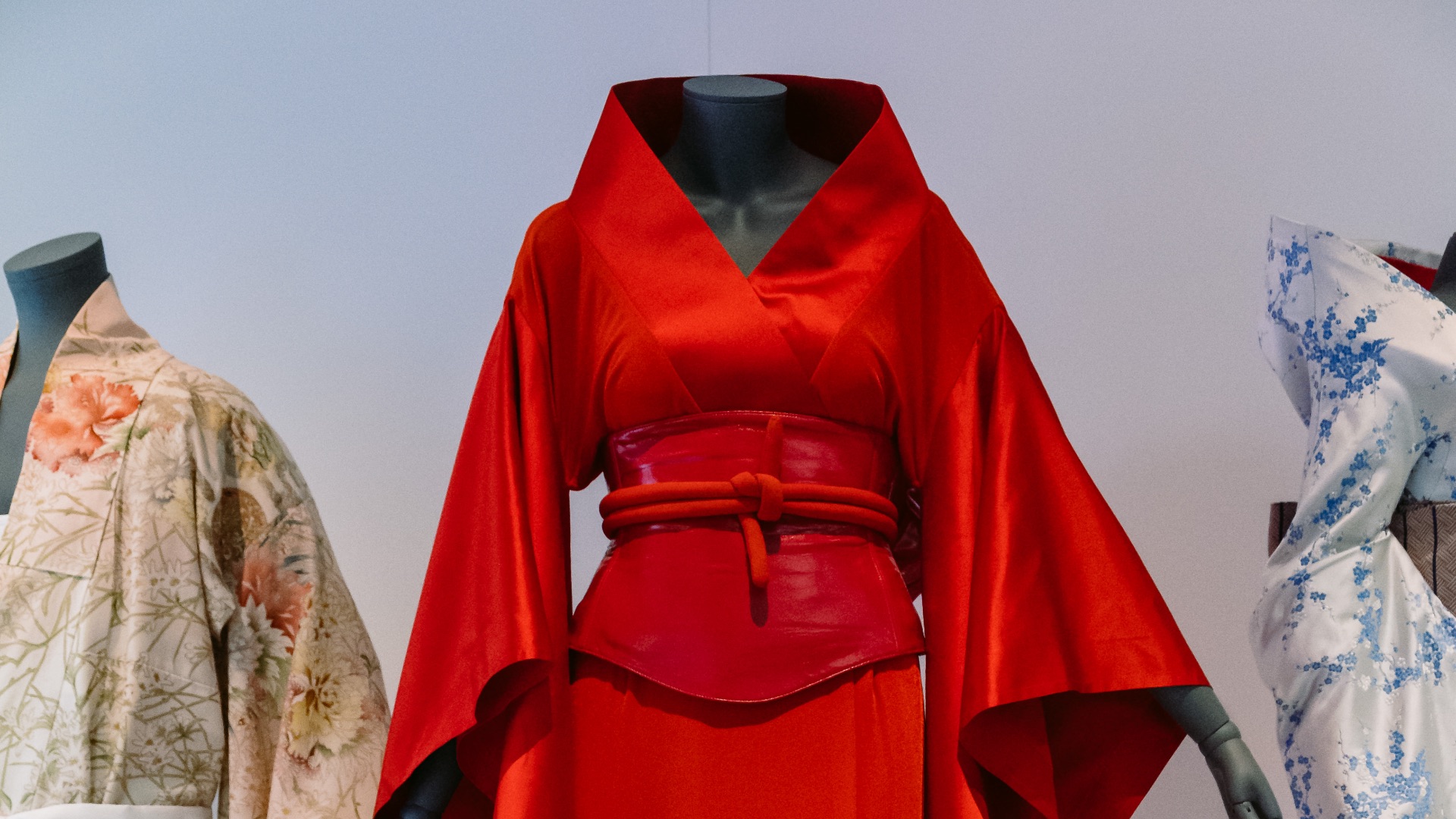
Gladiator may be a great movie, but it’s far from accurate—in any sense of the word. For example, it takes place around AD 180, but several legionaries wear Imperial Gallic helmets and armor associated with a significantly earlier period. Even the Germanic fighters are pushed toward a generic look rather than garb appropriate to second-century northern Europe.
8. King Arthur
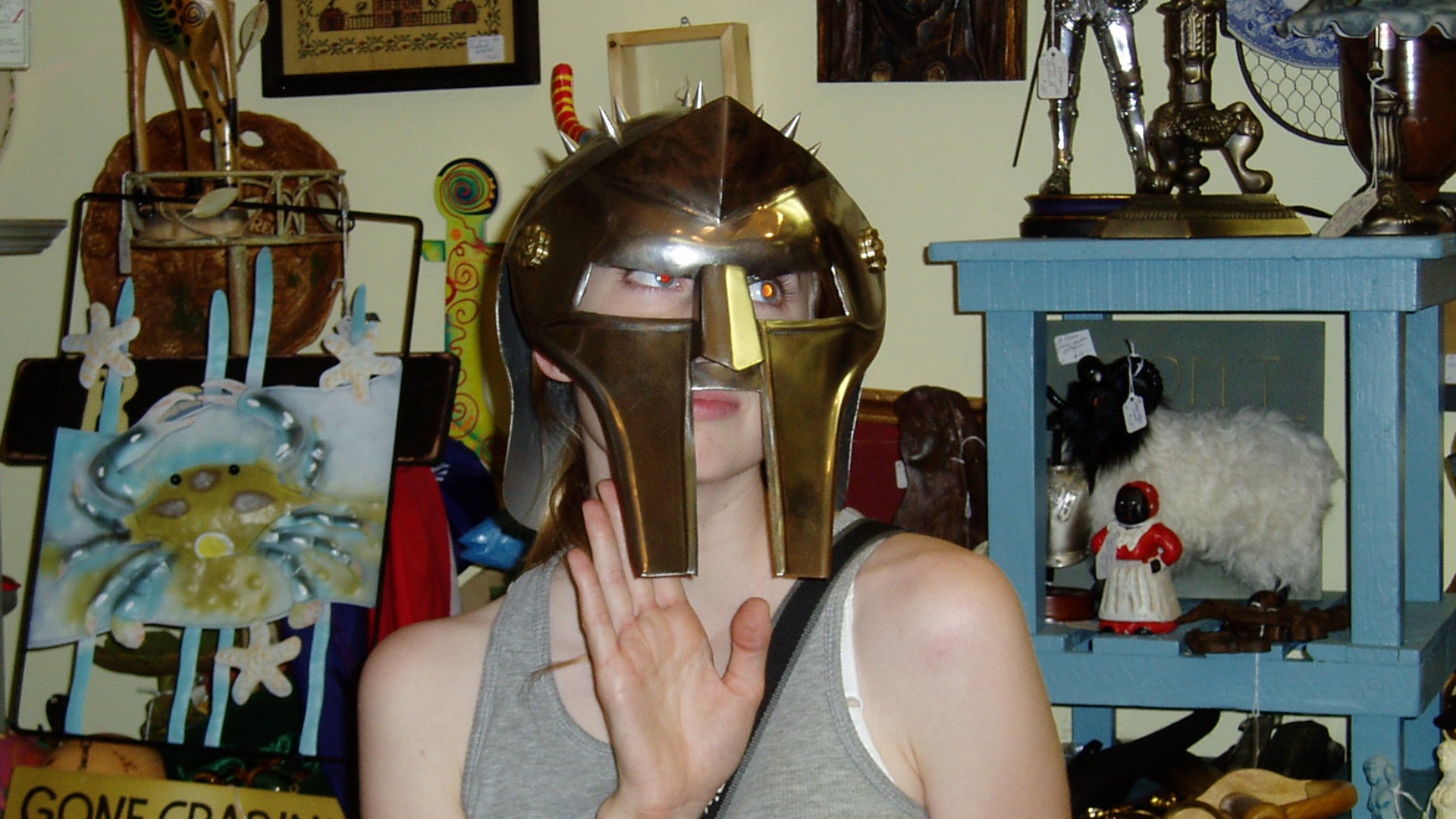
The 2004 King Arthur tried to shift Arthur into post-Roman Britain, but its wardrobe doesn't really follow that setting. Arthur's warriors wear equipment that meshes Roman, Turkish, Mongol, and Hunnic together, even though historical Sarmatian cavalry was actually better known for extensive scale armor. The Roman soldiers aren’t home free, either; they show up in equipment associated with earlier phases of the empire.
9. Troy
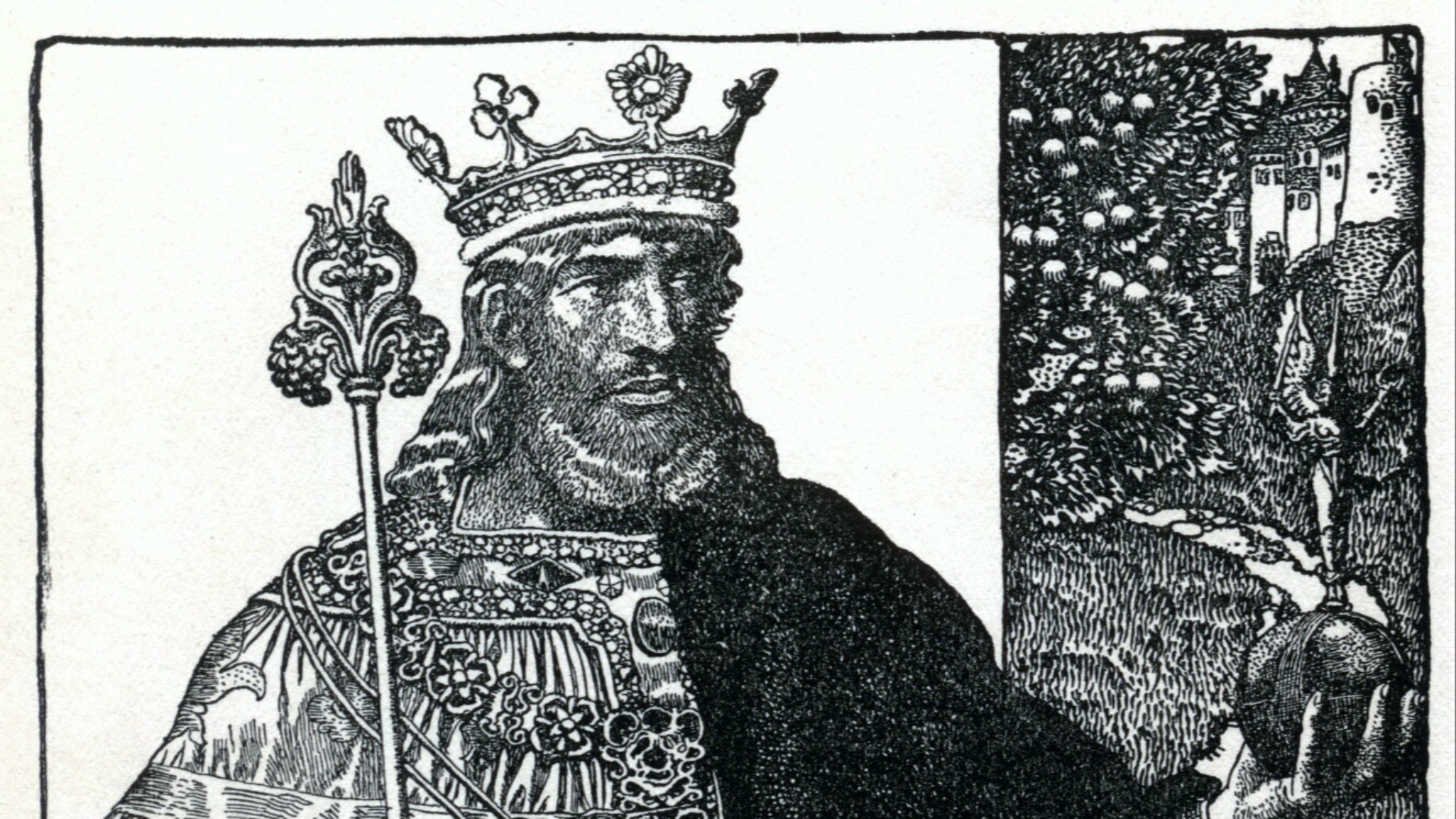
Troy was a mess from top to bottom, and the wardrobe was just the cherry on top. If a Trojan War inspired Homer's stories, it would belong somewhere around the Late Bronze Age—and we have archaeological evidence for Mycenaean helmets, shields, greaves, linen armor, and bronze equipment. And yet this movie substitutes sleek leather-heavy designs.
 Warner Bros. Pictures on Wikimedia
10. The Great Gatsby
Baz Luhrmann's flick takes place in 1922, yet many of its women's costumes resemble the shorter, more stereotypical flapper fashions found in the later 1920s. Costume designer Catherine Martin did, in fact, acknowledge making the clothes more scandalous for today’s viewers, but we wish she didn’t.
Now, with some of the nightmare depictions out of the way, let’s dive into which movies actually got their wardrobes right.
1. The King's Speech
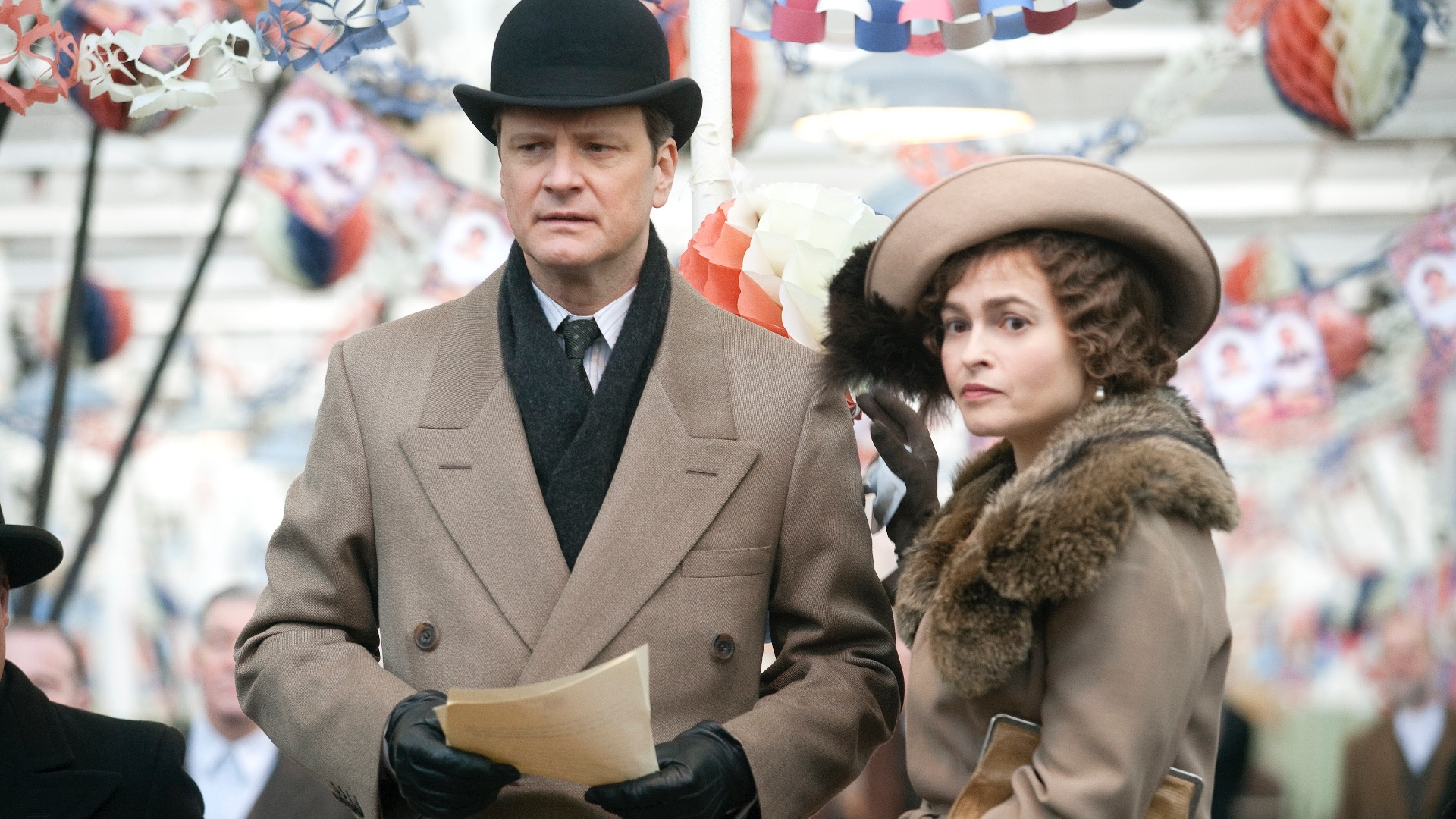
Jenny Beavan put a lot of work into The King's Speech wardrobe, building around photographs and newsreel footage of George VI, Elizabeth, and the people around them during the 1930s. Everything, right down to the gloves, veils, pocket chains, and conservative tailoring, establishes the era. Beavan didn't copy everything stitch for stitch, but it sure looked that way.
 www.lancashire.gov.uk on Wikimedia
2. Sense and Sensibility
The 1995 Sense and Sensibility paid unusual attention to the complete look rather than just sticking actresses in dresses. Its Empire lines, bonnets, trimmings, outerwear, and fuller late-eighteenth-century influences were based on plenty of sources. Production crews took inspiration from portraits and material held by the Victoria and Albert Museum.
 Mike Prosser from Austin, TX, USA on Wikimedia
3. A Room With a View
Jenny Beavan and John Bright approached A Room with a View with extensive research into turn-of-the-century clothing. Even the fabrics and accessories came into play! Their surviving design archive still has fabric samples, reference photographs, and continuity records showing how closely individual pieces were planned.

4. Portrait of a Lady on Fire
Dorothée Guiraud studied eighteenth-century artwork long before creating the clothing for this flick, which is set in France around 1770. Any history buff can get a kick out of the accurate gowns, structured torsos, and fabric volume—even nitty-gritty details like Marianne's dress pockets have historical precedent.
5. Lincoln
Rather than giving every politician a walk-in closet of fresh costumes, designer Joanna Johnston worked from the reality that most men in 1865 weren’t clotheshorses. If anything, they only owned a few formal coats. Lincoln's loose clothing, slippers, frock coats, and slightly worn appearance also reflect contemporary descriptions of the president.
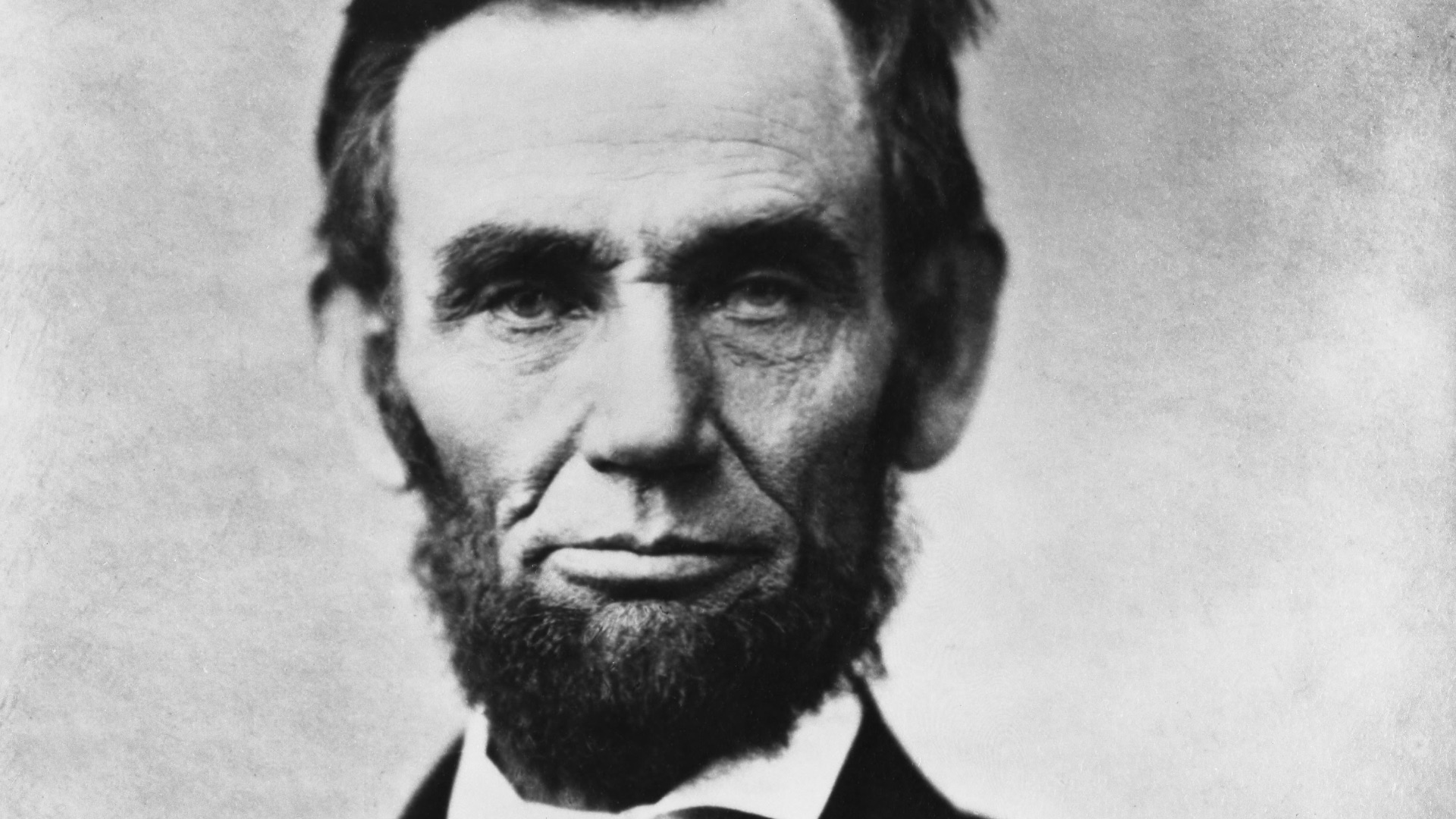 Alexander Gardner on Wikimedia
6. The Patriot
Whatever liberties The Patriot took with its story, its production recruited Smithsonian specialists to advise on material culture. Experts were kind enough to give guidance about British uniforms, Continental equipment, weapons, camp furnishings, and other details surrounding soldiers in the Southern Campaign. You can see all that in the movie, too.
 Eric Broder Van Dyke on Pexels
7. 12 Years a Slave
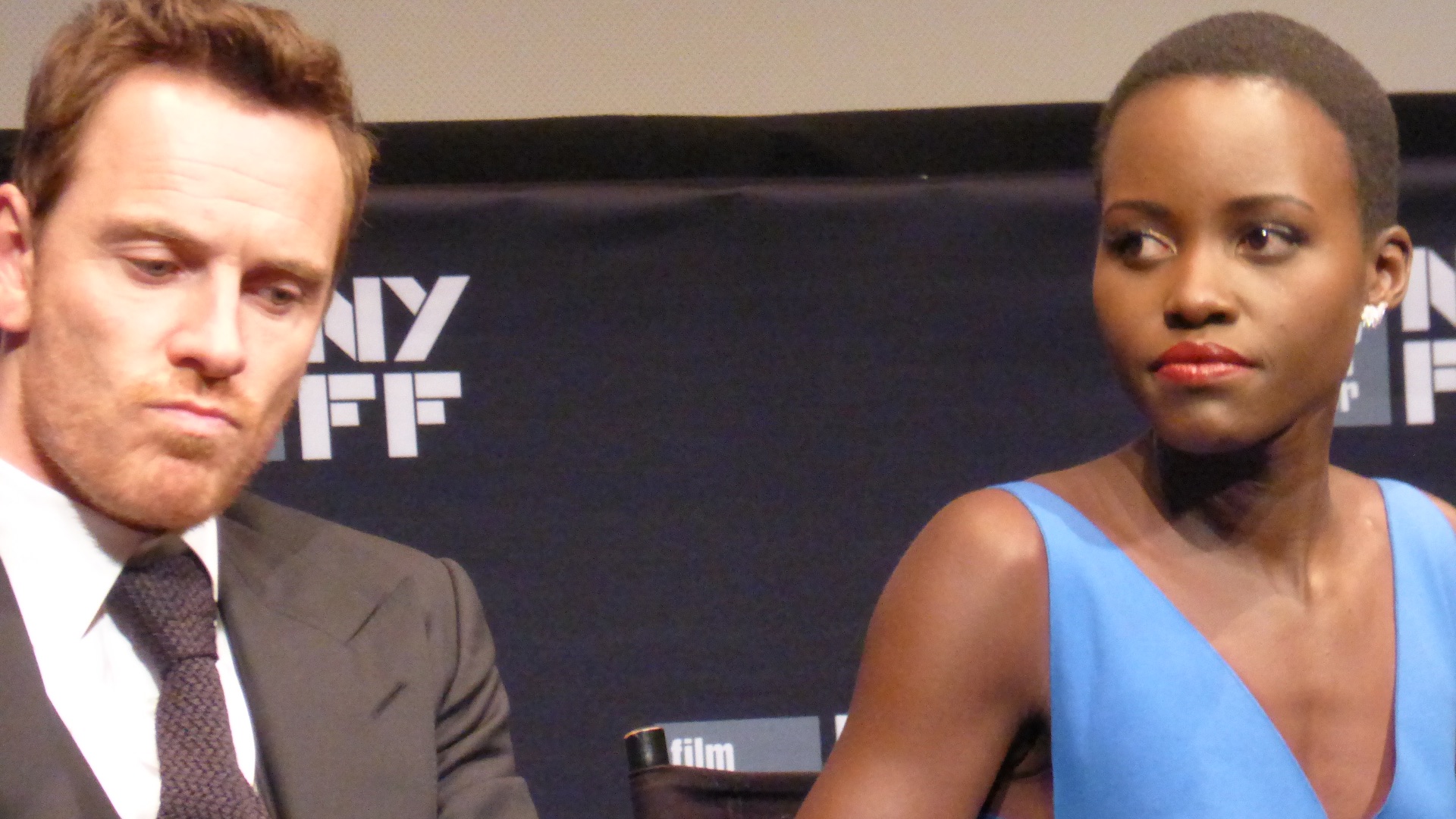
Patricia Norris recognized that enslaved people in the 1840s weren't being given new clothes, and because of that, she dressed many characters in worn garments reflecting styles from years or even decades earlier. Why? Because that clothing would’ve been handed down and mended for years. Patsey's surviving movie costume was deliberately designed as an older dress that had lasted into the 1840s, right down to its frayed hem.
 aphrodite-in-nyc from new york city on Wikimedia
8. Master and Commander
Forget what you think you know about Napoleonic sailors! For Master and Commander, Wendy Stites studied original naval clothing held by Britain's National Maritime Museum, focusing on real-life examples without catering to audiences. Her team also examined genuine captains' garments and recorded measurements, fabric weights, buttons, and gold braid before creating more than 2,000 costumes.
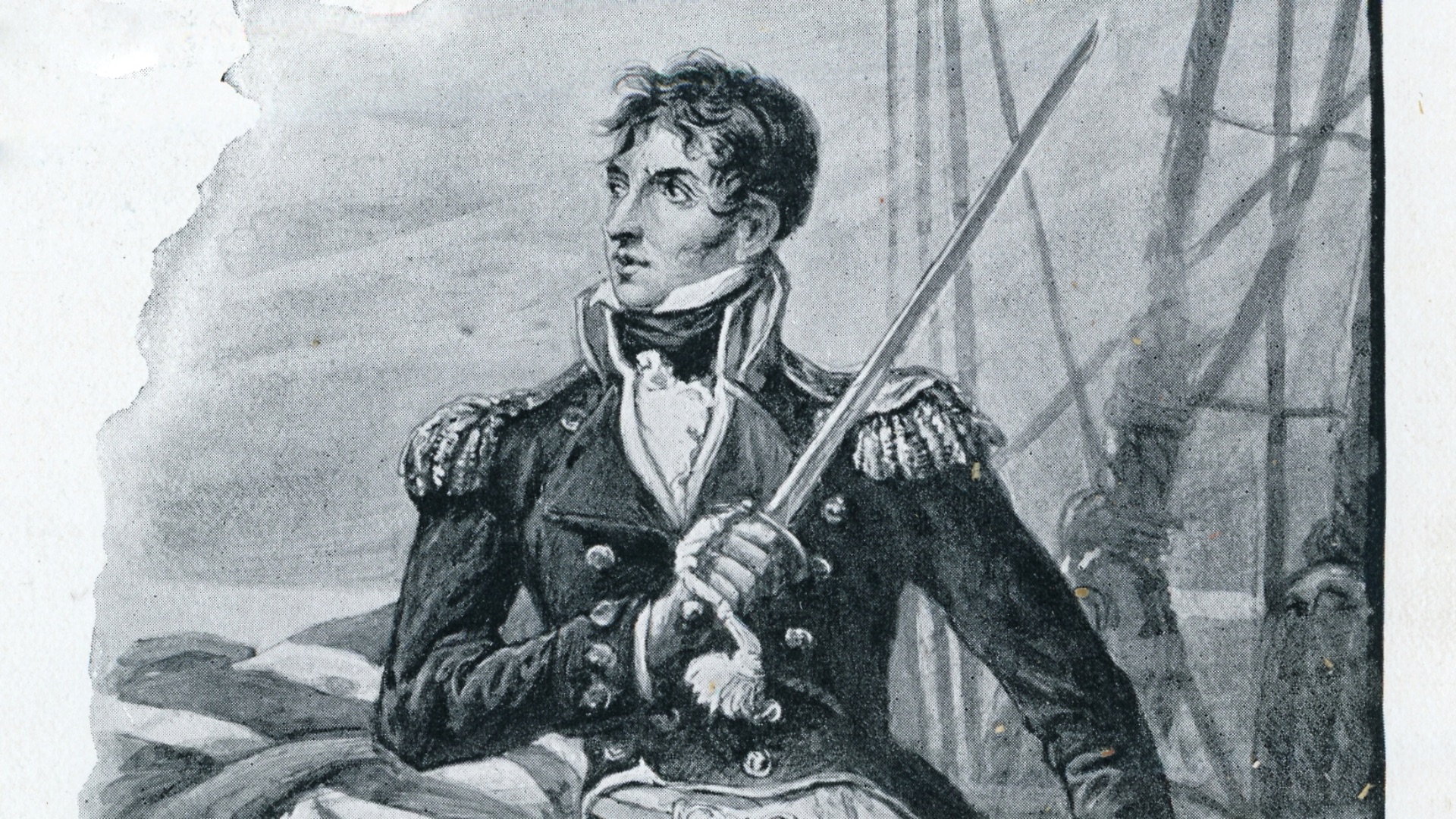 Charles Joseph Staniland on Wikimedia
9. Gosford Park
Jenny Beavan went beyond reproducing 1932 fashion for Gosford Park—some clothes were genuinely vintage. She studied original pieces and written accounts of domestic servants, while upstairs characters wore period gowns appropriate to their rank. One real dress was so old that its deteriorating neckline had to be disguised with added trim.
10. The Last Samurai
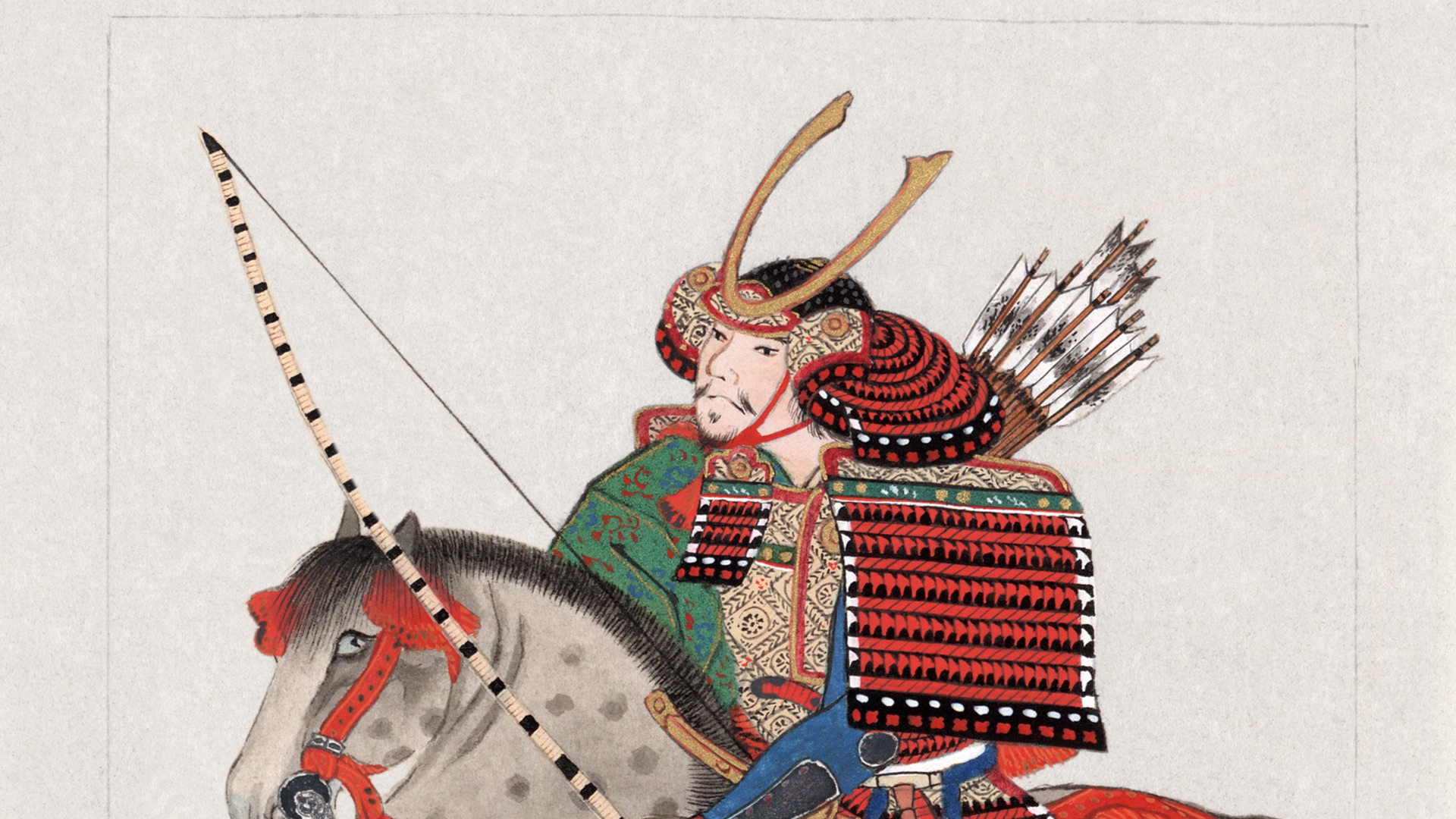
Before designing The Last Samurai, Ngila Dickson spent six weeks in Japan studying museums, libraries, and historical material. It didn’t even stop there. The production paid attention not only to samurai armor but also to everyday kimono, Western-influenced military uniforms, and tiny construction details. Okay, yes, the movie took a lot of liberties with the events of the 1877 Satsuma Rebellion, but its clothing paid off.
KEEP ON READING