Real Oaths, Real Consequences
Most of what circulates about secret societies is invention, which tends to be duller than the record. The real ones left behind arrest warrants and seized papers. Some were reading groups with dramatic handshakes and a good wine budget. Others ran banking networks across Europe or handed out the pistols that started a world war. Here's 20 secret societies that existed, with the paperwork to prove it.
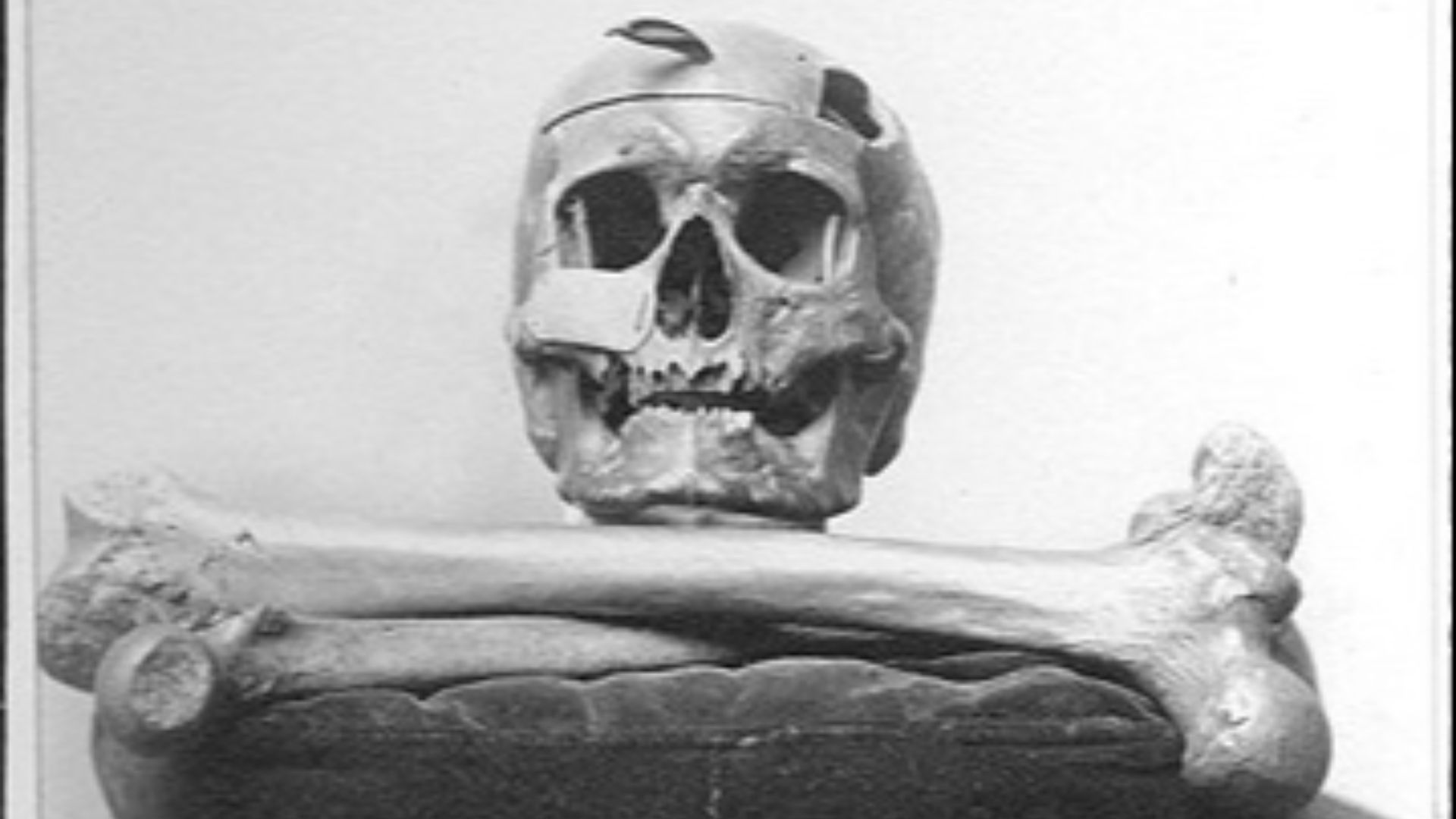
1. The Pythagoreans
Pythagoras ran a community at Croton in the sixth century BC that split members into those permitted to hear the doctrines and those permitted to question them. New arrivals kept silence for years on end and handed their property into a common fund. Tradition holds that one of them, Hippasus, drowned for revealing that the square root of two cannot be written as a fraction.
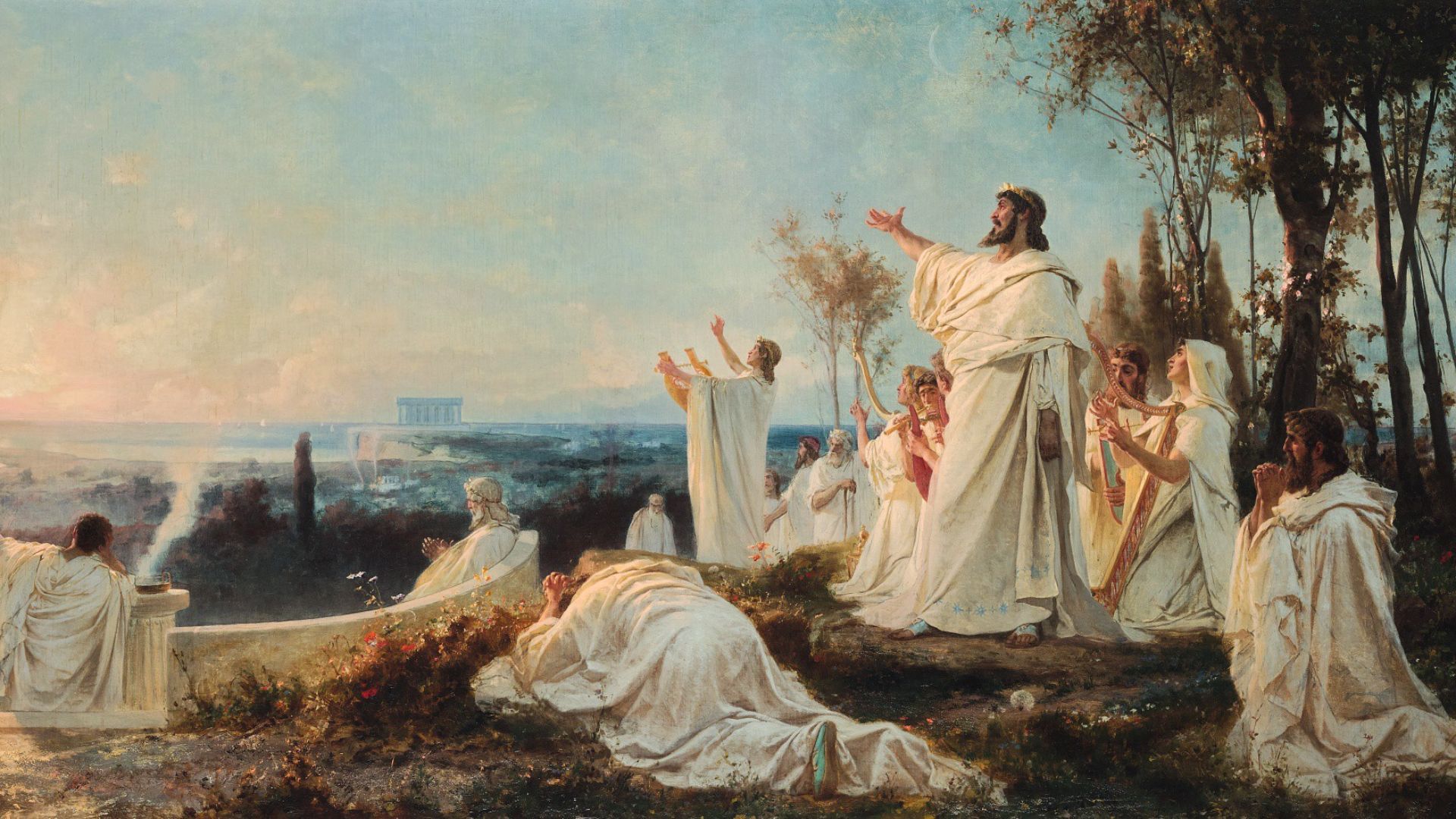
2. The Eleusinian Mysteries
Athenians walked fourteen miles to Eleusis each autumn for rites that nobody was allowed to describe afterward. Disclosure carried a death sentence, and Aeschylus was reportedly hauled into court for sailing too close to the material on stage. Thousands of people were initiated across roughly two thousand years, and the central secret never made it onto a page.
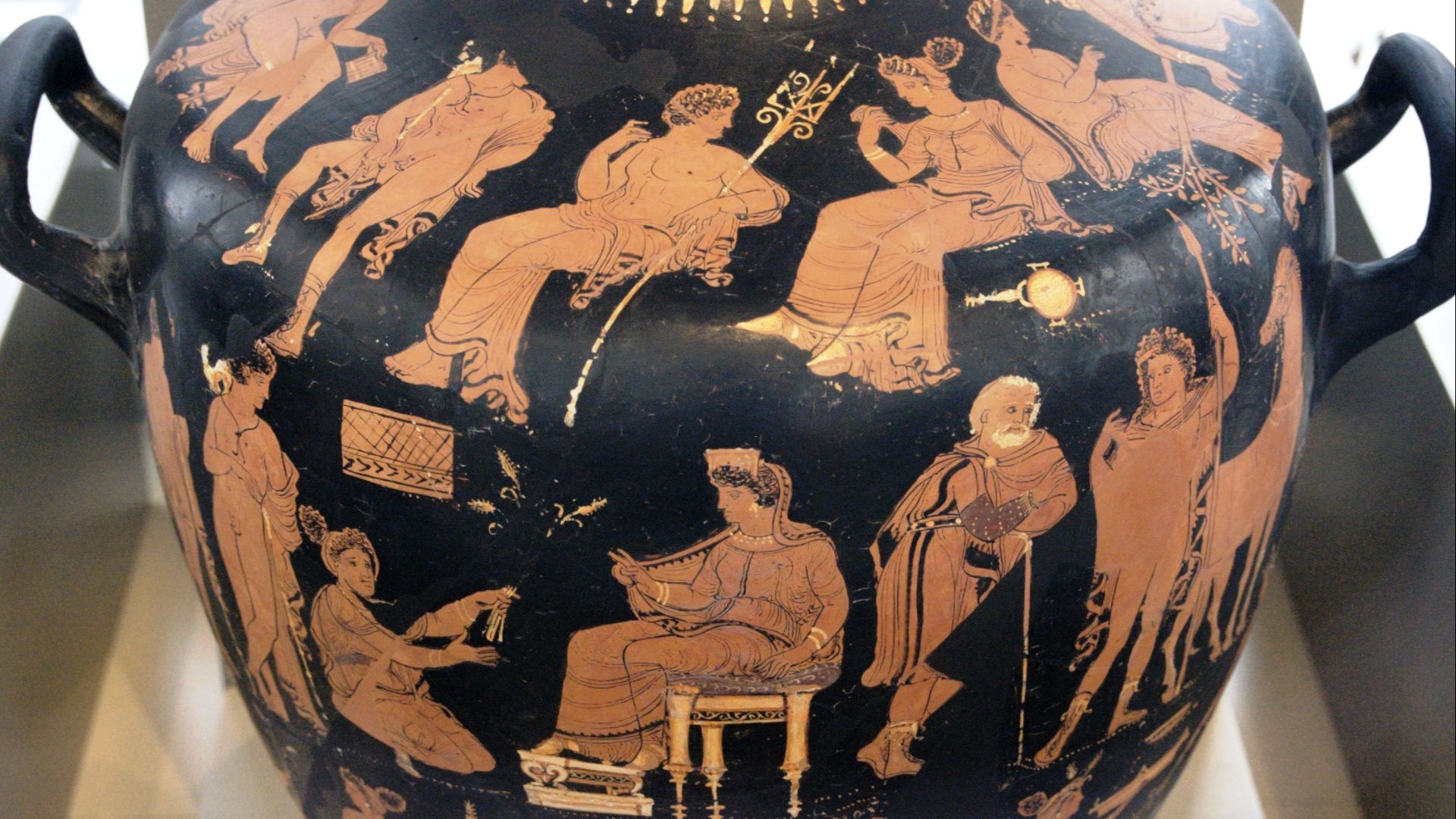
3. The Cult of Mithras
Roman soldiers dug windowless chambers for a god whose worship admitted men only, from Syria to the northern edge of Britain. Archaeologists have identified more than a hundred of these mithraea, every one built around the same bull-slaying image and not one holding a line of scripture. What we know about the seven grades of initiation comes from floor mosaics and hostile Christian writers.
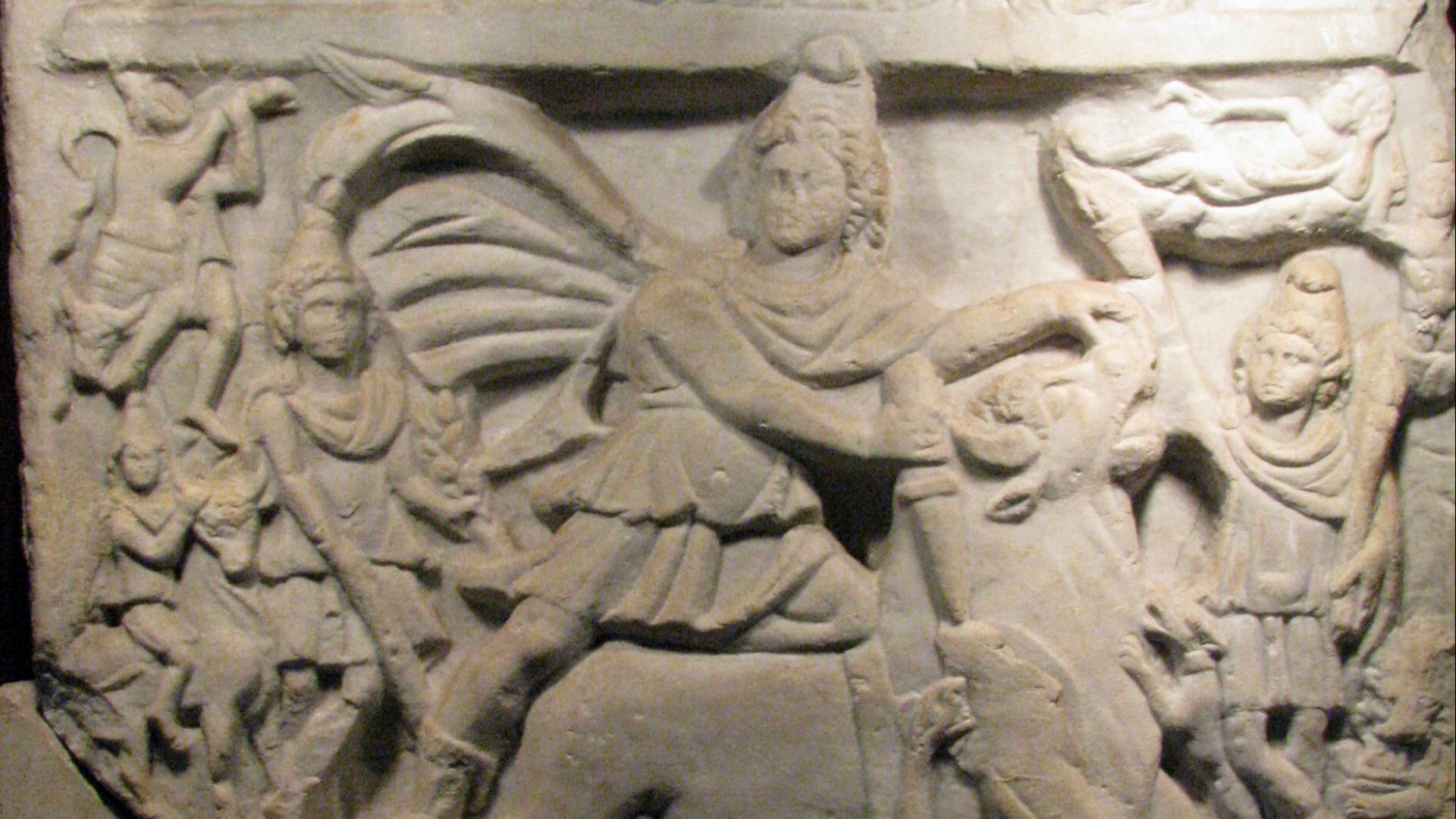
4. The Vehmic Courts
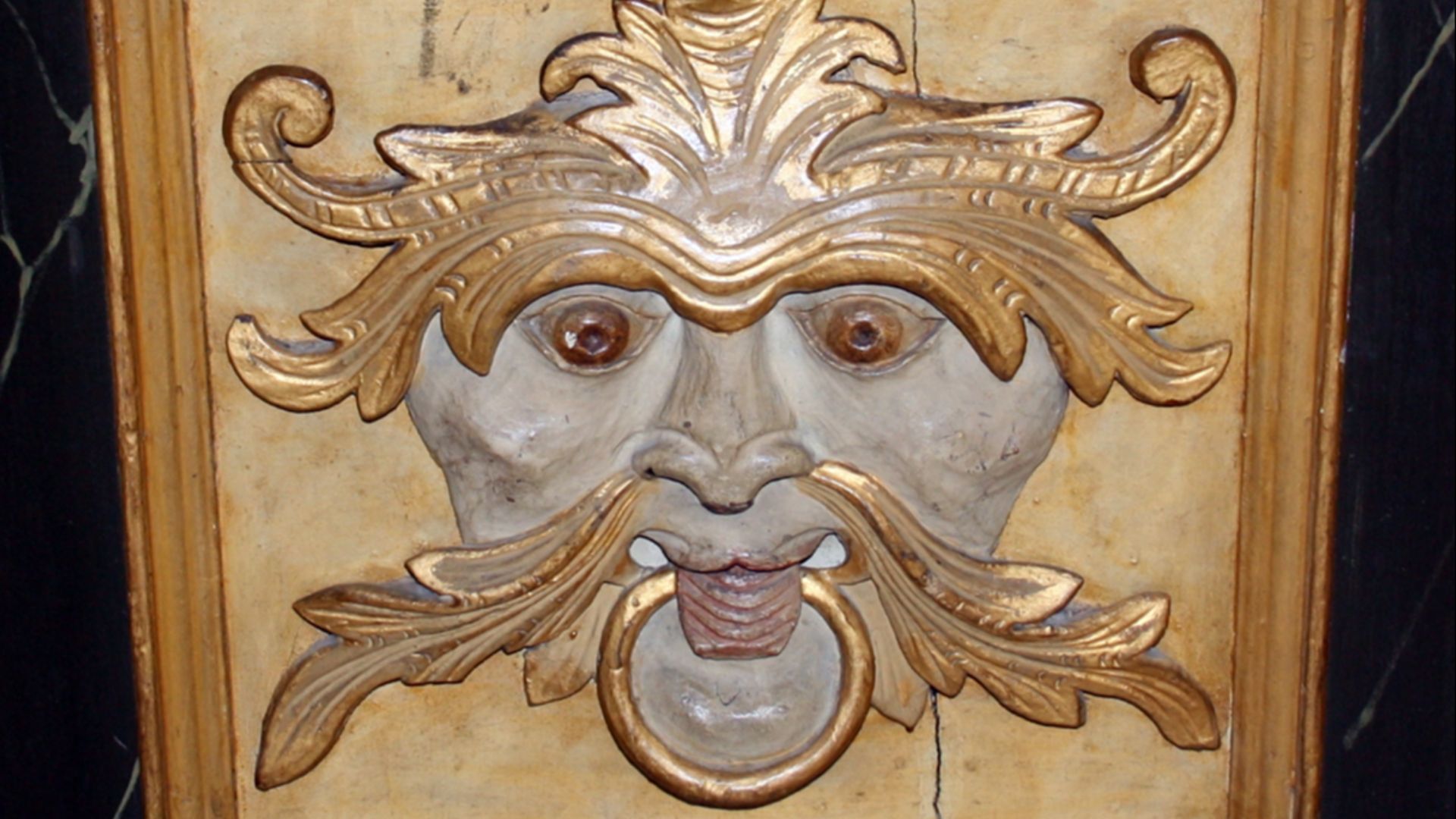
Medieval Westphalia ran tribunals whose judges swore never to describe a proceeding and who tried the accused without telling him it was happening. A condemned man sometimes learned the verdict by being found hanged with a dagger left beside the body. Emperor Charles IV gave the courts legal standing, and they survived until Napoleon's brother shut them down in 1811.
 Siegfried von Brilon on Wikimedia
5. The Knights Templar
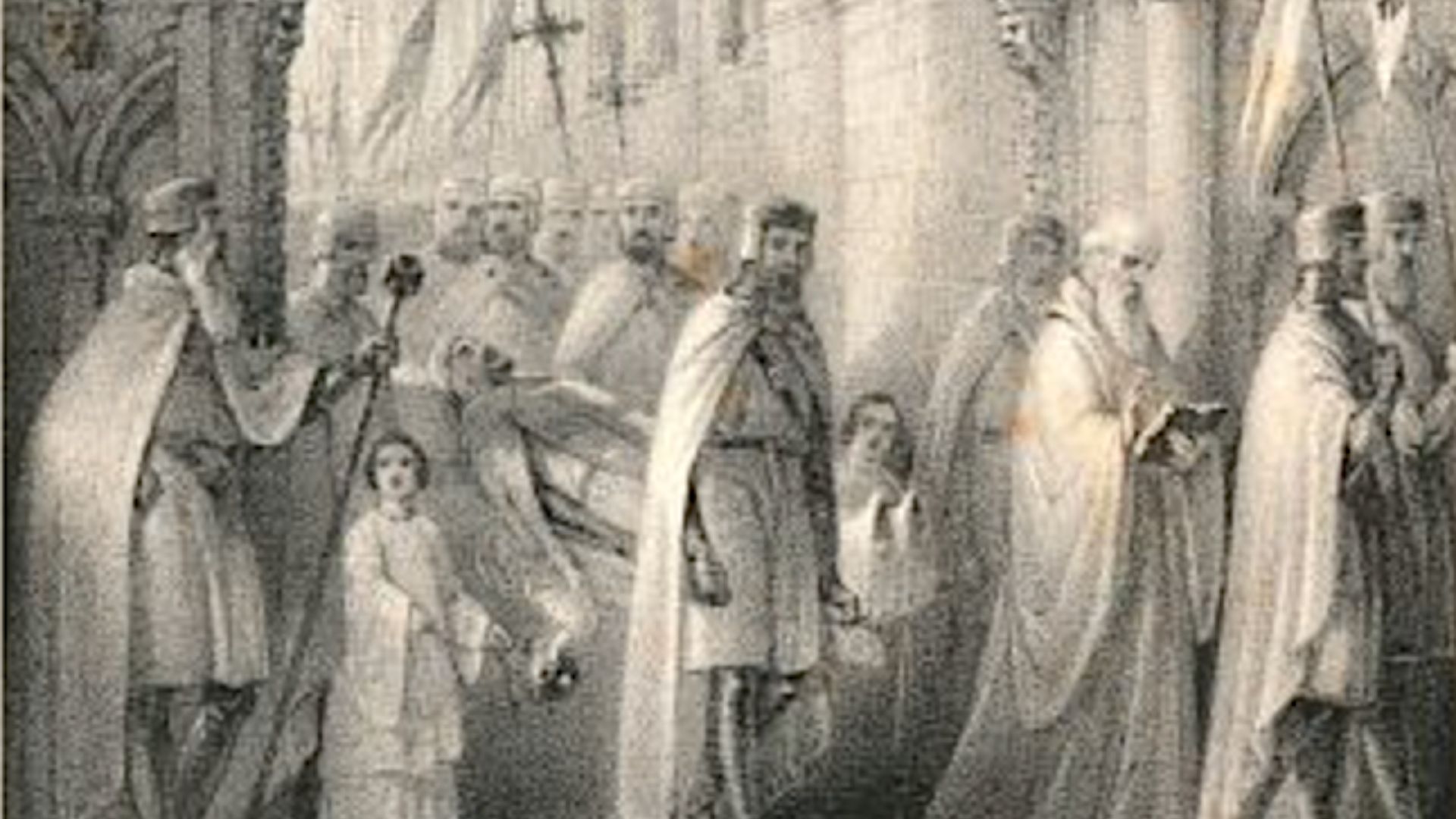
Papal backing in 1139 turned a small band of knights into the closest thing medieval Europe had to an international bank, moving pilgrims' money between London and Jerusalem on paper credit. Their initiation ceremony was closed to outsiders, which made it convenient for Philip IV of France to accuse them of whatever he needed. Mass arrests across France began on Friday, October 13, 1307, and the order was dissolved five years later.
 Knights Templar in the Temple Church, London. on Wikimedia
6. Tiandihui
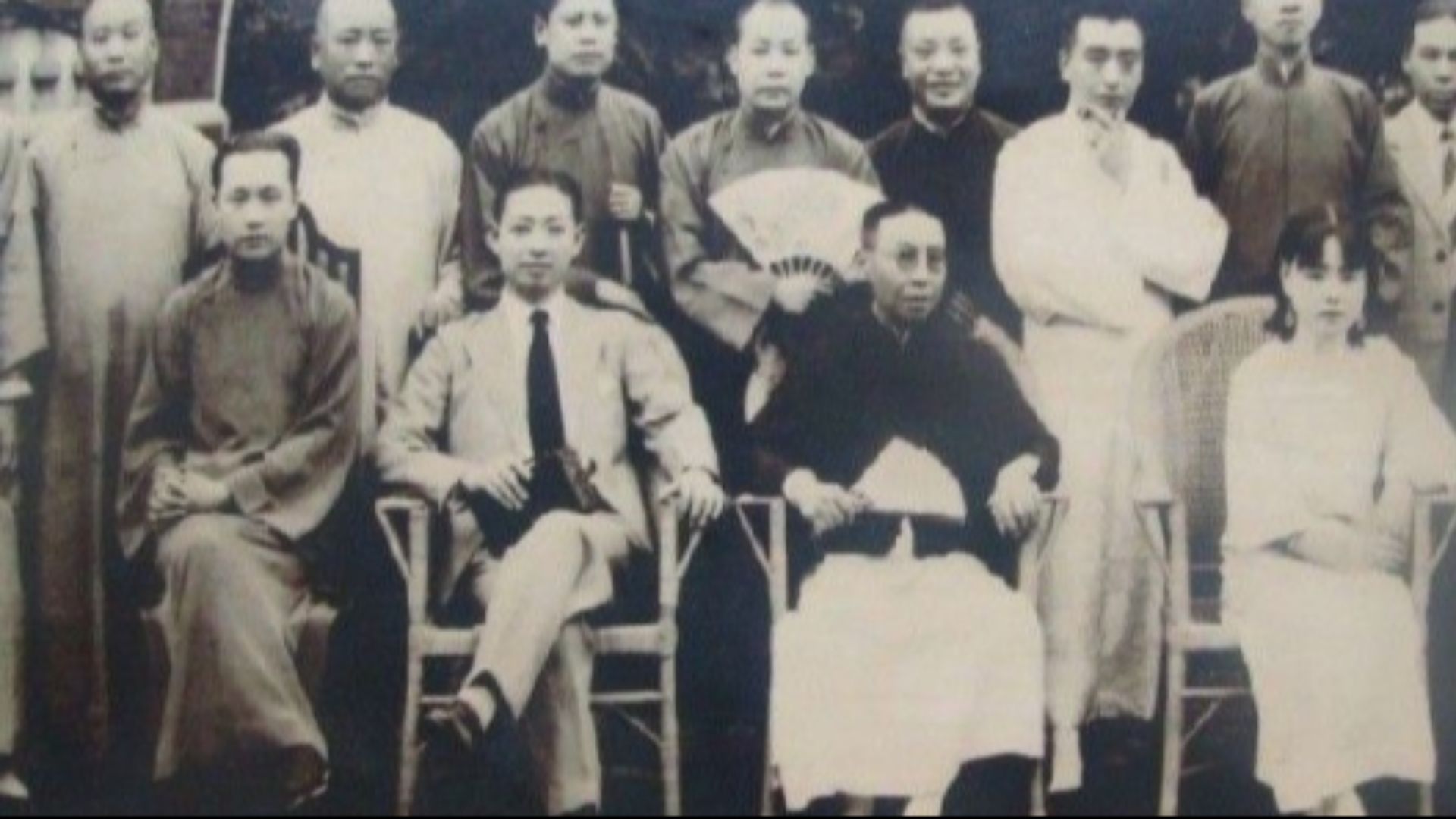
The Heaven and Earth Society surfaced in southern China during the 1760s carrying hand signs and a founding legend about five monks who survived an imperial massacre at their monastery. A man could identify a brother by the way he arranged the teacups in front of him, and verses learned by heart served as passwords. Its branches eventually became the organizations known as triads, which is how an anti-Qing brotherhood turned into a criminal franchise.
 Unknown authorUnknown author on Wikimedia
7. The Hellfire Club
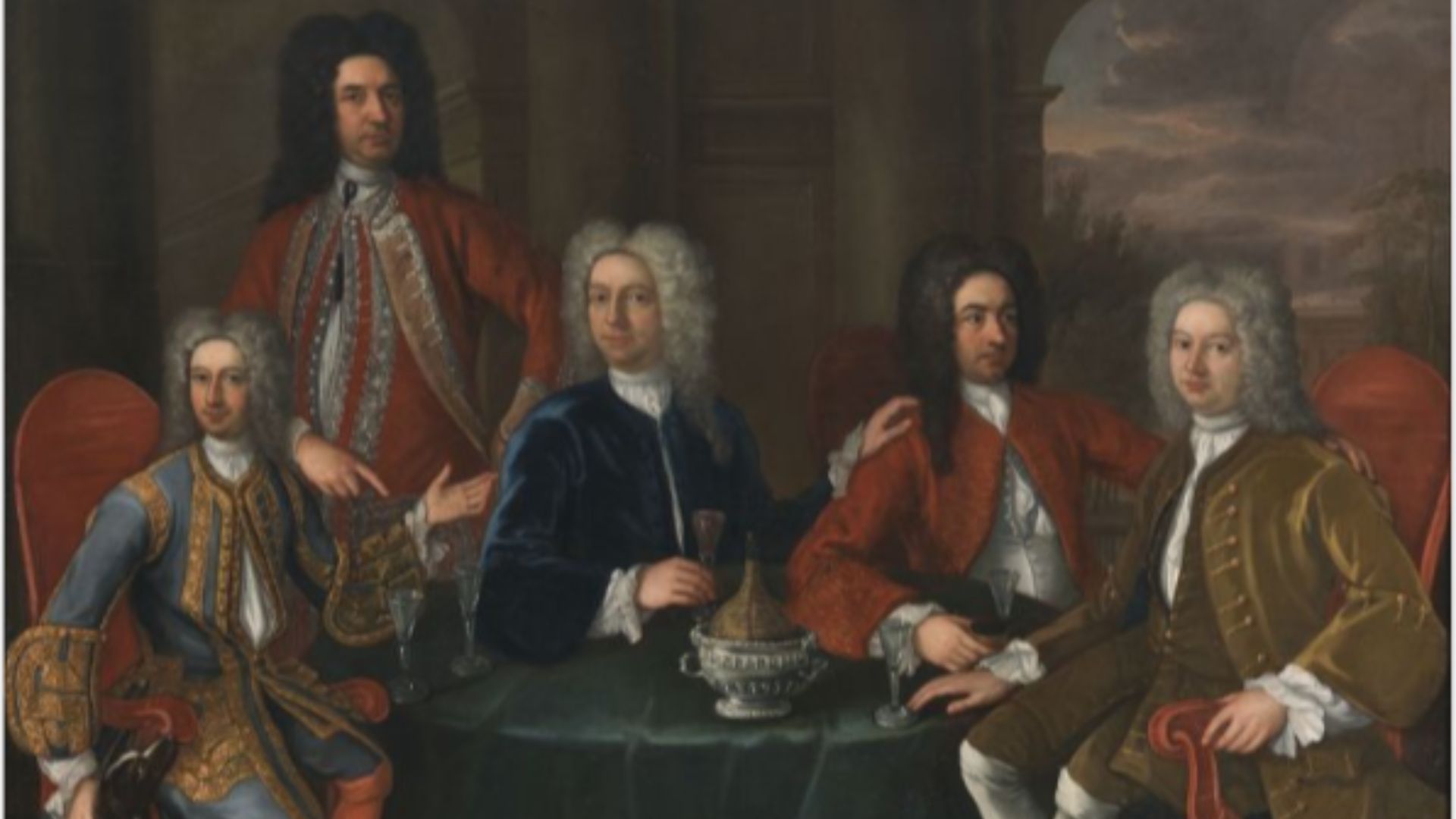
Francis Dashwood's Order of the Friars of St Francis met through the 1750s in chalk caves he had excavated beneath his estate at West Wycombe. The roster included a future prime minister, plus Benjamin Franklin on at least one visit. Whatever happened down there was almost certainly tamer than London gossip claimed, and no member ever bothered to correct the record.
8. The Society of the Horseman's Word
Scottish farm workers ran a nighttime initiation that ended with a handshake and a word said to grant power over any horse. The real inheritance was practical, including scent tricks that could stop a team dead in the furrow or draw it forward on command. Ploughmen who hadn't been through the initiation kept finding their horses mysteriously uncooperative at the worst moments.
9. The Bavarian Illuminati
Adam Weishaupt started his order on May 1, 1776, with five men and a plan to slide graduates into useful government posts across Bavaria. The rolls peaked somewhere around 2,000 before the Bavarian elector banned secret societies in 1785 and published the confiscated papers. Those published documents are the only reason anybody remembers the name.
10. The Filiki Eteria
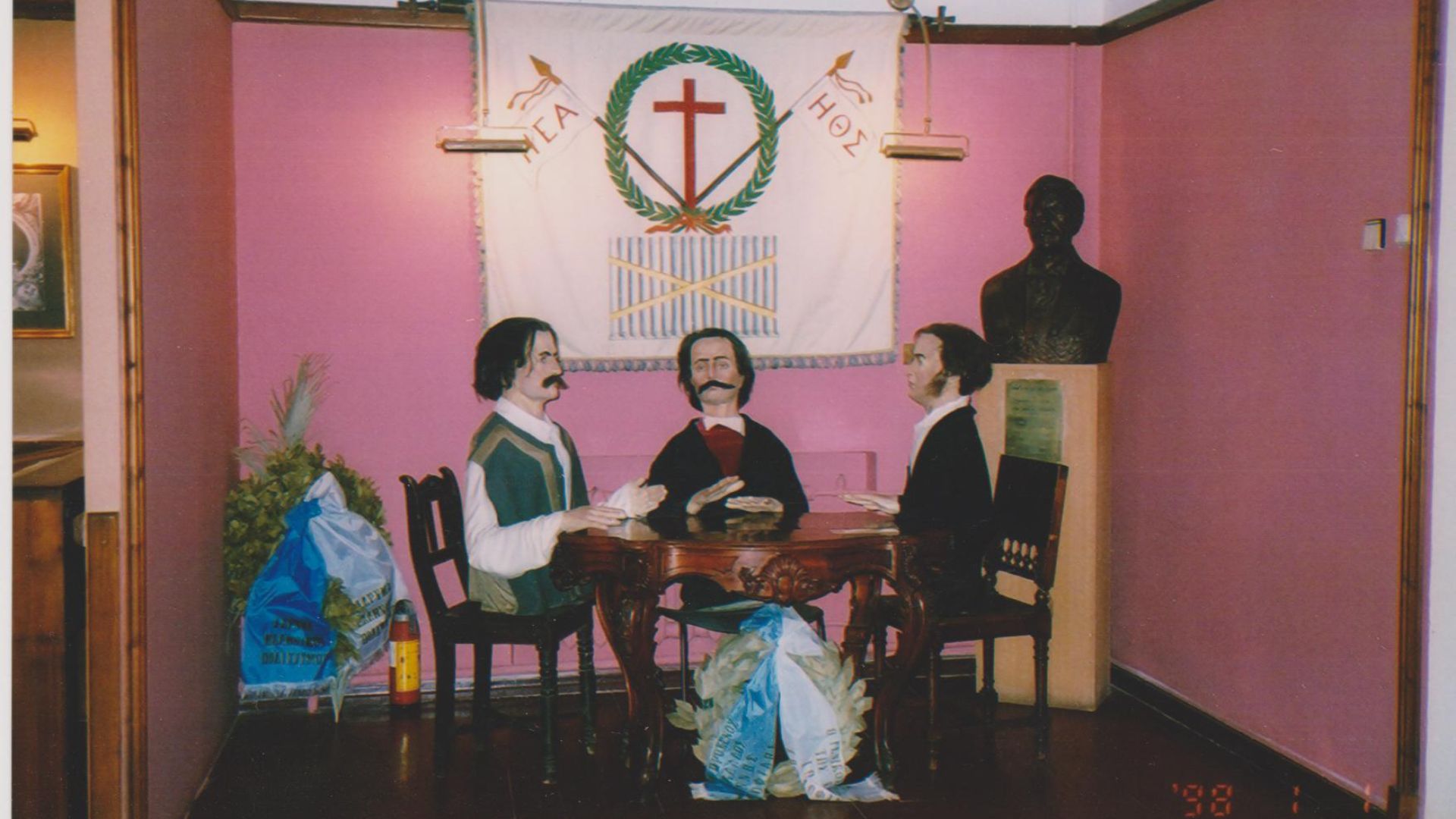
Three Greek merchants in Odessa built the Friendly Society in 1814 to organize a revolt against Ottoman rule. Recruits were graded by how much they got told, and plenty believed a powerful authority in Russia stood behind the whole thing. Their rising in 1821 became the Greek War of Independence.
 The original uploader was DIMSFIKAS at Greek Wikipedia. on Wikimedia
11. The Carbonari
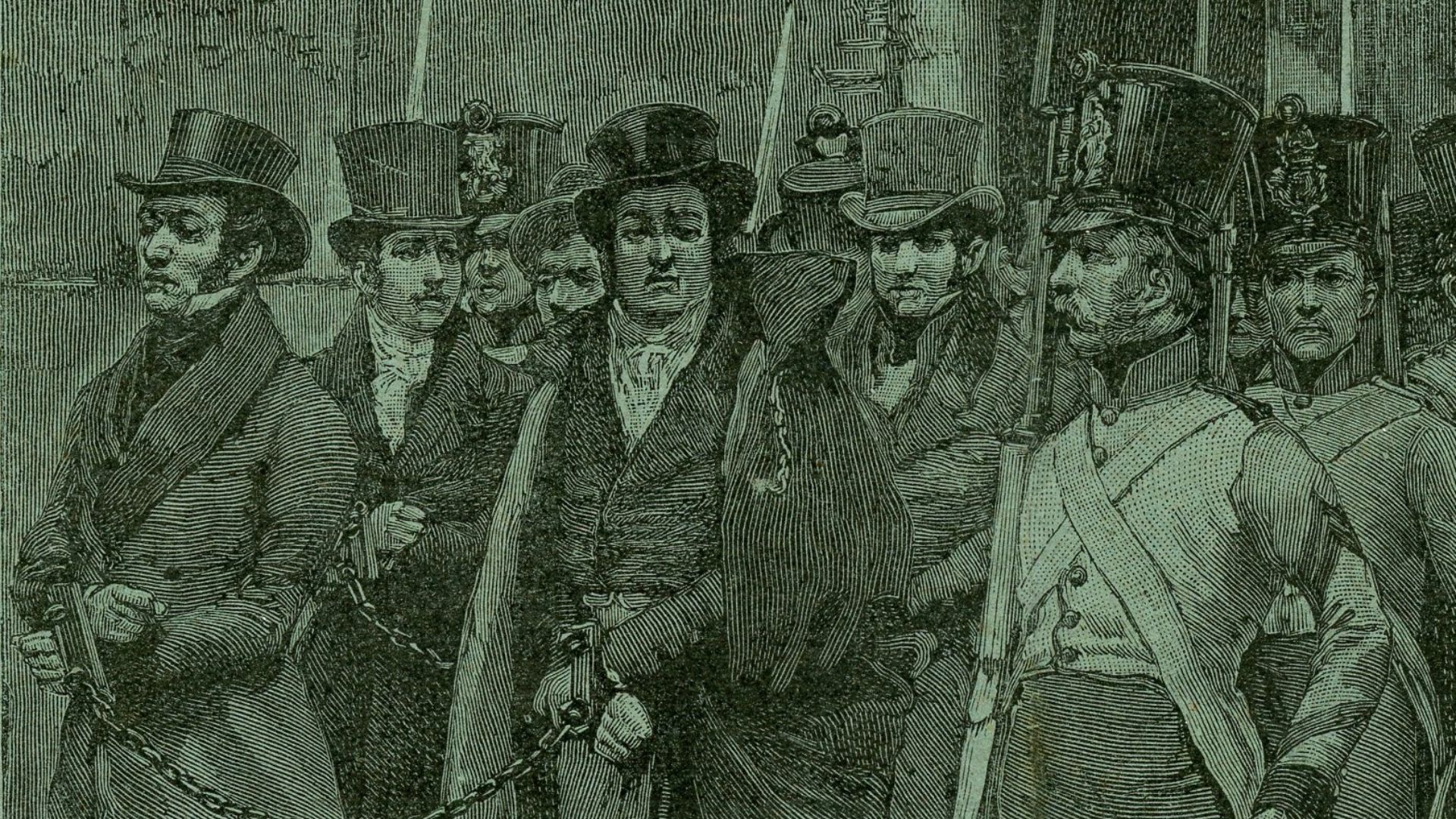
Lodges borrowing the vocabulary of charcoal burners spread through Naples after 1800, using woodland ranks and passwords as cover for constitutional politics. By 1820 the numbers ran into the tens of thousands, and the movement frightened a constitution out of the King of Naples. Those same cells fed recruits into the campaign that eventually unified the country.
 Unknown authorUnknown author on Wikimedia
12. The Cambridge Apostles
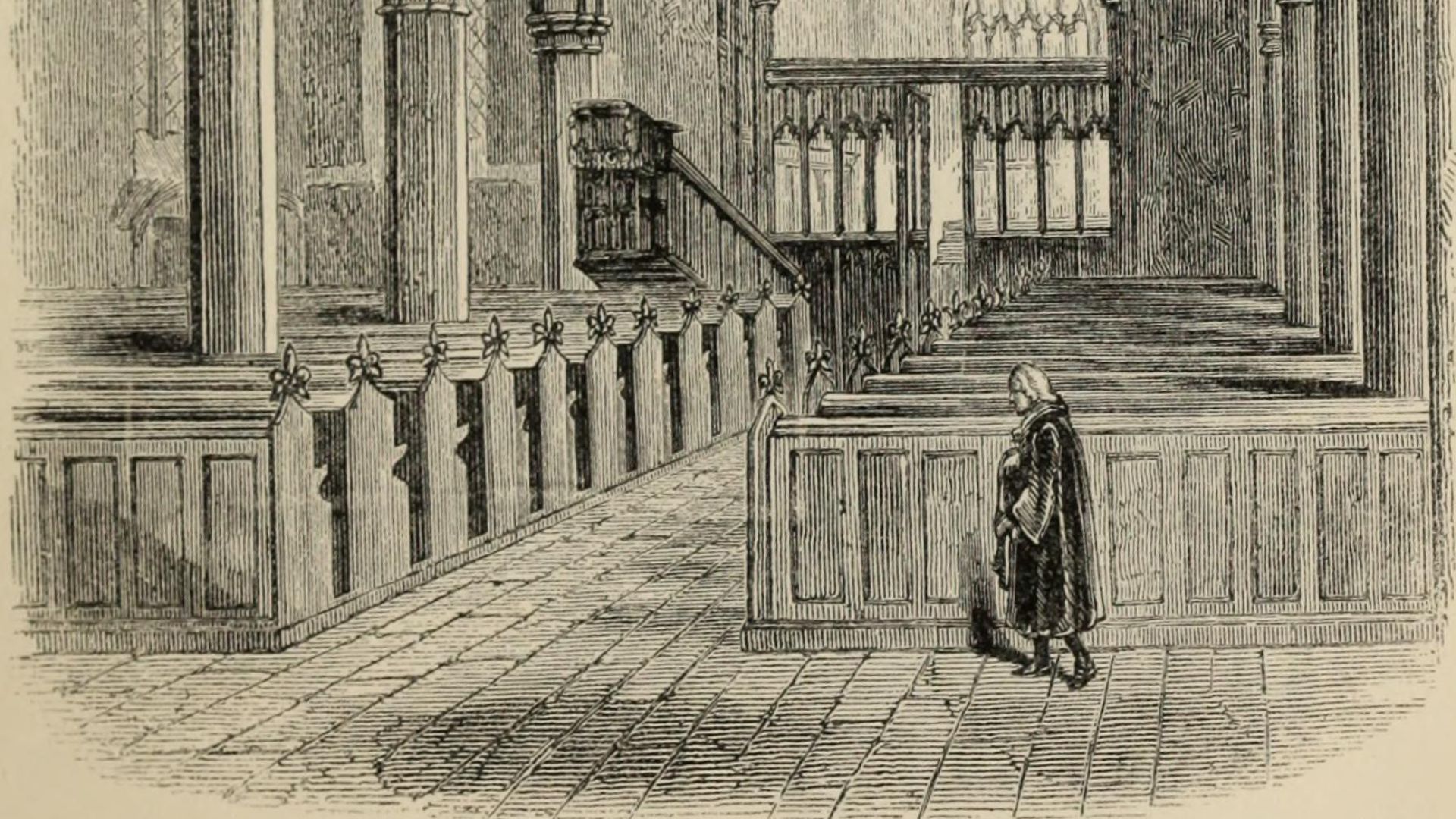
A Cambridge discussion society begun in 1820 elected twelve undergraduates at a time and bound them to keep the proceedings private. The roster runs from Tennyson through Keynes and most of the Bloomsbury set. It also produced Anthony Blunt and Guy Burgess, two of the Cambridge spies who spent decades feeding British intelligence to Moscow.
 Internet Archive Book Images on Wikimedia
13. The Irish Republican Brotherhood
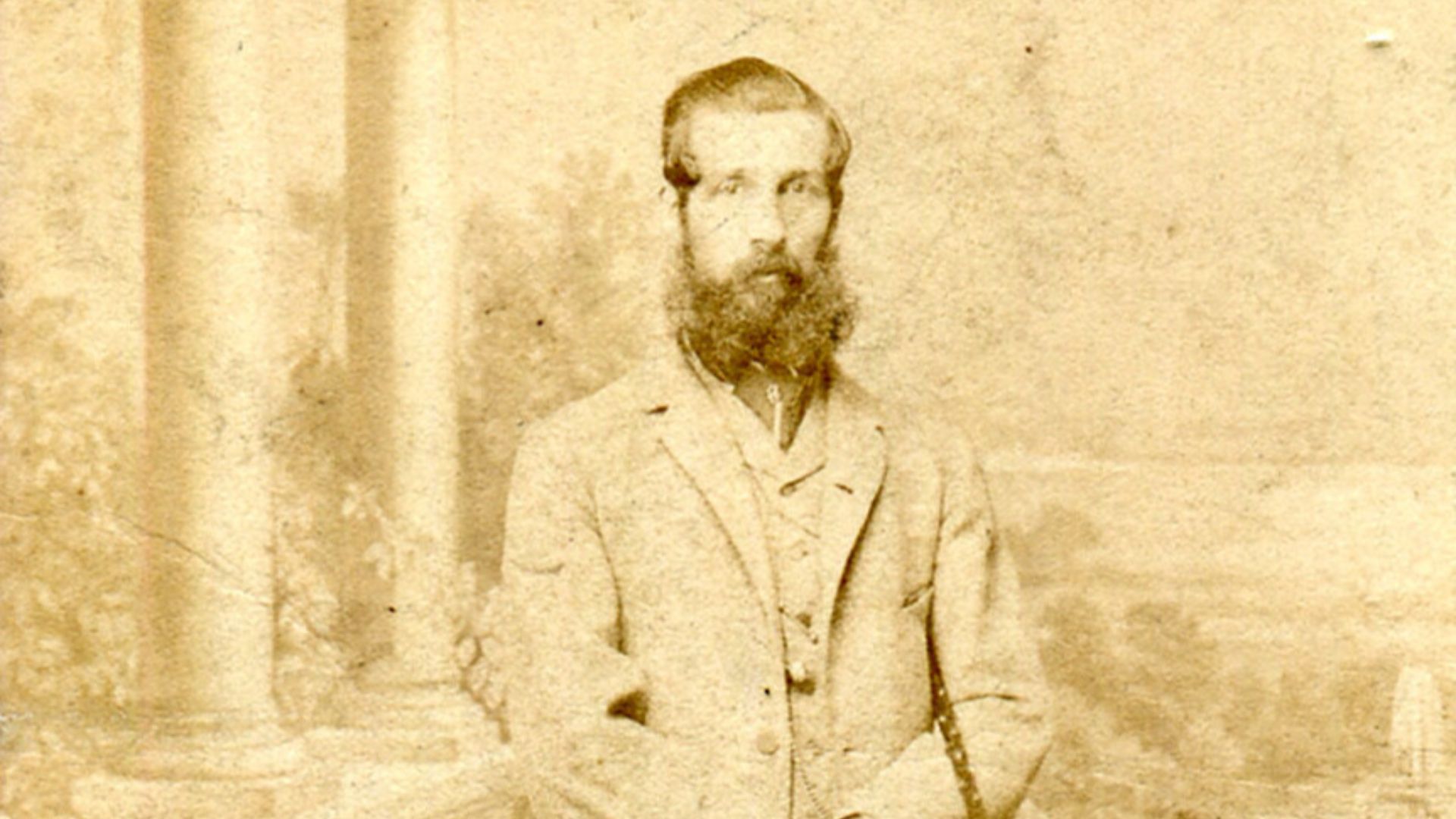
Dublin organizers built the IRB in 1858 around an oath and a cell structure, so any informer could give up only the handful of men he knew. The Catholic Church condemned it outright, with priests refusing absolution to anyone who wouldn't renounce the oath. Its supreme council authorized the 1916 Easter Rising without informing most of its own organization first.
 Unknown authorUnknown author on Wikimedia
14. The Knights of the Golden Circle
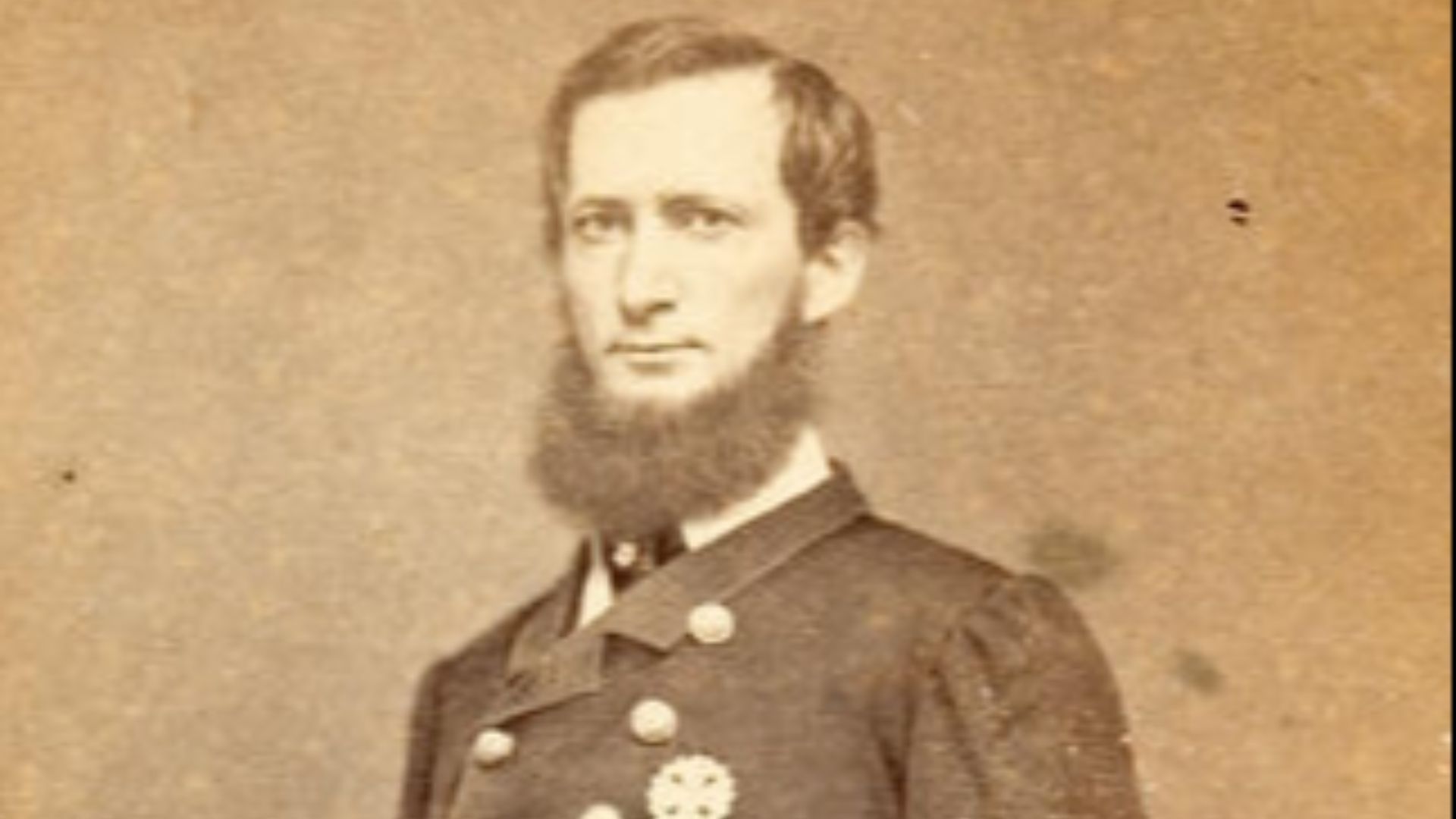
An order founded by the Virginia doctor George Bickley set out to annex Cuba and Mexico into a slaveholding empire ringing the Gulf. Northern newspapers accused it of hiding Confederate sympathizers behind Union lines, and both sides had reasons to inflate the numbers. Treasure hunters are still digging around Texas for caches of gold the order supposedly buried for a second war.
 Harvard Fine Arts Library Special Collections, attribution on Wikimedia
15. The Molly Maguires
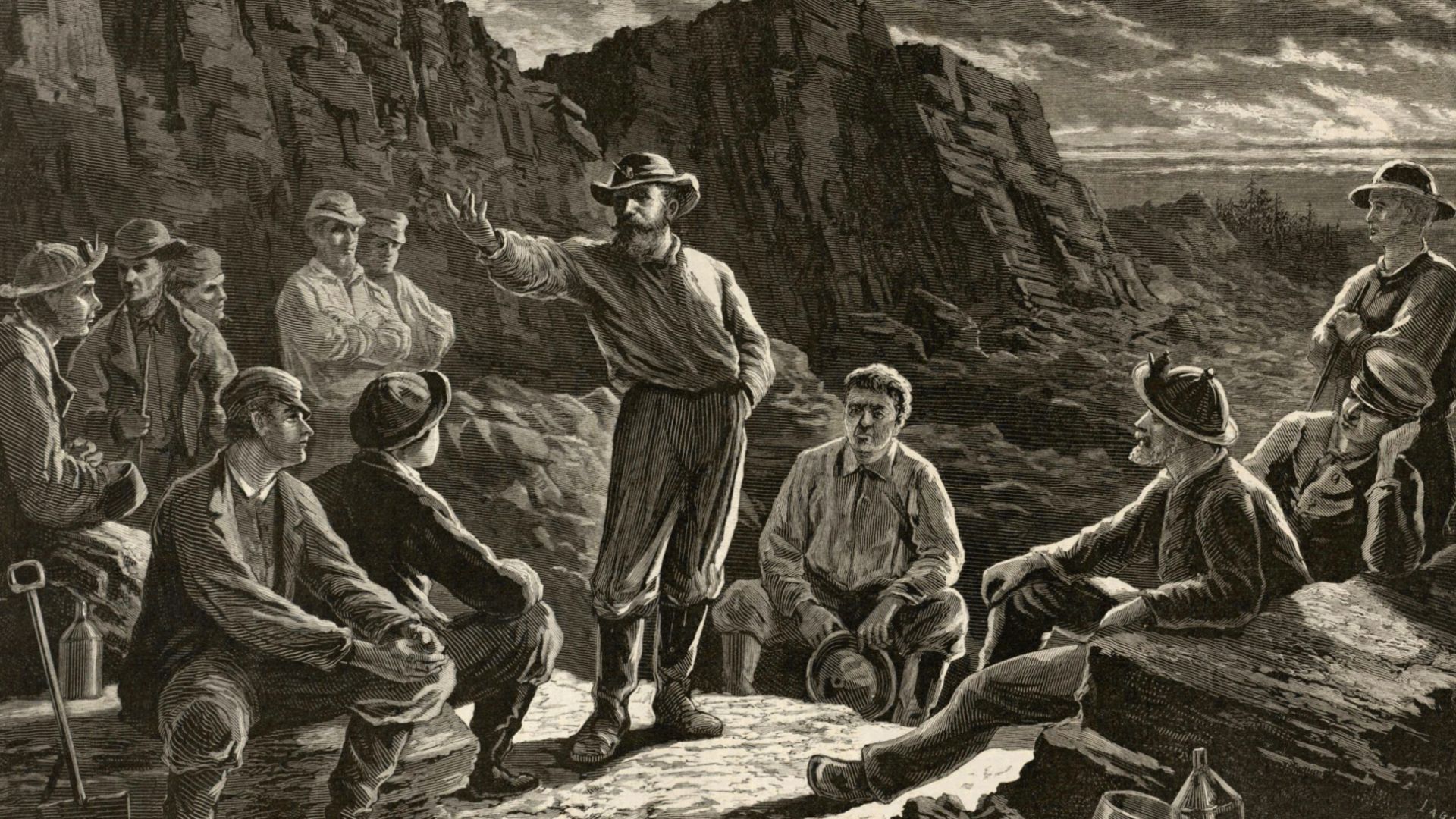
Irish miners in Pennsylvania's anthracite country were accused of running a society that beat and killed mine bosses through the 1860s and 1870s. A Pinkerton detective named James McParlan lived among them for over two years gathering evidence. Twenty men went to the gallows on testimony largely assembled by a coal company's own private police force.
 Paul Frenzeny / Jules Tavernier / Adam Cuerden on Wikimedia
16. Skull and Bones
Yale's oldest senior society has tapped fifteen students a year since 1832 and meets in a windowless stone building on High Street known as the Tomb. Alumni include two presidents named Bush along with a sitting chief justice of the Supreme Court. Alumni have historically refused to discuss any of it, leaving reporters to piece the rituals together from leaked documents.
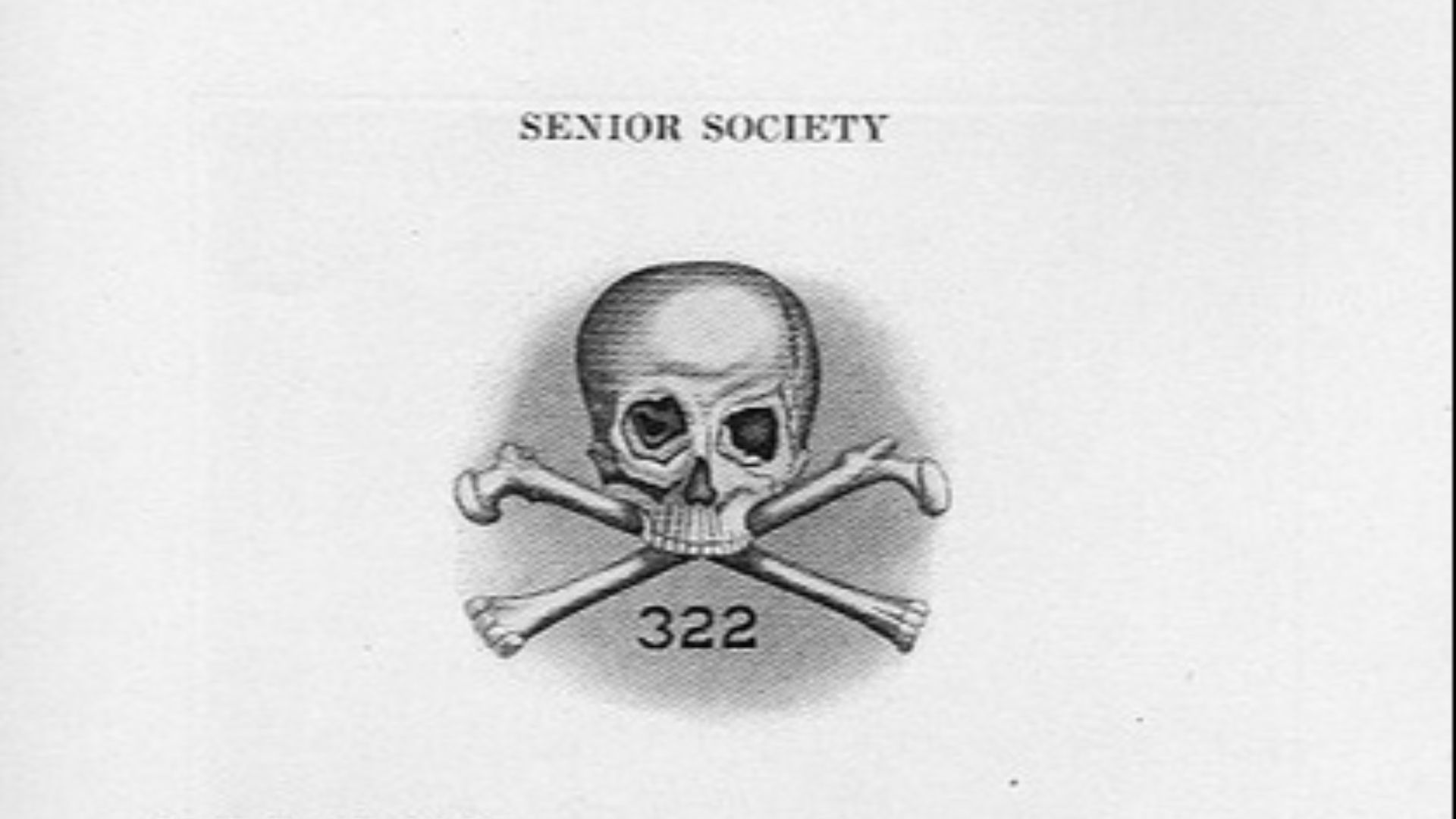 Yale Banner (reprinting list from Skull and Bones) on Wikimedia
17. The Order of Chaeronea
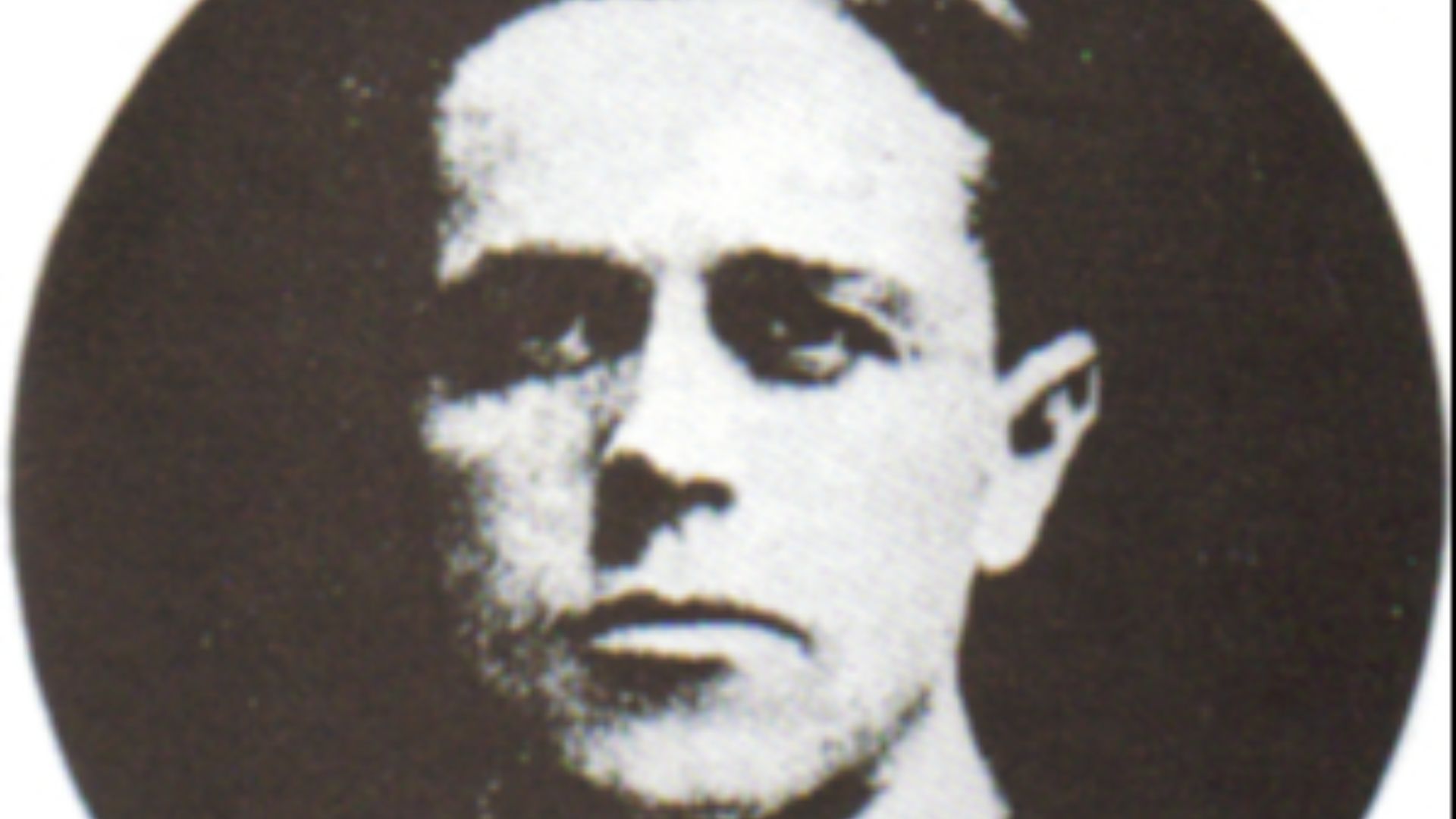
George Cecil Ives organized a network for homosexual men in 1897 and named it for the battle where a band of Theban lovers died together. Correspondence went out in code, and the group dated its letters from the year of that battle. Discovery meant prison in Britain under the same law that convicted Oscar Wilde, which is why so little of it surfaced for decades.
 Unknown authorUnknown author on Wikimedia
18. The Hermetic Order of the Golden Dawn
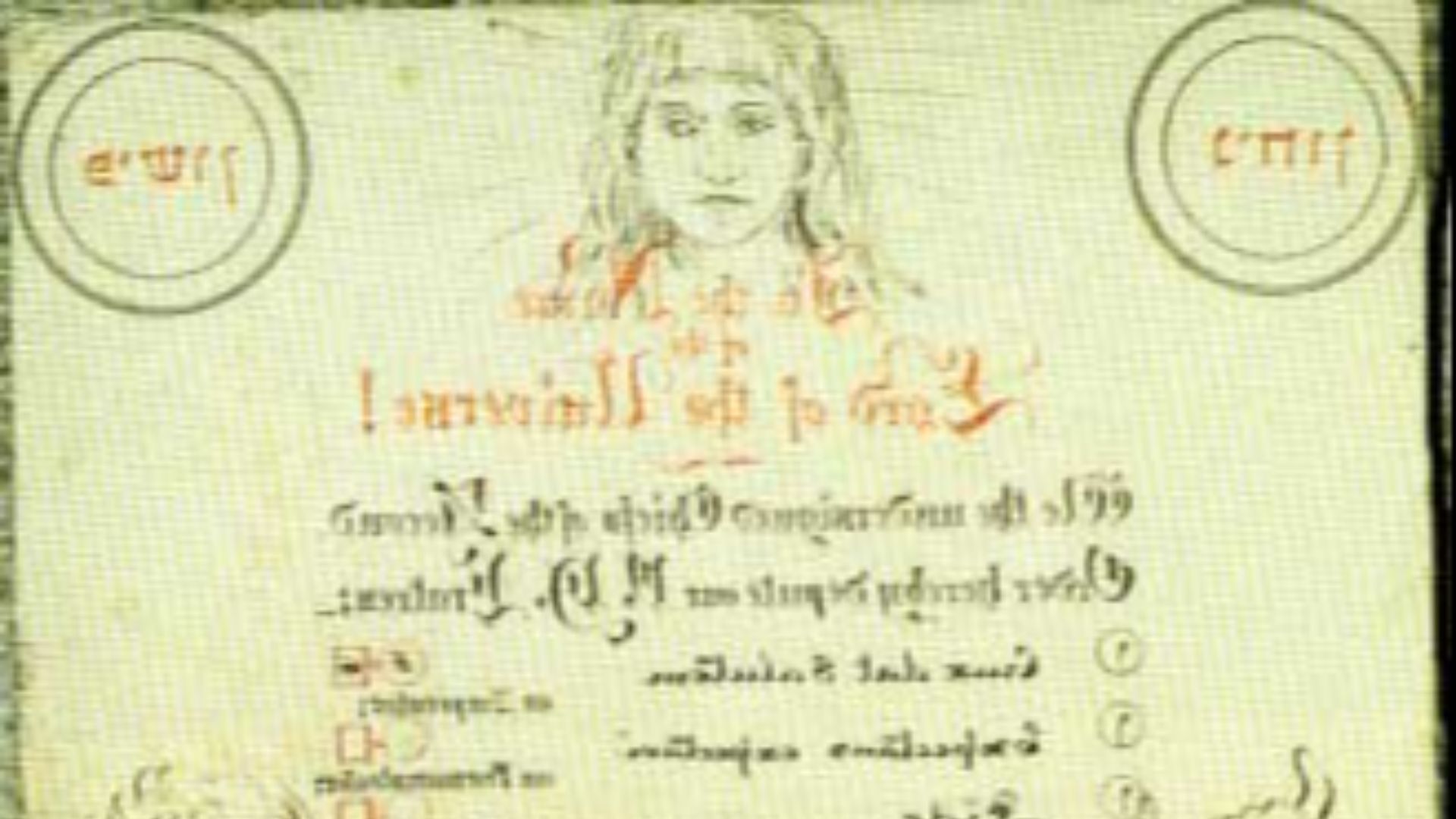
London's Golden Dawn was chartered in 1888 by three Freemasons working from a cipher manuscript nobody has authenticated since. Initiates worked through a graded curriculum of ritual magic, and the rolls included W.B. Yeats alongside Aleister Crowley. The whole thing collapsed around 1900 in a fight over a forged founding letter.
 Golden Dawn (1887-1901) on Wikimedia
19. The Black Hand
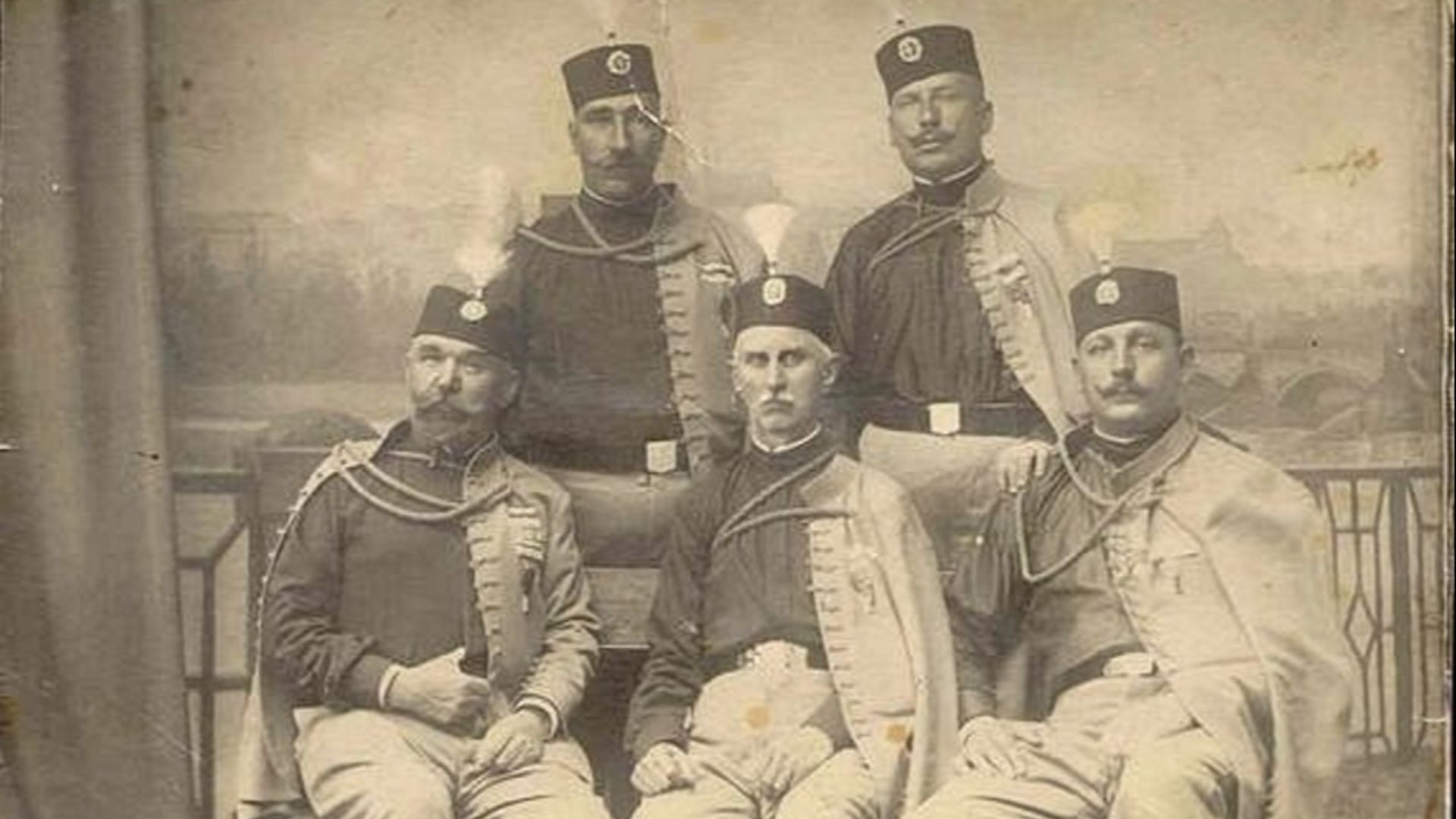
Serbian army officers formed Unification or Death in 1911 and swore recruits in over a skull and a dagger. Colonel Dragutin Dimitrijević ran the group, having already helped murder the Serbian king and queen inside their own palace in 1903. His organization supplied the pistols and bombs carried into Sarajevo in June 1914.
 Unknown photographer, 1910s on Wikimedia
20. The Thule Society
A Munich group founded in 1918 mixed Germanic mysticism with violent antisemitism while keeping a roster of well-connected Bavarian businessmen and officers. It bankrolled the tiny political party Hitler joined in 1919, the one he would rename the following year. Its emblem was a swastika laid over a dagger, adopted well before the party took one of its own.
 Unknown (Life time: Unknown ) on Wikimedia
KEEP ON READING