 National Gallery of Art on Unsplash
Early 19th-century Edinburgh had a problem: its celebrated medical schools needed more cadavers than the law could shell out. Anatomy students were left to dissect actual human remains, but legal cadavers usually came from executed criminals, and there weren’t enough of them. That shortage helped create a thriving illegal market in freshly buried corpses.
That market also produced something much darker than grave robbery. It produced opportunists, namely William Burke and William Hare, who realized that medical schools weren’t interested in waiting for people to die naturally. So, they provided a fresh body at the door—and their methods became so notorious that they gave the English language a new word: “burking.”
A Body Became a Commodity
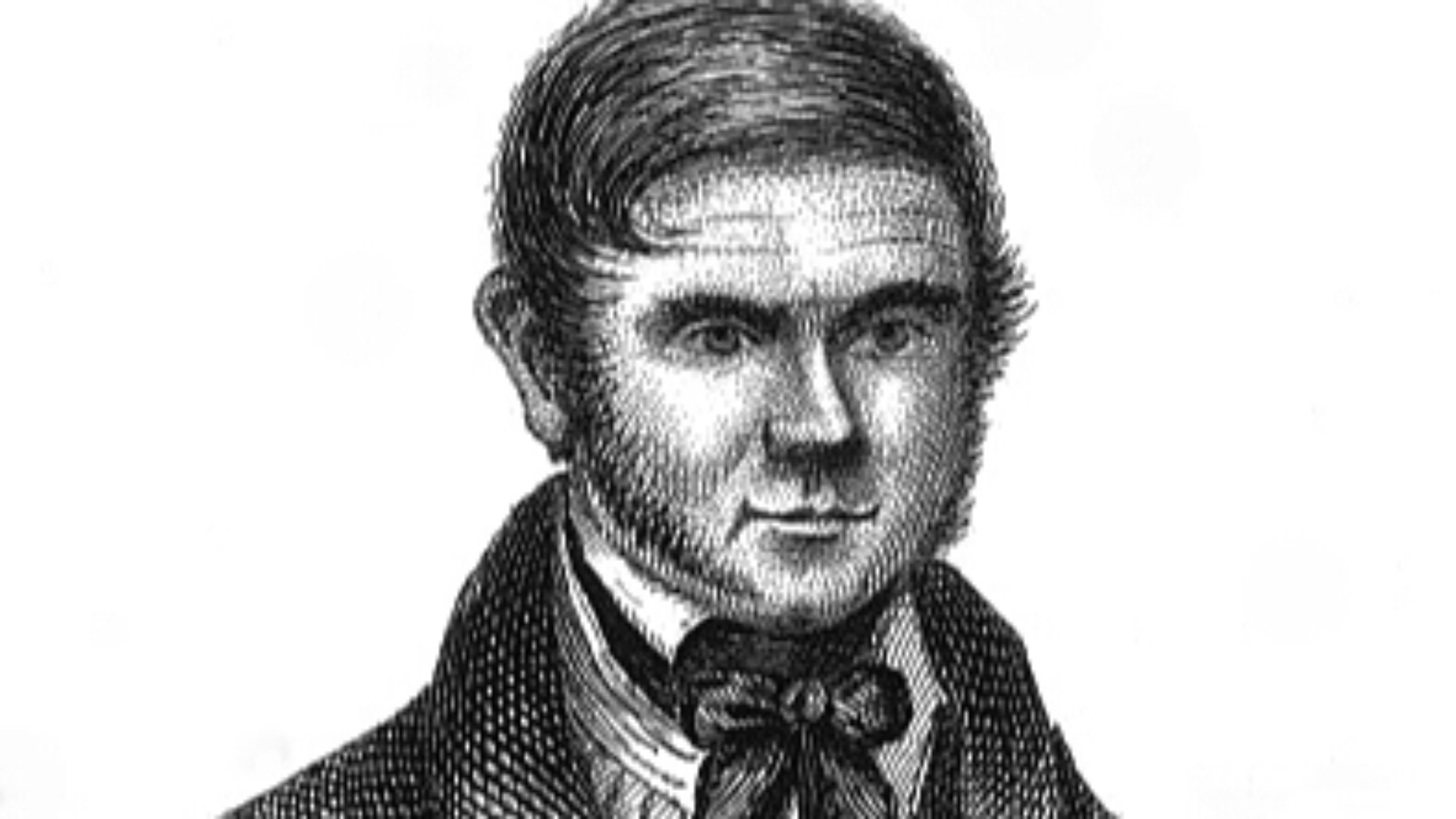
Edinburgh had become one of Europe’s leading centers for medical education, and anatomy was increasingly taught through hands-on dissection rather than lectures alone. Unfortunately, the supply of bodies couldn’t keep pace with demand, which meant that anatomists relied on “resurrection men.” Though “resurrection” was used in the crudest sense; recently deceased people were dug out of their graves and sold to medical teachers.
Families understandably weren’t thrilled about discovering that their loved ones were vanishing. Communities hired graveyard guards and installed mortsafes, heavy iron contraptions placed over graves to make body snatching more difficult. However, while those defenses protected corpses, they also made a scarce commodity even harder to obtain.
Enter Burke and Hare. These two entered this market almost accidentally in 1827, when one of Hare’s lodgers died while owing him rent, but instead of burying the man, the pair sold him to anatomist Robert Knox and received roughly £8. Next thing you know, an impending lucrative career was starting to form.
Burking Was Designed to Leave a Valuable Corpse
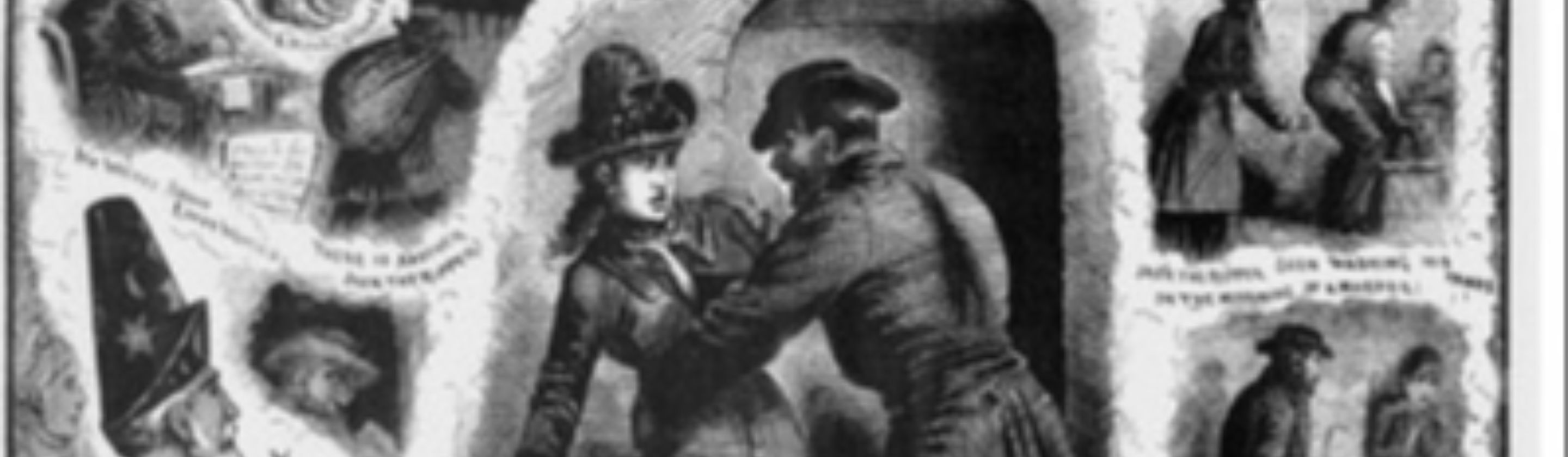
Waiting for paying customers to die of their own accord became inconvenient rather quickly. Burke and Hare began seeking out victims, often luring people into lodging houses and getting them drunk before attacking them. At least 16 people were killed during the 1827-1828 spree, and their bodies were sold to Knox’s anatomy school.
What makes their so-called business so much worse is that their killing method had a practical purpose. Burke would compress a victim’s chest while obstructing the nose and mouth, causing suffocation while also avoiding obvious wounds that might make the corpse less suitable for dissection. It was a heinous method, and one that people remembered when they coined the term “burking.”
Burke and Hare were also able to kill relatively indiscriminately. Many victims came from the poorer edges of Edinburgh society, which made their disappearances easier to overlook. What makes the arrangement even more uncomfortable is that Robert Knox wasn’t some back-alley amateur, either. He was a successful lecturer whose classes depended on a steady stream of specimens. By the time this all fell apart, Knox was never even prosecuted, although the scandal effectively destroyed his reputation.
Medicine Claimed Burke Too
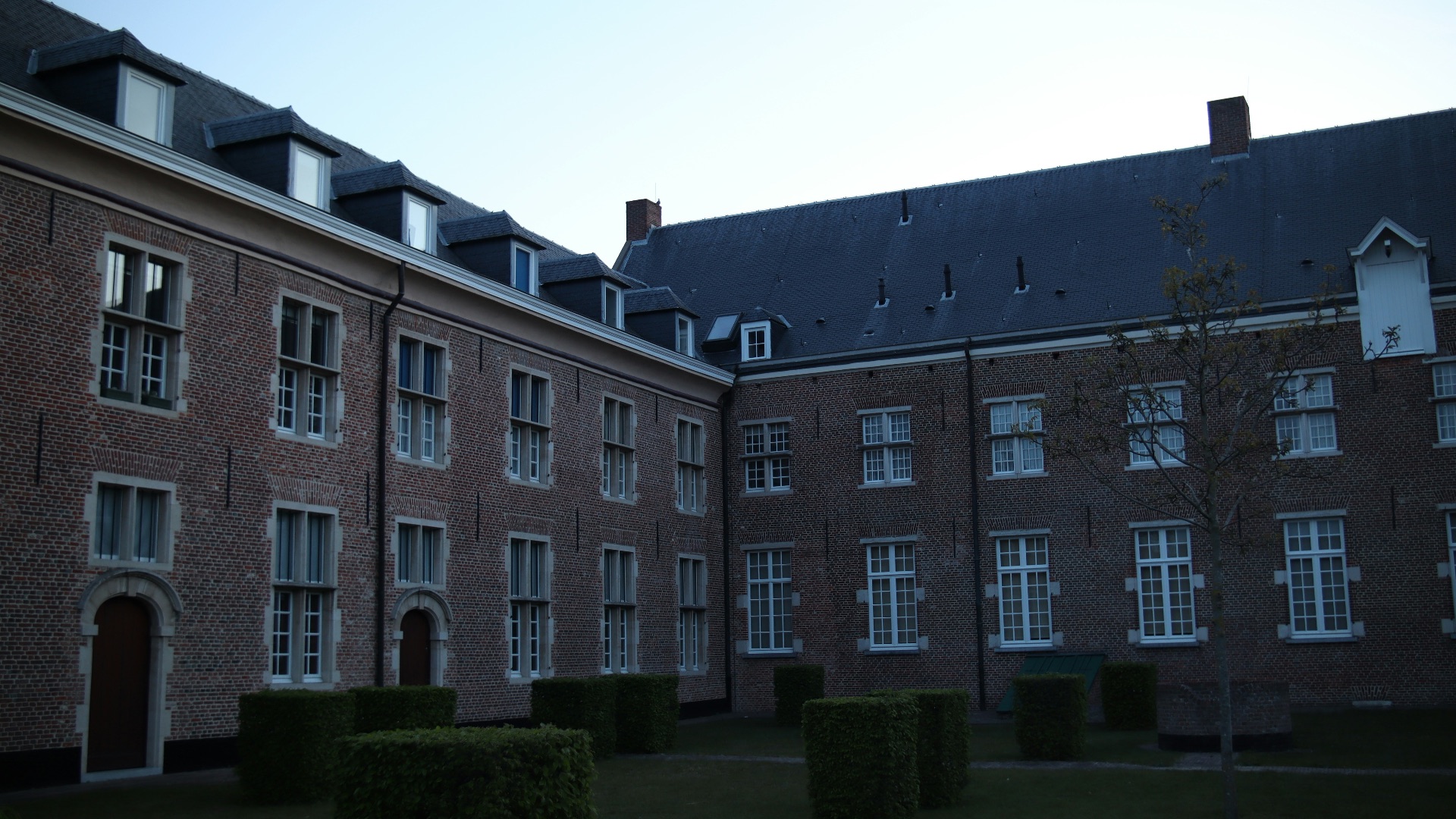
The operation only collapsed after the murder of Margaret Docherty in 1828. Other lodgers found her body before Burke and Hare could remove it, and police eventually traced it to Knox’s dissecting rooms. Hare managed to get away with a slap on the wrist after agreeing to testify, leaving Burke to face trial and execution alone.
And Burke certainly did. He was publicly hanged in Edinburgh in 1829, and in a morbidly ironic twist, death wasn’t the end of his story. His sentence also included dissection. Around 20,000 spectators reportedly gathered for the execution, and Burke’s skeleton eventually entered the University of Edinburgh’s Anatomical Museum, where it remains today.
Despite it all, there wasn’t a pot of gold at the end of the rainbow. If anything, things only got stranger during the dissection. Anatomist Alexander Monro III used some of Burke’s blood to write a note identifying it as blood taken from his head. Pieces of Burke’s skin were also turned into objects, including a pocketbook now held by Surgeons’ Hall Museums.
The scandal helped accelerate demands for reform, although Burke and Hare weren’t solely responsible for the legislation that followed. Parliament eventually passed the Anatomy Act of 1832, allowing anatomists access to certain unclaimed bodies from hospitals, prisons, and workhouses. It reduced the incentive for grave robbing, but it introduced another ugly inequality: the bodies used still disproportionately belonged to poor people who lacked relatives or money for burial.
Burking wasn’t merely the invention of two unusually ruthless murderers. It grew from a medical system that desperately wanted bodies, laws that supplied too few of them, criminals willing to fill the gap, and vulnerable people who paid the highest price. Medicine unquestionably benefited from study, but this chapter of its history shows just how hideous the consequences could become when scientific demand was allowed to outrun basic human dignity.
KEEP ON READING