10 Brutal Truths About Genghis Khan & 10 Myths That Made Him Larger Than Life
10 Brutal Truths About Genghis Khan & 10 Myths That Made Him Larger Than Life
Sorting the Record From the Legend
Almost everything written about Genghis Khan comes from people who either served him or survived him, leaving the arithmetic unreliable in both directions. The Secret History of the Mongols was set down by his own court after his death, while the Persian chroniclers were writing about cities that no longer existed. Some of the worst stories hold up anyway. Others turn out to be later inventions that stuck because they made better reading. Here's 10 brutal truths about Genghis Khan, followed by 10 myths that made him larger than life.
1. The Death Toll
Modern estimates for deaths across the Mongol conquests run somewhere between 30 and 40 million, and no serious historian will defend a precise figure within that range. Persian chroniclers had every reason to inflate their numbers, while the Mongols had every reason to let them. What nobody disputes is that parts of Iran and Central Asia took generations to repopulate, with irrigation systems broken and farmland reverting to pasture.
2. Nishapur, 1221
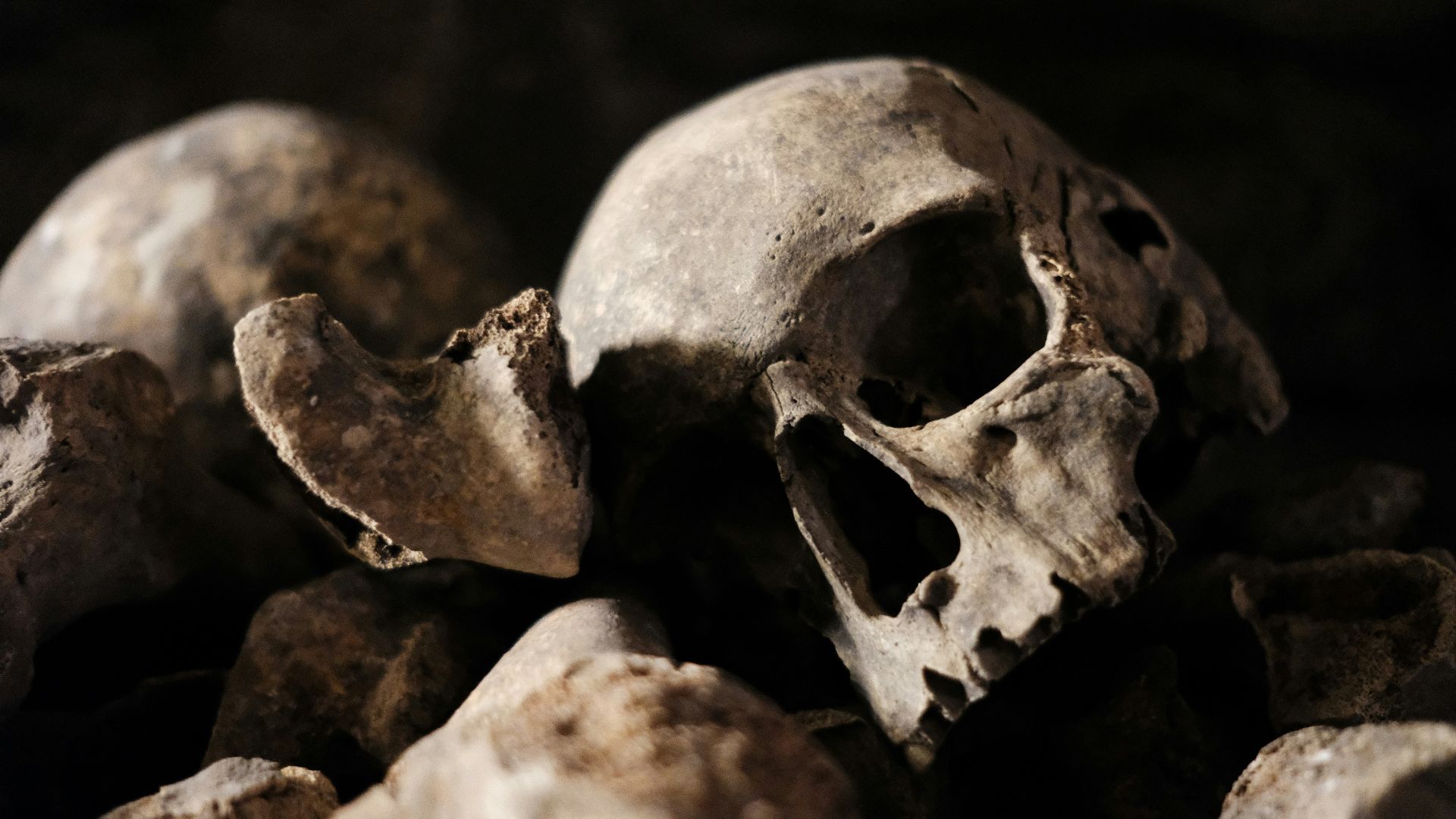
One of his sons-in-law was killed by an arrow at the walls of Nishapur in 1221. The city fell the next spring, and the sources describe several days of killing with the dead counted by severed heads. Chroniclers say the skulls were stacked into pyramids, probably exaggeration on top of something bad enough already.
 Chelms Varthoumlien on Unsplash
3. The Envoys at Otrar
The governor of Otrar seized a Mongol trade caravan in 1218 and killed the merchants. Genghis sent envoys to demand payment, and the Khwarazmian shah Muhammad II had them executed instead. Three years later the empire was gone and the shah was dead, a fugitive on an island in the Caspian.
4. Prisoners at the Walls
Mongol armies drove captured civilians ahead of them to fill moats and absorb arrows meant for soldiers. Persian and Chinese accounts both record it, on campaigns thousands of miles apart and decades apart. Craftsmen were pulled out of the same crowds and sent east to work, so the sorting was deliberate.
 Unknown authorUnknown author on Wikimedia
5. The Cart Axle
The Tatars had poisoned Genghis Kan's father, and after they were beaten the Mongol council ordered the surviving males measured against the linchpin of a cart. Anyone taller was killed, which meant the grown men and the older boys. The chronicle gives the reason plainly, which was to end the Tatars as a power on the steppe.
6. His Half-Brother
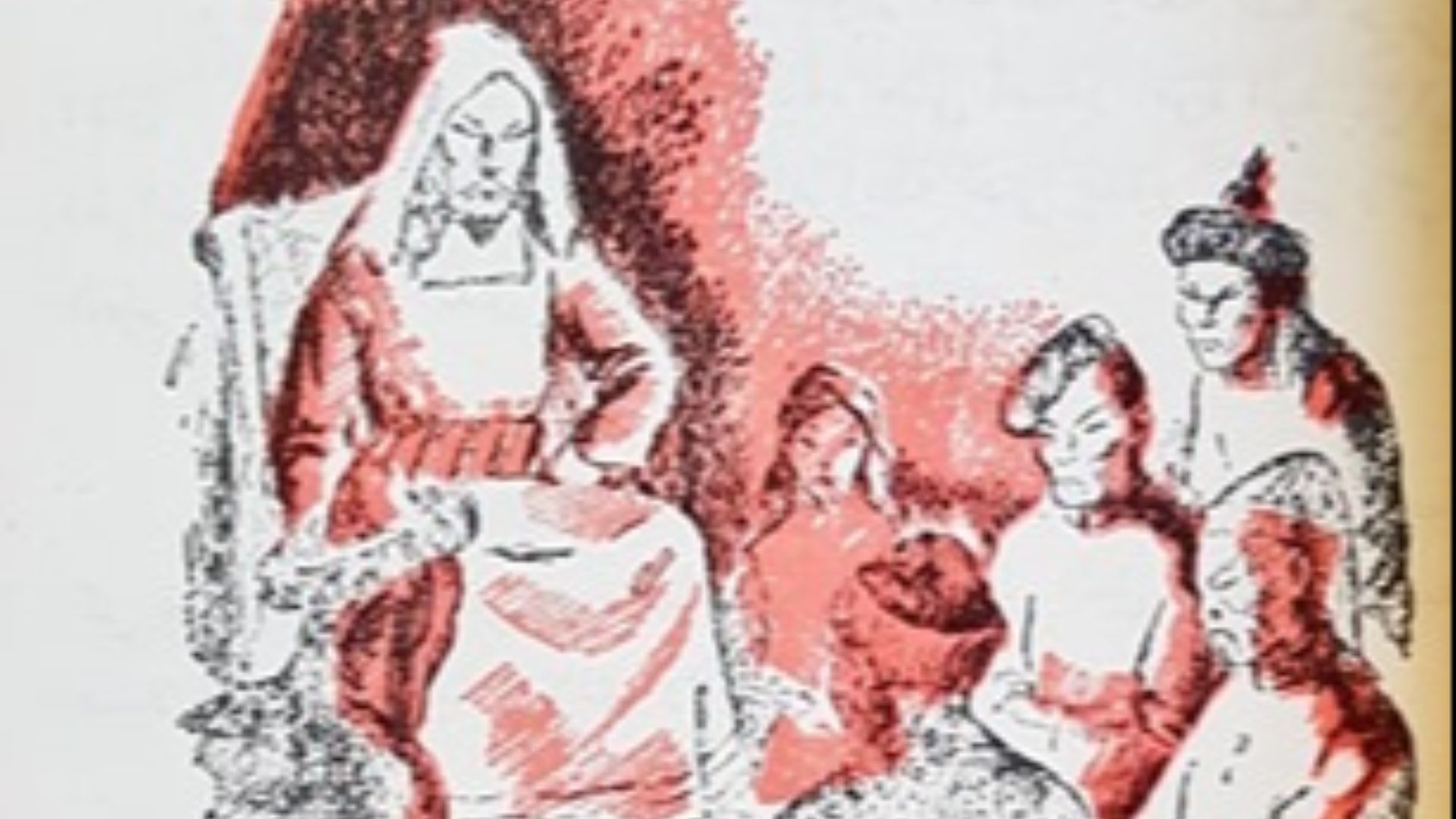
Temüjin was a boy when he and his brother Khasar shot their half-brother Begter dead with arrows. The quarrel was over a fish and a lark, and over rank in the family. The Secret History tells the whole thing, including their mother's fury once she worked out what they had done.
 Unknown authorUnknown author on Wikimedia
7. Jamukha
Jamukha was his anda, a sworn brother bound to him by an oath they took twice. They became rivals for the same tribes, and Jamukha's own men eventually handed him over. Genghis had him killed the way Jamukha asked, without spilling blood, which the chronicle treats as a favor.
8. Merv
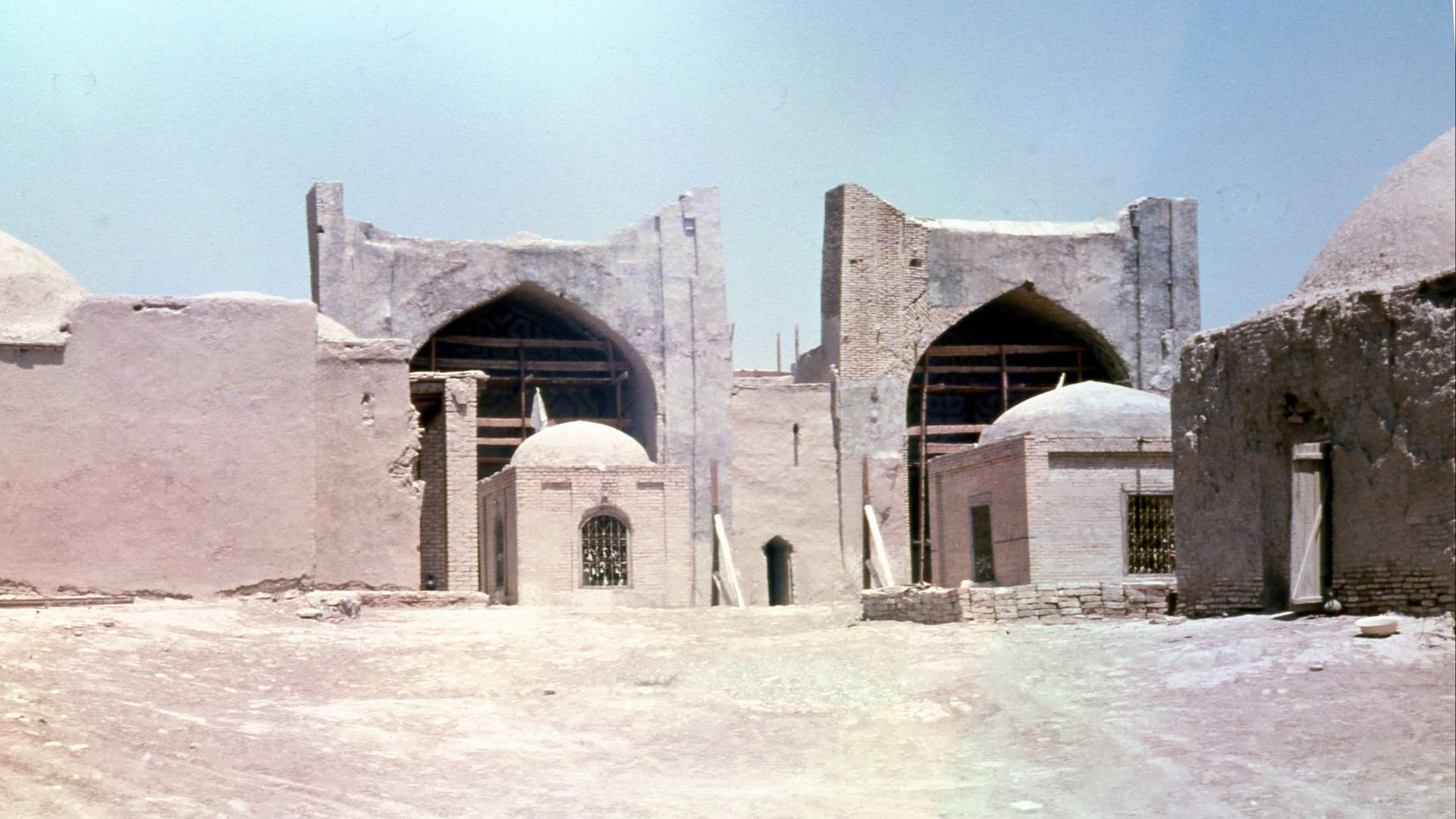
Merv was one of the largest cities in the Islamic world when it surrendered to his son Tolui in 1221, three months after Nishapur fell. Juvayni, writing a generation later, put the dead above 1.3 million, and no modern historian accepts it. The archaeology shows Merv stopped working as a city and never recovered.
9. The Spoils
Mongol campaign practice treated captured women as property, divided among commanders and troops. The chroniclers write it down plainly, because nobody involved thought it needed defending. The settled empires they fought did the same thing.
10. The Xia Order
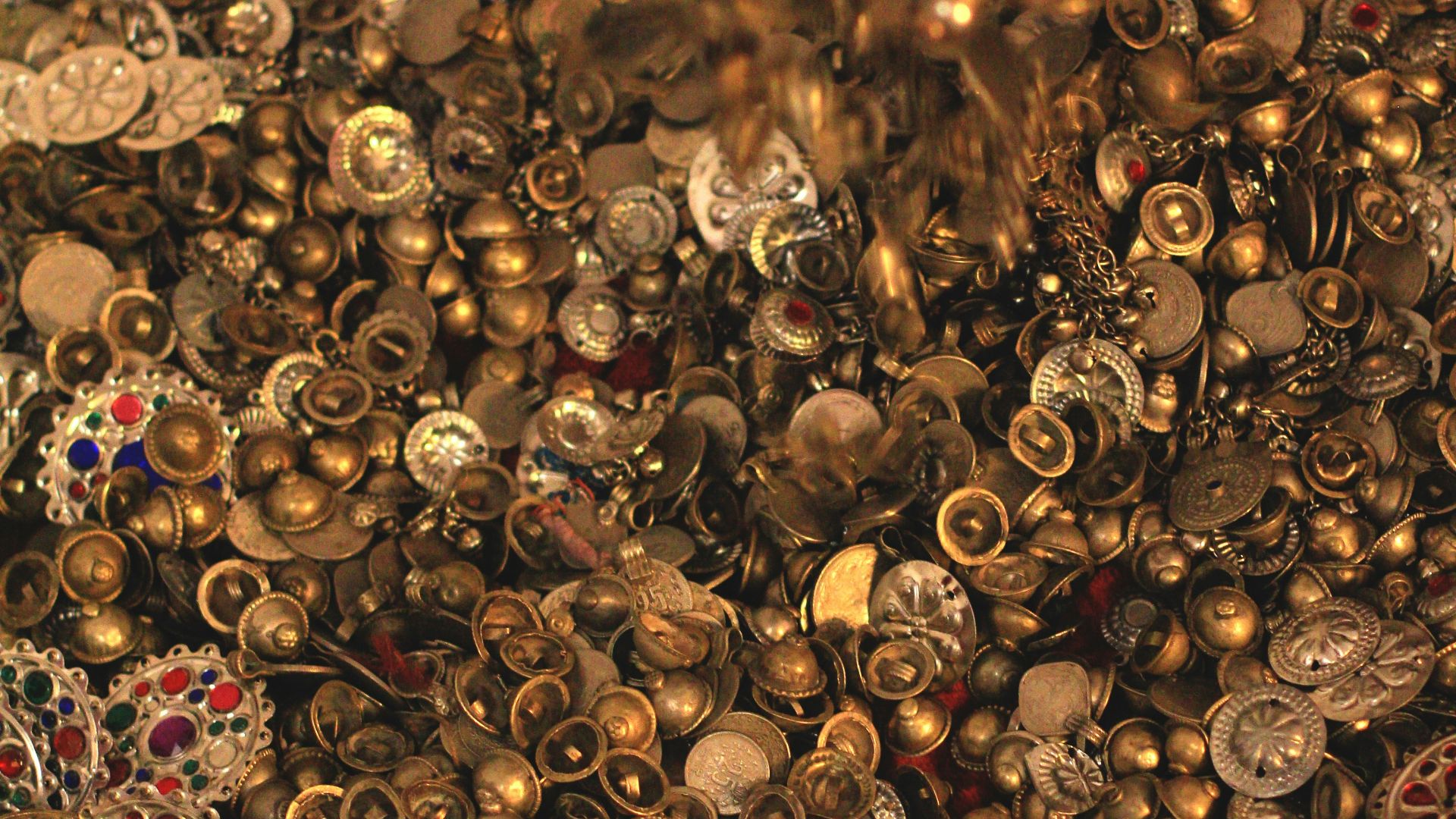
The Tangut Xia had refused to send troops for the Khwarazmian campaign. Genghis came back for them in 1226 and died in August of the next year with the war unfinished. His successors took the Xia capital and finished the state off, and the Tangut script fell out of use within a few generations.
Now, here's 10 myths that made him larger than life.
 Tenth–thirteenth century artist on Wikimedia
1. That Was His Name
He was born Temüjin, probably sometime in the 1160s. Chinggis Khan is a title he took at a council in 1206, and scholars still argue over whether it meant fierce or oceanic or something else entirely. Calling him Genghis is more like calling somebody Caesar than using a surname.
 Unknown authorUnknown author on Wikimedia
2. The Illiterate Barbarian
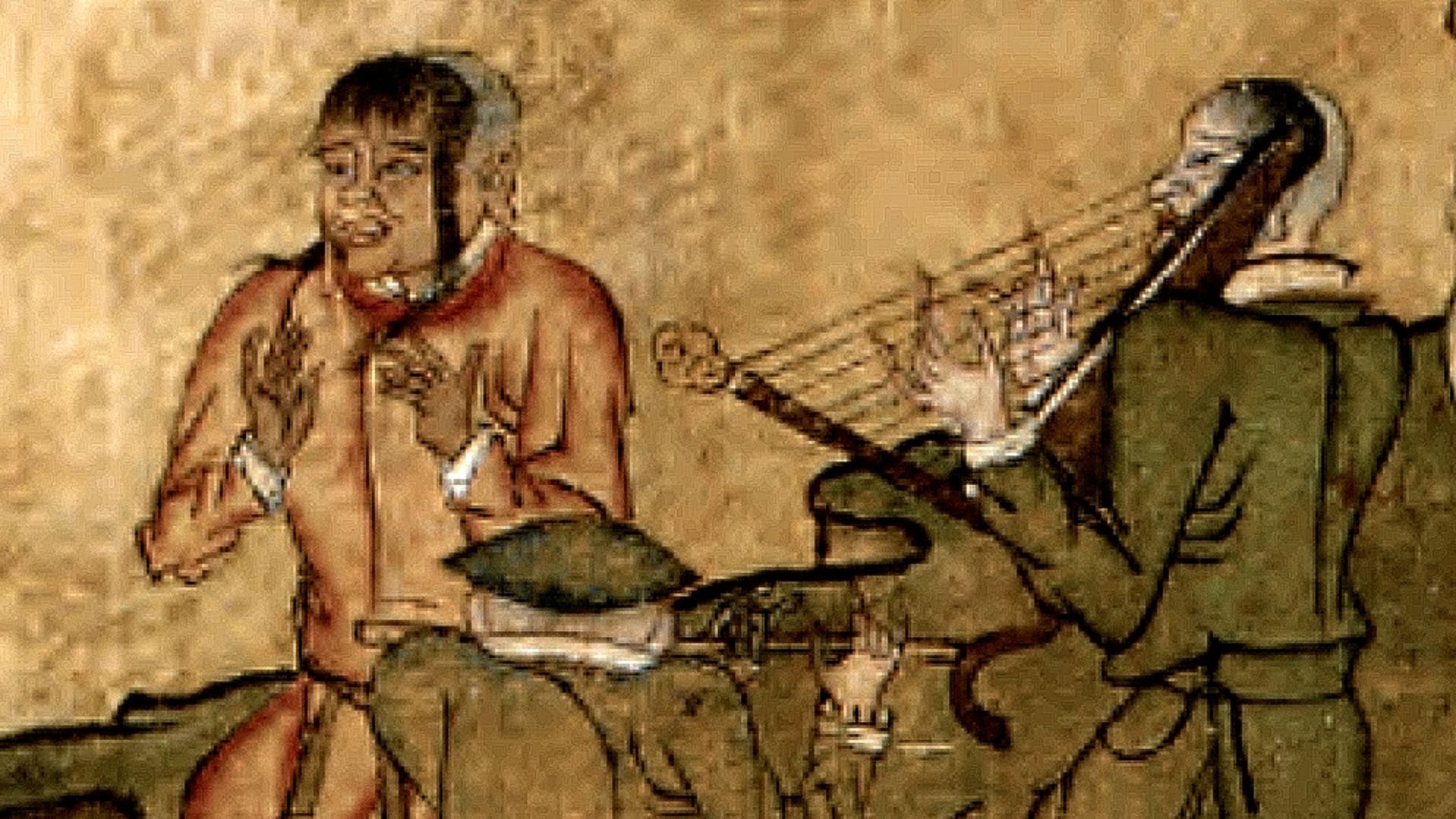
Genghis couldn't read. His administration could, and he had the Uyghur script adapted to write Mongol and a courier relay called the yam running across the empire on fixed stages. Tax exemptions for clergy of every religion were a practical way to govern conquered cities.

3. He Sacked Baghdad
Baghdad fell to the Mongols in 1258, which was thirty-one years after Genghis died. His grandson Hulagu ran it and had the caliph killed. People merge the two men constantly, usually with the burned libraries attached to the wrong name.
4. The Sixteen Million Descendants
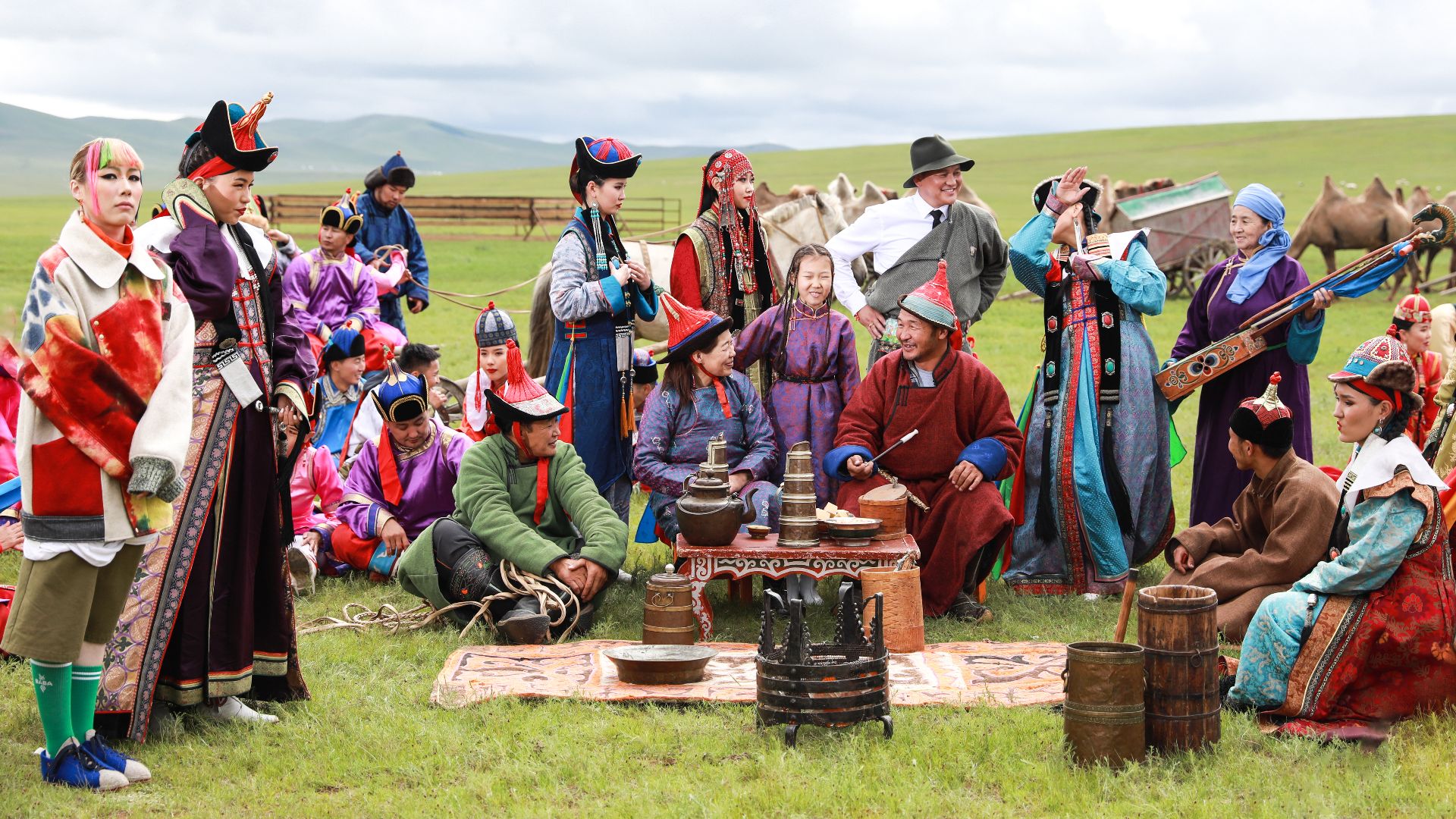
A 2003 genetics paper found a Y-chromosome lineage in about eight percent of men across a wide band of Asia, which is roughly 16 million people. The authors suggested the Mongol ruling house as the likely source. No DNA from Genghis has ever been tested, since nobody has found his grave, so the link is a guess.
 commons.wikimedia.org on Google
5. The Burial Party
The popular story has 800 soldiers killing every witness to the burial, then being killed in turn. Neither the Mongol chronicle nor the Yuan records mention anything like it. It shows up centuries afterward, like most of the burial material.
6. The Diverted River
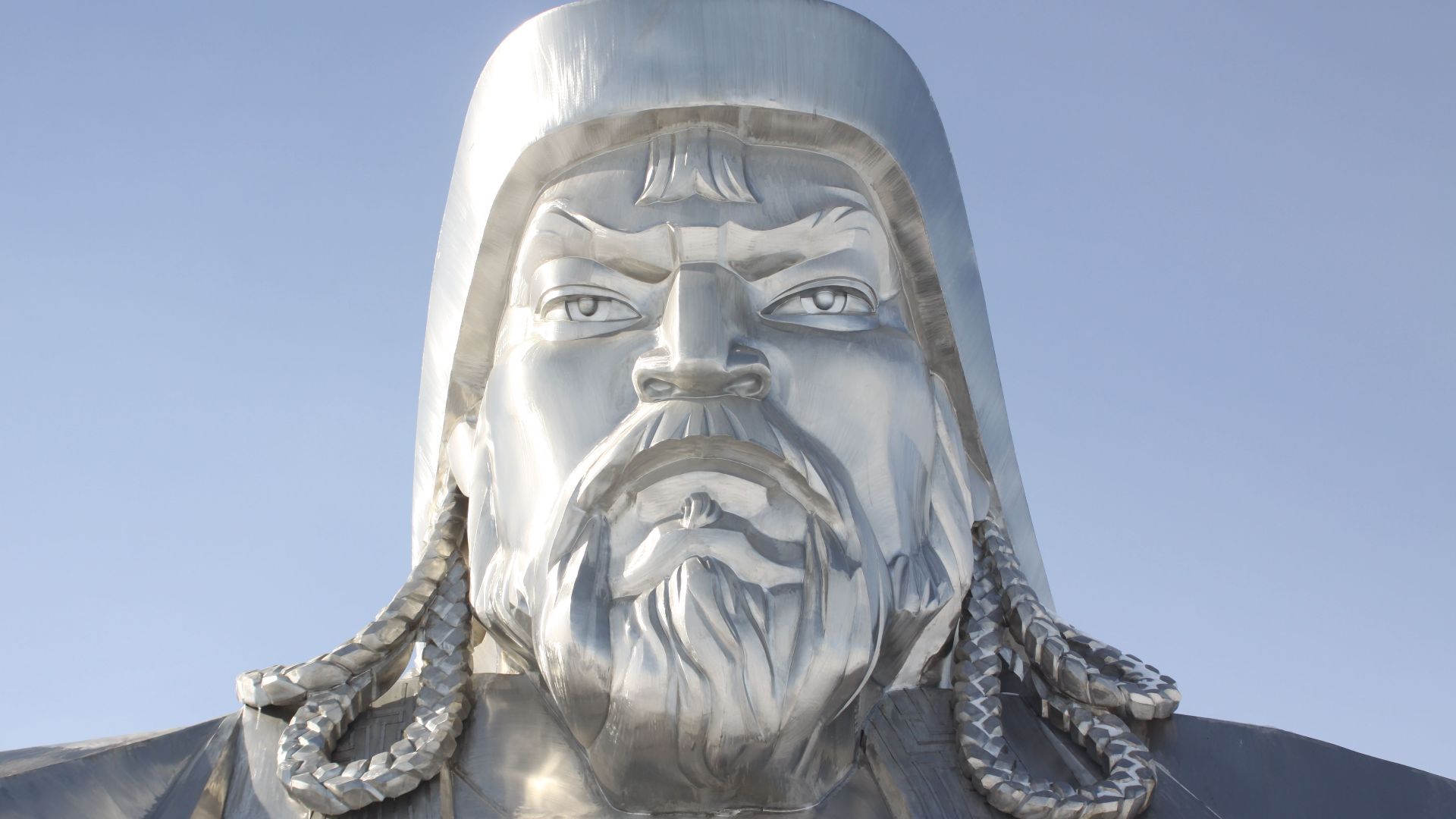
Another version has a river turned over the grave to hide it for good. Marco Polo and the writers after him added details nobody at the funeral could have known. The grave has never been found, despite several modern expeditions going out to look.
7. The Red-Haired Giant
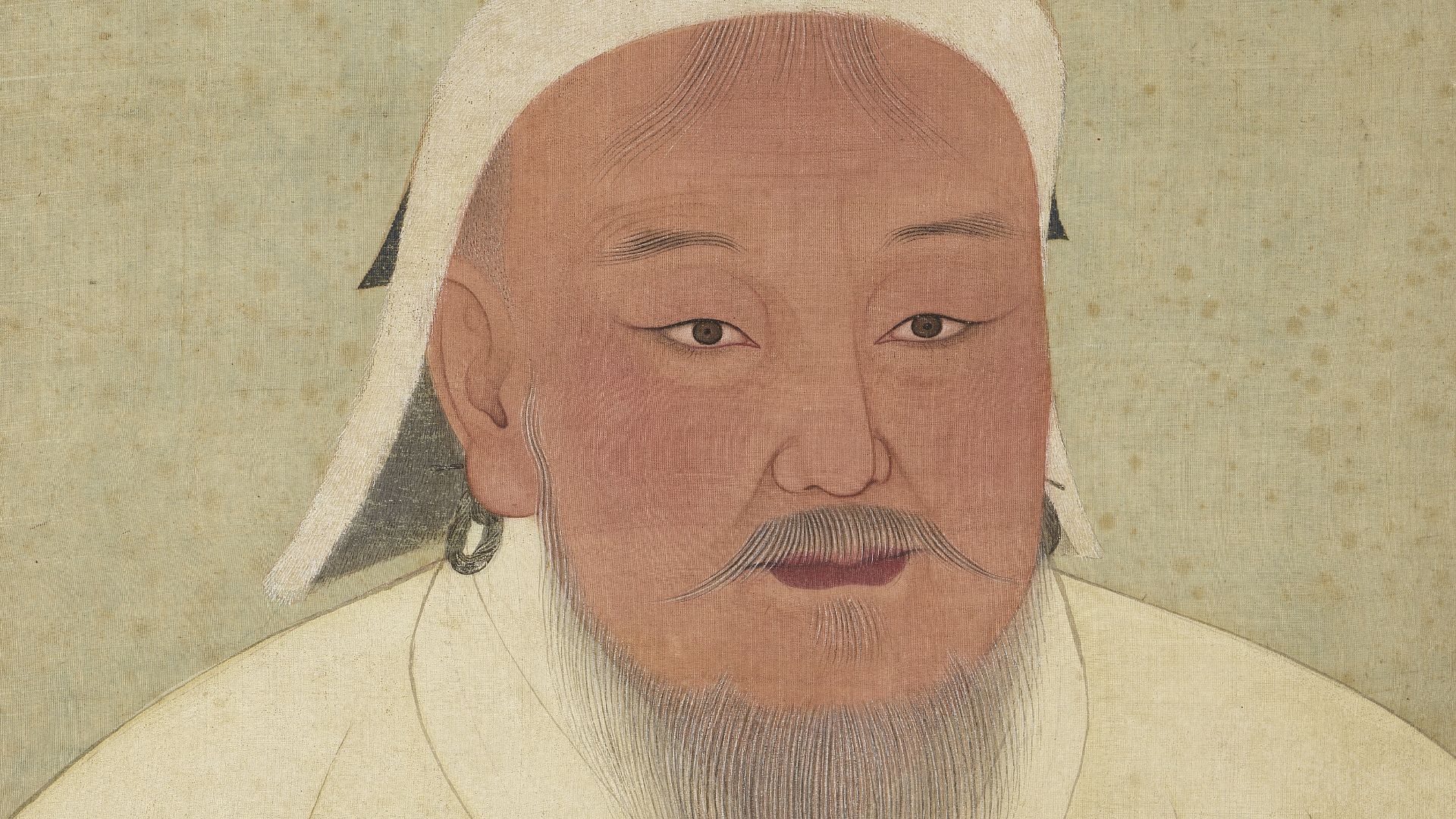
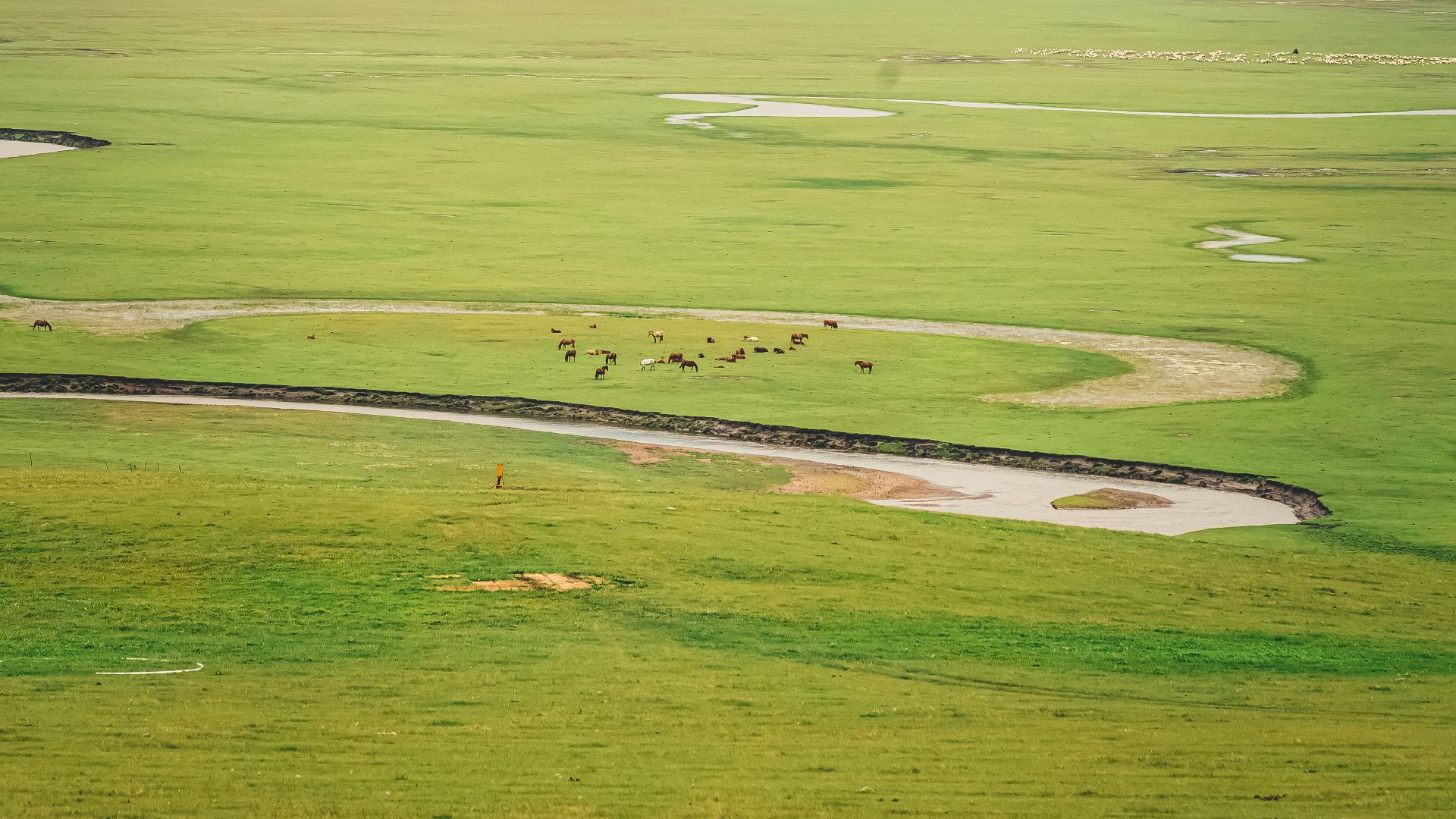
No portrait from his lifetime survives. The familiar painting is from the Yuan dynasty and now hangs in Taipei, made decades after he died by an artist working from a description. Later Persian writers mention red hair and green eyes among some of his descendants, which is where the detail came from.
8. The Great Wall Stopped Him
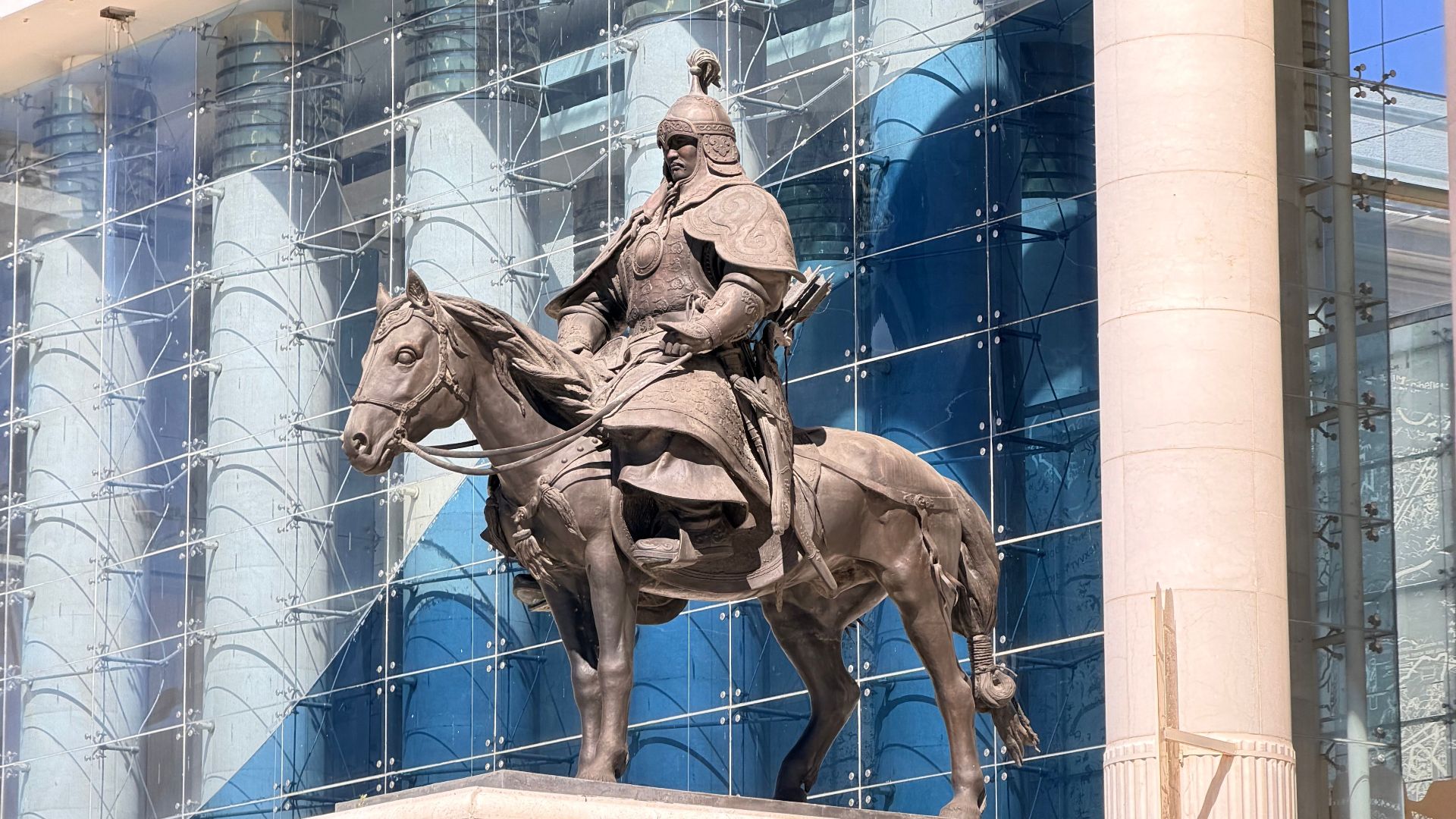
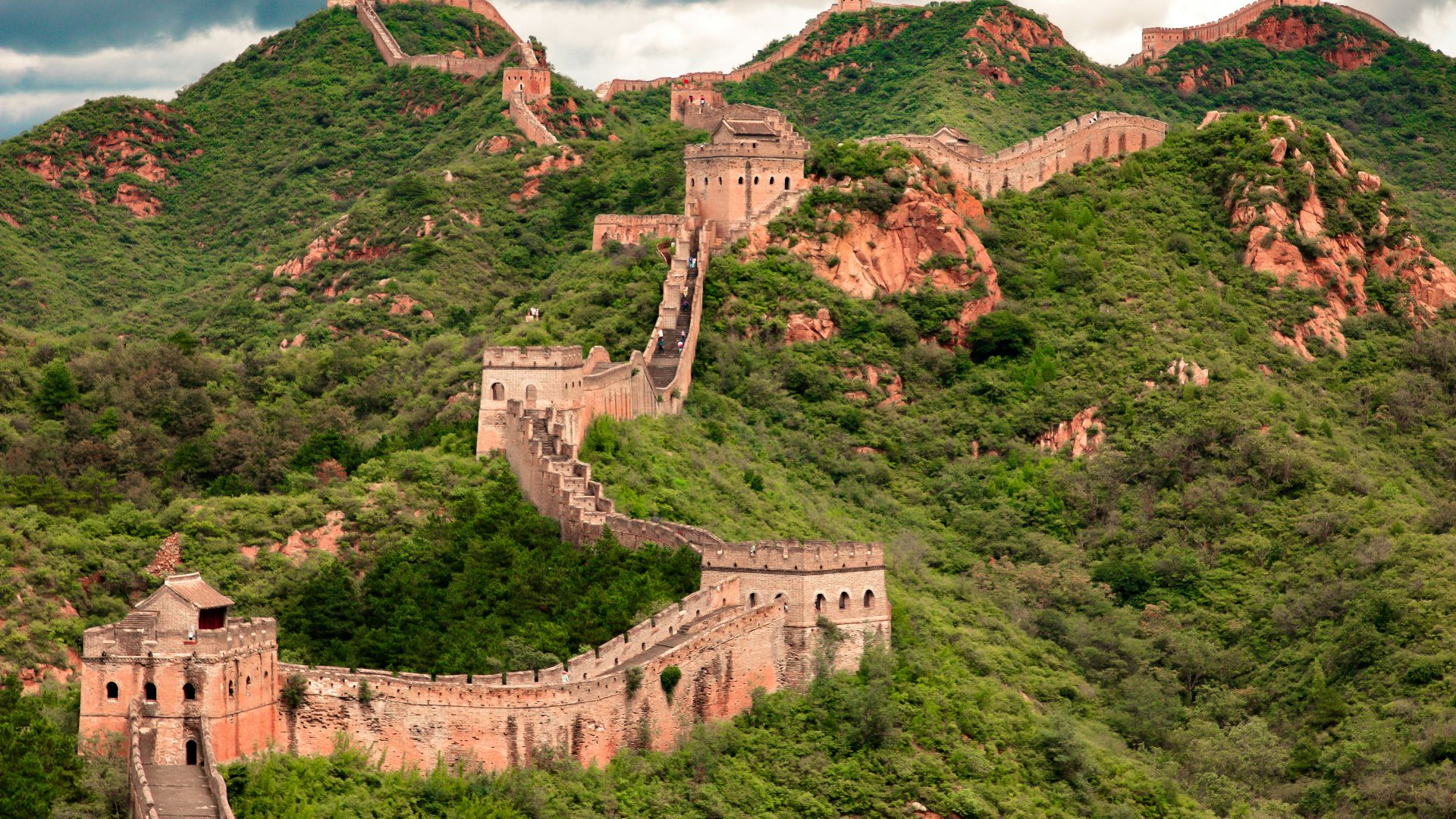
The brick wall tourists photograph was built by the Ming dynasty, starting more than a century after Genghis died. Earlier walls existed on that frontier and none of them held. Mongol armies went around fortifications or through the men defending them, so the Jin fell either way.
9. He Died in Battle
The Secret History says he fell from a horse while hunting and never recovered. Other accounts give an arrow wound or an illness, and a legend added a captured princess much later. The horse fall is the earliest version and the dullest, which usually counts for something.
10. He Rose From Nothing
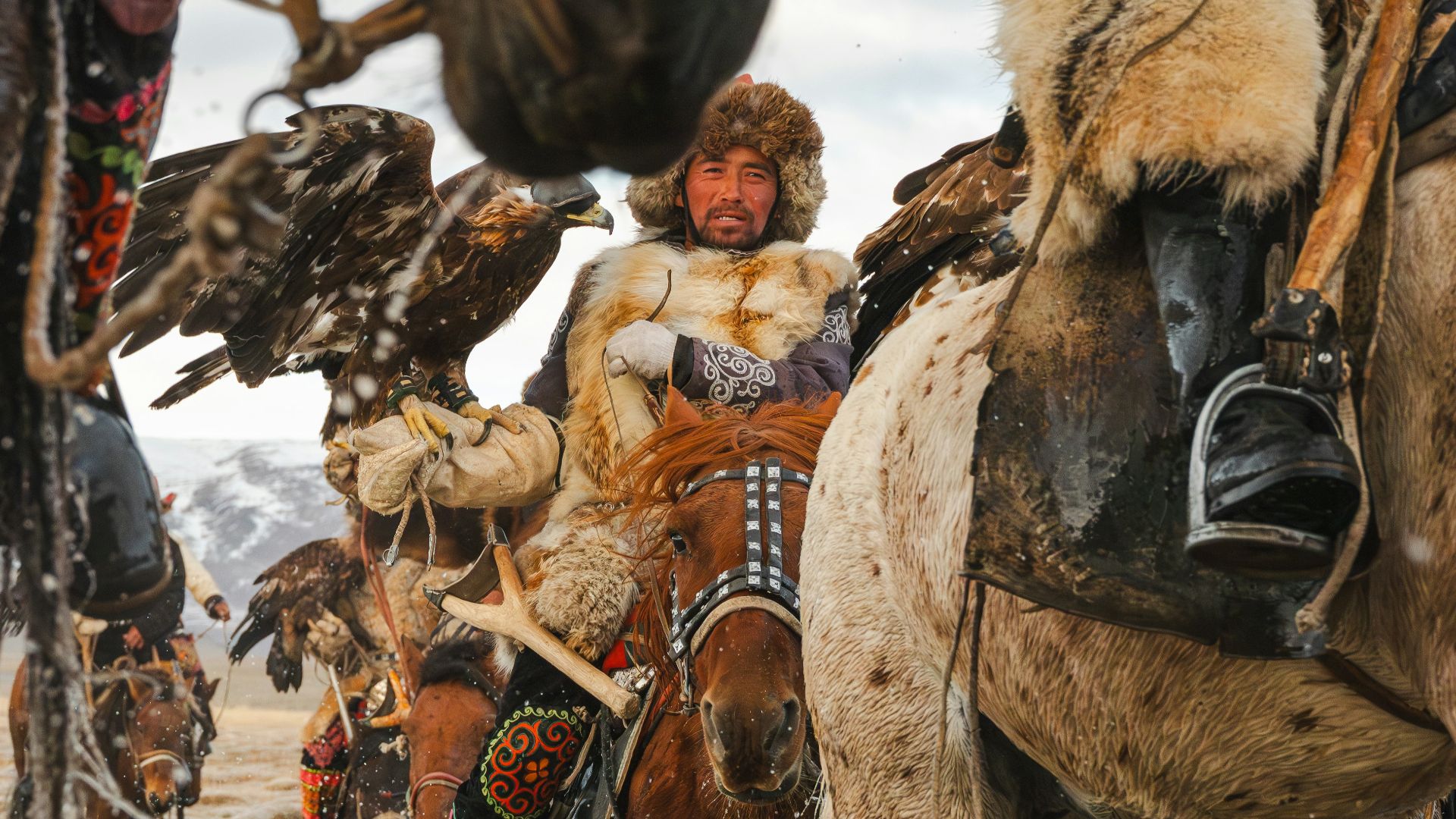
The orphan account is true as far as it goes, since his father was poisoned and the clan abandoned the family. He was also a Borjigin, from a line with its own claim to lead, and he got where he did through a patron called Toghrul and a long run of alliances.