Bad Judgment Reached the Top
History has never been short of nonsensical leaders. Some were such terrible leaders, in fact, that we’re still here generations later wondering what they were even thinking. Some ignored obvious warnings, others trusted the wrong people, squandered fortunes, or managed to turn molehills into full-blown mountains. These 20 names may have held power, but that doesn’t mean they deserved it.
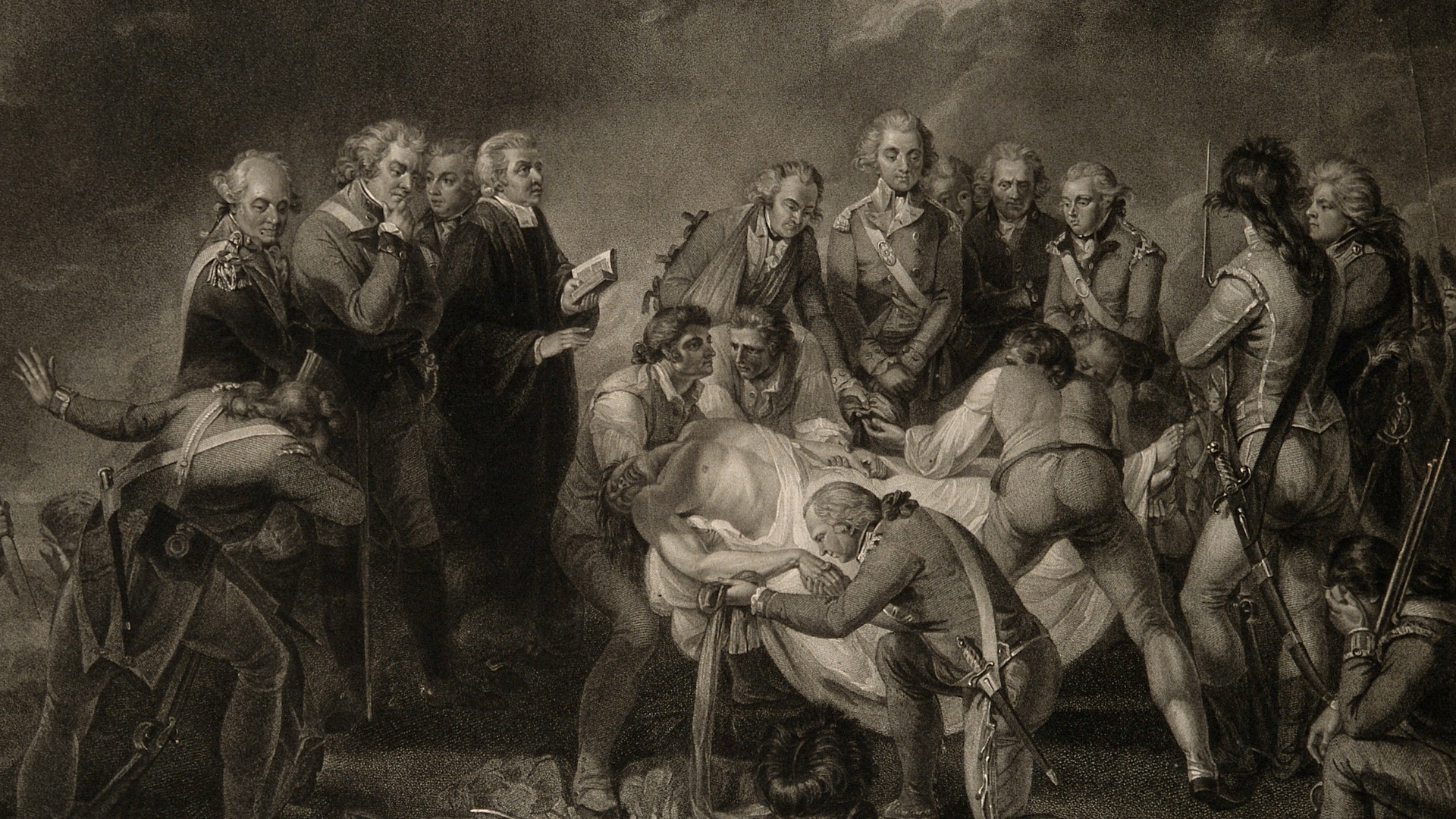
1. Croesus
King Croesus of Lydia had a war to worry about, and before he attacked Persia, he consulted the Oracle of Delphi. He was told that if he crossed the Halys River, he would destroy a great empire. Naturally, he assumed the prophecy referred to Cyrus the Great's empire, so he not only withdrew, but he also dismissed much of his army. That only allowed Cyrus to pursue him, and the empire Croesus helped destroy was his own.
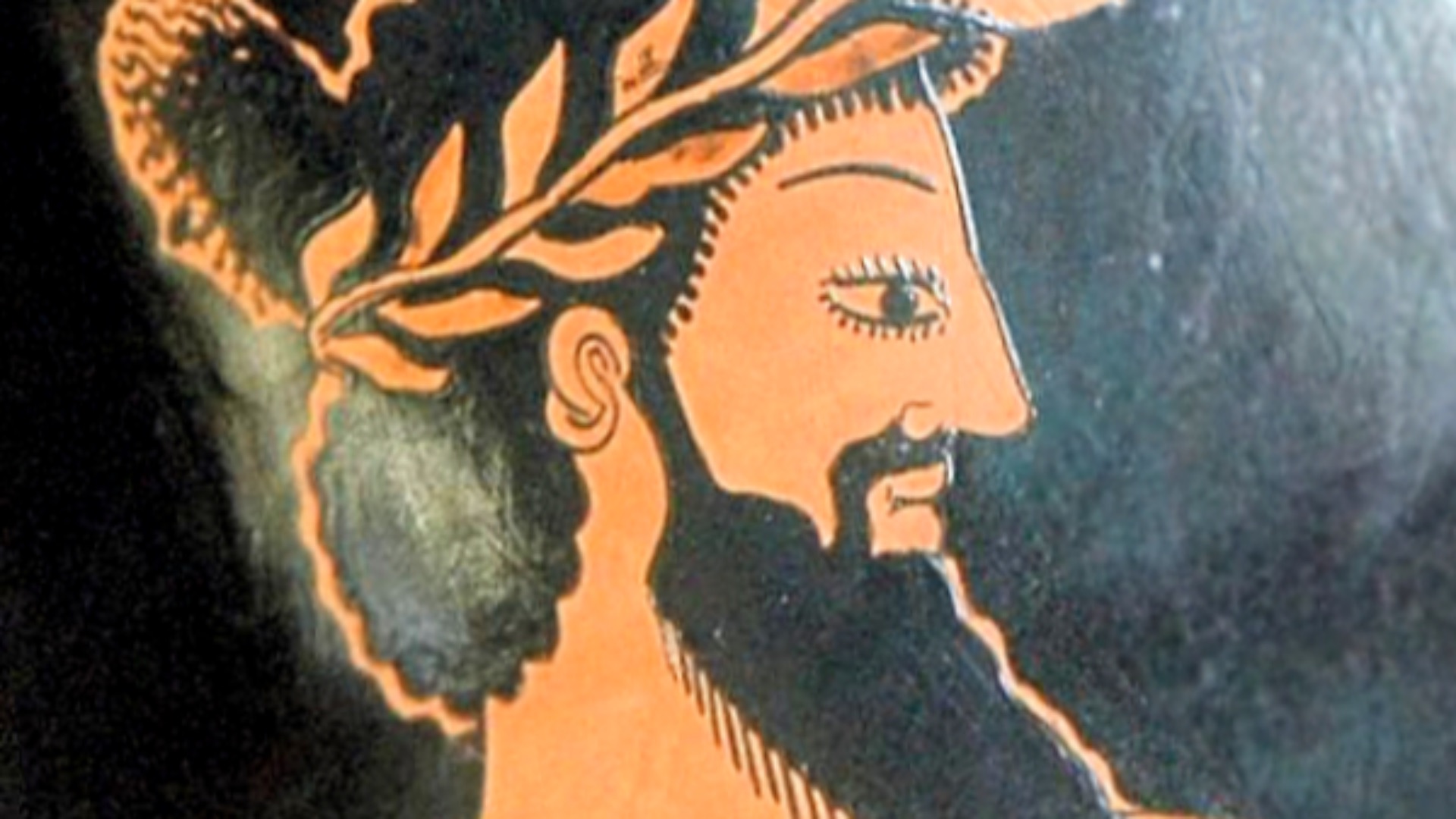
2. General Karl Mack
Austrian general Karl Mack managed to get much of his army surrounded at Ulm during Napoleon's 1805 campaign. Even as other commanders became more and more alarmed by their predicament, Mack remained inactive while French forces cut his communications and closed around him. He eventually surrendered 25,000 soldiers, handing Napoleon a massive victory.

3. Marcus Licinius Crassus
Crassus invaded Parthia in 53 BCE even though he had little experience fighting the kind of cavalry the Parthians used. Armenian king Artavasdes II literally offered him extra troops and suggested a safer route, but Crassus ignored him. So, marched across Mesopotamia, where his army was crushed, and Crassus was killed.
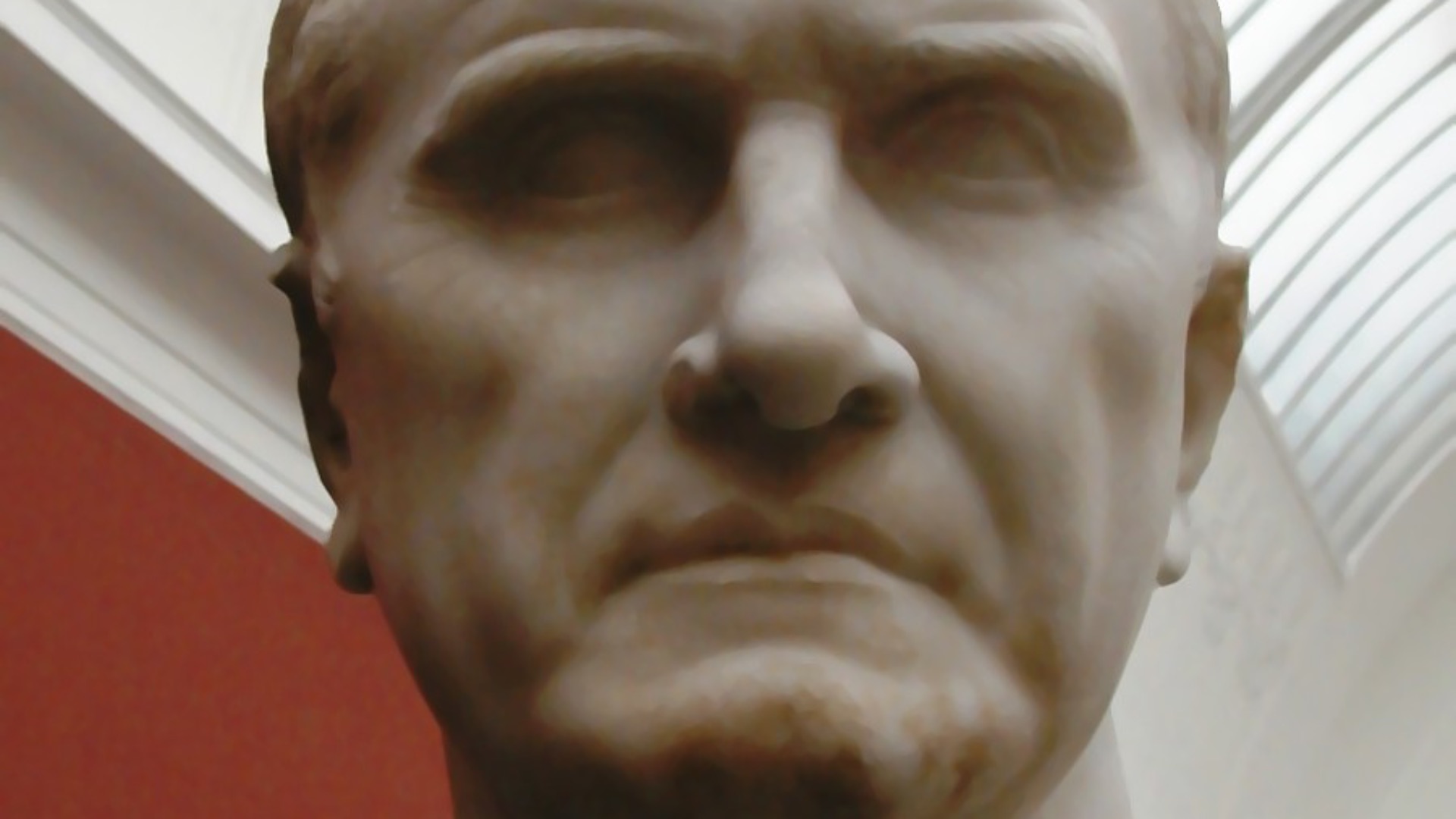
4. Valens
Emperor Valens knew that Roman reinforcements under Gratian were on their way before he faced the Goths near Adrianople in 378. But instead of waiting for the extra soldiers, he decided to attack with the forces he already had. The Romans obviously lost, and Valens himself was killed in the battle.
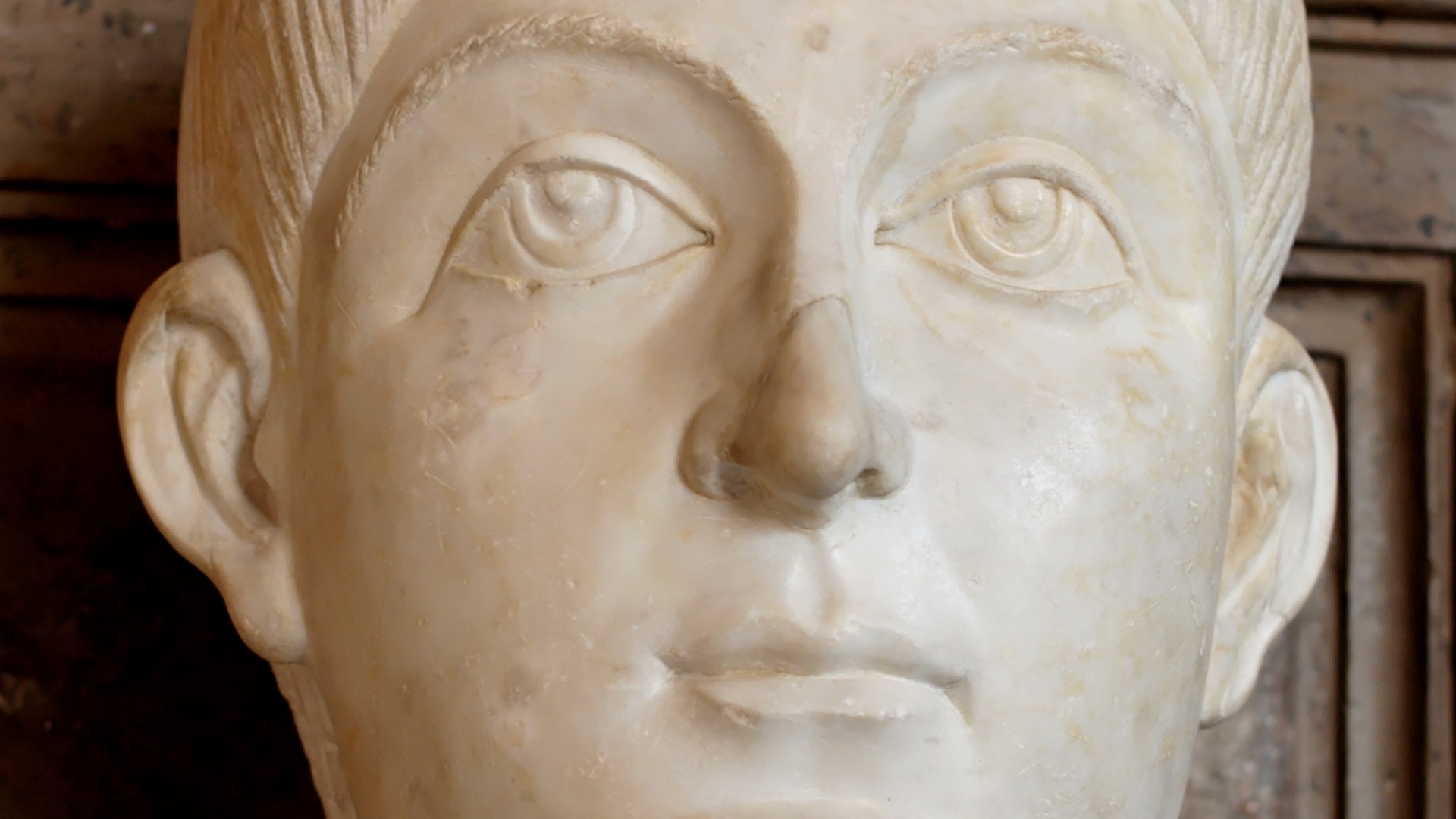
5. Julian
Emperor Julian marched deep into Sasanian Persia in 363 and successfully reached the area around Ctesiphon. It sounds like a win, but taking the defended capital was another matter. After deciding better than to attack, he ordered much of his fleet destroyed before moving inland, only to find his army struggling with supplies and an increasingly difficult withdrawal. The retreat was a disaster, and Julian was fatally wounded while his army struggled to escape.
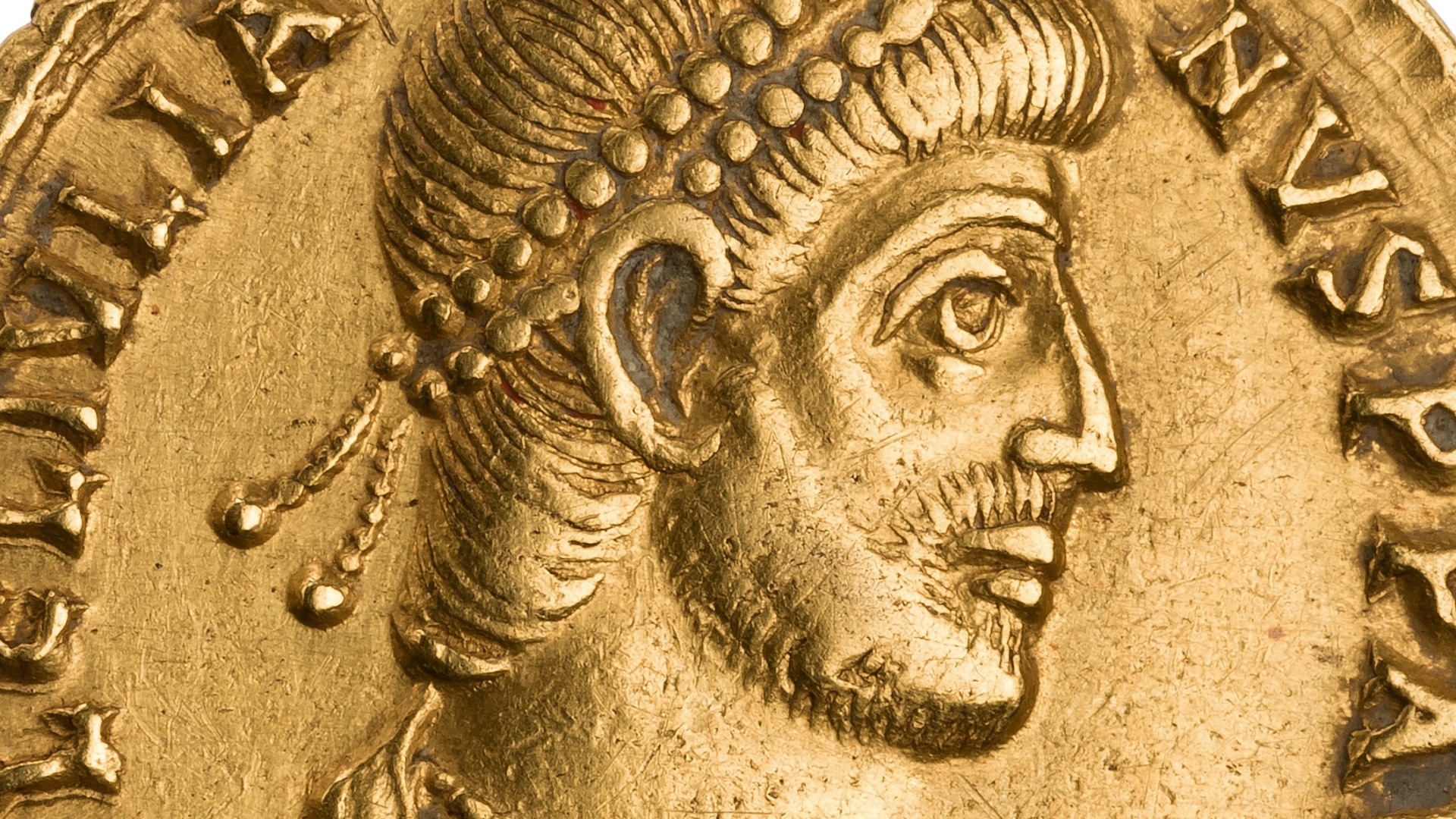
6. Honorius
Western Roman emperor Honorius approved the execution of his powerful general Stilicho in 408. It made sense at the time—court rivals accused the commander of plotting against him. The thing is, a purge followed that destabilized the military and drove many Gothic soldiers and their families toward Alaric, leaving the empire weaker at exactly the wrong time. Just two years later, Alaric's forces sacked Rome.
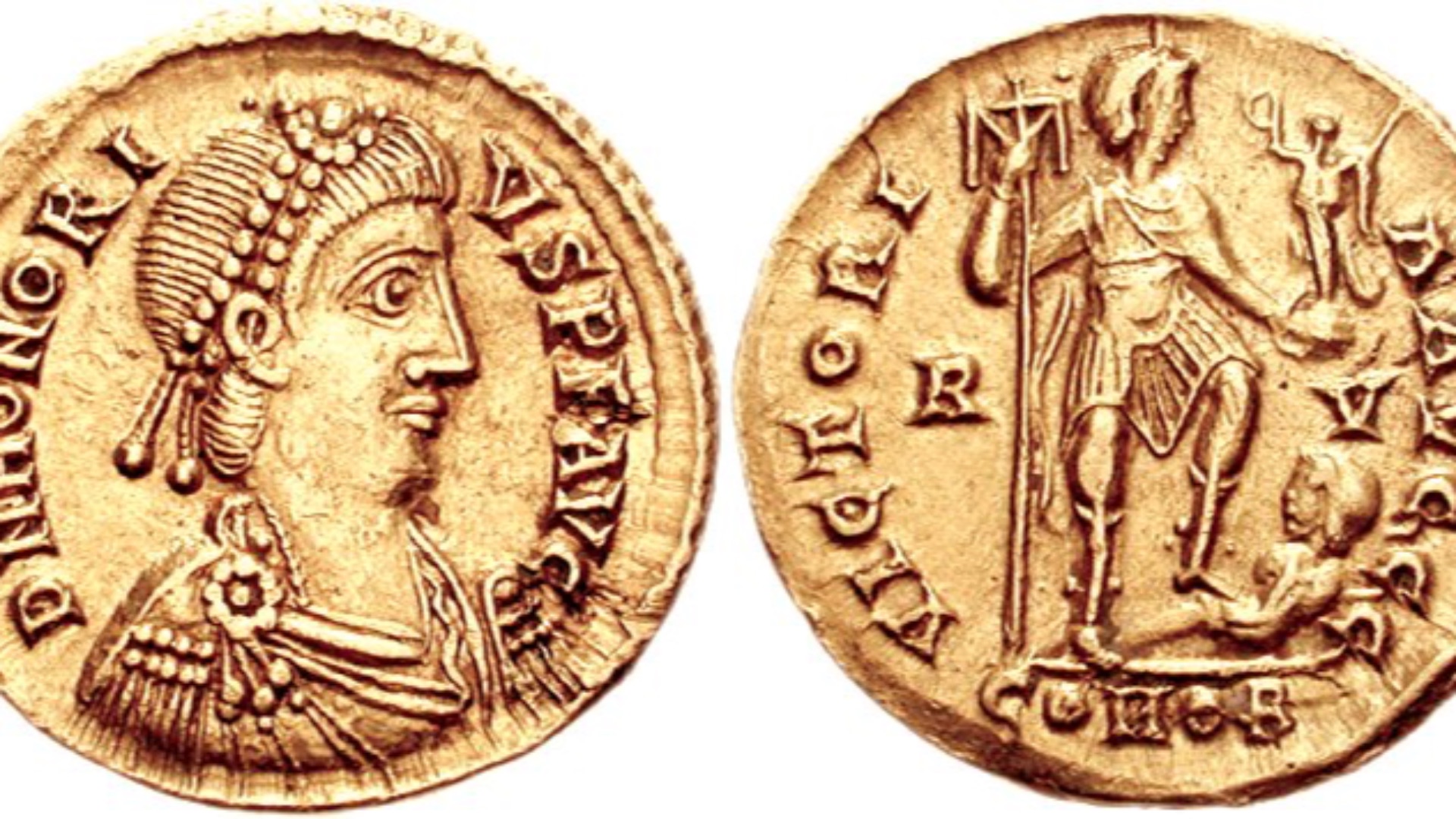
7. Edward II
Edward II led a large English army into Scotland in 1314 to relieve Stirling Castle, though “led” might be a strong word. His forces were poorly organized and struggled on the battlefield against Robert the Bruce's much better-disciplined troops. England was badly defeated, damaging Edward's reputation while only strengthening Bruce's rule in Scotland.
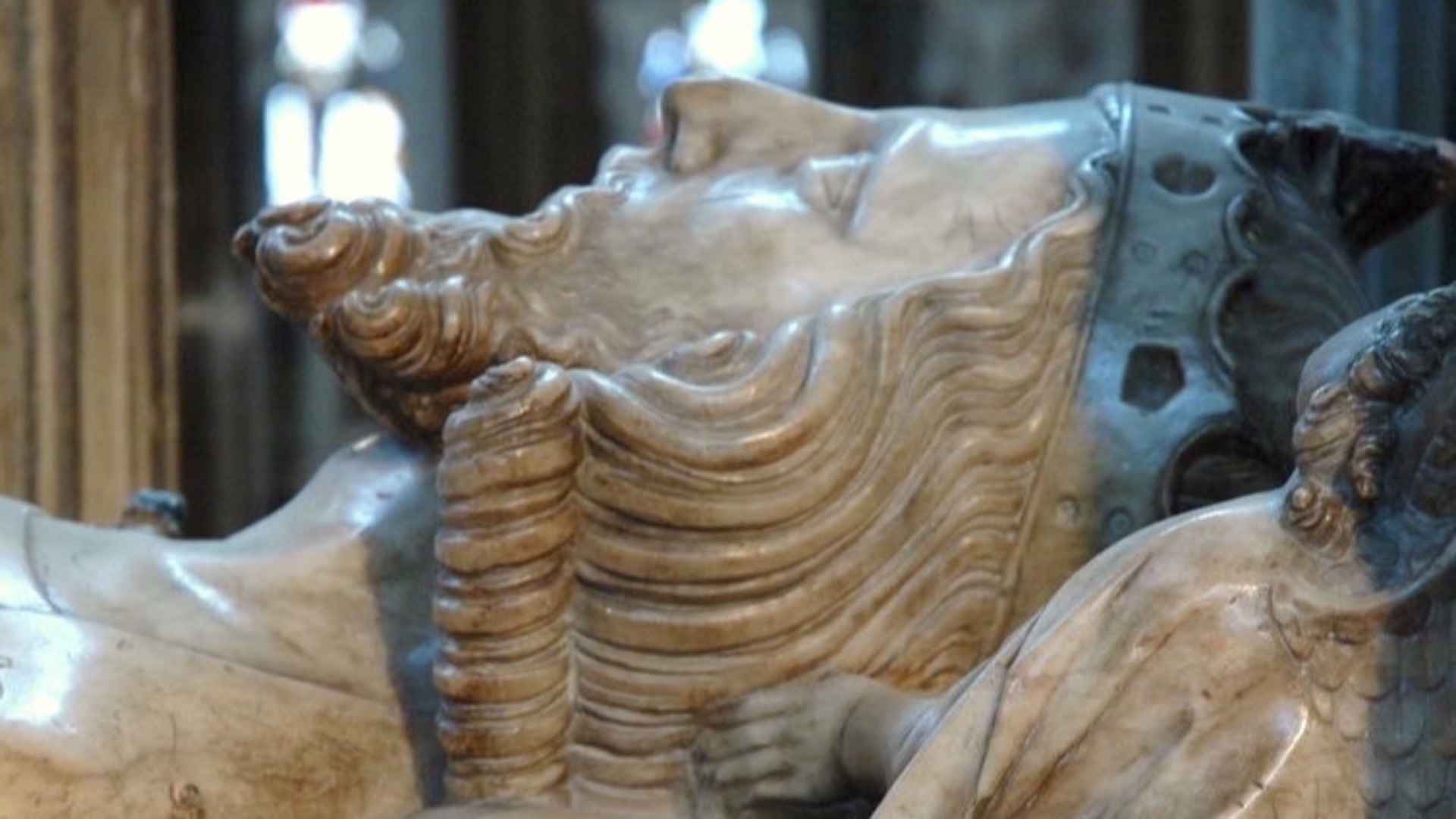 Philip Halling https://www.geograph.org.uk/profile/1837 on Wikimedia
8. Philip VI
Philip VI of France caught Edward III's English army near Crécy in 1346 after a tiring march. Logic would tell you to give your troops time to rest and organize themselves, but Philip pushed ahead with an attack—one against an English army more than ready for battle. The result was a disastrous defeat and one of England's most famous victories of the Hundred Years' War.
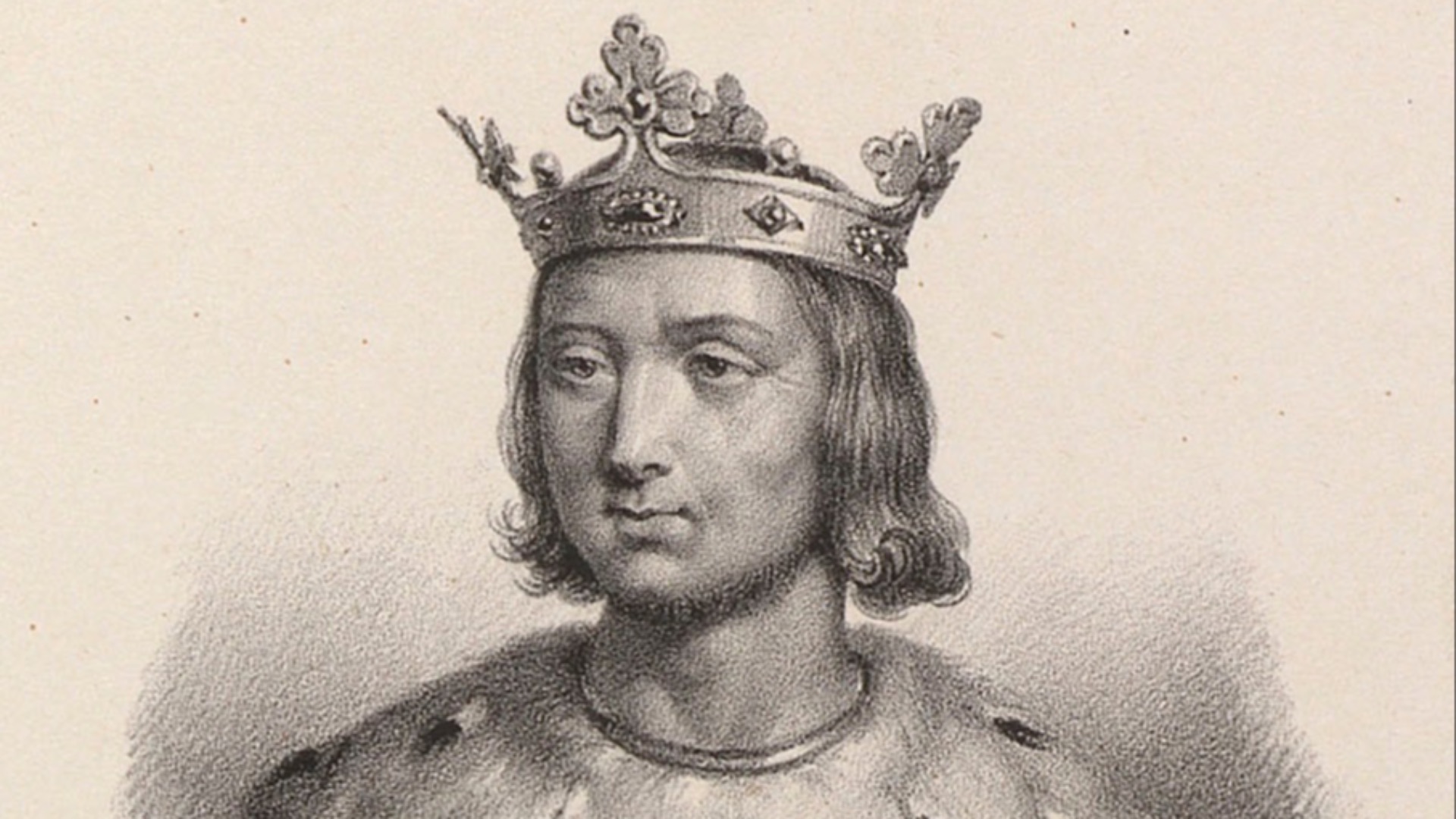 François-Séraphin Delpech on Wikimedia
9. James IV
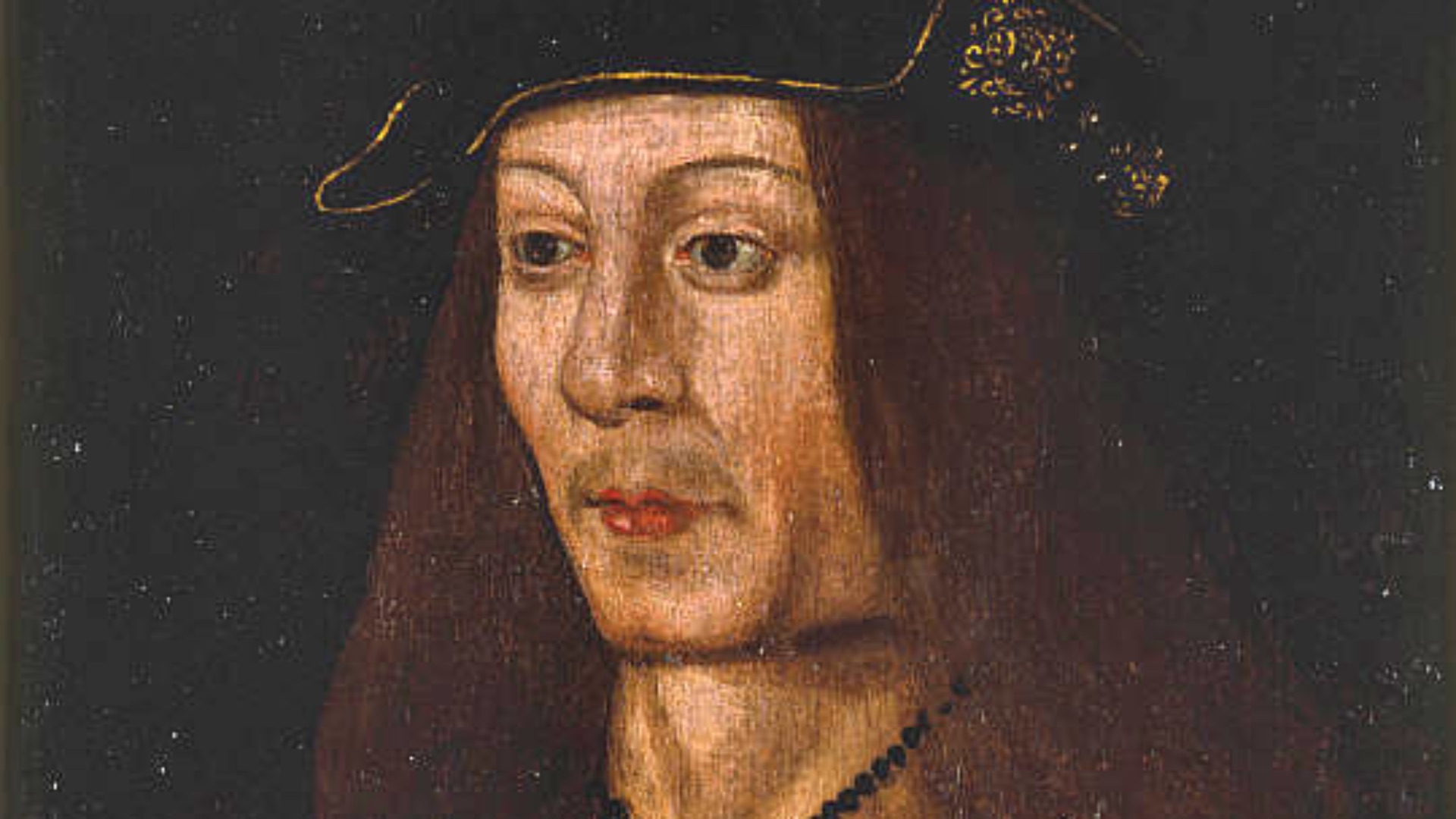
James IV invaded England in 1513 while Henry VIII was campaigning in France, giving Scotland what initially looked like an opportunity. However, instead of pressing his advantage quickly, James spent valuable time reducing border fortresses and even accepted battle at Flodden despite counselors urging him not to. The Scots were defeated, and James became the last British monarch to die in battle.
10. Charles the Bold
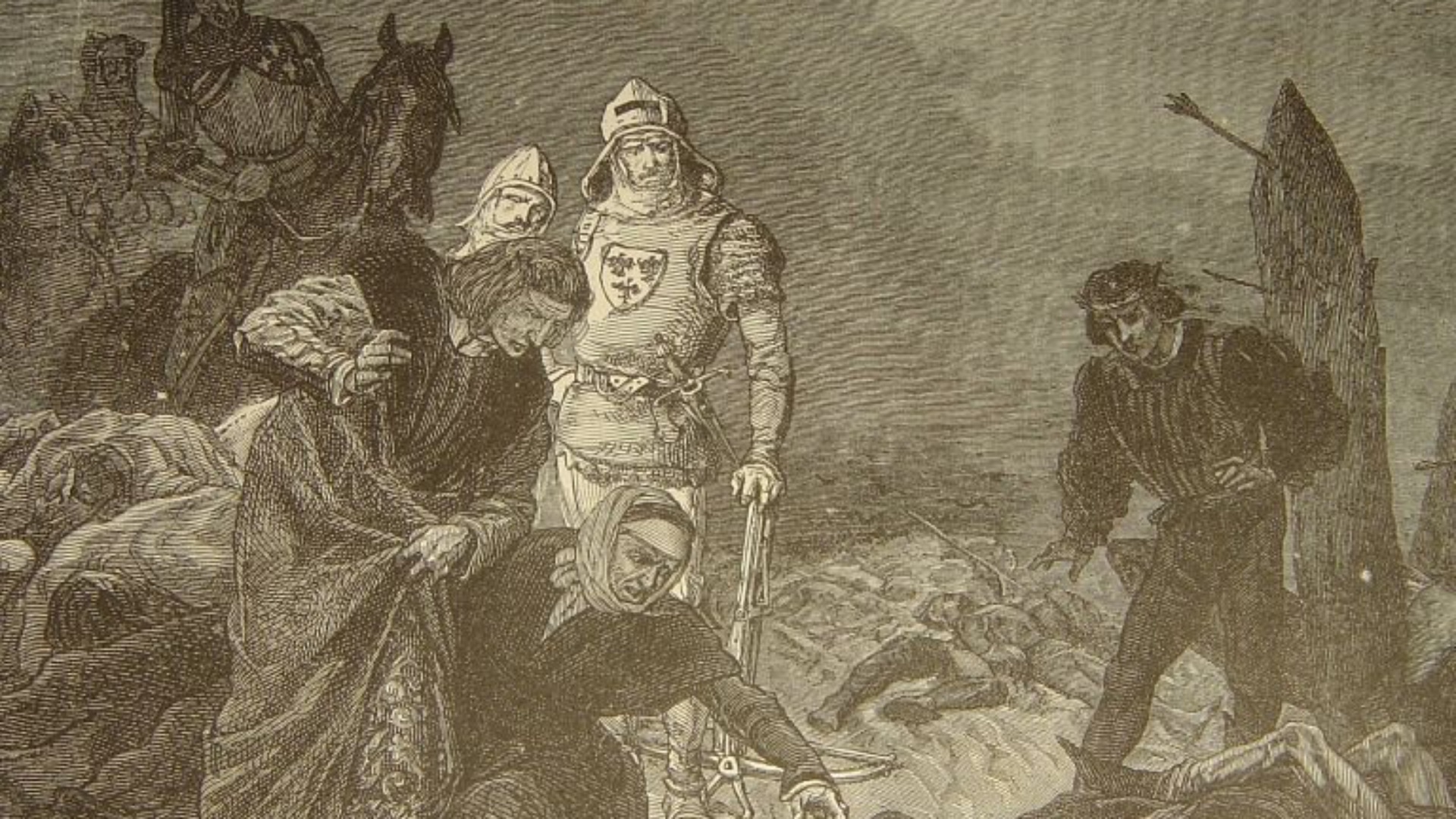
If nothing else, Charles the Bold at least lived up to his name. He wanted to build Burgundy into a powerful and united state, but he kept taking risks that his resources couldn't support. Even after major defeats in 1476, he kept campaigning and besieged Nancy during a brutal winter. Well, he was killed there in January 1477, and the power he tried so hard to harness for himself quickly unraveled.
11. Christian II
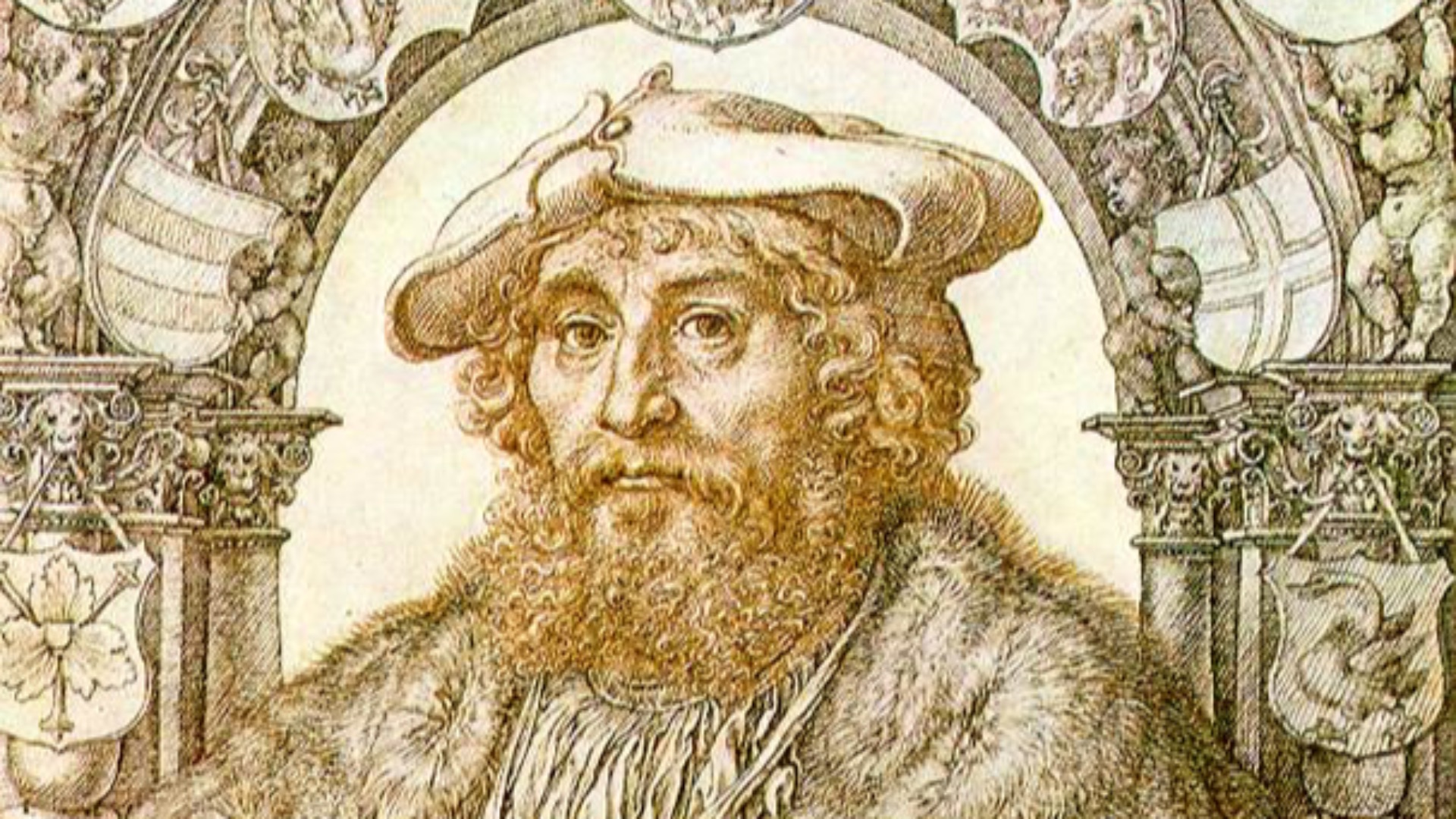
Christian II finally secured the Swedish crown in 1520 after years of resistance, allowing him to stabilize his rule. Don’t let that fool you, though. Shortly after his coronation, nearly 100 opponents were executed during the Stockholm Bloodbath. Instead of frightening Sweden into submission, the killings only fueled rebellion and helped Gustav Vasa drive Christian from his position.
12. Sebastian I
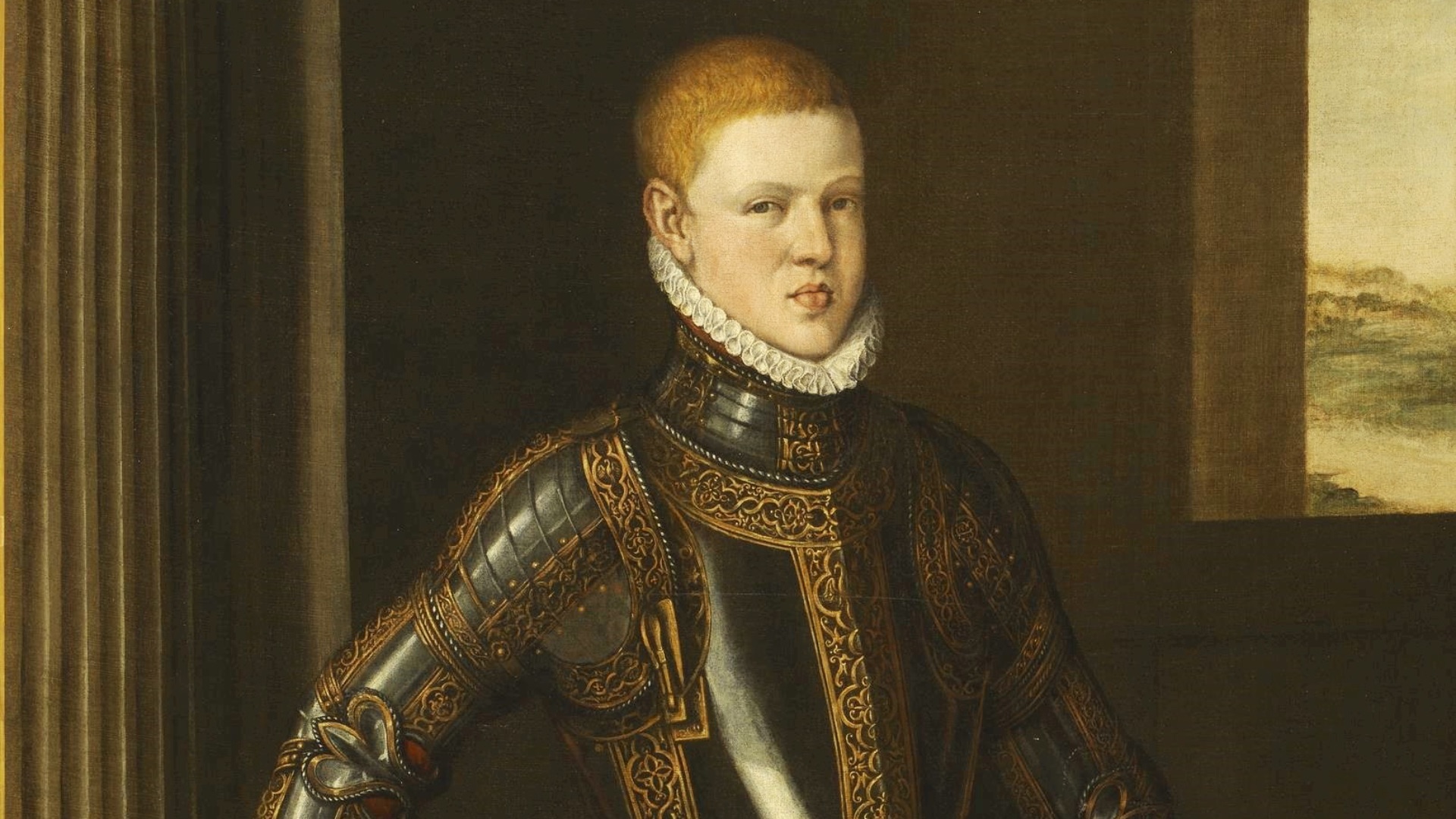
Portugal's young King Sebastian I became obsessed with the idea of campaigning in North Africa, ignoring concerns from those around him. In 1578, he took an army into Morocco and fought the much larger forces of Abd al-Malik at Alcácer Quibir. Sebastian was killed without an heir to take his place, leaving Portugal to eventually fall under the Spanish Habsburg monarchy.
 Cristóvão de Morais on Wikimedia
13. Frederick V
Frederick V accepted the crown of Bohemia in 1619 after Protestant nobles rebelled against the Habsburgs. Unfortunately for him, his new kingdom was short on two things you need to succeed: money and soldiers. Meanwhile, the outside support he expected never grew strong enough to protect him. His army was crushed in 1620, and he soon lost both Bohemia and his own territories.
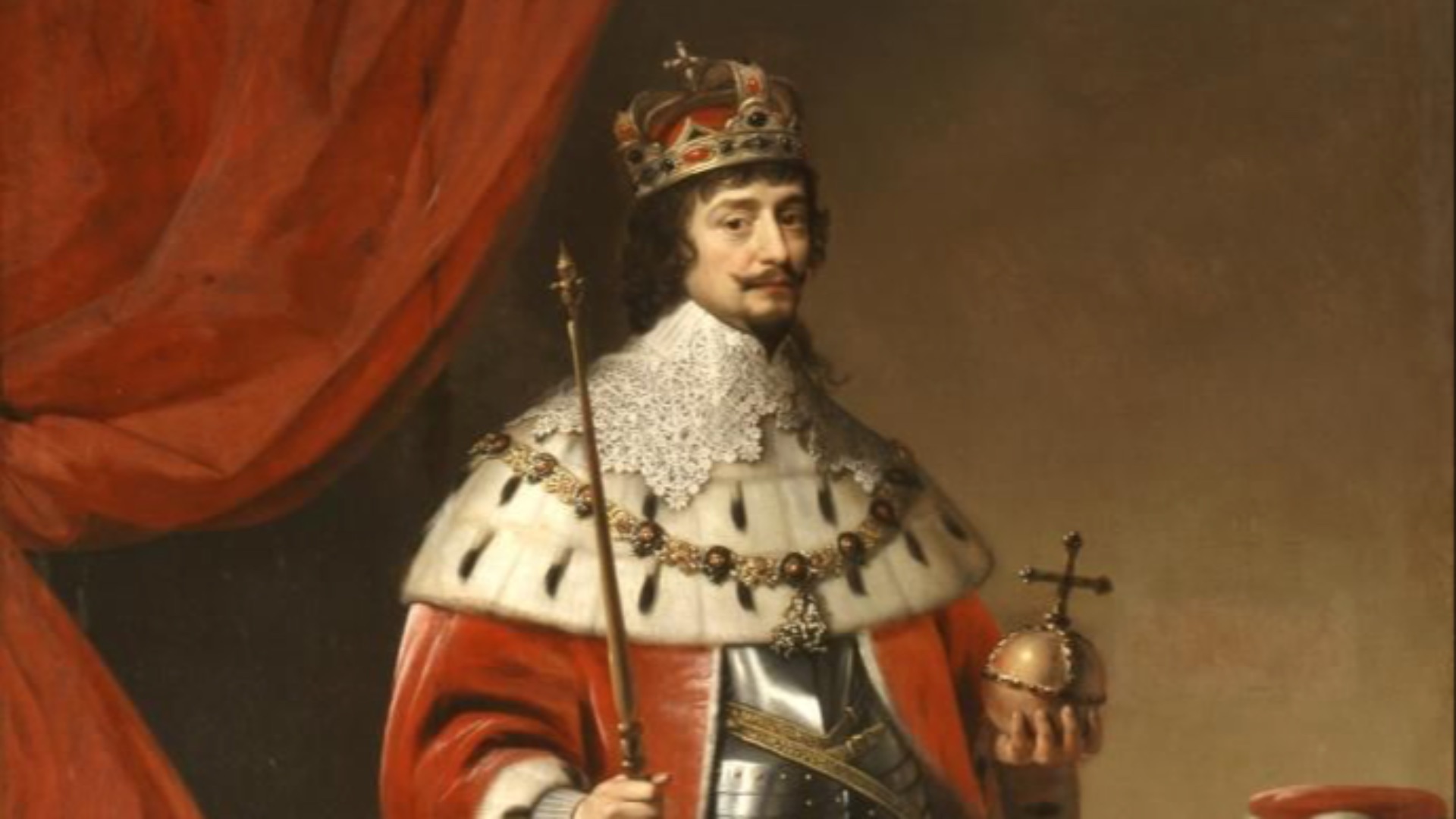 Gerard van Honthorst on Wikimedia
14. Charles XII
On paper, Sweden's Charles XII had already defeated several enemies during the Great Northern War when he decided to invade Russia. Despite the confidence, his army moved deeper into Russian territory while supplies dwindled and got harder to find. Reinforcements were also defeated, and the brutal winter of 1708–1709 weakened his troops even further. When Charles finally fought Peter the Great in 1709, the Swedish army was defeated.
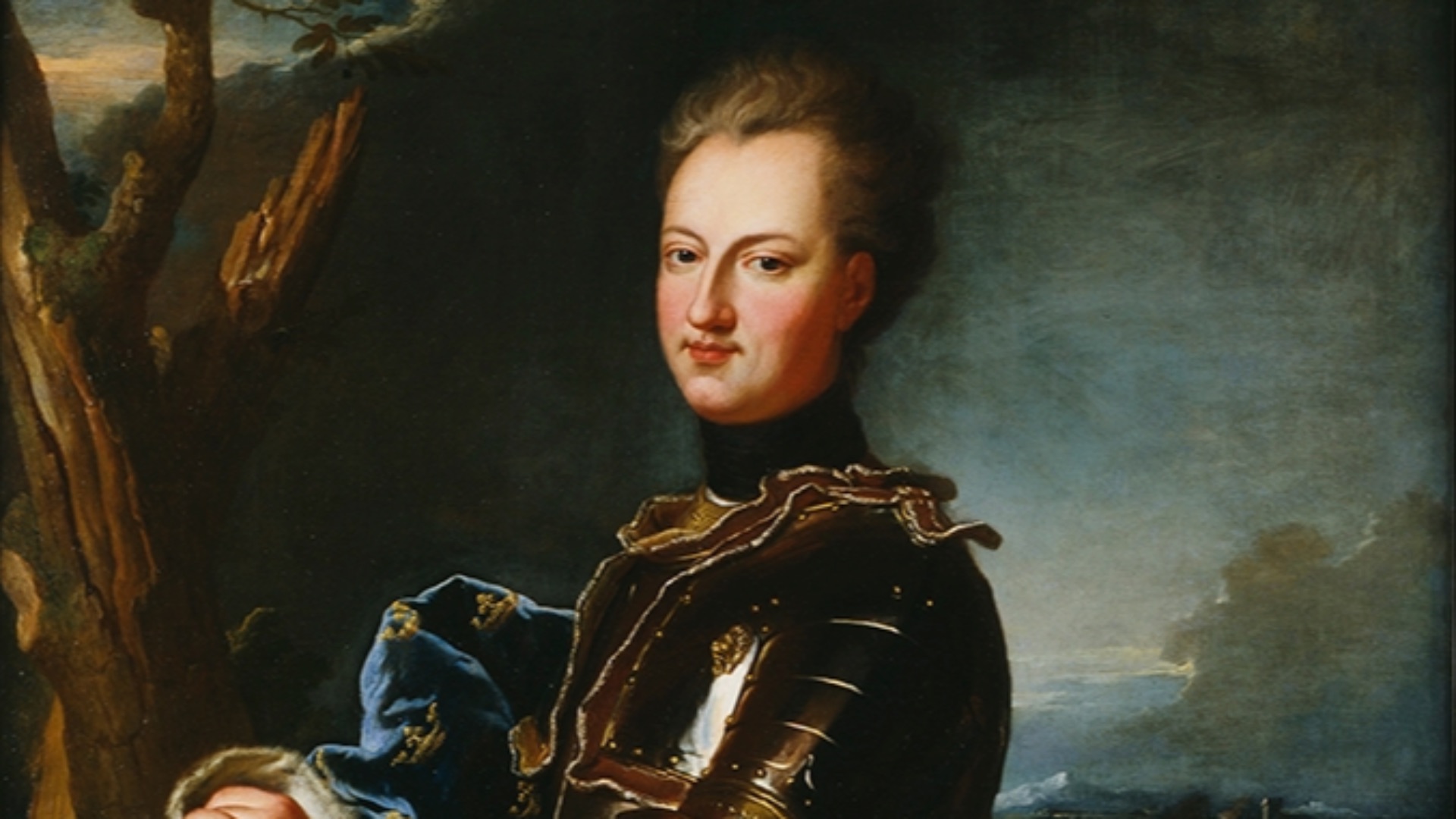 Workshop of Hyacinthe Rigaud on Wikimedia
15. John Burgoyne
British general John Burgoyne expected his 1777 advance from Canada toward Albany to help isolate New England from the rest of the rebellious colonies. In reality, crossing the Hudson River effectively abandoned an increasingly fragile line of supply and communication. As if that wasn’t bad enough, American forces gathered around him. Burgoyne was trapped near Saratoga and surrendered nearly 6,000 troops.
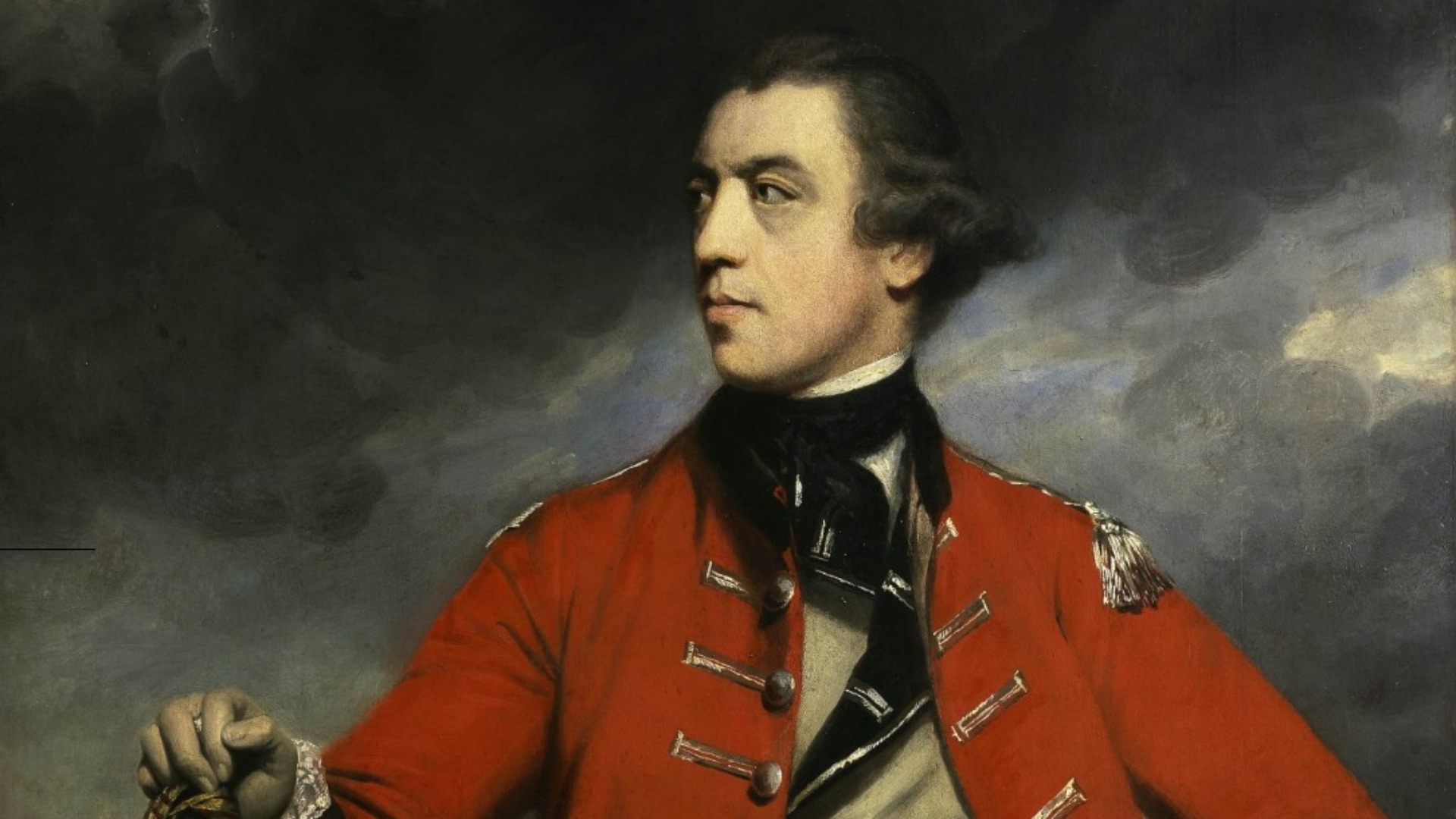
16. Sir William Elphinstone
Major-General William Elphinstone was commanding the British garrison in Kabul when the situation collapsed during the First Anglo-Afghan War. During the disastrous retreat in 1842, officers urged him to turn back and take shelter, but Elphinstone didn’t listen. Instead, he ordered the column to keep moving through the mountains. Thousands of soldiers and civilians died due to the negligence.

17. Sir Charles MacCarthy
Let us paint you a picture: Sir Charles MacCarthy split his forces into separate groups during the First Anglo-Ashanti War, moving forward without a clear picture of how strong the enemy was. At Nsamankow in 1824, the roughly 500 men with him faced an Ashanti army estimated at around 10,000, while the other British columns couldn't even get to them. Their ammo also ran low, and MacCarthy's force was nearly destroyed while he was killed in the fighting.
18. King John of England
King John inherited major English possessions in France when he took the throne in 1199, but none of that stopped the disastrous decisions that followed. By 1204, he lost Normandy, Anjou, and much of Poitou to Philip II of France. He then piled heavy taxes onto his subjects to fund attempts to win those lands back, only for another major campaign to fail in 1214. His barons eventually rebelled, forcing him to accept Magna Carta in 1215.
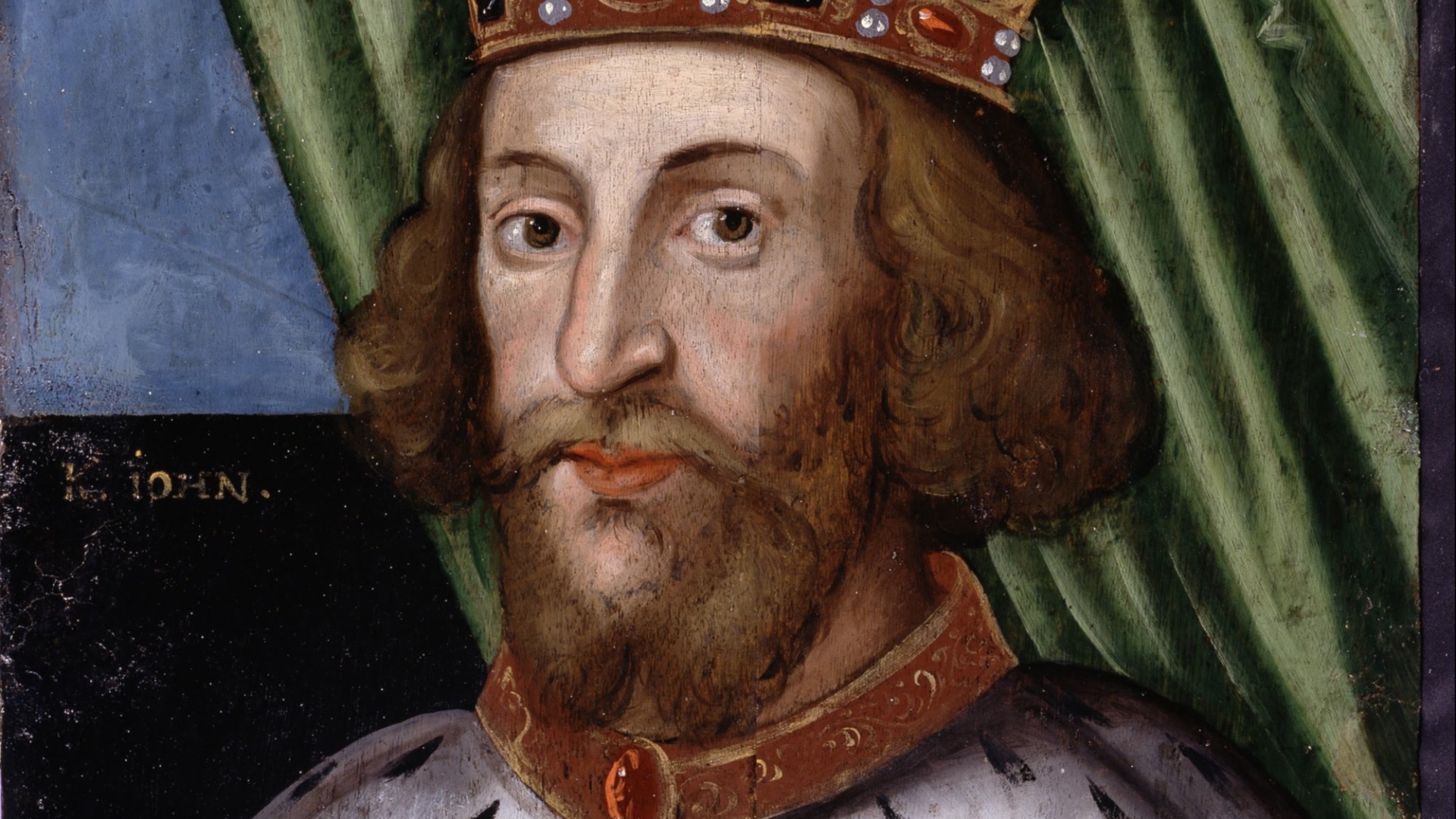 British – School Details on Google Art Project on Wikimedia
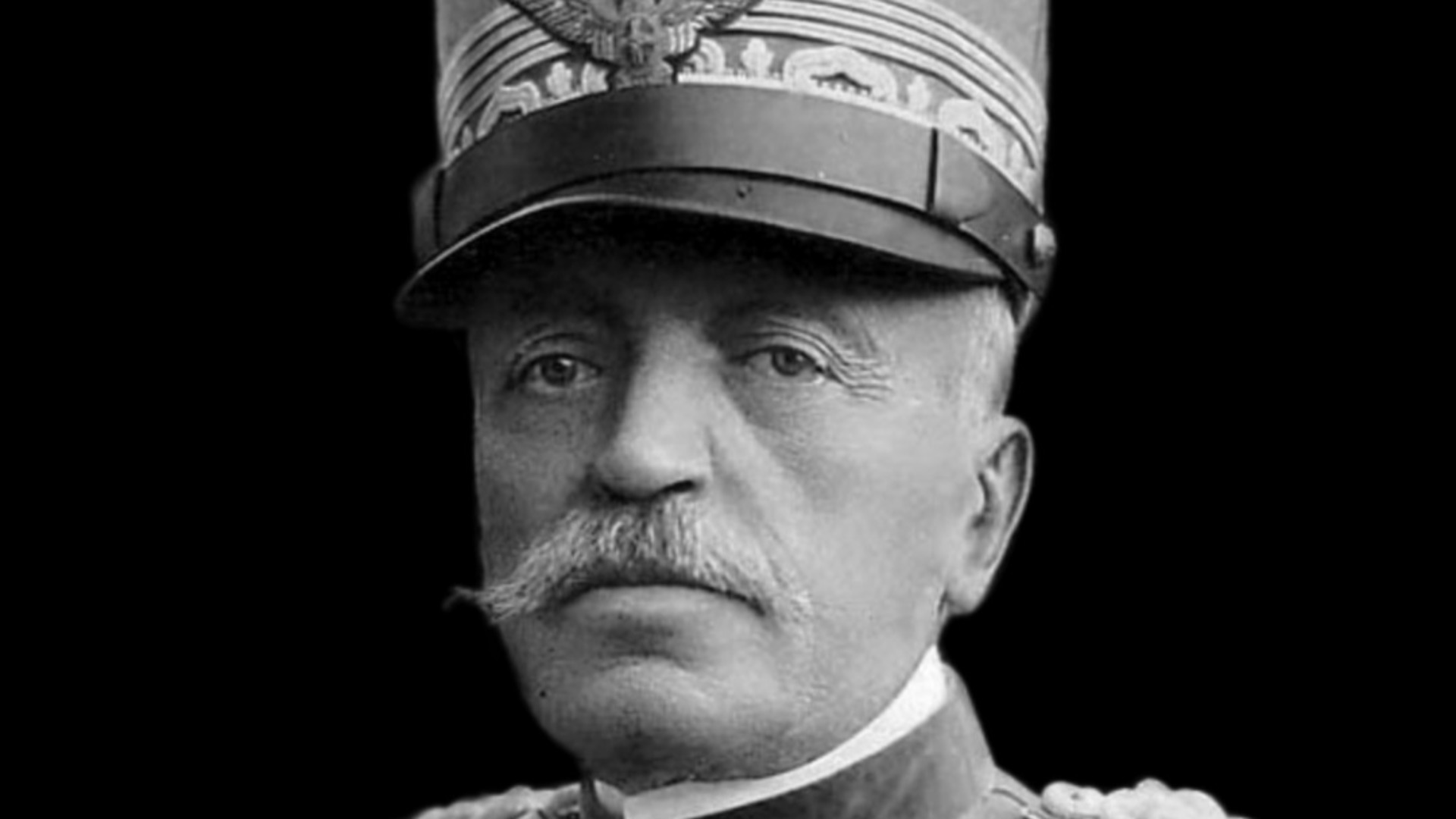
19. Luigi Cadorna
Italian chief of staff Luigi Cadorna spent much of WWI launching repeated attacks against Austro-Hungarian positions along the Isonzo River. Eleven major offensives between 1915 and 1917 cost Italy a ton of casualties, and in return only produced limited territorial gains. And yet, Cadorna persisted. He was eventually removed from command.
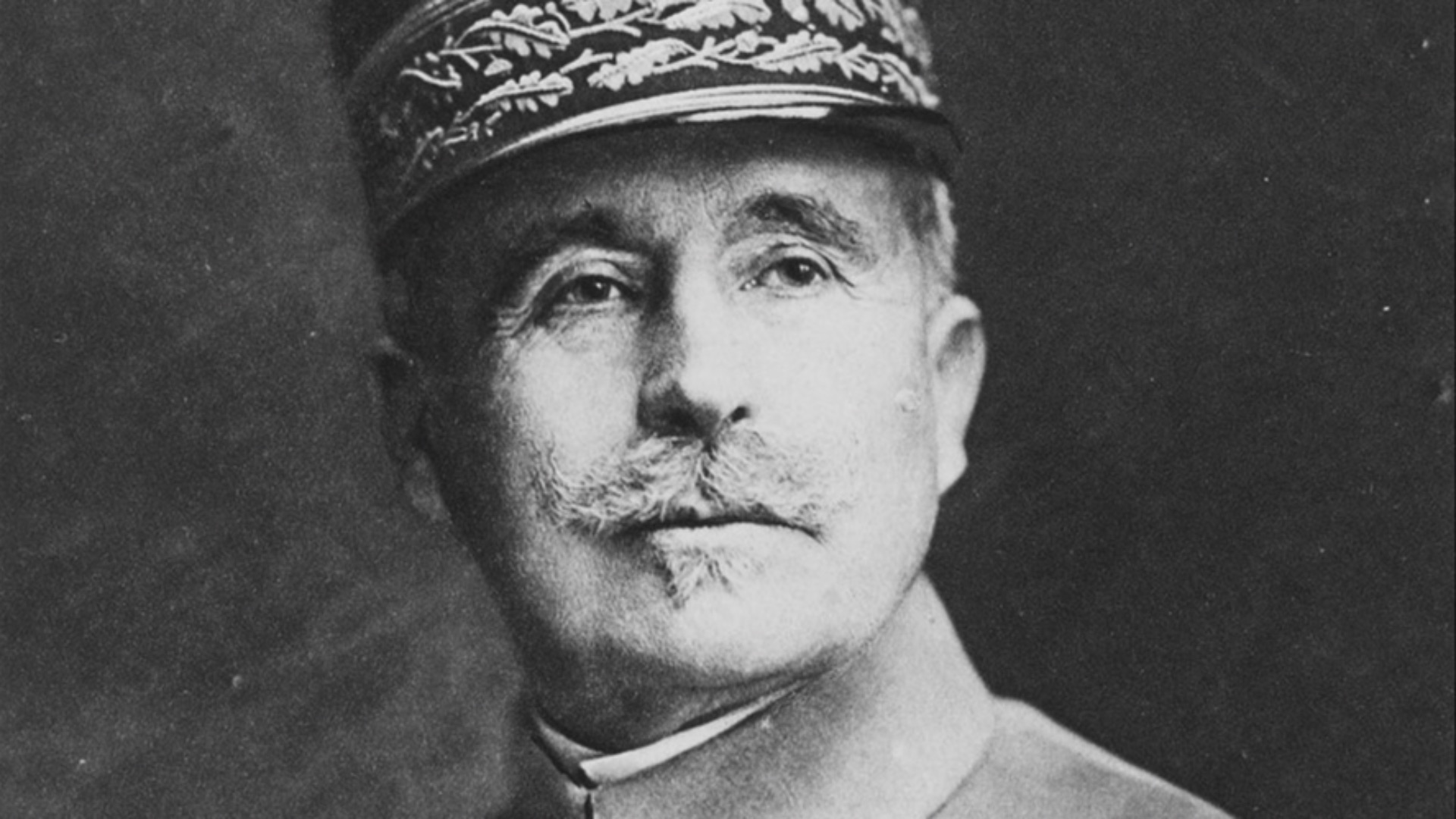
20. Robert Nivelle
French general Robert Nivelle entered 1917 claiming his planned offensive on the Western Front would lead to a breakthrough. But the attack began on April 16 and quickly failed to meet those promises. French troops also suffered many fallen men since they were up against well-prepared German defenses. The disappointment contributed to the French Army mutinies that followed, and Nivelle was removed from command only weeks after the operation began.
KEEP ON READING