 Studio of Fratelli Alinari on Wikimedia
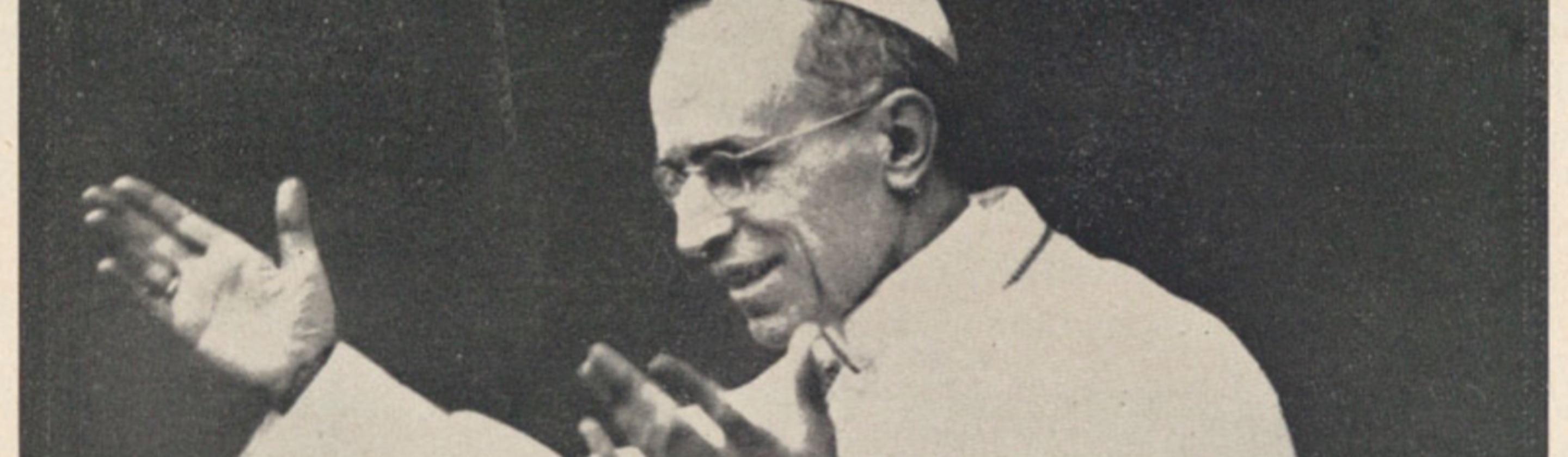
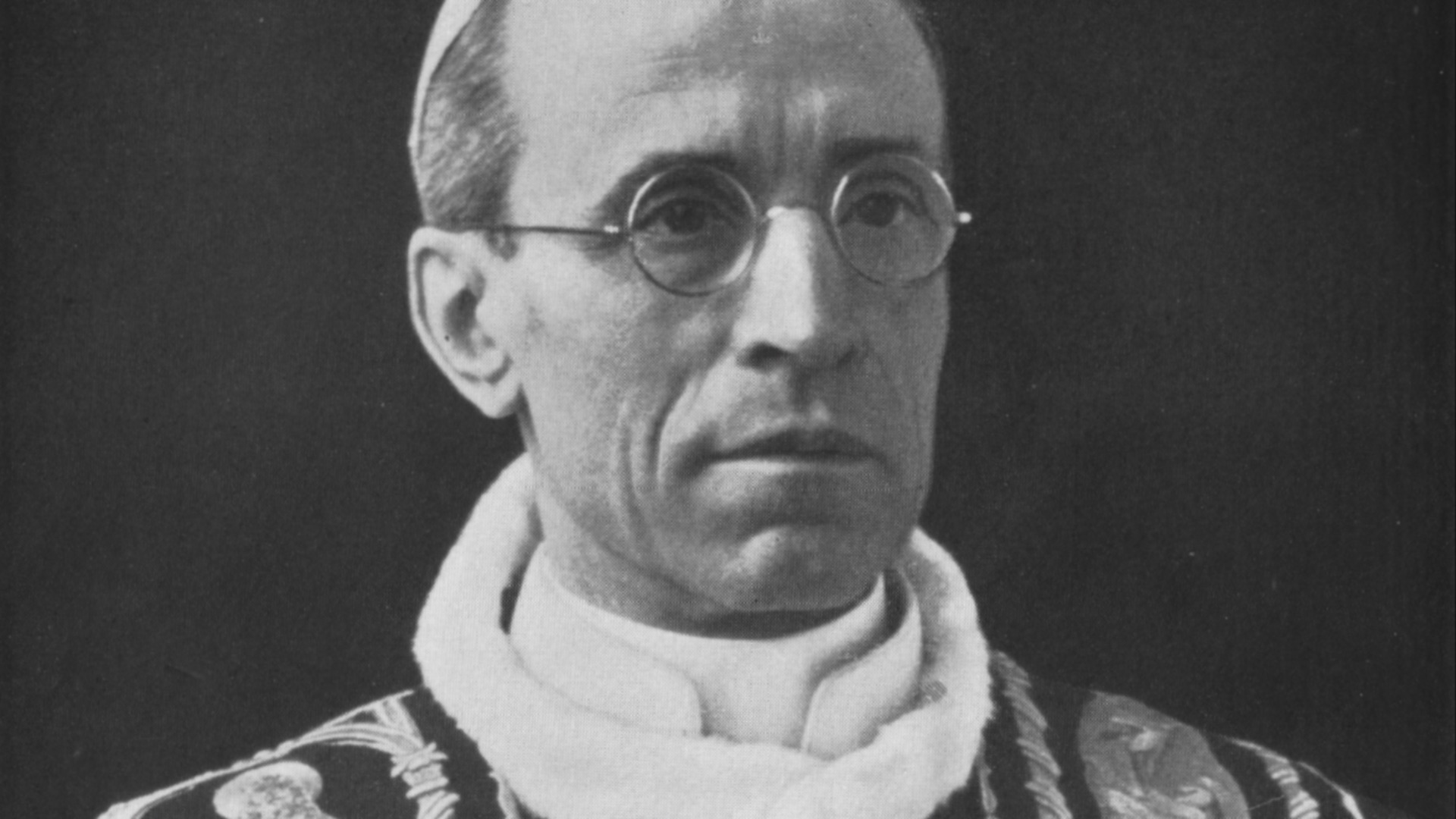
Pope Pius XII died at the papal summer residence in Castel Gandolfo on October 9, 1958, after nearly two decades leading the Catholic Church. Given that tidbit, we wouldn’t fault you for assuming that a respectful send-off carried him from this world to the next. Well, unfortunately, the perfect opposite happened. According to the Vatican, the 82-year-old pope died following nine hours of agony before his body was finally taken to Rome for burial.
What should've followed was a carefully controlled display of centuries-old Vatican ceremony. Instead, Pius XII's funeral preparations became infamous for a disastrous attempt to preserve his remains. Thanks to experimental embalming methods, Vatican officials were left to deal with a rapidly deteriorating body—and the whole debacle turned into an extremely uncomfortable problem.
An Embalming Experiment Goes Wrong
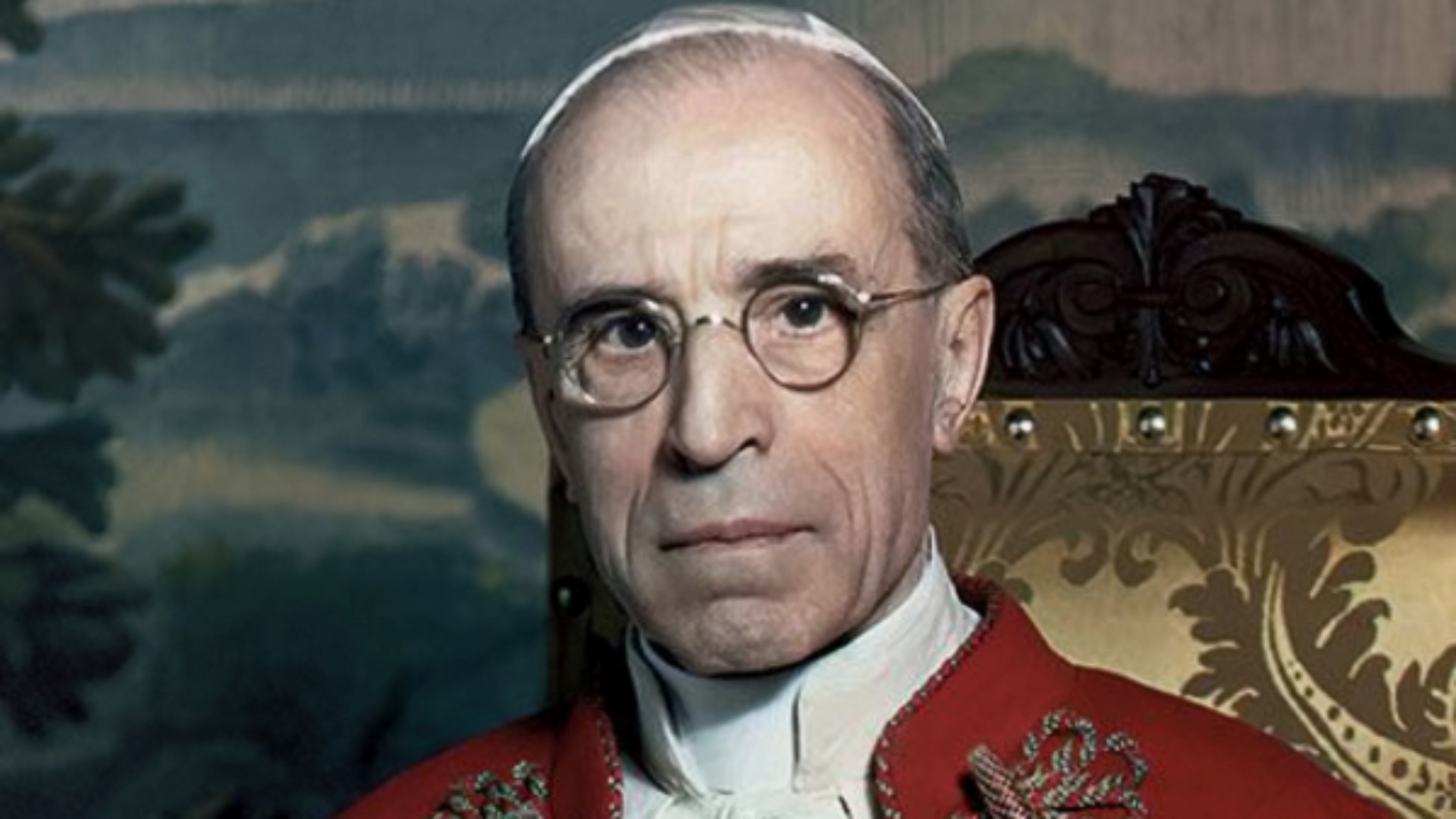
You could say things were doomed from the start. Pius XII reportedly didn't want his organs removed during preparations for burial, which already complicated the usual preservation process. His personal physician, Riccardo Galeazzi-Lisi, and Neapolitan embalmer, Oreste Nuzzi, therefore attempted a different technique involving oils, herbs, and resins. Galeazzi-Lisi later claimed the approach resembled methods supposedly used to preserve the body of Christ, a claim contemporary TIME reporting treated with considerable skepticism.
The experiment couldn't have come under worse conditions, either. Castel Gandolfo was warm, and the pope's remains began deteriorating faster than most. Galeazzi-Lisi himself later blamed heat for chemical reactions that interfered with preservation; instead of slowing decomposition, the treatment proved badly inadequate for the circumstances.
Later accounts didn’t help the case either, even after all this time. Records became increasingly gruesome, with reports that the pope's skin changed color and that guards struggled with the odor. Such a tale is bound to lend itself to embellishment, and some of the more dramatic details vary between retellings, but the central failure isn't disputed: the preservation attempt went badly enough that further treatment was needed.
The Doctor Created an Even Bigger Scandal
It would’ve been one thing had Galeazzi-Lisi simply made a mistake, but the episode turned into much more than an embarrassing footnote. His conduct surrounding the pope's final illness turned the situation into a public scandal.
He had taken detailed notes and photographs while Pius XII was dying, despite having served as his trusted doctor for years. Within days, newspapers caught wind of it—Galeazzi-Lisi was offering that private material to the press. In 1958, TIME reported that he was even so bold as to seek money for accounts of the pope's final hours and clinical details. Worse still, he also dangled a story describing the embalming in front of the press for profit.
The backlash was swift. The Rome Medical Association denounced Galeazzi-Lisi after he sold such intimate information about Pius XII's last hours and displayed photographs relating to the embalming. Whatever medical debate existed over exactly why the preservation failed, his behavior only made defending him harder.
Rome Still Gave Pius XII A Massive Farewell
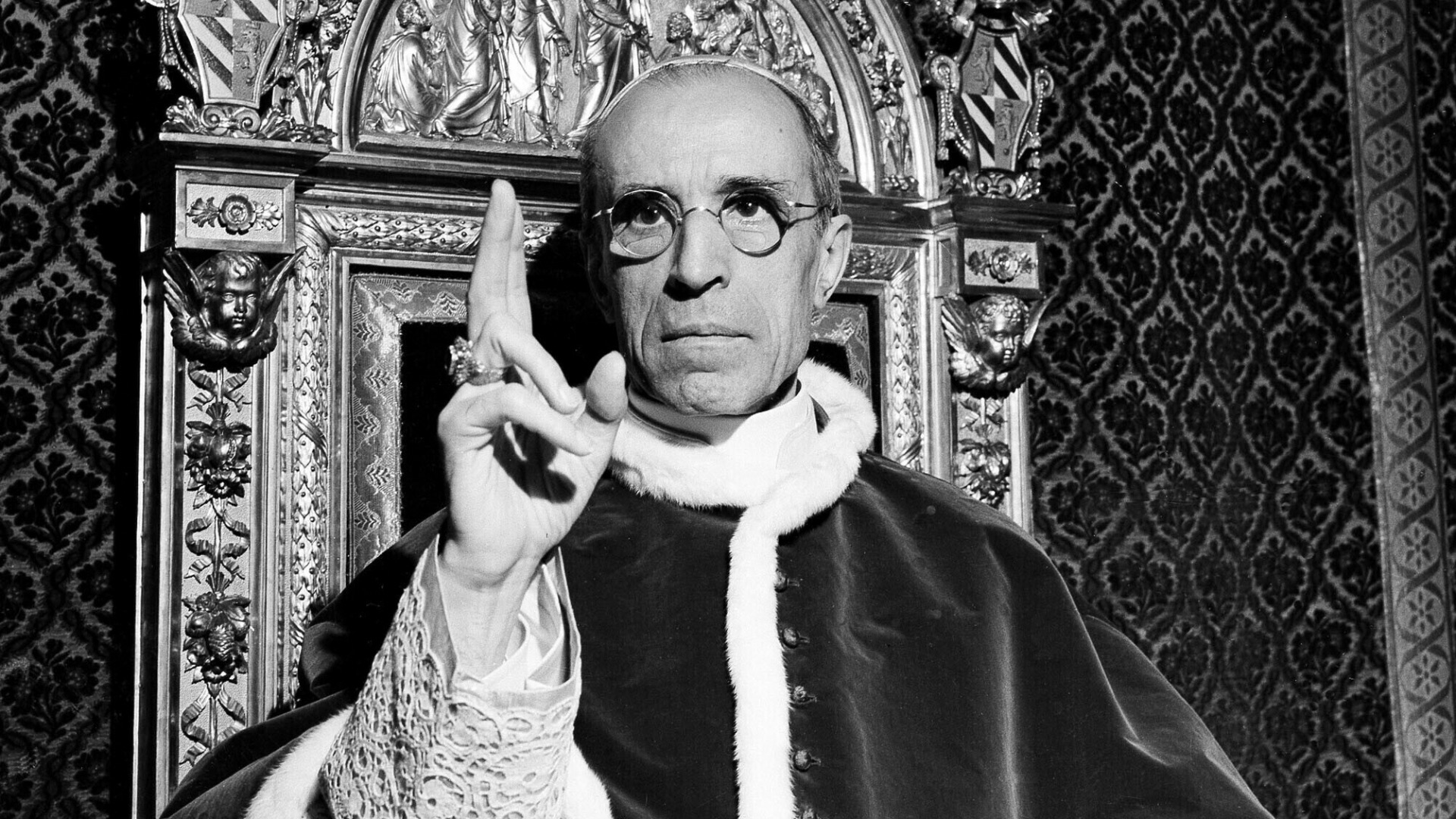
That’s not to say that the entire thing was a bust. Behind the embarrassment was a genuinely enormous public mourning ceremony. Pius XII had been born Eugenio Pacelli in Rome, and thousands of people wanted to see the Roman-born pope one final time as his remains were transferred from Castel Gandolfo. Not even the logistical mess surrounding his body stopped the crowds from showing up in droves to pay their respects.
It’s no exaggeration about the numbers. The procession carrying Pius XII into Rome became one of the city's largest gatherings of its era. Angelo Giuseppe Roncalli, the cardinal who would shortly become Pope John XXIII, recorded his amazement at the public response on October 11, especially since mourners lined the streets.
Pius XII was eventually given the funeral he deserved in the first place, laid to rest in a coffin and buried beneath St. Peter's Basilica in the Vatican grottoes, where his tomb remains. The Vatican records his pontificate as ending on October 9, 1958, closing a reign that had begun in March 1939. Though the journey there was a little bumpy, the burial itself restored some dignity to a farewell that had become unexpectedly difficult to manage.
The death of a pope is supposed to be one of the Vatican's most carefully choreographed transitions, which makes the Pius XII episode such a head-scratcher. An experimental preservation method failed, the pope's remains deteriorated during the ceremonies, and his own physician created another controversy by commercializing details he was responsible for. None of that erased the enormous public mourning for Pius XII, but it left his 1958 funeral with a strange second legacy: even the Vatican can discover that a solemn ceremony goes badly off script.
KEEP ON READING