What Would've Happened if Texas Never Joined the U.S. in 1848?
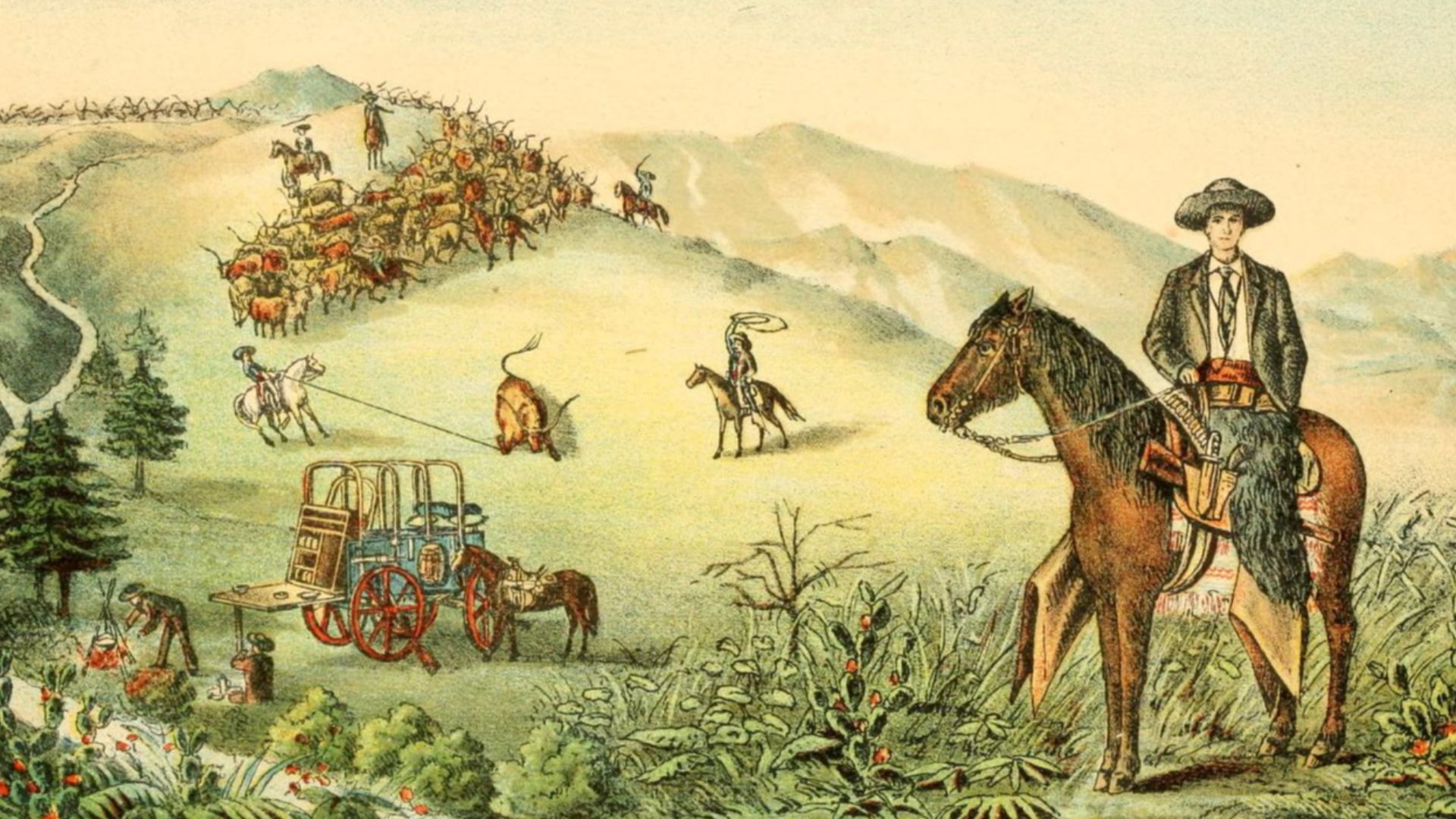
Texas spent nearly a decade as an independent republic before becoming the 28th U.S. state in 1845. Its annexation was anything but straightforward, since Mexico still disputed Texas's independence and border, while American politicians were deeply divided over adding another state where slavery was legal. Taking Texas out of the U.S. would therefore change far more than one state line on a map.
Of course, alternate history gets complicated quickly because changing one event affects almost everything that follows. An independent Texas might eventually have joined the United States anyway, fallen back under Mexican influence, or developed into a lasting country of its own. Looking at the pressures surrounding Texas in the 1840s gives us a reasonable idea of just how dramatically American history might have changed.
The Mexican-American War Might Have Looked Very Different
Annexing Texas wasn't the only cause of the Mexican-American War, but it played a major role in bringing the two countries into confrontation. Mexico considered American annexation provocative, and the two sides also disagreed over Texas's southern boundary. Texas claimed the Rio Grande, while Mexico maintained that the Nueces River marked the border.
Without annexation, President James K. Polk couldn't simply have sent American troops into the disputed region as he did in 1846. The U.S. and Mexico still had other disagreements, including American ambitions in California and the Southwest, so conflict could certainly have broken out for another reason. Even so, the specific chain of events that led to war in 1846 would have been disrupted.
That raises an even bigger question about the American West. The Treaty of Guadalupe Hidalgo, which officially ended the Mexican-American War, eventually transferred roughly 525,000 square miles of Mexican territory to the United States, including California and land that became several other western states. If the war had been delayed, avoided, or ended differently, the map of the western U.S. could have taken a very different shape.
California was already drawing plenty of American attention, so it's unlikely the United States would've simply abandoned its Pacific ambitions. Expansion might instead have happened through another war, diplomatic negotiations, purchases, or some combination of the three. The end result might still have resembled today's map, but reaching it could have taken decades longer.
An Independent Texas Would Have Faced Serious Challenges
Remaining independent wouldn't necessarily have been easy for Texas. The Republic of Texas had accumulated substantial public debt, and its government struggled with finances throughout much of its short existence. Annexation offered Texans the resources and security of a much larger country, even though Texas initially remained responsible for its debts.
An independent Texas would also have needed to manage a difficult relationship with Mexico. Mexico had never fully accepted Texan independence before annexation, although British and French diplomats attempted to encourage a settlement between the two sides. To protect its position, Texas might have pursued stronger diplomatic and economic ties with European powers as a way to balance the influence of both Mexico and the United States.
That could have turned Texas into an unusual North American middle power caught between two much larger neighbors. Trade with the United States would probably have remained extremely important, especially as American settlers and businesses continued moving west. In practical terms, Texas might have become closely tied to the U.S. economically even without formally becoming part of it.
Its borders might have looked different too. The Republic of Texas claimed a much larger western territory than the modern state, including land extending into present-day New Mexico. In reality, the Compromise of 1850 established Texas's present northern and western boundaries in exchange for federal compensation, so an independent republic would've had to resolve those claims through a very different set of negotiations.
American Politics and the Civil War Could Have Changed
Texas's admission mattered for another major reason: it entered the Union as a slave state. During the 1840s, adding new slave or free states could shift the political balance between North and South, which made annexation deeply controversial. Keeping Texas outside the United States would have removed one important piece from an argument that was becoming increasingly bitter.
That wouldn't have made the slavery crisis disappear. The United States was already divided over whether slavery could expand westward, and the territories gained after the Mexican-American War only made that dispute more intense.
An independent Texas, meanwhile, would've faced its own enormous conflict over slavery. Slavery was legally protected there, and the agricultural economy relied heavily on enslaved labor. As other countries abolished slavery and the U.S. moved closer to civil war, international and domestic pressure on the republic could have become increasingly difficult to ignore.
Even the American Civil War might have unfolded differently without Texas in the Union, though there's no way to say exactly how. Texas later joined the Confederacy and supplied soldiers, cattle, resources, and territory to the Southern war effort, but the deeper disputes that caused the conflict stretched far beyond one state. Removing Texas probably wouldn't have prevented the Civil War, but it could have changed some of the political calculations surrounding expansion and slavery in the years leading up to it.
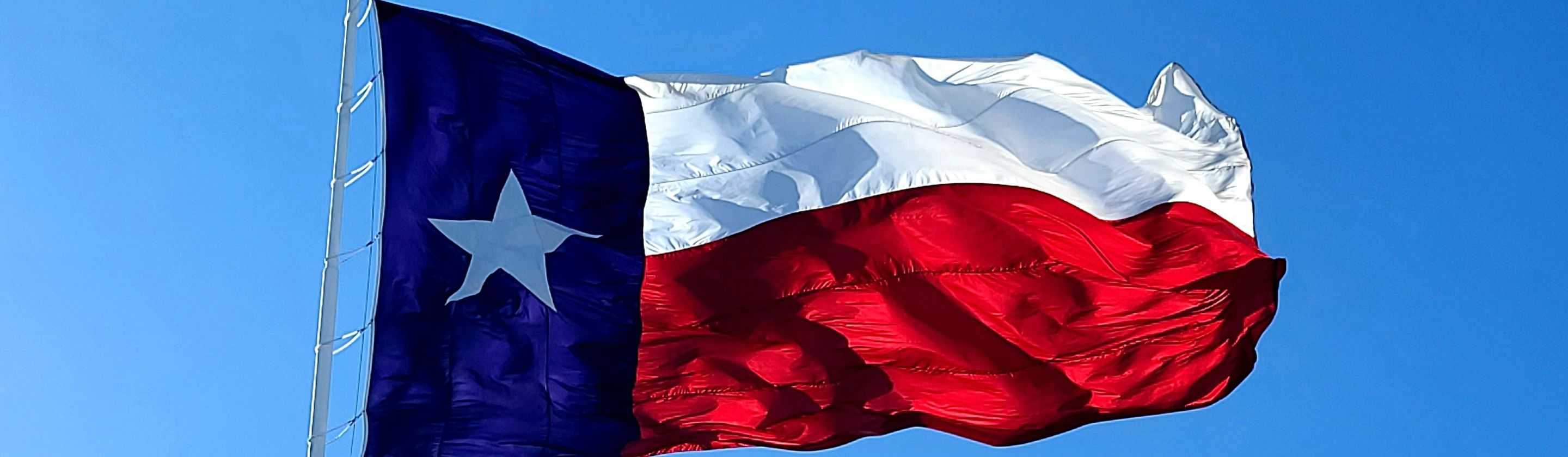
An independent Texas probably wouldn't have stayed separate from American affairs for very long. Geography, migration, trade, territorial disputes, and the United States' enormous western ambitions would have kept the two countries closely connected. Texas may be the "Lone Star State," but it's never been completely alone.