Words Meant to Do Damage
Curses show up in the archaeological record almost as early as writing itself. People scratched them into lead sheets and hired professionals to word them correctly. Belief did most of the work, since a man who knew he'd been cursed often started behaving like someone already condemned. Museums and heads of state have both taken their turn worrying about one, sometimes at considerable expense. Here's 20 curses people took deadly seriously.

1. Egyptian Execration Texts
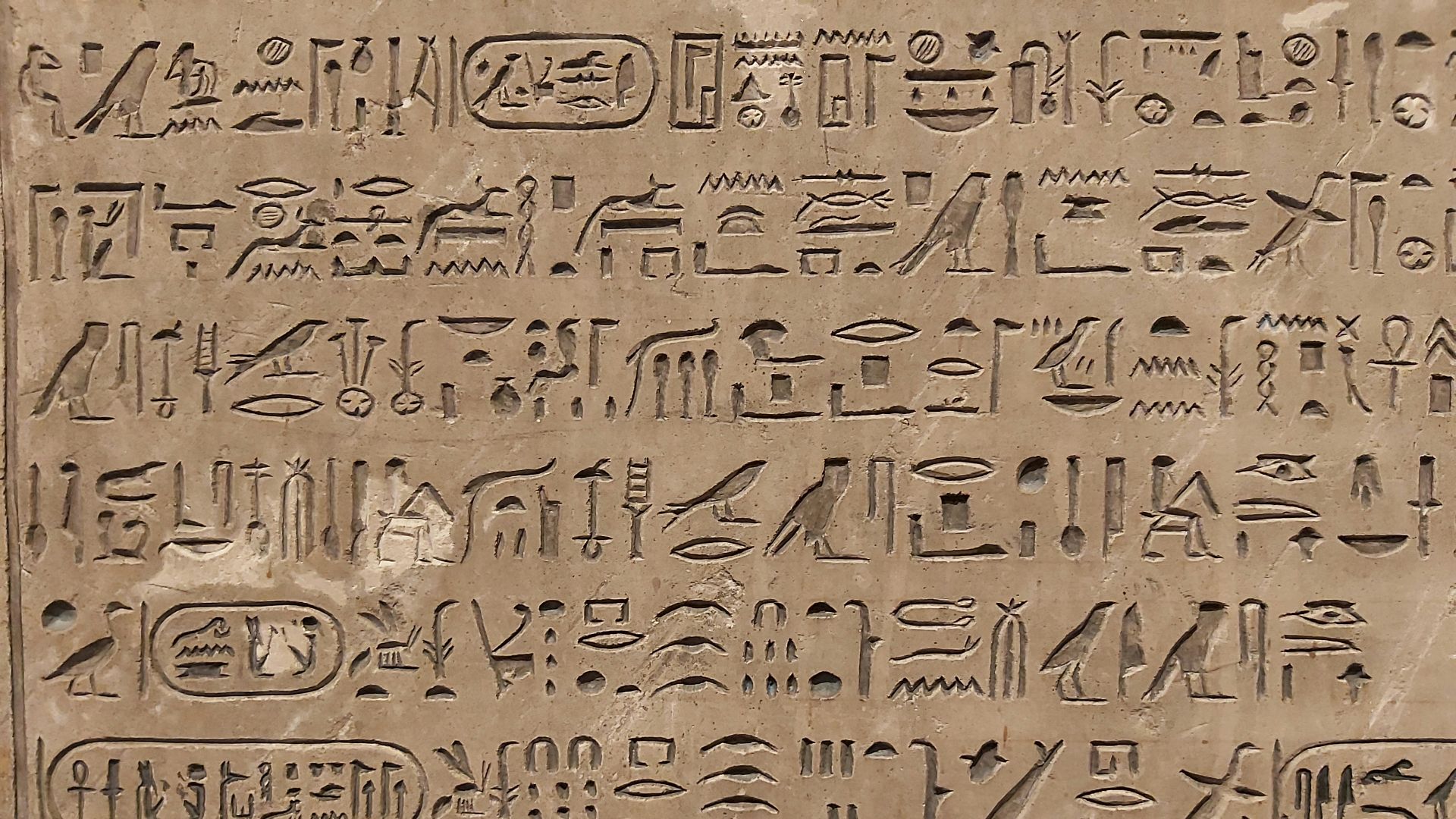
Middle Kingdom scribes wrote the names of foreign rulers and domestic rebels onto clay pots and small bound figurines of prisoners. Smashing the object was the whole ritual, since a written name was understood to carry the person along with it. Archaeologists have dug up whole caches of the broken pieces at Saqqara and near Egypt's southern frontier, buried close to tombs.
2. The Curse Tablets of Bath
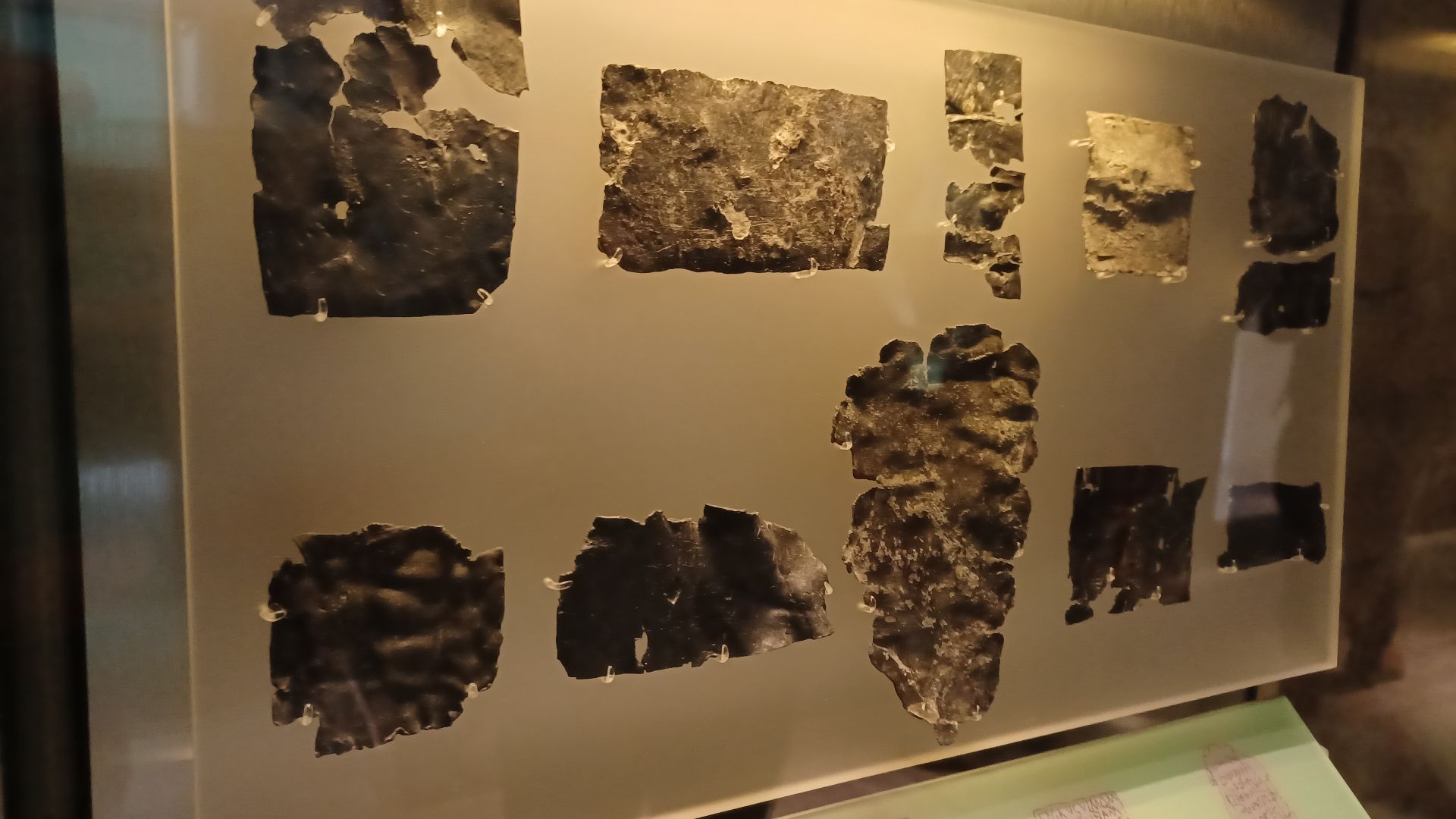
Roman visitors to the baths at Aquae Sulis scratched complaints onto thin lead sheets and threw them into the sacred spring for the goddess Sulis Minerva to act on. Around 130 have been recovered, most of them about stolen clothing rather than grand vengeance. One asks that the thief lose his mind and his eyes inside the goddess's own temple.
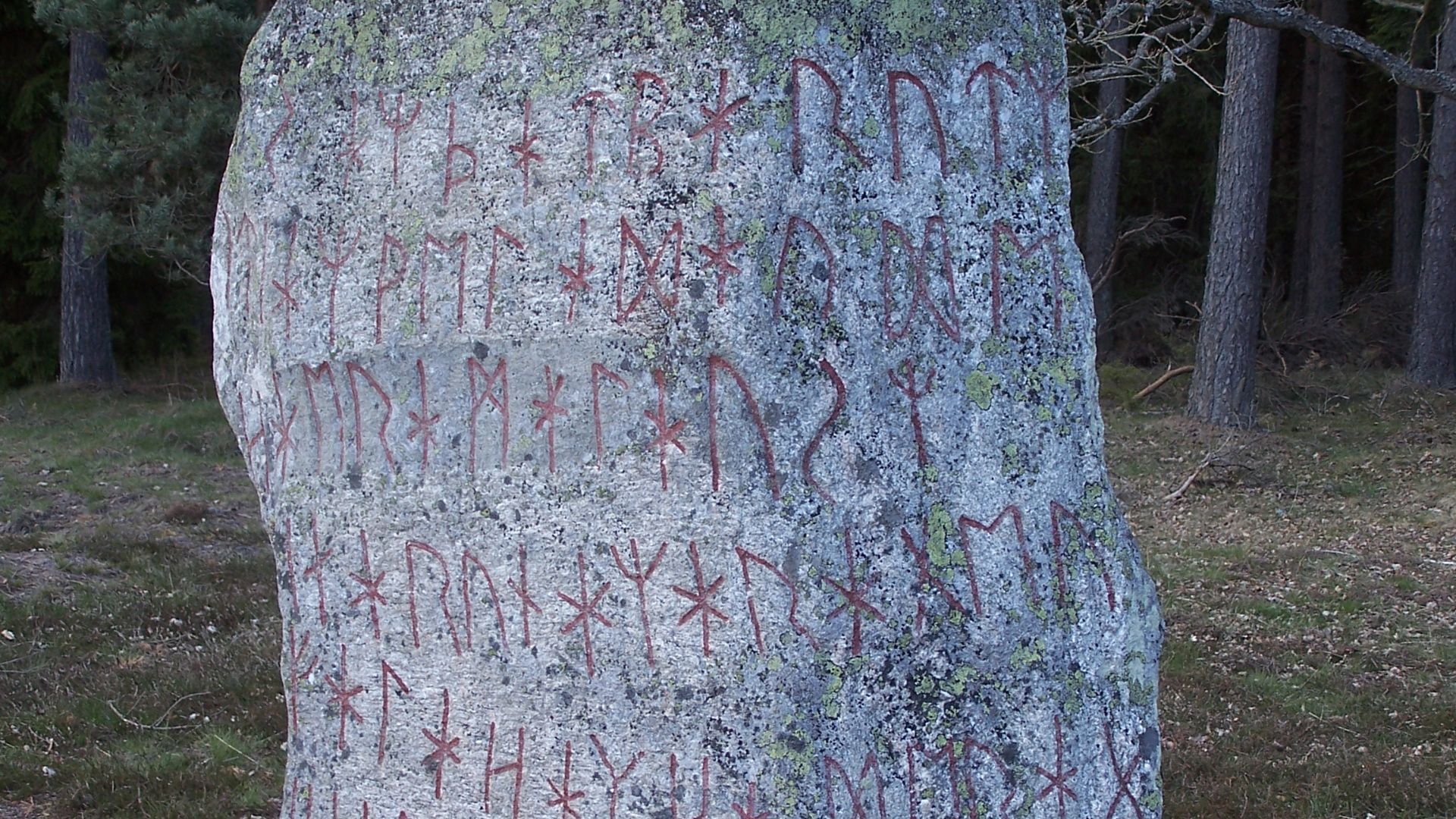
3. The Björketorp Runestone
A stone still standing in Blekinge, Sweden, promises a death by insidious malice to whoever breaks the monument. Local tradition says a man who tried to move it in the nineteenth century lit a fire at its base and was burned alive when the wind turned. Nobody has volunteered to test the claim since, and the runes are still legible after fourteen centuries of Swedish weather.
 Sendelbach (talk) on Wikimedia
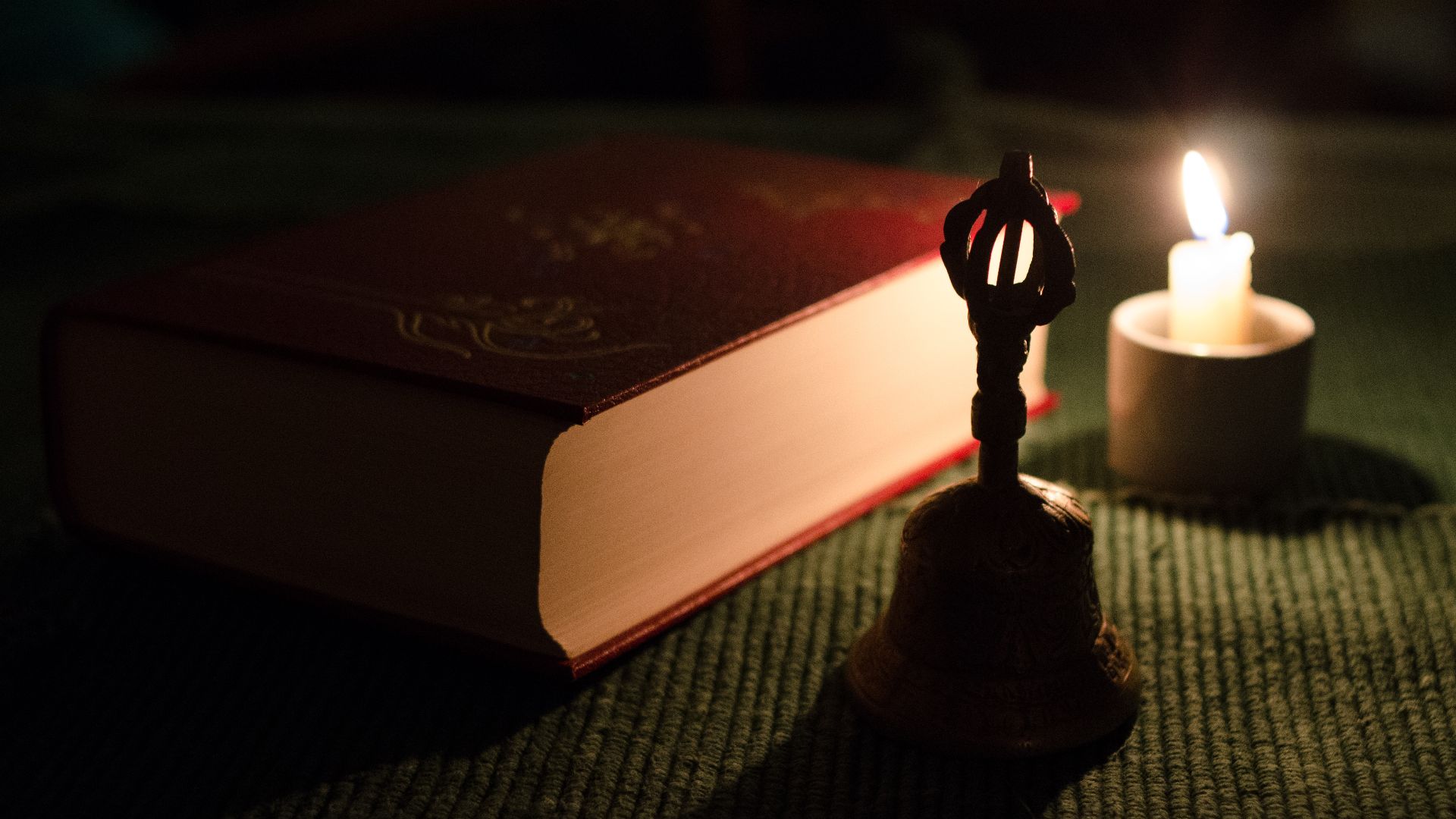
4. Bell, Book and Candle
Medieval excommunication arrived with a ceremony designed to frighten everyone watching it. A bishop closed the book, snuffed the candle, then tolled the bell to mark a soul shut out of the church. For someone who took eternity literally, losing the sacraments outweighed any fine or prison term a court could hand down.
 Tim Pierce from Berlin, MA, USA on Wikimedia
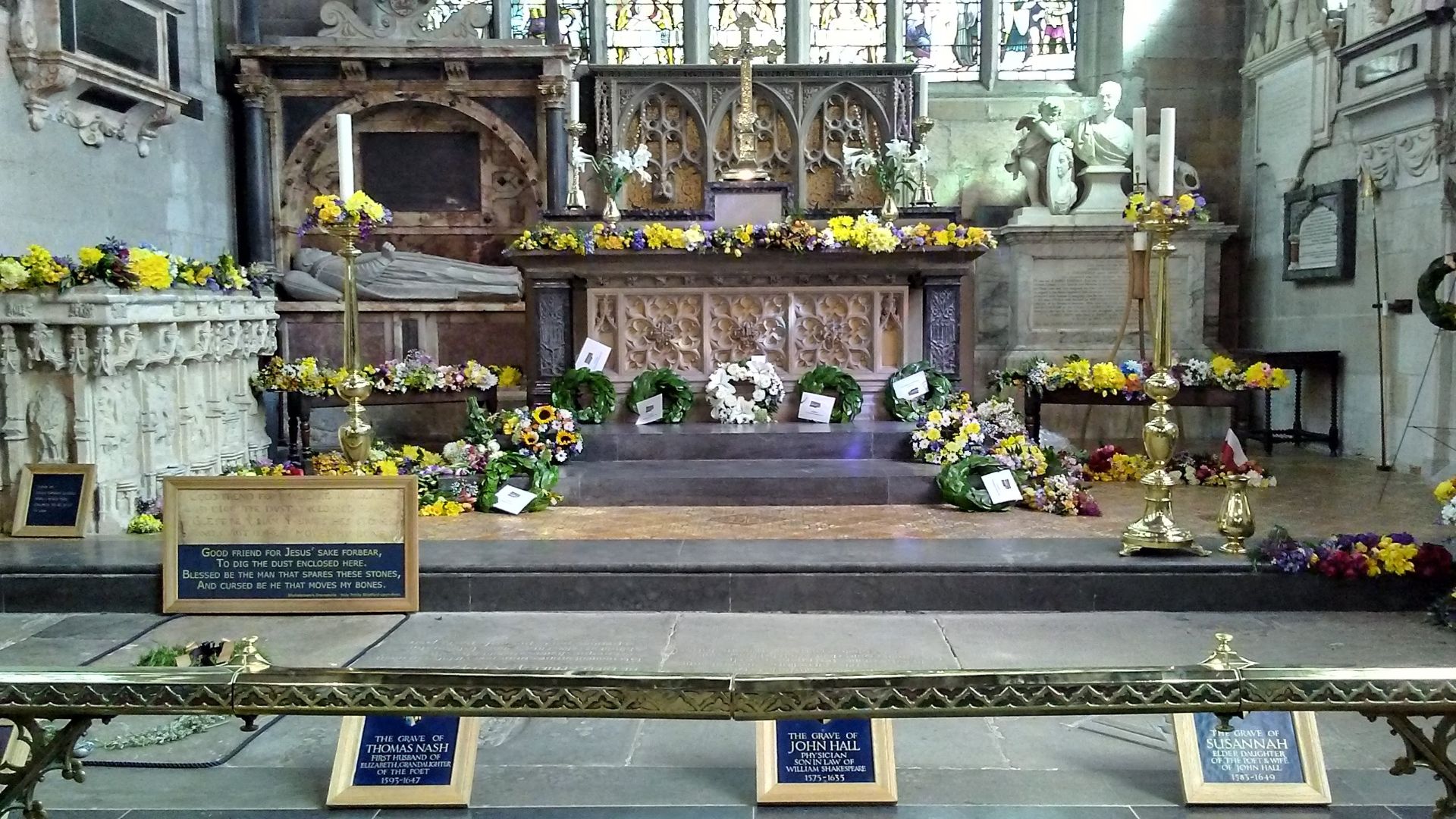
5. Shakespeare's Grave
A rhyme on the Stratford slab blesses anyone who leaves his bones alone and curses whoever moves them. Grave robbing was a real problem in the period, and sextons routinely cleared old bones into charnel houses to free up space. A radar survey published in 2016 found a disturbance at the head end of the grave, hinting that his skull went missing regardless.
6. The Curse of Ham
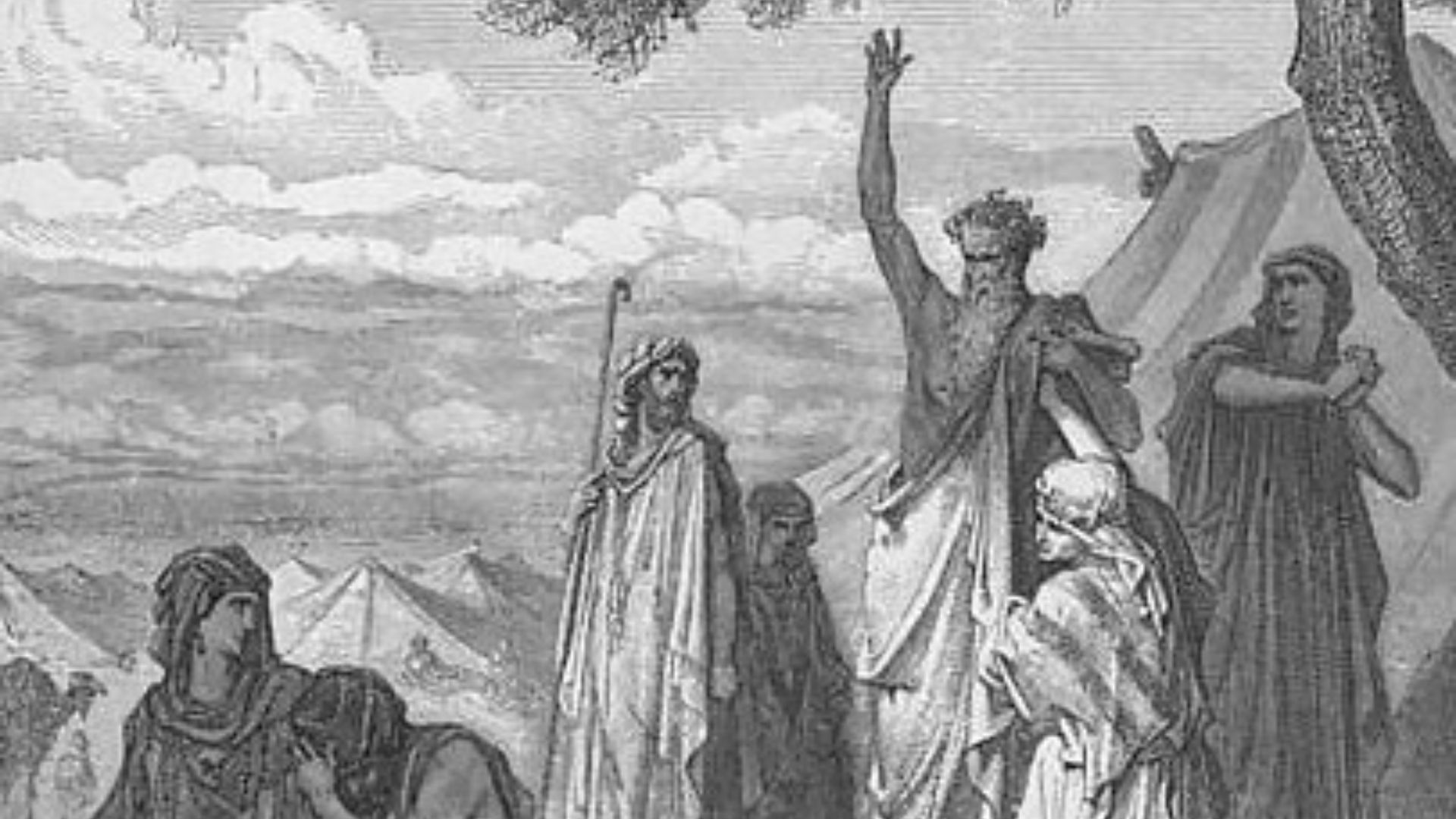
Genesis has Noah waking from a drunken sleep and cursing Canaan, the son of Ham. Writers in late antiquity reworked the passage into a curse on Ham himself, then preachers across three continents cited it for centuries to justify the enslavement of Africans. The text curses Canaan, and every reading that makes it about race was added afterward.
7. The Evil Eye
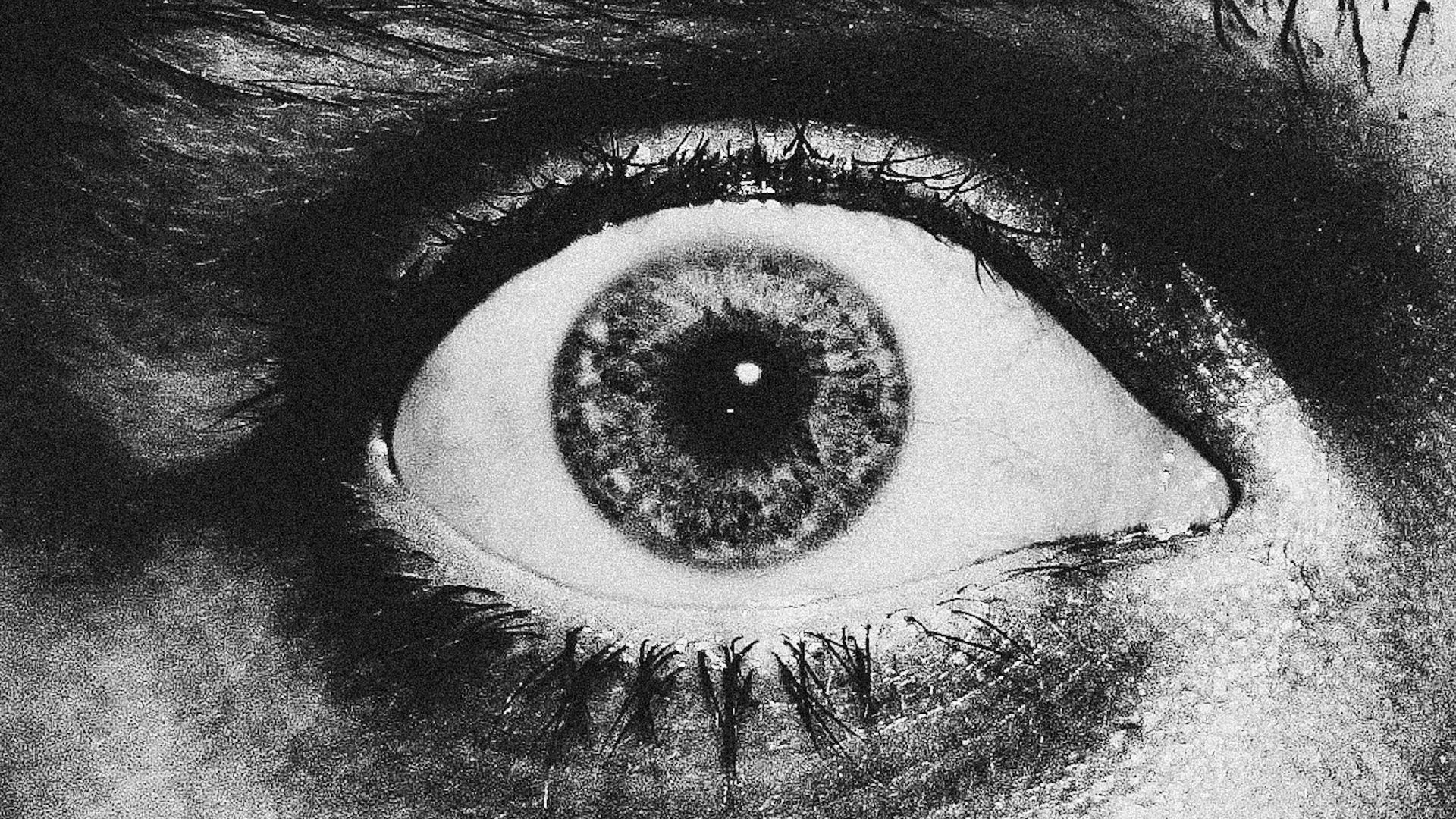
Harm delivered by an envious glance shows up in Mesopotamian texts and never went away. Pliny the Elder described whole families whose gaze could kill, while ordinary Romans hung phallic charms above their doorways to deflect anyone envious walking past. The blue glass eyes sold in Turkish markets today descend directly from those amulets.
8. Chief Cornstalk
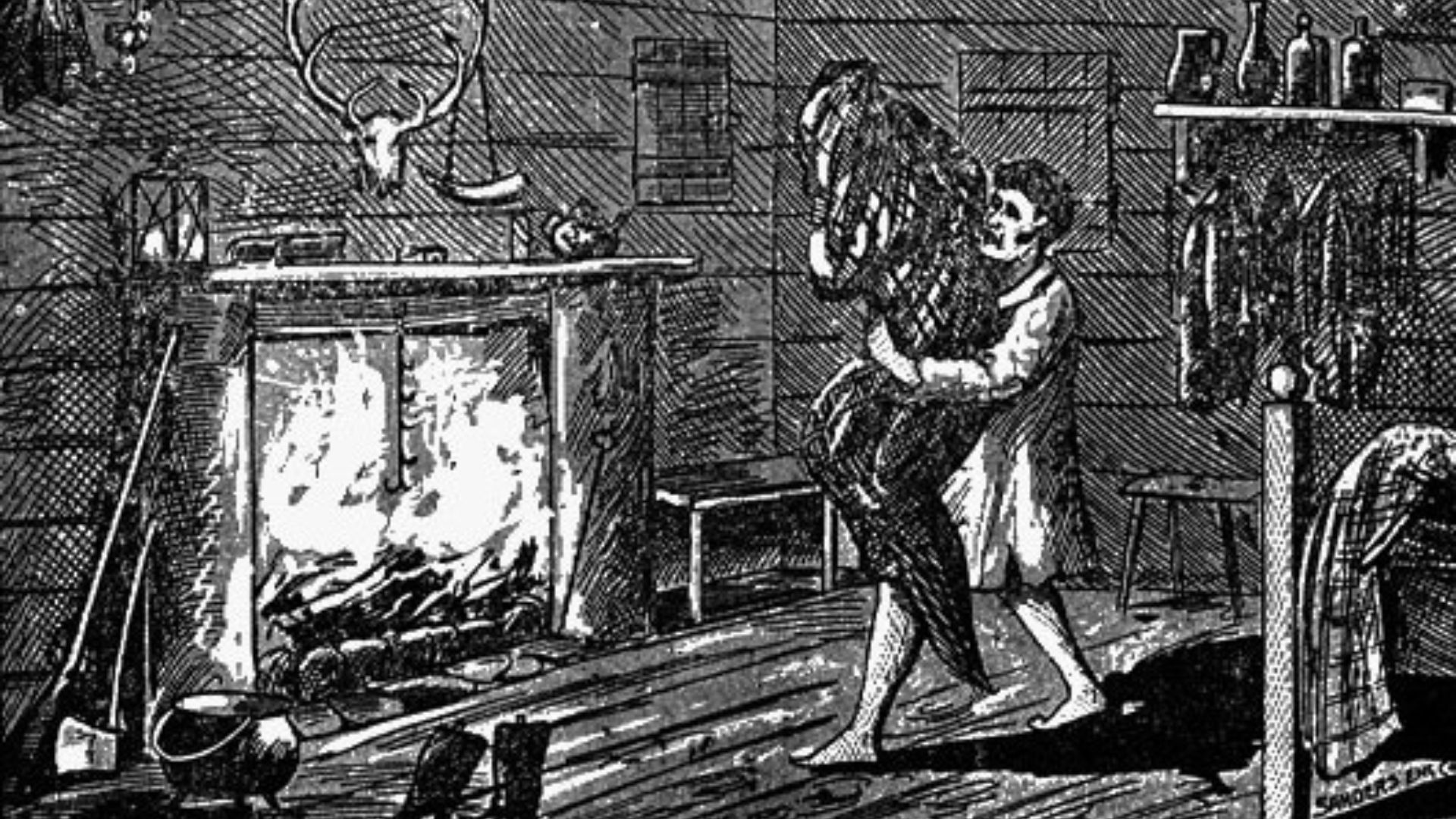
Militiamen murdered the Shawnee leader Cornstalk at Fort Randolph in 1777, where he had come under a flag of truce to warn the garrison. Point Pleasant, West Virginia, has blamed two centuries of local disaster on his dying words, including the 1967 Silver Bridge collapse that killed 46 people. No contemporary account records him saying anything of the kind, though the town built a monument to the speech anyway.

9. The Bell Witch
A Tennessee farm family began reporting an unseen voice around 1817 that beat the children and tormented John Bell by name, drawing neighbors to the farmhouse to hear it speak. Bell died in 1820, and his relatives said the entity took credit for poisoning him. A local author wrote the account down decades afterward, and Tennessee still runs tourists through the cave today.
10. Tecumseh's Curse
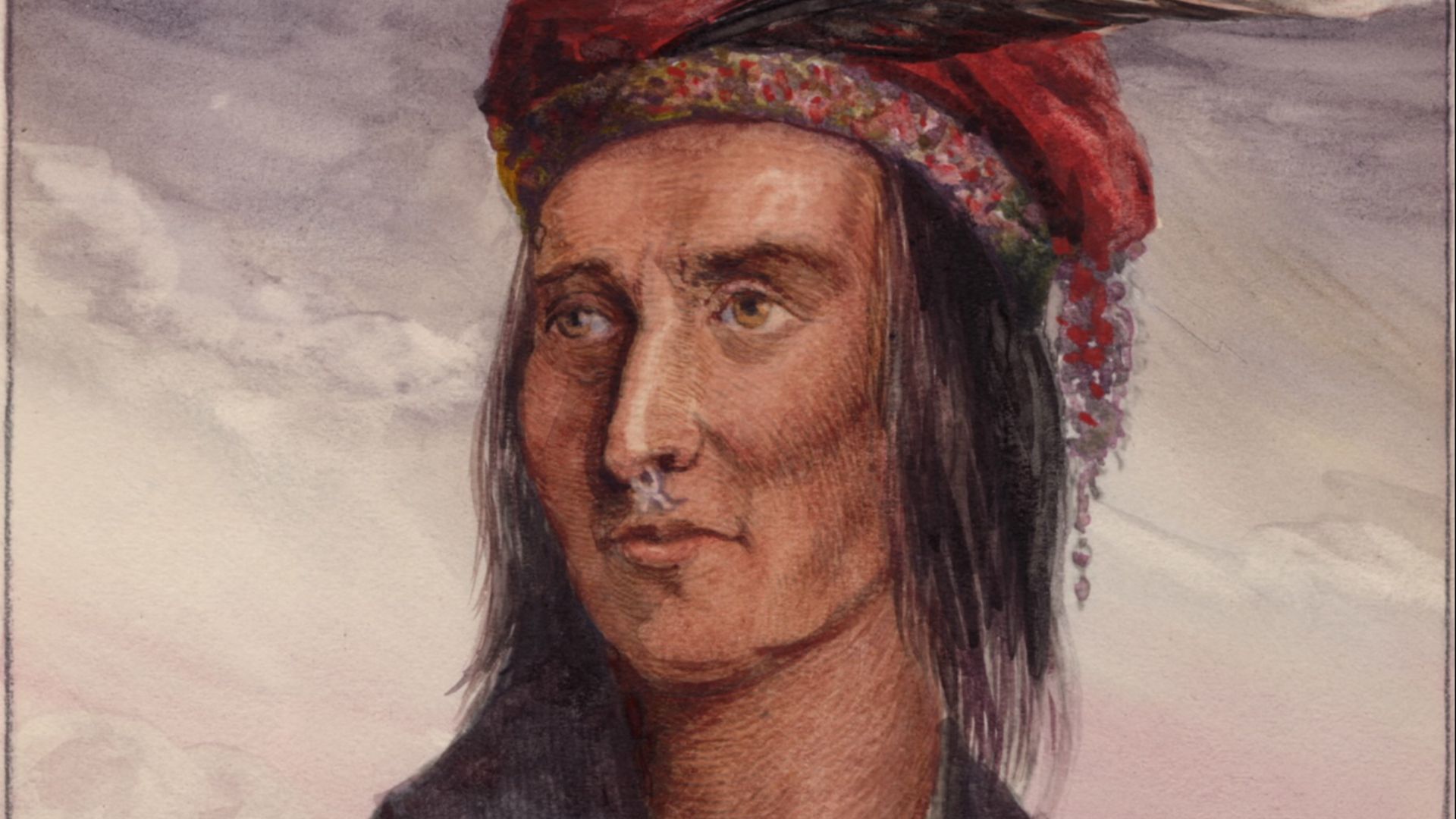
Every American president elected in a year ending in zero from 1840 through 1960 died in office, seven men in all. Newspapers hung the pattern on the Shawnee prophet Tenskwatawa, whose brother Tecumseh fought William Henry Harrison at Tippecanoe. Reagan was shot in 1981 and survived, ending the run.
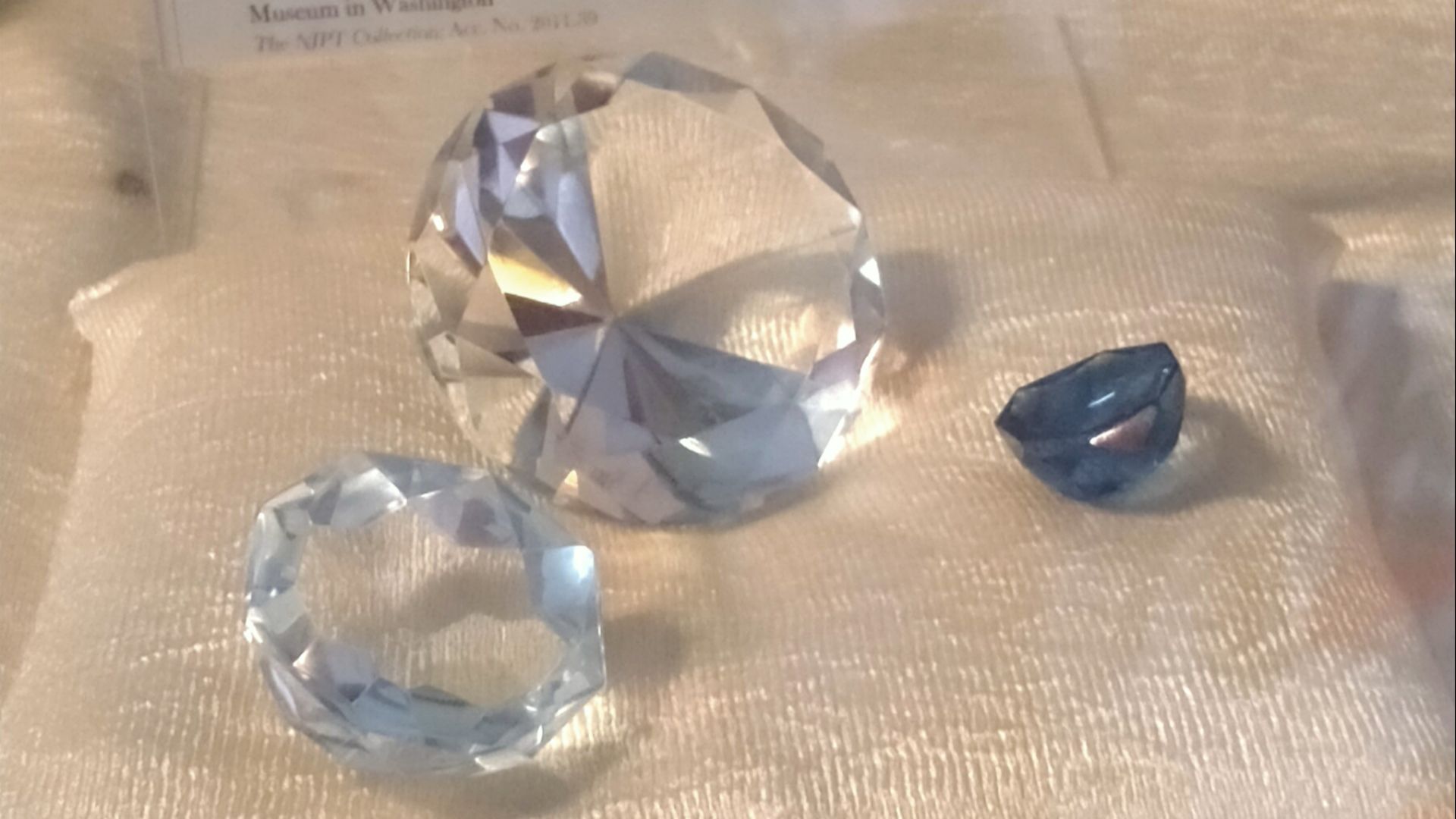
11. The Hope Diamond
Pierre Cartier spun Evalyn Walsh McLean a long story about the stone's bloody history before selling it to her in 1911. Her son was killed by a car and her daughter died of an overdose, which kept reporters on the stone for years. Most of the history Cartier described was invented for the sale, including the part about a stolen idol's eye.
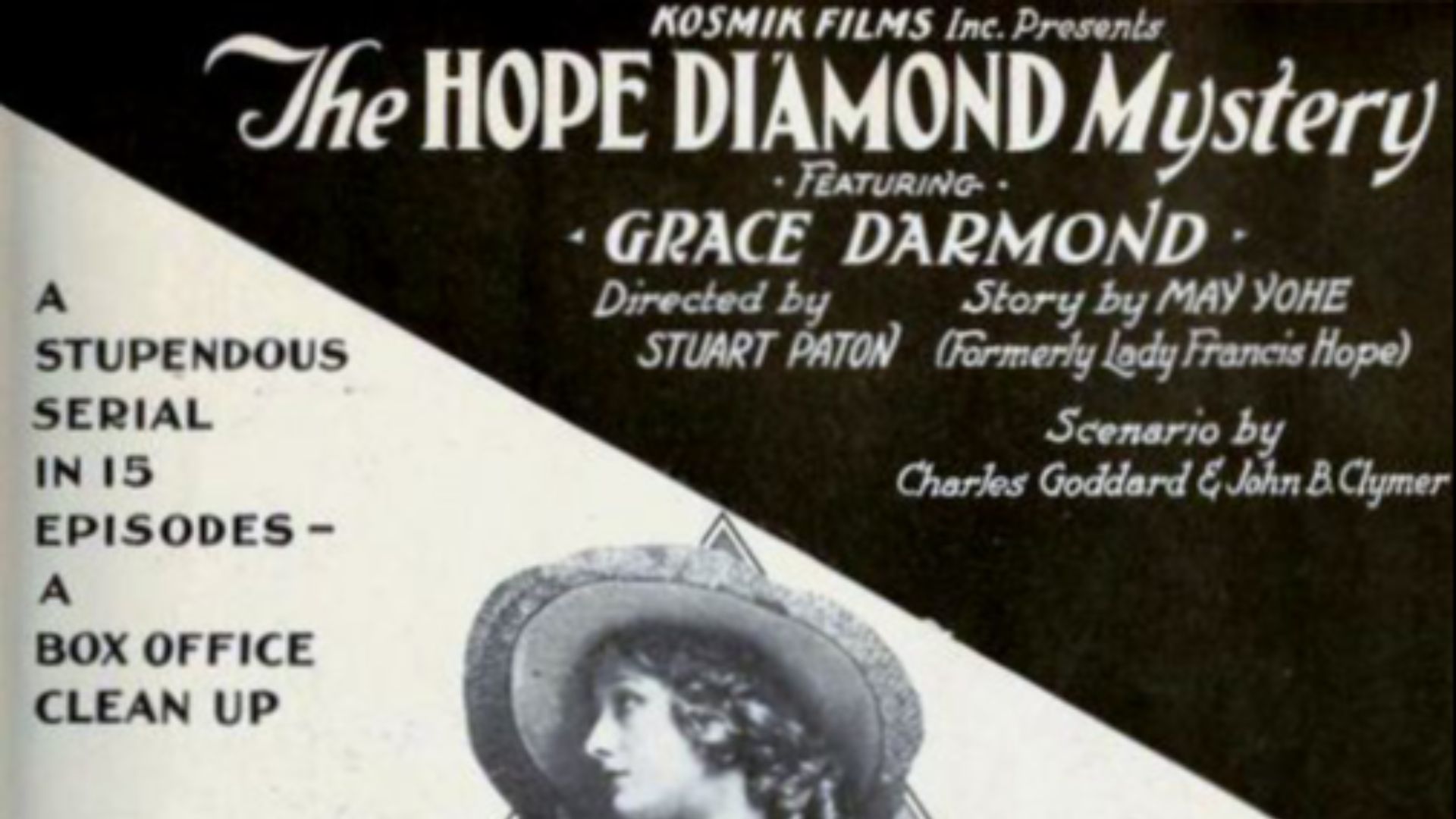 Kosmik Films Inc. on Wikimedia
12. The Koh-i-Noor
The diamond is said to ruin any man who wears it while leaving women untouched. Whether the tradition predates the British seizure of the stone in 1849 has never been settled. Victoria left it to the female line, and it has appeared only in the crowns of queens and consorts ever since that decision.
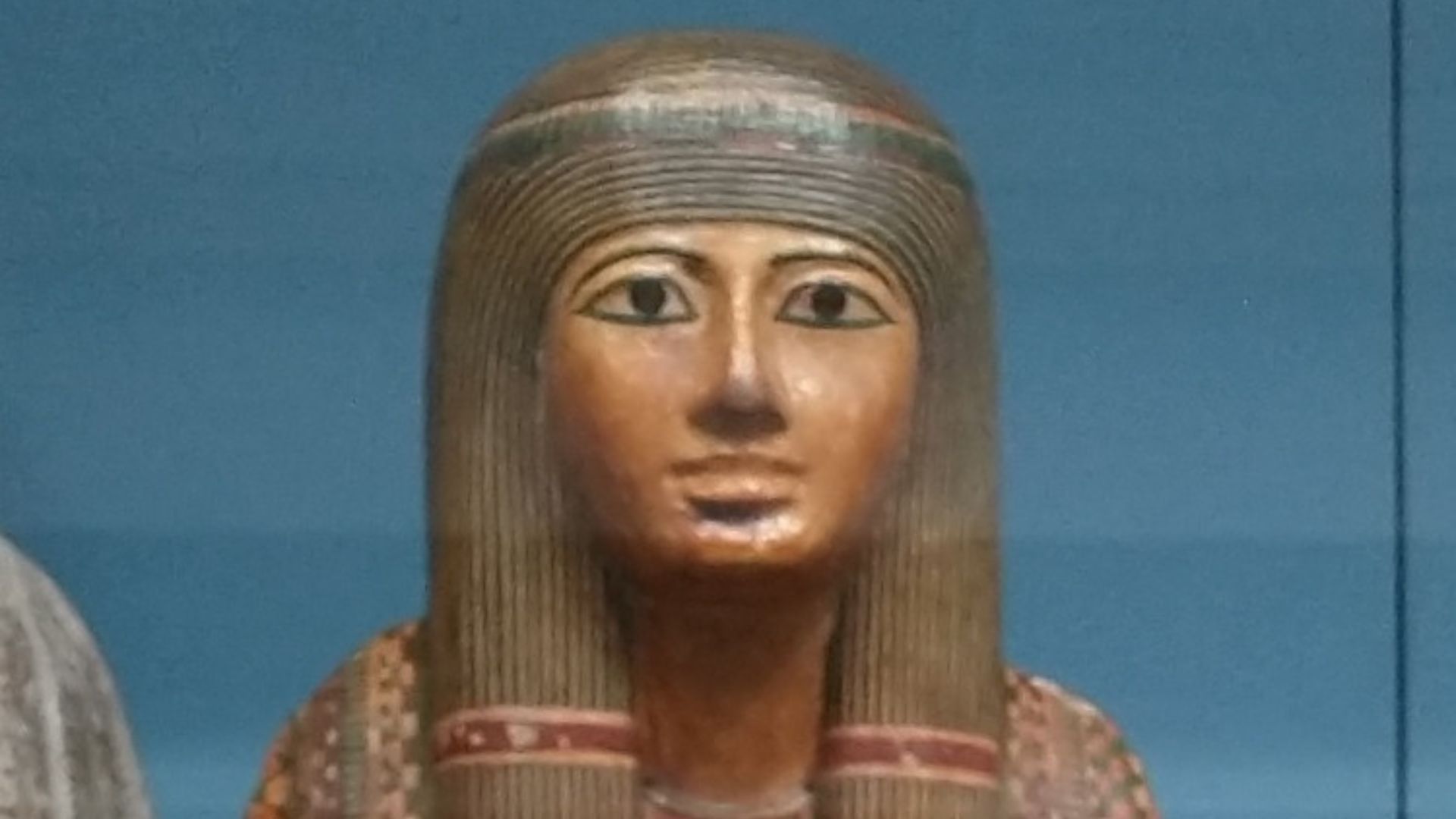
13. The Unlucky Mummy
British Museum item 22542 is a painted coffin lid belonging to a priestess of Amun, with no mummy attached to it at all. Late Victorian journalists credited the board with fires and illnesses, then added a rumor that it sailed on the Titanic and went down in the North Atlantic. The object has never left London, and the museum has spent a century patiently explaining that to visitors.
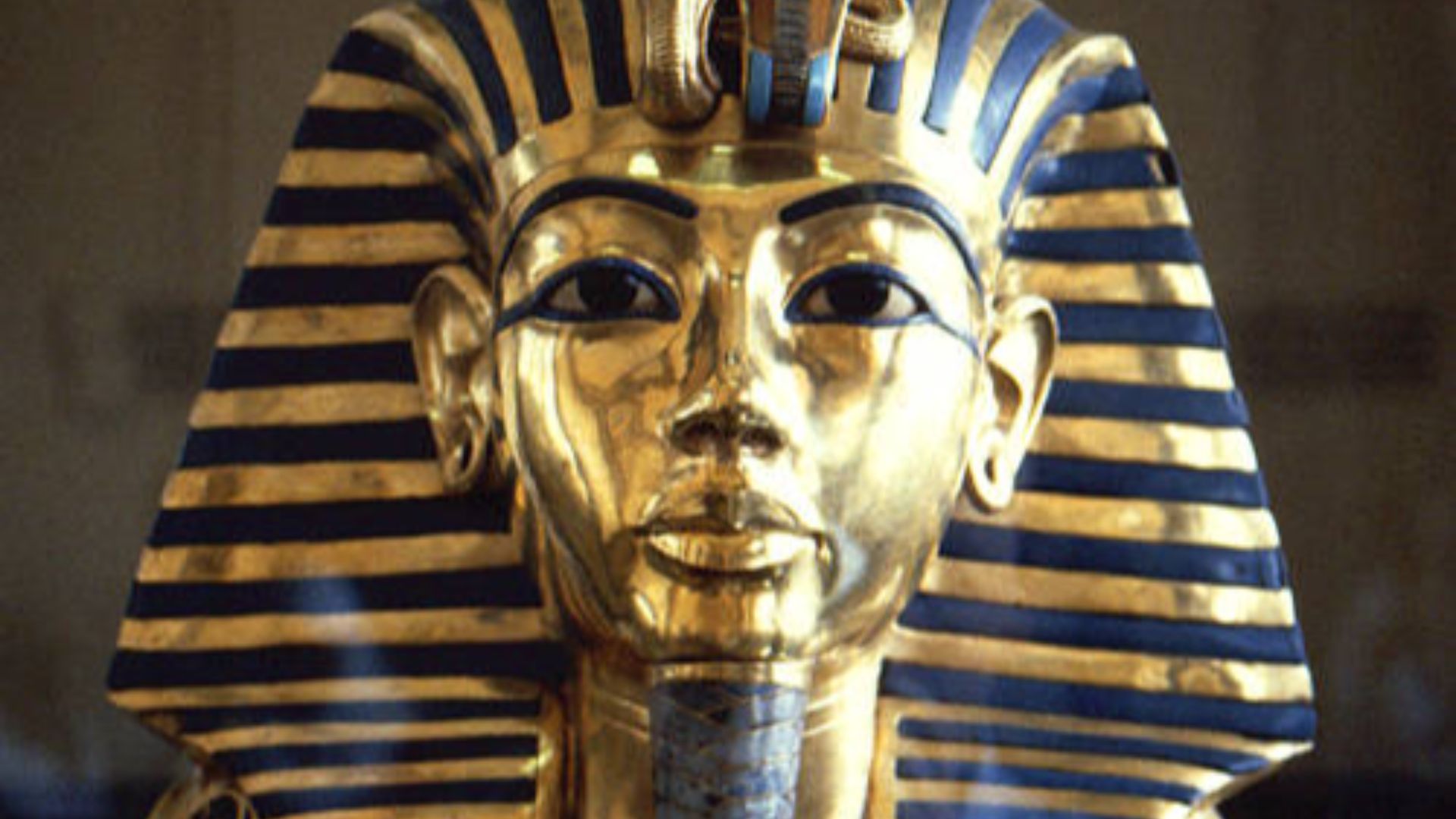
14. Tutankhamun
Lord Carnarvon funded the 1922 excavation and died five months later from an infected mosquito bite he reopened while shaving. Arthur Conan Doyle told reporters an ancient spirit might be responsible, a theory that sold papers for the better part of a decade. A 2002 study in the British Medical Journal found no survival difference between those present at the opening and other Westerners in Egypt.
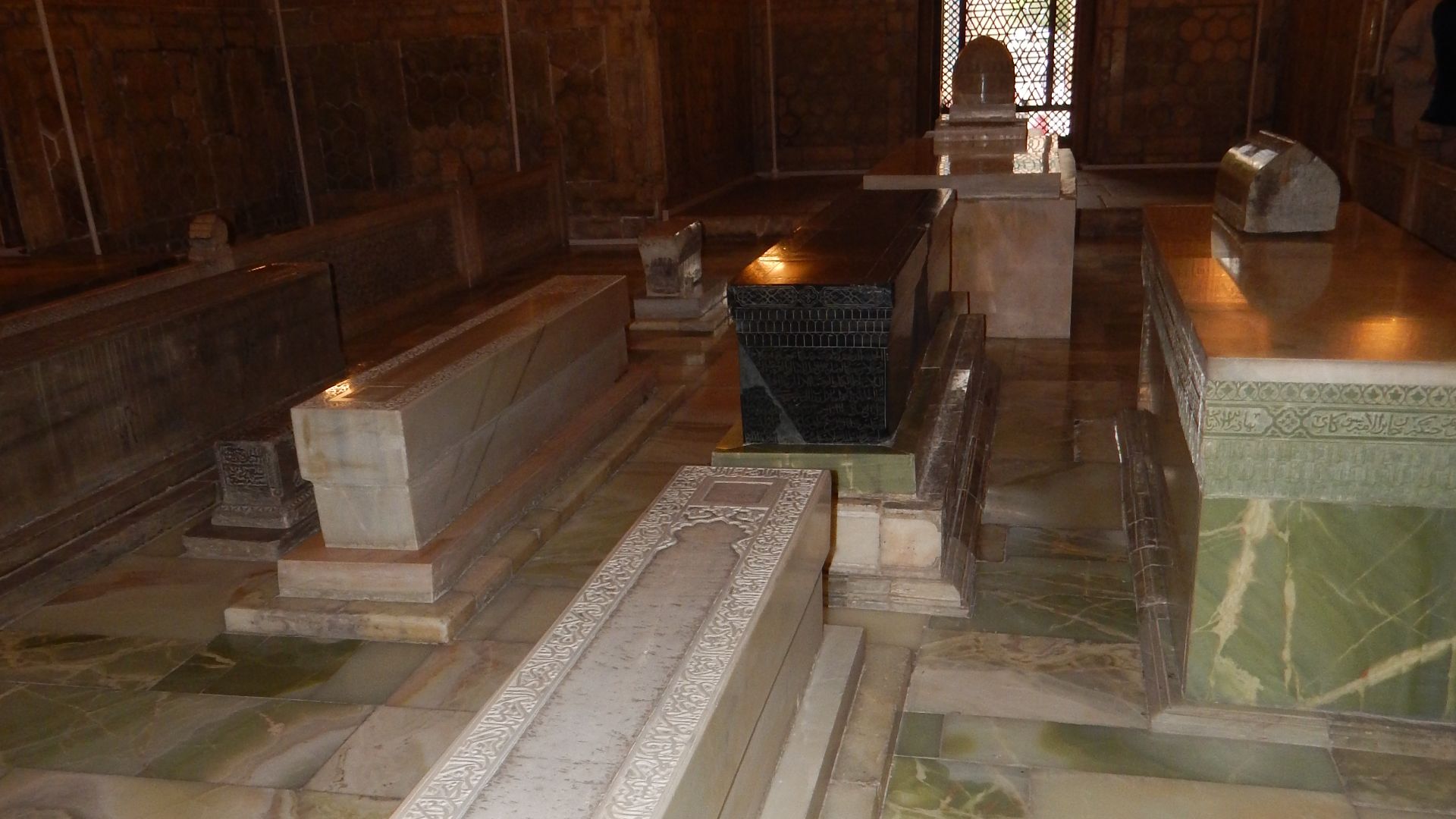
15. Timur's Tomb
Soviet anthropologist Mikhail Gerasimov opened the tomb of Timur in Samarkand in June 1941, ignoring local elders who warned that disturbing the conqueror would bring a war worse than any before it. Germany invaded the Soviet Union two days afterward, and Soviet soldiers repeated the story for the rest of the war. The remains were reburied with full Islamic rites in late 1942.
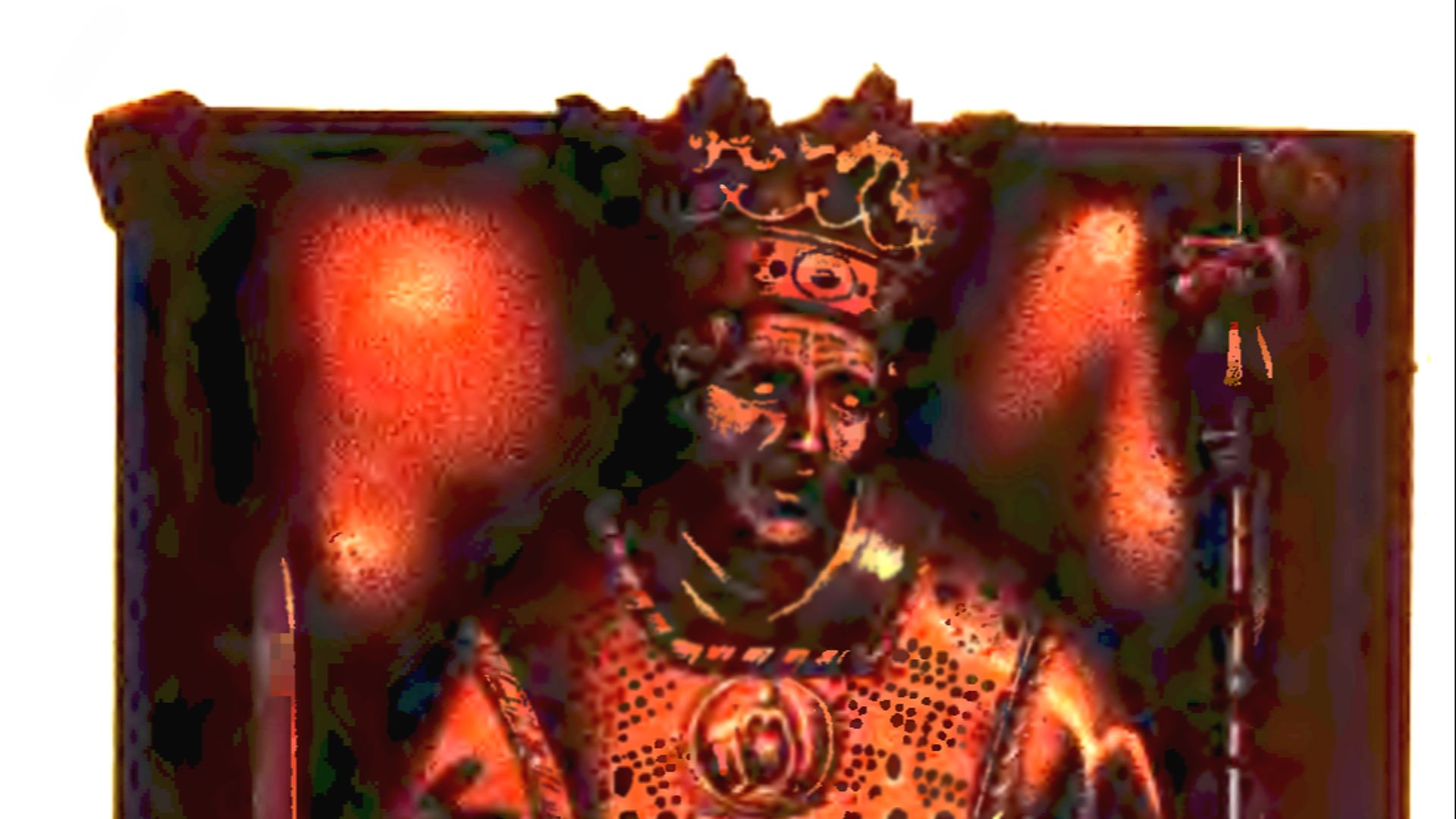
16. Casimir IV's Tomb
Twelve researchers opened the tomb of the Polish king Casimir IV in Kraków in 1973. Ten of them died within a few years, and the press reached for Tutankhamun comparisons before anybody tested the air inside. Later testing found Aspergillus flavus growing in the tomb, a mold that produces aflatoxins and is dangerous to breathe in a sealed space.
 Maksymilian Fajans on Wikimedia
17. The Scottish Play
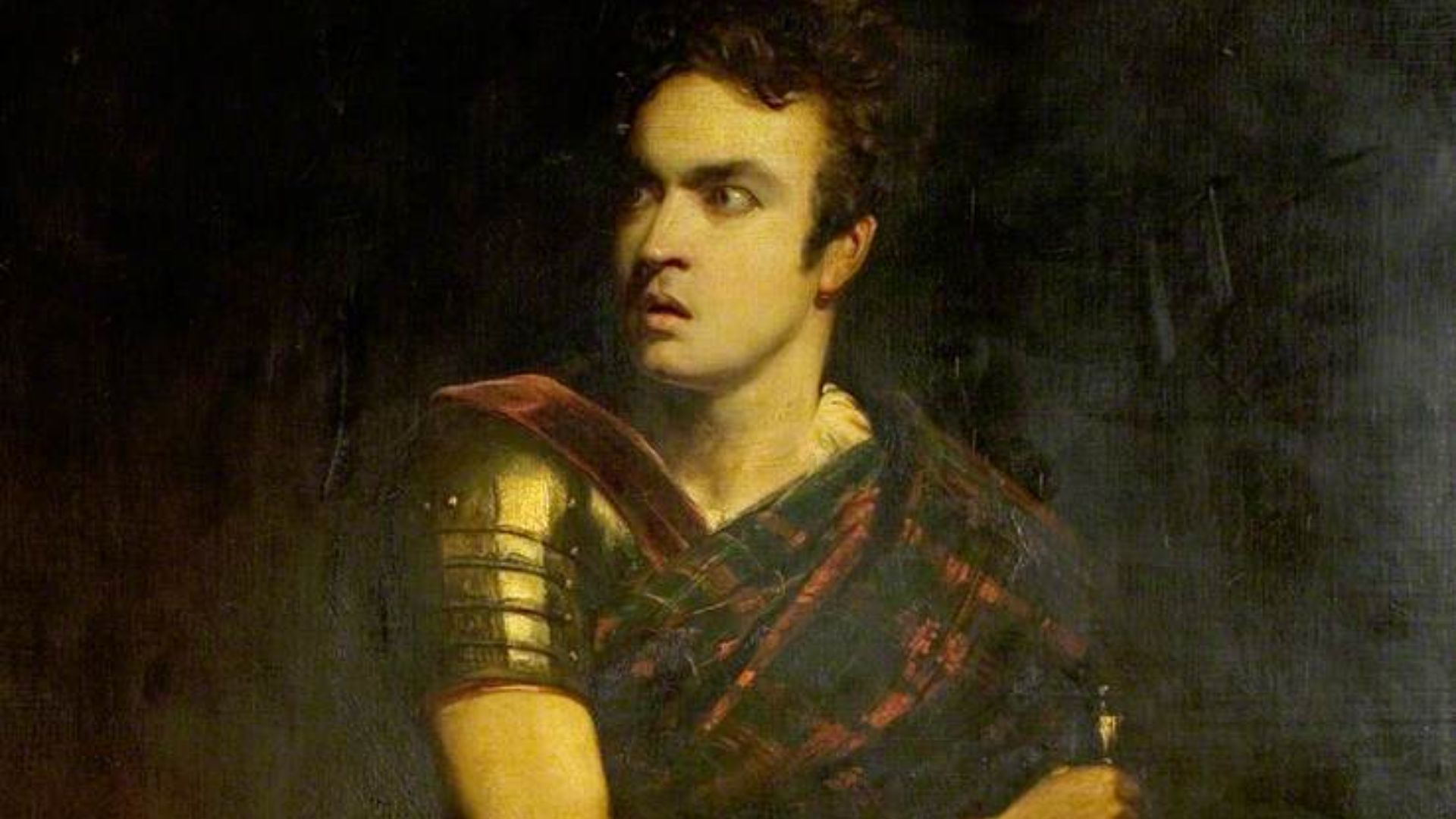
Actors refuse to say Macbeth inside a theater and substitute the Scottish play instead. The superstition holds that Shakespeare lifted working incantations for the witches, and productions have accumulated a long record of injuries and cancellations to point at. Anyone who slips gets sent into the hallway to spin around three times and swear before being let back in.
18. The Curse of the Bambino
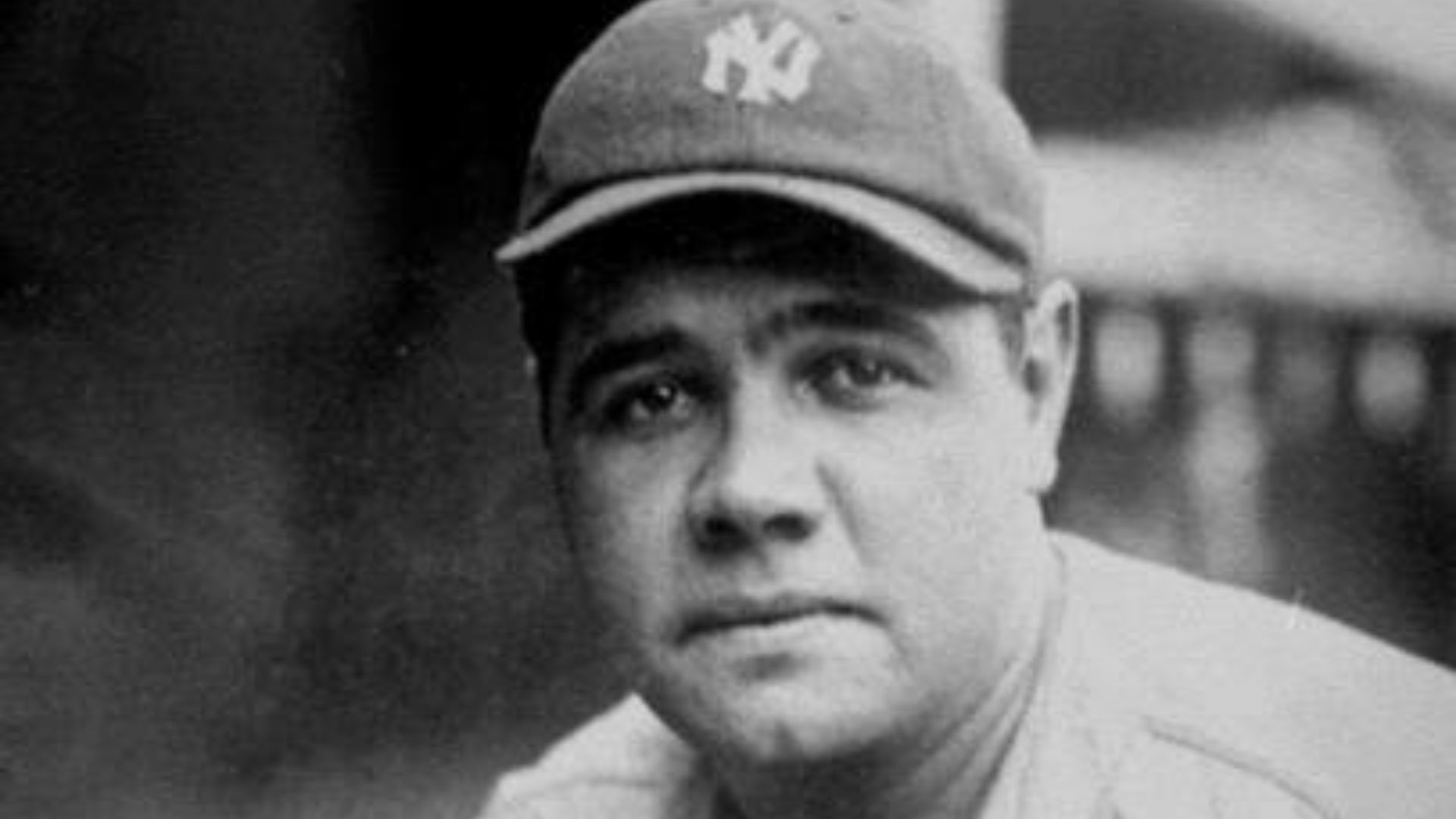
Boston sold Babe Ruth to New York after the 1919 season, then went 86 years without another championship. Sportswriter Dan Shaughnessy gave the drought its name in a 1990 book, by which point fans were taking it seriously enough to act. One group hauled a piano out of a pond near Ruth's old farmhouse hoping it would help.
19. The Curse of the Colonel
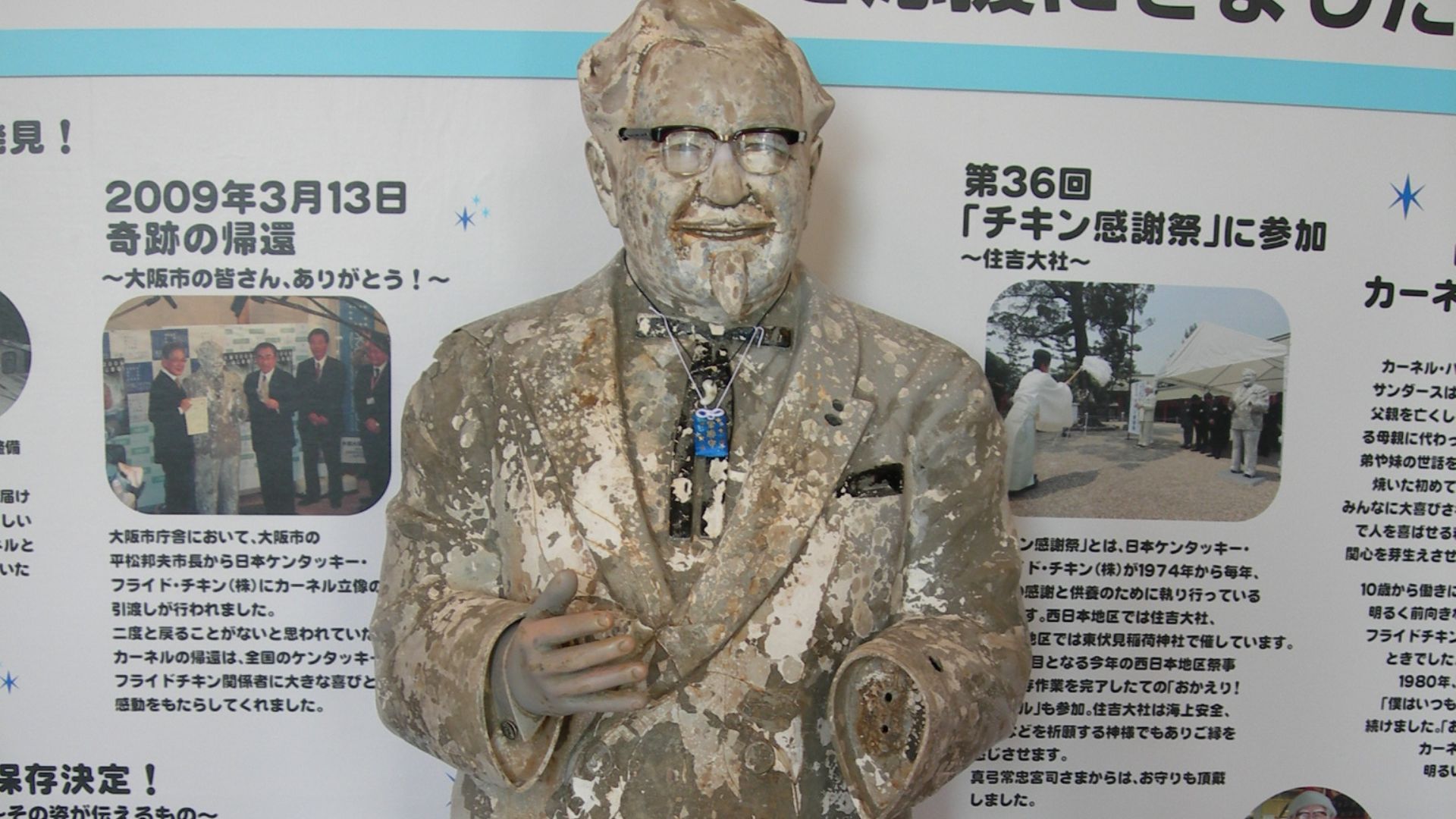
Hanshin Tigers fans celebrating the 1985 Japan Series pitched a Colonel Sanders statue into the Dōtonbori canal in Osaka. The team spent the next 18 years without a pennant before divers finally pulled most of the statue out in 2009. His hands and glasses are still down there.
20. Ötzi the Iceman
Seven people connected to the 5,300-year-old body found in the Alps in 1991 died over the following years, starting with the hiker who spotted him. Tabloids counted the deaths and had a full story built inside a week. Thousands of other researchers have handled and scanned the remains without incident, and the body now sits in a refrigerated case in Bolzano.