When a Good Story Becomes “History”
Some stories have been repeated so confidently and for so long that everyone just accepted them as fact. But all it takes is a bit of digging through history to uncover just how little evidence supports some of the loudest claims. While a shaky foundation doesn’t automatically prove every story was embellished, these 20 famous “facts” deserve a much larger asterisk than they usually get.
 Jean Mignon / Luca Penni on Wikimedia
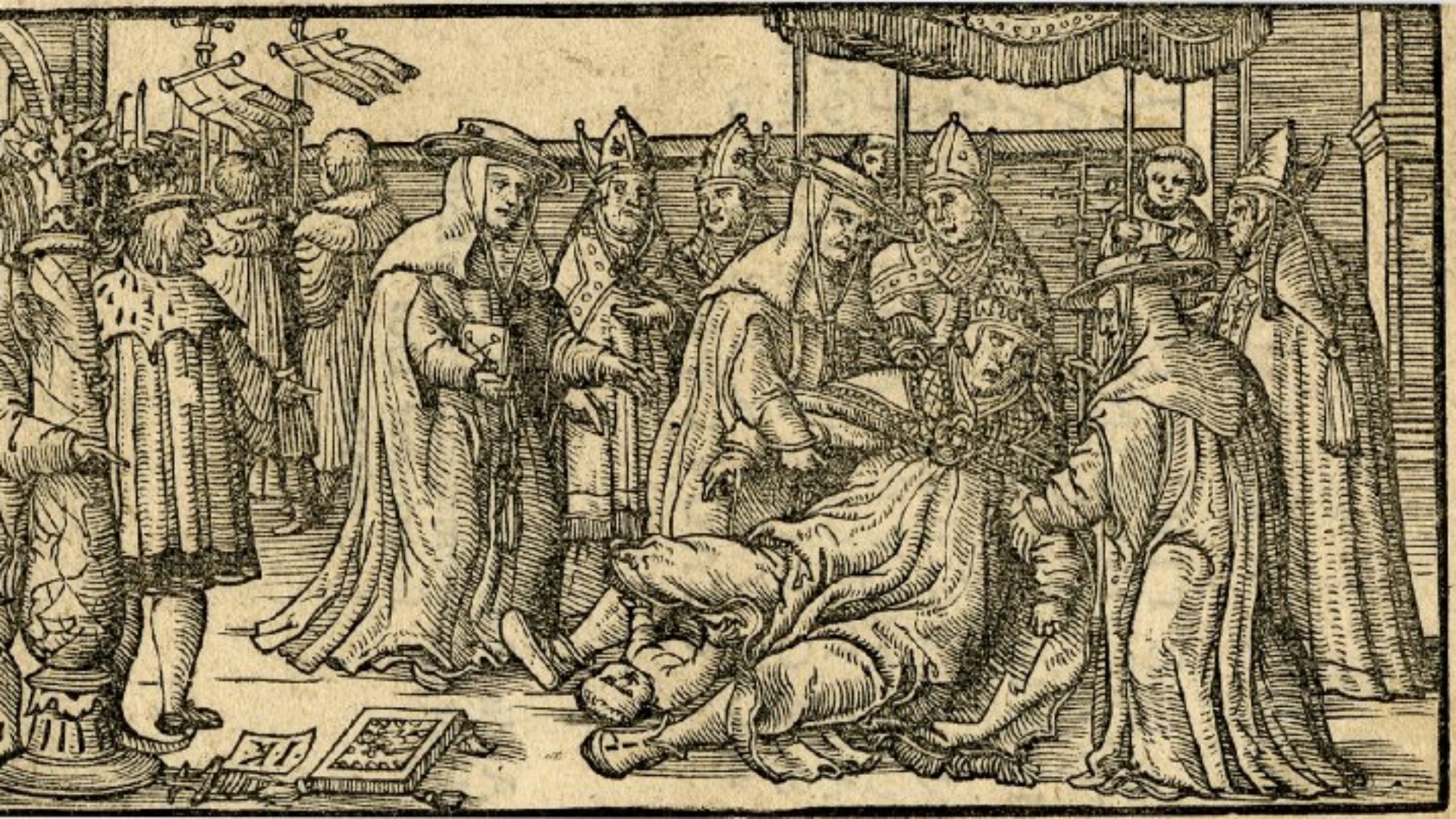
1. Pope Joan Ruled the Catholic Church
For centuries, people repeated the story that a woman disguised herself as a man and became pope sometime during the ninth century. As fascinating as that would be, contemporary papal histories don't mention her anywhere. Though that could just be a cover-up, the tale doesn't appear in surviving records until centuries after she supposedly lived, either.
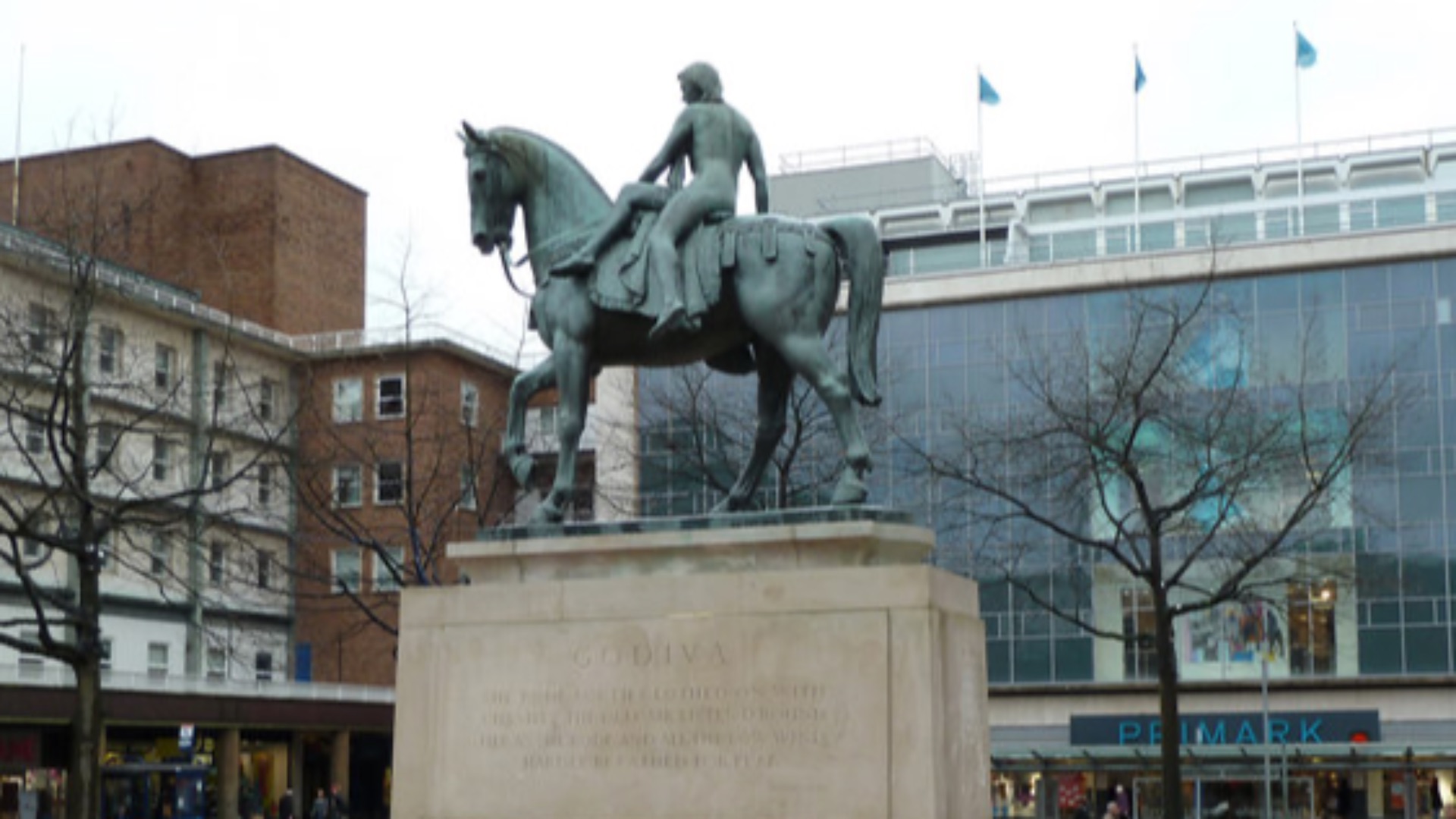
2. Lady Godiva Rode Without Clothes Through Coventry
Don’t get us wrong—Godiva was an actual 11th-century noblewoman. However, her famous birthday suit ride through Coventry is a lot harder to establish. The story doesn't show up until roughly two centuries after her lifetime, despite earlier records mentioning her charitable donations and other activities. Even the classic addition of Peeping Tom was added to the legend much later.
3. William Tell Shot an Apple Off His Son's Head
Even if you don’t know their names or the reason behind it, you’ve likely heard about Swiss hero William Tell firing a bolt through an apple on his son's head. Unfortunately, the earliest surviving Tell stories appeared generations after the supposed event. Worse still, contemporary records provide no solid evidence that he even existed.

4. King Cnut Tried to Command the Sea
King Cnut's failed attempt to order the tide backward is often presented as an actual demonstration of arrogance. In reality, though, no source from his lifetime records the incident, and the familiar story appears in Henry of Huntingdon's chronicle, which was more than a century after Cnut died in 1035.
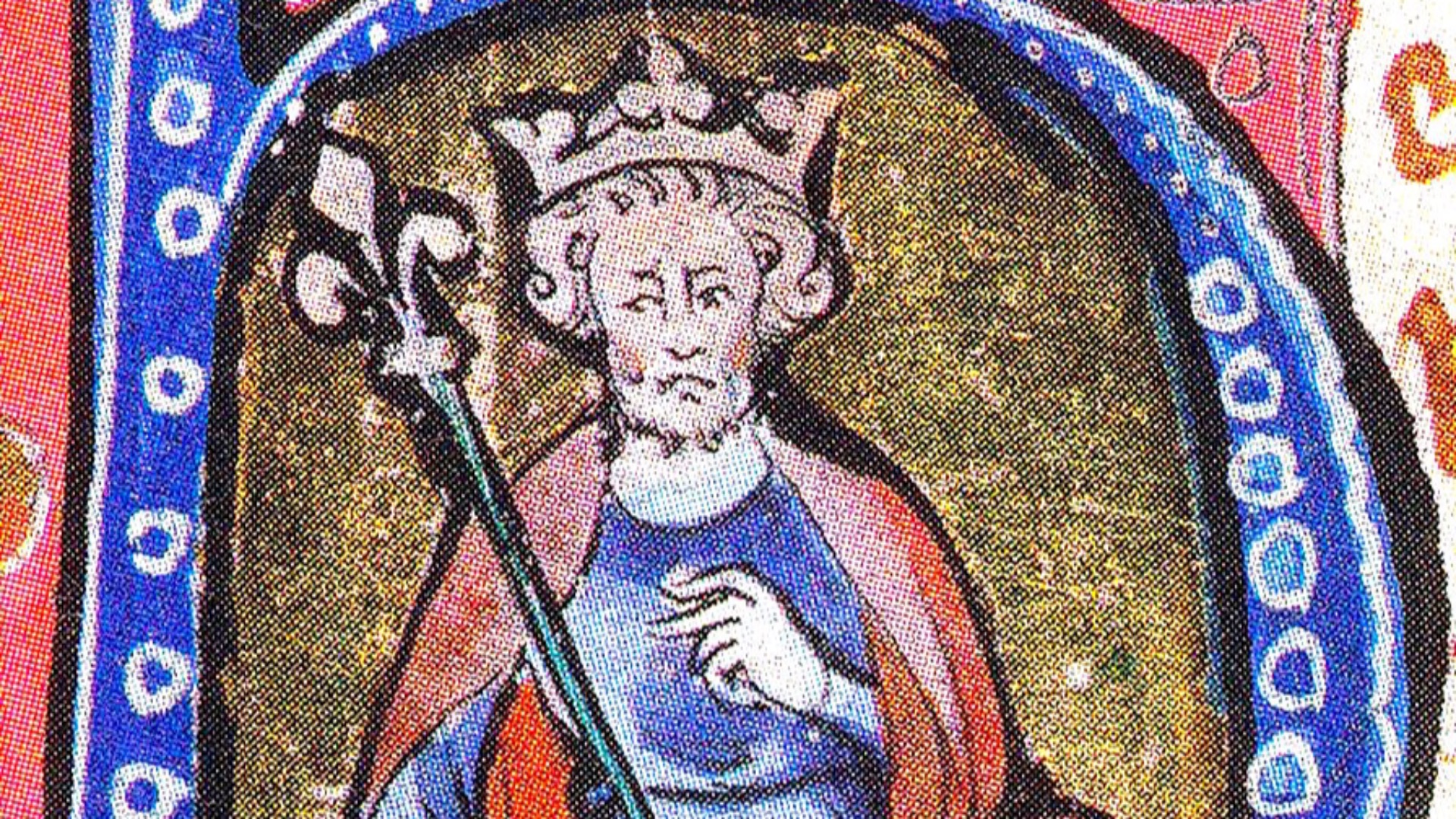
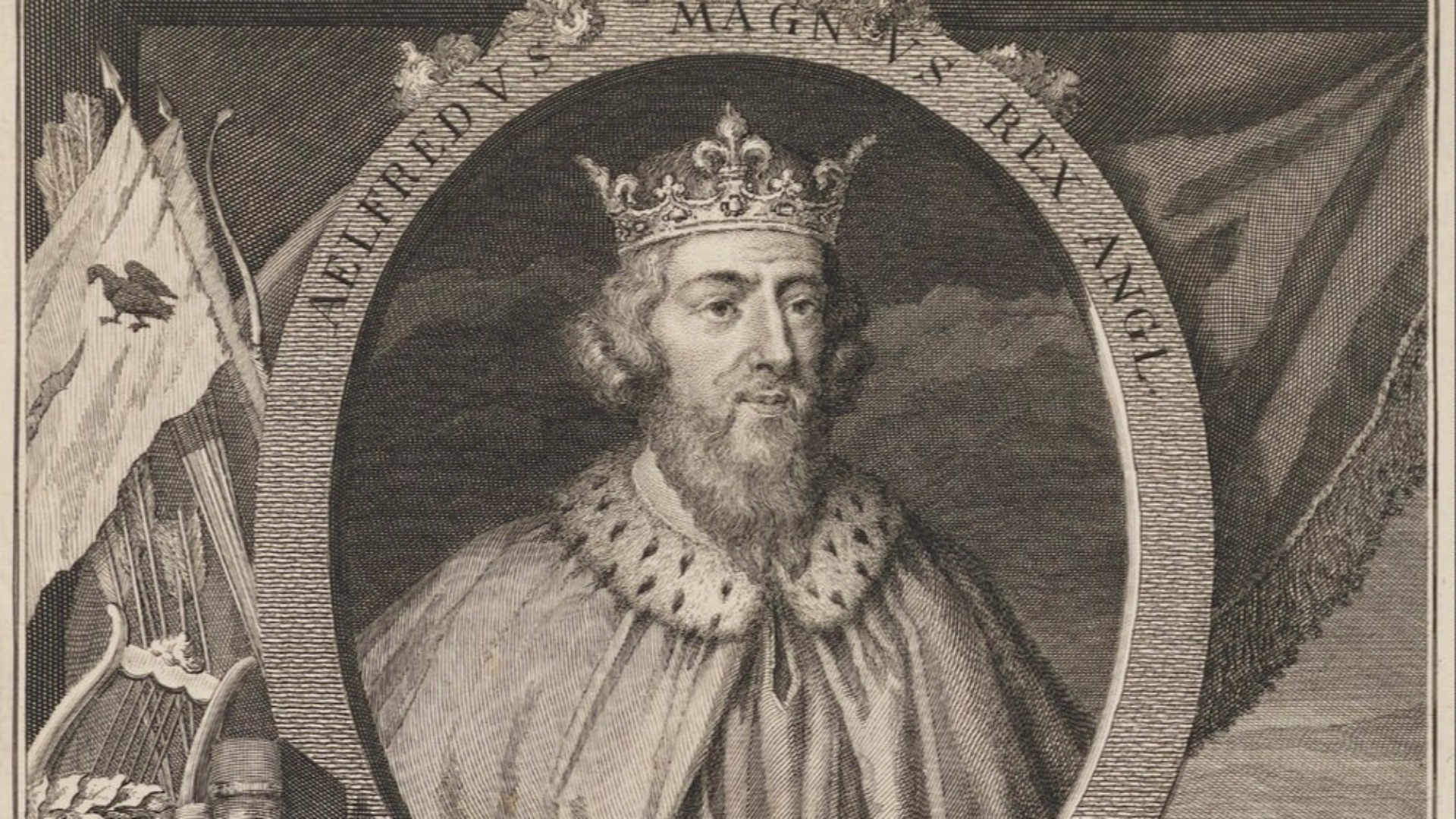
5. Alfred the Great Burned a Woman's Cakes
According to one beloved English tale, Alfred hid from the Vikings in a peasant woman's home, causing all sorts of trouble during his time there. Rumor has it that he accidentally burned cakes she asked him to watch. The actual story is that Alfred really did retreat into the Somerset marshes in 878, but there’s no real tell of this domestic mishap.
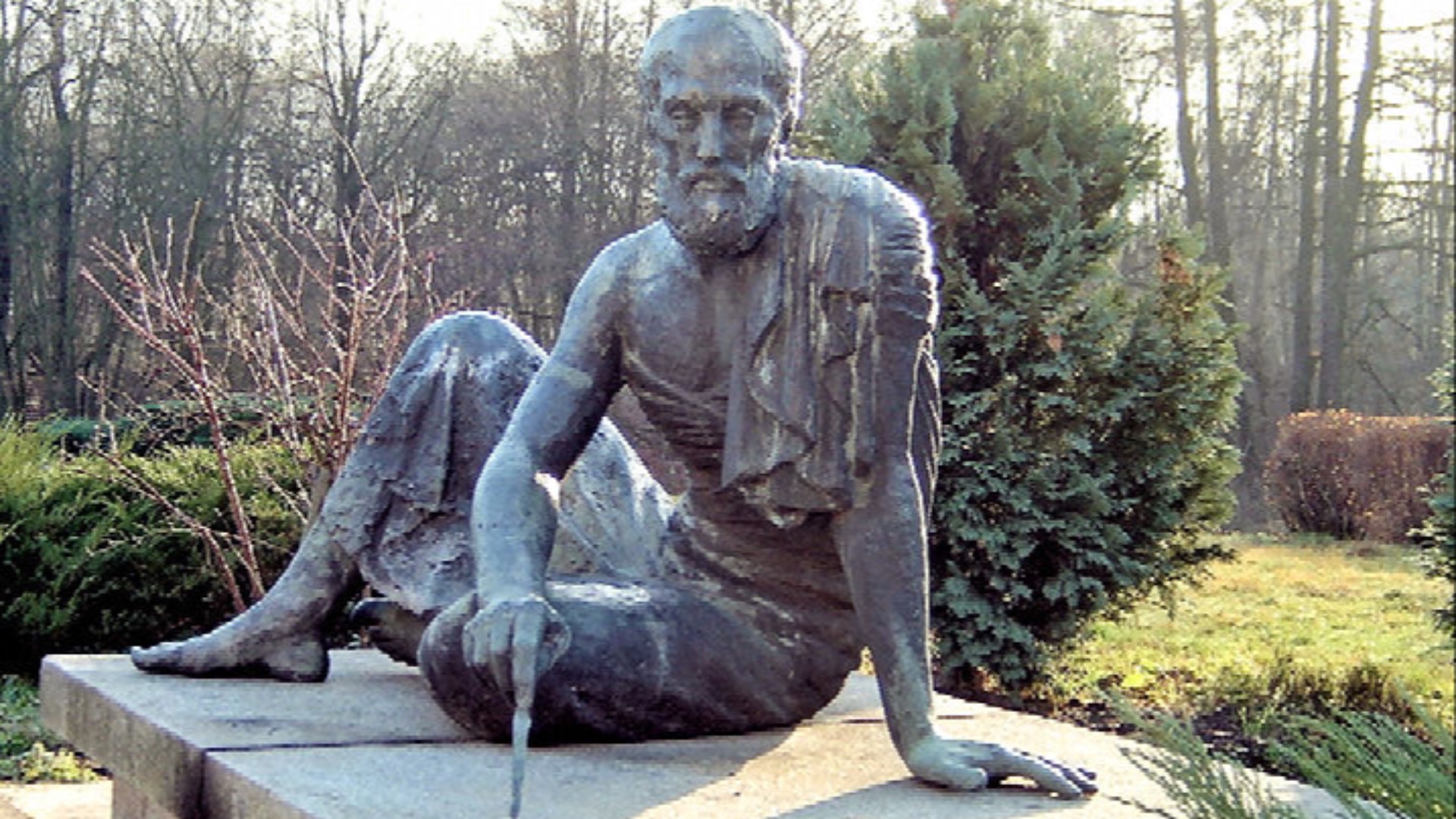
6. Archimedes Ran Through Syracuse Shouting “Eureka!”
It would’ve been an insane thing to see: Archimedes climbs into a bath, suddenly solves a puzzle, then races without clothes through the street shouting about it. We hate to tell you, but the famous anecdote was recorded by Vitruvius long after Archimedes died, leaving historians without a contemporary account of it happening.
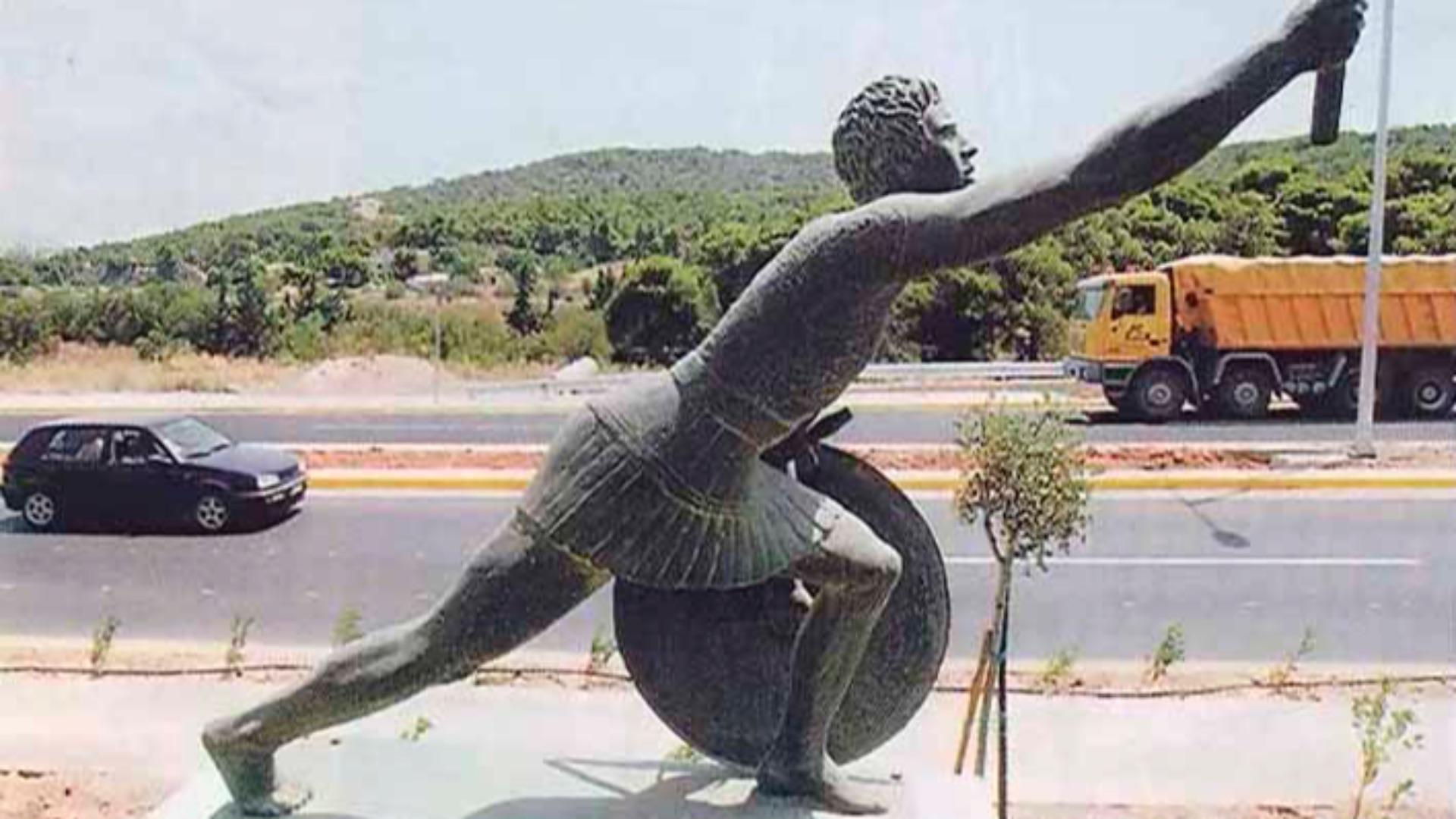
7. Pheidippides Ran the First Marathon and Dropped Dead
The modern marathon owes plenty to the tale of a Greek messenger running from Marathon to Athens in 490 B.C. You know, before he collapsed and died. Contemporary historian Herodotus actually described a runner named Pheidippides making the much longer journey from Athens to Sparta before the battle. The famous 26-mile death run is just a tradition that inspired the first modern Olympics in 1896.
 The original uploader was Hammer of the Gods27 at English Wikipedia. on Wikimedia
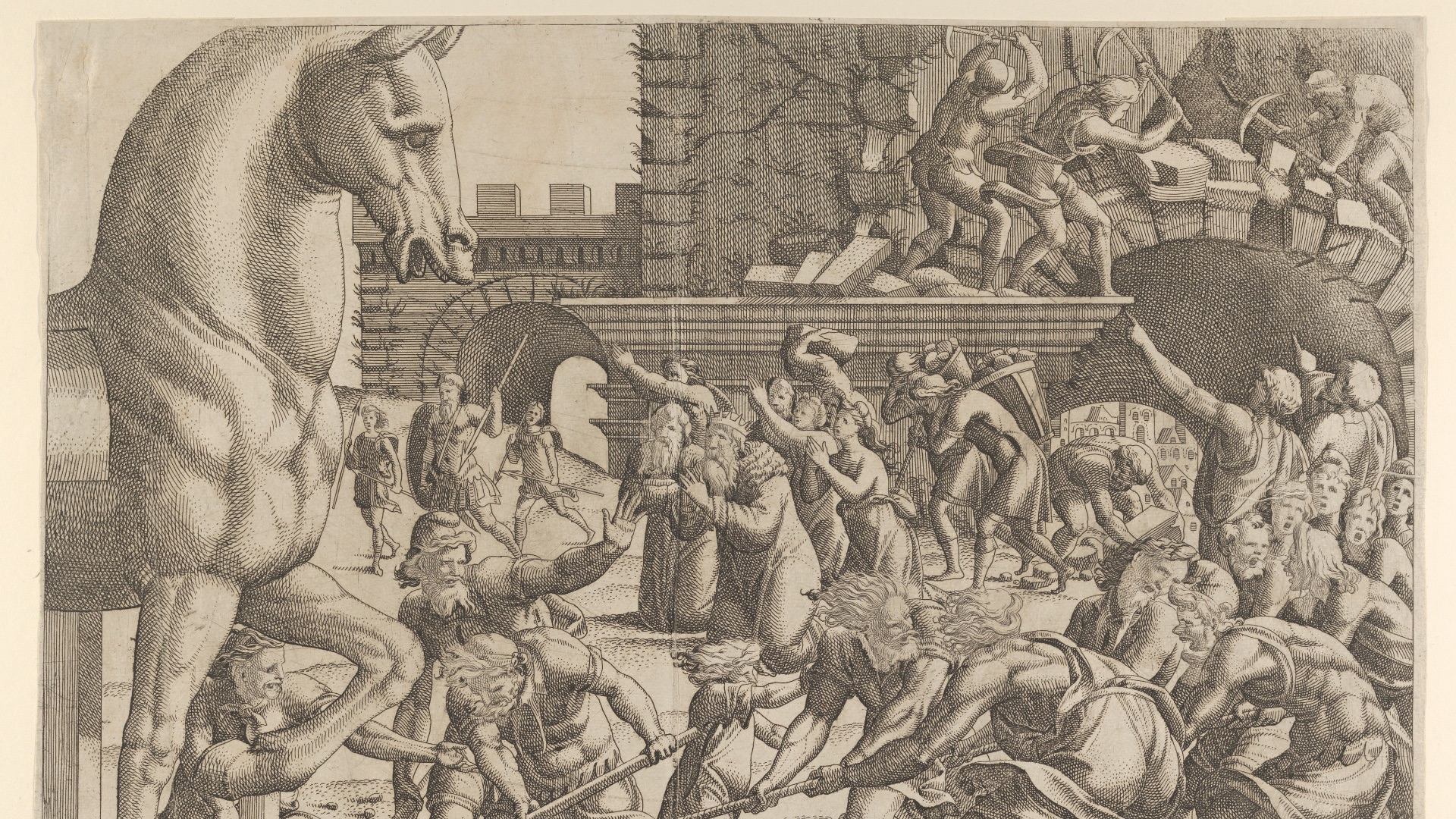
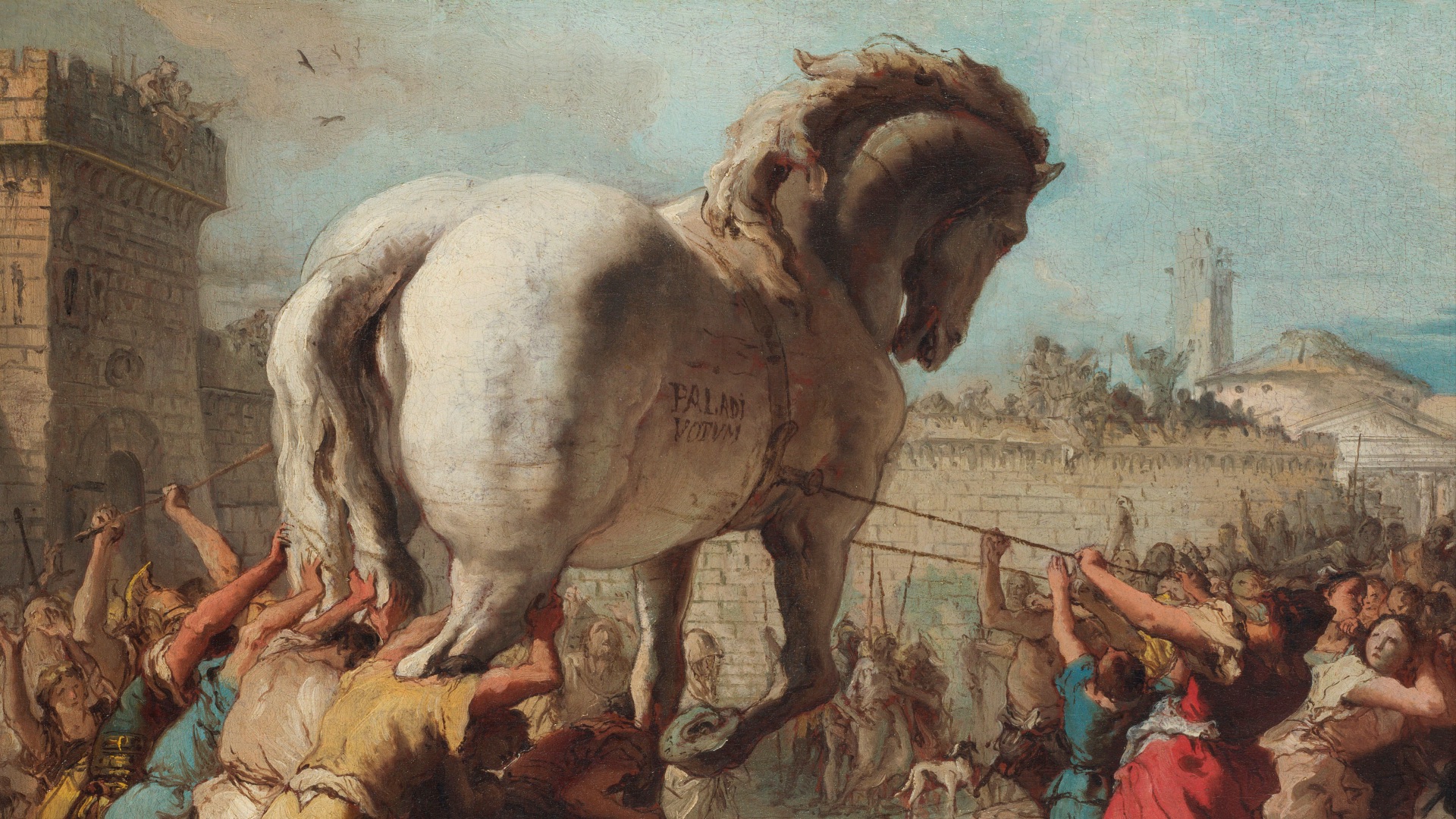
8. Greeks Hid Inside a Giant Trojan Horse
You’ve heard it all before: Greek soldiers supposedly snuck into Troy inside a big wooden horse. Well, what if we told you that archaeologists haven't actually uncovered any evidence confirming that? A city identified with Troy certainly existed, but the horse probably didn’t.
 Giovanni Domenico Tiepolo on Wikimedia
9. Rome Salted Carthage So Nothing Would Grow Again
Rome brutally destroyed Carthage in 146 B.C., but that bit with the salt? That’s another matter. Ancient accounts don't say Roman soldiers sowed its land with salt, and scholars have traced versions of the story to much later traditions.

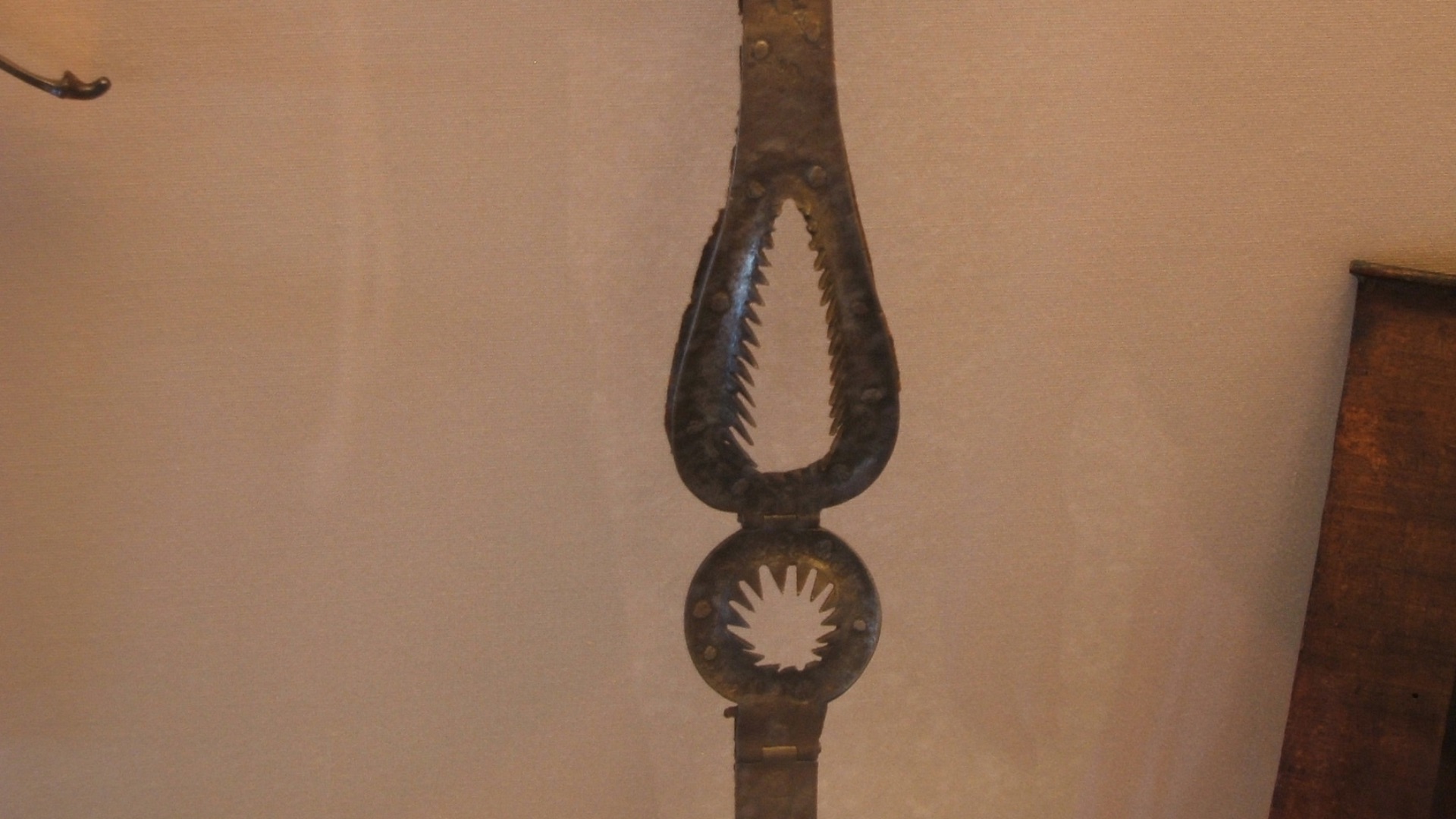
10. Husbands Locked Their Wives in Chastity Belts
Museums and old stories seem to have both collaborated on this one. For generations, people bought into the idea that medieval knights locked women into chastity belts, but historians haven't found evidence that they were actually used like that during the Middle Ages. Earlier images appear to have been jokes, satire, or allegory rather than instruction manuals.
 Stevenj at English Wikipedia on Wikimedia
11. “Right of the First Night”
The so-called droit du seigneur allowed a lord to sleep with a serf's bride on her wedding night—or so legend would have you believe. Despite the concept popping up everywhere for years, historians haven't uncovered any solid evidence of a widespread law granting that privilege.

12. The Iron Maiden
There’s a sort of morbid curiosity about medieval torture devices, and none got more notoriety than that spiked metal cabinet. However, historians haven't found evidence of it existing during the Middle Ages, and one influential description of its supposed 1515 use wasn't even published until 1793. In reality, the ones you see on display were actually constructed much later for collectors and paying audiences.
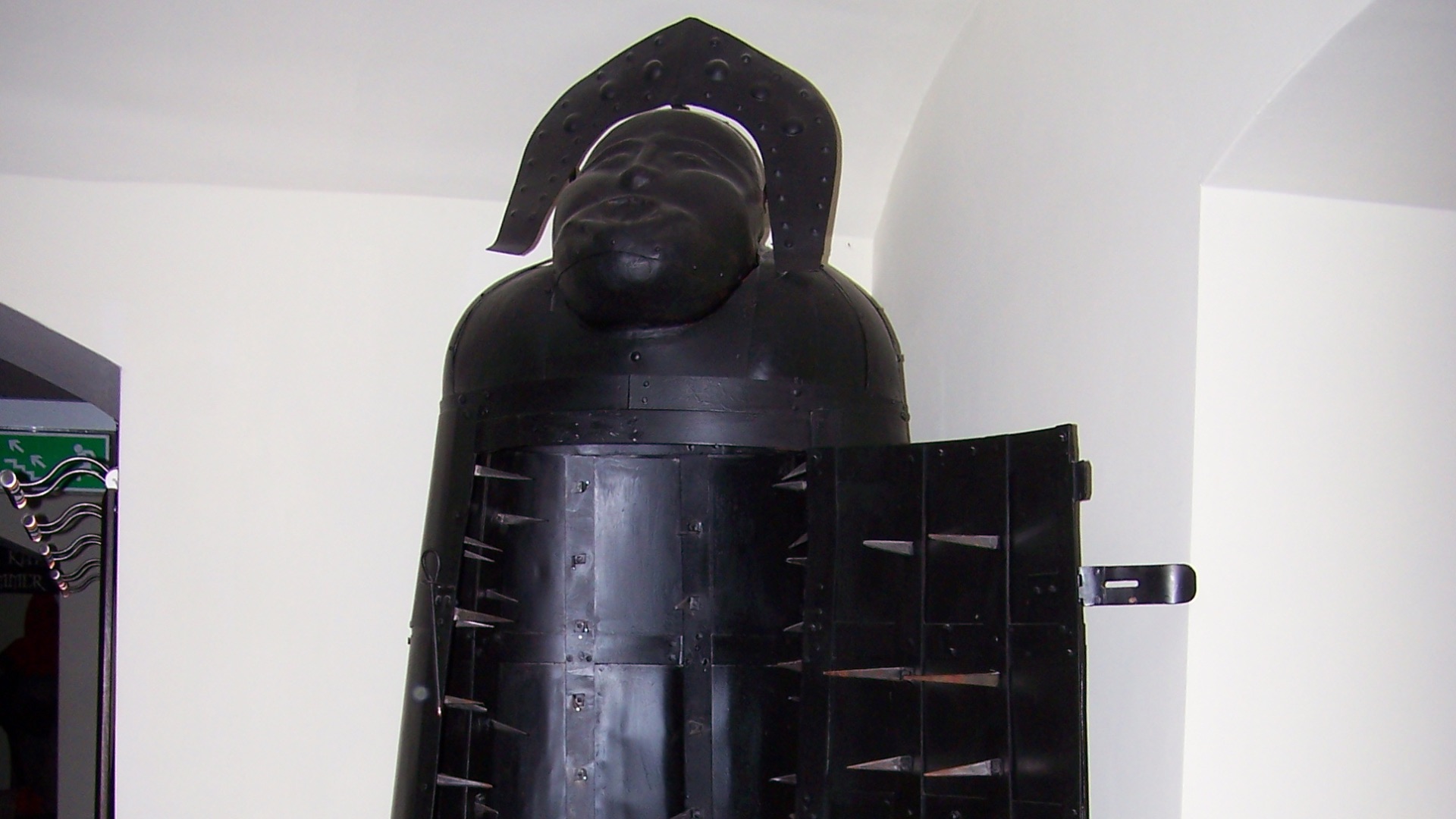 Lestat (Jan Mehlich) on Wikimedia
13. Romans Had Rooms For Vomiting
What comes to mind when you see the word “vomitorium”? Probably the old story that ancient Roman banquets needed special rooms for people to hurl out their guts. In reality, vomitoria were passages designed to move large crowds rapidly into and out of theaters. No ancient source uses the term for a designated post-dinner chamber.

14. Marco Polo Introduced Pasta to Italy
We’d all love to shake the hand of whoever brought pasta to our plates, but it definitely wasn’t Marco Polo. The story goes that after he returned to Venice in the late 13th century, he supposedly brought Italians their first taste of noodles. But Italians were already eating forms of pasta long before Polo came home, with written and culinary evidence both predating his journey.
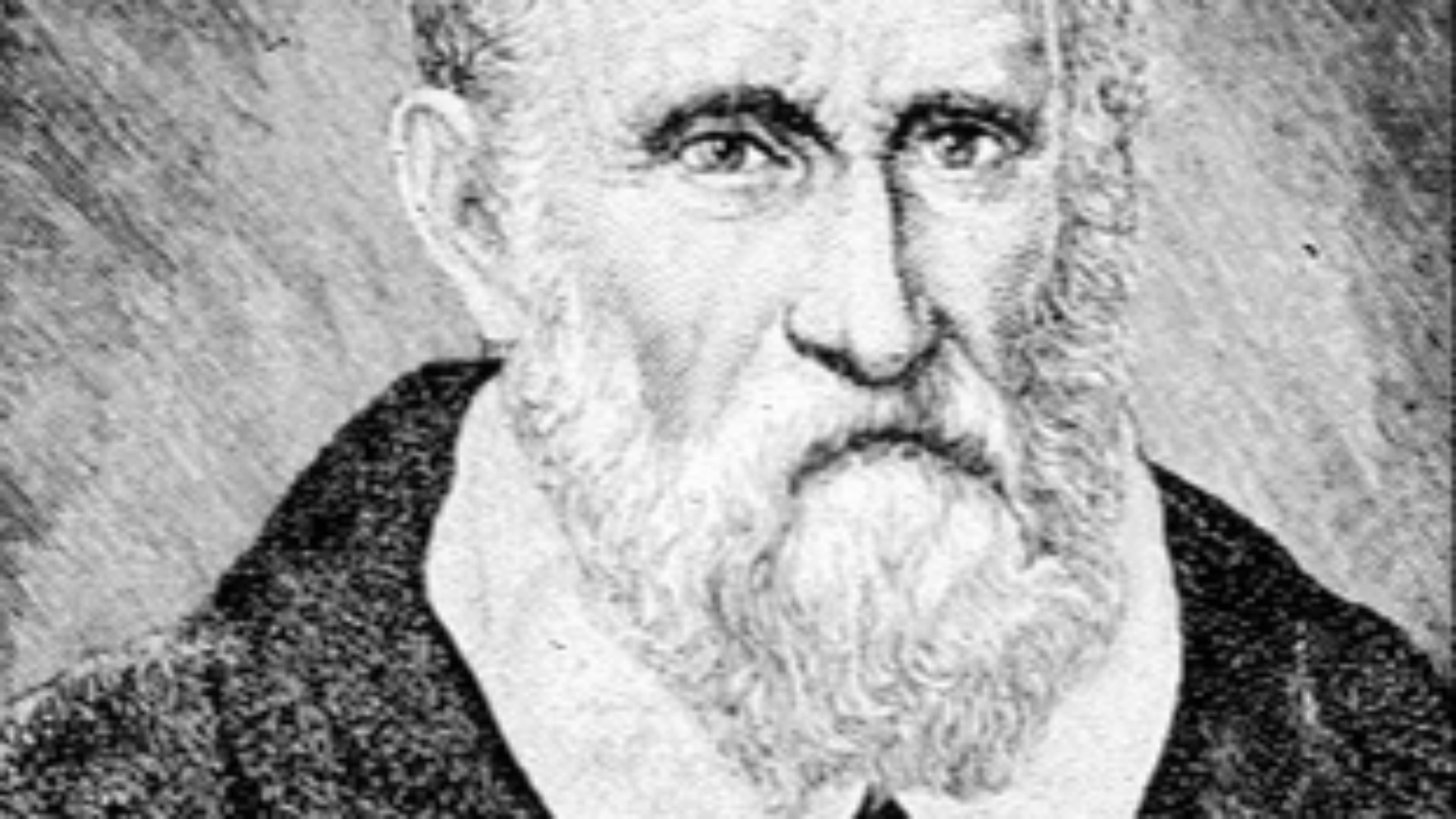
15. Those Famous Plague Masks
Over the years, the plague practically became synonymous with those horrifying beaked masks. Rest assured, though the Black Death did, in fact, devastate Europe, the plague-doctor costume is documented much later, especially during 17th-century outbreaks. Research into surviving masks has even raised doubts about whether some museum examples were used by doctors at all.

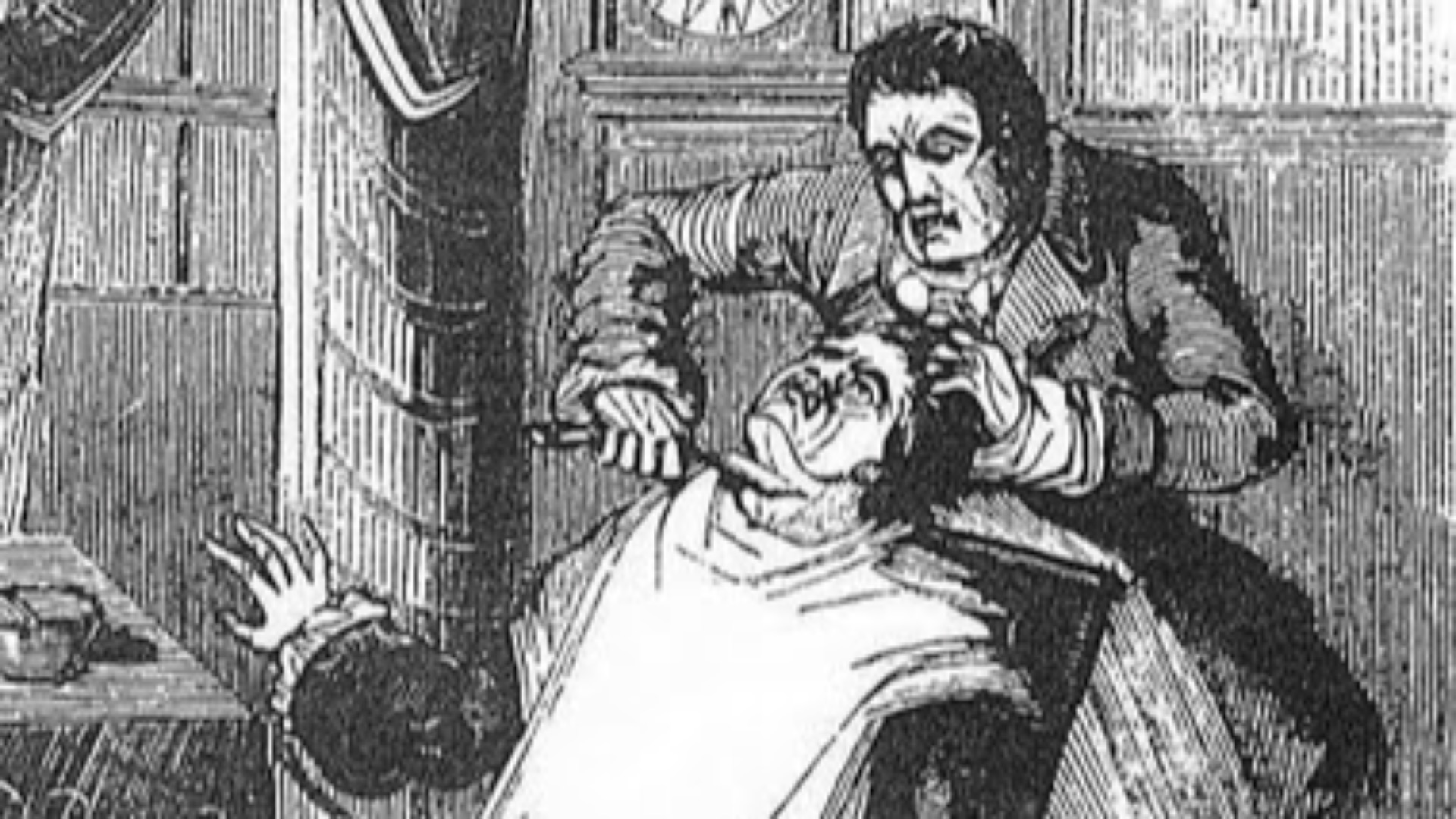
16. Sweeney Todd Was a Real Guy
The Fleet Street barber keeps being presented as an actual criminal whose exploits inspired plays and musicals. But Todd first became famous through the Victorian story The String of Pearls, published in 1846–1847, and attempts to prove an earlier historical Todd produced shaky results at best. Despite his legendary status, there’s no reliable documentation confirming his existence.
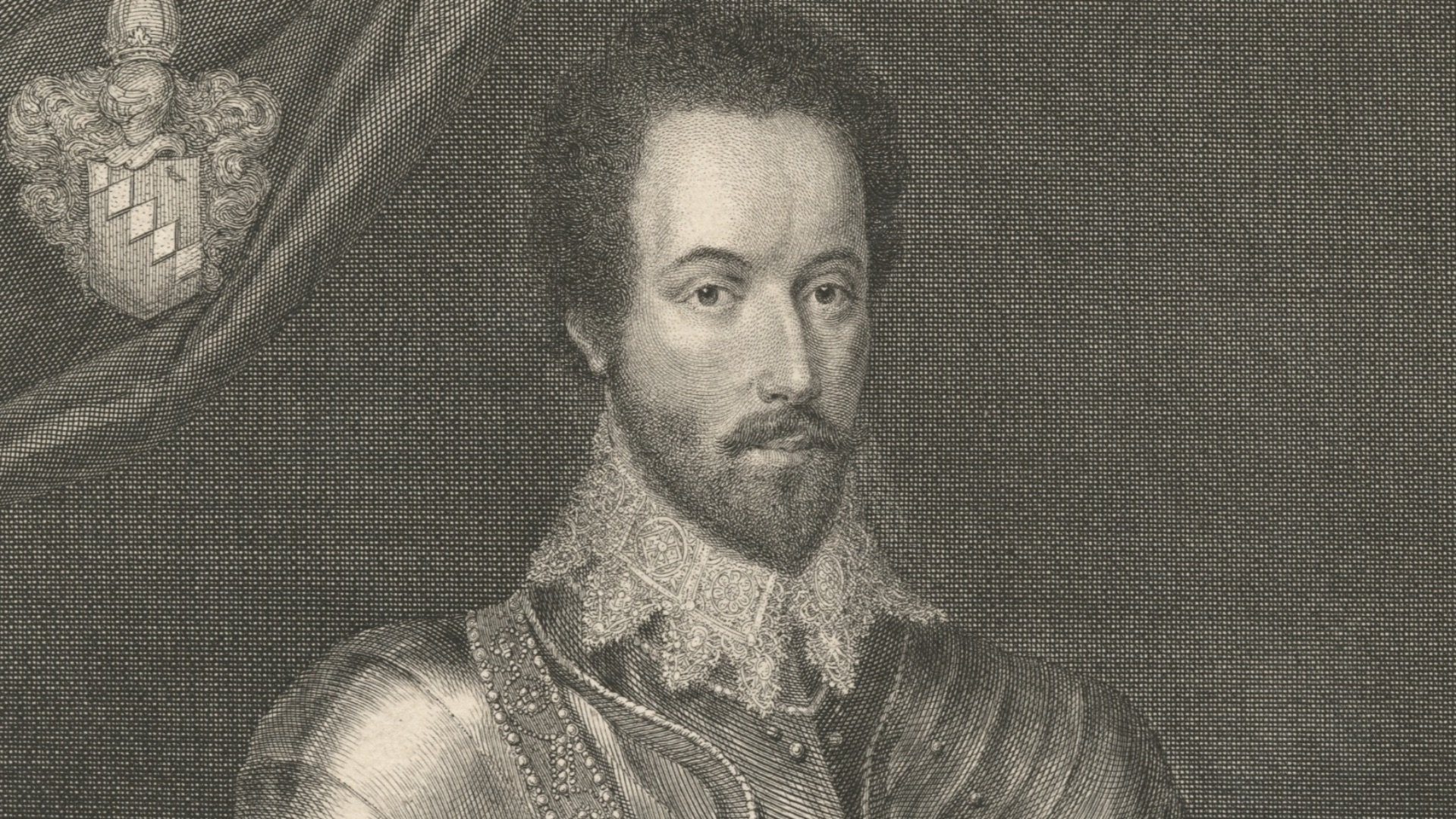
17. Walter Raleigh Covered a Puddle For Elizabeth I
Sir Walter Raleigh became one of Elizabeth I's favorites, and that gave later storytellers plenty to run with. One famous legend says he sacrificed an expensive cloak by laying it across a puddle so the queen wouldn't get her feet wet. It’s romantic and all, but Historic Royal Palaces still describes the episode explicitly as legend.
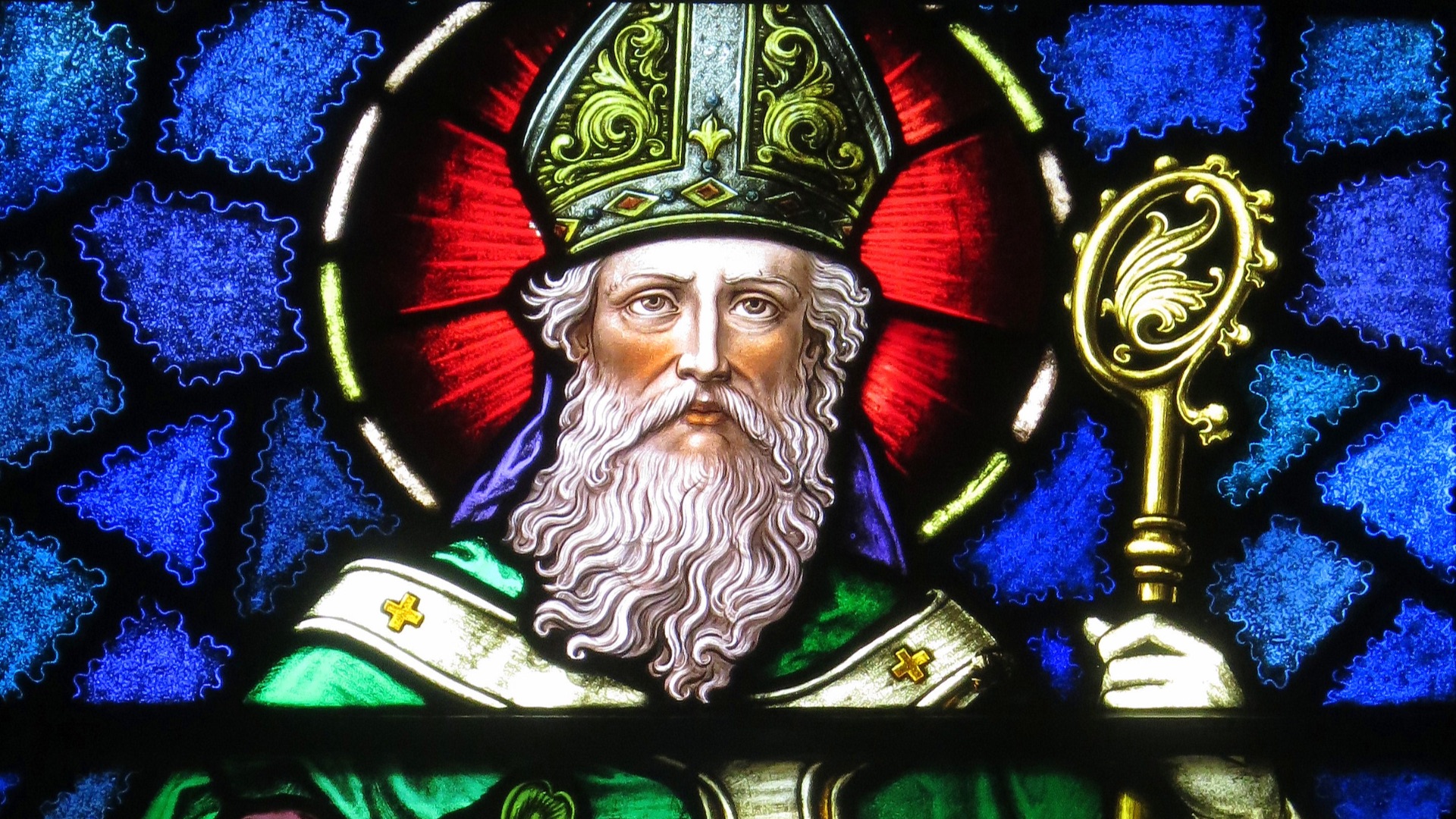
18. St. Patrick Drove All the Snakes Out of Ireland
Irish tradition gives St. Patrick credit for banishing every snake from the island sometime during the fifth century. If you think that sounds like quite a feat, you’re not wrong. Fossil and environmental evidence shows Ireland didn't even have native snakes for Patrick to chase away.
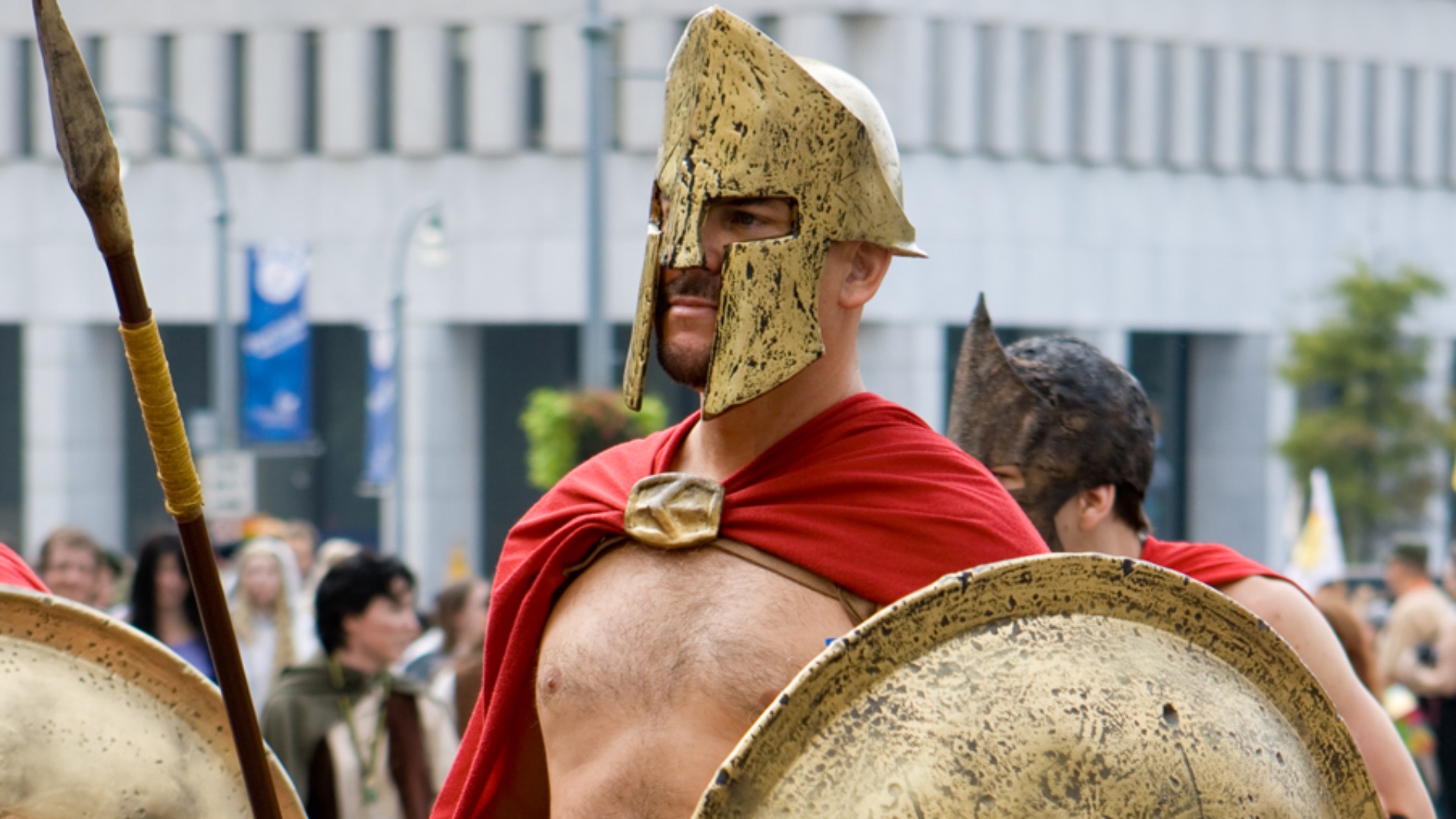
19. Spartans Threw Weak Babies Off a Cliff
Well, that’s a bit much—even for Spartans. The story fits their fearsome reputation, but much of the familiar account comes from Plutarch, who wrote centuries after classical Sparta, while excavations at the associated pit found remains of adolescents and adults, not newborns. That obviously doesn't paint the whole picture, but the famous scene has much less evidence than you think.
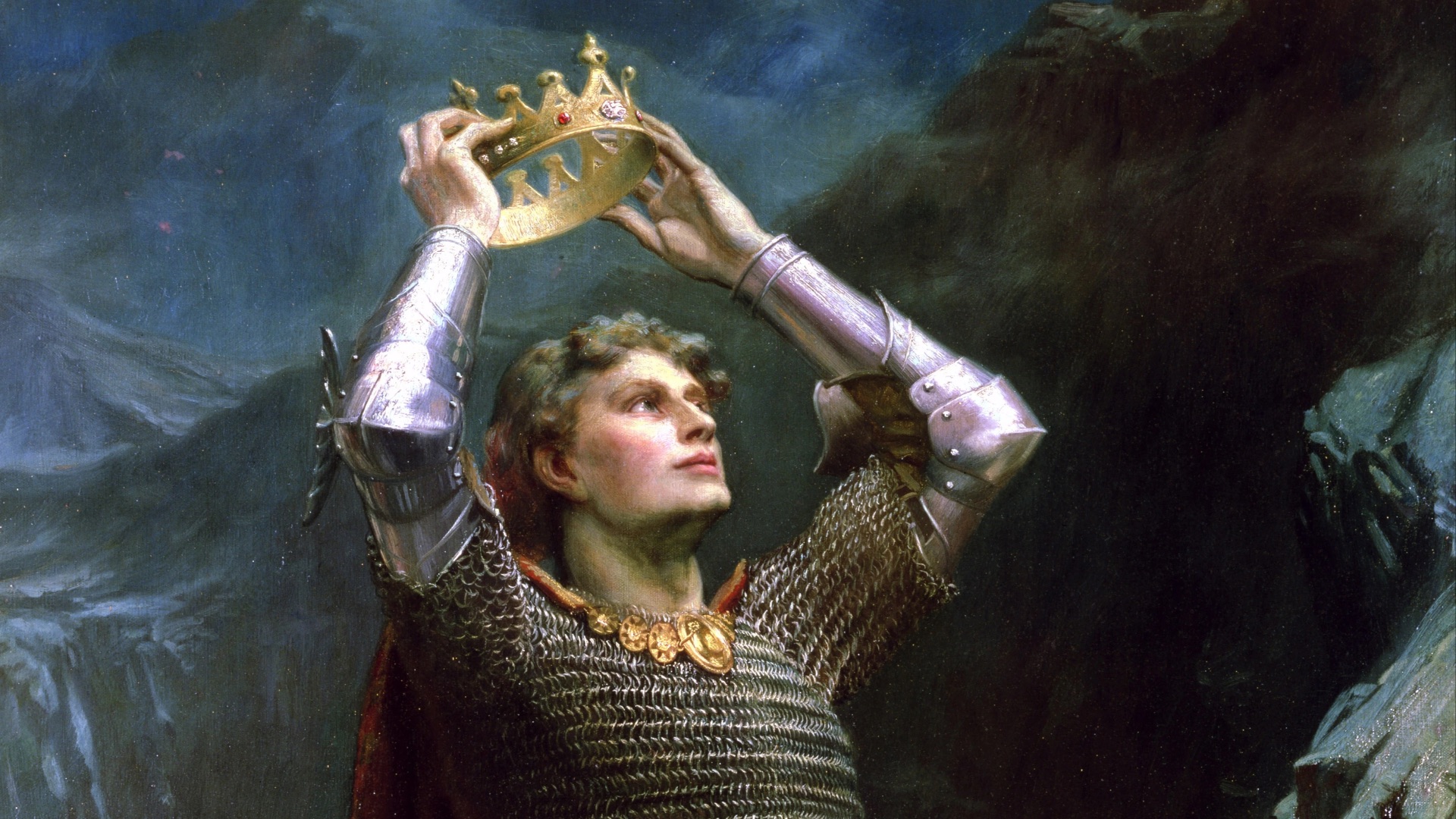
20. King Arthur Was Conceived at Tintagel Castle
Visitors have been told for centuries that the Cornish site is inseparable from King Arthur's beginnings. The connection comes from Geoffrey of Monmouth's History of the Kings of Britain, written in the 12th century, where Merlin helps Uther Pendragon enter Tintagel and conceive Arthur. Archaeology shows Tintagel was an important medieval settlement, yes, but it hasn't provided any evidence confirming Geoffrey's story. To top it off, historians can’t even confirm whether King Arthur was a real guy in the first place.
 Charles Ernest Butler on Wikimedia
KEEP ON READING