 Mateus Campos Felipe on Unsplash
Some movies court controversy. Others have such raunchy material that they never see the light of day—at least, not in the original form. Ken Russell's The Devils somehow managed to lock in both. Released in 1971, the historical drama mixed religious hysteria, political corruption, torture, repression, and sacrilegious imagery with such enthusiasm that even its own distributor got nervous about what audiences were in for.
But this isn’t the Stone Age anymore, and dismissing this flick as two hours of deliberate outrage misses what Russell was doing. Behind the poorly-behaved nuns and the grotesque exorcisms was a story about authorities exploiting fear to destroy a very inconvenient man. More than five decades later, its reputation as one of the most notoriously censored British films of its era hasn't disappeared, even if most of its original copies have. You’ll have one heck of a time trying to get your hands on an uncensored version today, so just in case you never see it, allow us to at least tell you about it.
The Real History Was Already Wild
 Vitaliy Shevchenko on Unsplash
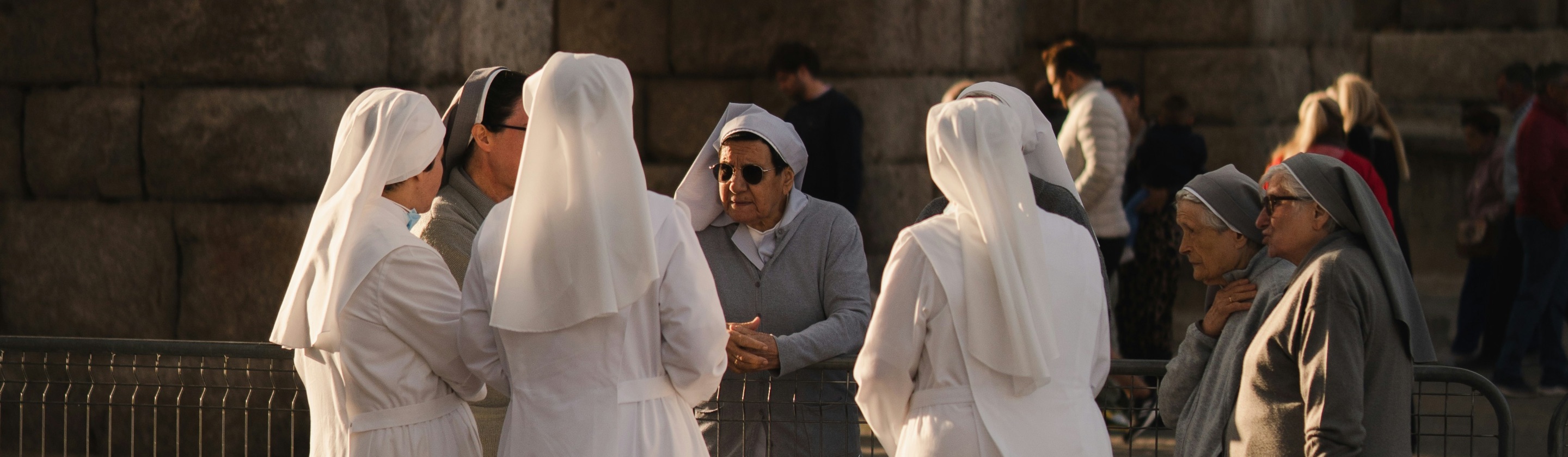
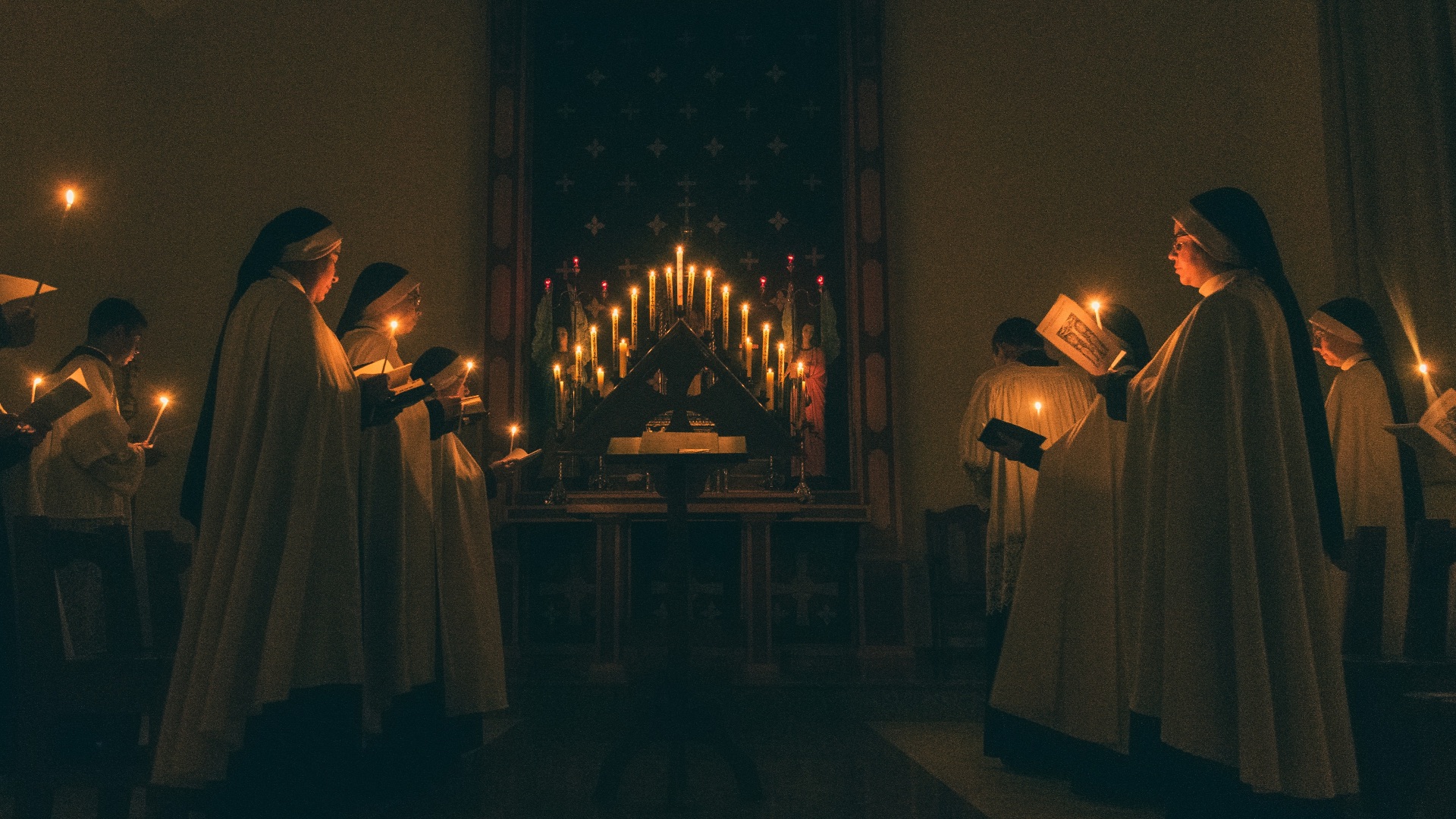
Russell didn't invent the central story from scratch. The Devils drew from Aldous Huxley's 1952 book The Devils of Loudun and John Whiting's stage adaptation, both inspired by the alleged demonic possessions that erupted among Ursuline nuns in 17th-century Loudun, France. The movie centers on Urbain Grandier, played by Oliver Reed, a real Catholic priest who became entangled in the scandal.
Grandier wasn't portrayed as some big hero, either. Russell presents him as an arrogant, bed-hopping priest who nevertheless becomes the target of people with considerably more power. The British Film Institute's account of the film actually describes him as an independent figure standing in the way of Cardinal Richelieu's designs on Loudun.
Enter Vanessa Redgrave, the phenomenal actress who donned Sister Jeanne, an Ursuline superior whose obsession with Grandier becomes intertwined with accusations of possession and witchcraft. The film turns those events into an increasingly frantic spectacle of supposed demons, public exorcisms, screaming nuns, political maneuvering, and religious theater.
Russell also refused to make 17th-century France look like it does on a postcard. Production designer Derek Jarman created enormous white, almost futuristic sets rather than the expected medieval interiors, making Loudun feel intentionally otherworldly and odd.
Ken Russell Really Started Pushing It
As if all that wasn’t enough to send shockwaves through older audiences, The Devils still became legendary for its depiction of religious hysteria. We’re not just talking about nuns tearing through their convent, either. They strip, participate in frenzied exorcisms, and behave in ways that made the movie's clash of repression and Catholic imagery impossible to ignore.
We won’t get into the specifics here, but one sequence became particularly infamous: possessed nuns giving in to their urges around a large image of the crucified Christ. It was insane enough that it was obviously pulled before the original release, and the British Board of Film Classification's case history confirms that Russell had already removed or reduced some of the most contentious footage after the board saw an unfinished version in ‘71.
But it wasn’t just the saucy stuff. The violence wasn't restrained, either. Grandier's eventual interrogation includes brutal torture before his execution, while the exorcism scenes intentionally blur religious ritual with humiliation and abuse. Still, the excess had a purpose beyond your typical eye-rolling shock value. Russell used the hysteria in the convent to show how repression, religious authority, and political ambition could feed one another until almost anything became believable—and supporters say he did it well.
Even the Studio Wanted Parts of It Gone
When it first screened, just about everyone lost their heads over it, and the BBFC wasn't the only organization asking Russell to cut his movie. Warner Bros., which actually distributed The Devils, separately demanded its own alterations. Eventually, a shortened version received an X certificate in Britain.
Even that wasn't enough for the American release, where another six minutes were removed to secure an R rating. Next thing you knew, audiences were consequently seeing different versions of an already compromised film depending on where they lived. That tangled history followed The Devils for decades. Deleted material resurfaced in partial reconstructions, while arguments continued over whether Russell's intended version would ever receive a proper release. The tables turned even more just this year, when a restored director's cut premiered at Cannes and was announced for theatrical release.
Its survival makes the original uproar even more fascinating. What frightened distributors and censors in 1971 is now studied as part of the movie's artistic and historical importance, rather than simply dismissed as obscenity.
Like it or not, The Devils remains outrageous, and Russell was never interested in making you comfortable. He turned a grim episode of history into something theatrical, ugly, funny, frightening, and deliberately offensive, sometimes within the same scene. That doesn't make every moment easy to watch, and it certainly doesn't make the movie historically literal. What it does explain, however, is why people are still arguing about The Devils 55 years after its release.