Few unsolved crimes have attracted as much speculation as the Jack the Ripper murders. More than 130 years after a series of women were killed in London’s Whitechapel district in 1888, researchers are still proposing suspects, examining old evidence, and occasionally claiming that the mystery has finally been solved. Somehow, however, it seems the more time that passes, the more complicated the case gets.
The problem isn’t that investigators have no suspects. Quite the opposite: dozens of people have been suggested over the years, ranging from local residents to doctors, artists, aristocrats, and even members of the royal family. With so little definitive evidence surviving, almost any theory can sound convincing if you choose the right pieces of the puzzle.
The Investigation Happened Before Modern Forensics
Victorian police had detectives, witnesses, autopsies, and plenty of determination, but they were working decades before many tools we now associate with murder investigations existed. The Metropolitan Police wouldn’t establish its Fingerprint Bureau until 1901, 13 years after the Whitechapel murders. DNA testing, surveillance cameras, computerized databases, and modern crime-scene procedures were obviously much further away.
That meant investigators depended heavily on eyewitness accounts, patrols, interviews, and physical clues that couldn’t always be scientifically connected to a particular person. Something as useful as a fingerprint on an object wouldn’t have provided the kind of identification it could today. Even potentially important biological evidence couldn’t be meaningfully analyzed at the time.
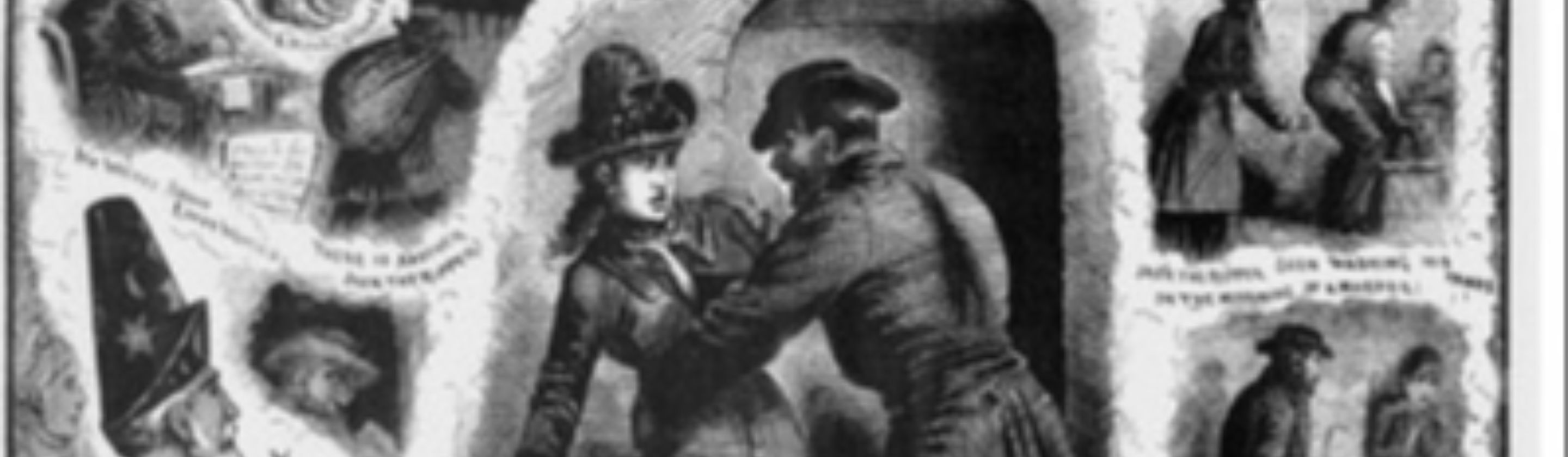
Investigators were also dealing with an exceptionally difficult environment. Whitechapel was crowded and impoverished, packed with lodging houses and people drifting through the neighborhood rather than permanently residing there, making them harder to keep track of. The victims themselves often lacked stable housing or regular income, which complicated attempts to reconstruct their movements and relationships.
Most importantly, police never produced the one thing later researchers desperately wish they had: a clearly identified killer. The murders stopped without an arrest, trial, confession, or piece of evidence universally accepted as connecting one person to the crimes. Every modern theory therefore has to build a case around fragments rather than a confirmed investigative breakthrough.
Even the Original Evidence Is Messy
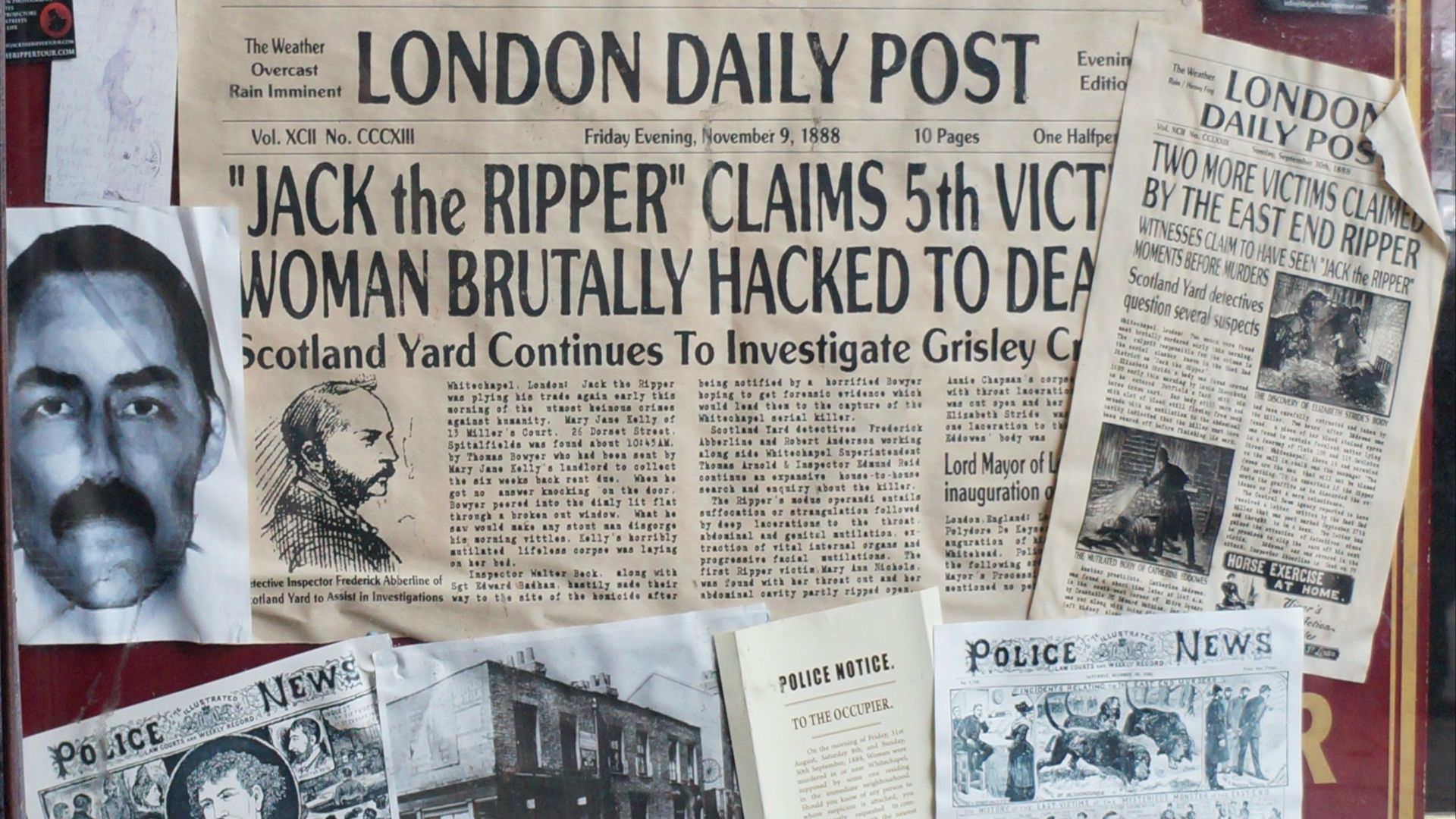
You might assume the famous letters signed “Jack the Ripper” would provide useful clues about the killer’s identity. Unfortunately, police received huge numbers of letters from people claiming to be the murderer, and many appear to have been hoaxes. The National Archives notes that there’s no strong evidence establishing that any of these messages actually came from the killer.
That matters because the letters helped create the character everyone now recognizes as Jack the Ripper. The killer was initially described more simply as the Whitechapel Murderer, while the catchy nickname became permanently attached to the case. If the famous correspondence came from pranksters rather than the murderer, researchers may have spent generations studying a personality that never actually belonged to him.
There’s even disagreement over exactly which killings belong in the series. Mary Ann Nichols, Annie Chapman, Elizabeth Stride, Catherine Eddowes, and Mary Jane Kelly are commonly grouped as the five main victims, but other women were murdered violently in the area around the same period. Historians have debated whether some of those deaths should be connected to the same offender.
Once you start questioning the victim list, suspect theories become even harder to compare. A person who looks plausible for five murders may suddenly seem less convincing if an additional killing is included. Researchers aren’t always trying to solve exactly the same version of the crime, which helps explain why their conclusions can be so different.
There Are Too Many Suspects and Not Enough Proof
Police themselves considered countless possibilities. In an 1894 memorandum, Metropolitan Police official Melville Macnaghten discussed three men who had been suspected in connection with the murders. That document has remained important to later researchers, but even having names considered by Victorian investigators doesn’t establish that any one of them was actually the killer.
Since then, the suspect list has expanded dramatically. Doctors have been proposed because of supposed anatomical knowledge, local men because they knew Whitechapel, and outsiders because their movements happened to fit certain dates. Some theories rely on witness descriptions, while others emphasize handwriting, criminal history, personal behavior, or circumstantial connections.
The trouble is that circumstantial evidence becomes surprisingly flexible after more than a century. If a suspect lived nearby, that looks suspicious; if he traveled frequently, someone can argue that explains why the murders stopped. Strange behavior, disappearing records, uncertain whereabouts, and dramatic biographies can all be made to fit when there’s no definitive evidence available to rule people in or out.
That’s ultimately why Jack the Ripper remains such an irresistible mystery. There’s enough surviving information to keep producing theories, but not enough to settle the argument beyond reasonable doubt. Unless genuinely reliable new evidence emerges, the question probably won’t be answered. Instead, Jack the Ripper is likely to remain what he has been for generations: an unidentified killer surrounded by far more theories than proof.
KEEP ON READING