Moments That Never Left The Conversation
History is full of countless important events, each holding its own significance to how we got to where we are today, but there are certain moments that seem to rise above the others. These events continue to appear in classrooms, are seen as documentaries on TV, are adapted into movies, and even make their way into general conversations. Some are known for their political and societal impact, while others transformed science and technology. No matter the case, we're sure you've heard of these 20 most talked-about moments in history before.
 Walt Cisco, Dallas Morning News on Wikimedia
1. The Fall Of The Roman Empire
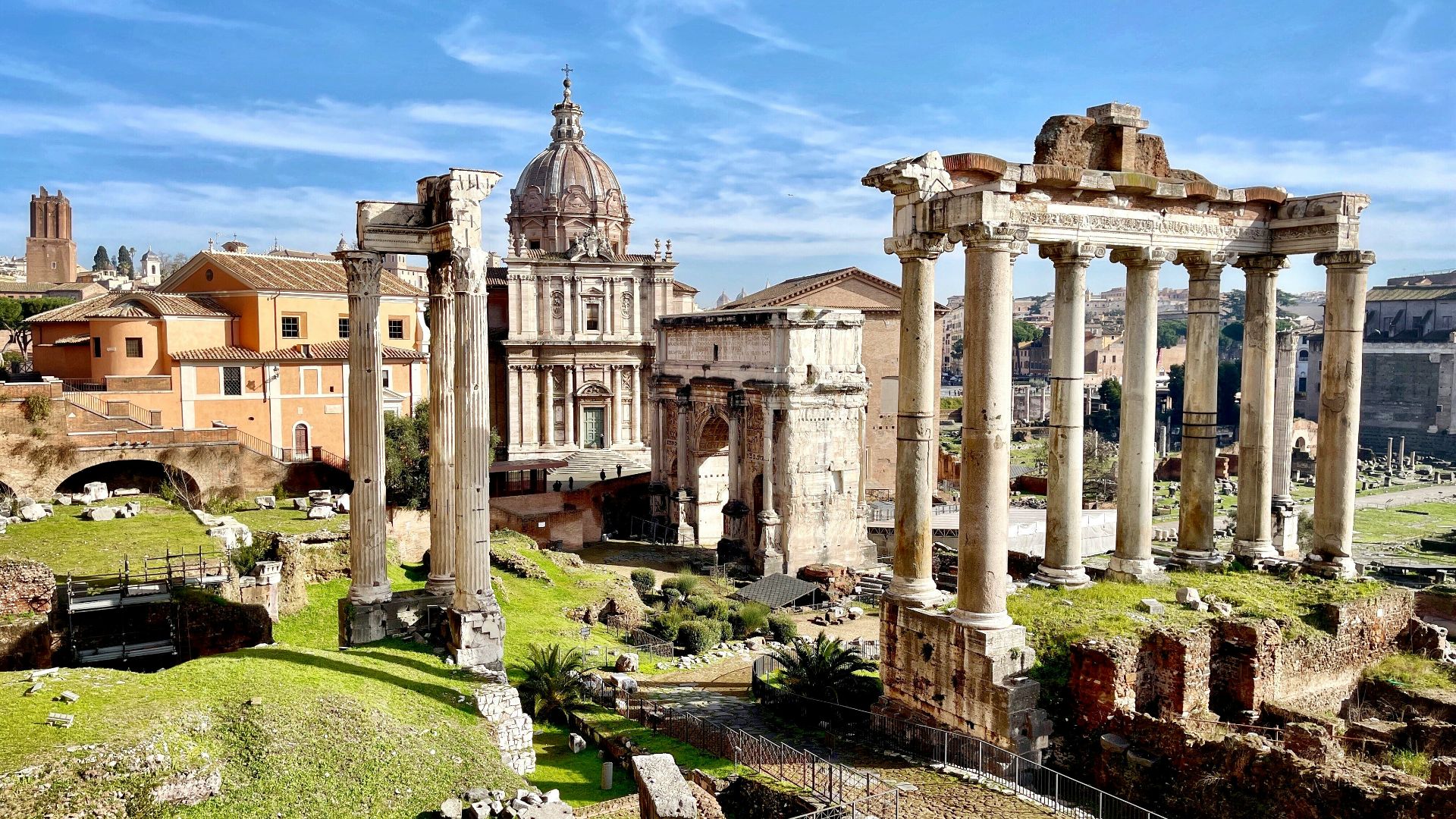
Given the dominance that the Roman Empire held for centuries, its decline and eventual fall in 476 is one of history's most discussed turning points for good reason. There are so many different factors called into play, with historians debating whether military pressures, political instability, or economic troubles being the biggest blow. Whatever the reason, it's impossible not to bring up Rome when discussing the rise and fall of powerful societies.
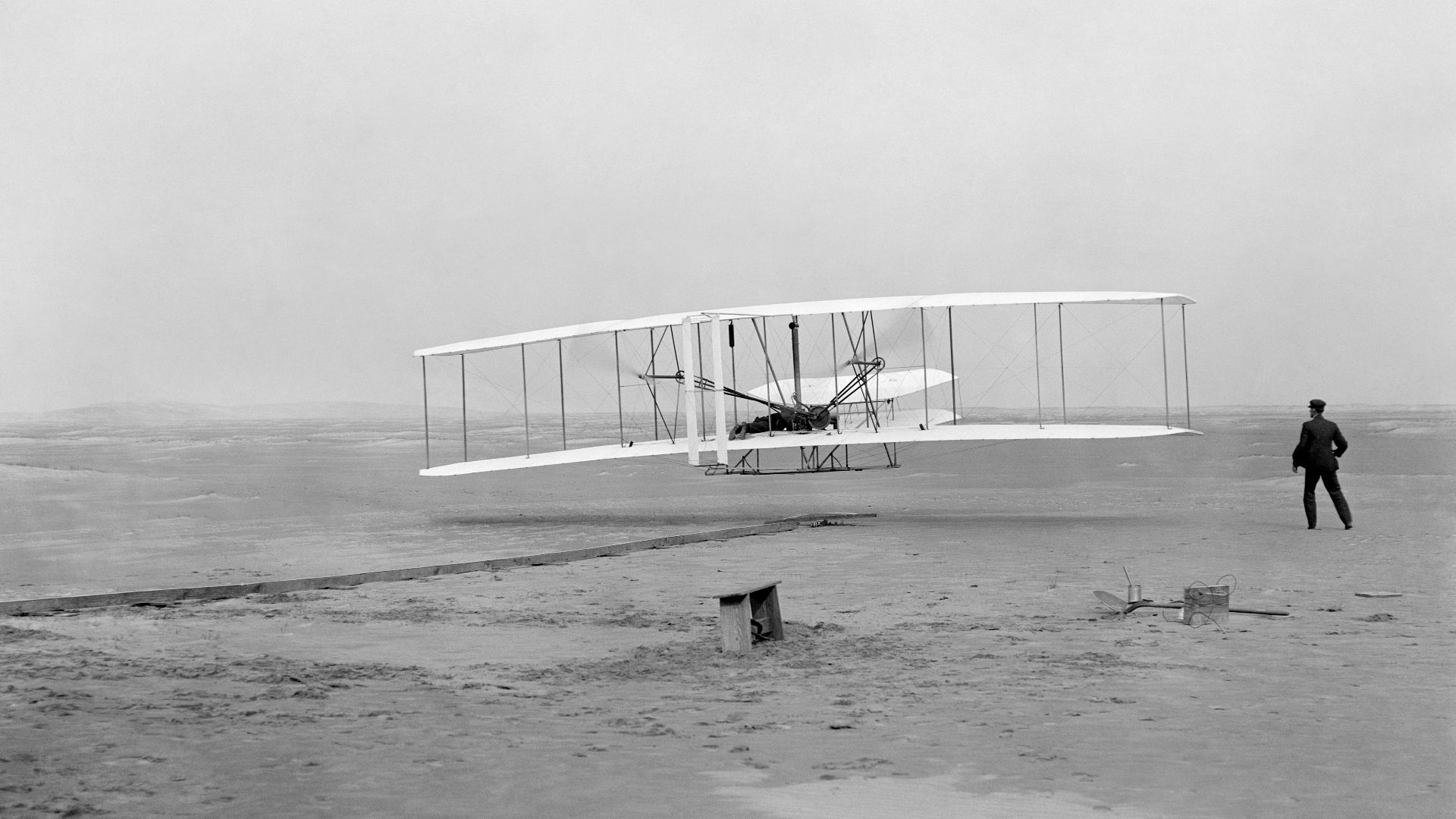
2. The Wright Brothers' First Flight
It's safe to say the world would not be the same if Orville and Wilbur Wright didn't take a leap of faith to test their aircraft on December 17, 1903. Sure, it only remained in the air for a short period of time, but the accomplishment showed the world sustained powered flight was possible. This momentous day in history went on to forever change transportation as we know it.
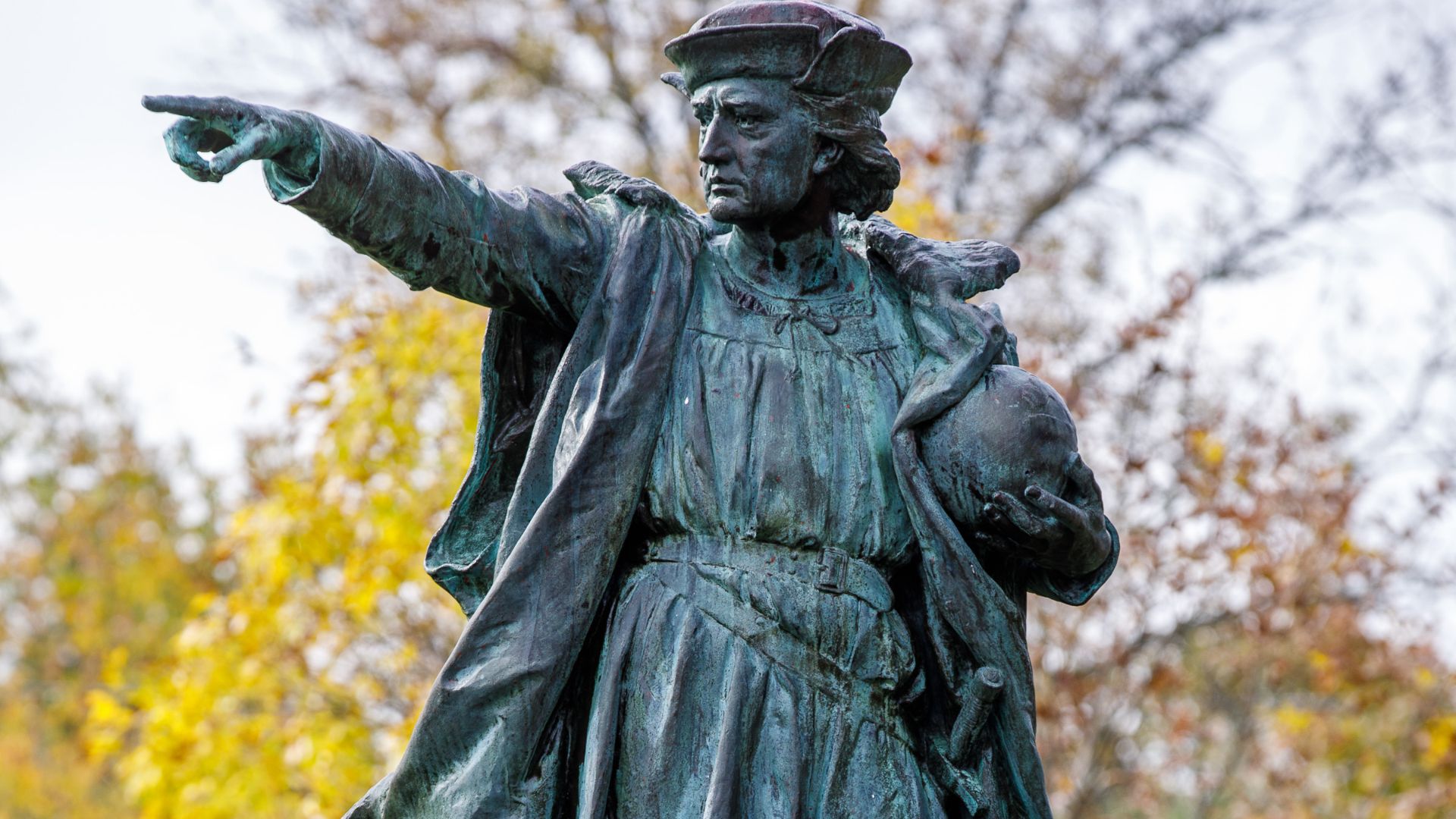
3. Columbus Reaching The Americas
No American goes through school without learning the name Christopher Columbus and his 1492 voyage across the Atlantic. Though his travels connecting Europe and the Americas permanently changed trade, migration, culture, and more, he remains a very controversial subject. Modern conversations have shifted to focus on the devastating effects of colonization, and the wrongful dismissal of the Indigenous populations.
 Kenneth C. Zirkel on Wikimedia
4. The Black Death Sweeps Through Europe
With a name as bone-chilling as "the Black Death," it's impossible not to forget about this historical event. Devastating Europe during the 14th century, this pandemic caused primarily by bacteria wiped out an estimated 25 to 50 million people in the continent alone. As one of the most brutal outbreaks in all of human history, it's no surprise it continues to be discussed today.

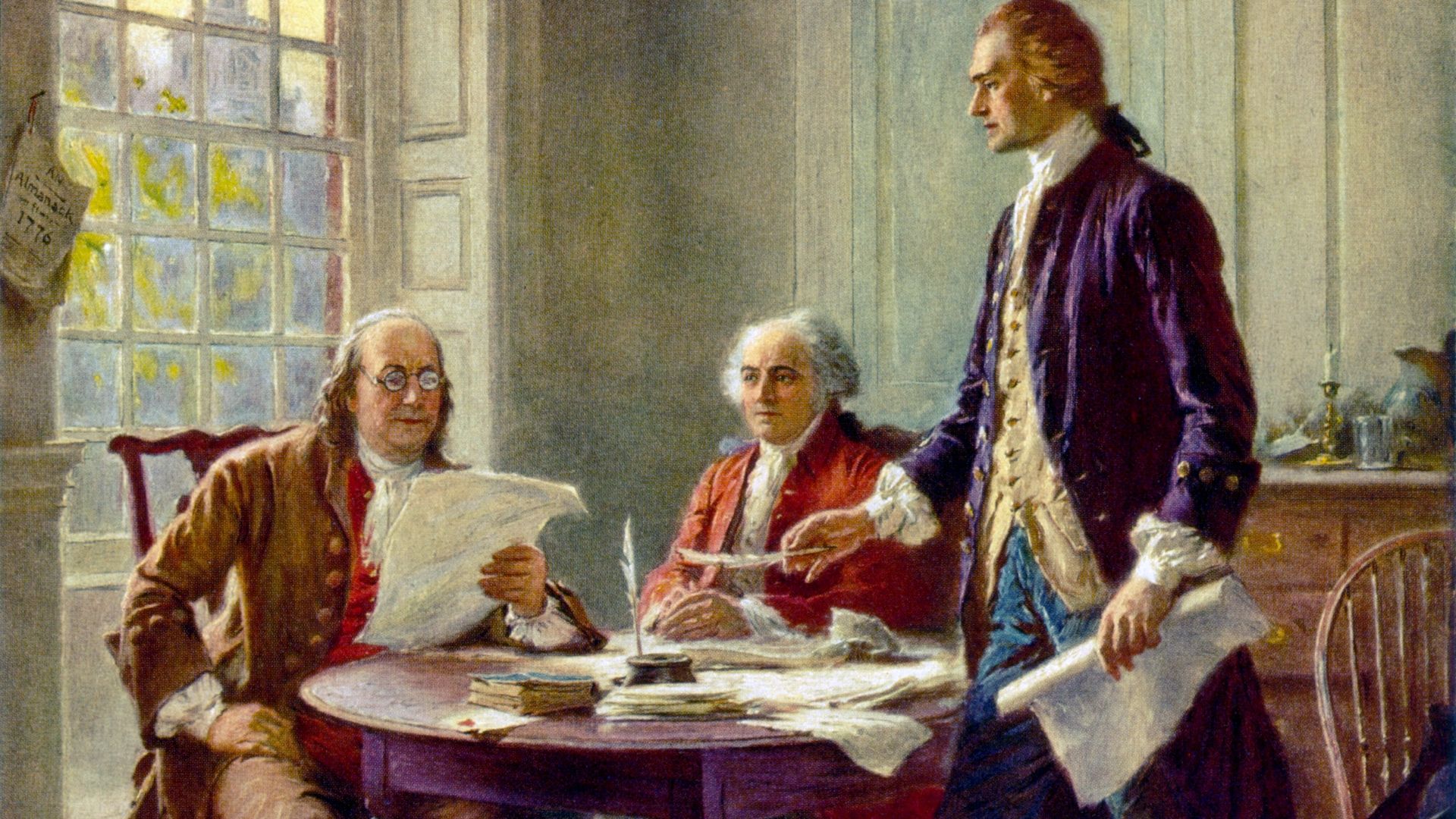
5. The American Declaration Of Independence
There are a lot of pivotal moments in American history, one of which is definitely the adoption of the Declaration of Independence, which happened on July 4, 1776. This historic document, crafted by iconic names like Thomas Jefferson, Benjamin Franklin, and John Adams, shifted the 13 American colonies away from Great Britain, establishing themselves as independent, free states.
 Jean Leon Gerome Ferris on Wikimedia
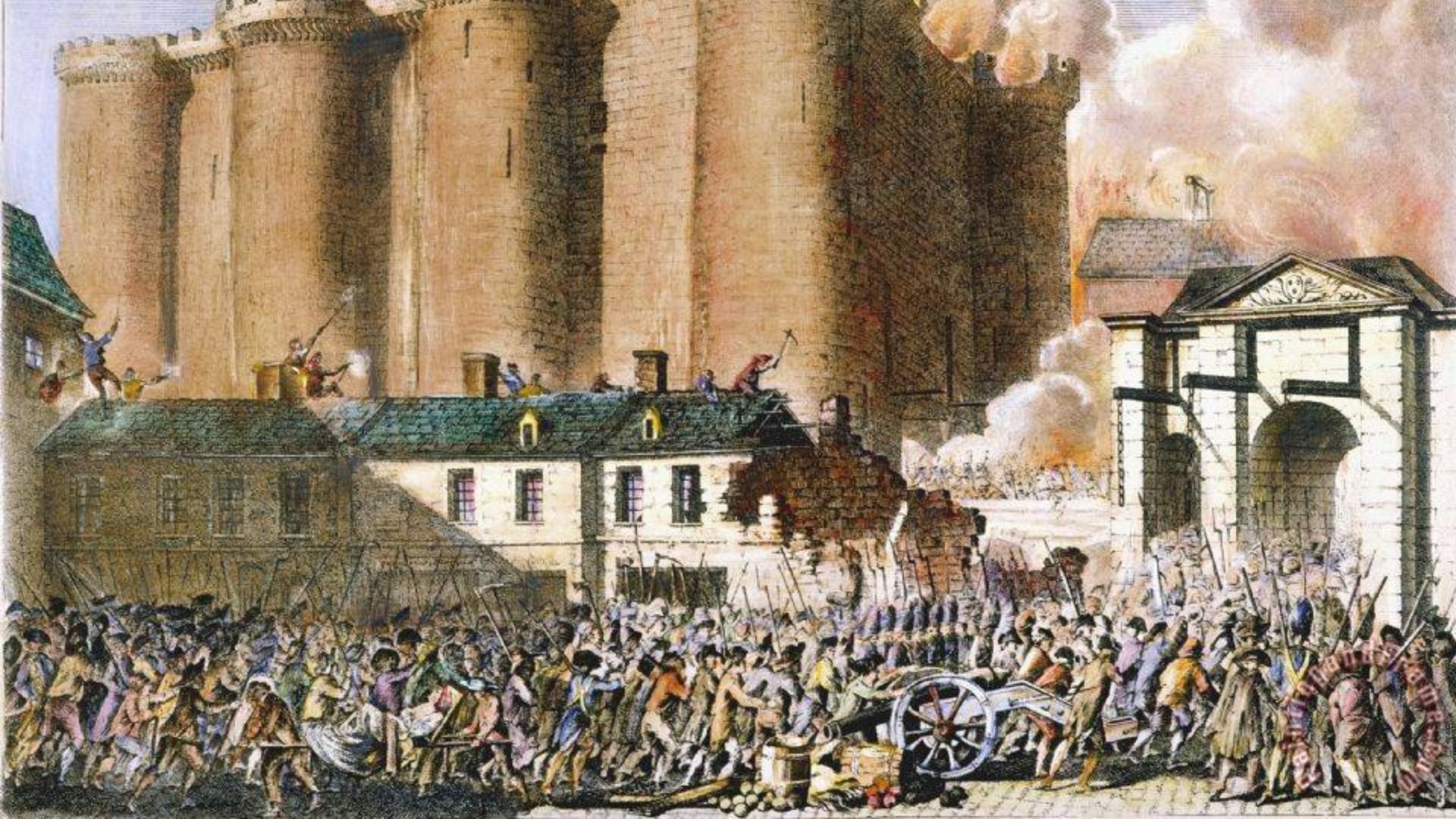
6. The French Revolution
The French Revolution began in 1789 and lasted an entire decade. These ten years were filled with plenty of important historical moments, like the storming of the Bastille, the execution of Louis XVI, and the reign of Terror, all leading to Napoleon Bonaparte's coup d'état. To this day, this crucial period, focused on citizenship, politics, equality, and economics, remains a highly debated topic for historians, and a fascinating but devastating chapter to study for students.
 Unknown authorUnknown author on Wikimedia
7. Napoleon's Defeat At Waterloo
Speaking of Napoleon, this powerful French general has several highly discussed moments in history, but arguably the most popular one was his defeat at the Battle of Waterloo in 1815. This tremendous loss, with an estimated 25,000 deaths, permanently ended his return to power and led to his exile on Saint Helena. It's such a well-known historic event that even today, people use Waterloo as a way of describing a decisive defeat.
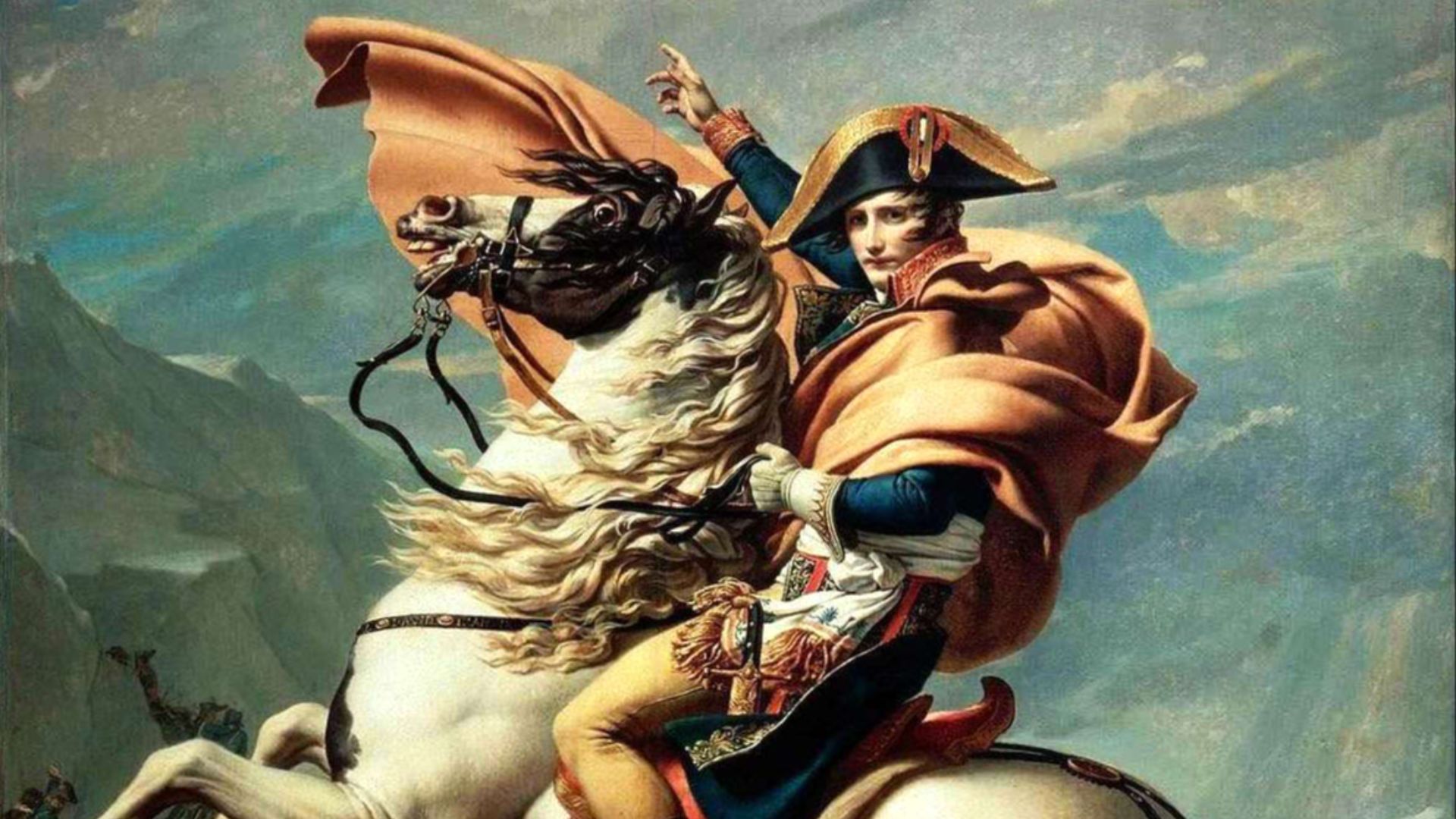 Jacques-Louis David on Wikimedia
8. The Assassination Of Abraham Lincoln
As one of America's most important historical figures, it only makes sense that Abraham Lincoln's assassination on April 14, 1865 is one of the most talked-about moments in American history. The president was only 56 years old when he was shot in the head by John Wilkes Booth at Ford's Theatre, leaving historians wondering what might have happened to the country had he survived.
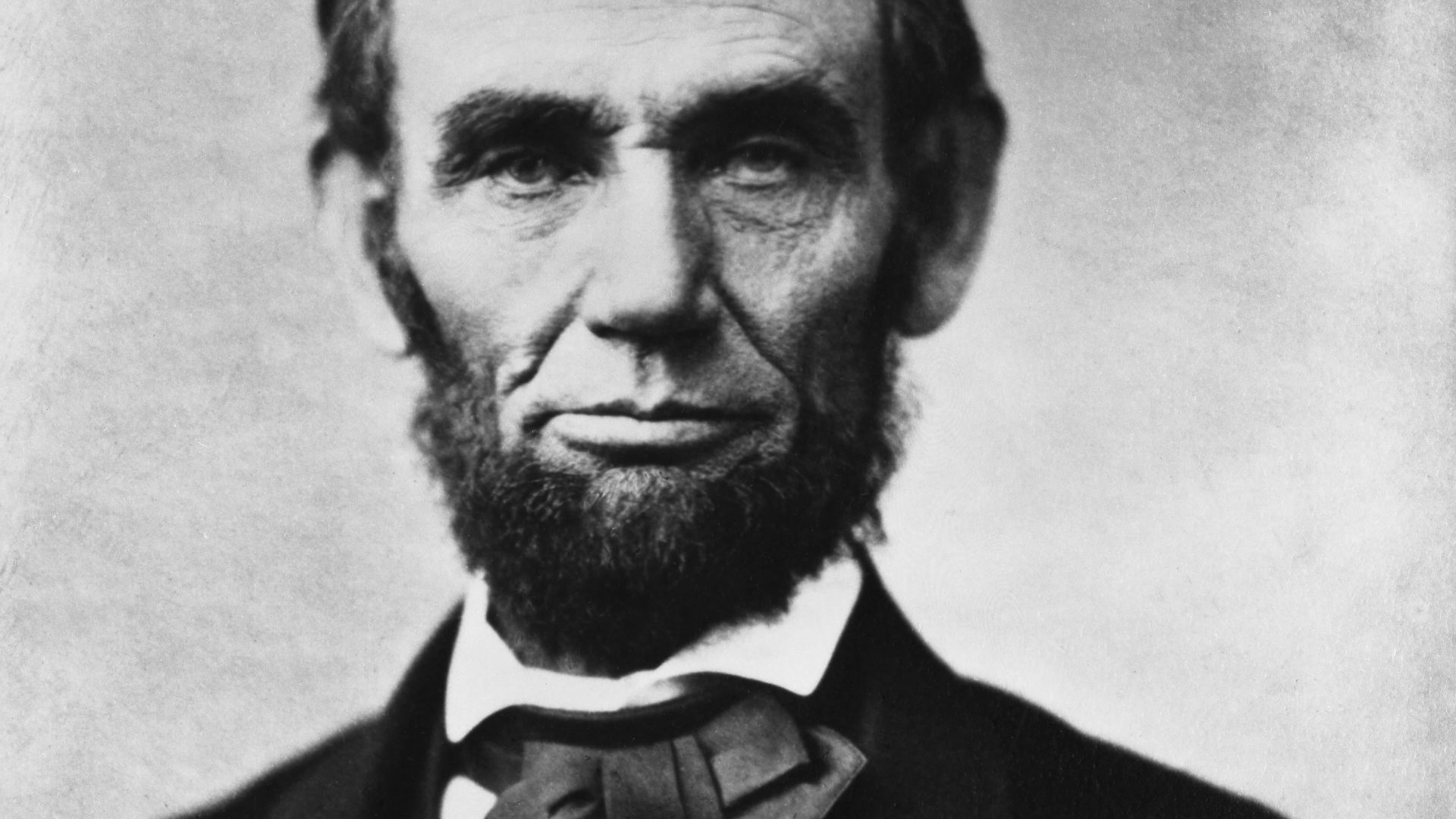 Alexander Gardner on Wikimedia
9. The Assassination Of Archduke Franz Ferdinand
Assassinations often already make for crucial moments in history, but Archduke Franz Ferdinand's death in 1914 became one of the most widely discussed ones for a reason. Though political tensions were already high, this historic event is often associated with being the spark for the outbreak of World War I. It's hard not to look back at this moment, especially when it's one of history's clearest examples of a single event causing a devastating domino effect.
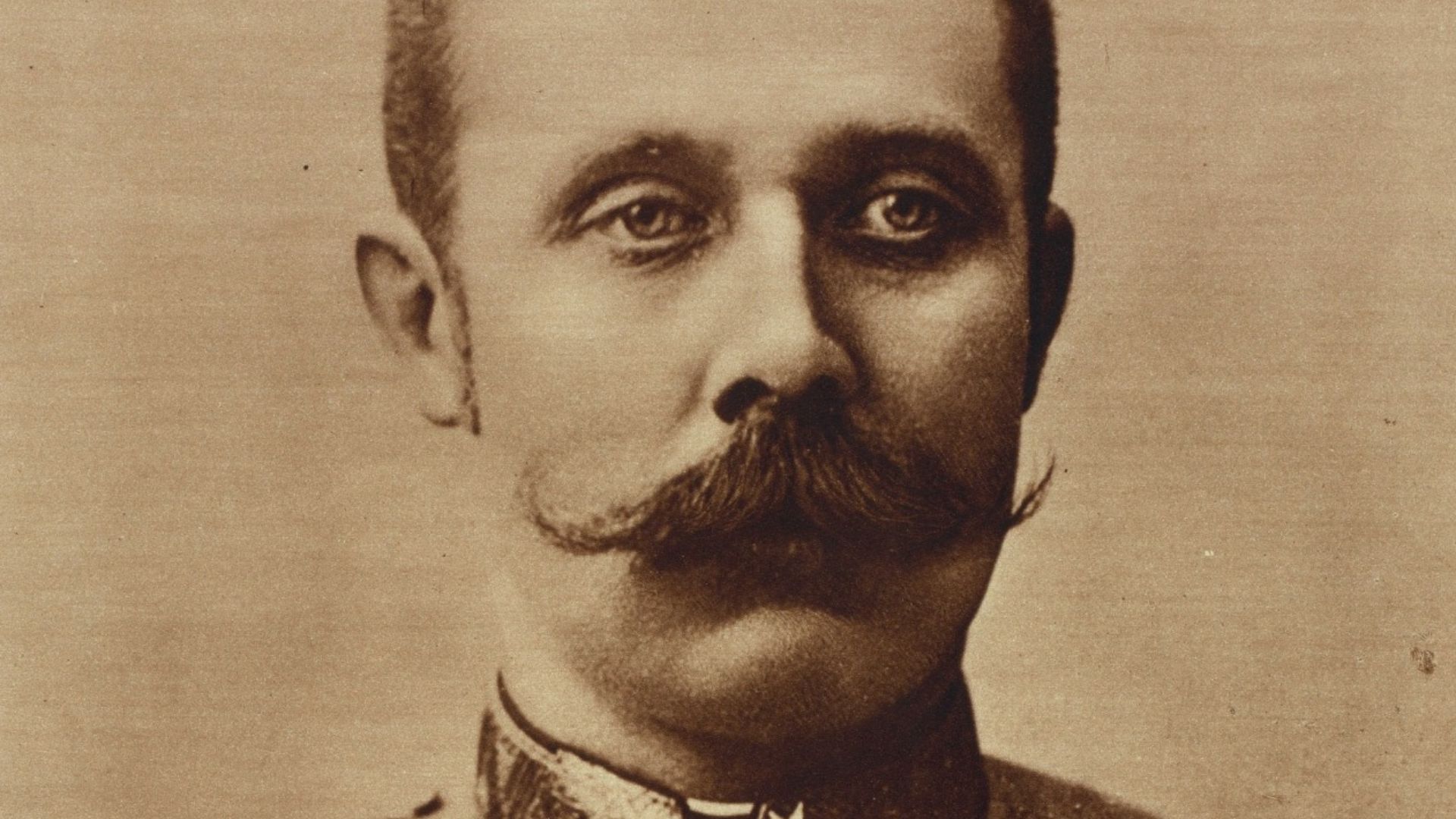
10. The Sinking Of The Titanic
When the heavily marketed "unsinkable" ship struck an iceberg and truly sank on its maiden voyage in 1912, taking more than 1,500 lives with it, it's hard not keep it in conversation. This heartbreaking tragedy has attracted major attention over the years, with plenty of books, documentaries, and movies being made, all but ensuring that the fascination with the Titanic remains strong.
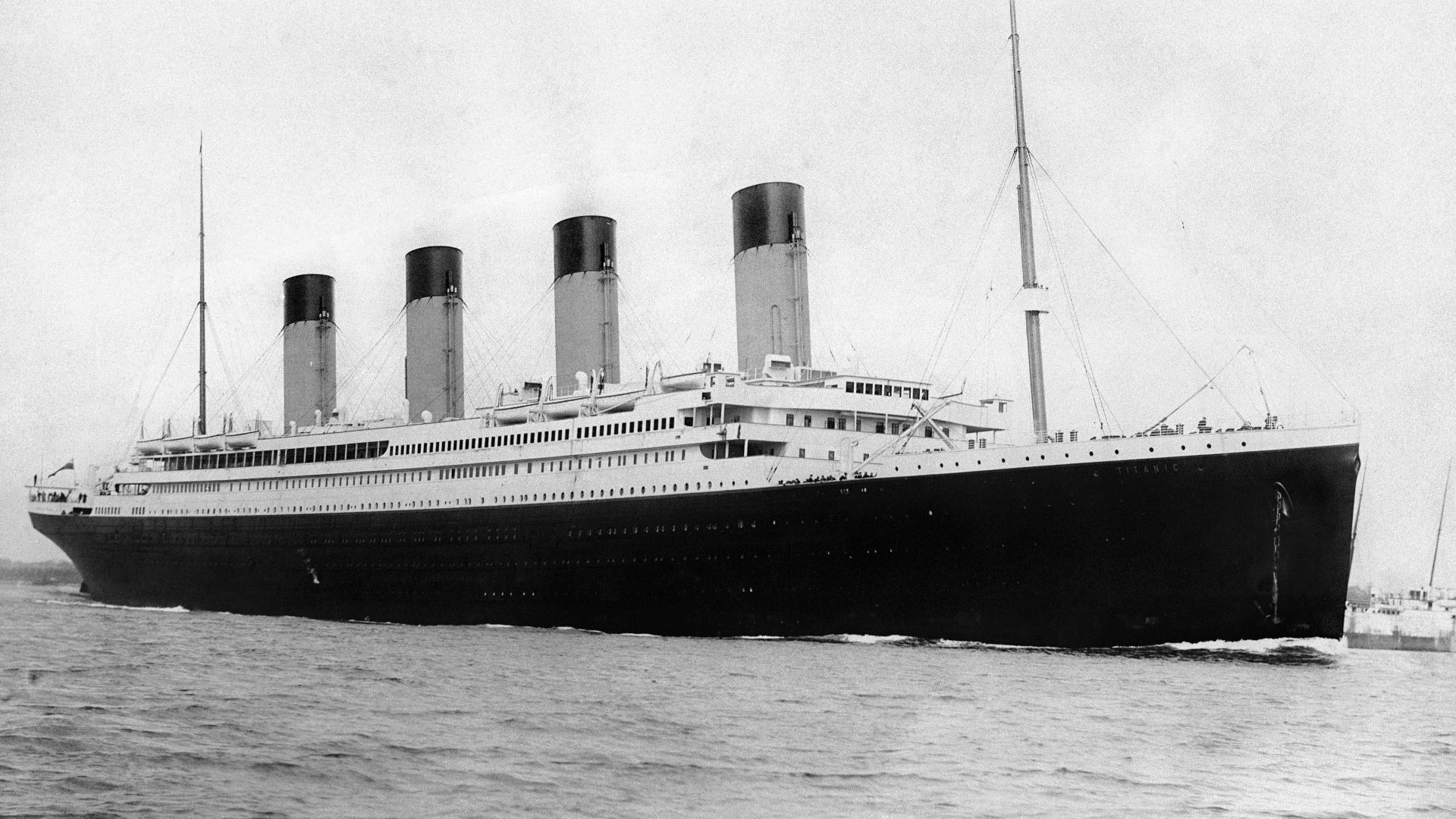 Francis Godolphin Osbourne Stuart on Wikimedia
11. The Wall Street Crash Of 1929
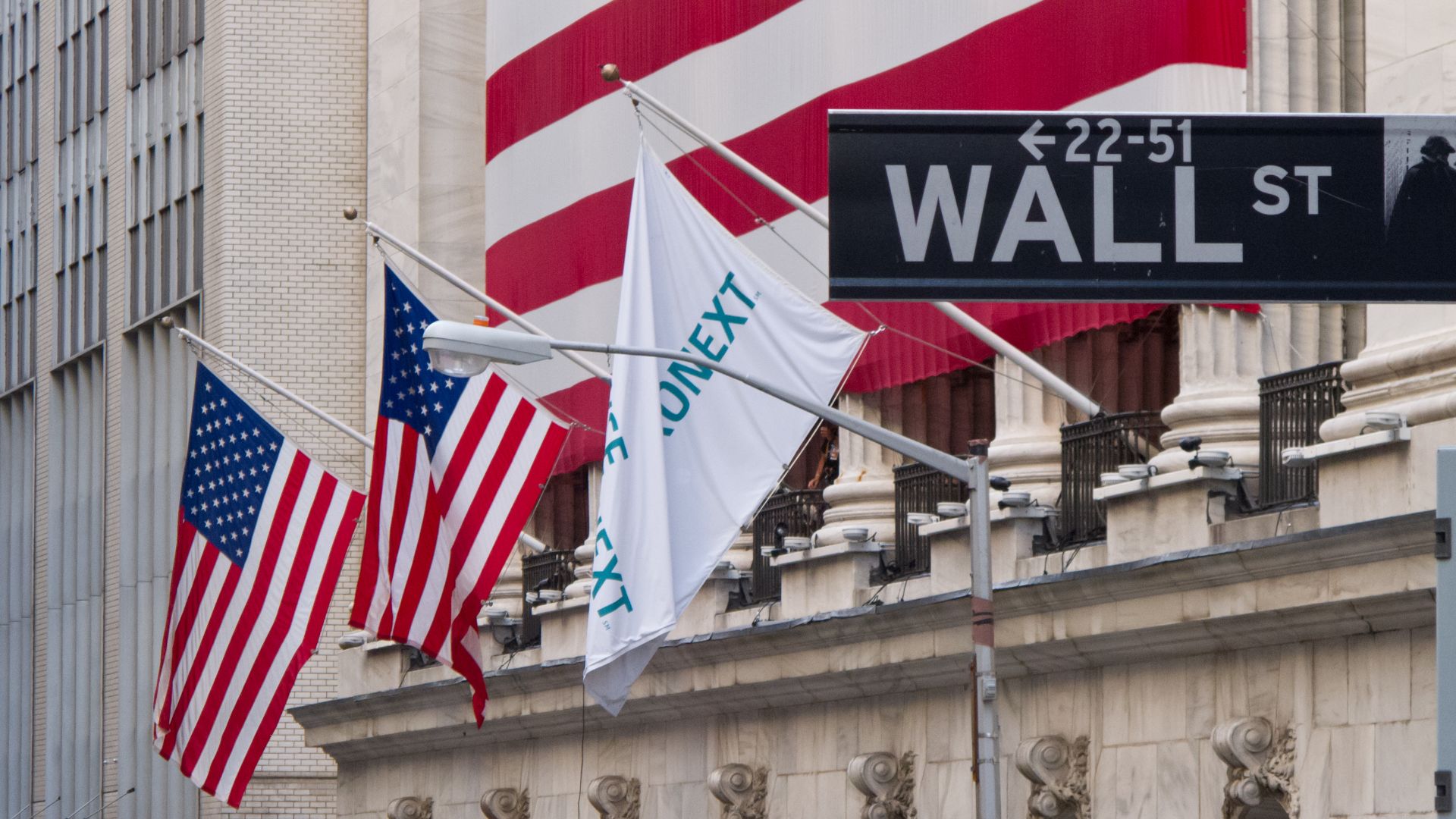
The 1929 Wall Street Crash didn't cause the Great Depression, but was definitely a major trigger and one of the most famous events associated with this shocking period in history. It became a clear symbol of the era's financial instability, leading to mass unemployment, bank failures, declining production, and more terrible outcomes that deeply affected millions of families.
12. The Attack On Pearl Harbor
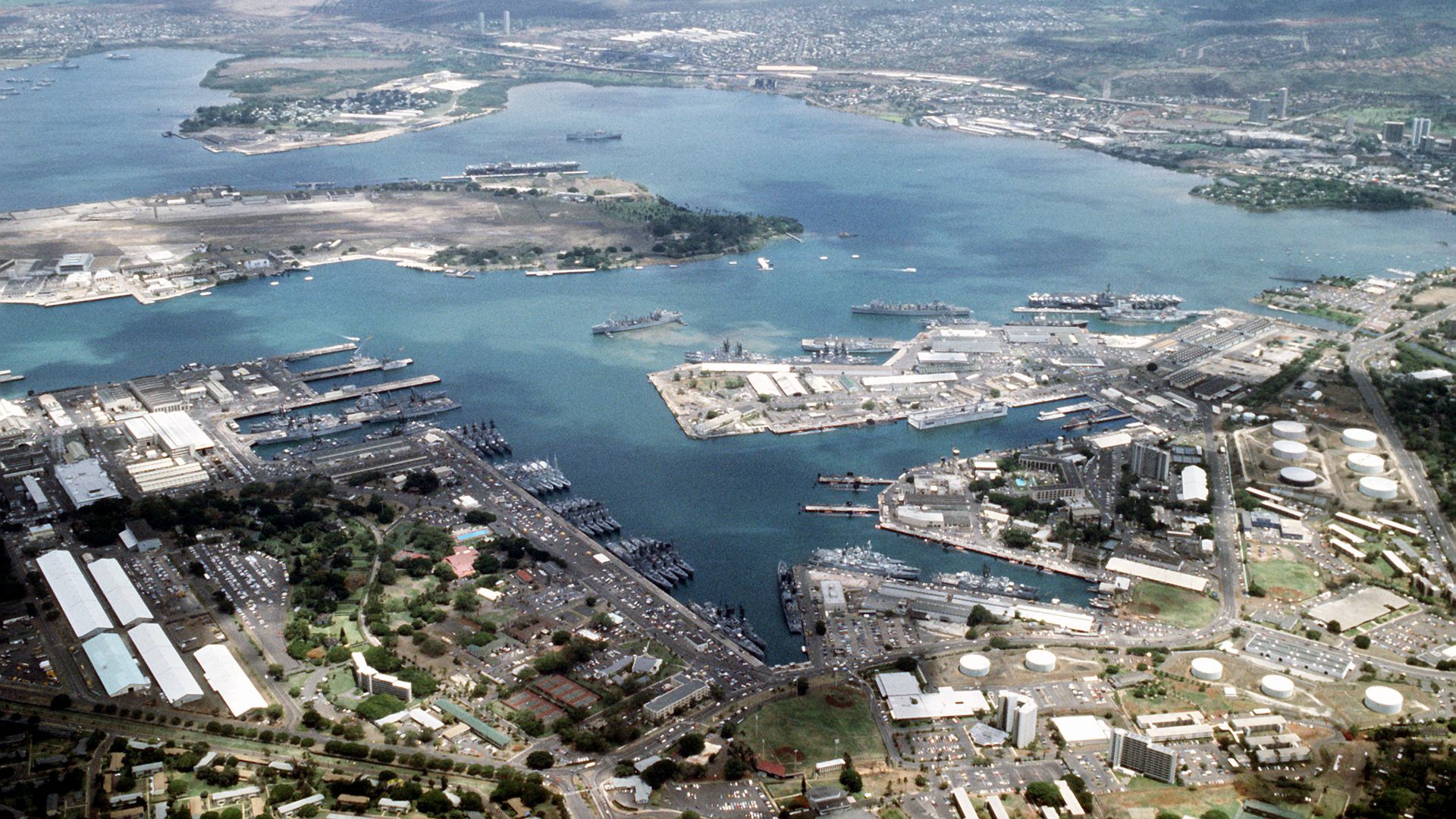
On December 7, 1941, Japanese forces launched a surprise attack on the U.S. naval base at Pearl Harbor, leading to approximately 2,500 American deaths, and cementing itself as a dark and terrible day in this country's history. The attack itself was horrifying, but it was a pivotal moment as well, directly leading the United States to officially join World War II.
 PH1 Javner, U.S. Navy on Wikimedia
13. D-Day
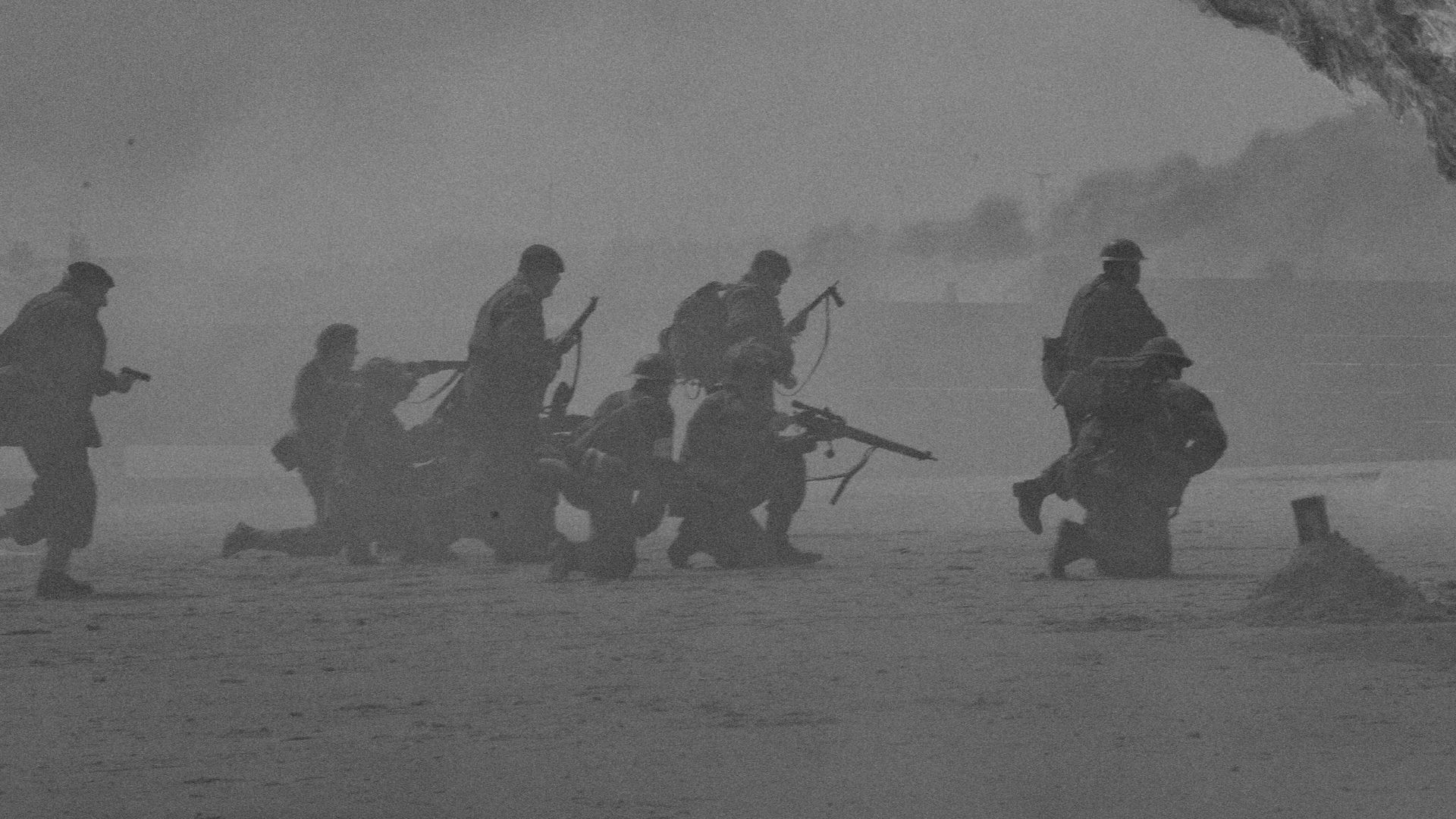
Together on June 6, 1944 in Normandy, American, British, Canadian, and other Allied forces acted on a tremendous operation (Operation Overlord) in the step toward liberating Western Europe from Nazi occupation. It remains the largest seaborne invasion in history, which makes it worthy of being heavily talked about already, but is more so prized for being an important strategic turning point during World War II.
14. The Atomic Bombings Of Hiroshima And Nagasaki
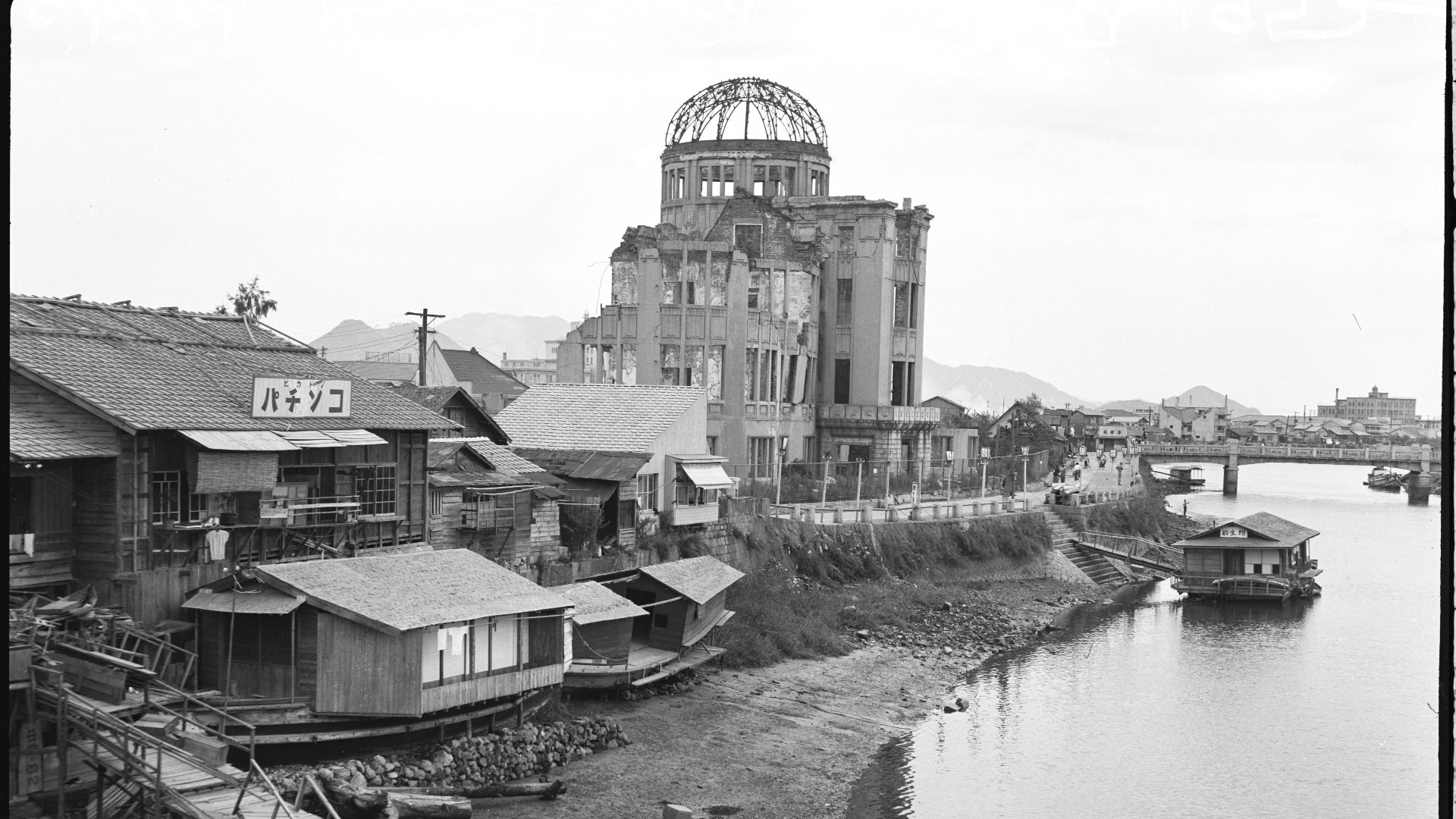
One of the most debated moments in history continues to be America's usage of the atomic bombs. On August 6, 1945, the United States dropped atomic bombs on Hiroshima, and just three days later, dropped them in Nagasaki. The loss of life and aftermath was unimaginable, forcing Japan into surrender and ending World War II. It's impossible to talk about this event without debating the military, political, ethical, and humanitarian aspects surrounding the decision to use such catastrophic weapons.
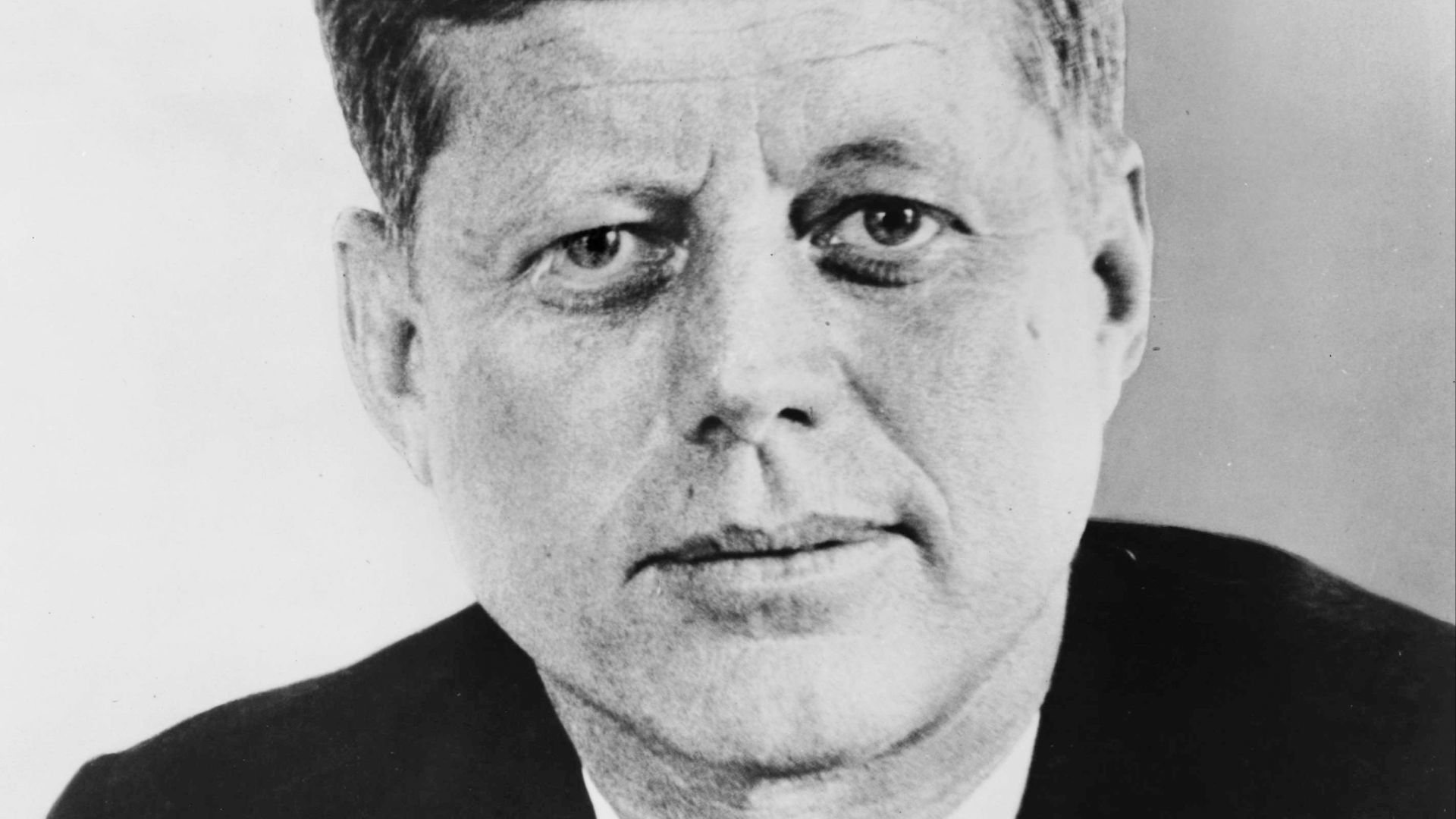
15. The Assassination Of John F. Kennedy
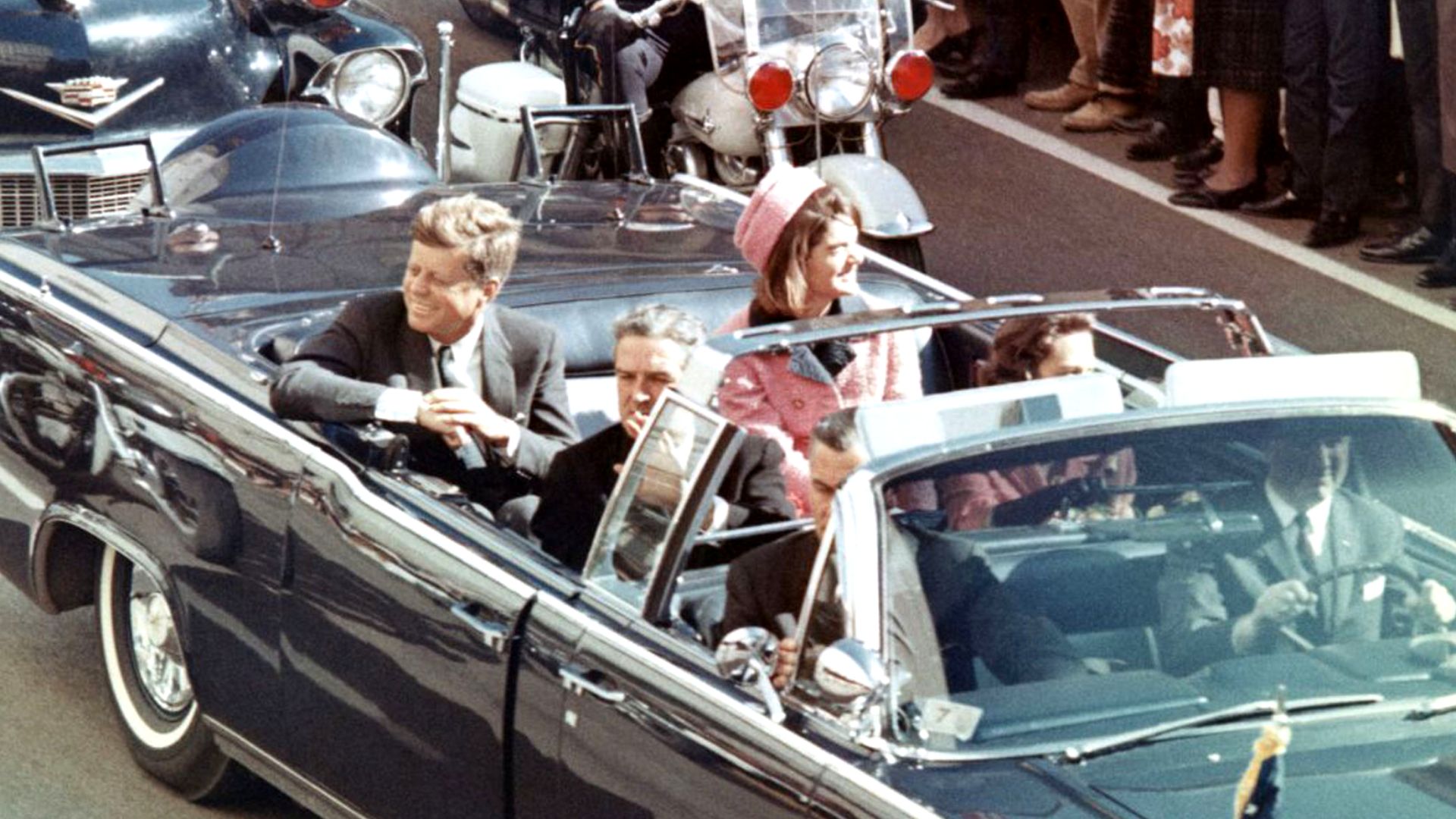
One of the most shocking events in American history, president John F. Kennedy was shot and murdered while riding in an open-top vehicle on November 22, 1963 in Dallas, Texas. The police arrested Lee Harvey Oswald for the crime, but he was fatally shot by Jack Ruby before he could stand trial. Though official investigations ended with authorities claiming Oswald acted alone, plenty of conspiracy theories circulated for decades.
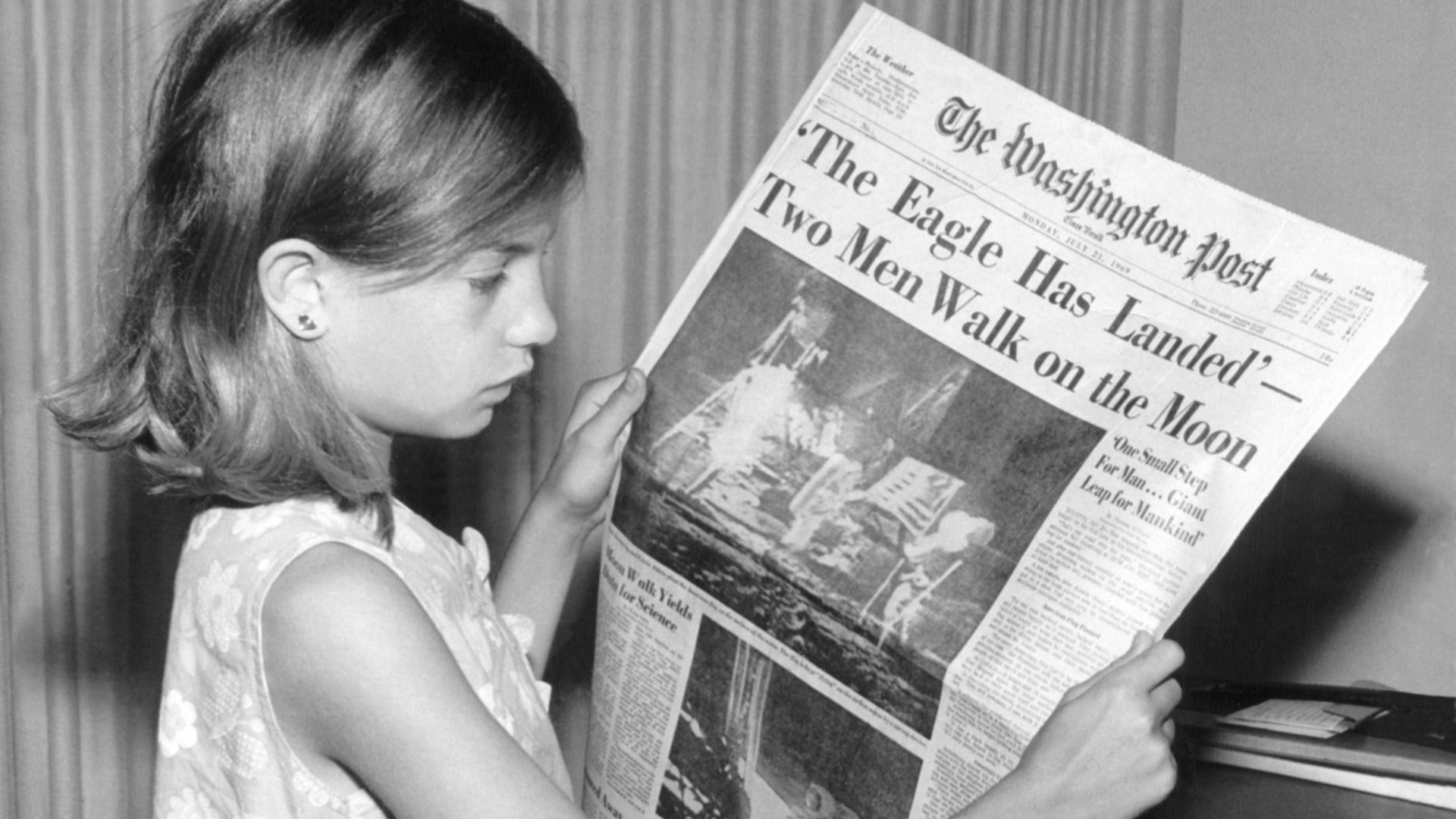
16. The Apollo 11 Moon Landing
When was the last time the entire world held their breath in anticipation for something together? Millions tuned in through television and radio coverage to see Apollo 11 astronauts, Neil Armstrong and Buzz Aldrin, become the first humans to walk on the moon on July 20, 1969. It remains one of the greatest scientific and technological accomplishments in all of humanity, representing years of incredible research.
 Jack Weir (1928-2005) on Wikimedia
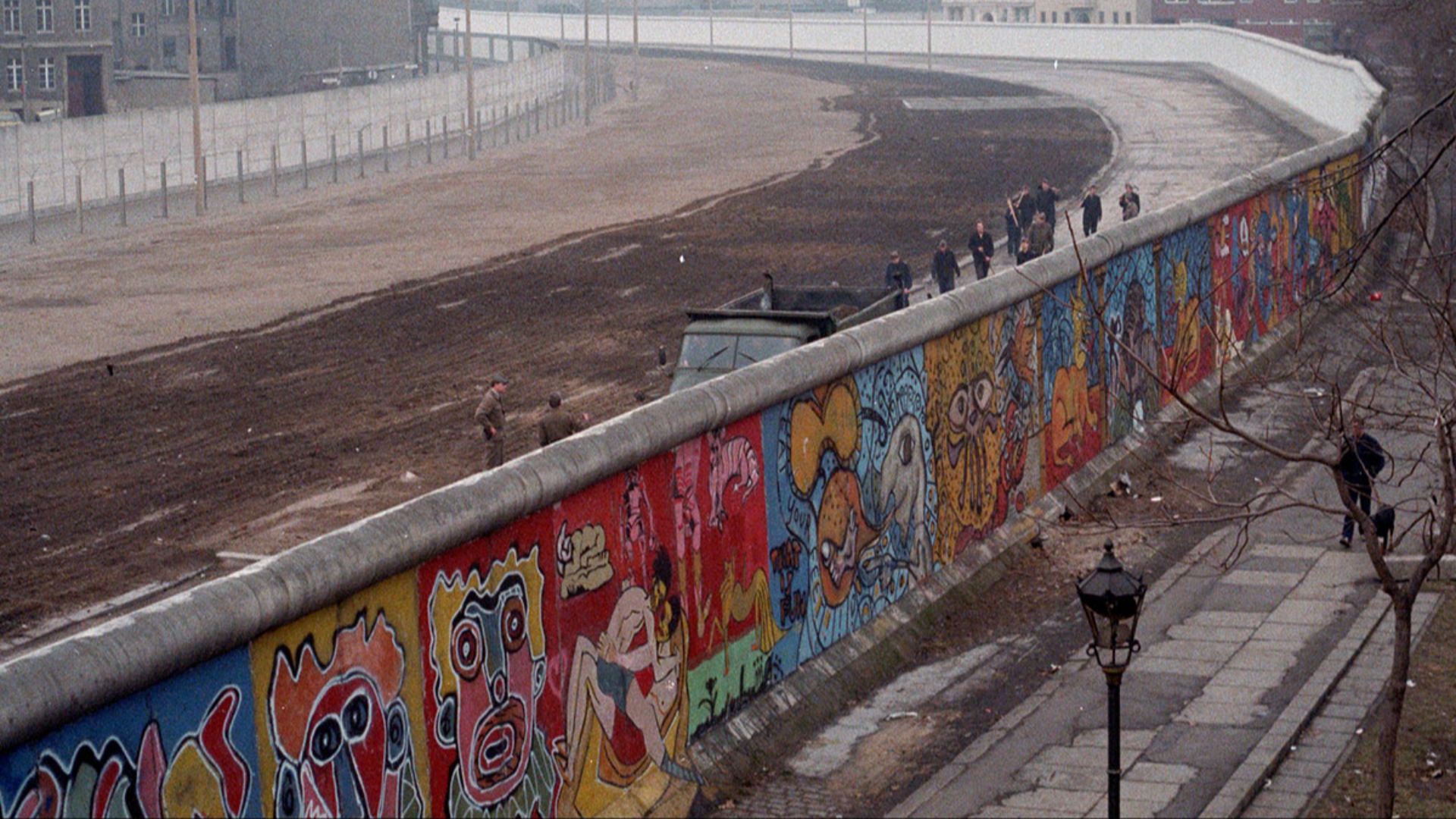
17. The Fall Of The Berlin Wall
After years of divide between East and West Berlin, massive crowds gathered on November 9, 1989 to watch the fall of the Berlin Wall. It's hard to forget the remarkable scenes of people celebrating and embracing, with this pivotal moment leading to the official reunification of Germany and the decline of communist governments.
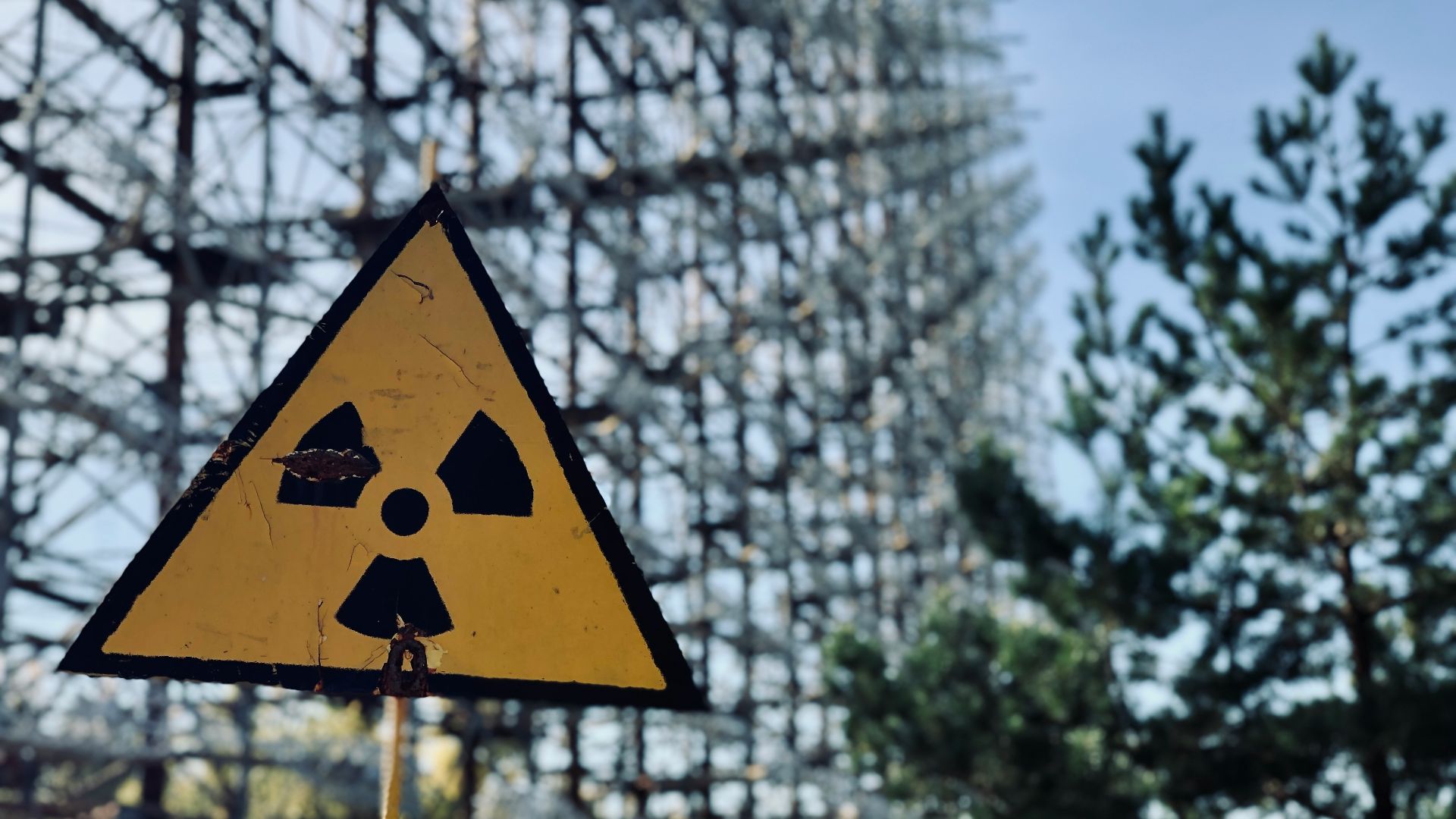
18. The Chernobyl Nuclear Disaster
On April 26, 1986, a terrible accident happened in Soviet Ukraine at the Chernobyl nuclear power plant. An explosion and fire released massive amounts of radioactive material into the surrounding environment, leading to large-scale evacuations and serious damage to the locals in the aftermath. Sadly, dozens of people died from the direct explosion, but thousands passed from long-term cancer because of the radiation.
 Vladyslav Cherkasenko on Unsplash
19. The September 11 Attacks
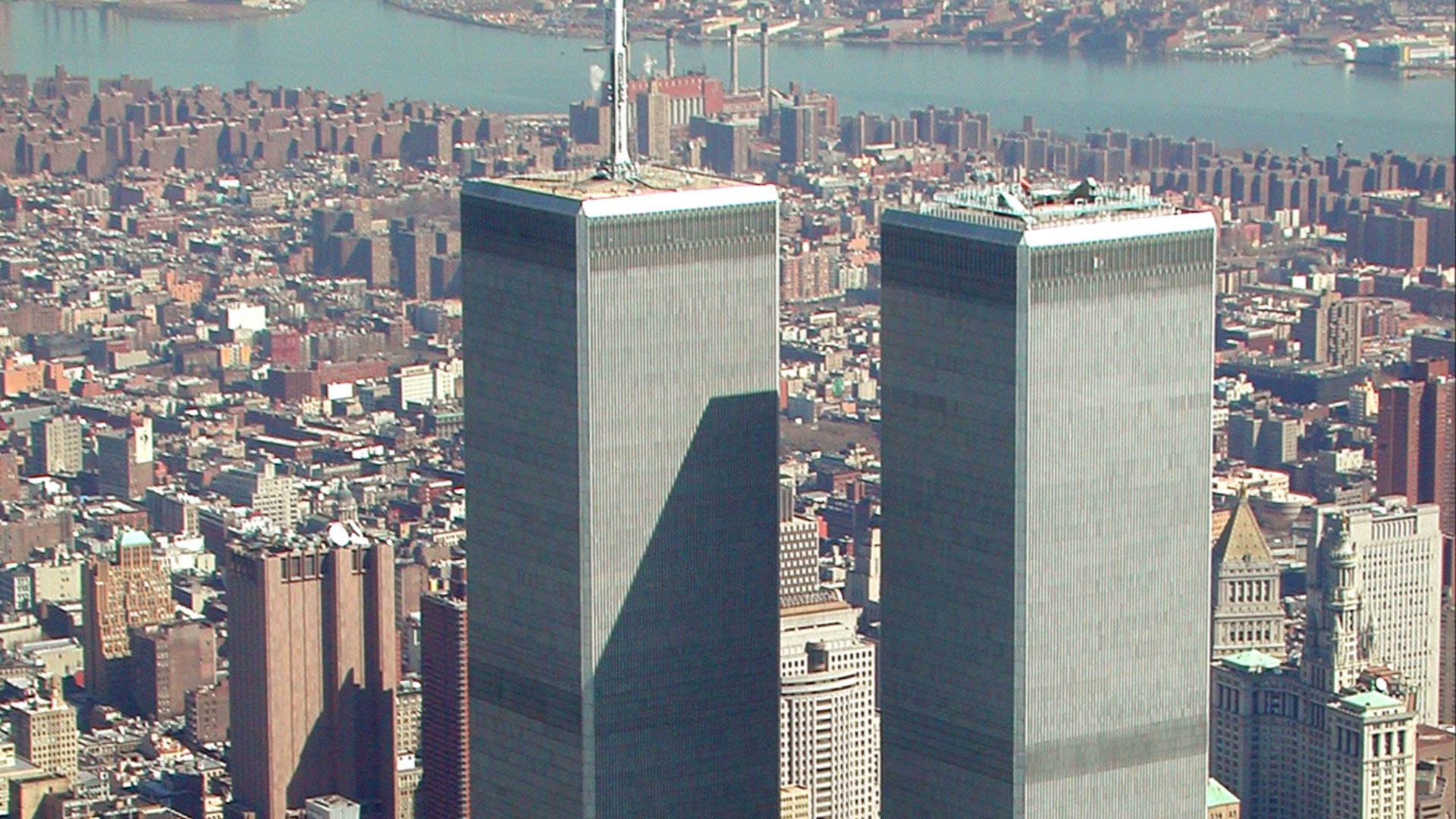
A horrific day in American history that will never be forgotten, on September 11, 2001, members of al-Qaeda launched a series of coordinated terrorist attacks against the United States. After hijacking four commerical airplanes full of innocent passengers, two struck the World Trade Center towers in New York City, one hit the Pentagon, and another crashed in Pennsylvania. With an estimated 8,000 deaths and even more injured, the horrors of the day remain unimaginable.
20. The COVID-19 Pandemic
As the most recent event on this list, several years may have passed since COVID-19 became a global crisis in 2020, but its effects linger to this day. Completely disrupting daily life on a scale none of us could have imagined, the world was introduced to travel restrictions, social distancing, business closures, and more. The death toll was heartbreaking and a constant worry, and this pandemic will go down in history as an important outbreak to study.

KEEP ON READING