Good Intentions, Bad Math
Every government scheme starts with a tidy theory. Put a bounty on rats and the rats should disappear, or keep cars off the road one day a week and the air should clear. People tend to find the loophole fast, and everything carries on as if nobody had made a plan at all. A few of these schemes made the original problem worse, while others fixed it and created a brand-new one along the way. Here's 20 that went sideways in ways the planners never pictured.
 Unknown authorUnknown author on Wikimedia
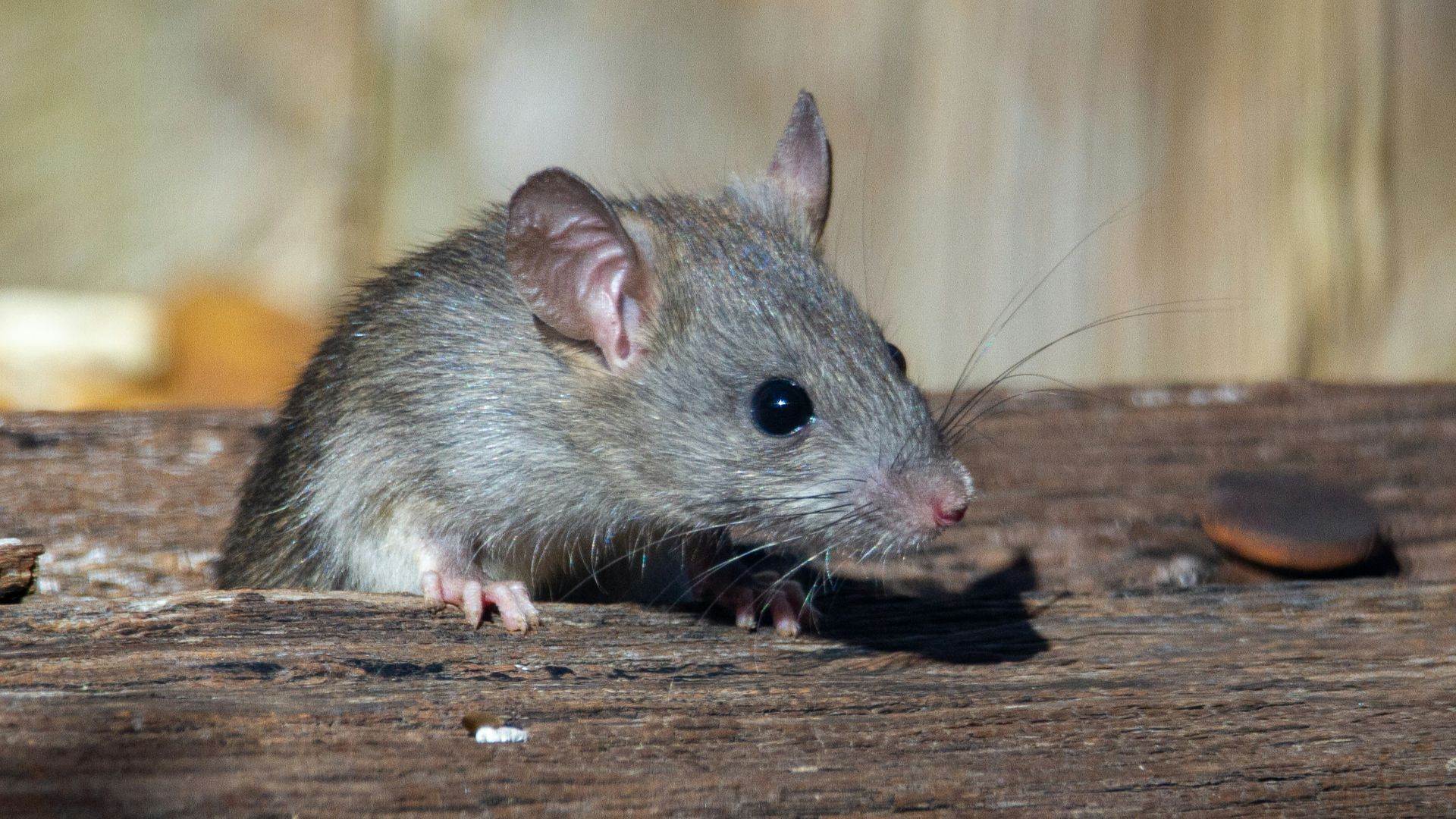
1. Hanoi's Rat Bounty
French colonial officials in Hanoi paid residents a small bounty in 1902 for every rat tail they turned in. People started cutting off the tails and letting the rats go to keep breeding. Historian Michael Vann also found reports of people raising rats for the payout.
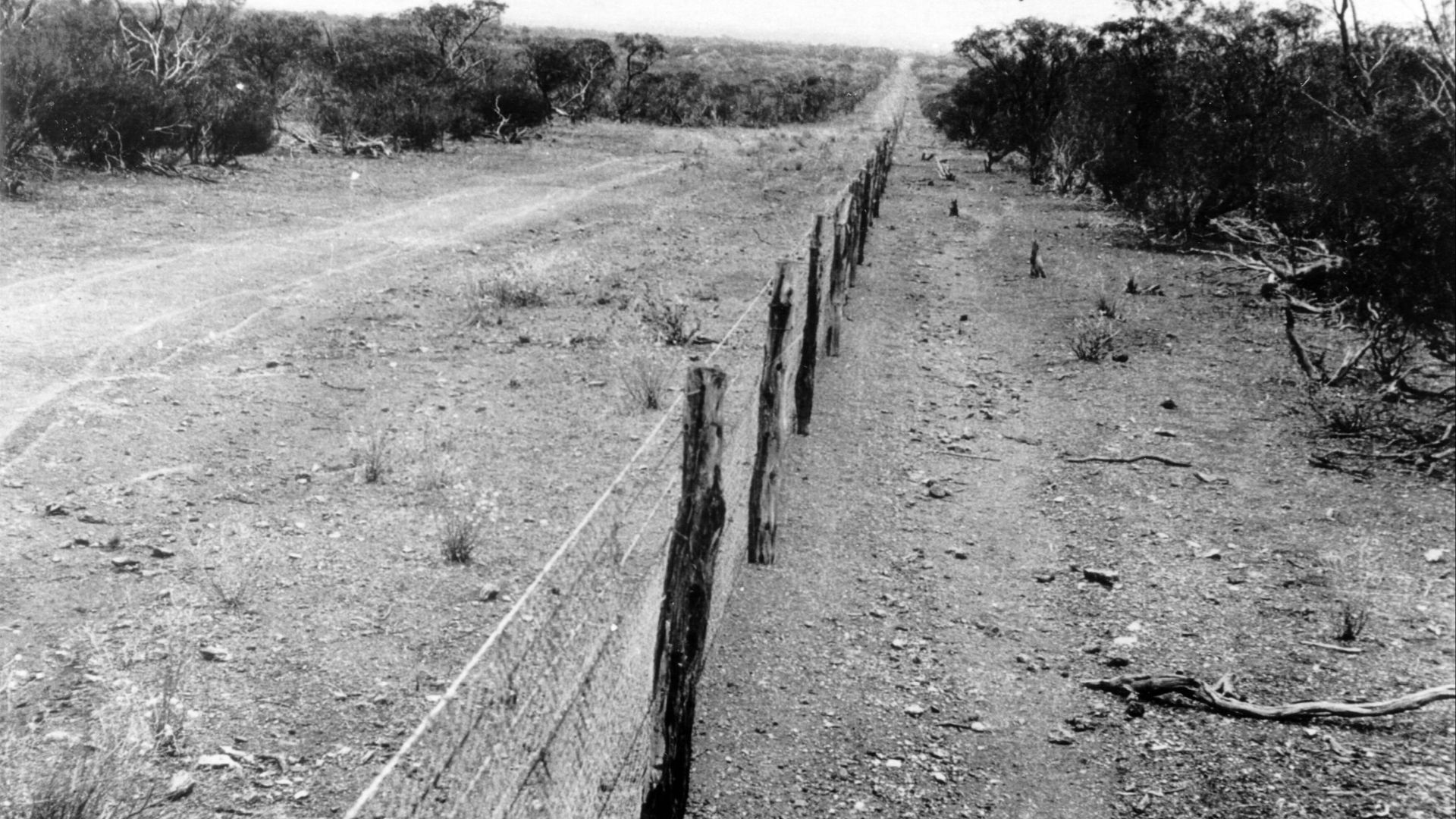
2. The Rabbit-Proof Fence
Western Australia finished its first rabbit-proof fence in 1907, running about 1,800 kilometers north to south. Rabbits had already crossed the line before the work was done. The state added two more fences, bringing the total past 3,200 kilometers.
 Broomhall, F. H. (Frank H.), 1900-1995 on Wikimedia
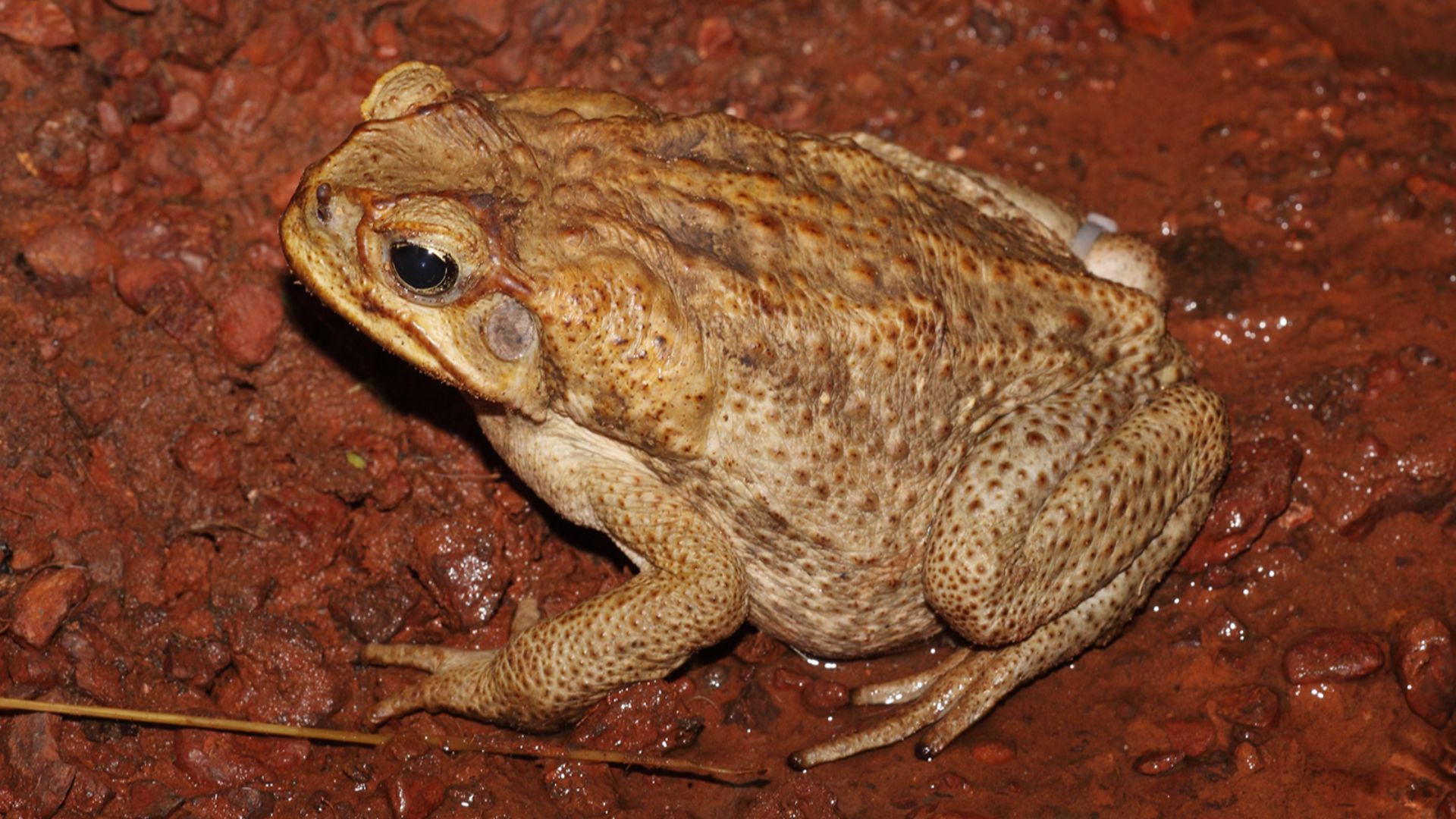
3. Cane Toads
Queensland's Bureau of Sugar Experiment Stations brought about 100 cane toads from Hawaii in 1935 to eat beetles in the sugar fields. Glands behind their heads ooze a toxin that kills native predators like quolls and goannas when they try to eat one, along with plenty of pet dogs.
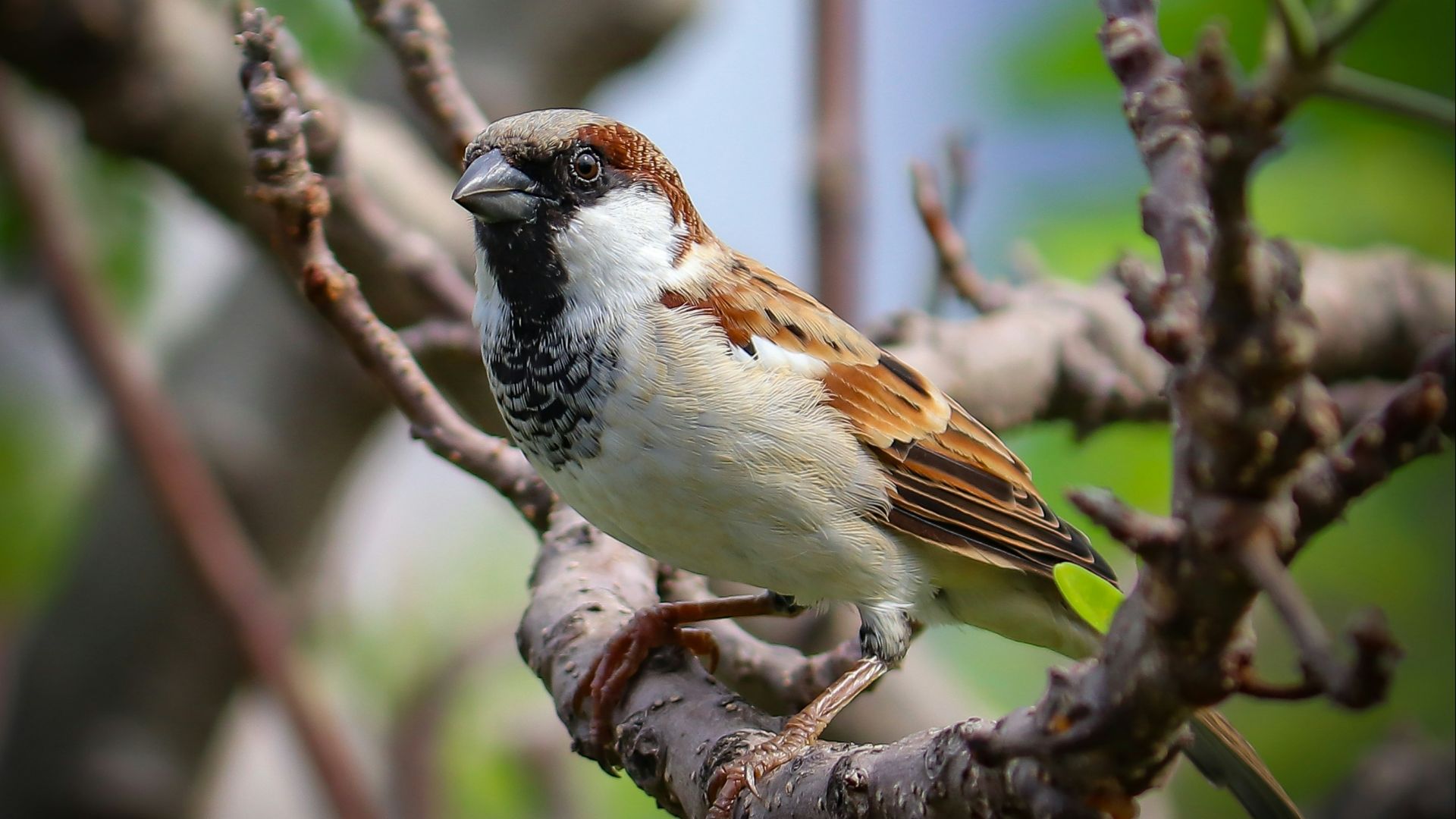
4. China's War on Sparrows
Mao's Four Pests campaign in 1958 told people to wipe out sparrows for eating grain. Villagers banged pots until the exhausted birds dropped from the sky. With the sparrows gone, locusts and other insects multiplied, and the crop losses fed into the Great Chinese Famine.
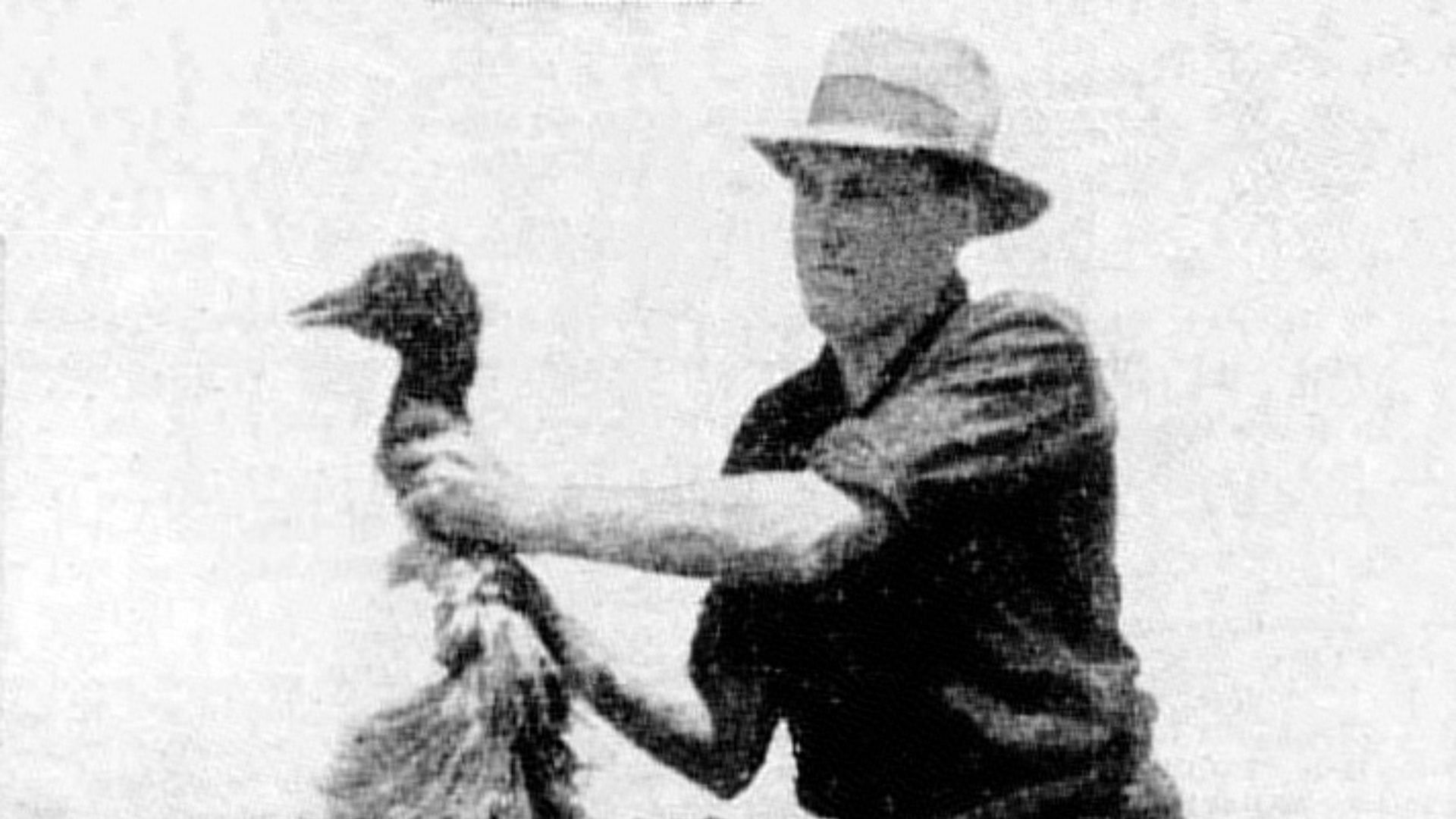
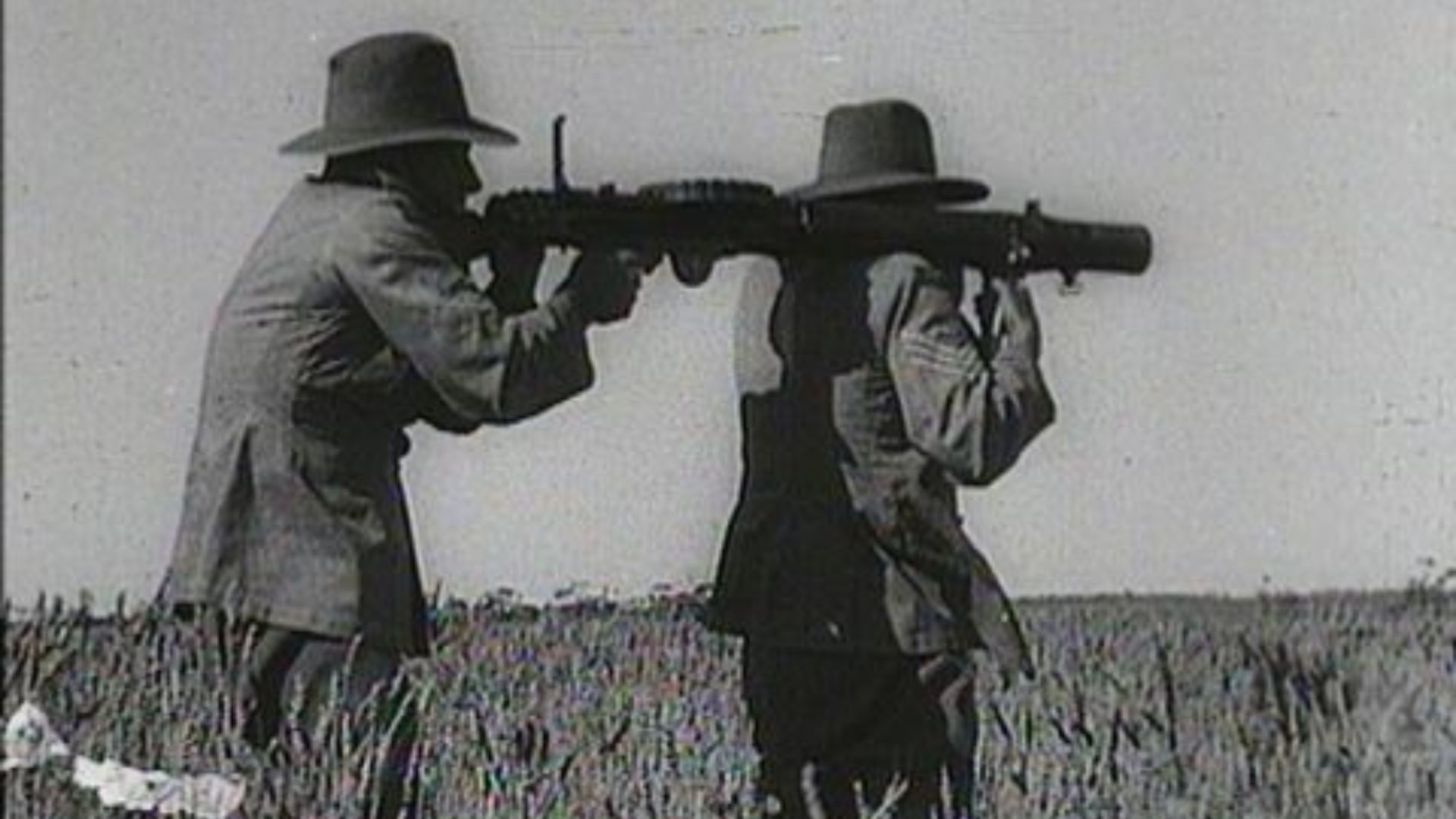
5. The Great Emu War
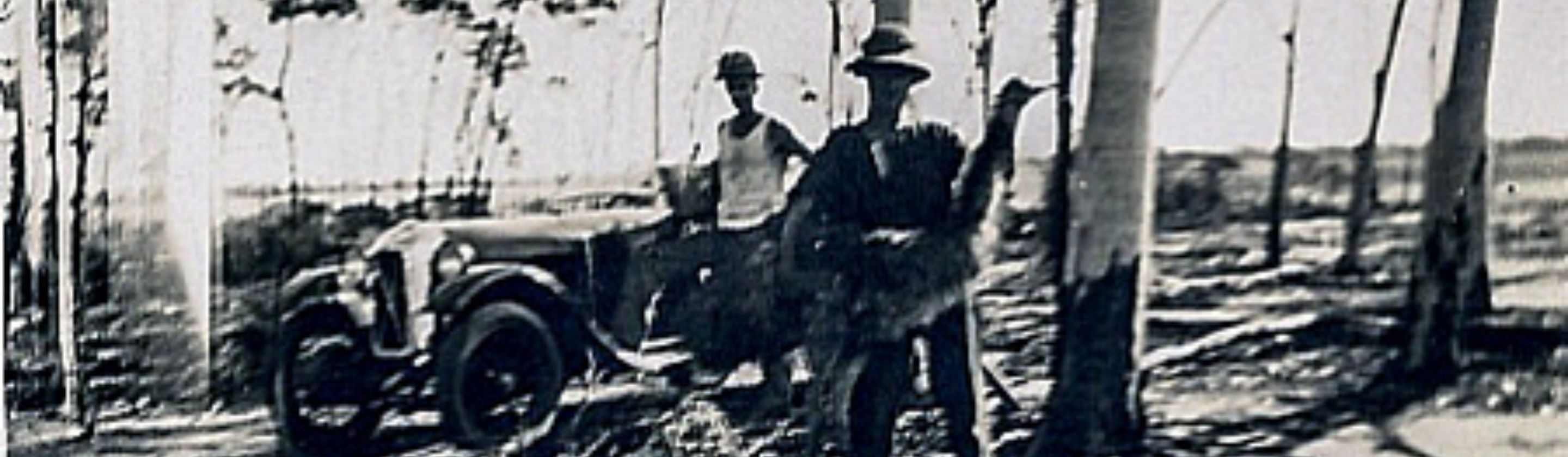
Soldiers with machine guns went after emus trampling Western Australian wheat fields in 1932. The birds split into small groups and kept running. The army pulled out within weeks, and the emus stayed.
 Unknown authorUnknown author on Wikimedia
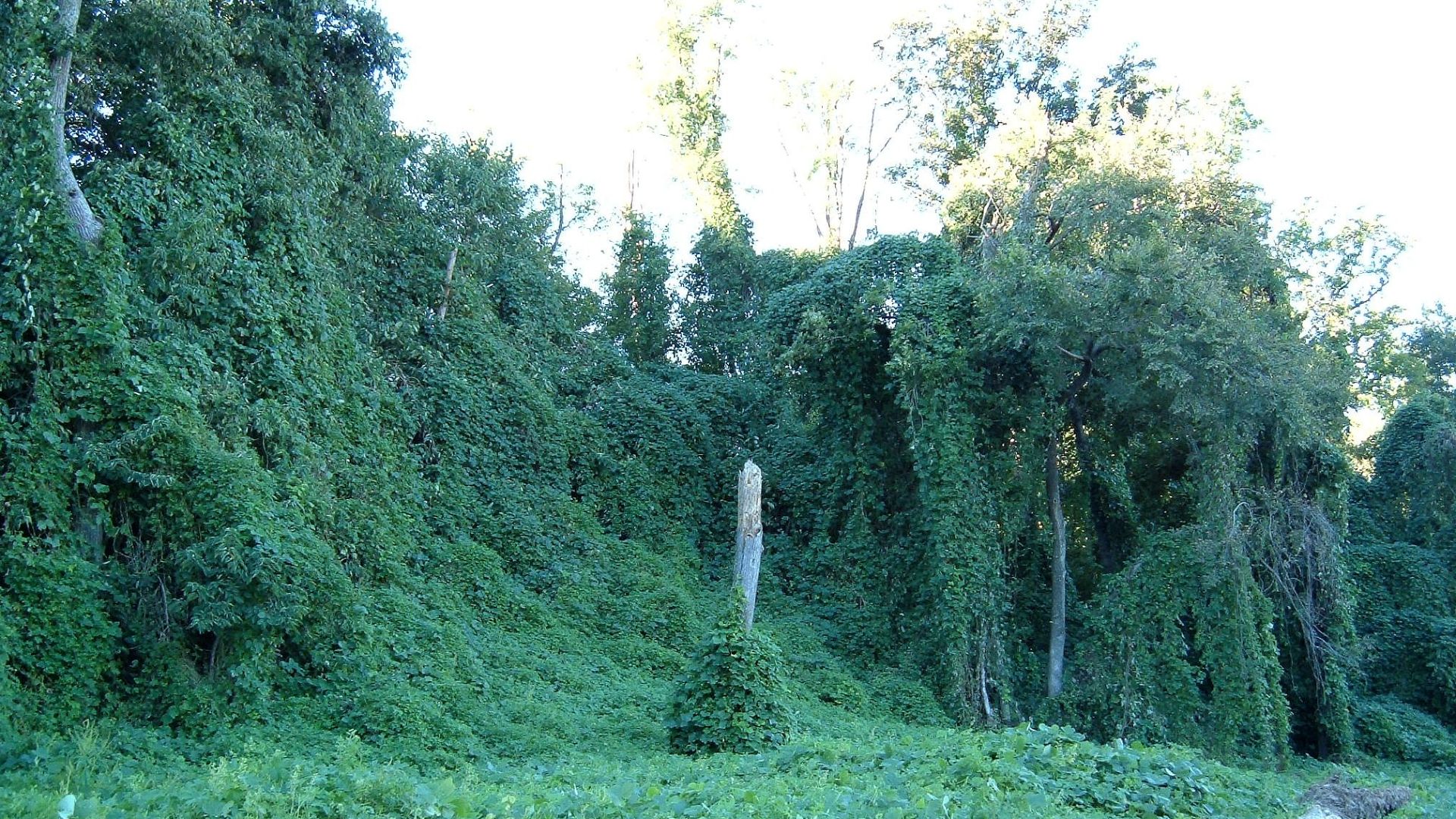
6. Kudzu
The US Soil Conservation Service paid Southern farmers to plant kudzu in the 1930s and 1940s to fight erosion. The vine liked the Southern heat a little too much. Drive through Georgia in July and you'll see it swallowing trees and telephone poles whole.
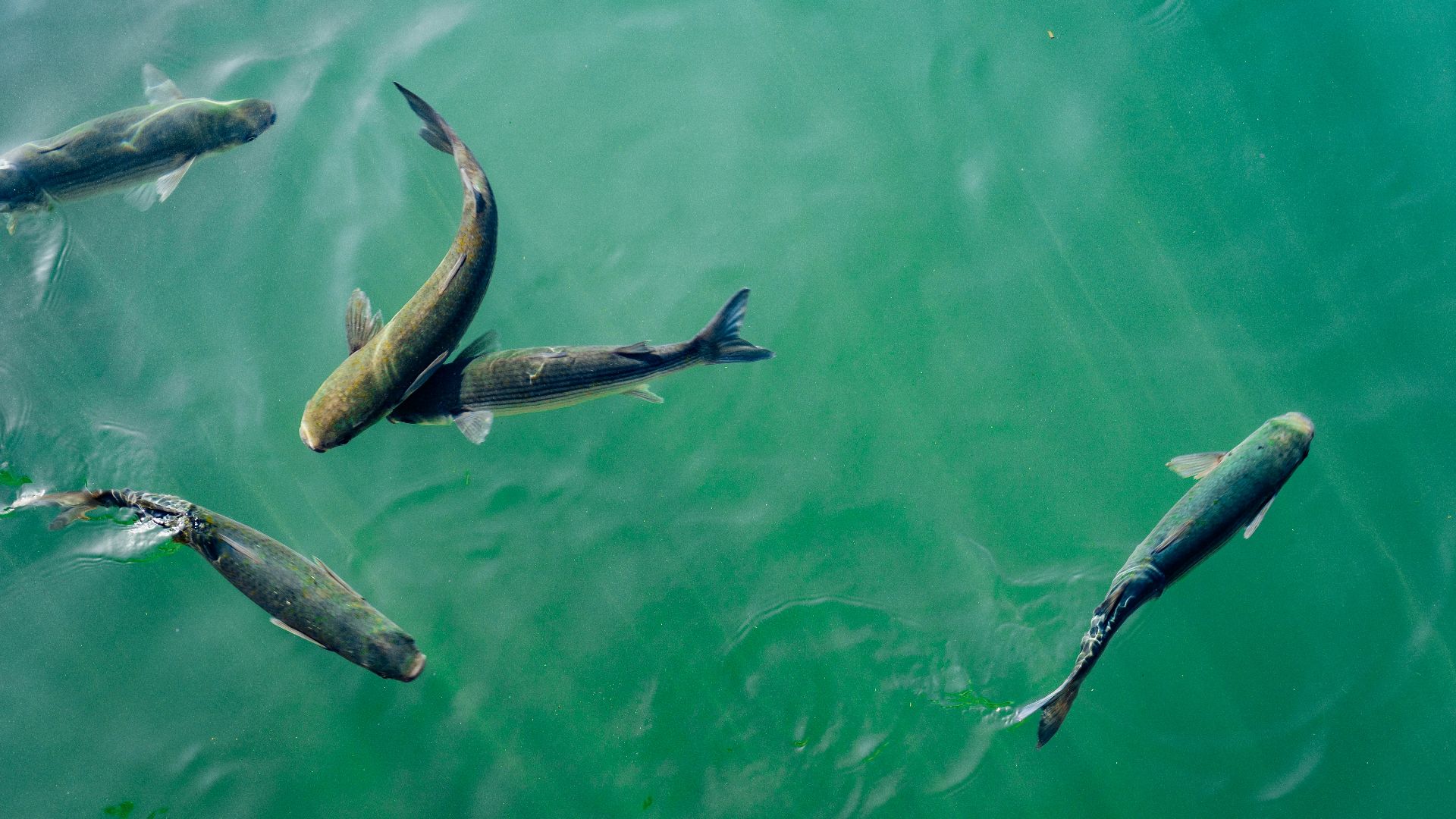
7. Asian Carp
Arkansas fish farmers and state agencies brought in Asian carp in the 1970s to eat algae. Floods carried them into the Mississippi River system. Silver carp now leap out of the water when a boat motor startles them, and more than a few boaters have taken one to the face.
8. Fighting Every Wildfire
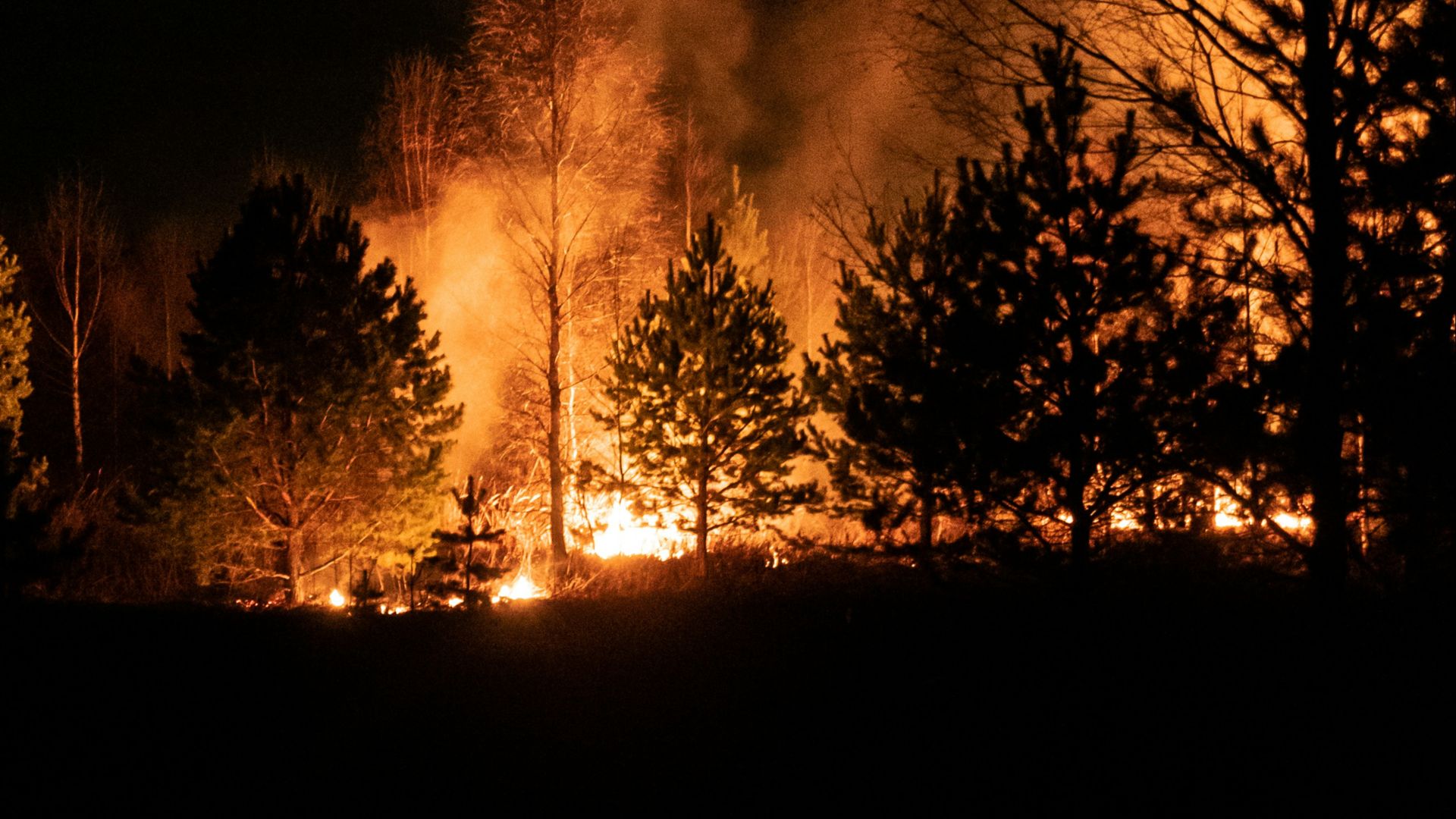
After the huge fires of 1910, the US Forest Service set out to stop every fire it could. By 1935, its rule was to have each blaze under control by 10 a.m. the next day. Decades of that left western forests packed with dry fuel that burns far hotter when it finally catches.
9. England's Window Tax
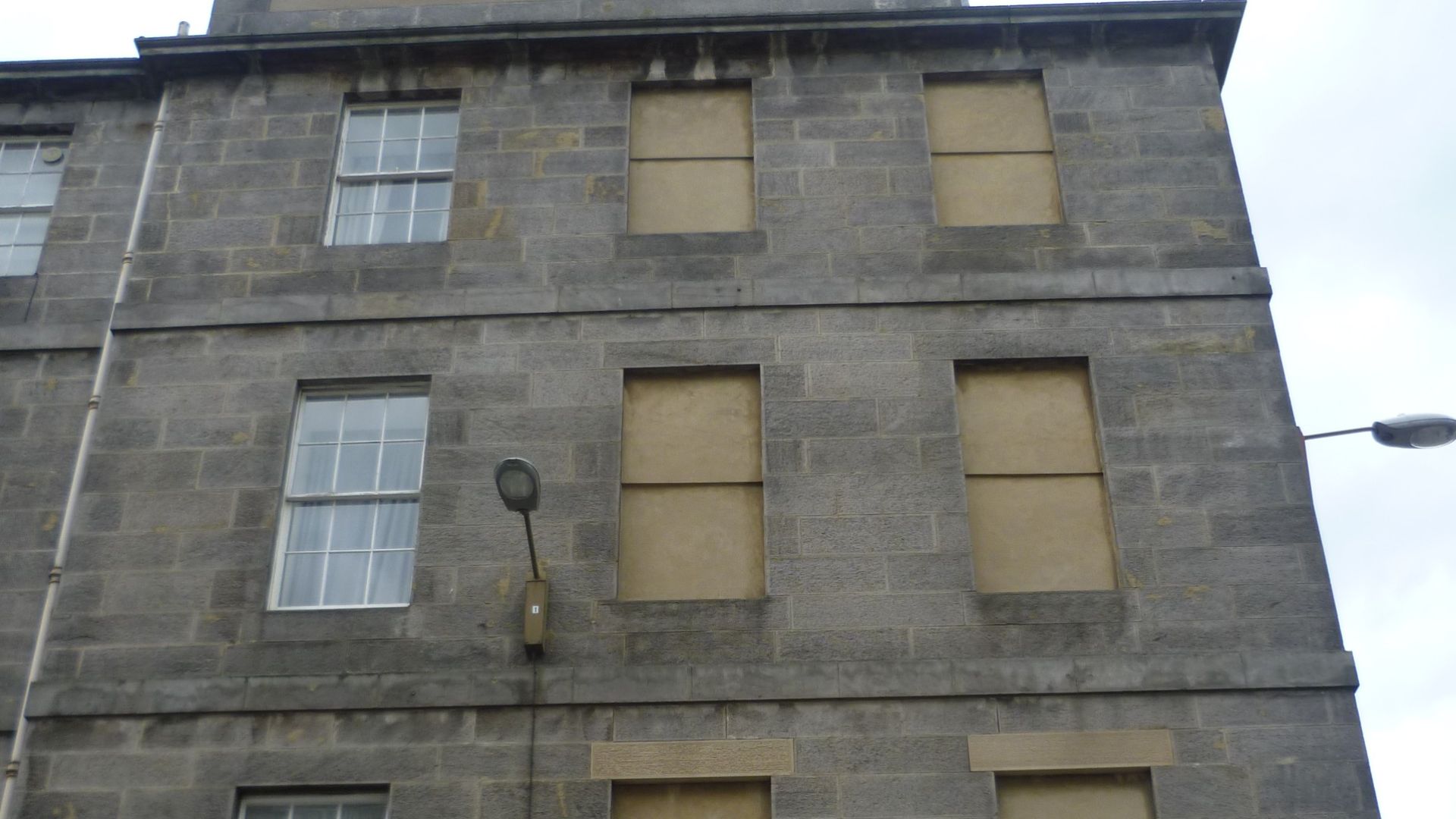
England started taxing houses by their number of windows in 1696. Owners bricked windows up to save money, and you can still spot the filled-in outlines on old buildings. Doctors later blamed the dark, stuffy rooms for spreading disease, and the tax ended in 1851.
10. Poisoned Prohibition Liquor
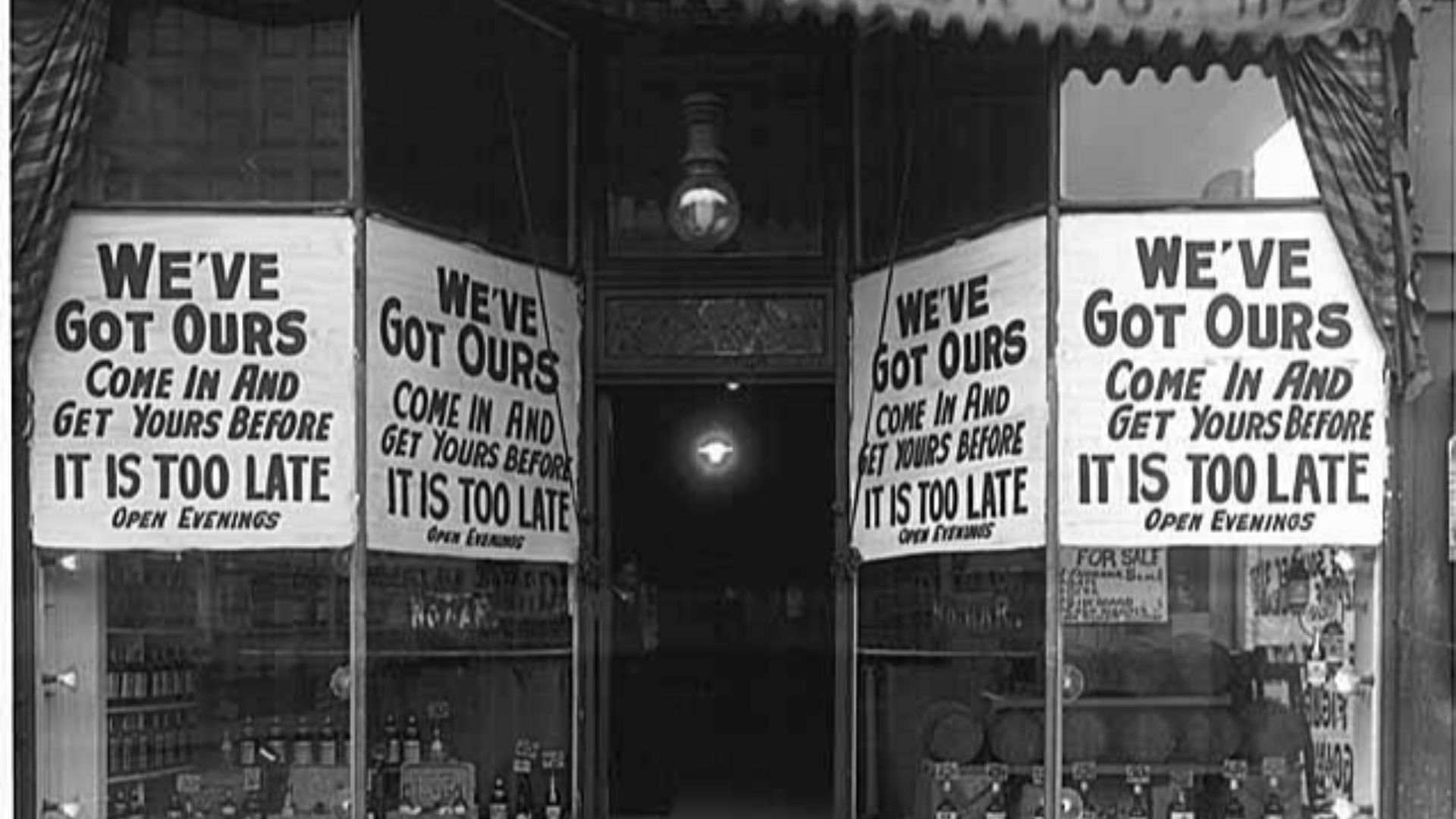
Industrial alcohol had to be denatured during Prohibition so nobody would drink it, and in 1926 the federal government made the mix even deadlier. Bootleggers kept stealing it and selling it as liquor. Science writer Deborah Blum cites estimates that the program killed at least 10,000 people by 1933.
 Webster & Stevens on Wikimedia
11. The Chicken Tax
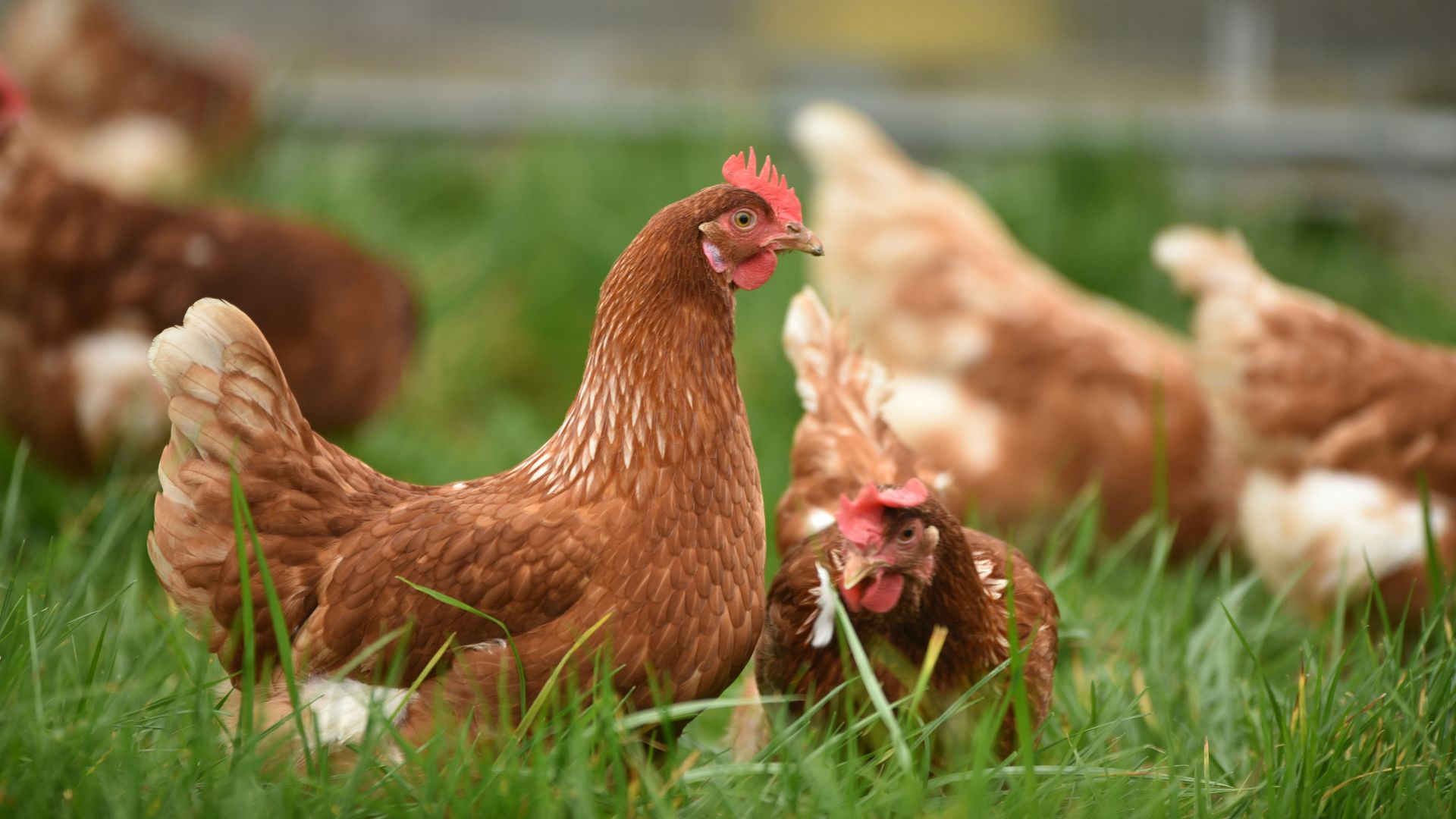
In 1964, the US put a 25% tariff on imported light trucks to get back at Europe over chicken. The chicken fight faded, and the truck tariff never went away. Ford once shipped Transit Connect vans with rear seats installed so they counted as passenger vehicles, then tore the seats out in Baltimore.
12. Sugar Protection
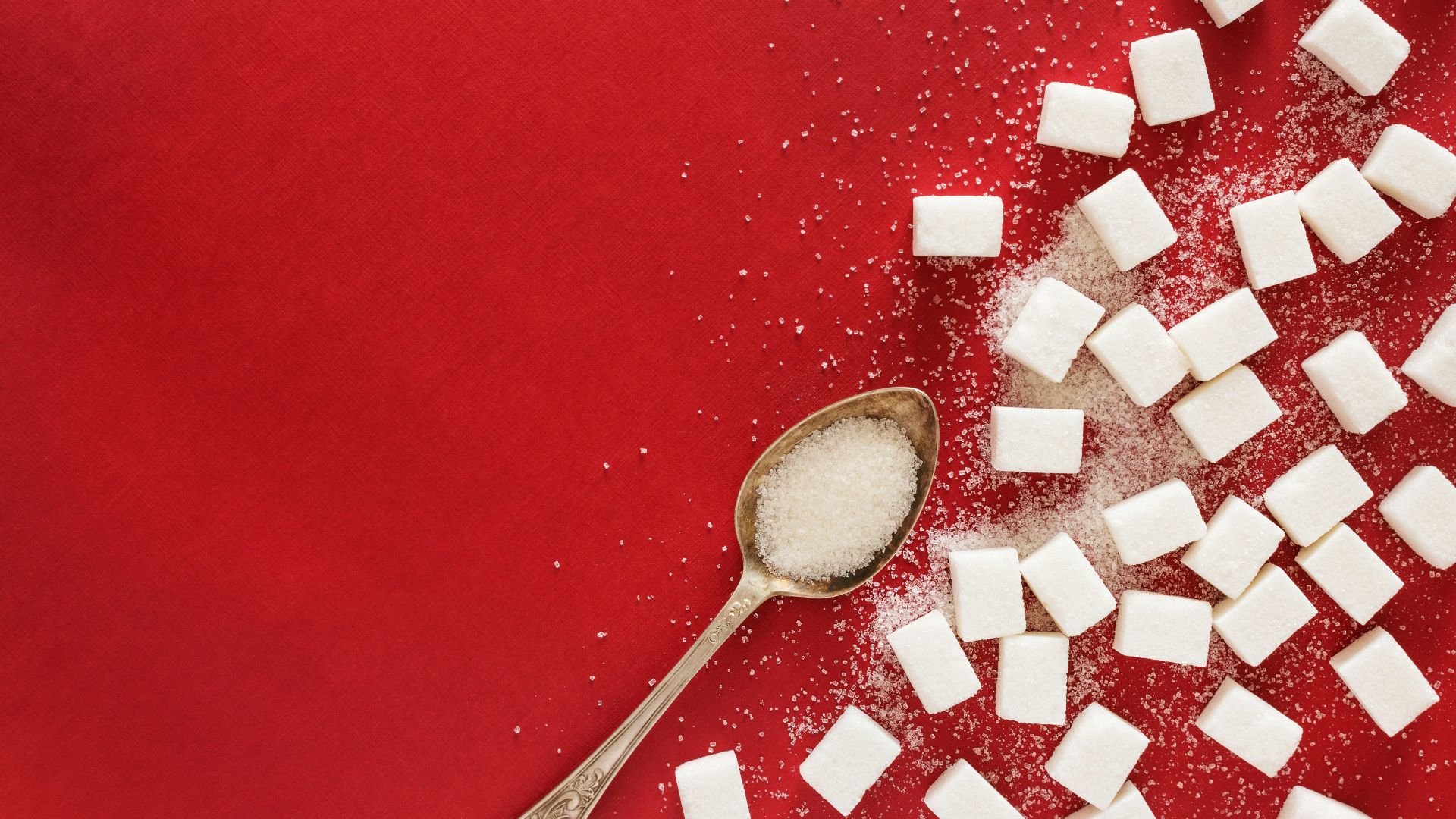
US sugar quotas keep domestic prices well above the world price, which helps sugar growers. Candy makers noticed. A 2006 Commerce Department report found that for every sugar-growing job saved, nearly three confectionery jobs were lost as factories moved to Canada and Mexico.
13. Nixon's Price Freeze
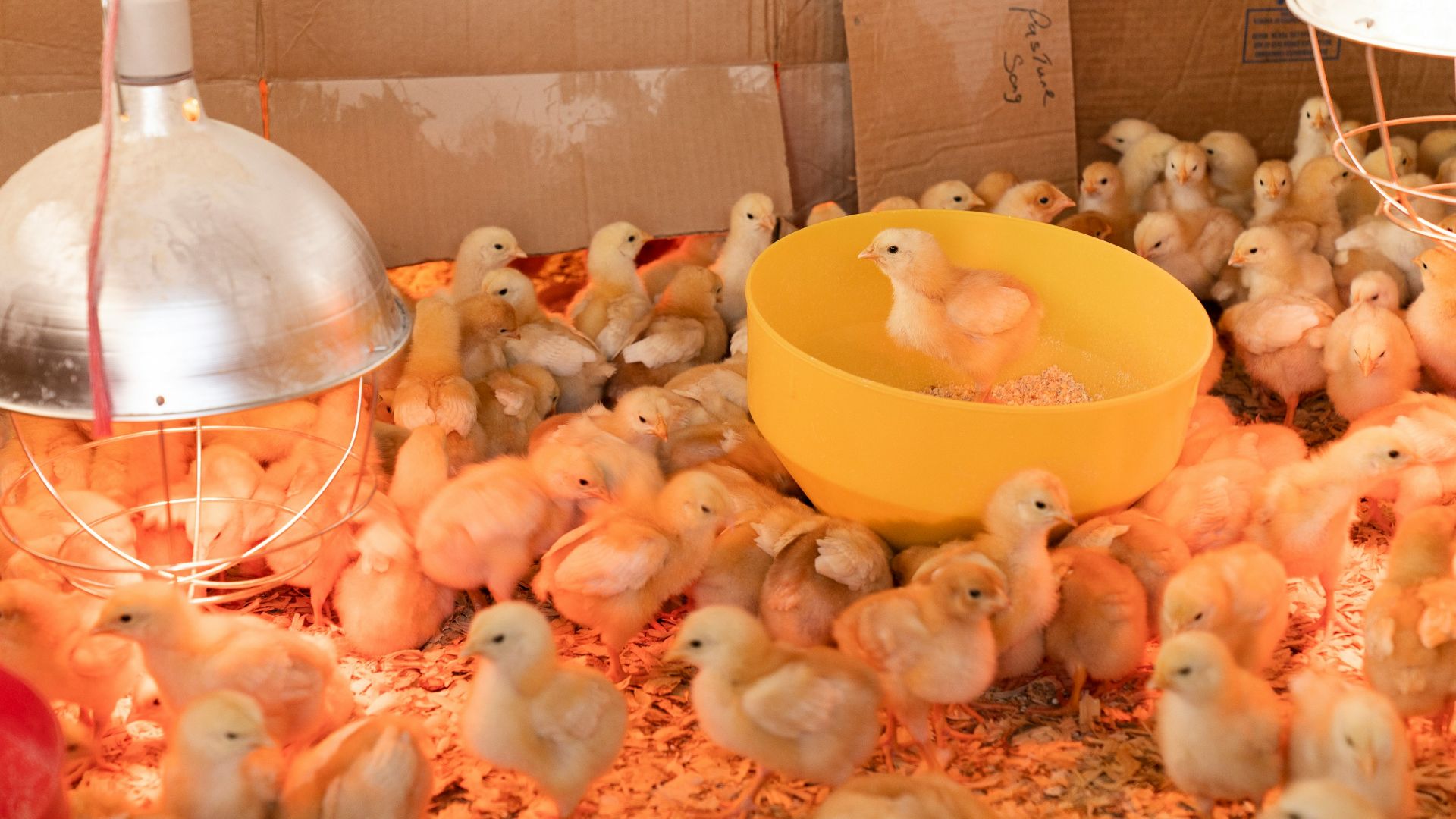
Nixon froze retail food prices in 1973 while feed costs kept climbing. Some farmers decided it was cheaper to drown baby chicks than raise them at a loss. Meat cases at the grocery store went empty that summer.
14. Hoy No Circula
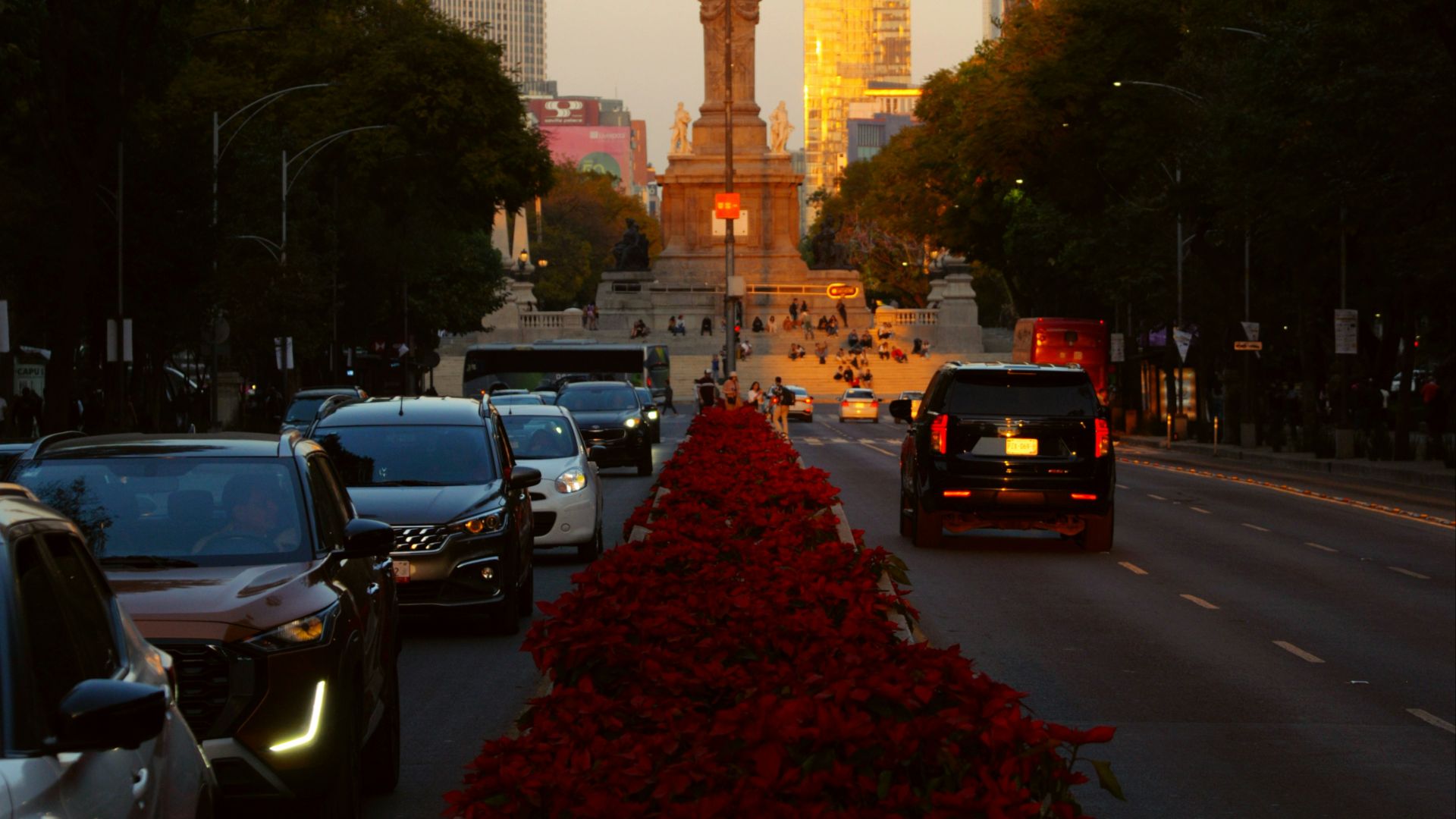
Mexico City began banning most cars one weekday a week in 1989, based on the last digit of the license plate. Economist Lucas Davis found no evidence that the air got any cleaner. Many families bought a second car instead, often an older one that polluted more.
15. Denmark's Fat Tax
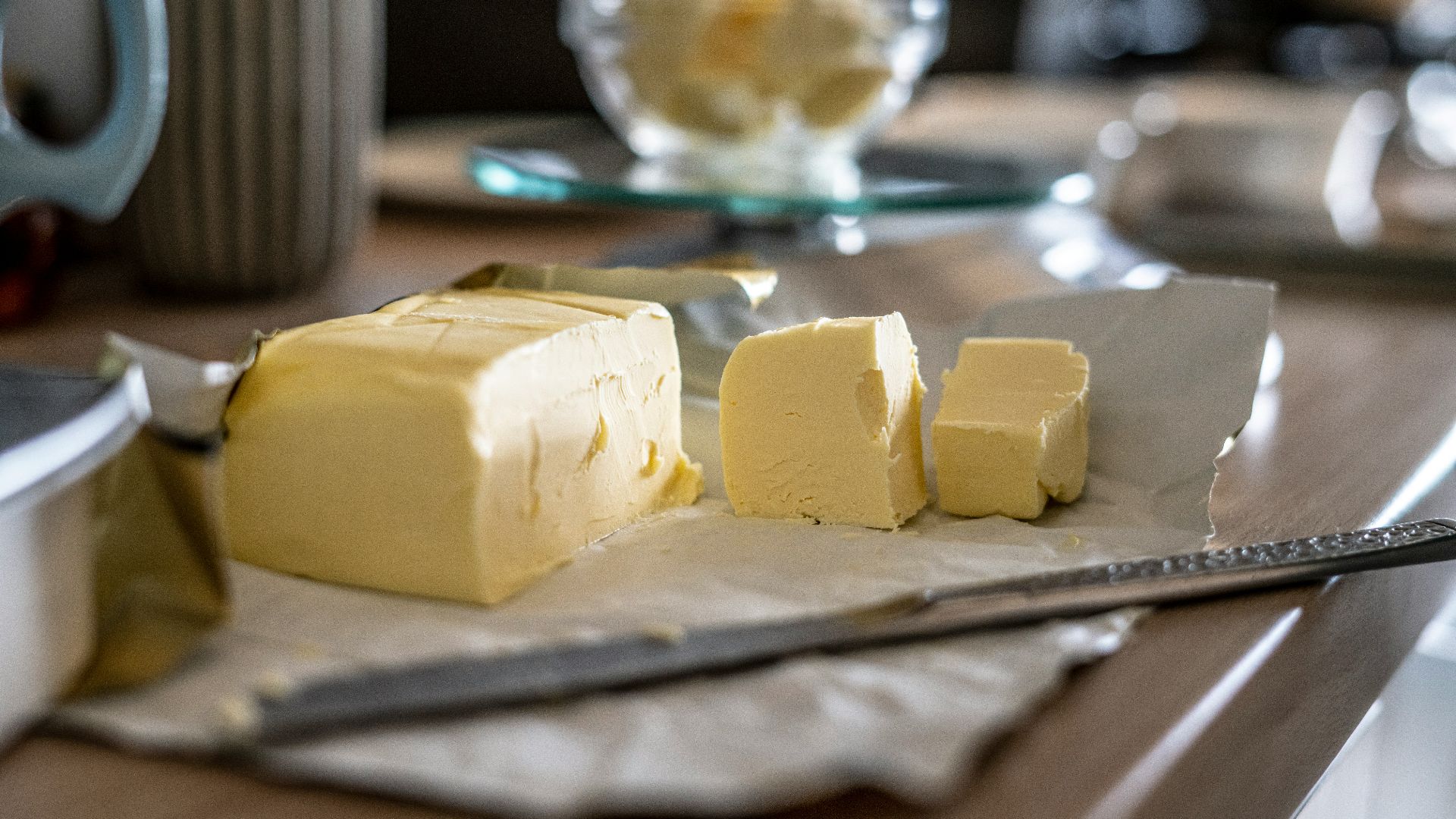
Denmark started taxing saturated fat in 2011, which pushed up the price of butter and cheese. Danes drove across the border to stock up in Germany. The government scrapped the tax about a year later.
16. Chicago's Parking Meters
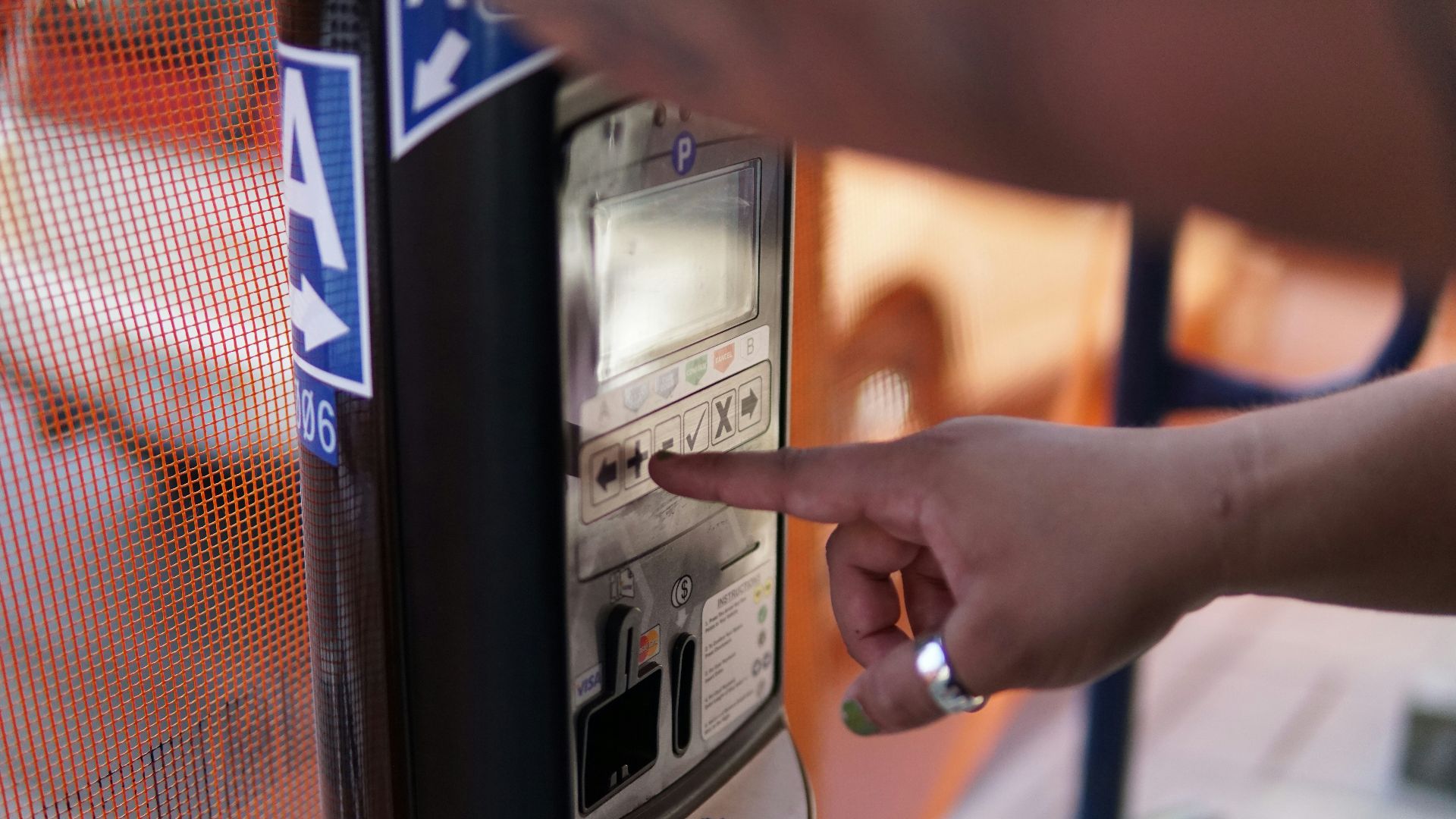
Chicago leased its 36,000 parking meters for 75 years in 2008 to a group led by Morgan Stanley, which paid $1.15 billion. The city's inspector general later said Chicago took at least $974 million less than the meters were worth. The investors had made their money back by 2023, and the lease runs until 2083.
17. Flint's Water Switch
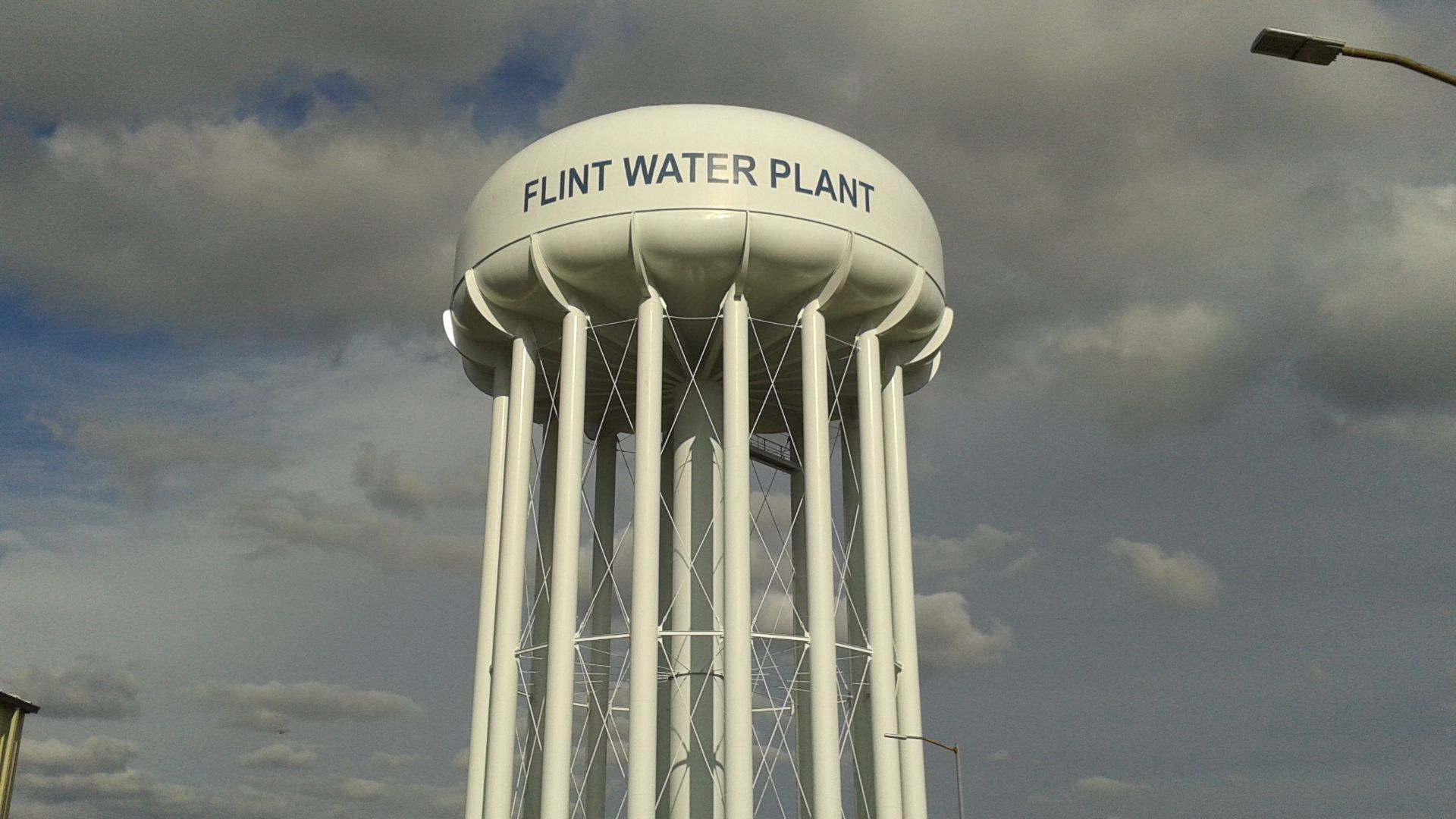
In 2014, state-appointed managers switched Flint, Michigan, to river water to save money. The city skipped corrosion control, and lead from old pipes leached into people's taps. Michigan later agreed to a $600 million settlement with residents.
 unknown, United States Environmental Protection Agency on Wikimedia
18. Britain's Diesel Push
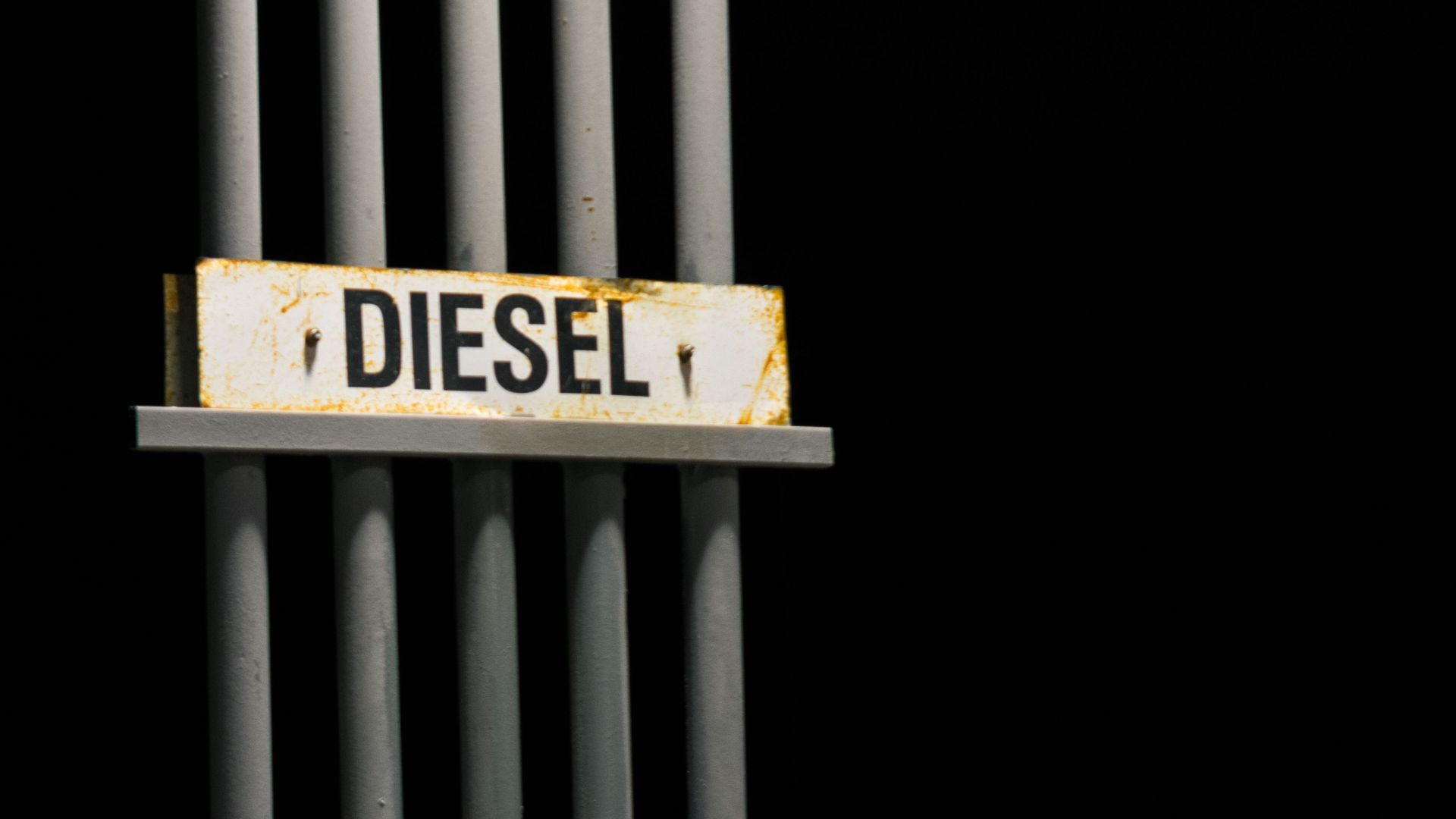
Britain tied its car tax to carbon dioxide emissions in 2001, and diesel cars suddenly looked like the responsible choice. Drivers switched in huge numbers. Diesel engines put out far more nitrogen dioxide, and cities spent the next two decades trying to clean up the air.
19. Tall Smokestacks
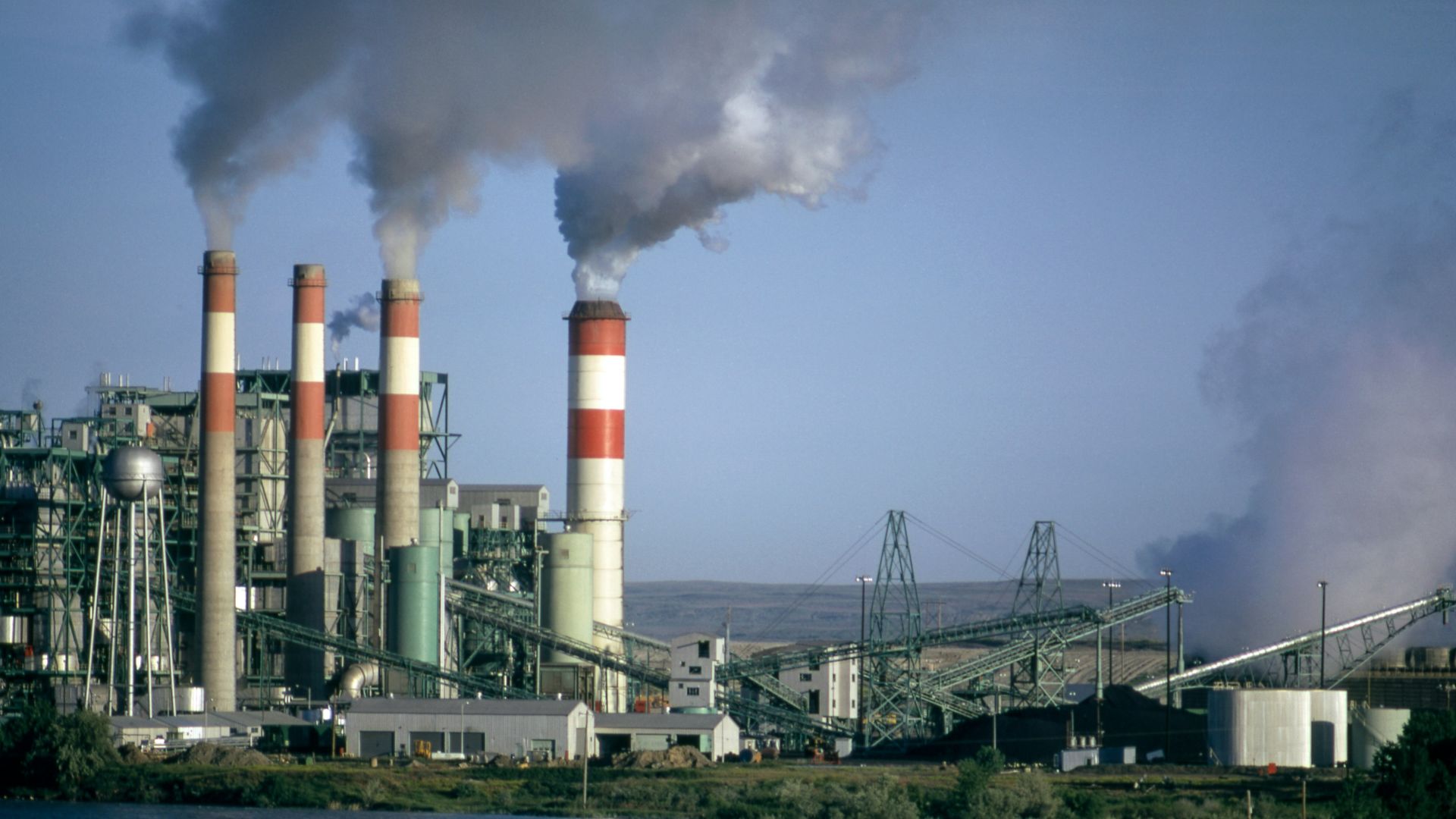
The Clean Air Act of 1970 pushed power plants to meet local air standards, and many did it by building taller smokestacks. The air around the plants got cleaner. Sulfur dioxide from those stacks drifted hundreds of miles downwind and came down as acid rain on lakes in New England and Canada.
20. Khrushchev's Corn Craze
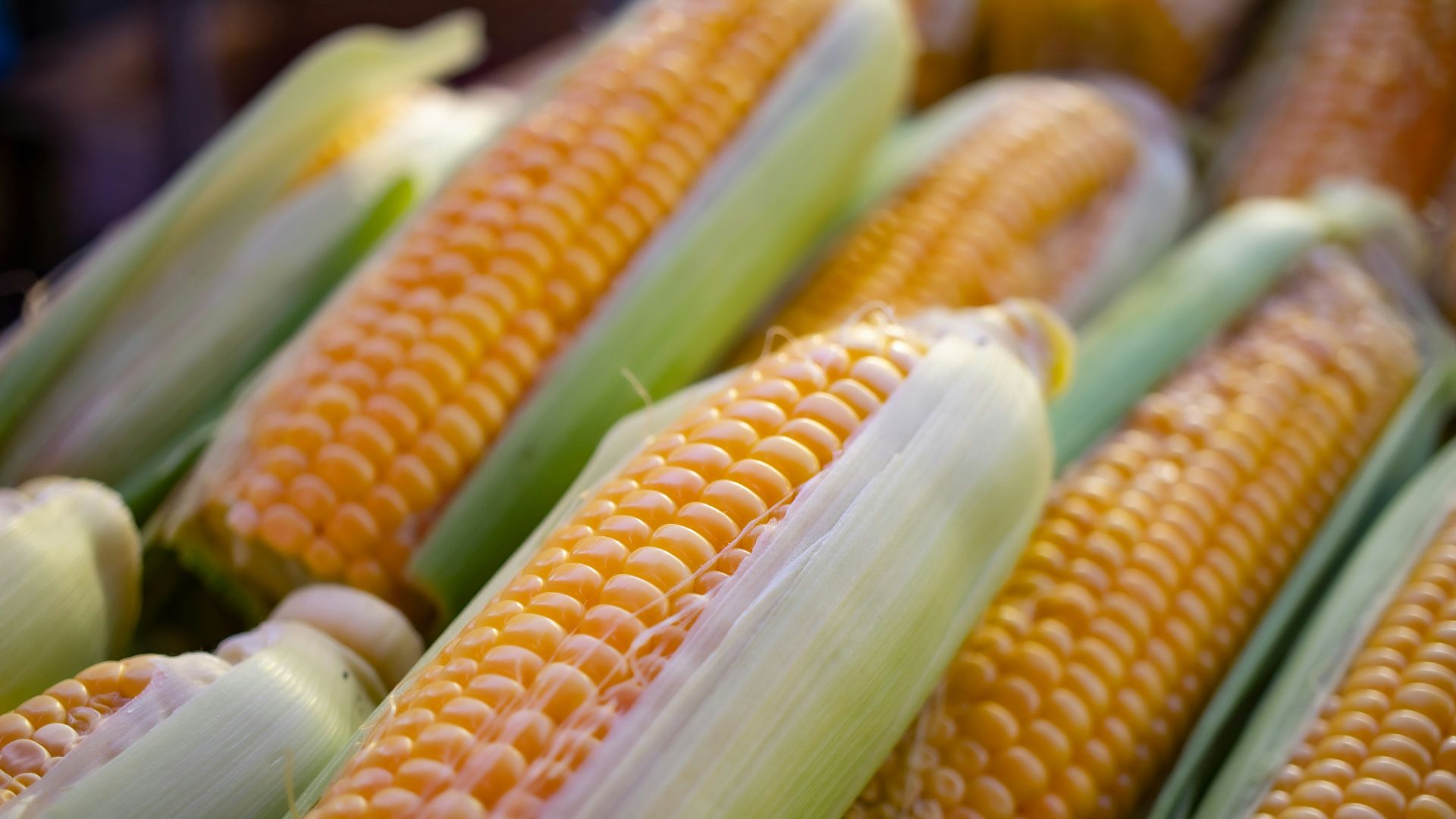
Khrushchev pushed Soviet farms to plant corn in the 1950s, and his 1959 visit to an Iowa farm only fed the obsession. Much of the Soviet Union was too cold and dry for it. After a disastrous harvest in 1963, the country had to buy grain from abroad.
 Wouter Supardi Salari on Unsplash
KEEP ON READING