20 Gruesome Facts About The Donner Party And Their Descent Into Madness
A Journey That Went Horribly Wrong
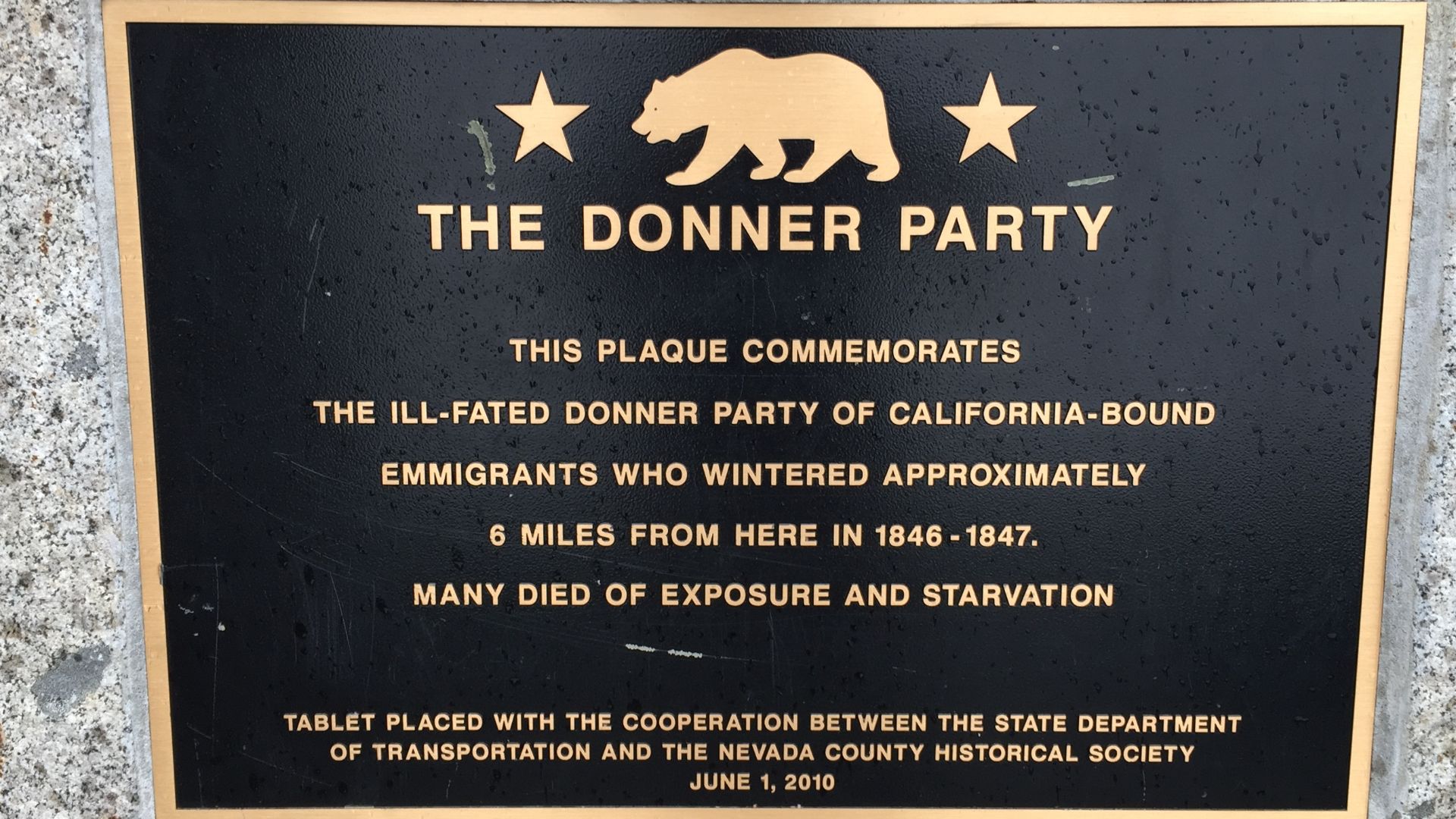
The Donner Party story is usually reduced to one word: cannibalism. In reality, the disaster is so much more tragic than that. Worse still, it actually began months before anyone got trapped in the Sierra Nevada. What happened during the winter of 1846–47 was disturbing enough without local legend, and the documented details reveal just how badly an ordinary wagon journey could unravel.
1. They Were Already Dangerously Late
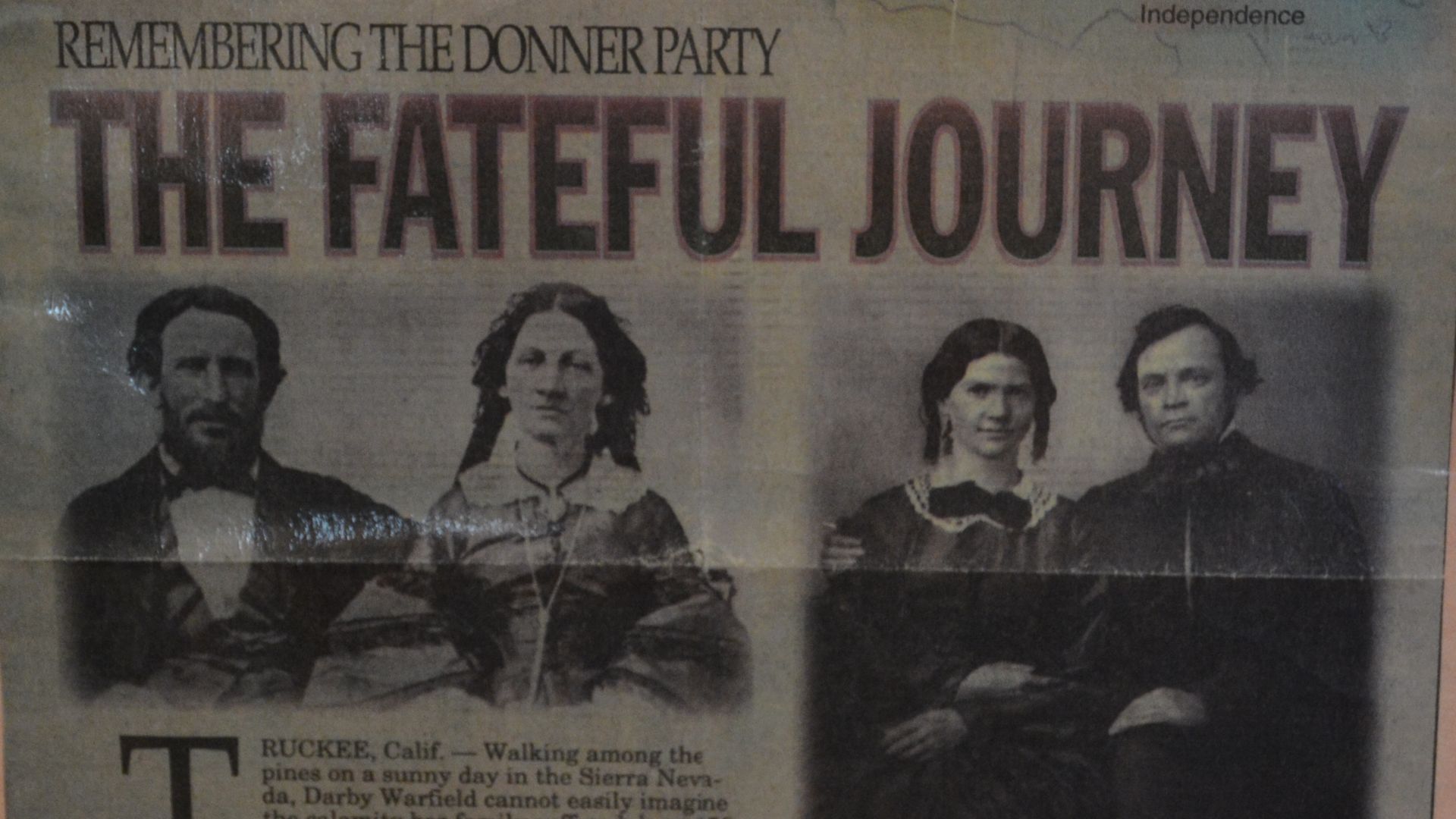
The core group left Illinois in 1846 and left Missouri a few weeks later with roughly 2,500 miles still ahead. Overland travelers needed to cross the Sierra Nevada before winter snow made the mountains impassable, and that late departure left little room for the delays that soon piled up.
2. Their Famous “Shortcut” Had Barely Been Tested
Promoter Lansford Hastings was the one who suggested the Hastings Cutoff. He thought it would shave at least a few hundred miles off their journey to California, despite not having taken wagons across the route when he recommended it. James Clyman, experienced traveler that he was, was the only one who warned against it.
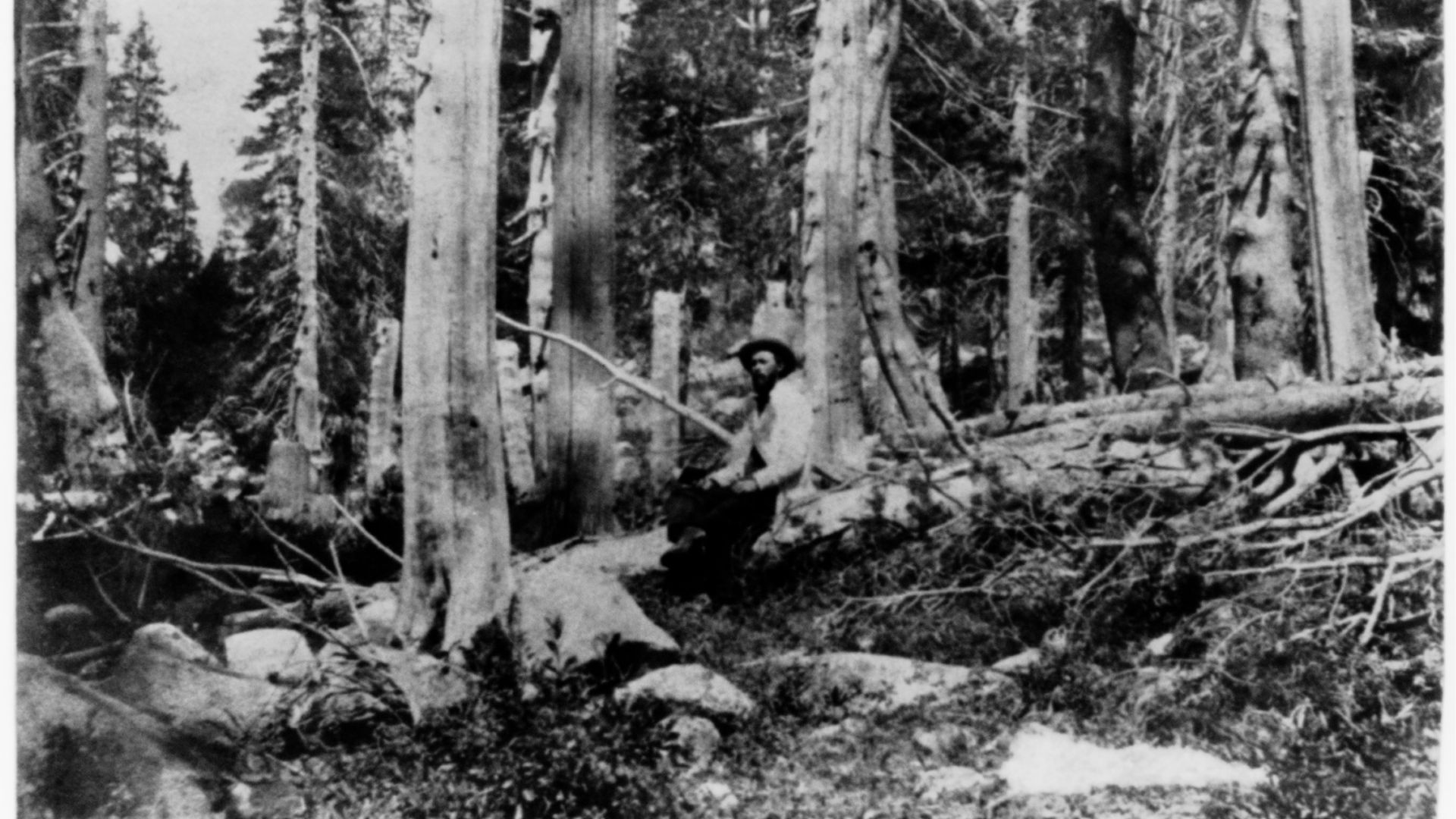 Lawrence & Houseworth, publisher on Wikimedia
3. They Had to Build a Road Themselves
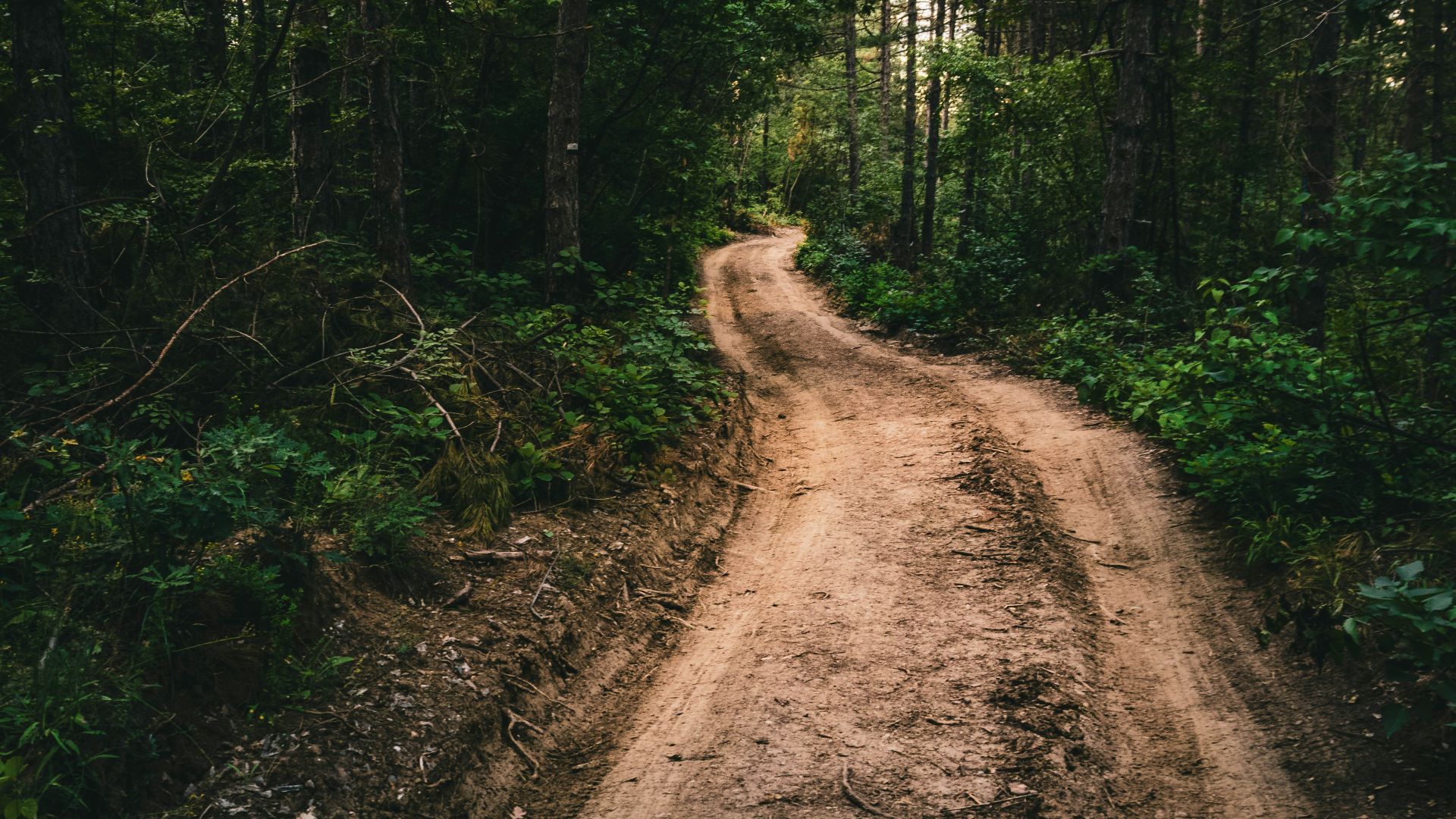
Once inside Utah’s Wasatch Mountains, the emigrants discovered that a usable wagon road wasn’t available—and they used a lot of manpower to clear a path. They had to cut through brush, move obstacles, and force their wagons across difficult terrain, all of which cost them 18 days.
4. The Great Salt Lake Desert Nearly Broke Them
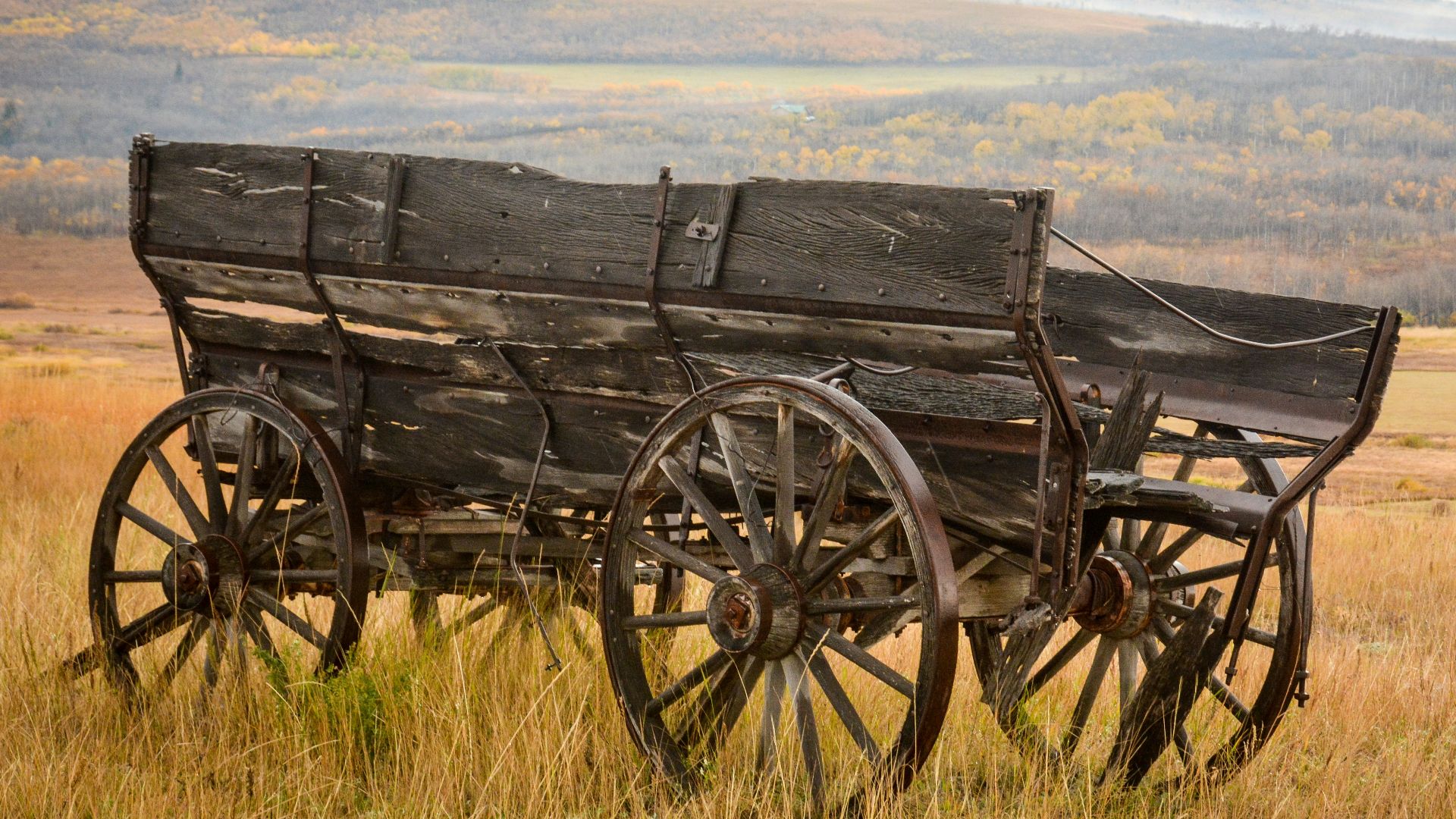
Even after they cleared a path, the party then faced an 80-mile dry crossing west of the Great Salt Lake. The worst part about it was that just about everyone and everything suffered. Oxen disappeared or died, wagons had to be abandoned, and both people and animals reached the other side severely weakened.
5. An Elderly Man Was Left Behind
During the increasingly desperate journey west, 70-year-old Belgian immigrant Luke Halloran Hardkoop couldn’t keep up with the wagons. Accounts describe him being left behind after being unable to secure a ride, despite his age and physical condition. He disappeared along the trail, and the party never saw him again.
6. James Reed Killed Another Member
Tempers finally exploded when James Reed quarreled with teamster John Snyder during the difficult journey along the Humboldt River. Things got bad enough that Reed actually stabbed Snyder in the chest, which took his life. The party banished Reed rather than executing him, a decision that bizarrely wound up in their favor down the road. Reed was a member of the rescue party that would eventually save some of the travelers.
7. Snow Trapped Them
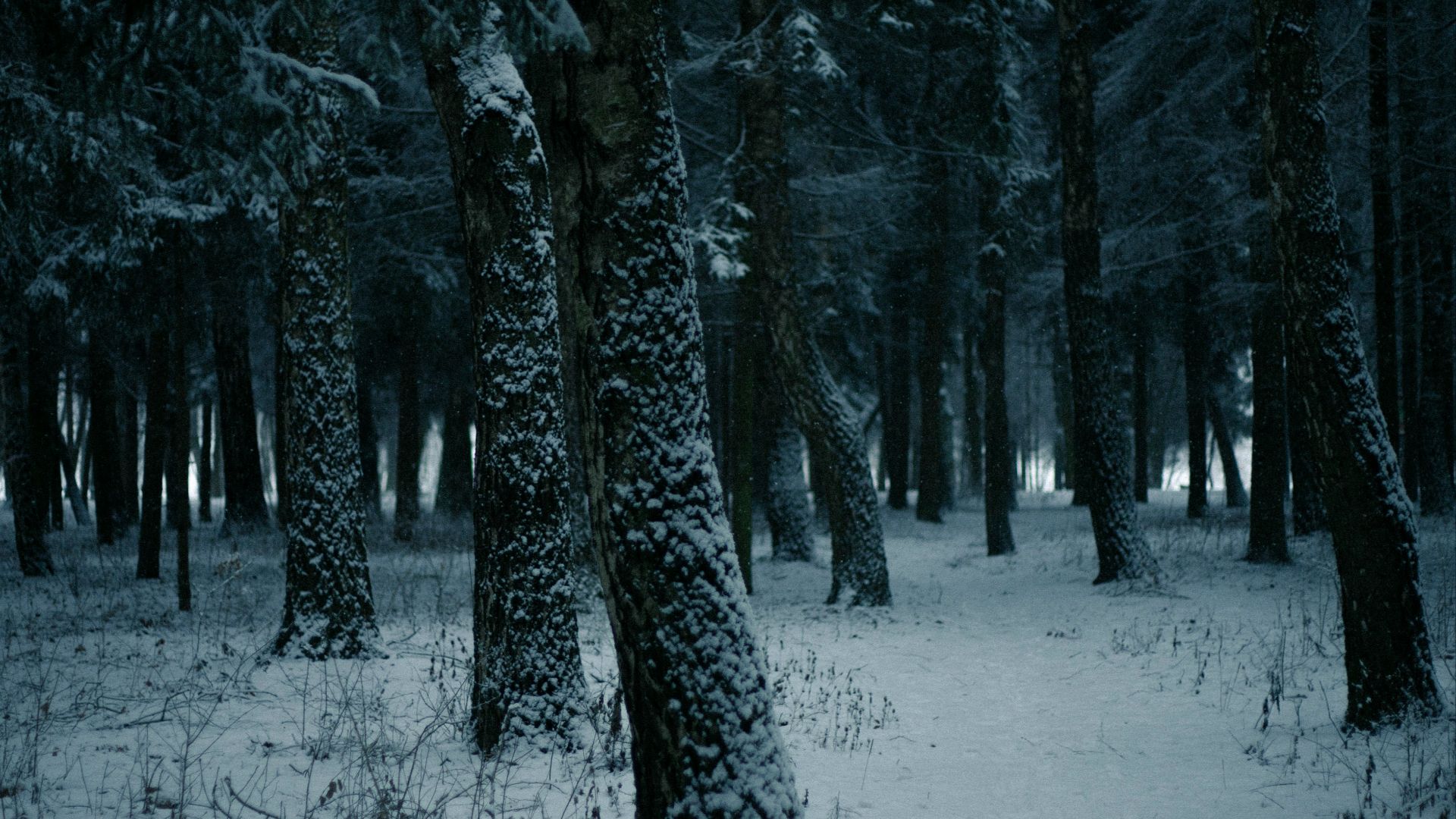
By late October, everyone was exhausted but did finally approach the Sierra Nevada—only to encounter heavy snow. They tried to cross and failed, leaving them stranded near Truckee Lake (which is now known as Donner Lake).
 Anastasiya Leskova on Unsplash
8. The Donners Were Stranded
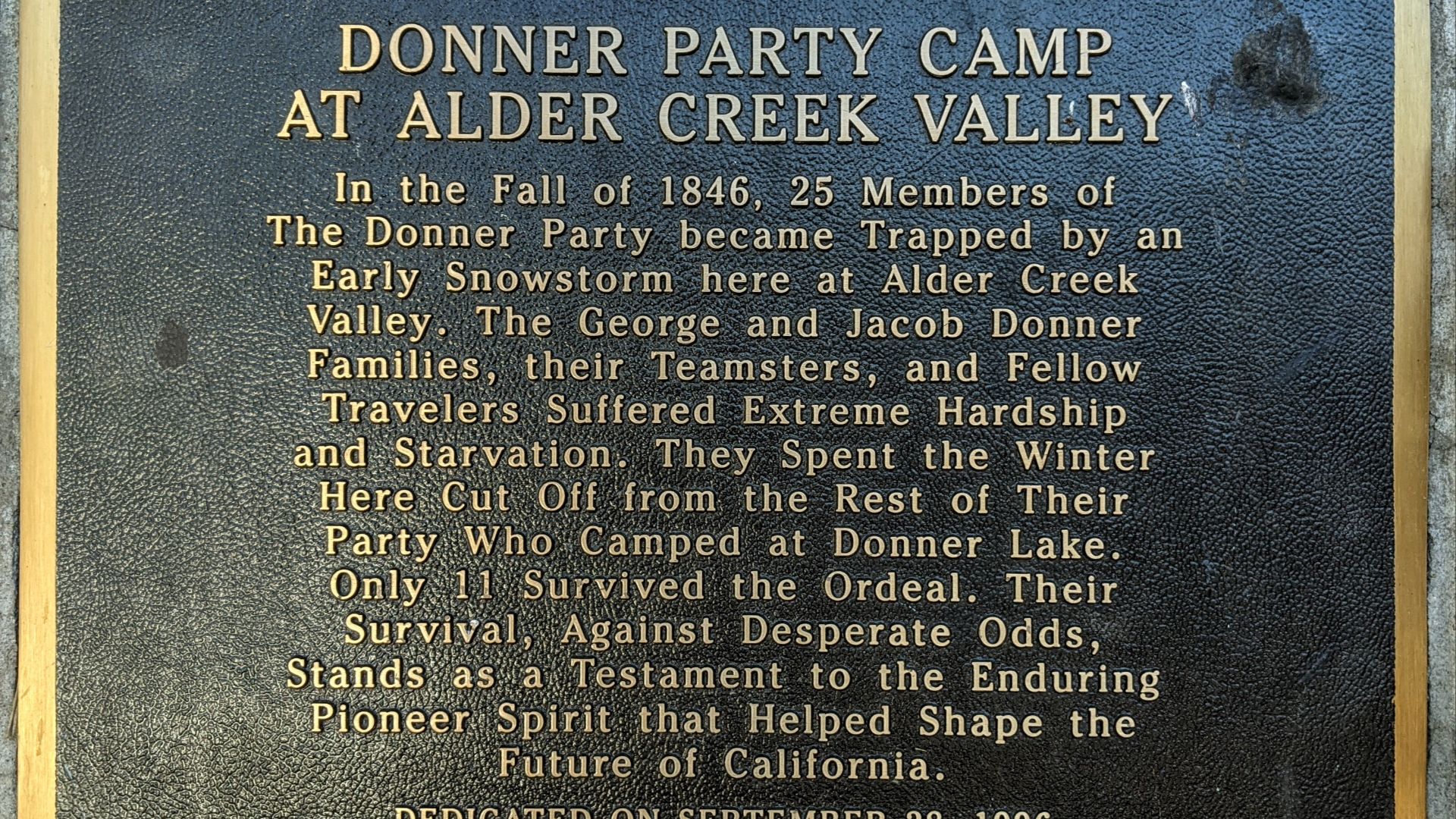
Most sheltered near Truckee Lake, but the Donner families had fallen behind and stopped roughly six miles away at Alder Creek. Things were already falling further south, especially with George Donner battling a severely wounded hand. He’d hurt it repairing a wagon, and the wound would later get infected.
9. Winter Shelters Were Barely Adequate
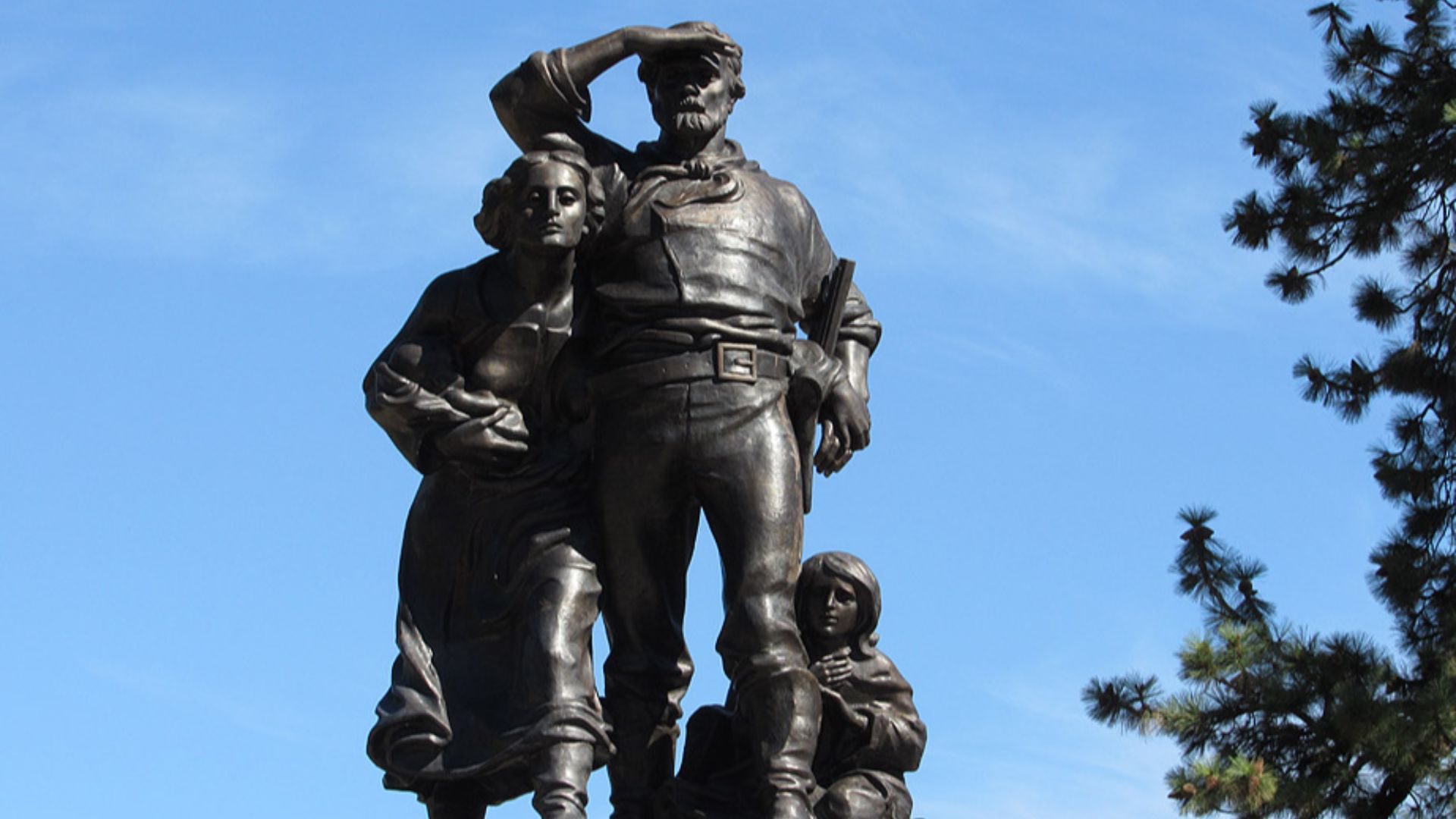
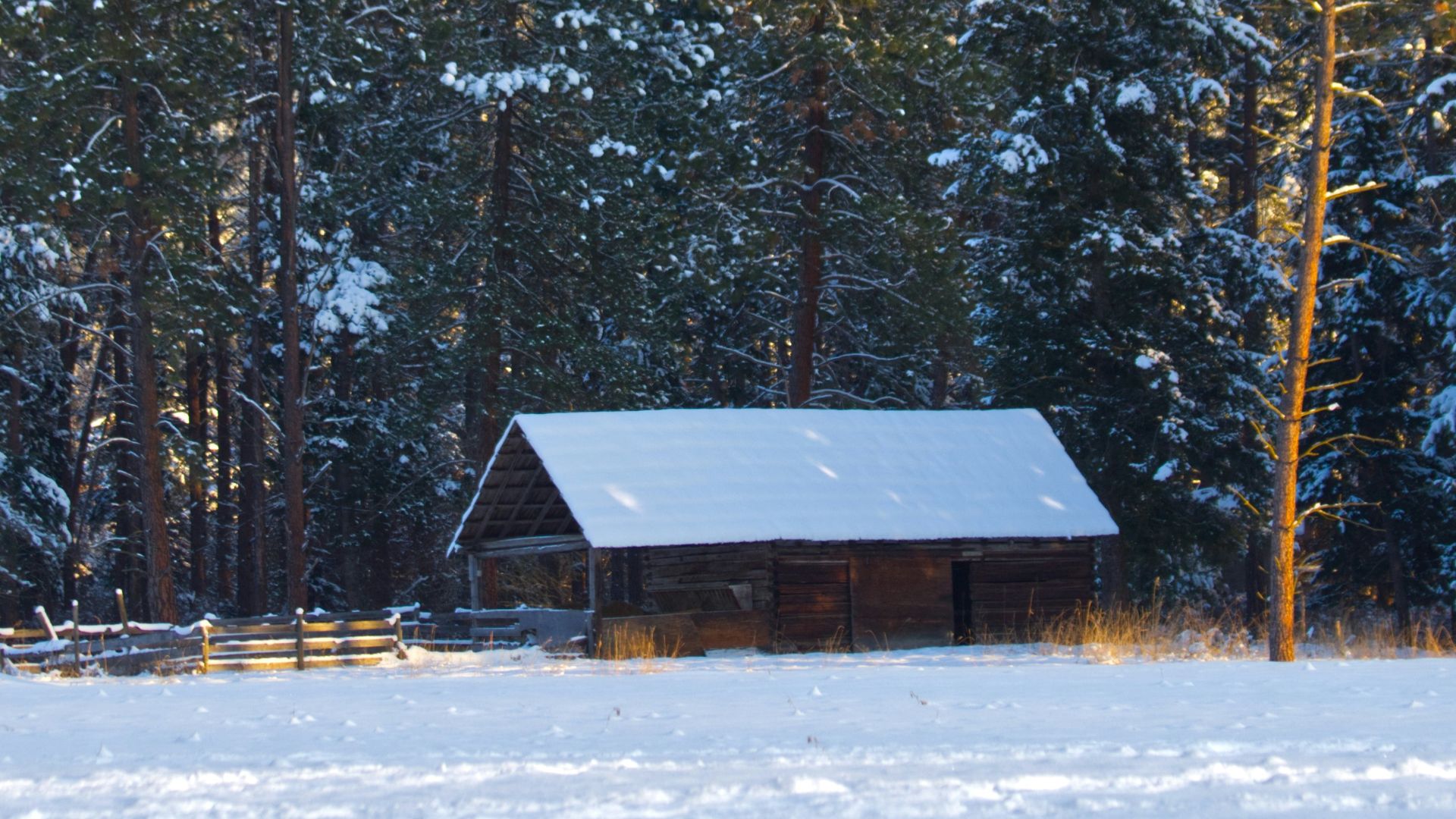
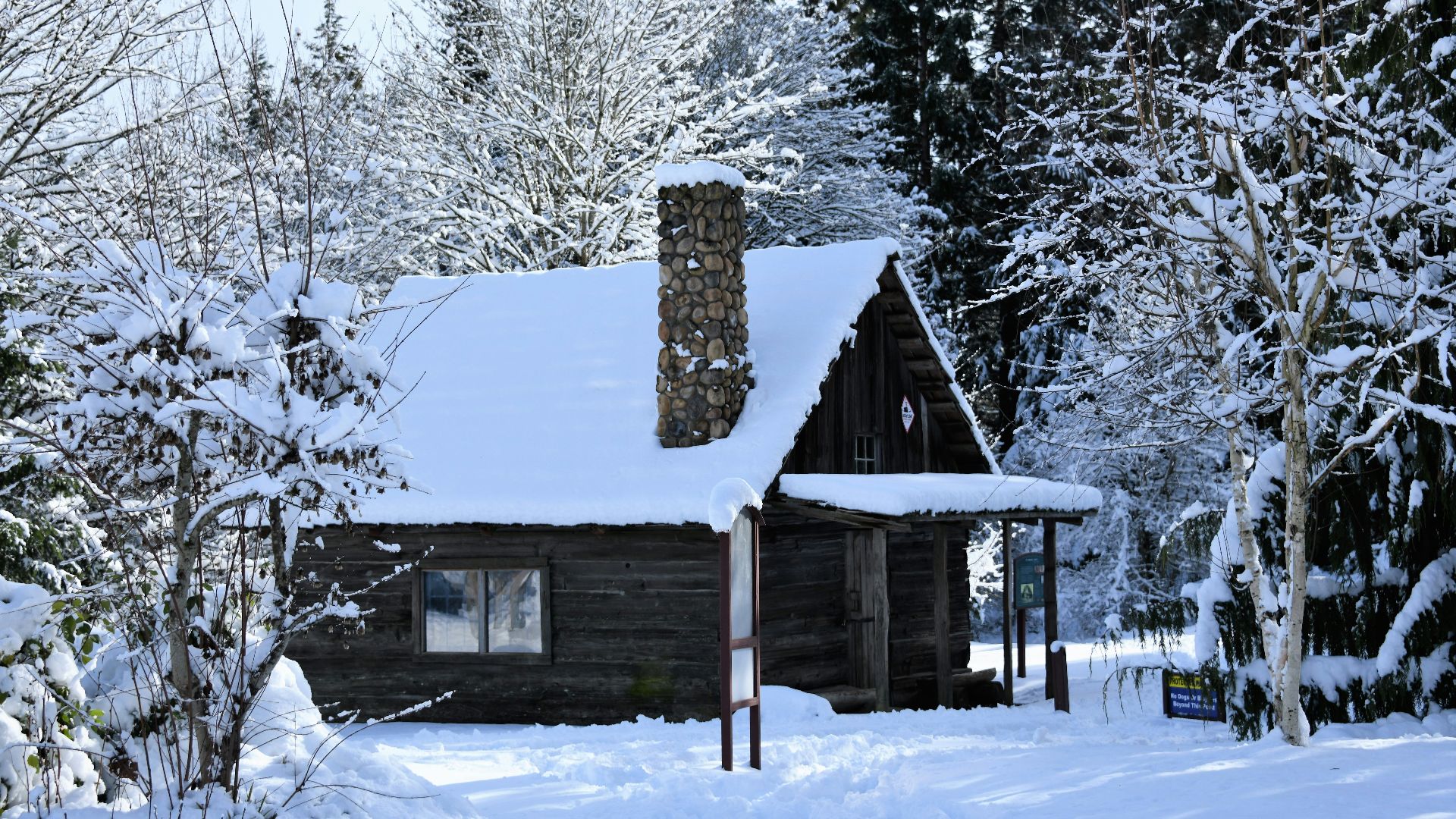
The lake group, however, crowded into crude cabins, including an older structure left by an earlier party. Others made makeshift shelters from whatever they had. At Alder Creek, the Donner families endured the winter in primitive lean-tos rather than substantial cabins.
10. They Boiled Animal Hides For Food
Things were getting pretty desperate, and once their cattle and provisions disappeared, the stranded emigrants searched for almost anything they could digest. Records show that some survivors resorted to boiling hides, while other accounts mention leather and similarly desperate substitutes. If that wasn’t bad enough, by February, even that was running out.

11. Snow Rose Higher Than Their Shelters
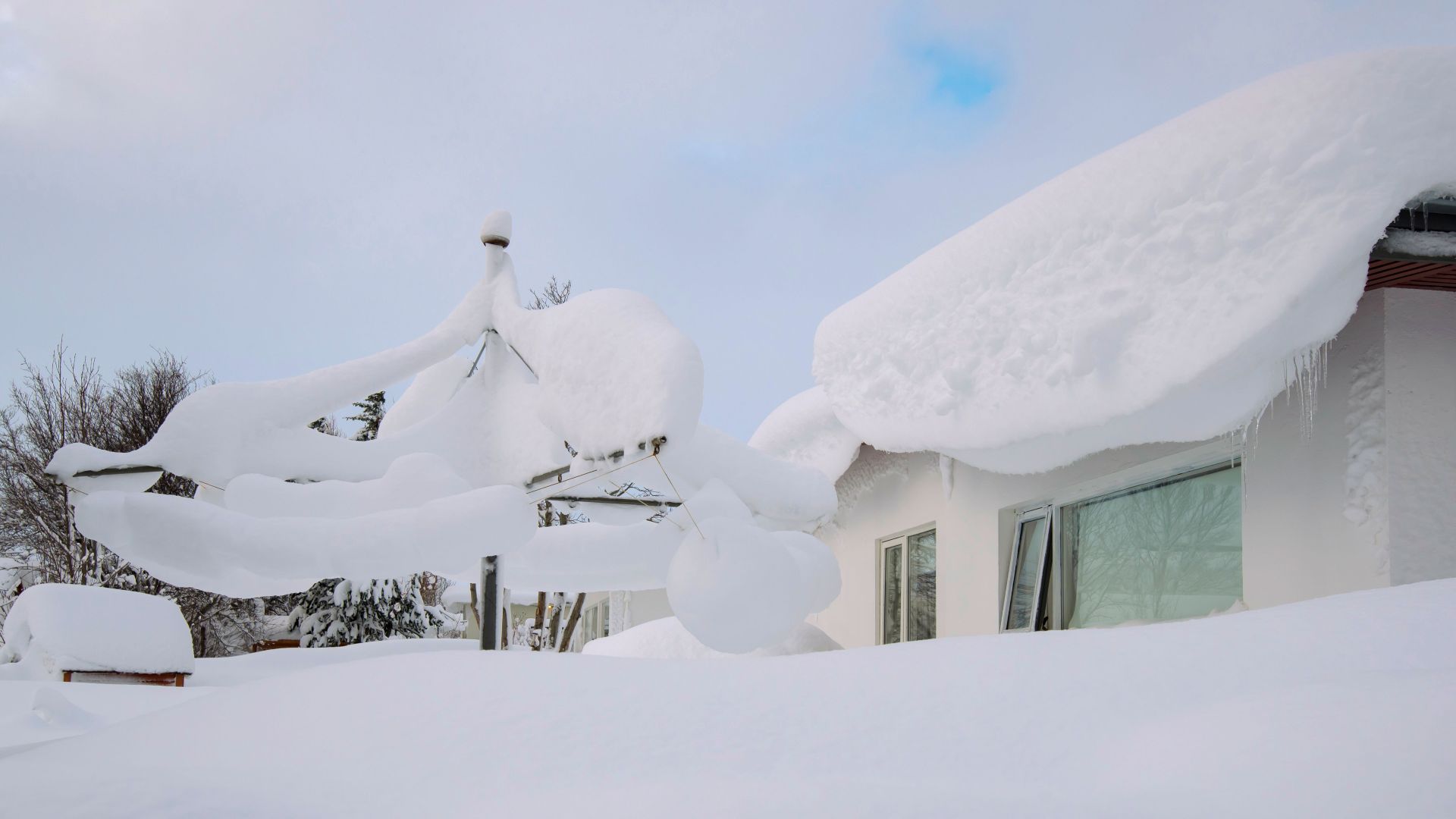
Patrick Breen kept a diary, and though it makes for grim reading, it provides one of the most immediate records of the winter. On January 13, 1847, he estimated that the snow stood about 13 feet deep and had risen higher than the shanty. Even just gathering firewood was eventually life or death.
12. More Than Half of Those Trapped Were Children
Of the 81 people who became trapped, more than half were under 18. Of them, six were infants. Perhaps one of the only silver linings to this tale, however, is that the children would also remarkably make up a large proportion of those who made it out alive.
13. 15 People Tried to Escape on Snowshoes
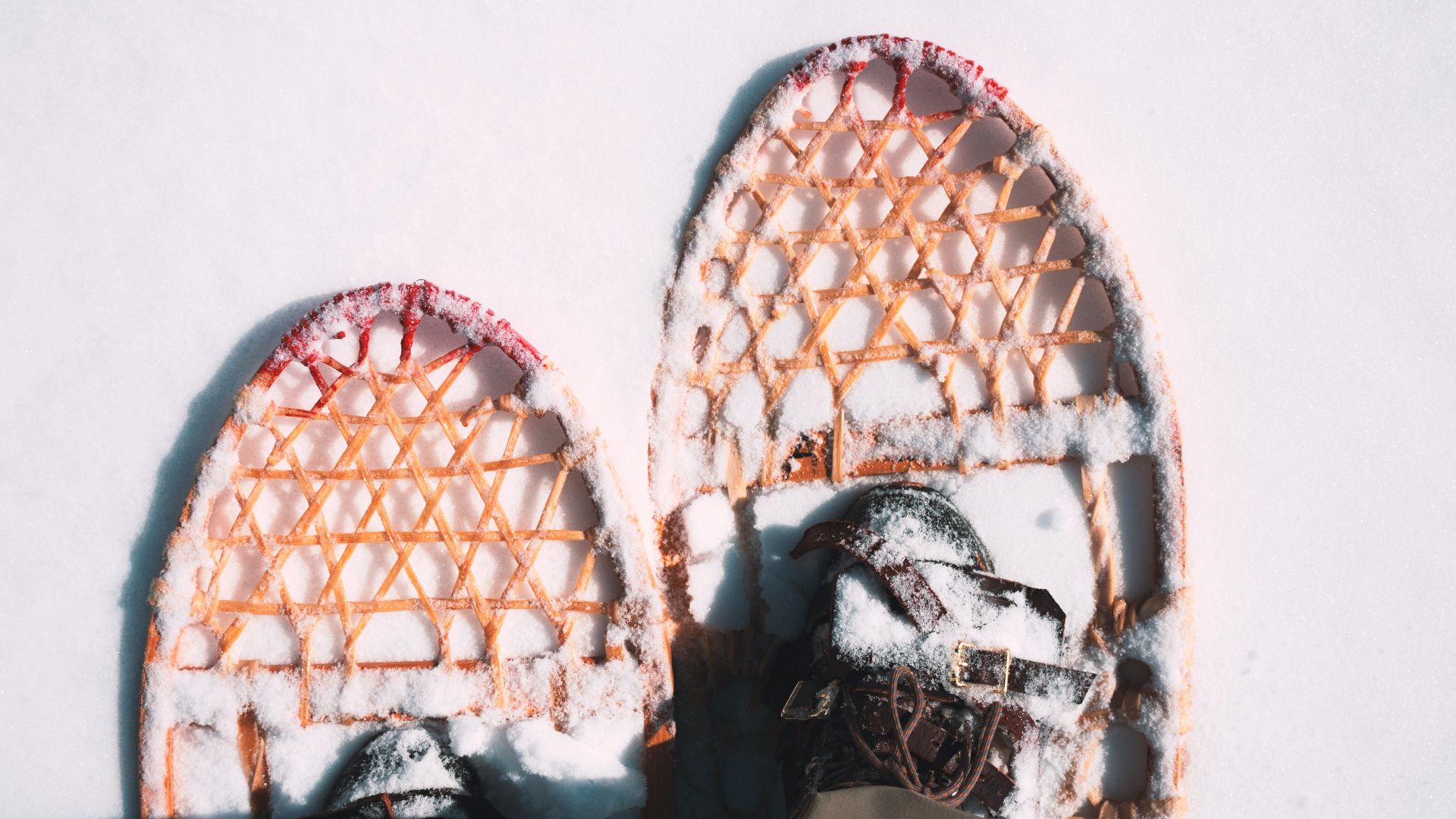
On December 16, a group of 15 men and women left the camps on crude snowshoes in an attempt to reach help. Later remembered as the “Forlorn Hope,” they carried only a small amount of food and soon became lost in brutal winter. Only seven reached safety after roughly a month in the wilderness.
14. They Discussed Killing Someone For Food
Things were desperate enough that the starving Forlorn Hope members were forced into some tough decisions. They considered drawing lots to determine who might be sacrificed so the others could eat. There was reportedly even discussion of having two men fight a duel, although neither plan was carried out.
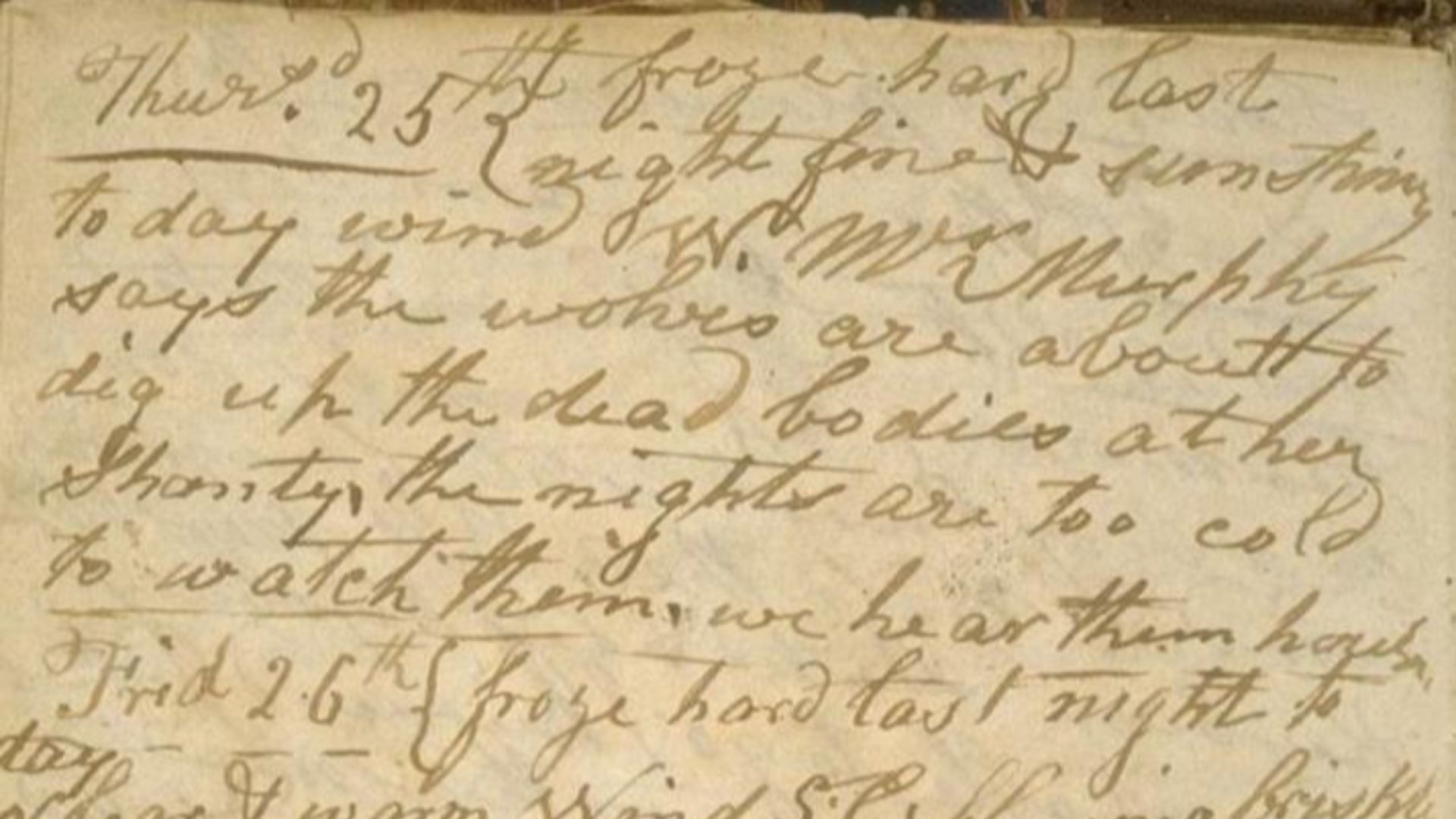 Patrick Breen wrote the page on Wikimedia
15. Two Men Were Deliberately Killed
Luis and Salvador, two Native Californian vaqueros traveling with the Forlorn Hope, actually survived after several companions had already died. On January 10, William Foster shot the weakened men, whose bodies were then used as food.
16. Cannibalism Wasn't Just a Legend
Members of the Forlorn Hope unquestionably consumed the bodies of dead companions, and rescuers later reported evidence that remains had also been eaten at the mountain camps. The thing is, not every survivor participated, and historians have since had to separate documented incidents from sensational stories that passed along afterward.
17. Archaeologists Haven't Found Bones at Alder Creek
Interestingly, the most discussed aspect of this story is still fuzzy among experts. Archaeological investigations haven't produced physical evidence of cannibalism at the Donner family’s Alder Creek camp. California State Parks notes that no proof of the practice was recovered there, despite written accounts describing it.

18. Rescue Didn't Mean Safety
The first relief party reached the lake camp in February 1847, but rescuers couldn't just escort everybody out at once. Starving emigrants had to walk through deep snow, and some lost their lives after leaving camp while rescue groups themselves struggled with limited provisions. Four separate relief efforts were ultimately needed to bring out those who could still be saved.
19. Tamsen Donner Refused to Leave Her Husband
As mentioned, George Donner's hand had become badly infected, leaving him bedridden and near death by the time rescuers showed up. His wife Tamsen had the chance to leave but refused to leave him while their daughters were taken toward safety. Neither one of them survived.
20. Only Two Families Escaped Without Losing Anyone
Accounts differ over the party's exact membership at different stages, but roughly half of those caught in the catastrophe died before the ordeal finally ended in 1847. Of all those on the journey, only the Reed and Breen households reached California without losing a family member.
KEEP ON READING