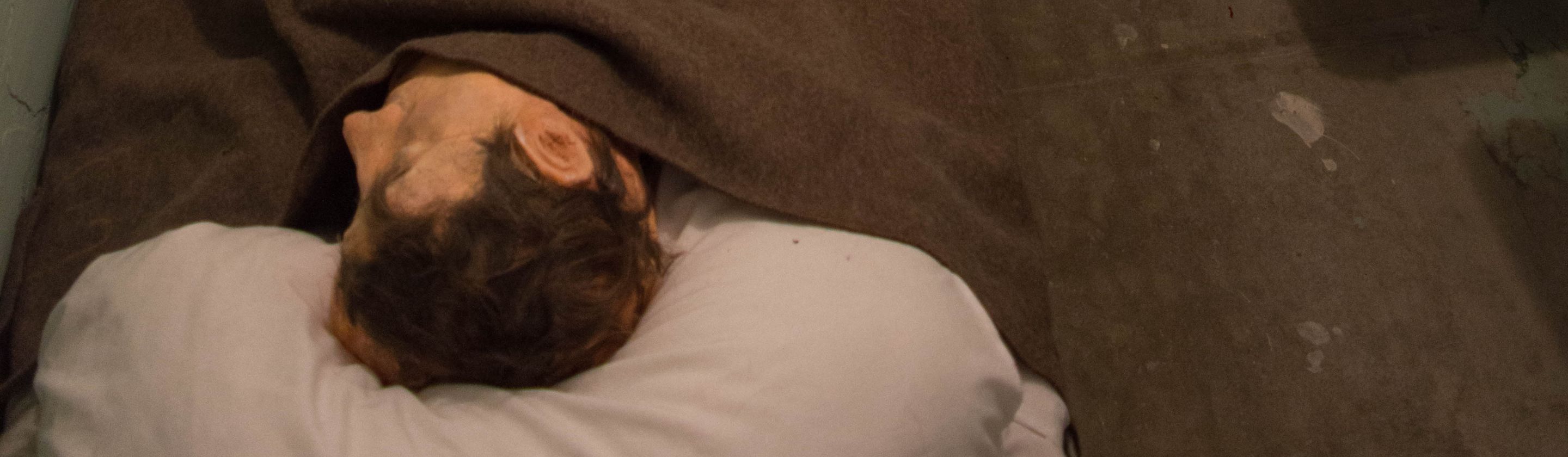
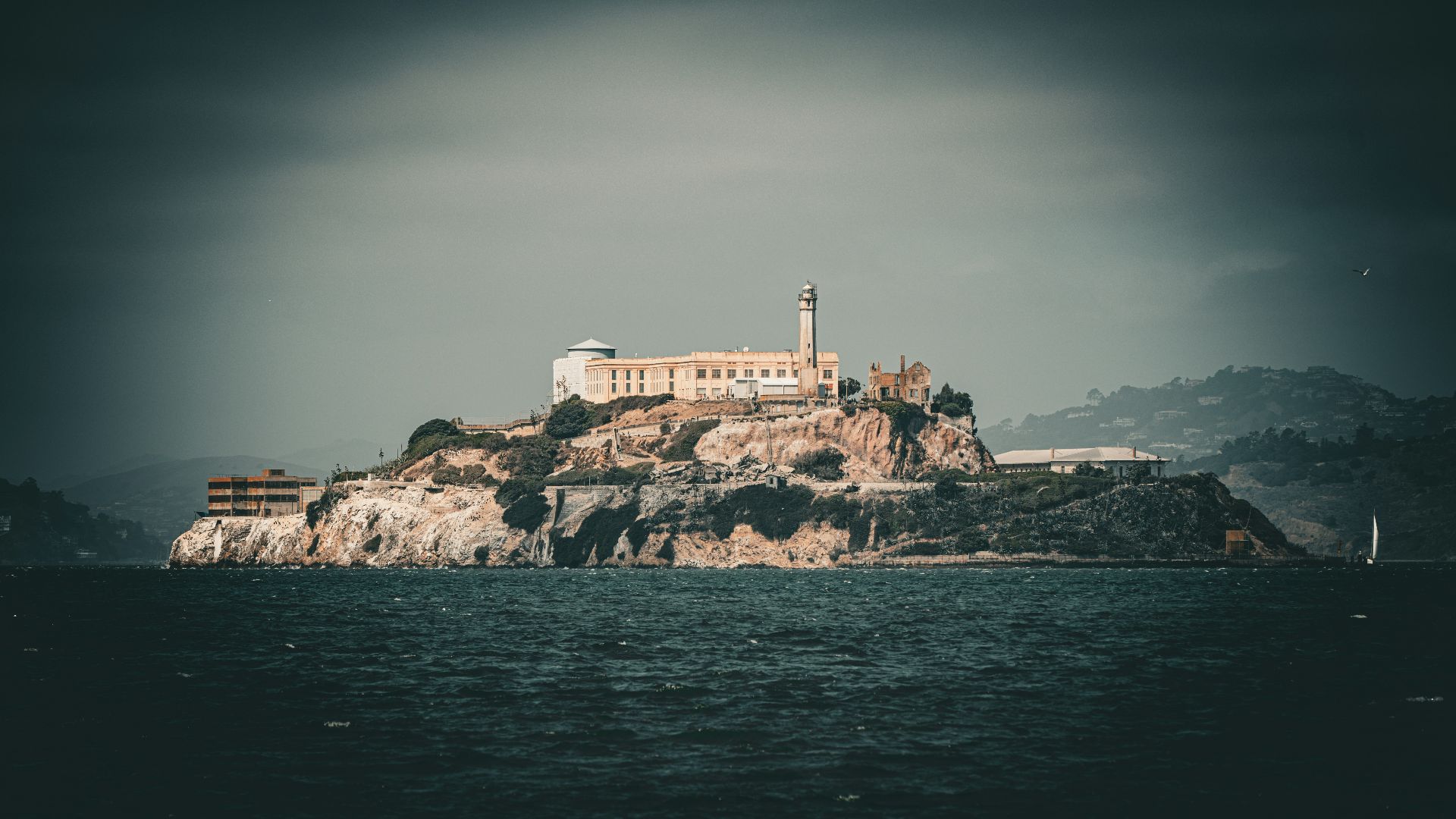
On the morning of June 12, 1962, a guard at Alcatraz reached through the bars to wake Frank Morris, and Morris's head rolled onto the floor. It was a dummy made of soap and plaster, topped with real human hair. Two more painted heads lay on the Anglin brothers' pillows, tucked under blankets as if the men were asleep.
Morris and two brothers from Florida, John and Clarence Anglin, were gone. More than six decades later, there's still no proof of whether they drowned in San Francisco Bay or lived out their lives under new names. The FBI closed its file in 1979, and the U.S. Marshals Service has kept the case open ever since.
Months of Work With Spoons
The plan started at the back of each cell, where a small vent opened onto a utility corridor. According to the FBI, the men spent months chipping at the damp concrete around those vents with sharpened spoons and a drill improvised from a stolen vacuum cleaner motor. Cardboard painted to look like the vent grilles hid the holes during inspections. Much of the drilling happened during the evening music hour, when accordions and guitars covered the noise. Decades of salty, wet air off the bay had already left that concrete soft enough to crumble under a spoon.
Once through, they climbed the pipes in the corridor to an unguarded space above the cellblock. That became their workshop. Over the following weeks they stitched more than 50 stolen raincoats into a raft and a set of life vests, working partly from a how-to article in Popular Mechanics. To inflate the raft, they planned to use a concertina, a small accordion-style instrument, in place of a pump.
A fourth inmate, Allen West, was supposed to go with them. On the night of June 11, he couldn't get his vent free in time, and the others left without him. He was still in his cell when the guards found the dummies, and his account became the backbone of the FBI's file. West later told investigators the plan was to paddle to Angel Island and then cross to Marin County, where they would steal clothes and a car.
What the Water Gave Back
The three men reached the roof through a ventilator shaft and climbed down a bakery smokestack to the northeast shore. Around 10 p.m., they pushed off into water that sits in the mid-50s most of the year, with strong currents running out toward the ocean. Nobody noticed they were missing until the morning count, which gave them a head start of about nine hours.
Over the next several days, boats and aircraft combed the bay, and searchers pulled in a paddle and scraps of the raft. A waterproof packet of Anglin family photos and addresses turned up too. No bodies were ever recovered, and the FBI kept chasing tips for 17 years before handing the case off.
Six months later, another inmate showed what that swim could do to a person. John Paul Scott made it to the rocks near Fort Point, under the Golden Gate Bridge, and was found there hypothermic and barely conscious. Alcatraz closed as a federal prison in March 1963, and the cost of running an island prison was one of the main reasons.
Why the File Stays Open
The official theory is that the men drowned, and that's where the FBI's final report landed. In 2013, though, San Francisco police received a letter signed John Anglin, claiming all three had survived and that he was 83 and sick with cancer. He asked for no more than a year behind bars with medical care, and promised to say where he was if the FBI agreed on TV. The Bureau tested the letter for fingerprints and DNA, and the results came back inconclusive.
Other clues have drifted in over the years. In a 2003 episode of MythBusters, the hosts built a raincoat raft from materials the inmates could have gotten and paddled it from Alcatraz to the Marin Headlands. In 2014, researchers at Delft University of Technology modeled the bay's currents that night and found the men had a real chance of reaching the Marin side if they launched between 11 p.m. and midnight.
Relatives of the Anglins have said the brothers' mother kept receiving Christmas cards for several years after the escape. The family has also shared a photo they say shows the two brothers on a farm in Brazil in 1975. The Marshals have released age-progressed images of all three men, gray and heavily lined, in case someone recognizes a neighbor. Frank Morris, born on September 1, 1926, would have turned 100 this month.
KEEP ON READING