The Real Name Wasn’t Memorable Enough
Organized crime was full of guys who wanted to be taken seriously…and yet, history saddled many of them with names that were far from intimidating. Some monikers came from physical traits and reporters, while others reflected the cultivated reputations of powerful leaders. From “The Chicken Man” to “Joey Doves,” these are 20 of the strangest nicknames attached to mob bosses on both sides of the Atlantic.
 The US Federal Government, NYC Police on Wikimedia
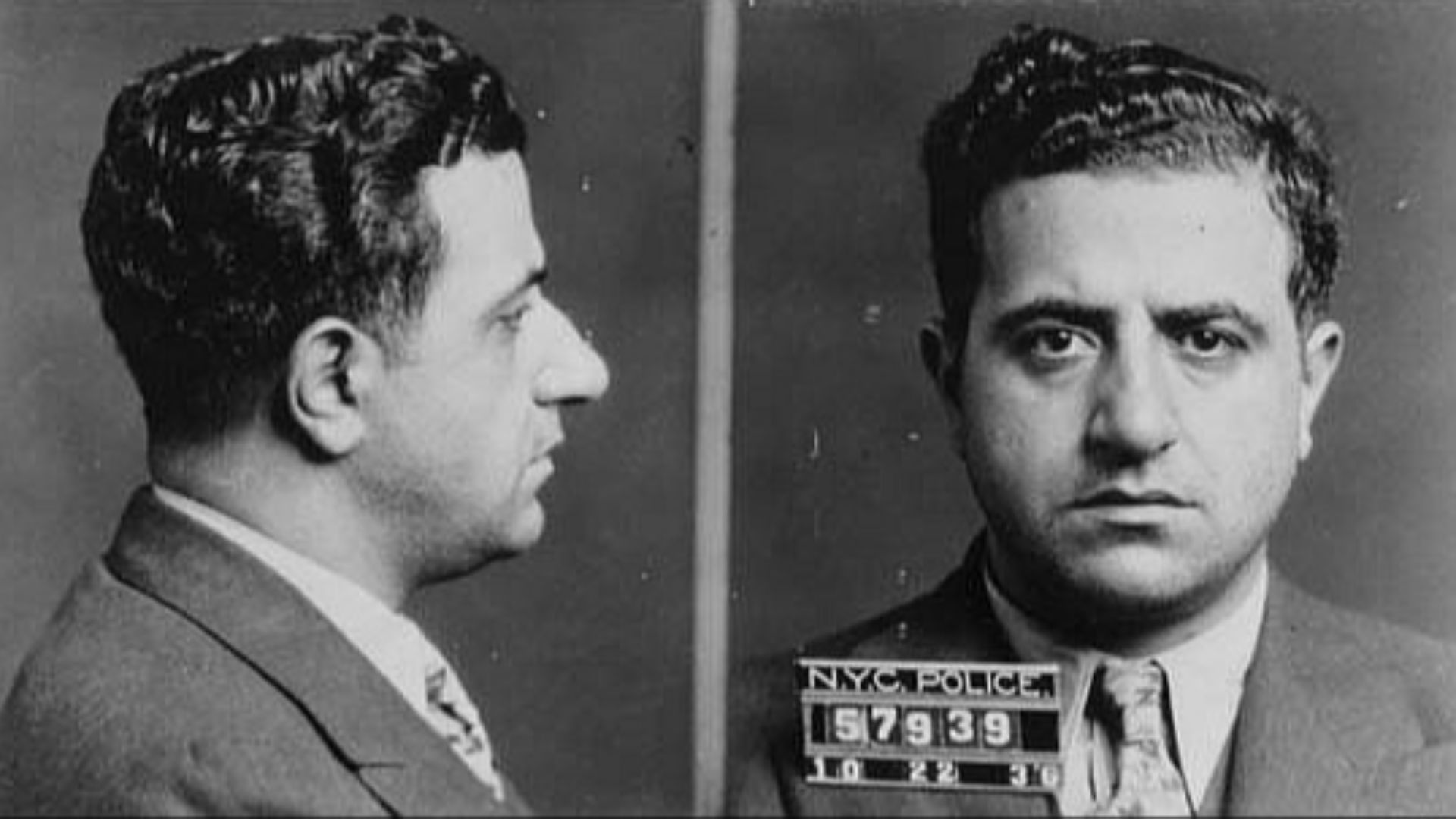
1. Vincent “The Oddfather” Gigante
Genovese crime boss Vincent Gigante had his fair share of weird nicknames, but “The Oddfather” may have been the most memorable. For years, he wandered Greenwich Village in a bathrobe and behaved erratically in public—not because he was actually mentally ill, but only because he wanted to look that way. He was also called “Chin,” which was derived from his actual first name, Vincenzo.
 Phil Stanziola, World Telegram staff photographer on Wikimedia
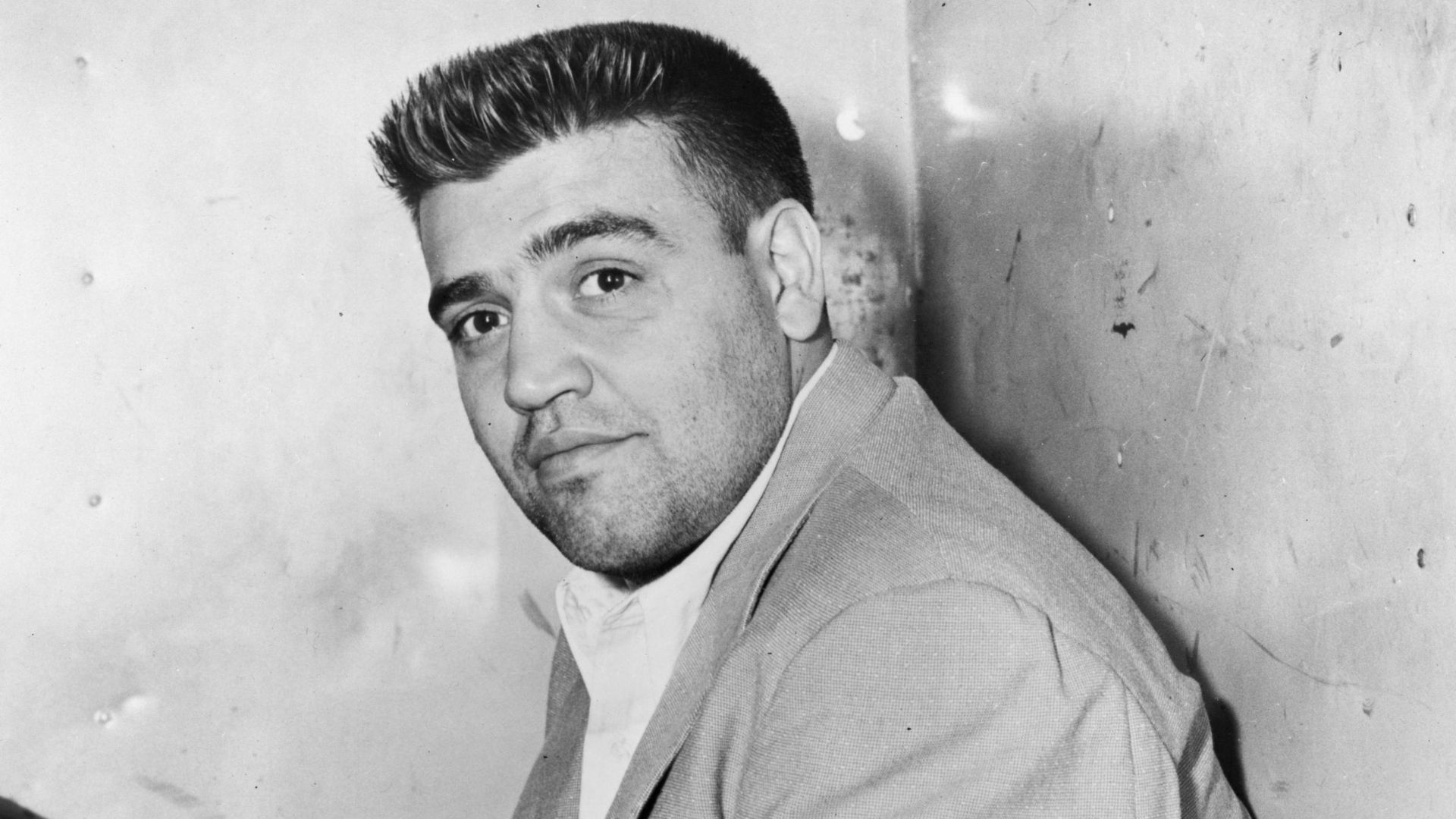
2. Joseph “The Ear” Massino
Bonanno boss Joseph Massino became “The Ear” basically because he was paranoid. He was so concerned about surveillance that associates were discouraged from saying his name aloud. Instead, when they wanted to refer to him, they were reportedly instructed to tug on an ear.
 United States Department of Justice on Wikimedia
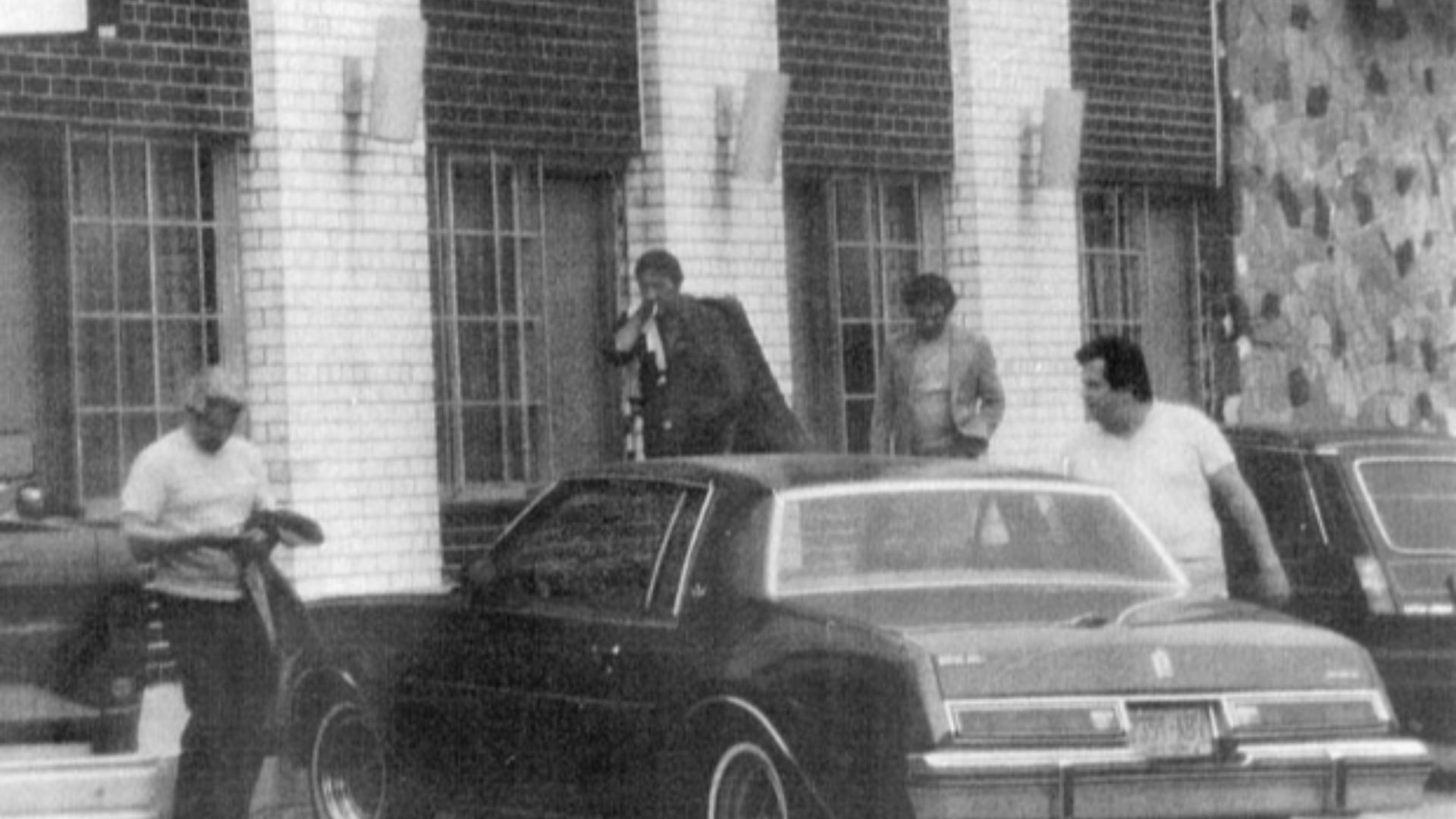
3. Anthony “Tony Ducks” Corallo
Maybe now we know where Anthony Soprano’s plotline came from. Anthony Corallo, on the other hand, led the Lucchese family during much of the 1970s and 1980s, and “Tony Ducks” referred to his long-running ability to duck legal trouble. Eventually, prosecutors proved harder to avoid, and he received a lengthy prison sentence following the Mafia Commission case.
 Federal government on Wikimedia
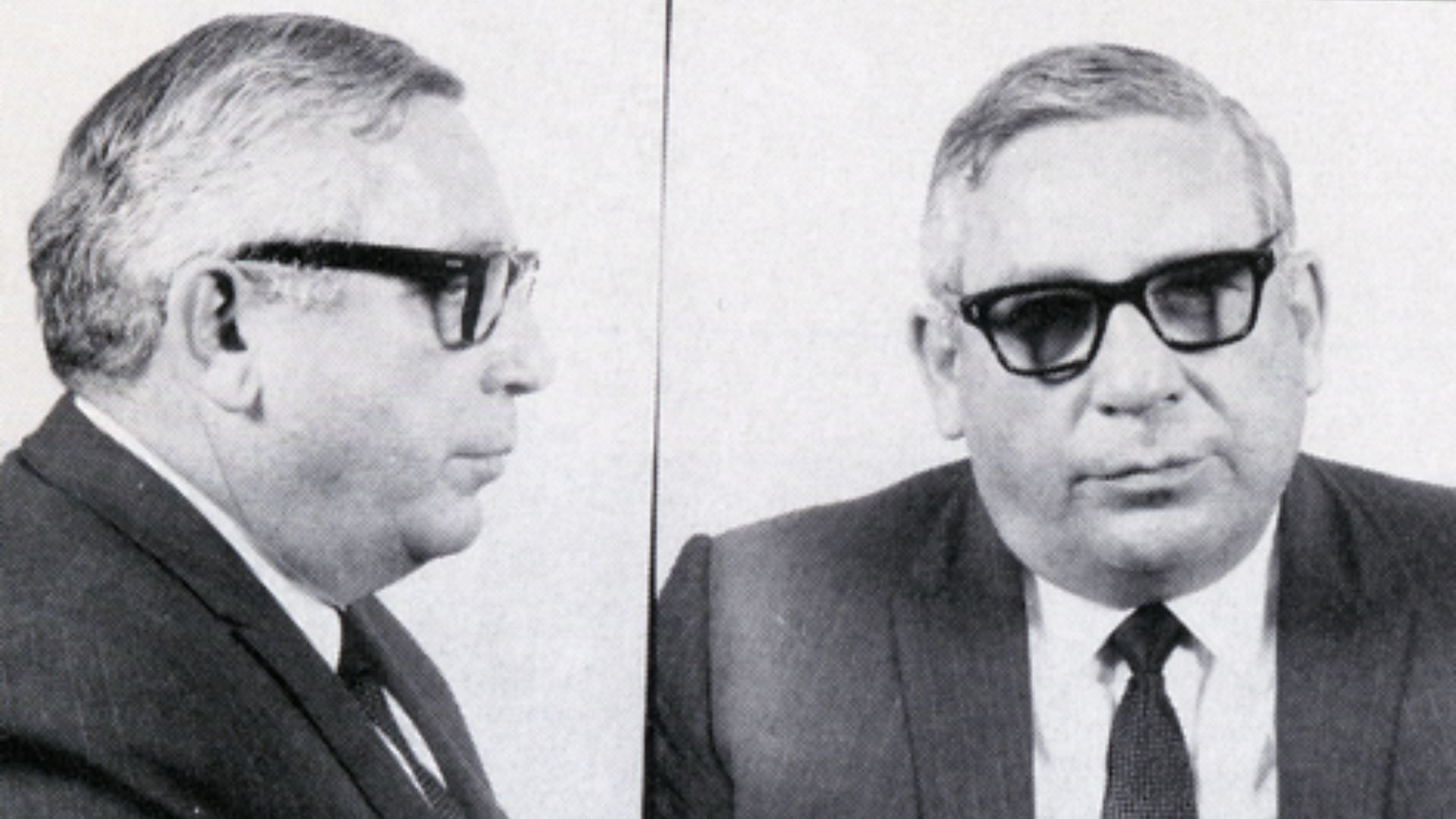
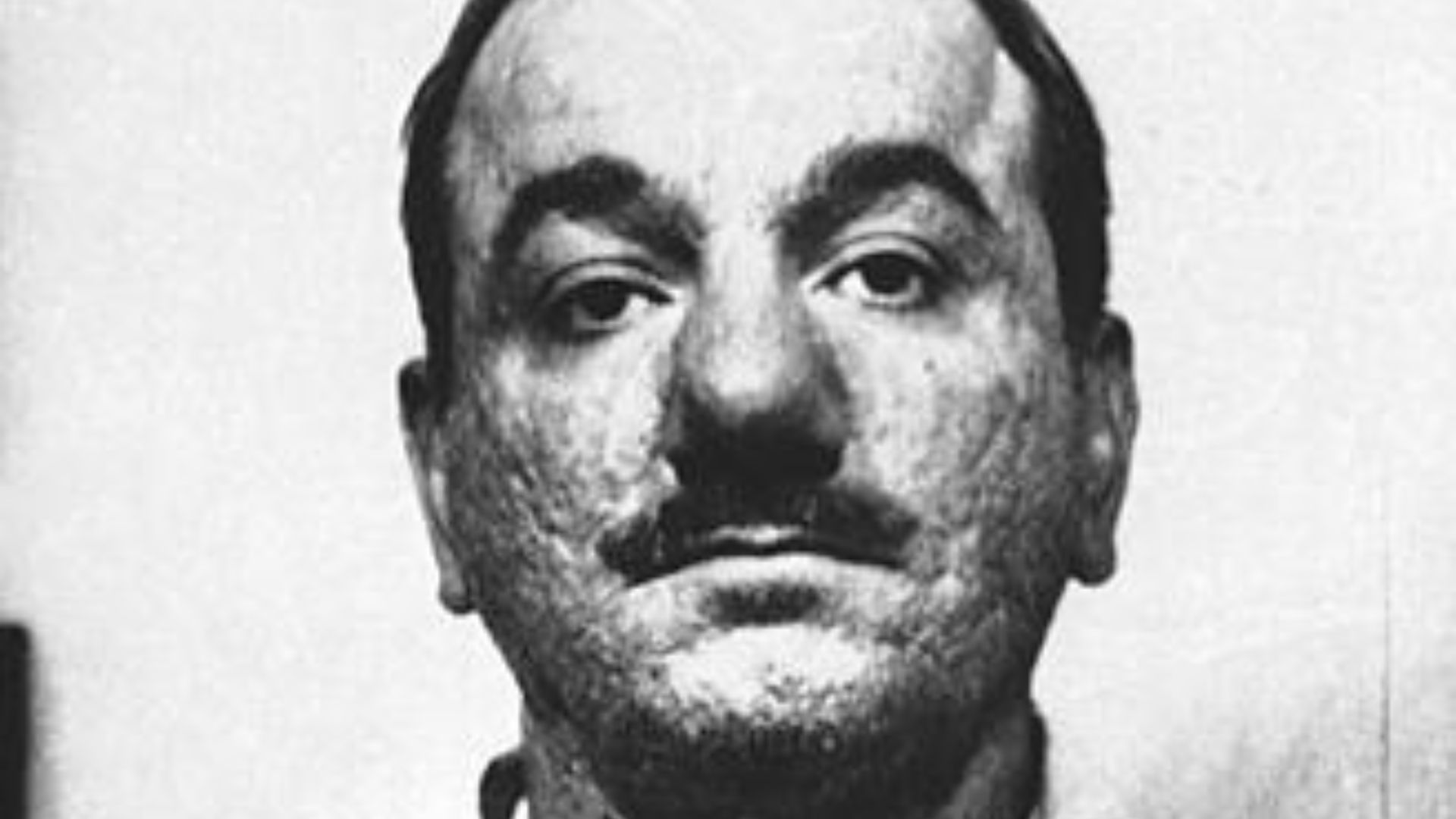
4. Philip “The Chicken Man” Testa
Philadelphia Mafia boss Philip Testa carried the strangely harmless nickname “The Chicken Man.” There’s no terrifying story behind it, either. It was linked to his involvement in the poultry business before he rose to the top of the Philadelphia crime family. His brief reign ended in 1981 when a nail bomb exploded at his home.
 Philadelphia Police Department on Wikimedia
5. Tommy “Three-Finger Brown” Lucchese
Tommy Lucchese lost pieces of his fingers on his right hand, all thanks to a factory accident while he was still a teen. That helped produce “Three-Finger Brown,” a reference to baseball pitcher Mordecai “Three Finger” Brown. Weird as the name was, Lucchese later became boss of one of New York’s Five Families.
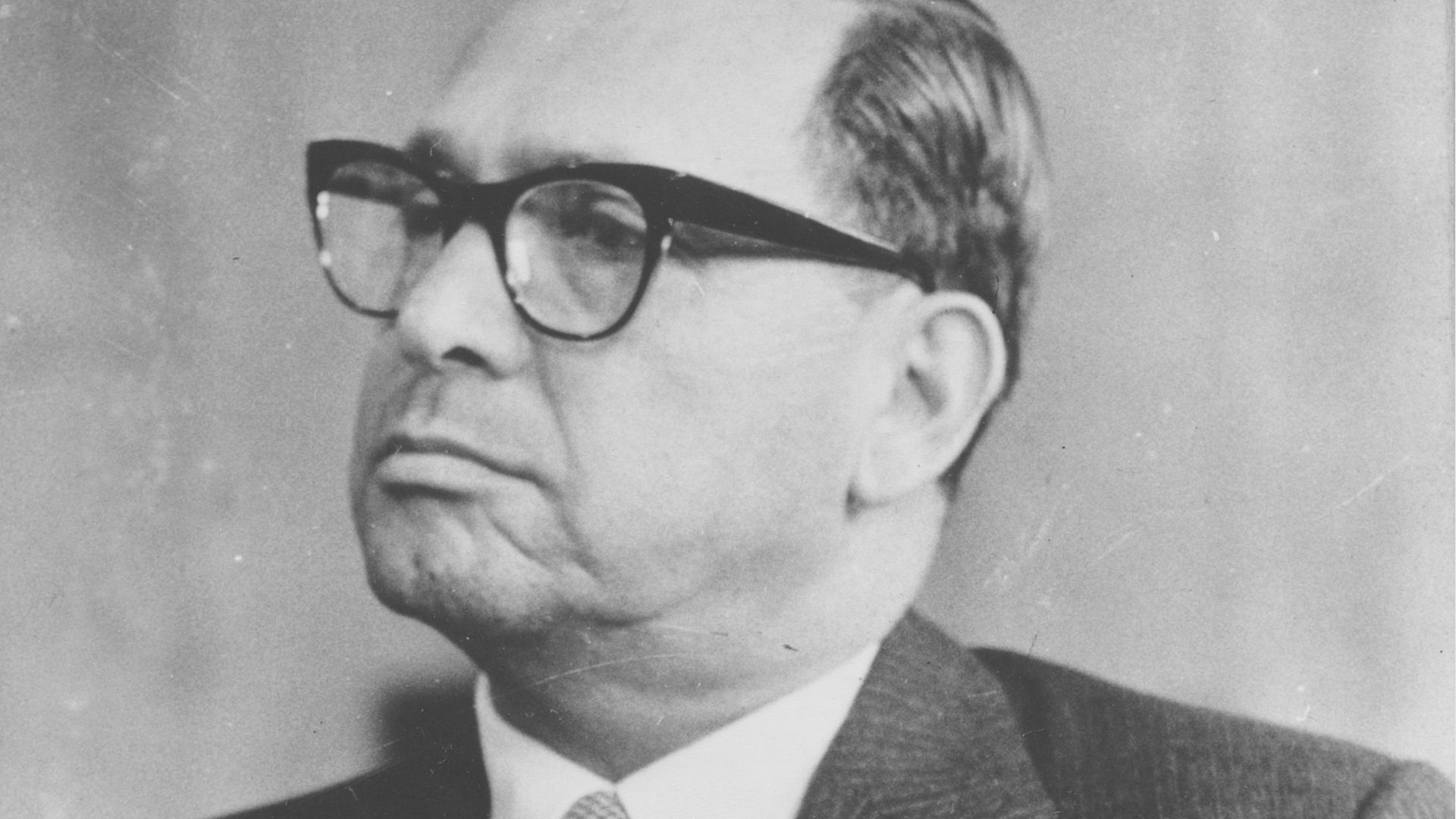
6. Albert “The Mad Hatter” Anastasia
Few nicknames were as theatrical as Albert Anastasia’s “The Mad Hatter,” though that wasn’t the only moniker given to him. The feared New York crime boss was also called the “Lord High Executioner,” which ought to tell you all you need to know. He later took control of the Gambino family before being shot in a barbershop in 1957.
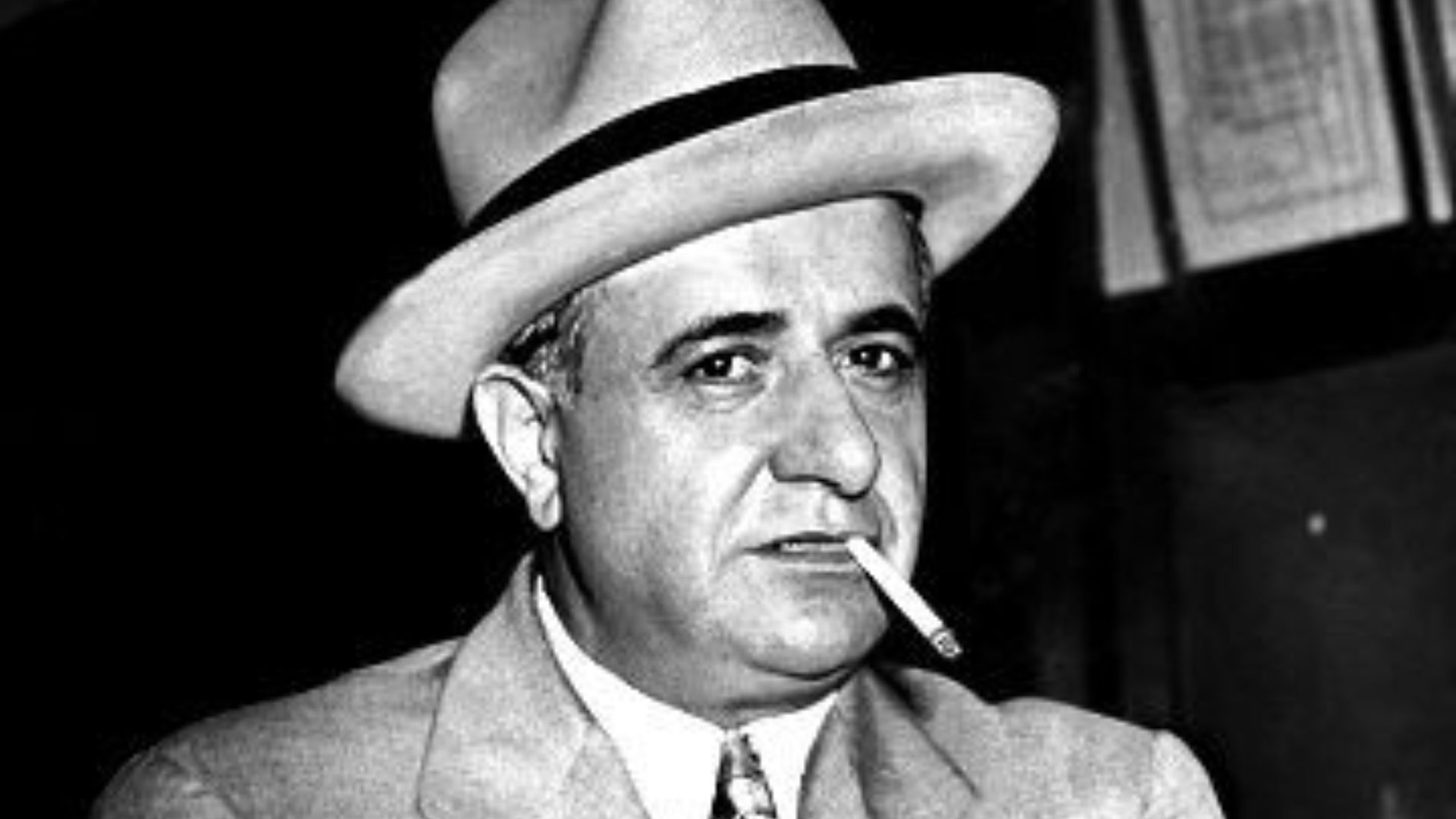
7. Tony “Big Tuna” Accardo
Chicago Outfit powerhouse Tony Accardo somehow wound up with “Big Tuna” among his collection of underworld names. Though, depending on who you spoke to, he was also known as “Joe Batters,” a name connected to his reputation for using a baseball bat against anyone who crossed him. Accardo went on to wield enormous influence over Chicago organized crime for decades.
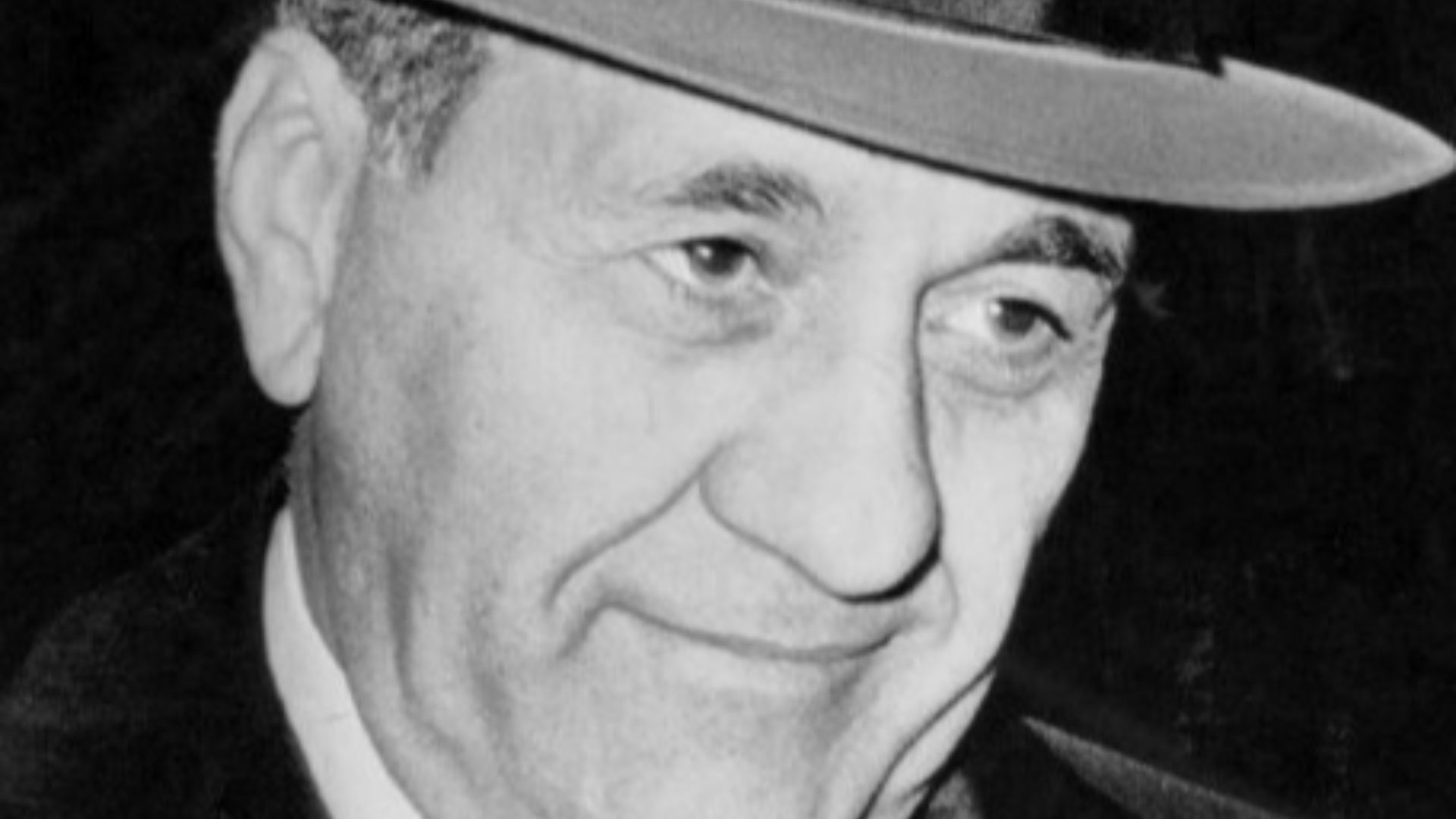
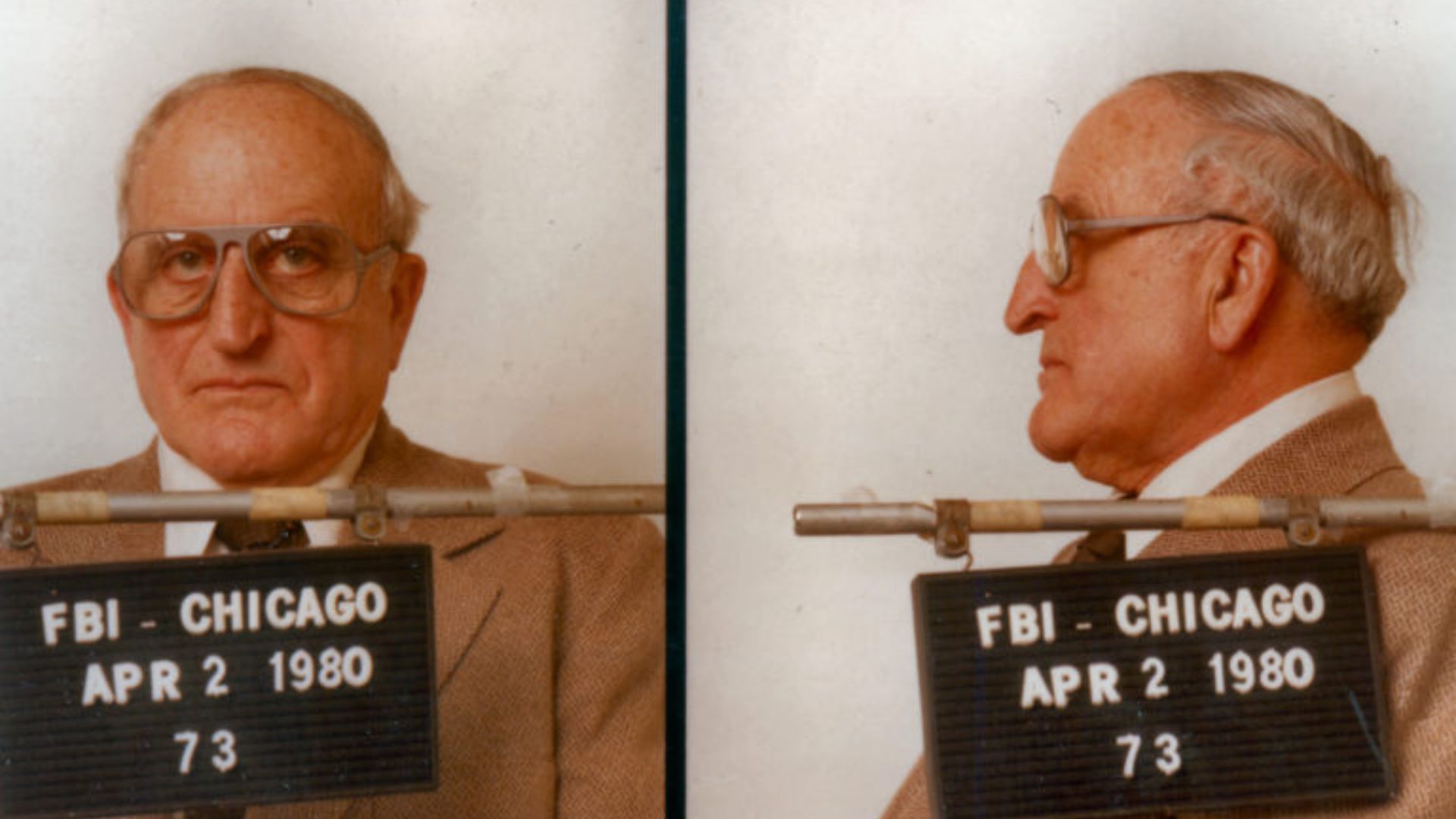
8. Joseph “Joey Doves” Aiuppa
And a partridge in a pear tree. Well, not really, but Chicago boss Joseph Aiuppa did earn the nickname through one of organized crime history’s more unexpected legal problems. Believe it or not, it was federal wildlife agents who found hundreds of mourning doves in his car during the 1960s, resulting in a conviction for violating federal wildlife law.
 Federal Bureau of Investigation on Wikimedia
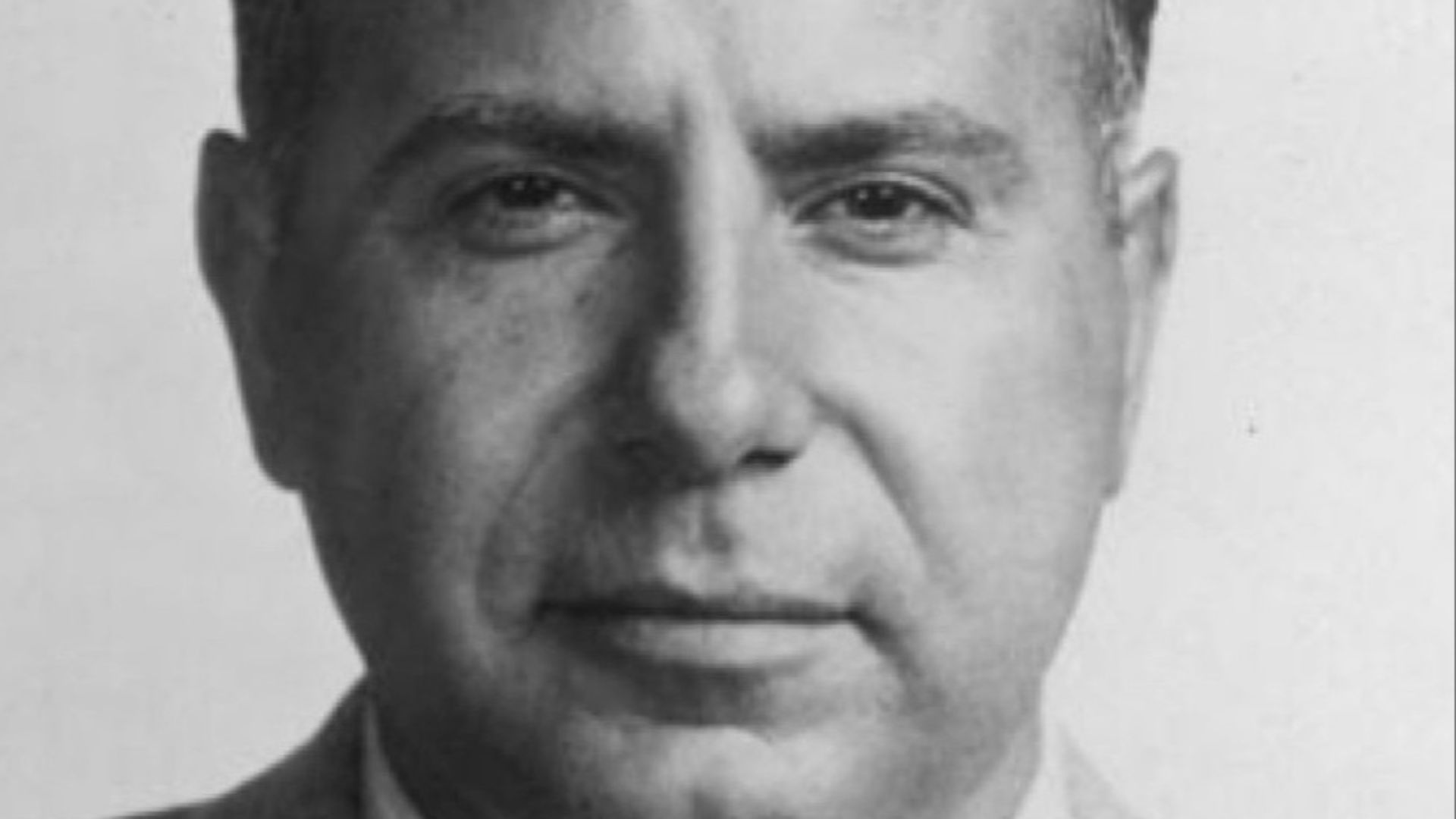
9. Carmine “The Cigar” Galante
Bonanno powerhouse Carmine Galante was rarely photographed without a cigar, hence the name. He also ended as he began; when he was murdered at a Brooklyn restaurant in 1979, photographs famously showed a cigar still clenched between his teeth.
 The New York Police Department on Wikimedia
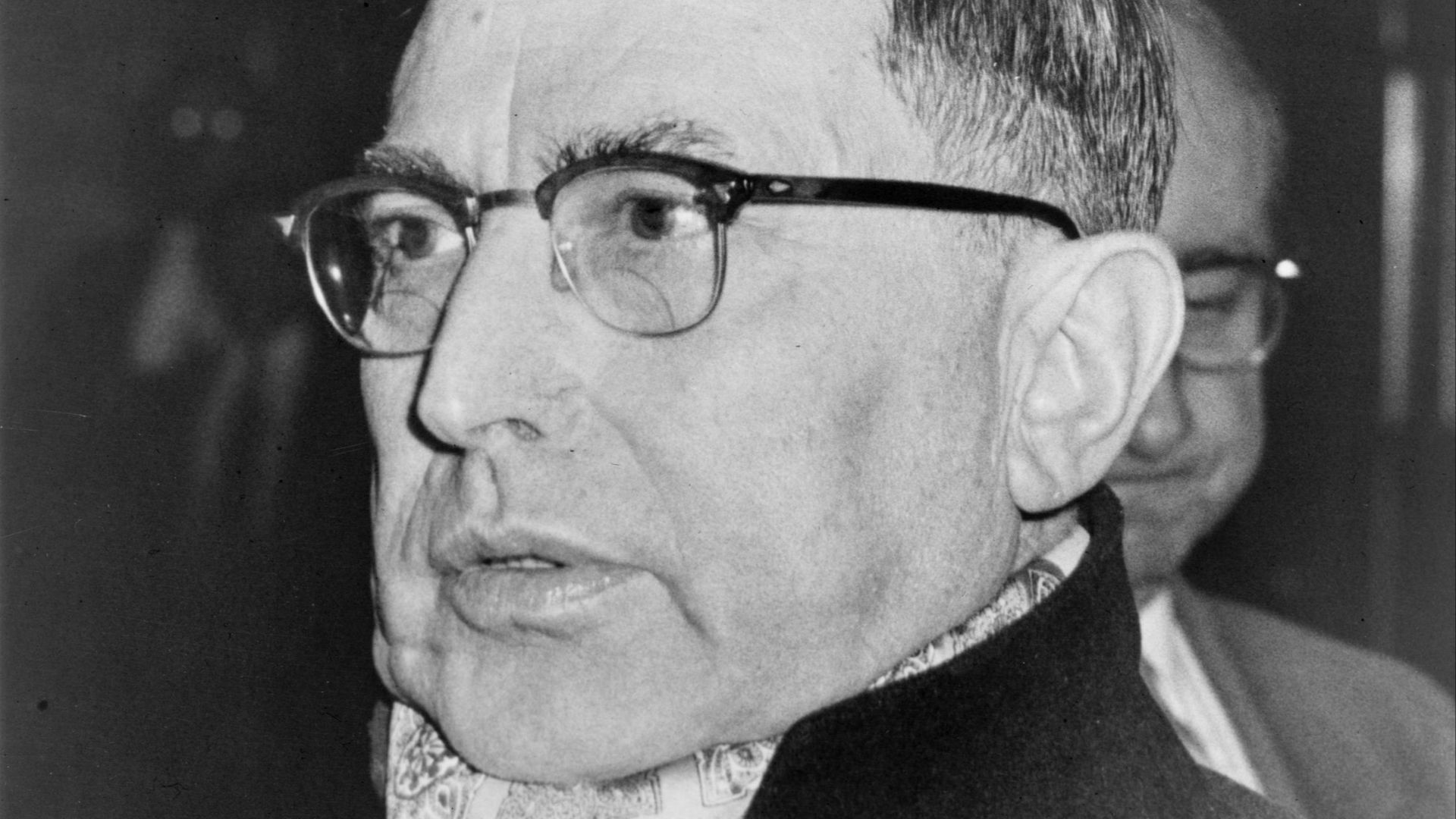
10. Joseph “Olive Oil King” Profaci
Joseph Profaci’s legitimate business interests gave him the surprisingly wholesome title “Olive Oil King.” Don’t let that fool you, though. The founder of the Colombo family was a major olive oil importer alongside his far less respectable racketeering activities. He remained family boss for more than three decades, too.
 Walter Albertin, World Telegram staff photographer on Wikimedia
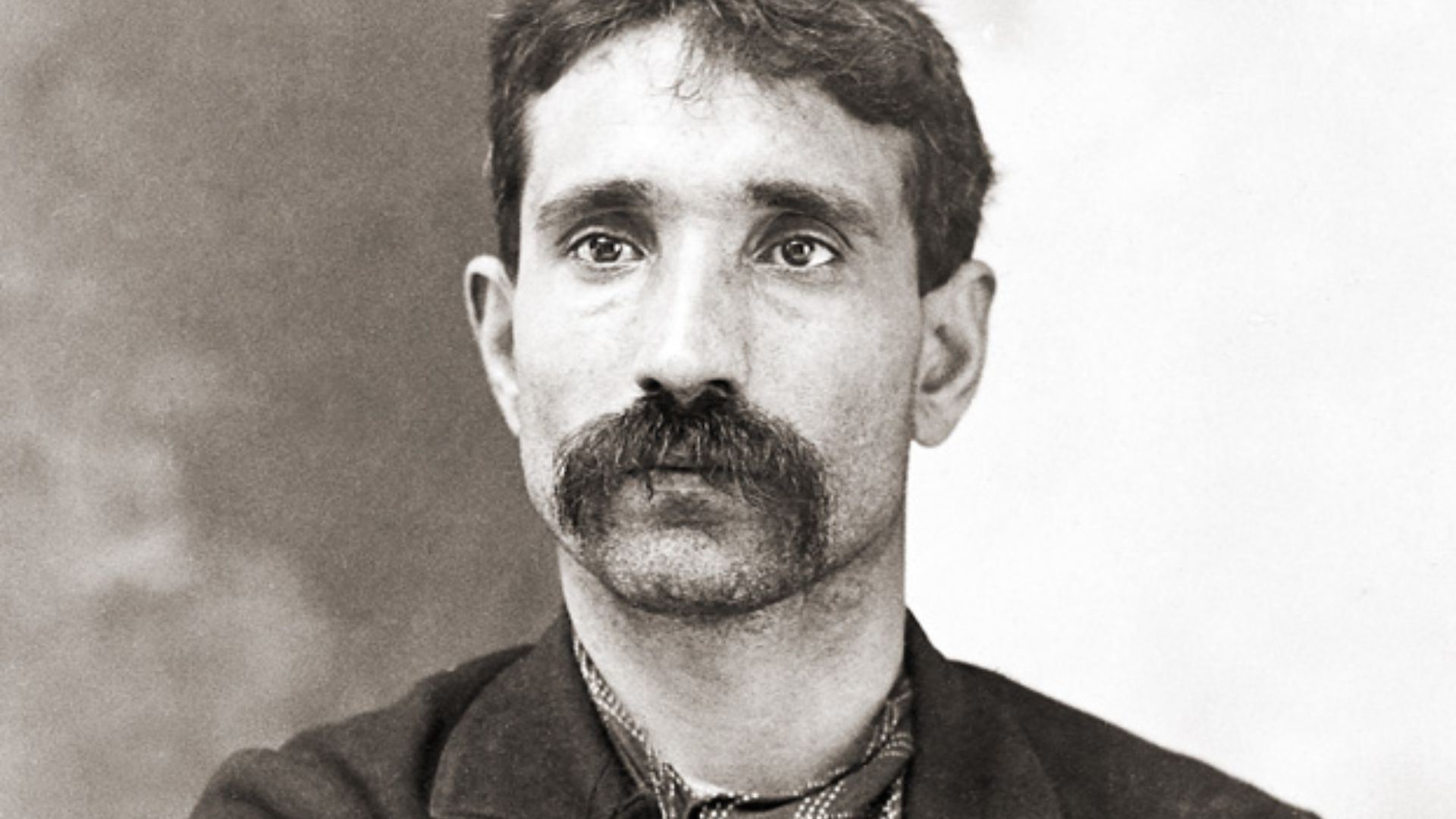
11. Giuseppe “The Clutch Hand” Morello
Nicknames don’t always spawn from innocent sources, which is what New York Mafia boss Giuseppe Morello learned. He was known as “The Clutch Hand” because of a deformity of his right hand (he had only one finger). Despite it all, he actually became one of the earliest major Mafia bosses in New York before being murdered in 1930.
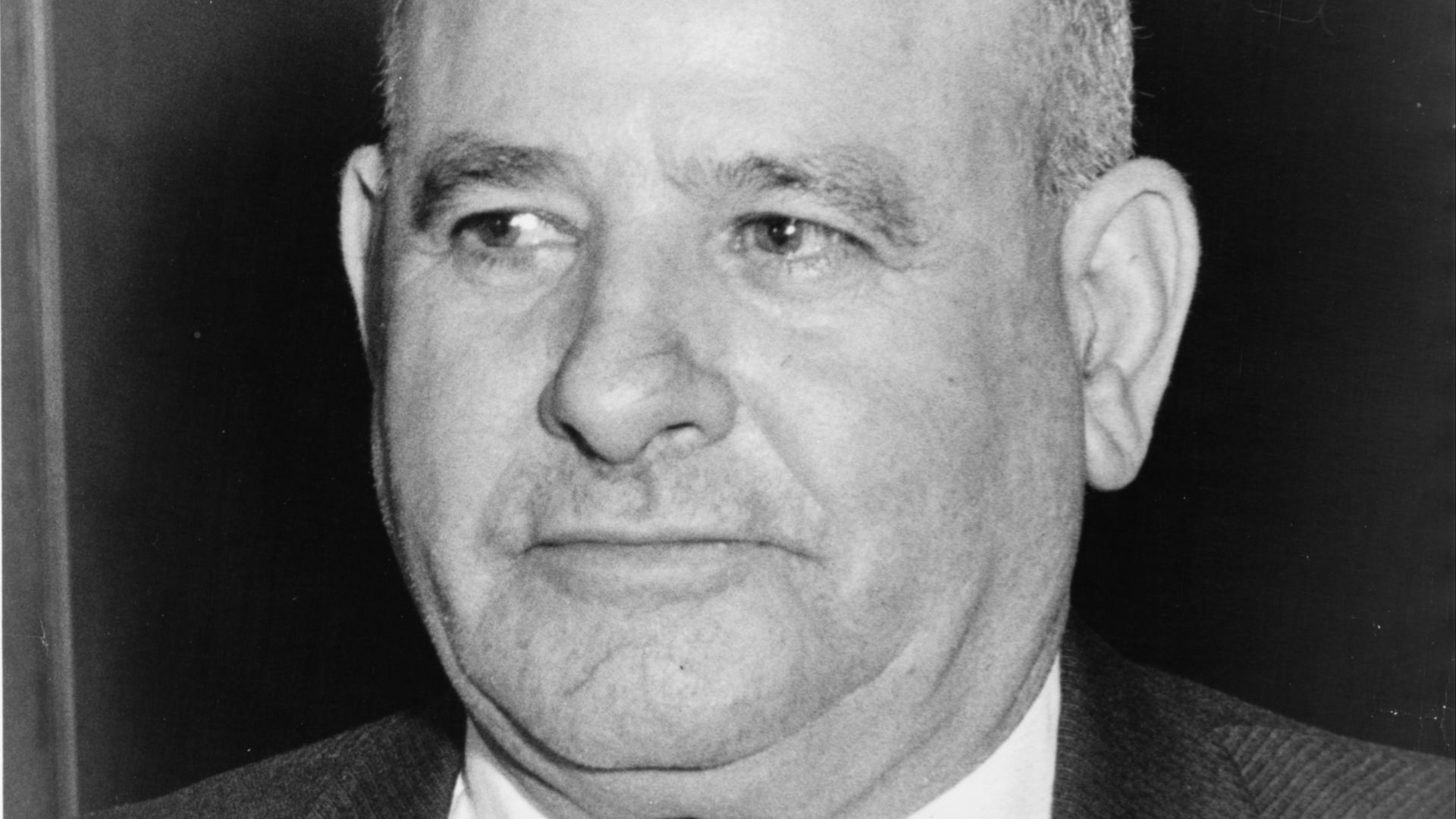
12. Stefano “The Undertaker” Magaddino
“The Undertaker” is probably the last thing you want to hear coming for you, but Stefano Magaddino spent decades controlling the Buffalo crime family while carrying the ominous moniker. His influence extended beyond western New York into parts of the Midwest and Canada, making him considerably more powerful than his location sometimes suggests.
 Walter Albertin, World Telegram staff photographer on Wikimedia
13. Michele “The Pope” Greco
You wouldn’t think anyone in the mob would score this nickname, but Sicilian Mafia boss Michele Greco earned it while serving as a major figure on the Sicilian Mafia Commission. By the late 1970s, he was among the most influential figures in Cosa Nostra and carried the kind of authority that helped make the nickname stick.
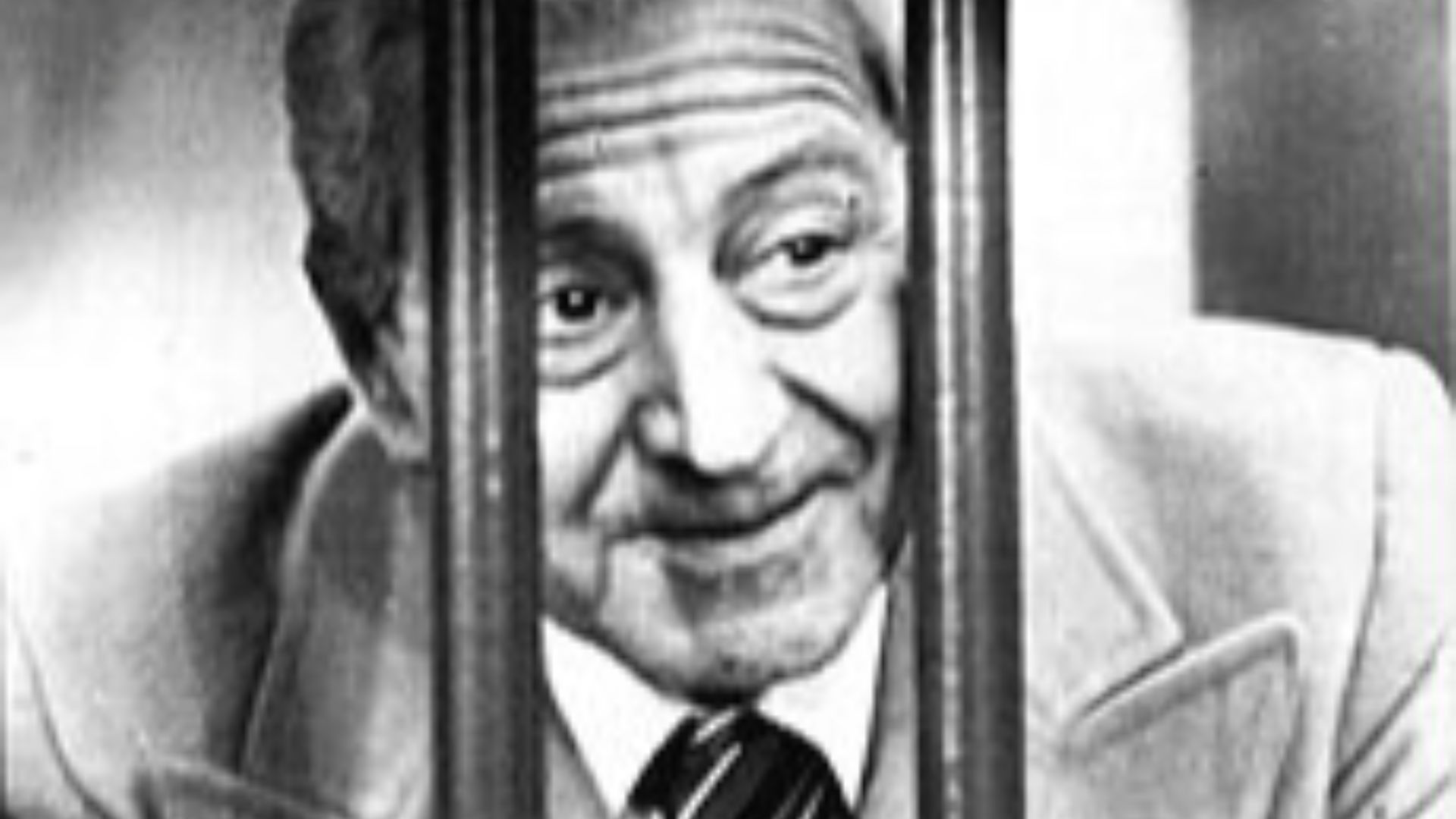
14. Frank “Prime Minister” Costello
Frank Costello had a nickname that sounded less like an alias and more like a government appointment. Newspapers called him the “Prime Minister of the Underworld” because of his enormous influence and political connections while leading the Genovese family. Long story short, there was a time when you never knew who the mob had in its pocket.
 Al Aumuller, World Telegram staff photographer on Wikimedia
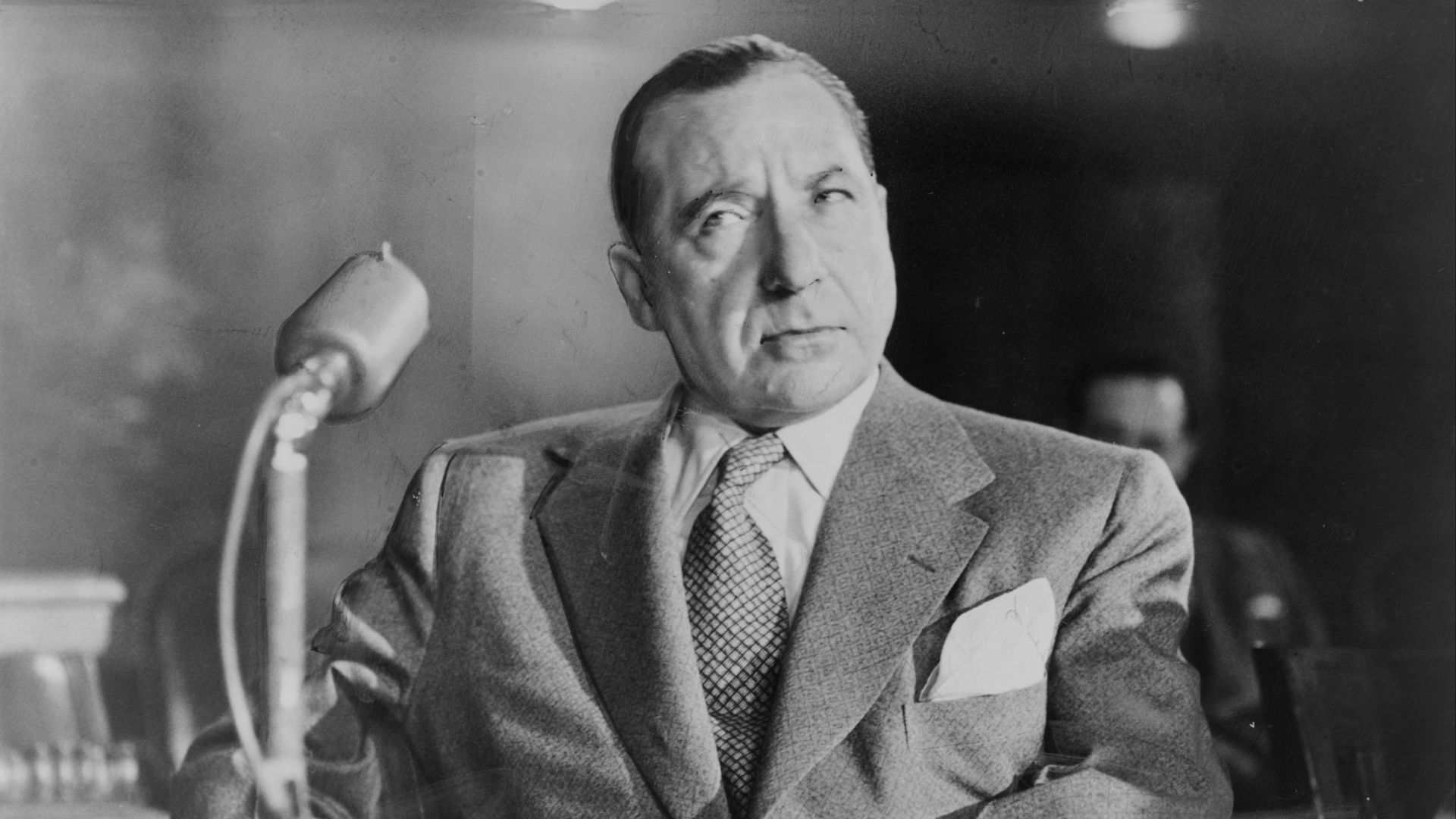
15. Joseph “Joe Bananas” Bonanno
Joseph Bonanno hated the “Joe Bananas” nickname, and for good reason. It turned his surname into something way less dignified. The press adopted it anyway, and it became much harder to escape during the 1960s conflict over control of his crime family. The whole debacle literally became known as the Banana War.
 US Federal Government on Wikimedia
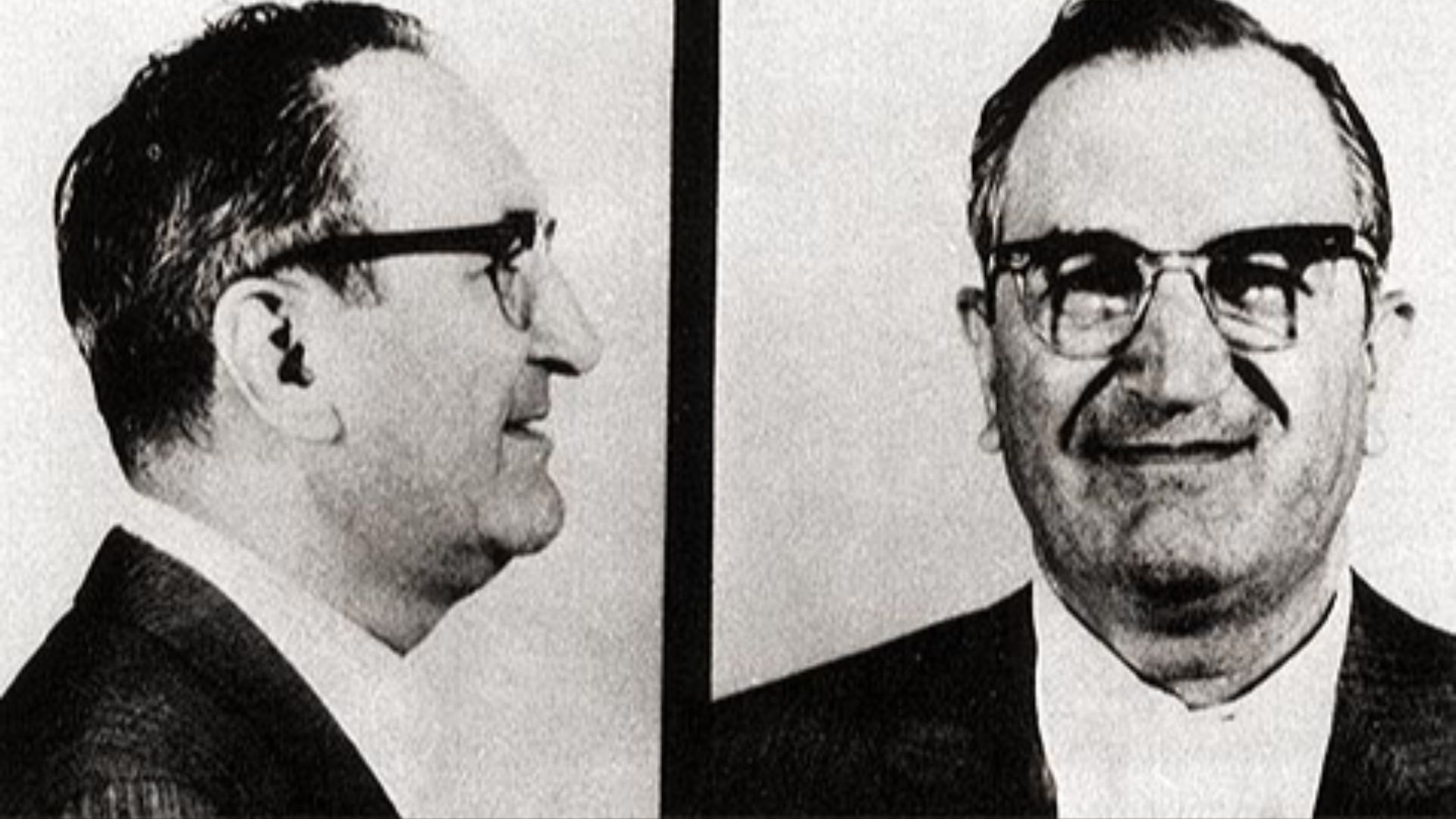
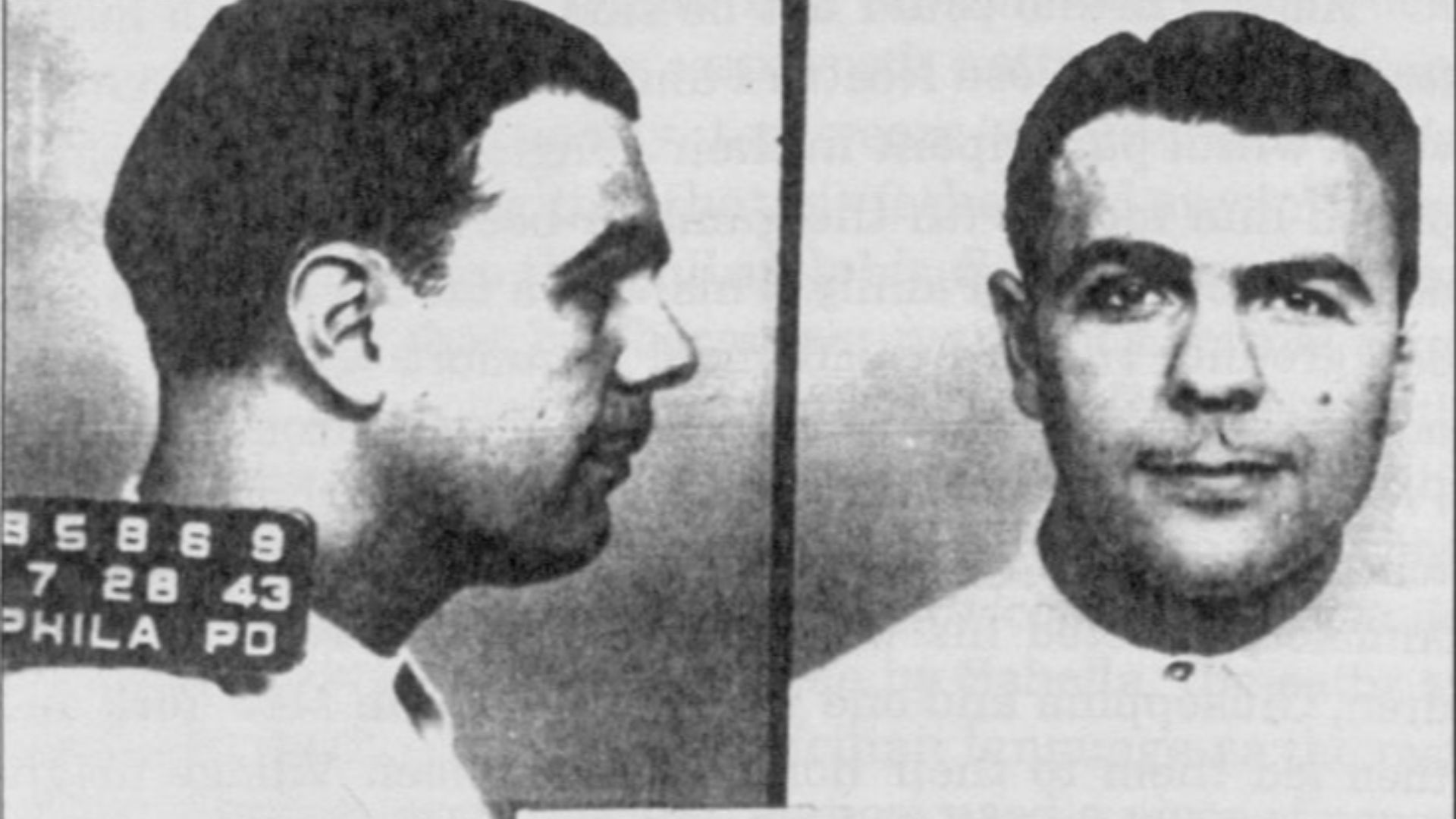
16. Angelo “The Docile Don” Bruno
Philadelphia boss Angelo Bruno was known as both “The Gentle Don” and the even stranger “Docile Don.” The names referred to his ability to settle disputes without violence when possible, particularly compared with the bloodshed that followed his death. His reputation for restraint didn’t protect him forever, however, and he was murdered outside his home in 1980.
 Federal Bureau of Investigation on Wikimedia
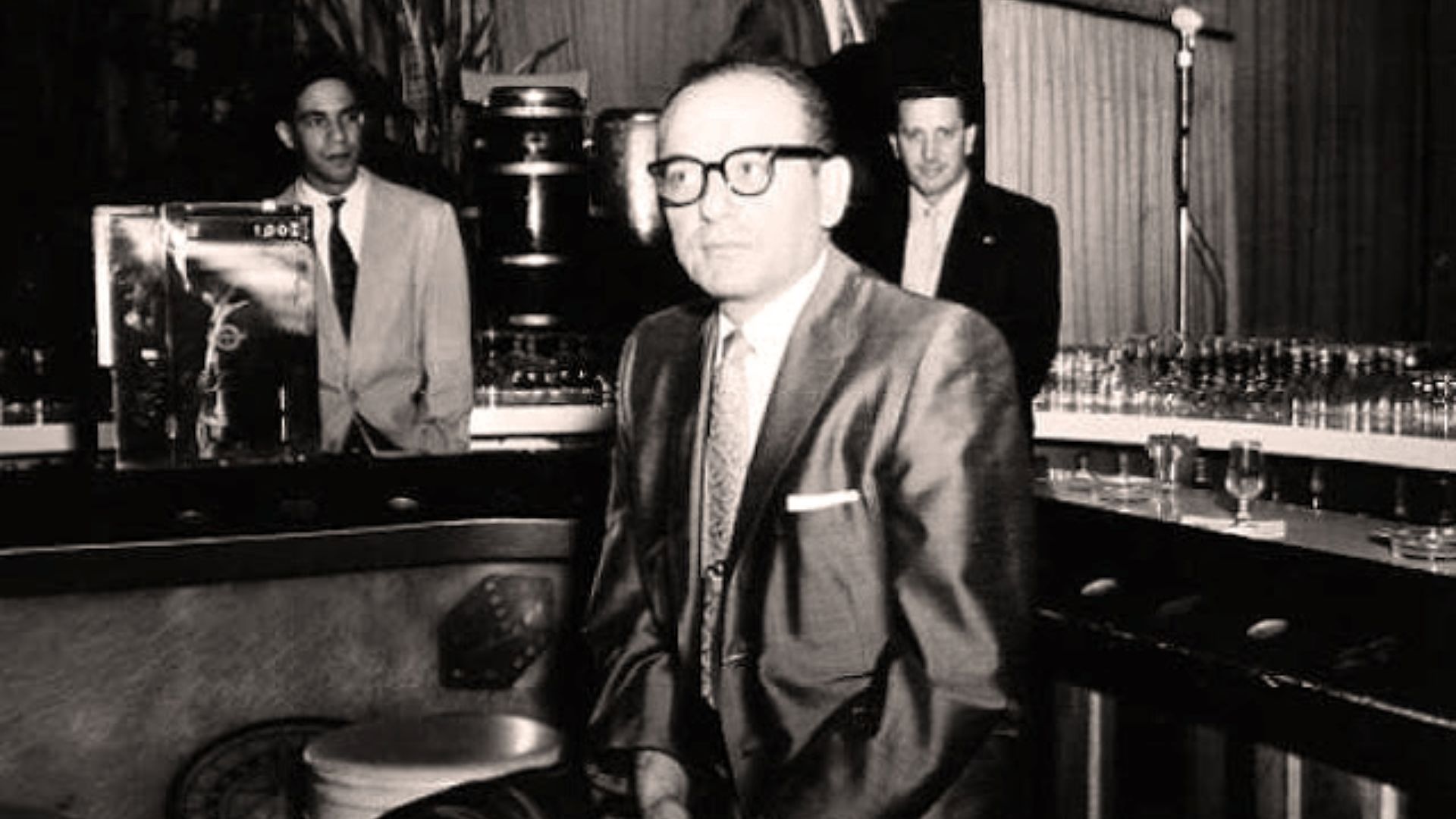
17. Santo “The Silent Don” Trafficante Jr.
After taking over the family following his father’s death in 1954, Santo Trafficante Jr. maintained interests in Florida and had important connections to gambling operations in Cuba. Soon, this mafia leader acquired the threatening nickname “The Silent Don,” and his deliberately low profile made the nickname unusually appropriate for a guy operating at such a high level.
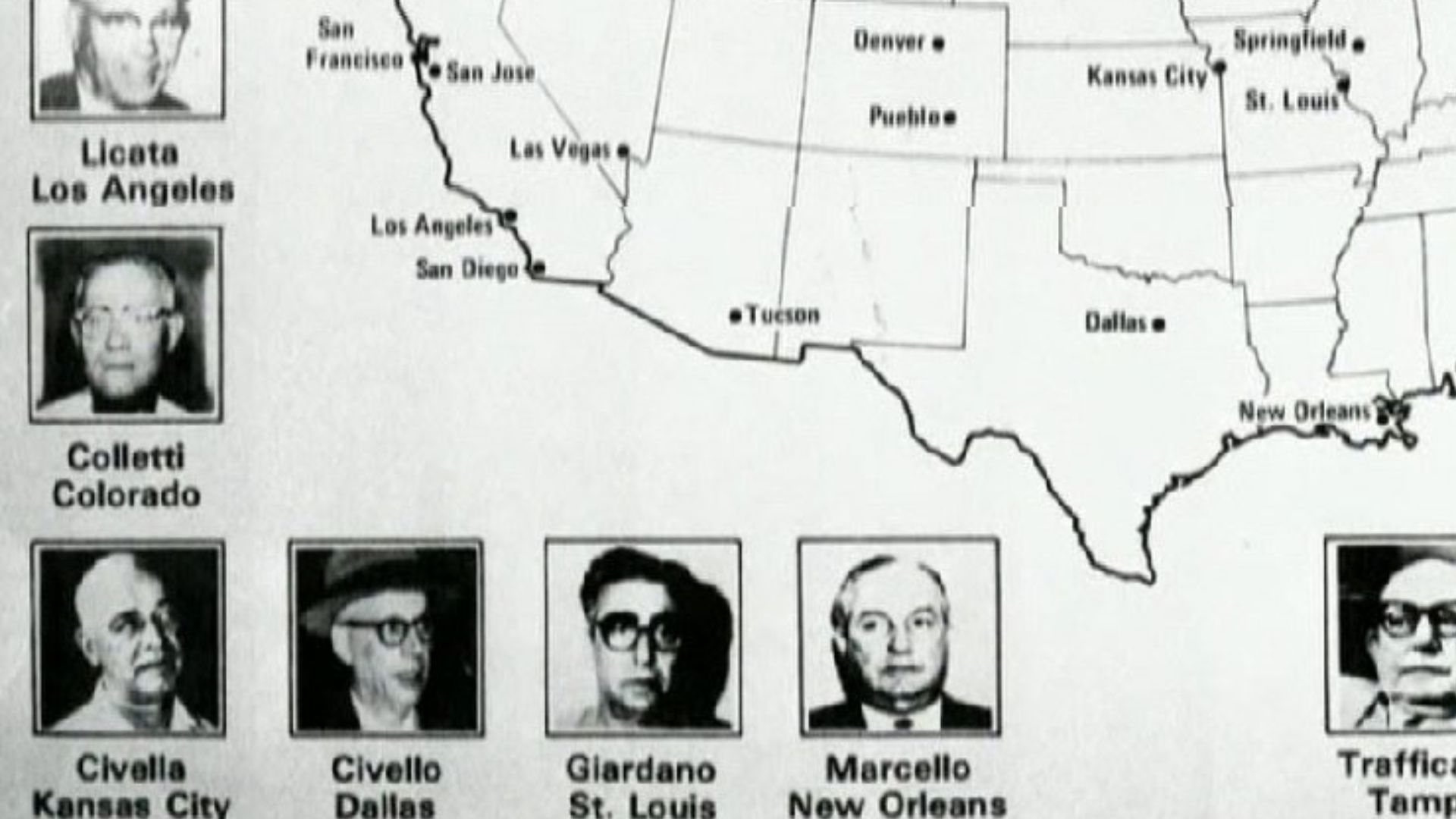
18. Carlos “Little Man” Marcello
New Orleans mob boss Carlos Marcello was known simply as “Little Man,” which hardly sounds like a recognized crime figure. Don’t let that throw you off—Marcello rose to control much of Louisiana’s organized criminal underworld and developed relationships with Mafia figures across the country.
 Federal Bureau of Investigations on Wikimedia
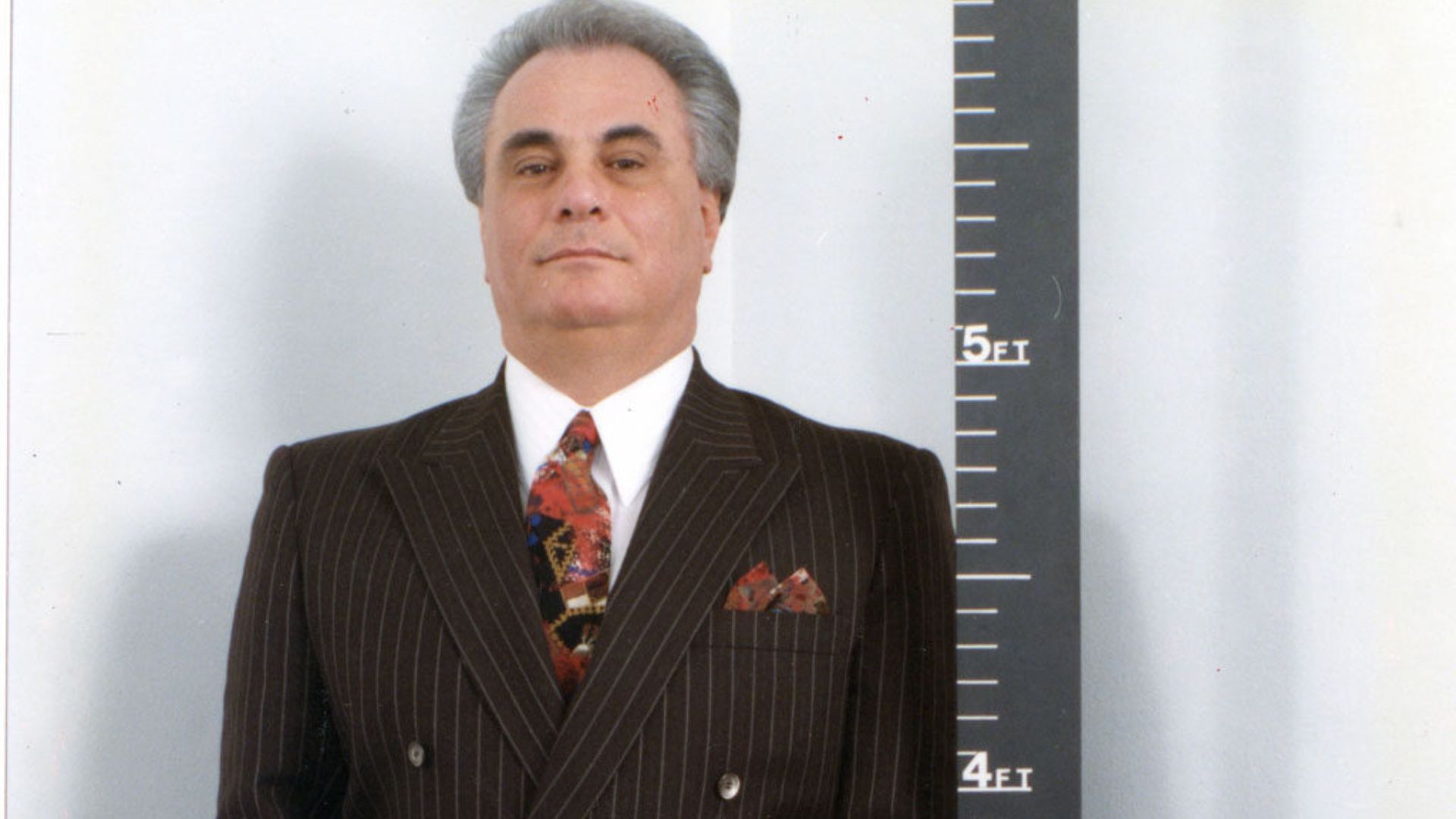
19. John “The Dapper Don” Gotti
You’ve heard of John Gotti before, but have you heard of his nickname? He became “The Dapper Don” because reporters noticed that he dressed better than the average defendant leaving a courthouse. It was actually crime reporter Jerry Capeci who used the name in a story, and an editor turned it into a headline. Gotti later picked up the equally famous “Teflon Don” after several prosecutions initially failed to throw him in the slammer.
20. Salvatore “Little Caesar” Maranzano
Get your mind out of the pizza box. Salvatore Maranzano styled himself as a student of Julius Caesar, which is how “Little Caesar” came to be. After defeating rival Joe Masseria in the Castellammarese War in 1931, he reorganized New York’s Mafia families and even claimed the position of “boss of bosses.” The title didn’t last long; he was murdered in his office that September.
KEEP ON READING