20 Decisions Genghis Khan Made That Changed the World
One Man Had an Incredible Amount of Influence
Genghis Khan is usually remembered for conquest, but battles alone don't explain how he went from a struggling steppe warrior to the founder of an enormous empire stretching across much of Eurasia. Many of the choices he made were political, administrative, and surprisingly practical, while others unleashed destruction on an enormous scale. These 20 decisions helped shape his empire and left consequences that lasted for centuries.
1. He United the Mongol Tribes
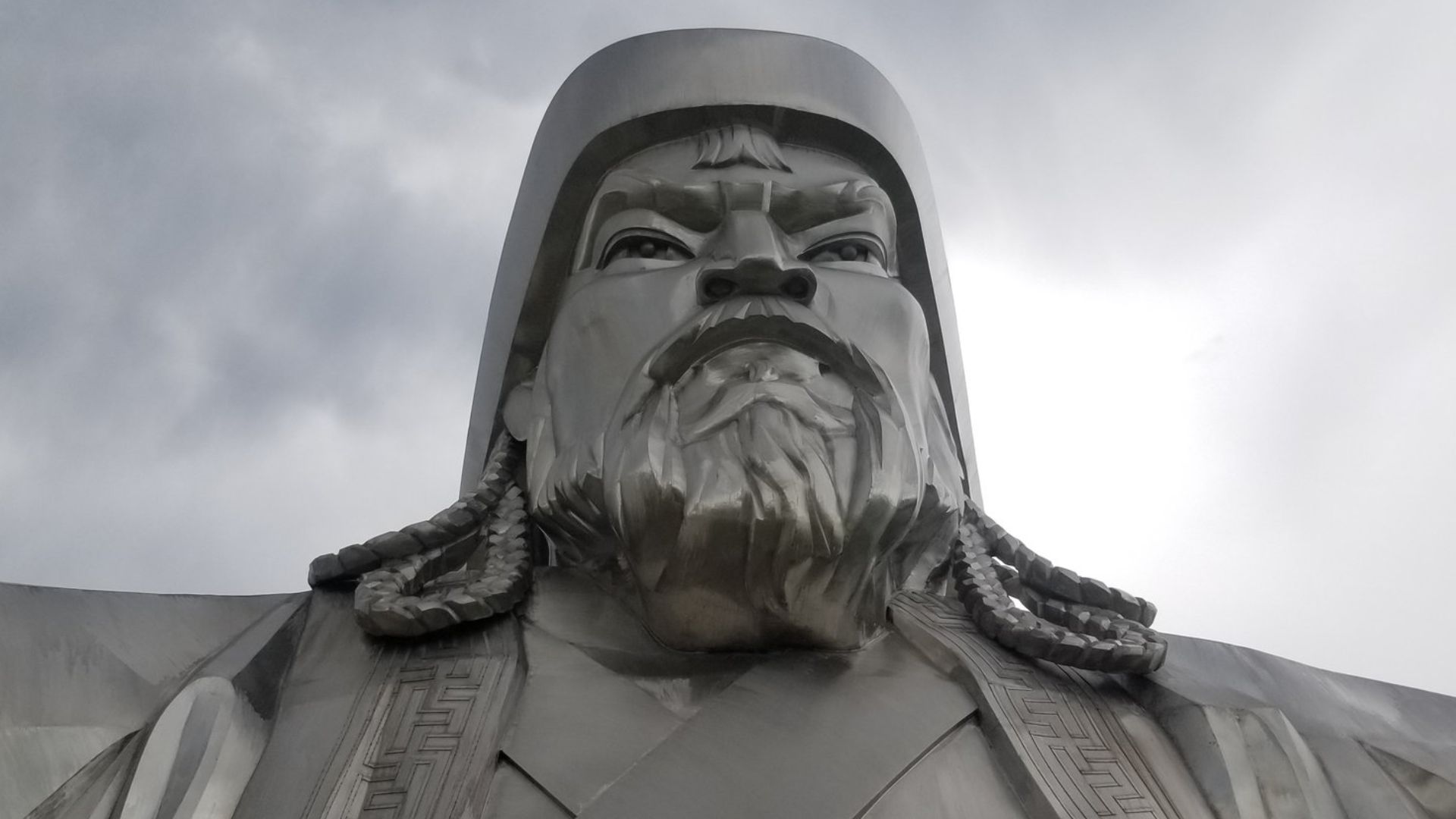
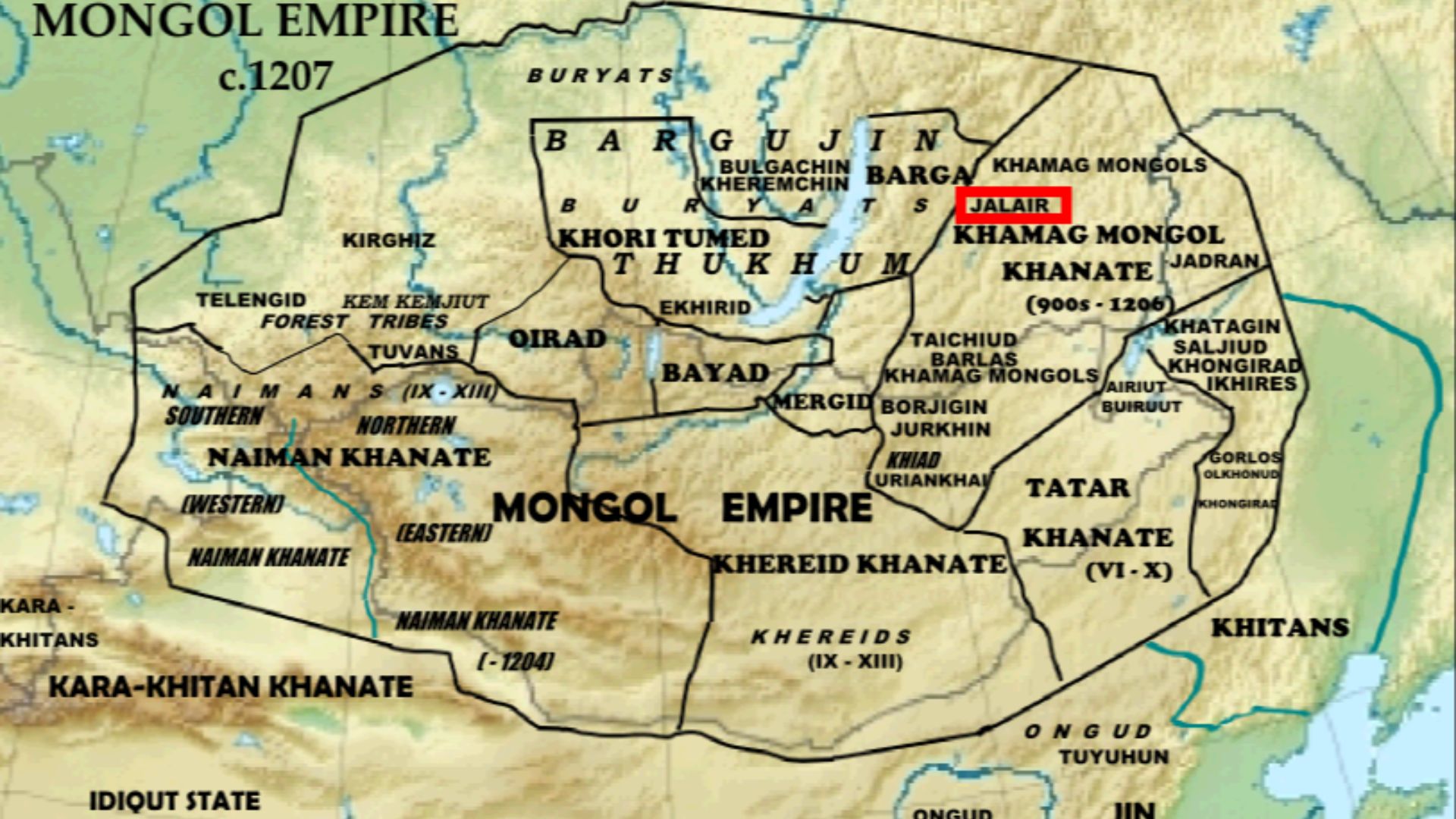
Before Genghis Khan, the Mongolian steppe was divided among tribes and clans that frequently fought one another. Temujin, as he was originally known, spent years defeating rivals and building alliances until a council of leaders proclaimed him Genghis Khan in 1206. Creating one political force out of those competing groups gave him the manpower and stability needed to expand beyond the steppe.
2. He Broke Up Old Tribal Loyalties
Genghis Khan understood that a unified empire wouldn't last if soldiers cared more about their clans than their ruler. To solve this, he reorganized people into new military and administrative units, deliberately mixing members of different tribes together. That weakened traditional rivalries and encouraged loyalty to the Mongol state instead, creating a much more centralized fighting force.
3. He Promoted Men for Ability
Birth mattered in Mongol society, but Genghis Khan became famous for giving talented followers major responsibilities regardless of their family backgrounds. Commanders such as Subutai, his right-hand man, rose because of their effectiveness rather than simply inheriting prestigious positions. That gave the empire a deep pool of skilled military leaders who could continue expanding it even when Genghis wasn't personally commanding a campaign.
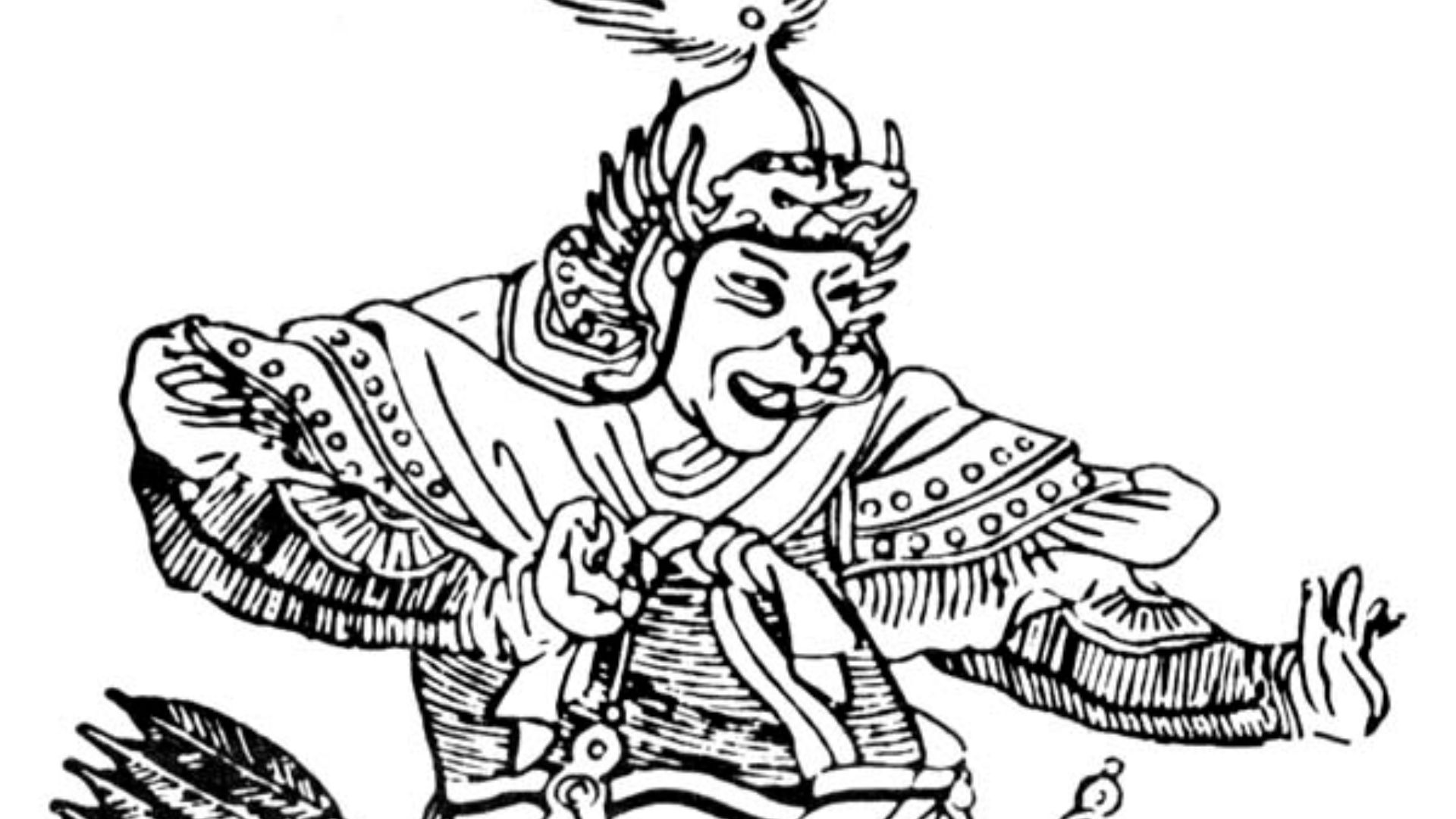 неизвестен/unknown on Wikimedia
4. He Organized His Army in Decimal Units
Rather than simply letting tribal chiefs command their own followers, Genghis Khan reorganized the military into units built around groups of roughly 10, 100, 1,000, and 10,000 soldiers. The system made orders easier to communicate, armies easier to rearrange, and tribal divisions weaker. What emerged was a disciplined military structure that later Mongol rulers could use across an enormous territory.
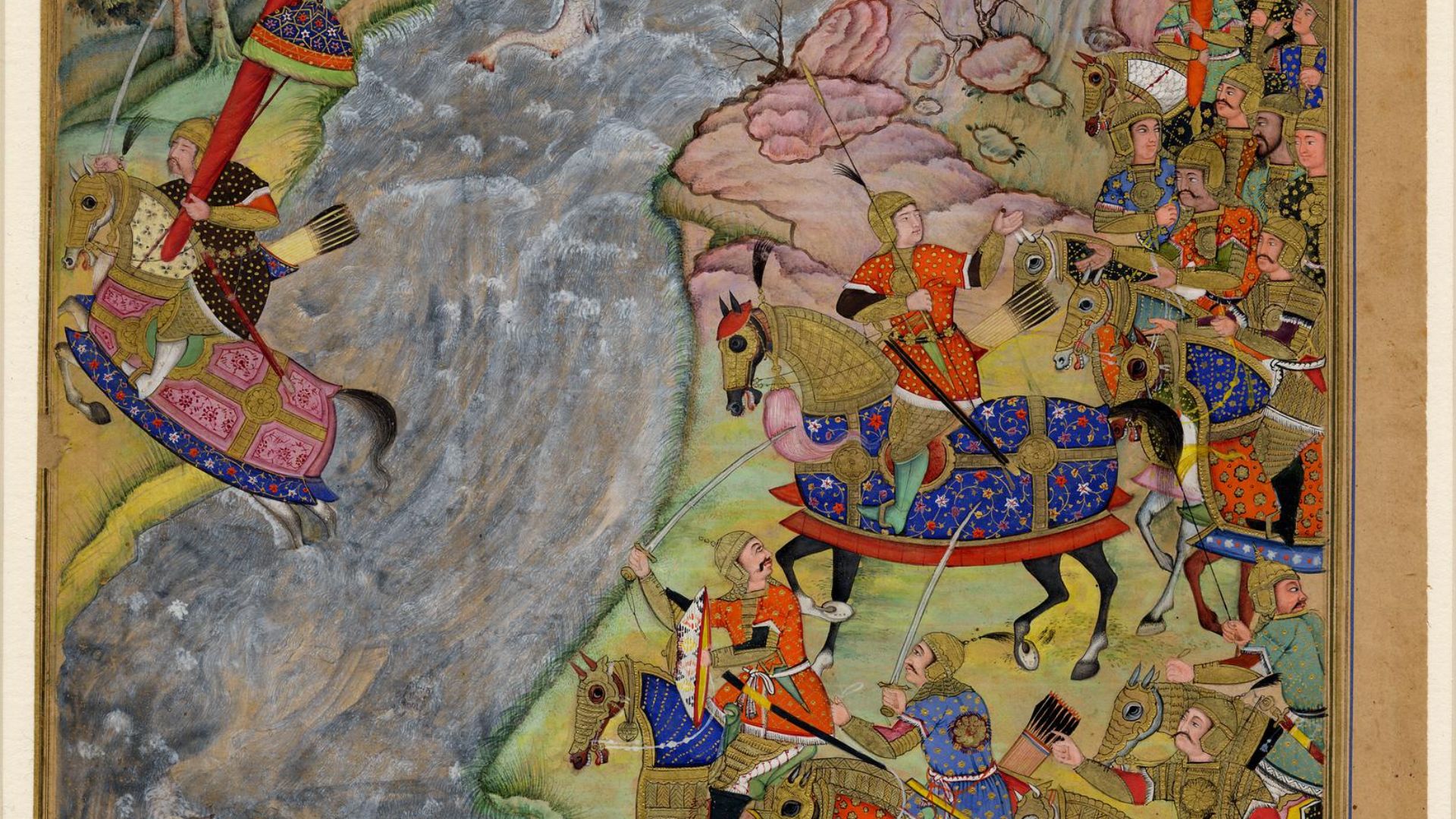 Banwarí Khúrd, Dharm Dás on Wikimedia
5. He Enforced Strict Military Discipline
Mongol armies weren't successful simply because their soldiers could ride and shoot arrows. Genghis Khan expected units to follow orders closely, and desertion or abandoning comrades could bring severe punishment. That discipline allowed Mongol forces to coordinate incredibly effectively and carry out complicated maneuvers, which became one of their biggest advantages against larger opponents.
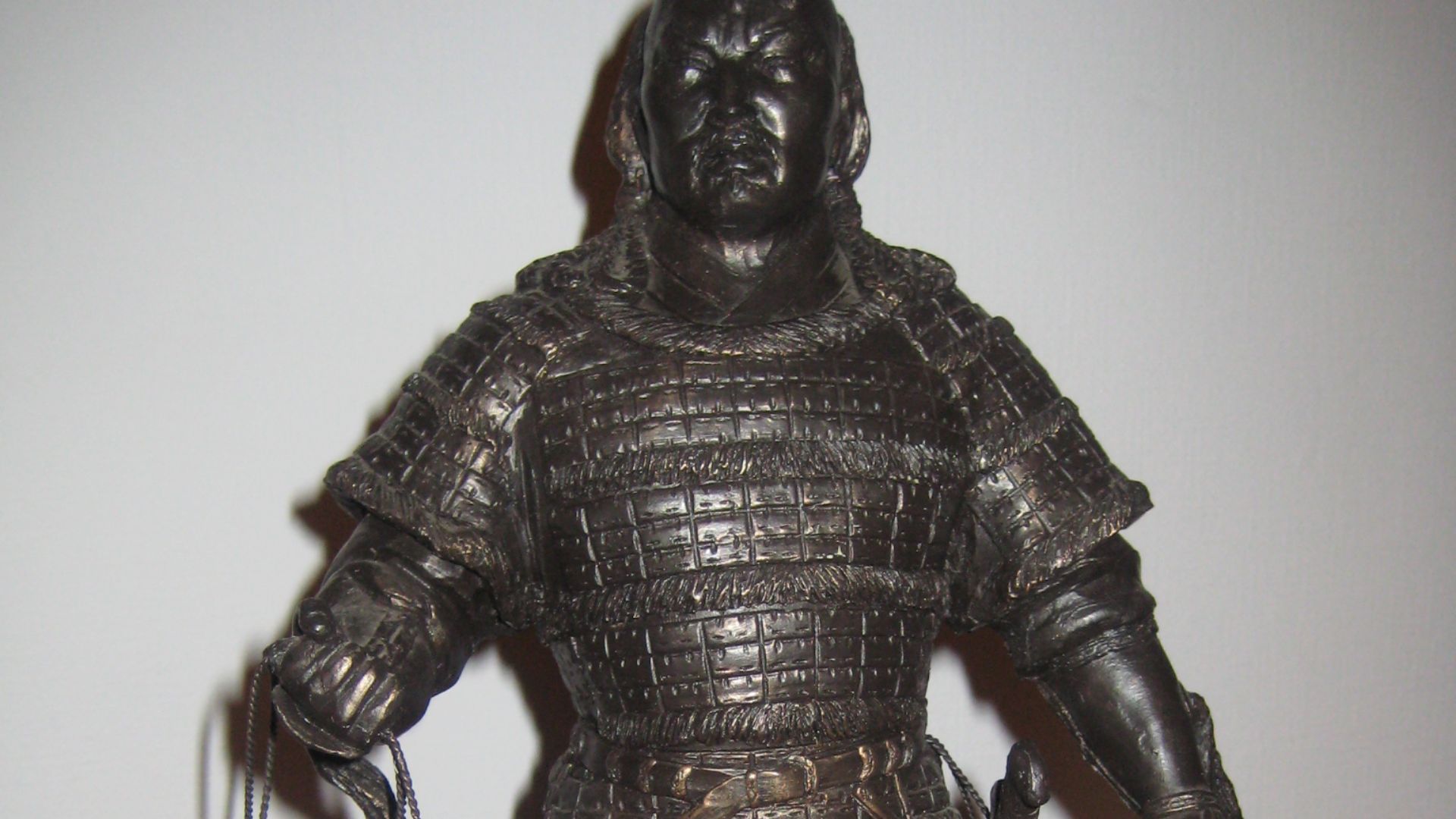 Enerelt at English Wikipedia on Wikimedia
6. He Turned Toward Northern China
After consolidating power on the steppe, Genghis Khan chose to attack wealthy states to the south, including the Tangut Western Xia and the Jurchen Jin dynasty. His campaigns against the Jin intensified beginning in 1211, eventually bringing Mongol forces deep into northern China. The decision gave the Mongols access to richer lands, new military technologies, and experienced administrators.
7. He Learned From Conquered Peoples
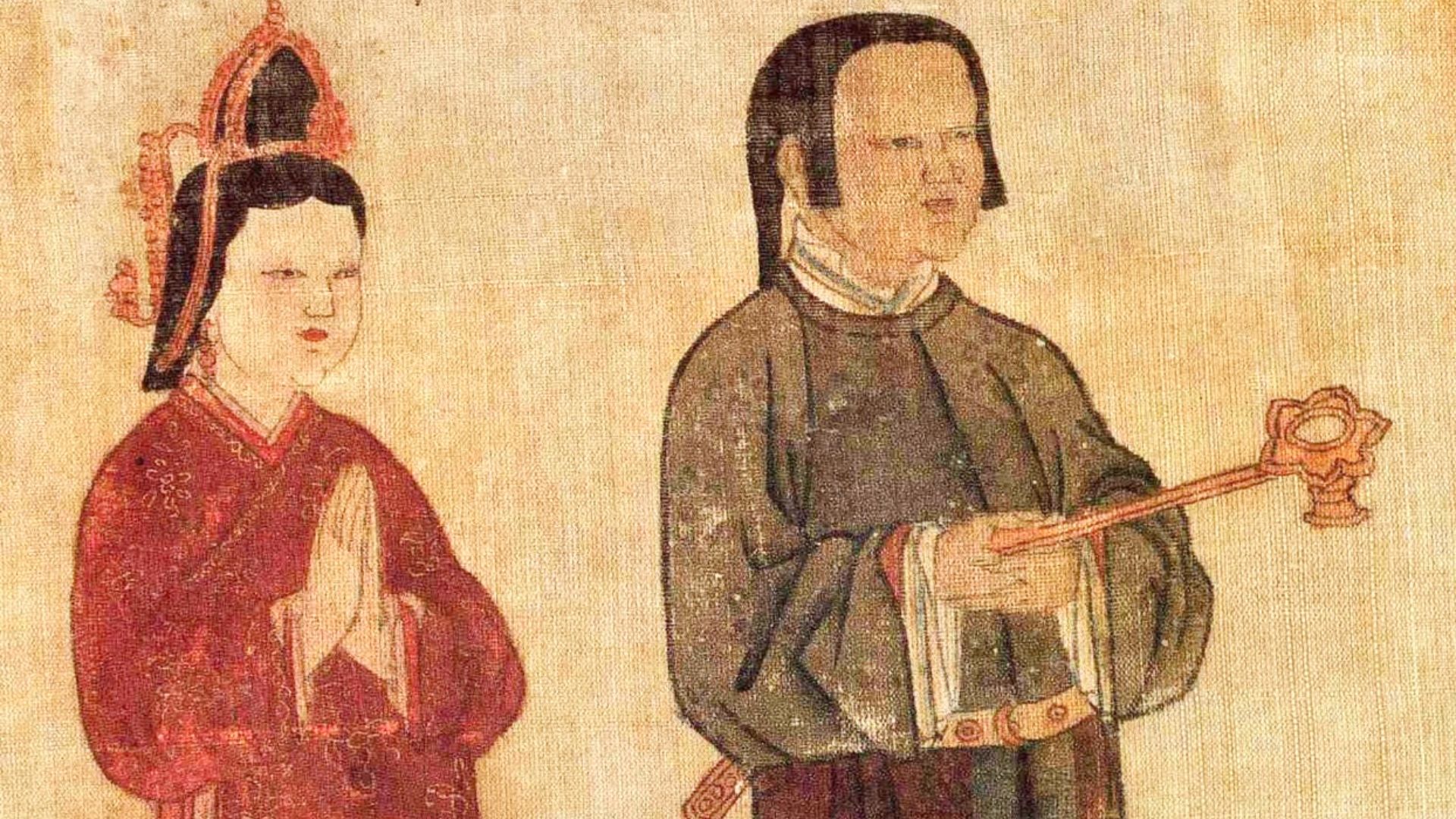
Genghis Khan didn't insist that Mongol traditions had the answer to every problem. His forces made use of engineers, artisans, administrators, and other specialists from the societies they conquered. This was especially important when fighting fortified cities, something steppe cavalry hadn't originally been designed to handle. Mongol warfare became more sophisticated because the empire was willing to absorb useful knowledge.
8. He Adopted a Writing System
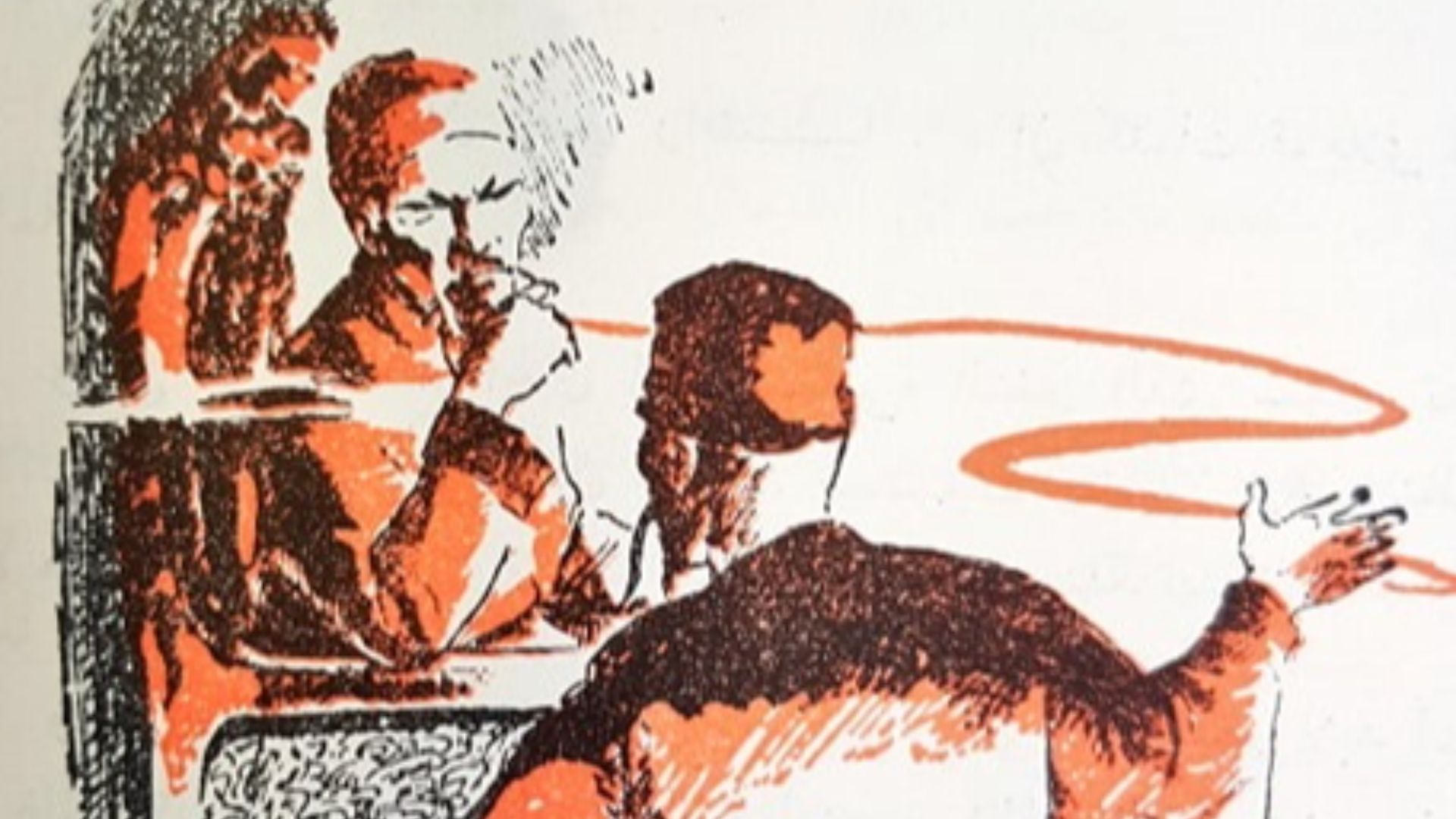
The early Mongols relied heavily on oral traditions, which became increasingly impractical as Genghis Khan's empire expanded. He supported the adoption of a writing system based on the Uyghur script for the Mongolian language. Written orders, laws, and records made it much easier to govern vast territories.

9. He Established a Common Legal Framework
Genghis Khan is traditionally associated with a body of rules often called the Yassa, although historians debate exactly what it contained and whether it existed as one fixed written code. What's clearer is that he imposed rules and standards across groups that had previously followed their own customs. Having shared expectations for military service, loyalty, and behavior helped keep his rapidly growing empire unified.
 Tingey Injury Law Firm on Unsplash
10. He Allowed Religious Freedom
Genghis Khan ruled populations that practiced Buddhism, Islam, Christianity, shamanic traditions, and other faiths. Rather than demanding religious uniformity, he generally allowed different religions to be practiced within his realm. That approach made it easier to govern diverse populations and became an important feature of later Mongol rule.
 Iago Casabiell González on Wikimedia
11. He Protected Useful Craftsmen & Specialists
Mongol conquests could be devastating, but skilled workers were often treated differently from the general population of defeated cities. Artisans, engineers, scribes, and other specialists could be spared and relocated wherever the empire needed their expertise. That helped spread technologies and artistic traditions across regions that had once had far less contact.

12. He Encouraged Long-Distance Trade
Genghis Khan recognized that merchants could bring more than luxury goods into his territory. Traders also carried information, formed connections between distant regions, and generated wealth that benefited the empire. Mongol expansion eventually brought huge stretches of Eurasian trade routes under related governments, connecting east to west and helping commerce move more freely under his successors.
 1260-1350, Ilkhanid artist on Wikimedia
13. He Sent Diplomats to Khwarazm
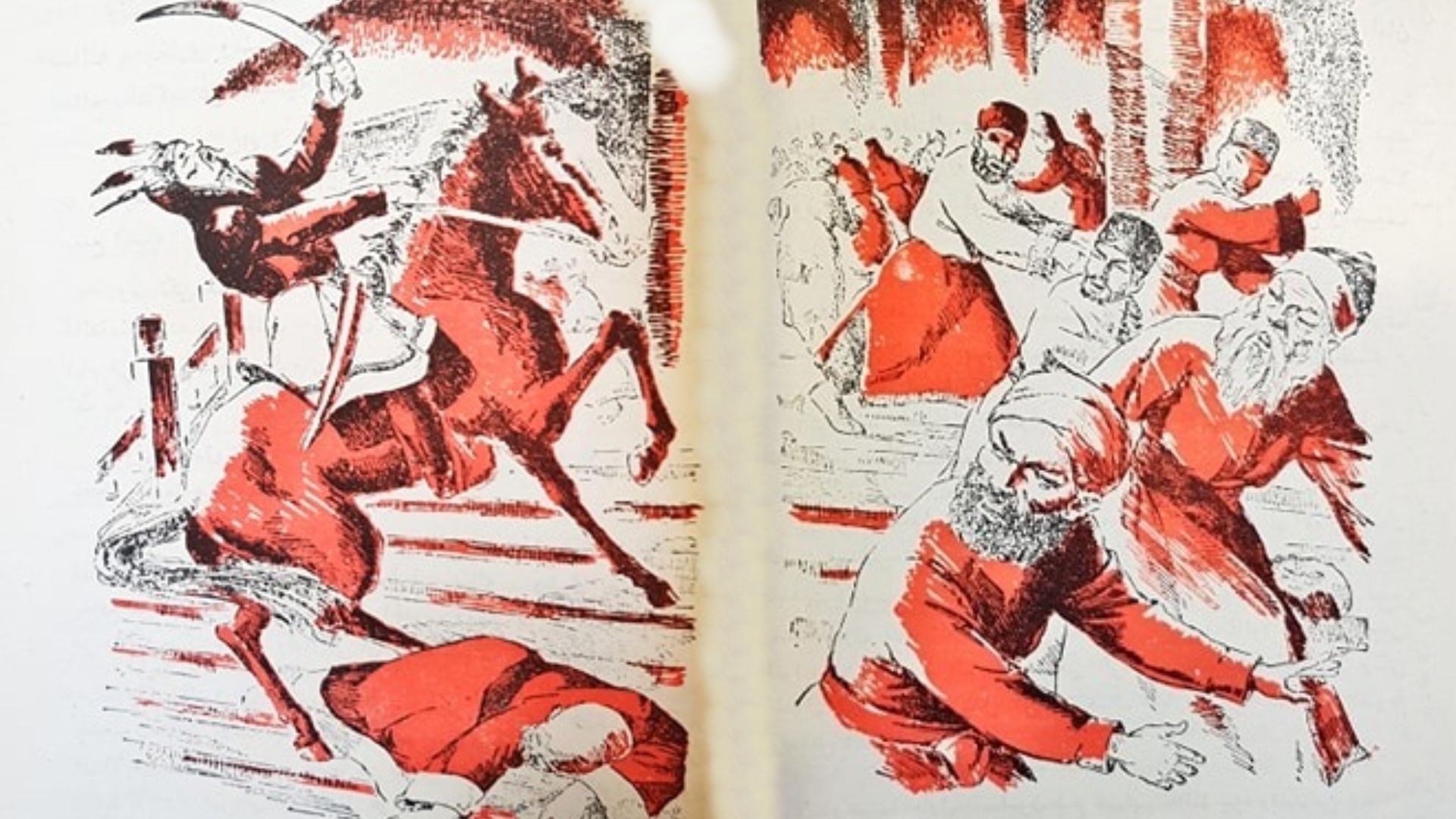
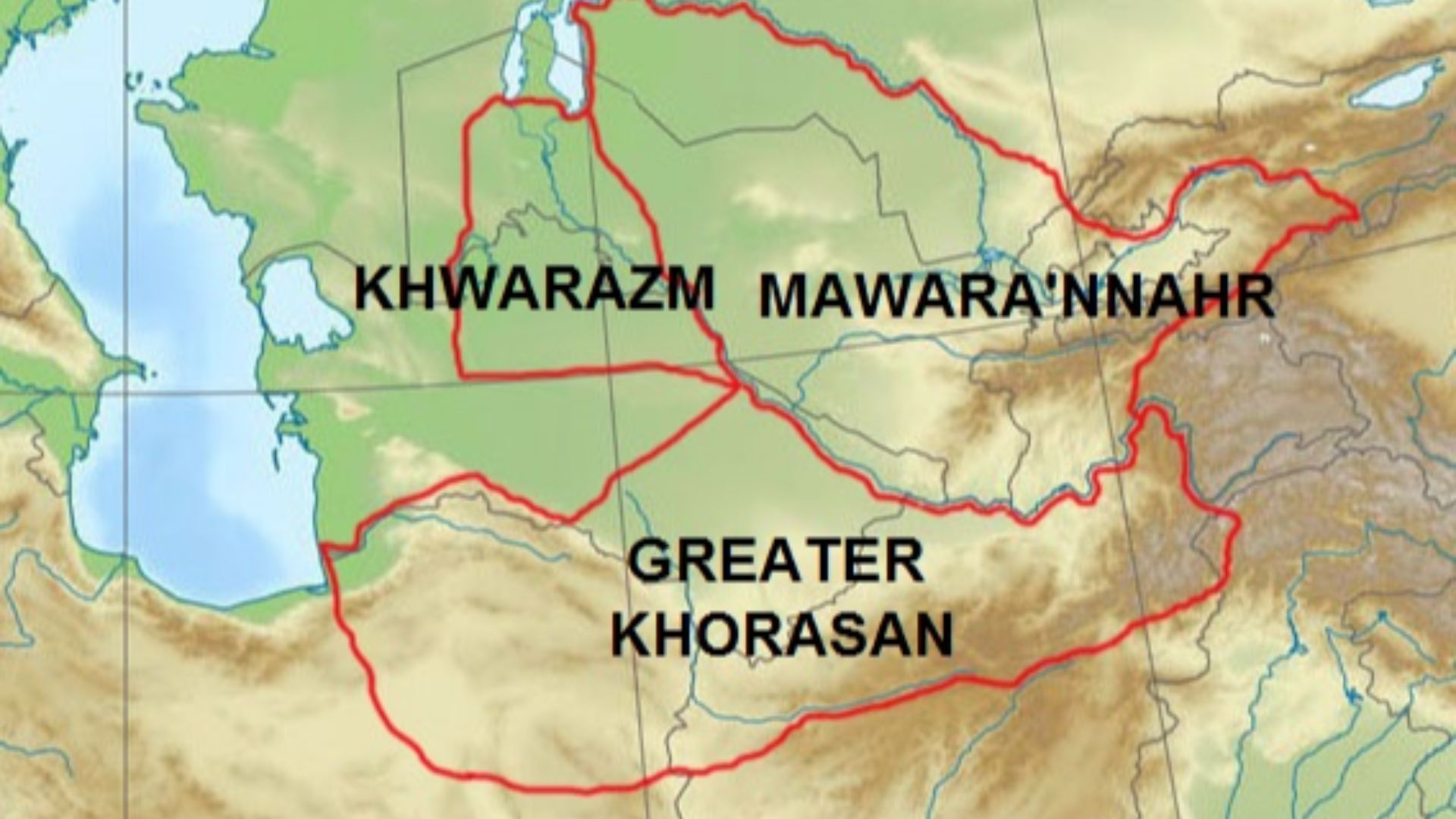
Genghis Khan initially approached the powerful Khwarazm Empire to the west through diplomacy and commerce rather than immediate conquest. Relations collapsed after Mongol merchants were arrested and a later diplomatic mission was met with violence. Genghis responded by launching a massive invasion beginning in 1219, a decision that shifted Mongol expansion decisively into Central Asia and Persia.
14. He Destroyed the Khwarazm Empire
Once war began, Genghis Khan didn't settle for a limited border campaign. His armies attacked major centers including Bukhara and Samarkand, pursuing the Khwarazm shah and devastating large portions of his empire. The victory removed one of Central Asia's strongest powers and opened routes that would eventually carry Mongol armies much farther west.
15. He Used Multiple Armies at Once
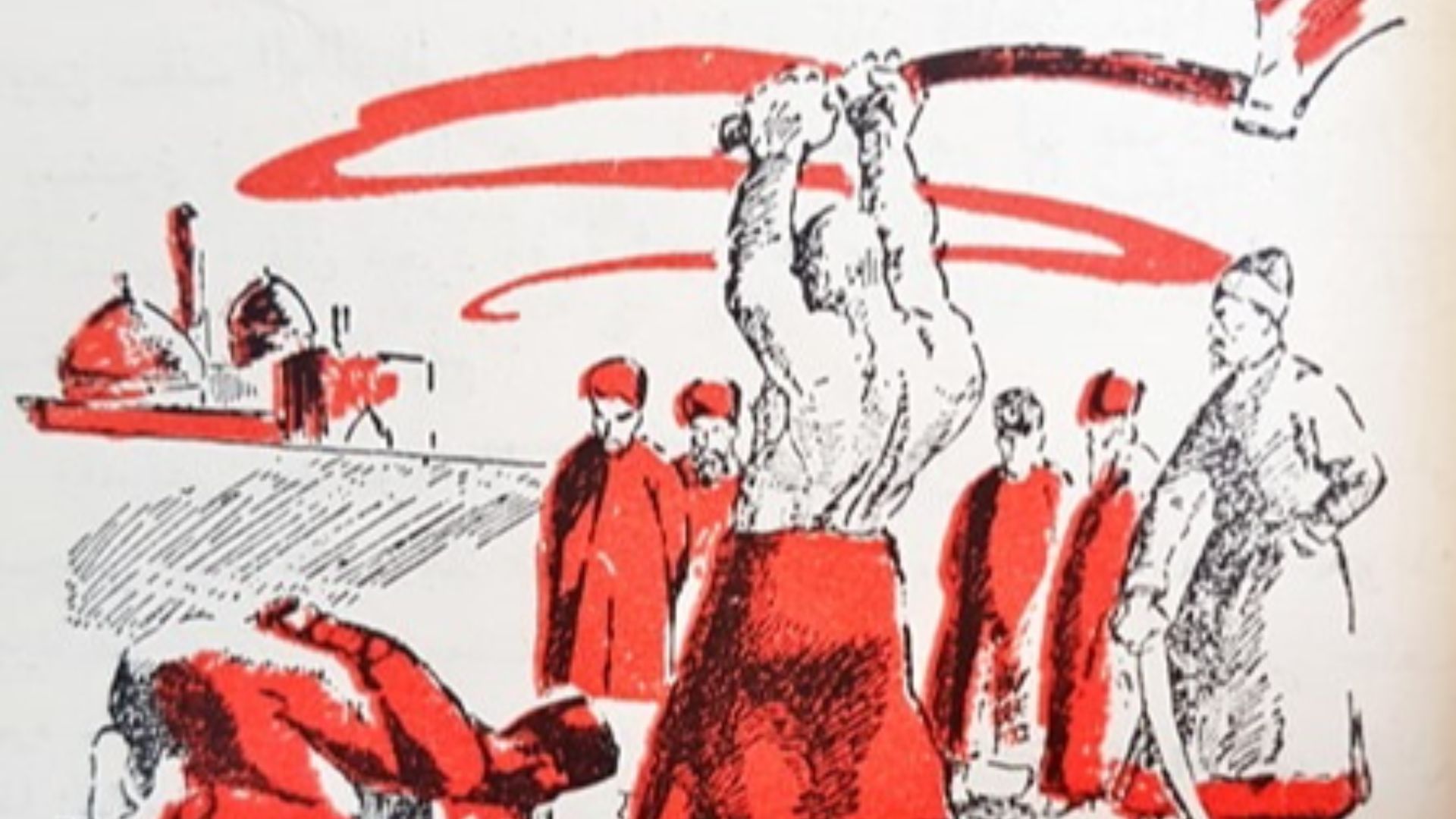
Instead of keeping his forces together in one giant formation, Genghis Khan frequently divided them into separate columns that could move independently before coordinating again, which made Mongol armies difficult for opponents to track and allowed attacks to come from unexpected directions. Commanders were trusted with considerable responsibility as long as they followed the wider strategic plan. It was one reason Mongol campaigns could effectively cover such huge distances.
16. He Used Fear as a Weapon
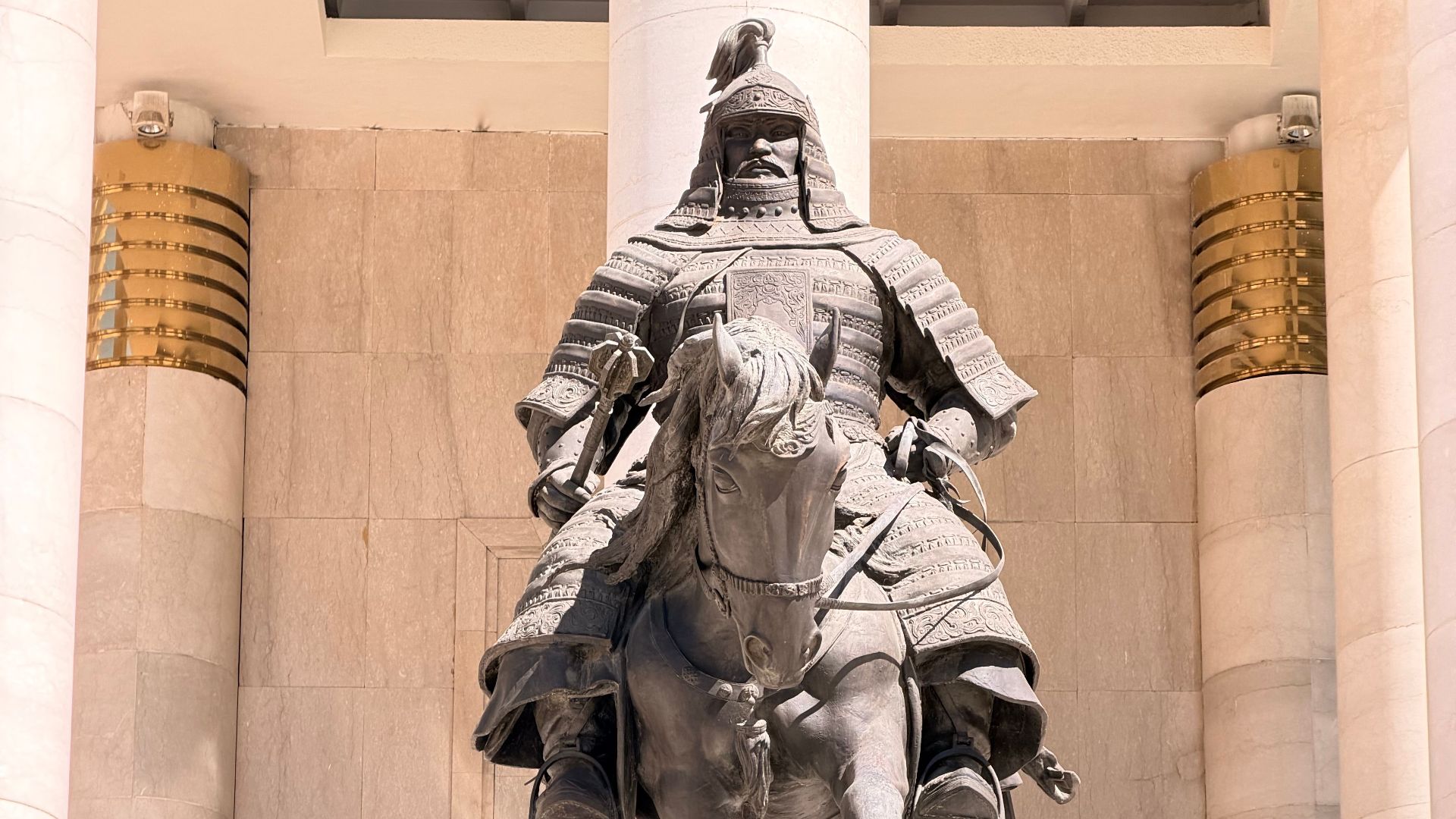
Some of Genghis Khan's most consequential decisions were also his most horrific. Cities that resisted could face mass killing and destruction, while reports of those punishments were allowed to spread to other communities. The strategy sometimes encouraged places to surrender rather than fight, but it also caused enormous civilian suffering and permanently damaged regions caught in Mongol campaigns.
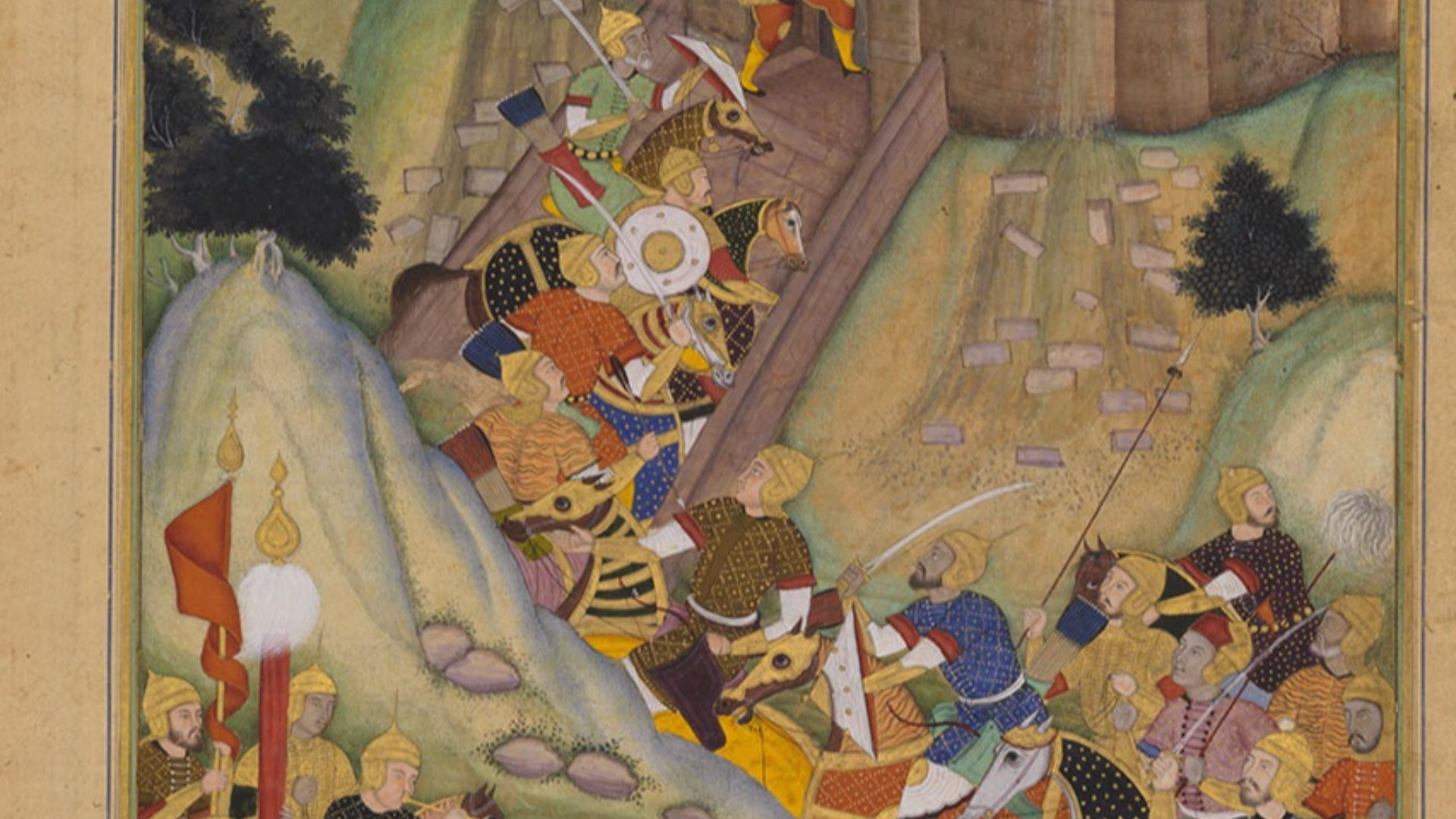
17. He Sent Generals Beyond the Caspian Sea
During the western campaigns, Genghis Khan allowed commanders Jebe and Subutai to undertake a remarkable expedition through the Caucasus and into the western steppe. Their forces eventually defeated a coalition of Rus princes and Cuman allies at the Battle of the Kalka River in 1223. It wasn't yet a full conquest of Eastern Europe, but it gave the Mongols valuable knowledge that would be useful later.
18. He Made Surrender a Practical Option
Genghis Khan's reputation for brutality sometimes hides the other side of his strategy: communities that surrendered could receive much better treatment than those that resisted. That gave rulers facing Mongol armies an incentive to negotiate before a siege began. The approach saved Mongol troops and resources, and also made the terrifying reputation created by earlier campaigns serve a practical military purpose.

19. He Prepared His Sons to Rule Separate Territories
Genghis Khan understood that an empire covering such huge distances couldn't simply function as one personal possession forever. He assigned territories and responsibilities among members of his family while still recognizing an overall supreme ruler. After his death, major branches associated with his descendants developed into separate khanates across Eurasia. Those states would shape the histories of China, Central Asia, Persia, Russia, and neighboring regions for generations.
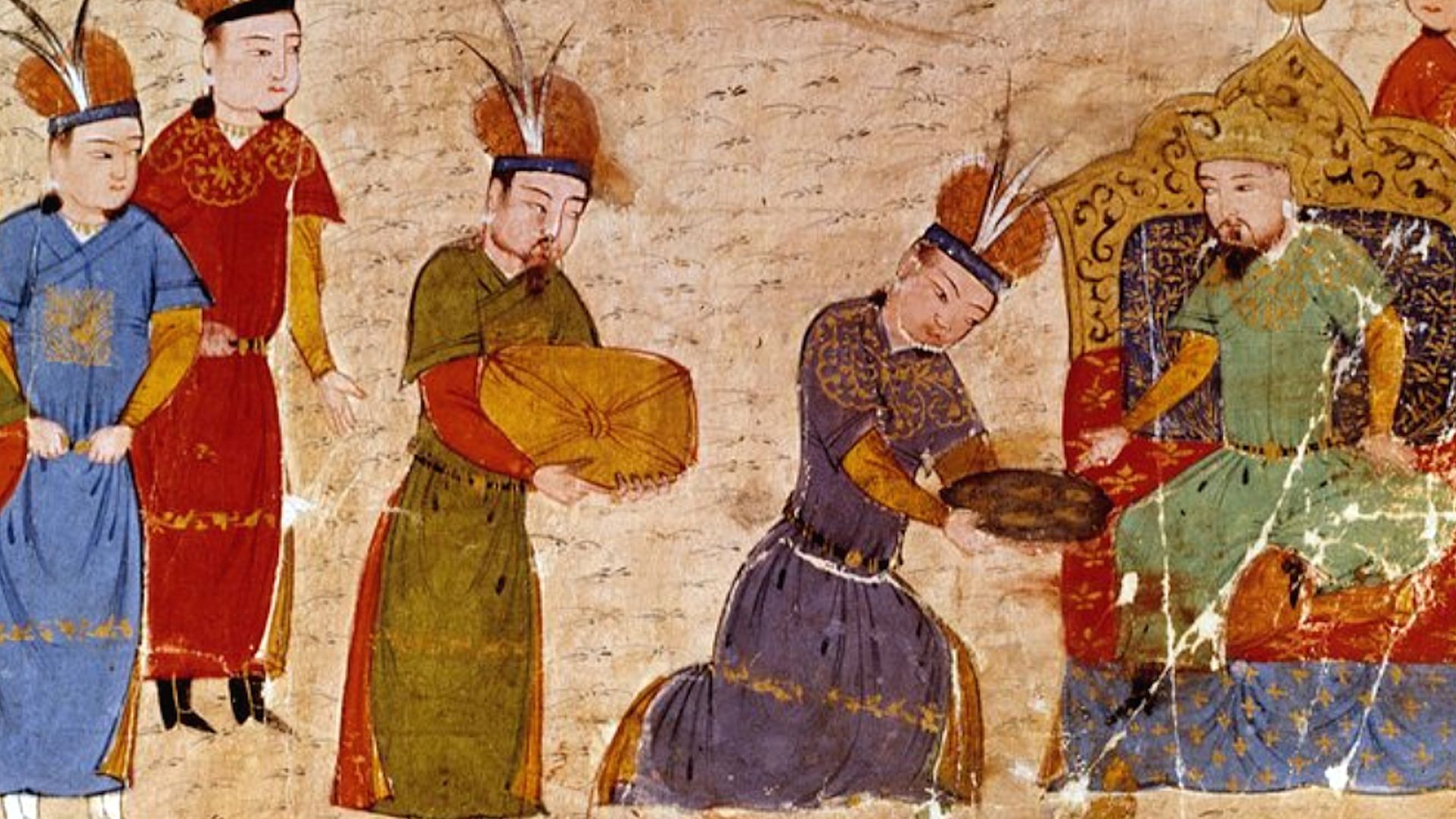 Circa 1340 artist on Wikimedia
20. He Chose Ögedei as His Successor
Succession had the potential to tear the Mongol Empire apart, especially because Genghis Khan had several powerful sons. Before his death, he designated his son Ögedei as the preferred successor, and Ögedei became Great Khan in 1229. The transition allowed the empire's expansion to continue, eventually producing a Mongol realm even larger than anything Genghis Khan himself had controlled.
KEEP ON READING