Typos With Staying Power
English has never been very careful about where its words come from. A misheard syllable or a printer working too fast can leave behind a word that outlives everyone involved. Some of these slips are centuries old and now sit in every dictionary without a hint of embarrassment. A few are young enough that you can trace them to a specific person and year, down to the typo. Here's 20 words that exist only because somebody made a mistake.

1. Dord
For about five years, Webster's New International Dictionary listed dord as a word meaning density in physics and chemistry, complete with a pronunciation guide. It started as a card for the abbreviation "D or d," typed without spaces and filed with the real words by accident. An editor caught it in 1939 after noticing it had no etymology, and it was gone from new printings by 1947.

2. Apron
Medieval ears heard a napron as an apron. The word came from naperon, the French for a small tablecloth, and it's a close cousin of napkin and napery. Adder went through the identical swap, starting life as a nadder.
 Golden Horn Bridge on Unsplash
3. Nickname
This one slid the other way, with an eke-name heard as a neke-name until English kept the stray n for good. Eke meant additional, a sense that survives in the phrase eke out, as in scraping by on very little.
4. Umpire
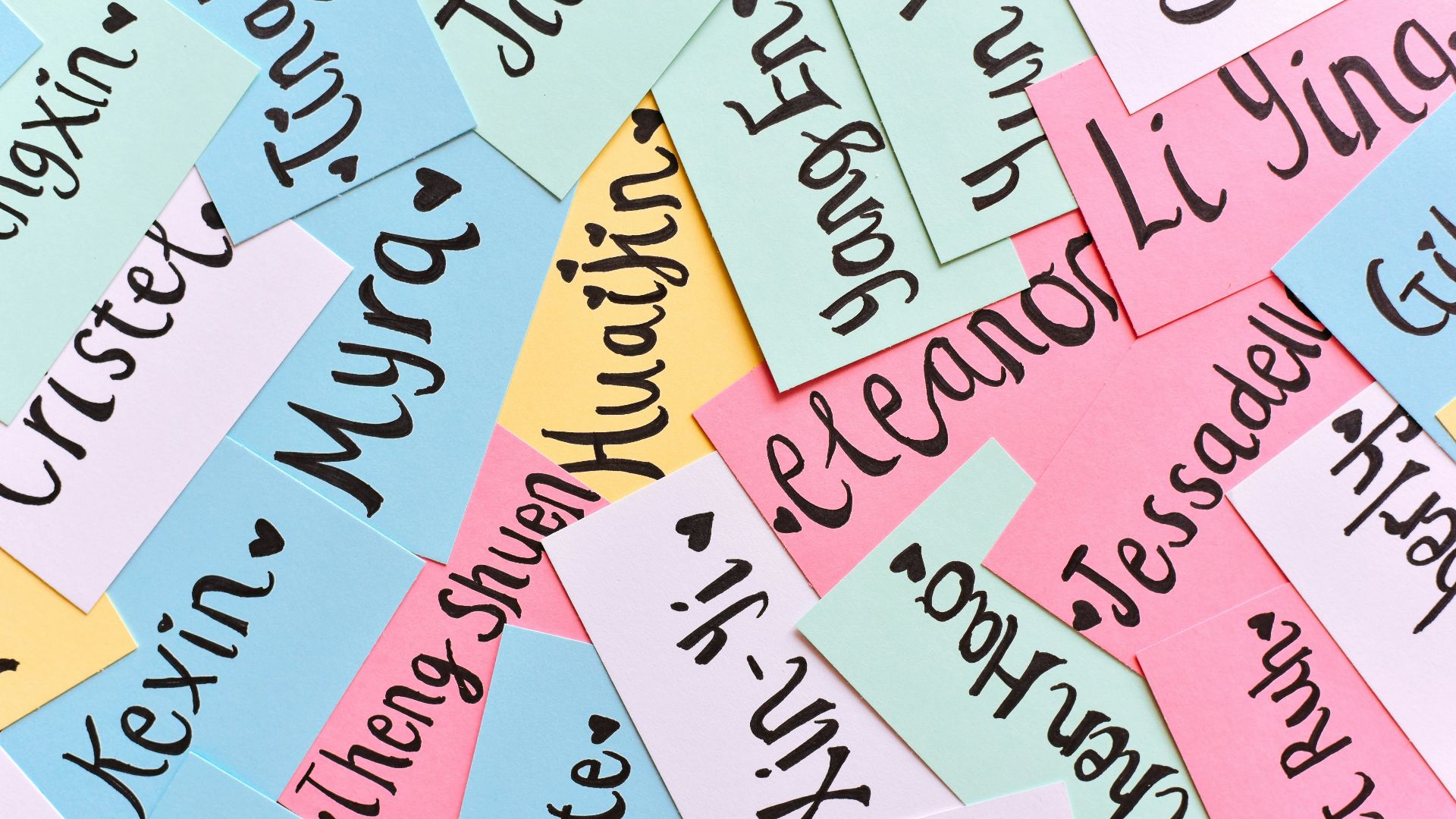
The official at your kid's baseball game started out as a noumpere, from a French word for someone who isn't paired with either side. Over time a noumpere became an umpire, and the idea of a neutral third person survived the shuffle all the way to Little League. Orange lost its n on a similar trip, from Arabic naranj through Italian and French.
5. Pea
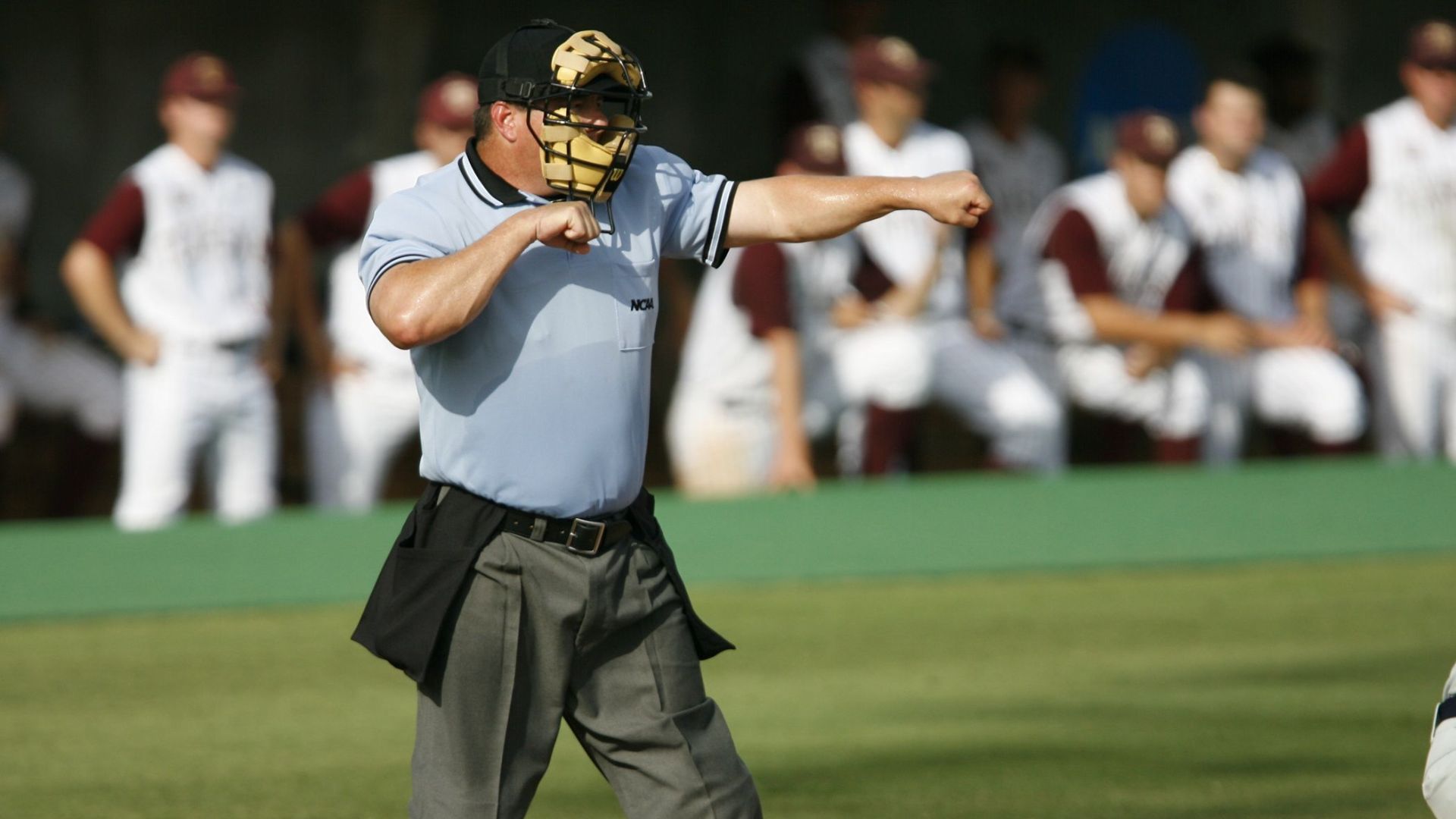
People once said pease for a single pea and for a whole bowl of them, the same way we still say corn. Sometime in the 17th century, pease started to sound plural to English ears, and speakers chopped off the end to make one pea. The old form hangs on in the nursery rhyme about pease porridge served hot and cold and nine days old.
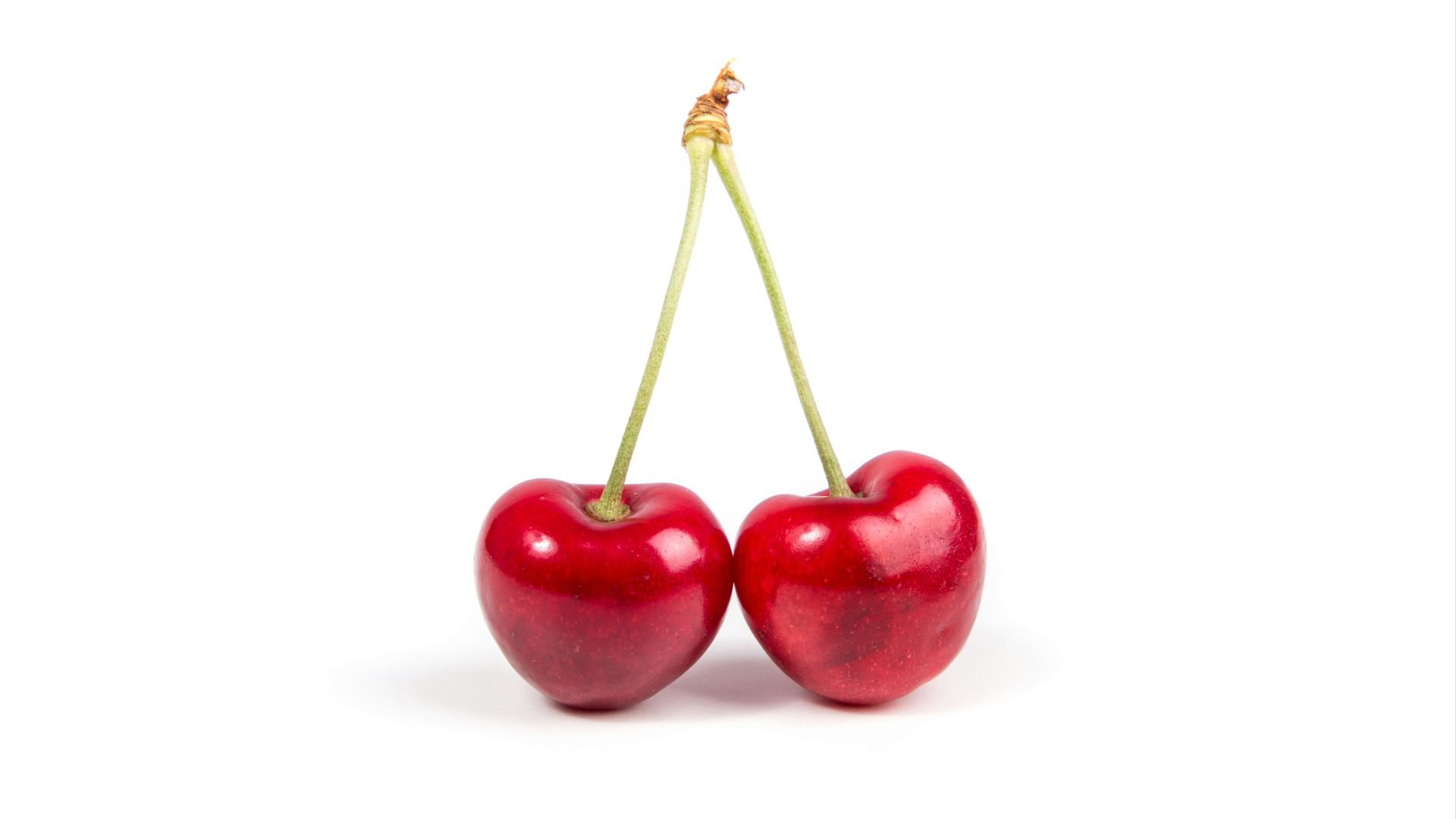
6. Cherry
English borrowed cherise from Anglo-Norman French roughly 700 years ago. The s at the end sounded plural, so speakers dropped it and got cherry. The French still say cerise, and English kept that s in the name of a bright red color.
 Quaritsch Photography on Unsplash
7. Kudo
Kudos is a Greek singular noun meaning glory or praise, and it first caught on in English as British university slang in the 1800s. Americans in the 1920s started treating the word as a plural and pulled a single kudo from it. Dictionaries now list both, usually with a note that some readers wince at the singular.

8. Syllabus
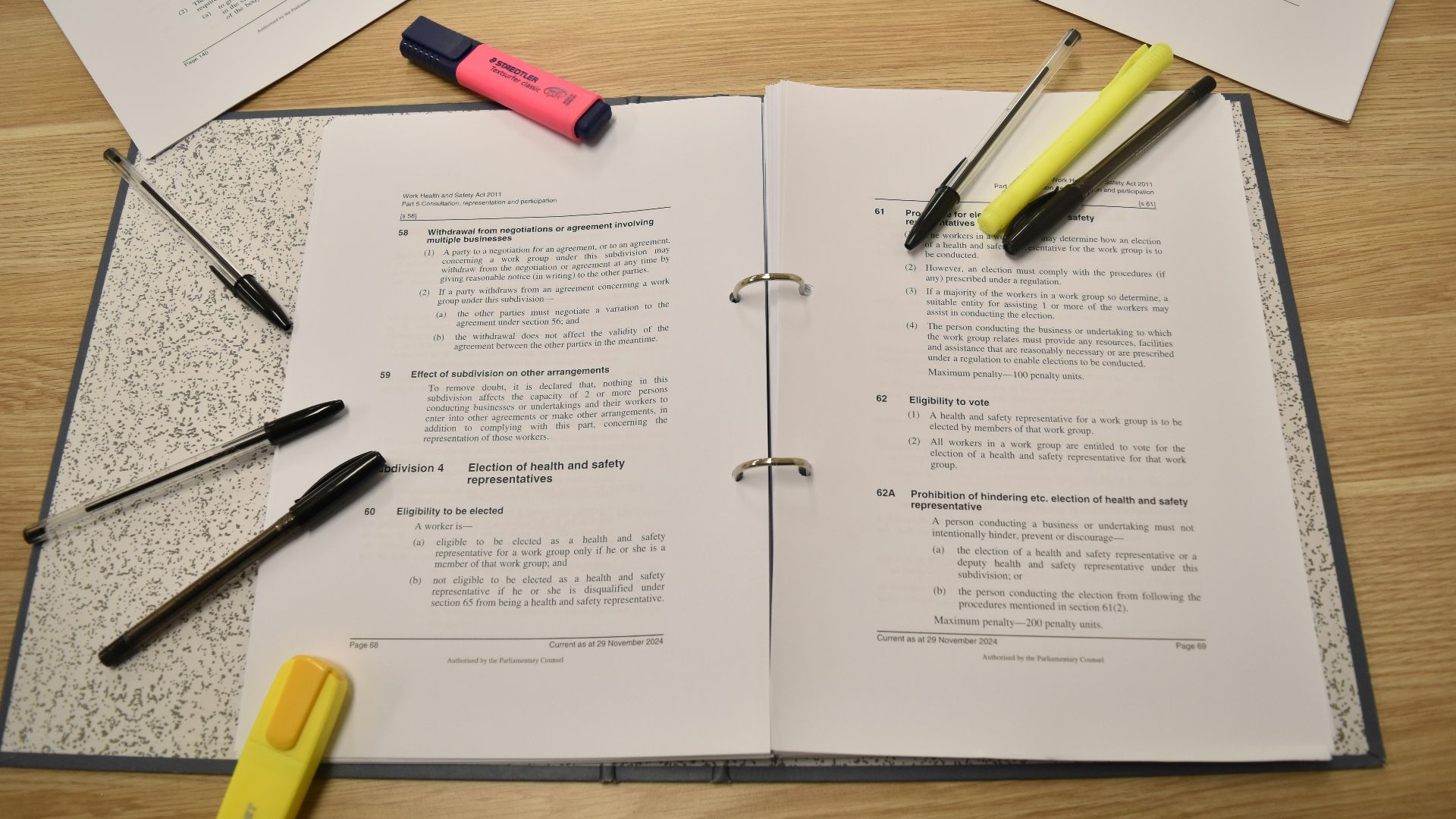
Your college course outline owes its name to a bad print job. Cicero used the Greek word sittybas in letters to his friend Atticus, describing parchment labels for his books, and 15th-century printed editions garbled it as syllabos. Later scholars took the typo at face value and built a Latin word on top of it, and now schools hand one out on the first day of class.
 sara sanchez sabogal on Unsplash
9. Helpmeet
In the King James Bible, God promises Adam "an help meet for him," with meet meaning suitable. Readers over the next few generations ran the two words together into helpmeet, which spent a few centuries as a polite word for a wife. It later softened into helpmate, a word that at least sounds like it means something.

10. Derring-Do
Chaucer wrote about daring to do things in Troilus and Criseyde, and a later printing garbled the phrase into derrynge do. Edmund Spenser read the garble as a noun meaning brave deeds and used it that way in his 1579 poem The Shepheardes Calender. Walter Scott gave it a second life in Ivanhoe in 1819, and now it mostly turns up in book blurbs and movie trailers.

11. Mumpsimus
A 16th-century story tells of a priest who said mumpsimus instead of sumpsimus during Mass for years and refused to change when someone corrected him. The English diplomat Richard Pace told the tale in a 1517 book written in Latin. Henry VIII used the word in a 1545 speech to Parliament, and it has meant a stubborn attachment to an error ever since.

12. Zenith
Arabic astronomers, whose star tables circulated widely in medieval Europe, called the point directly overhead samt ar-ra's, the path above the head. Medieval European scribes misread the m as ni and wrote senit, and that drifted into cenit and eventually zenith. Azimuth, the compass bearing navigators use, comes from that Arabic root too.

13. Burger
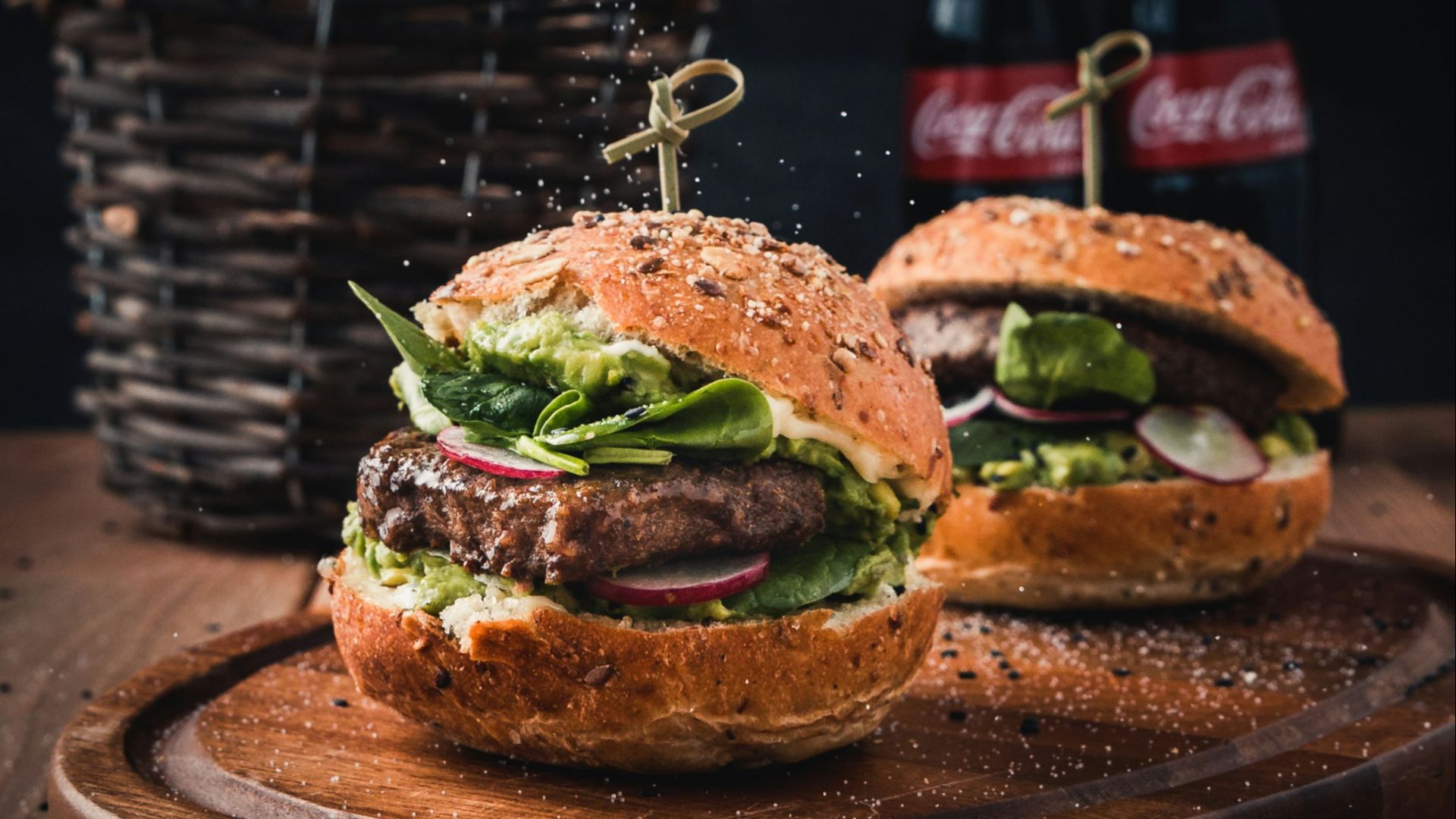
The hamburger is named for Hamburg, Germany, and has nothing to do with ham, but American English split it into ham plus burger anyway. By the 1930s, menus were offering cheeseburgers, and burger stood on its own not long after. Now you can order a turkey burger or a veggie burger, neither of which has been anywhere near a German port city.
14. Google
In 1997, Larry Page was brainstorming names for a search engine at Stanford and liked googol, the number 1 followed by 100 zeros. When his friend Sean Anderson checked whether the domain was free, he typed google by mistake, and Page liked the misspelling better. The domain was registered that September, and major dictionaries added google as a verb in 2006.

15. Chaise Lounge
The French chaise longue means long chair, and chaise by itself just means chair. Americans heard longue as lounge, which made perfect sense for a chair you stretch out on, and Merriam-Webster now accepts chaise lounge as a standard variant. Furniture catalogs have used that spelling for about a century.

16. Cockroach
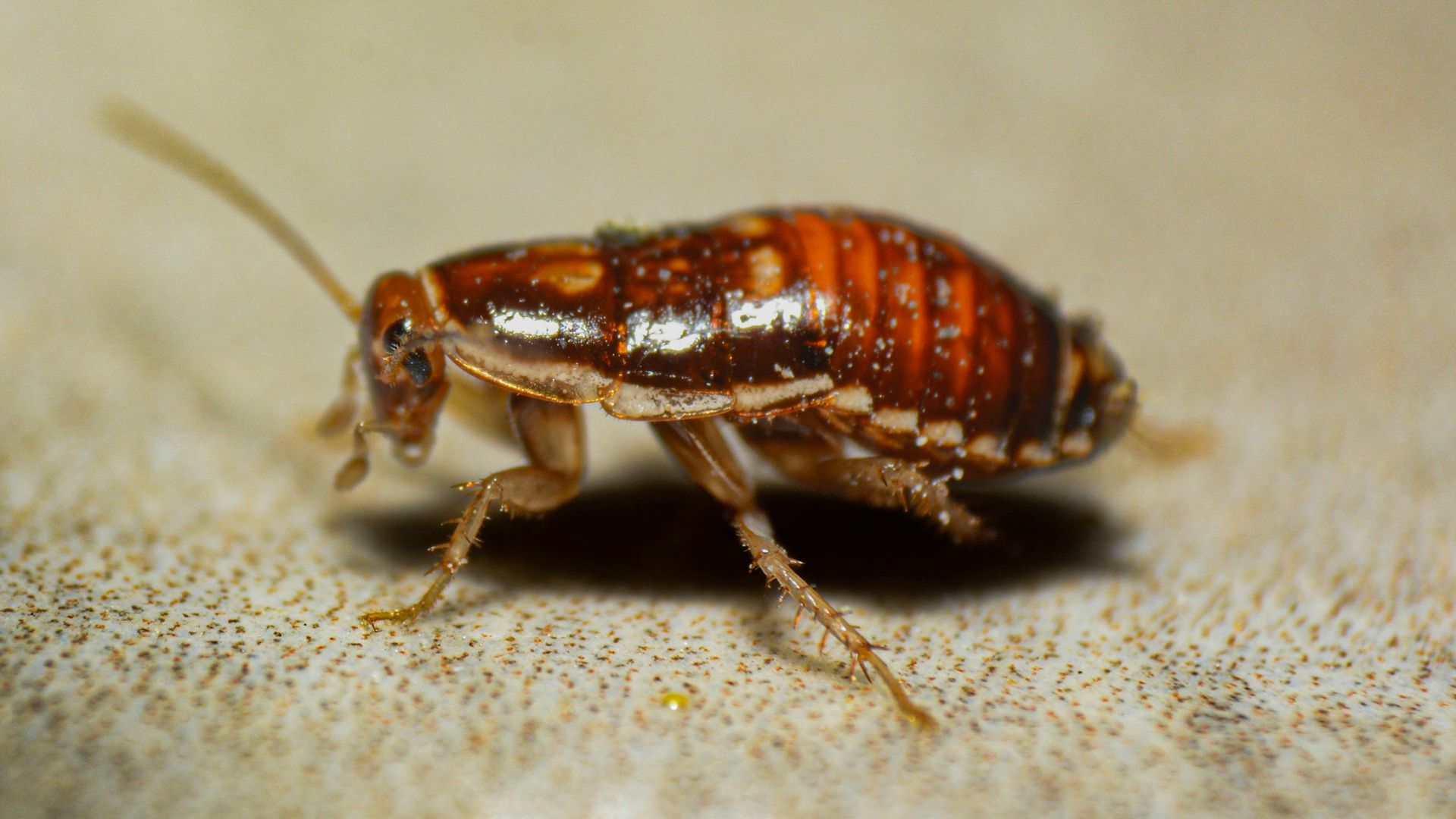
English speakers four centuries ago didn't know how to spell the Spanish word cucaracha, and Captain John Smith tried cacarootch in a 1624 account of Virginia. The spelling eventually bent into two familiar English words, cock and roach, a pairing that says nothing useful about the bug.
17. Penthouse
A pentis was a lean-to or an attached shed, the kind of sloping add-on you'd see propped against a church wall, from the Anglo-French apentis. English speakers assumed the end of the word should be house and changed the spelling to match. The shed moved up in the world and landed on the top floor of a skyscraper, usually with the best view in the building.
 Francesca Tosolini on Unsplash
18. Crayfish
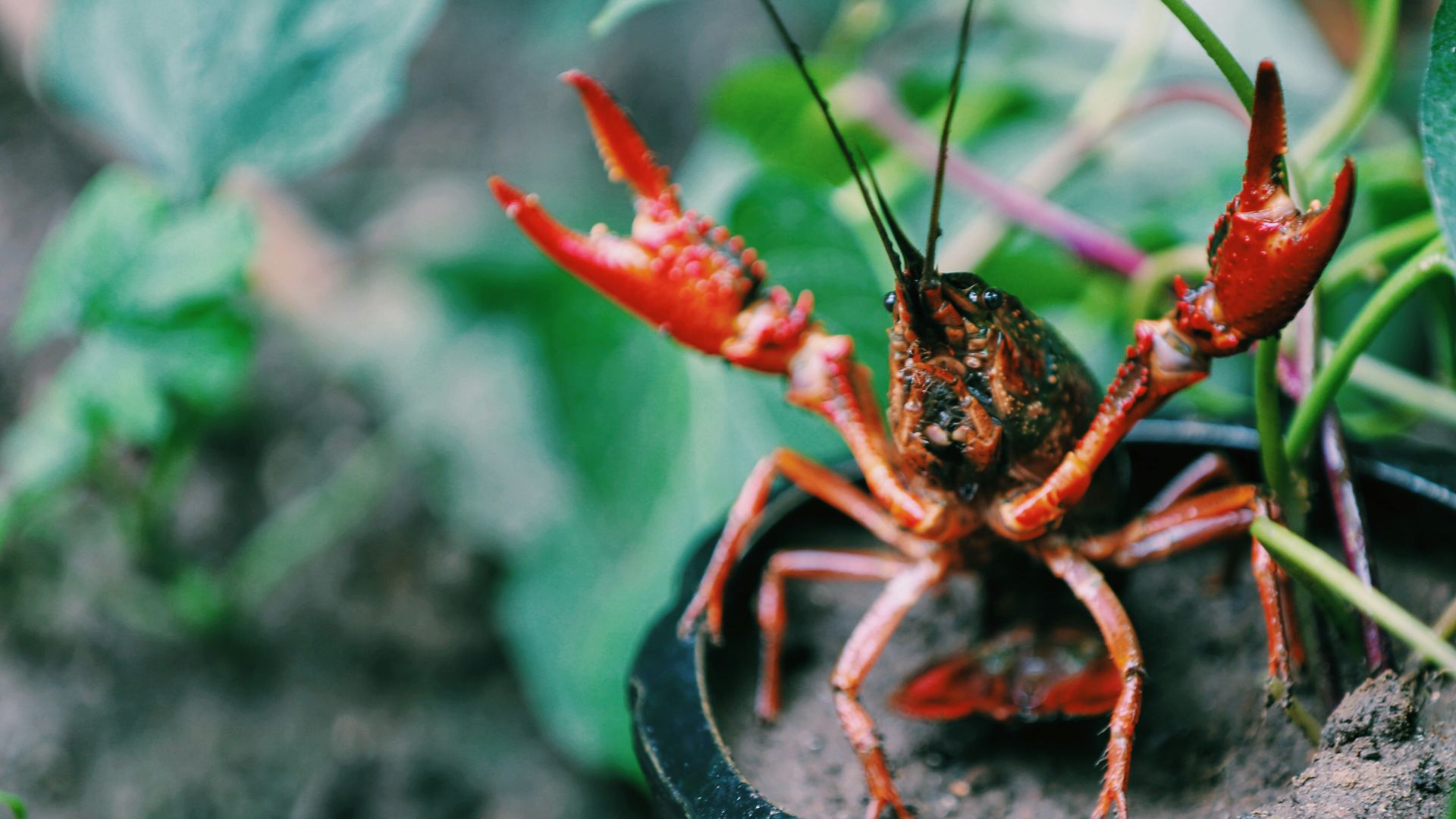
Crayfish comes from crevice, the medieval French name for the animal, and English speakers decided the second half must be fish. Crawfish is a variation on that guess, and in Louisiana it's the name that won, painted on the signs outside seafood boils.
19. Bridegroom
Old English called him a brydguma, and guma meant man. Once guma fell out of use, people swapped in groom, which at the time meant a lad or a servant who looked after horses. That's how a wedding ended up featuring a man named after a stable hand, tuxedo and all.

20. Culprit
The best guess involves a court clerk's shorthand from the 1600s. Clerks recorded the prosecution's reply to a not-guilty plea as cul. prist, short for legal French words meaning the accused is guilty and the Crown is ready to prove it. People in the courtroom apparently took the phrase for a way of addressing the defendant, and culprit first appears in print in 1678.