Dinosaurs Were Stranger Than the Movies Made Them
Dinosaurs have spent more than a century being reimagined and mangled by pop culture, so it shouldn’t surprise you that a few bad ideas somehow became “true.” In reality, fossil discoveries have completely changed what scientists know. Come with us as we debunk some of the more egregious myths and share which legitimate truths should be more well known.
1. All Dinosaurs Were Giant
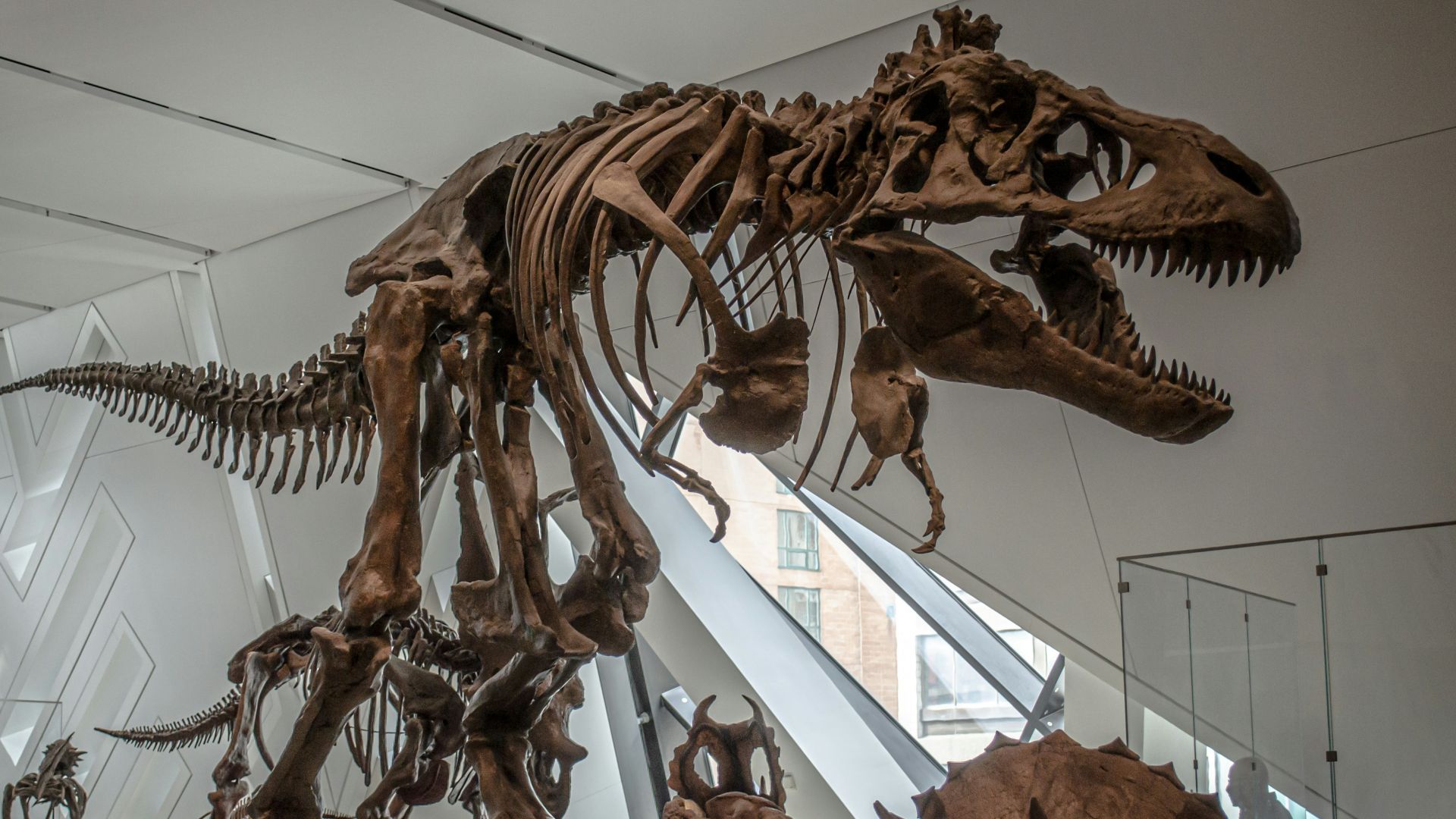
Museum halls love to display enormous skeletons, but plenty of dinosaurs weren’t that big. Some non-avian dinosaurs were actually the size of chickens, and others were only a few feet long. You might not see them in the movies, but they were more common than you think.
 Fausto García-Menéndez on Unsplash
2. Dinosaurs and Humans Lived Together
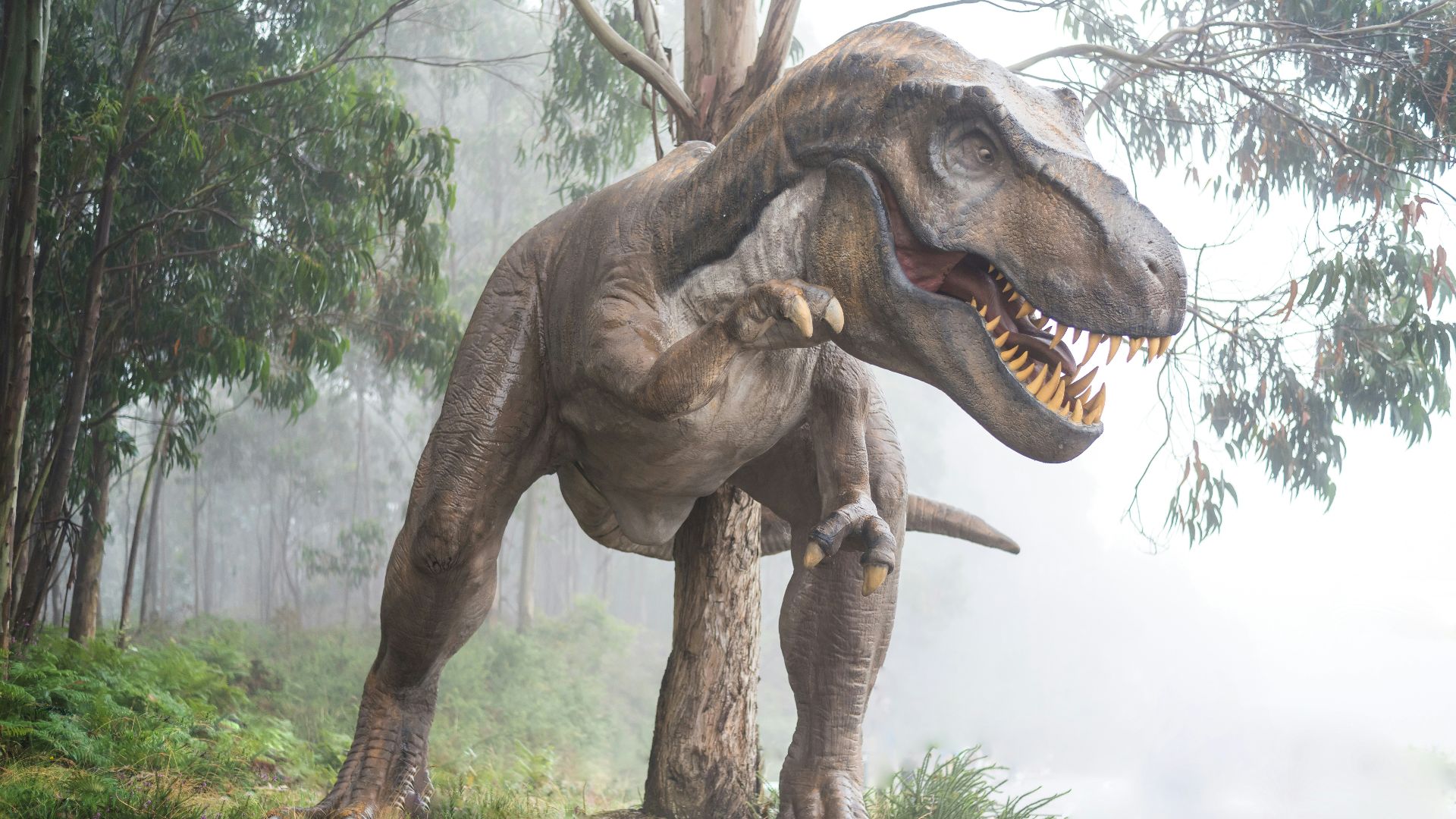
No caveman ever had to worry about a Tyrannosaurus rex wandering into camp, so you can forget that the cartoons taught you. All non-avian dinosaurs disappeared about 66 million years ago—modern humans arrived much later. Long story short, we missed each other by tens of millions of years.
3. Every Dinosaur Had Scaly Skin
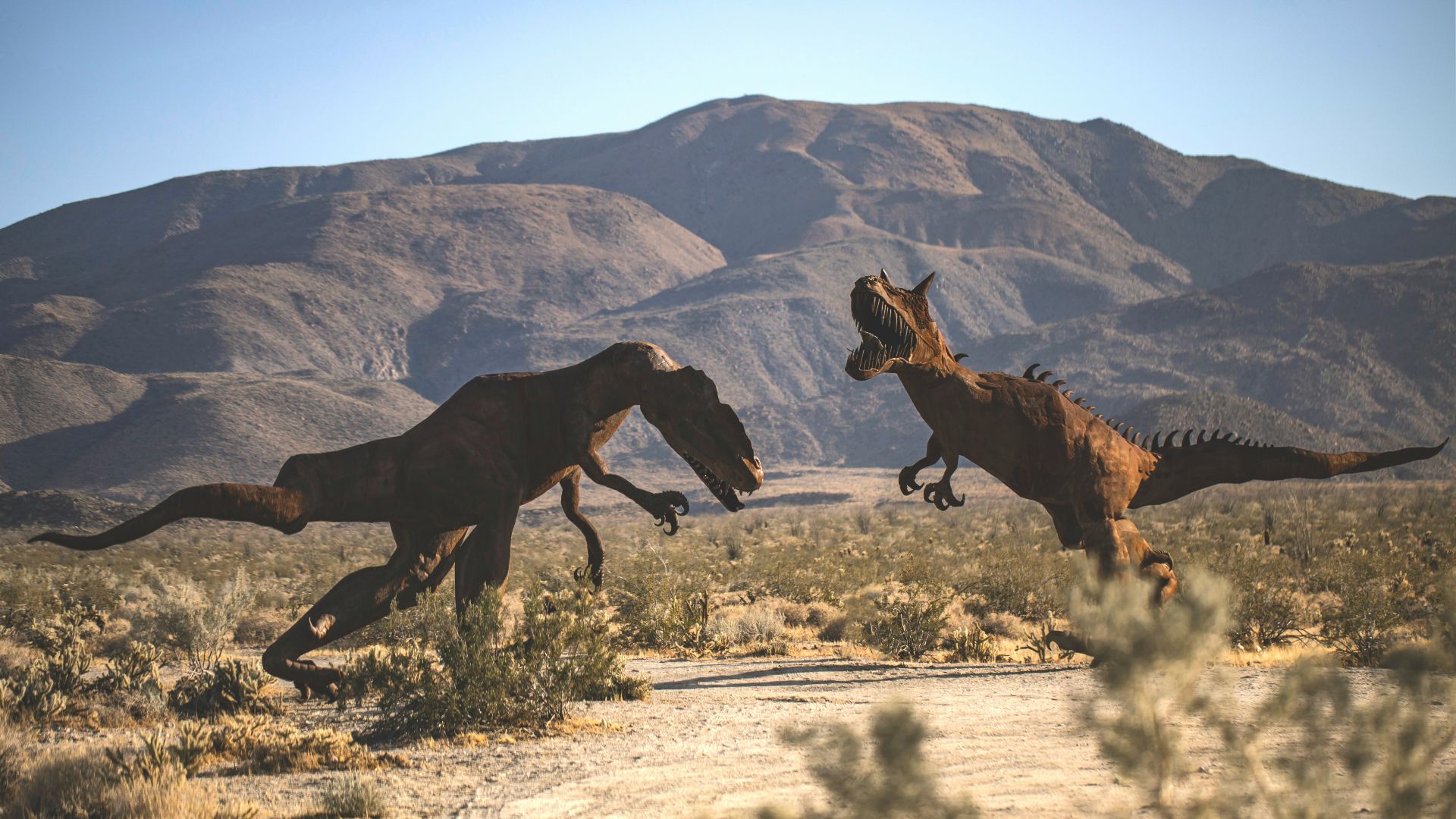
What do you think of when you picture a classic dinosaur? Probably some giant, completely scaly reptile. Well, fossils prove nearly the exact opposite. Scientists found feather-like coverings (though plenty of other species really did have scales), and paleontologists still debate how widespread feathers were across Dinosauria.
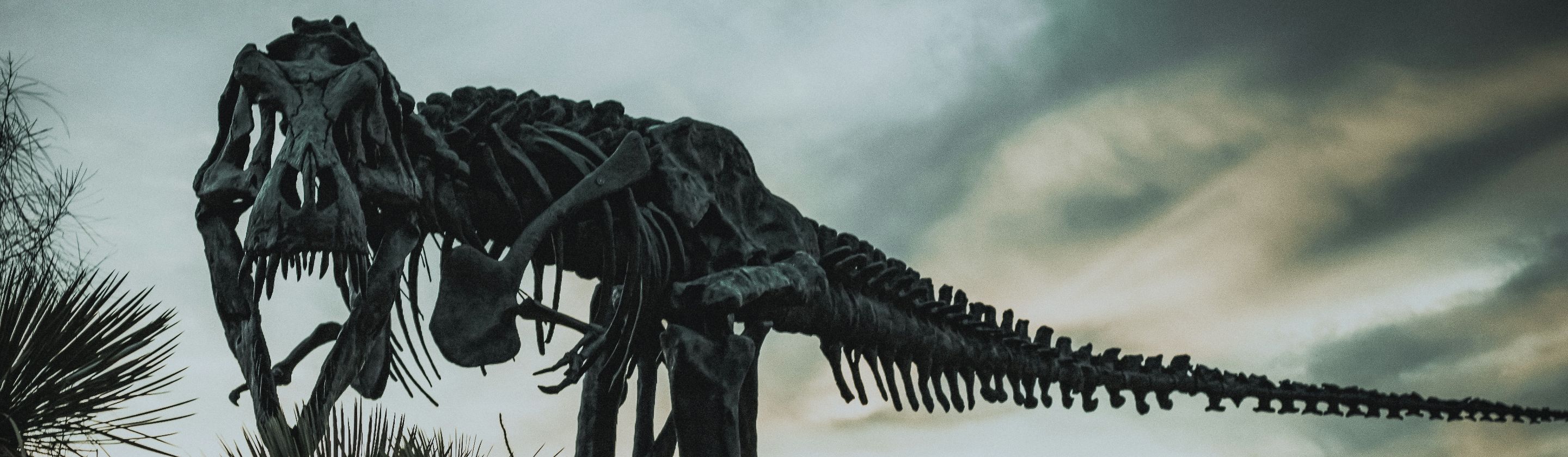
4. T. Rex Lived in the Jurassic Period
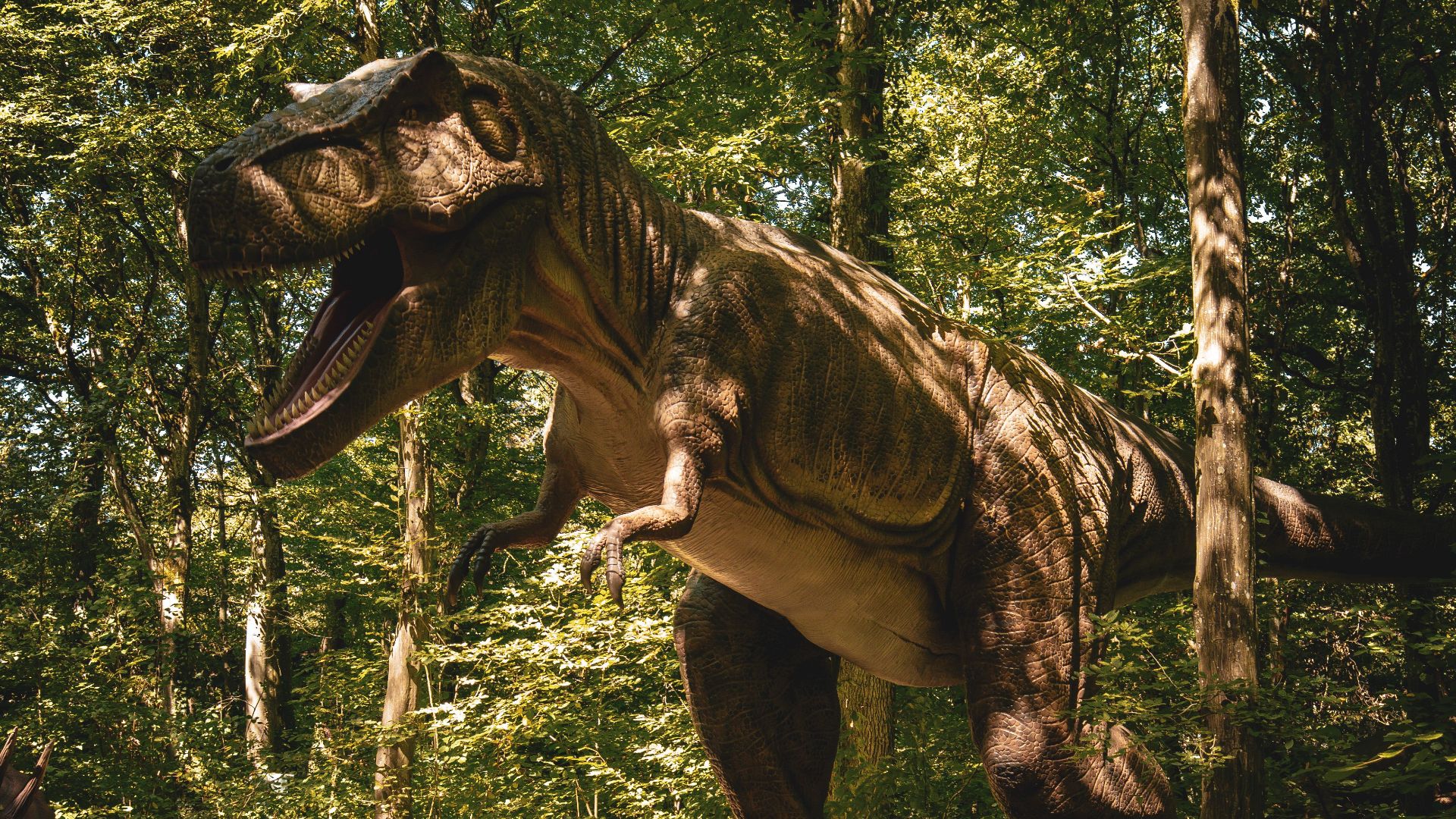
Putting Tyrannosaurus rex in the Jurassic is one of those mistakes that blockbuster hits haven't helped eliminate. The predator actually lived near the end of the Cretaceous Period, roughly 68 to 66 million years ago. Stegosaurus, by comparison, lived during the Late Jurassic and had already been extinct for tens of millions of years before T. rex appeared.
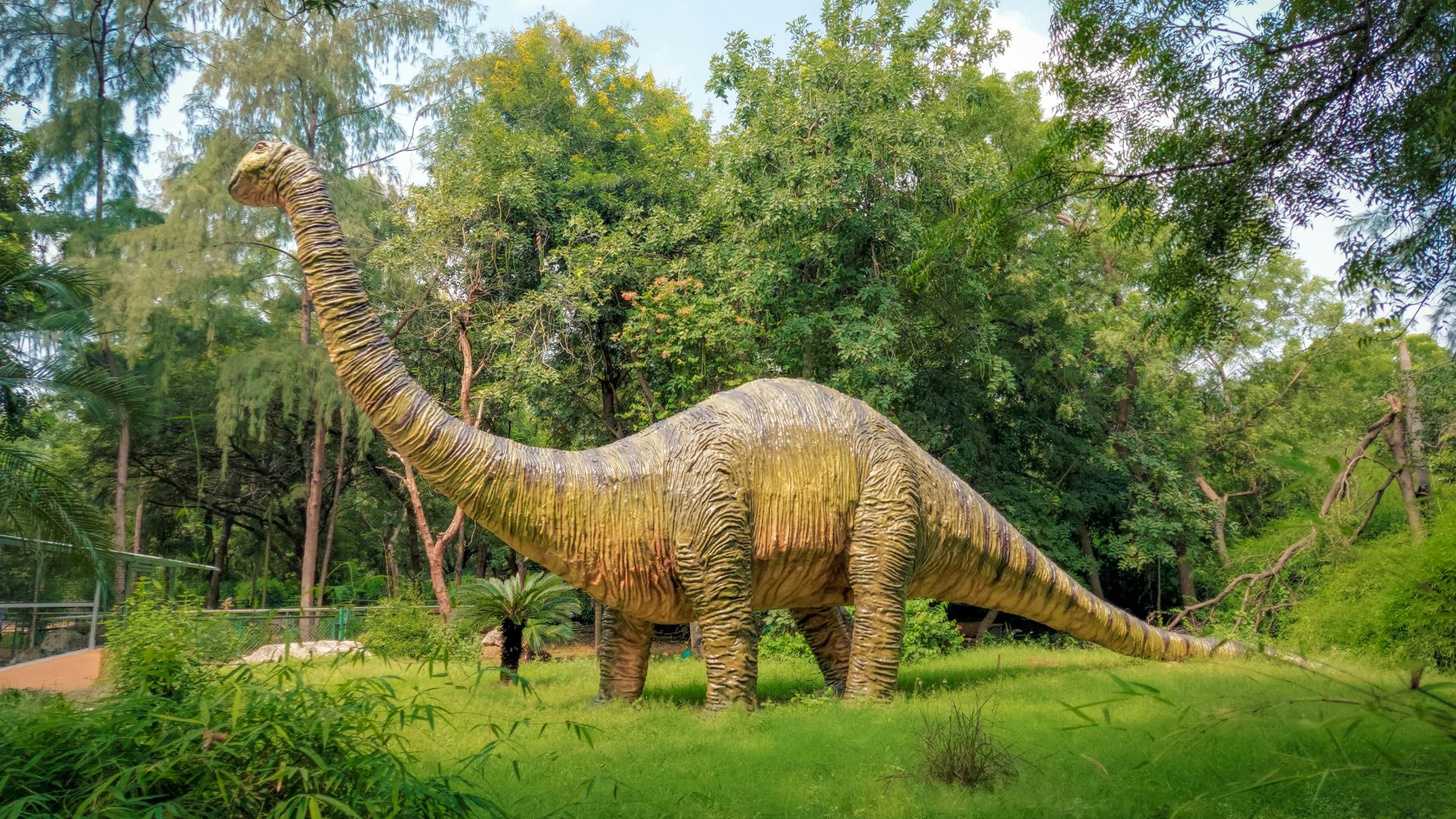
5. Pterosaurs Were Flying Dinosaurs
We hate to say it, but those leathery-winged reptiles soaring over dinosaur illustrations weren't really dinosaurs at all. Pterosaurs belonged to a different branch of reptiles, even though they shared the Mesozoic world with dinosaurs. If you ever need help deciphering the two, just remember that scientists distinguish dinosaurs partly through skeletal features such as their distinctive hip structure, which pterosaurs didn't have.
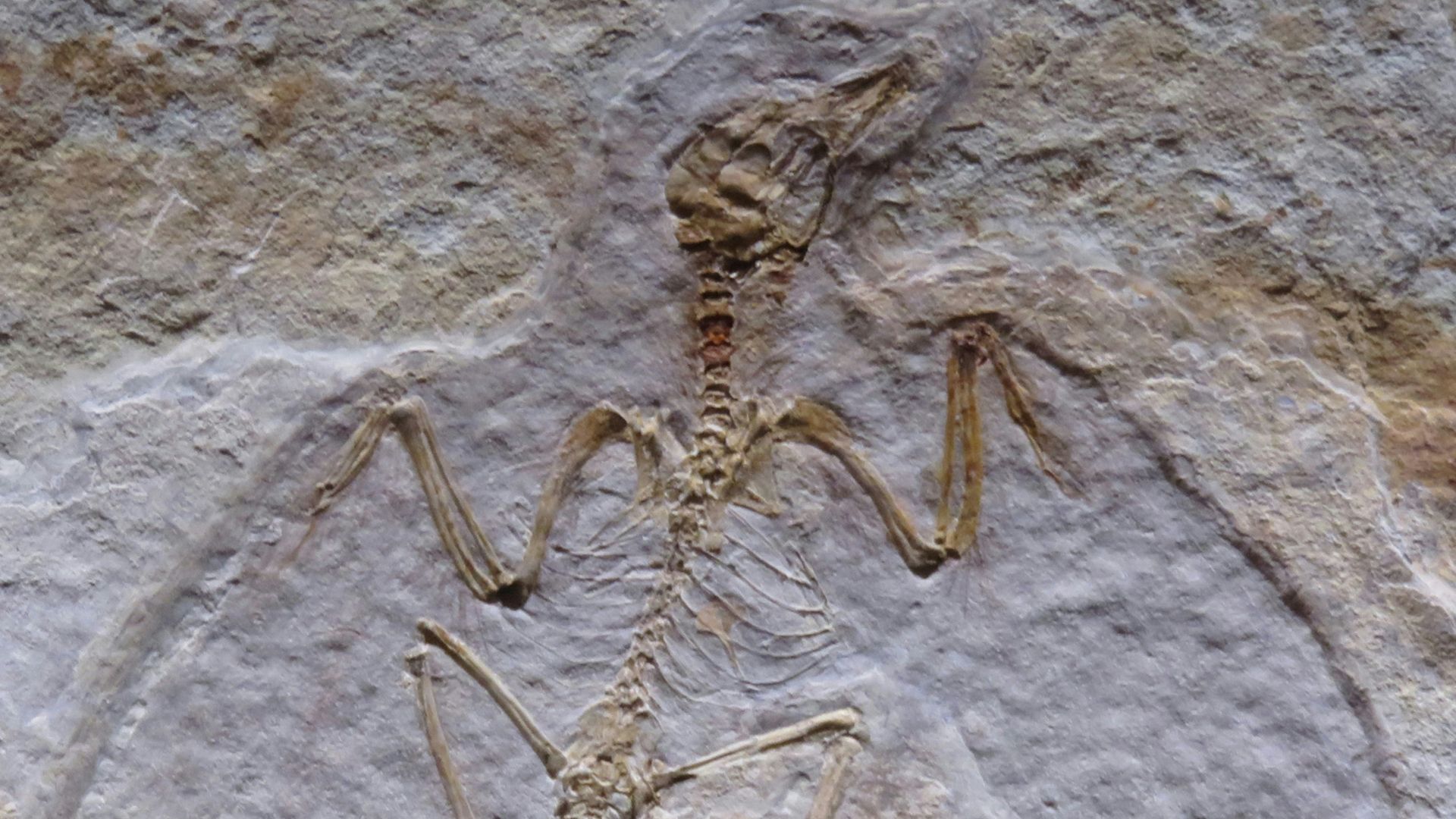
6. Plesiosaurs and Mosasaurs Were Dinosaurs
The rule applies underwater, too! The famous marine reptiles of the Mesozoic weren't dinosaurs, either. Plesiosaurs, along with other ocean-going reptiles, belonged to separate evolutionary groups; actual non-avian dinosaurs were fundamentally land animals.
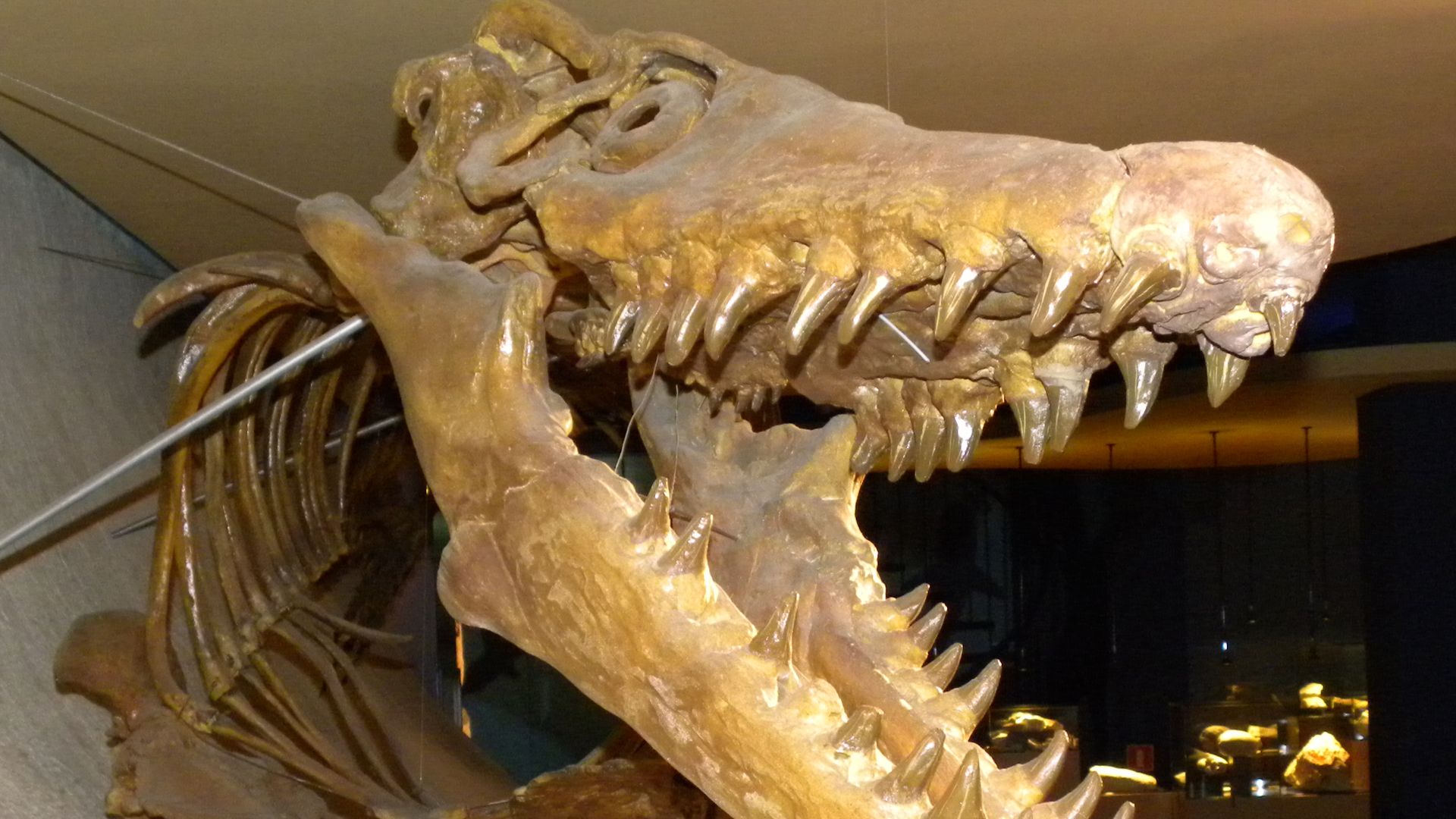
7. Every Dinosaur Was Cold-Blooded
Early researchers didn’t have a ton to work with, often picturing dinosaurs as lazy beasts that needed outside heat to get off their keisters. Modern research, however, suggests a far more complicated picture: theropods show evidence consistent with high metabolic rates, while other groups may have regulated their bodies differently. Paleontologists are still working out the details, but there’s no way that all dinosaurs were cold-blooded.
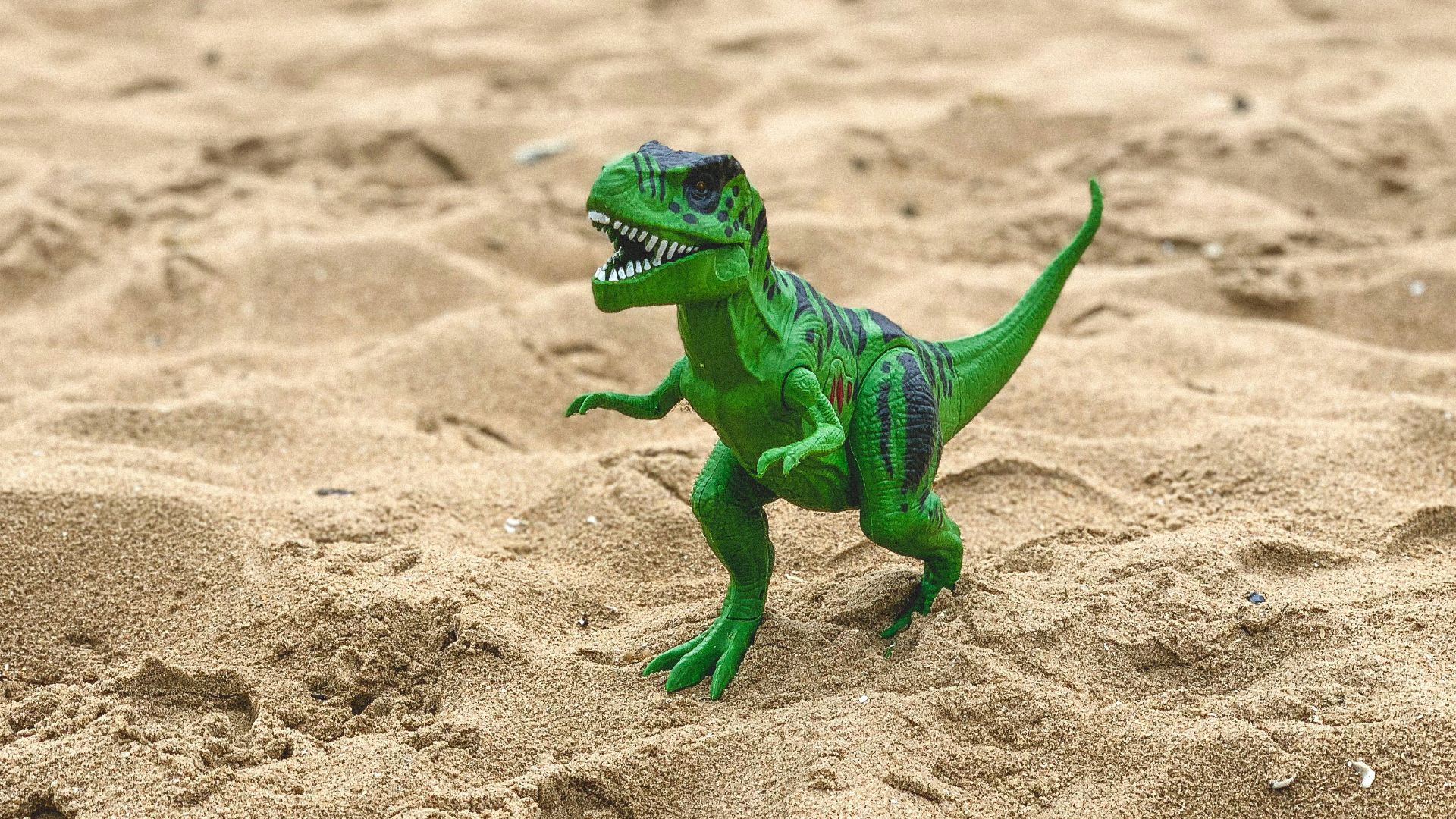
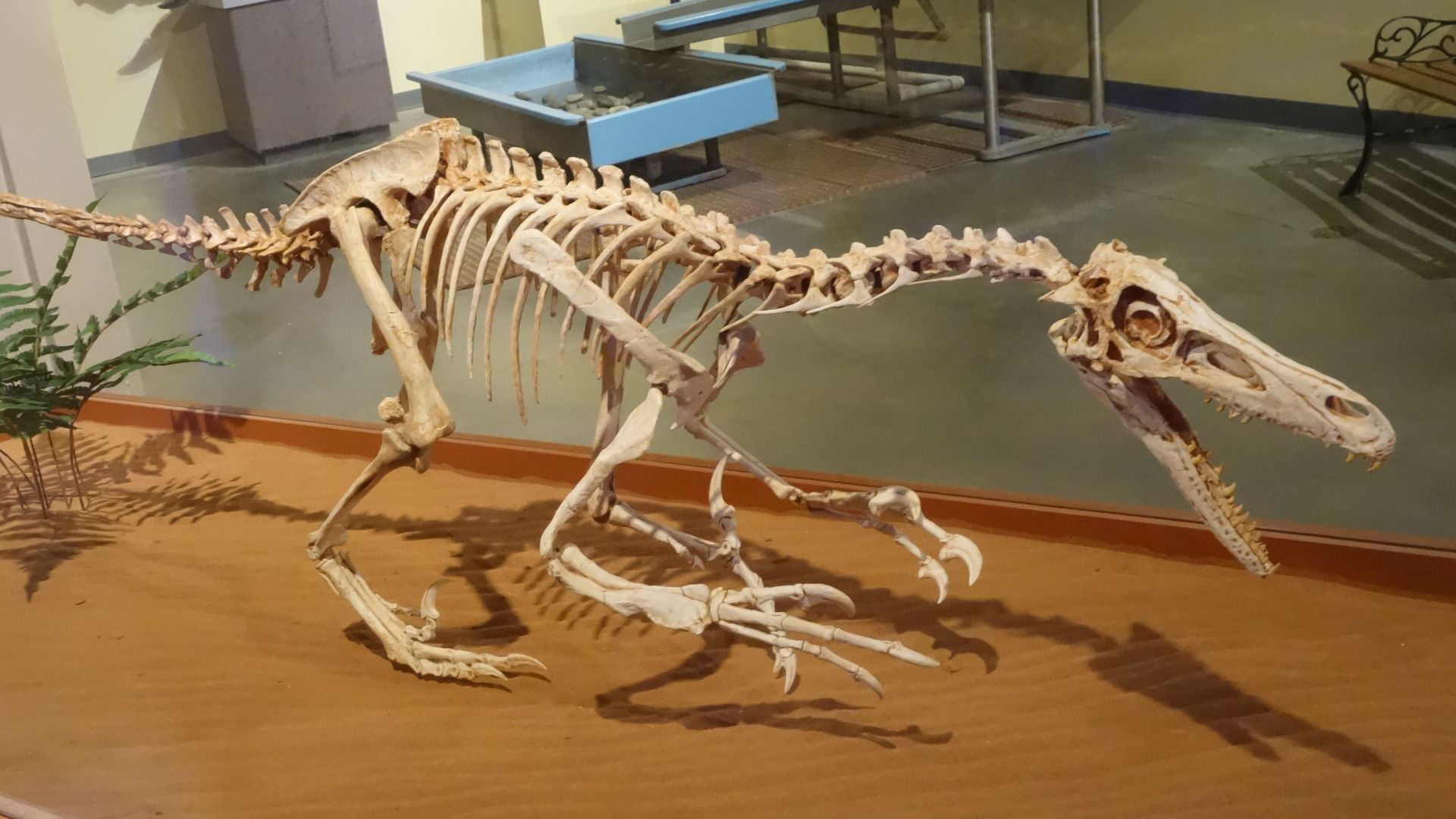
8. Velociraptors Were Huge Monsters
The Velociraptor made famous by Hollywood bears only a passing resemblance to the actual thing. Real Velociraptors were much smaller than the towering movie version. They also had feathers despite being unable to fly. Don’t get us wrong, you should still fear them, but you also shouldn't picture creatures that stalk kitchens.
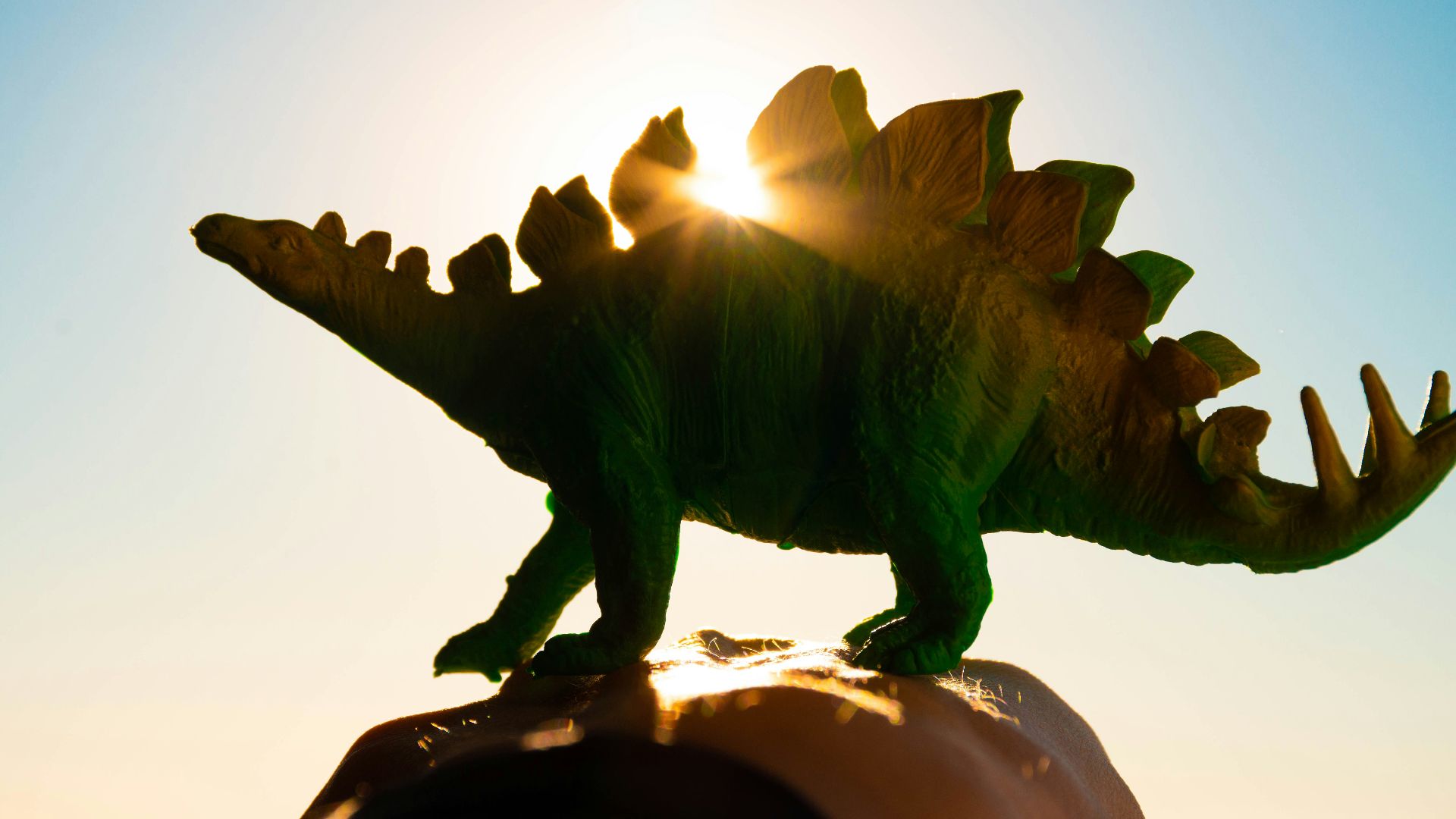
9. Stegosaurus Had a Second Brain In Its Hips
An enlarged cavity near the hips once helped inspire the strange notion that Stegosaurus needed a second brain to control its rear end. Researchers no longer find that credible, though. New ideas suggest those empty spaces were used to store energy-rich substances, which is actually something also seen in birds.
 Lucas George Wendt on Unsplash
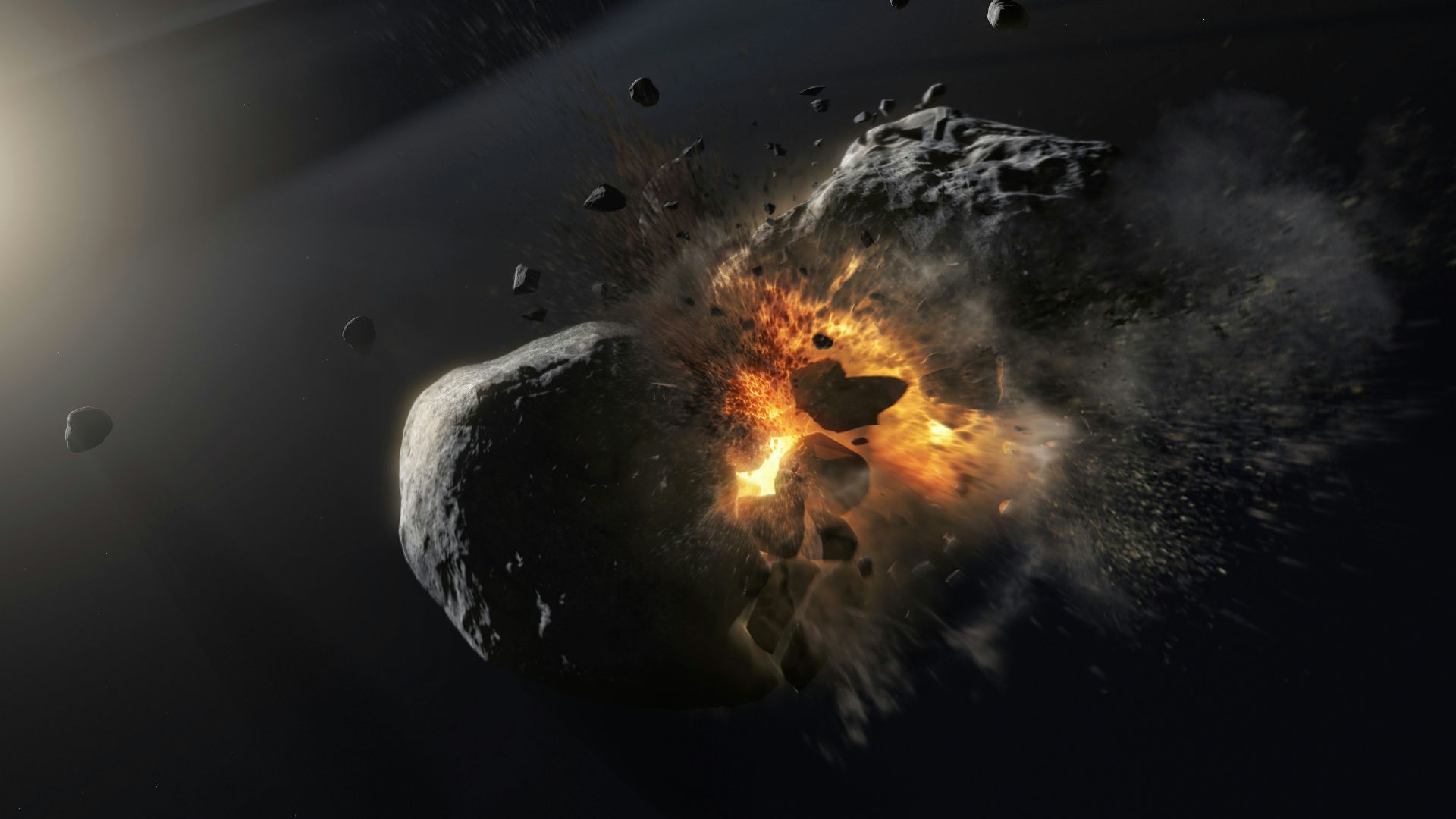
10. The Asteroid Made Every Dinosaur Vanish
We’ve all fallen victim to the belief that an asteroid wiped out every dinosaur, but that’s not entirely true. The asteroid impact about 66 million years ago was devastating, but avian dinosaurs survived the extinction event. They even diversified into the birds living in our skies today!
 NASA Hubble Space Telescope on Unsplash
Now that we have some of the crazier stuff behind us, let’s dive into some truths most people didn’t actually know.
1. Birds Really Are Dinosaurs
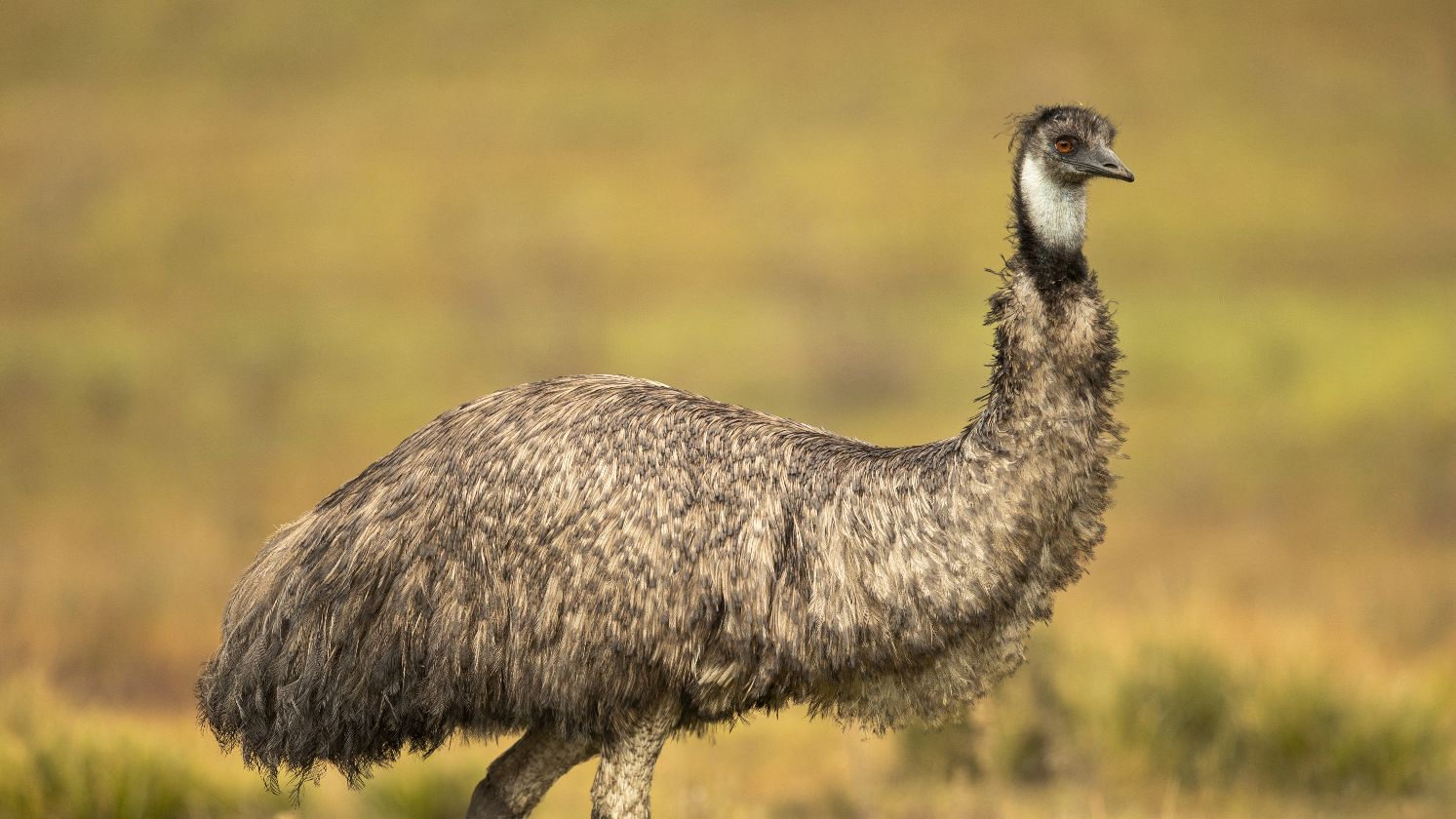
Say what you want about them, but calling a pigeon a dinosaur isn't exactly a loose comparison; birds do, in fact, sit inside the dinosaur family tree. They evolved from small theropod dinosaurs, and if anything, modern birds represent the only dinosaur lineage to survive the mass extinction.

2. Scientists Have Worked Out Some Colors
For generations, artists could make dinosaurs whatever they wanted—it’s not like we had any clue what they really looked like. Today, though, microscopic pigment structures revealed that Sinosauropteryx had reddish-brown tones and bands along its tail, while Anchiornis had black, white, and reddish-brown plumage.
3. Dinosaurs Lived on Every Continent
Dinosaurs didn’t just camp in one spot; fossils have been discovered on all seven continents, including Antarctica! Okay, yes, the continents looked very different during the Mesozoic, but fossil records consequently stretch from familiar American badlands to some of the coldest places researchers trek to today.
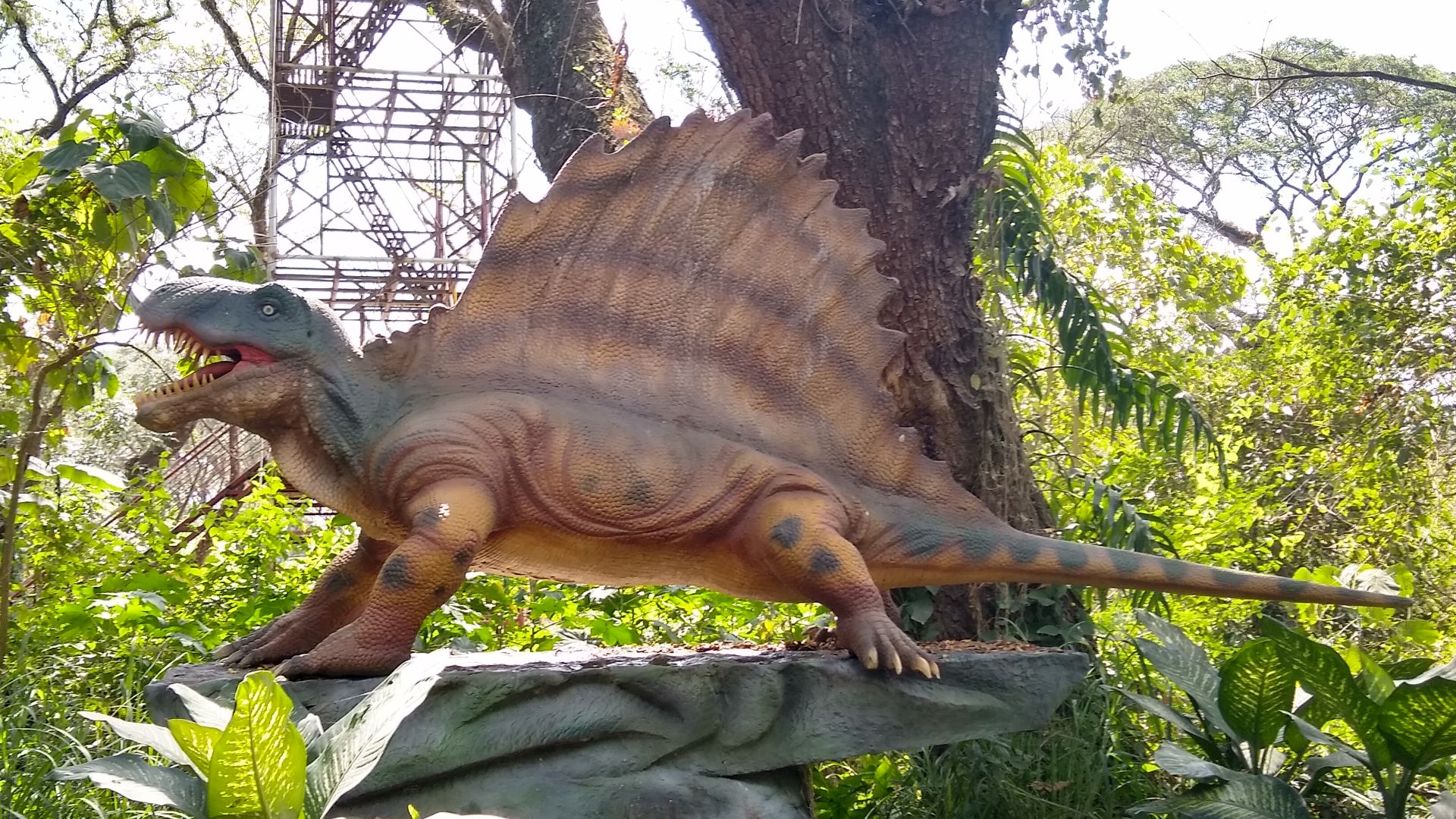
4. T. Rex Grew Astonishingly Fast
And here we thought our kids grew like weeds. Fossil growth rings suggest that a young T. rex reached full size in less than 20 years. It may even have added roughly 1,500 pounds annually during the fastest part of its teenage growth spurt.
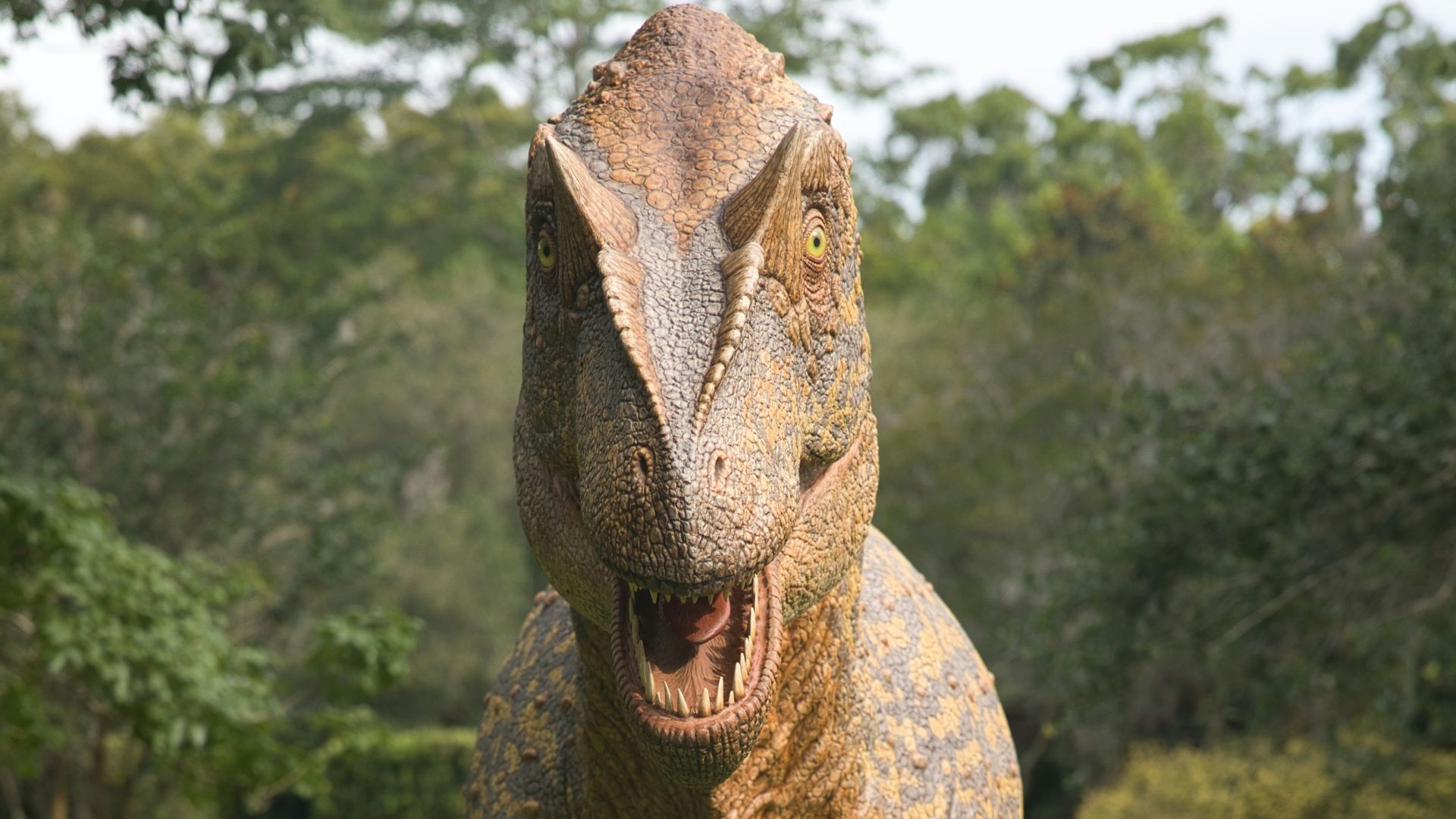
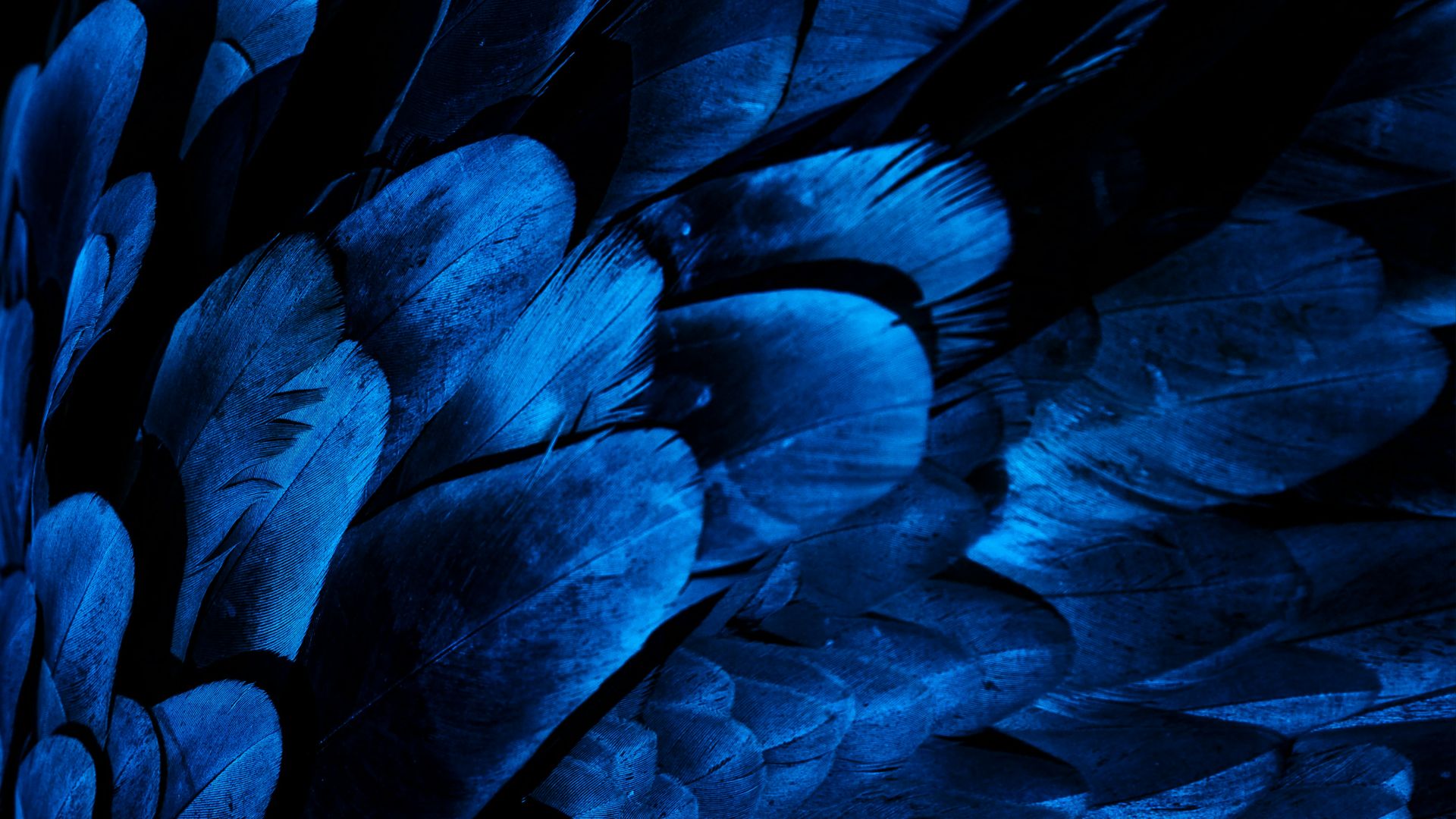
5. Some Feathers Appeared Before Flight
Feathers didn't evolve because dinosaurs suddenly needed wings. Many feathered species actually couldn't reach the skies, and early plumage may instead have provided insulation, camouflage, or visual displays used to communicate and attract partners. Flight only showed up later in certain lineages after feathers were already well established.
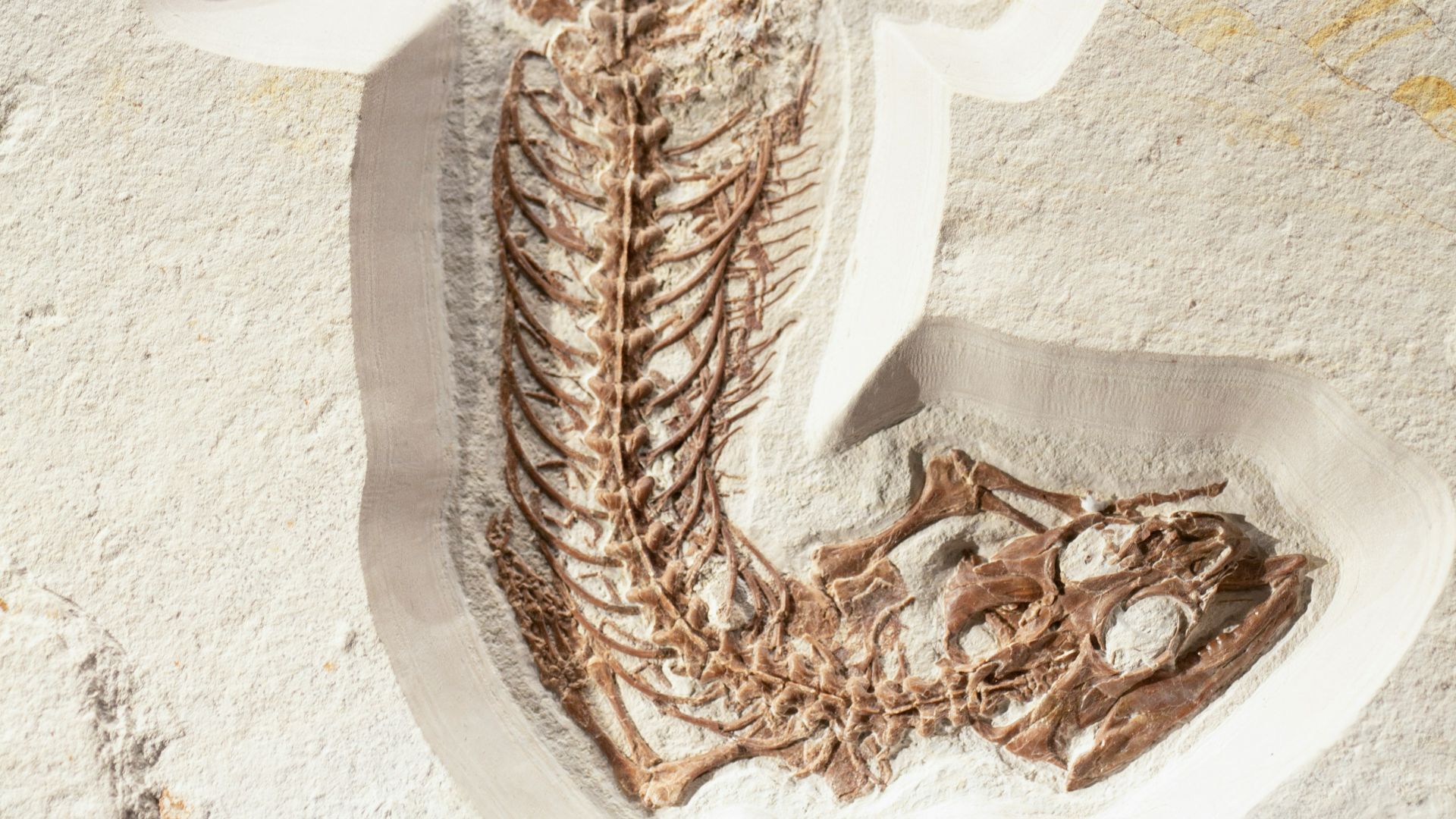
6. Dinosaur Fossils Can Preserve Their Last Meals
Interestingly, bones aren't the only clues paleontologists score in their research. Fossils associated with Anchiornis, for example, contain evidence of food including lizard bones and fish scales, while fossilized stomach contents can pinpoint what extinct animals were eating.
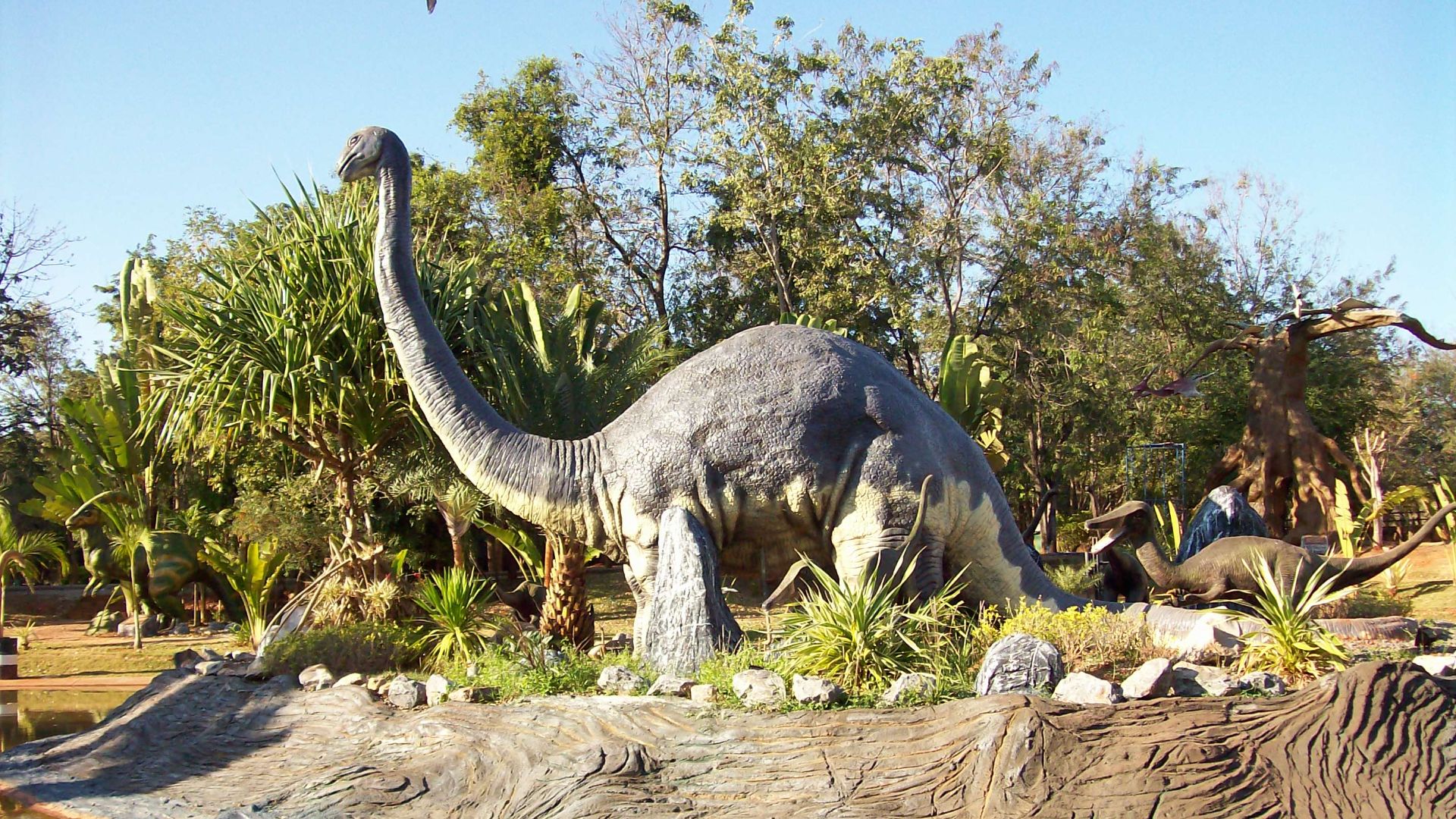
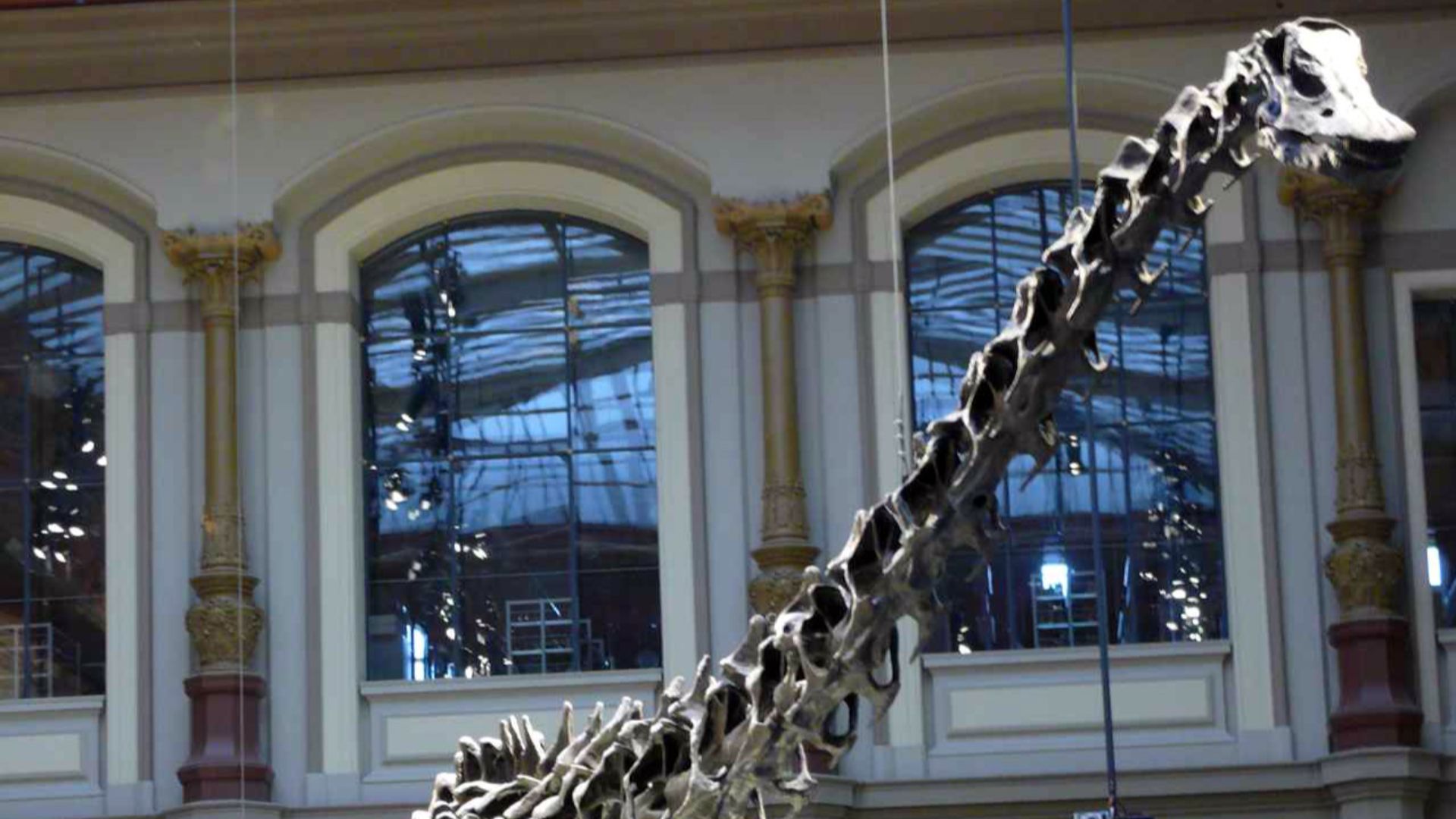
7. Sauropods Had an Efficient Breathing System
It’s easy to look at a long-necked dinosaur and assume its best quality was oversized lungs. The thing is, evidence suggests sauropods had a bird-like system that kept oxygen moving efficiently through the body, including during exhalation. That setup may have been what allowed animals that size to support their bodies and extraordinarily features.
 Gunnar Ries Amphibol on Wikimedia
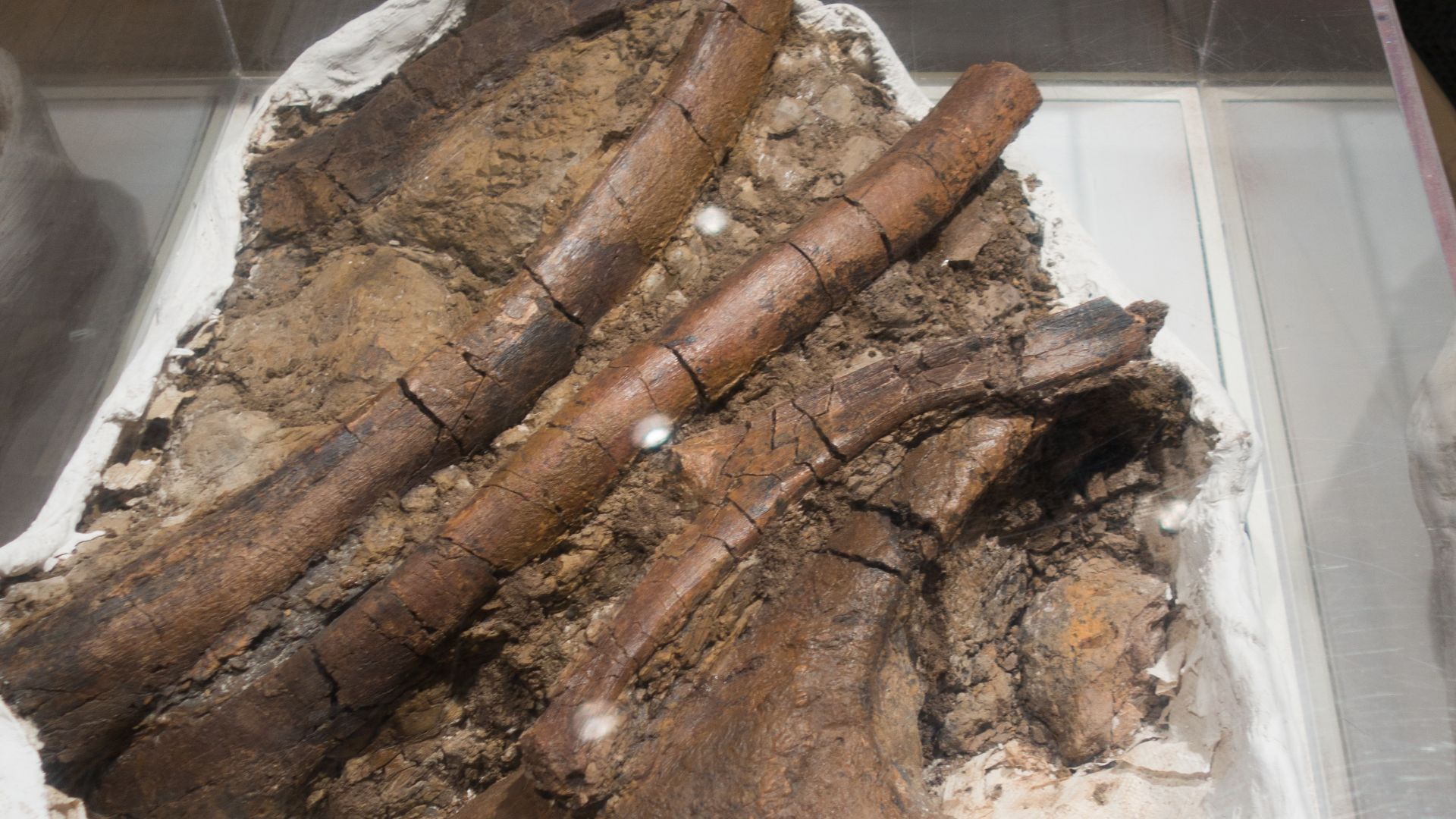
8. Fossil Footprints Can Reveal How Dinosaurs Moved
A dinosaur doesn't need to leave behind its skeleton to tell us something useful. Preserved trackways can provide all sorts of other clues: an animal's size, gait, direction of travel, and whether several individuals may have been moving through the same area. Researchers can even make rough estimates of leg length from individual footprints!
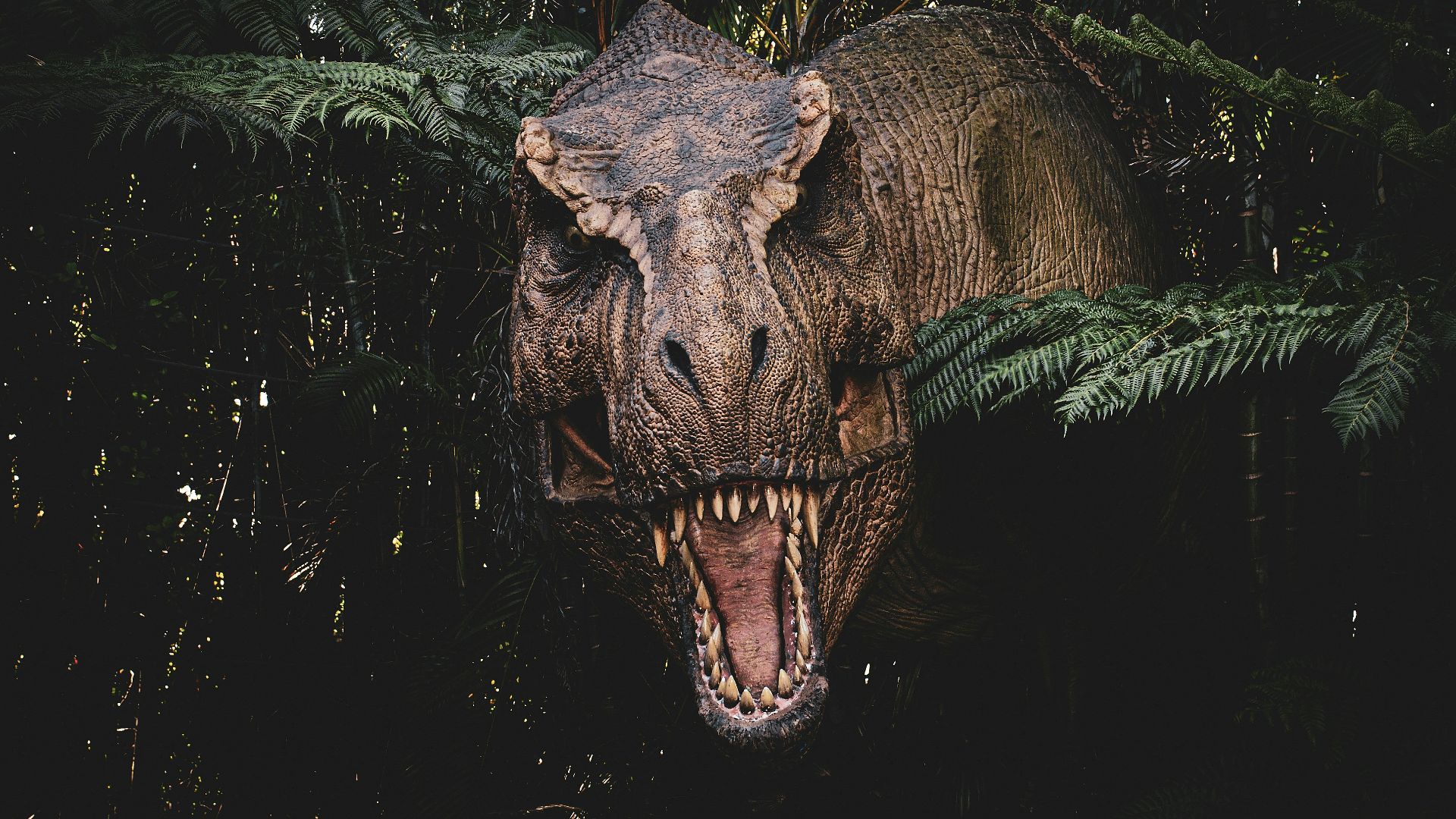
9. T. Rex Had More a Lot in Common With Birds
Sorry, we’re not done talking about birds just yet! Under all that muscle and those gigantic teeth, Tyrannosaurus rex carried several traits associated with its relatives that produced birds. Researchers note that T. rex and birds share all kinds of features, like hollow bones and air-sac systems. Even smaller tyrannosaur relatives such as Dilong had feather-like structures.
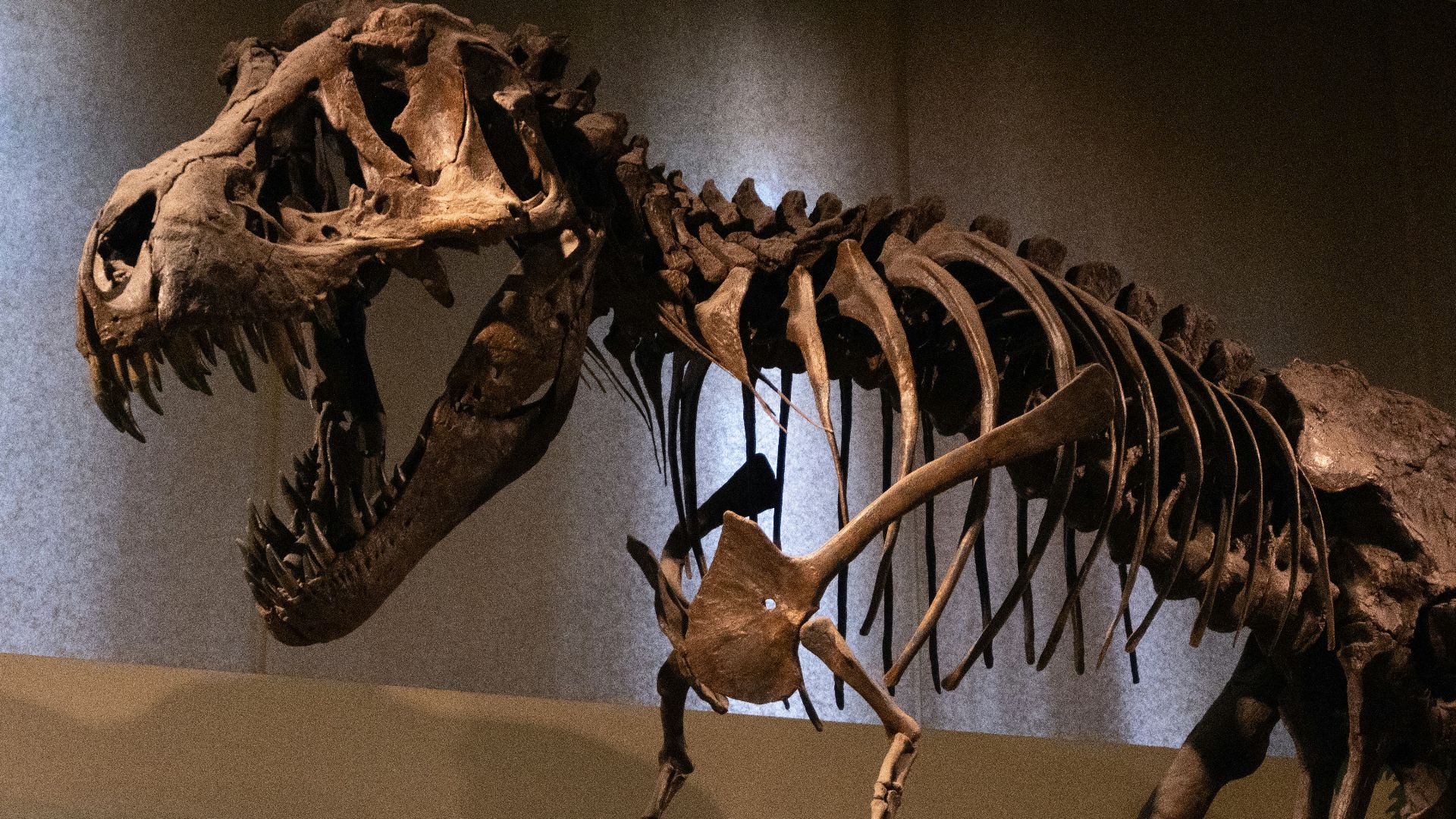
10. Dinosaurs Ruled For an Unimaginably Long Time
Dinosaurs first appeared roughly 245 million years ago, meaning non-avian dinosaurs existed for well over 170 million years before the end-Cretaceous extinction. They also changed a lot during that span, which is why creatures separated by huge stretches of time are so commonly imagined as neighbors, even when they weren’t.
KEEP ON READING