Famous Lines With Sudden Endings
History is full of powerful families whose names seemed destined to continue for generations, only for a single death to bring a particular branch of the family to an end. In some cases, the person had no surviving children, while in others, an entire dynastic line disappeared because the last legitimate heir died unexpectedly. These endings could change succession, trigger political disputes, or simply leave historians with a fascinating "what if?" about the family that might have continued.
1. Alexander the Great
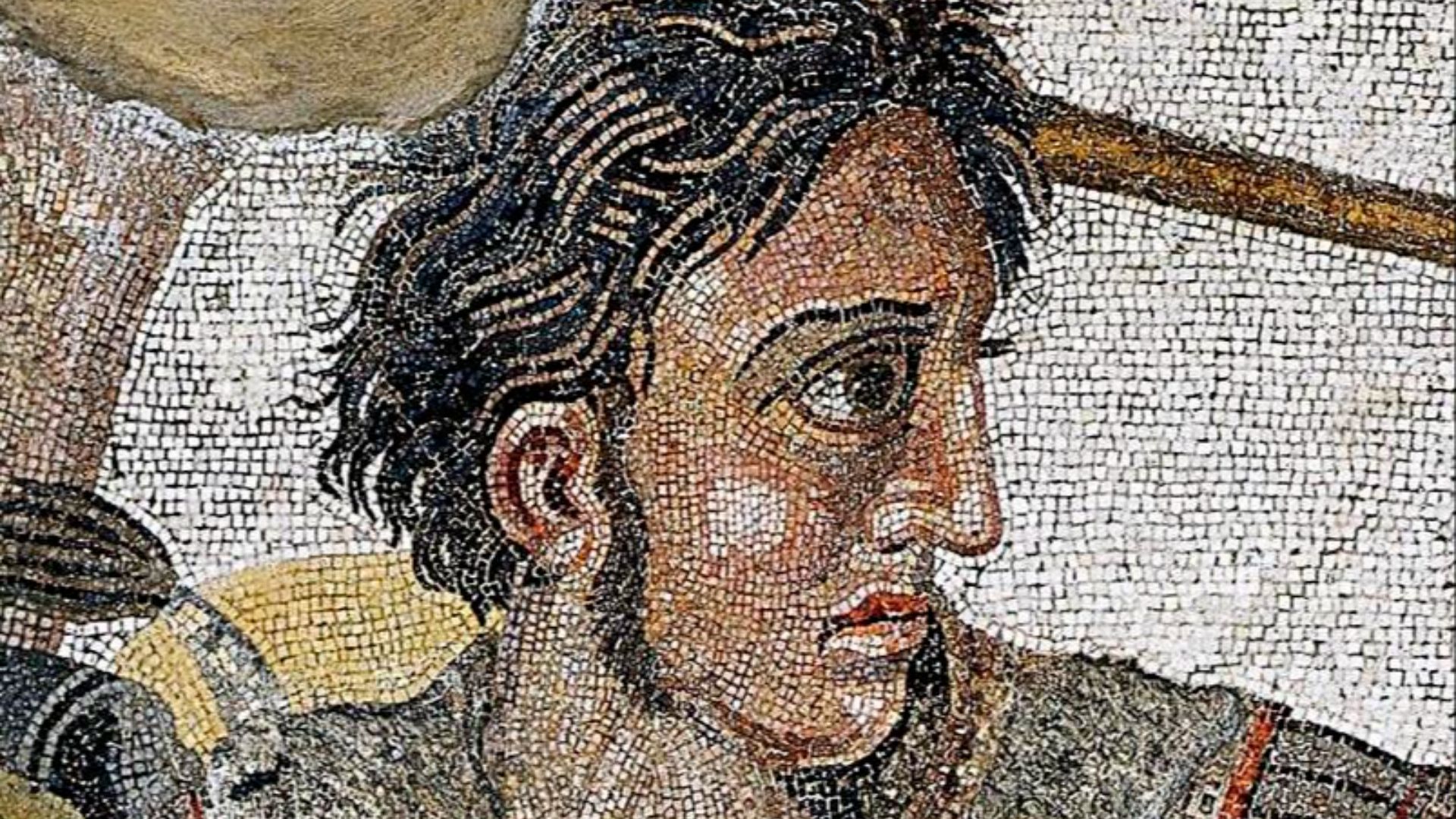
When Alexander the Great died in Babylon in 323 BC, he left an empire sprawling across much of the world and no mature heir to rule it. His son, Alexander IV, was born after his father's death and was eventually killed while still young. Alexander's direct Argead line therefore disappeared, while his empire was divided among competing generals.
 Unknown authorUnknown author on Wikimedia
2. Julius Caesar
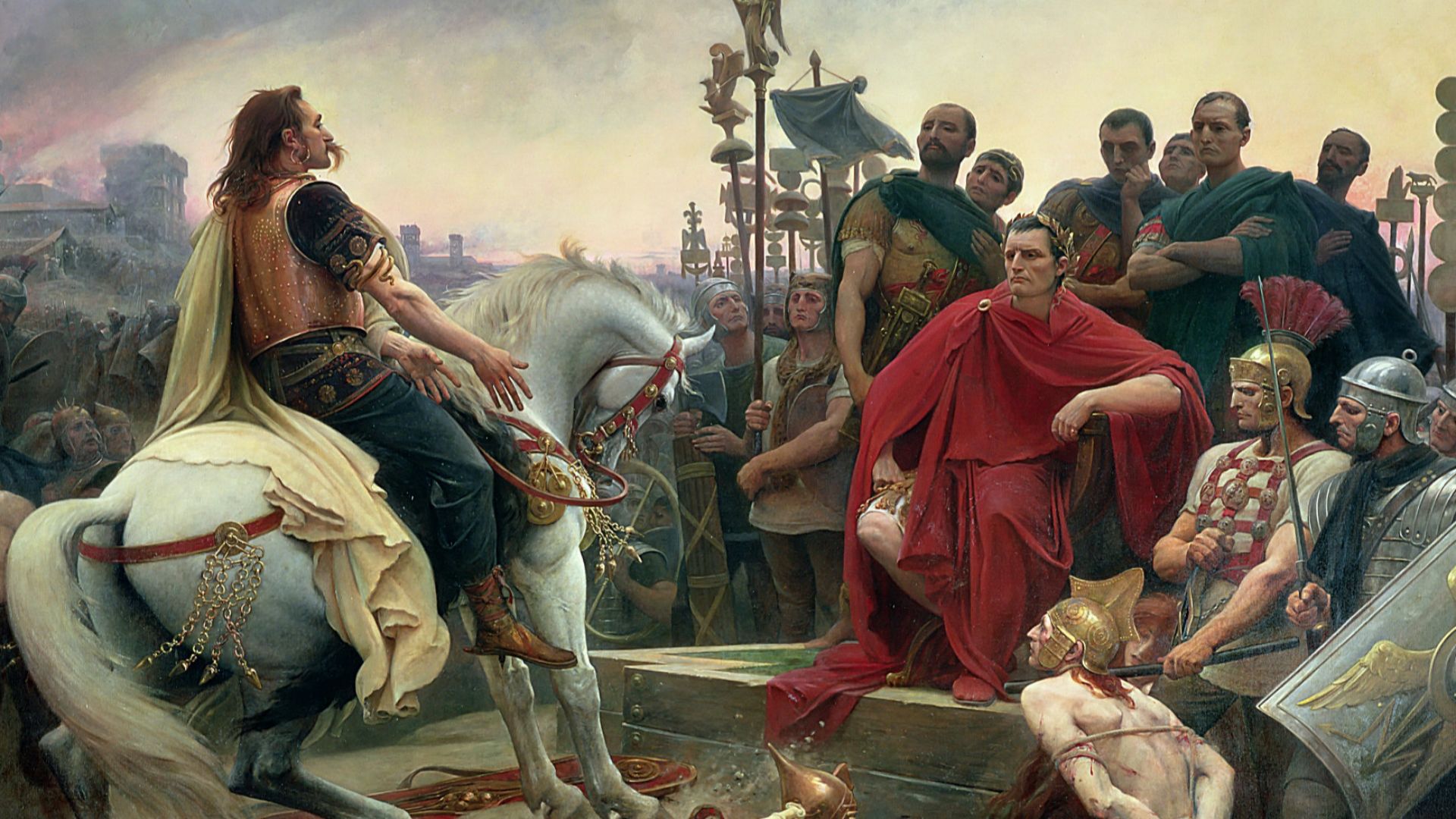
Julius Caesar had a daughter, Julia, who predeceased him, and a son by the name of Caesarion, who was born to Cleopatra. After Cleopatra fell and Octavian rose to power, Caesarion was killed in 30 BC. Although Caesar adopted Octavian as his heir, the adoption didn't continue Caesar's biological lineage.
3. Cleopatra VII
Cleopatra had four children, but they did not go on to have any power within the Ptolemaic Dynasty. Caesarion was killed by Octavian, and her other children were taken to Rome, allowing the dynasty to lose its seat of power. With Cleopatra's passing in 30 BCE, the Ptolemaic dynasty that had ruled Egypt for nearly three centuries came to an end.

4. Edward the Confessor
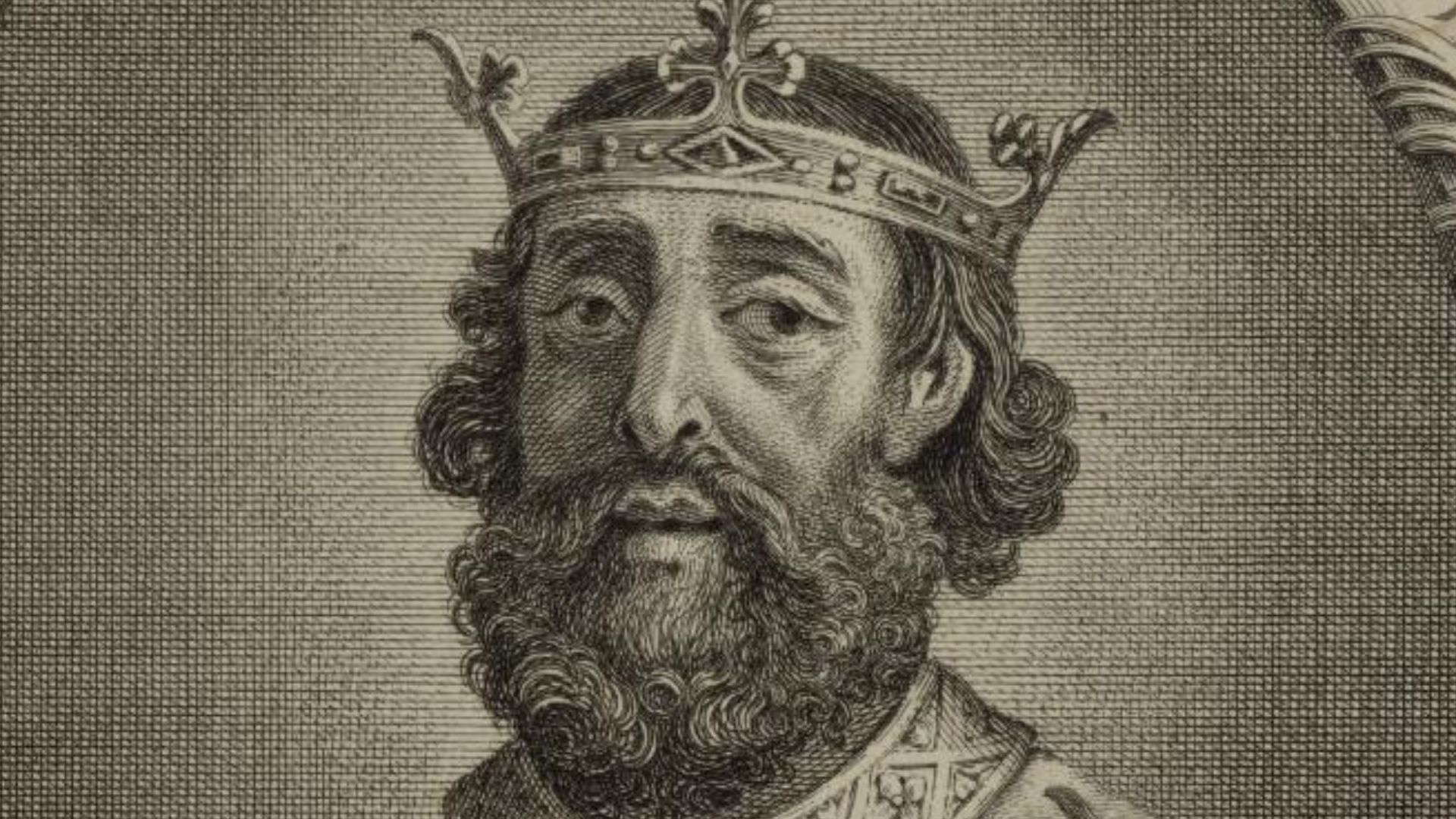
Edward the Confessor, King of England from 1042 to 1066, died without children, bringing the direct royal line established by his father, Æthelred the Unready, to an end. His death created a succession crisis. This led to many disputes over who should be king and ultimately was decided when William conquered Harold Godwinson at the Battle of Hastings.
5. Richard II of England
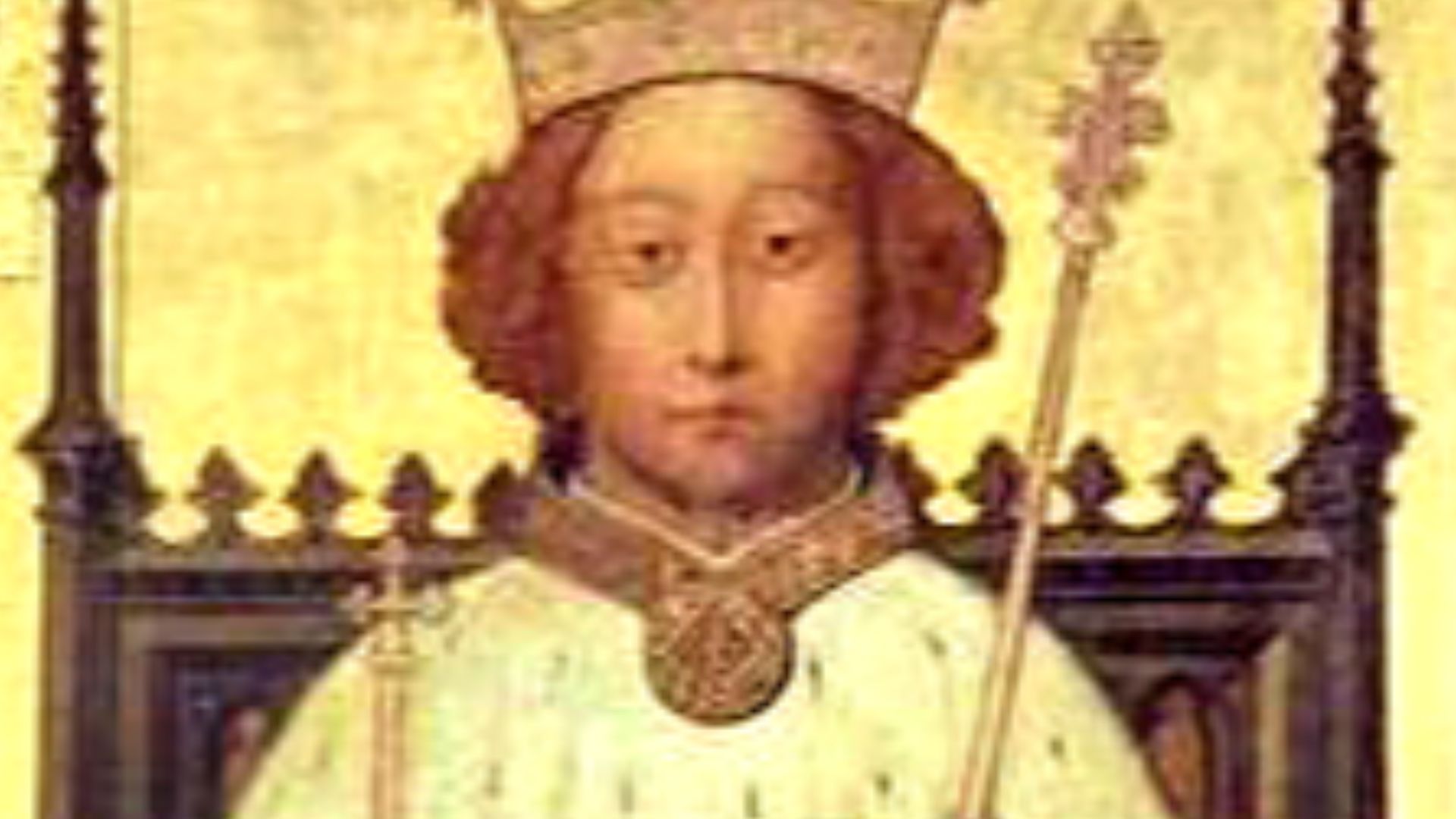
King Richard II of England died in custody in 1400 after he was deposed by his cousin Henry Bolingbroke. Richard had no surviving legitimate children, so his death ended the direct line of Edward, the Black Prince, through Richard himself. The crown instead continued through the Lancastrian branch descended from Richard's grandfather, Edward III.
 AnonymousUnknown author on Wikimedia
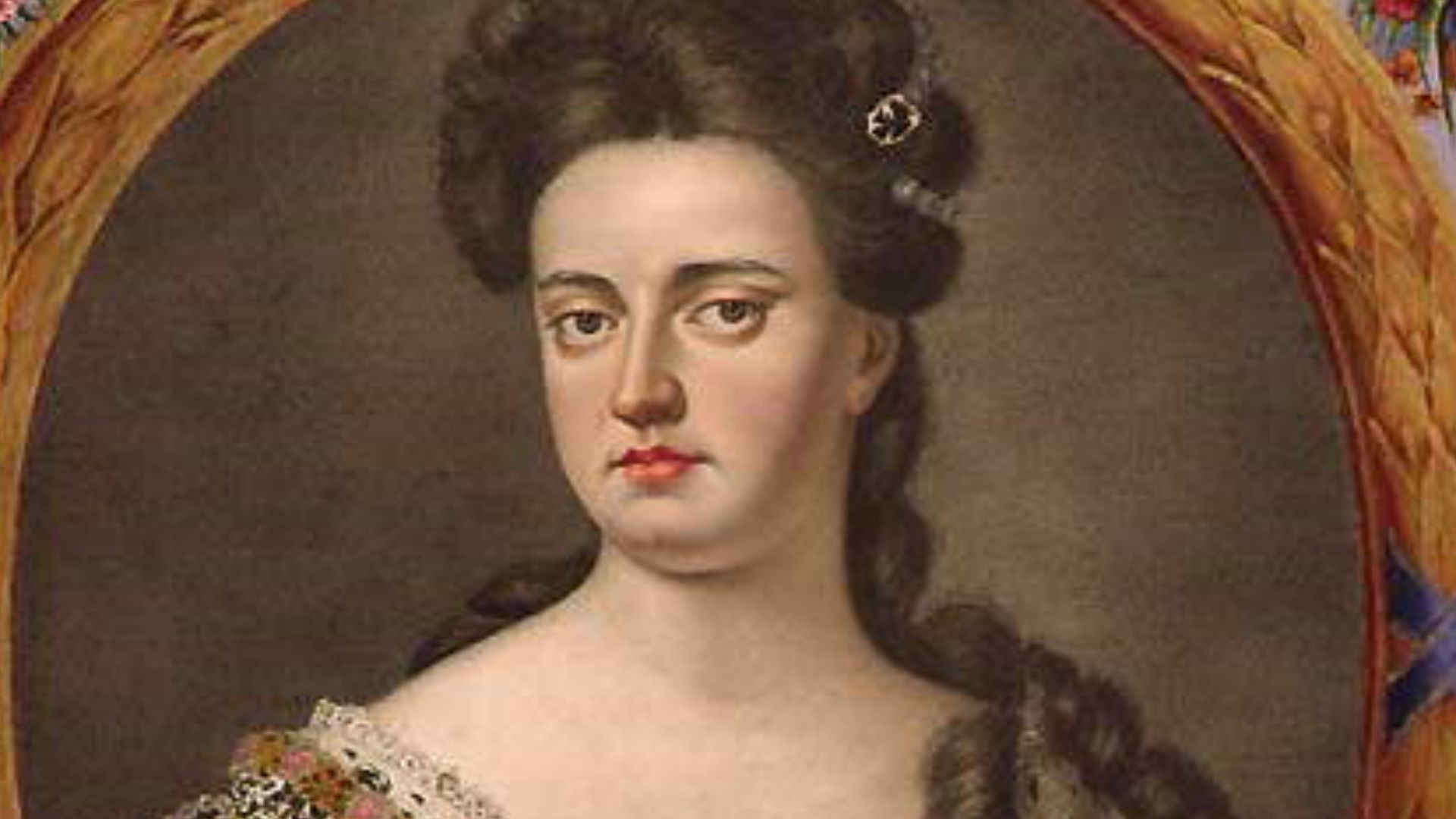
6. Anne of Great Britain
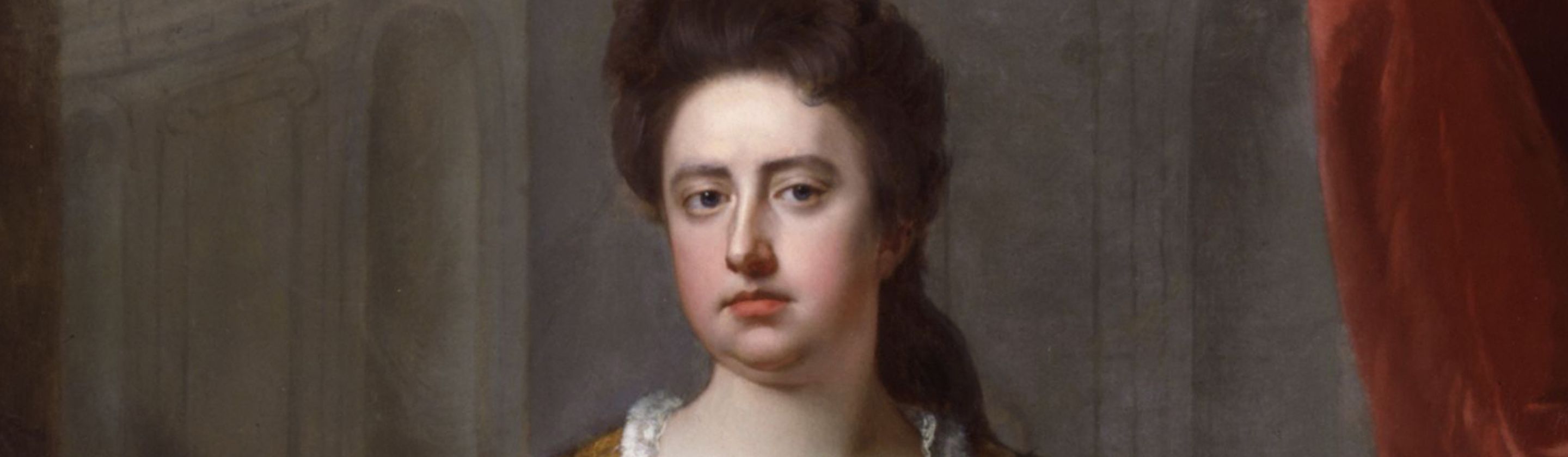
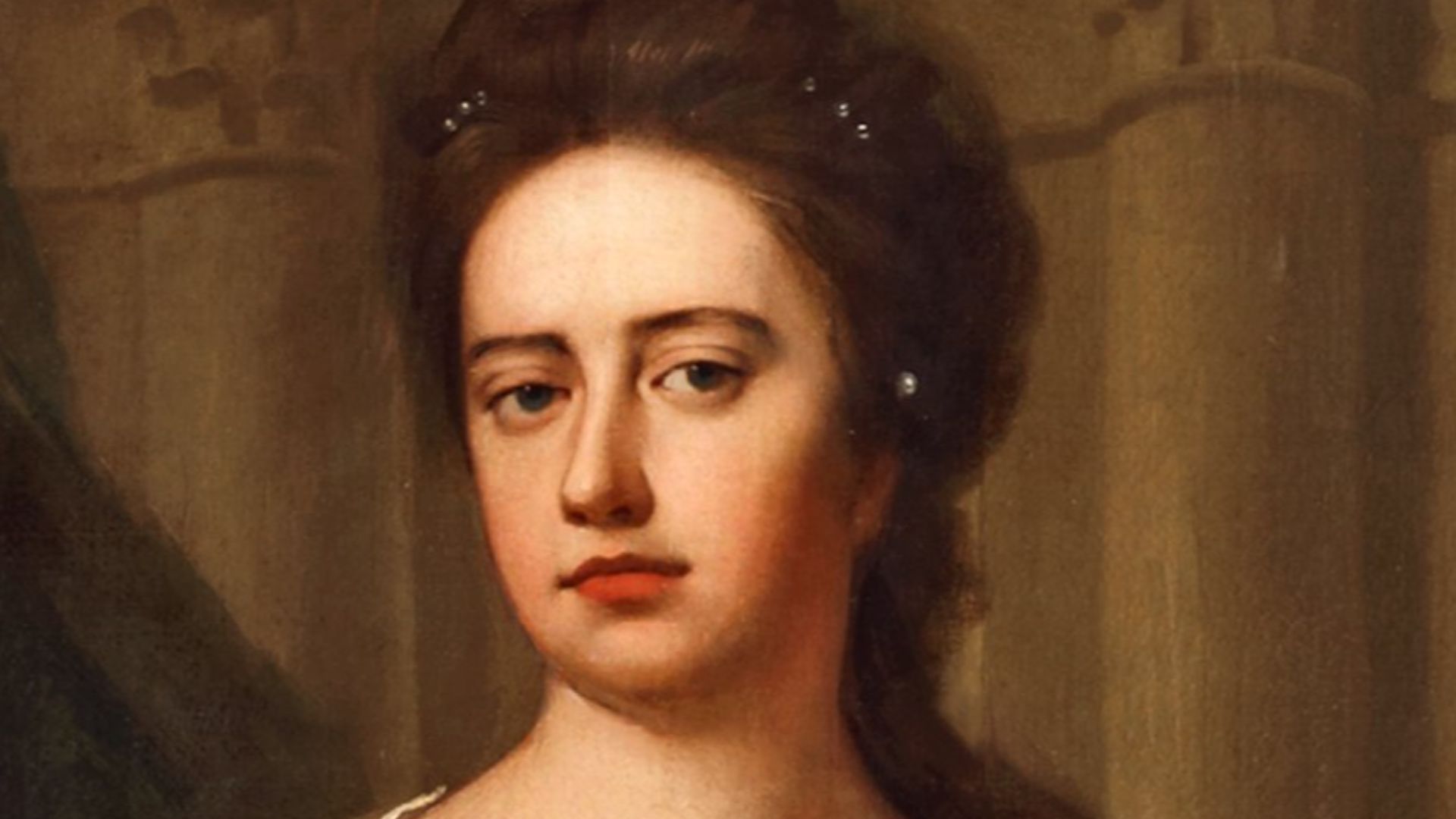
Queen Anne was the last ruler of the House of Stuart over England, Scotland, and Great Britain. She had many children, but none lived past childhood, and as she had no children living, she did not pass her lineage down to anyone else. When Anne died in 1714, the Stuart succession passed to George I of the House of Hanover.
 Unidentified engraver on Wikimedia
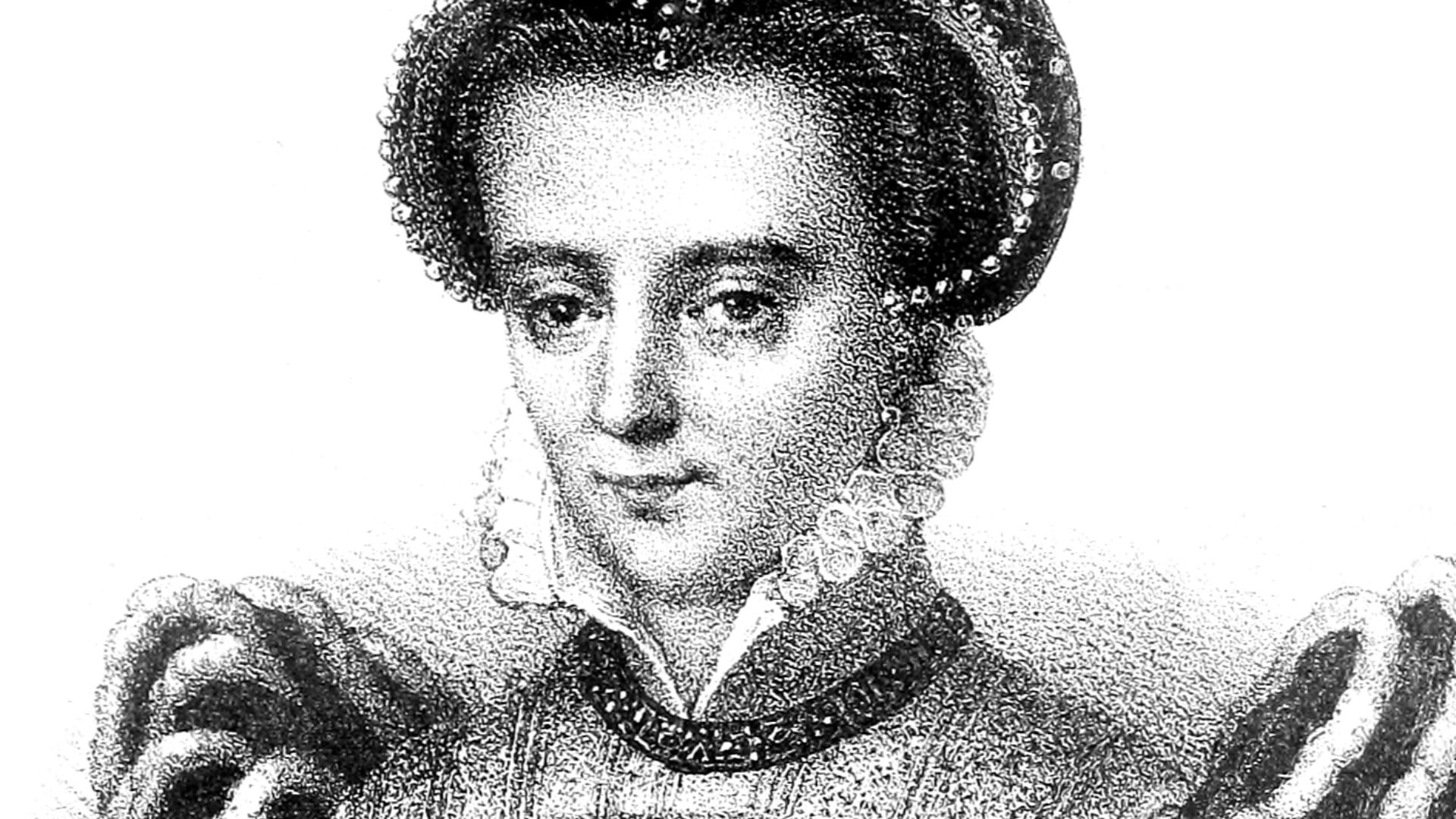
7. Mary I of England
Queen Mary I of England had no living descendants at the time of her death. Her lineage would end with her as she passed away in 1558, leaving no child to take over the throne. The crown passed to her half-sister Elizabeth I, who would also die without children.
 Laure Junot, Duchess of Abrantès on Wikimedia
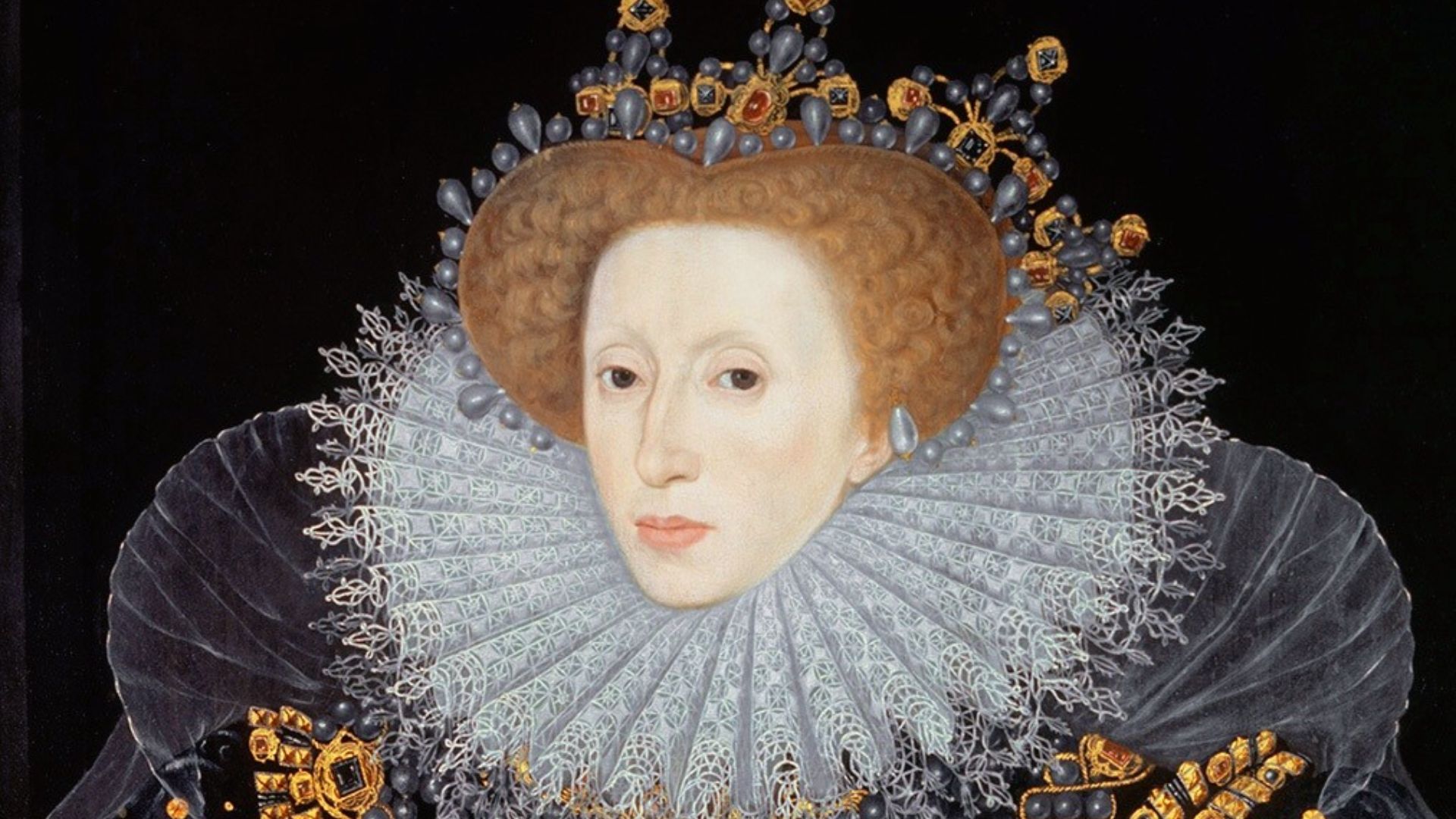
8. Elizabeth I of England
After Queen Elizabeth passed away in 1603, there would be no further successors to continue the Tudor dynasty. Since there were no living descendants, the next in line was James VI of Scotland. The succession peacefully transferred the English crown from the Tudors to the Stuarts.
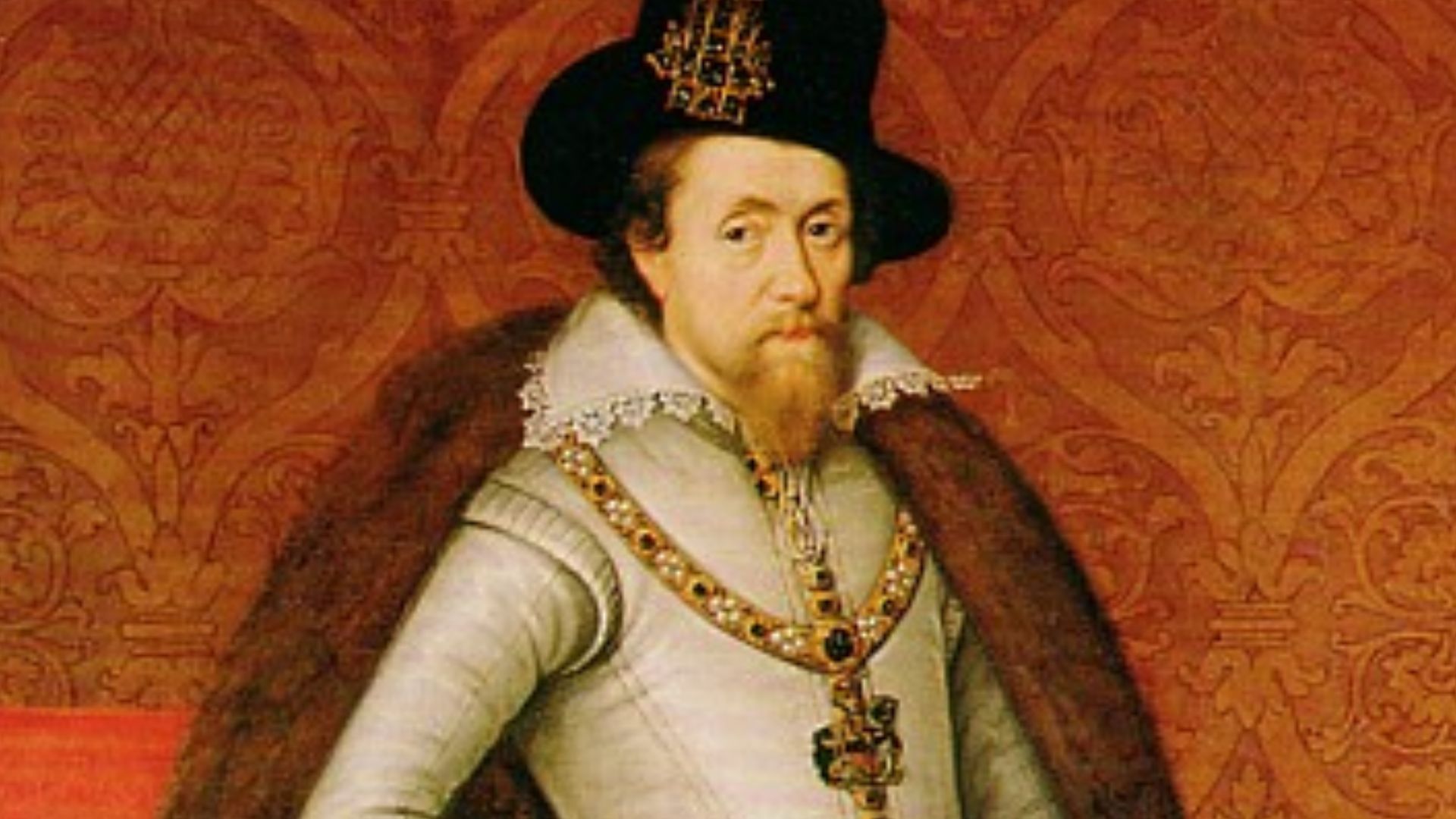
9. James VI and I
James VI of Scotland and I of England had several children, so his own death didn't end his immediate family line. However, his accession marked the end of the Tudor bloodline on the English throne because he descended from the Stuarts rather than the Tudor monarchs. His reign therefore represents another important point where a royal lineage ended and a different family took over.
10. Charles II of Spain
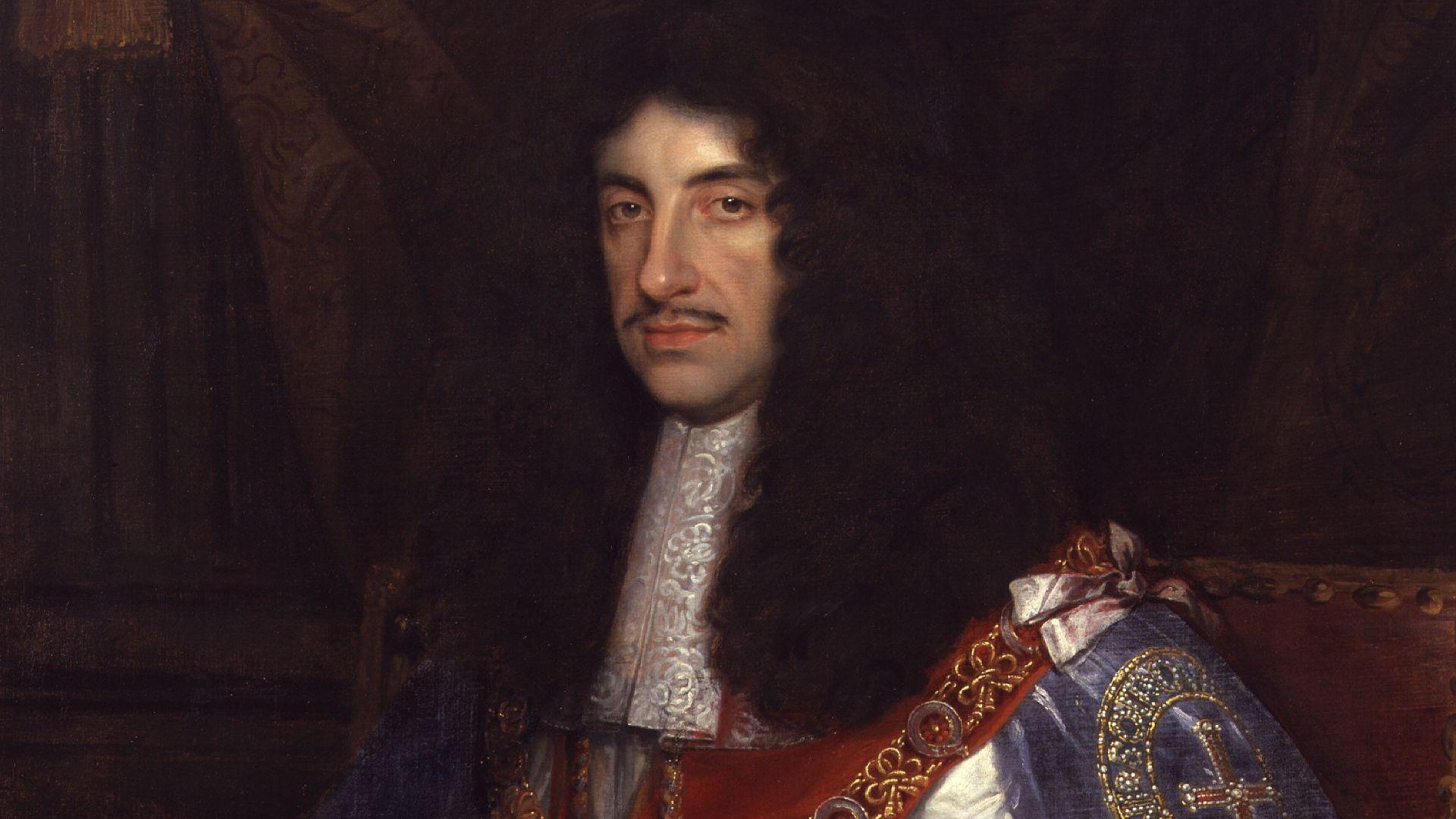
Charles II was the last Habsburg king of Spain and died in 1700 without children. He suffered from many diseases during his life, which may have been one reason he had no heir. After his death, there were many claimants who wanted to be king, sparking the War of the Spanish Succession.
 John Michael Wright on Wikimedia
11. Louis XVI
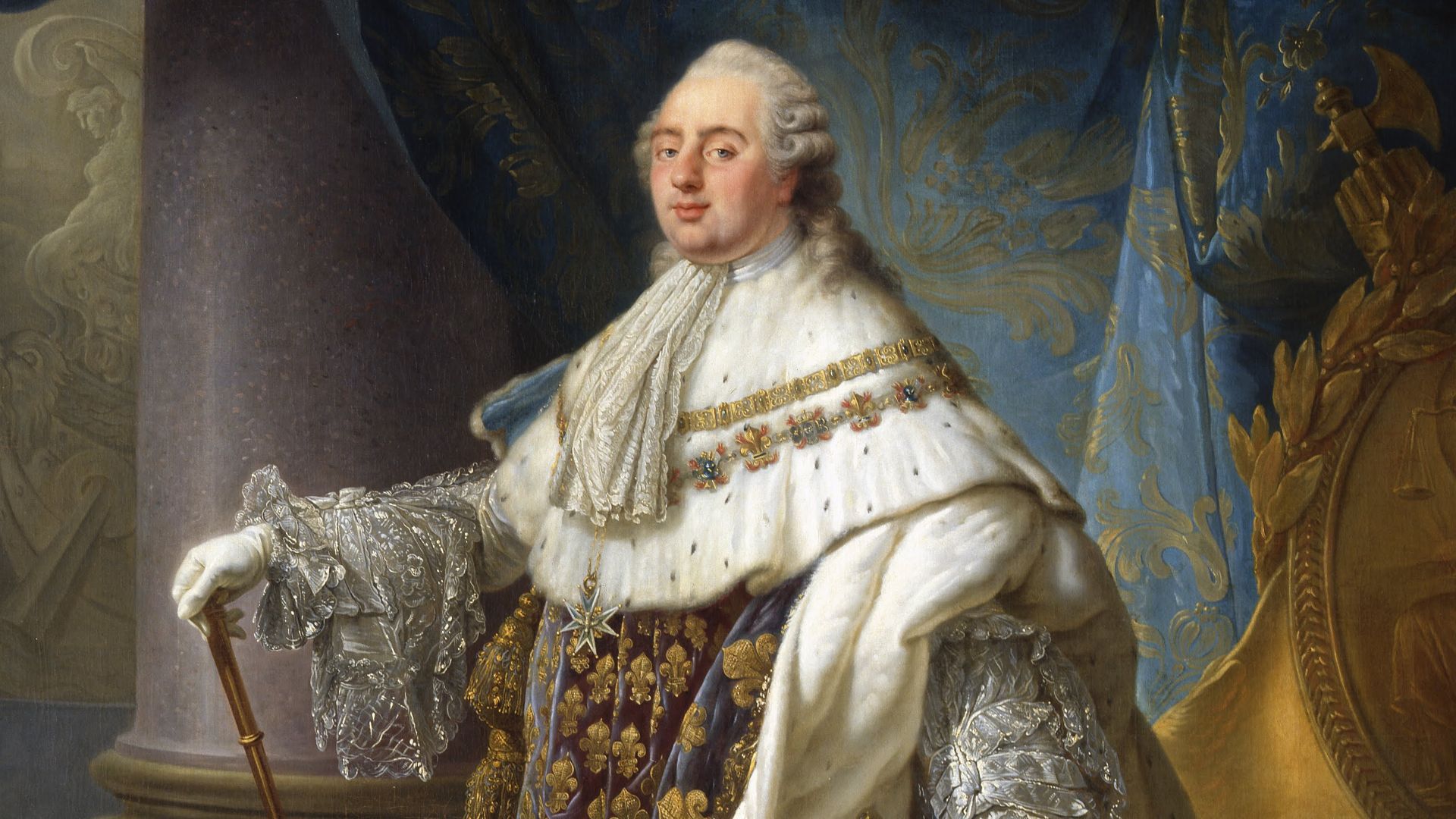
Louis XVI had children, so his death didn't literally end his family lineage, but the execution of the king marked the collapse of the senior Bourbon monarchy in revolutionary France. His son, Louis XVII, died as a child without ruling and without children of his own. The Bourbon family survived elsewhere, but this particular royal succession came to a dramatic halt.
 Antoine-François Callet on Wikimedia
12. Louis XVII of France
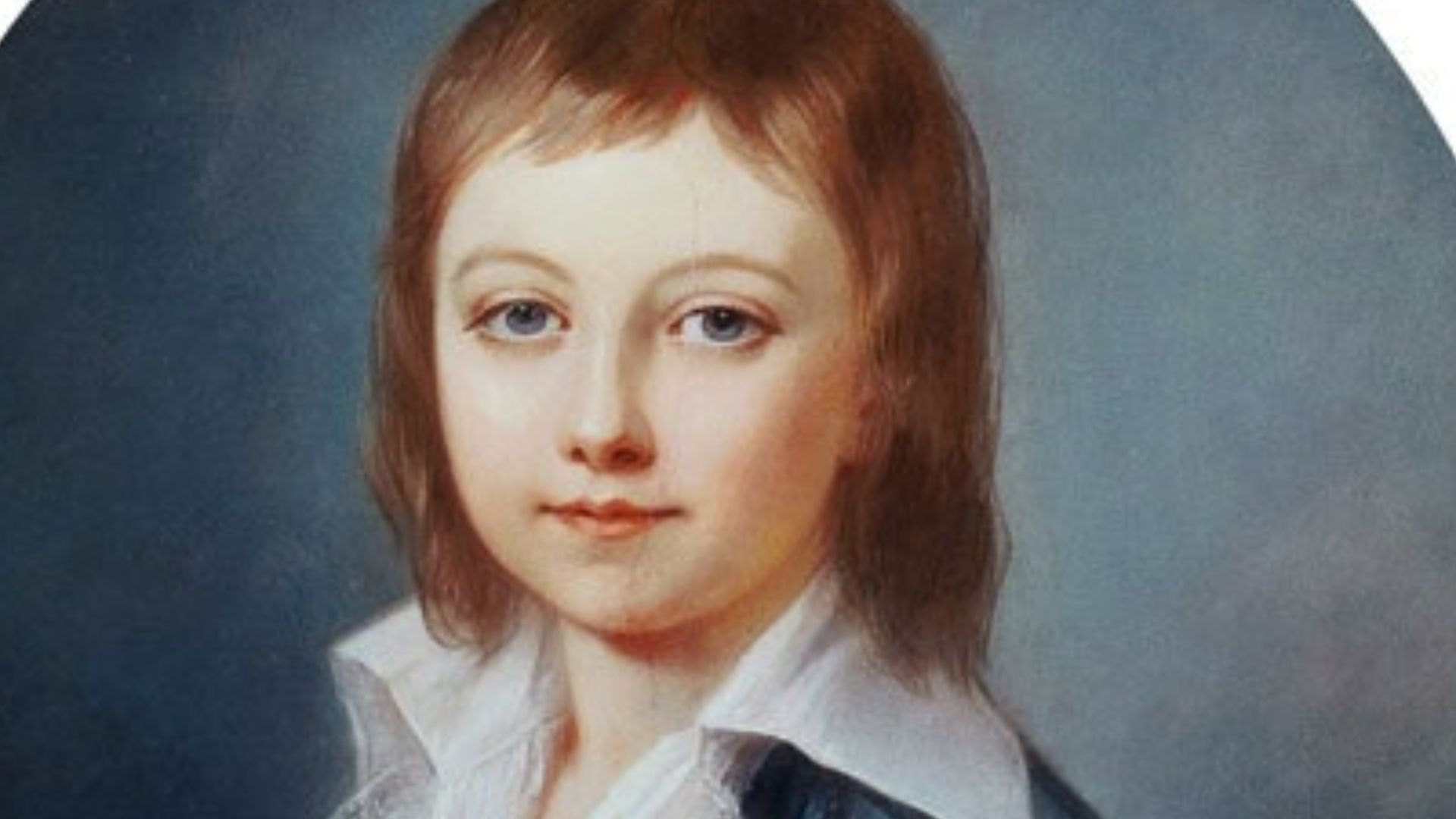
When King Louis XVI of France passed, he was succeeded by his younger son, Louis XVII. Louis XVII would be regarded by loyalists as the King of France but died at around age ten and had no children to continue his father's bloodline. His death ended the direct line of Louis XVI through his male heir and left the succession to older Bourbon relatives.
 Alexander Kucharsky on Wikimedia
13. Napoleon II
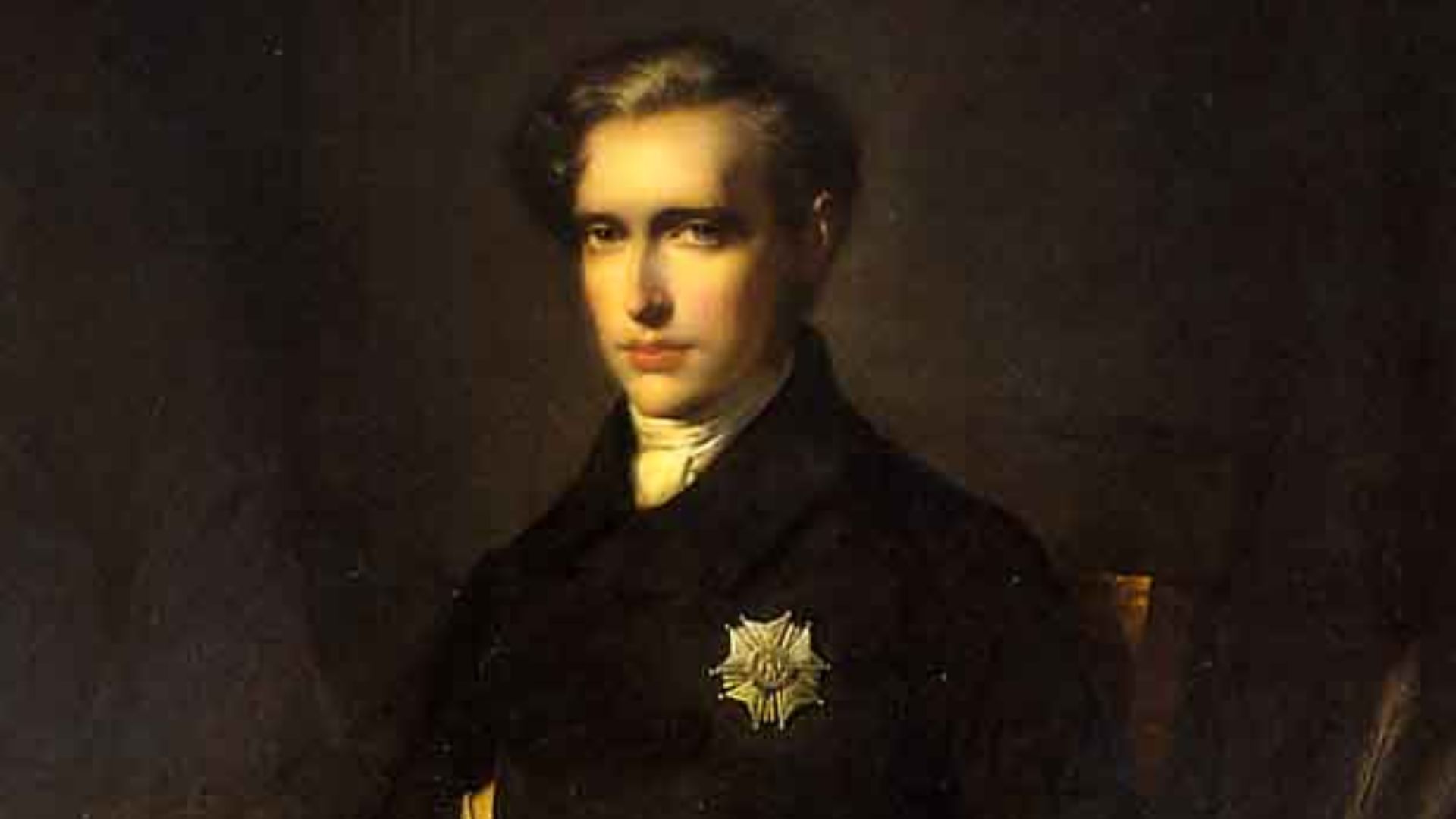
Napoleon II was the only legitimate son of Napoleon Bonaparte and briefly held the title of King of Rome. He spent much of his life under Austrian supervision and never married or had children. When he died from tuberculosis in 1832 at age 21, Napoleon's legitimate direct line through his son came to an end.
14. Henry Stuart, Lord Darnley
Lord Darnley was the second husband of Mary, Queen of Scots, and the father of the future King James VI of Scotland and I of England. His passing in 1567 ended his own direct male line because he had only one legitimate child, James, whose descendants continued through the Stuart dynasty. Darnley's death therefore didn't eliminate the family name from history, but it closed his personal branch.
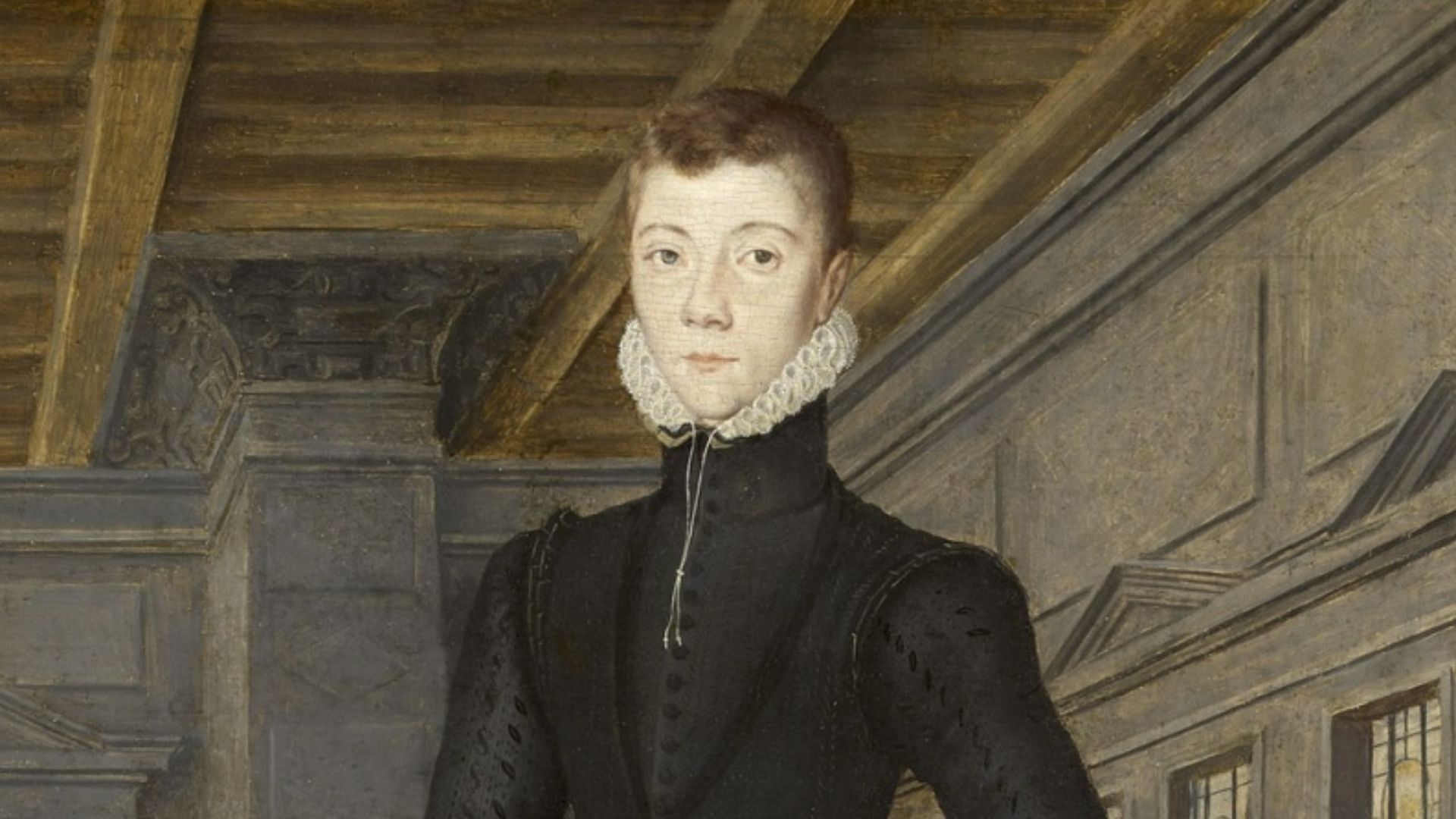
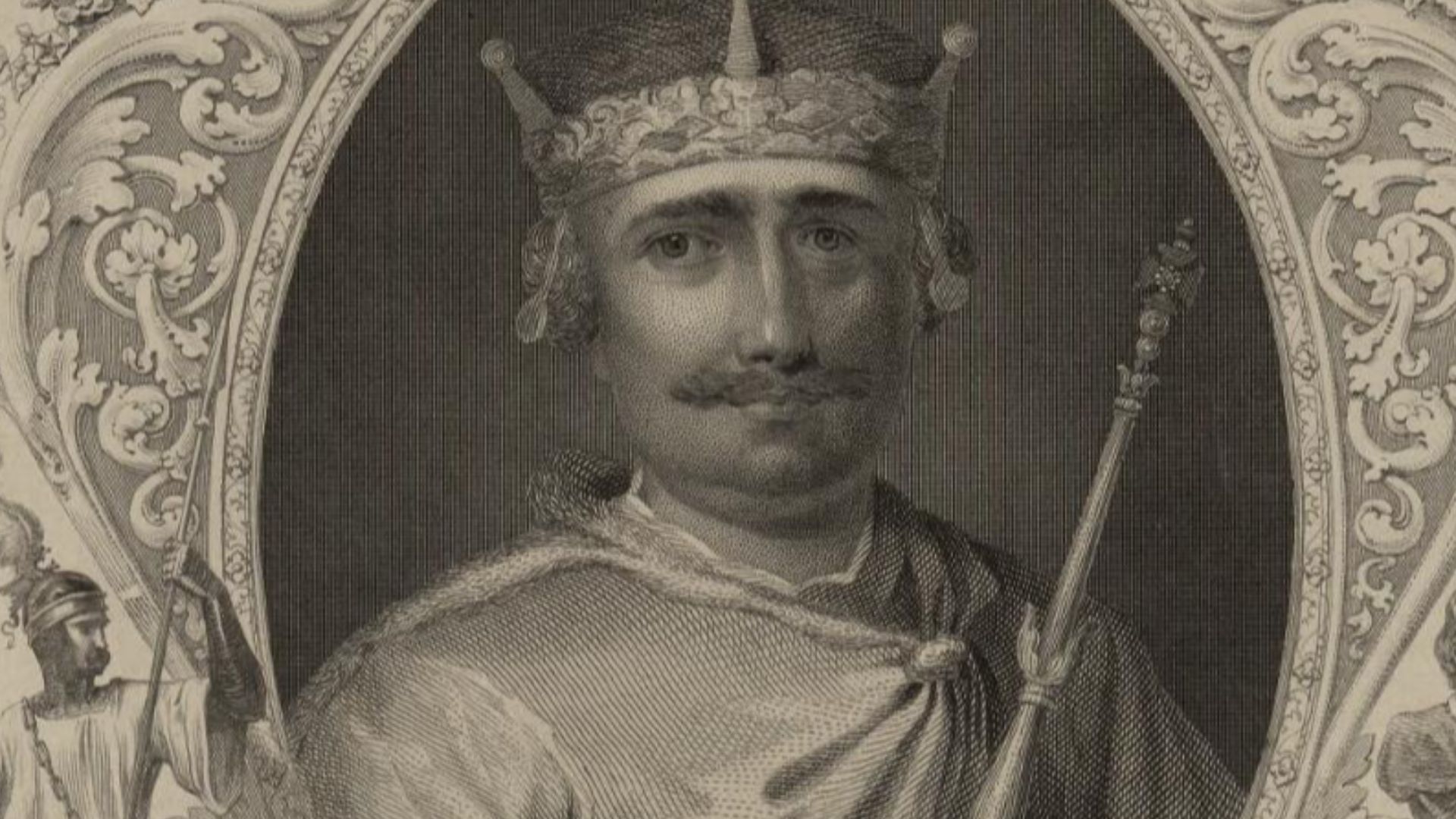
15. William II of England
William II of England had no heirs when he died after a hunting accident in 1100. As he had no descendants, his brother, Henry I, took over the throne. It was a particularly consequential hunting trip, considering how quickly the succession changed afterward.
 Unknown authorUnknown author on Wikimedia
16. Henry I of England
After the passing of William Adelin, his father, Henry I, had no sons who lived to carry on his legacy. William fell at sea when he was only 17 and was the only legitimate heir to the throne of England. His nephew Stephen took the throne, beginning a civil conflict known as the Anarchy.
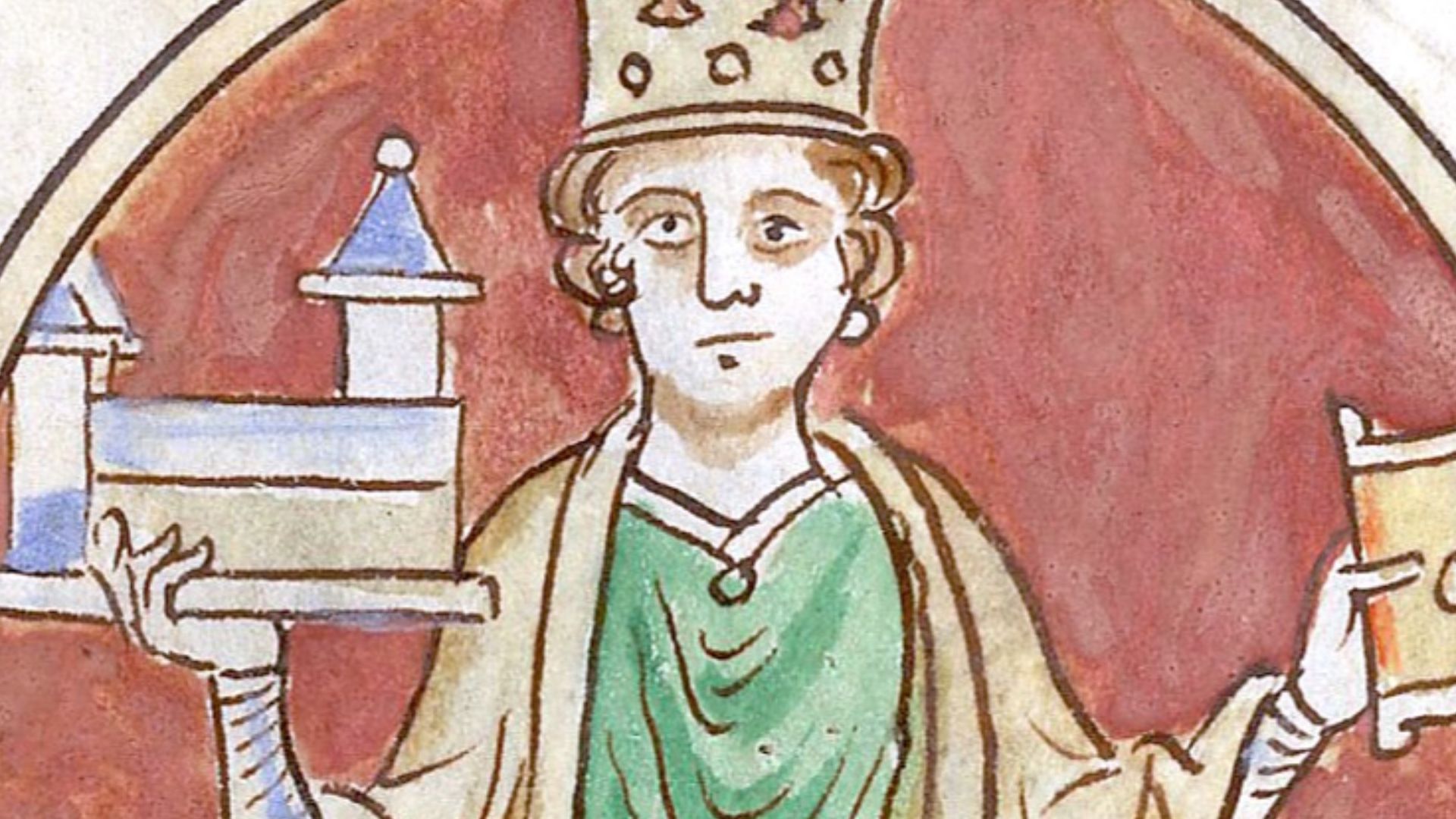
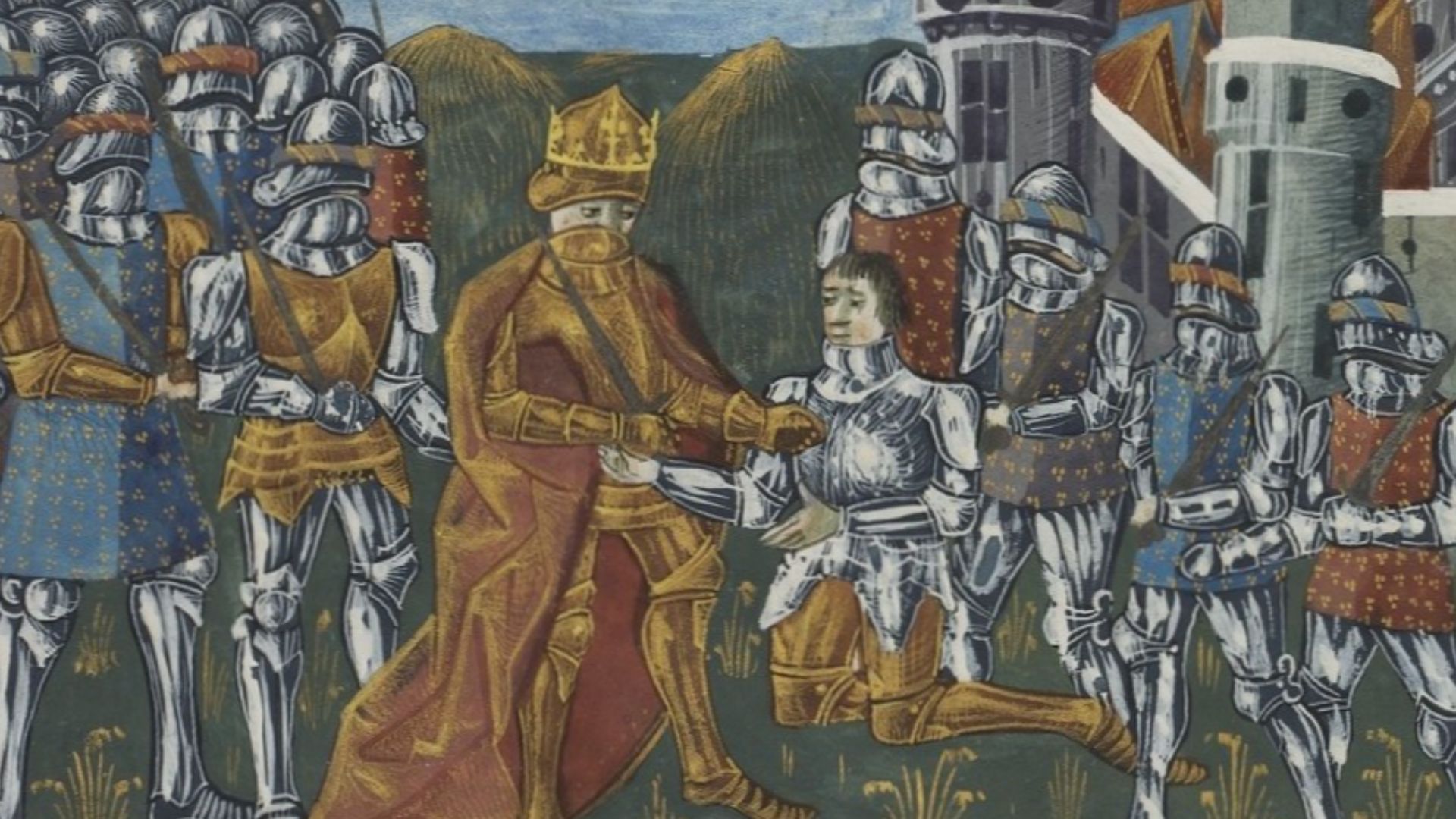
17. William Adelin
William Adelin was the only legitimate son and recognized heir of Henry I of England. He drowned in the White Ship disaster when he was only 17, along with many other members of the English and Norman aristocracy. William's death didn't end his entire family's lineage, but it ended the direct succession Henry I had intended to establish through his son.
 Unknown authorUnknown author on Wikimedia
18. Frederick II, Holy Roman Emperor
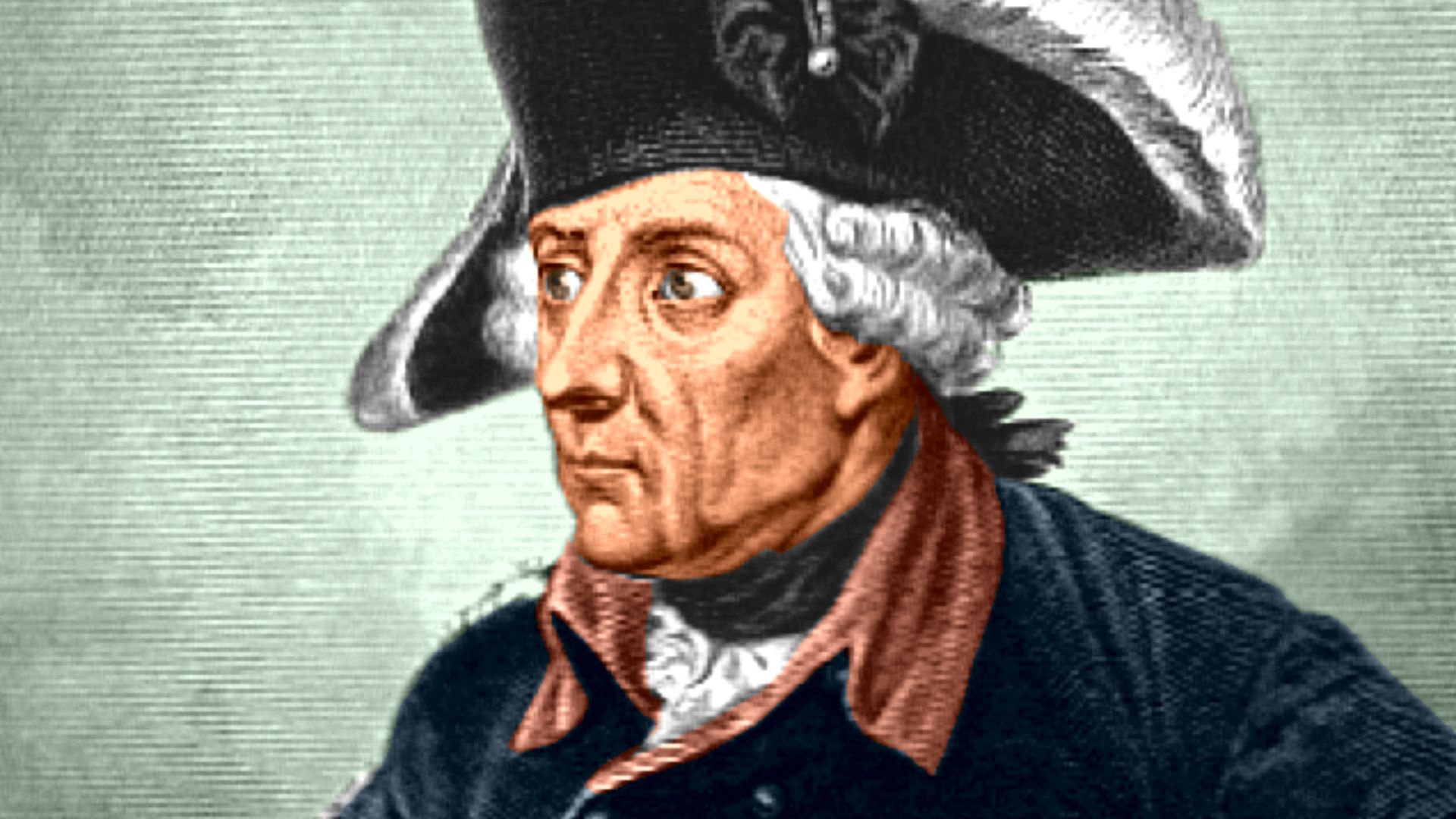
The Holy Roman Emperor had many children, but after his passing, his lineage would end shortly after. His son Conrad IV died only a few years later, and Conrad's son Conradin was executed in 1268. Conradin's death ended the legitimate male line of the Hohenstaufen dynasty, bringing one of medieval Europe's most powerful imperial families to an end.
 Unknown authorUnknown author on Wikimedia
19. Conradin
Conradin was the last legitimate male member of the Hohenstaufen dynasty and the final claimant from a family that had produced several Holy Roman Emperors. He was captured and executed in Naples in 1268 when he was only 16 or 17 years old. Because he left no children, his death ended the legitimate male Hohenstaufen line.
20. Elizabeth of Russia
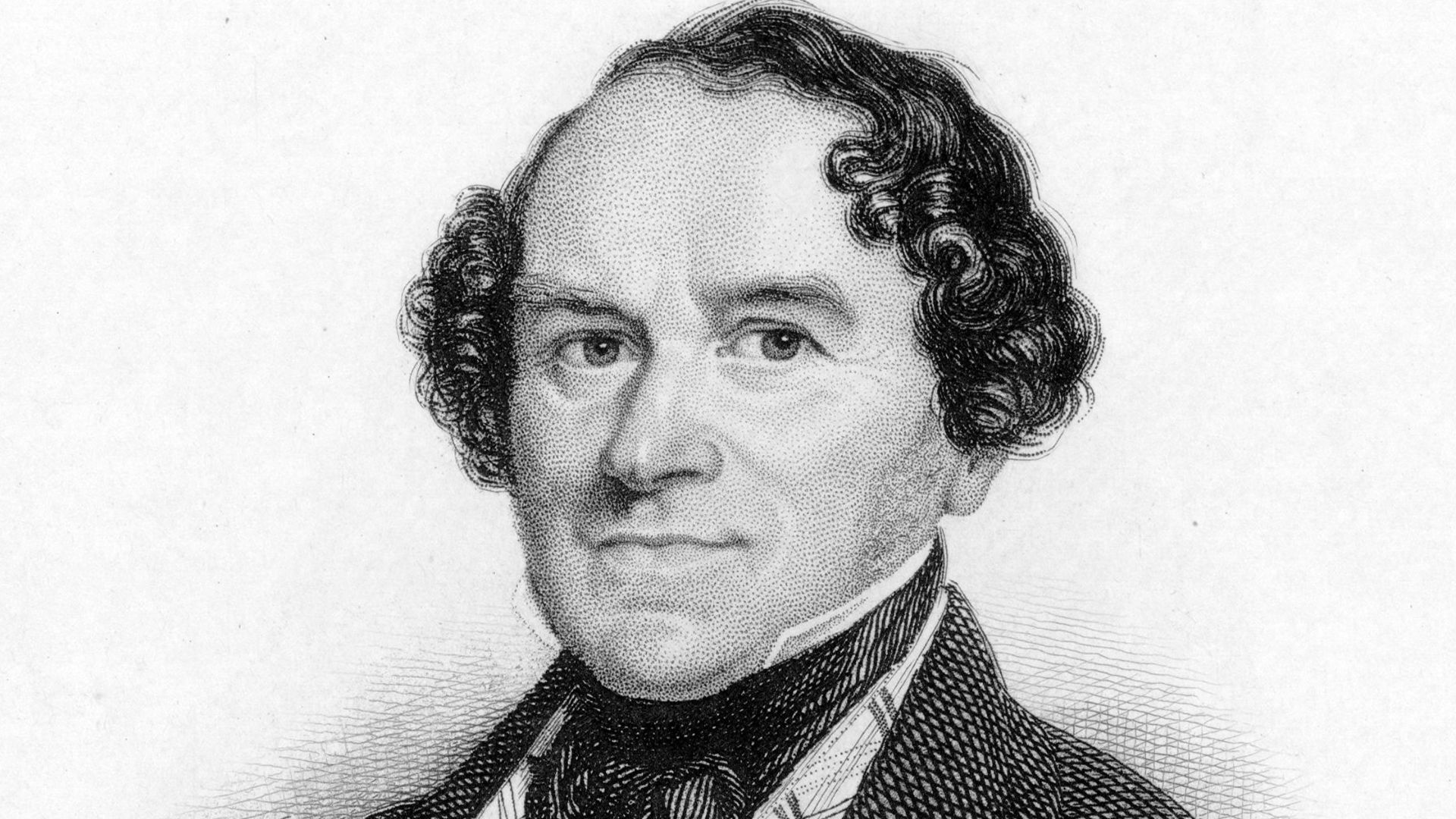
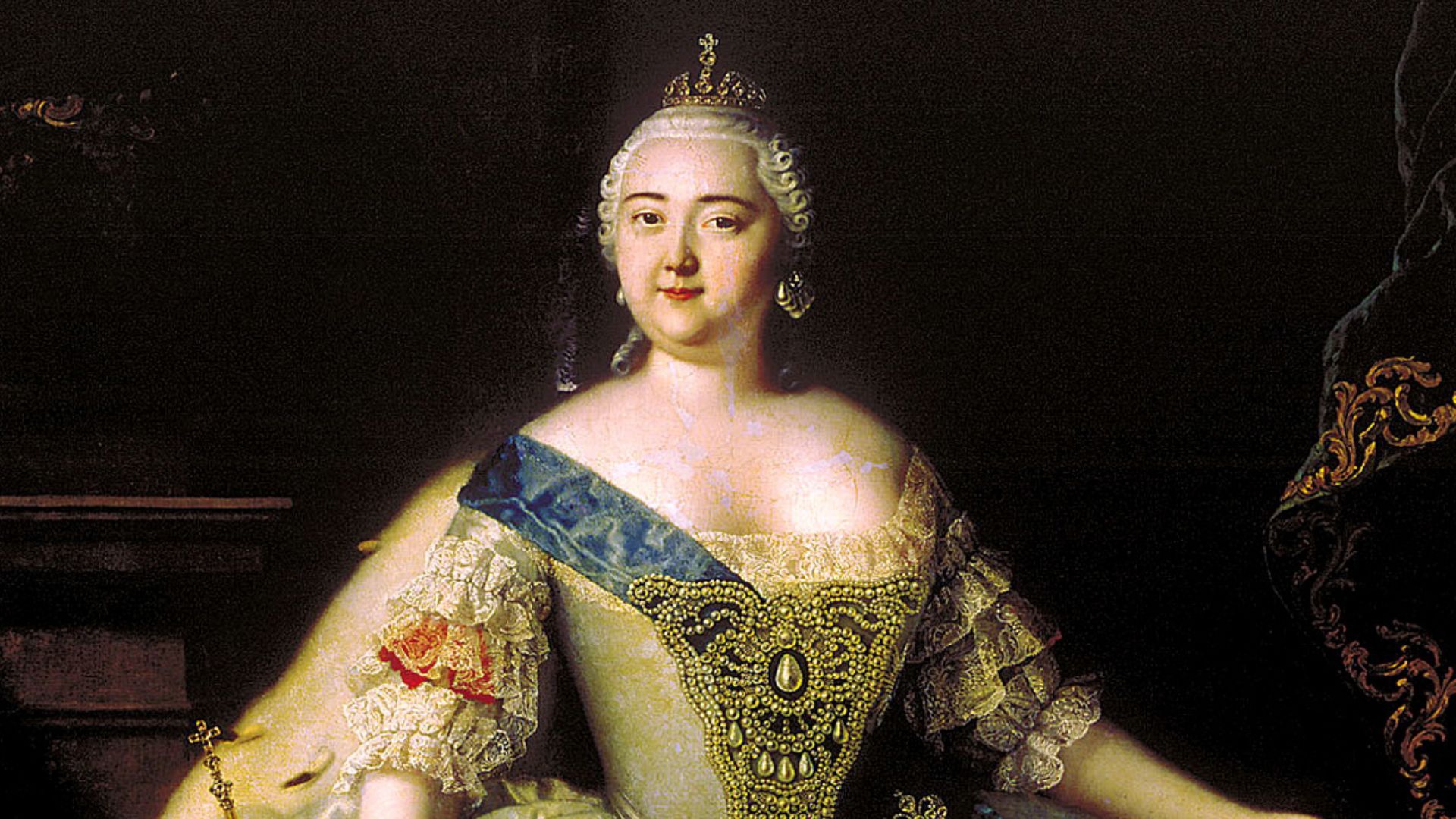
There are no more direct descendants of Elizabeth of Russia today. She was from the House of Romanov, which her father helped establish. When she died in 1762, the throne passed to her nephew Peter III, whose descendants formed the later Romanov imperial line. Her death therefore ended her personal branch of the family while the broader dynasty continued for generations.
KEEP ON READING