Growing Up in the Viking Age
Childhood in Viking society looked very different from modern childhood, although children still spent plenty of time playing, learning, helping their families, and getting into ordinary trouble. Most children lived in households where everyone had responsibilities, and what they did depended heavily on their age, family, social position, and whether they lived on a farm, in a settlement, or near a trading center. From learning practical skills to participating in household work, children gradually became more involved in the activities that kept their communities running.

1. Helped With Household Chores
As kids got older, they were expected to help around the house. There may have been some easy tasks they did at younger ages and harder tasks as they grew. They probably didn't think too much about doing other chores, if any at all.
2. Learned From Their Parents
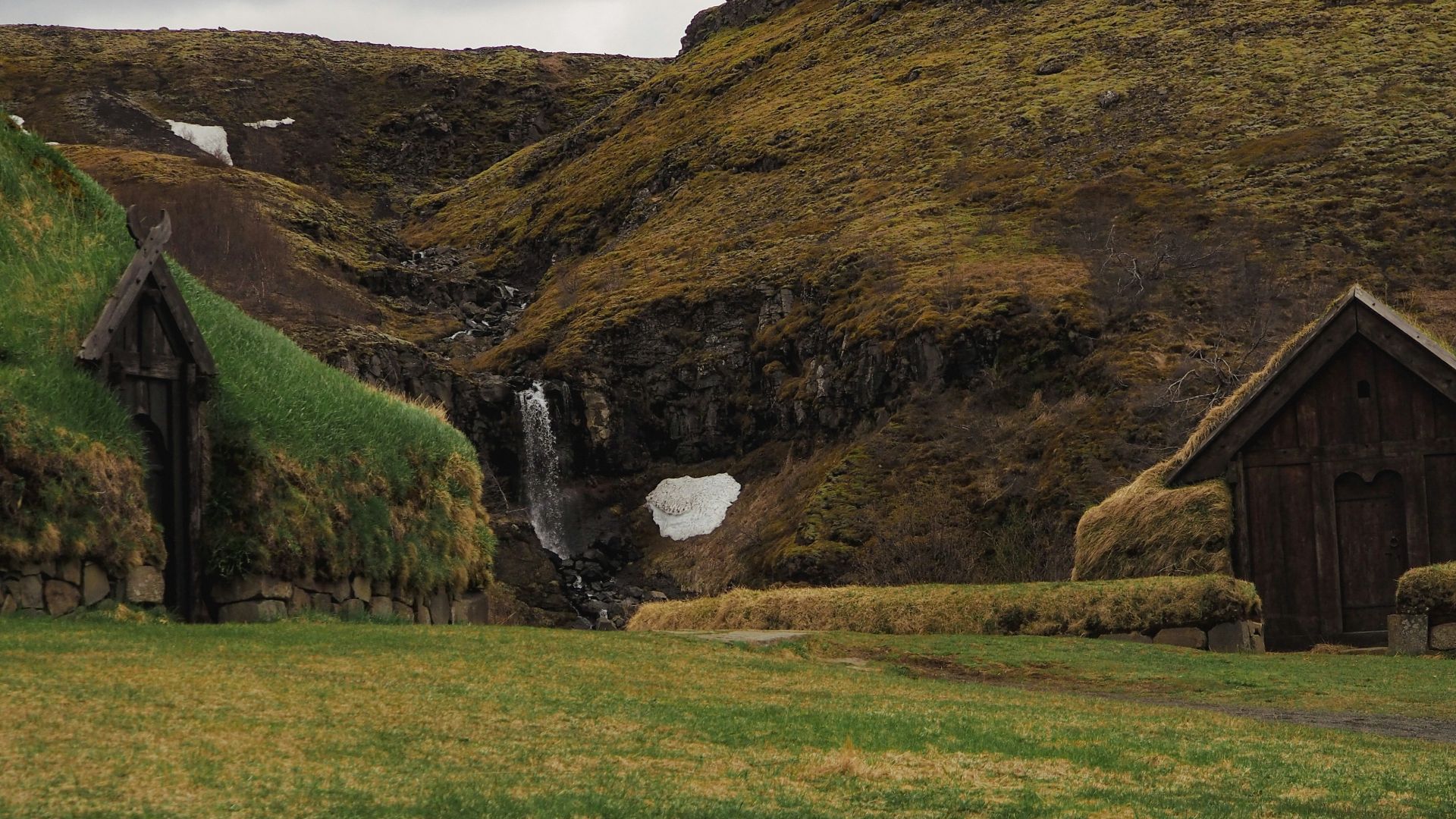
Kids most likely learned from their parents. Whether it was by watching them do tasks or helping them do them, they probably watched their parents' work and slowly tried it for themselves. A child might learn farming, cooking, crafting, or other practical skills simply by being involved in everyday life.

3. Helped Care for Younger Children
They may have helped look after their younger brothers and sisters. Children may have looked after babies or helped take their minds off things. Family life was usually a shared effort, so children weren't completely separated from the responsibilities of caring for one another.
4. Played Games
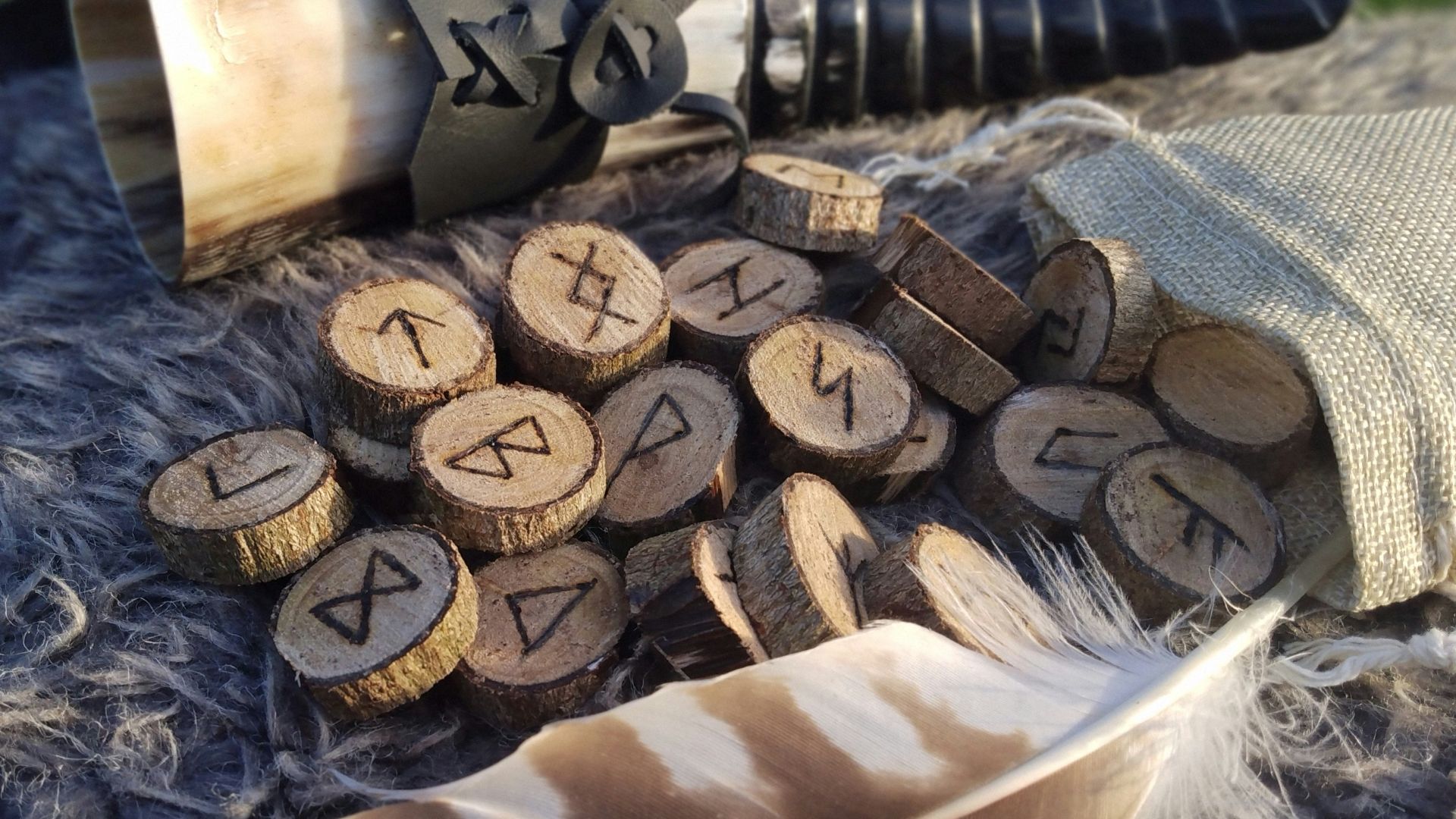
Viking-age children certainly had opportunities for play. Archaeologists have found objects such as gaming pieces, balls, and dolls or figurines that provide evidence of children's games and recreation. Not every moment of childhood was dedicated to work, even though children generally had more responsibilities than many children do today.
5. Played With Toys
There may have been toys they had that were easy to come by. From wood and little replicas to dolls, we've found things at Viking dig sites that would have been their toys. You didn't need batteries or the internet to entertain your kids.
6. Learned to Farm
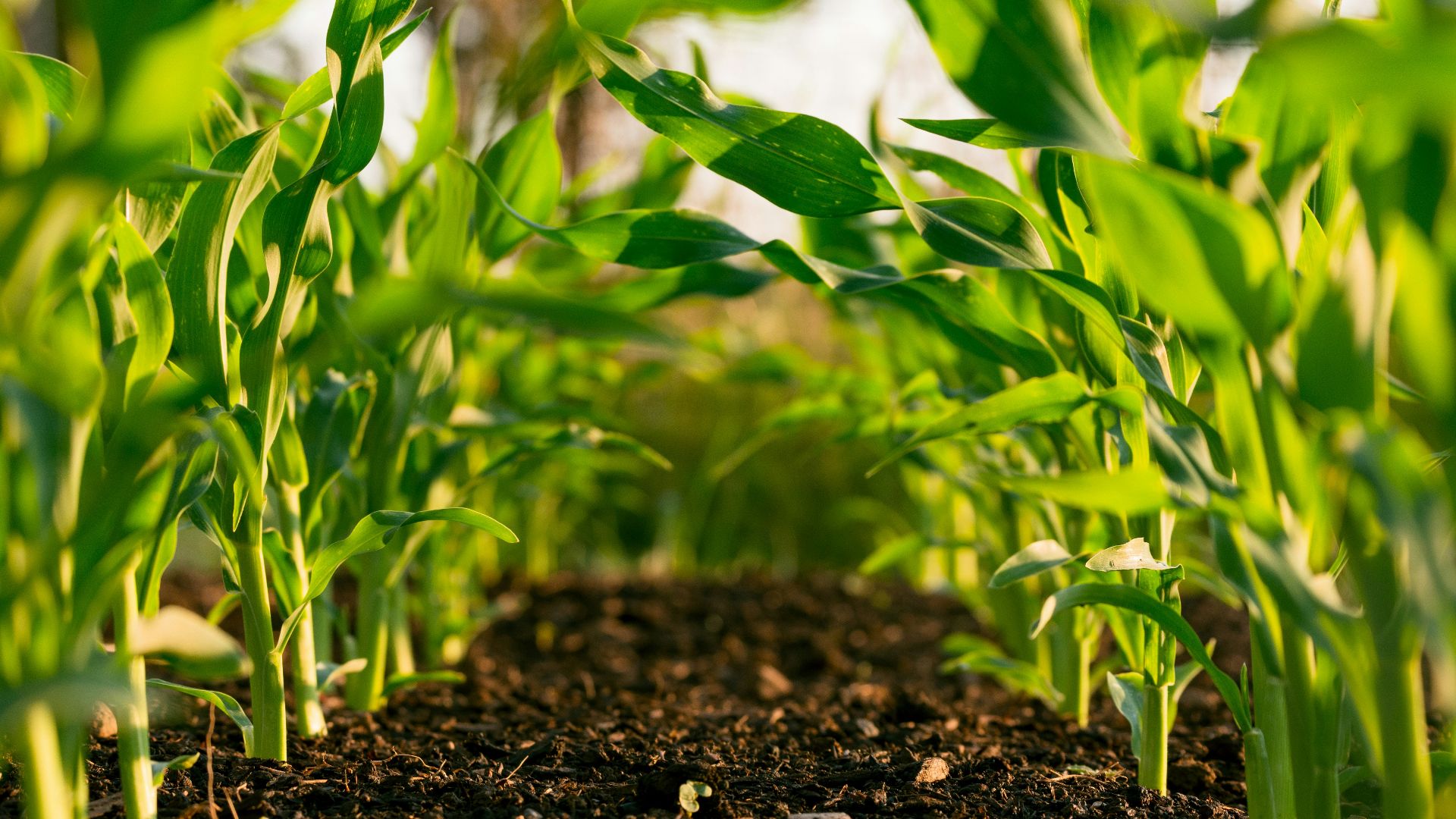
If the children lived on a farm, they would have learned to help out with farming. Once they were older, they may have helped with heavier tasks. Farming was a must-learn skill if they lived on a farm.
7. Helped With Animals
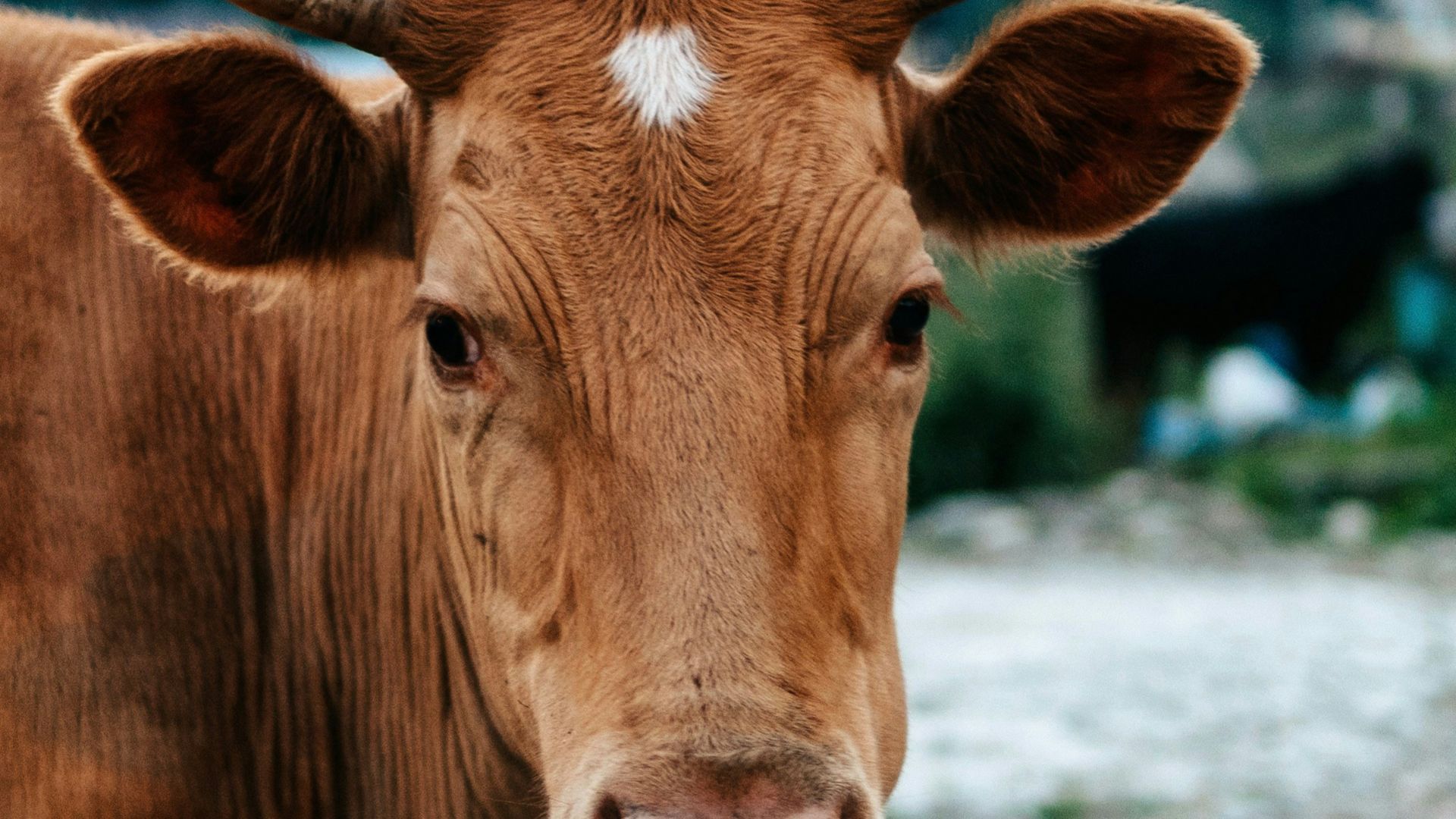
There were many different kinds of animals that Vikings kept around their homes. So, of course, children would have helped with them at a certain age. These responsibilities also taught them skills that could become important parts of their adult lives.
8. Learned to Cook
Another task children could have helped with was cooking. They could have watched their older family members cook and helped out. Maybe they learned what certain foods tasted like and what pots were used for.

9. Gathered Food
Another helpful skill to know was how to forage. Children may have helped gather berries or whatever may have been in their area. Knowing what to pick and when could have helped their household.

10. Learned Textile Skills
Learning how to spin could have been a learned skill at a young age. They would have seen the adults do this task and maybe learned some of it. It could have helped them later on in life as well.
11. Helped With Cleaning
Cleaning would have been something children could have helped with. Keeping their homes cleaned up may have been some chores they had to do. It wasn't glamorous work, but someone had to do it.

12. Collected Firewood
Collecting wood was probably another job they could have helped with. Since wood was needed to keep warm during colder months, they may have started helping collect firewood at a young age. A family couldn't simply turn up the thermostat when the weather became unpleasant.
 Marita Kavelashvili on Unsplash
13. Learned Craft Skills
Children could be introduced to practical crafts used within their households and communities. Depending on their circumstances, they might learn skills involving wood, leather, textiles, metalwork, or other materials. Developing these abilities could eventually contribute to their work as adults.

14. Learned to Swim
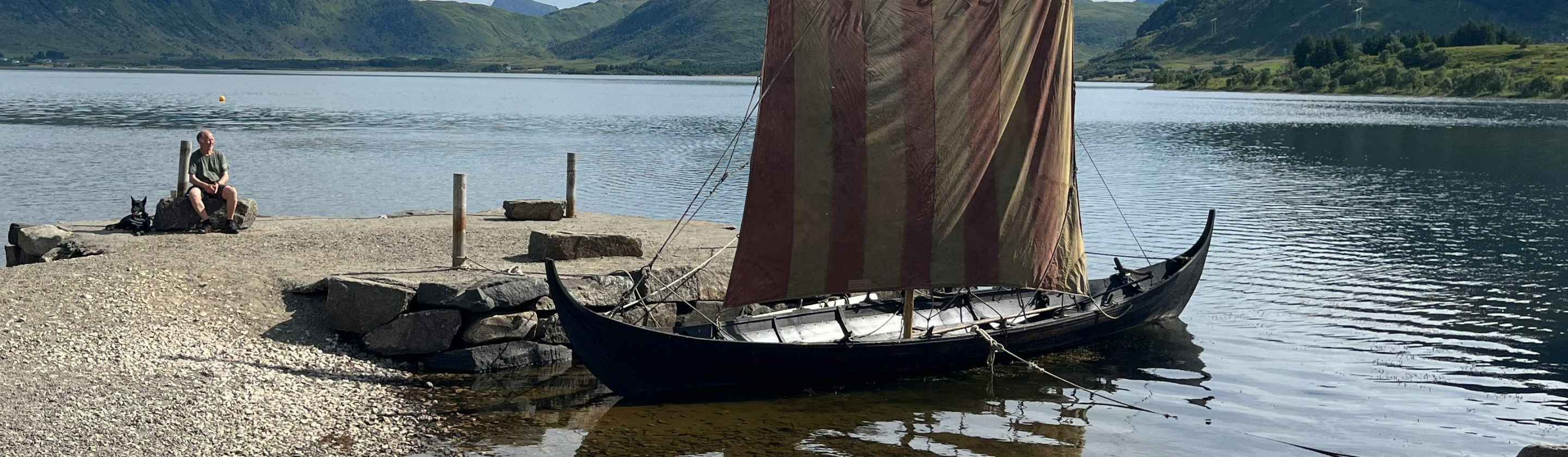
Since many Vikings lived near bodies of water, it's probable they knew how to swim. Children may have learned to swim and help themselves out in the water at a young age. That doesn't mean all Viking kids could swim, but they may have known some basics.

15. Listened to Stories
Scandinavian children may have heard stories from their parents and others. This could have been about their family history or anything else that happened. Before modern entertainment existed, sitting down to hear someone tell a good story could be a perfectly enjoyable evening.

16. Learned About Their Family
Learning about your family is always a good thing to do. Children could grow up hearing about parents, grandparents, relatives, and earlier generations. These stories helped establish their place within their family and wider community.
17. Learned Practical Skills Outdoors
They would have known a lot about their surroundings as well. Children would have had to learn what was around them and the path they needed to get somewhere. If there was nothing on your phone telling you what was around you, it's nice to know.

18. Took Part in Community Life
They may have known who lived around them and helped out when they got older. They lived around adults involved in farming, trade, craft production, religious practices, and other activities. As they grew older, they increasingly became participants rather than simply observers.
19. Learned Through Imitation
Watching others was one way kids could learn things. They would see someone doing a task and want to try and copy it. Mistakes were presumably part of the learning process, although the consequences of getting something wrong could vary considerably depending on the task.
20. Gradually Took On Adult Responsibilities
Childhood wasn't a sharply separated stage of life in the modern sense. As children grew older, they generally took on increasingly serious responsibilities within their households and communities. Eventually, the skills they'd practiced as children became part of the work they were expected to perform as adults.
KEEP ON READING