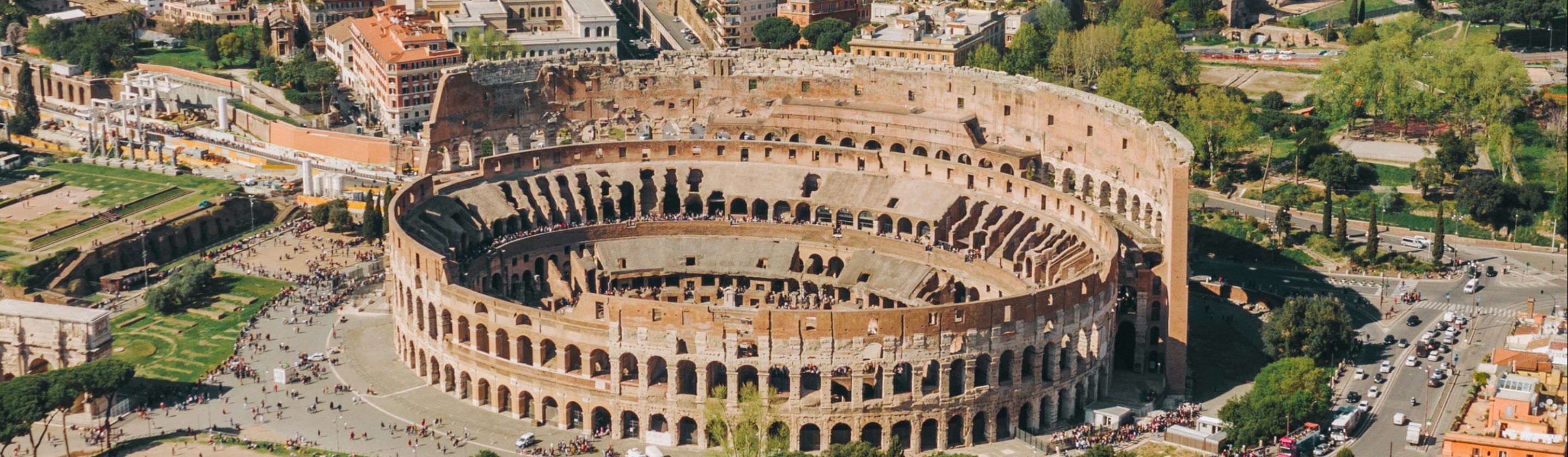
10 Things Gladiators Really Faced & 10 Myths Hollywood Got Completely Wrong
Sand, Contracts, And Barley
Roman gladiatorial combat lasted for centuries, which gave plenty of time for the reality to get buried under myths. Much of the popular image comes from later paintings, novels, and movies rather than the evidence left behind. Archaeology and surviving records show something more complicated, including referees, formal rules, specialized training, and diets heavy in barley. Ten of the claims below are well documented. The other ten are myths that became part of the story.
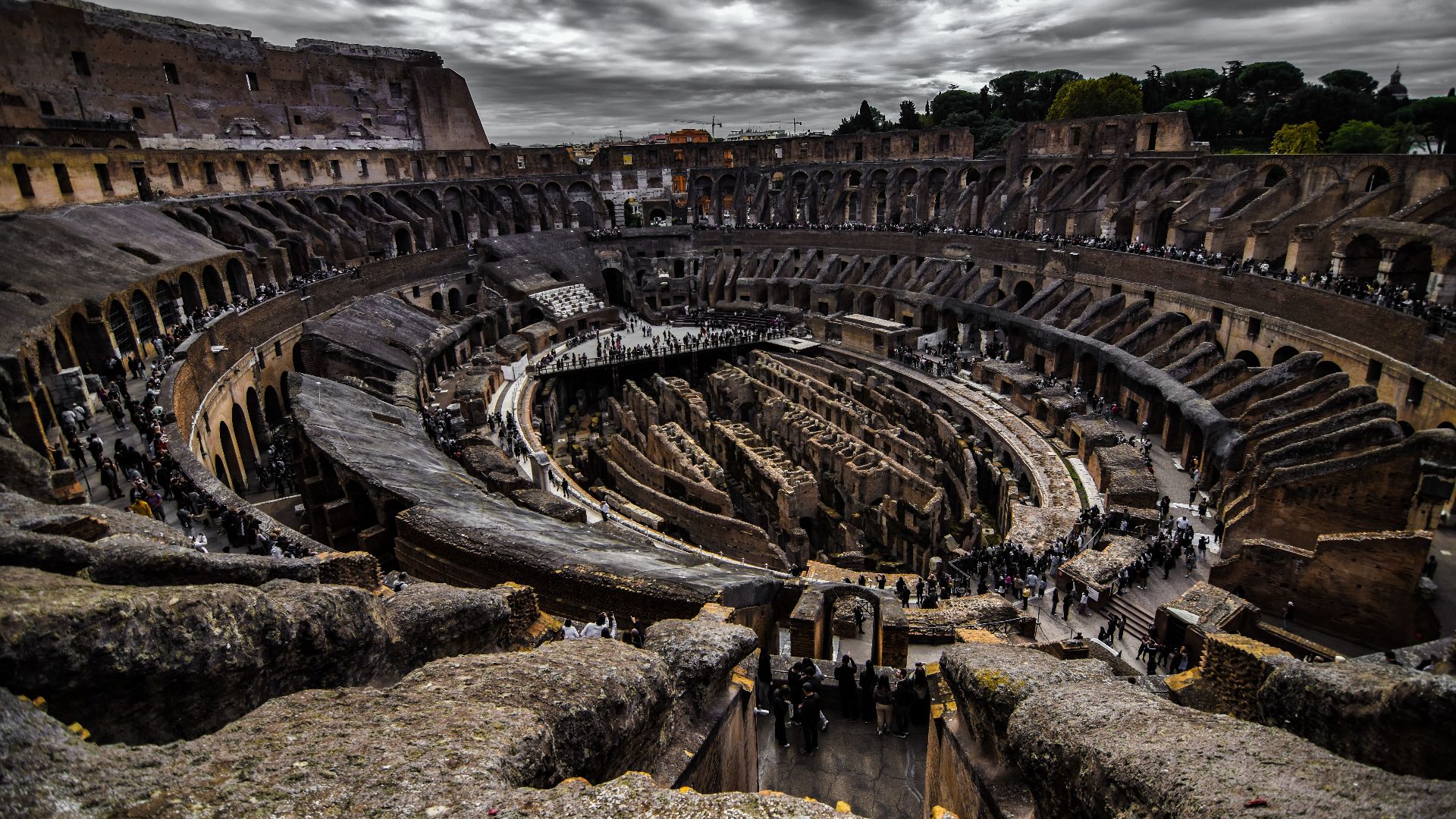
1. A Contract That Erased Their Rights
Every recruit swore an oath called the sacramentum, and free men who signed on were legally enslaved by that contract. Rank bought no exemption, since equestrians and senators who volunteered came out classed as infames along with everybody else. They lost the vote and the right to leave a will.
 The Cleveland Museum of Art on Unsplash
2. The Referee Could Stop The Fight
A senior official called the summa rudis ran each bout, usually a retired gladiator who had come through the job himself. He could pause the action to let both sides recover, or shut the whole thing down. His judgment was generally respected.
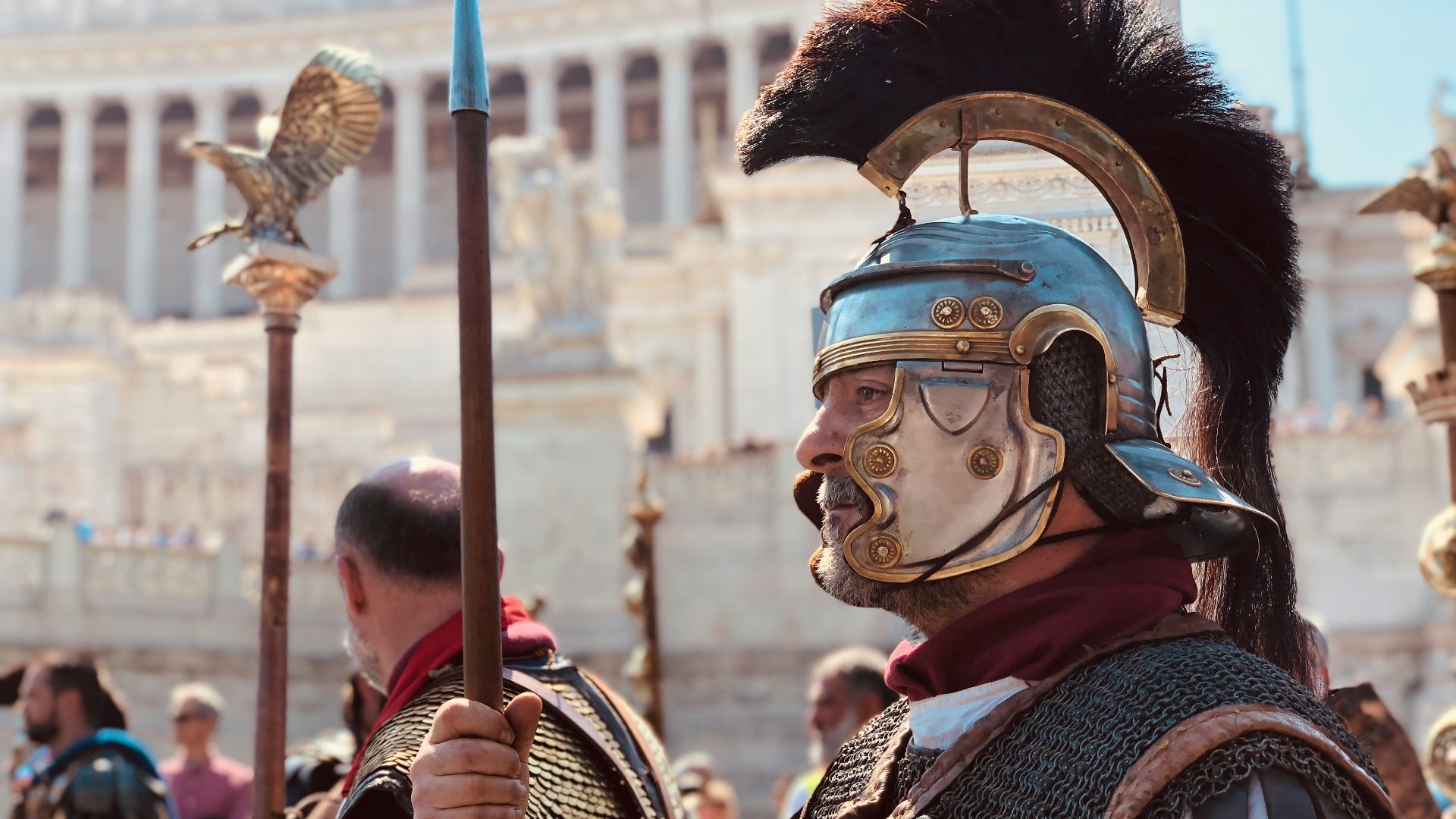 Maria Dolores Vazquez on Unsplash
3. Engineering The Matchups
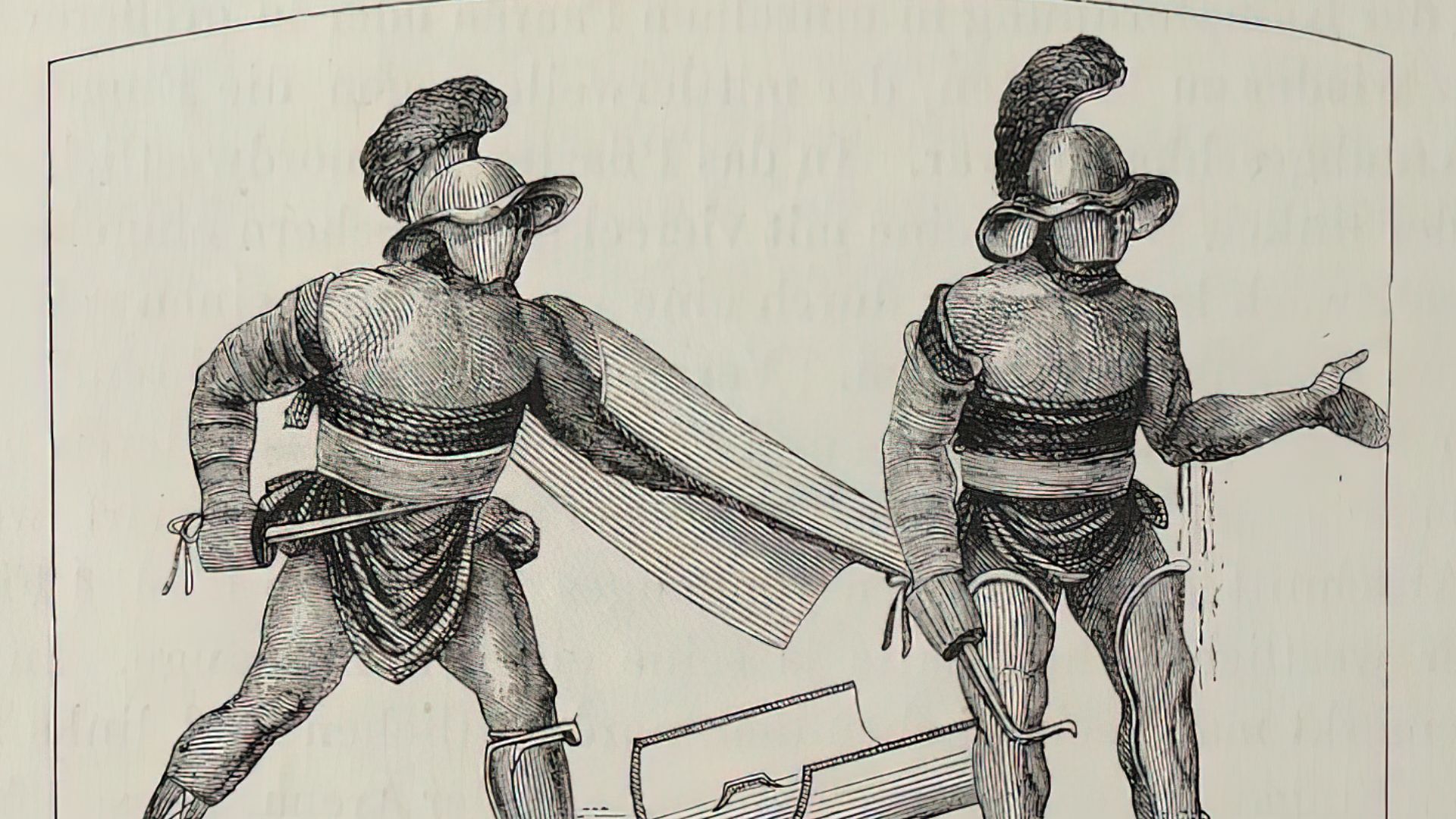
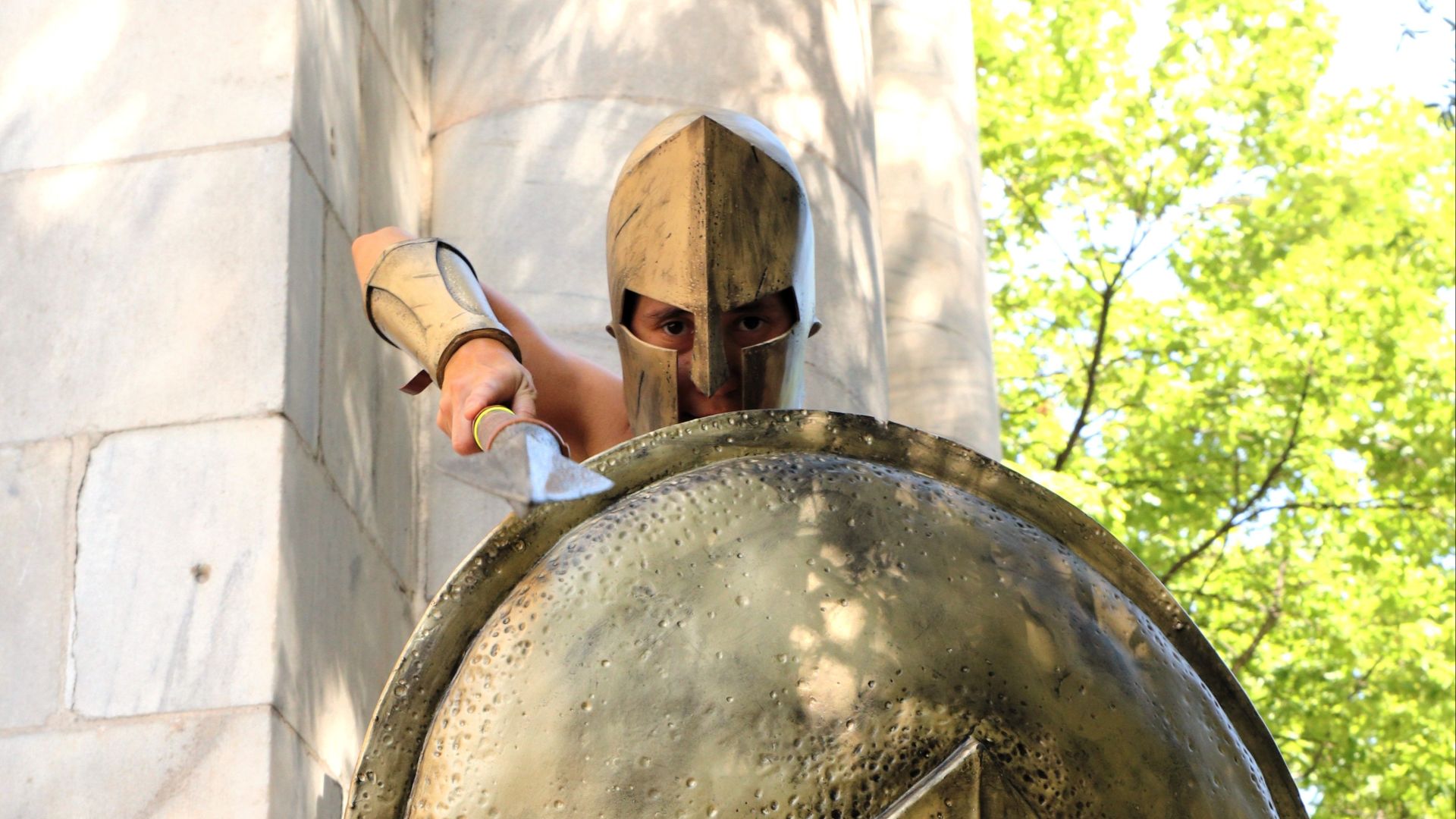
Pairings were built around armor that cancelled out. A retiarius went in bareheaded with a net and protection on one arm, set against a secutor in a full helmet and heavy kit. Nobody drew a random opponent out of a hat.
4. Grain Instead Of Steak
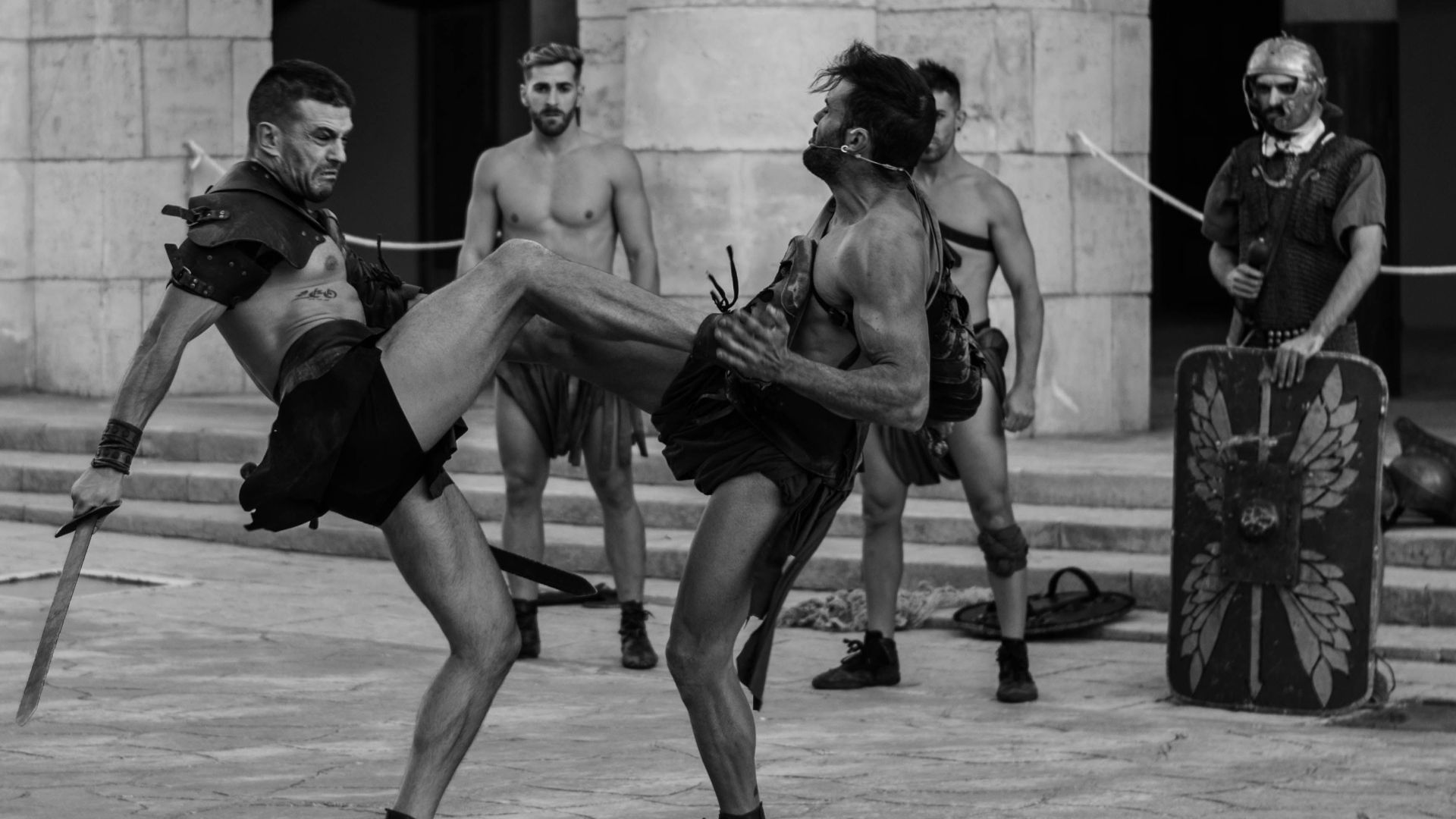
Isotope work on the gladiator cemetery found at Ephesos in 1993 showed meals built on grain with almost no meat in them. Fabian Kanz of the Medical University of Vienna led the analysis. The fighters were eating what the city's ordinary residents ate.
5. Drinking Plant Ash
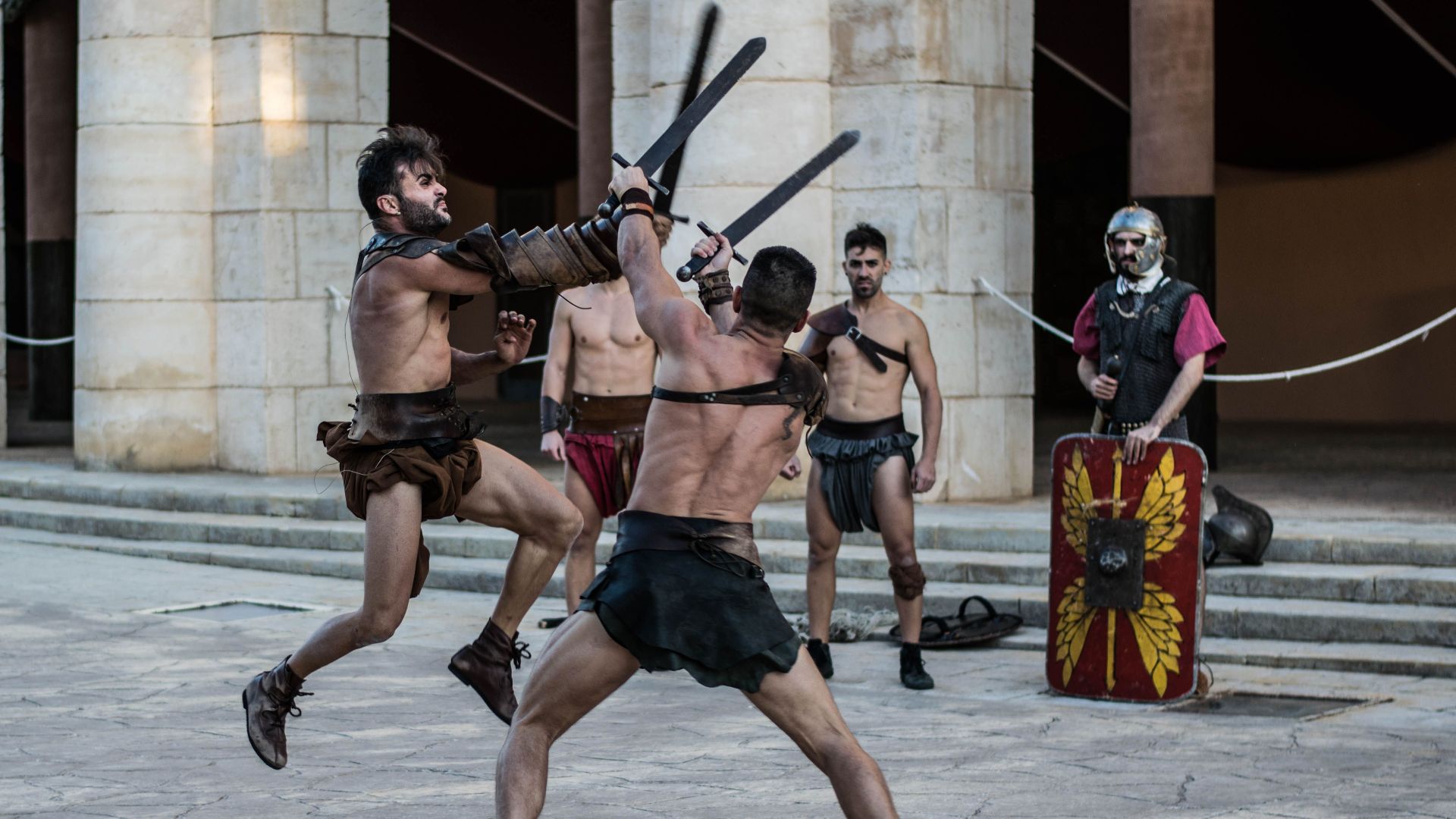
Those same Ephesos bones carried strontium levels well above the local population's. Kanz read it as deliberate consumption of plant ash, taken to rebuild the body after hard training and to help bones knit back together. It worked about the way a mineral supplement does now.
6. A Doctor Who Studied Their Wounds
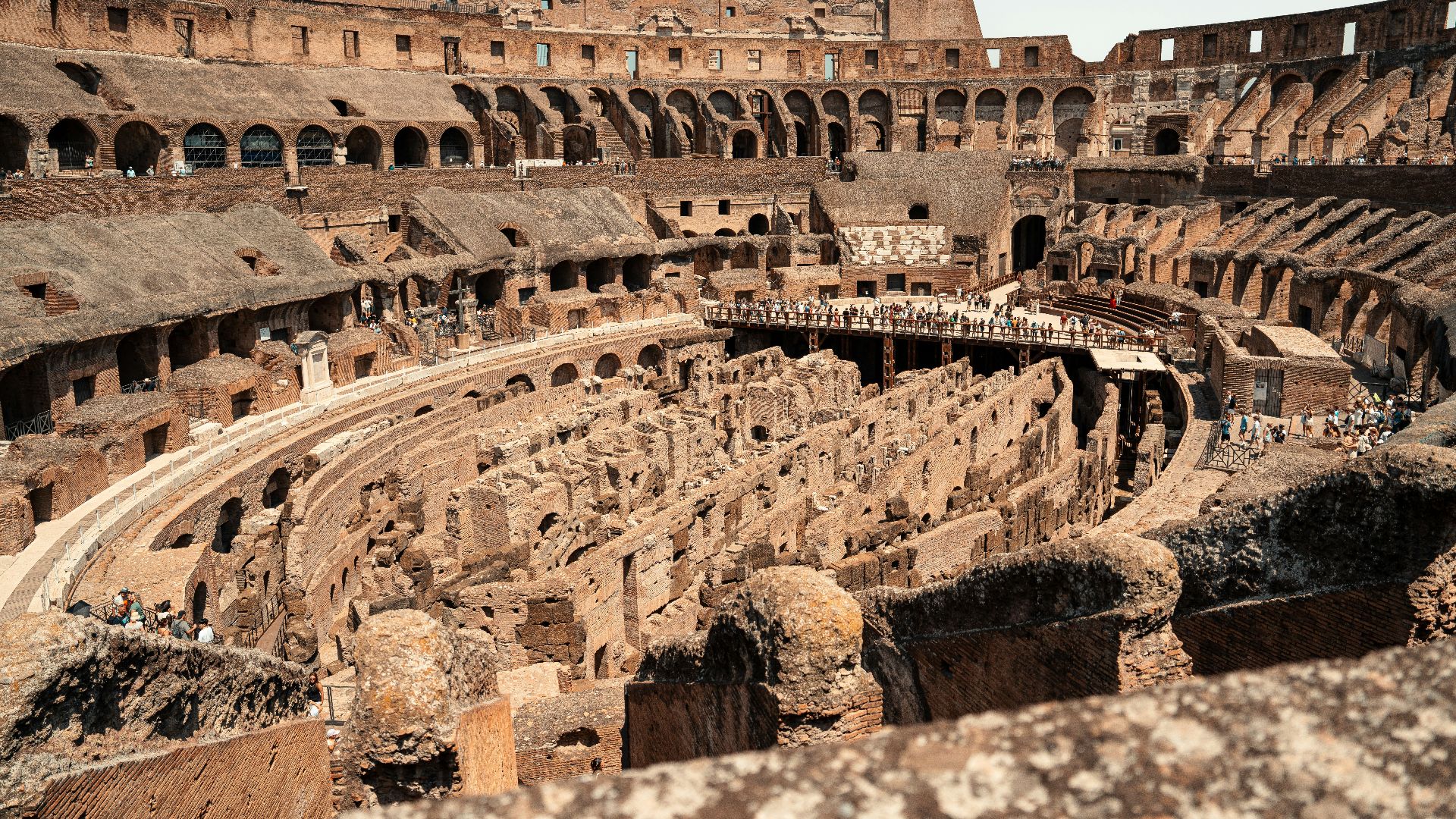
Galen took the post of physician to the gladiators of Pergamon in 157 CE and kept it four years, appointed by the High Priest of Asia. He later claimed five men died on his watch against sixty under his predecessor, and credited the difference to how he dressed wounds. He described those injuries as windows into the body.
7. Surrender Was Built In
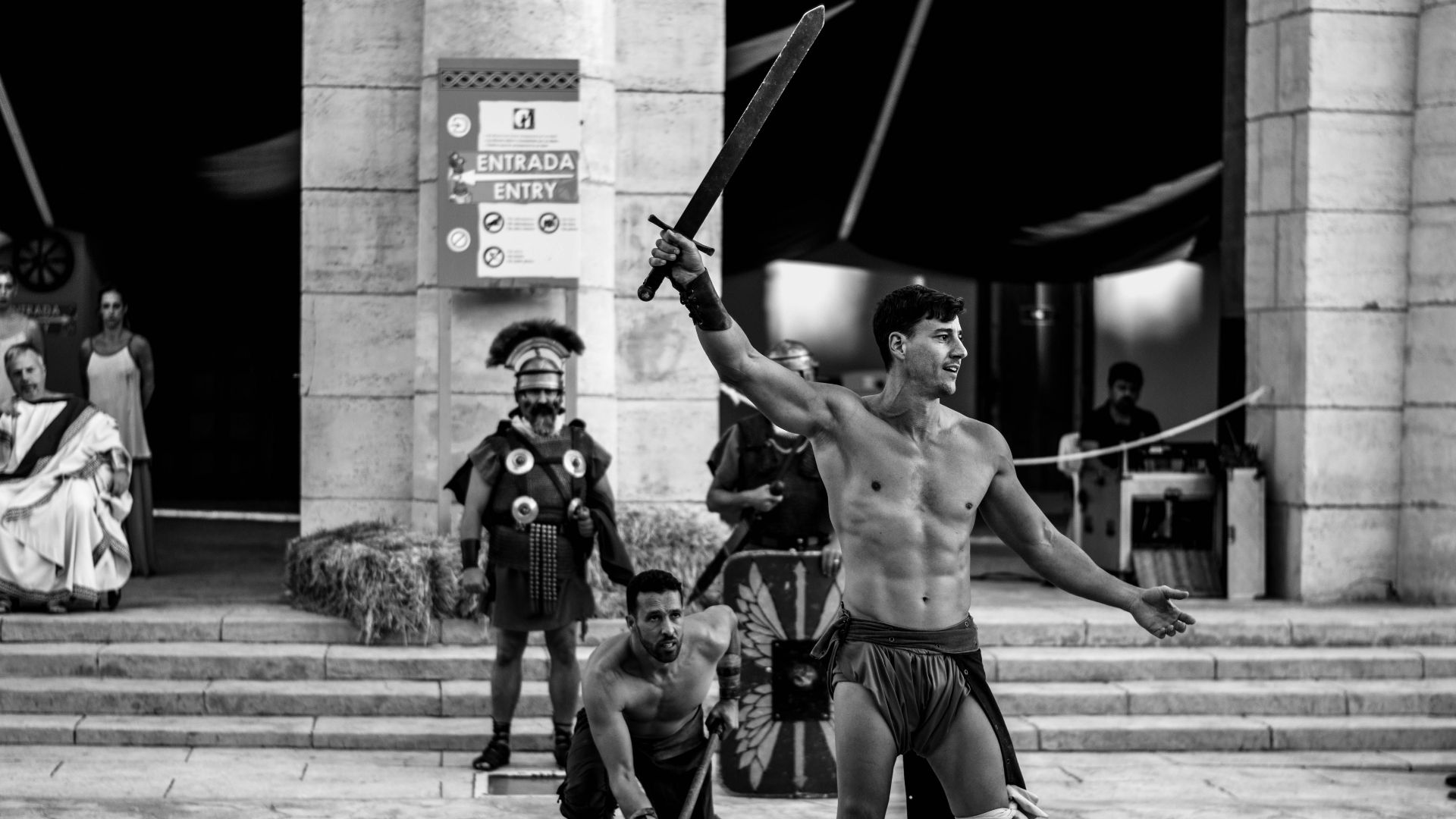
A beaten fighter could raise a finger to appeal, and the decision went up the chain to the man paying for the games. Augustus had already outlawed matches fought sine missione, meaning bouts with no reprieve available. Giving up was part of the format rather than a departure from it.
8. Ten To Twenty Minutes Of Work
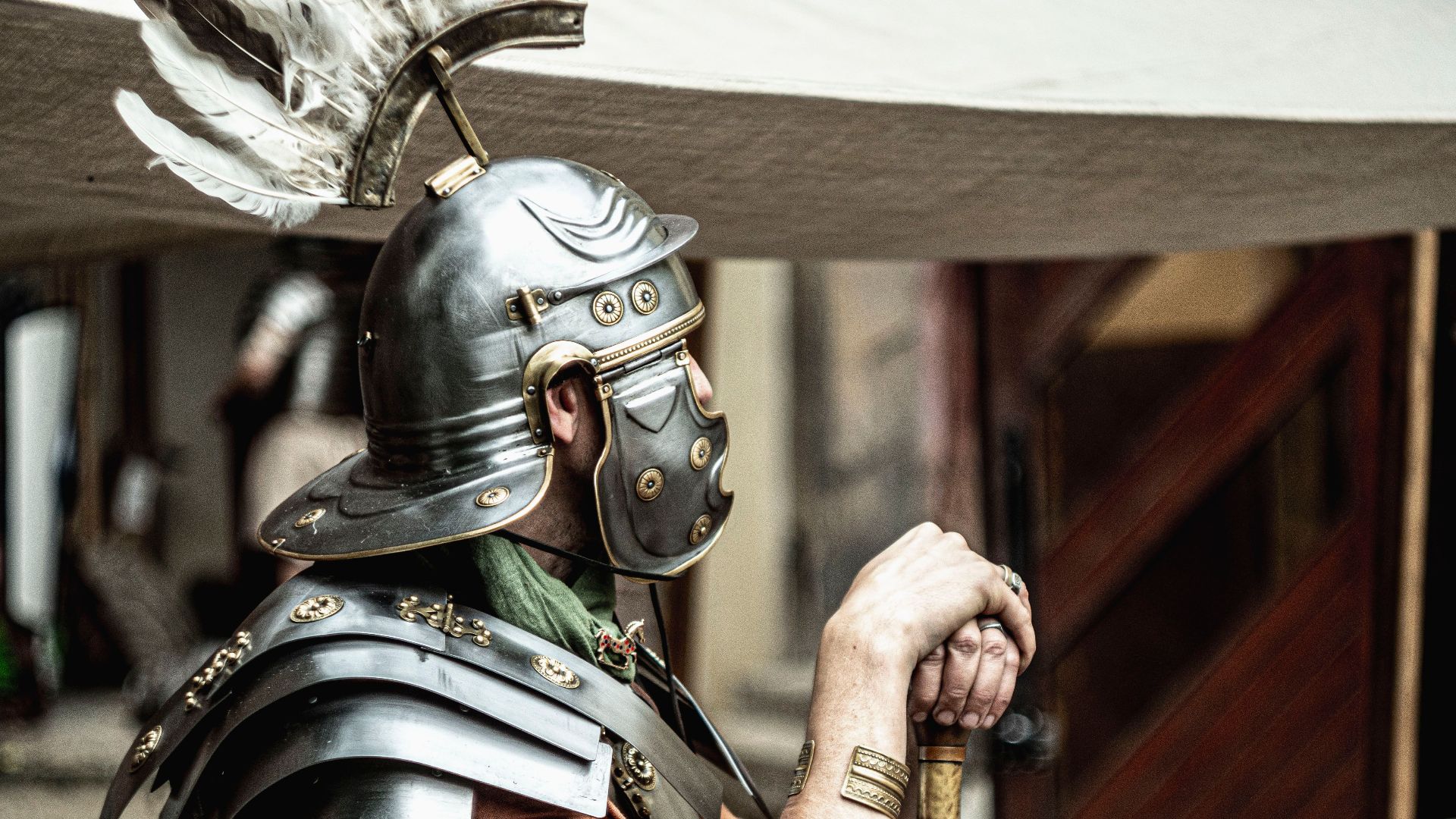
A typical bout ran ten to twenty minutes. That is a long stretch to carry a shield and a metal helmet in summer, and the heavier the equipment, the slower everything went. Anyone picturing an afternoon-long duel is picturing something else entirely.
9. Women Fought To A Draw
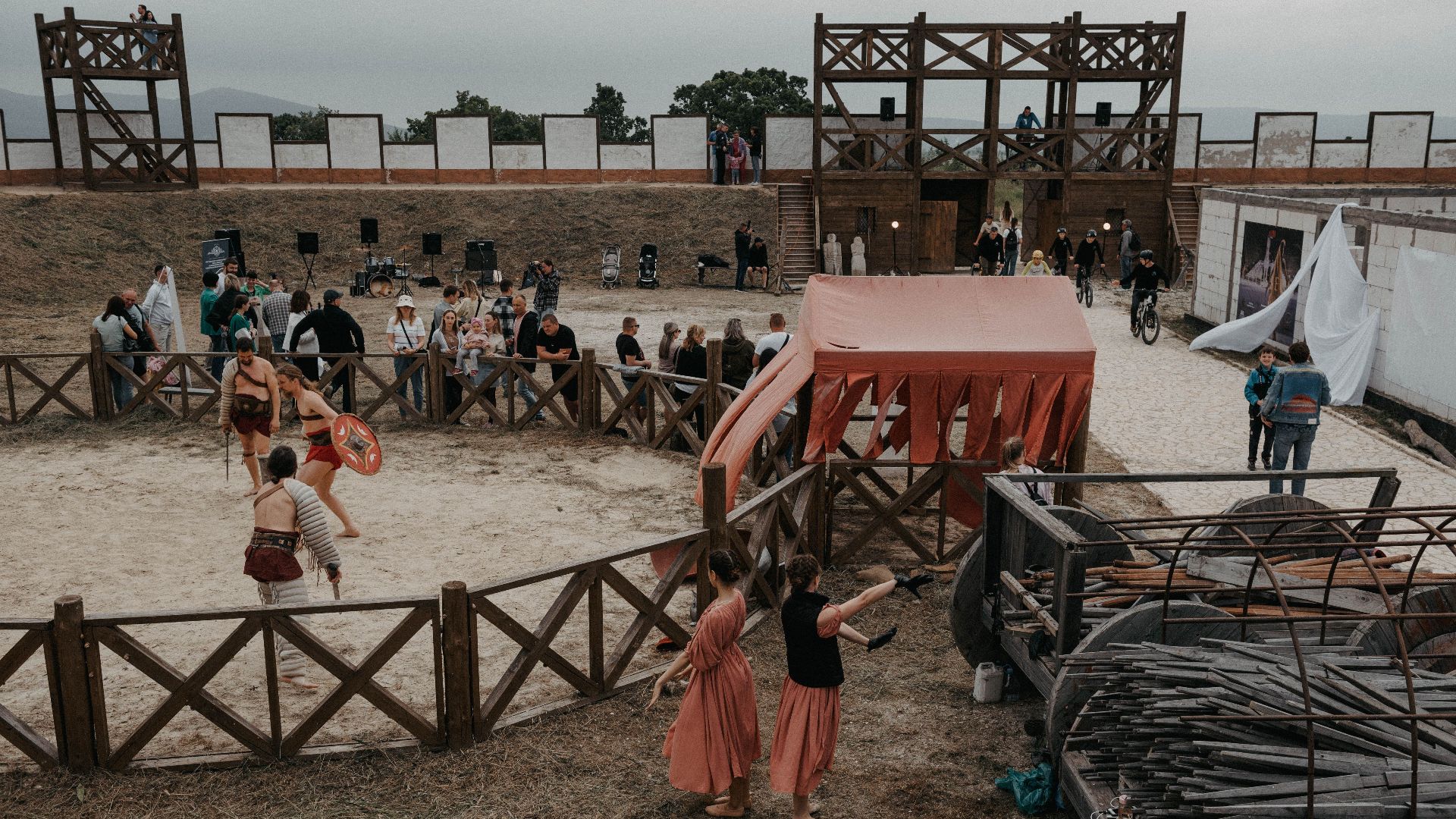
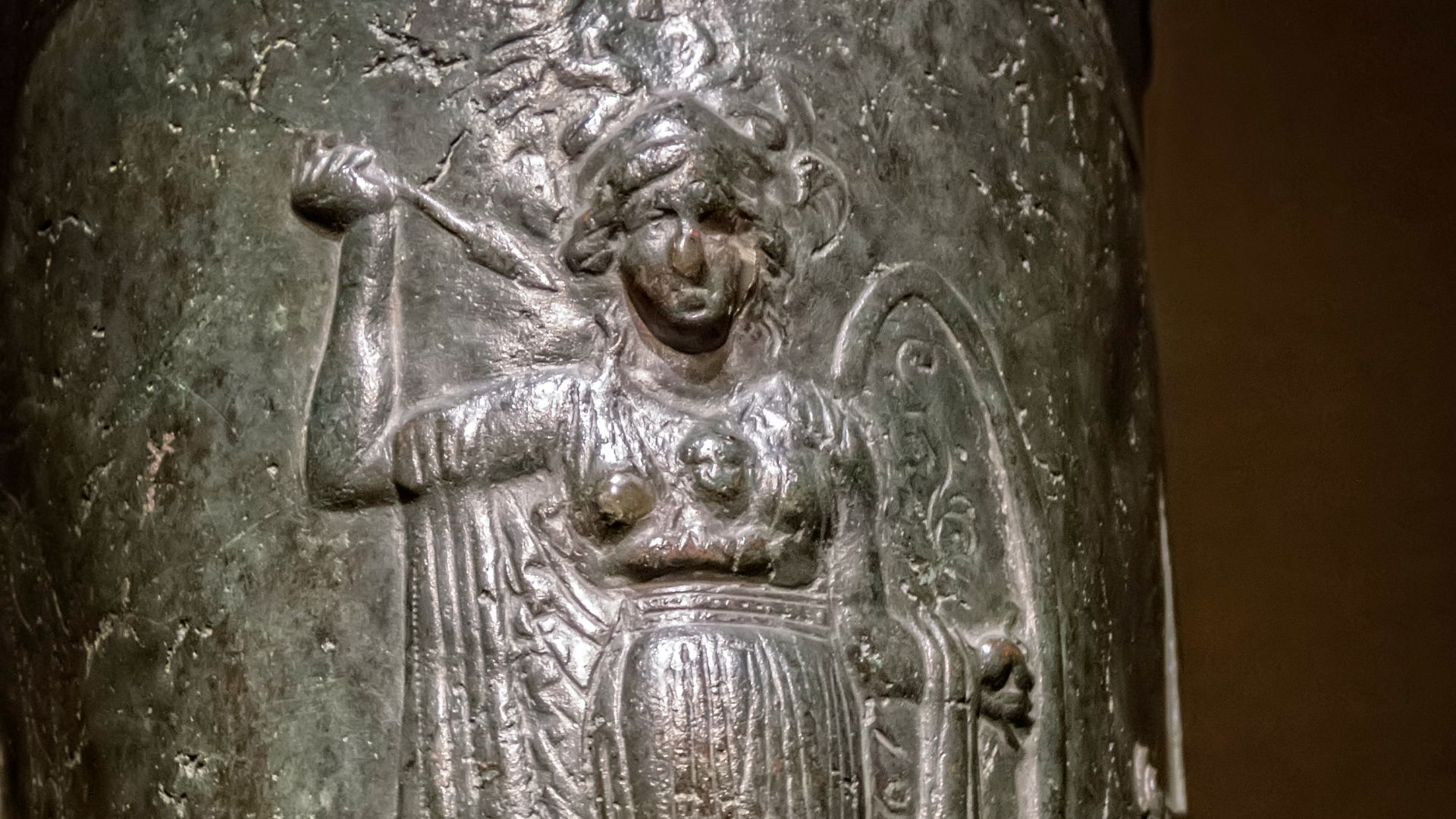
A relief from Halicarnassus shows two women, Amazonia and Achillia, armored with greaves and shields and named after figures from myth. The inscription records an honorable draw. Cassius Dio reports that Septimius Severus banned women from the arena in 200 CE.
10. The Crowd's Verdict
Spectators usually settled whether a loser lived, shouting at the sponsor until he made the call. A man who had performed well stood a good chance of walking out. Reputation did real work in that moment.
Now, here's 10 the movies keep getting wrong.
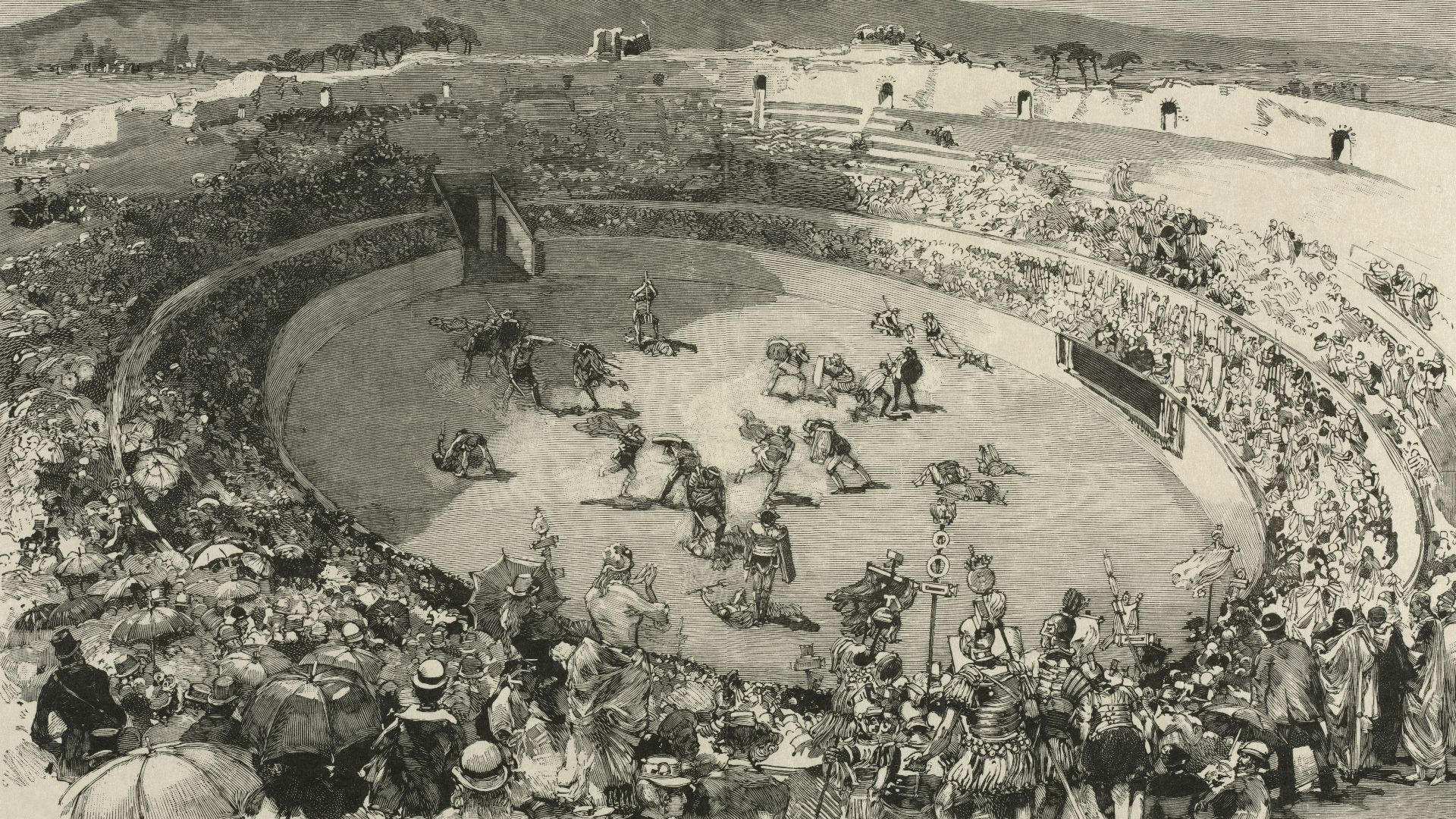
 Johannes Overbeck and August Mau (1884) on Wikimedia
1. Thumbs Down Meant Death
Nobody actually knows what the gesture was. The surviving records leave it unclear whether the thumb pointed up or stayed tucked inside a fist, and Anthony Corbeill's research argues that thumbs up signaled a kill. The version everyone pictures traces to Jean-Léon Gérôme's 1872 painting, which the 2000 film followed.
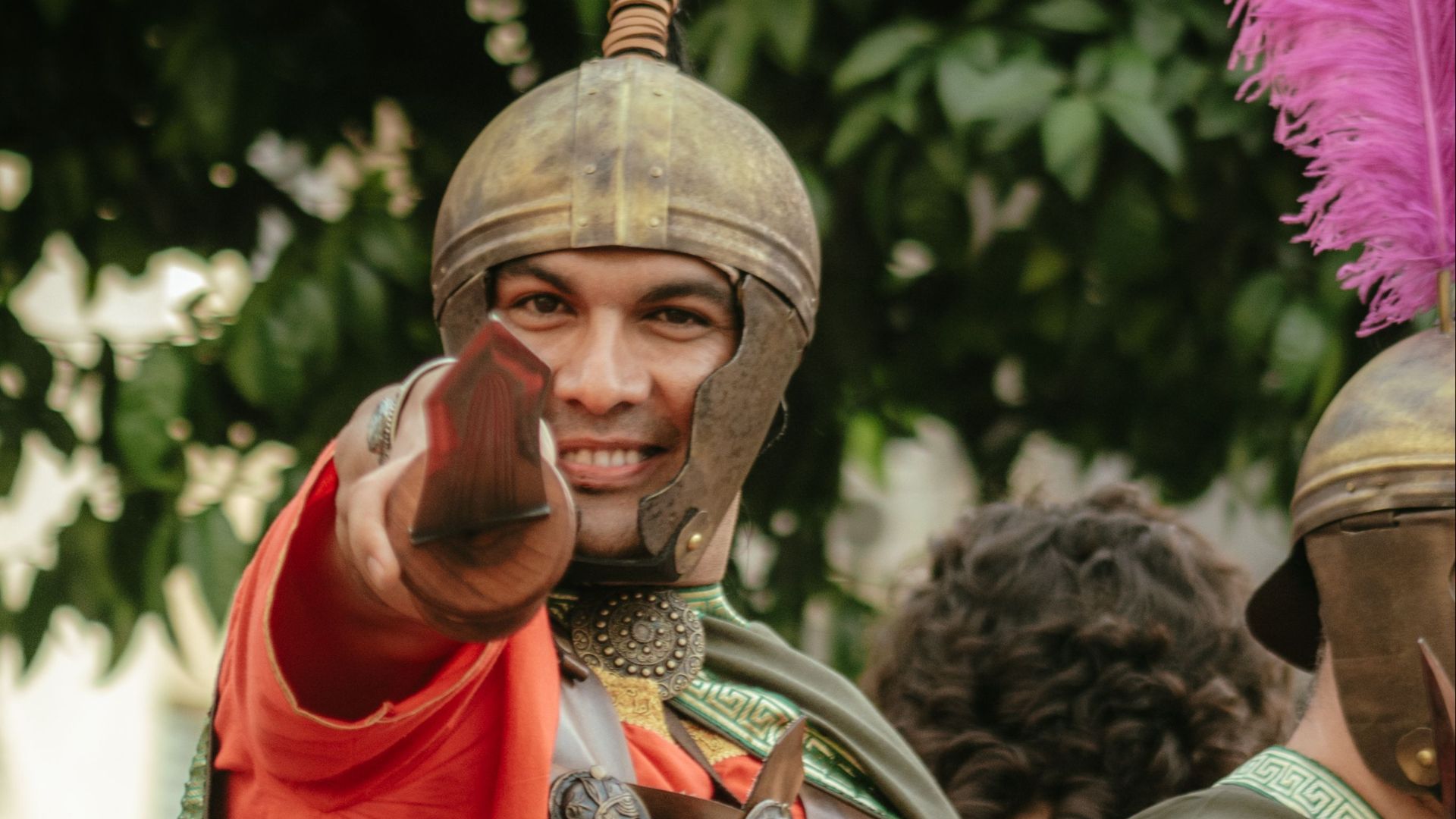
2. The Dying Men's Salute
Suetonius records that line exactly once. Condemned captives shouted it at Claudius before a staged naval battle on Lake Fucinus in 52 CE, hoping it might get them excused from fighting. H.J. Leon concluded there is no evidence whatever for a standing gladiator salute.
3. Fighting Until Somebody Died
Trained fighters cost years and money to produce, and Augustus scrapped no-reprieve matches as impractical. Fighting well was the thing that kept a man alive, and a great many of them managed it. The business ran on skill more than on corpses.
4. Christians In The Colosseum
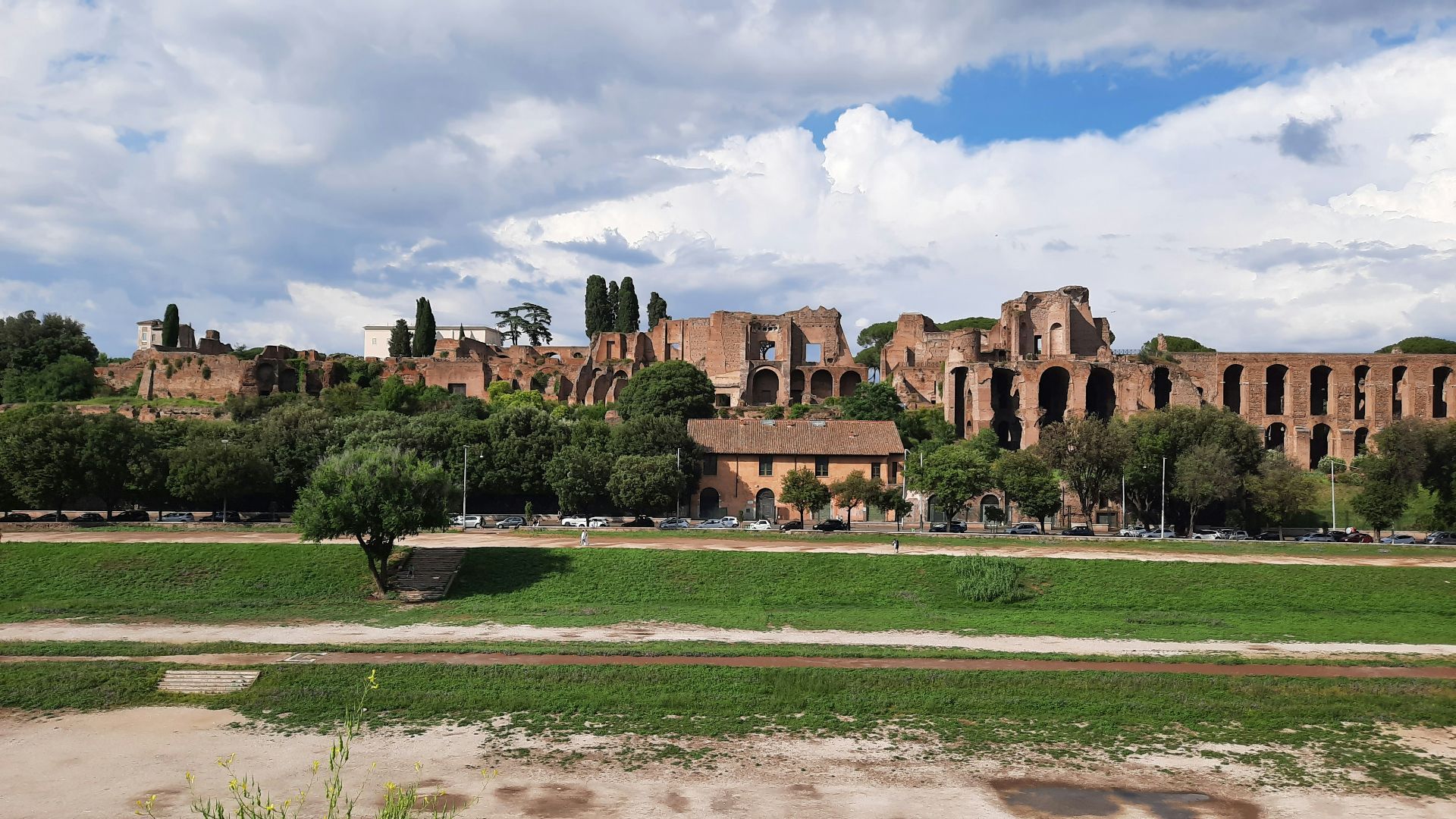
Ancient Christian records never name the Colosseum as a site of martyrdom, an odd silence if it happened there in volume. Some scholars place most of those deaths at the Circus Maximus instead. The building served as a quarry through the Middle Ages, and Benedict XIV only declared it sacred in 1749.
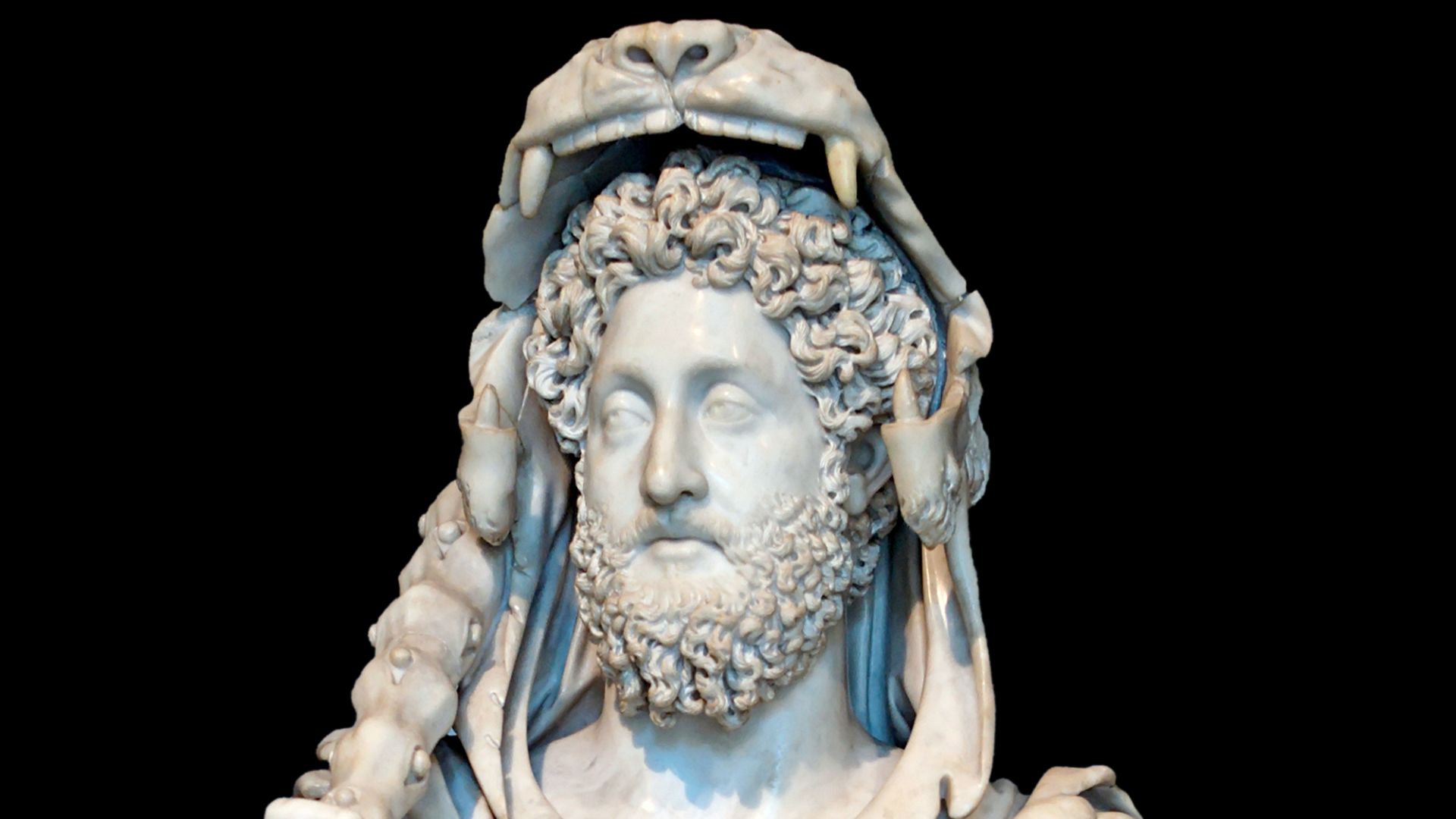
5. Commodus Fell In The Arena
The emperor did fight in public, and that much the film gets right. He died on the last day of 192, strangled by Narcissus, his own wrestling trainer, after his concubine Marcia failed to poison him. Cassius Dio and the Historia Augusta both put the killing indoors.
6. Patricide In The Opening Act
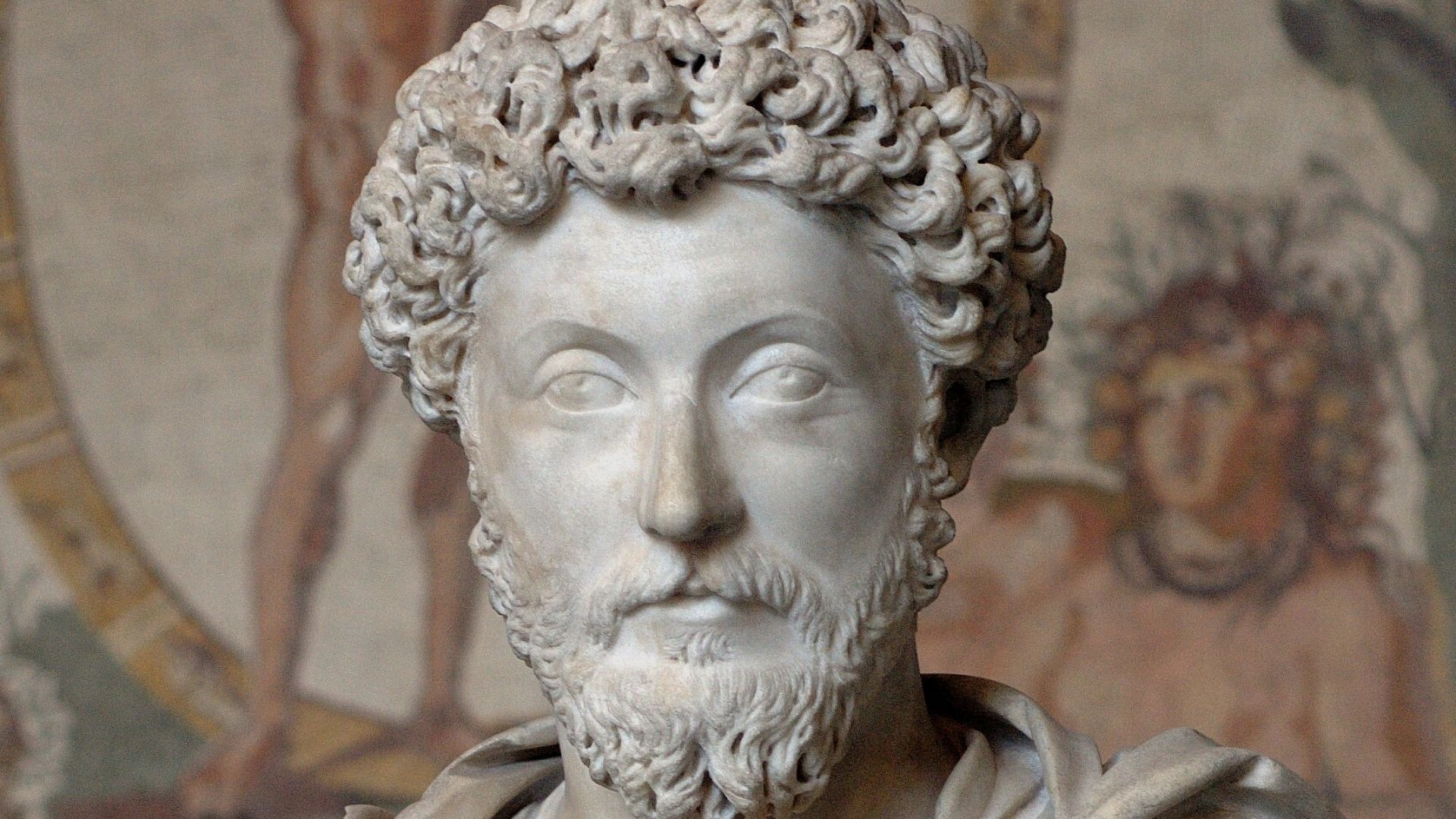
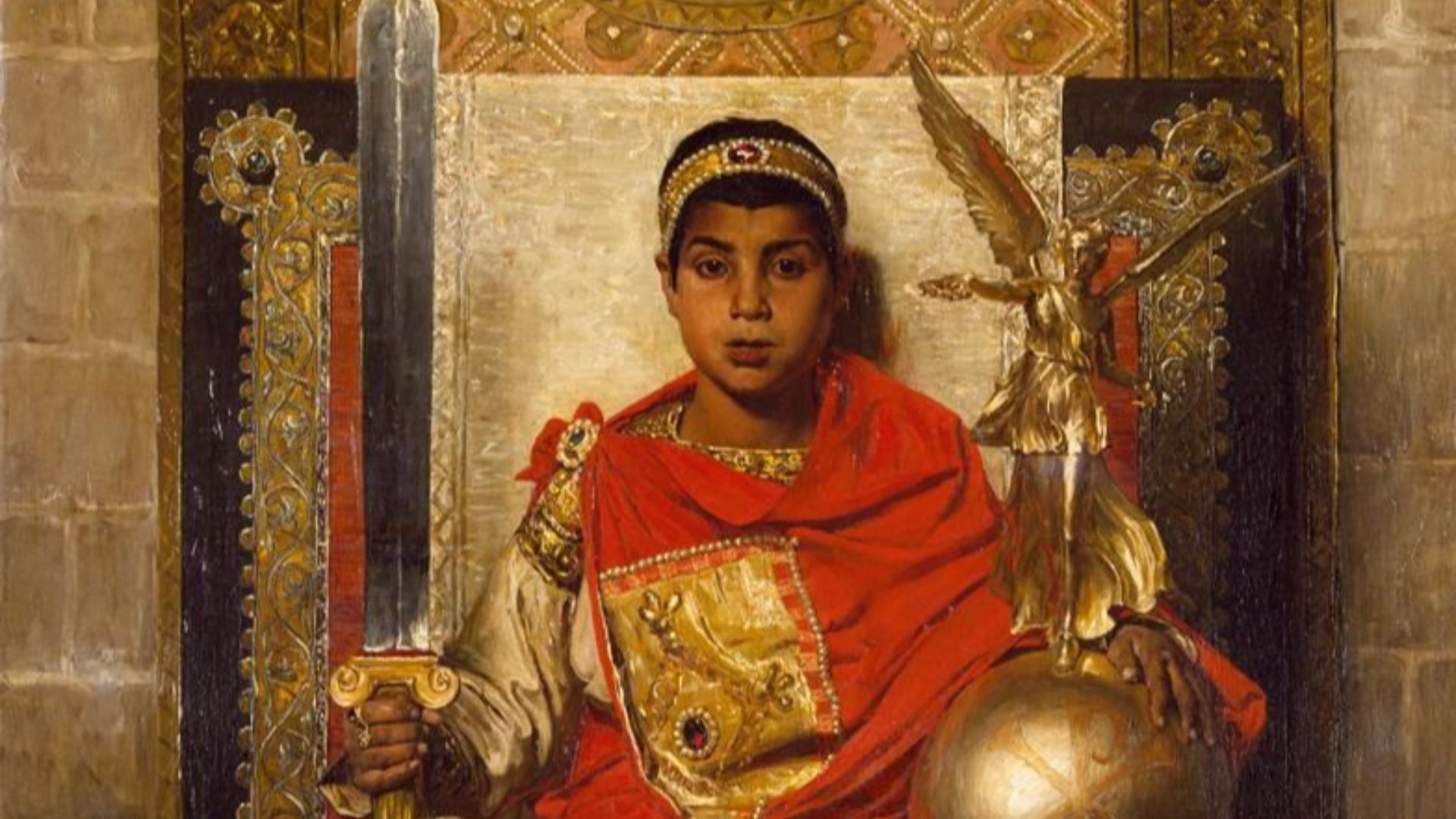
Marcus Aurelius died on 17 March 180, aged 58, in military quarters either at Vindobona or near Sirmium. No ancient source accuses his son of the death. The cause is simply unknown, which makes for a much worse screenplay.
7. Nobody Volunteered
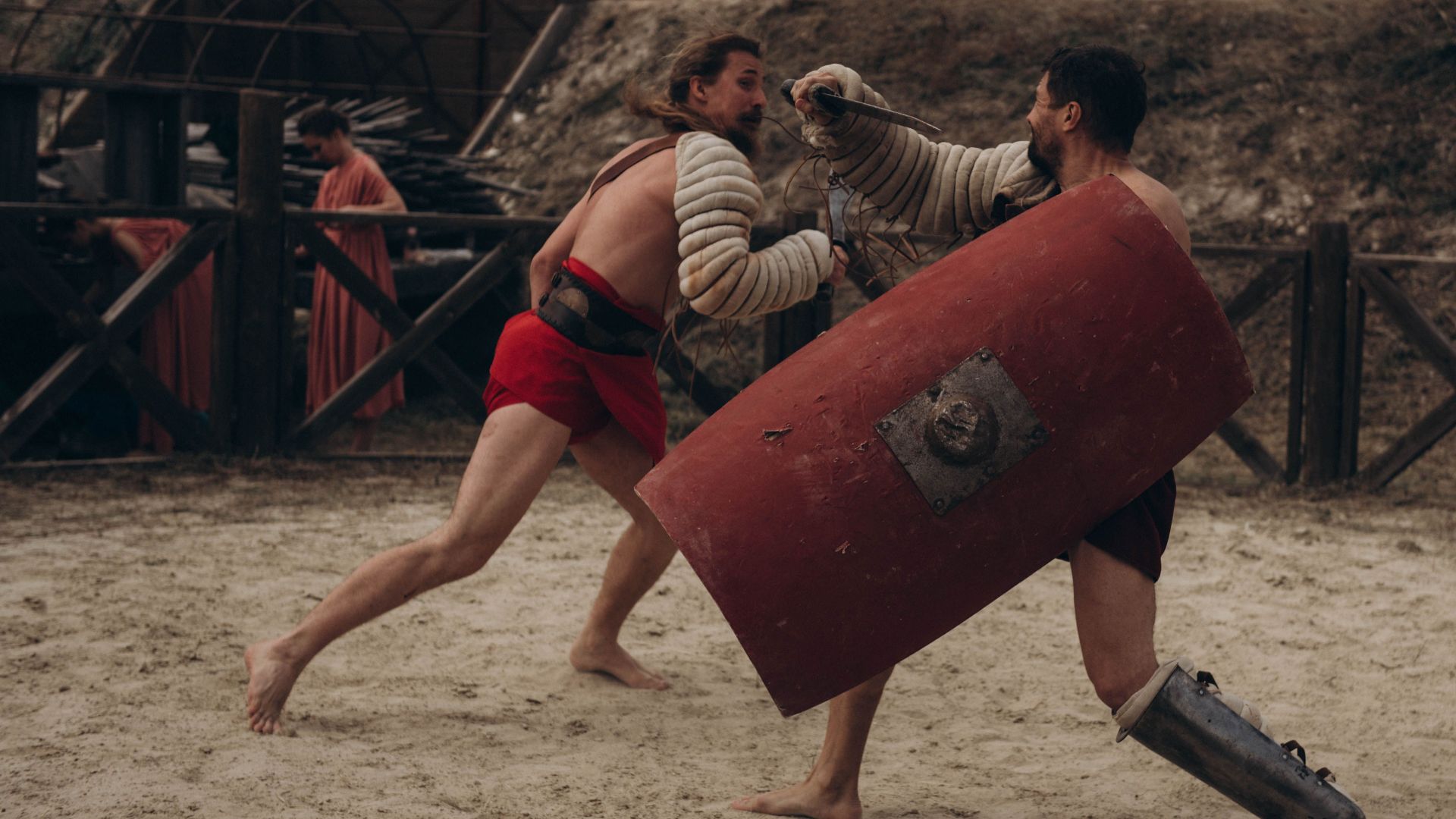
Volunteers were a recognized category with their own paperwork, and they needed a magistrate's permission to sign up. Their contracts spelled out how often they would fight and what they stood to earn. Men of equestrian and senatorial rank showed up among them.
8. Nets And Tridents As Standard Kit
The retiarius is the one every illustrator reaches for, net in one hand and trident in the other. He was a single specialized type, designed as a counterweight to the secutor and ranked near the bottom of the pecking order. Treating him as the default is like calling a goalkeeper a typical footballer.
9. Staging Everything In Rome
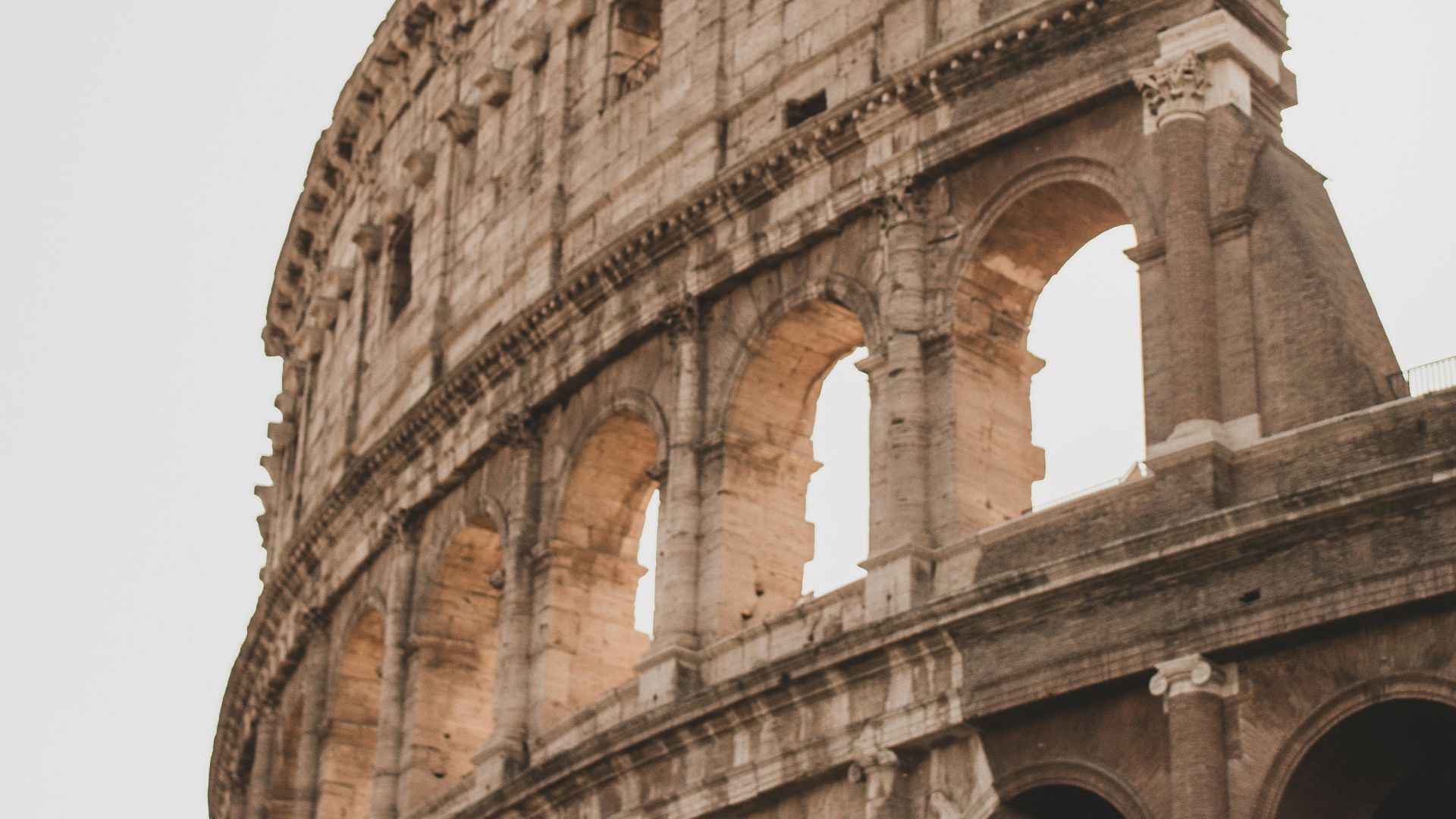
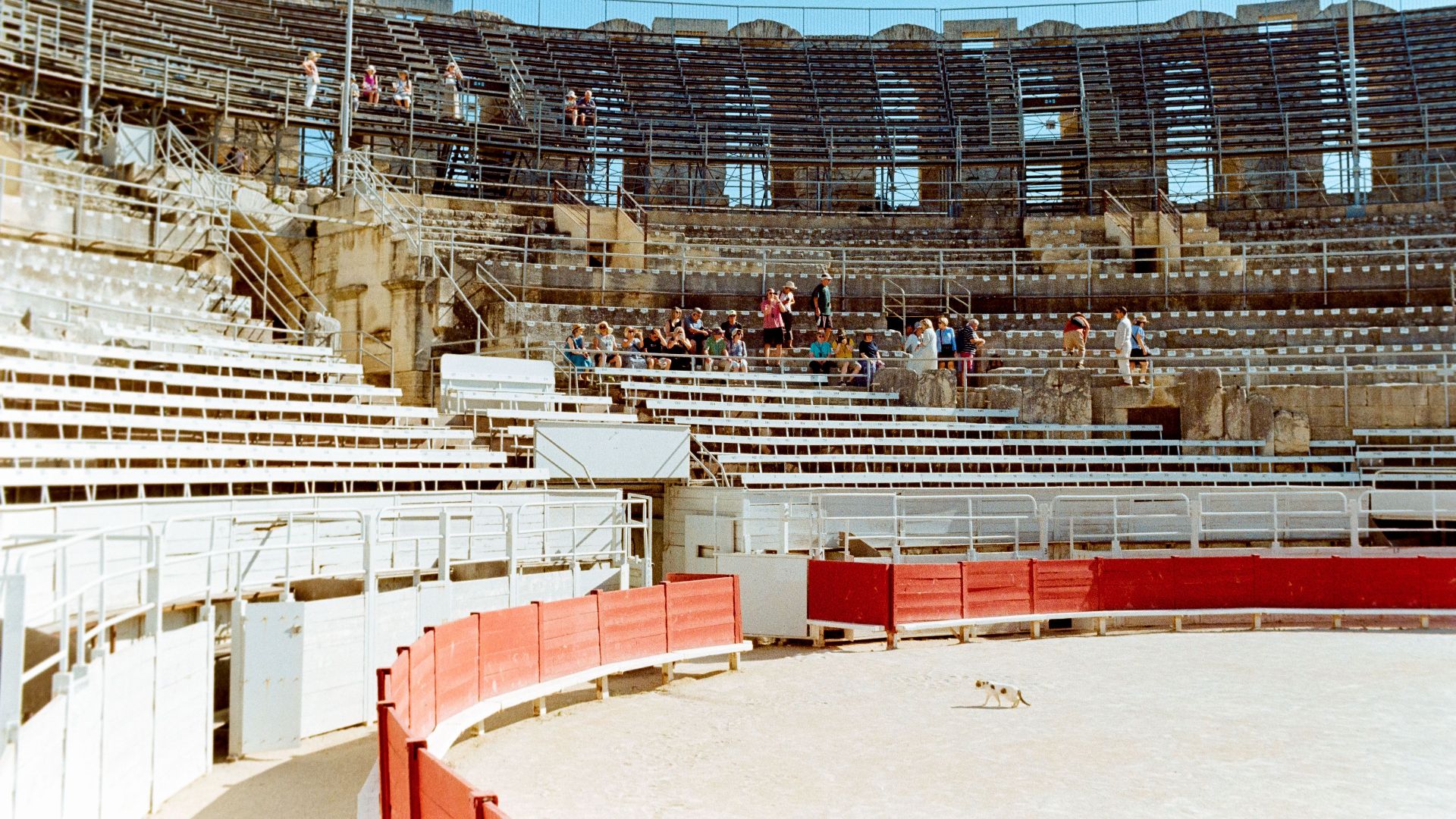
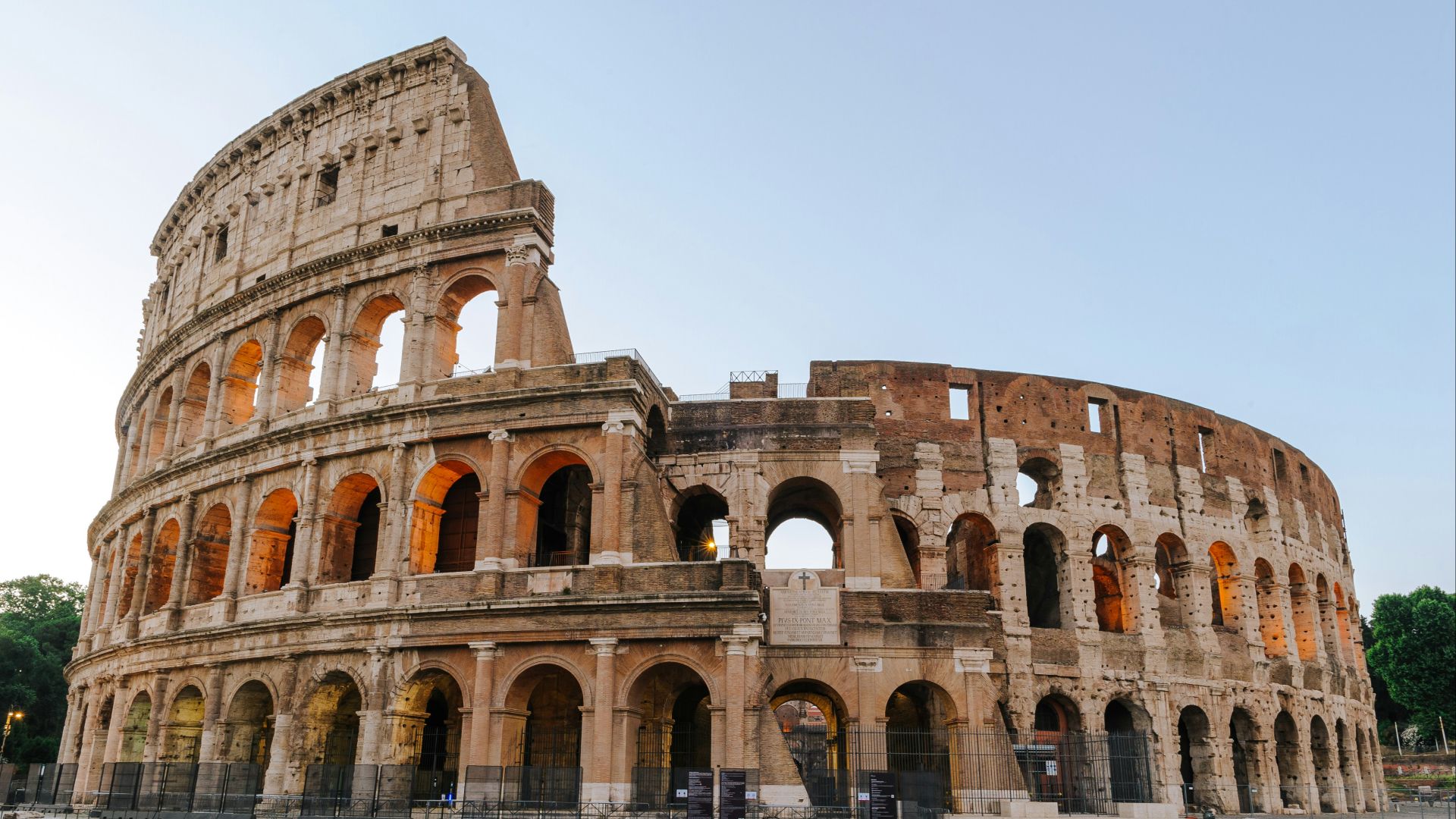
The Colosseum opened in 80 CE under Titus, leaving out roughly three centuries of games held somewhere else. Amphitheaters stood across the empire, and the one at Pompeii was already old by the time Rome got its famous version. Estimates put Colosseum capacity somewhere between 50,000 and 80,000.
10. The Games Stopped On A Date
Honorius banned gladiatorial contests in 399, then had to ban them again in 404. Fights still turn up in the record around 435. The whole institution faded across decades of repeated decrees and shrinking money.
 Jean-Paul Laurens on Wikimedia
KEEP ON READING