

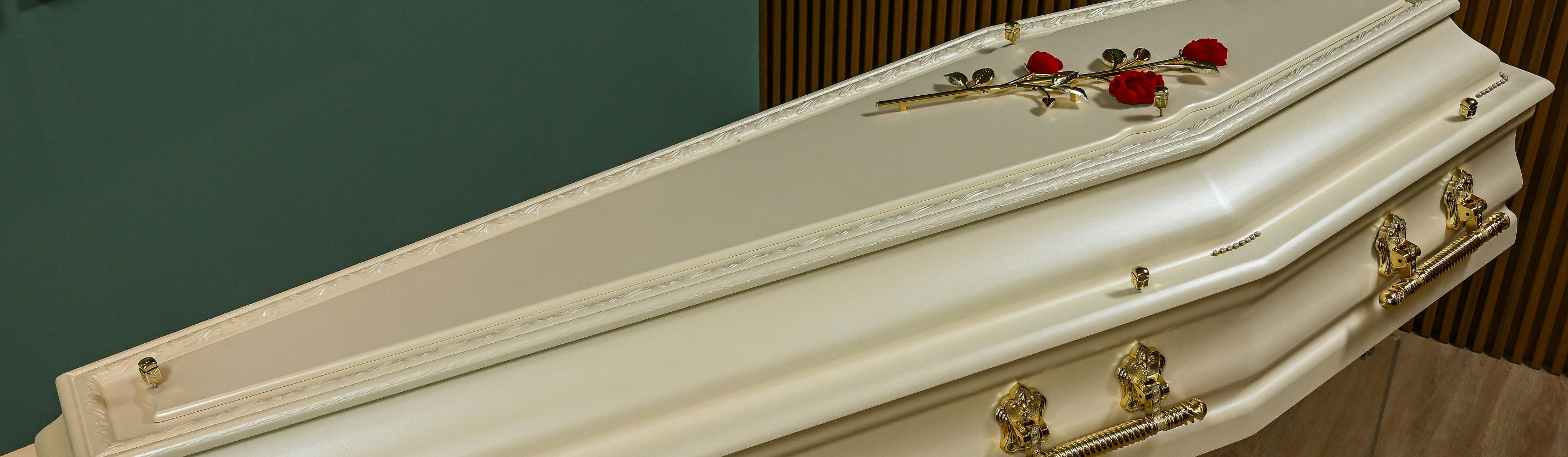
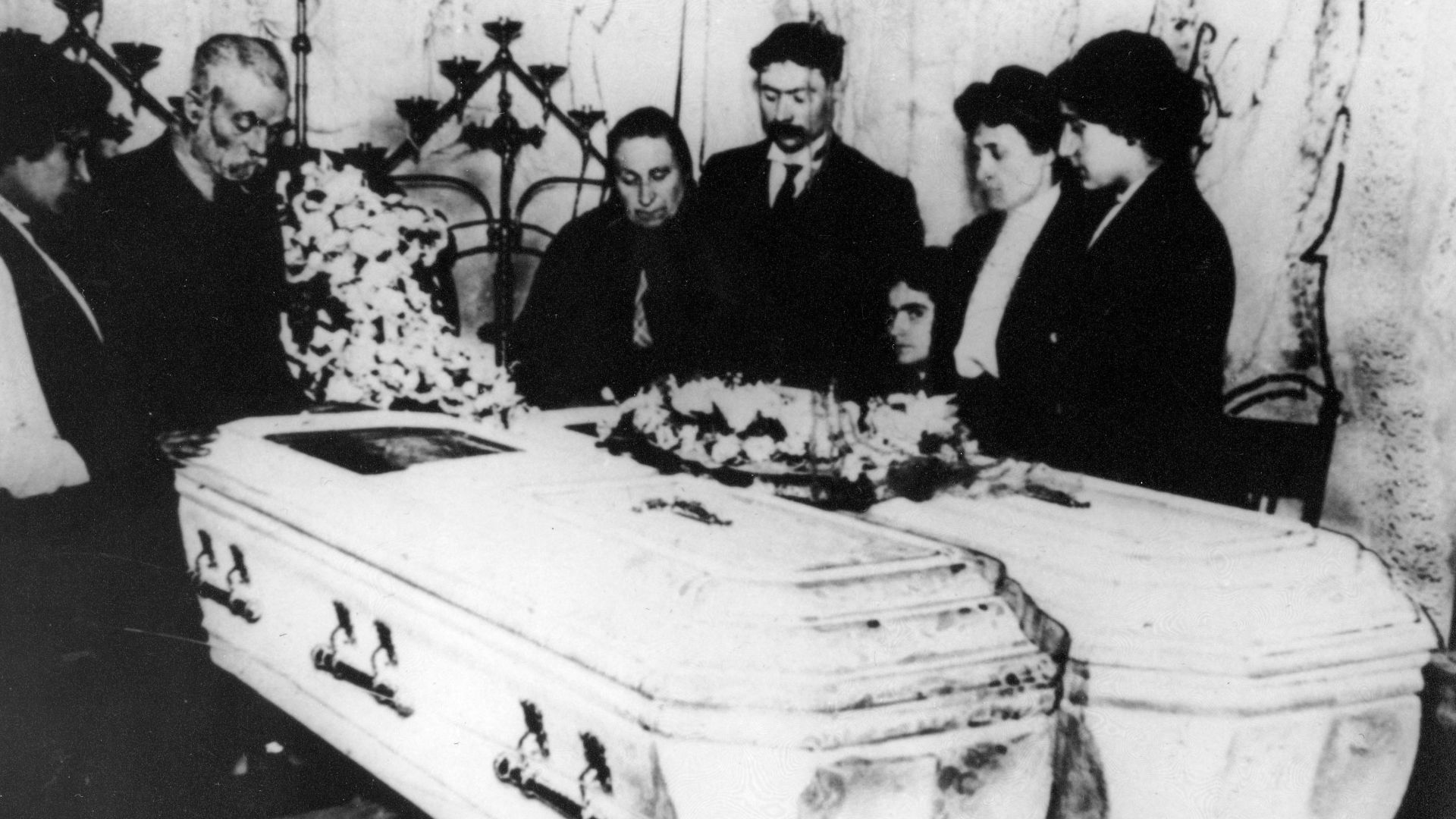
Imagine waking up in pitch-black darkness, surrounded by heavy wooden walls, only to realize that you are trapped six feet underground. For people living in Victorian England, this horrifying scenario was not just the plot of a spooky Gothic novel; it was a legitimate, everyday phobia that haunted the collective public imagination. The fear of being buried alive—a psychological terror known as taphephobia—reached absolute fever pitches during the nineteenth century. Newspaper headlines routinely published sensational stories of exhumed caskets that showed horrifying signs of struggle, sending waves of panic through society and making people desperate for a solution.
This widespread anxiety was not entirely baseless, as the medical practices of the era were shockingly primitive by modern standards. Without advanced equipment to monitor brain activity or cardiac function, doctors frequently relied on unreliable physical signs to pronounce a person passed. Mistakes were bound to happen, especially during a time when terrifying disease outbreaks routinely swept through crowded urban centers. To protect themselves from this ultimate nightmare, inventors and anxious citizens turned to an ingenious, if slightly macabre, piece of technology known as the safety coffin.
The Blunders of Nineteenth-Century Medicine
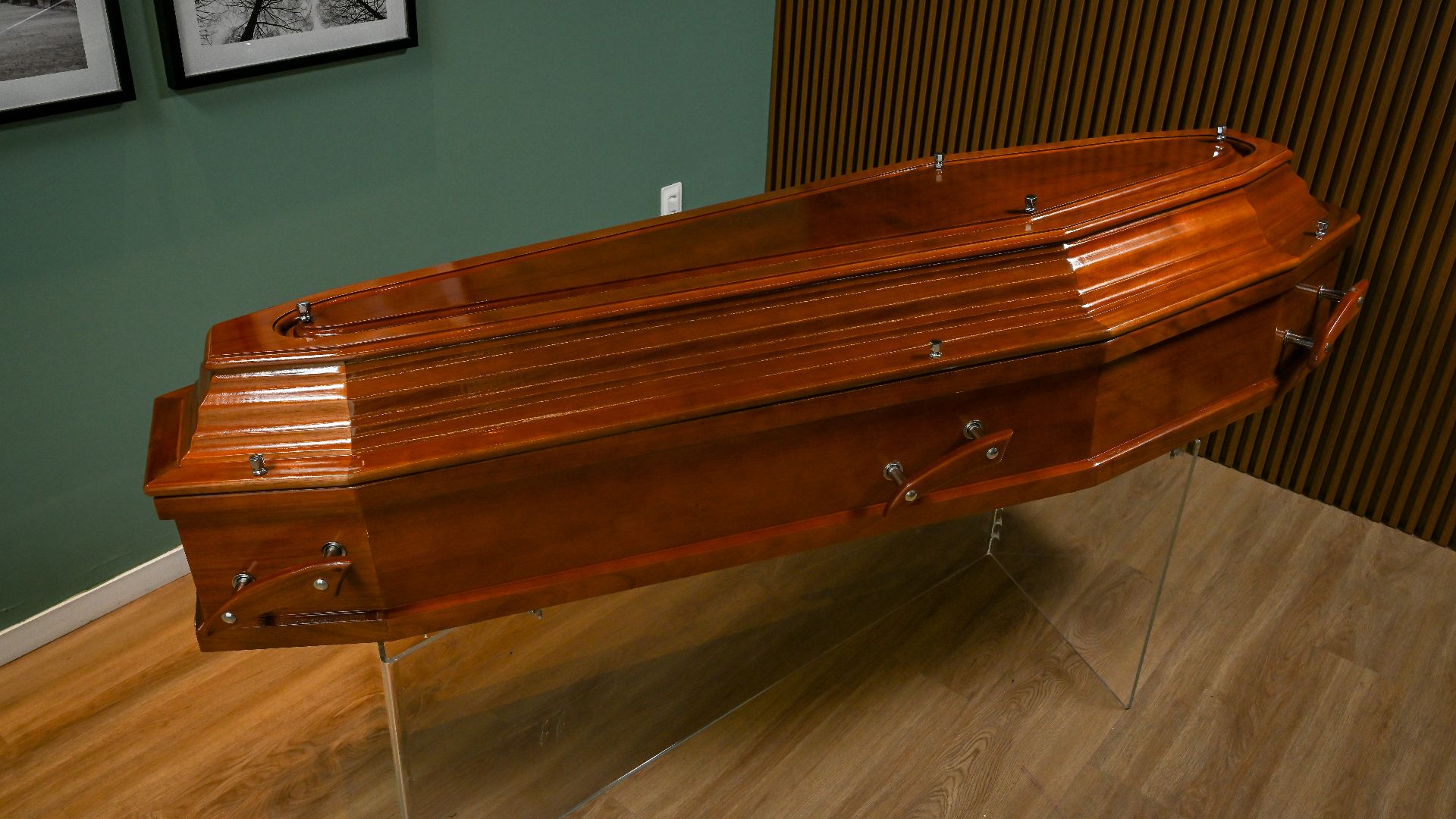
 The Good Funeral Guide on Unsplash
During the Victorian era, the line dividing life from death was dangerously blurry, leaving the public with very little faith in medical declarations. Physicians of the day generally looked for a lack of a pulse, cold skin, or a cessation of breathing, but these signs could be easily mimicked by various medical conditions. A person suffering from a deep coma, a severe epileptic fit, or a state of catalepsy could easily appear completely deceased to an overworked doctor. As a result, individuals who were merely unresponsive were occasionally bundled into caskets and sent to local cemeteries far too quickly.
The situation grew infinitely more perilous when dangerous epidemics like cholera and yellow fever regularly ravaged major English cities. In a desperate bid to contain the spread of highly contagious diseases, local authorities mandated that bodies be buried almost immediately after passing away. This frantic rush eliminated the traditional, multi-day waking periods that naturally allowed a comatose person a chance to wake up. The sheer volume of casualties overwhelmed local medical professionals, greatly increasing the statistical likelihood that a living patient might be mistakenly classified as a corpse.
Furthermore, the physical reality of Victorian graveyards did very little to reassure an already paranoid and anxious public. When old churchyards were dug up or relocated to accommodate expanding cities, workers occasionally discovered skeletal remains turned over inside their caskets. Some accounts even described scratches on the interior lids, suggesting a frantic, hopeless struggle for survival after the funeral had wrapped up. These gruesome discoveries fed directly into the hands of sensationalist journalists, ensuring that the fear of premature burial remained a dominant topic of conversation.
Ingenious Inventions for the Undead
To combat this terrifying threat, a wave of creative inventors stepped forward with a variety of patented safety caskets designed to offer a lifeline from beyond the grave. The most popular designs featured a complex network of strings and wires attached directly to the hands and feet of the deceased. If a person woke up underground, even a minor twitch of their fingers would pull the cord and trigger a mechanism above ground. This motion would instantly ring a heavy brass bell mounted on the headstone, alerting the cemetery watchman that a rescue operation was urgently required.
Other inventors took the concept a step further by focusing on the immediate survival needs of a mistakenly buried individual. Some high-end safety caskets included long, hollow air tubes that extended from the underground box directly up to the surface. These ventilation pipes ensured that an awakened person would not instantly suffocate while waiting for a gravedigger to rescue them. A few deluxe models even featured a tiny viewing window or a mechanical flag that would pop up to provide a clear visual signal to anyone walking by.
While these elaborate contraptions offered immense psychological comfort to wealthy buyers, they required flawless execution that rarely worked perfectly in reality. The damp, heavy soil of English churchyards frequently rusted the delicate copper wires, rendering the entire alert system completely useless after a few days. Additionally, the natural decomposition of a corpse could cause a body to shift or bloat, accidentally pulling the cords and ringing the bell. These false alarms undoubtedly terrified graveyard guards, who suddenly found themselves listening to a chorus of ringing bells in the middle of the night.
A Lasting Legacy of Cryptic Language
The immense popularity of these Victorian safety caskets did more than just fill cemeteries with strange gadgets; it permanently altered the English language. Historians frequently point out that several common idioms used today likely trace their roots back to this specific era of intense taphephobia. Phrases like "saved by the bell" are widely believed to refer to individuals rescued by a well-timed casket alarm. While etymologists still debate the exact origins of these sayings, their connection to the safety coffin trend shows how deeply this fear was embedded in the culture.
The fascinating concept also gave rise to the morbidly famous phrase "the graveyard shift," which originally described the night watchmen hired to listen for underground bells. These lonely workers patrolled the dark cemetery paths during the small hours of the morning, keeping their ears tuned for any metallic tinkling. It was a stressful, spooky job that required a strong stomach, as distinguishing a real cry for help from a trick of the wind was a high-stakes task. This cultural obsession with monitoring those who passed highlighted a society that was completely obsessed with holding onto the final thread of life.
Ultimately, the short-lived era of the safety coffin drew to a close as medical science finally caught up with public anxieties. The development of stethoscope technology, followed by a better understanding of cellular destruction, made the premature burial of a patient virtually impossible. Today, these elaborate, bell-ringing caskets are viewed as fascinating relics of a time when technology tried its best to solve a terrifying medical mystery. They stand as a testament to the unique anxieties of Victorian England, a place where people were willing to build a phone line to the afterlife just for a little peace of mind.
KEEP ON READING

The Origins Of 3 Common Sayings You Still Use Today
Etienne Boulanger on UnsplashMany of the phrases you use every…
By Rob Shapiro Apr 28, 2026
Was Caligula The Most Ruthless Roman Emperor?
Artur Matosyan on UnsplashRoman Emperor Caligula is one of ancient…
By Rob Shapiro Dec 18, 2025
1 Weird Fact About Every President
Washington, Lincoln, FDR. Most people know something about the lives…
By Robbie Woods Dec 3, 2024
10 Accidental Discoveries That Changed Maps & 10 That Changed…
Mistakes That Mattered. A lot of major discoveries did not…
By Cameron Dick Apr 15, 2026
10 Actors Who Perfectly Played a Historical Figure & 10…
Which Performance is Your Favorite?. Playing the role of a…
By Rob Shapiro Sep 15, 2025
10 Actors Who Perfectly Played a Historical Figure & 10…
Portraying a real person from history is one of the…
By Noone Dec 17, 2025