

The Past Refuses to Be Boring
Archaeology has a way of making perfectly legitimate scholars say things that sound like they need a second set of ears. A computer in an ancient shipwreck? A snack bar in Pompeii? A Viking-age bathroom souvenir? You bet that all that stuff sounds suspicious until the museum label shows up. The world is filled with oddities that are not only real but also well-studied and more interesting than the myths people build around them. Let’s dive into 20 that barely scratch the surface.
1. The Antikythera Mechanism
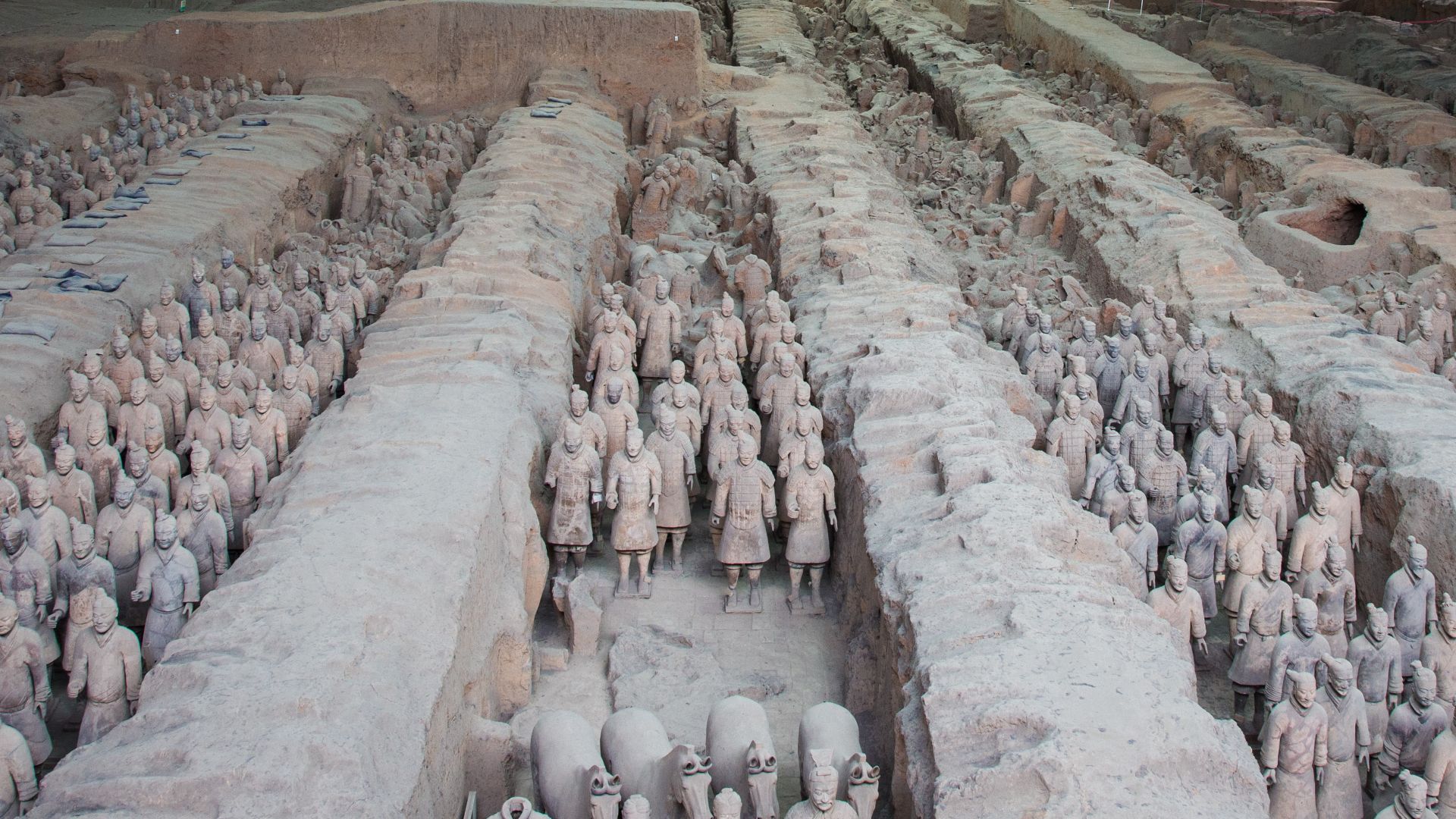
The Antikythera Mechanism looks like a clockmaker’s fever dream in a Roman-era shipwreck. It was officially recovered from a wreck near the Greek island of Antikythera in 1901, a geared bronze device built around the second century BCE and used to display calendars and astronomical information. You might not know it to look at it, but it’s often called the oldest known mechanical calculator.
2. Göbekli Tepe
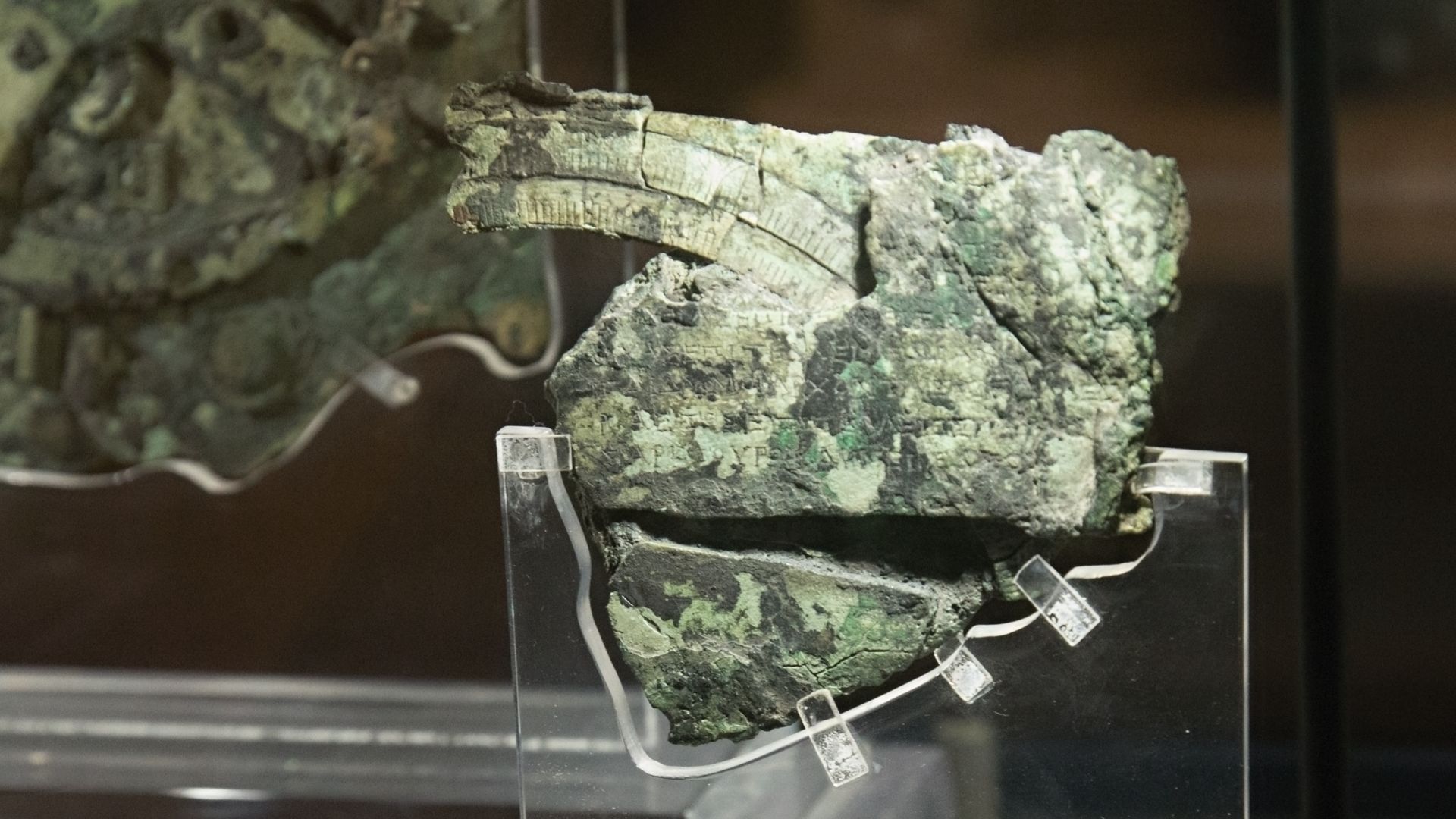
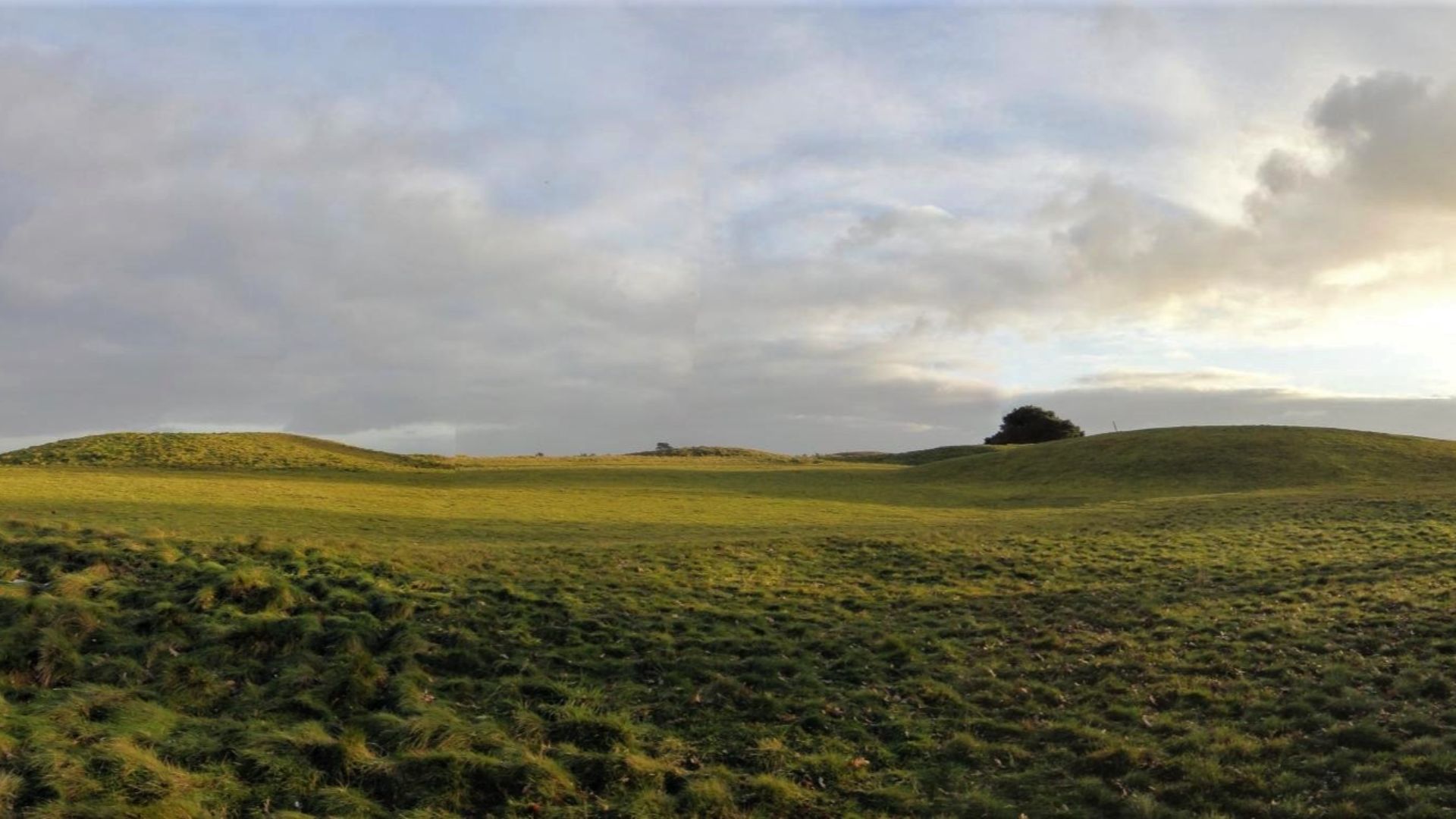
Göbekli Tepe in southeastern Turkey pushes architecture back to a time when people weren’t supposed to create things quite like this. Its T-shaped limestone pillars, many decorated with animal reliefs, belong to Pre-Pottery Neolithic communities and are considered among the earliest known examples of human-made monumental architecture.
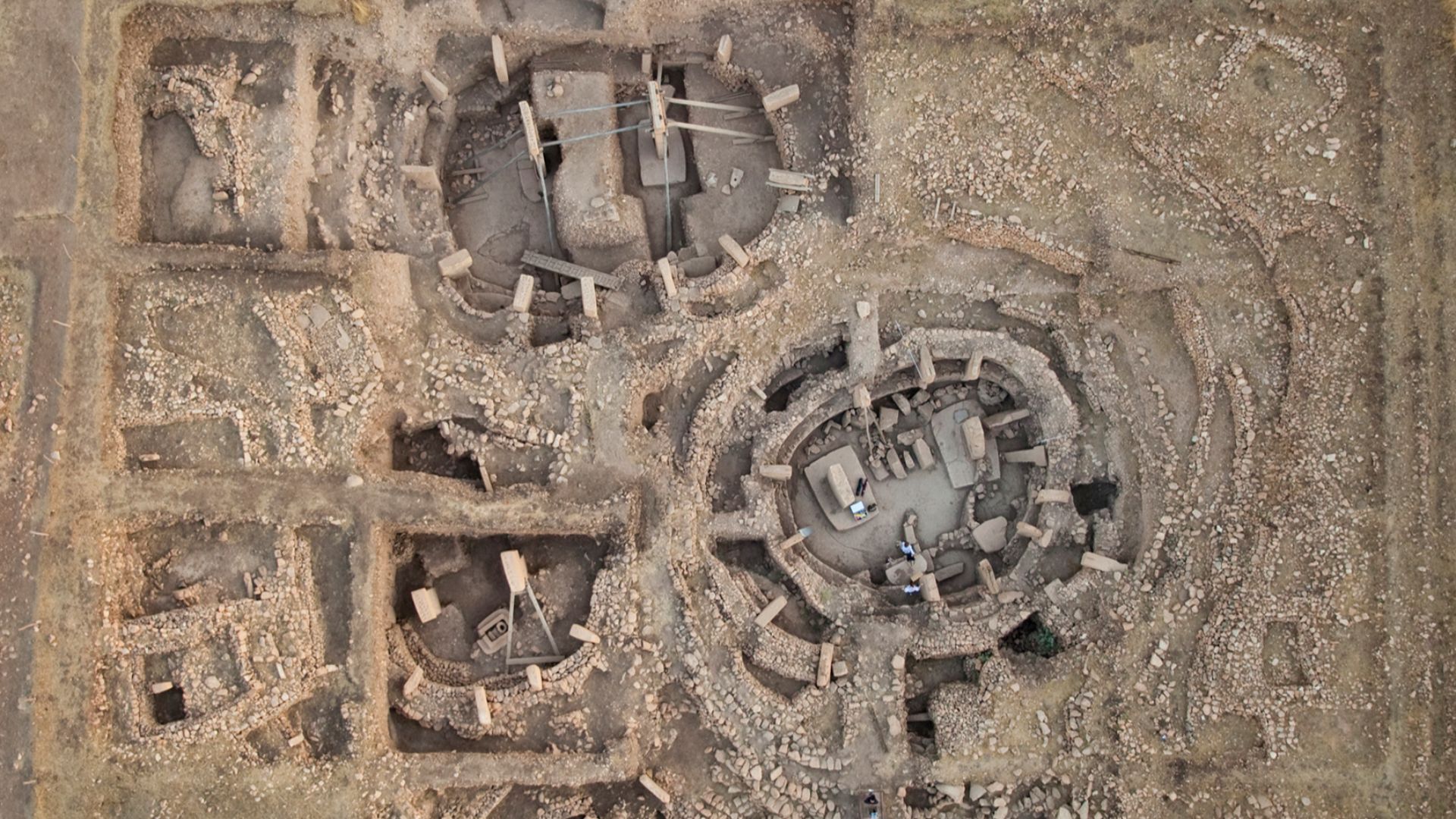 German Archaeological Institute, photo E. Kücük. on Wikimedia
3. The Terracotta Army
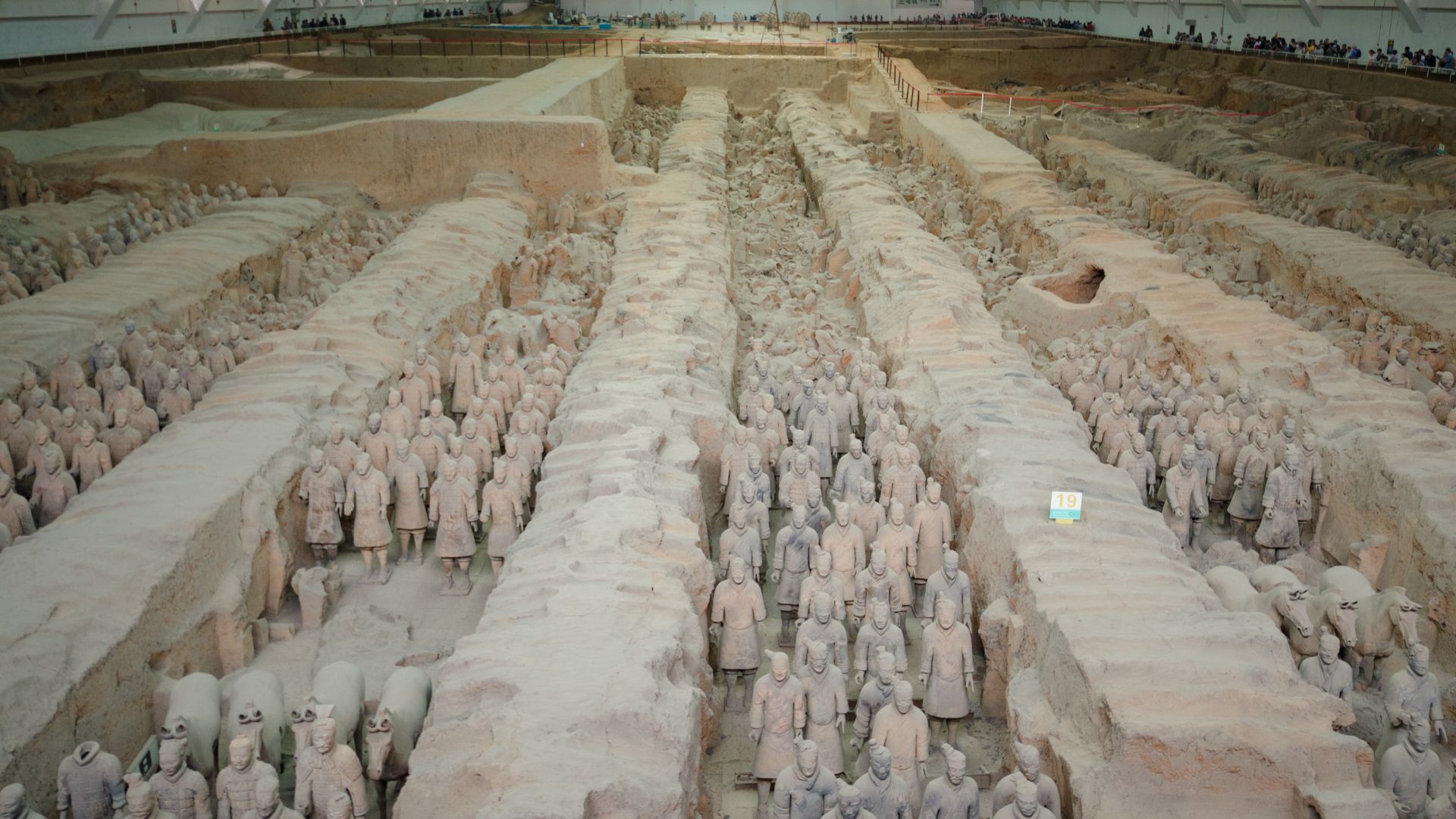
In 1974, farmers digging a well near Xi’an, China, accidentally opened the door to an underground army. Buried in the earth, they discovered life-size terracotta soldiers, horses, and chariots near the mausoleum of Qin Shi Huang, China’s first emperor, who died in 210 BCE. Thousands of figures have been found, and scholars note that many more likely remain hidden.
4. The Nebra Sky Disc
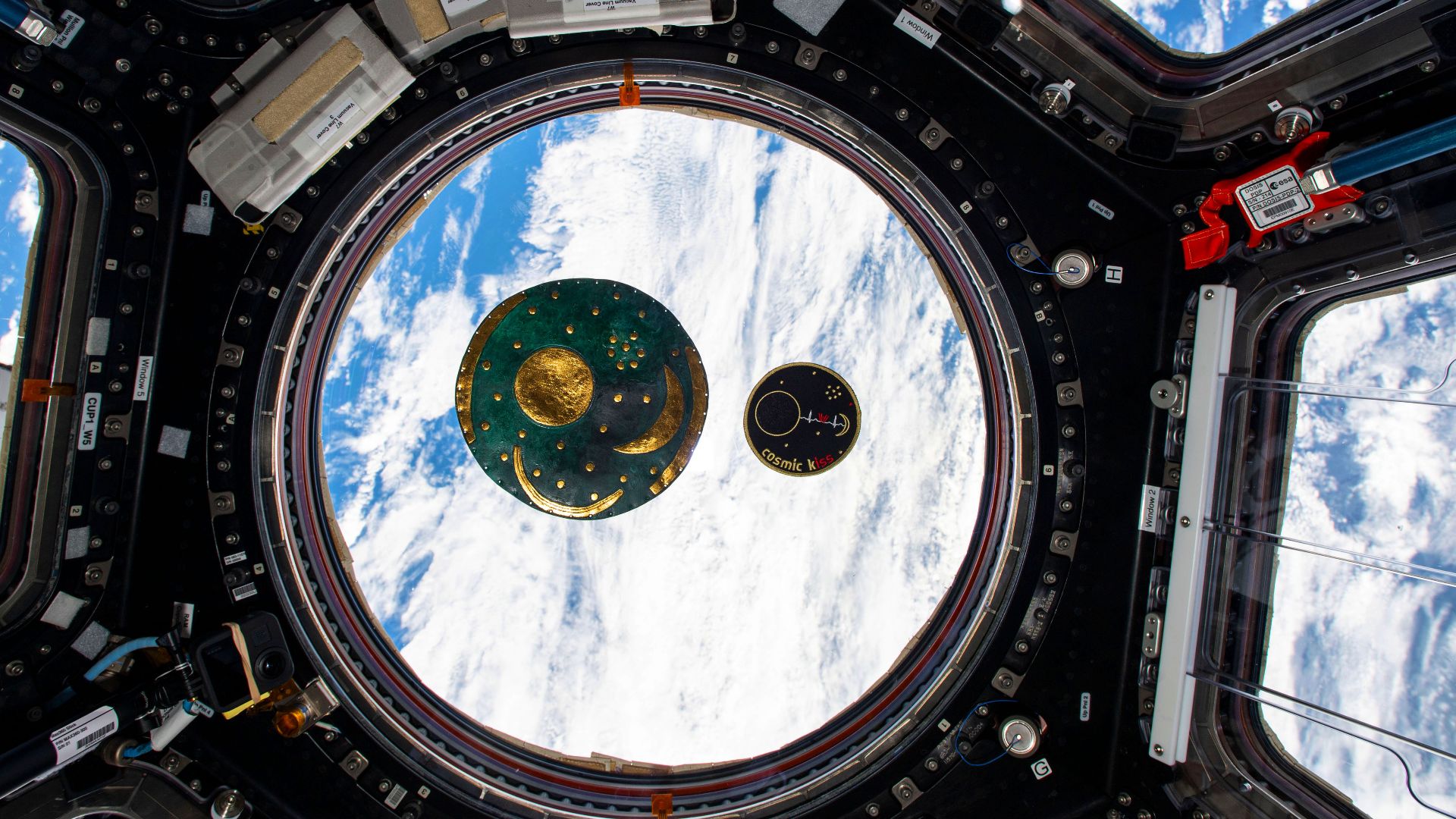
The Nebra Sky Disc seems more like a movie prop than a legitimate archaeological discovery. Alas, found near Nebra in Germany and buried about 3,600 years ago, it’s a bronze disc decorated with gold symbols that have since been interpreted as cosmic imagery. Today, it’s considered the oldest concrete depiction of cosmic phenomena worldwide.
5. Tollund Man
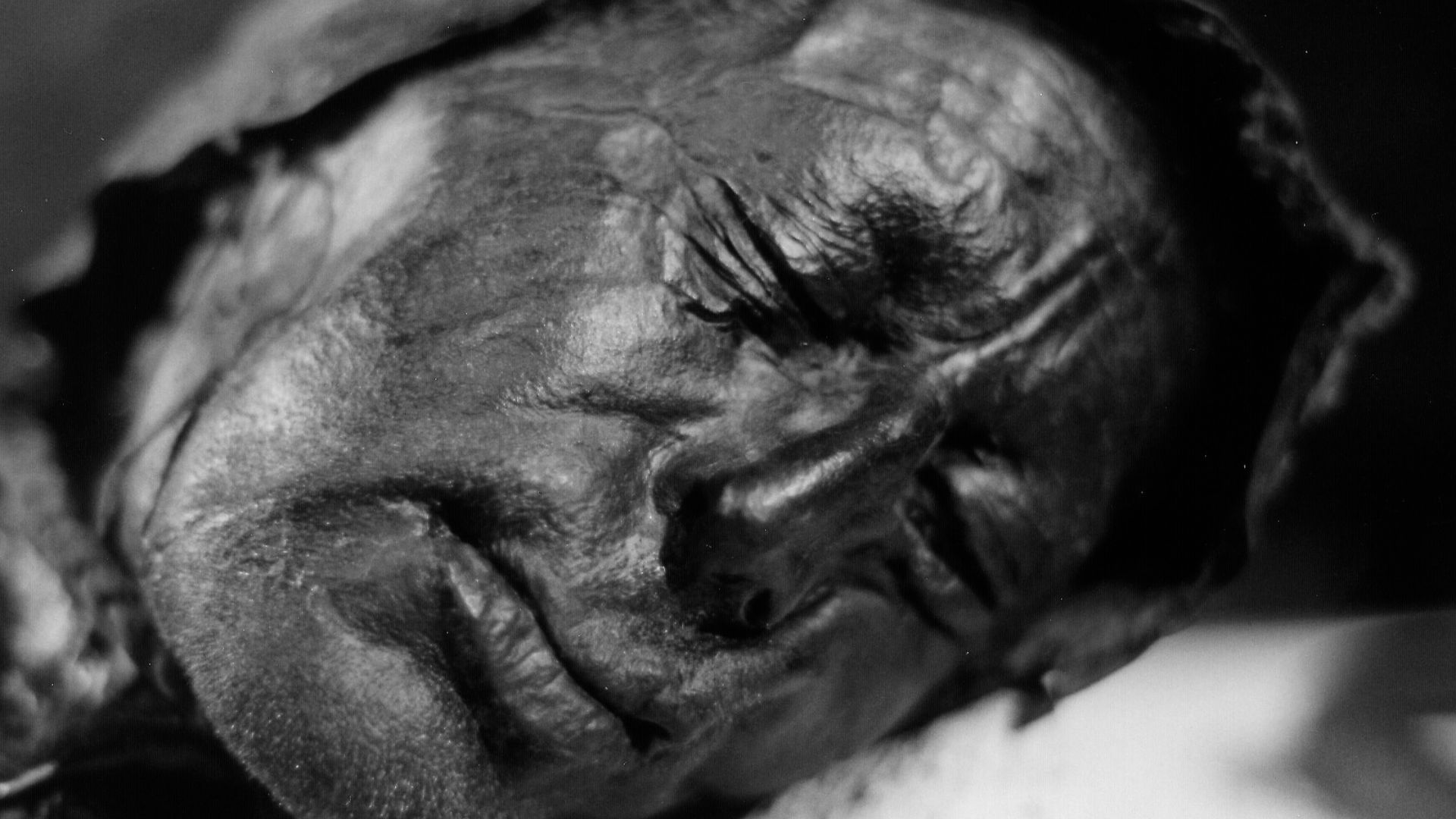
Tollund Man was so well preserved that the people who found him in 1950 thought they had stumbled into a crime case. In reality, this discovery from Denmark is actually an Iron Age man, dated to roughly 405 to 380 BCE, whose body survived in a peat bog with his face, cap, and noose still clear.
6. The World’s Oldest Known Pants
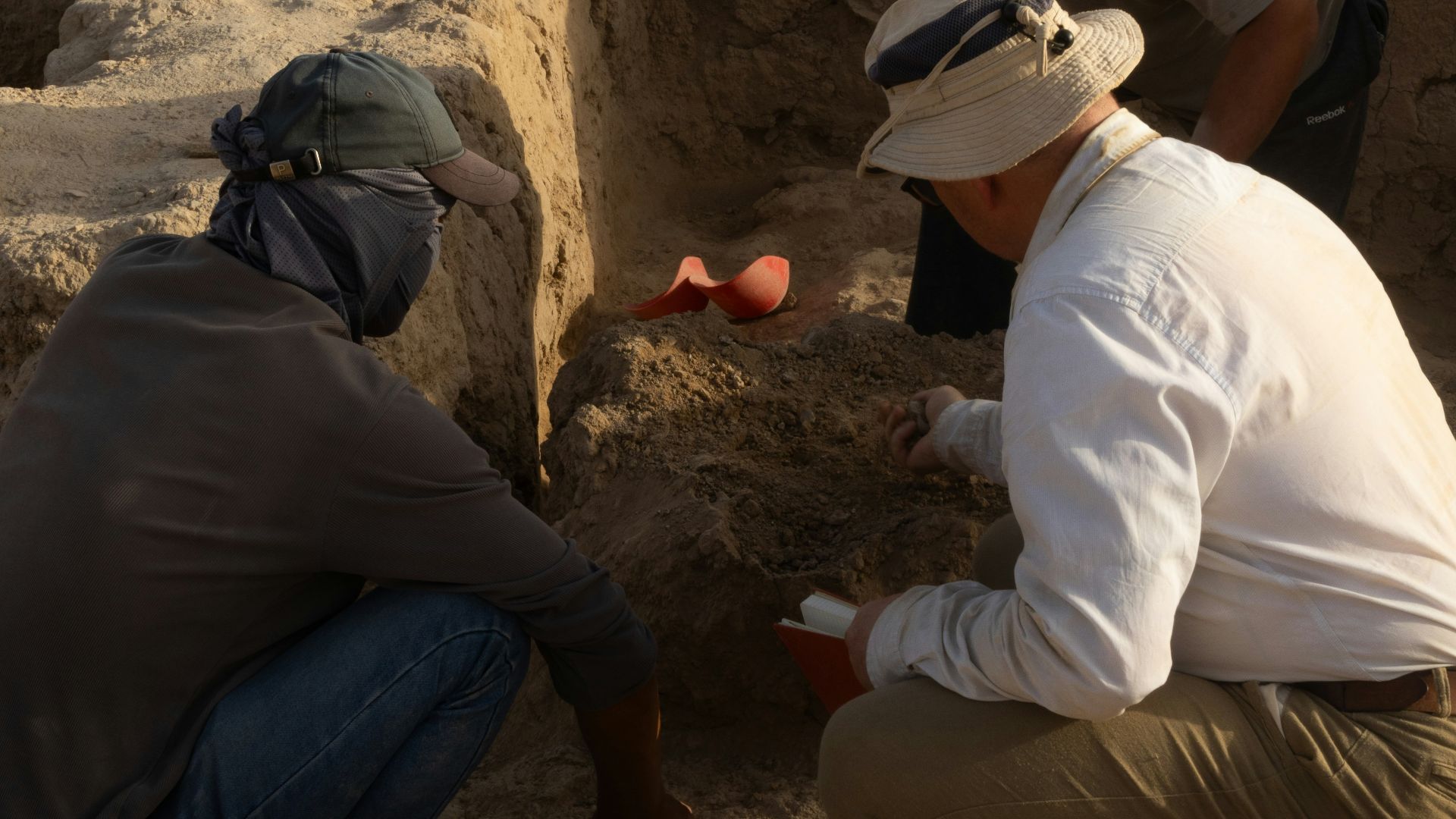
Hey, it takes all kinds, and the oldest known pants were discovered in the Yanghai graveyard in China’s Tarim Basin. Researchers date the trousers to roughly 3,200 to 3,000 years ago, and their design was especially practical for horseback riding.
 Aleksander Stypczynski on Unsplash
7. Roman Boxing Gloves At Vindolanda
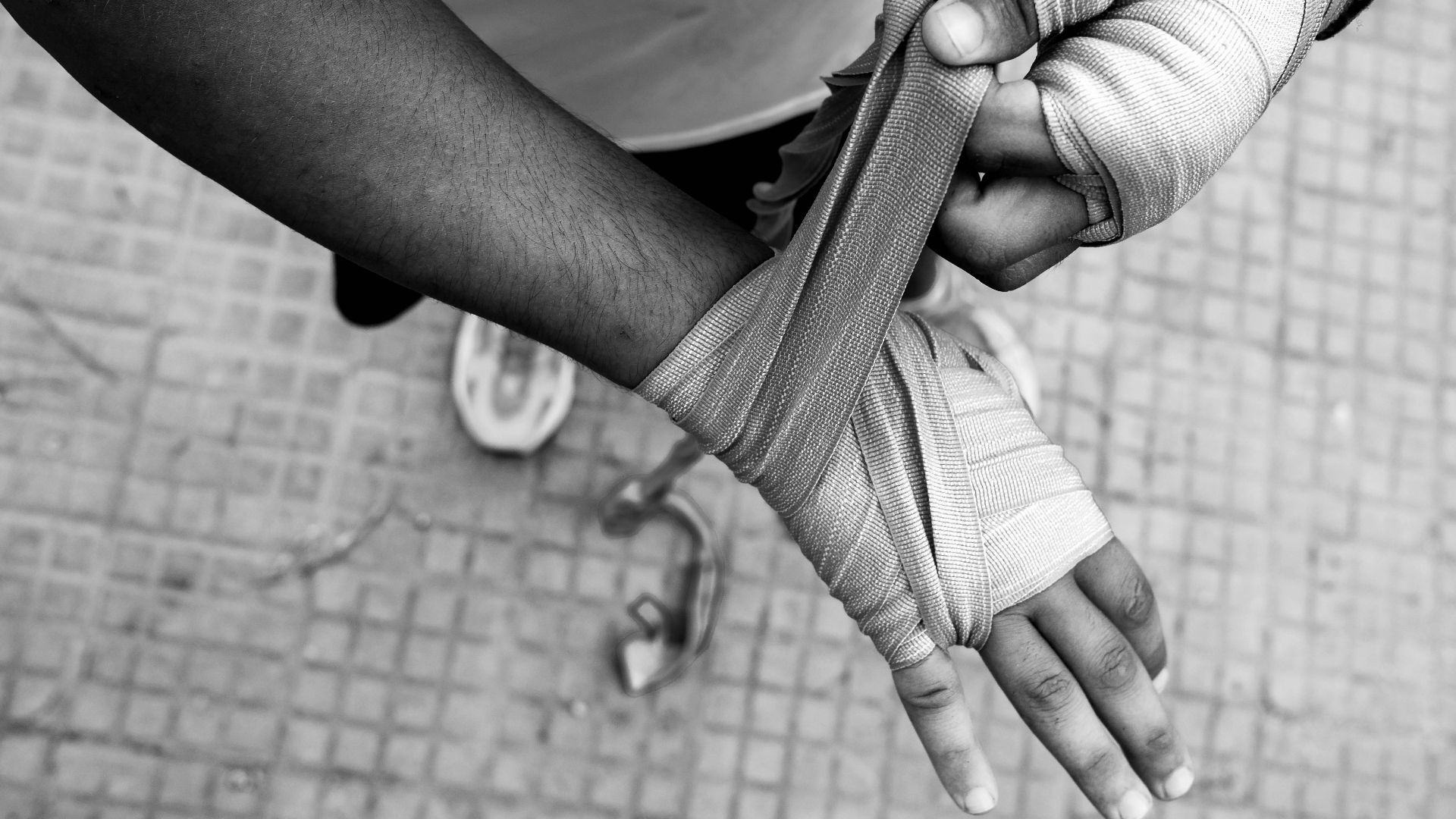
Vindolanda is a Roman fort near Hadrian’s Wall in northern England, and curious archaeologists once found strange leather objects that turned out to be boxing gloves. They date to around 100 CE and are considered probably the only surviving examples of Roman-period boxing gear.
8. The Lloyds Bank Coprolite
The Lloyds Bank coprolite is exactly what it sounds like—although you’ll wish it weren’t. Found in 1972 beneath the site of a Lloyds Bank branch in York, England, plain and simple, it’s a fossilized human stool from Viking-age Jórvík. It dates back to about the 9th century and measures about 20 centimeters long. It sounds gross, but it helped researchers study diet and parasites.
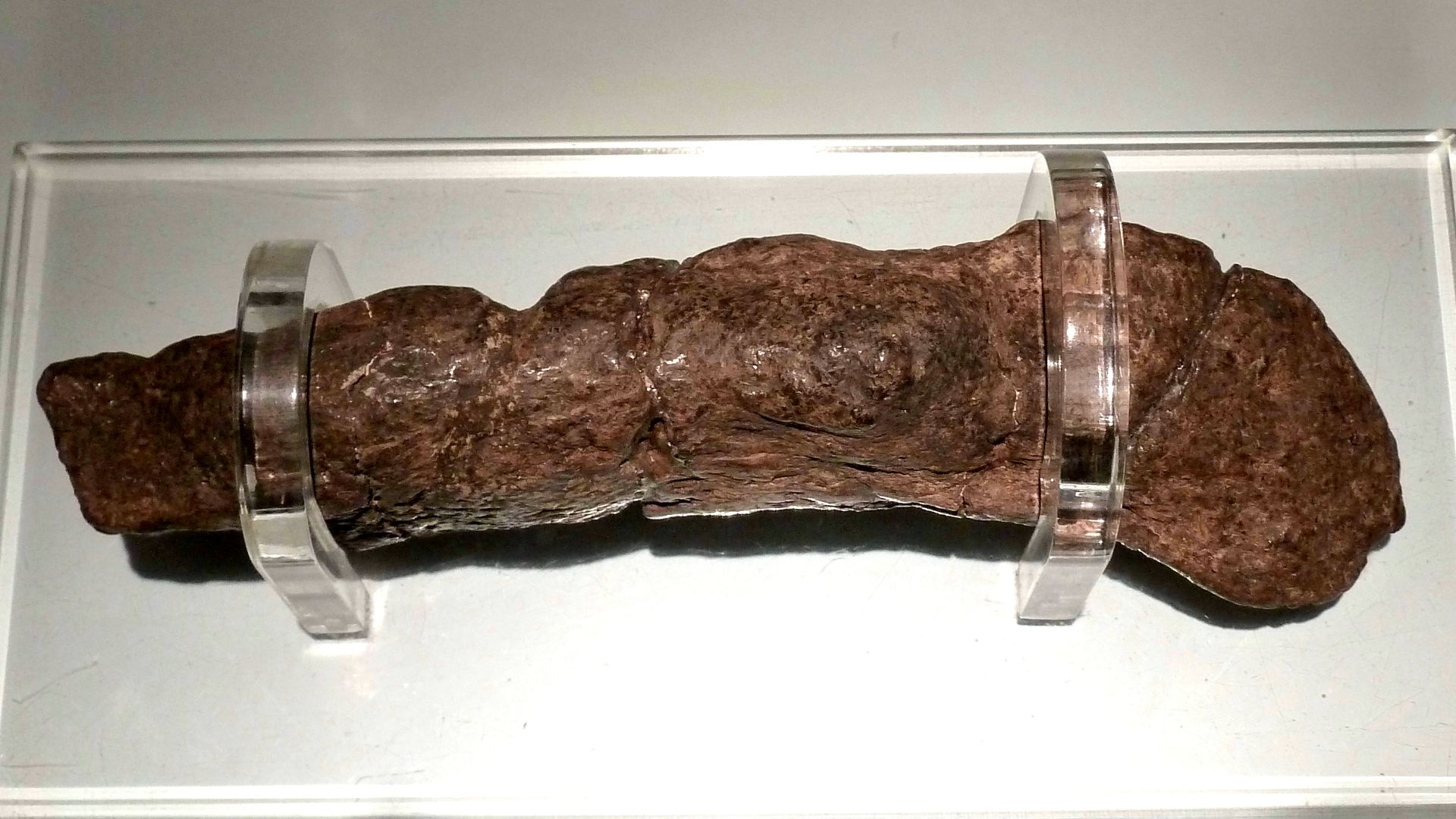 Linda Spashett Storye book on Wikimedia
9. The Cairo Wooden Toe
Ancient Egypt gave the world a lot of man-made wonders: pyramids, tomb paintings…and a prosthetic toe. The wood-and-leather artificial big toe was found on the mummy of Tabaketenmut, a woman buried near Luxor, and dates to about 950 to 710 BCE. Incredibly, it was jointed and showed signs of functional use, so it’s treated as one of the oldest known prosthetic devices.
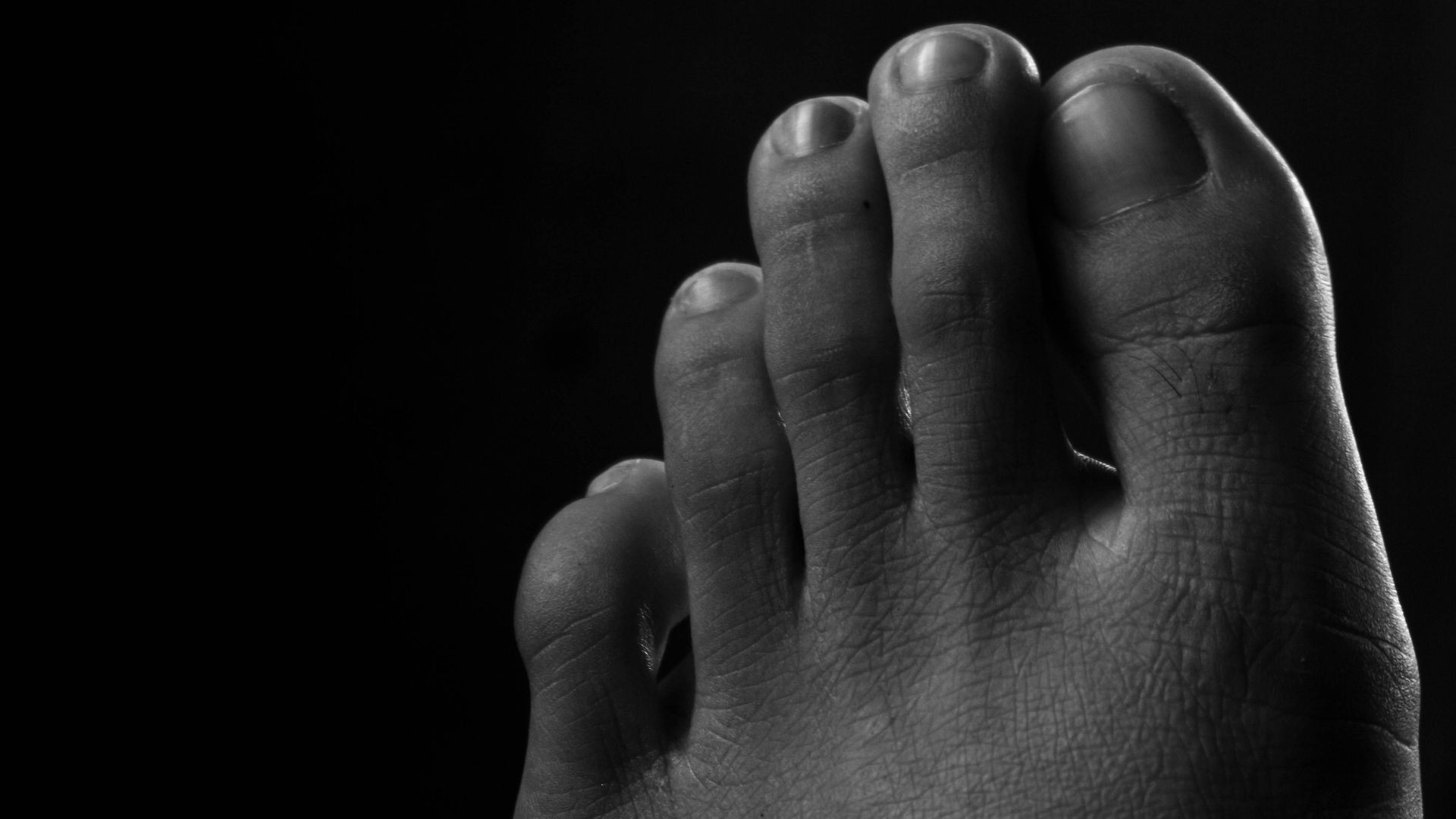 Frank Lloyd de la Cruz on Unsplash
10. The 3,200-Year-Old Cheese
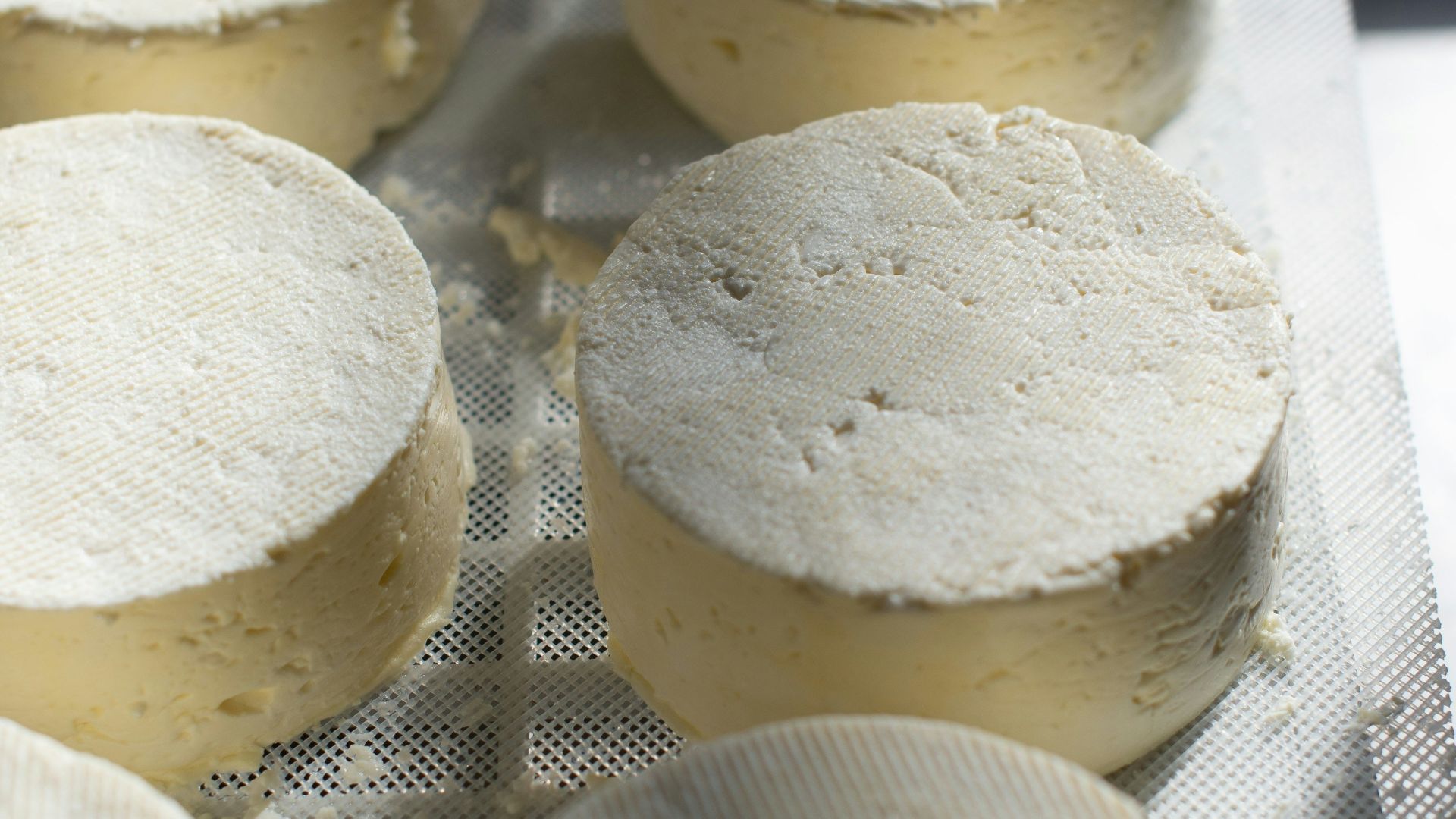
Next time you blame blue cheese for being bad, just remember that researchers once found a white mass in the tomb of Ptahmes at Saqqara that turned out to be an old hunk of dairy. They identified it as what is probably the world’s oldest solid cheese, dating to around 3,200 years ago. They even found evidence of bacteria that can cause brucellosis.
11. Roman Dodecahedrons
More than 100 Roman dodecahedrons (which are basically small copper-alloy objects) have been found across parts of the former Roman Empire. They usually have 12 pentagonal faces, holes of different sizes, and knobs on the corners. Their purpose, however, remains unknown.
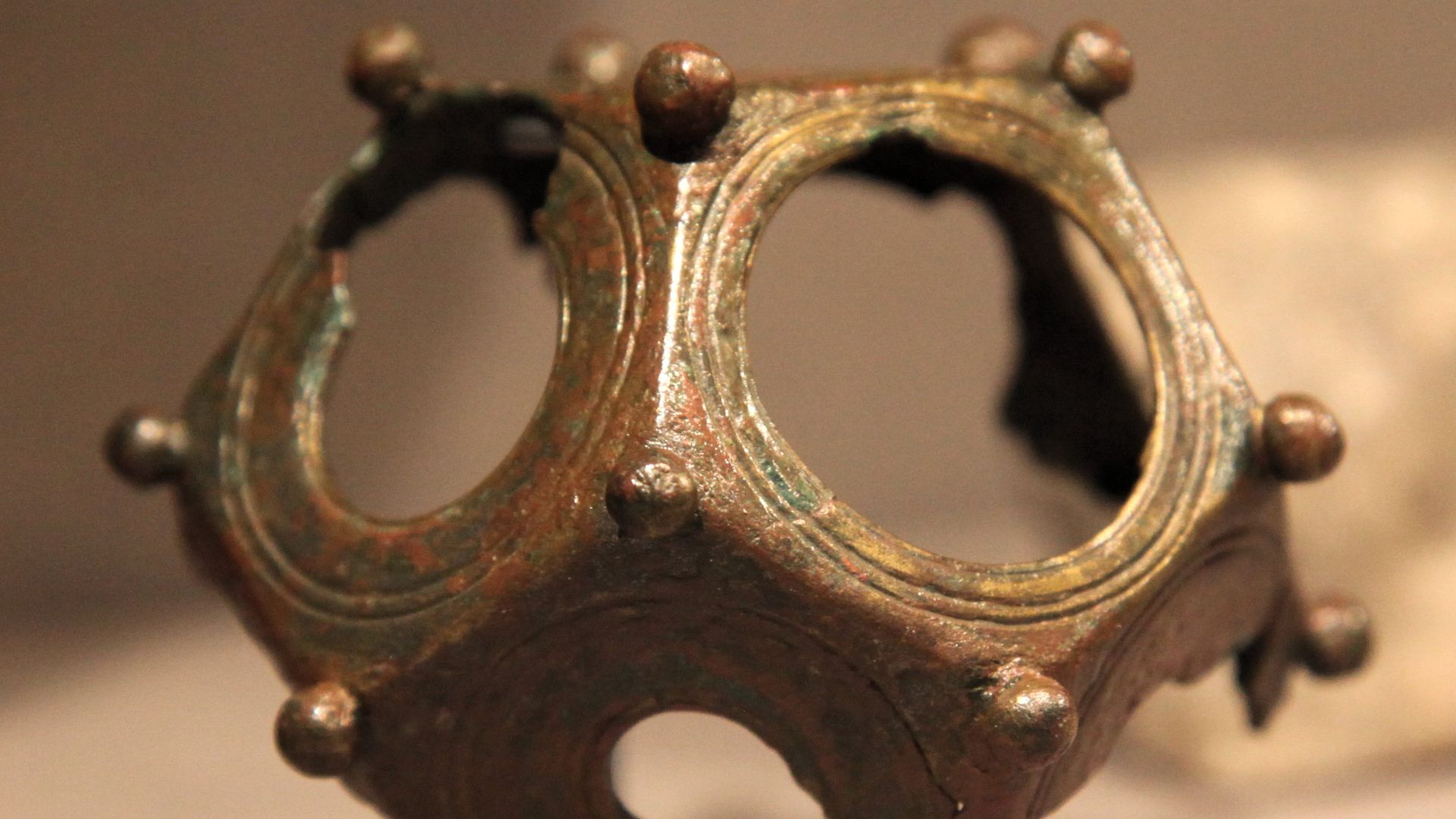
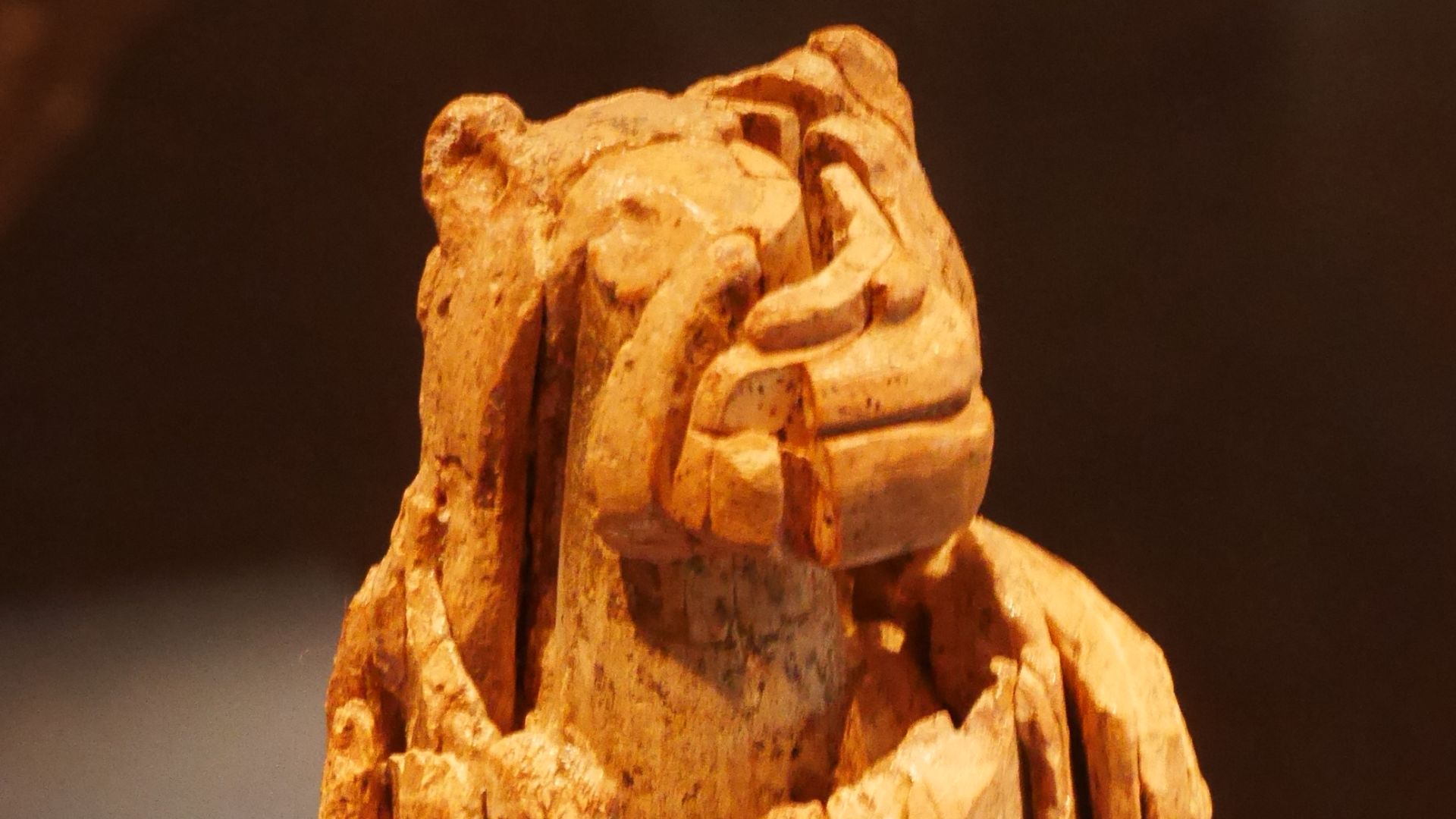
12. The Lion Man of Hohlenstein-Stadel
The Lion Man is pretty much exactly what he sounds like: a mammoth-ivory figure with a humanlike body and the head of a cave lion. He—or, it—was first discovered in 1939 in Hohlenstein-Stadel Cave in Germany, and researchers believe he’s about 40,000 years old. Fascinatingly, he’s often described as the oldest confirmed statue ever found.
13. Helgö Buddha
Bet you didn’t know that back in 1956, a small bronze Buddha was found at Helgö in Sweden. It’s true, and researchers have since pegged the statuette to the late 5th or early 6th century, probably in the Swat Valley region near present-day Afghanistan and Pakistan! Its presence in Sweden shows how far objects could travel before any of us ever stumble onto them.
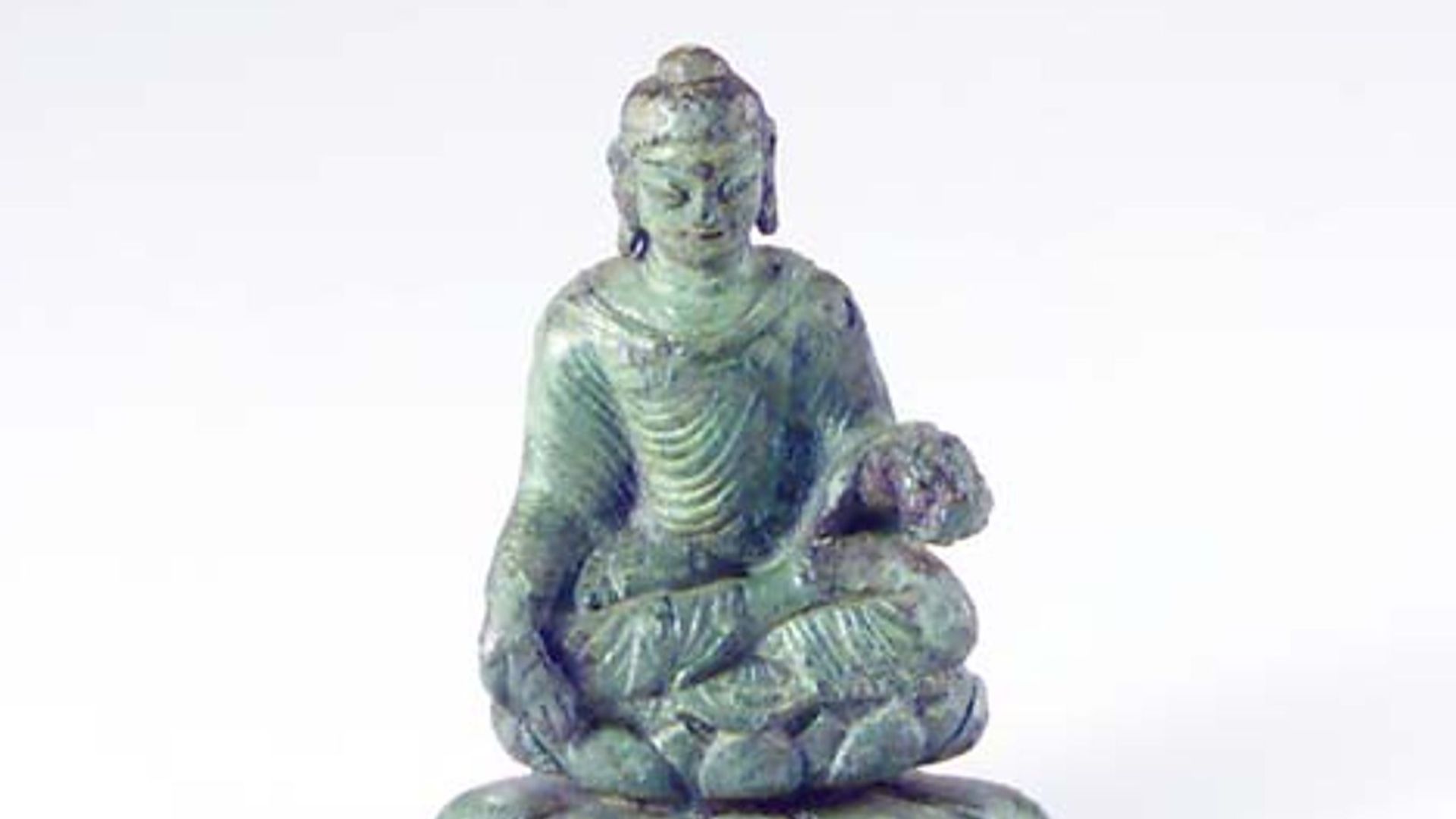 Mattias Löfqvist/Statens historiska museum on Wikimedia
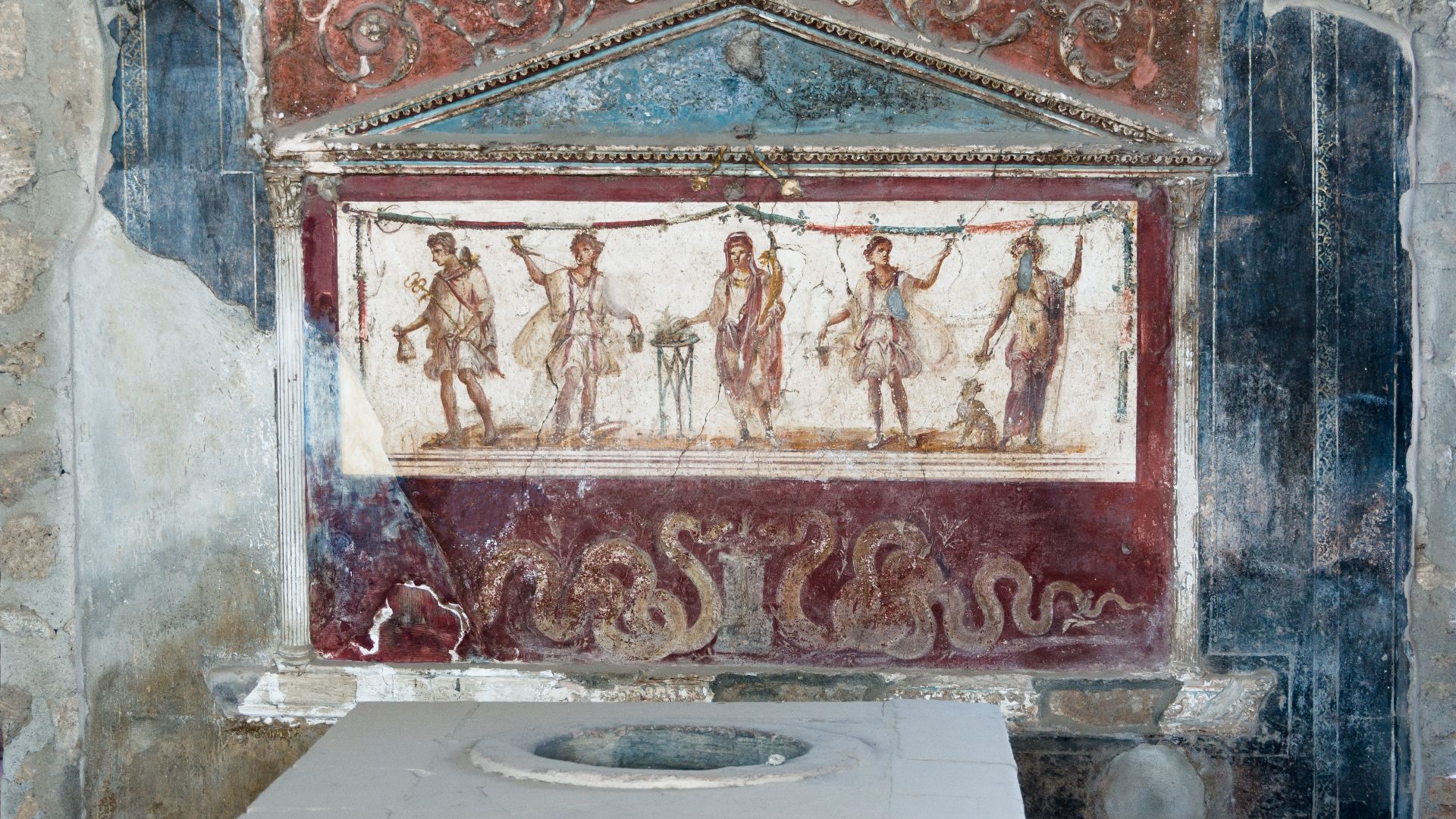
14. Pompeii’s Thermopolium
Ancient peoples needed to eat, too—and eat they did, thanks to our discovery of Pompeii’s Thermopolium of Regio V. It’s often called an ancient snack bar, and that’s not just modern branding being cheeky. Fully revealed during recent excavations and opened to the public in 2021, the counter still had painted decoration, serving jars, and traces of food remains.
15. The Staffordshire Hoard
Looks like we can’t discredit metal detectors just yet! Back in 2009, a metal detectorist found the Staffordshire Hoard in a field, contributing to one of the largest collections of Anglo-Saxon gold and silver metalwork ever discovered. The hoard contains thousands of items and fragments, many connected to elite warrior equipment from the 7th century.
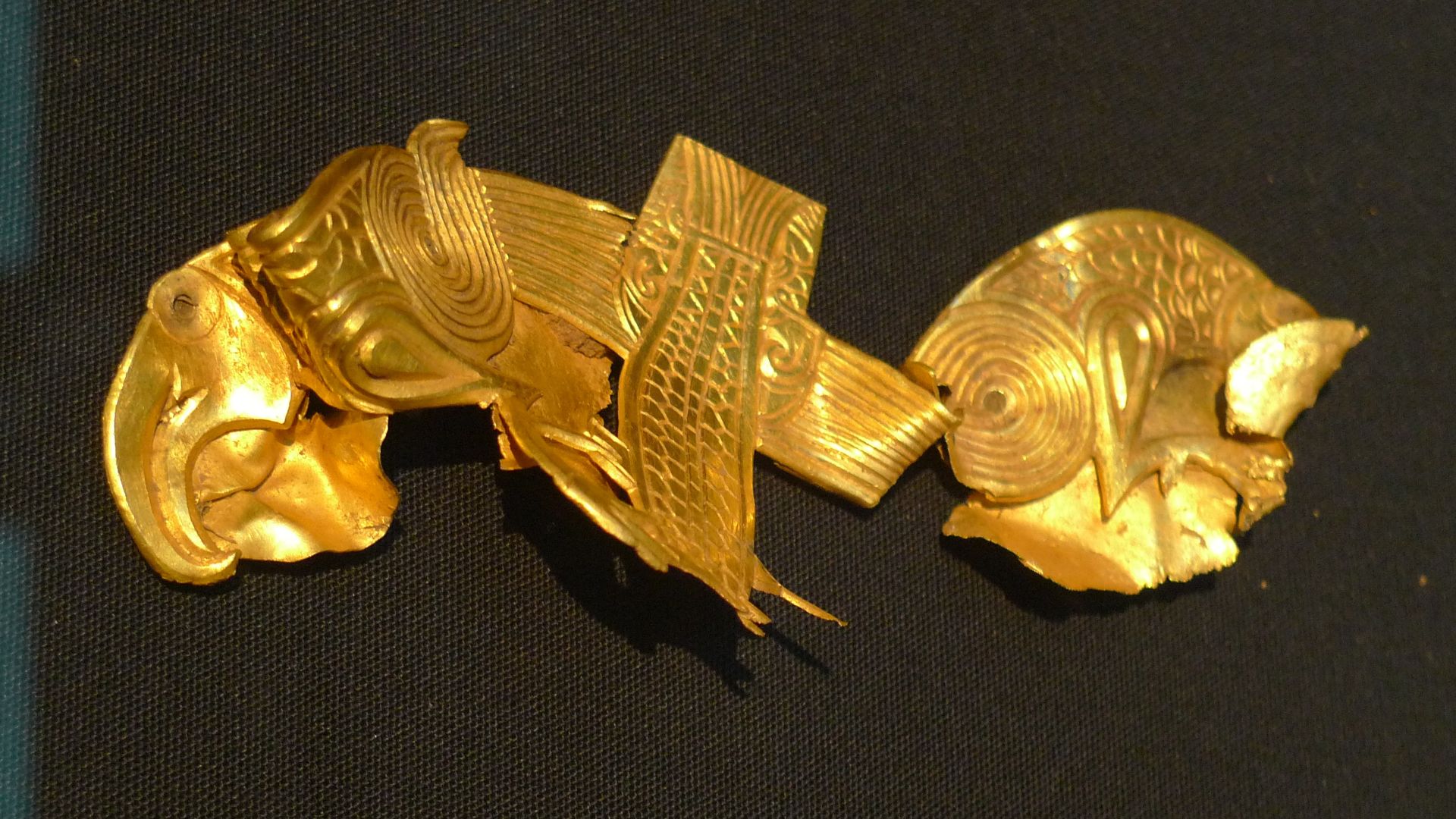 Jon Callas from San Jose, USA on Wikimedia
16. The Sutton Hoo Ship Burial
It’s not every day that you stumble onto an ancient shipwreck, but the Sutton Hoo in Suffolk, England, gave historians a lot to work with. It revealed an early medieval ship burial in 1939 that changed how people understood Anglo-Saxon England. The burial had everything from rich goods and the famous helmet that was found corroded and broken into more than 100 fragments. Luckily, after years of reconstruction, that helmet became one of the most recognizable faces of the period.
17. The Varna Gold
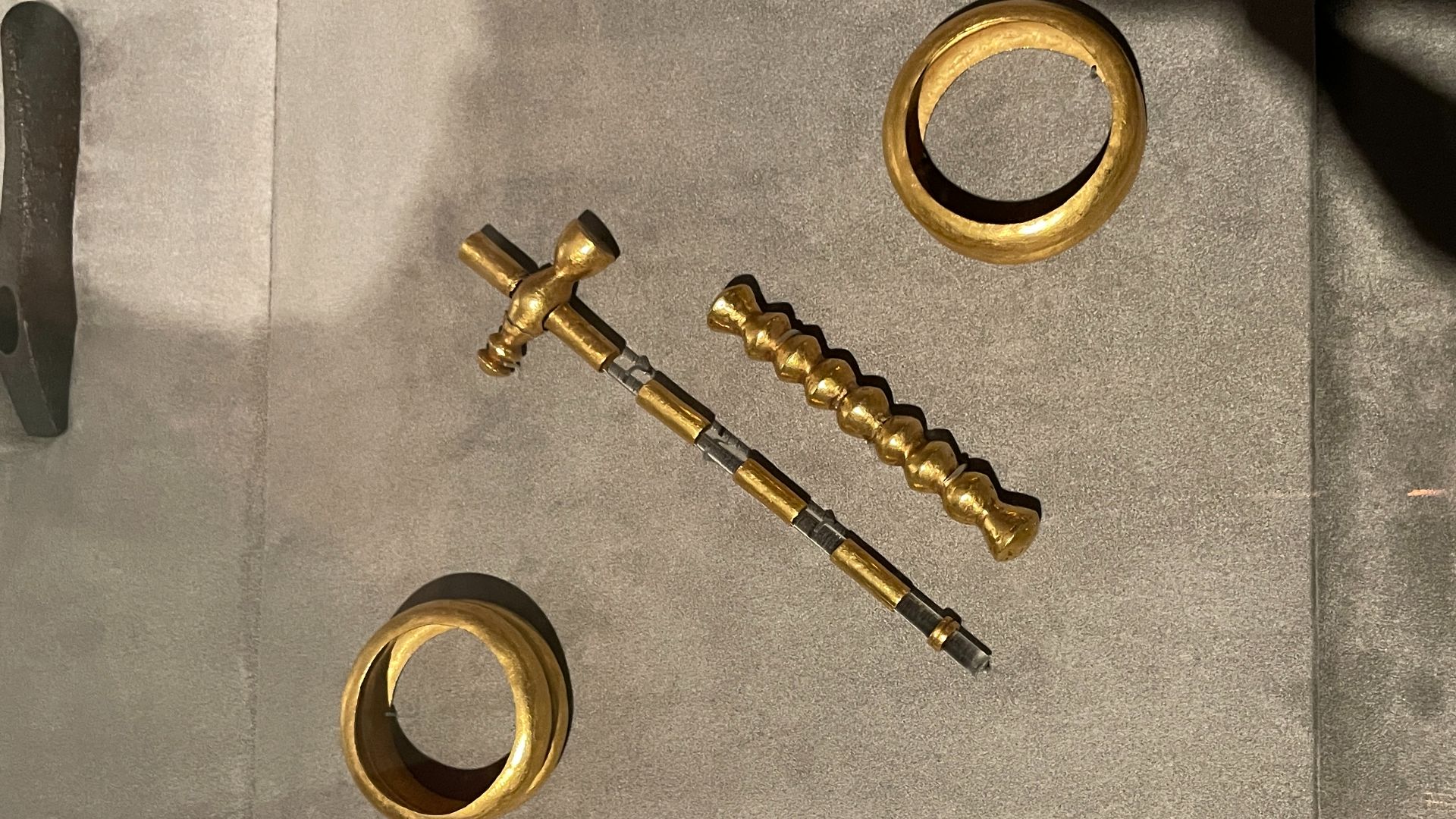
The Varna Necropolis in Bulgaria was actually accidentally discovered in 1972—turning out to be the biggest find of the decade. The cemetery yielded gold objects dating to roughly 4600 to 4200 BCE, often described as the oldest major gold treasure in the world. The burials also showed striking social differences, meaning all that shine carried a lesson about inequality in Copper Age Europe.
 CryolophosaurusEllioti on Wikimedia
18. The Pazyryk Carpet
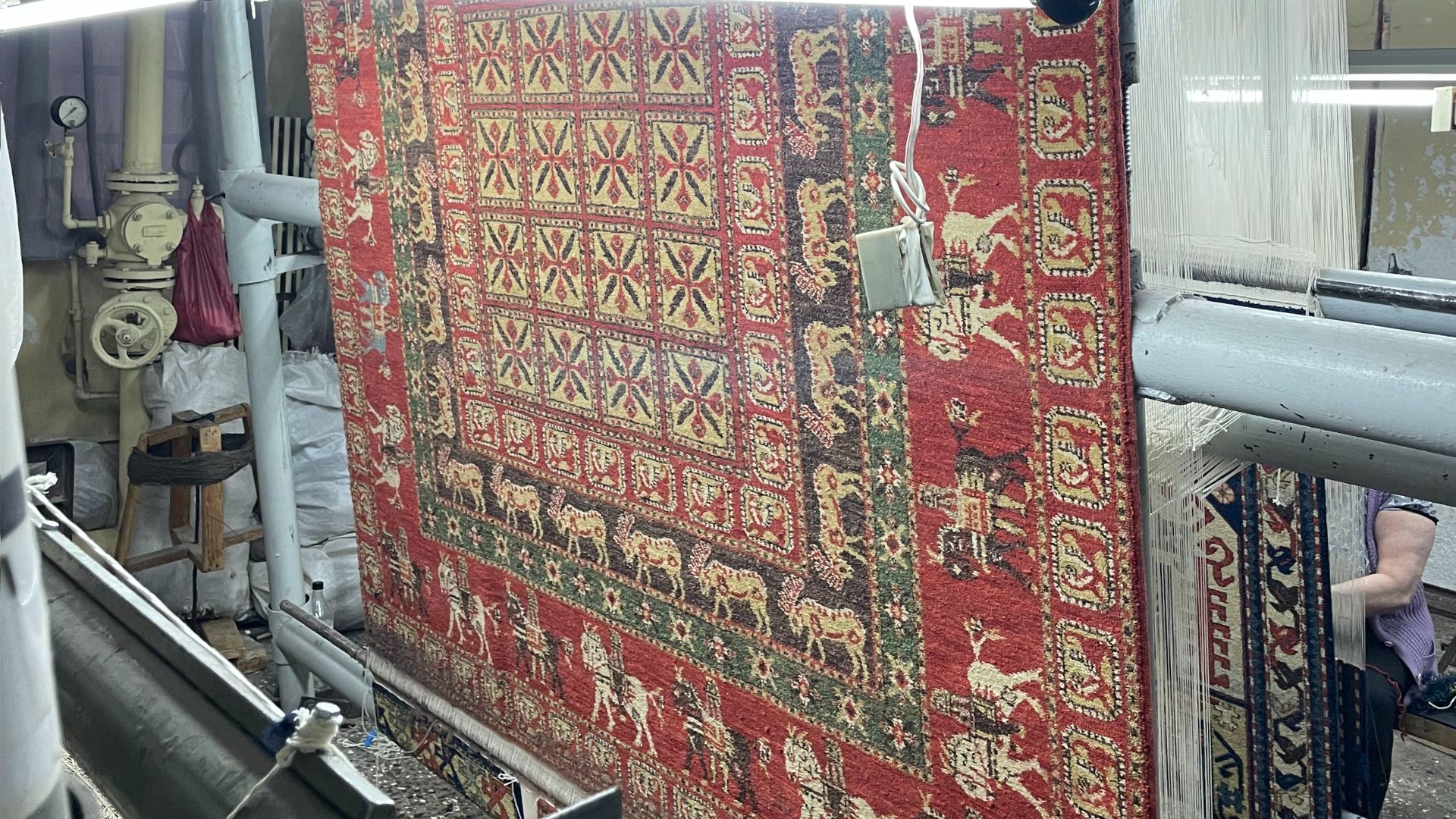
Talk about a well-made rug. Excavated from the Altai Mountains and dated to about the 5th to 4th century BCE, the Pazyryk carpet survived in a frozen tomb in Siberia. Not only is it identified as the oldest surviving pile carpet, but its detailed design also makes it clear that ancient textile workers were already producing sophisticated work.
19. Tutankhamun’s Meteorite Dagger
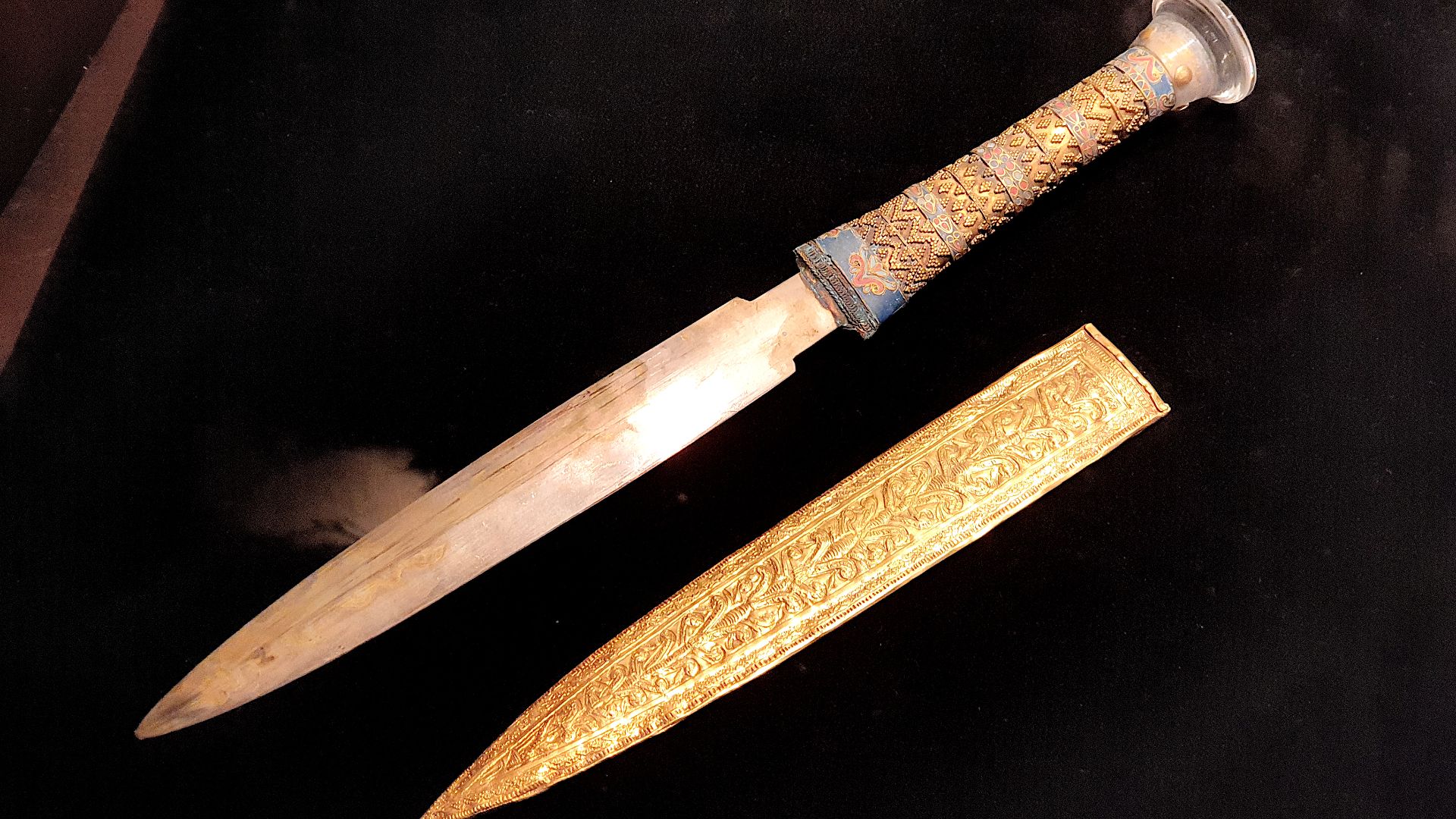
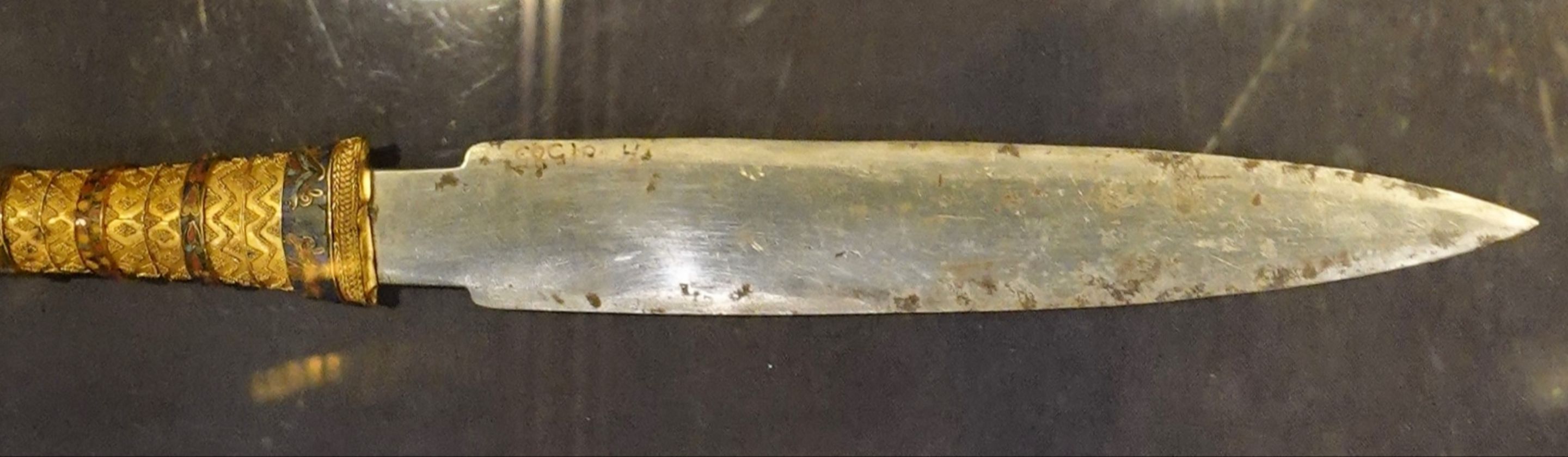
Here’s a story for you: Tutankhamun was buried with a dagger whose blade came from inexplicable iron (at least, for a while). Though it puzzled researchers for years, modern analysis found high nickel and cobalt levels consistent with meteoritic iron, suggesting that the blade was made from meteorite material.
20. The Uluburun Shipwreck
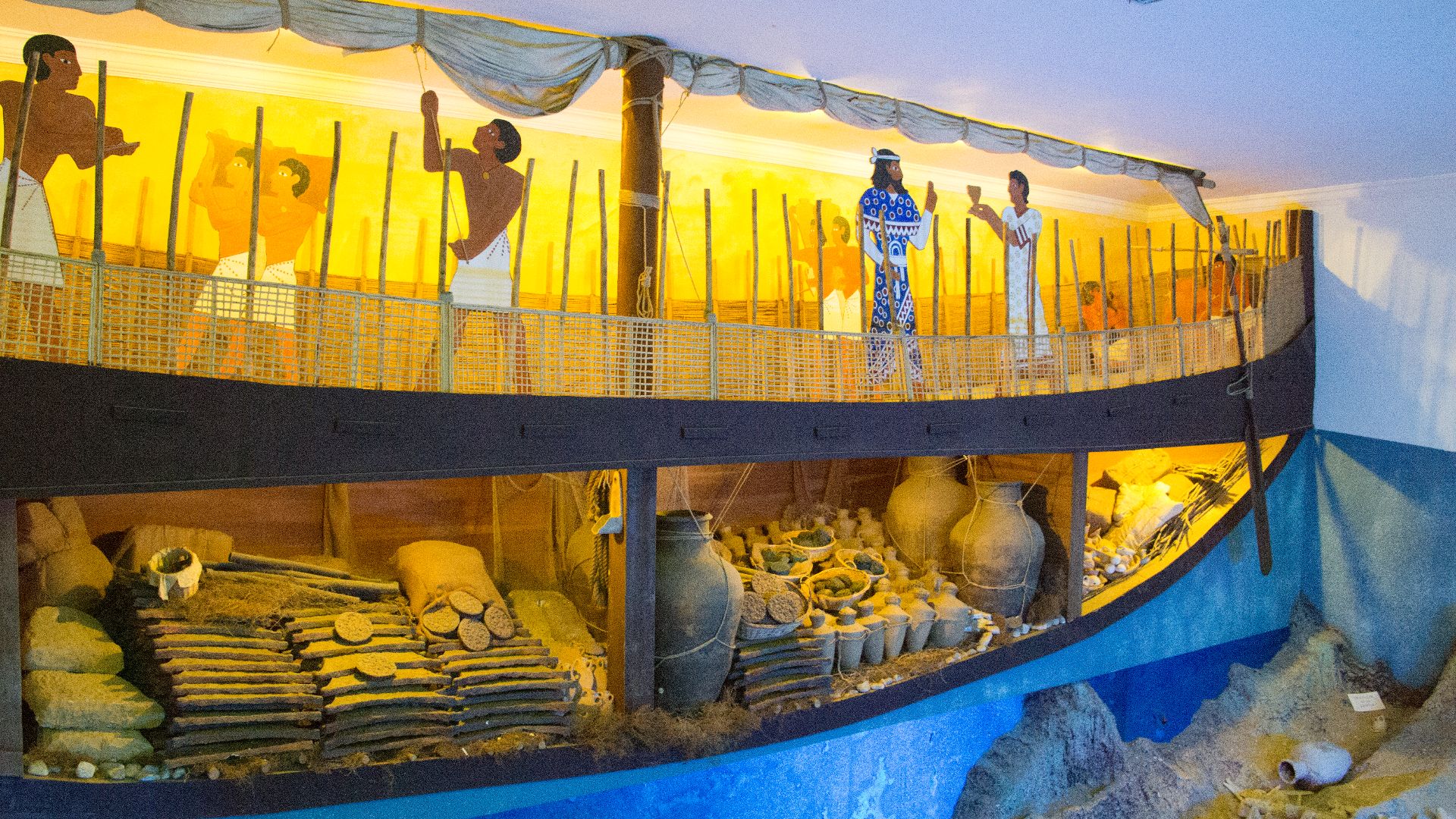
It took 11 seasons to excavate it fully, but that didn’t stop researchers from poking around the Uluburun shipwreck, a Late Bronze Age cargo ship that sank off the coast of Kaş, Turkey, around 1330 to 1300 BCE. Their discoveries found that it carried trade goods, linking regions such as Anatolia, Cyprus, the Levant, Egypt, and the Aegean.
KEEP ON READING
20 Archaeological Finds That Sound Fake But Are Completely Real
The Past Refuses to Be Boring. Archaeology has a way…
By Annie Byrd May 25, 2026
20 Peace Treaties That Unraveled Instantly
When Peace Agreements Failed Almost As Soon As They Began.…
By Rob Shapiro May 25, 2026
20 Historical Figures Who Lived Much Longer Than You Think
Some Famous Lives Stretched Far. History has a way of…
By Christy Chan May 22, 2026
20 LGBTQ+ People from History Who Changed the World
History Is Full Of Queer Icons . LGBTQ+ people have always…
By Emilie Richardson-Dupuis May 22, 2026
20 Historical Poisons That Changed Politics, War, And Royal Families
Power In A Cup. Poison has always had a strange…
By Cameron Dick May 22, 2026
20 Man-Eaters That Terrified Entire Regions
When Fear Had Teeth. History has a way of turning…
By Cameron Dick May 22, 2026