Battlefield Problems to Everyday Solutions
It's easy to take for granted the technologies woven into your daily routine: checking your phone's navigation app, heating up lunch, or browsing a secure website. What's surprising is just how many of those conveniences trace their roots directly back to military research, wartime necessity, or government defense programs. The drive to solve life-or-death problems on the battlefield has, time and again, produced breakthroughs that eventually made their way into civilian life in ways no one originally anticipated. Here are 20 military innovations that you're probably already using today.
 US Department of the Air Force. on Wikimedia
1. GPS
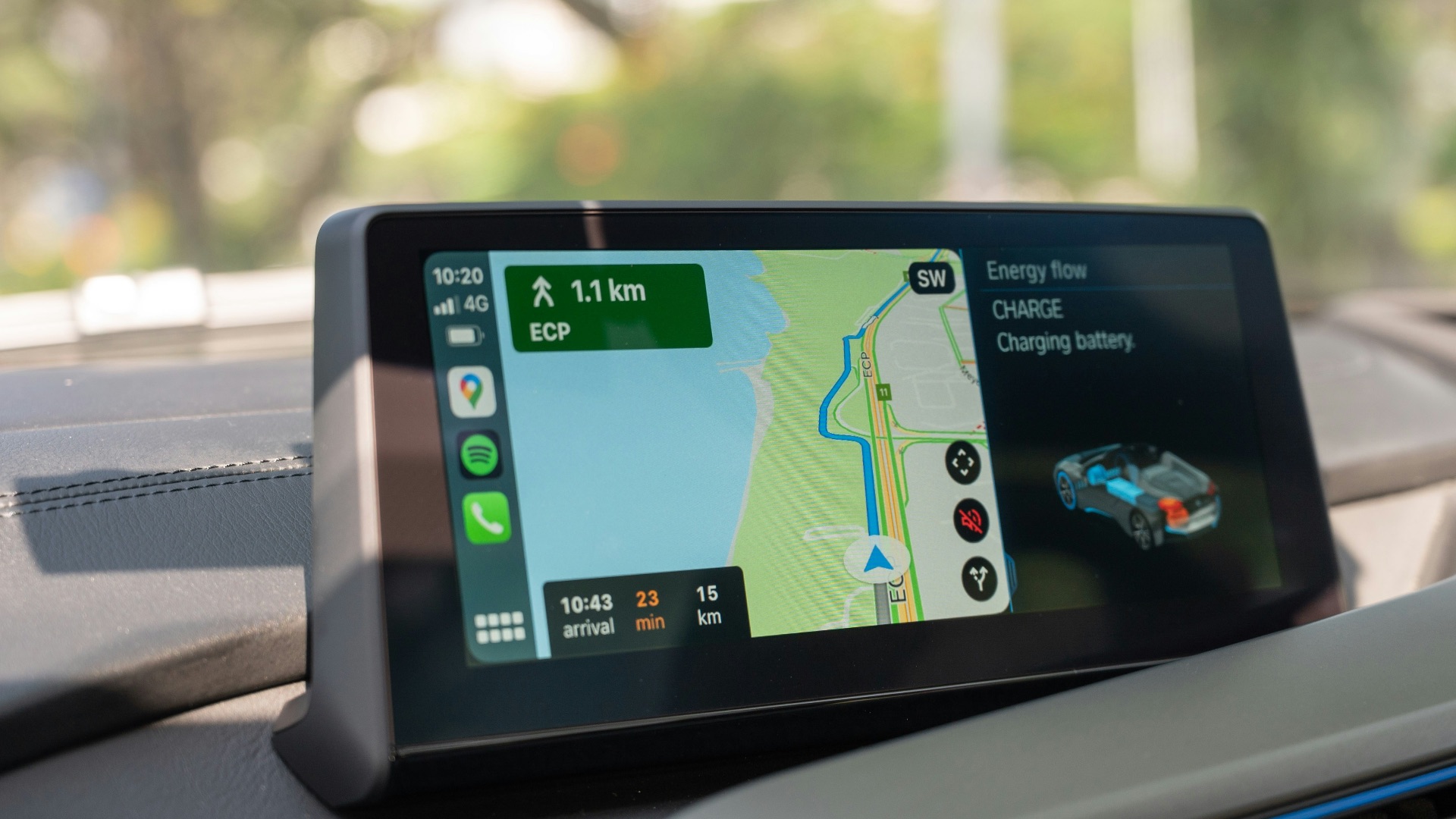
GPS began as a military navigation project designed to give U.S. forces more accurate positioning than paper maps and older tools could provide. The first NAVSTAR satellite launched in 1978, and the system eventually became available for civilian use after President Ronald Reagan’s 1983 decision following the Korean Air Lines Flight 007 tragedy. Now, you use its descendants whenever your phone routes you around traffic, a delivery app finds your address, or a smartwatch tracks your run.
2. The Internet
The internet’s roots go back to ARPANET, a 1969 Advanced Research Projects Agency network that linked universities, defense contractors, and government researchers. Its original purpose wasn’t social media or streaming; it was about sharing computing power and information in a resilient way during the Cold War. Every email, video call, search, and online purchase you make owes something to that early defense-backed network.

3. Radar
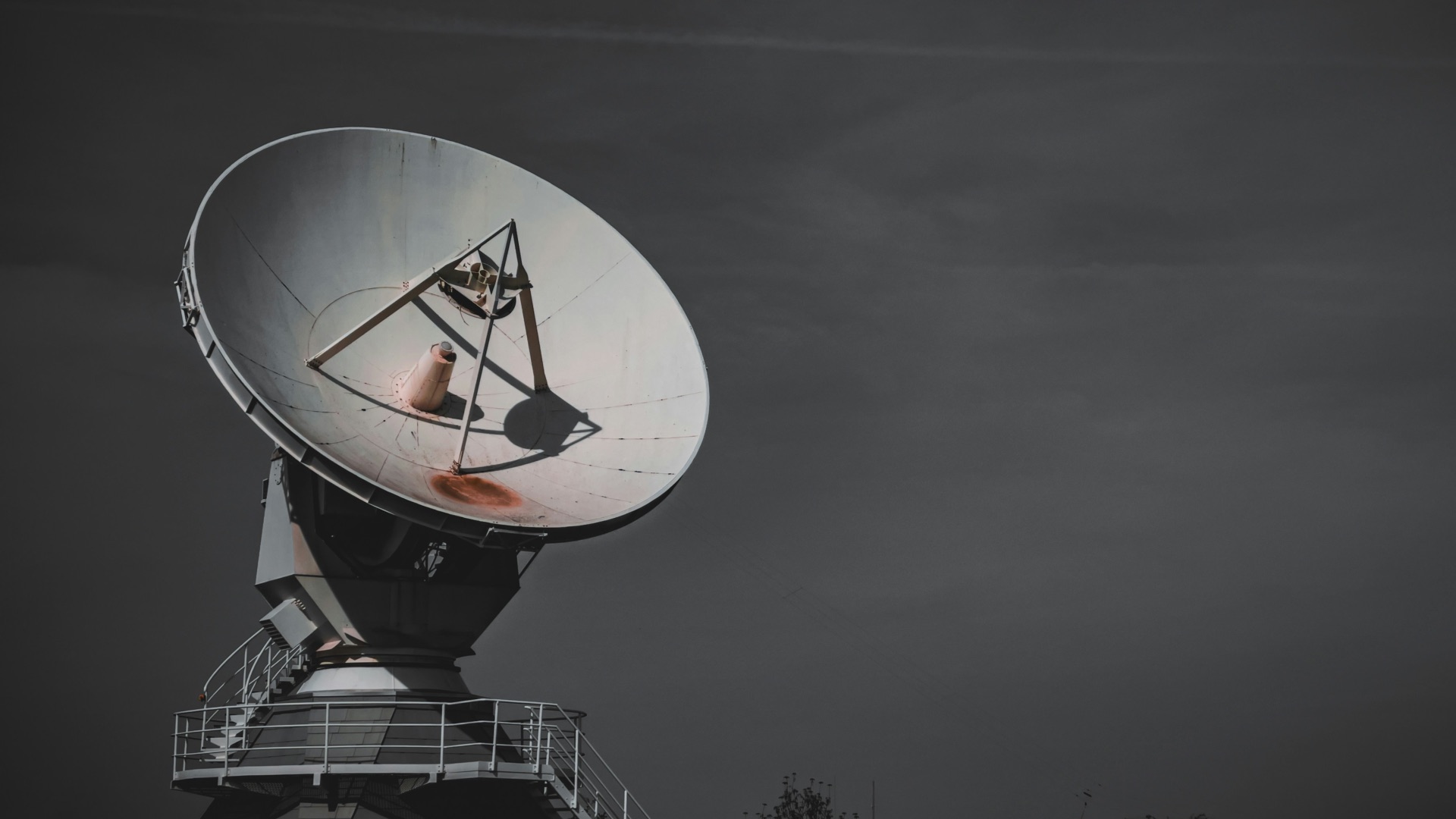
Radar became a major military technology during World War II because forces needed better ways to detect aircraft and ships before they appeared in direct sight. By 1938, the USS New York had radar capable of identifying aircraft nearly 50 miles away, and the technology became vital in naval warfare. Today, radar helps track storms, monitor speed, guide aircraft, open automatic doors, and even measure a baseball pitch.
4. The Microwave Oven
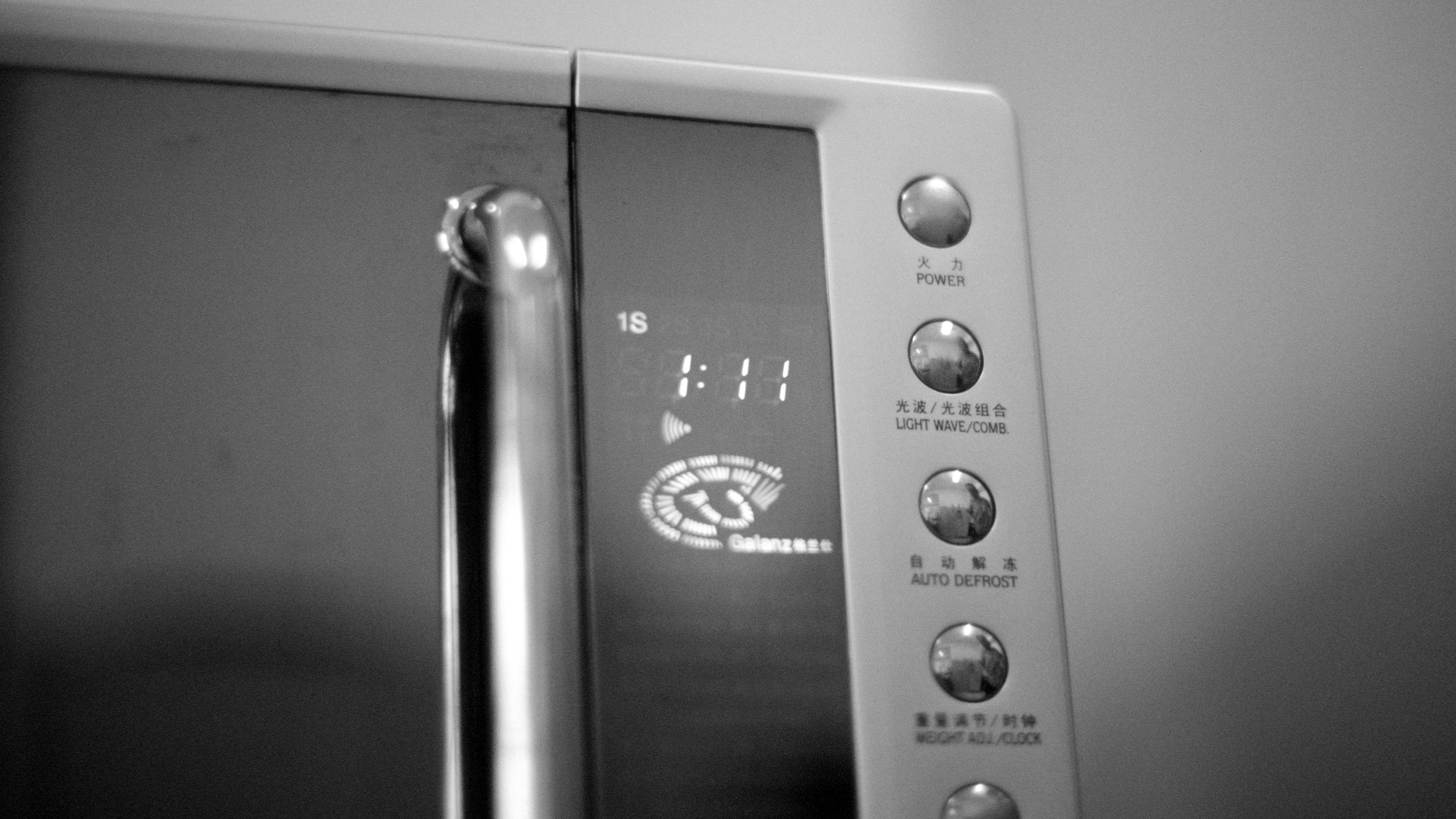
The microwave oven grew out of wartime radar research, not a kitchen experiment. Engineers working with magnetrons discovered that microwave energy could heat food, and the first commercial microwave oven appeared in 1947, though it took decades before the appliance became small and affordable enough for ordinary homes. Now, reheating leftovers in two minutes is one of the most familiar examples of military science becoming everyday convenience.
5. Duct Tape
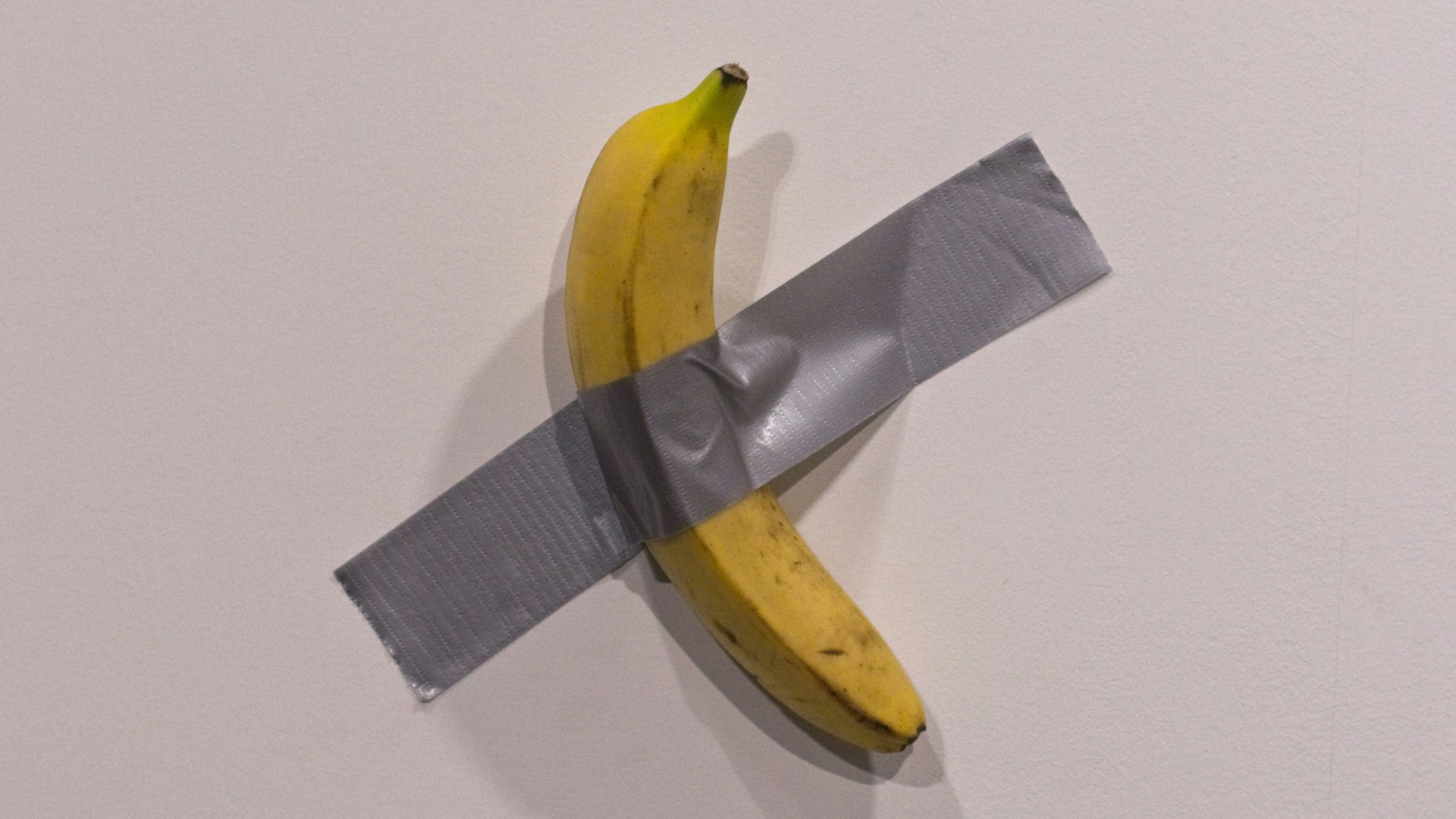
Duct tape was created for the military during World War II after factory worker Vesta Stoudt pushed for a stronger, easier way to seal ammunition boxes. The cloth-based, water-resistant tape became useful far beyond packaging, with soldiers applying it to repairs, equipment, and even emergency wound care. After the war, it entered civilian life and became the fix-it staple people still keep in drawers, garages, cars, and toolboxes.
6. Penicillin Production
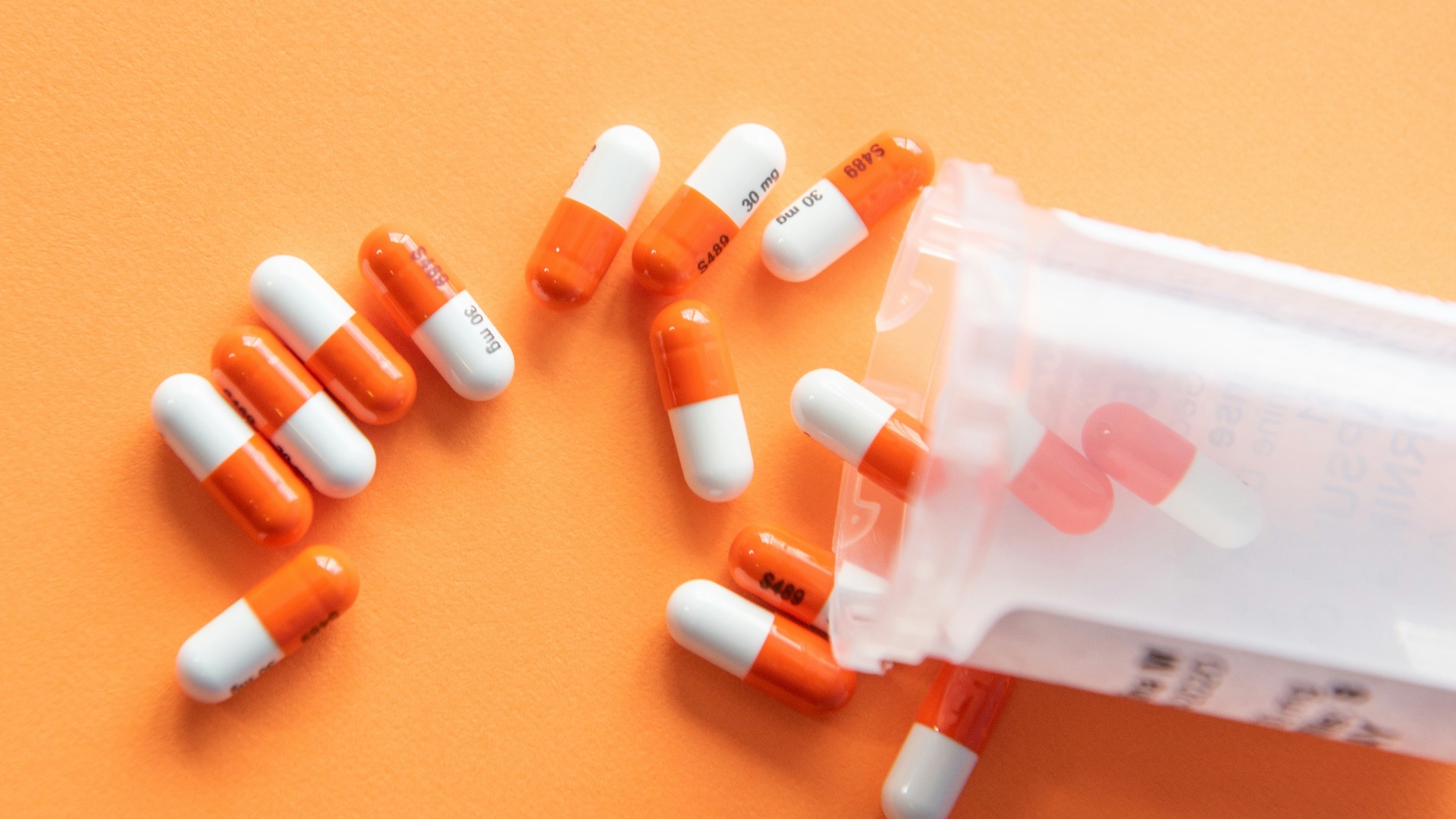
Alexander Fleming discovered penicillin in 1928, but World War II helped turn it from a scientific breakthrough into a widely available medicine. The U.S. military recognized its battlefield value and helped mobilize research, pharmaceutical production, and clinical trials so it could be produced at scale. That wartime push helped shape the antibiotic era, and penicillin is still used for common bacterial infections such as strep throat, pneumonia, ear infections, and more.
 Christina Victoria Craft on Unsplash
7. Blood Banks
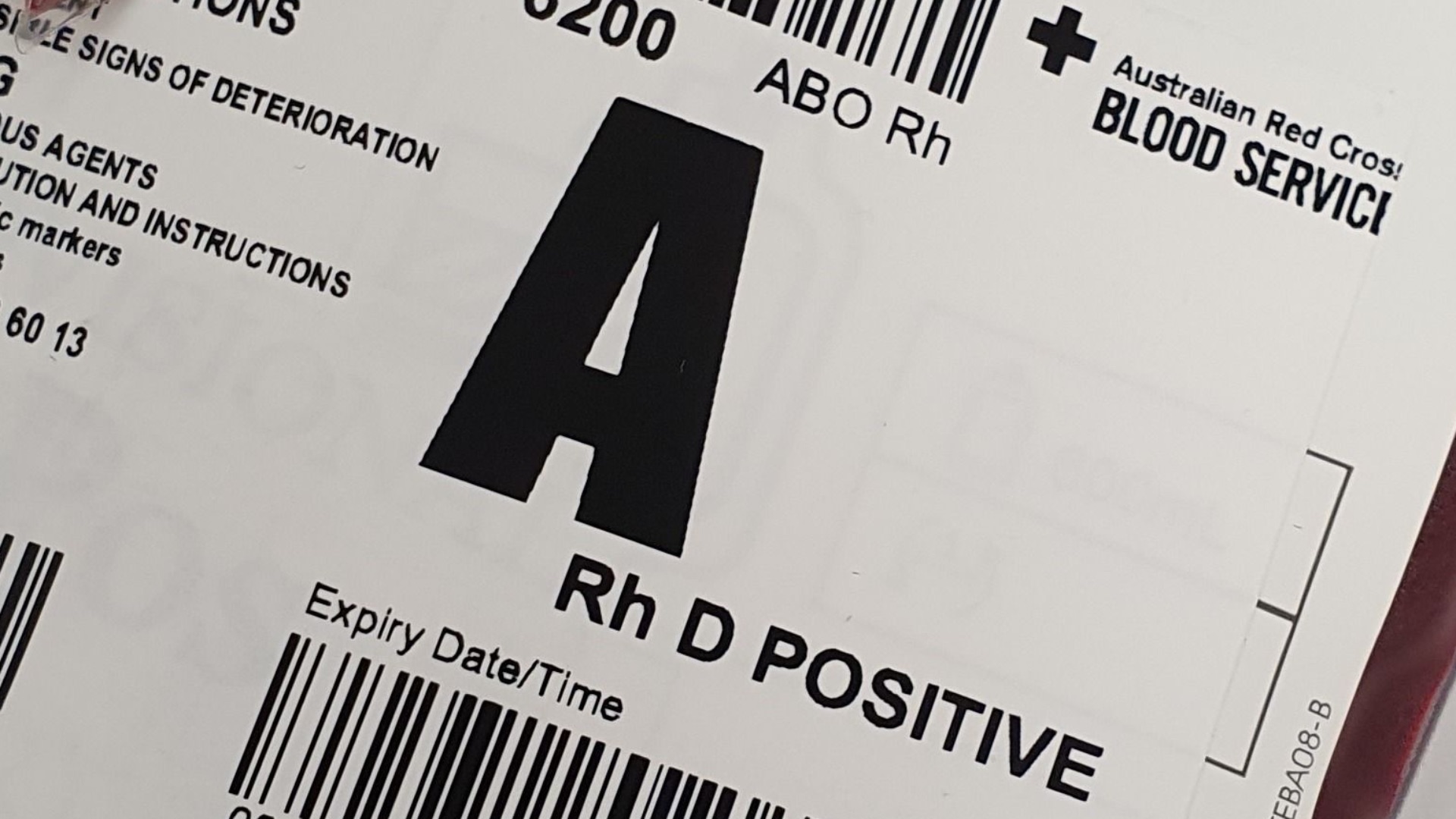
Modern blood banking advanced rapidly because battlefield medicine needed better ways to replace blood loss. World War I helped spur preservation and transfusion techniques, while World War II expanded organized donor programs and the use of blood products such as dried plasma for military treatment. The same basic idea now supports emergency rooms, surgeries, cancer care, childbirth complications, and disaster response.
 Charlie-Helen Robinson on Pexels
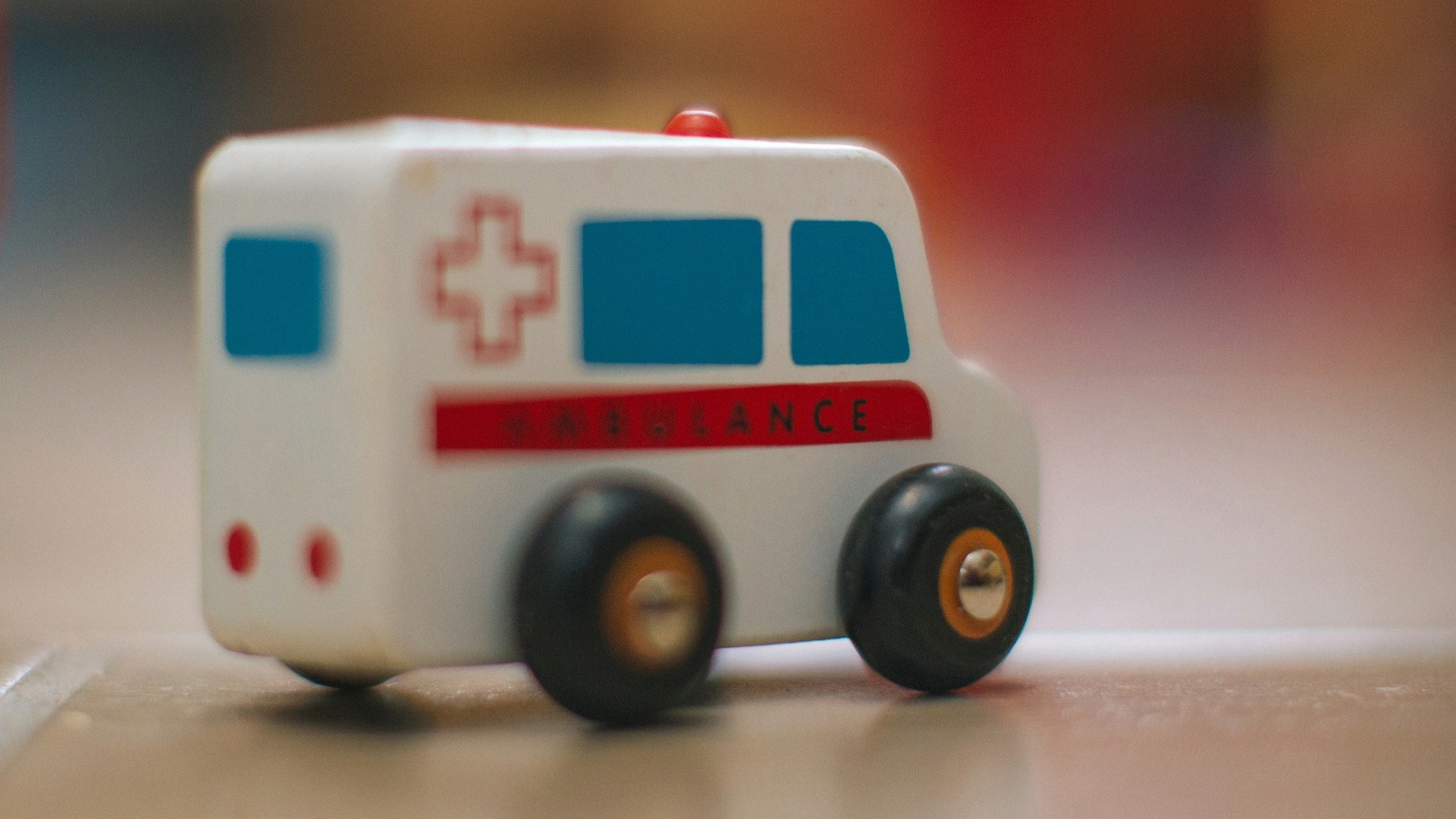
8. The Ambulance System
The modern ambulance has deep military roots in the work of Dominique-Jean Larrey, Napoleon’s chief surgeon. During the French Revolutionary and Napoleonic Wars, Larrey developed “flying ambulances” to move wounded soldiers from the battlefield more quickly and treat them according to urgency rather than rank. That idea helped shape emergency medical transport as we know it, from battlefield evacuation to city ambulances and paramedic response.
9. Canned Food
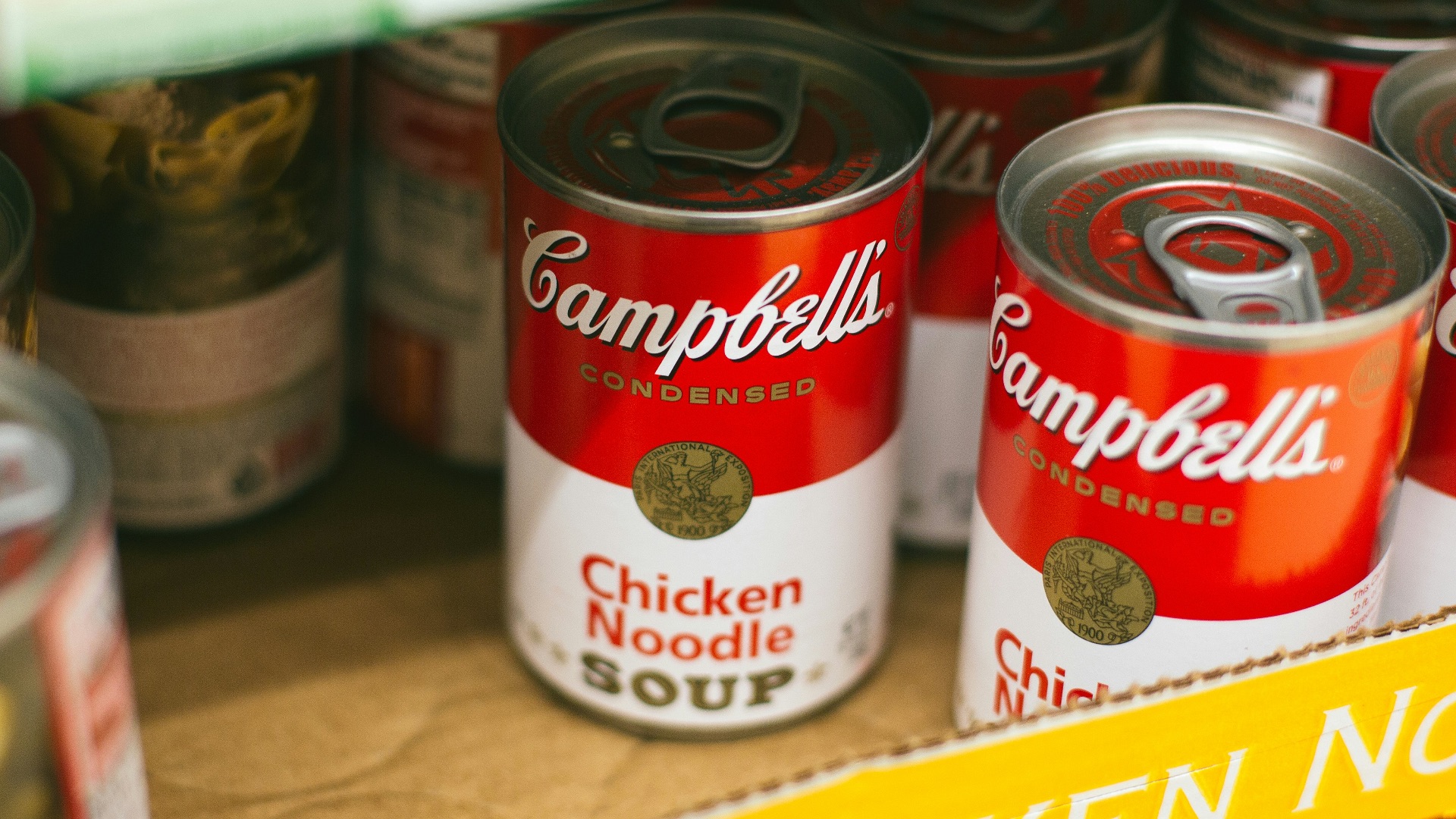
Canned food traces back to a military supply problem: how to feed troops during long campaigns without food spoiling. In 1795, Napoleon’s government offered a reward for a reliable preservation method, and Nicolas Appert eventually developed a process of sealing and heating food that helped launch modern canning. Today, the same basic concept keeps soup, beans, tuna, tomatoes, and emergency supplies ready for months or years.
10. Freeze-Dried Food
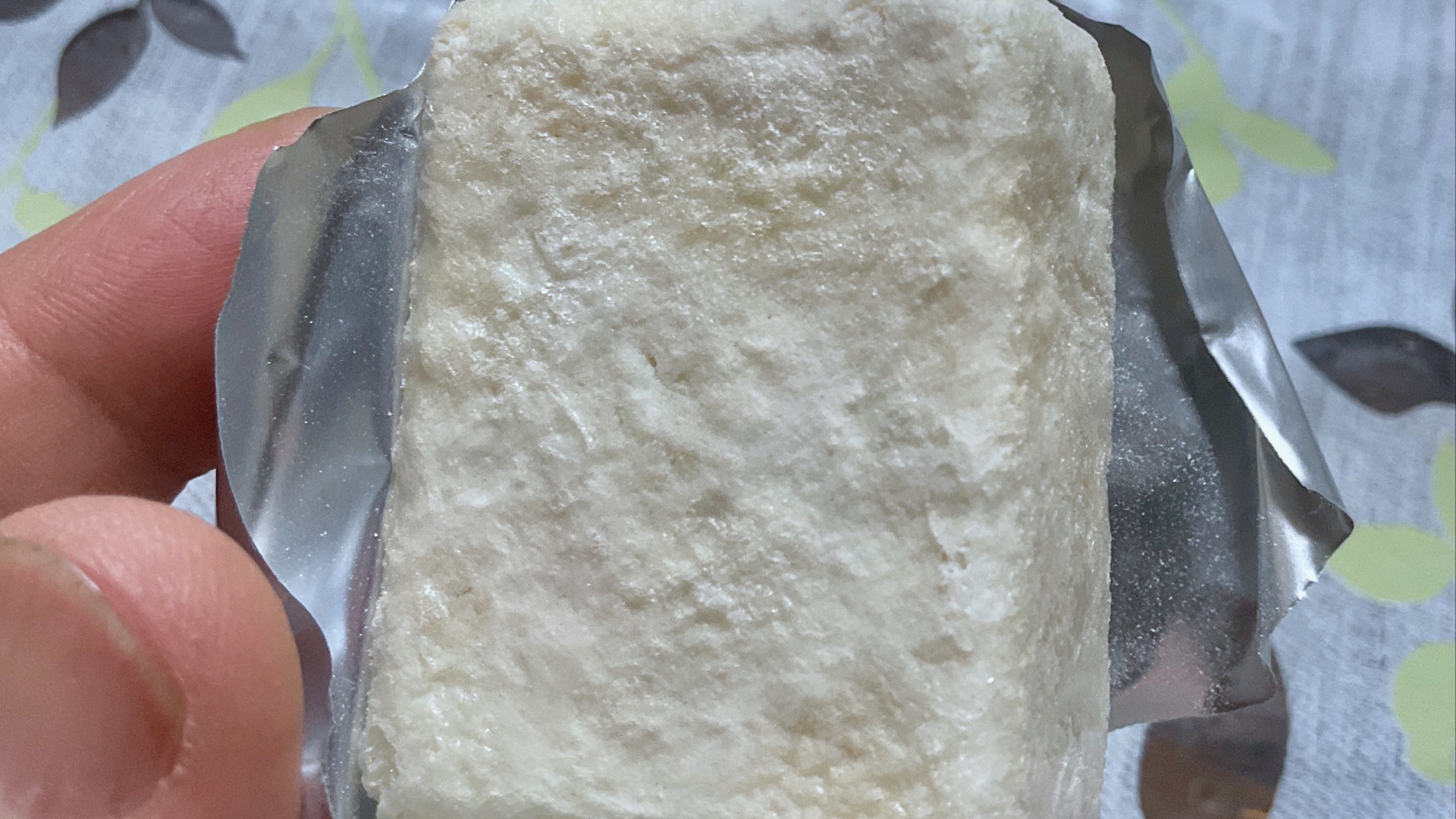
Freeze-dried food became important to the military because soldiers needed meals that were lightweight, shelf-stable, and better tasting than many older preserved rations. U.S. Army researchers at Natick, Massachusetts, worked on freeze-drying in the 1950s, and by the mid-1960s it was being mass-produced for military use. You can see the civilian result in camping meals, backpacking food, instant ingredients, and snacks that keep their flavor and structure after rehydration.
11. Sanitary Pads
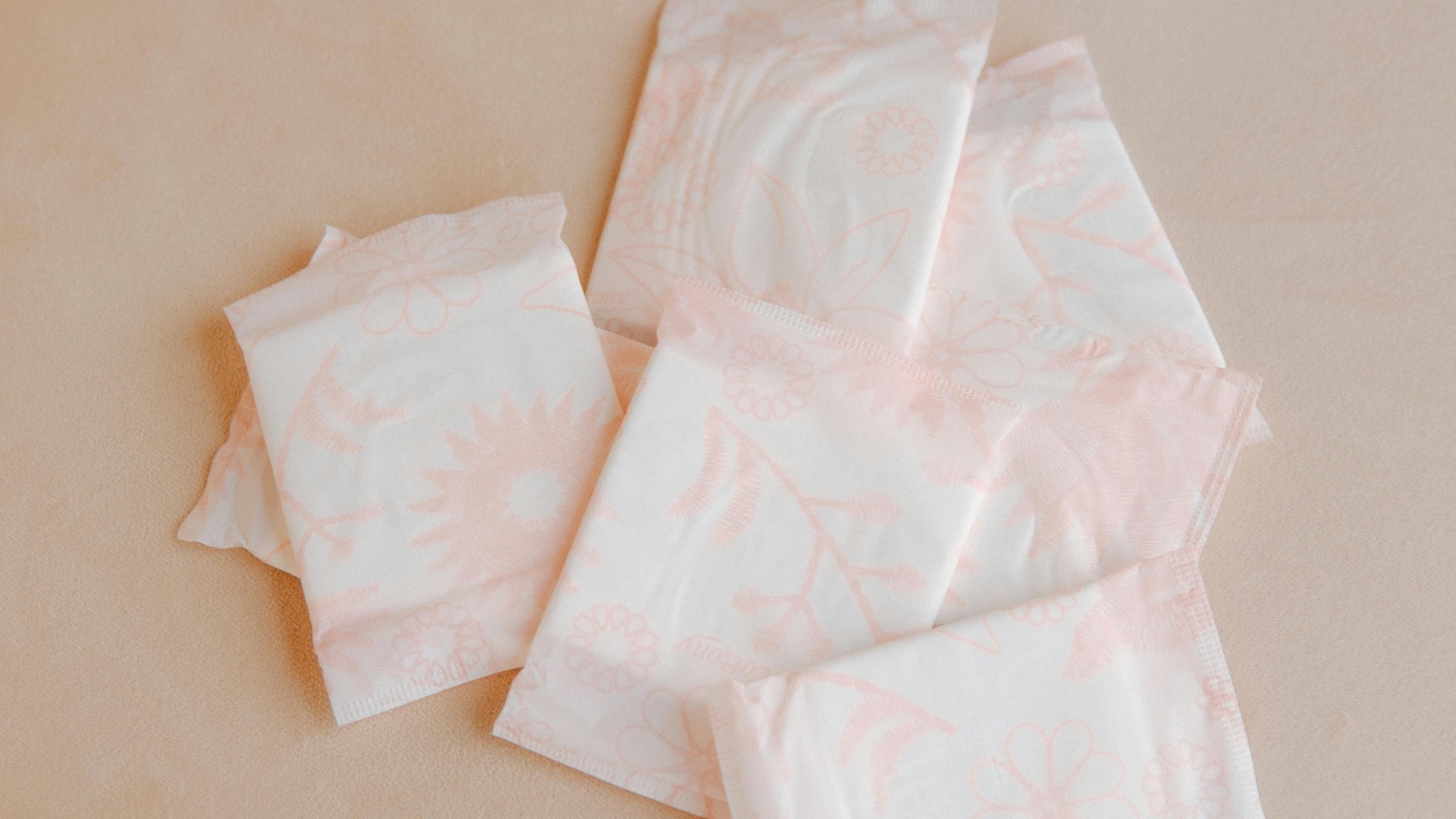
Disposable sanitary pads were developed from wartime medical materials. During World War I, Cellucotton was used in bandages because it was more absorbent and cheaper than cotton, and nurses began using it as menstrual protection. After the war, that same material was turned into commercial sanitary pads, changing menstrual care for millions of people.
12. The Wristwatch
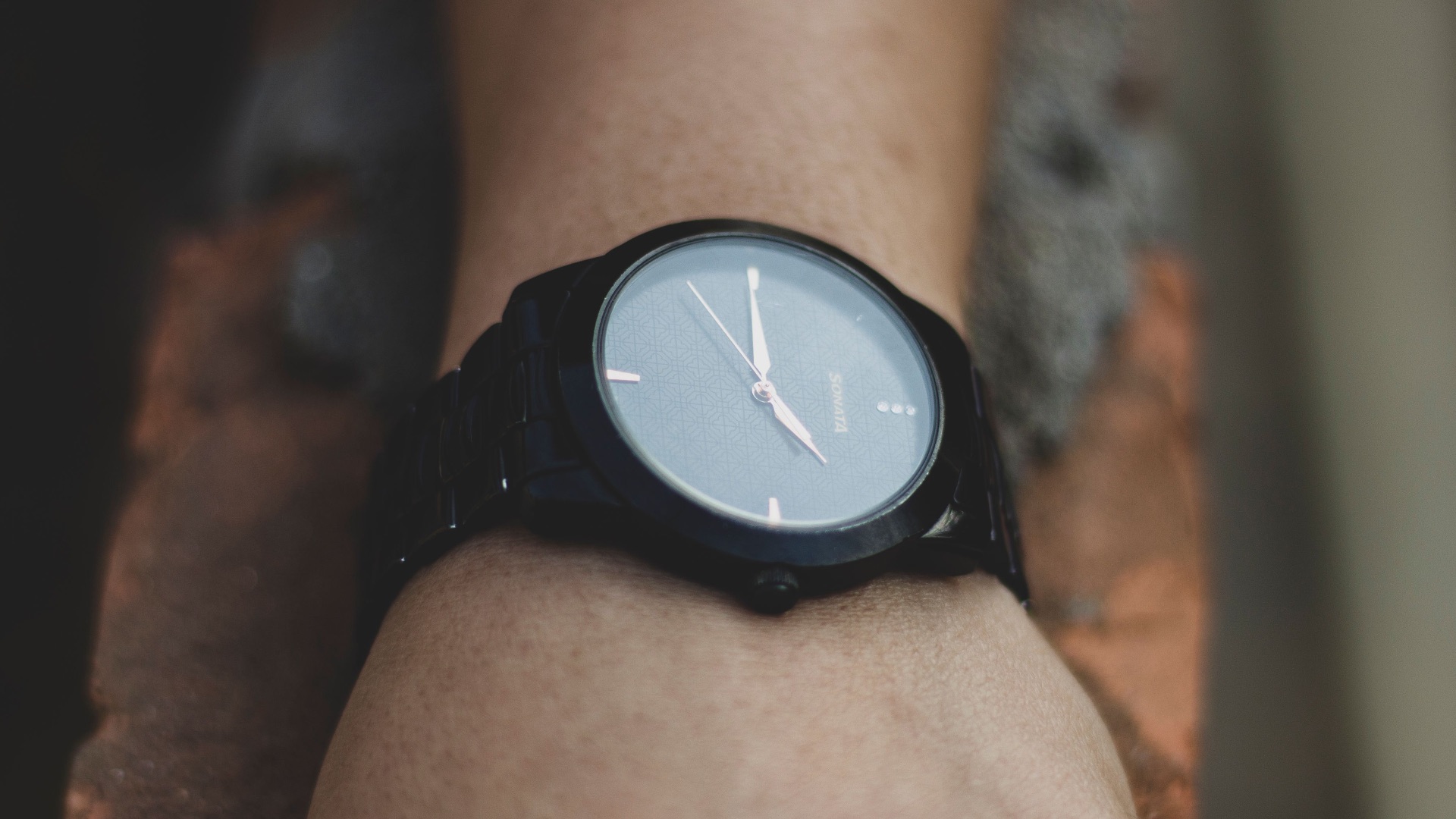
Before World War I, many men still relied on pocket watches, but trench warfare made wristwatches far more practical. Soldiers needed quick, coordinated timing for infantry movement and artillery fire, and the U.S. Army Signal Corps tested and purchased wristwatches for military use. After the war, the habit carried into civilian fashion, and by the late 1920s wristwatches were outselling pocket watches by a wide margin.
13. Aviator Sunglasses
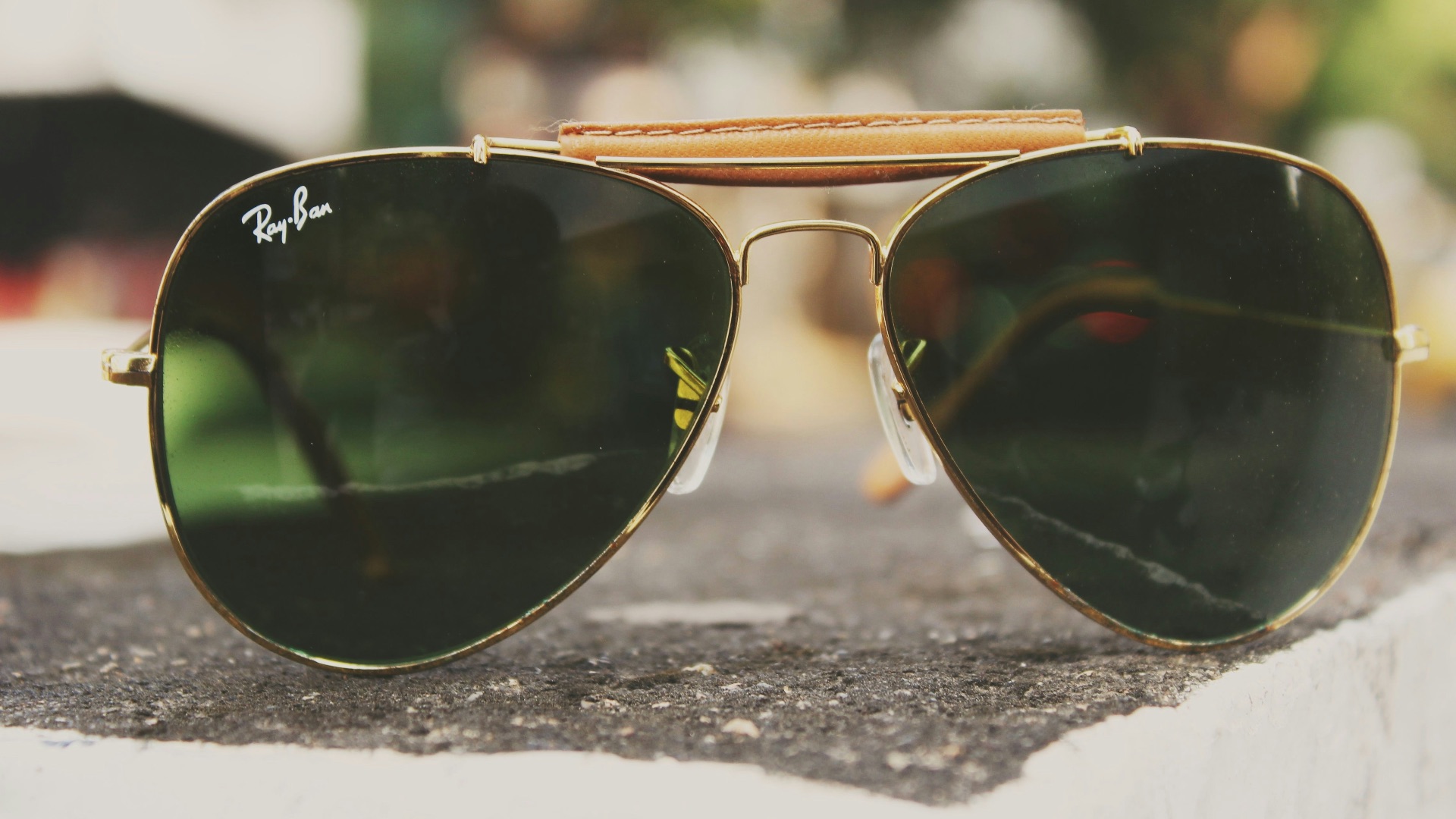
Aviator sunglasses began as a practical answer to the glare faced by pilots in the early years of aviation. Army Air Corps Col. John Macready worked with a company in the 1930s to develop eyewear that could reduce sunlight while staying comfortable in the cockpit. The result became useful far beyond flying, and aviators are now worn for driving, sports, outdoor work, and everyday style.
14. DEET Bug Spray
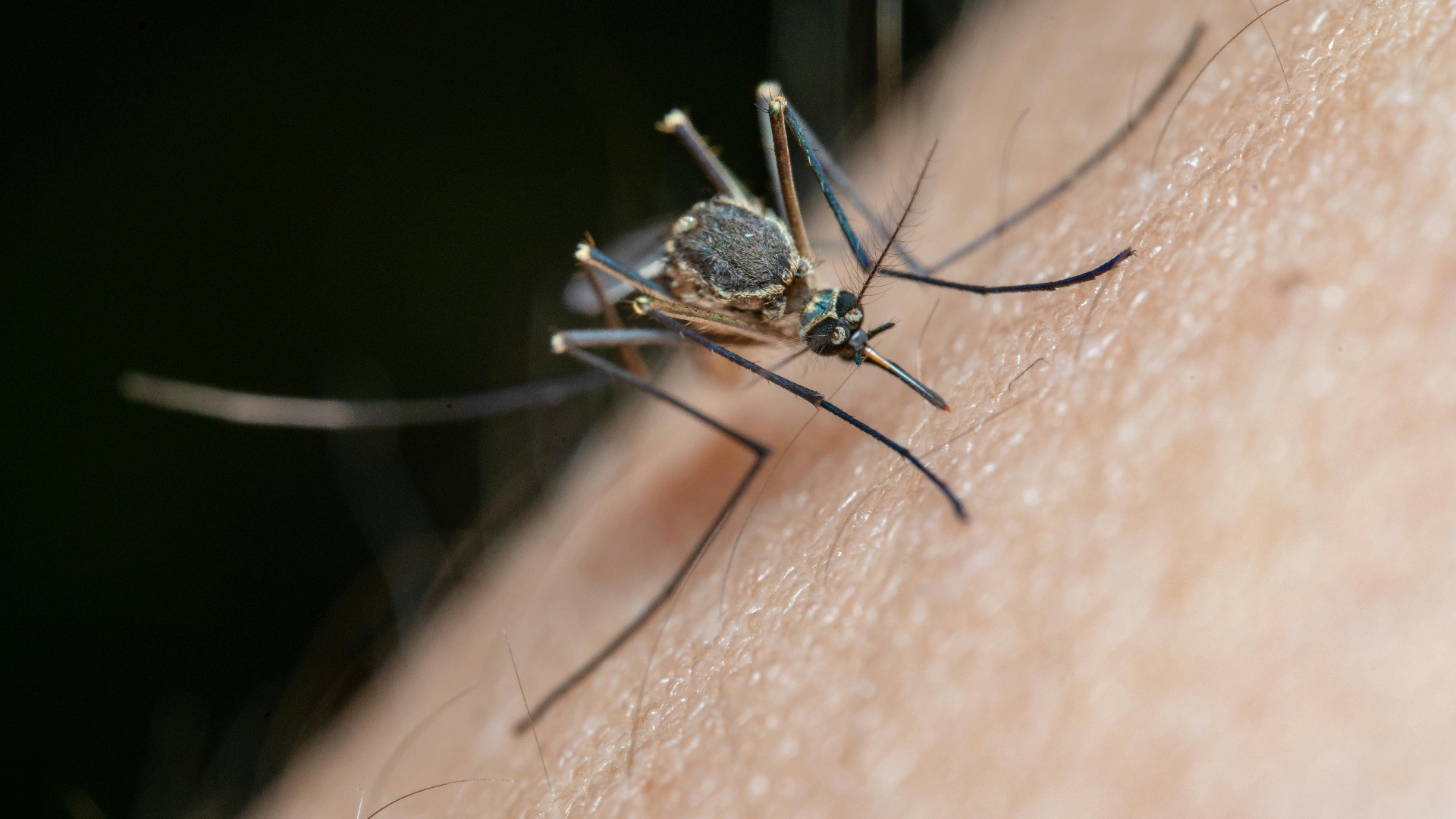
DEET was developed after World War II showed how badly insects could affect troops in disease-heavy regions. In 1944, the War Department and Agriculture Department opened a Florida research lab, and DEET was created there in 1946 before being registered for public use in 1957. If you’ve ever used mosquito repellent while camping, gardening, or traveling, you’ve used a product shaped by military disease prevention.
15. Auto-Injectors
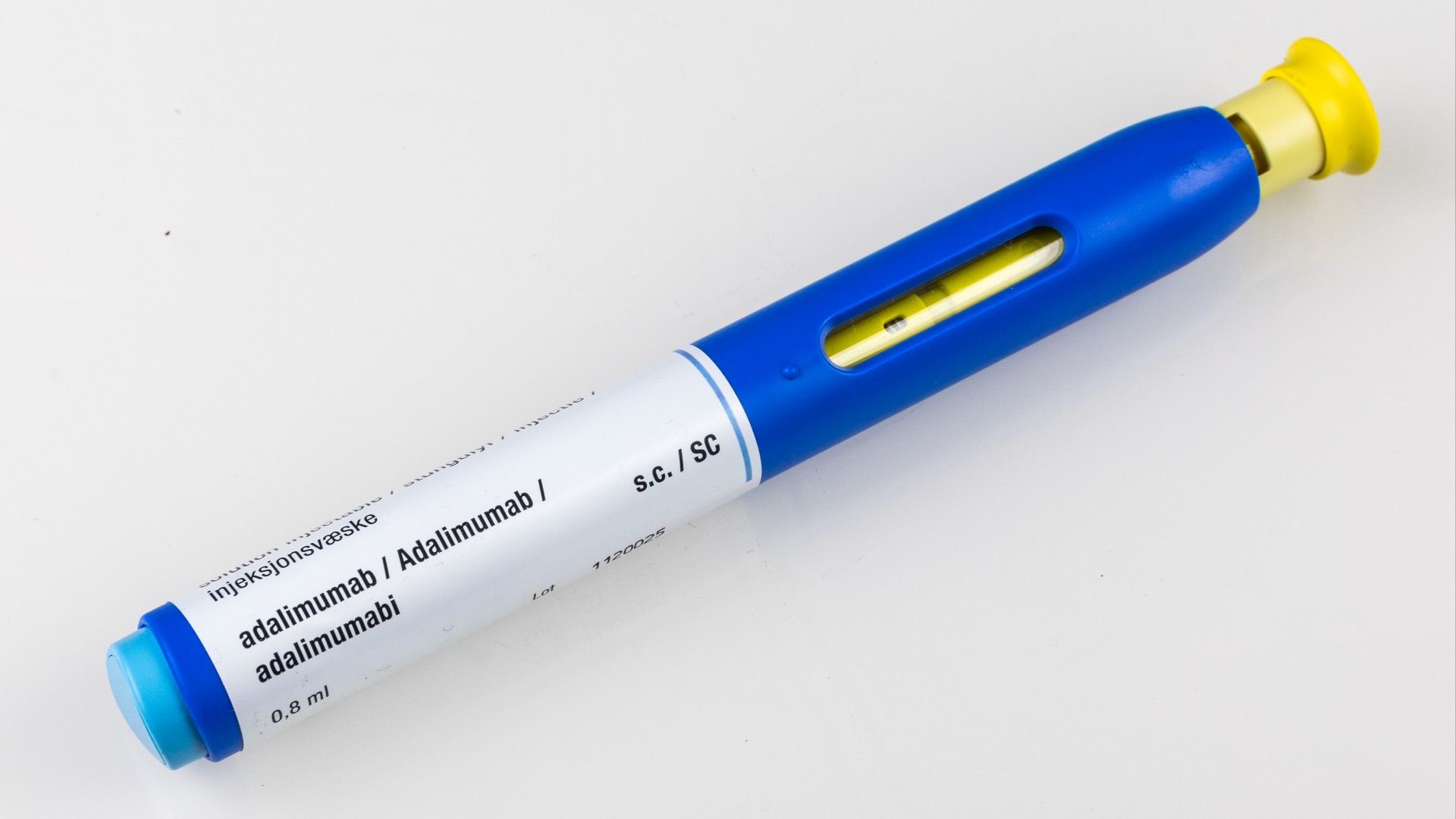
The auto-injector was developed for soldiers who needed a fast way to administer antidotes after chemical warfare exposure. During the Vietnam War era, the Army sought a prefilled, spring-loaded device that could deliver medicine quickly under severe stress. Civilian medicine adapted the same idea for epinephrine auto-injectors, which can help people treat life-threatening allergic reactions before emergency care arrives.
16. Walkie-Talkies
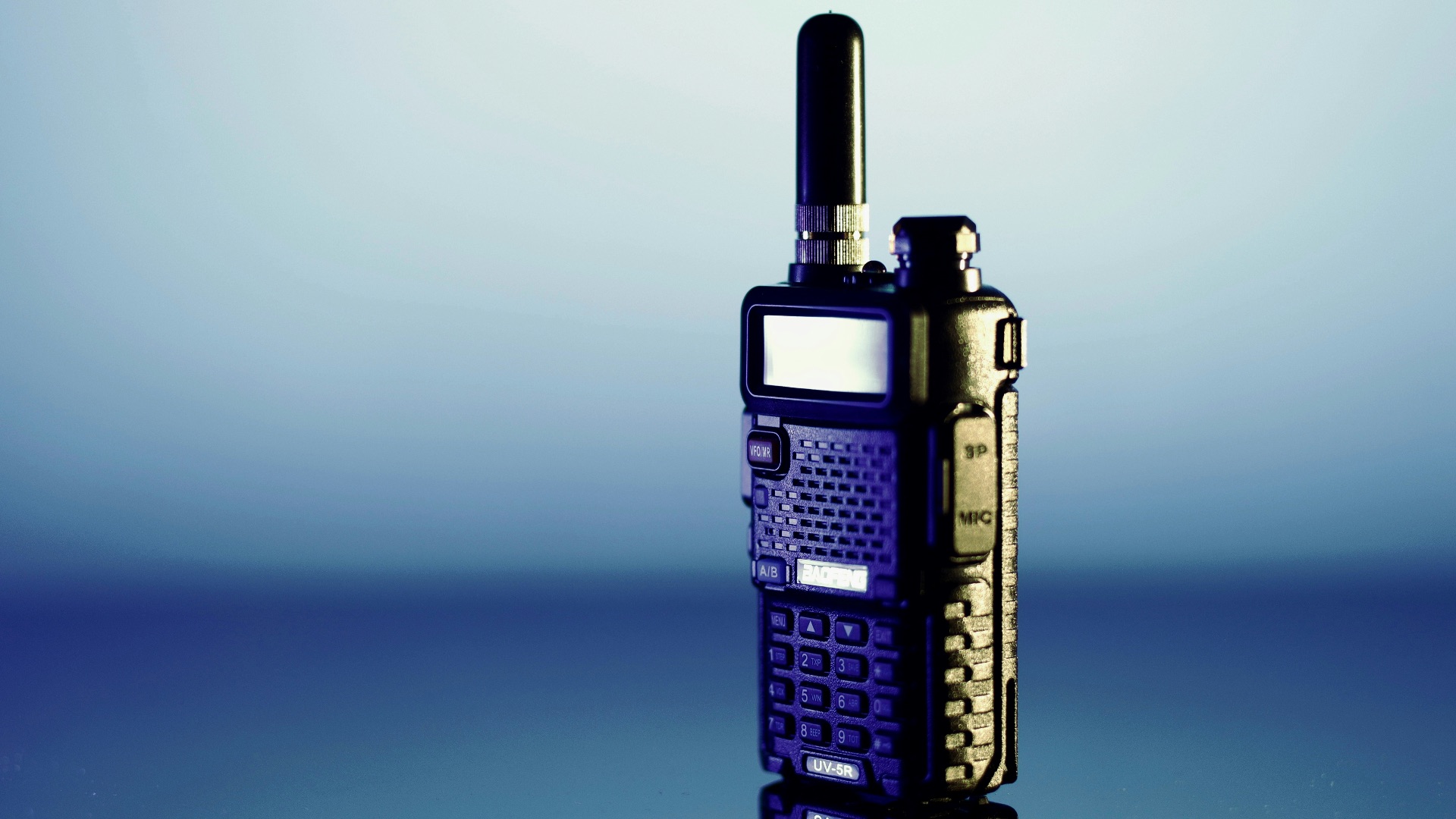
Portable two-way radios became essential in World War II because soldiers needed mobile communication without fixed telephone lines. Early military models such as Motorola’s SCR-300 backpack radio and SCR-536 handheld radio helped define what people later called walkie-talkies. Their descendants are still used by construction crews, event staff, hikers, emergency workers, schools, hotels, and families who need reliable short-range communication.
17. Night Vision
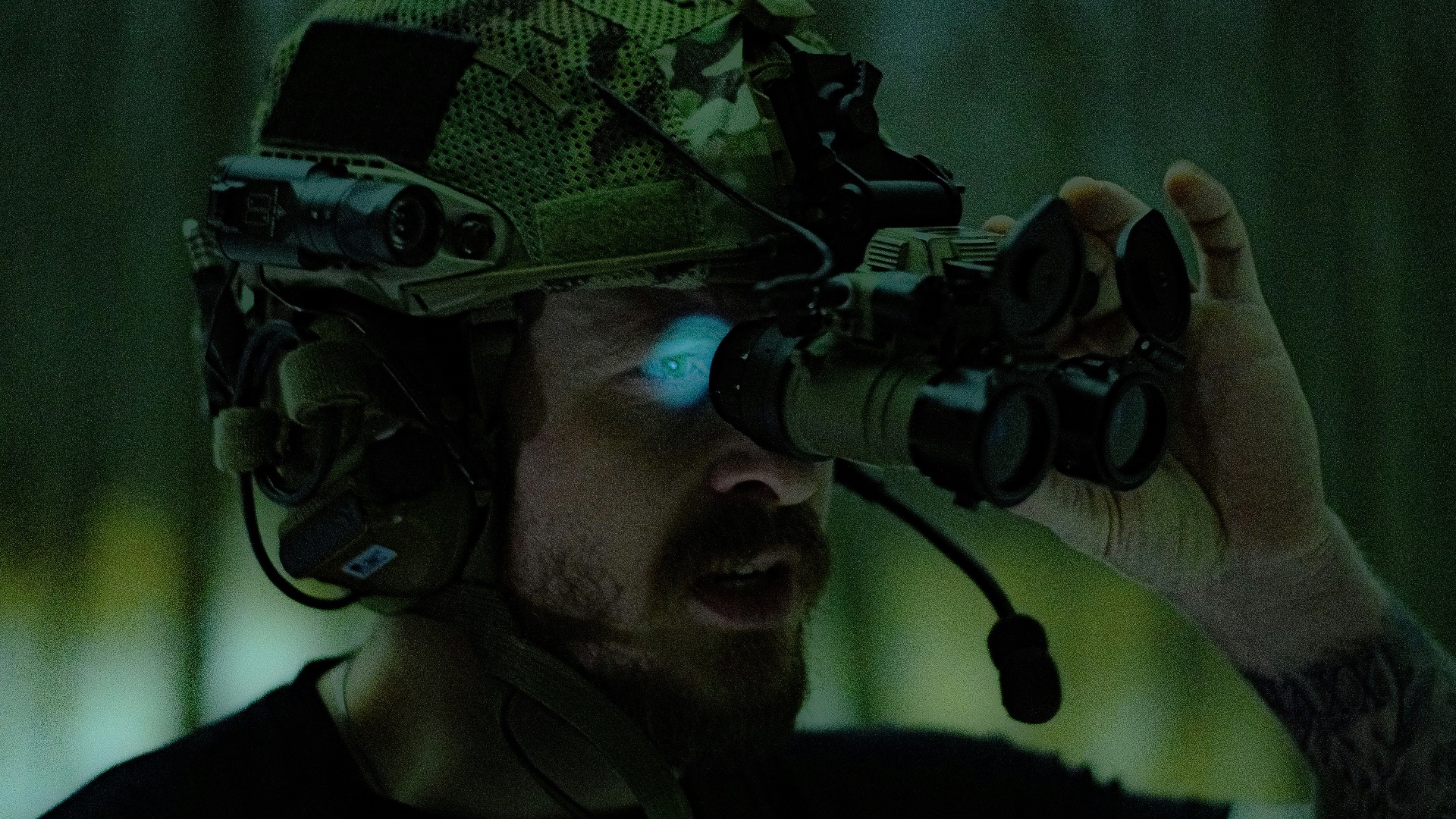
Night vision technology grew out of military efforts to operate after dark without relying only on visible light. Early active infrared systems appeared during World War II, and later generations improved image intensification and heat detection for soldiers, pilots, and surveillance teams. Civilian versions now support security cameras, search-and-rescue work, wildlife observation, driving assistance, and some medical and industrial imaging.
18. Drones
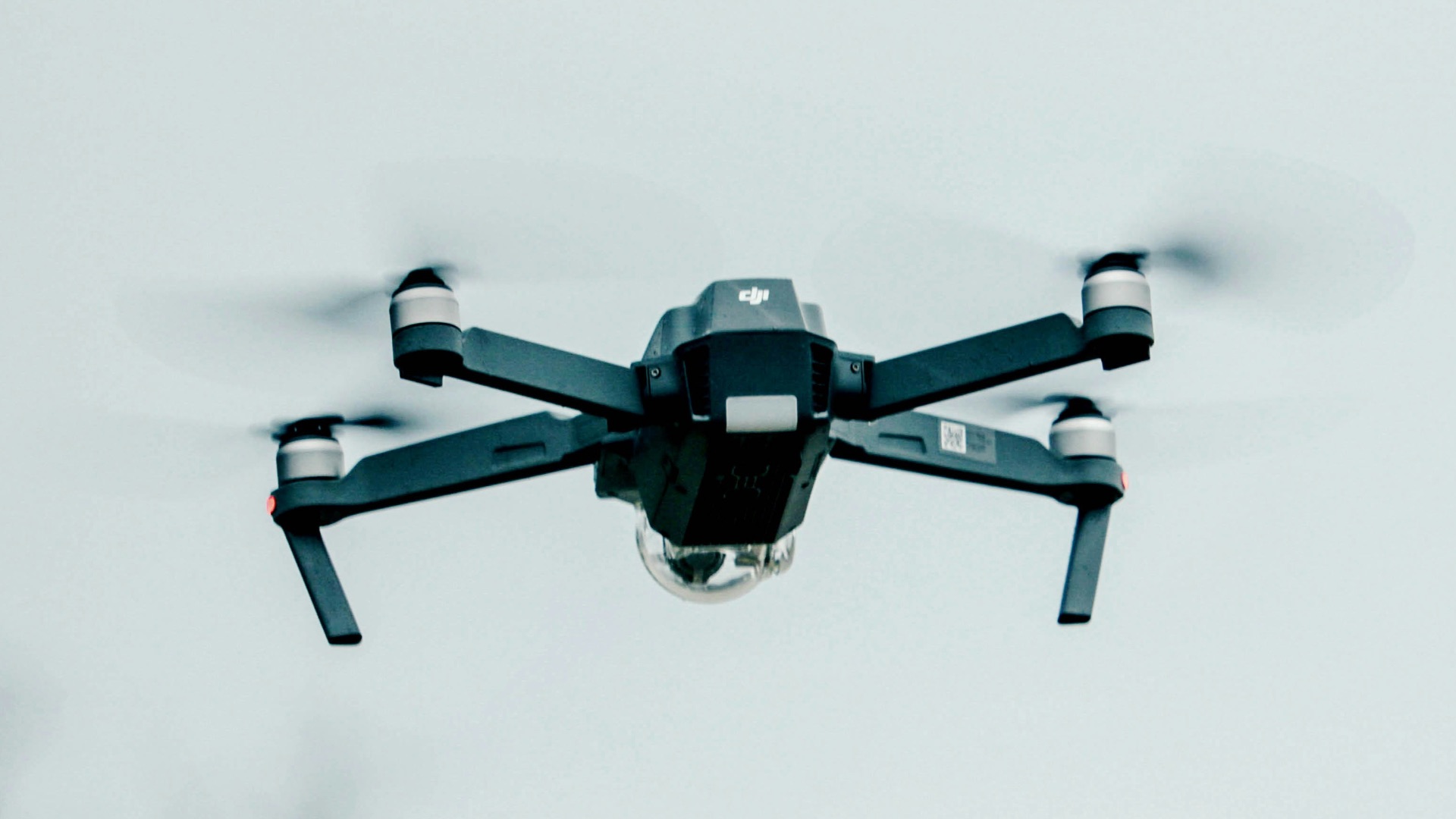
Drones were military tools long before they became consumer gadgets. Early unmanned aerial systems were developed for reconnaissance, target practice, and later combat missions, and those advances helped mature remote control, stabilization, cameras, and navigation systems. Today, drones photograph weddings, inspect roofs, map farms, assist firefighters, survey construction sites, and help creators capture footage that once required helicopters.
19. Super Glue
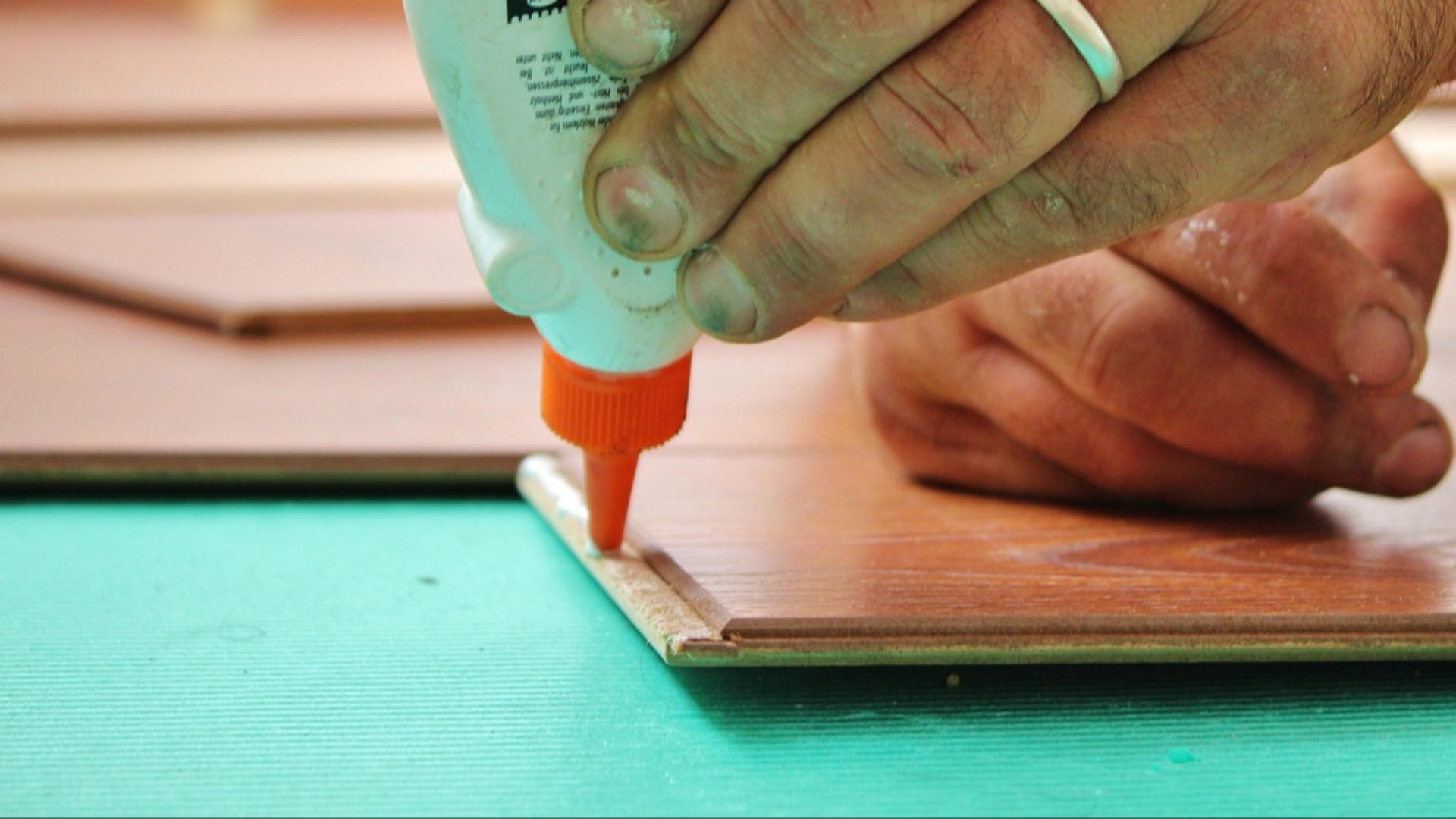
Super glue traces back to World War II research led by chemist Harry Coover, who was working with cyanoacrylates while searching for clear plastic materials that could be used in military gunsights. The substance was initially rejected because it stuck to almost everything, but Coover and his team later revisited it and recognized its value as a fast-bonding adhesive. Today, cyanoacrylate glue is used for household repairs, manufacturing, hobbies, medical closures, and countless small fixes where a strong bond matters.
20. The Jeep
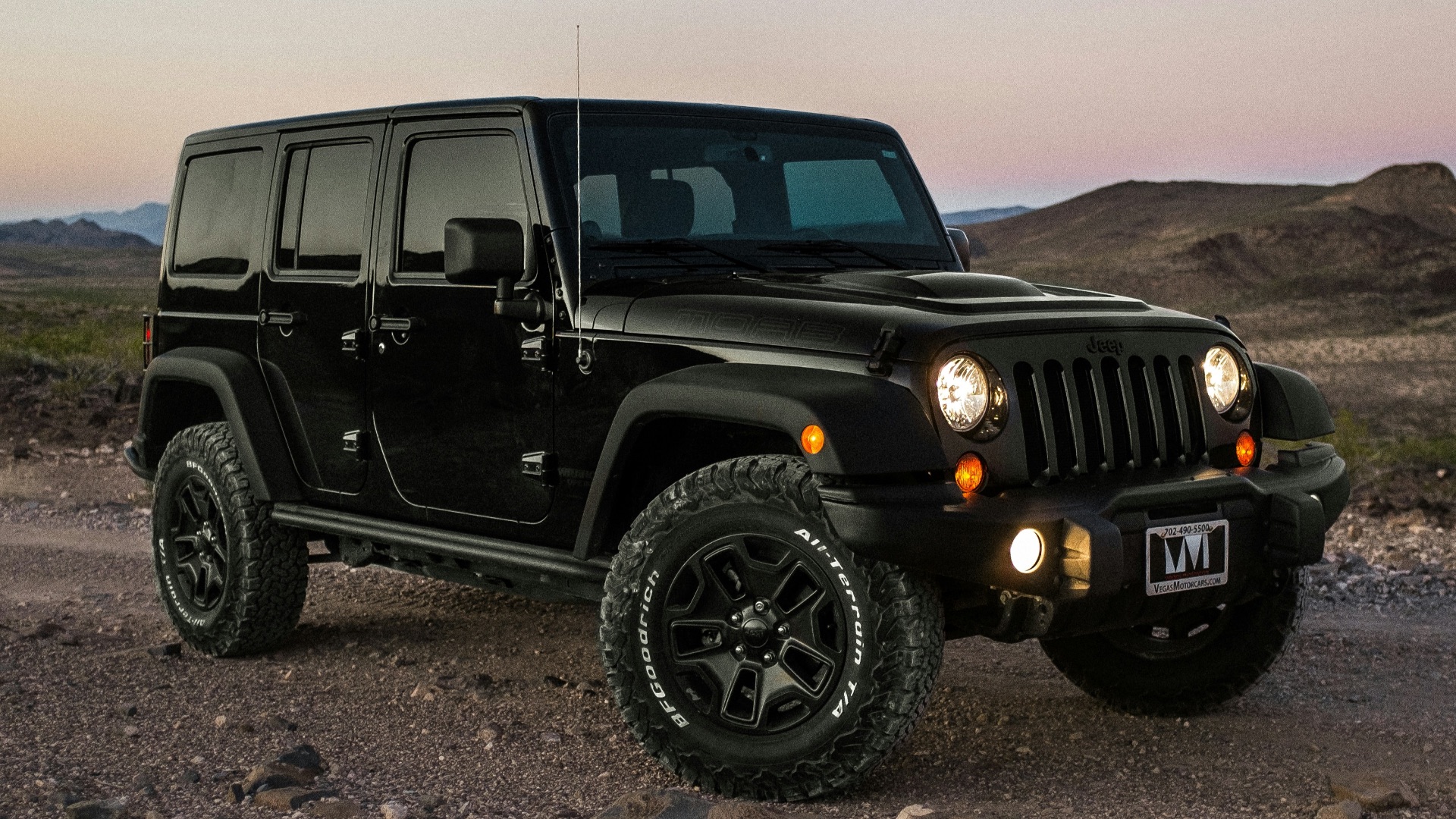
The Jeep became famous as a rugged military vehicle during World War II, built to handle rough terrain, rapid movement, and practical field use. Its popularity after the war helped shape civilian off-road driving and influenced the design of later utility vehicles. You can still see its legacy in SUVs, trail vehicles, farm transportation, and the broader expectation that a personal vehicle can be both practical and adventurous.
KEEP ON READING