

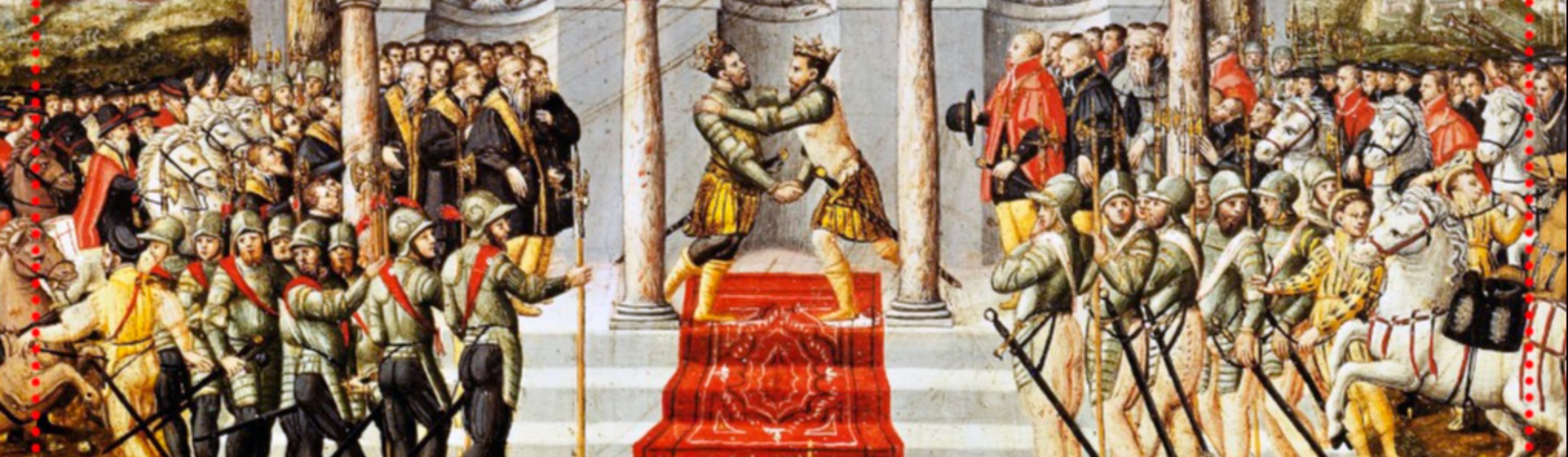
When Peace Agreements Failed Almost As Soon As They Began
Peace treaties are supposed to end violence, settle disputes, and give exhausted nations a chance to rebuild, but history shows that many agreements barely survived beyond the ink drying on the page. Some collapsed because neither side truly trusted the other, while others failed because political leaders changed, borders remained disputed, or military tensions never fully disappeared. In several cases, fighting resumed within months or even days, proving that signing a treaty and creating lasting peace are often very different things. Here are 20 peace treaties that unraveled instantly.
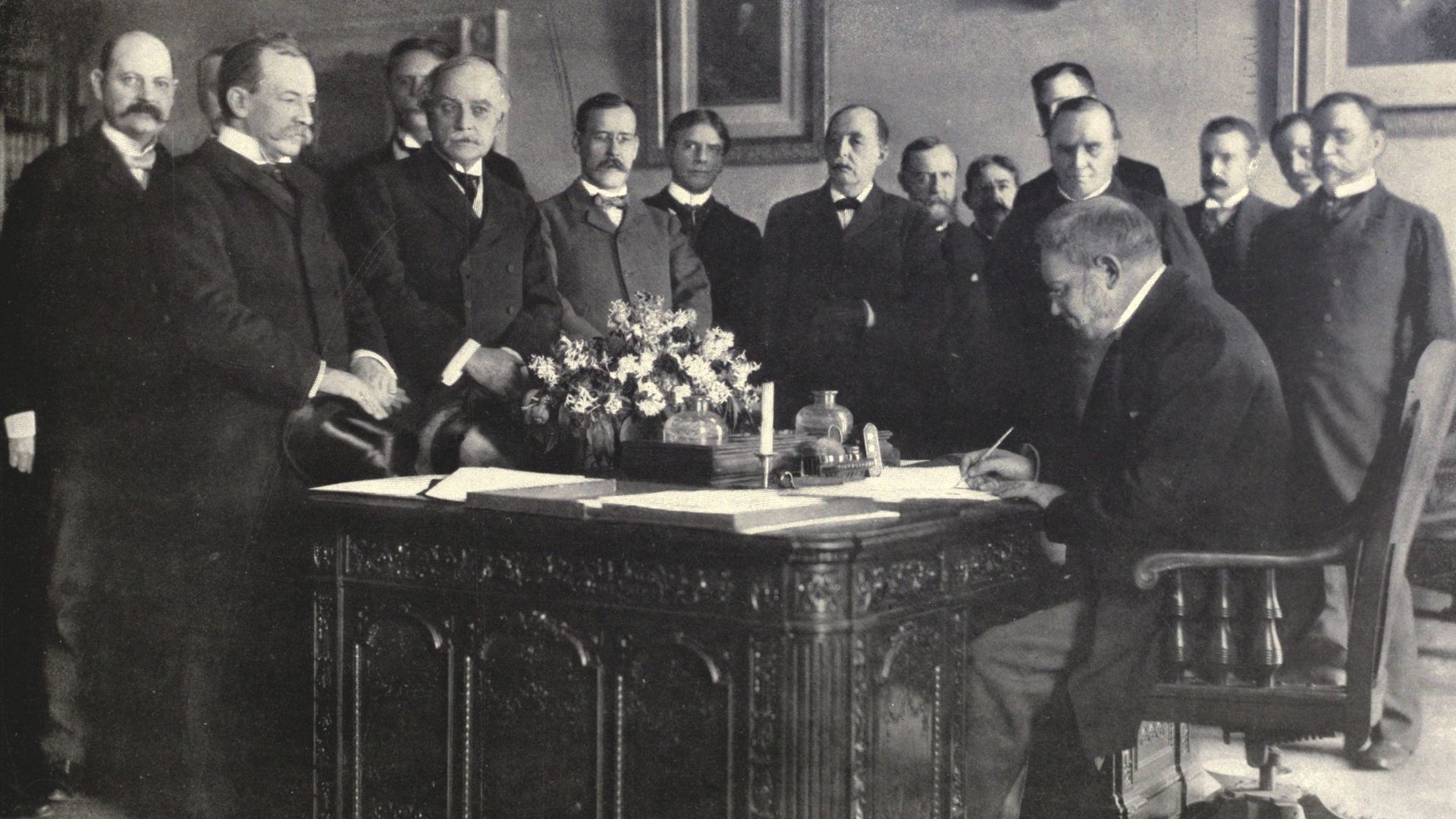 Frances Benjamin Johnston on Wikimedia
1. Treaty of Troyes (1420)
The Treaty of Troyes was signed during the Hundred Years’ War between England and France and recognized King Henry V of England as heir to the French throne. However, both Henry V and the French king died within two years, completely weakening the arrangement.
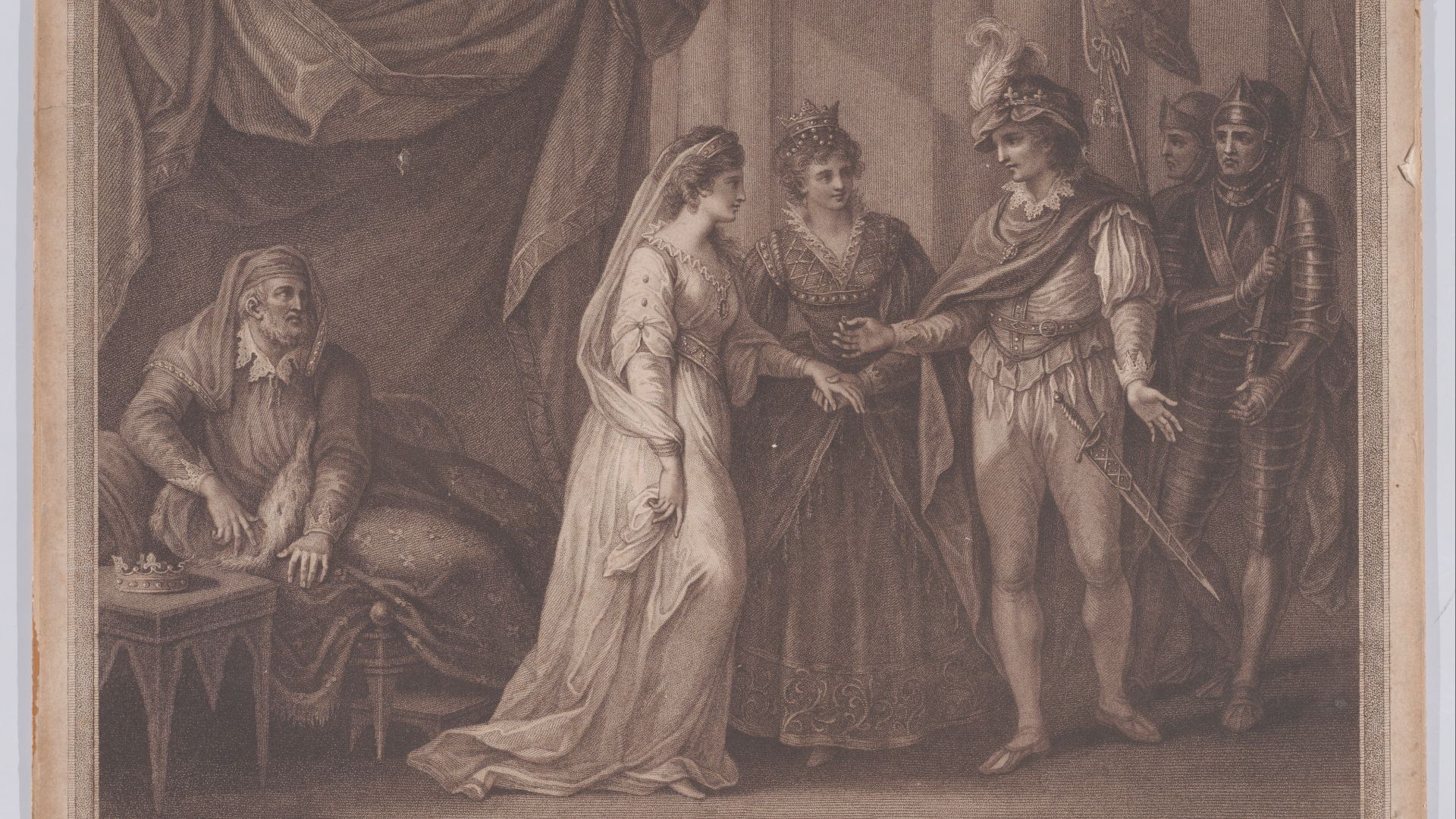 Creator:Engraved by Francesco Bartolozzi on Wikimedia
2. Peace of Nicias (421 BCE)
The Peace of Nicias was meant to pause the Peloponnesian War between Athens and Sparta after years of exhausting fighting. Smaller allied states continued fighting, and distrust between Athens and Sparta never truly disappeared.
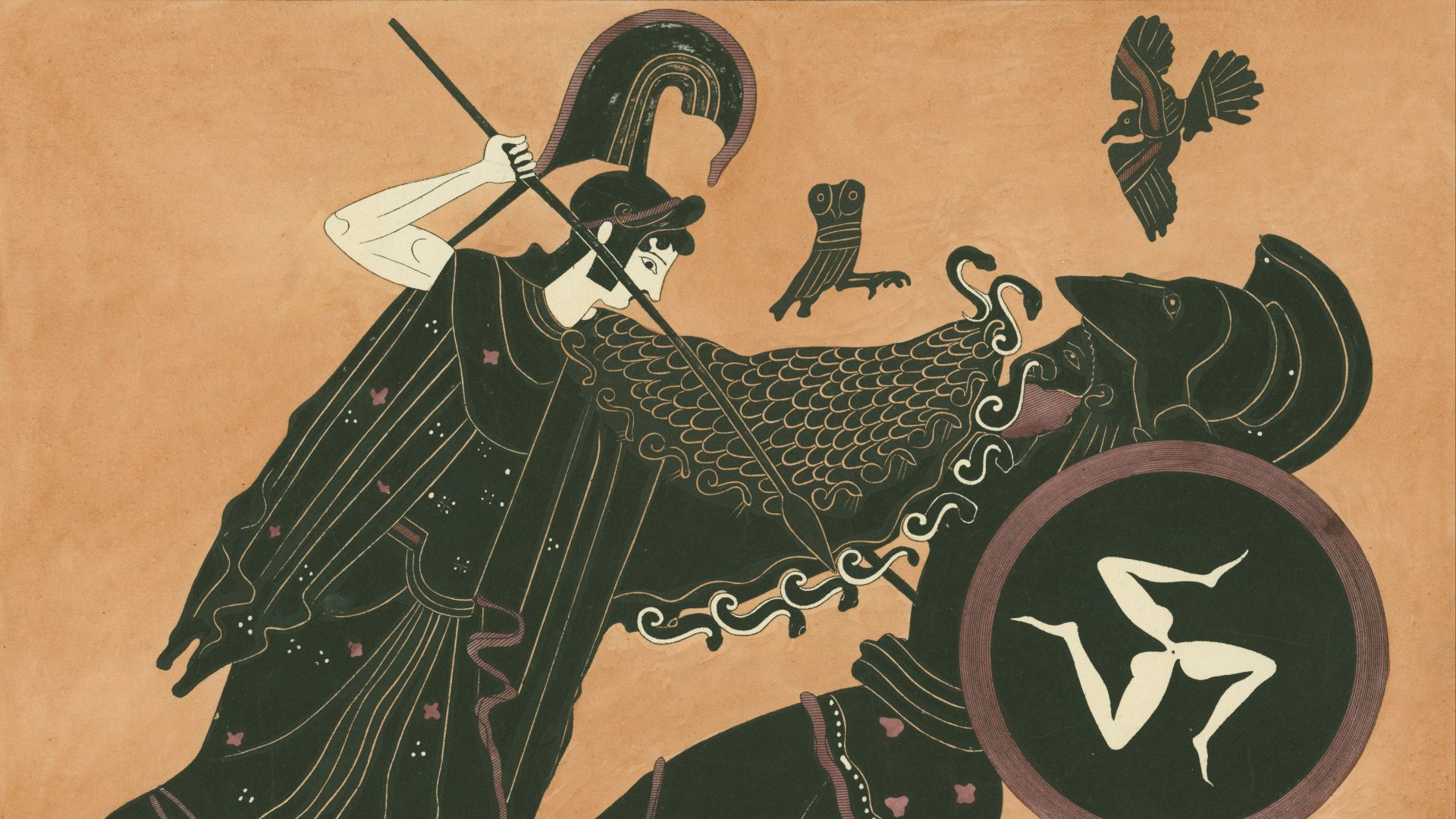 The New York Public Library on Unsplash
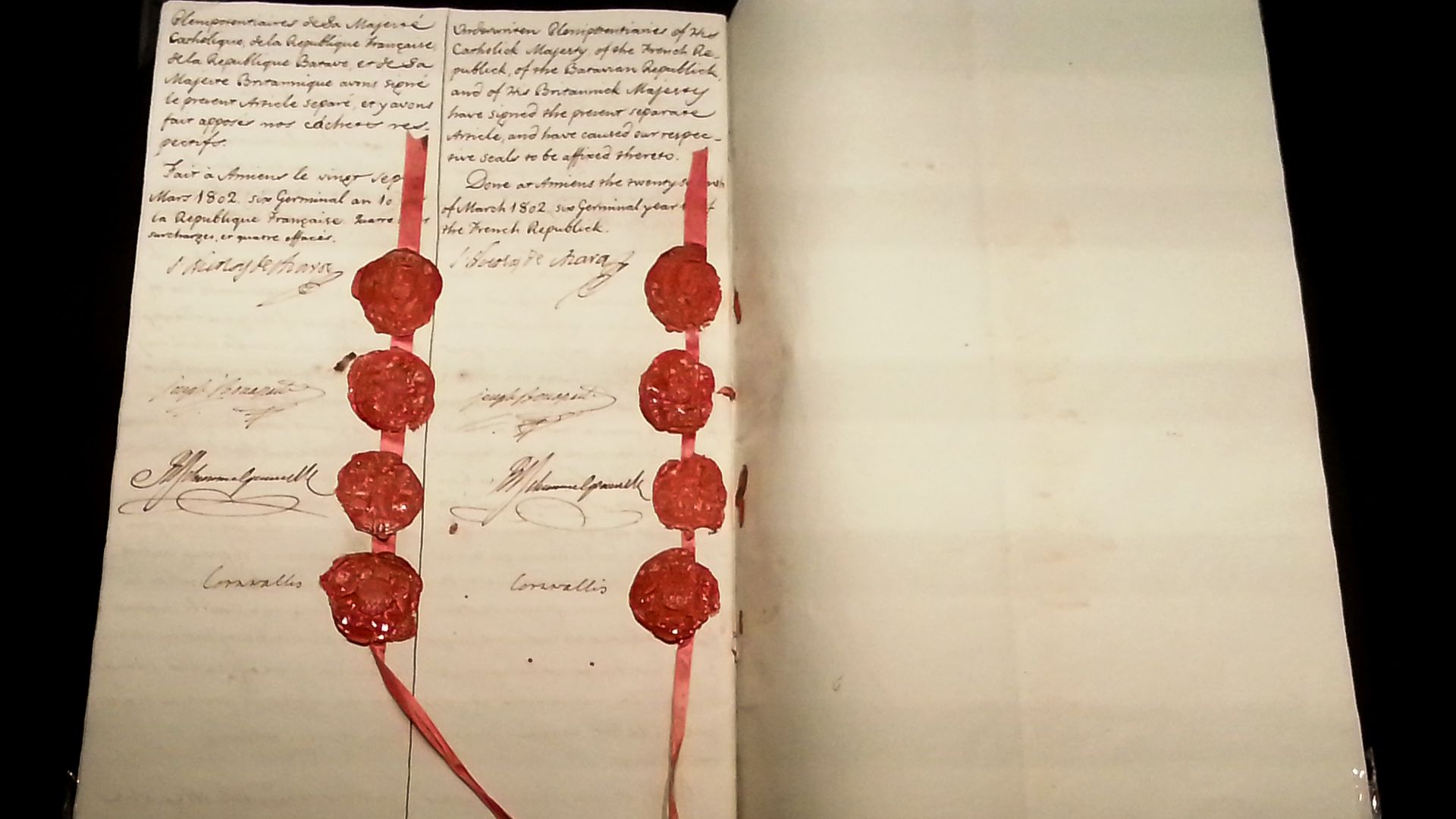
3. Treaty of Amiens (1802)
The Treaty of Amiens temporarily ended hostilities between Britain and Napoleonic France during the French Revolutionary Wars. Unfortunately, both sides remained deeply suspicious of each other's ambitions and military expansion.
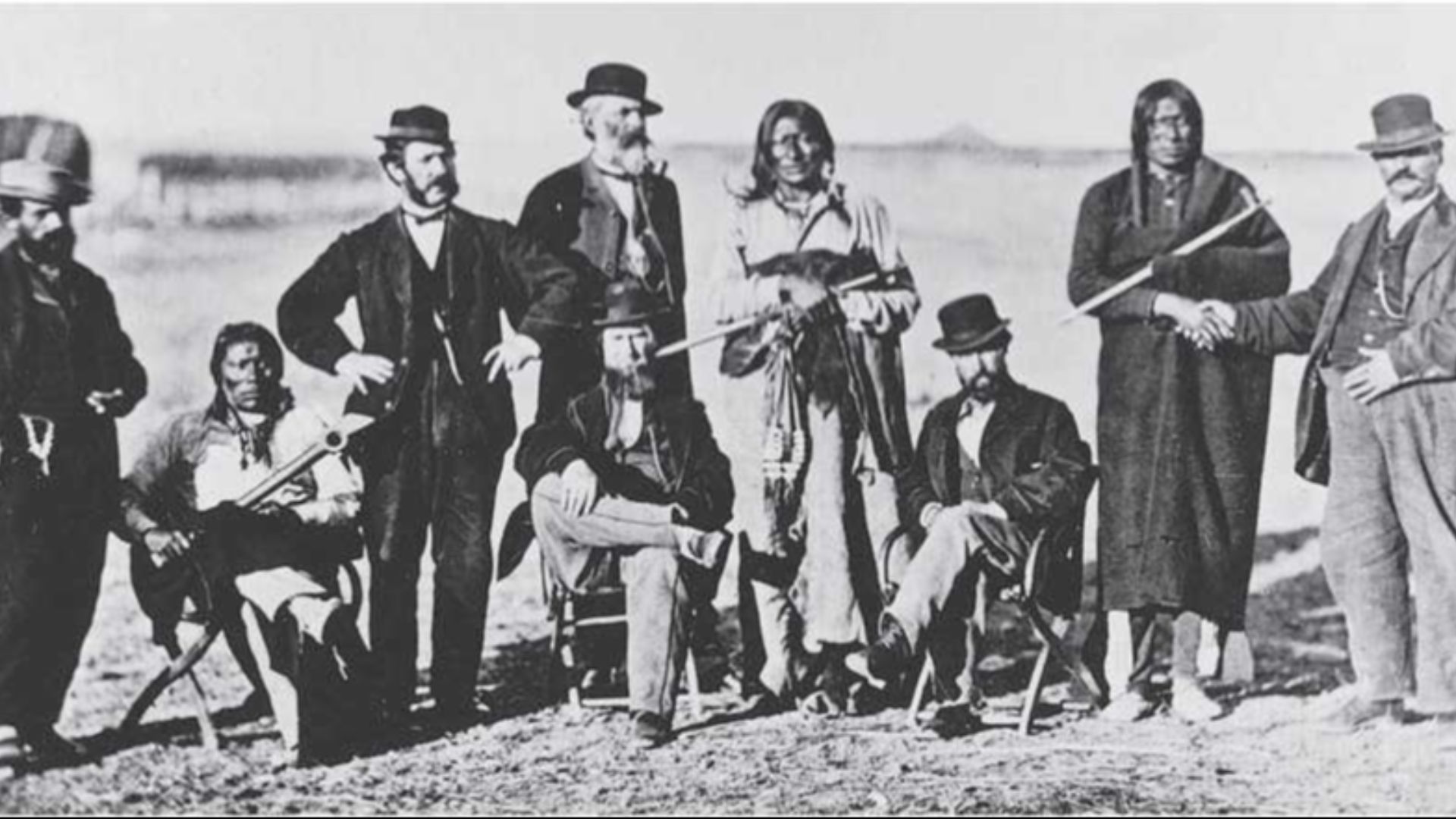
4. Treaty of Fort Laramie (1868)
The United States signed the Treaty of Fort Laramie with several Native American tribes, including the Lakota Sioux, promising protection of tribal lands in the Great Plains. Miners and settlers moved into the region despite treaty protections, and the U.S. government struggled to stop them.
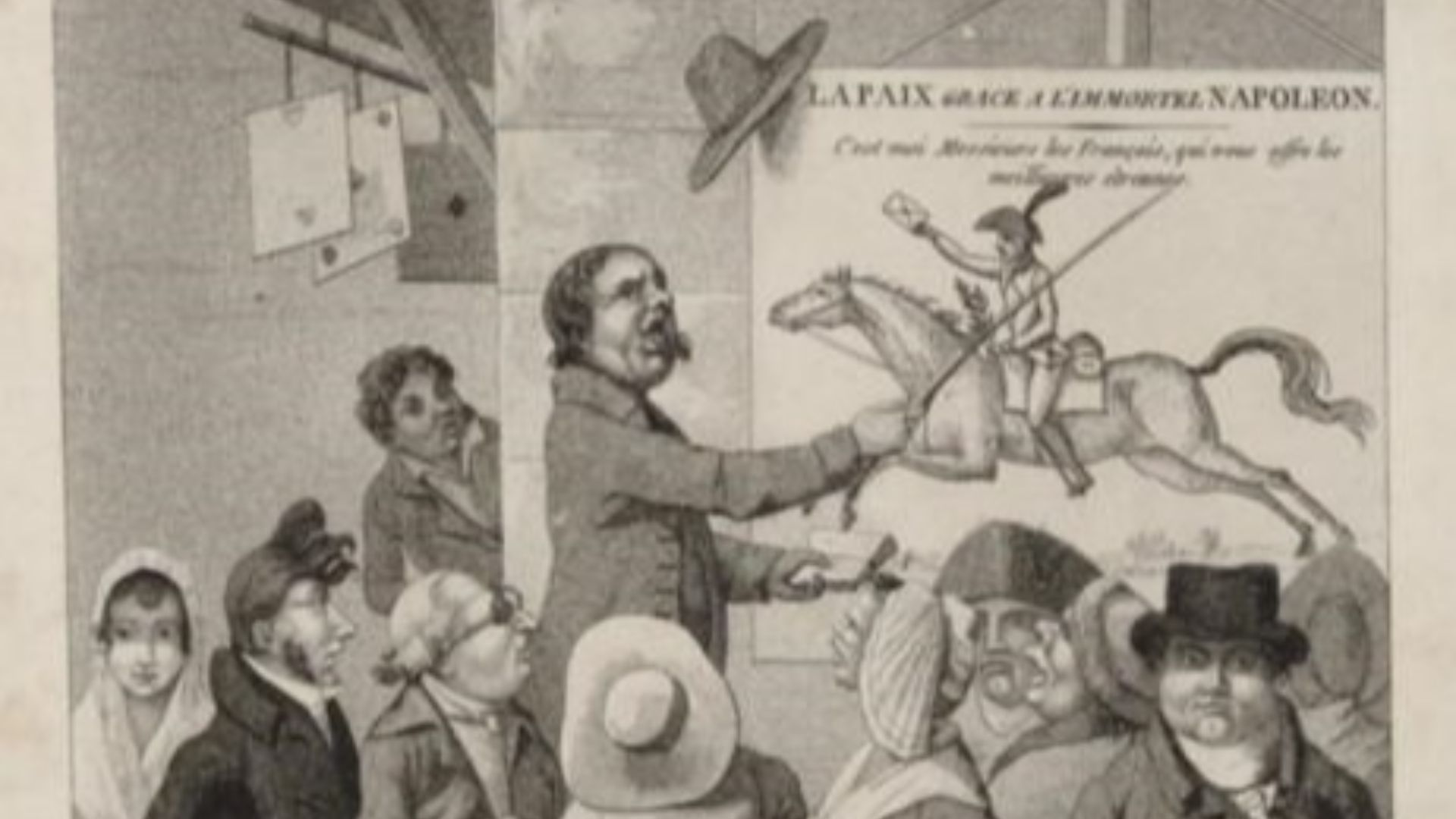
5. Treaty of Pressburg (1805)
After Napoleon defeated Austria at the Battle of Austerlitz, the Treaty of Pressburg formally ended the War of the Third Coalition. Austria gave up territory and accepted major French influence across Europe. Only a few years later, Austria returned to war against Napoleon during the War of the Fifth Coalition.
 Anonymous 1805-1806 on Wikimedia
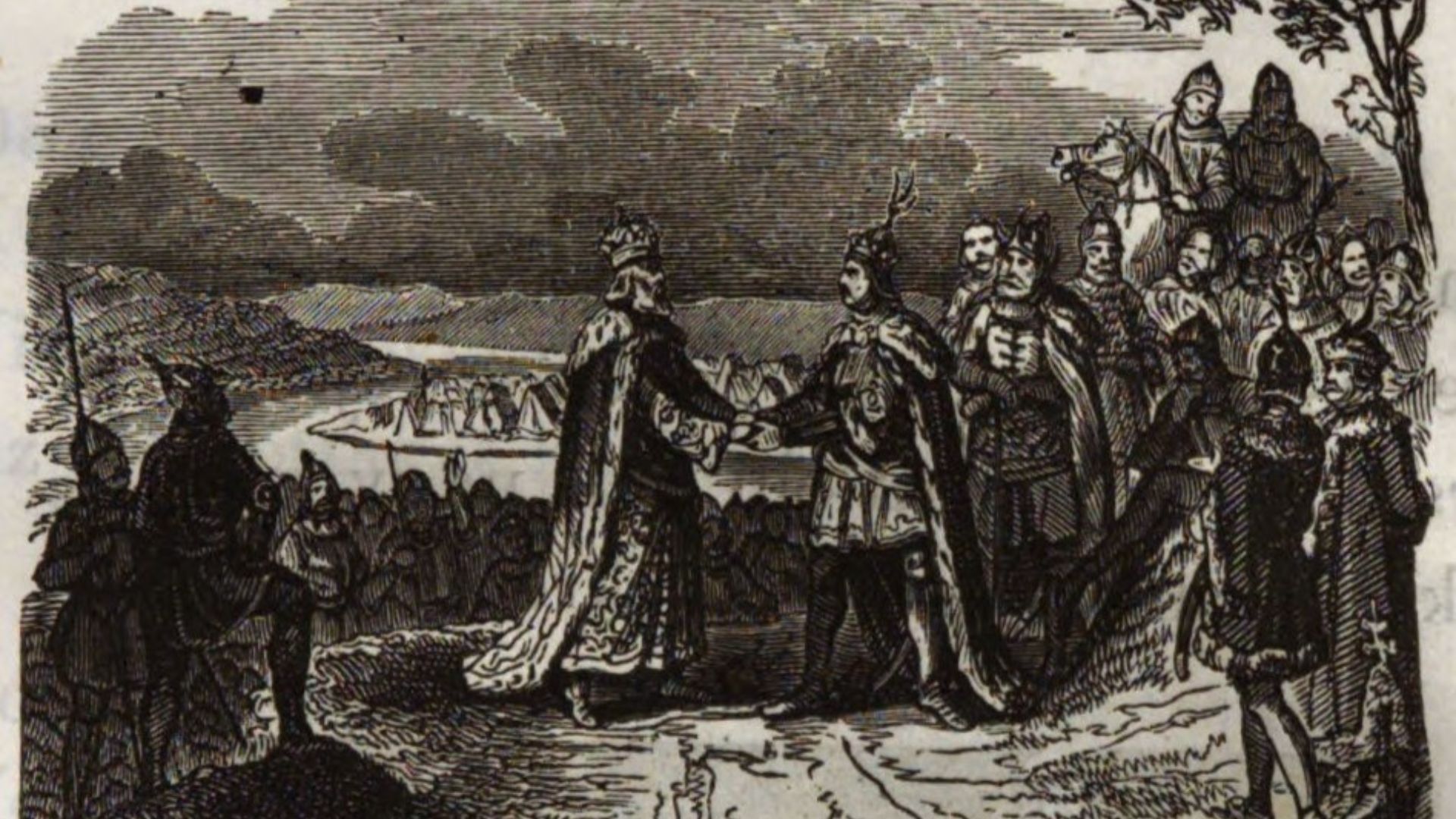
6. Treaty of Paris (1856)
The Treaty of Paris ended the Crimean War between Russia and an alliance including Britain, France, and the Ottoman Empire. Russia, however, strongly disliked several treaty restrictions and gradually ignored parts of the agreement.
 Unknown authorUnknown author on Wikimedia
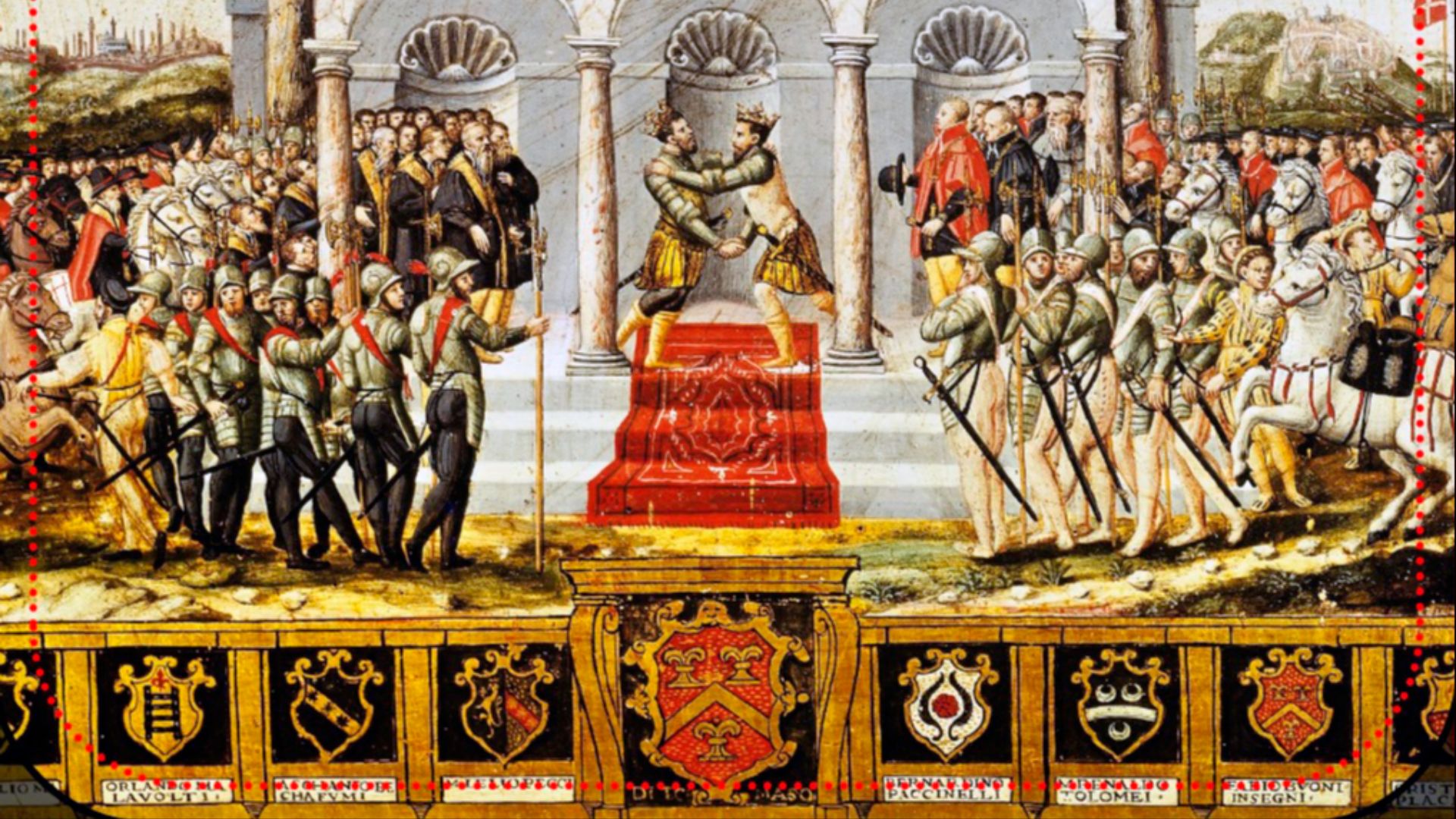
7. Treaty of Cateau-Cambrésis (1559)
This treaty ended decades of conflict between France and Spain during the Italian Wars. Yet peace between European powers did not last long because religious tensions were rising rapidly across the continent. France soon descended into the French Wars of Religion, creating fresh instability almost immediately after the agreement.
 Unknown artistUnknown artist on Wikimedia
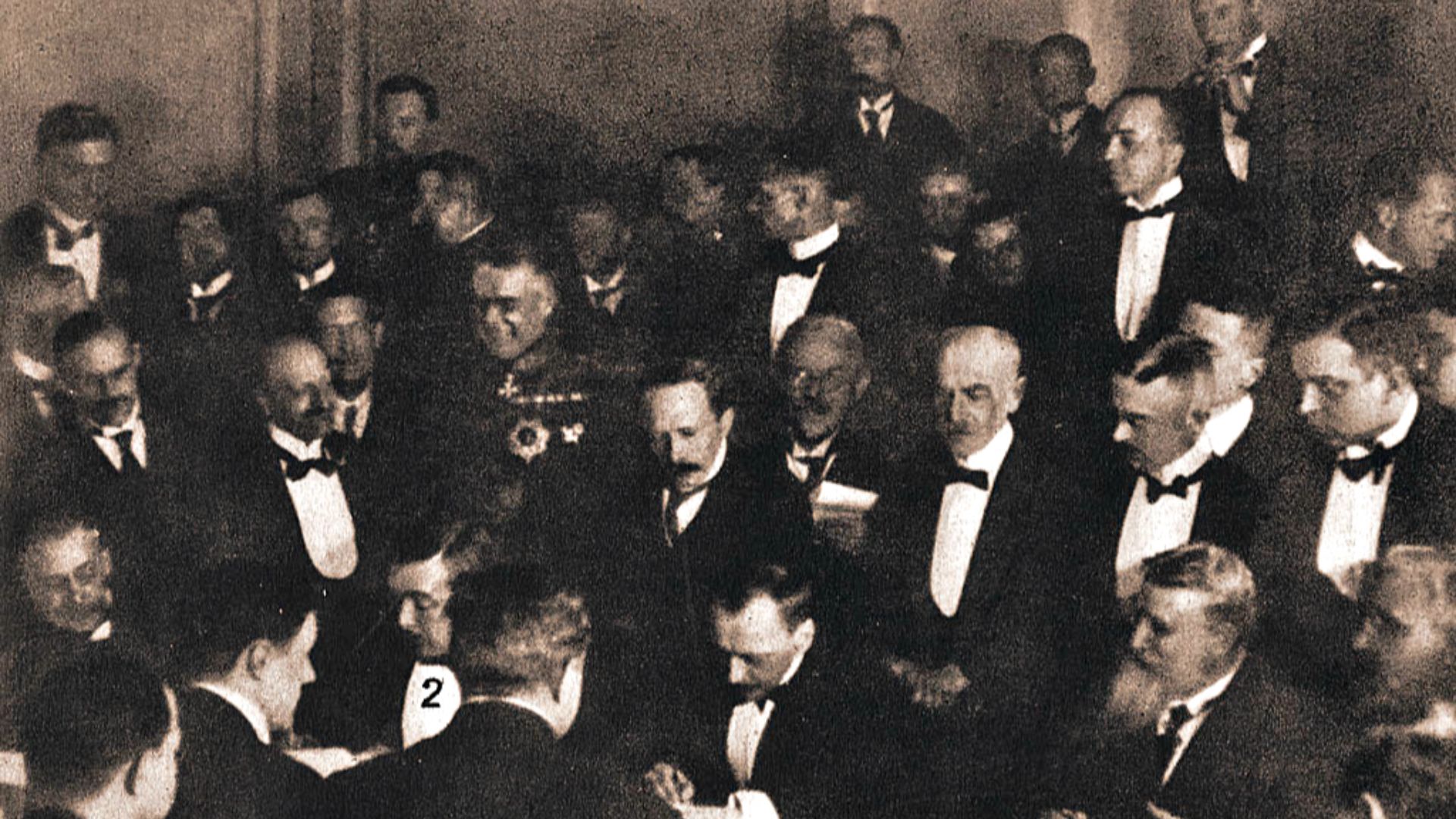
8. Treaty of Brest-Litovsk (1918)
Russia signed the Treaty of Brest-Litovsk with Germany during World War I after the Bolsheviks seized power. Many Russians viewed the terms as humiliating and deeply unpopular.
 Unknown authorUnknown author on Wikimedia
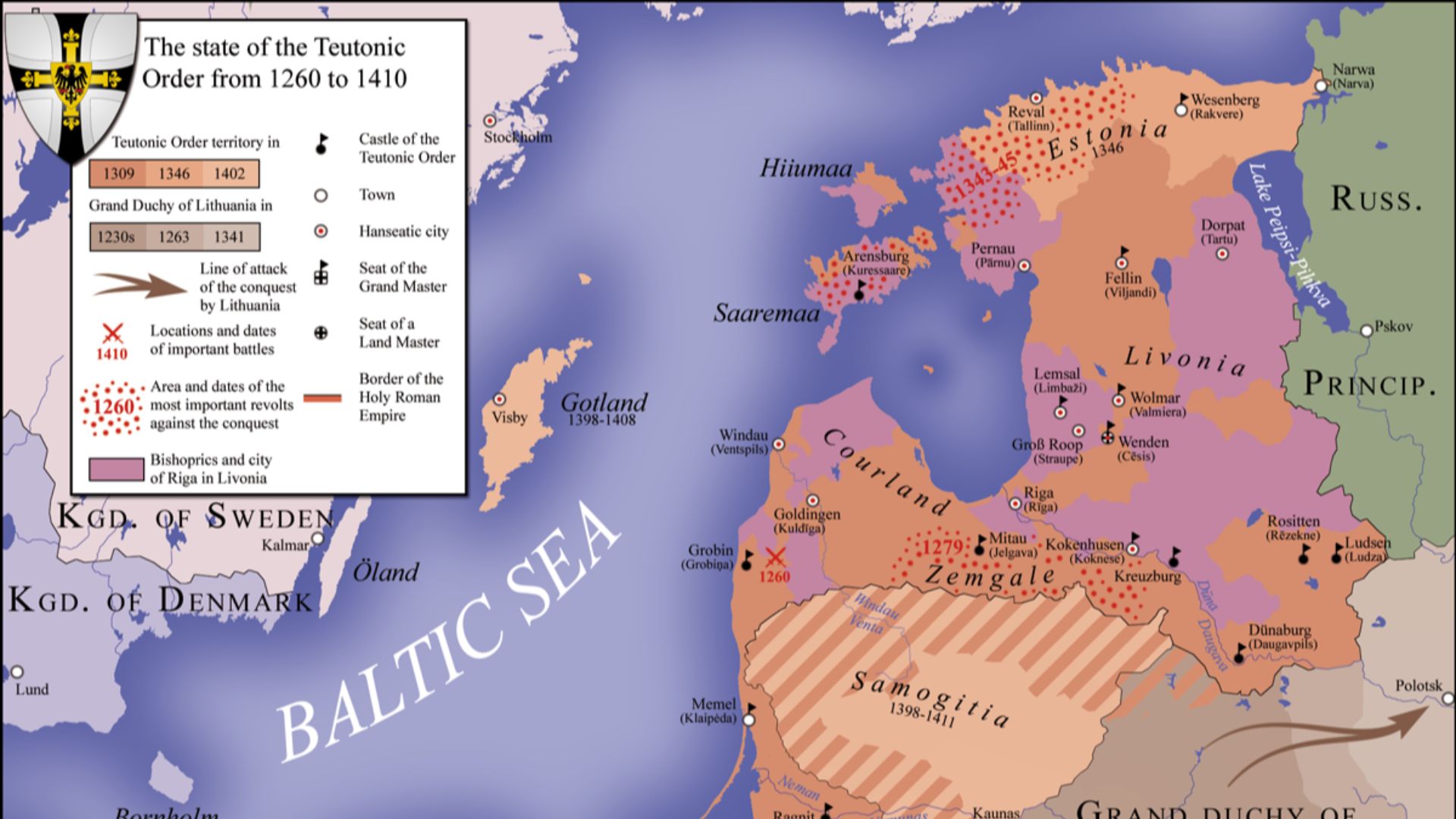
9. Treaty of Melno (1422)
The Treaty of Melno ended the conflict between the Teutonic Knights and the Polish-Lithuanian alliance. The Teutonic Order continued losing influence and resented the growing strength of Poland and Lithuania. Future conflicts and political struggles followed despite the supposed peace.
10. Treaty of London (1518)
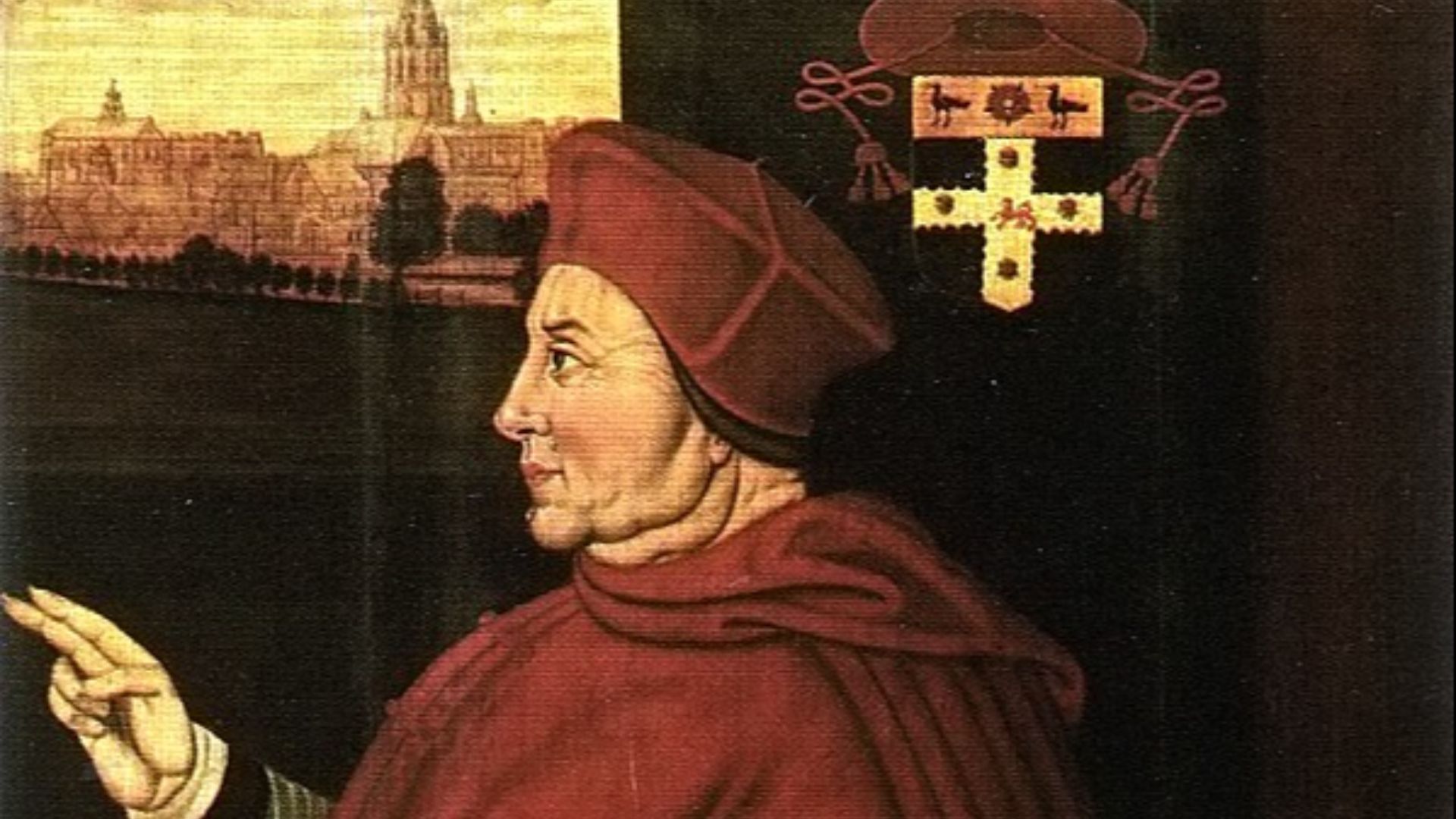
The Treaty of London was an ambitious non-aggression pact organized by Cardinal Wolsey to unite major European powers in peace. Although it sounded impressive on paper, rivalries between France, Spain, and the Holy Roman Empire remained intense. Within a few years, Europe was once again filled with military conflict.
11. Treaty of Lunéville (1801)
The Treaty of Lunéville ended the war between France and Austria during the French Revolutionary period. While the treaty temporarily reduced fighting, it did little to settle the broader power struggle created by Napoleon’s rise.
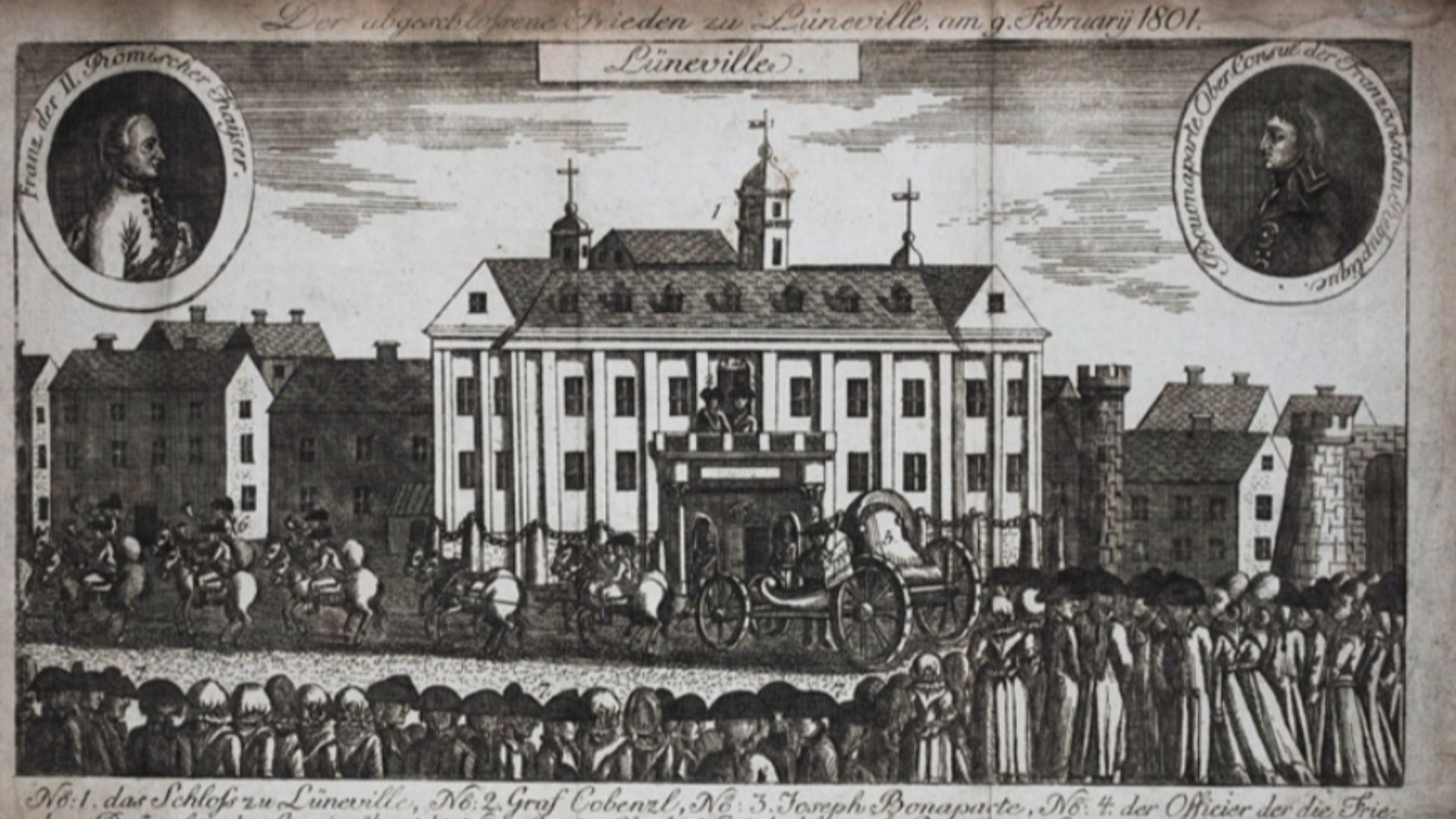 Unknown, early 19th century. on Wikimedia
12. Treaty of Prague (1866)
The Treaty of Prague ended the Austro-Prussian War and confirmed Prussia’s growing influence in Germany. Although the fighting itself ended quickly, the agreement dramatically shifted the balance of power in Europe, causing a new war to break out four years later.
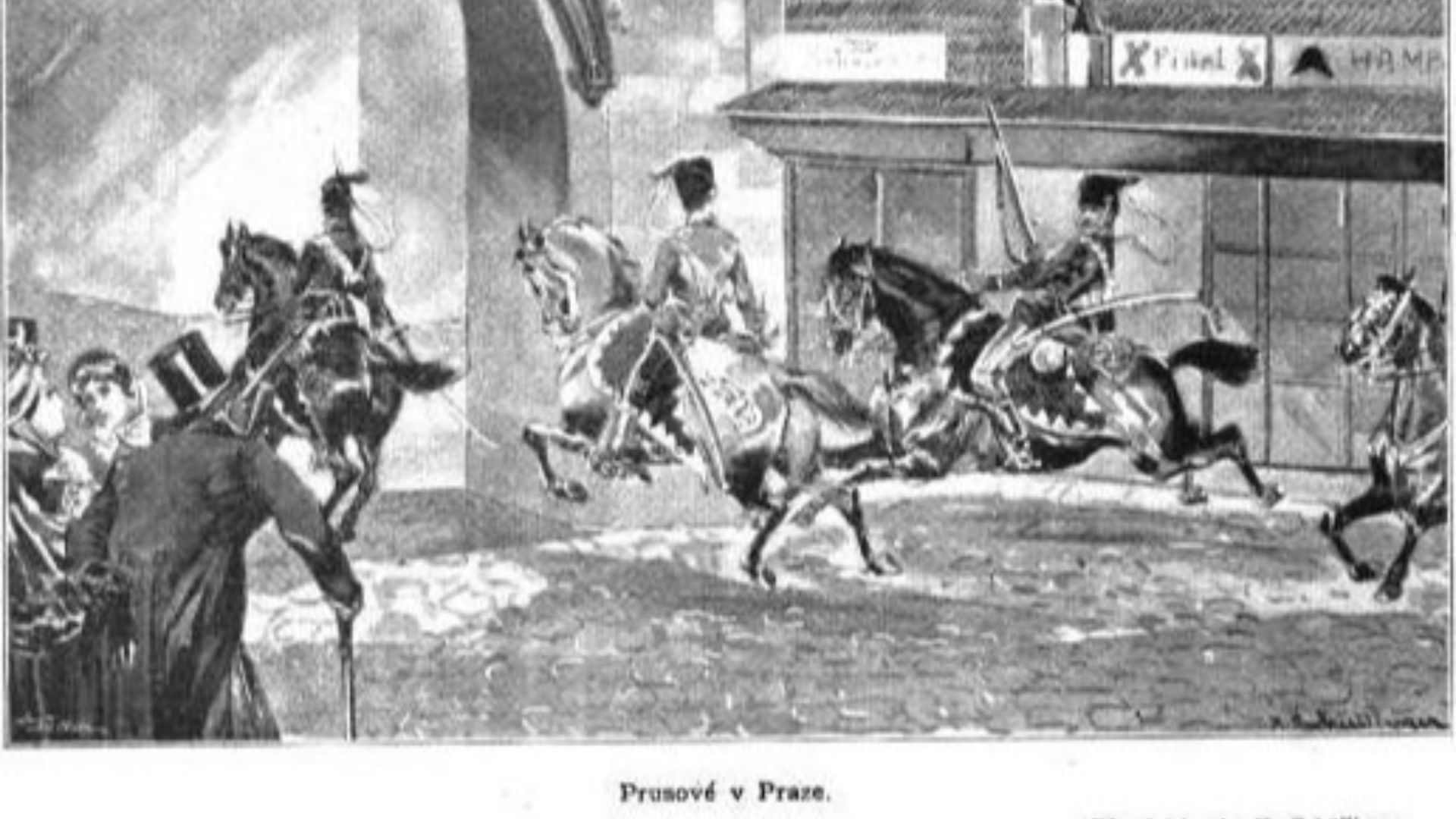 Hugo Schüllinger (1856 – 1919) on Wikimedia
13. Treaty of Le Goulet (1200)
England and France signed the Treaty of Le Goulet to settle disputes involving King John of England and King Philip II of France. The agreement temporarily reduced tensions over land ownership in Normandy and nearby territories. Warfare resumed within only a few years.
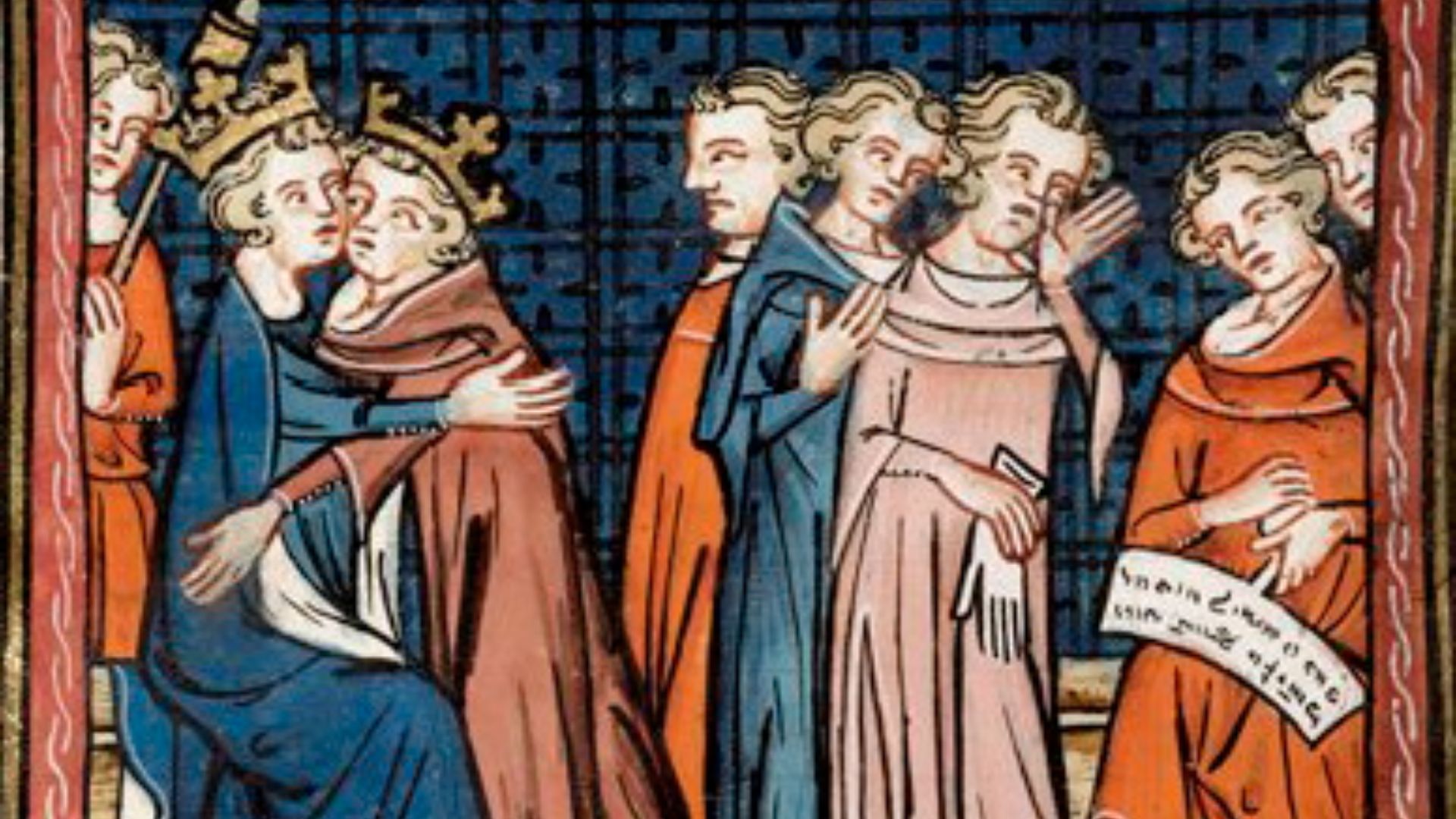 Chroniques de Saint-Denis on Wikimedia
14. Treaty of Bucharest (1913)
The Treaty of Bucharest ended the Second Balkan War among several Balkan states fighting over territory taken from the Ottoman Empire. However, nationalist resentment continued spreading throughout the Balkans afterward.
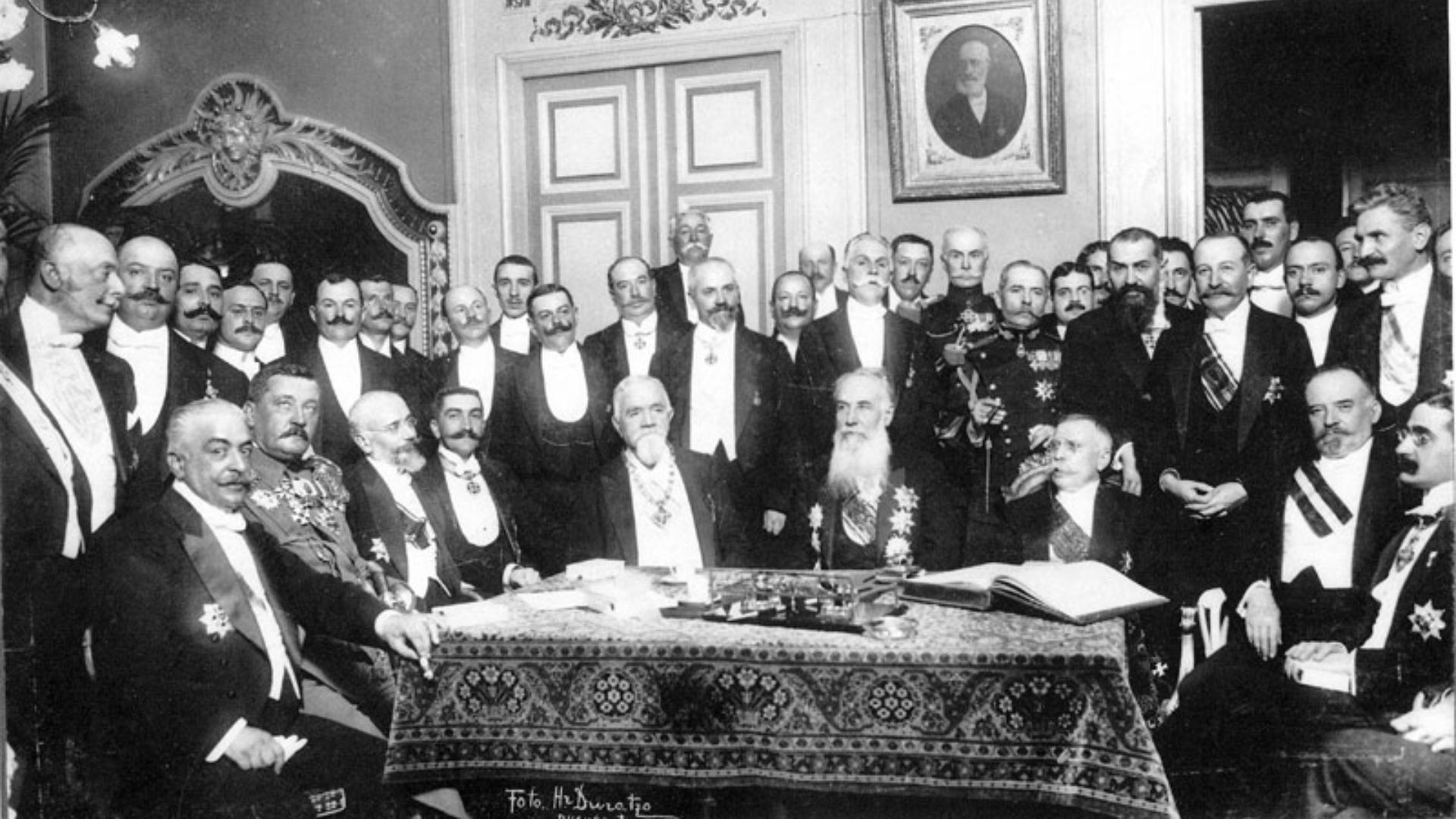 Unknown authorUnknown author on Wikimedia
15. Treaty of Hudaybiyyah (628 CE)
The Treaty of Hudaybiyyah was signed between the Muslim community in Medina and the Quraysh tribe of Mecca. Although some followers initially considered the terms unfavorable, the agreement temporarily reduced conflict and allowed safer travel. Within two years, Mecca came under Muslim control.

16. Treaty of Tilsit (1807)
Napoleon and Tsar Alexander I signed the Treaty of Tilsit after France defeated Russia and Prussia. The agreement temporarily aligned France and Russia while weakening Prussia considerably. By 1812, Napoleon launched his disastrous invasion of Russia, ending any illusion of lasting peace.
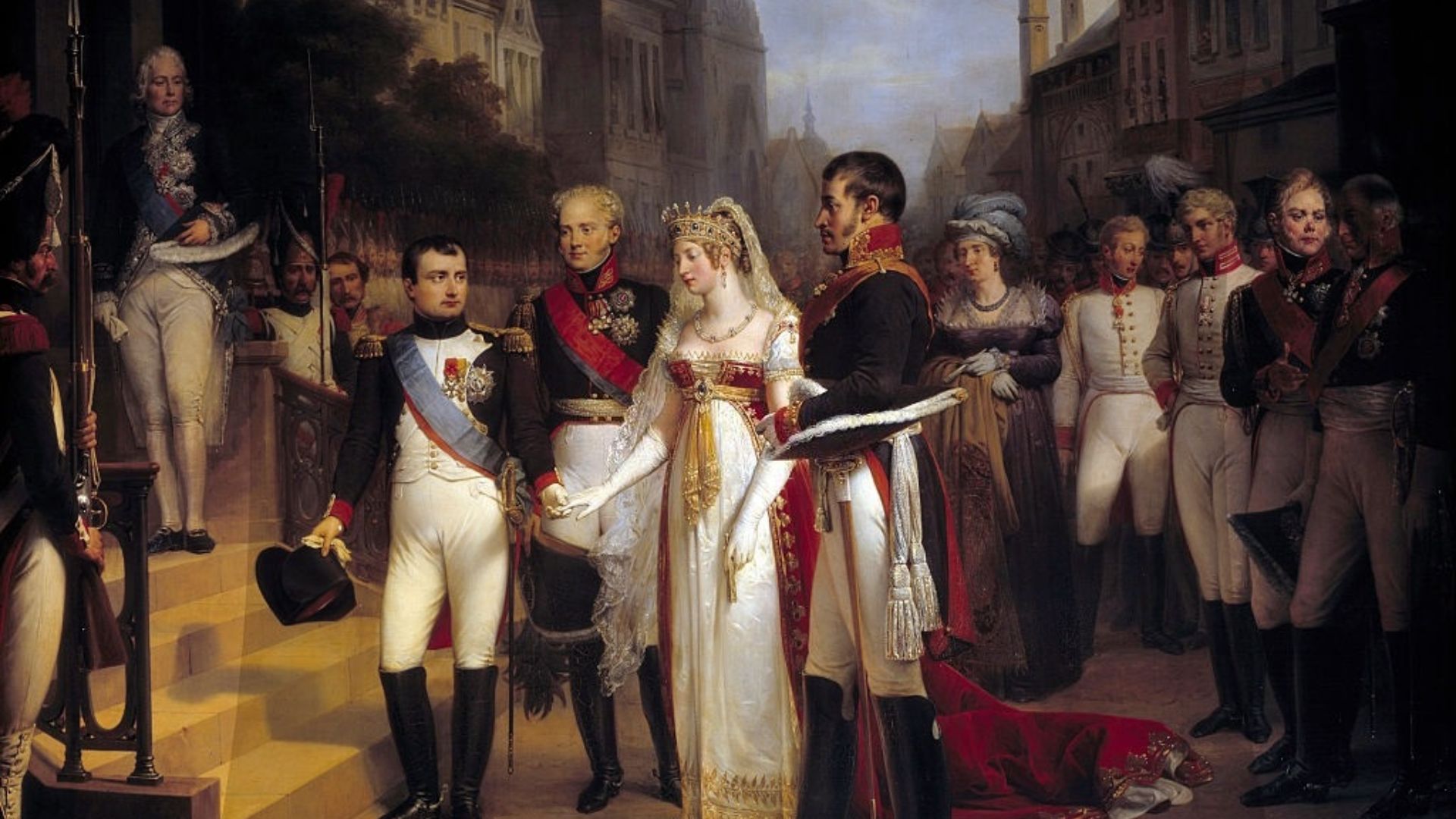
17. Treaty of Campo Formio (1797)
The Treaty of Campo Formio ended the war between France and Austria after Napoleon’s early military victories in Italy. Austria surrendered territory while France gained increasing influence across Europe.
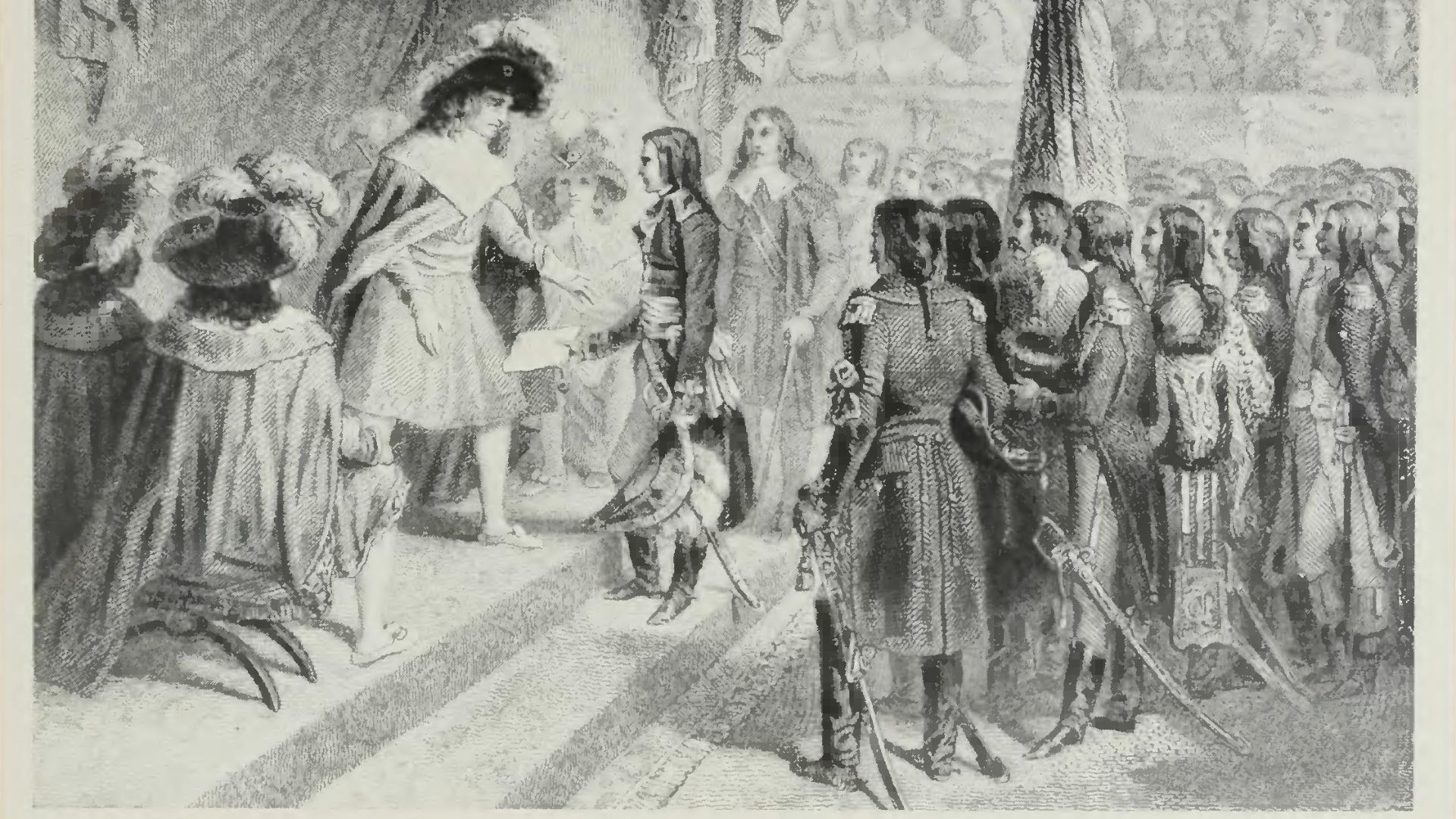
18. Treaty of Nanking (1842)
The Treaty of Nanking ended the First Opium War between Britain and China and forced China to make major concessions. Britain gained Hong Kong while several ports opened to foreign trade. Continued disputes eventually contributed to the Second Opium War in the 1850s
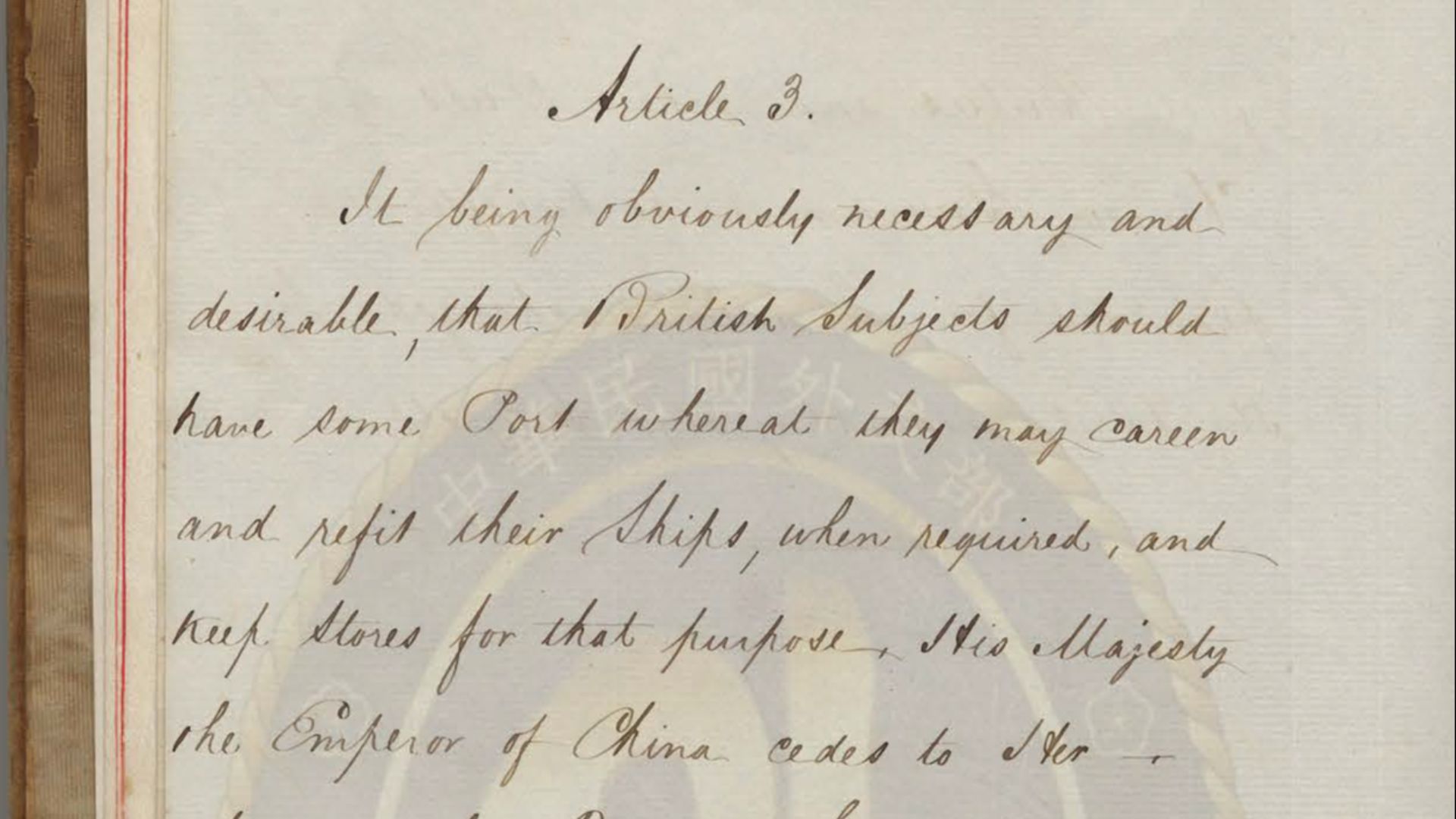 《中英江寧條約(南京條約)》,道光22年07月24日,910000108 號,國立故宮博物院 on Wikimedia
19. Treaty of Schönbrunn (1809)
Austria signed the Treaty of Schönbrunn after another defeat by Napoleon during the War of the Fifth Coalition. The treaty forced Austria to surrender territory and weaken its military position considerably. The hostility toward French dominance never disappeared, and Austria later joined efforts against Napoleon again.
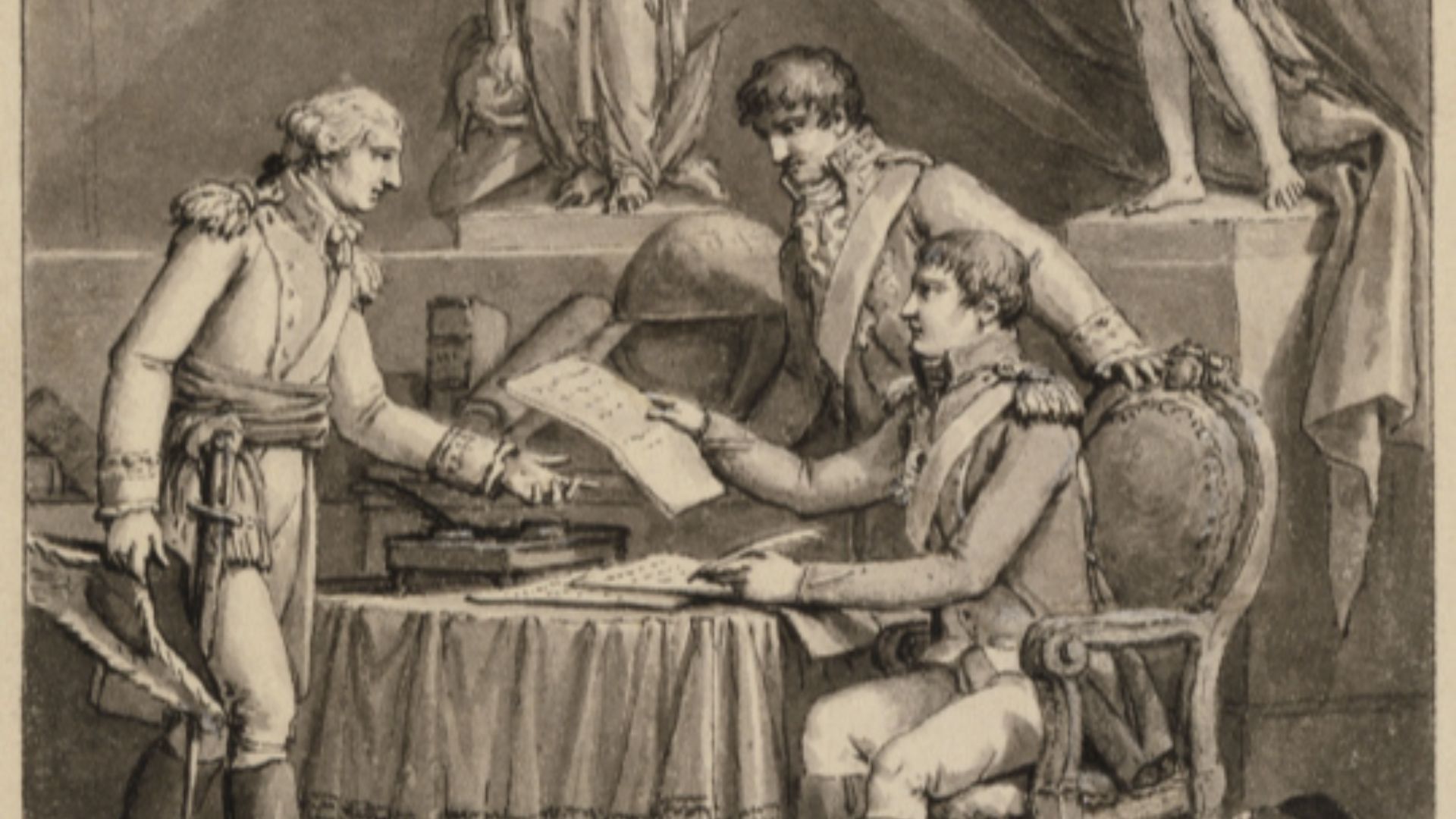
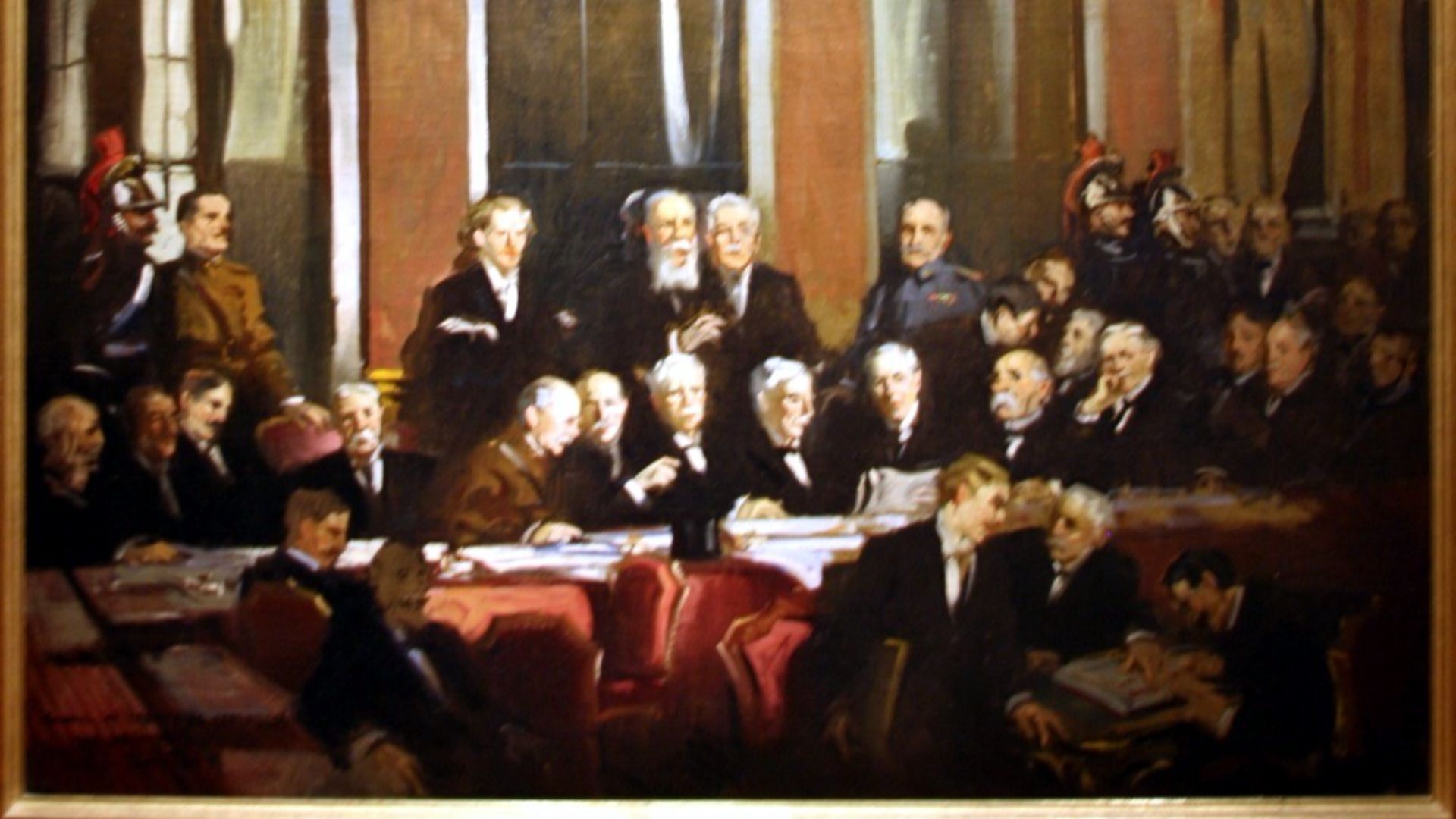
20. Treaty of Versailles (1919)
The Treaty of Versailles formally ended World War I between Germany and the Allied powers. Germany faced harsh financial penalties, territorial losses, and military restrictions that fueled resentment during the following decades. Only twenty years later, Europe was once again at war with the outbreak of World War II.
KEEP ON READING
The 20 Most Recognized Historical Figures Of All Time
The Biggest Names In History. Although the Earth has been…
By Cathy Liu Oct 4, 2024
10 of the Shortest Wars in History & 10 of…
Wars: Longest and Shortest. Throughout history, wars have varied dramatically…
By Emilie Richardson-Dupuis Oct 7, 2024
10 Fascinating Facts About Ancient Greece You Can Appreciate &…
Once Upon A Time Lived Some Ancient Weirdos.... Greece is…
By Megan Wickens Oct 7, 2024
20 Lesser-Known Facts About Christopher Columbus You Don't Learn In…
In 1492, He Sailed The Ocean Blue. Christopher Columbus is…
By Emilie Richardson-Dupuis Oct 9, 2024
20 Historical Landmarks That Have The Craziest Conspiracy Theories
Unsolved Mysteries Of Ancient Places . When there's not enough evidence…
By Megan Wickens Oct 9, 2024
The 20 Craziest Inventions & Discoveries Made During Ancient Times
Crazy Ancient Inventions . While we're busy making big advancements in…
By Cathy Liu Oct 9, 2024