

The So-Called Trouble Makers of the Past
History has a strange habit of turning ordinary acts into an excuse for punishment. It didn’t matter if they were anonymous accusations or something as simple as refusing to move—the laws back then weren’t like ours today, and some of history’s biggest shakers had the book thrown at them. Let’s dive into 20 names who faced their time’s version of justice.
1. Socrates: Corrupting the Youth
Socrates was put on trial in Athens in 399 B.C. for impiety and for allegedly corrupting young people, which is quite a charge for the guy who mostly stood around asking questions. Well, that didn’t matter back then; the jury found him guilty, and he was sentenced to death by drinking hemlock.
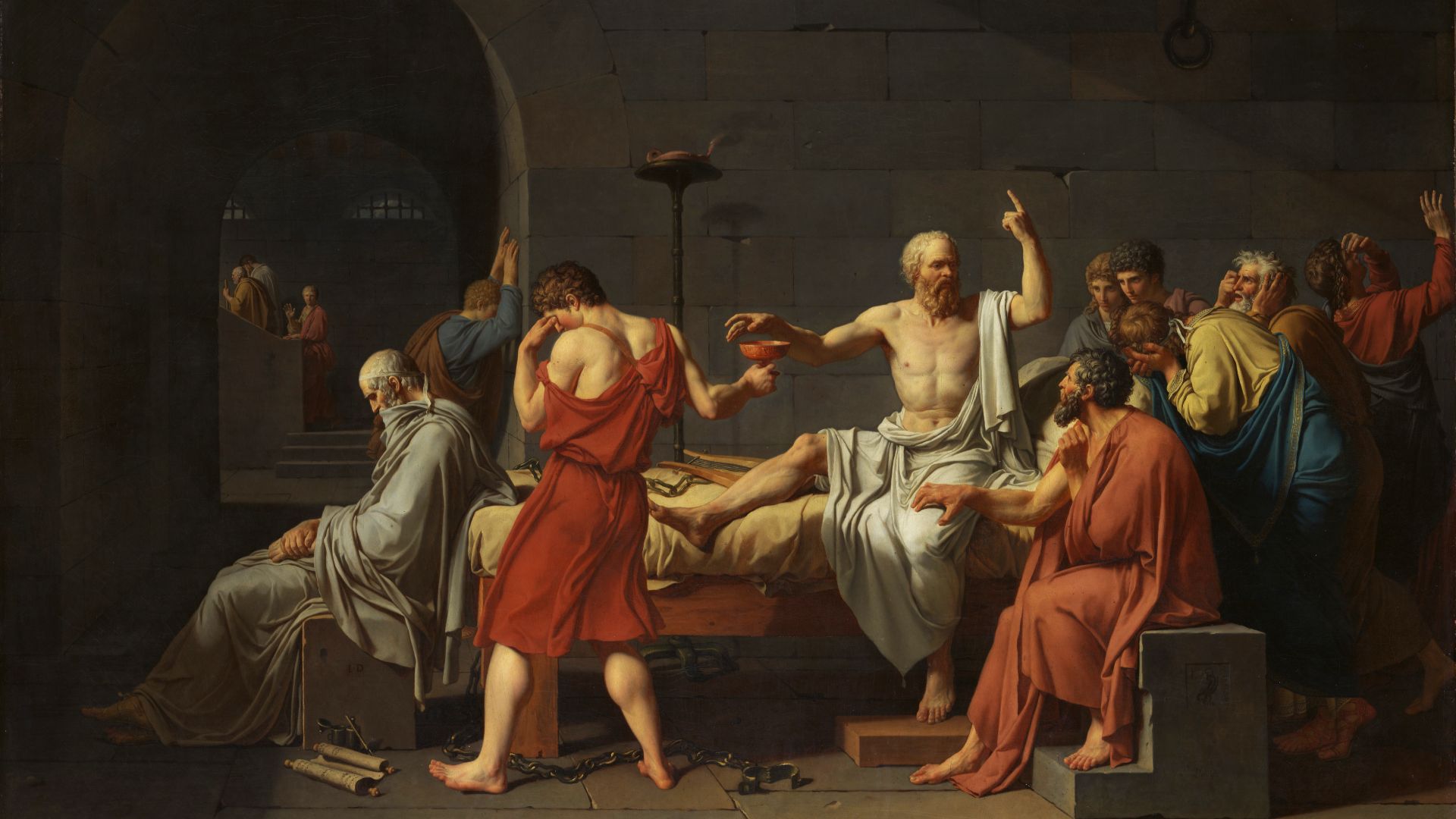 Jacques-Louis David on Wikimedia
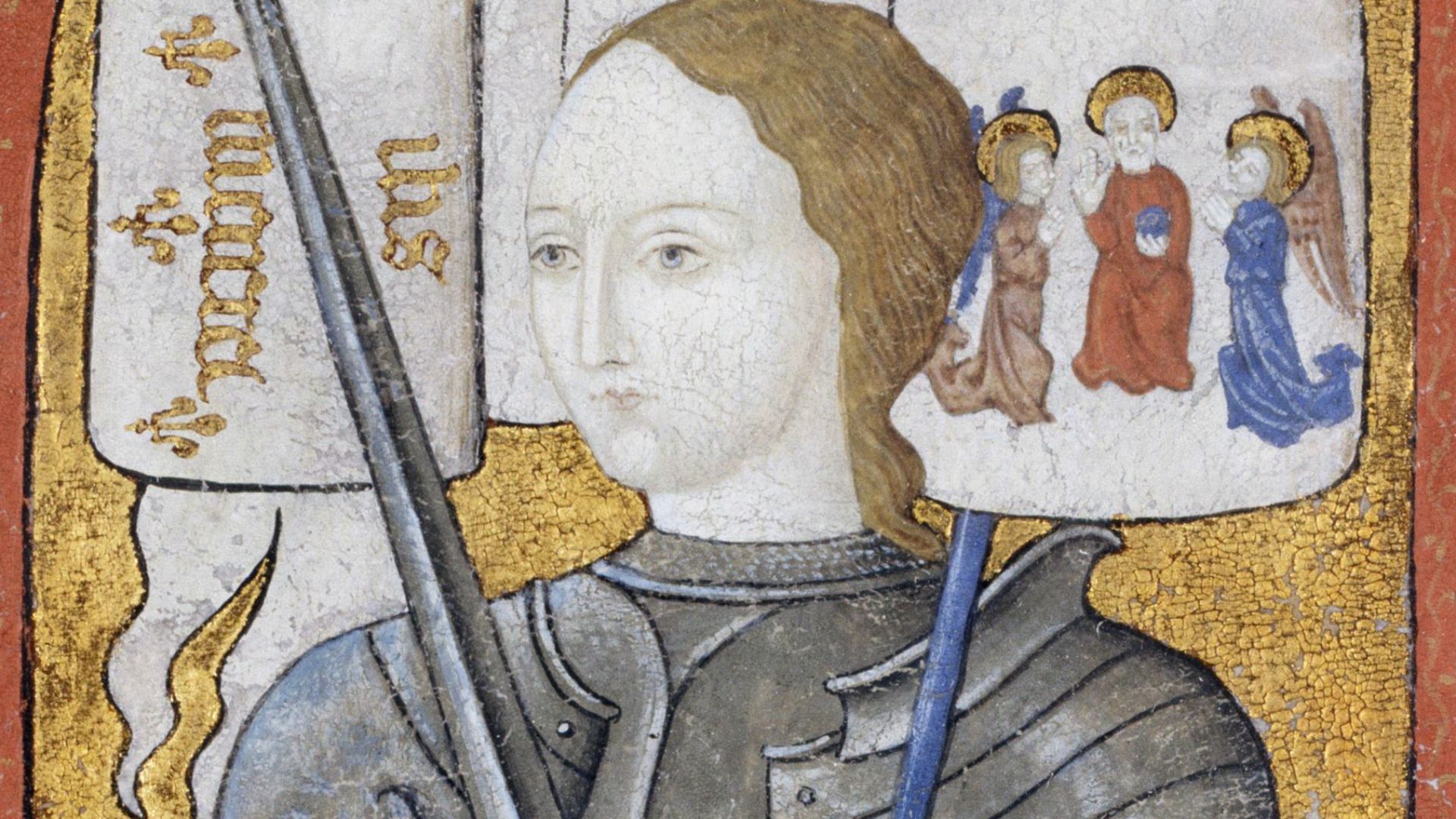
2. Joan of Arc: Wearing Men’s Clothing
Women today love a good pair of slacks, but you were literally susceptible to arrest for doing it in the 1400s. Sure enough, Joan of Arc’s trial piled on religious and political accusations, but the stated legal basis for her execution came down to her resuming men’s clothing after she had agreed not to wear it.
3. Galileo Galilei: Saying Earth Moved
Galileo was tried by the Roman Inquisition in 1633 after defending the idea that Earth moves around the sun. Not exactly radical by today’s standards, but the Church found him “vehemently suspect of heresy,” banned his book, and kept him under house arrest for the rest of his life.
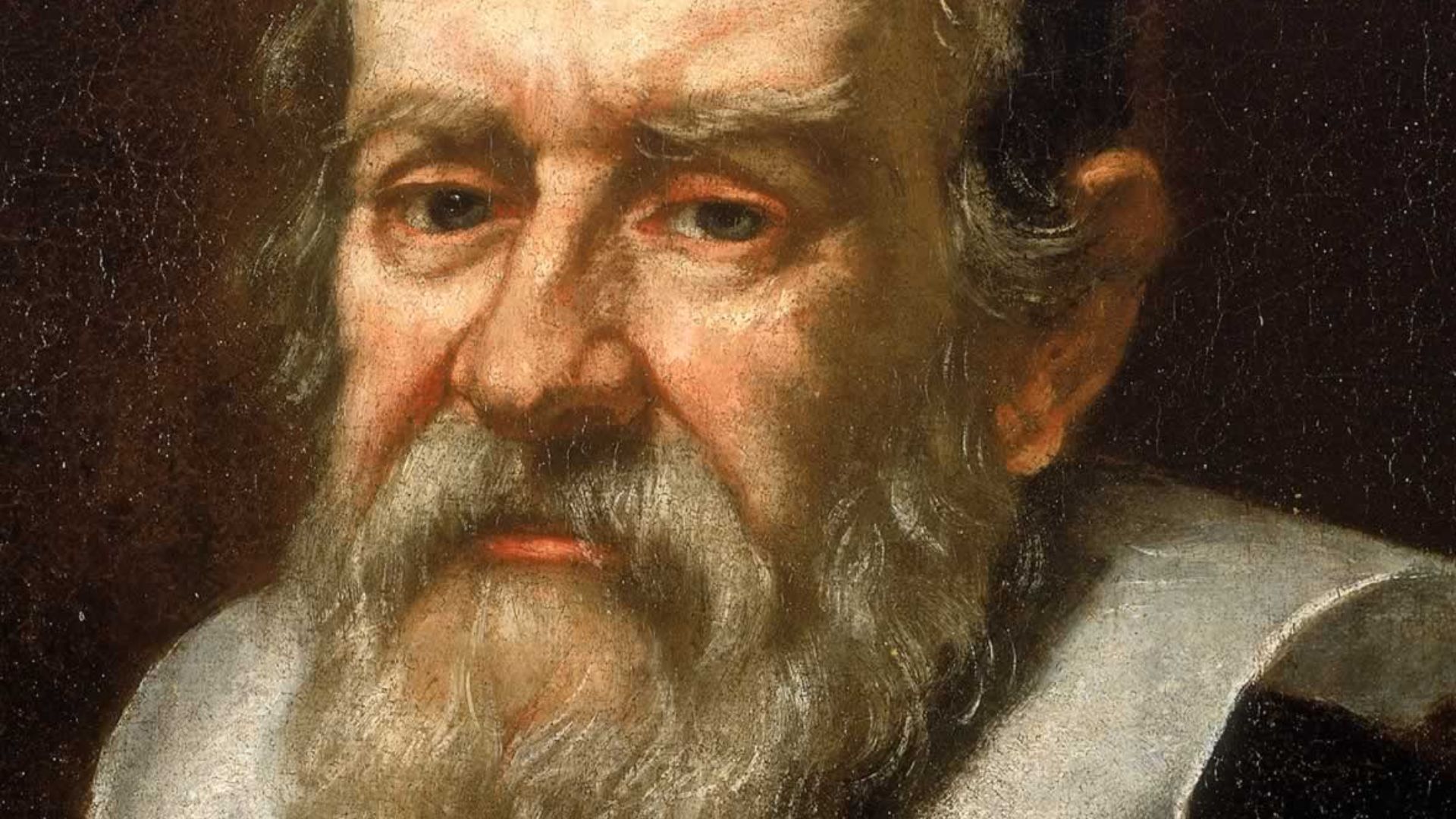 Justus Sustermans on Wikimedia
4. Leonardo da Vinci: An Anonymous Accusation
In 1476, Leonardo da Vinci was accused of sodomy in Florence after an anonymous denunciation named him and three other young men. Nothing really came of it, though; the case was dismissed for lack of corroborating witnesses, even though the accusation could have carried serious punishments in his time.
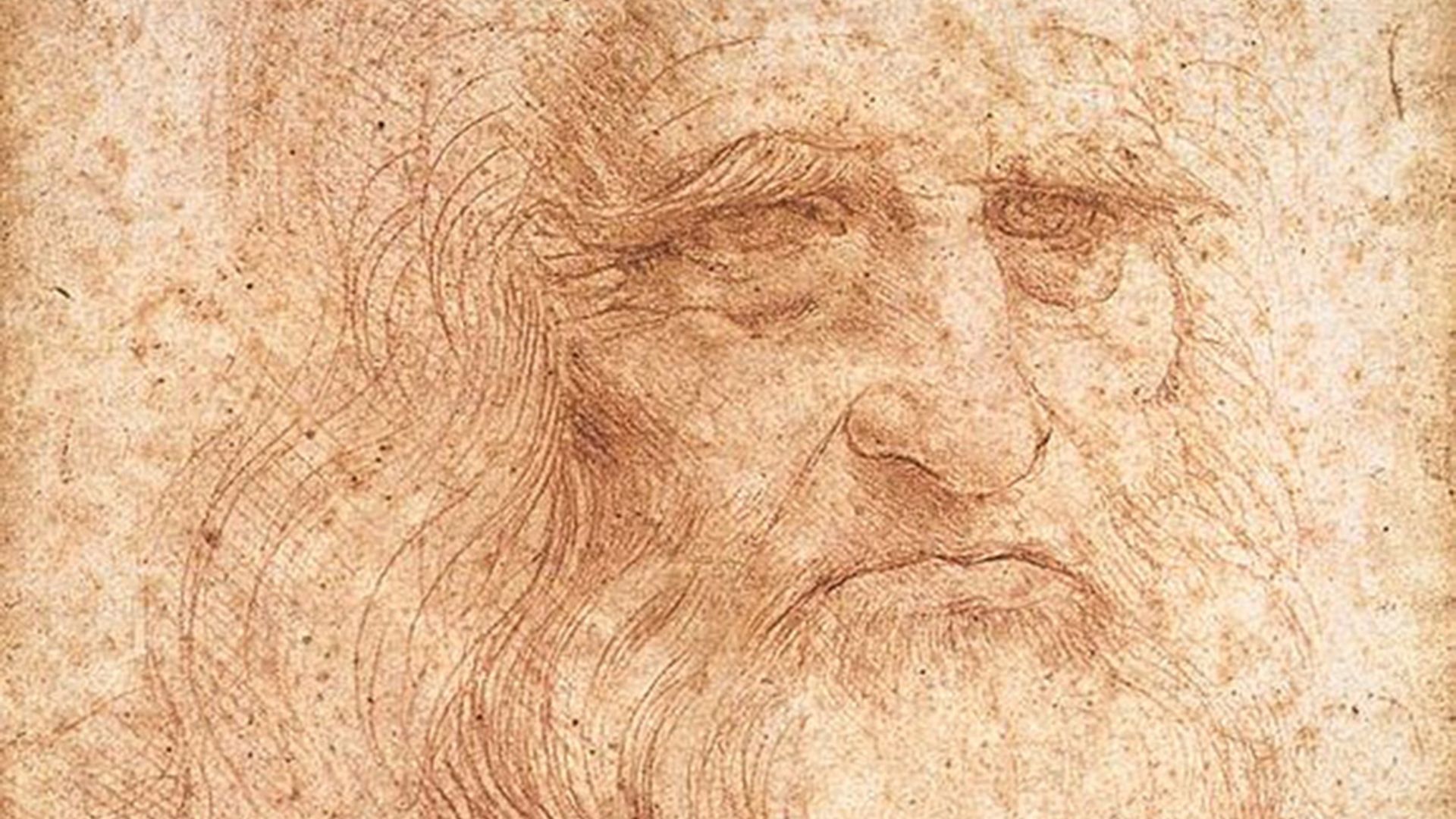 Leonardo da Vinci on Wikimedia
5. Voltaire: Writing Satire Too Sharply
Now, there’s a compliment. Voltaire’s satirical attacks on politics and religion angered the French government so badly that he was actually arrested in 1717. However, though he spent nearly a year in the Bastille, the punishment didn’t quiet him much, and authorities inadvertently created an even more determined Enlightenment celebrity.
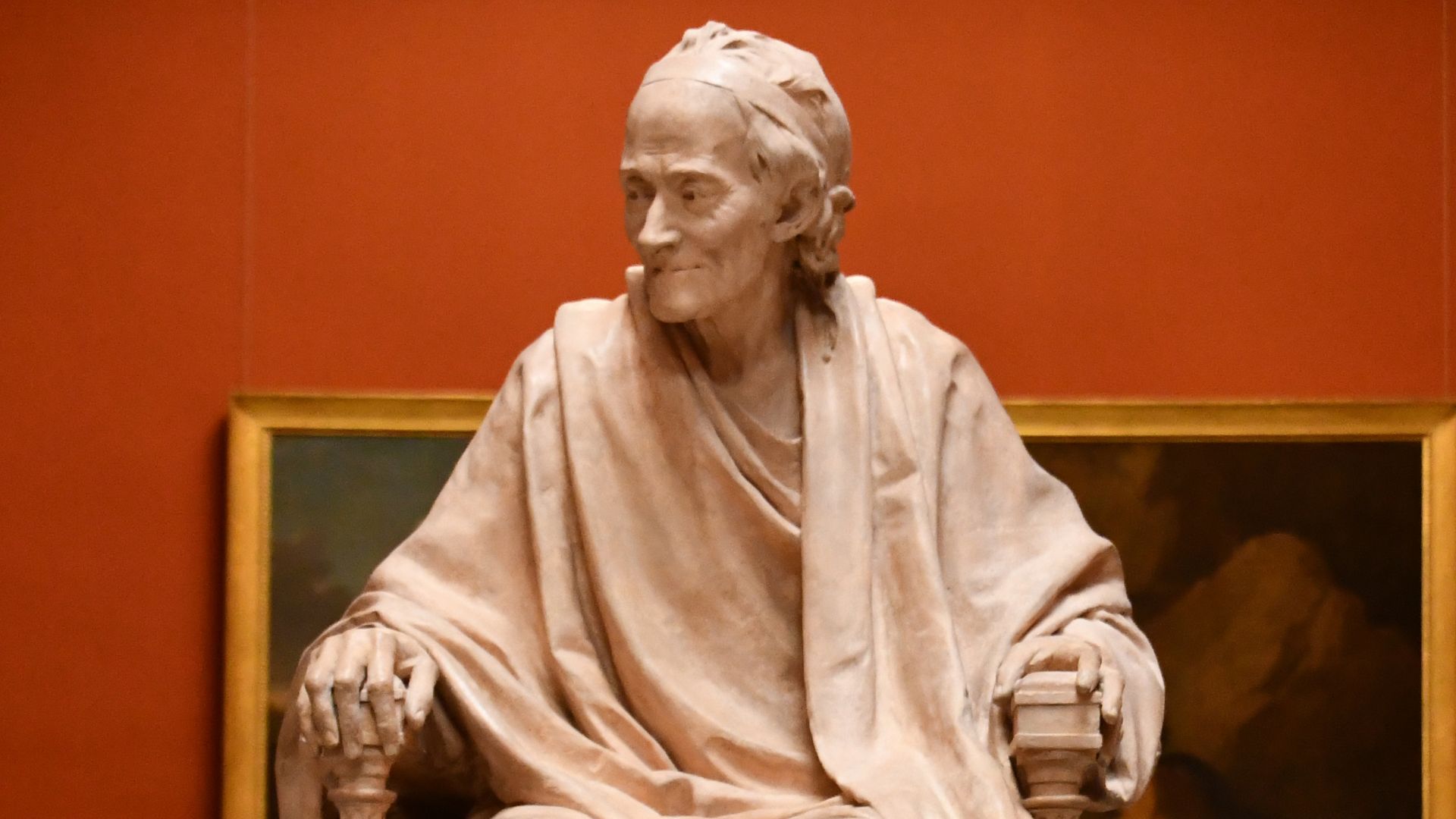
6. Giacomo Casanova: Offending Religion and Decency
You’ve likely heard the name, but have you also heard that Casanova was arrested in Venice in 1755? The official charge was for “affront to religion and common decency,” a wonderfully broad charge that sentenced him to five years in the Doge’s Palace prison without a normal trial or a clear explanation of the evidence. (Not to worry; he escaped across the rooftops and made the arrest part of his legend.)
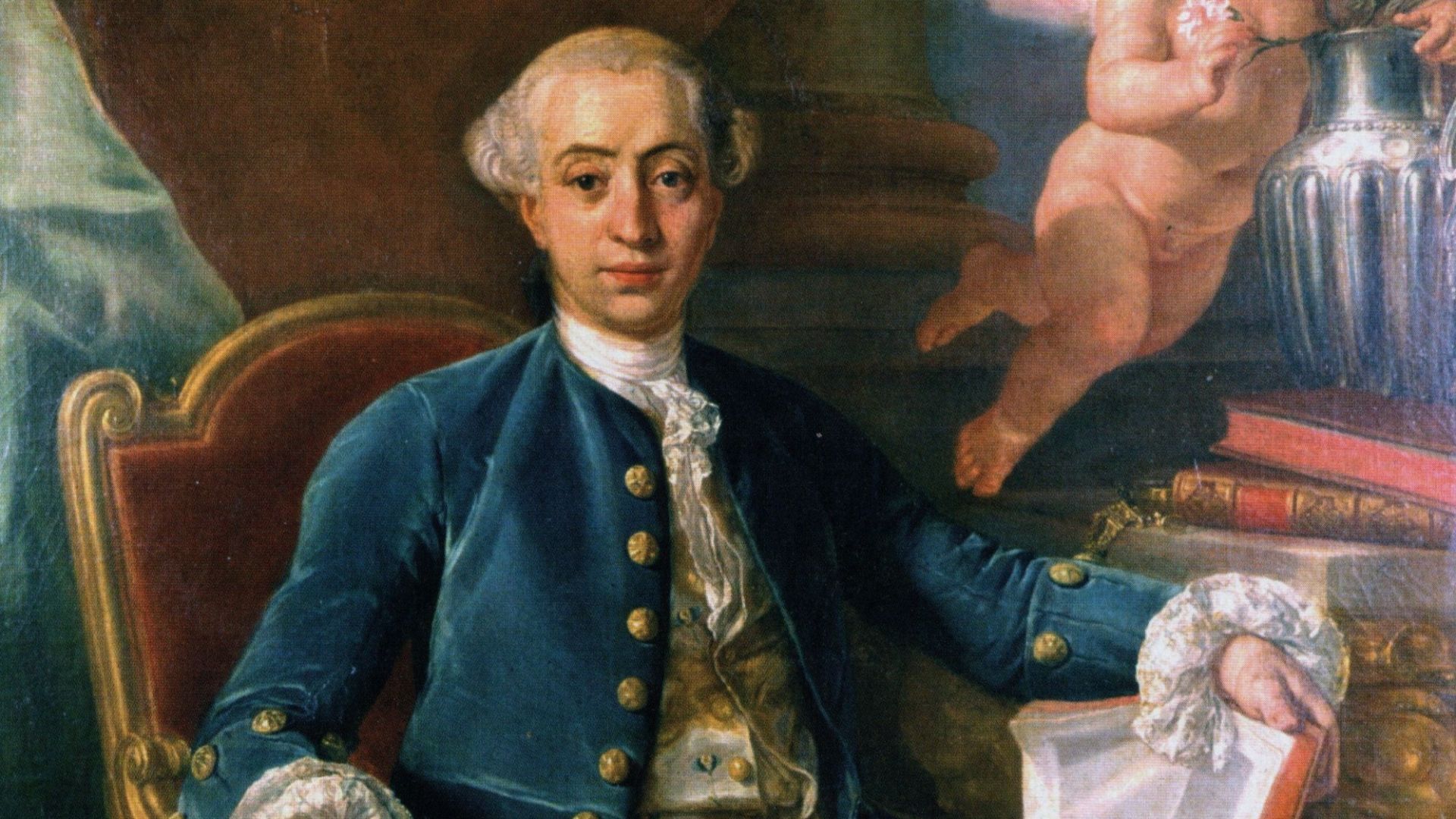 Attributed to Francesco Narici on Wikimedia
7. Marquis de Sade: Debauchery and Poisoning Claims
The Marquis de Sade was arrested repeatedly, and to be fair to the 1800s, for crimes that would also warrant an arrest today—mainly accusations involving sexual abuse and poisoning. He was also arrested for a rather insane and highly blasphemous night with a hired woman, Jeanne Testard. Some charges were overturned or reduced, but his behavior and writings kept pulling him back into prisons and asylums.
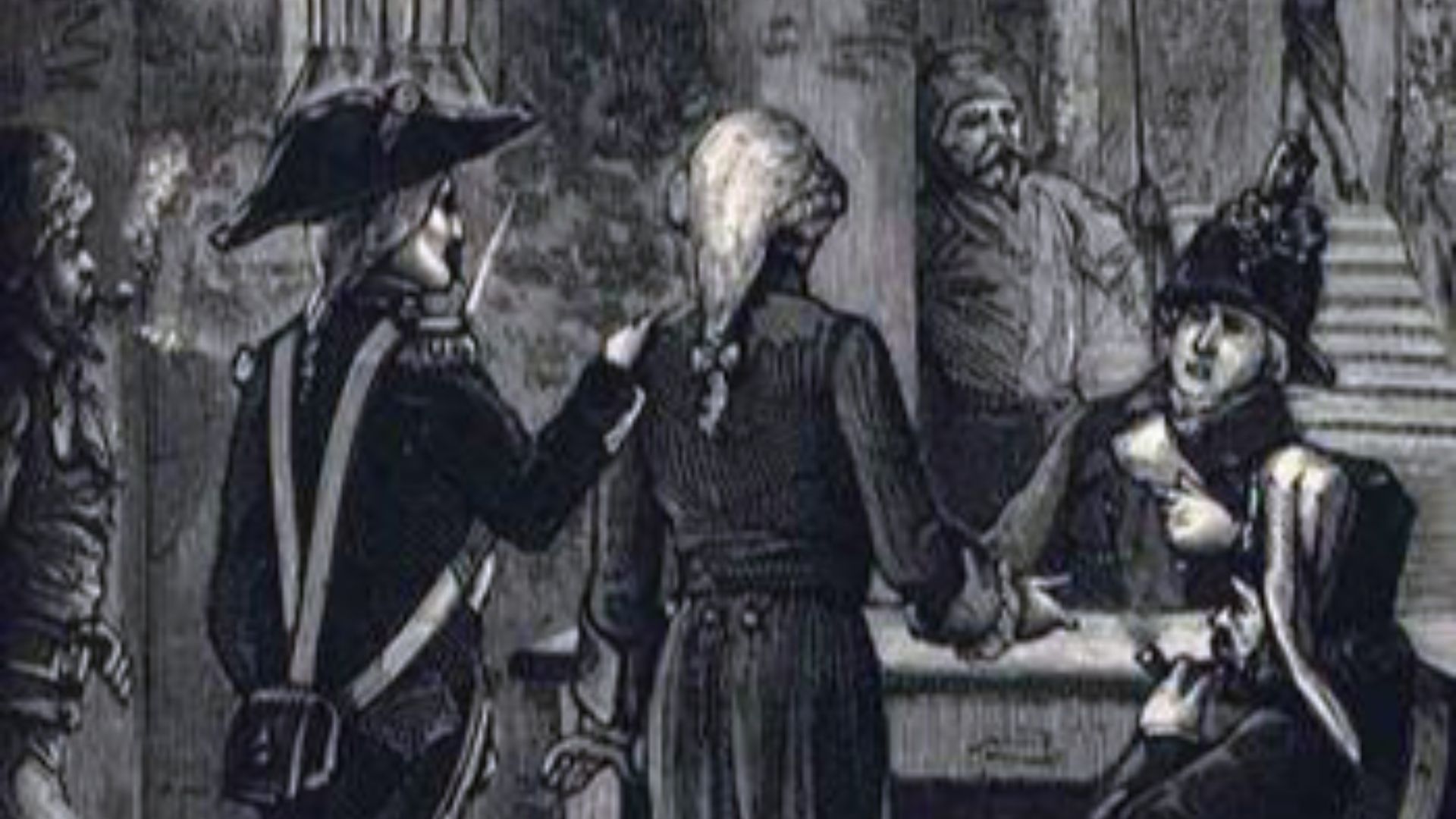
8. Daniel Defoe: Seditious Libel by Satire
Daniel Defoe, long before Robinson Crusoe became a classroom staple, was punished for seditious libel after publishing The Shortest Way with the Dissenters. Long story short, the pamphlet was satirical, but authorities didn’t appreciate it, and he was put in the pillory in 1703.
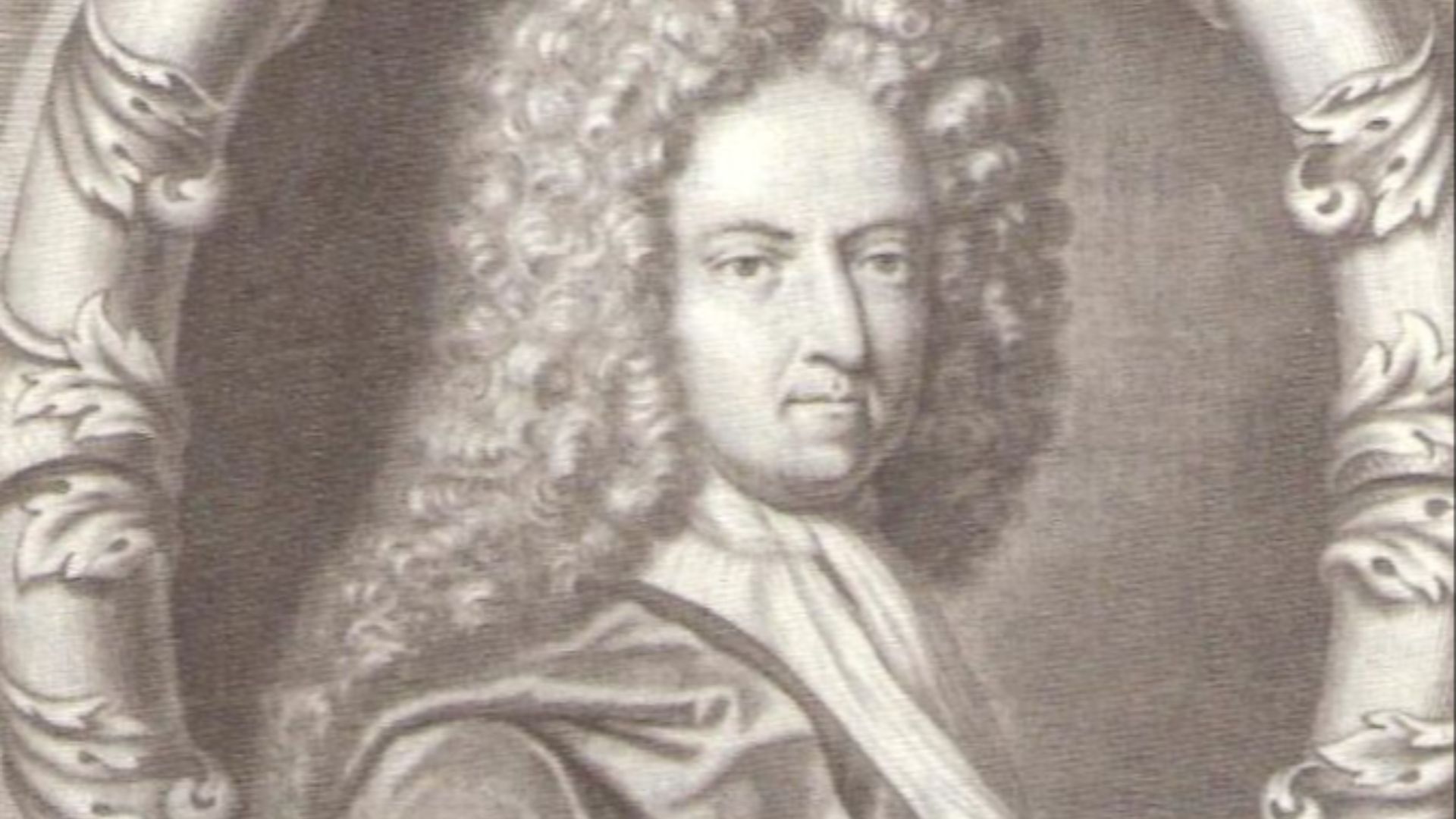 Michael Van der Gucht on Wikimedia
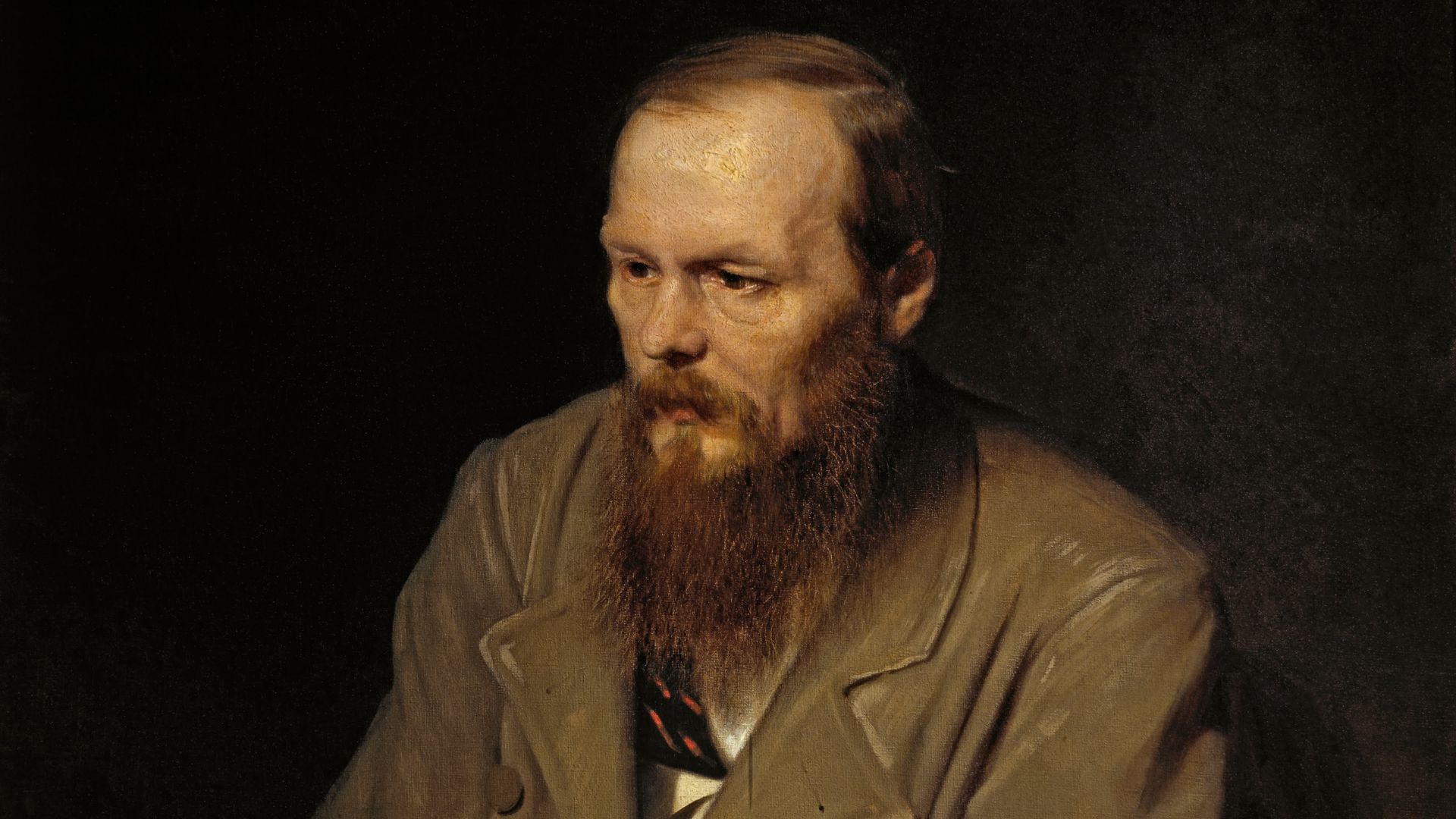
9. Fyodor Dostoevsky: Joining a Dangerous Reading Circle
It’s not really a surprise that guys like Fyodor Dostoevsky rattled cages, and in 1849, he was arrested for involvement with the Petrashevsky Circle, a group that discussed utopian socialism and reform. He was imprisoned, sentenced to death, and subjected to a staged execution before being sent to Siberia.
10. Ben Jonson: Killing an Actor in a Duel
Duels were absolutely a thing back then, and people took them seriously. Just ask playwright Ben Jonson, who was arrested after ending actor Gabriel Spencer’s life in a 1598 duel at Shoreditch. He avoided hanging by pleading the benefit of clergy, but he was still branded on the thumb and forfeited property.
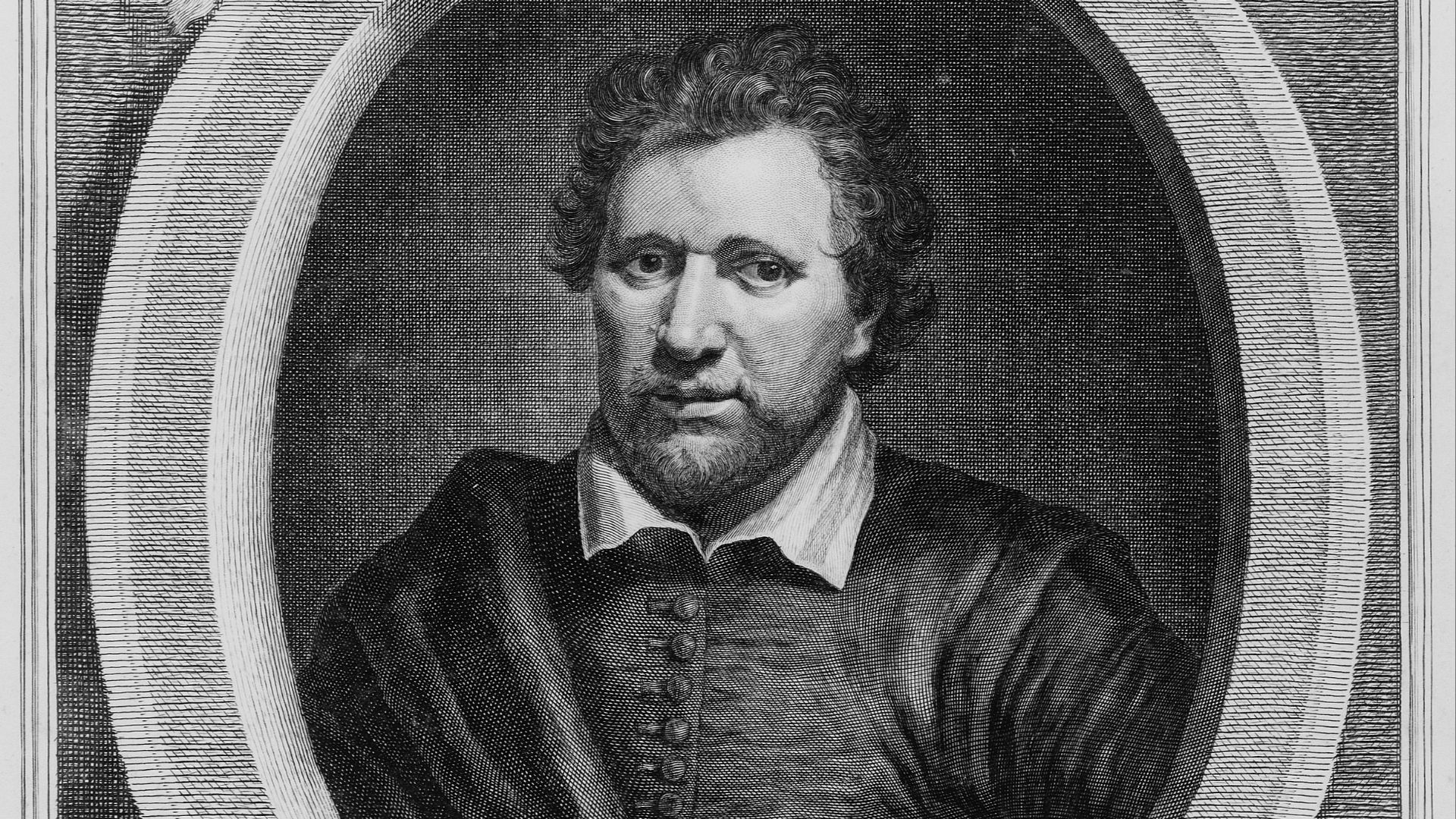 George Vertue / After Gerard van Honthorst on Wikimedia
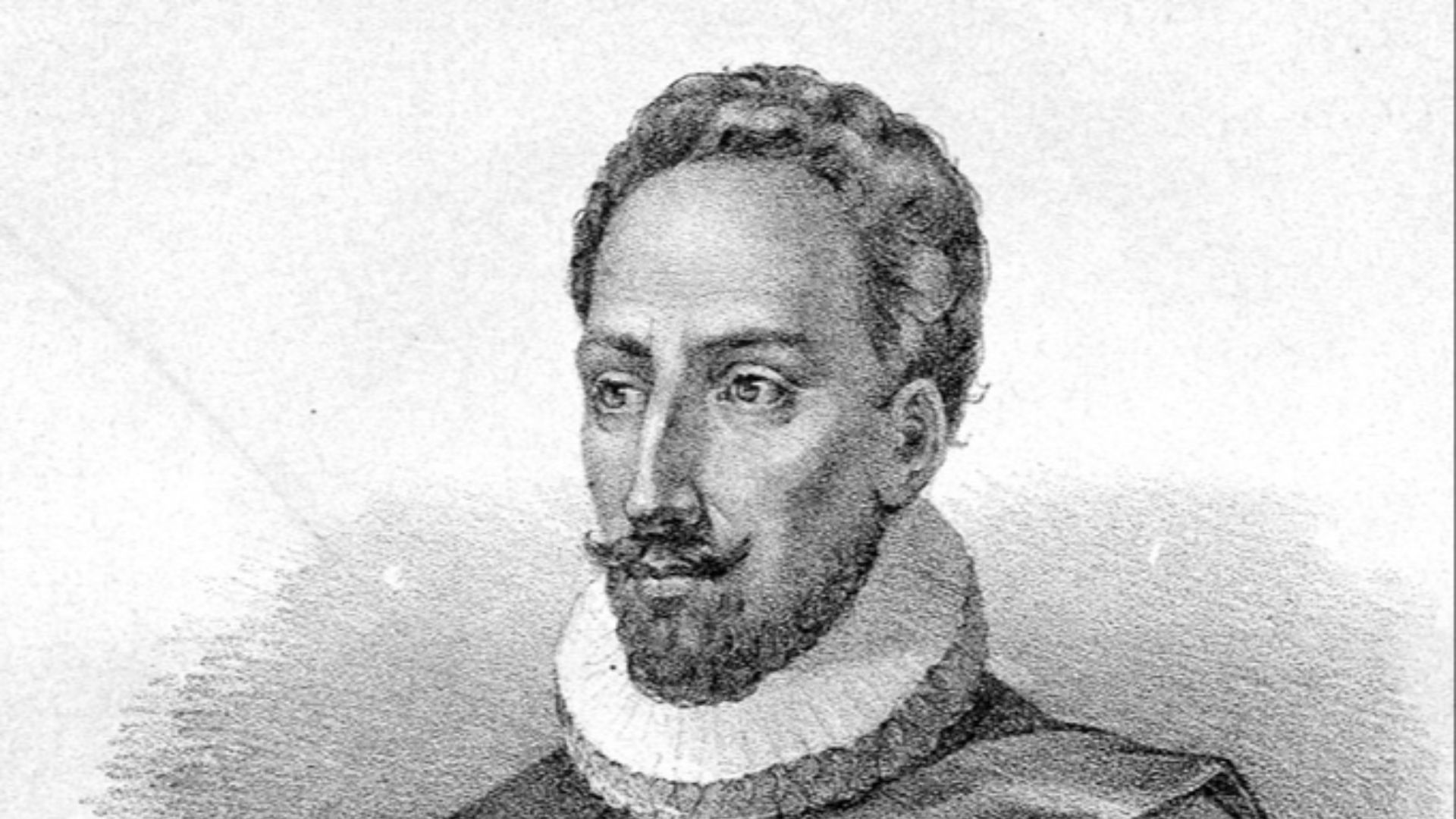
11. Miguel de Cervantes: Tax Collector Trouble
Miguel de Cervantes worked as a tax collector before Don Quixote made him immortal, and it was those discrepancies in his accounts that landed him in the Crown Jail of Seville in 1597. The charge involved government money and accounting problems, which were almost bound to happen when your life was tangled in bureaucracy.
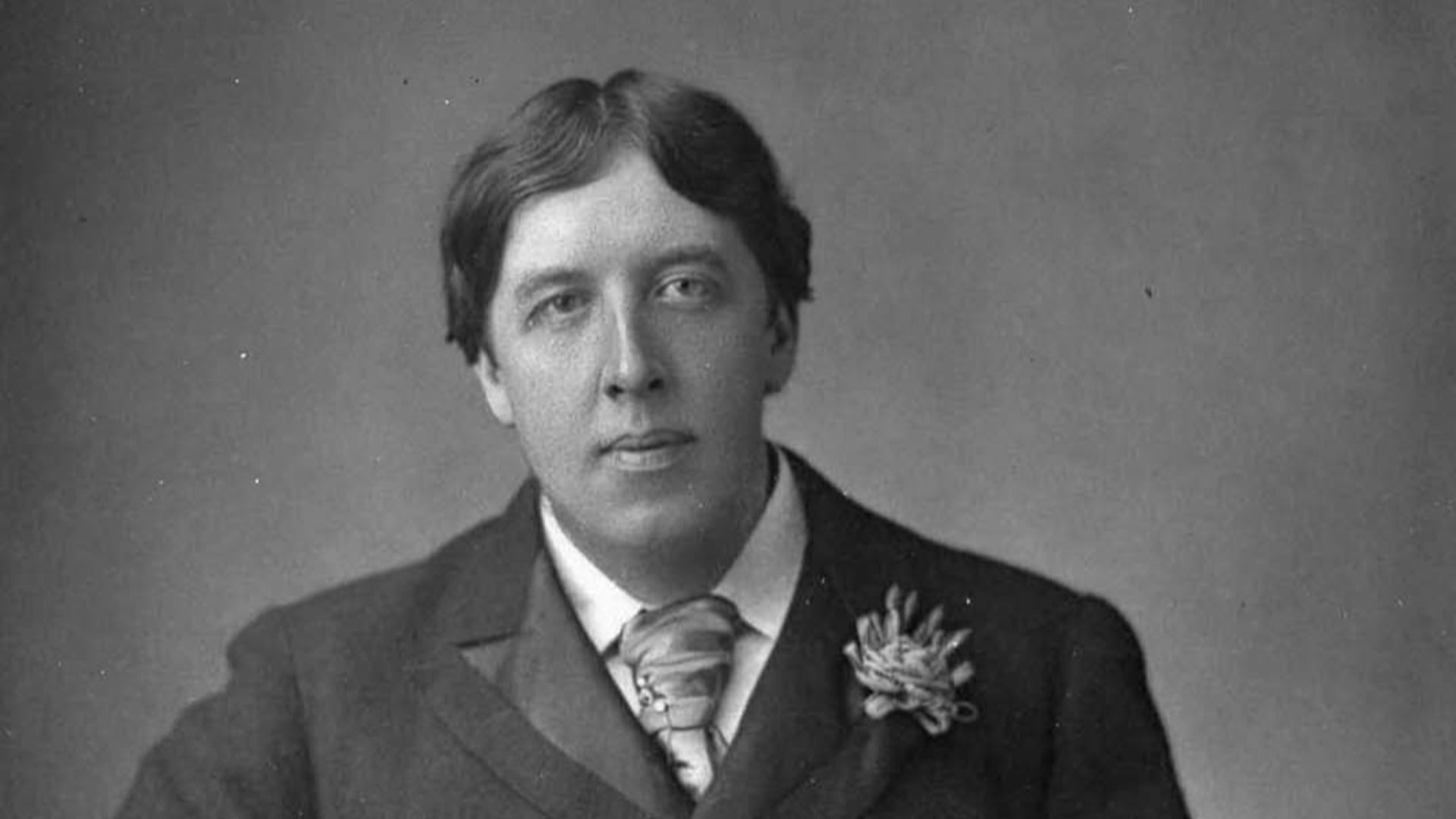
12. Oscar Wilde: Gross Indecency
Oscar Wilde was arrested in 1895 and charged with acts of gross indecency with another young male. Though he could’ve fled the country, he chose to stay behind and stand trial—where he was convicted and sentenced to the maximum penalty at the time: two years of hard labor.
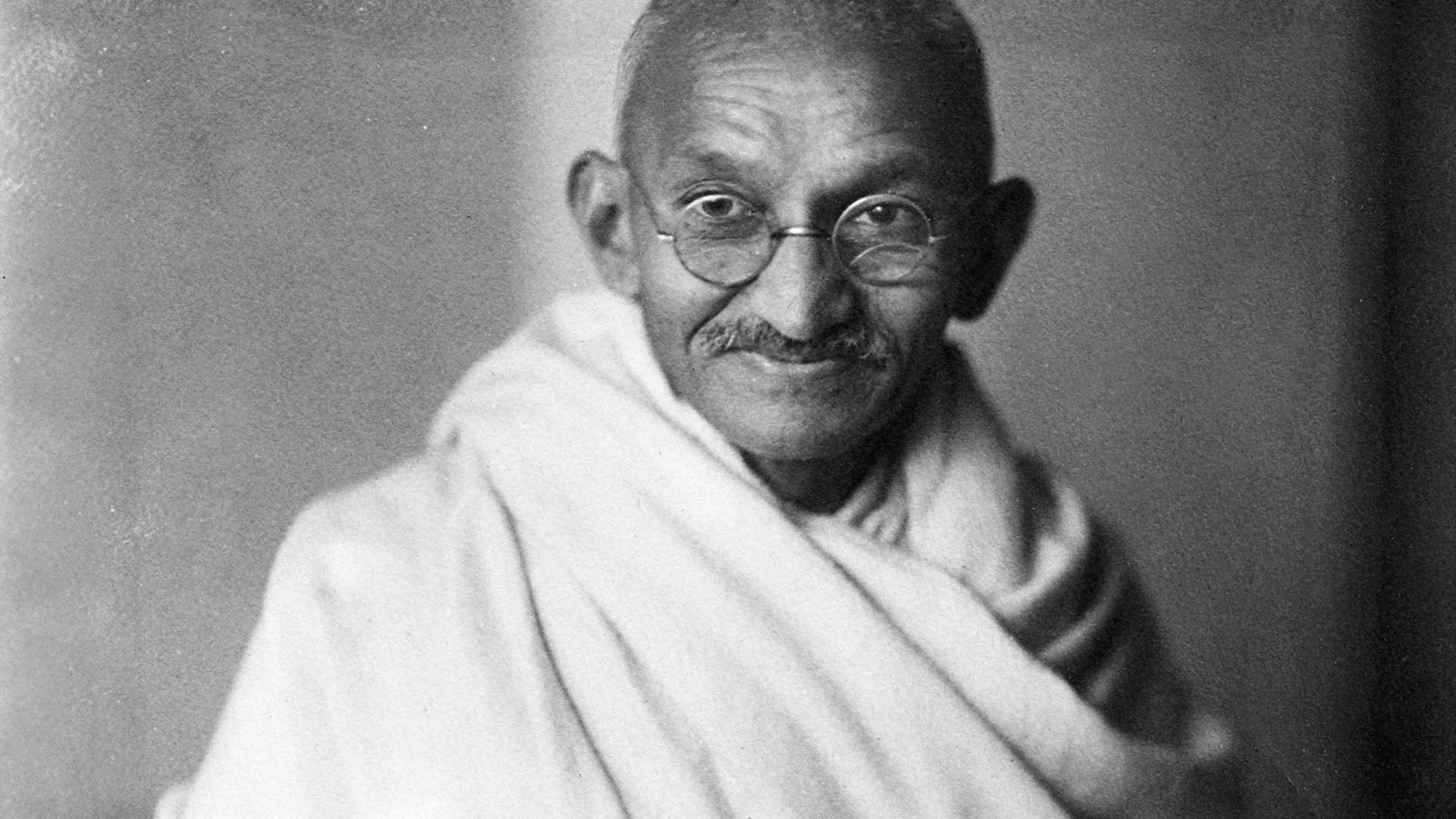
13. Mahatma Gandhi: Sedition Through Writing
Gandhi was arrested and tried for sedition in 1922 over writings in Young India. British authorities said they stirred disaffection against the government, and so, Gandhi pleaded guilty—not because he accepted justice, but because he openly took responsibility for resisting colonial rule.
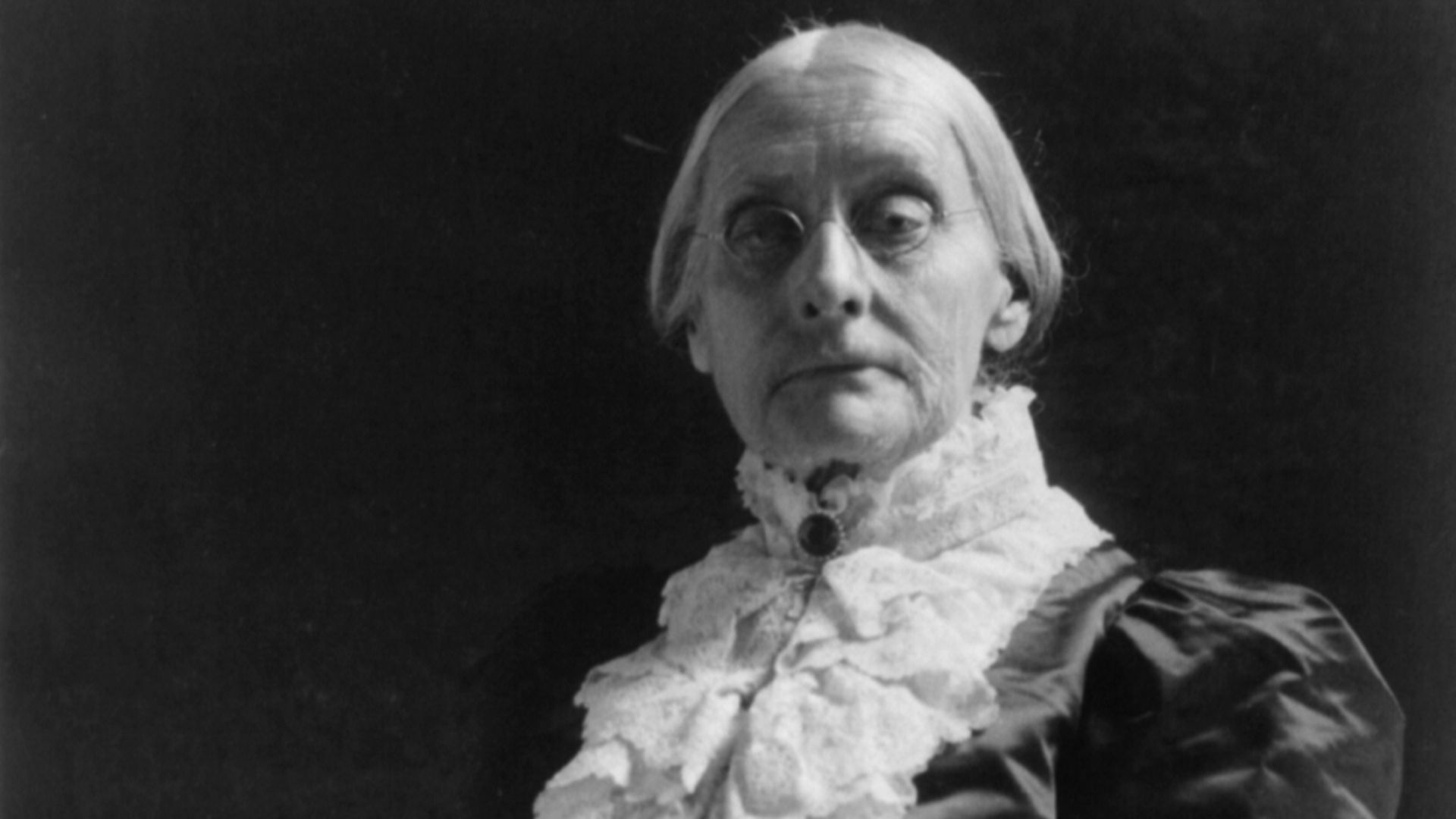
14. Susan B. Anthony: Voting While Female
Susan B. Anthony went through a lot just to make a point, and no one could blame her. In 1872, she was arrested, indicted, tried, and convicted in the presidential election in Rochester, New York. Her “crime”? Voting illegally at a time when women were denied the ballot in federal elections.
 Frances Benjamin Johnston on Wikimedia
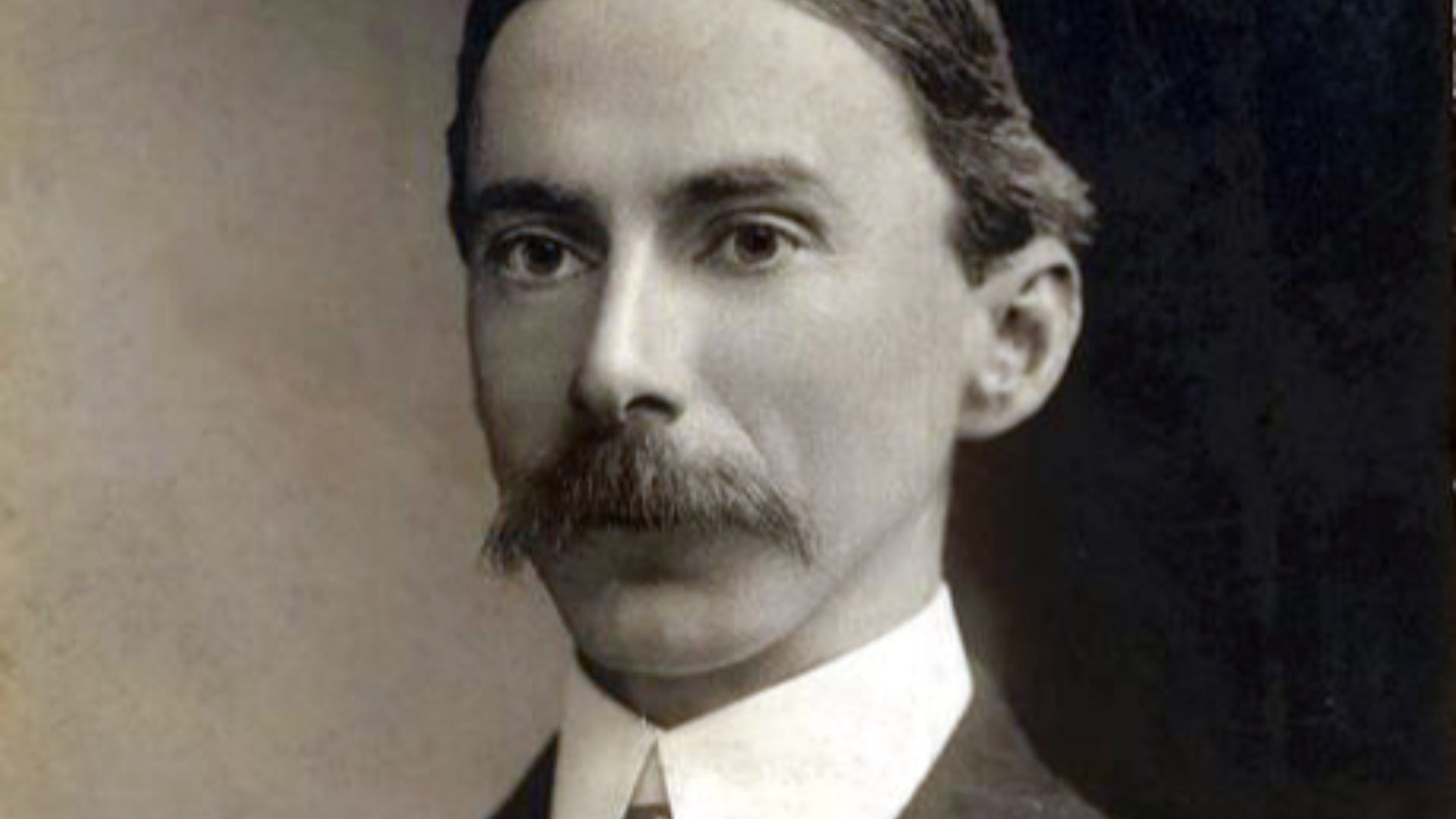
15. Bertrand Russell: Pacifism During Wartime
Bertrand Russell was imprisoned in Brixton Prison in 1918 because of his anti-war activism during WWI. His so-called crime was tied to his public opposition to World War I, especially an article suggesting American soldiers might be used to break strikes in Britain. He was convicted under wartime laws, sent to Brixton Prison, and served about six months. After it was all over, he remained a prominent pacifist, writer, and critic of state power.
16. Alice Paul: Obstructing Traffic Outside the White House
Alice Paul wasn’t going to let the law tell her and other suffragists what they could and could not do. During their protests, they were eventually arrested while picketing outside the White House for women’s voting rights. The official charge was often “obstructing traffic,” even though many of them were simply standing around with banners.
 Unknown authorUnknown author on Wikimedia
17. Rosa Parks: Refusing to Give Up a Bus Seat
On December 1, 1955, Rosa Parks was arrested for violating Alabama’s barbaric bus segregation law—refusing to give up her seat to a white passenger. Despite the uproar, her arrest sparked the Montgomery Bus Boycott, one of the defining campaigns of the Civil Rights Movement.
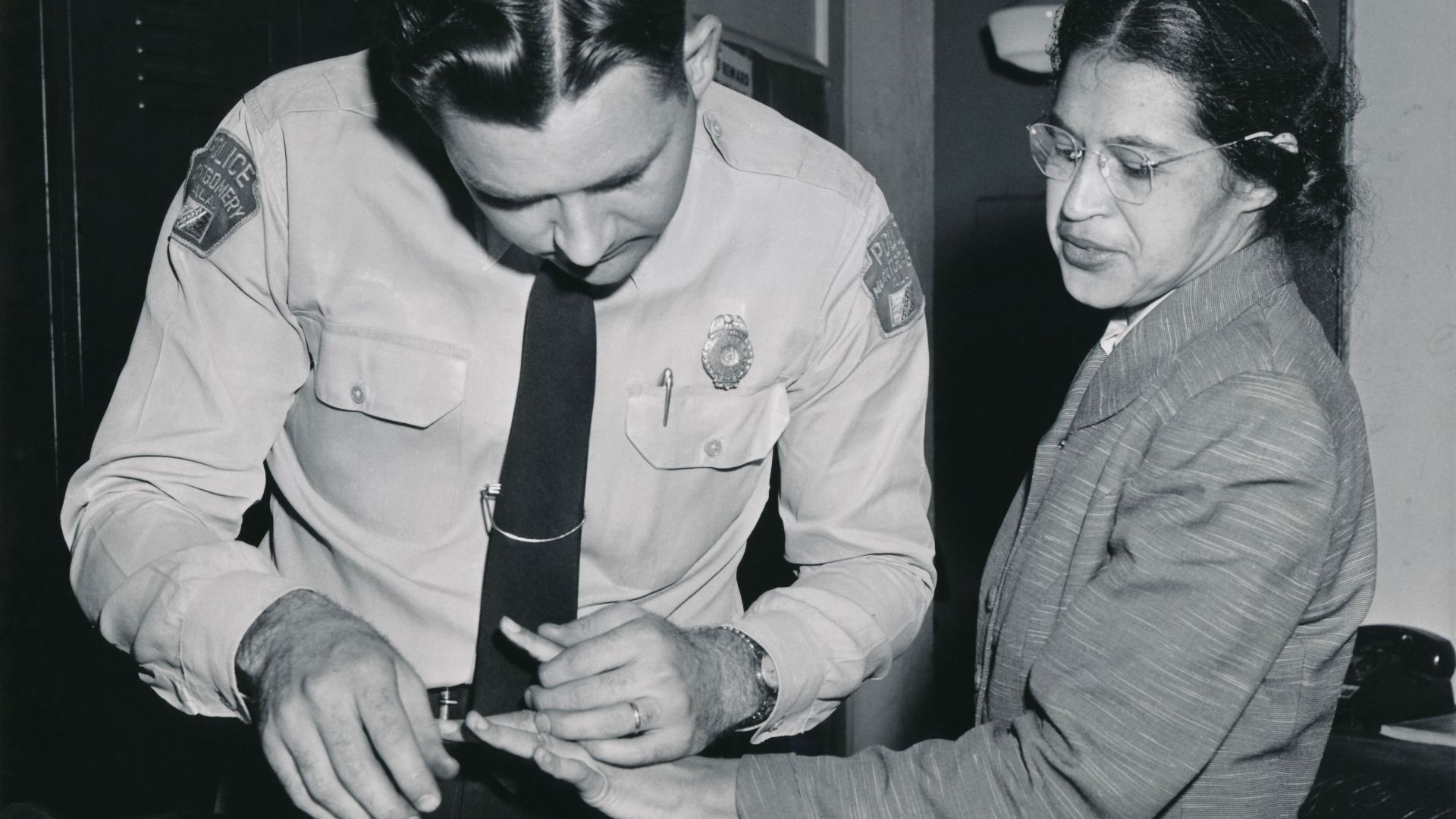 Gene Herrick for the Associated Press; restored by Adam Cuerden on Wikimedia
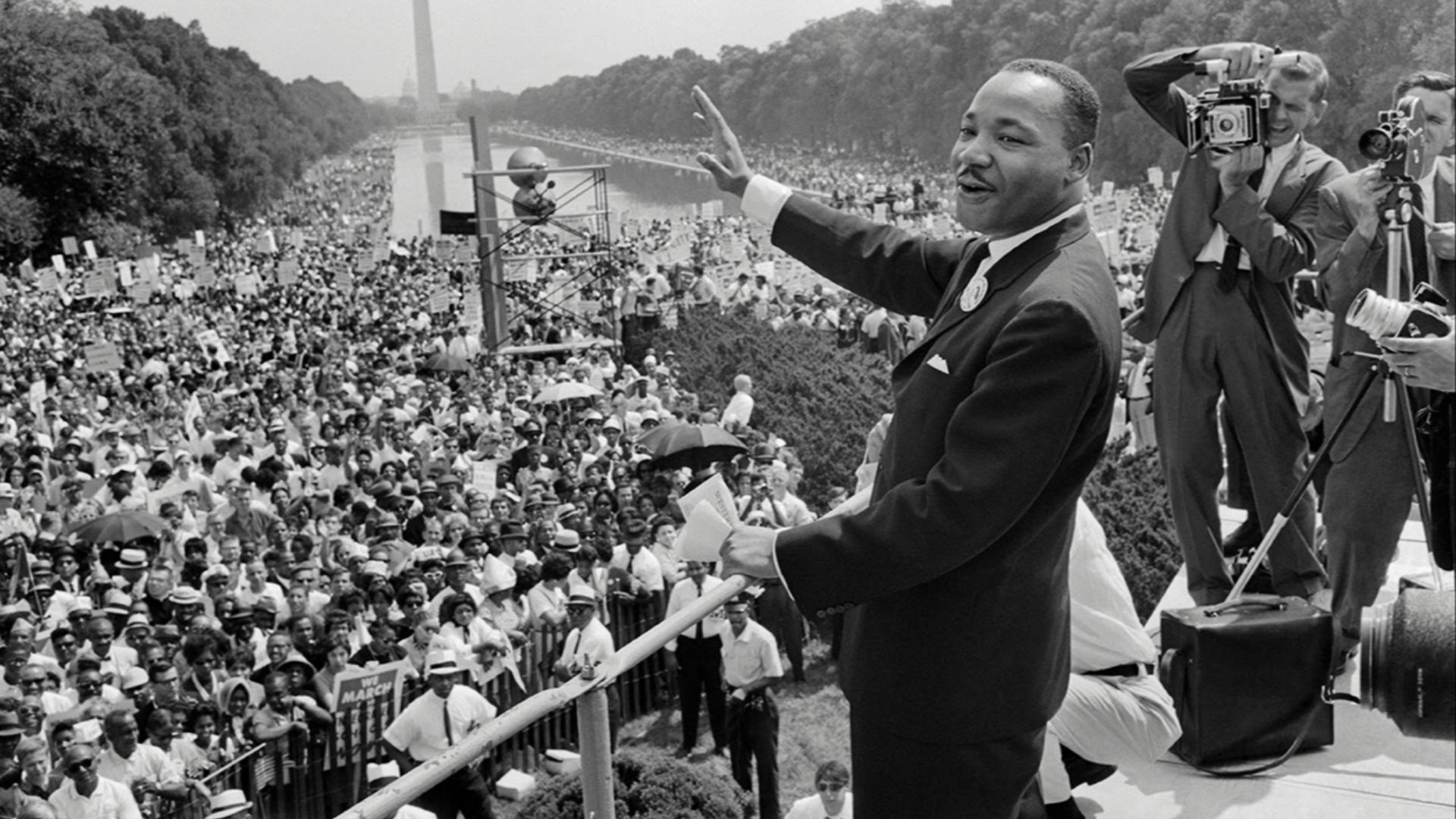
18. Martin Luther King Jr.: Parading Without a Permit
Parks wasn’t the only person fighting for their rights. In 1963, Martin Luther King Jr. was also jailed in Alabama during protests against segregation. The charge was “parading without a permit,” and from that jail cell, King wrote one of the most famous defenses of civil disobedience in American history.
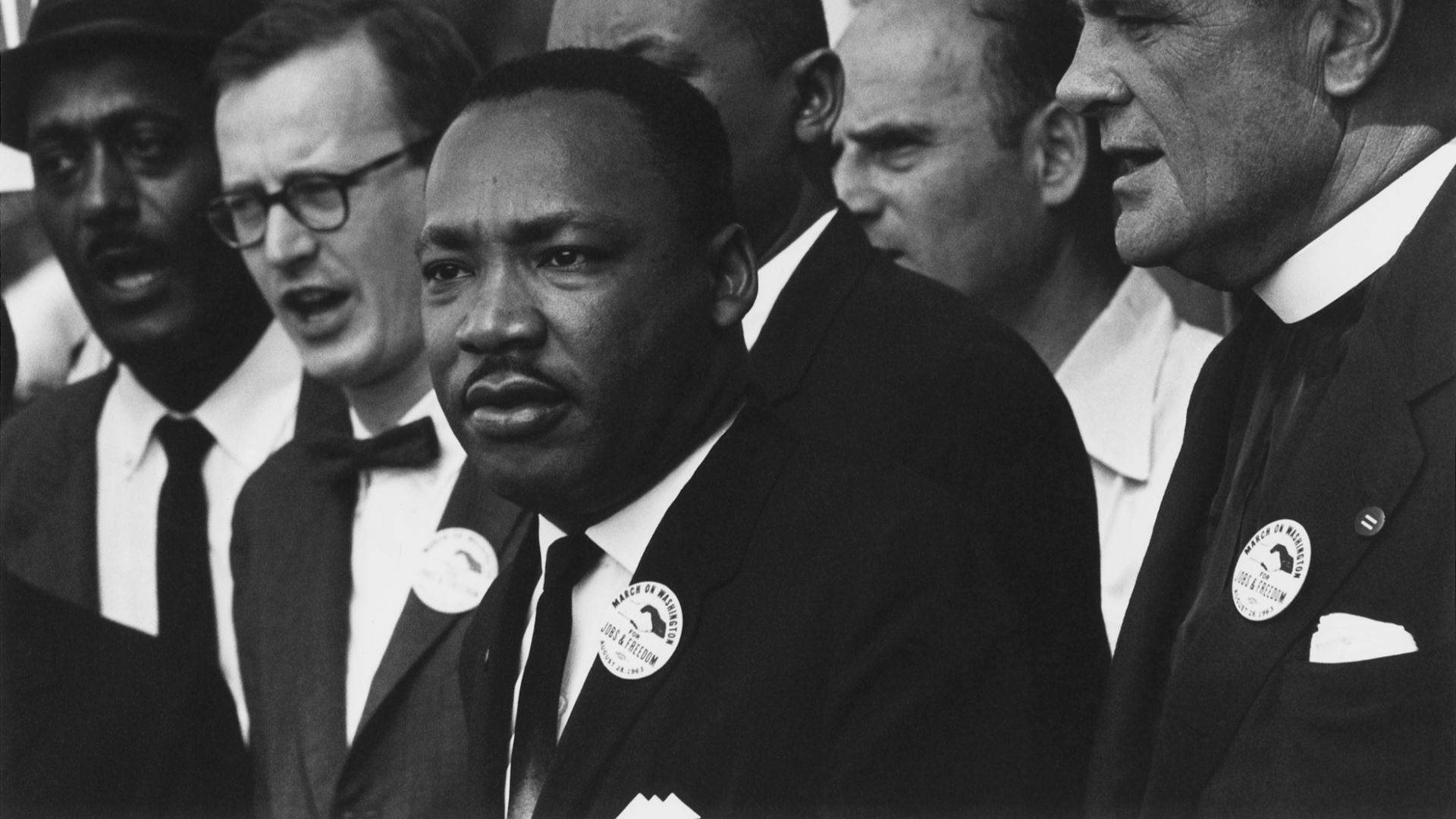 Rowland Scherman / Adam Cuerden on Wikimedia
19. Nelson Mandela: Leaving the Country Without a Passport
You may already know that Nelson Mandela was arrested (and later convicted) in 1962 of leaving South Africa without a valid passport. However, he was also charged with inciting workers to strike; at the time, he had been working underground against apartheid and seeking support for the anti-apartheid struggle.
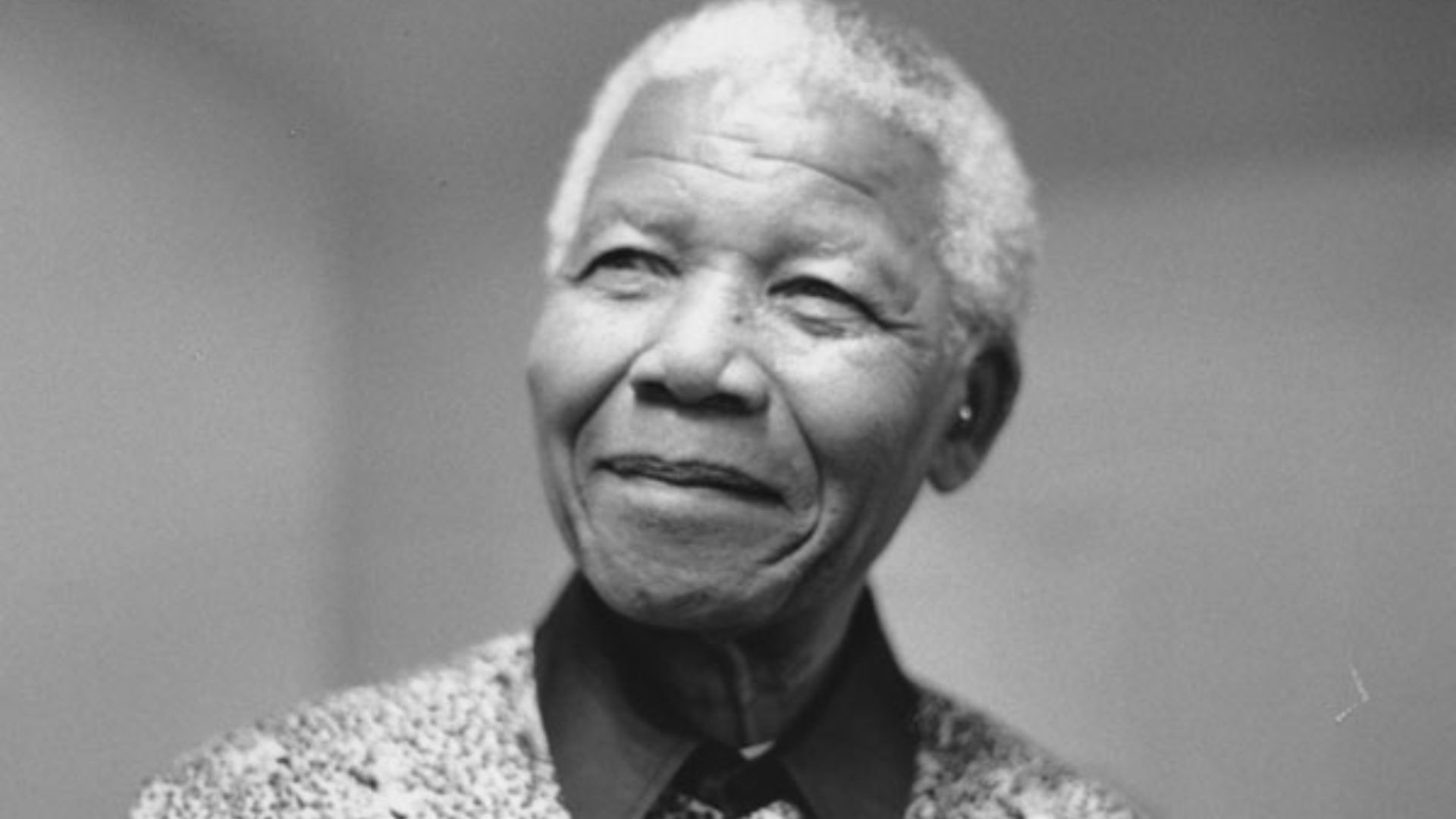 Library of the London School of Economics and Political Science on Wikimedia
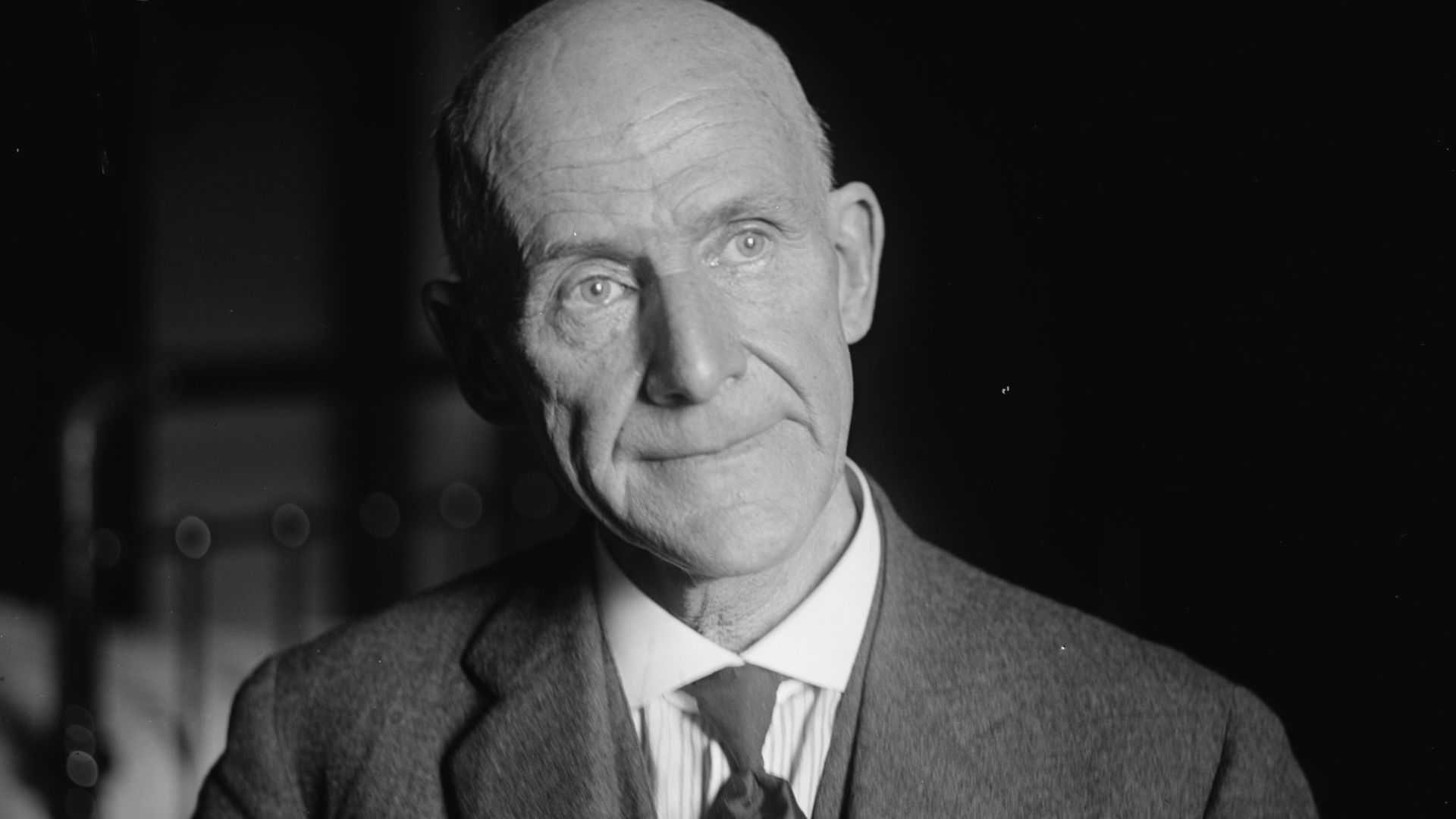
20. Eugene V. Debs: Giving an Antiwar Speech
Eugene V. Debs was prosecuted under the Espionage Act after delivering an anti-war speech in Canton, Ohio, in 1918. The whole thing landed him 10 years in prison, but that didn’t stop him from campaigning for a presidential run behind bars in 1920, which drew nearly a million votes.
KEEP ON READING
20 Deaths That Changed the World
When One Ending Starts a New Chapter. Some deaths are…
By Emilie Richardson-Dupuis May 26, 2026
20 Historical Figures Who Were Arrested For Insane Reasons
The So-Called Trouble Makers of the Past. History has a…
By Annie Byrd May 26, 2026
From GPS to the Wristwatch: 20 Military Innovations You Probably…
Battlefield Problems to Everyday Solutions. It's easy to take for…
By Christy Chan May 25, 2026
20 Mysterious Fossils That Paleontologists Still Can't Explain
Ancient Life Had a Weird Imagination. Fossils usually help scientists…
By Emilie Richardson-Dupuis May 25, 2026
20 Laws Created Because One Person Did Something Terrible
History Keeps Receipts. Long before laws had polished names and…
By Cameron Dick May 25, 2026
20 Dynasties That Proved Family Wealth Can Outlast Empires
Money Remembers. Empires like to pretend they are permanent. They…
By Cameron Dick May 25, 2026