Discoveries That Forced Historians to Rethink What They Knew
Archaeology has a habit of disrupting long-standing assumptions, especially when rare artifacts survive long enough to tell a story nobody expected. Some discoveries have rewritten timelines, challenged religious beliefs, exposed forgotten civilizations, or revealed how advanced ancient societies really were. While historians rely on written records whenever possible, these 20 objects provided the physical evidence that changed historical understanding in ways books alone never could.
1. The Rosetta Stone
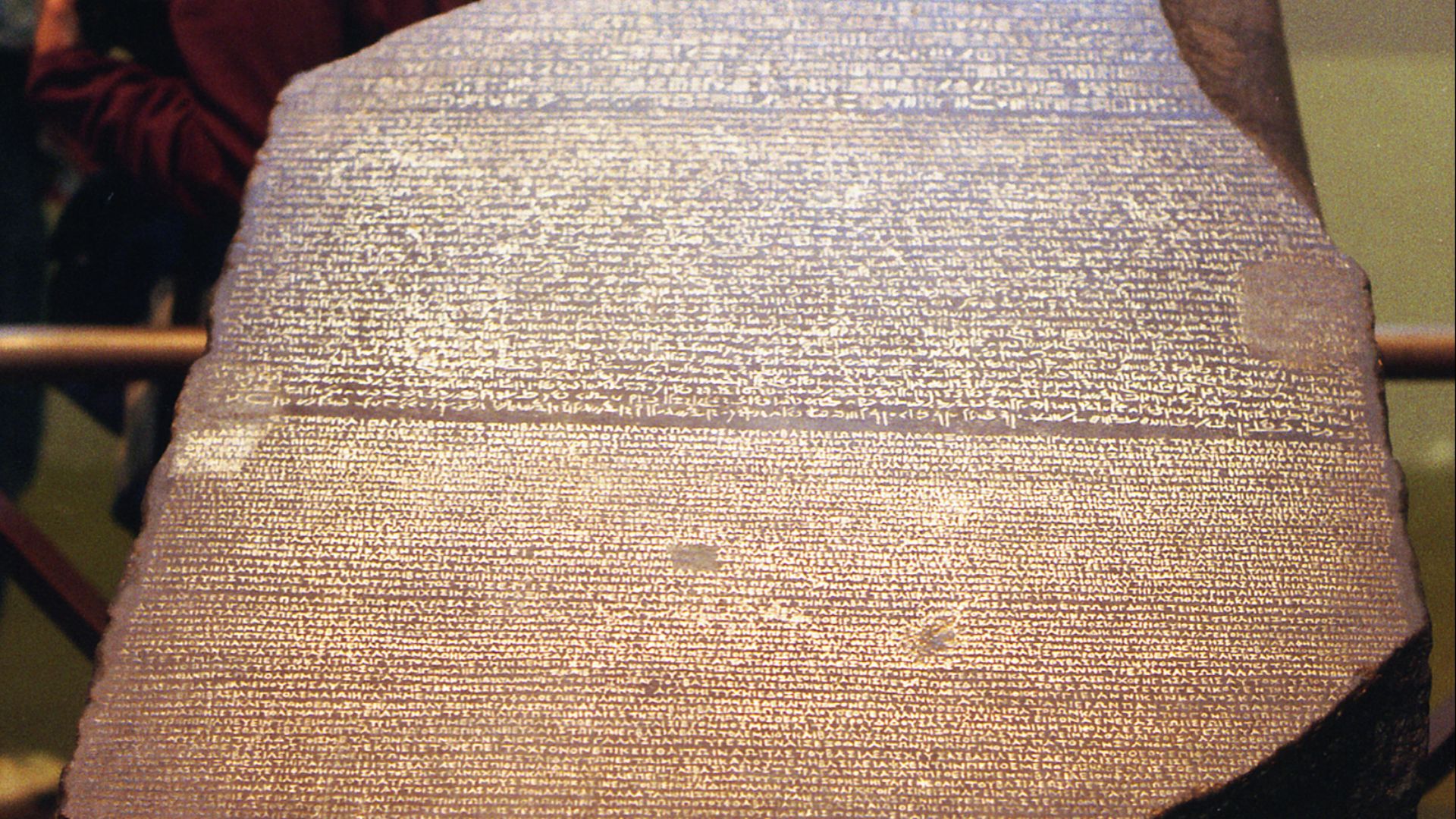
The Rosetta Stone completely transformed historians’ ability to understand ancient Egyptian writing. Because the same text appeared in Greek, Demotic, and hieroglyphics, scholars finally had a reliable way to decode Egyptian scripts after centuries of confusion.
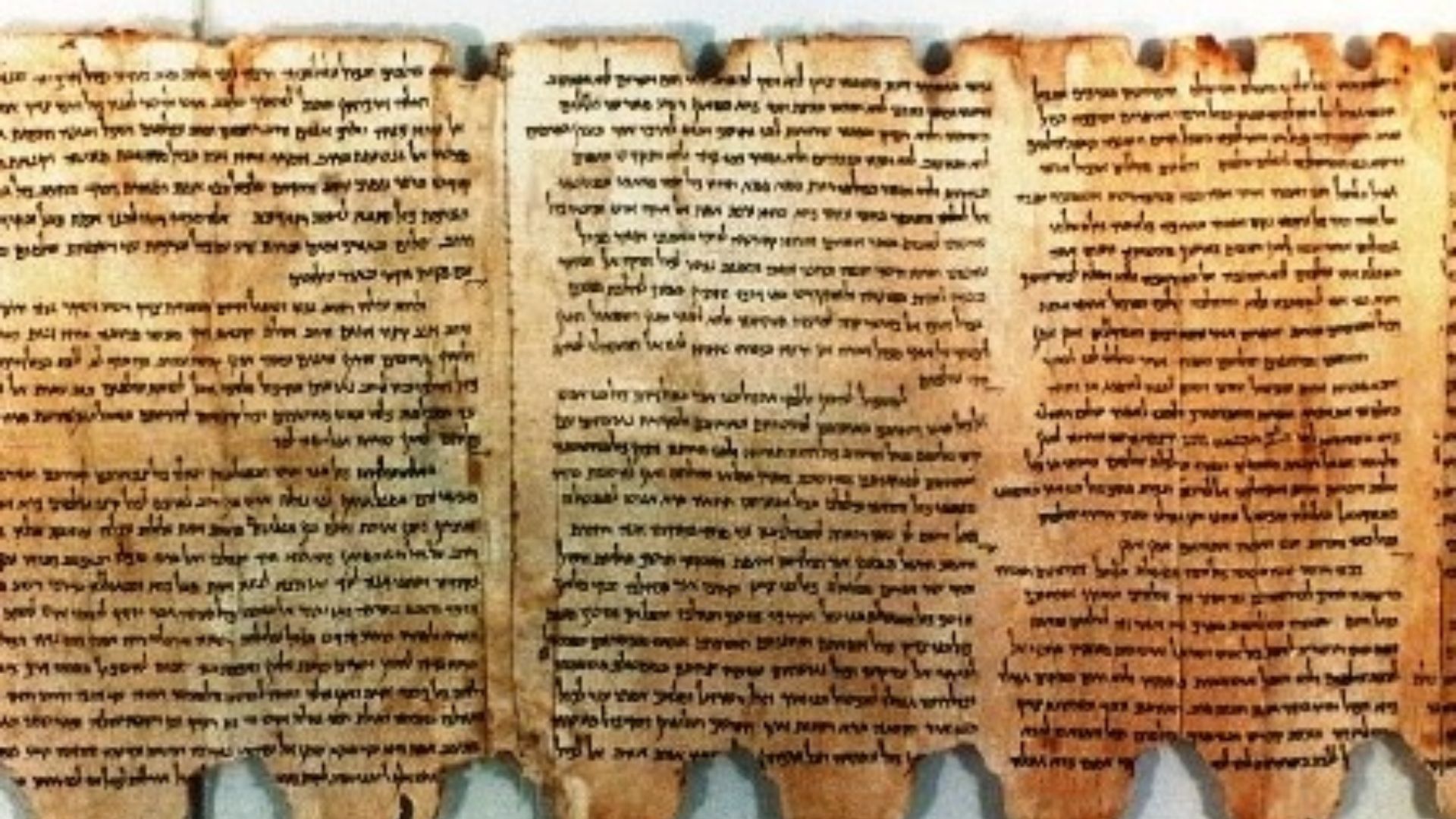
2. The Dead Sea Scrolls
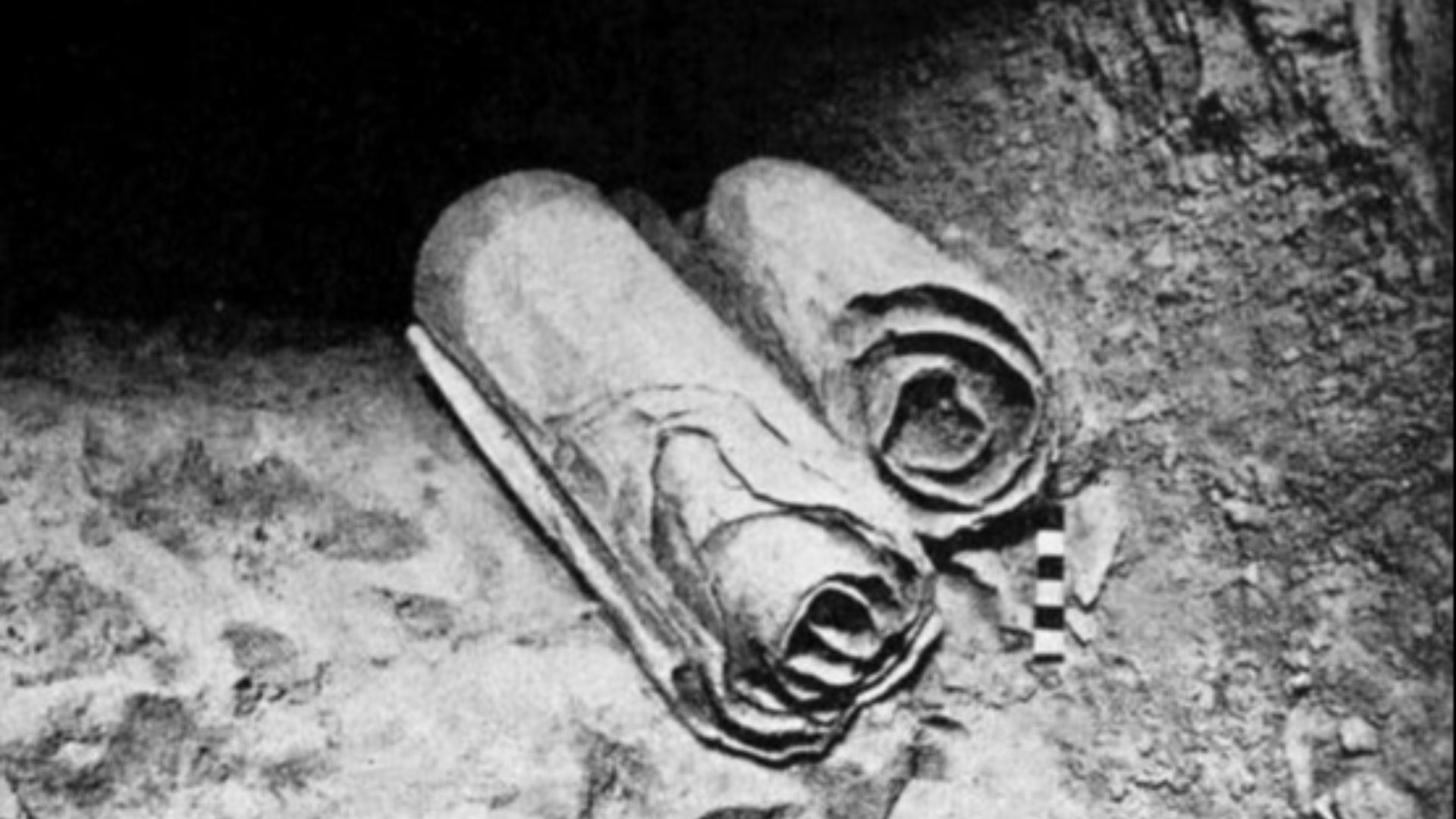
When the Dead Sea Scrolls were discovered in caves near Qumran between 1947 and 1956, they immediately became one of the most important religious finds in history. The texts included some of the oldest surviving manuscripts of the Hebrew Bible, along with community writings from a Jewish sect active more than 2,000 years ago.
 Abraham Meir Habermann, 1901–1980 on Wikimedia
3. The Antikythera Mechanism
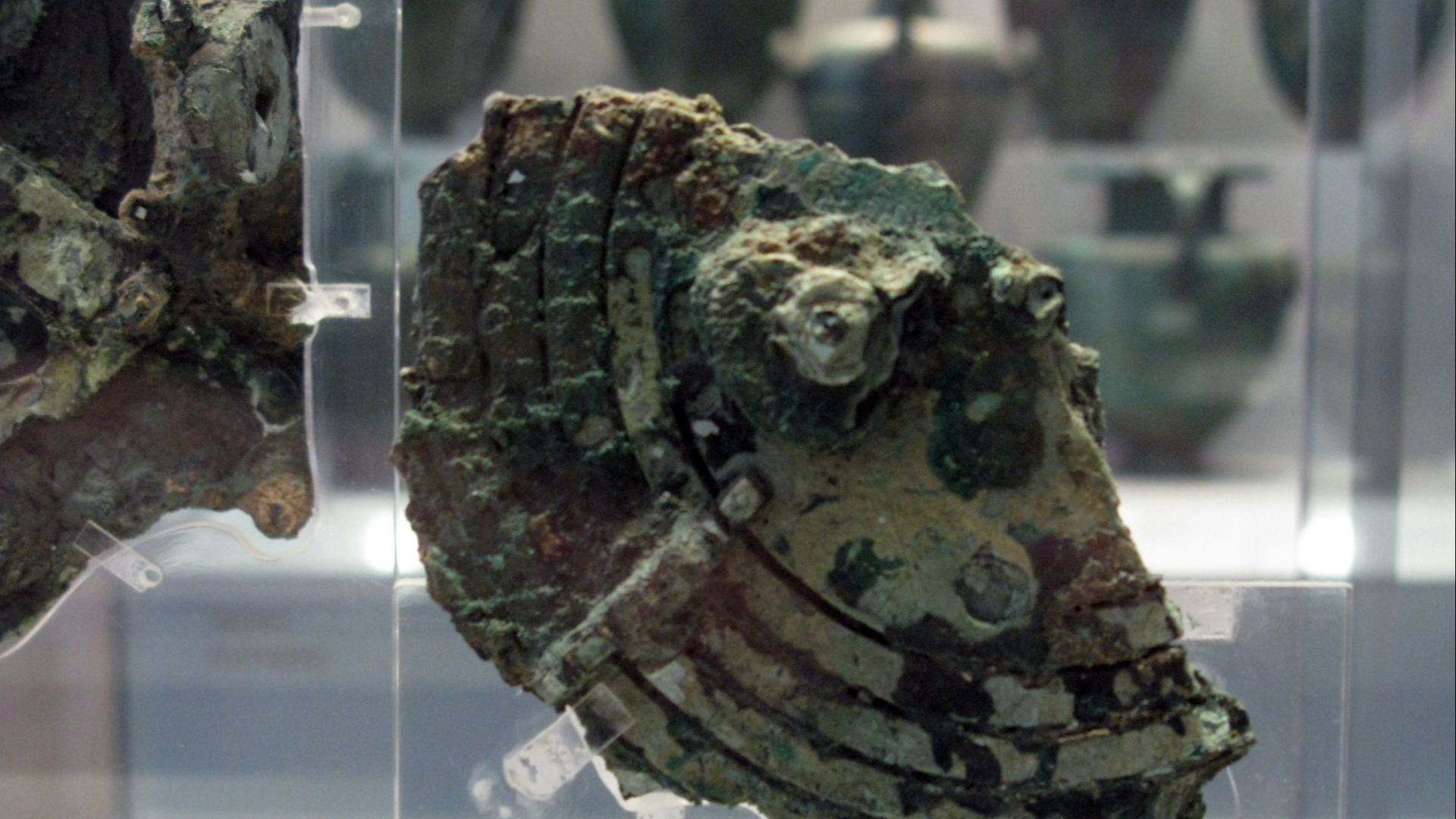
Recovered from a shipwreck off the Greek island of Antikythera in 1901, this device shocked historians because of its complexity. Researchers eventually realized it functioned as an ancient mechanical calculator capable of predicting astronomical events.
 Tilemahos Efthimiadis from Athens, Greece on Wikimedia
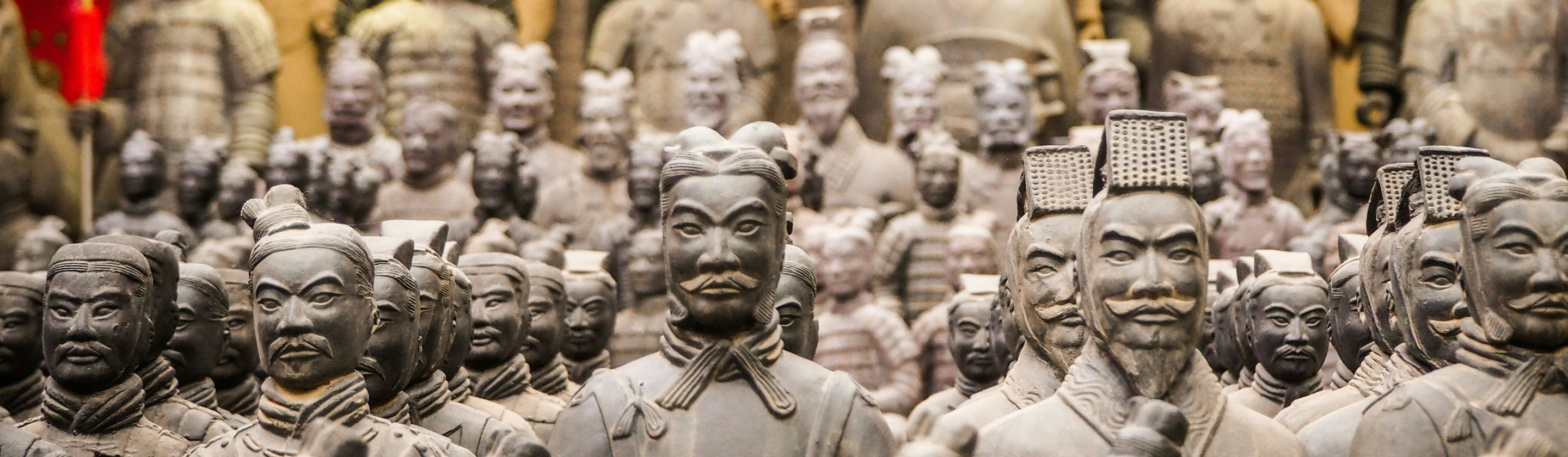
4. The Terracotta Army
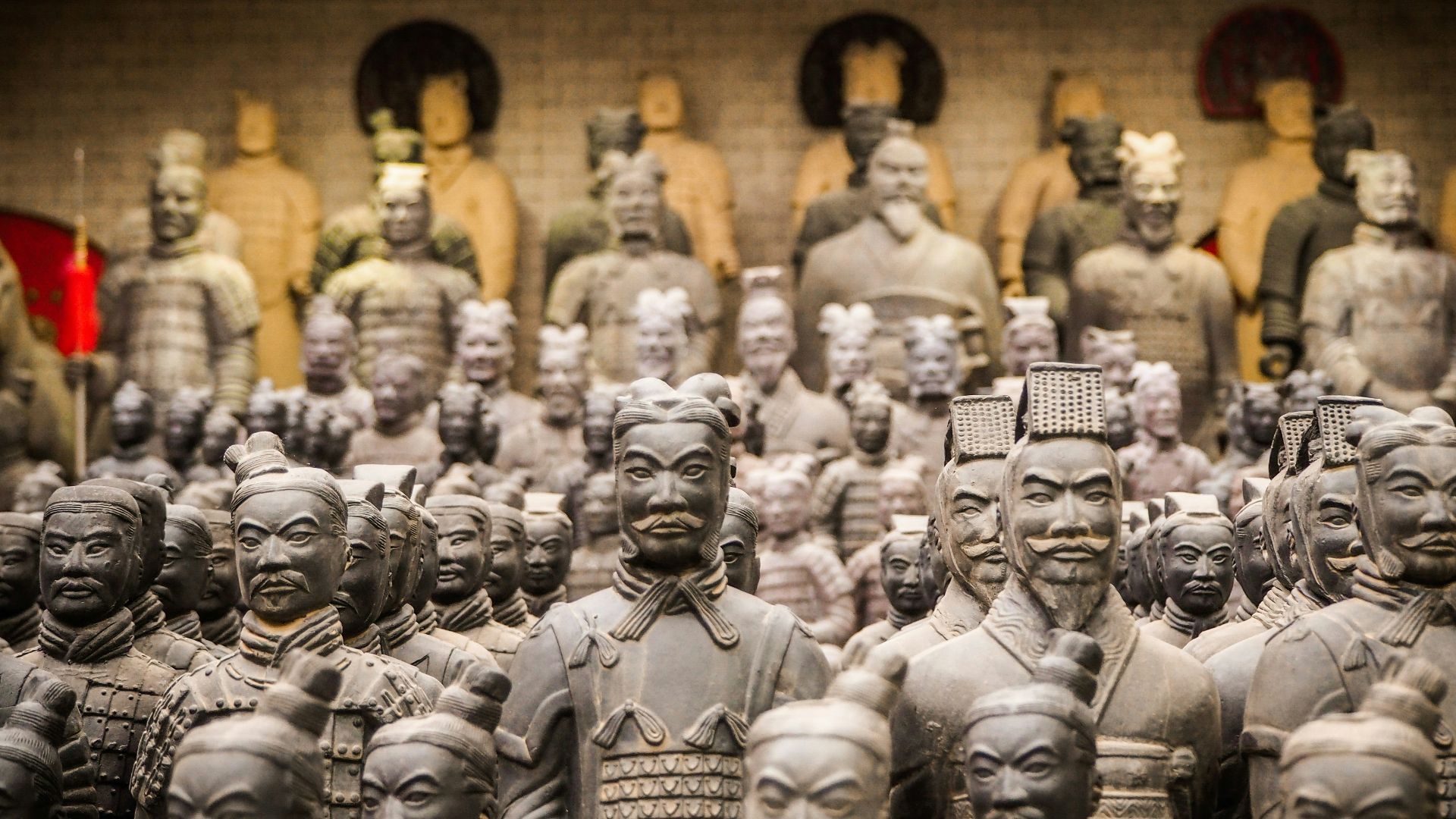
Thousands of life-sized clay soldiers were uncovered in China in 1974 near the tomb of Emperor Qin Shi Huang. Each figure featured distinct facial features, hairstyles, and armor designs, showing an incredible level of craftsmanship.
 Manoj kumar kasirajan on Unsplash
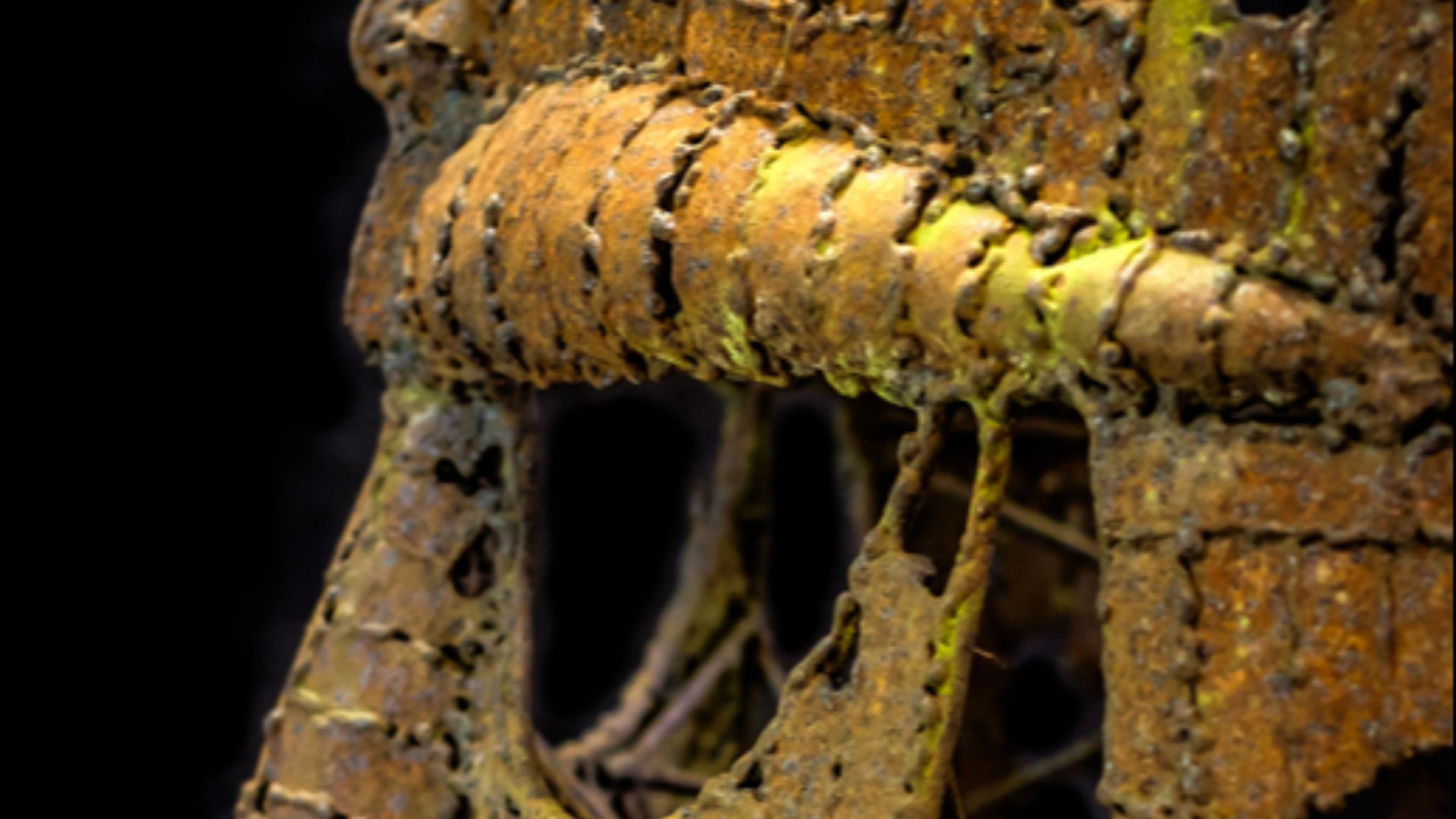
5. The Sutton Hoo Helmet
The Sutton Hoo burial site in England dramatically changed perceptions of the so-called Dark Ages. Before the discovery, many historians believed post-Roman Britain was culturally primitive and politically disorganized. The elaborate helmet, jewelry, weapons, and ship burial revealed a wealthy and sophisticated Anglo-Saxon elite society.
 Chris Daw/Axle Arts on Wikimedia
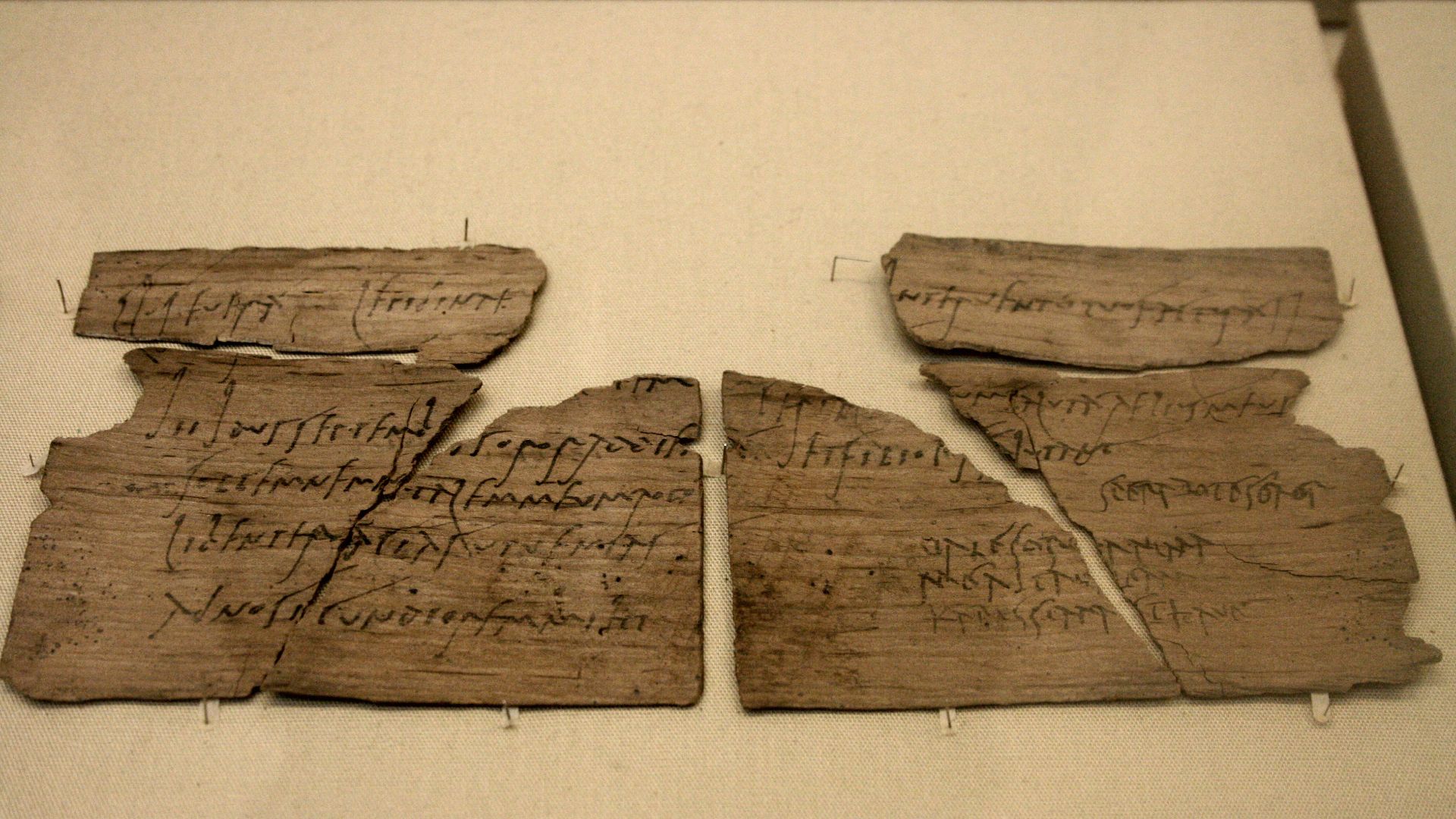
6. The Vindolanda Tablets
These wooden writing tablets were discovered near Hadrian’s Wall in northern England and provided unusually personal glimpses into Roman life. Unlike formal historical texts, the tablets included shopping lists, invitations, military requests, and casual correspondence.
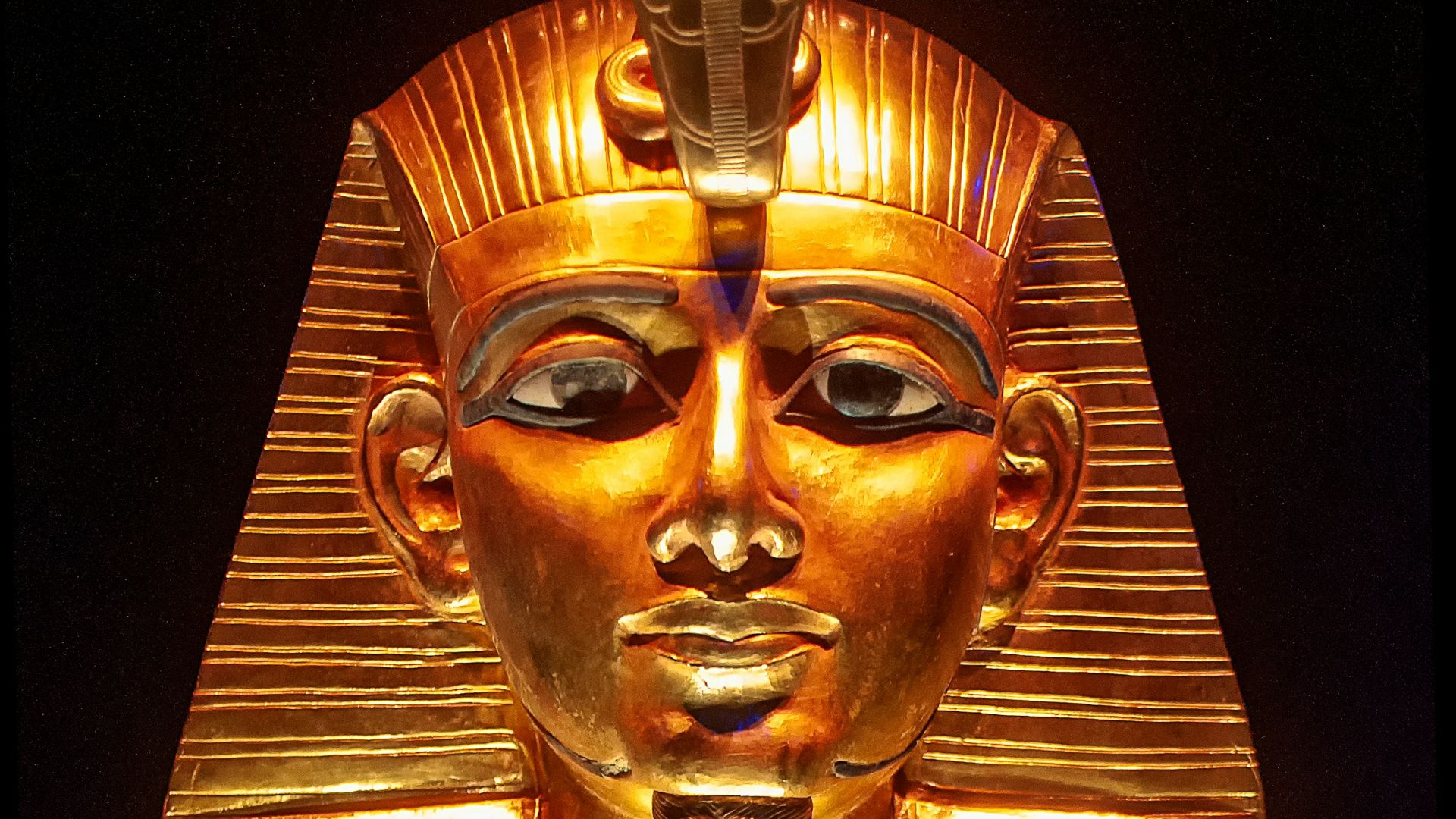
7. The Mask of Tutankhamun
Although King Tutankhamun himself wasn’t considered one of Egypt’s most powerful rulers, the discovery of his tomb in 1922 became historically significant because it remained largely intact. The famous gold burial mask demonstrated the extraordinary artistry and wealth associated with Egyptian royal burials.
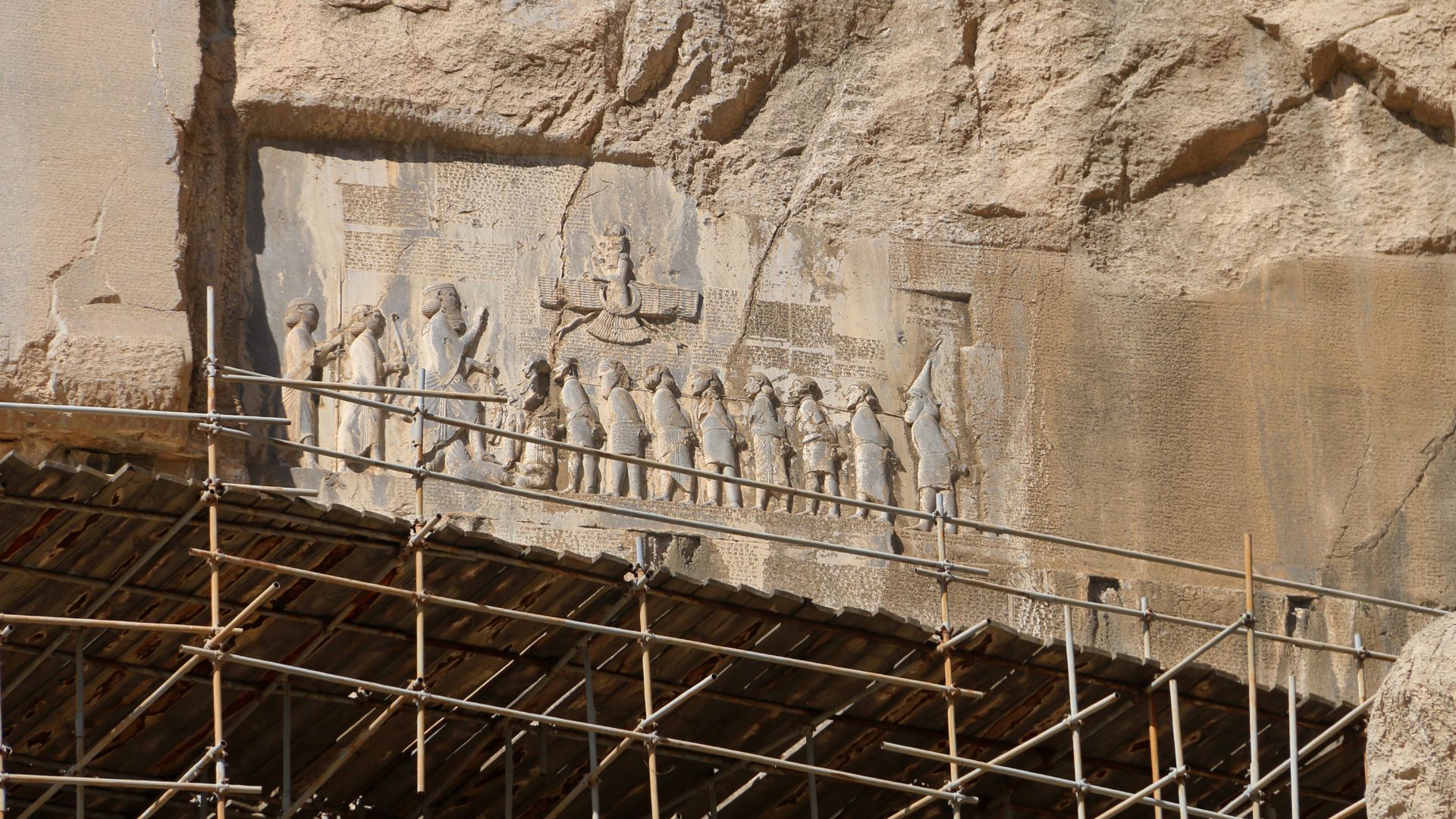
8. The Behistun Inscription
Often compared to the Rosetta Stone, the Behistun Inscription played a major role in decoding cuneiform writing. Carved into a cliff in modern-day Iran, the inscription appeared in multiple ancient languages under the orders of King Darius I.
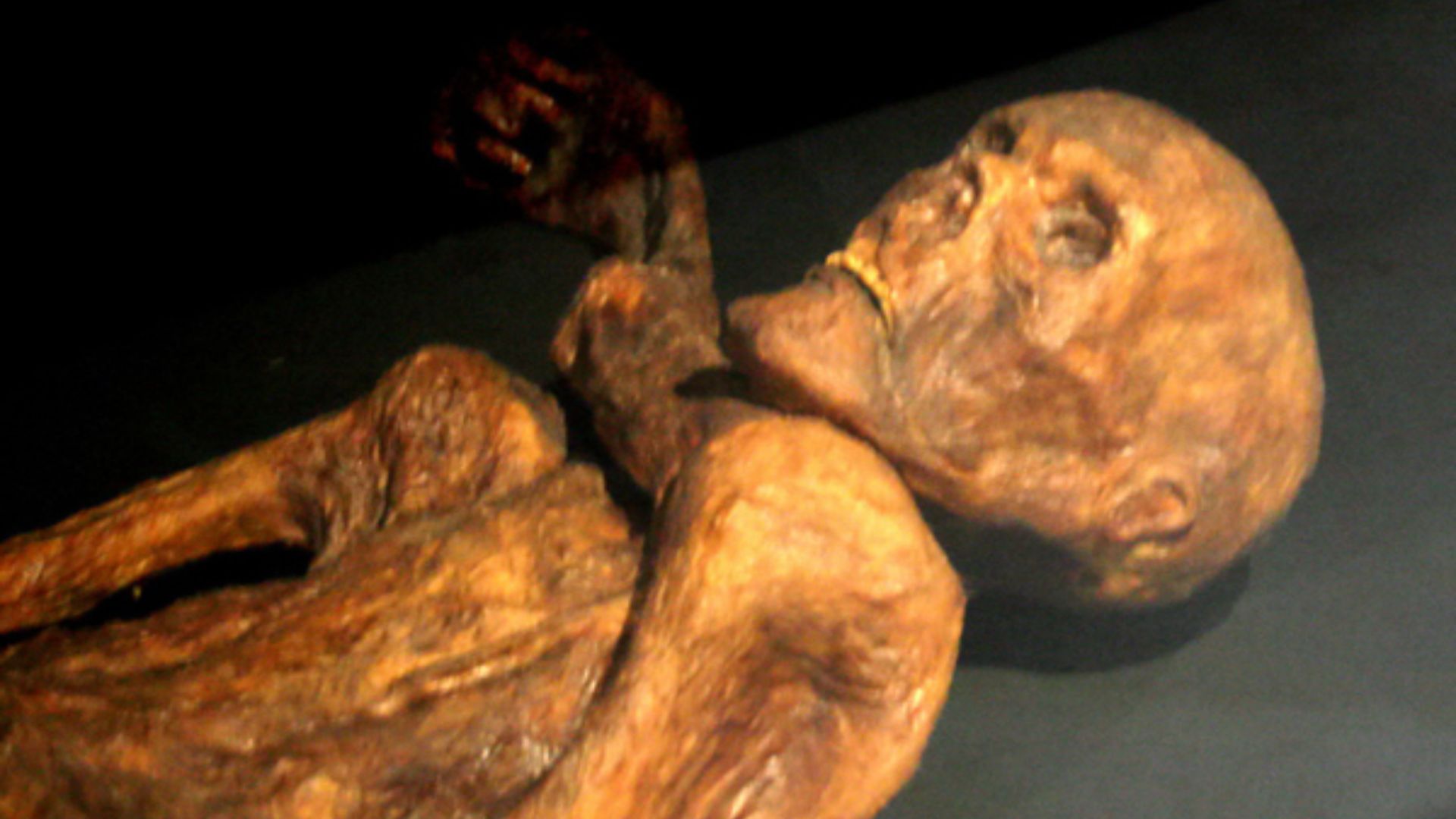
9. Ötzi the Iceman
The frozen remains known as Ötzi were discovered in the Alps in 1991 and dated to around 3300 BCE. Because the body and belongings were exceptionally preserved, researchers learned remarkable details about prehistoric clothing, tools, diet, tattoos, and health conditions.
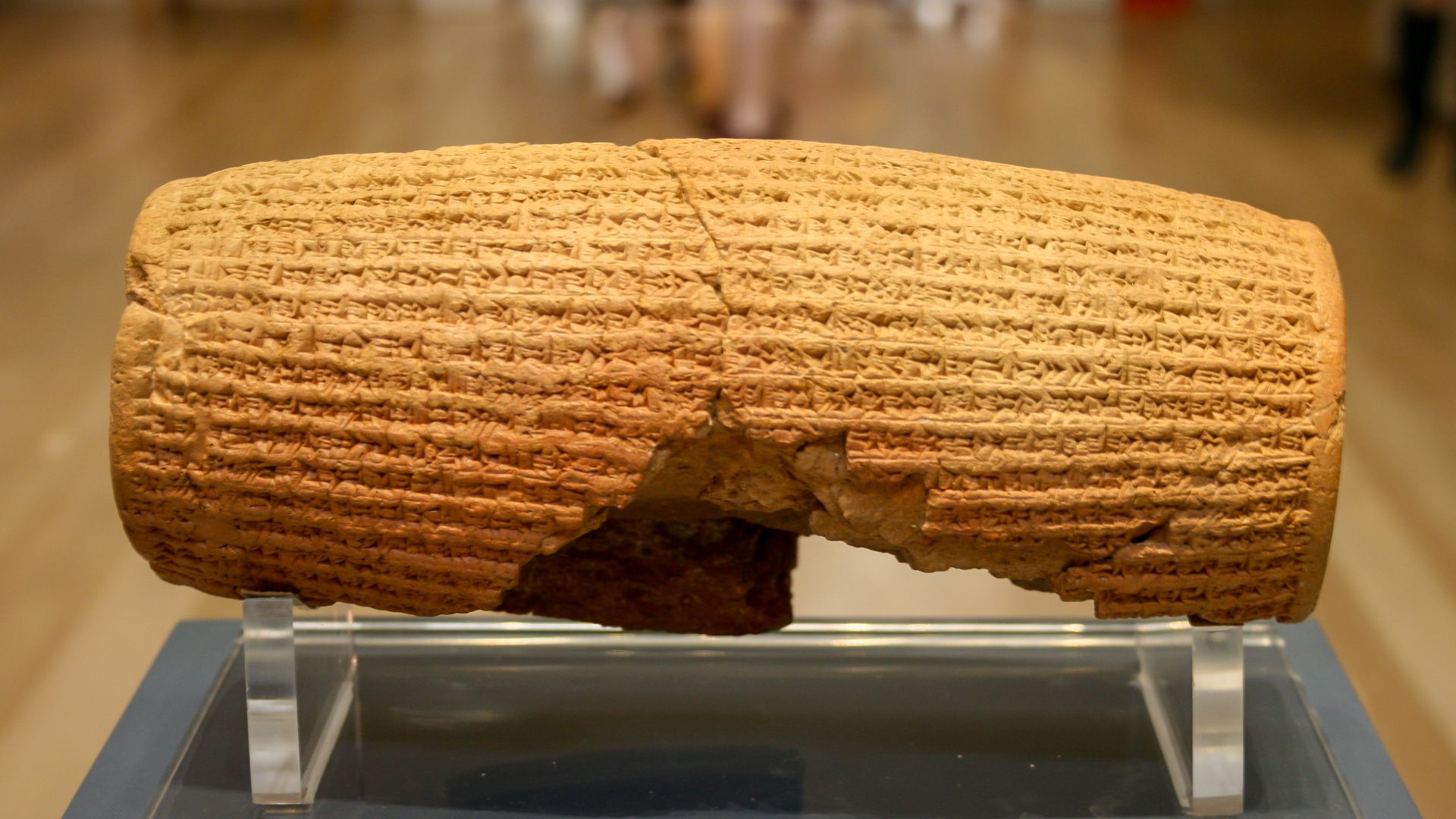
10. The Cyrus Cylinder
The Cyrus Cylinder was discovered in Babylon during the nineteenth century and is often associated with early ideas about governance and religious tolerance. The inscription describes policies introduced by Cyrus the Great after conquering Babylon in 539 BCE.
 Photograph by Mike Peel (www.mikepeel.net). on Wikimedia
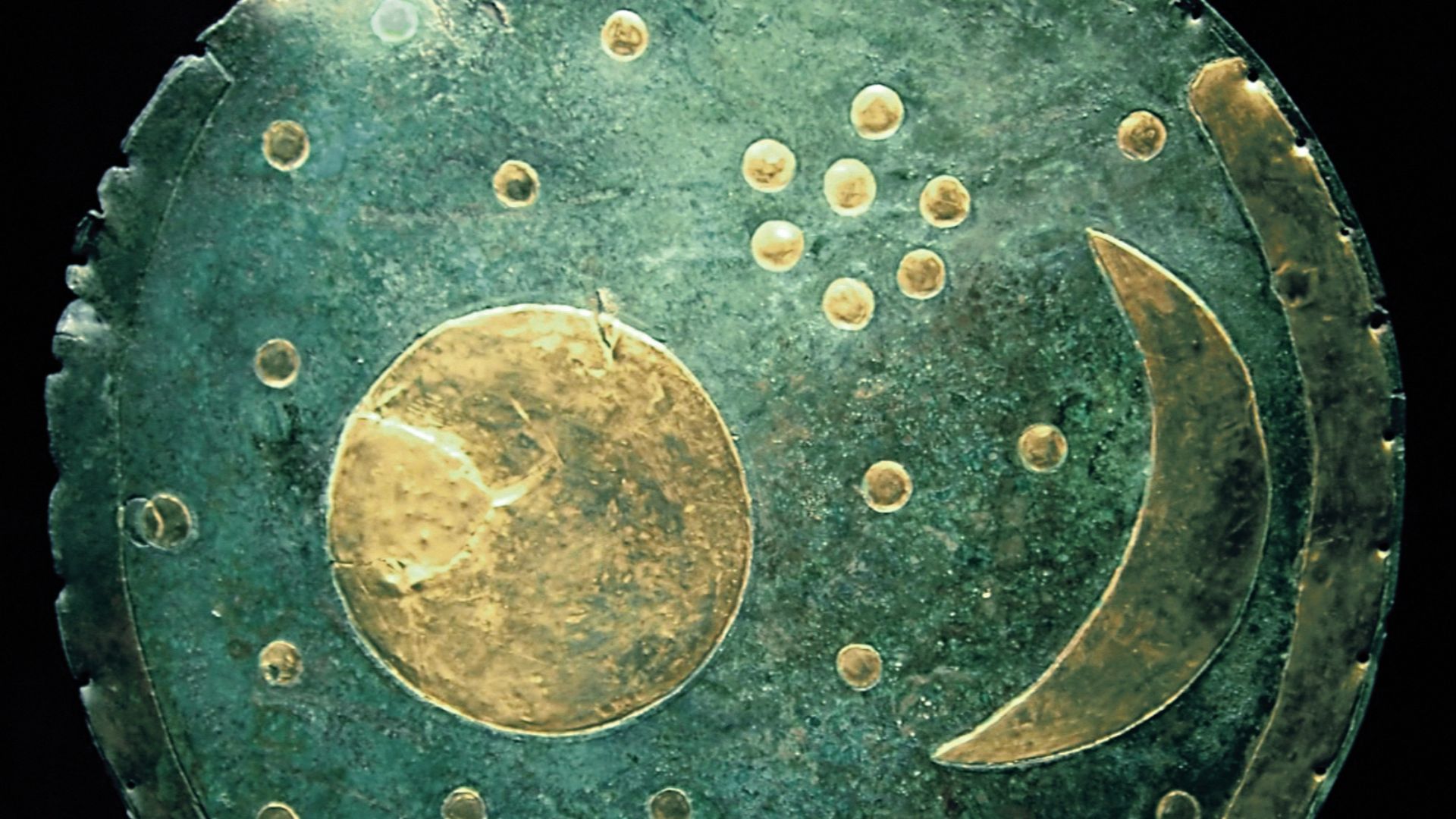
11. The Nebra Sky Disk
Found in Germany in 1999, the Nebra Sky Disk challenged assumptions about Bronze Age Europe. The bronze disk features gold symbols believed to represent stars, the sun, and the moon. Researchers concluded that people living in Central Europe around 1600 BCE possessed far more advanced astronomical knowledge than previously thought.
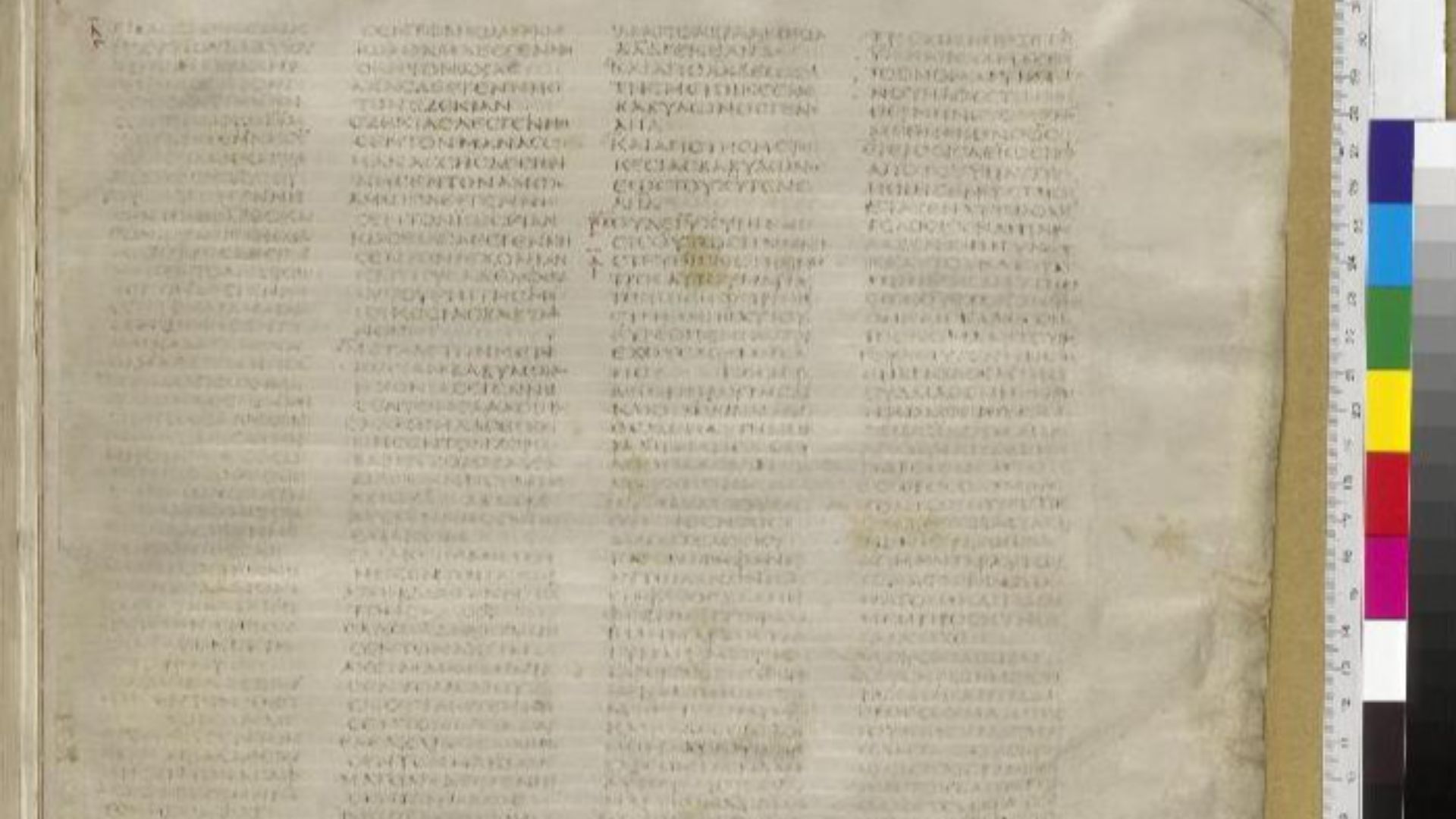
12. The Codex Sinaiticus
This ancient handwritten Bible manuscript helped scholars study the development of early Christian texts. Dating to the fourth century CE, it remains one of the oldest nearly complete Christian manuscripts ever discovered.
 Unknown authorUnknown author on Wikimedia
13. The Phaistos Disc
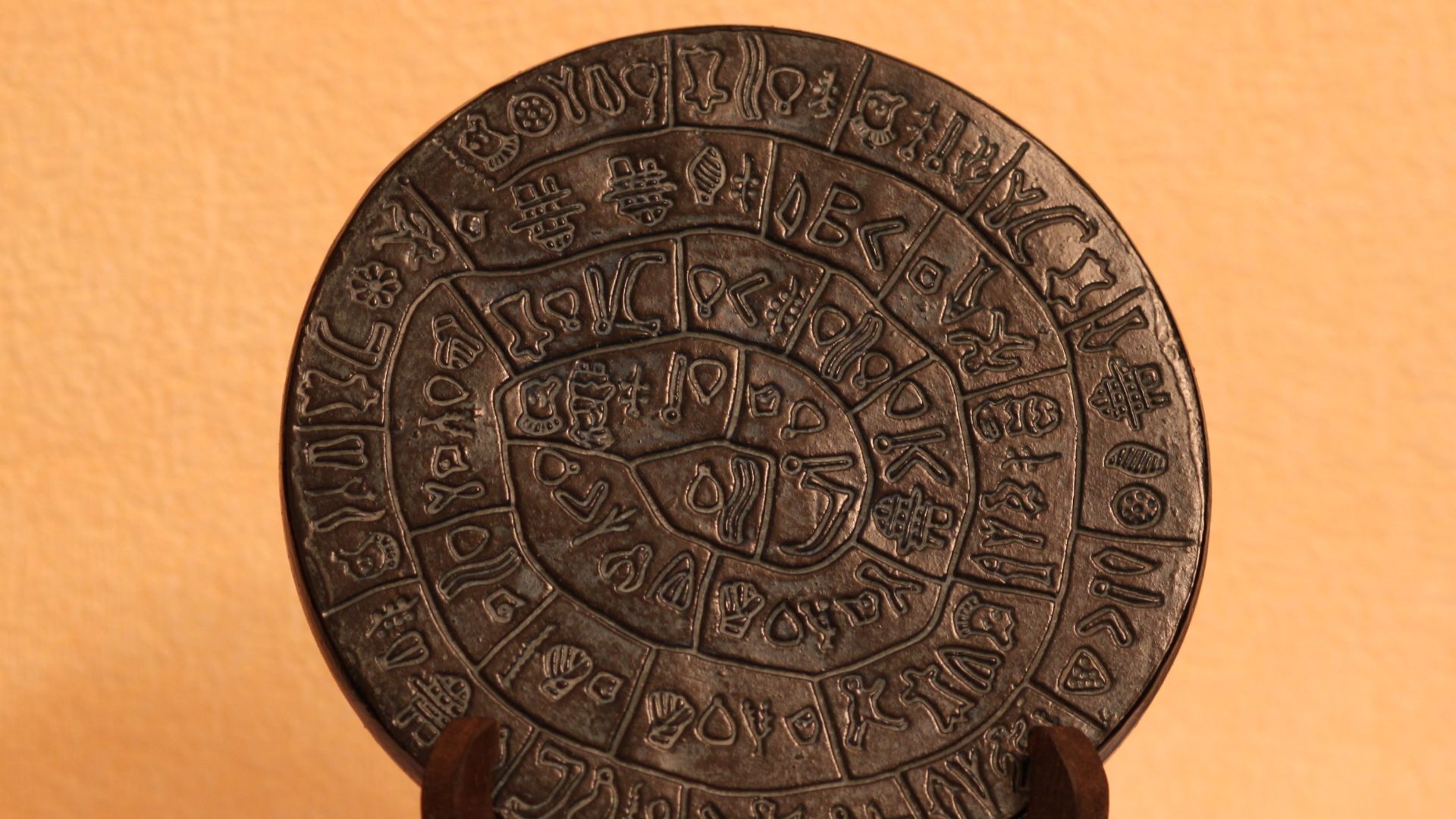
Discovered on the island of Crete in 1908, the Phaistos Disc remains one of archaeology’s greatest mysteries. Covered in stamped symbols arranged in spirals, the artifact has never been fully deciphered. Scholars still debate whether it represents language, ritual symbolism, or something entirely different.
14. The Cave Paintings at Lascaux
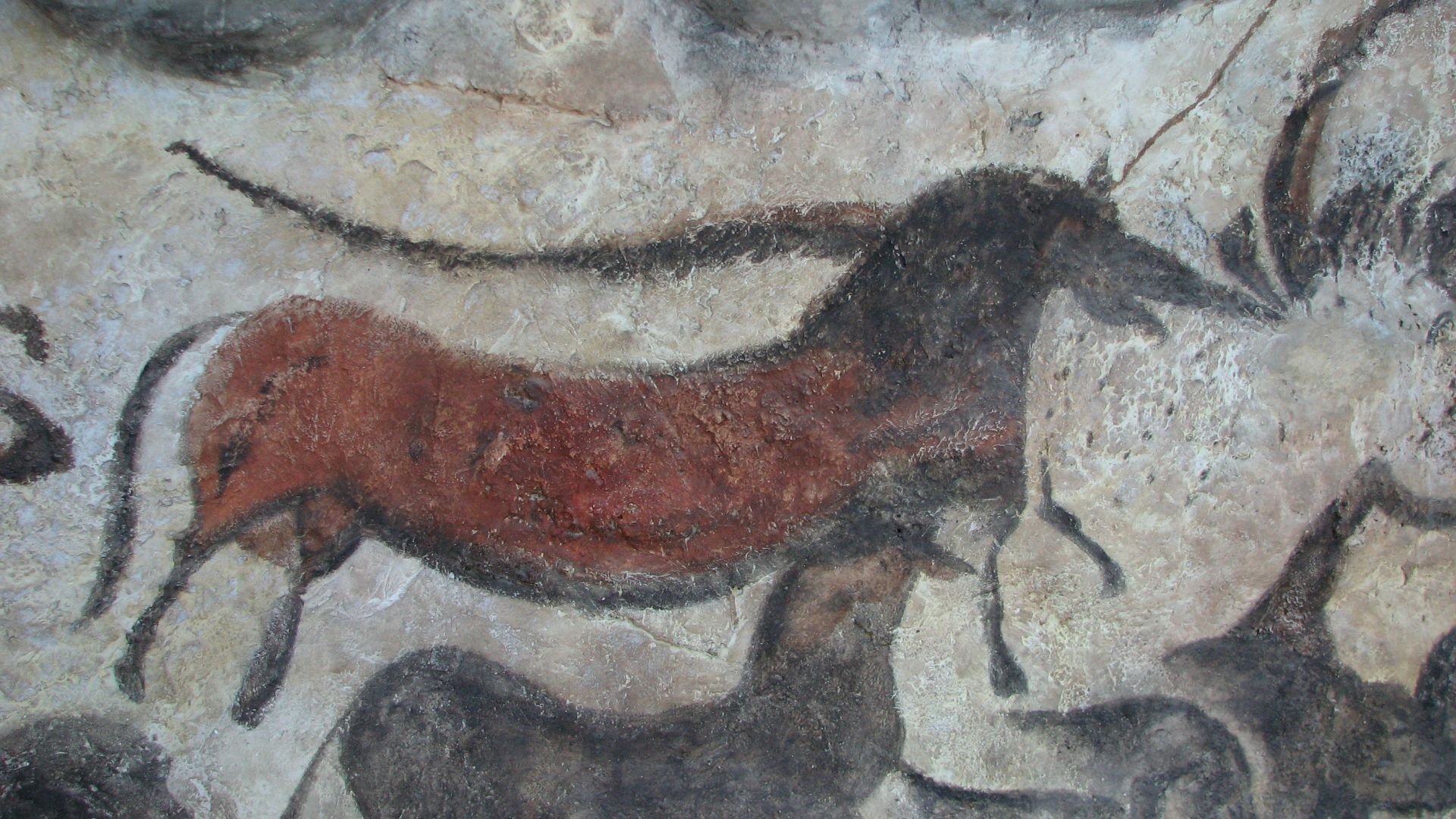
The cave paintings discovered in France in 1940 transformed the understanding of prehistoric humans. Earlier assumptions often portrayed Ice Age societies as intellectually simple, but the paintings revealed remarkable artistic skill and planning.
15. The Uluburun Shipwreck
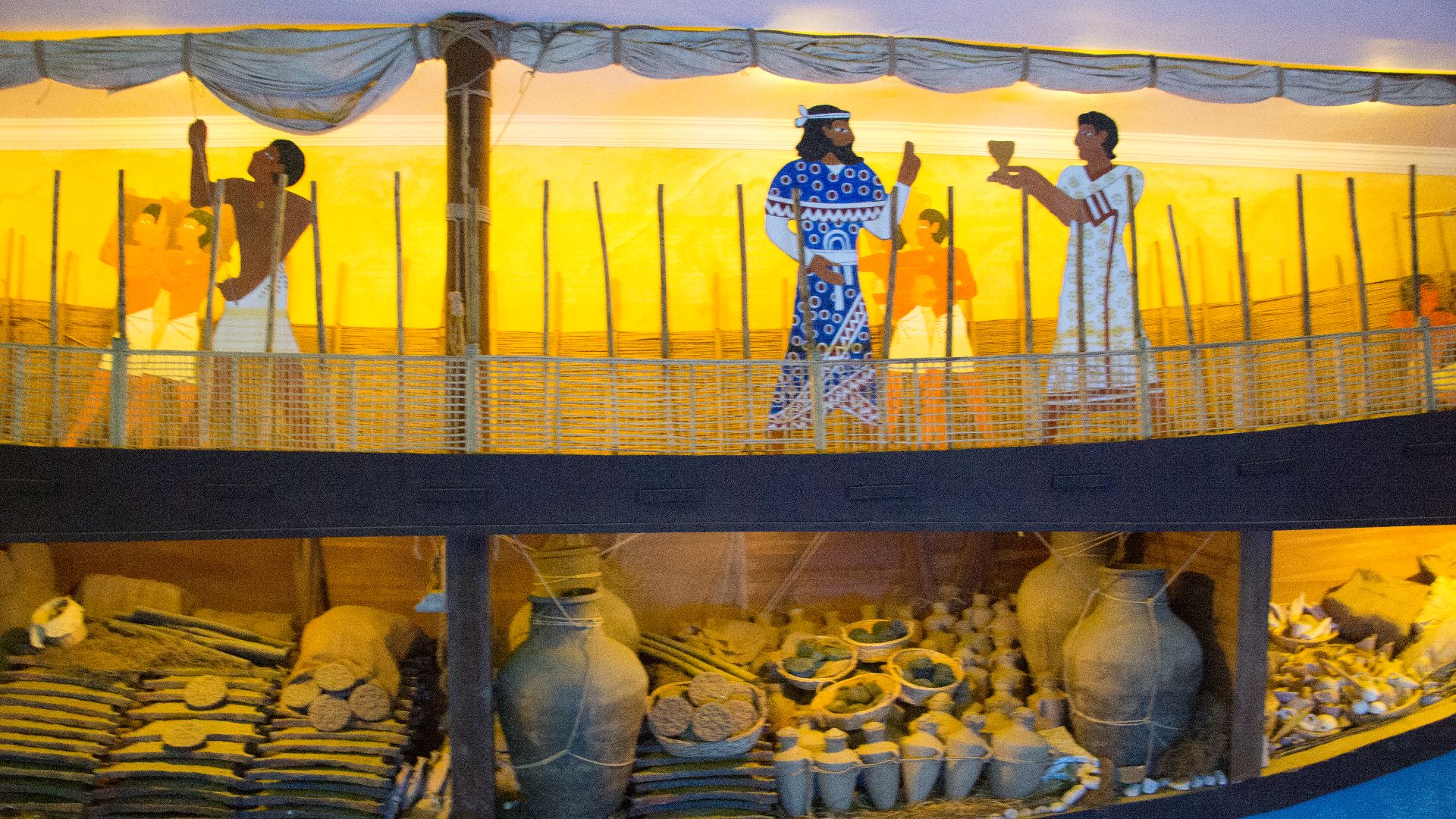
This Bronze Age shipwreck was discovered off the coast of Turkey and dated to the fourteenth century BCE. Its cargo included copper, ivory, jewelry, glass, and luxury goods from multiple civilizations.
16. The Standard of Ur
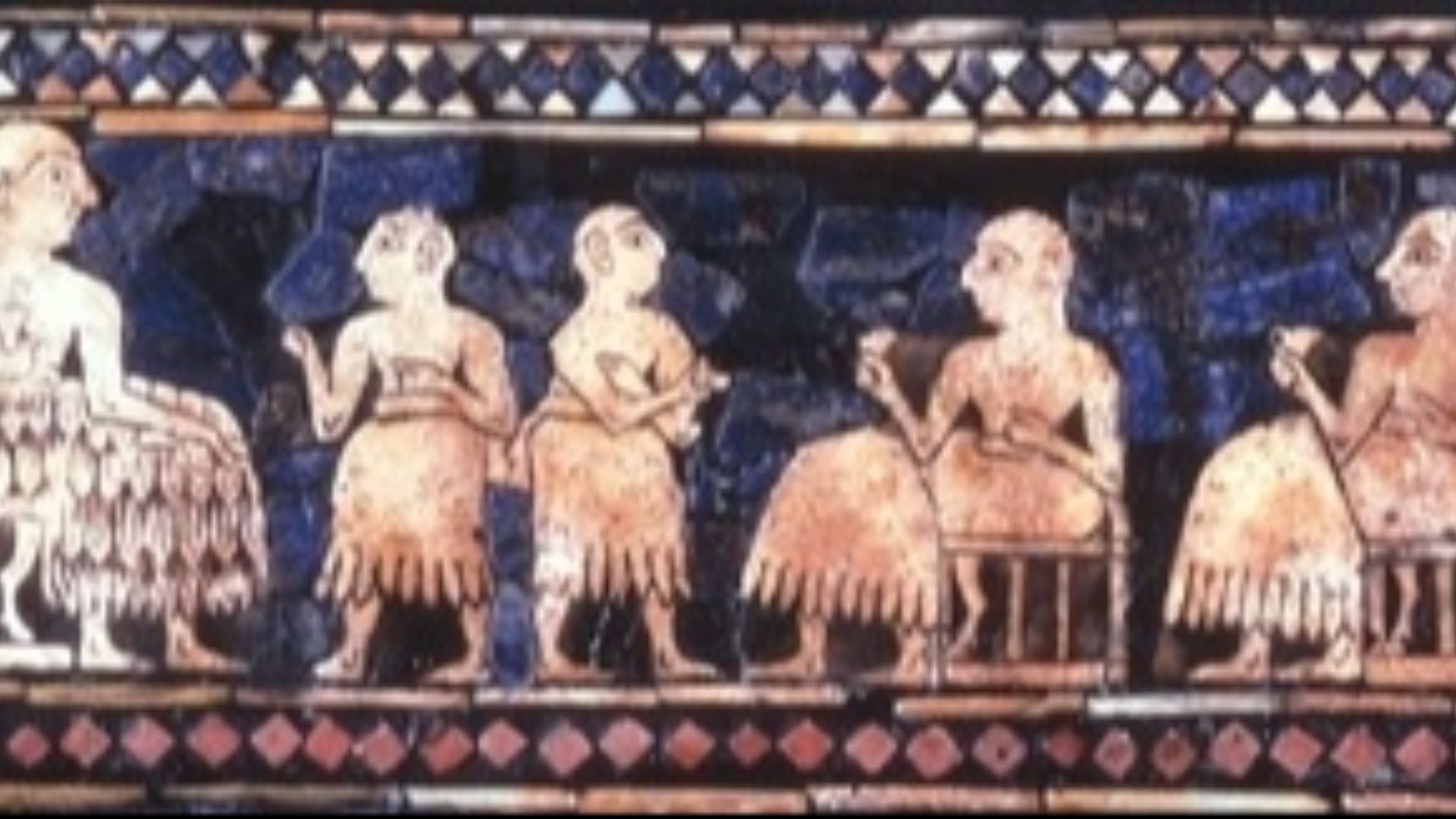
The Standard of Ur was uncovered in modern Iraq during the 1920s and dates back roughly 4,500 years. Decorated panels showed scenes of warfare, celebrations, and social hierarchy within Sumerian society.
17. The Baghdad Battery
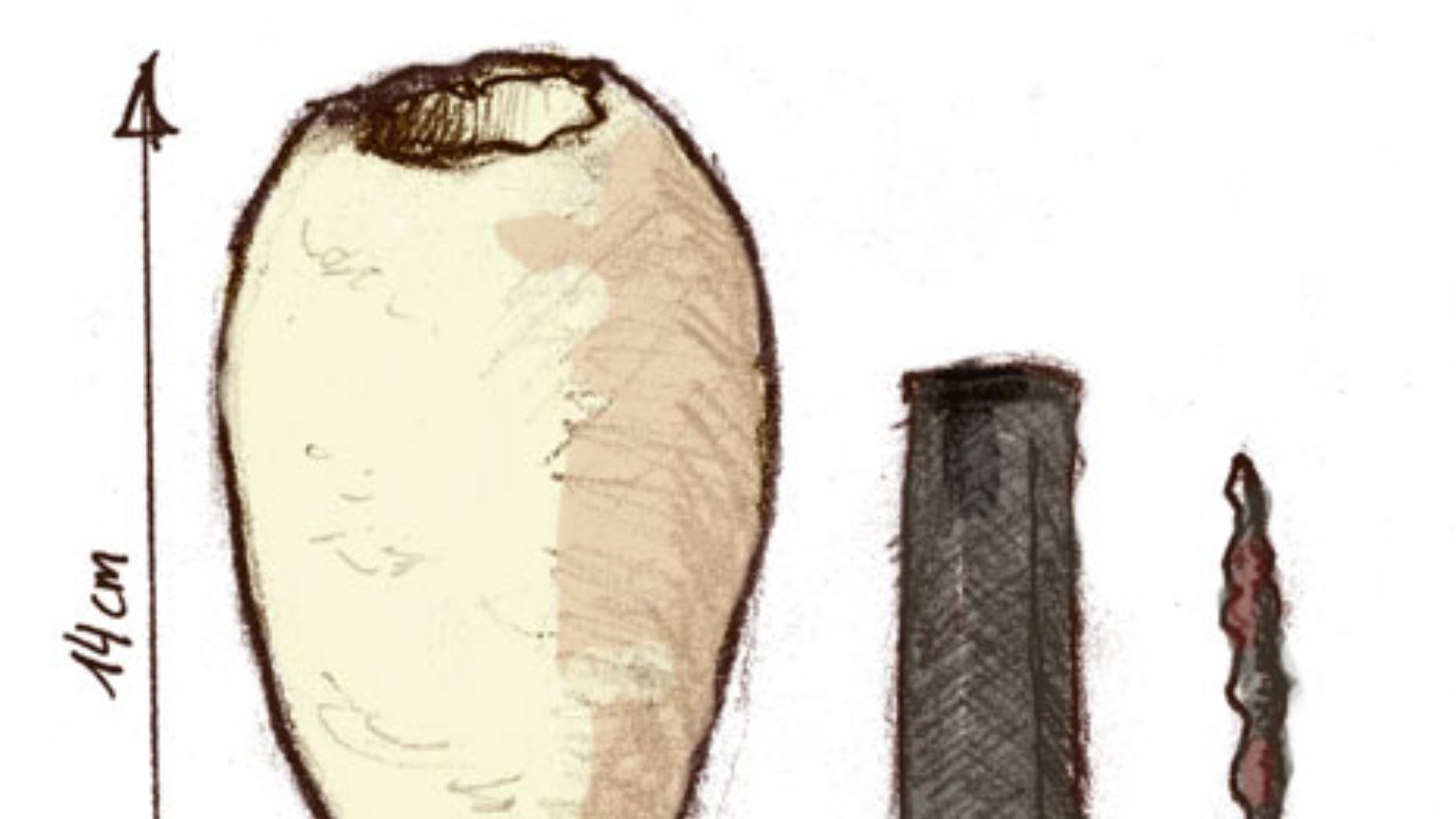
A collection of clay jars discovered near Baghdad sparked major debate among historians and scientists. Some researchers proposed that the objects may have functioned as primitive batteries capable of producing small electrical currents.
18. The Mayan Dresden Codex
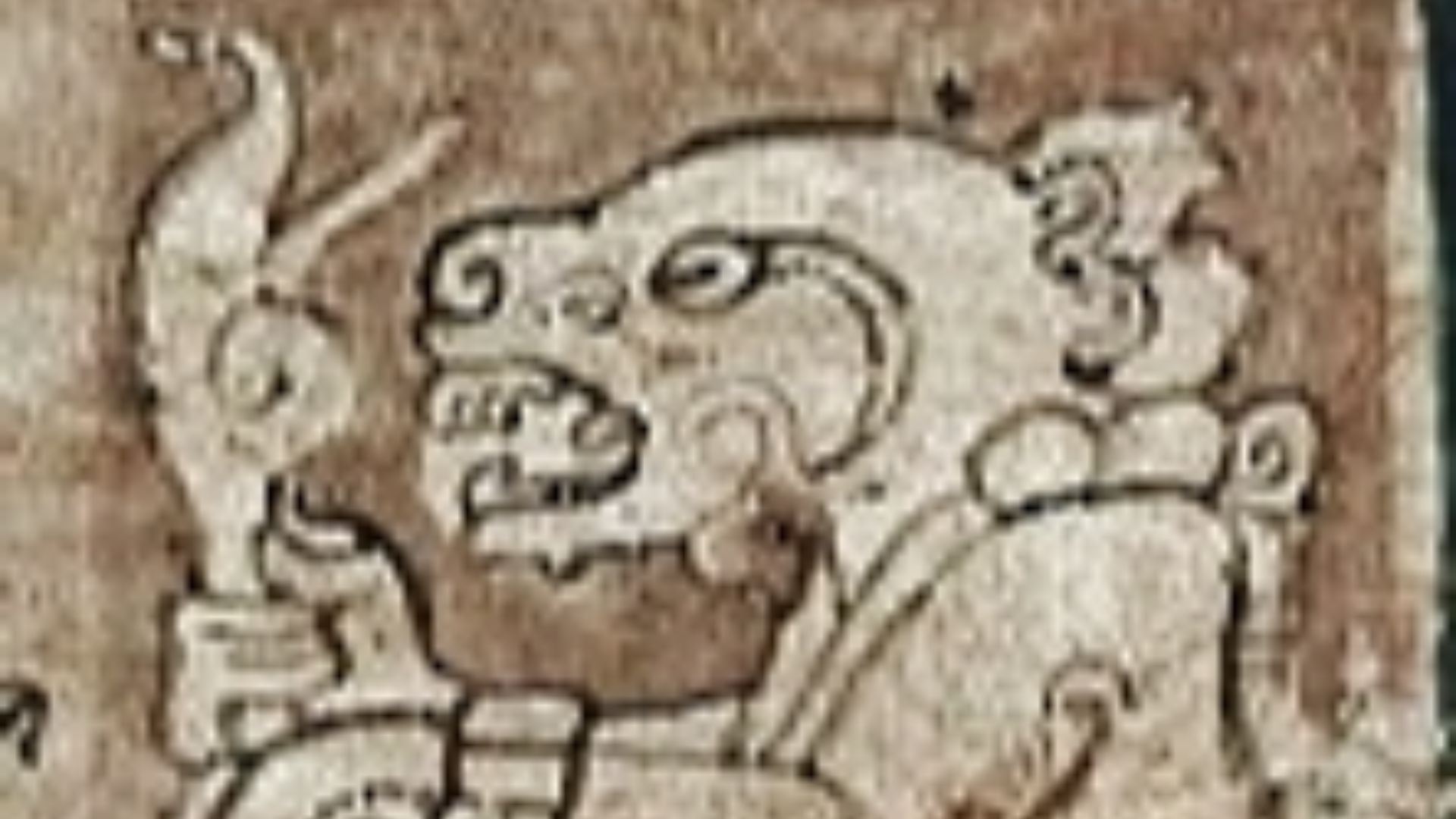
The Dresden Codex became one of the few surviving Mayan books after most were destroyed during Spanish colonization. The manuscript contained astronomical calculations, ritual information, and calendar systems that demonstrated impressive mathematical knowledge.
 Unknown authorUnknown author on Wikimedia
19. The Vinland Map
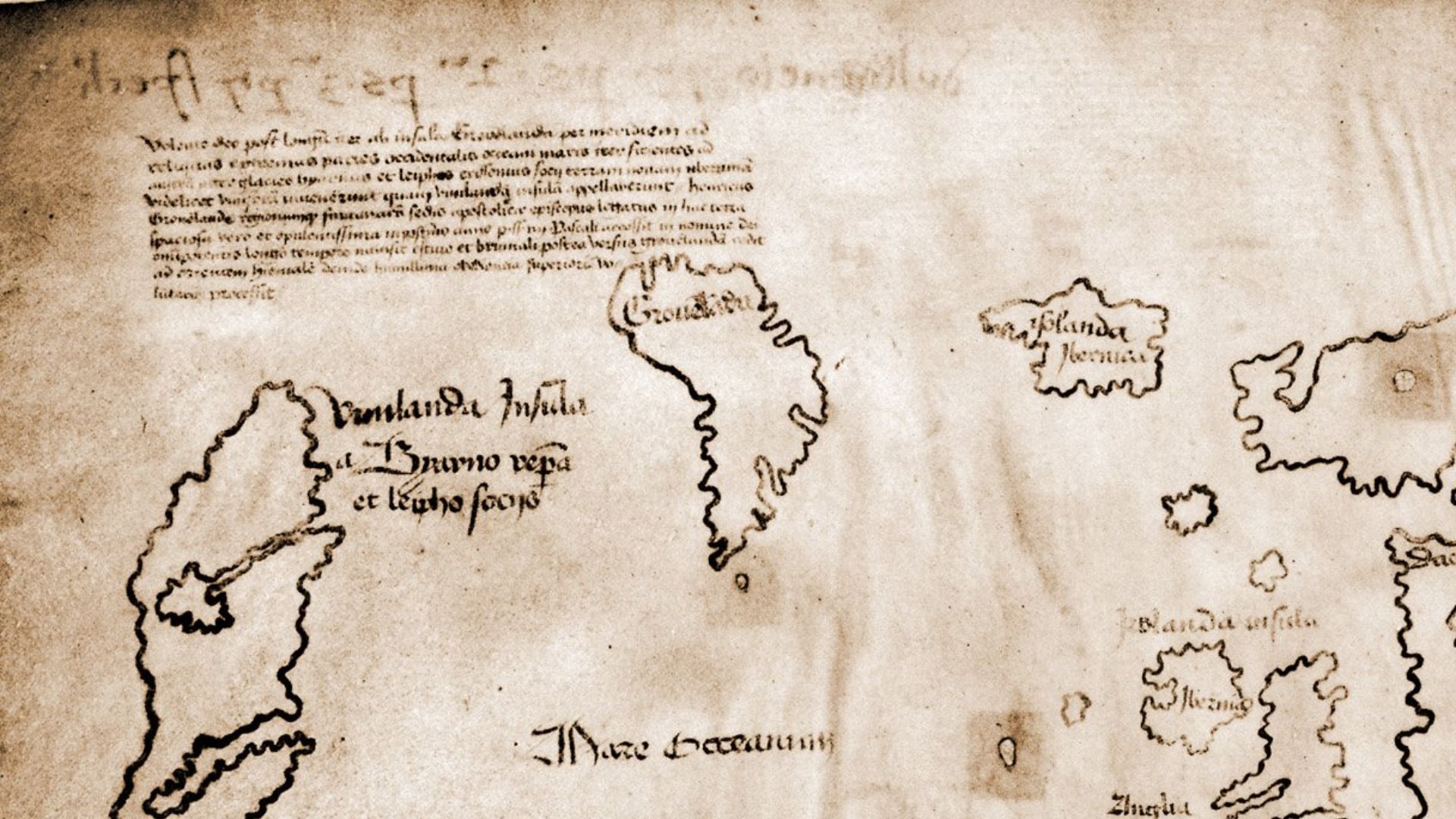
Although its authenticity remains debated, the Vinland Map sparked enormous historical discussion after appearing in the twentieth century. Some believed it suggested Europeans may have known about parts of North America before Columbus.
 Yale University Press on Wikimedia
20. The Moai Statues of Easter Island
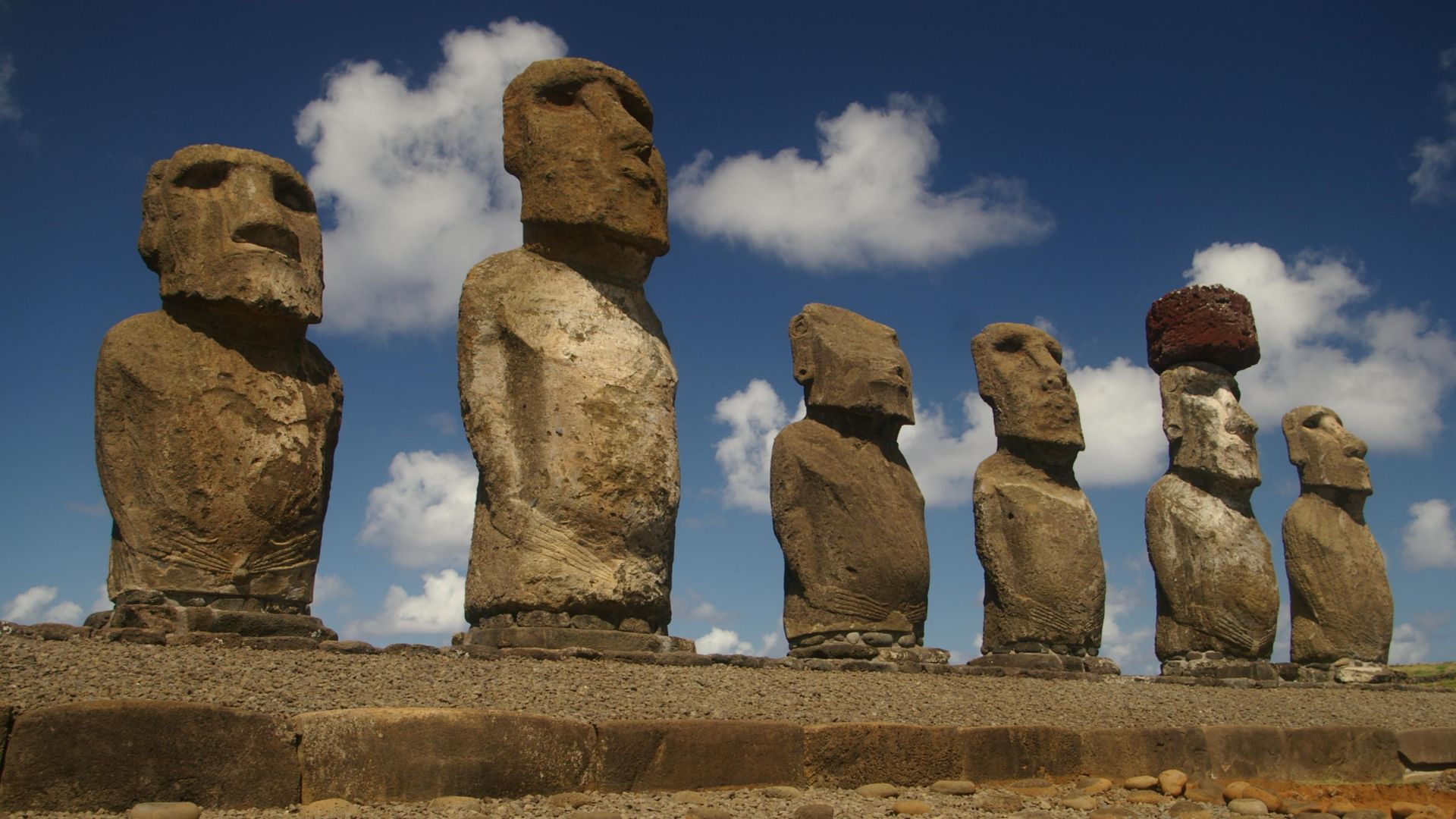
The massive stone statues on Easter Island changed historians’ understanding of Polynesian engineering and social organization. Researchers studying the statues discovered evidence of coordinated labor systems, transportation methods, and complex community planning.
KEEP ON READING