We Thank Them For Their Service
Before astronauts became household names, animals were the first living passengers in some of the strangest, riskiest experiments of the Space Age. Scientists needed to know what launch forces, radiation, weightlessness, cramped capsules, and re-entry could do to a living body before asking humans to face the same unknowns. Some animals came back safely, some did not, and many were part of missions that feel both fascinating and hard to sit with today. Their flights shaped early space medicine, life-support design, and the confidence we needed to send people into the cosmos. Here are 20 facts about the animals we sent to space.
1. Fruit Flies
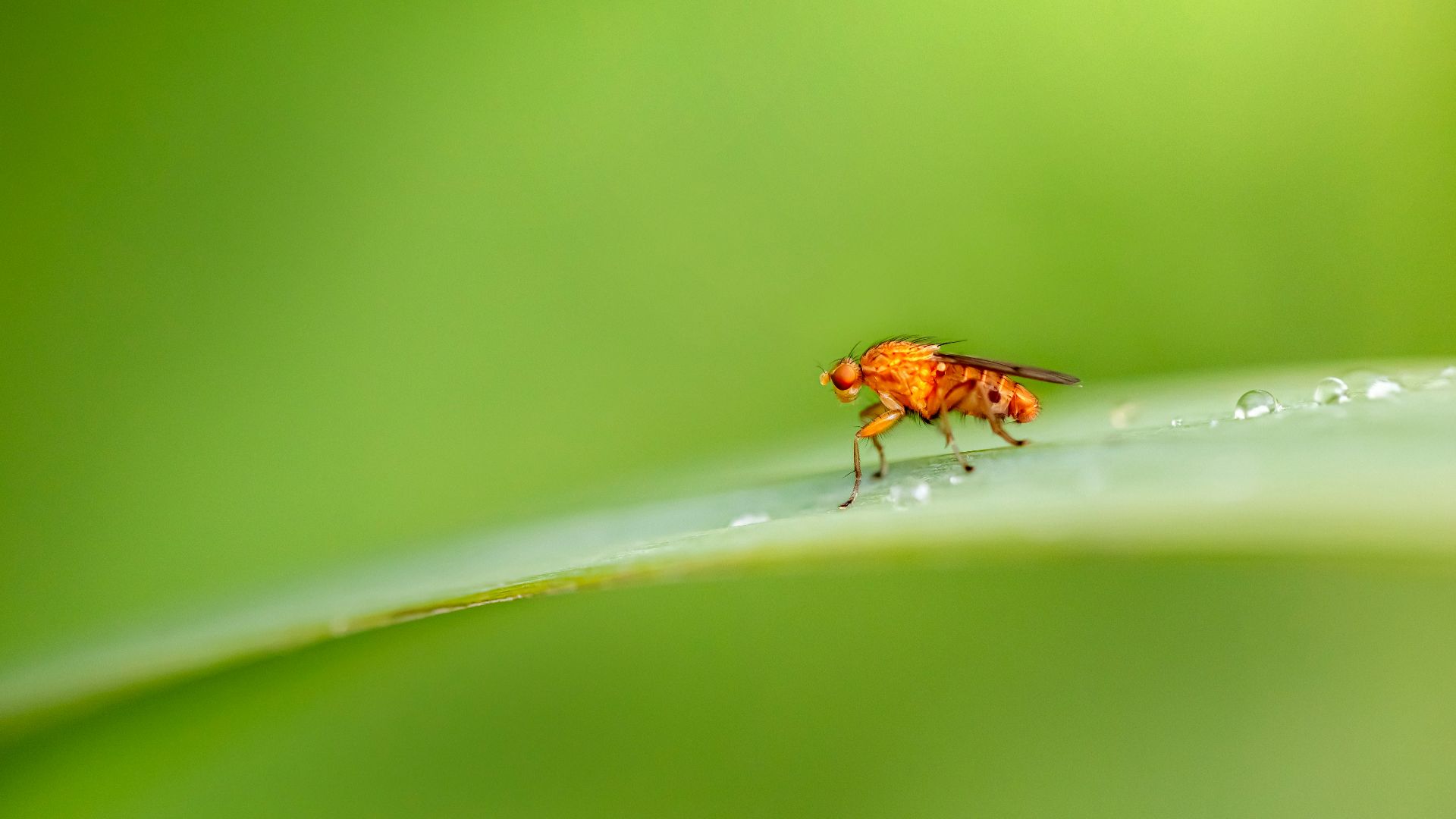
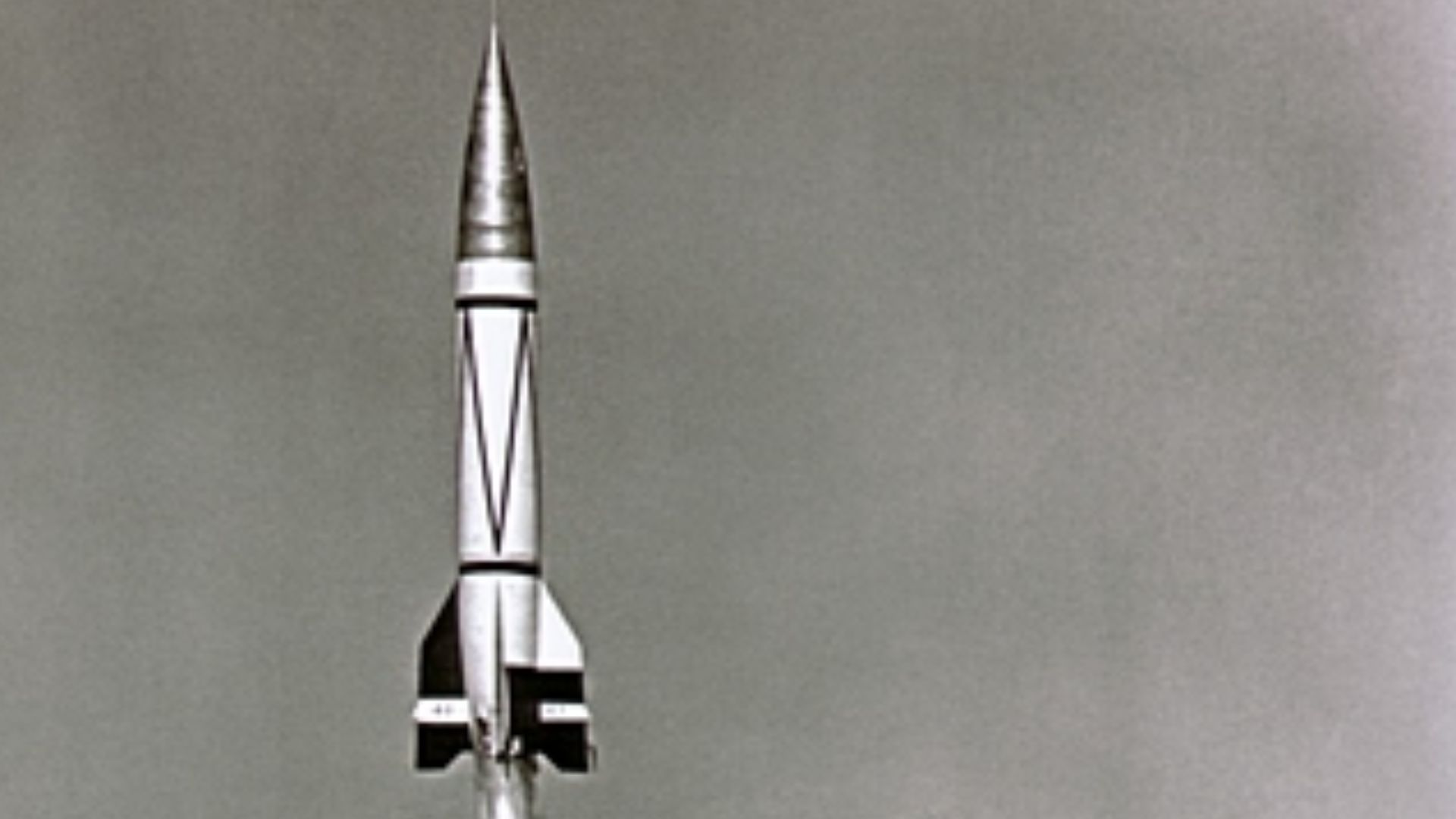
The first animals intentionally launched into space and recovered alive were fruit flies, sent on a V-2 rocket in 1947. They were small, easy to study, and useful for testing how high-altitude radiation might affect living tissue.
2. Albert II
In 1949, a rhesus monkey named Albert II became the first primate to reach space. His flight reached about 83 miles above Earth, but the capsule’s parachute failed during recovery. The mission produced useful biological data, though Albert II did not survive.
 Air Research and Development Command on Wikimedia
3. Soviet Canines
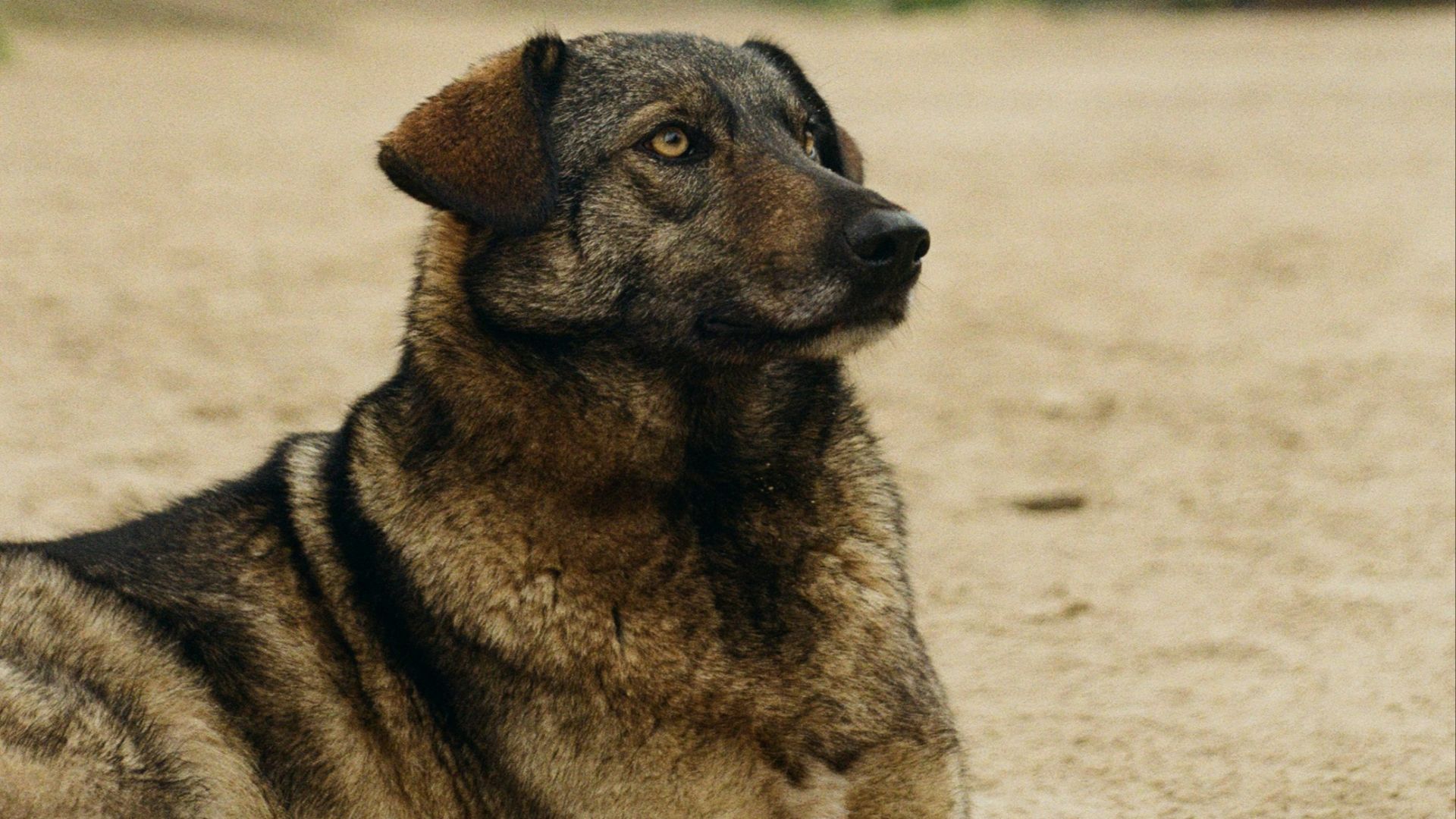
The Soviet space program used dogs partly because researchers believed they were calmer than monkeys in tight spaces. Female dogs were often preferred because their anatomy was more equipped for the tight spaces required in a flight capsule.
4. Dezik And Tsygan
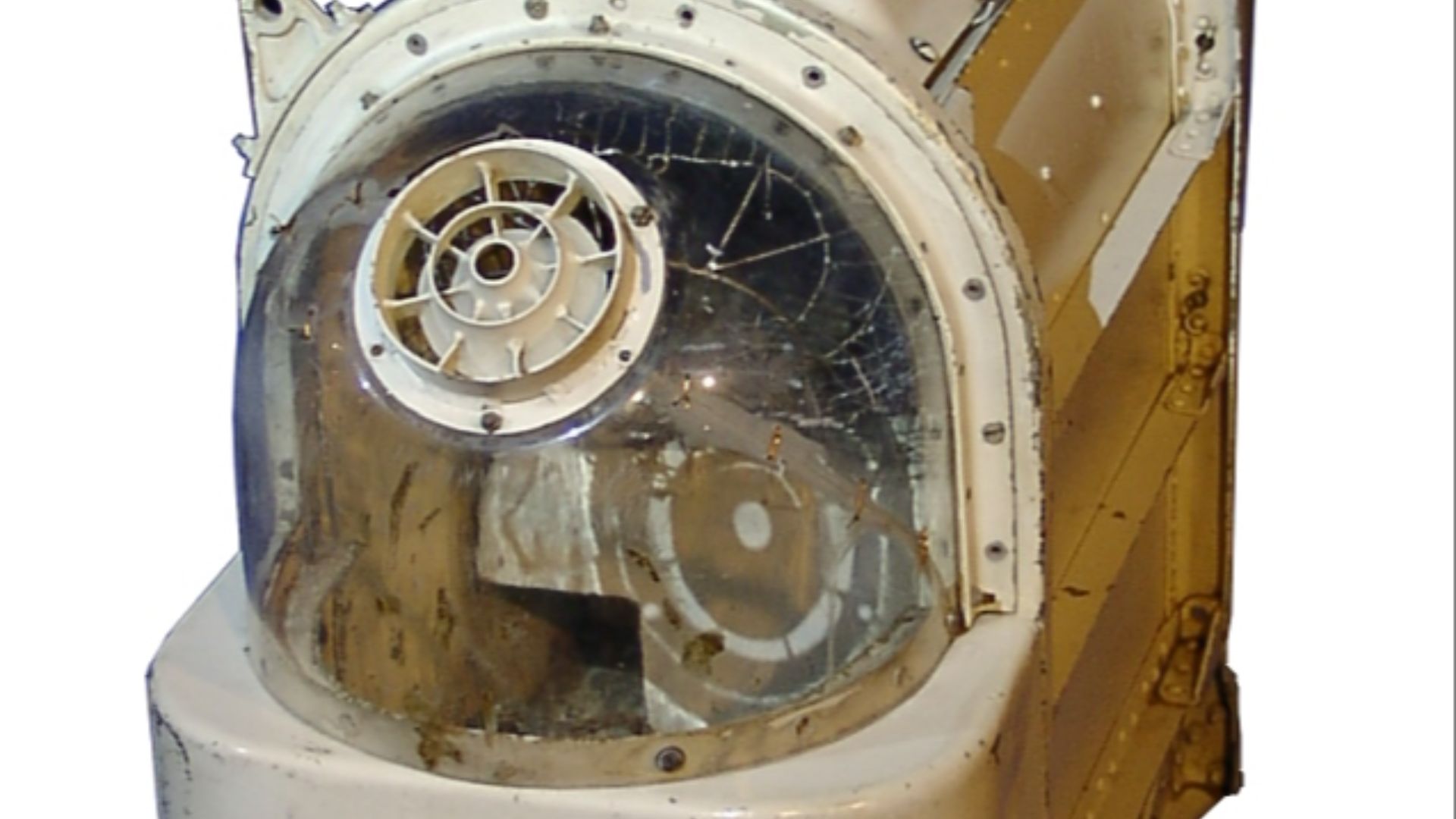
In 1951, the Soviet dogs Dezik and Tsygan became early canine space pioneers when they completed a suborbital flight and returned alive. Their mission helped test recovery systems, animal cabins, and the basic effects of short spaceflights on larger mammals.
5. Laika
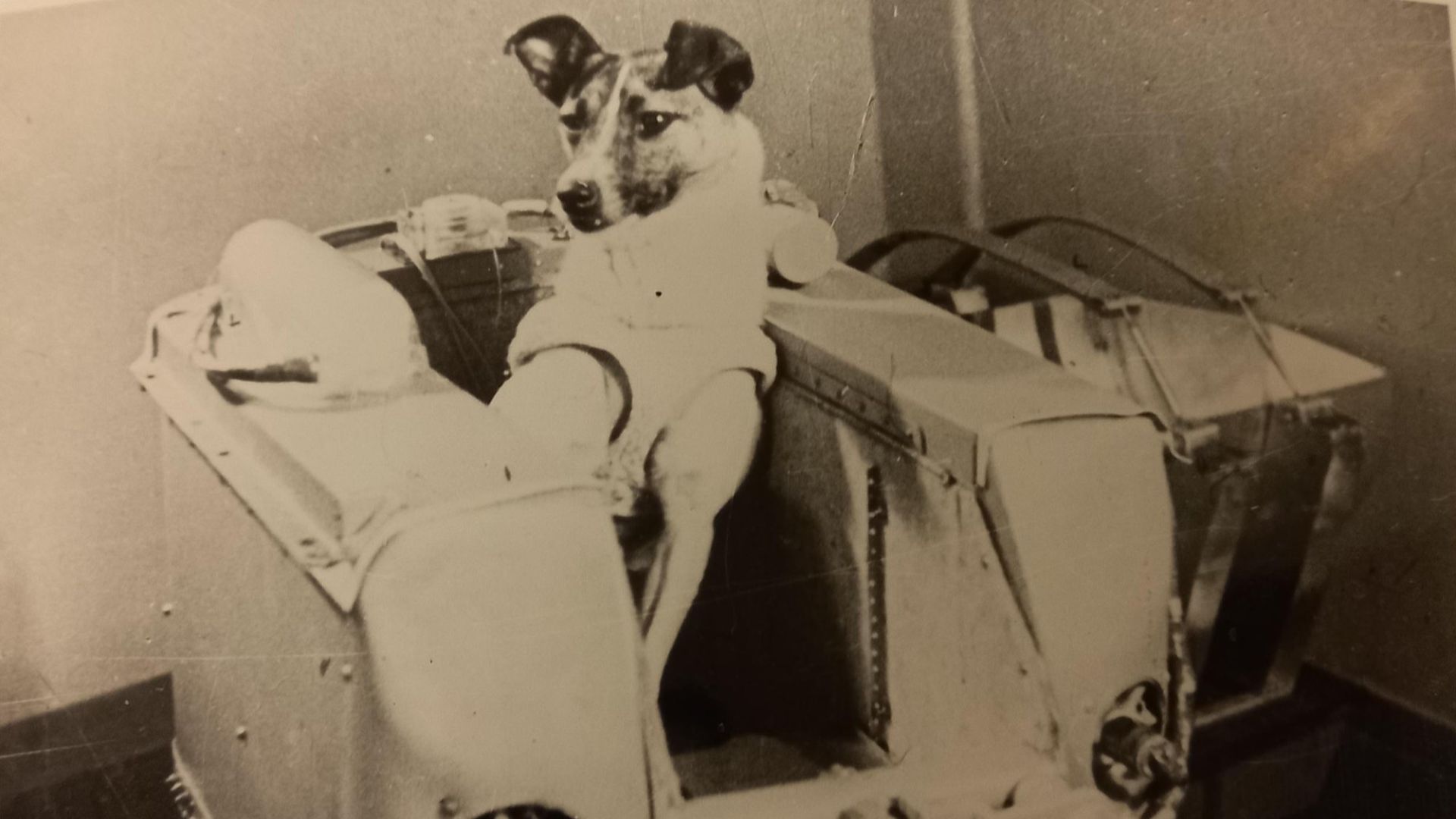
Laika, a stray dog from Moscow, became the first animal to orbit Earth in 1957. Her mission was never designed to bring her home, and later information showed she died after only a few hours in orbit. Her story remains one of the most famous and difficult chapters in animal-related spaceflight.
 unknown - likely Soviet space program on Wikimedia
6. Laika’s Mission
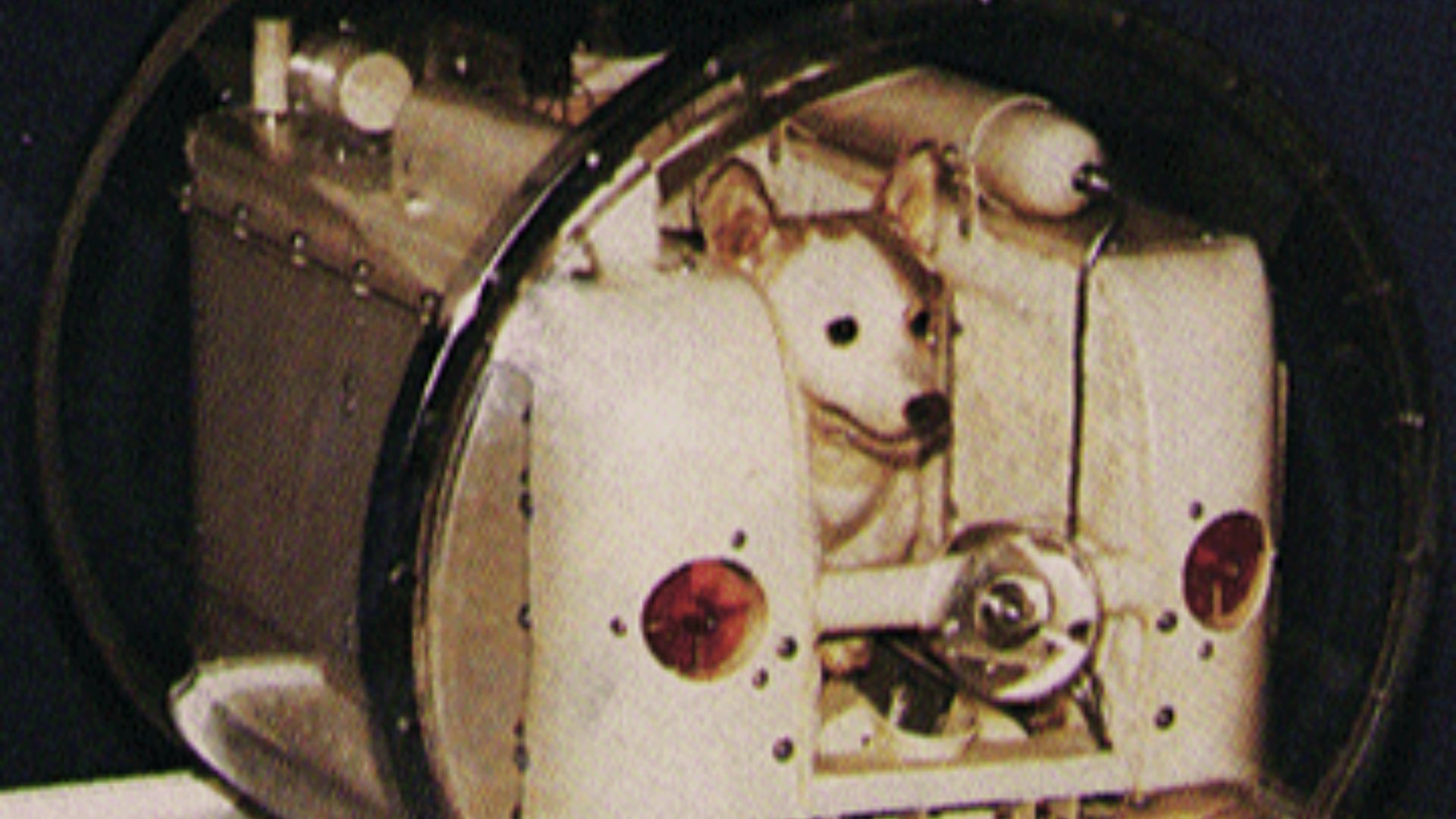
Laika’s flight proved that a living creature could survive launch and reach orbit, but it also exposed the harsh cost of early space testing. Public understanding of her fate changed over time as more accurate details emerged. Her mission is still discussed as both a scientific milestone and a tragedy.
7. Gordo
A squirrel monkey named Gordo flew aboard a Jupiter rocket in 1958 and reached about 600 miles in altitude. His capsule was lost after splashdown when a flotation system failed. Even so, readings from his breathing and heartbeat suggested that a human could survive a similar flight path.
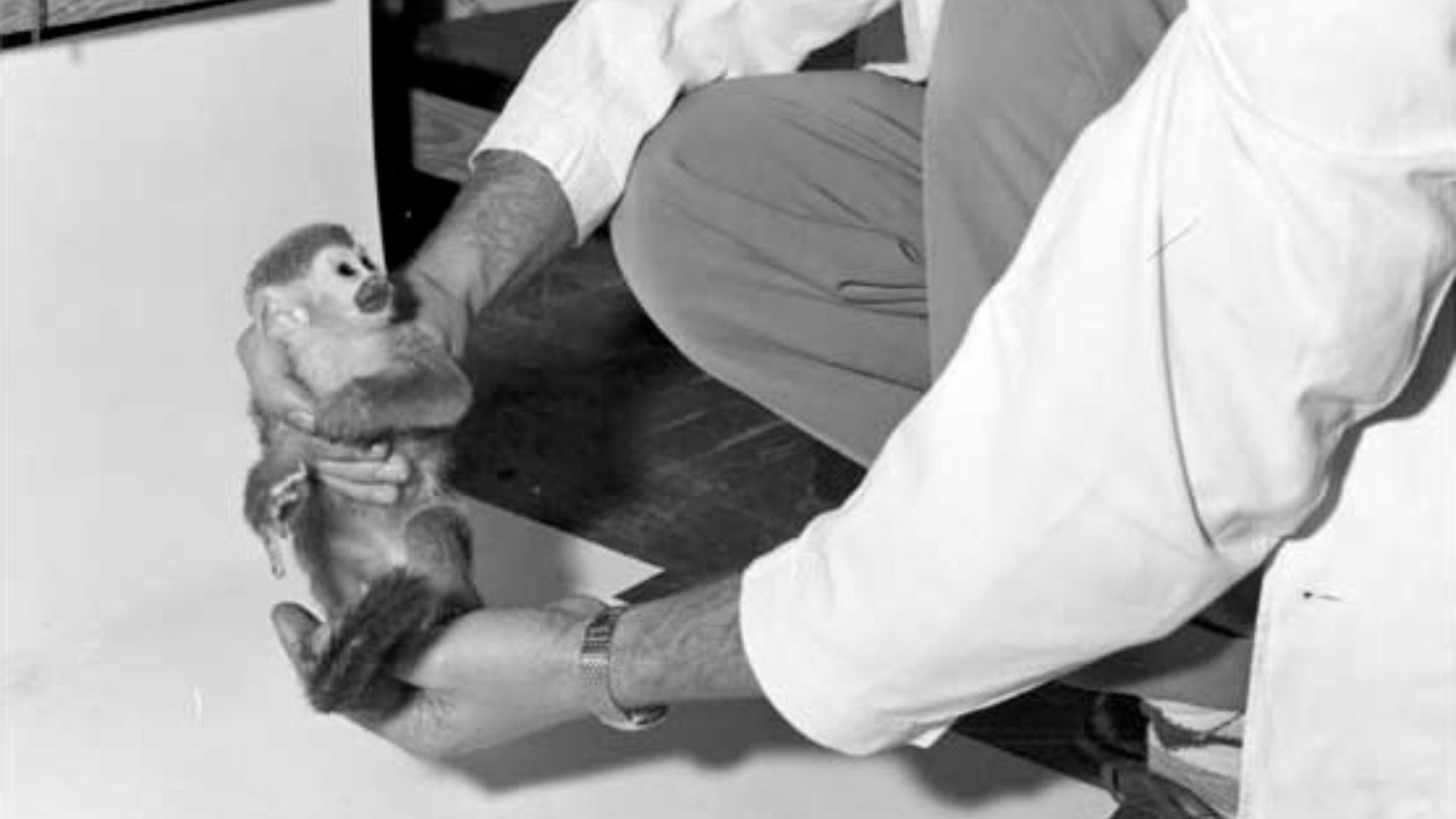
8. Able And Baker
In 1959, Able, a rhesus monkey, and Baker, a squirrel monkey, became the first American animals to enter space and return safely. Able died a few days later during a medical procedure, while Baker lived until 1984. Their successful recovery made them early space celebrities.
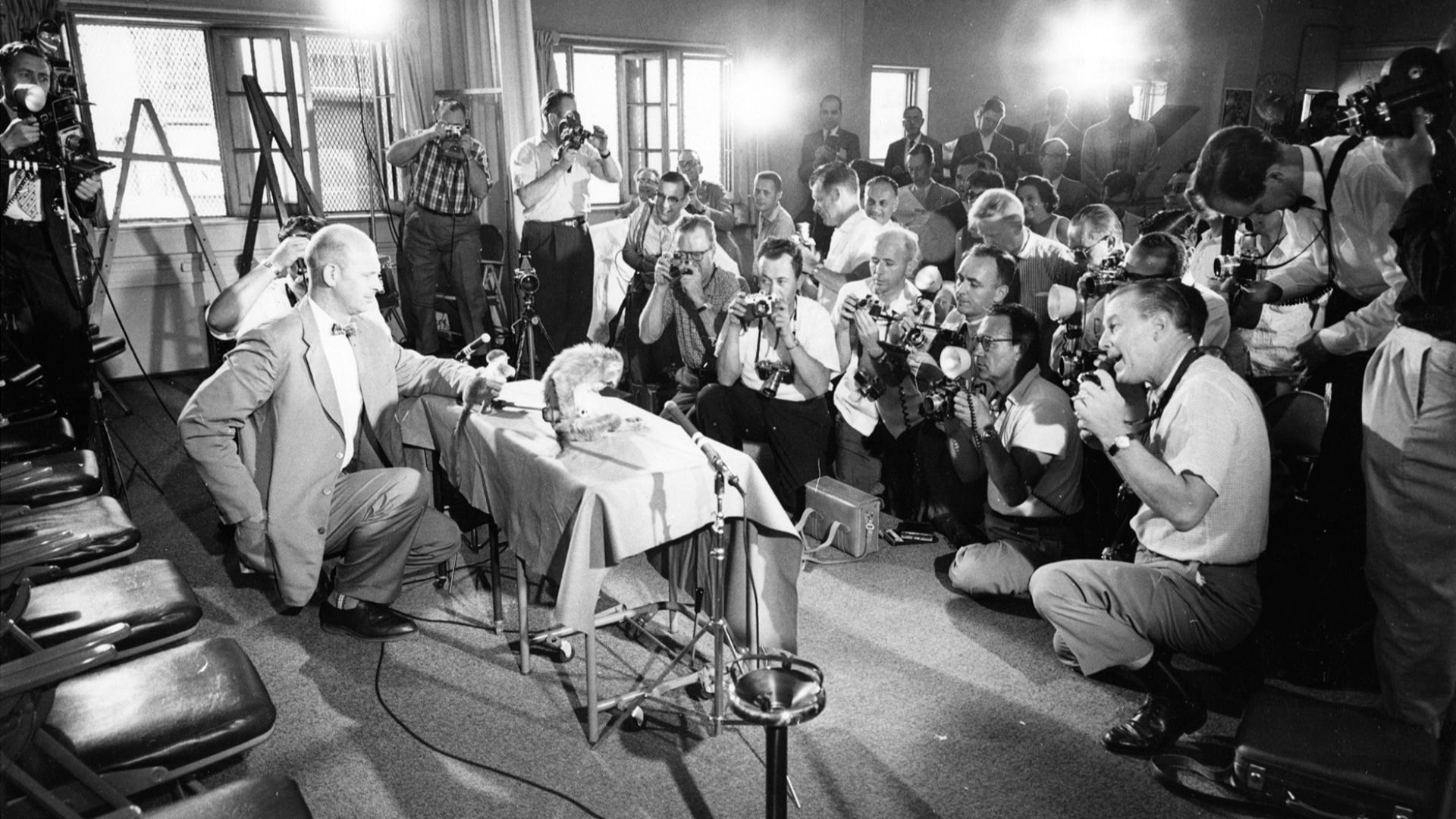 1st Lt. Cecil W. Stoughton, US Army on Wikimedia
9. Early Mouse Missions
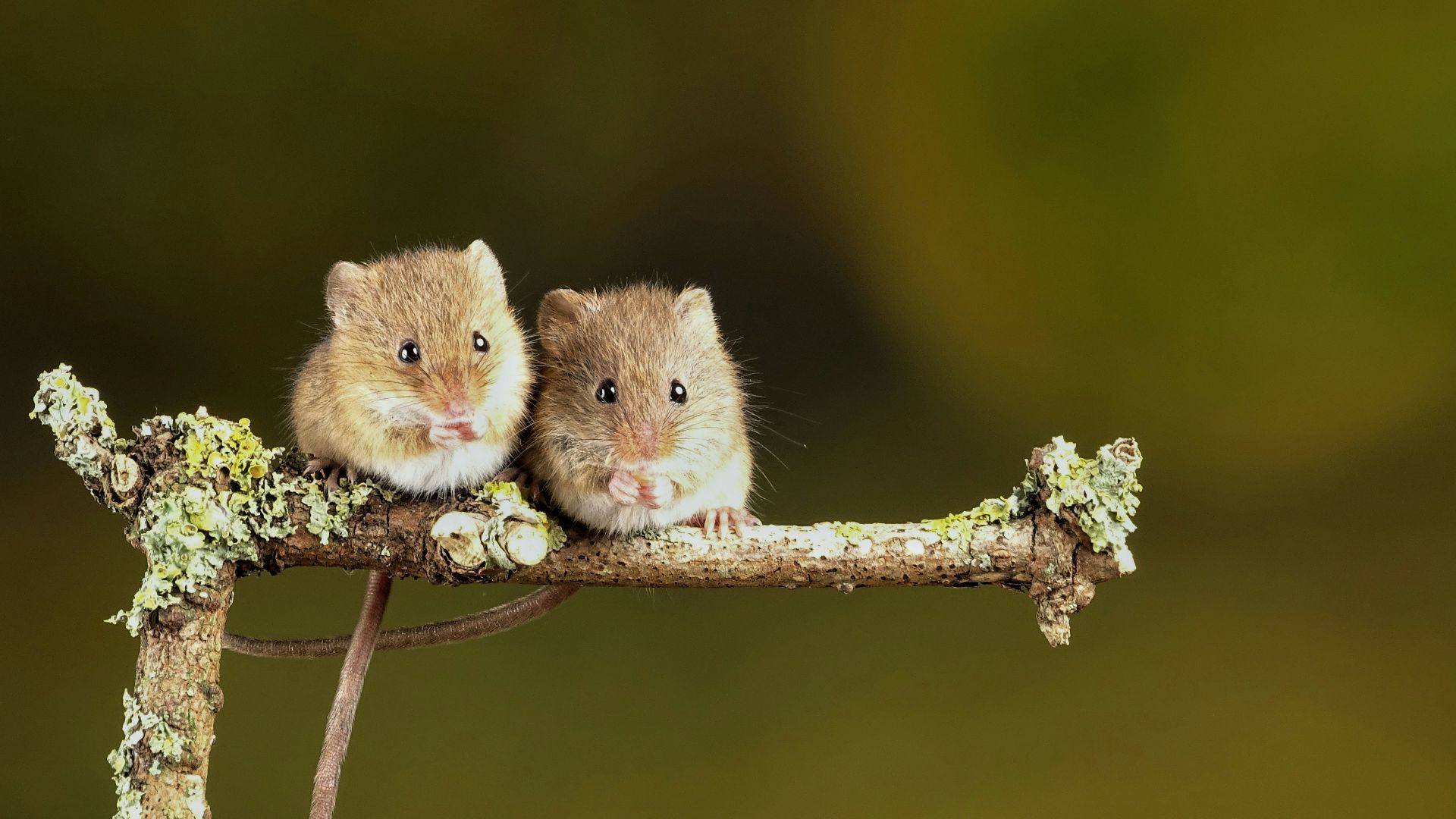
Some early mouse missions ran into problems before they even left the ground. In one case, mice chewed material inside their cages and died before launch. In another case, a humidity warning was caused by a sensor placed below a mouse cage, which mistook urine for moisture in the capsule.
10. Belka And Strelka
In 1960, Soviet dogs Belka and Strelka became the first animals to orbit Earth and return alive. They were not traveling alone, either. Their spacecraft also carried smaller animals, insects, plants, and other biological samples, making the mission a major step toward human orbital flight.
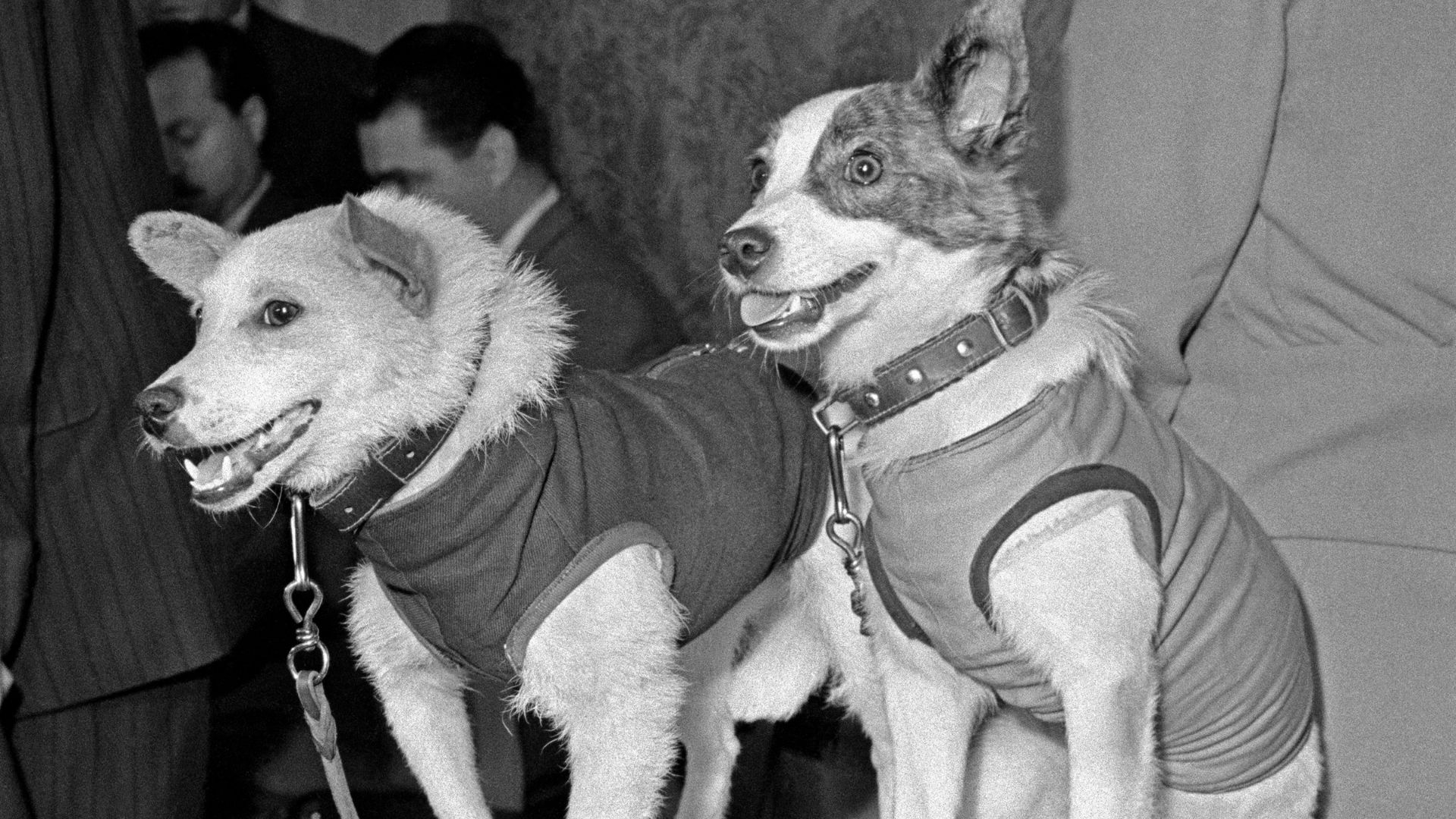 Музей космонавтики / Главархив Москвы on Wikimedia
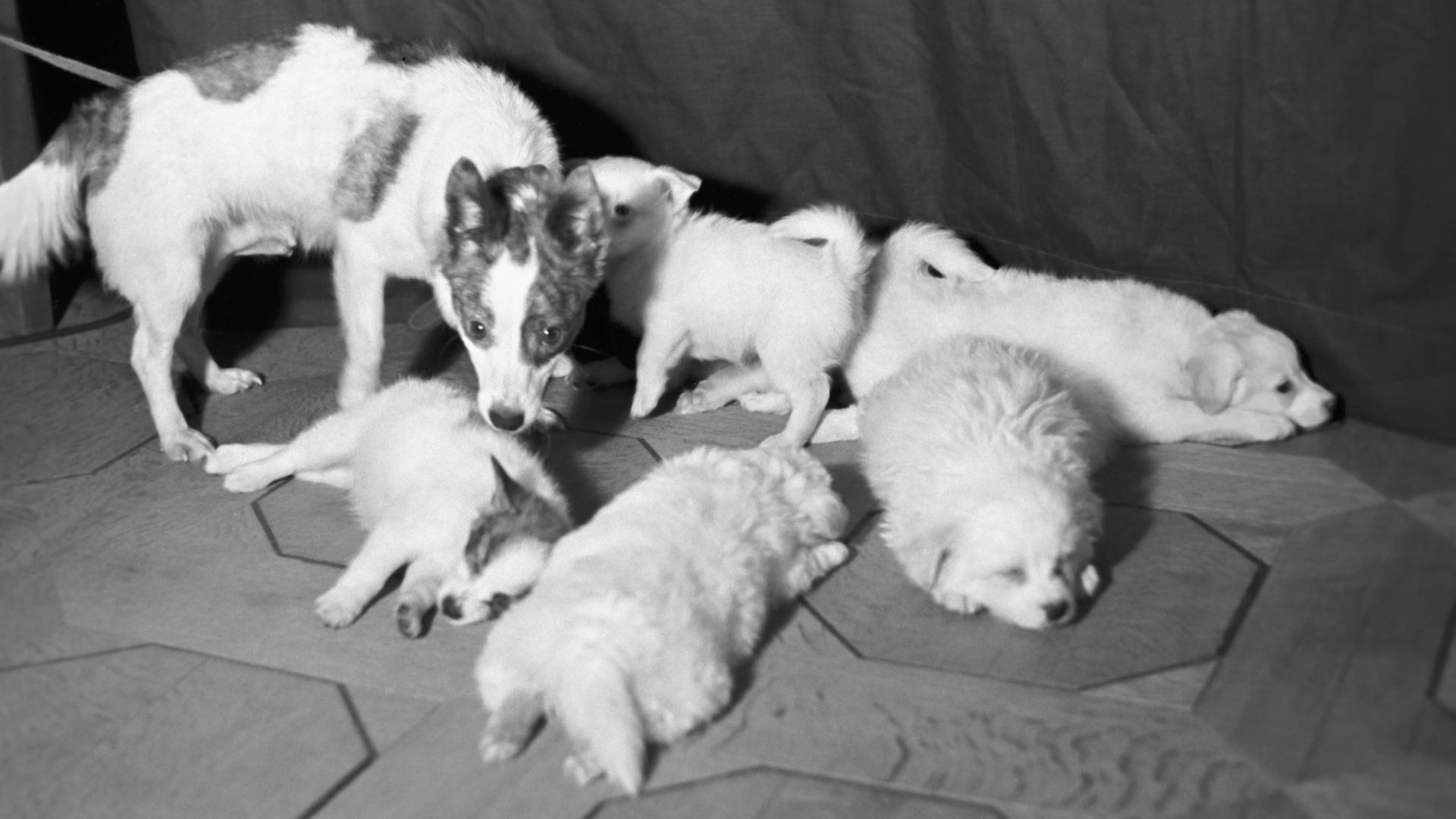
11. Strelka’s Puppy
After Strelka returned from space, she later had a litter of puppies. One of them, named Pushinka, was given to President John F. Kennedy’s family. It’s one of the stranger details of the Cold War: a puppy descended from a Soviet space dog living in the White House.
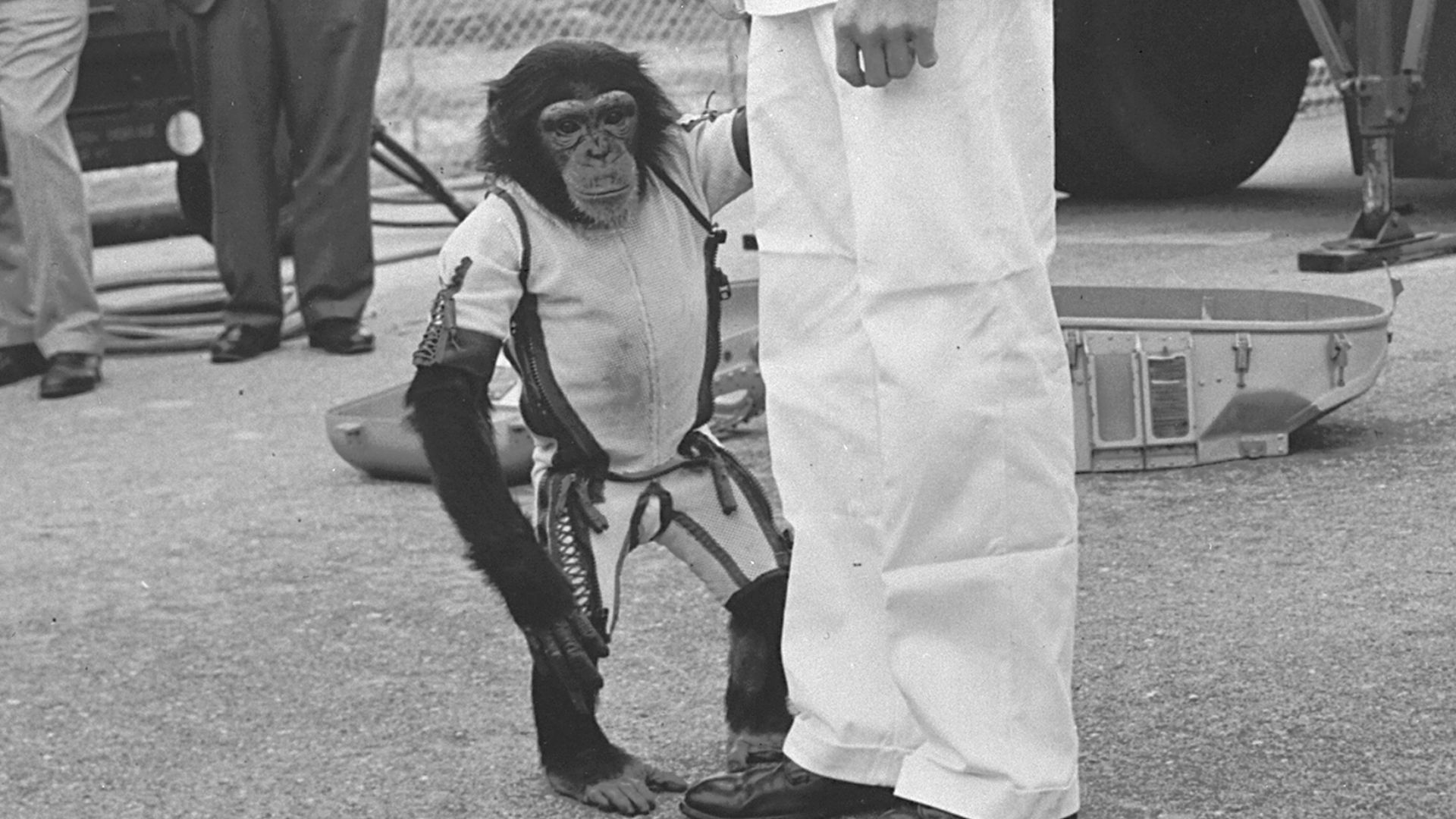
12. Ham
Ham, the chimpanzee, flew in 1961 and was trained to respond to signals by pulling levers. His mission proved that not only could primates survive the trip, but they could also perform tasks under the stress of spaceflight.
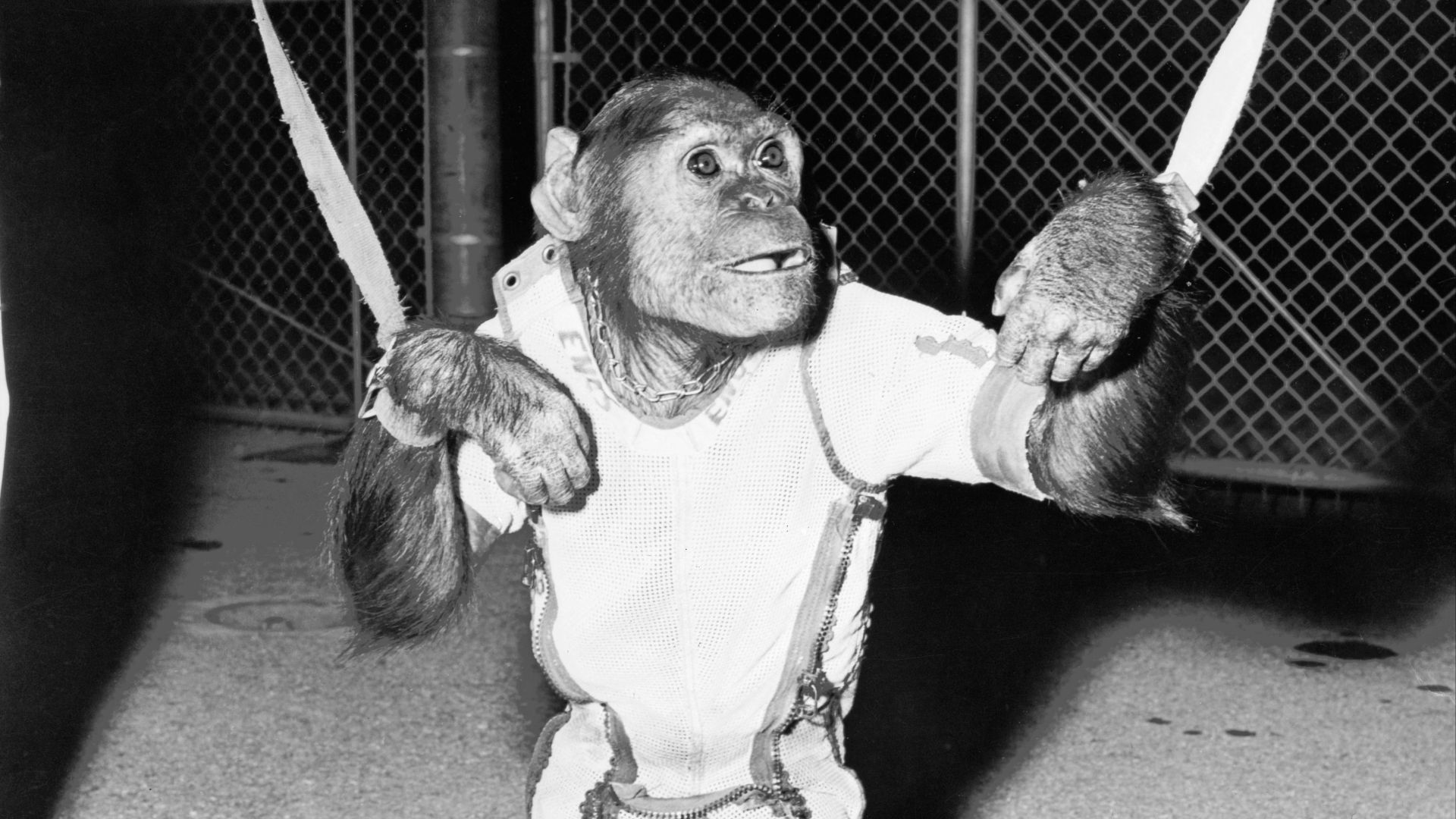
13. Enos
Later in 1961, Enos became the first chimpanzee to orbit Earth. His flight was planned for three orbits but ended after two due to technical problems. He returned in good condition, helping clear the way for a crewed orbital mission in the years that followed.
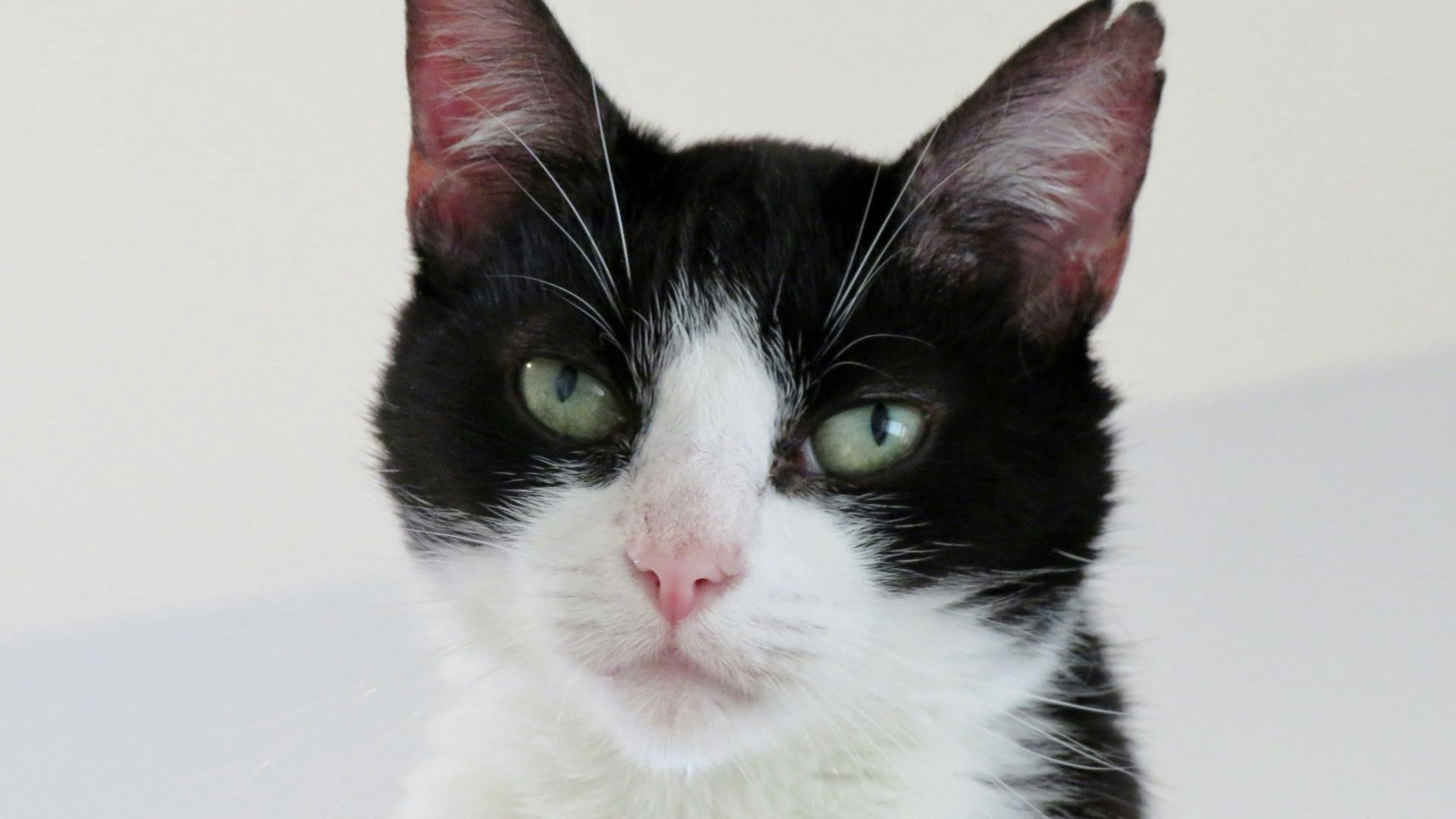
14. Félicette
In 1963, a French cat named Félicette became the first cat to reach space and return safely. She flew on a suborbital mission, recovered unharmed, and provided neurological data from the flight. A second feline mission followed days later, but, sadly, the second kitty didn’t make it.
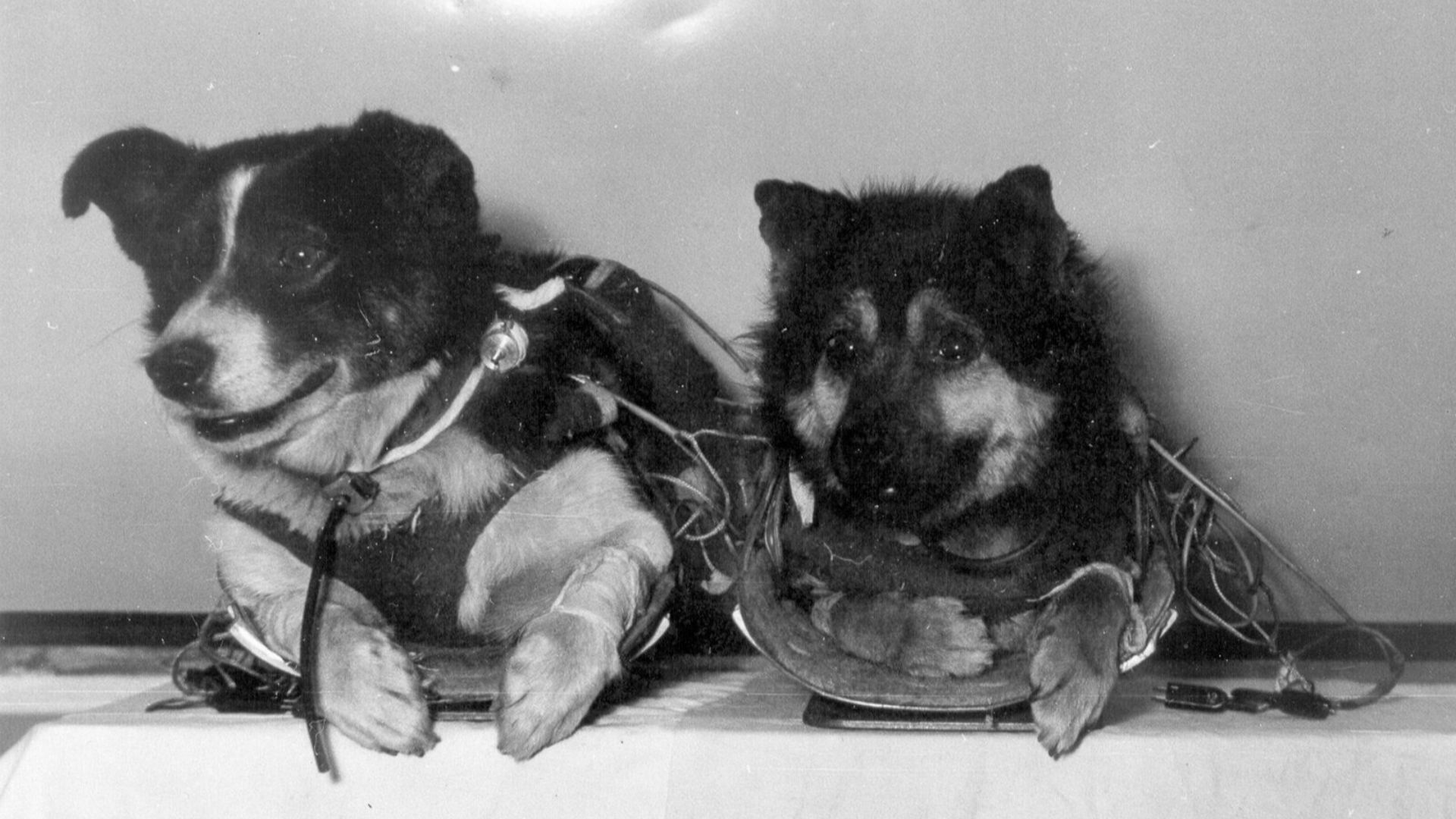
15. Veterok And Ugolyok
In 1966, Soviet dogs Veterok and Ugolyok spent 21 days in space. Their mission studied the effects of longer spaceflights and radiation exposure on living bodies. Their time in orbit still stands as the longest spaceflight ever completed by dogs.
 Музей космонавтики / Главархив Москвы on Wikimedia
16. Tortoises
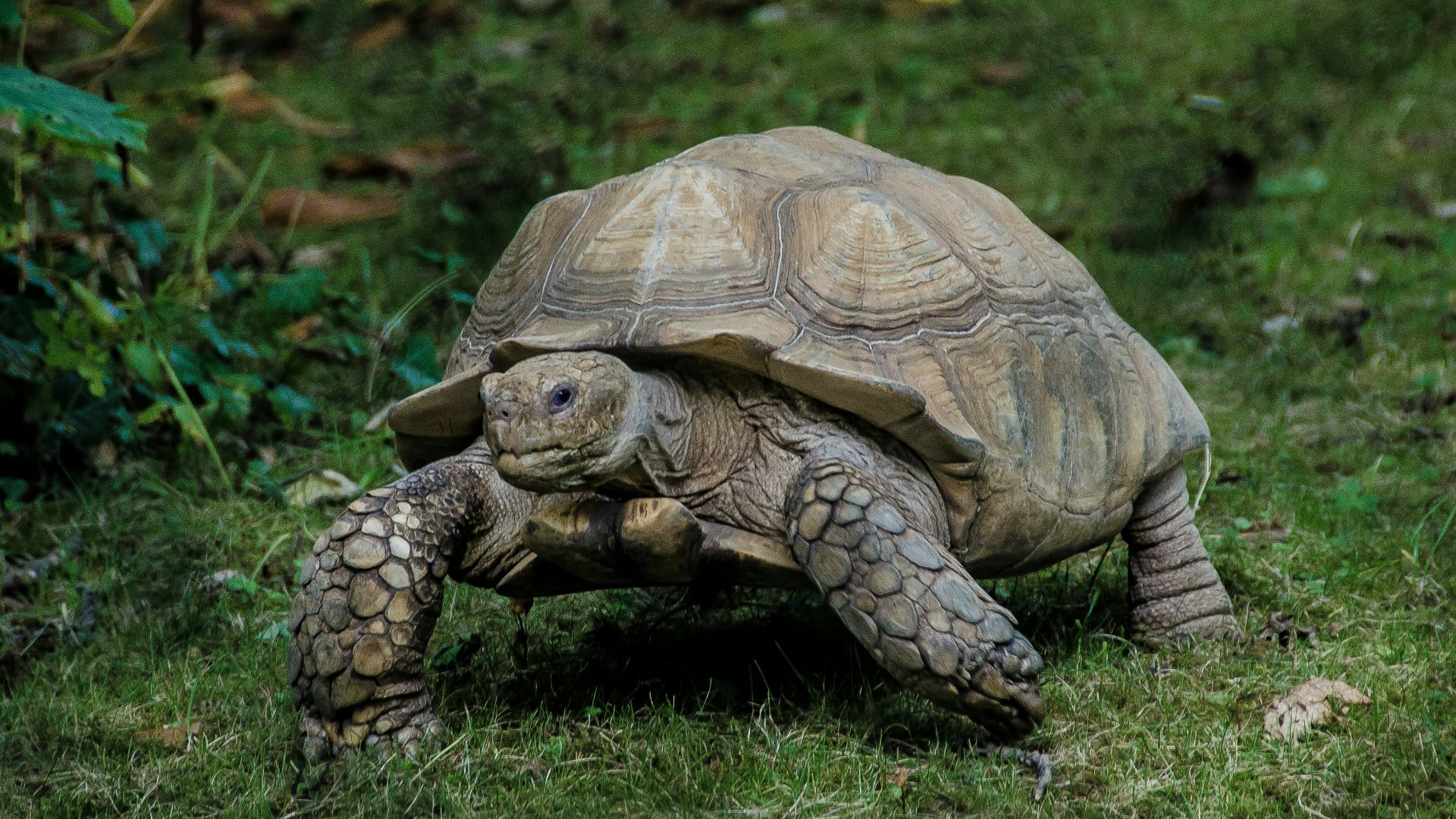
In 1968, two steppe tortoises flew around the Moon aboard a Soviet spacecraft and returned to Earth. They made the trip before any human did, which makes them some of the most overlooked lunar travelers in history.
17. Beyond Famous Mammals
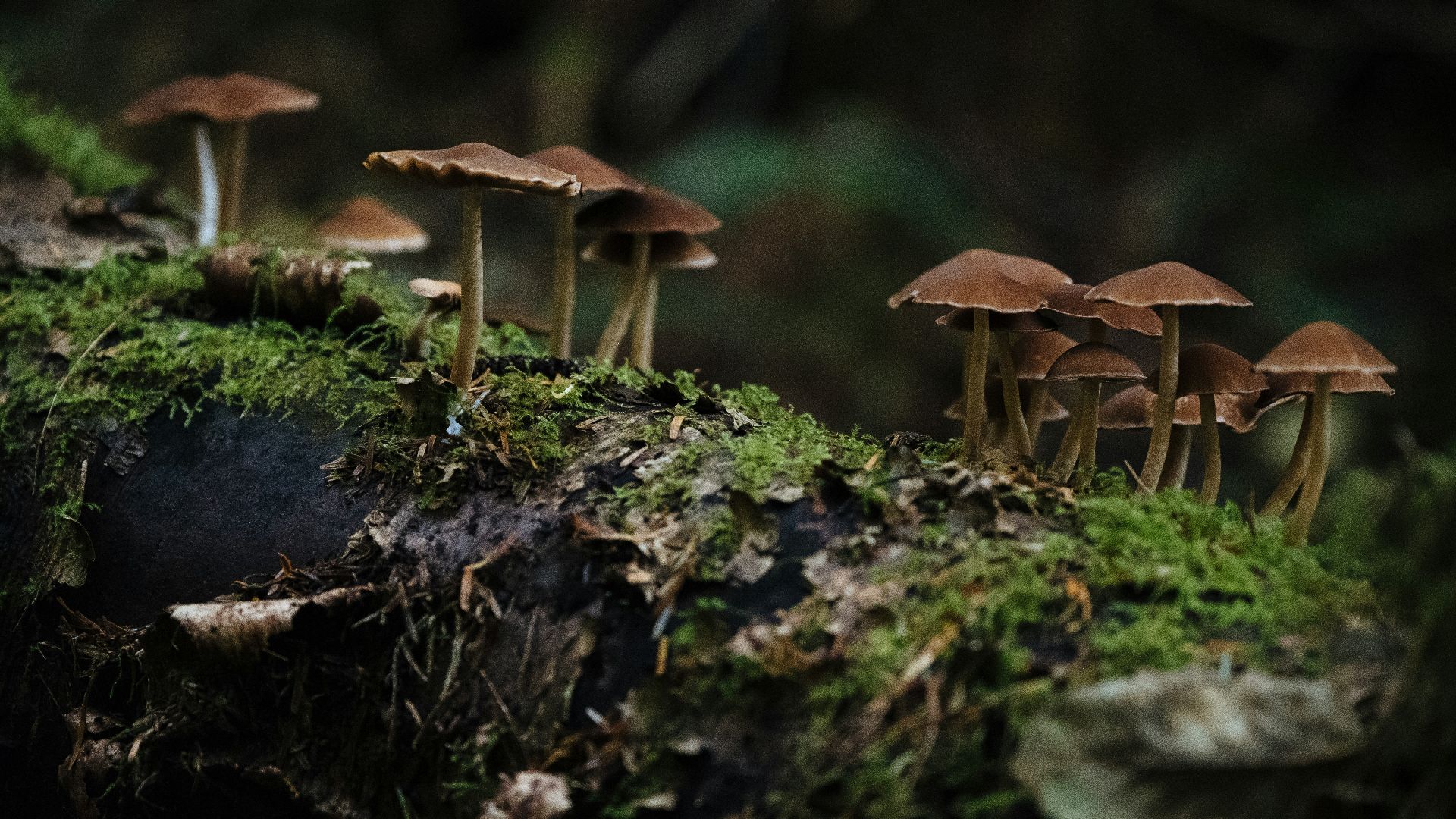
As space research matured, animal missions became less about dramatic “firsts” and more about specific biological questions. Later experiments involved insects, fish, frogs, fungi, quail eggs, newts, seeds, cells, and other small organisms. The focus shifted toward development, balance, radiation, reproduction, and long-term survival.
18. Apollo 17’s Mice
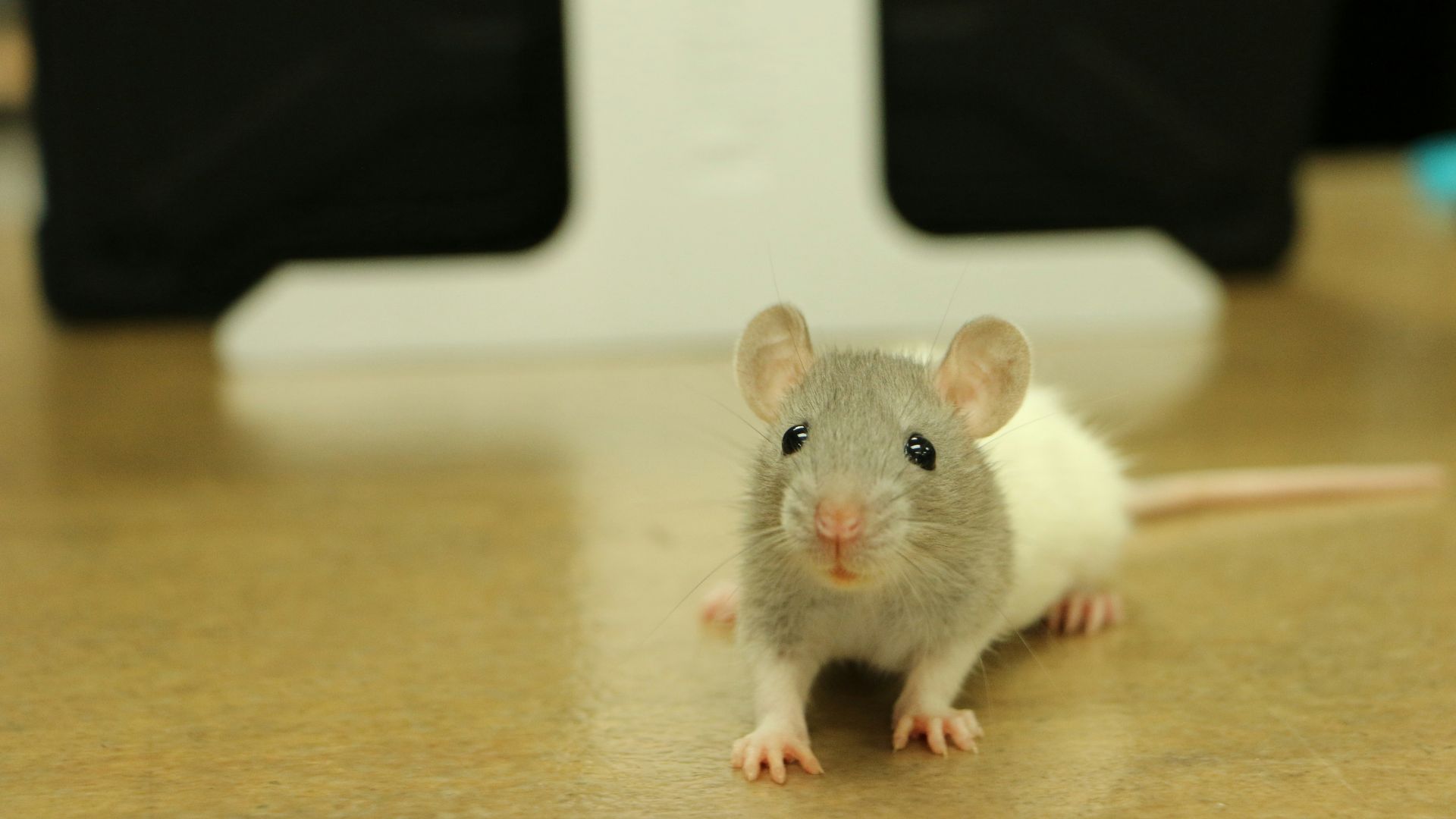
The final crewed Moon landing mission also carried five pocket mice as part of a cosmic-ray experiment. Researchers wanted to study whether high-energy particles in space could leave visible damage in brain or eye tissue. The mice were small, seemingly forgotten passengers on one of history’s biggest missions.
19. Spiders
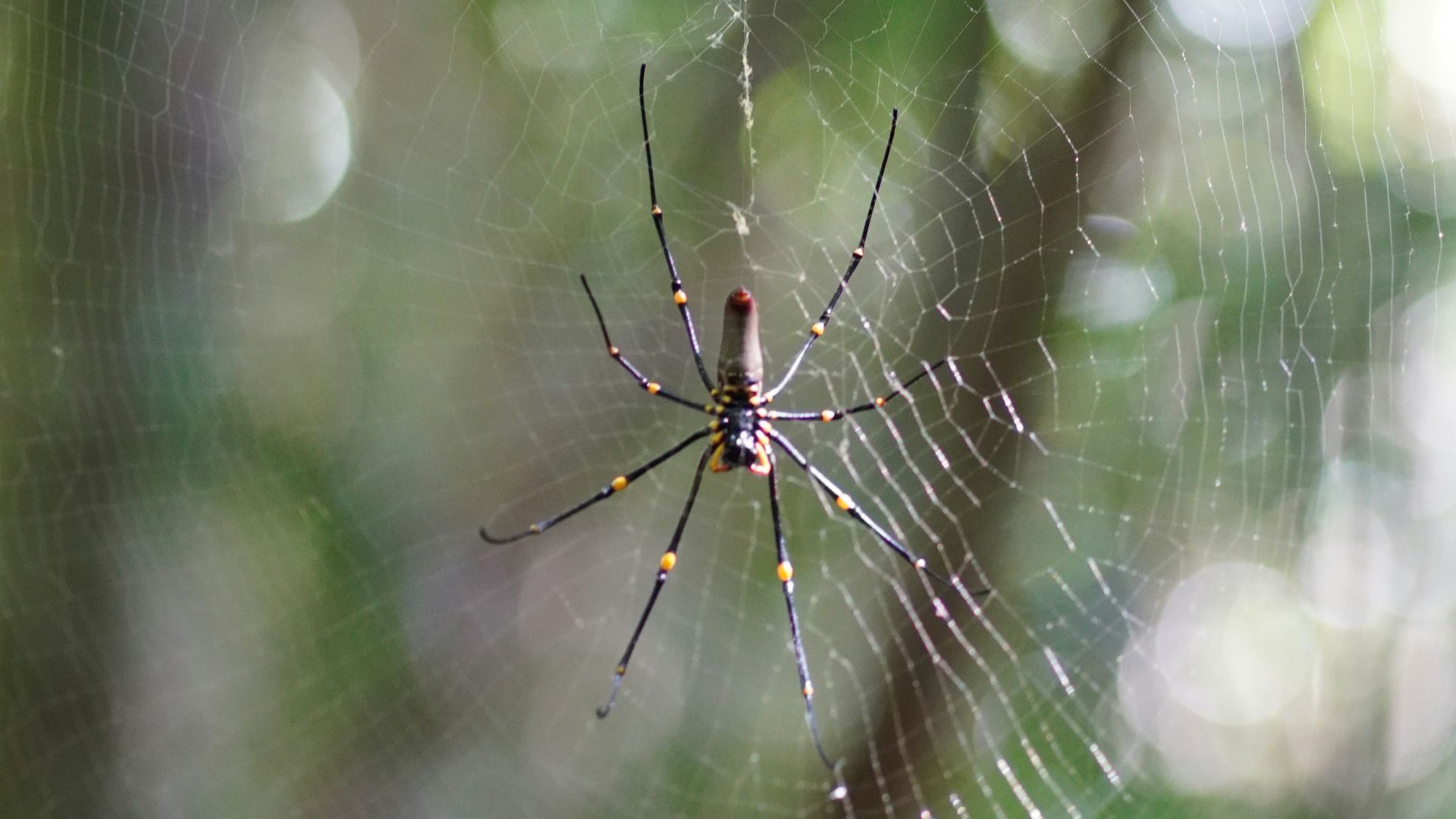
In 1973, two spiders named Anita and Arabella flew into space to test whether they could spin webs in weightlessness. They struggled at first, but they eventually managed to build webs in microgravity.
20. Tardigrades
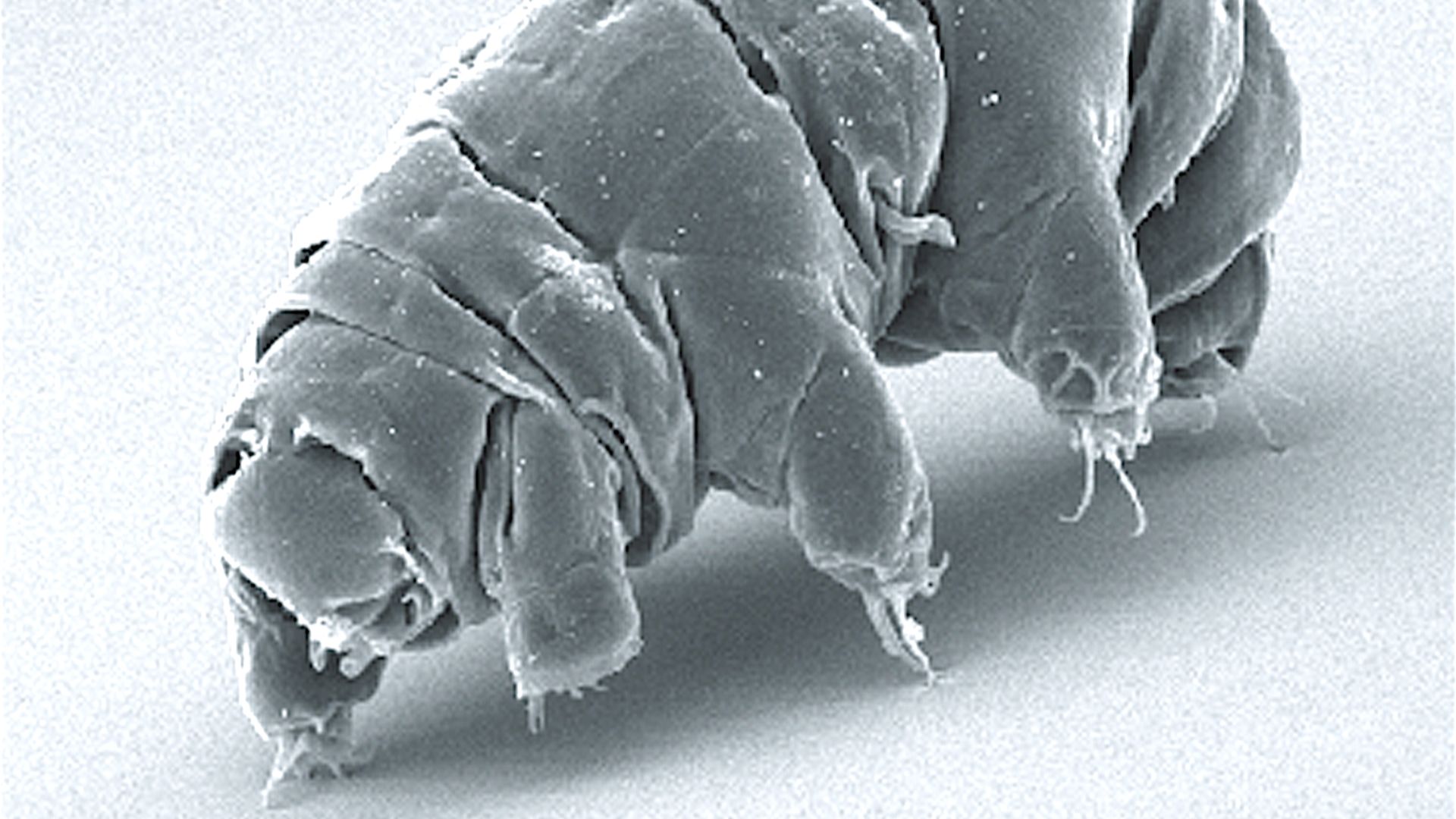
In 2007, tiny tardigrades, also known as water bears, were exposed to the harsh environment of space. Some survived vacuum, dehydration, and cosmic radiation during the experiment. Their resilience pushed the question of survival beyond spacecraft cabins and into the open conditions of space itself.
 Schokraie E, Warnken U, Hotz-Wagenblatt A, Grohme MA, Hengherr S, et al. (2012) on Wikimedia
KEEP ON READING