

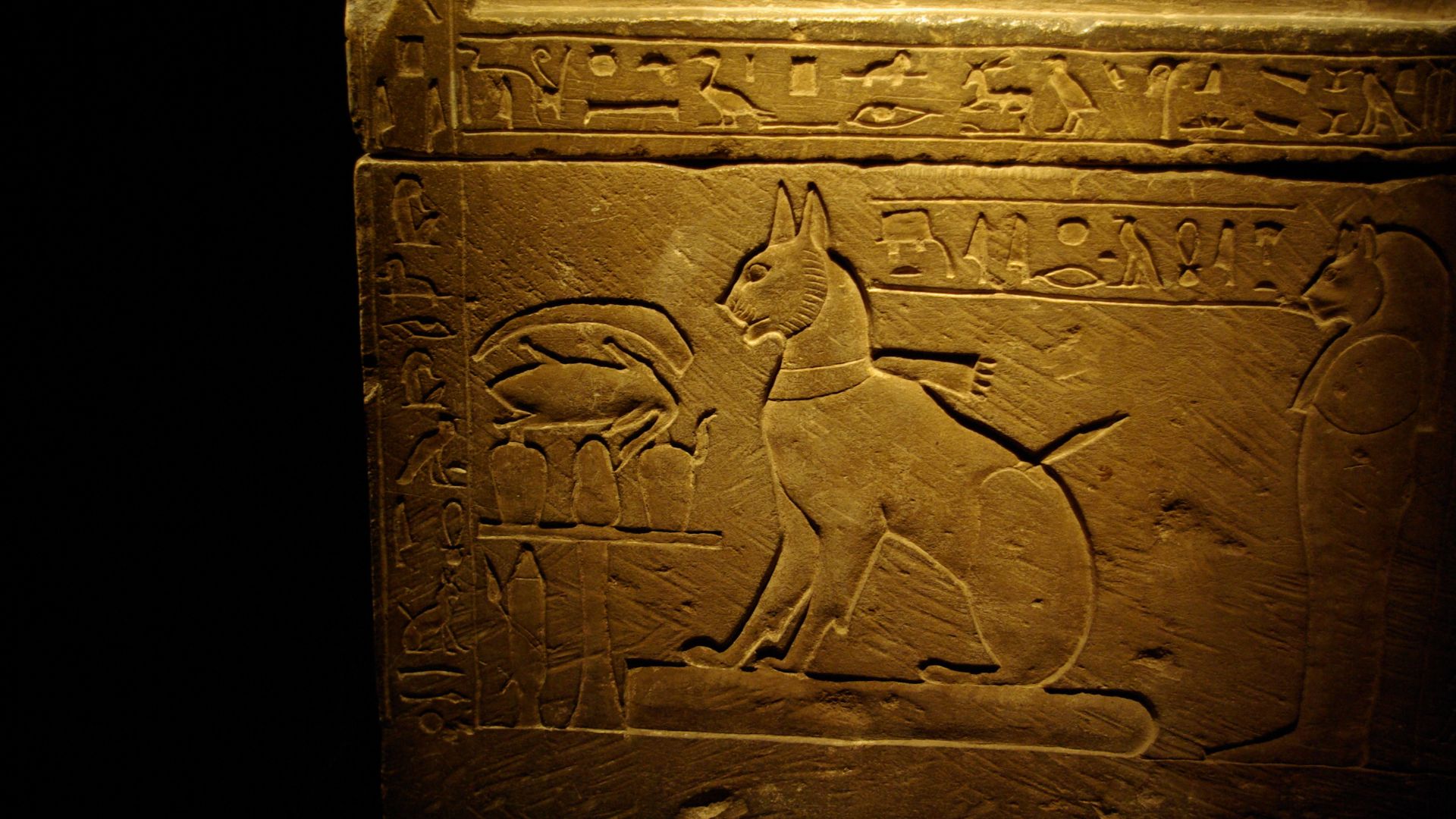
Ancient Egypt had plenty of impressive things going on: pyramids, temples, hieroglyphs, mummies, powerful pharaohs, and a calendar full of gods. Yet one of the most charming details about Egyptian culture is how seriously it took cats. These animals weren’t just tolerated around the house; they were admired, protected, painted, sculpted, mummified, and linked to divine power.
That doesn’t mean every Egyptian household treated its cat like a tiny royal guest with perfect manners and a judgmental face. Cats became important because they were useful, graceful, mysterious, and symbolically powerful all at once. They protected food, controlled pests, guarded homes, and came to represent ideas of fertility, motherhood, protection, and divine watchfulness. In ancient Egypt, a cat wasn’t just a pet; it was a small, elegant security system with spiritual benefits.
Cats Protected Food, Homes, & Everyday Life
The practical side of Egypt’s love for cats probably came first. Ancient Egyptians stored grain, and grain attracted mice, rats, snakes, and other unwanted visitors. Cats helped protect food supplies by hunting the pests that threatened them, which made cats economically useful.
Cats also helped make homes safer. Snakes and scorpions were real dangers in Egypt, and cats were quick, alert, and brave enough to confront smaller threats. That protective role made them valuable companions in ordinary households.
Their behavior probably added to the fascination. Cats were independent but affectionate when they wanted to be, domestic but still wild around the edges, and graceful in a way that made them seem almost supernatural. They moved silently, hunted efficiently, and then returned home as if they had simply been out handling business. That mix of usefulness and mystery made them easy to admire.
Cats Became Linked With Divine Power
Over time, cats became strongly associated with Egyptian religion. One of the best-known cat-linked deities was Bastet, a goddess connected with protection, fertility, motherhood, music, joy, and the home. She was often represented as a lioness in earlier periods and later as a domestic cat or a woman with a cat’s head. That shift says a lot about how the cat moved from wild power to household protection.
Bastet’s popularity helped elevate the status of cats across Egyptian life. If a goddess could appear in feline form, then ordinary cats carried a sense of sacred association. People didn’t necessarily worship every house cat as a god, but they could see cats as animals connected to divine qualities. That made harming them a serious matter, both socially and spiritually.
Cats also fit neatly into Egyptian ideas about balance and protection. They could be gentle with their young, fierce against threats, and calm in domestic spaces. Those traits made them ideal symbols for protective feminine power. Basically, cats had the full résumé: soft, lethal, elegant, and extremely sure of themselves.
Cat Worship Became Big Business
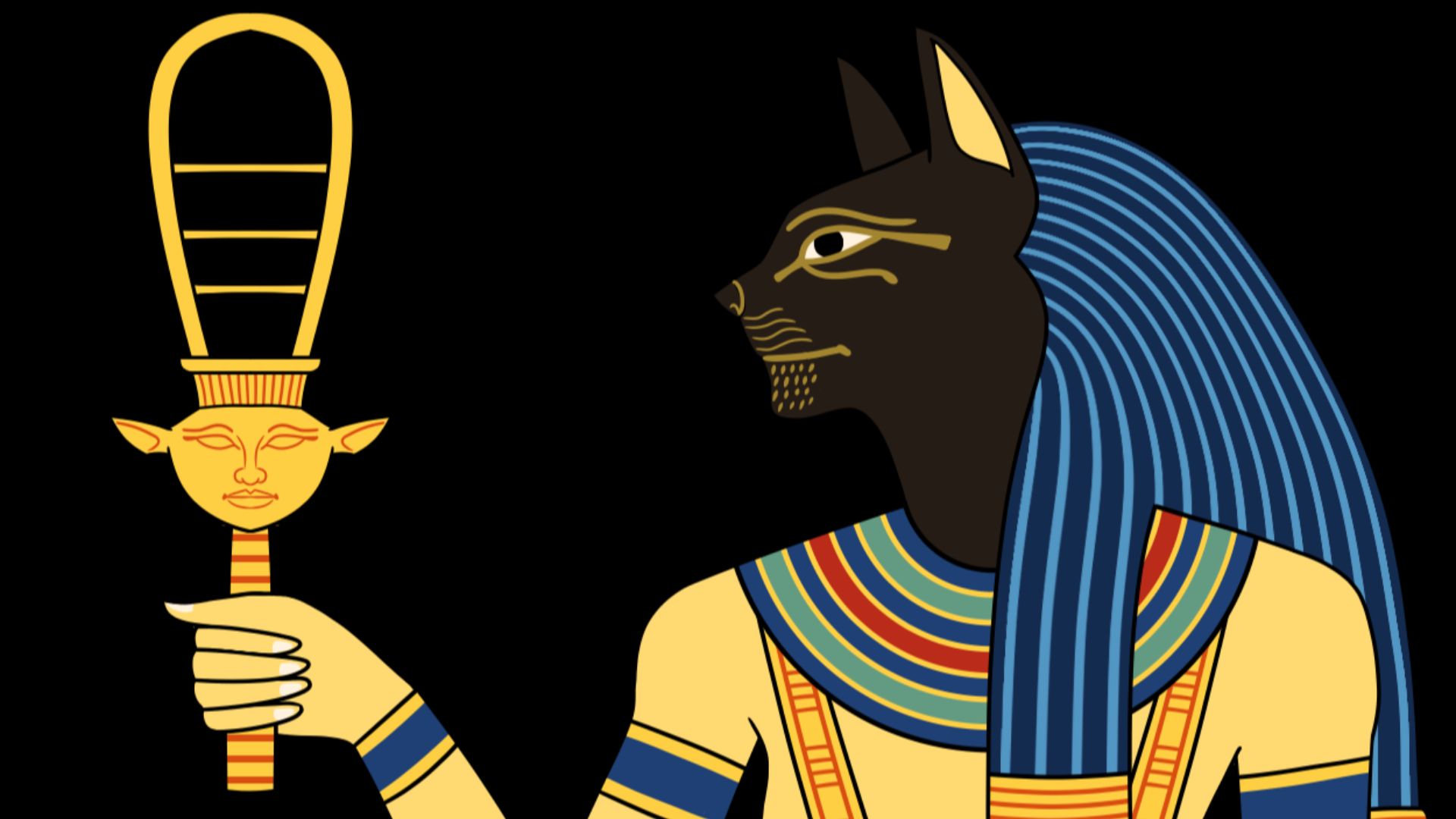
As Bastet’s cult grew, the city of Bubastis became a major religious center. Pilgrims traveled there for festivals, offerings, and rituals honoring the goddess. Ancient writers described celebrations connected to Bastet as lively events with music, dancing, and plenty of public enthusiasm. If you thought cat people today were committed, ancient Egyptian pilgrims were operating on another level.
Cat mummies became a major part of this religious economy. People offered mummified cats to Bastet as devotional gifts, hoping for favor, protection, or answered prayers. Archaeologists have found enormous numbers of cat mummies, showing just how widespread the practice became. The scale is impressive, although modern cat owners may feel slightly relieved that today’s devotion usually stops at buying a fancy scratching post.
This popularity also had a darker side. Some cats were likely bred specifically to be mummified and offered at temples. That complicates the sweet image of ancient Egyptian cat love, reminding us that religious devotion in the ancient world could involve practices modern people find uncomfortable. Still, it shows how deeply cats had entered the spiritual and social life of Egypt.
Cats Became Symbols of Status & Affection
Cats also appeared in Egyptian art, often shown beneath chairs, near women, beside food, or in scenes of domestic life. Their presence in tomb paintings suggests they were associated with comfort, household prosperity, and companionship. A cat in a scene could signal more than pest control; it could reflect a well-ordered, pleasant home. Apparently, even in the afterlife, people wanted the cat included.
Some Egyptians wore cat-shaped amulets or kept cat figurines, which added another layer to feline symbolism. These objects could be linked to protection, fertility, and good fortune. The cat’s image became portable, decorative, and meaningful. In modern terms, ancient Egyptians had both cat religion and cat merchandise, which feels very on-brand.
Ancient Egyptians were “obsessed” with cats because cats earned their place in several worlds at once. They were useful hunters, beloved household companions, religious symbols, and images of divine protection. Few animals could guard your grain, charm your family, represent a goddess, and look elegant doing it. Honestly, if any creature was going to convince an entire civilization it deserved special treatment, it was always going to be the cat.
KEEP ON READING

The Engineering Marvels Of Ancient Aqueducts
Jo Kassis on PexelsAncient aqueducts remain some of the most…
By Rob Shapiro May 26, 2026
Why Ancient Egyptians Were Obsessed With Cats
Larazoni on WikimediaAncient Egypt had plenty of impressive things going…
By Emilie Richardson-Dupuis May 26, 2026
Why Victorian England Desperately Needed "Safety Coffins"
Kheel Center on WikimediaImagine waking up in pitch-black darkness, surrounded…
By Sara Springsteen May 26, 2026
20 Dangerous "Cures" People Once Trusted
When Hope Outpaced Safety. From using heroin as a cough…
By Christy Chan May 26, 2026
How Forgotten Local Disasters Changed National History
Henry Albert Ericson on WikimediaSome disasters become national shorthand. Some…
By Elizabeth Graham May 26, 2026
The Scientist Who Tried to Weigh the Soul
AnonymousUnknown author on WikimediaDuncan MacDougall, a physician from Haverhill, Massachusetts,…
By Cameron Dick May 26, 2026