

When Hope Outpaced Safety
From using heroin as a cough remedy to marketing Lysol (yep—the disinfectant you probably have in your bathroom cabinet) as a contraceptive, history has its fair share of dangerous "cures" that people once trusted. While these antidotes are no longer considered safe, it's still fascinating to look back and see what treatments had been actually recommended. Thanks to modern science, we can breathe a sigh of relief that we didn't live through a time when these 20 methods were on the table...
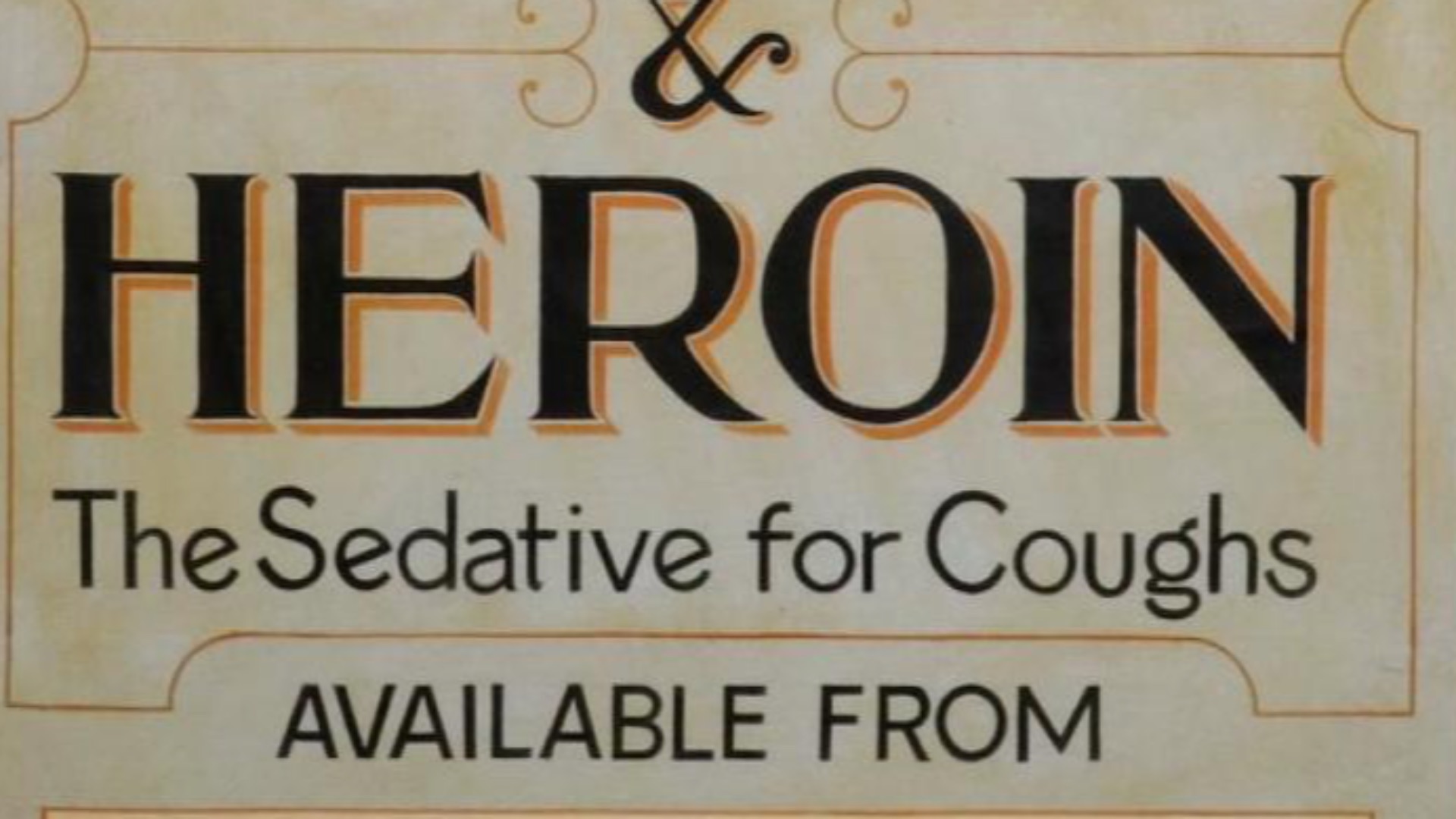
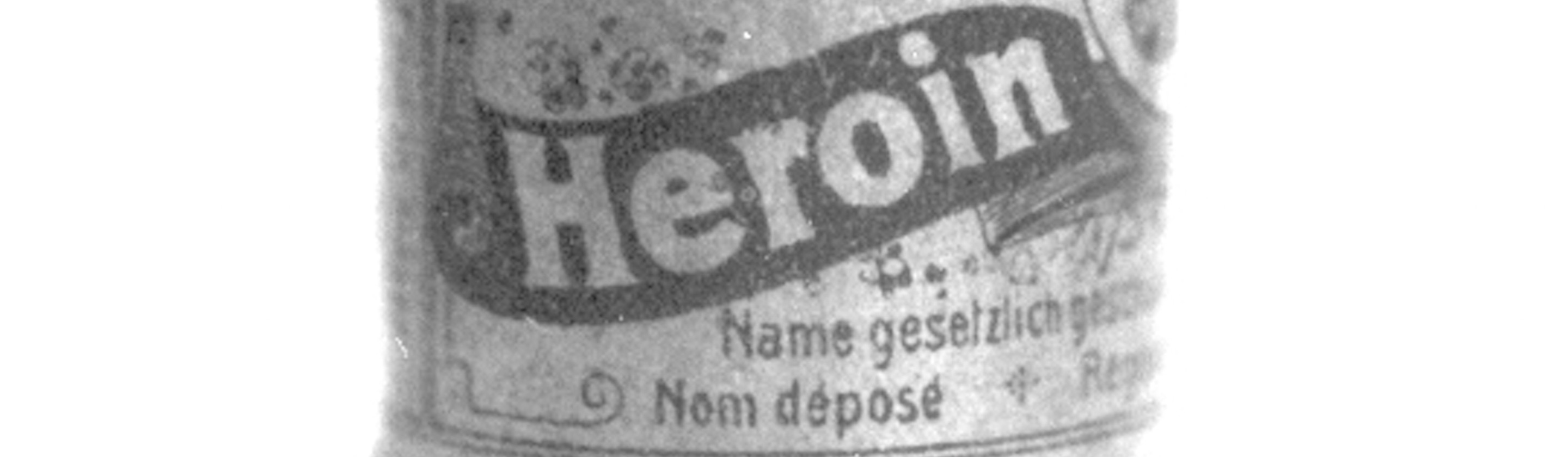
1. Heroin Cough Syrup
Before heroin became synonymous with addiction and overdose, it was marketed as a cough remedy in the early 20th century. Bayer sold it as a substitute for morphine, and it was presented as powerful but supposedly less habit-forming. You can understand why a desperate parent or patient might have trusted a pharmacy bottle, but the drug’s addictive potential made that trust deeply dangerous.
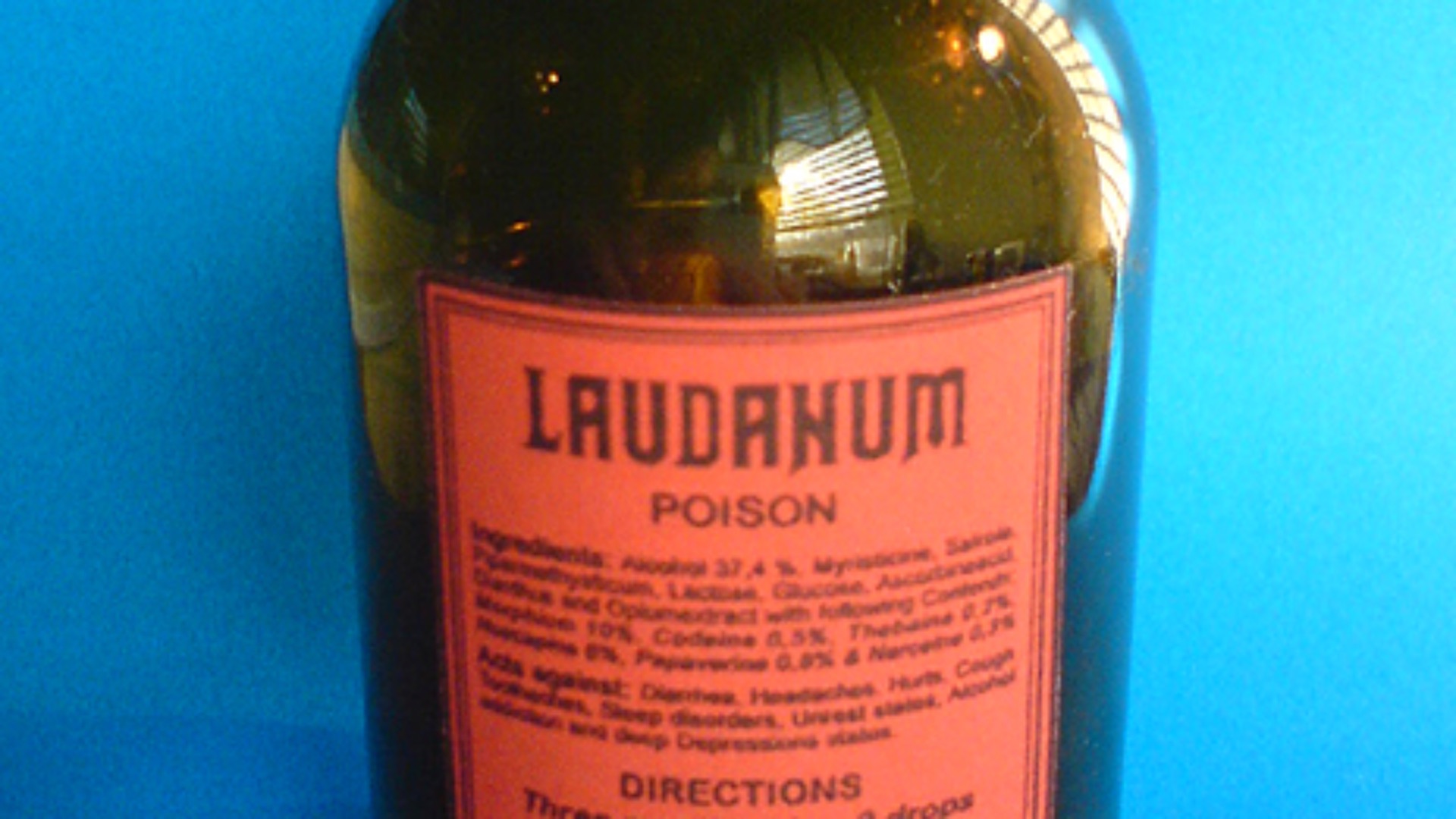
2. Laudanum for Pain and Sleeplessness
Laudanum, a tincture of opium mixed with alcohol, was once a common household remedy for pain, coughing, diarrhea, and insomnia. It was easy to buy, easy to dose badly, and easy to become dependent on before people fully understood what they were taking. The danger was especially high because its soothing effects could make the medicine feel helpful right up until tolerance, addiction, or overdose entered the picture.
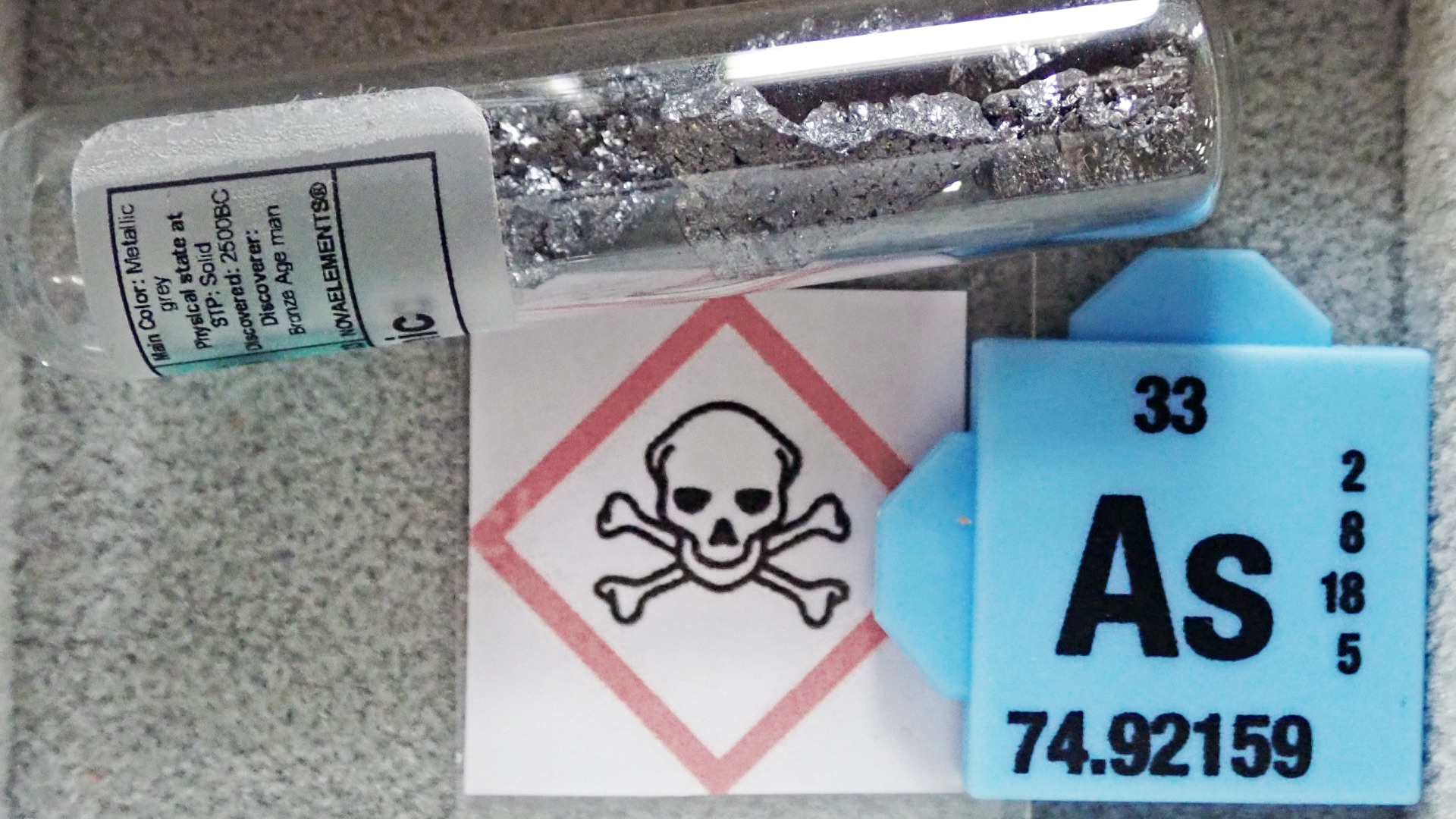
3. Arsenic Tonics for Strength and Skin Problems
Arsenic was once used in tonics and medicines for everything from skin conditions to general weakness. Fowler’s Solution, a potassium arsenite preparation introduced in the 18th century, became one of the better-known examples and was used well into the 19th and early 20th centuries. The problem was that arsenic is a poison, and repeated exposure could damage the skin, nerves, liver, heart, and digestive system. What once looked like a serious medical remedy is now remembered as a dangerous example of how easily a toxic substance could be dressed up as treatment.
4. Dinitrophenol Diet Pills
In the 1930s, 2,4-dinitrophenol, often called DNP, gained attention as a weight-loss drug because it forced the body to burn more energy. The problem was that it could also overheat the body in a way that doctors couldn’t easily control. People chasing a thinner figure risked cataracts, organ damage, and death from a chemical that turned weight loss into a medical emergency.

5. Thalidomide for Morning Sickness
Thalidomide was sold in several countries in the late 1950s and early 1960s as a sedative and treatment for morning sickness. Many pregnant women took it believing it was safe, only for the drug to become linked to severe birth defects and pregnancy losses. The tragedy reshaped drug regulation because it showed how devastating an inadequately tested “safe” medicine could be.
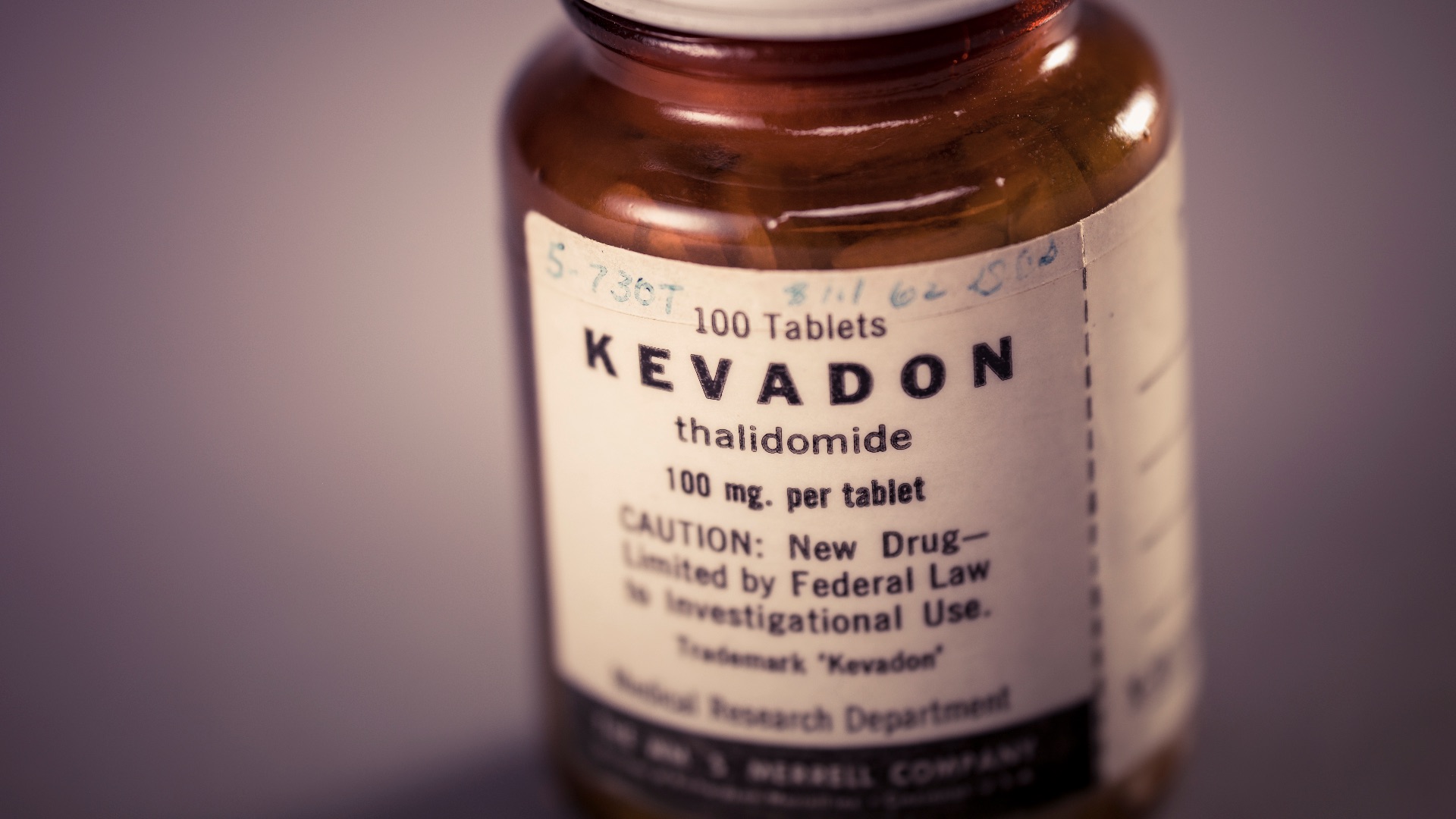 The U.S. Food and Drug Administration on Wikimedia
6. Lysol as Feminine Hygiene
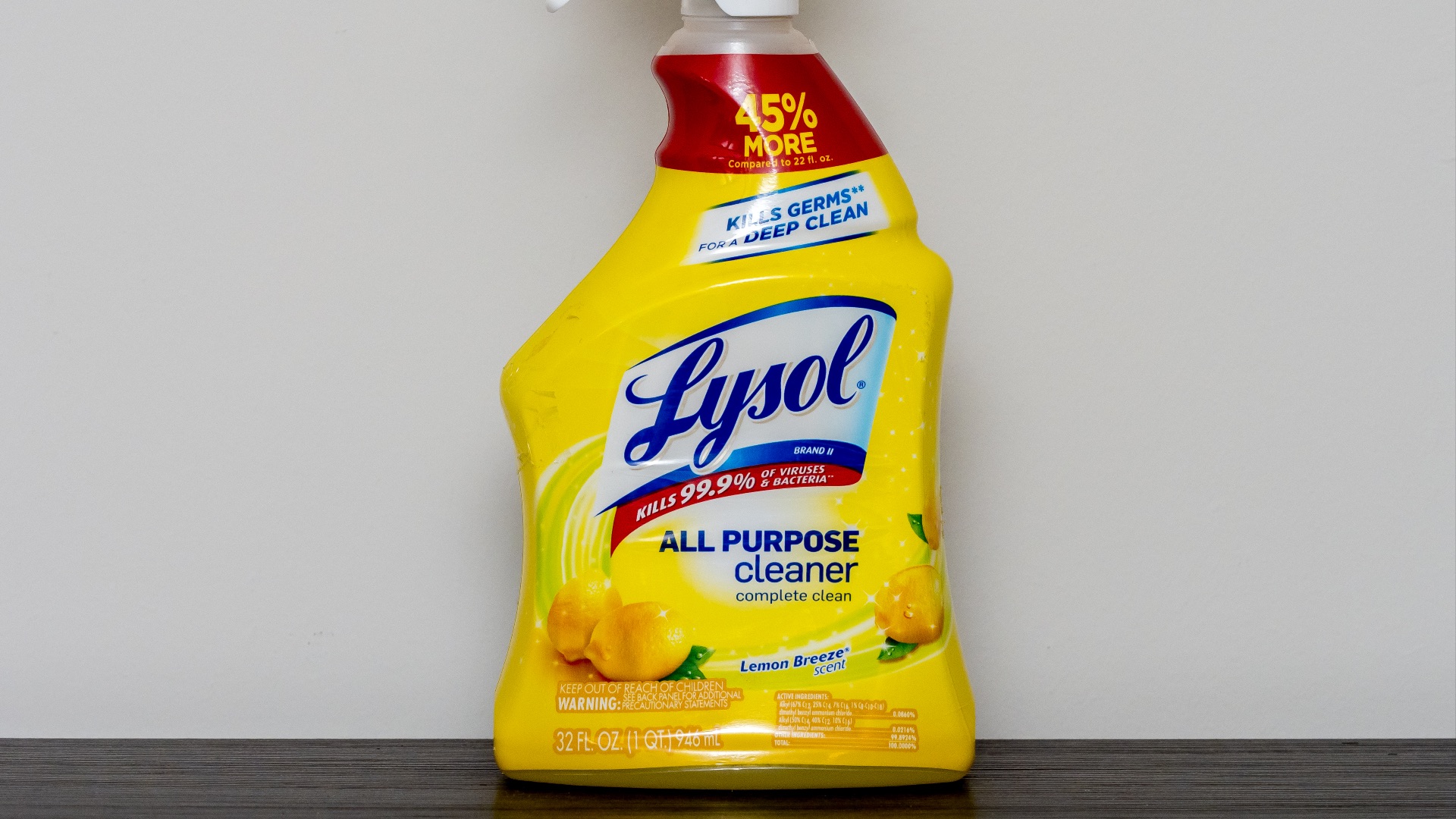
In the early 20th century, Lysol was advertised in language that implied it could be used for feminine hygiene and, in some cases, birth control. Because contraception was difficult to discuss openly under restrictive laws, dangerous products often hid behind polite wording. The result was that some women used a harsh disinfectant on delicate tissue, risking burns, poisoning, and infections while believing they were being responsible.
7. X-Ray Treatments for Ringworm
For decades, children with scalp ringworm were sometimes treated with radiation to remove infected hair. At the time, X-rays felt modern and efficient, especially before safer oral antifungal drugs became widely available. Years later, exposed children faced increased risks of tumors, thyroid cancers, and other radiation-related health problems.
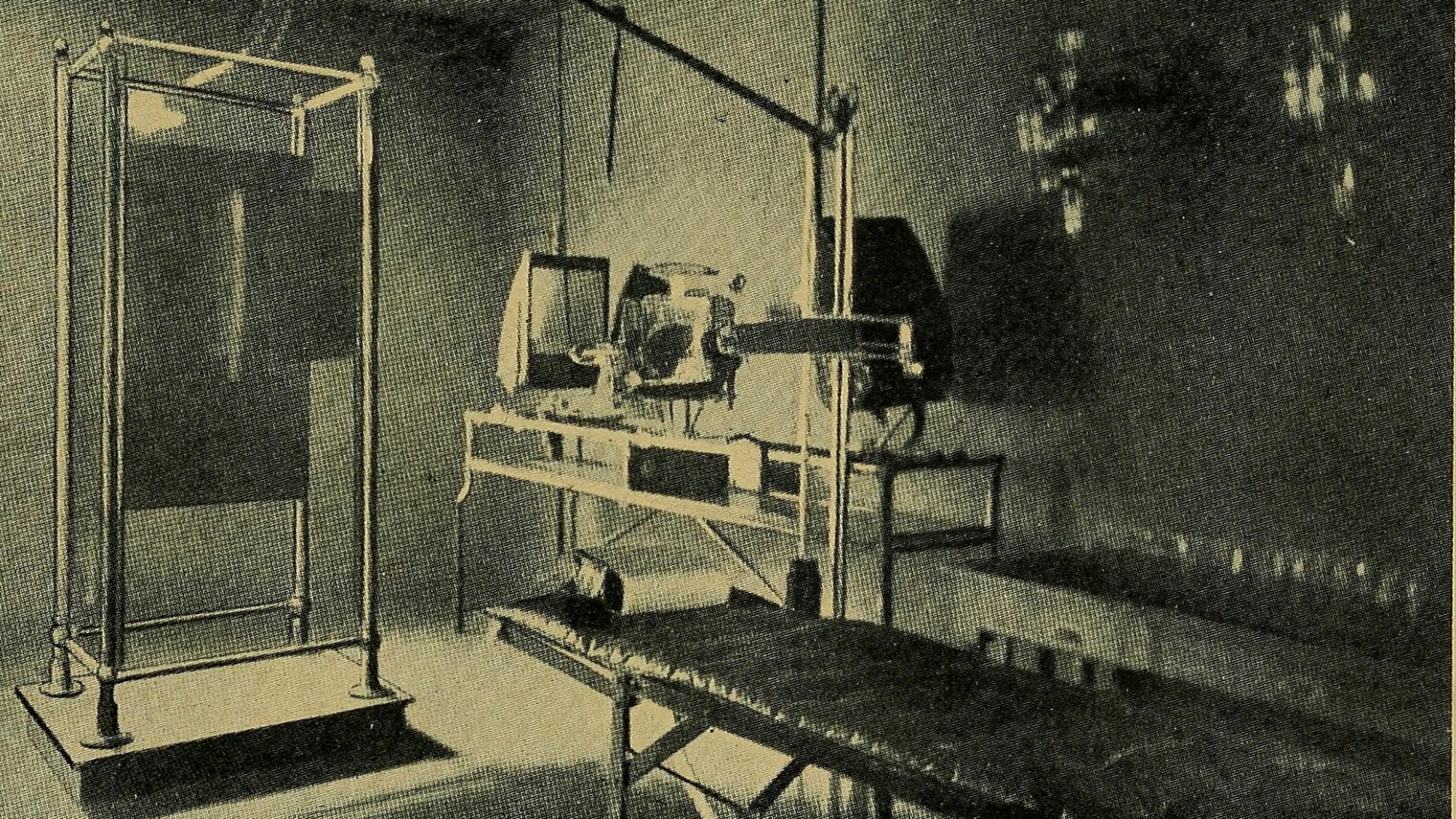 Internet Archive Book Images on Wikimedia
8. Insulin Coma Therapy for Schizophrenia
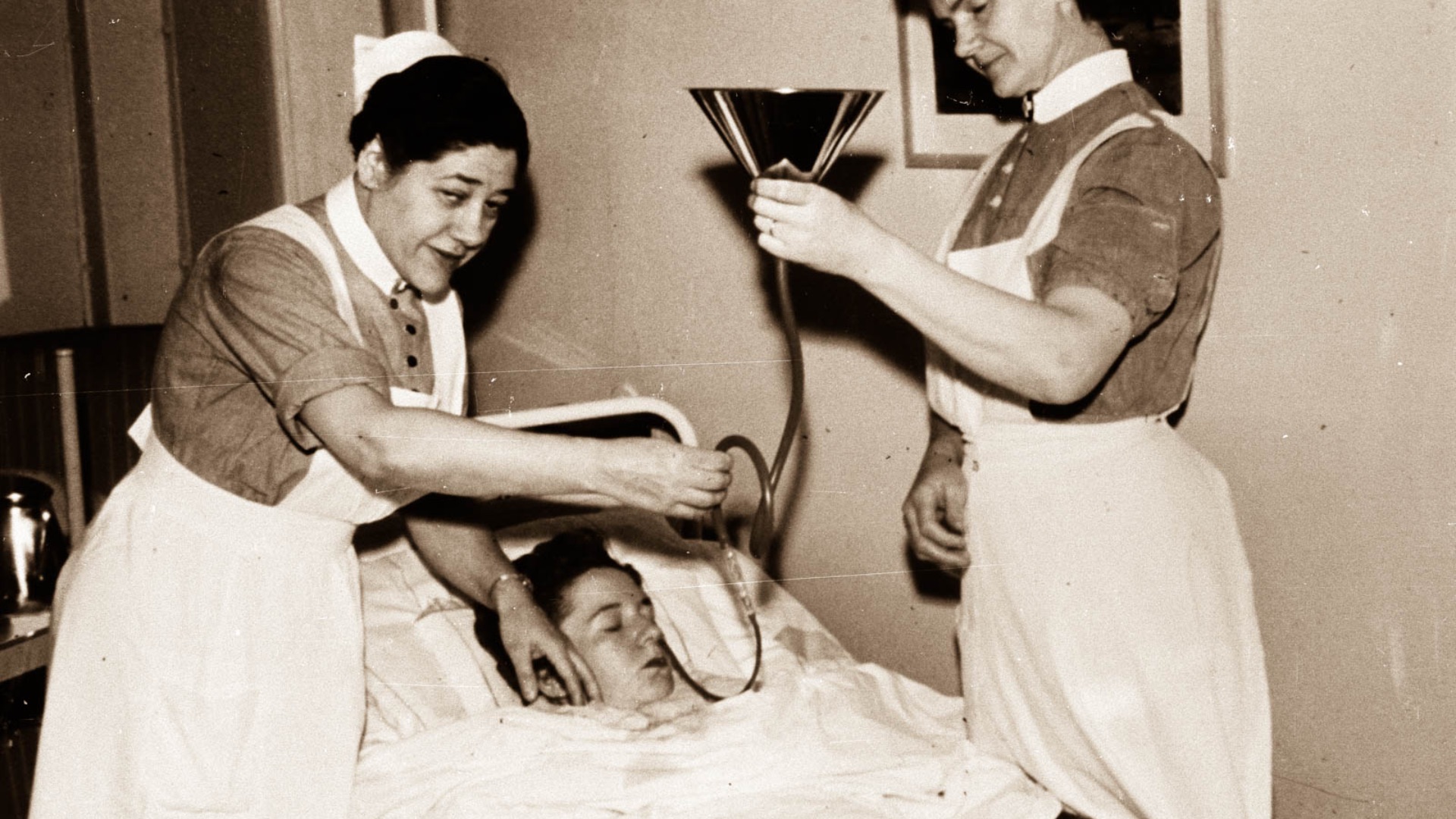
From the 1930s through the 1950s, some psychiatric hospitals treated schizophrenia by giving patients large doses of insulin to induce repeated comas. Supporters claimed the treatment could reset the mind, but the process required intense supervision and carried obvious dangers. Patients could suffer seizures, brain injury, or death while being subjected to a treatment whose benefits were later heavily disputed.
9. Metrazol Shock Therapy
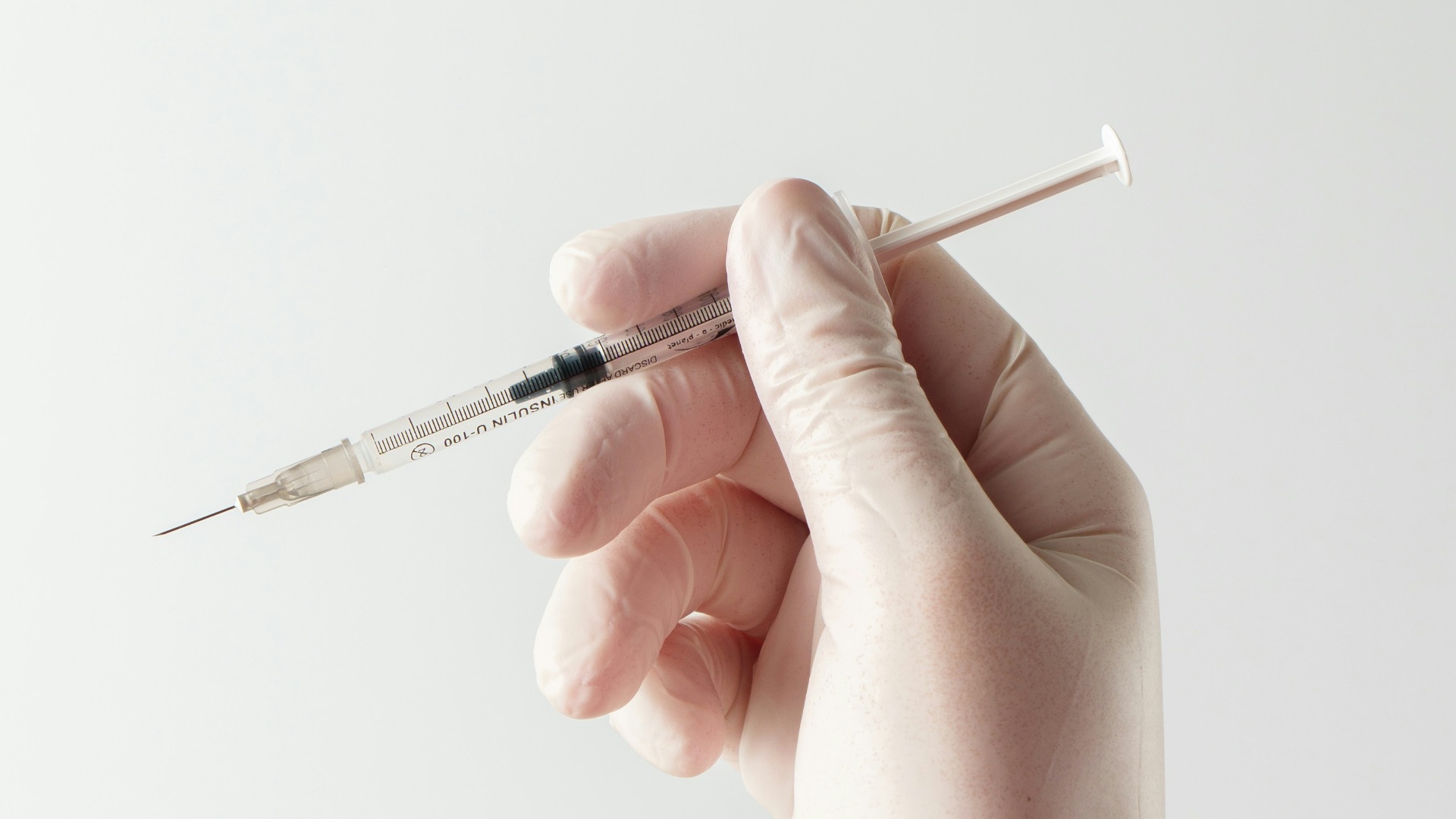
Metrazol therapy involved injecting a drug to provoke violent seizures in psychiatric patients. It was used under the belief that convulsions might interrupt mental illness, but the seizures could be terrifying and physically brutal. Reports of spinal fractures and other injuries made it clear that the cure could harm the body even when it failed to help the mind.
10. Paraffin Injections for Facial Reconstruction
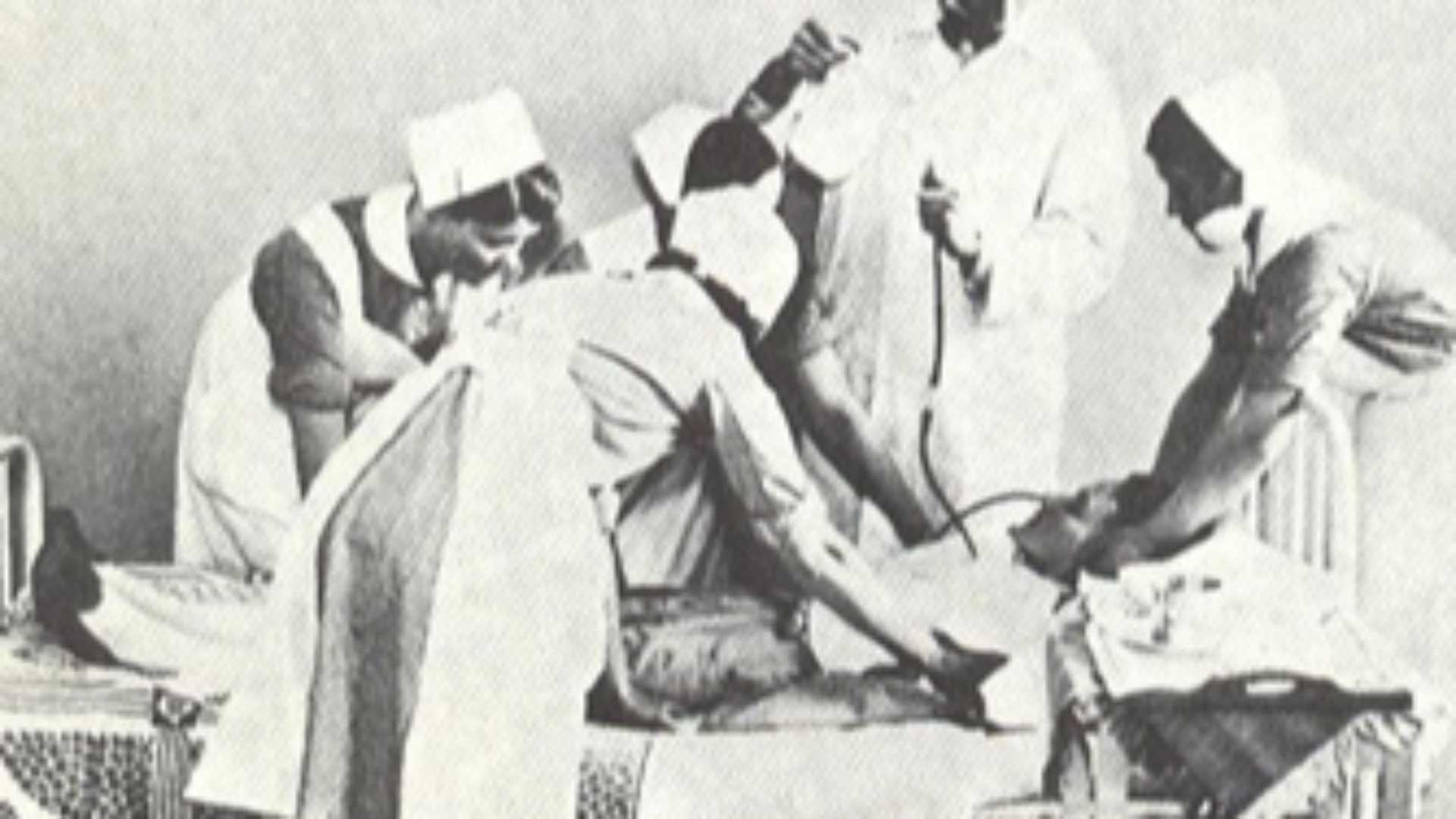
In the early history of cosmetic and reconstructive medicine, paraffin was injected under the skin to reshape noses, cheeks, and other features. It seemed like a clever filler because it could add volume, but the material didn’t stay neatly where doctors put it. Patients developed migration, embolization, granulomas, and disfigurement that sometimes appeared long after the original treatment.
11. Strychnine Tonics for Energy
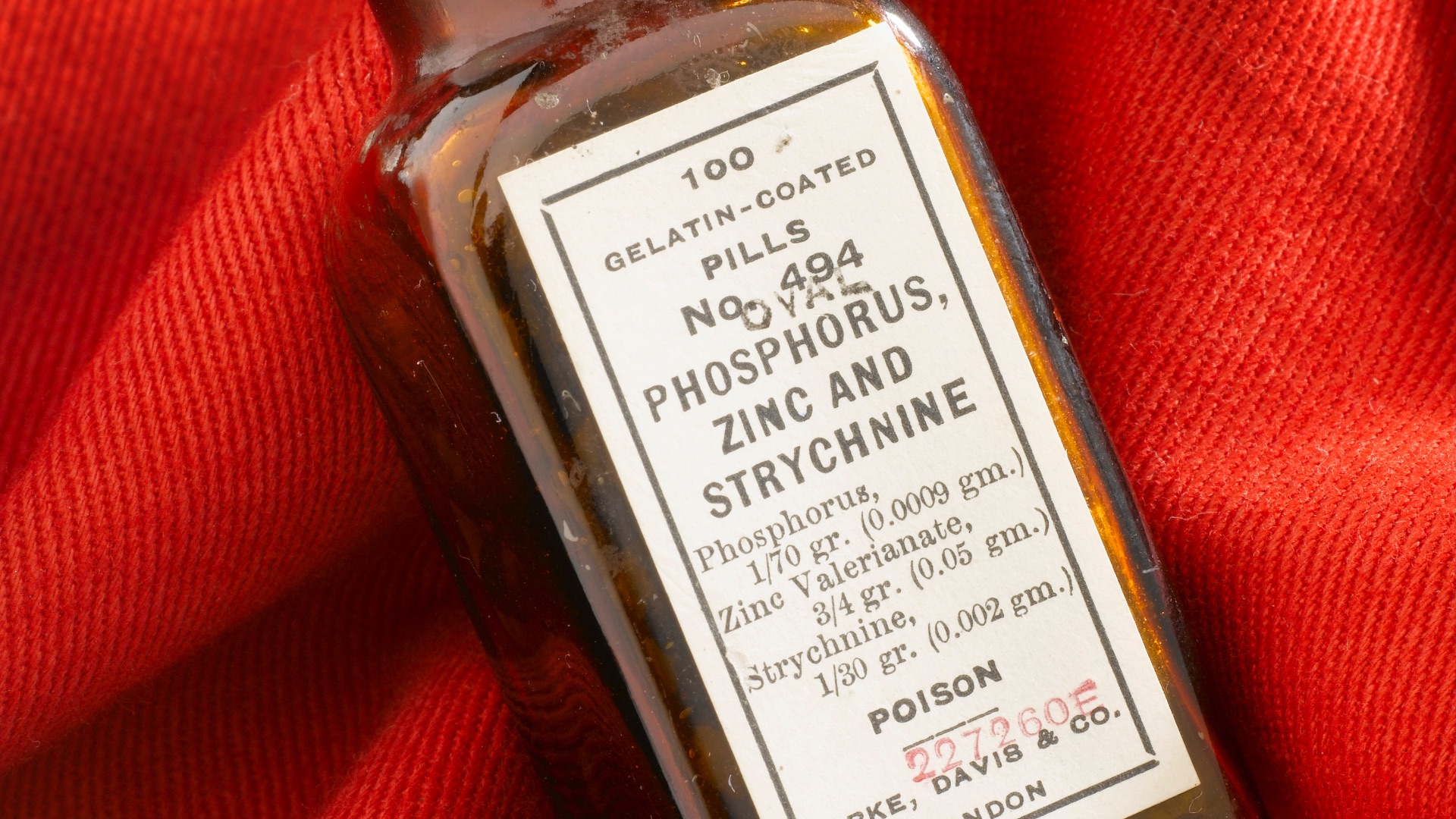
Strychnine is now known mostly as a poison, but small doses once appeared in tonics meant to stimulate the heart, bowels, or general vitality. The appeal was simple: if you felt weak, a “nerve tonic” promised to wake the body up. The margin between stimulation and poisoning was frighteningly narrow, and toxic doses could cause convulsions, asphyxia, and death.
12. Tartar Emetic for Fevers and Infections
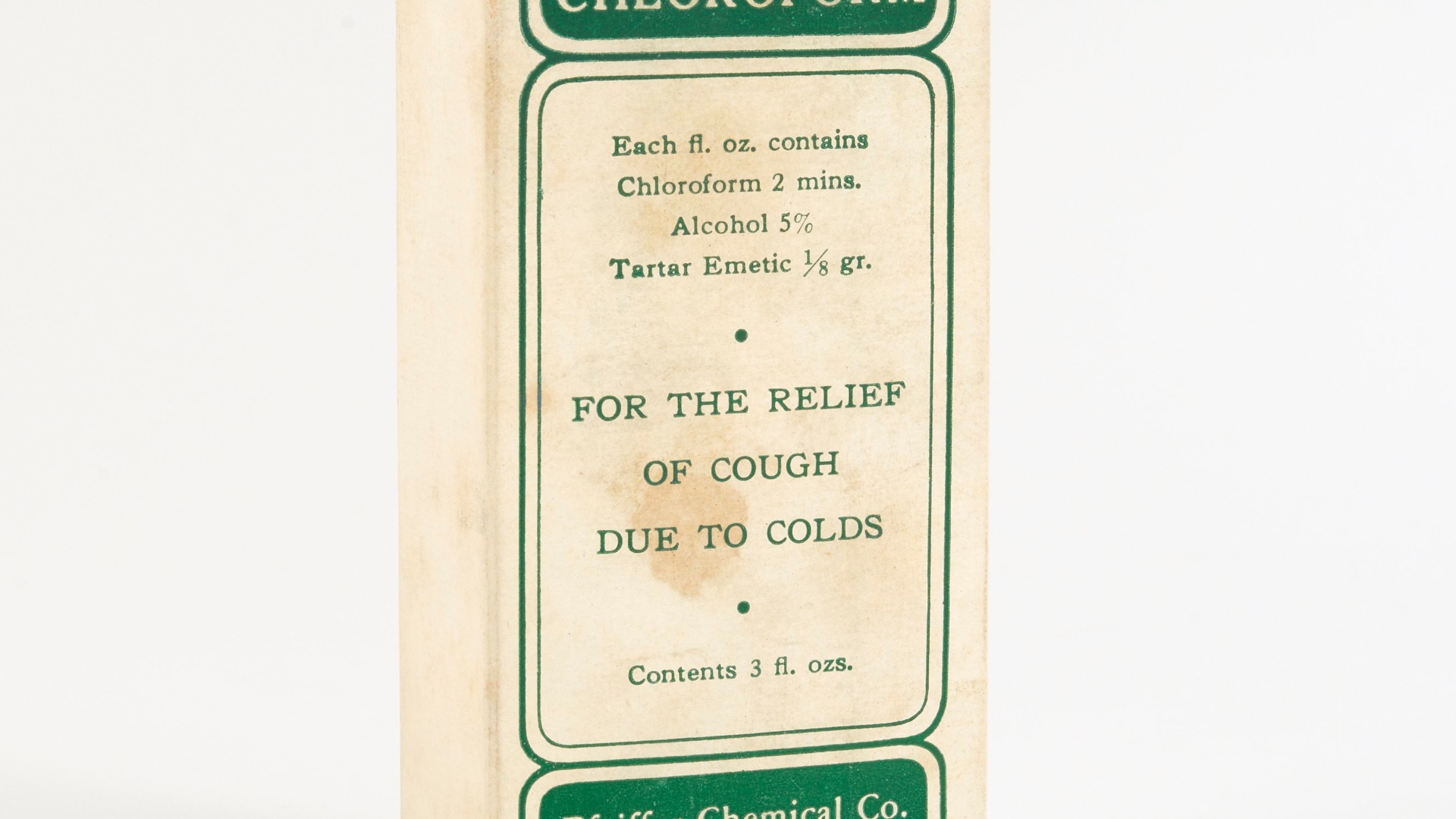
Tartar emetic, an antimony compound, was used in medicine because it could make patients vomit and was believed to purge illness from the body. In the 19th century, doctors prescribed it for a range of conditions, including serious infections and fevers. The trouble was that antimony acts powerfully on the human system, so the “treatment” could leave already weakened patients sicker than before.
 Pfeiffer Chemical Company on Wikimedia
13. Turpentine for Intestinal Worms
Turpentine, distilled from pine resin, was once taken internally as a folk remedy for intestinal worms. Since it could irritate the digestive tract, people mistook its harsh purging effects for proof that it was cleaning the body. In reality, its toxicity outweighed any supposed benefit, and swallowing it risked poisoning rather than reliable treatment.
14. Kerosene for Colds, Wounds, and Lice
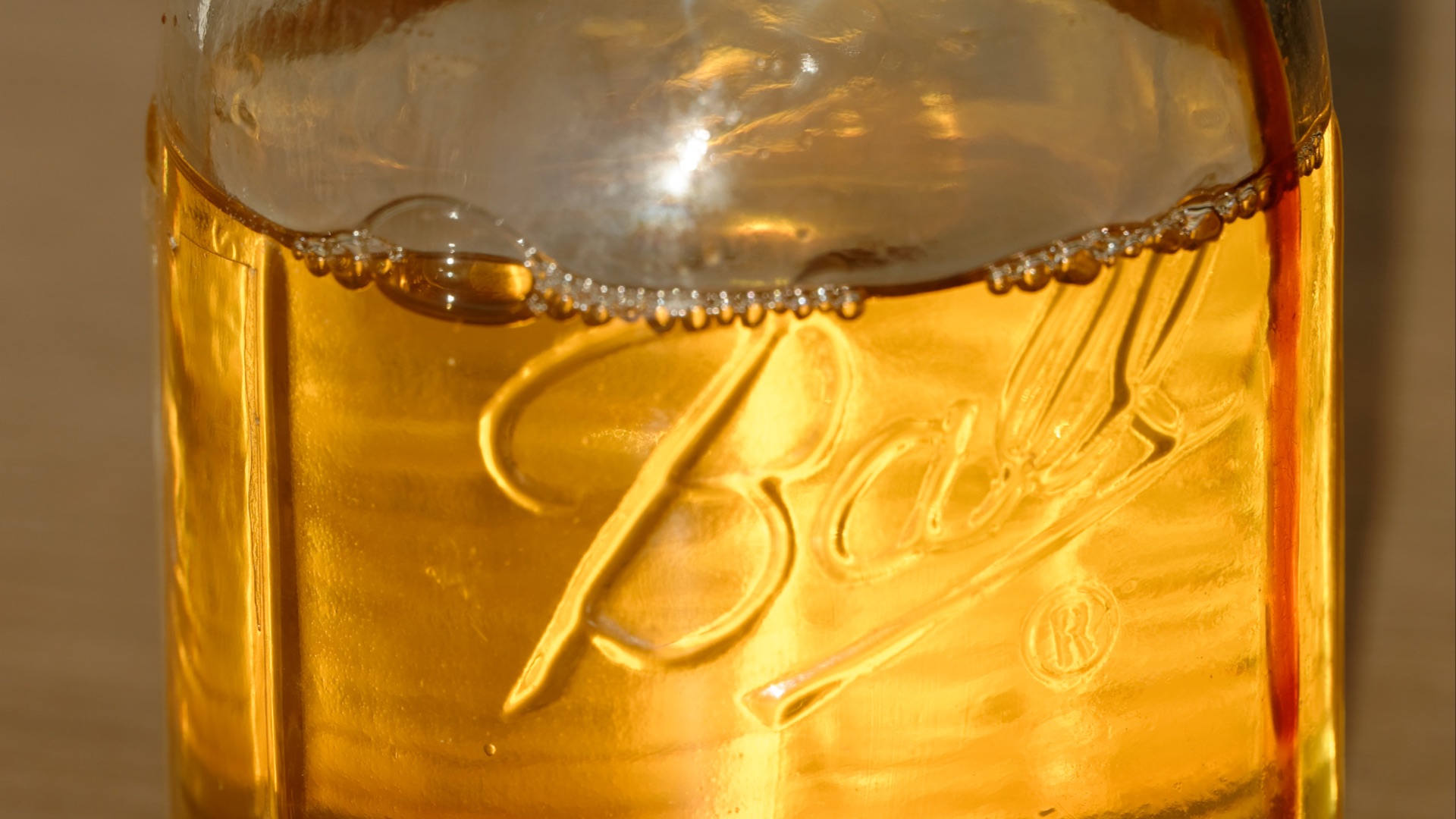
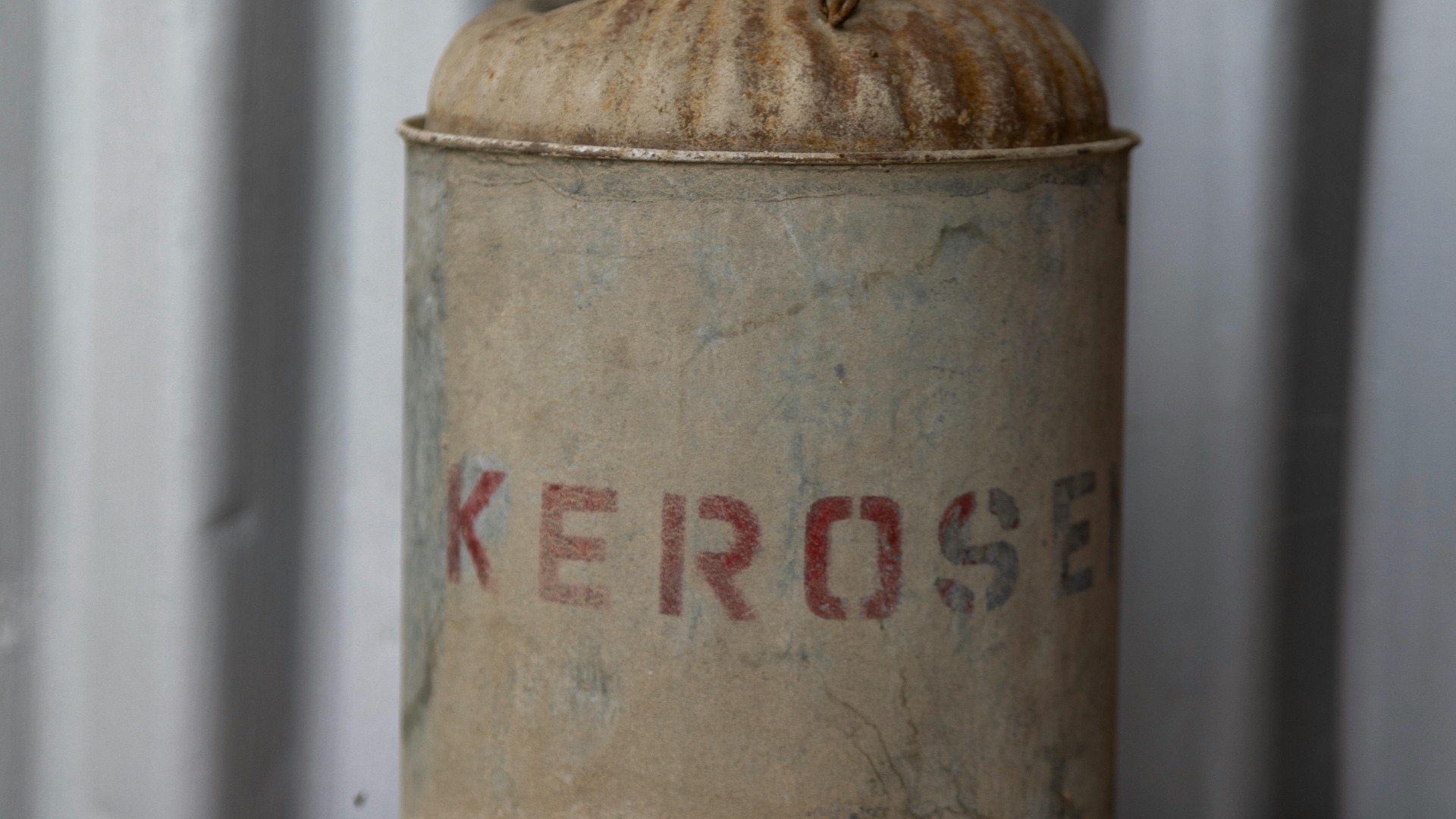
Kerosene has appeared in folk medicine as a remedy for coughs, colds, cuts, and head lice. It was cheap, familiar, and easy to find, which made it seem practical in households without ready access to safer care. The danger is that kerosene can burn skin, poison the body, and cause potentially fatal lung injury if inhaled or aspirated.
15. Spanish Fly for Virility
Spanish fly, made from blister beetles, was historically used as an aphrodisiac because it caused irritation that people mistook for arousal. That irritation wasn’t harmless excitement; it was inflammation caused by cantharidin, a toxic compound. Taken internally, it could damage the gastrointestinal and urinary tracts, injure the kidneys, and kill the person who trusted it.
 Rafael Minguet Delgado on Pexels
16. Creosote for Coughs and Tuberculosis
Wood creosote was used in some cough and tuberculosis remedies because its sharp, smoky compounds seemed medicinal. Patients with chronic respiratory illness were often willing to try anything that promised relief from coughing and wasting. Creosote products contained chemically active substances that could irritate tissues and create toxic exposures, making the old treatment far less reassuring than its advertisements suggested.
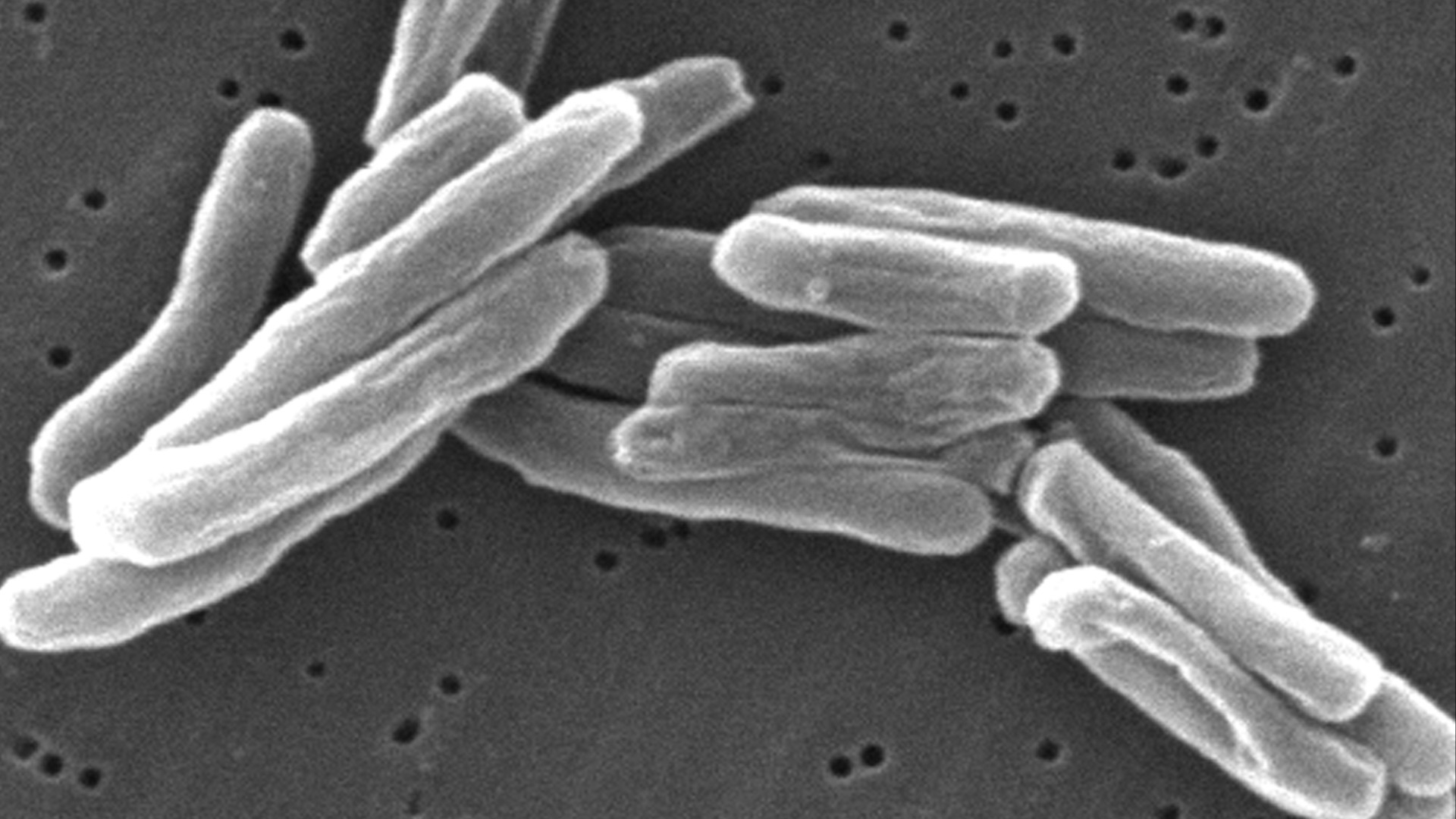 Photo Credit: Janice Carr Content Providers(s): CDC/ Dr. Ray Butler; Janice Carr on Wikimedia
17. Deep Sleep Therapy for Mental Illness
Deep sleep therapy used heavy sedatives to keep psychiatric patients asleep or nearly comatose for long periods. At Chelmsford Private Hospital in Sydney during the 1960s and 1970s, patients were subjected to this practice for days or weeks. The treatment became infamous after deaths and severe harms came to light, showing how dangerous it was to confuse sedation with healing.

18. Hoxsey Cancer Treatment
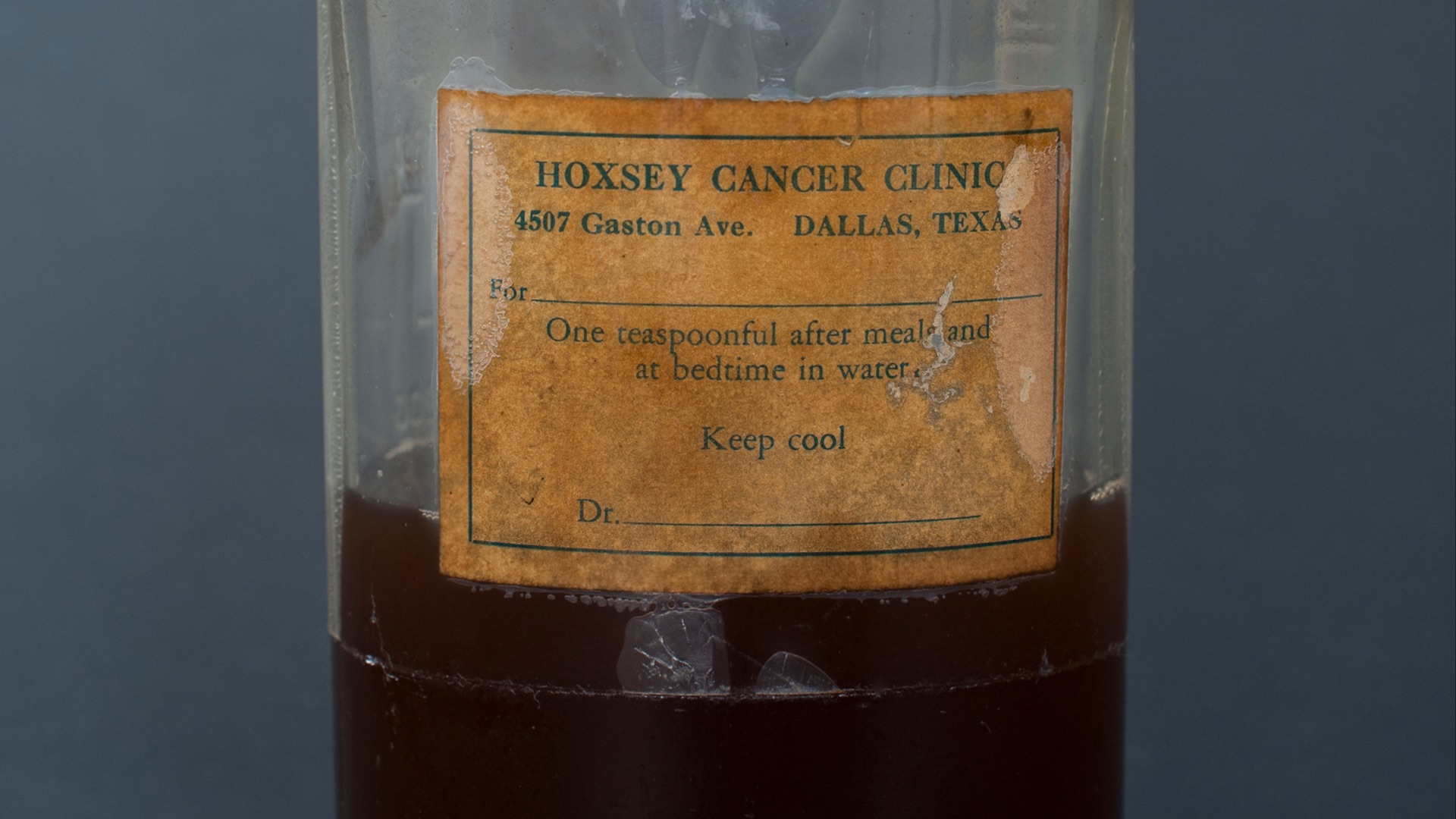
The Hoxsey treatment was promoted as a cancer cure using herbal mixtures, caustic pastes, special diets, and related regimens. People facing cancer were understandably vulnerable to any promise of recovery, especially when conventional options were painful or limited. Major medical bodies found no evidence that it cured cancer, and the FDA banned its sale or marketing in the United States in 1960 as a worthless and discredited remedy.
 The U.S. Food and Drug Administration on Wikimedia
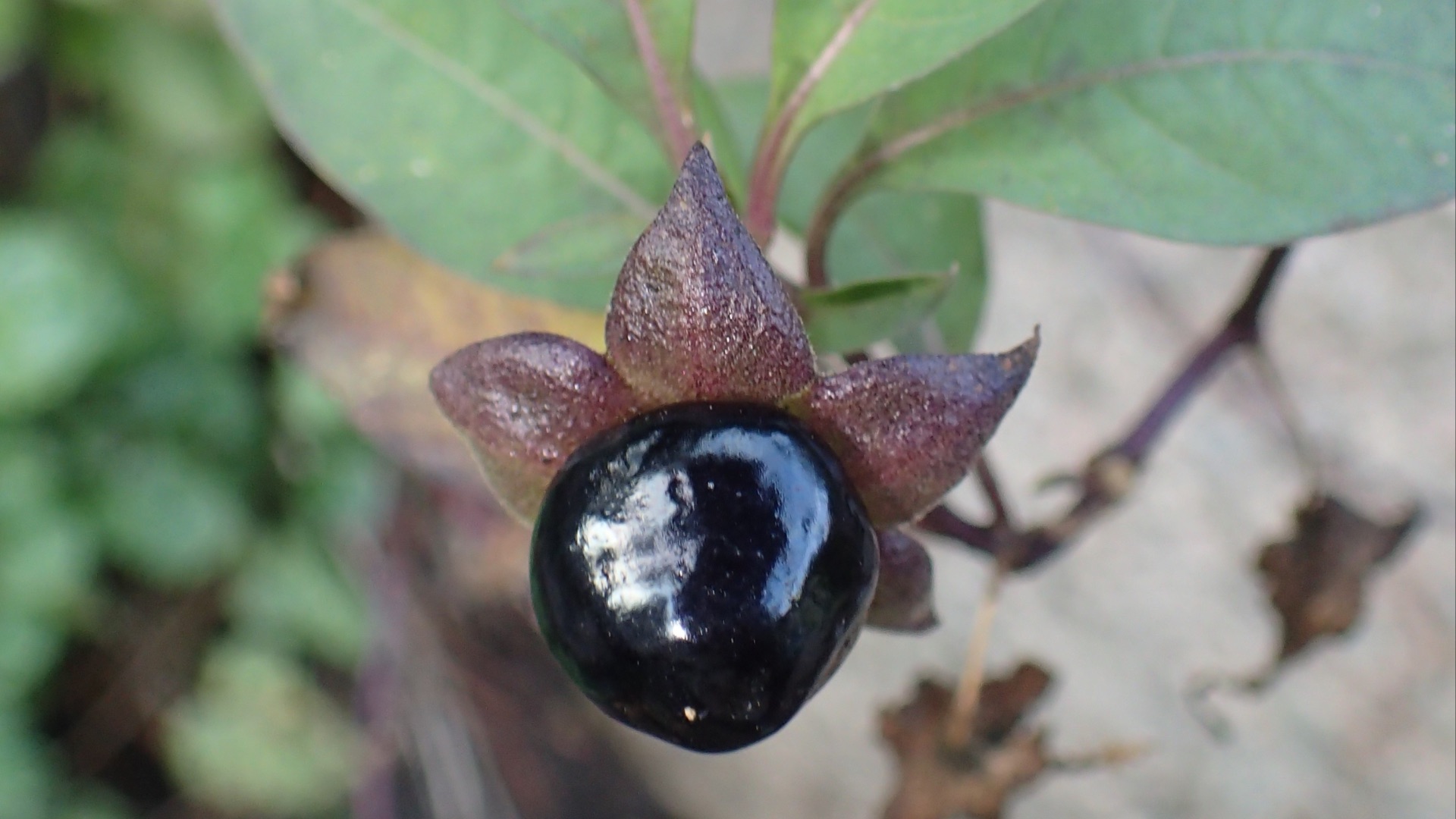
19. Belladonna for Beauty and Medicine
Belladonna, or deadly nightshade, has a long history in both medicine and cosmetics, including use in eye drops to dilate pupils. Some compounds derived from the plant do have legitimate medical uses, but the plant itself is poisonous and easy to misuse. When people treated it as a beauty aid or casual remedy, they risked blurred vision, rapid heartbeat, confusion, poisoning, and worse.
 Krzysztof Ziarnek, Kenraiz on Wikimedia
20. Patent Medicines with Secret Ingredients
Many 19th- and early 20th-century patent medicines were sold with grand promises and vague labels. Customers bought bottles for coughs, nerves, pain, women’s complaints, and children’s ailments without always knowing whether they contained alcohol, opiates, stimulants, or other risky substances. What made them so dangerous wasn’t just one ingredient, but the combination of bold advertising, weak regulation, and patients who had no reliable way to know what they were swallowing.
KEEP ON READING
20 Dangerous "Cures" People Once Trusted
When Hope Outpaced Safety. From using heroin as a cough…
By Christy Chan May 26, 2026
How Forgotten Local Disasters Changed National History
Henry Albert Ericson on WikimediaSome disasters become national shorthand. Some…
By Elizabeth Graham May 26, 2026
The Scientist Who Tried to Weigh the Soul
AnonymousUnknown author on WikimediaDuncan MacDougall, a physician from Haverhill, Massachusetts,…
By Cameron Dick May 26, 2026
20 Famous People Who Predicted Their Own Death With Shocking…
When They Know, They Know. It is wild to think…
By Sara Springsteen May 26, 2026
20 Deaths That Changed the World
When One Ending Starts a New Chapter. Some deaths are…
By Emilie Richardson-Dupuis May 26, 2026
20 Historical Figures Who Were Arrested For Insane Reasons
The So-Called Trouble Makers of the Past. History has a…
By Annie Byrd May 26, 2026