

 AnonymousUnknown author on Wikimedia
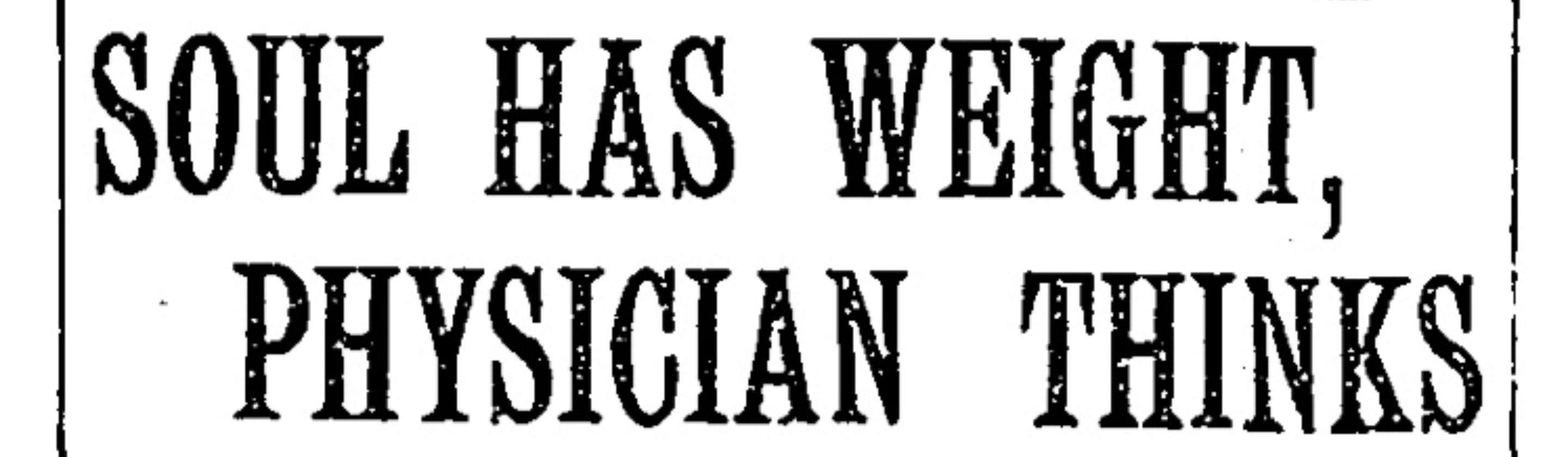
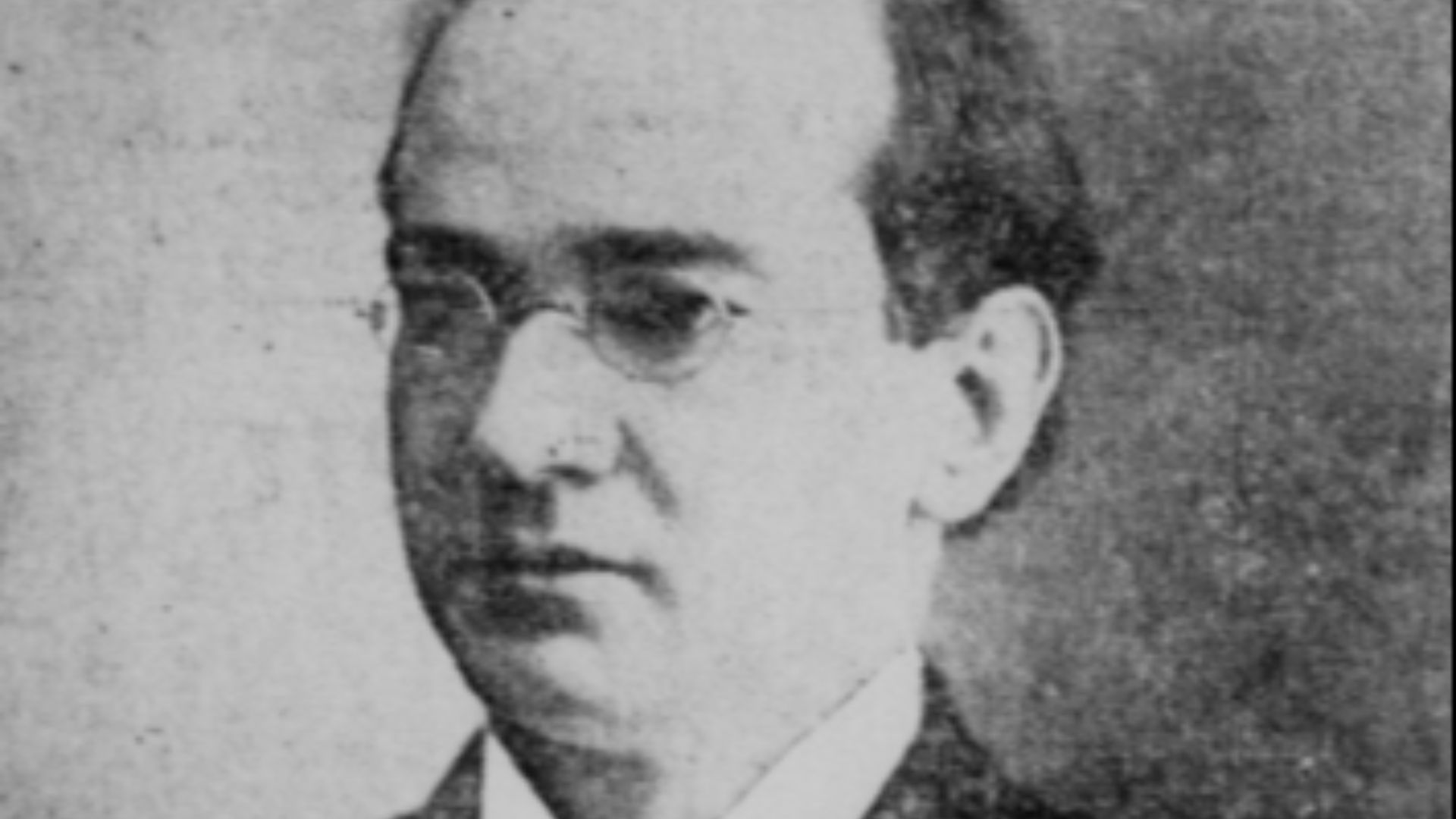
Duncan MacDougall, a physician from Haverhill, Massachusetts, believed the soul had mass. Not metaphorically, not theologically, but literally and measurably. In 1901, he began constructing a specialized bed fitted with a sensitive industrial beam scale, precise enough to detect a change of a fraction of an ounce, and started making arrangements to place dying patients on it.
His results, published in the journal American Medicine in April 1907, launched one of the most discussed and least reproducible experiments in the history of science. The figure that emerged from it, 21 grams, has since appeared in films, books, and casual conversation as though it were settled fact. The actual experiment was considerably messier.
The Experiment and What It Found
MacDougall recruited six patients dying of tuberculosis, a disease that caused relatively little physical movement in its final stages, which mattered because he needed his subjects to remain still on a scale. He designed a cot balanced on the beam of a large platform scale, sensitive enough to measure changes of two-tenths of an ounce. His plan was to record each patient's weight continuously and look for a sudden drop at the precise moment of death.
The first patient produced his clearest result. MacDougall recorded a loss of three-quarters of an ounce at the moment of death, roughly 21 grams. He found this significant enough to build a theory around. The five remaining patients were less cooperative with his hypothesis. One showed a gradual loss that didn't correspond clearly to the moment of death, another showed an initial loss followed by a return to the original weight, and two of the six produced results MacDougall himself deemed inconclusive in his own published paper.
He also extended the experiment to fifteen dogs, which he killed specifically for this purpose, recording no weight loss at the moment of their deaths. He interpreted this as evidence that animals lack souls. This portion of the experiment generated its own controversy, both scientific and ethical, and did little to strengthen the overall credibility of his methods.
Where the Science Came Apart
The core problem with MacDougall's experiment was the sample size, and he knew it. In his paper in American Medicine, he acknowledged that six patients were too few to draw firm conclusions from and called for further research. The one result he held up as meaningful, the first patient's three-quarter-ounce loss, was also the only one that fit his hypothesis cleanly. The others ranged from ambiguous to outright contradictory.
Criticism arrived quickly. Augustus P. Clarke, another physician, responded in the same journal that year with a straightforward alternative explanation. The body stops sweating at the moment of death, Clarke argued, and the lungs stop humidifying exhaled air. The small weight loss MacDougall observed was consistent with the sudden cessation of moisture evaporation, not with the departure of anything metaphysical. It was a mundane explanation, and it fit the data equally well.
The broader scientific community treated MacDougall's work with skepticism from the start. No researcher successfully replicated his findings, and the experiment was never conducted again under controlled conditions that met the standards of the time, let alone later ones. The American Society for Psychical Research, which also published his results, included its own caveats about methodology. The study didn't fail loudly. It faded quietly under the weight of its own limitations.
Why We Still Talk About It
The 21-gram figure should have stayed in the footnotes of early 20th-century pseudoscience. Instead, it became a cultural artifact. Alejandro González Iñárritu's 2003 film 21 Grams, starring Sean Penn, Naomi Watts, and Benicio del Toro, put the number in front of a mass audience and framed it as established scientific knowledge. By the time most people encountered it, the figure had been laundered through cinema into something that felt like verified fact.
What MacDougall was actually doing sits at a genuinely interesting intersection of science and faith. He was a practicing physician who believed the soul was a physical substance and that the right equipment could detect it. His experiment was an attempt to resolve, through measurement, a question that had occupied theologians and philosophers for centuries. That impulse, to make the metaphysical legible, says something about the period he was working in, when scientific instruments felt like they might eventually explain everything, including what happened after you died.
We remember the 21 grams and forget the other five patients because the clean number is easier to carry. That's not a failure unique to MacDougall. We do this with science constantly, holding onto the result that confirmed something we wanted to believe and quietly losing the context that made it inconclusive. MacDougall spent years trying to prove the soul was real and measurable. What he actually demonstrated was something more human and more durable, how badly we want it to be.
KEEP ON READING
The 20 Most Recognized Historical Figures Of All Time
The Biggest Names In History. Although the Earth has been…
By Cathy Liu Oct 4, 2024
10 of the Shortest Wars in History & 10 of…
Wars: Longest and Shortest. Throughout history, wars have varied dramatically…
By Emilie Richardson-Dupuis Oct 7, 2024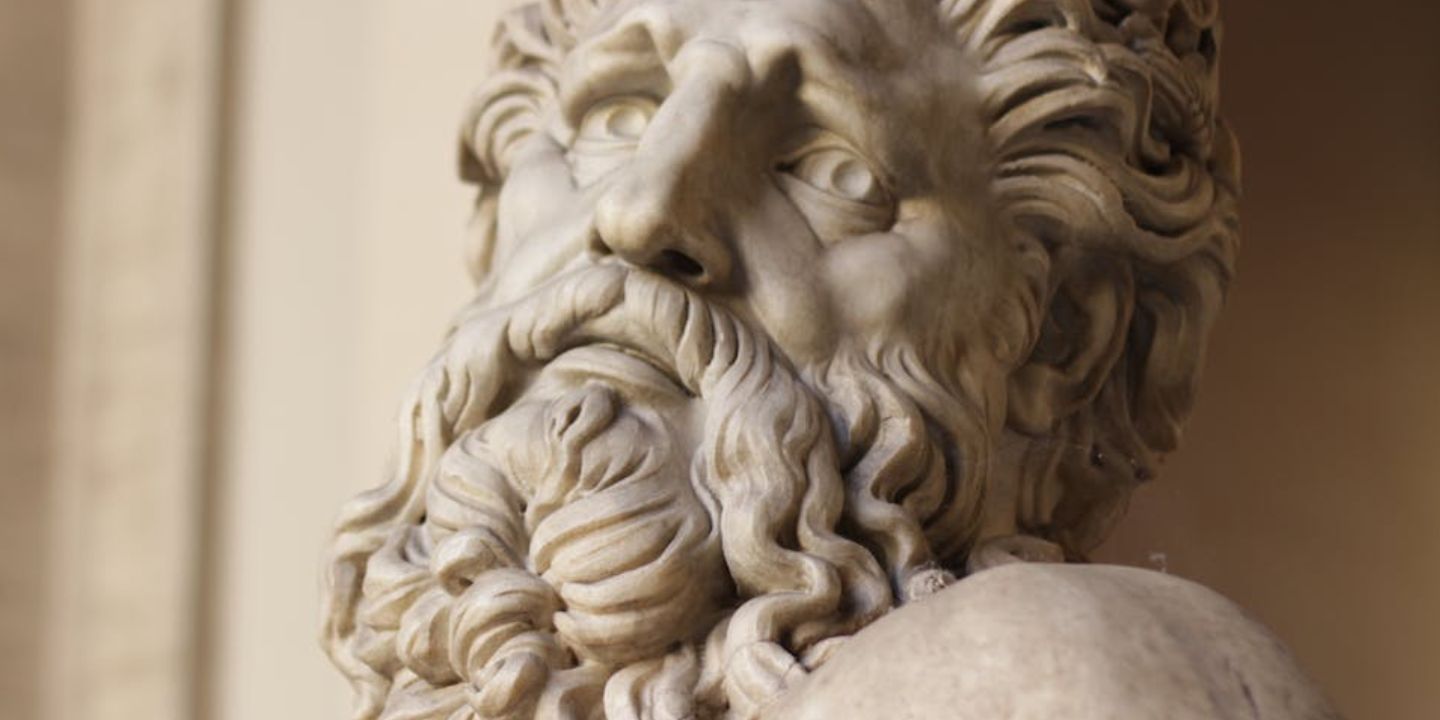
10 Fascinating Facts About Ancient Greece You Can Appreciate &…
Once Upon A Time Lived Some Ancient Weirdos.... Greece is…
By Megan Wickens Oct 7, 2024
20 Lesser-Known Facts About Christopher Columbus You Don't Learn In…
In 1492, He Sailed The Ocean Blue. Christopher Columbus is…
By Emilie Richardson-Dupuis Oct 9, 2024
20 Historical Landmarks That Have The Craziest Conspiracy Theories
Unsolved Mysteries Of Ancient Places . When there's not enough evidence…
By Megan Wickens Oct 9, 2024
The 20 Craziest Inventions & Discoveries Made During Ancient Times
Crazy Ancient Inventions . While we're busy making big advancements in…
By Cathy Liu Oct 9, 2024