

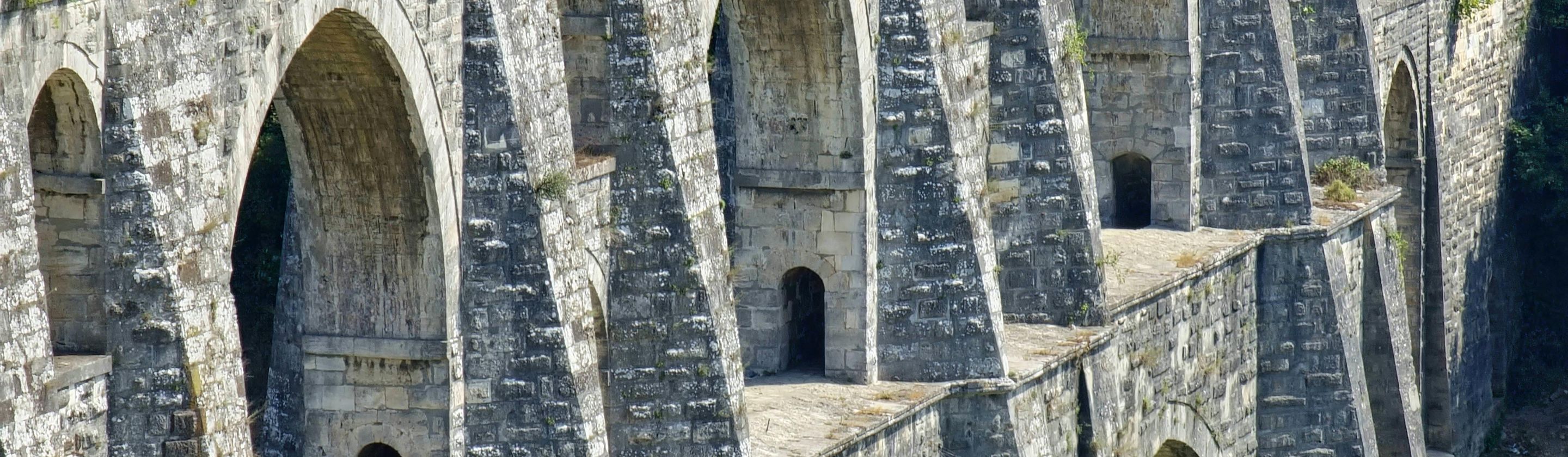
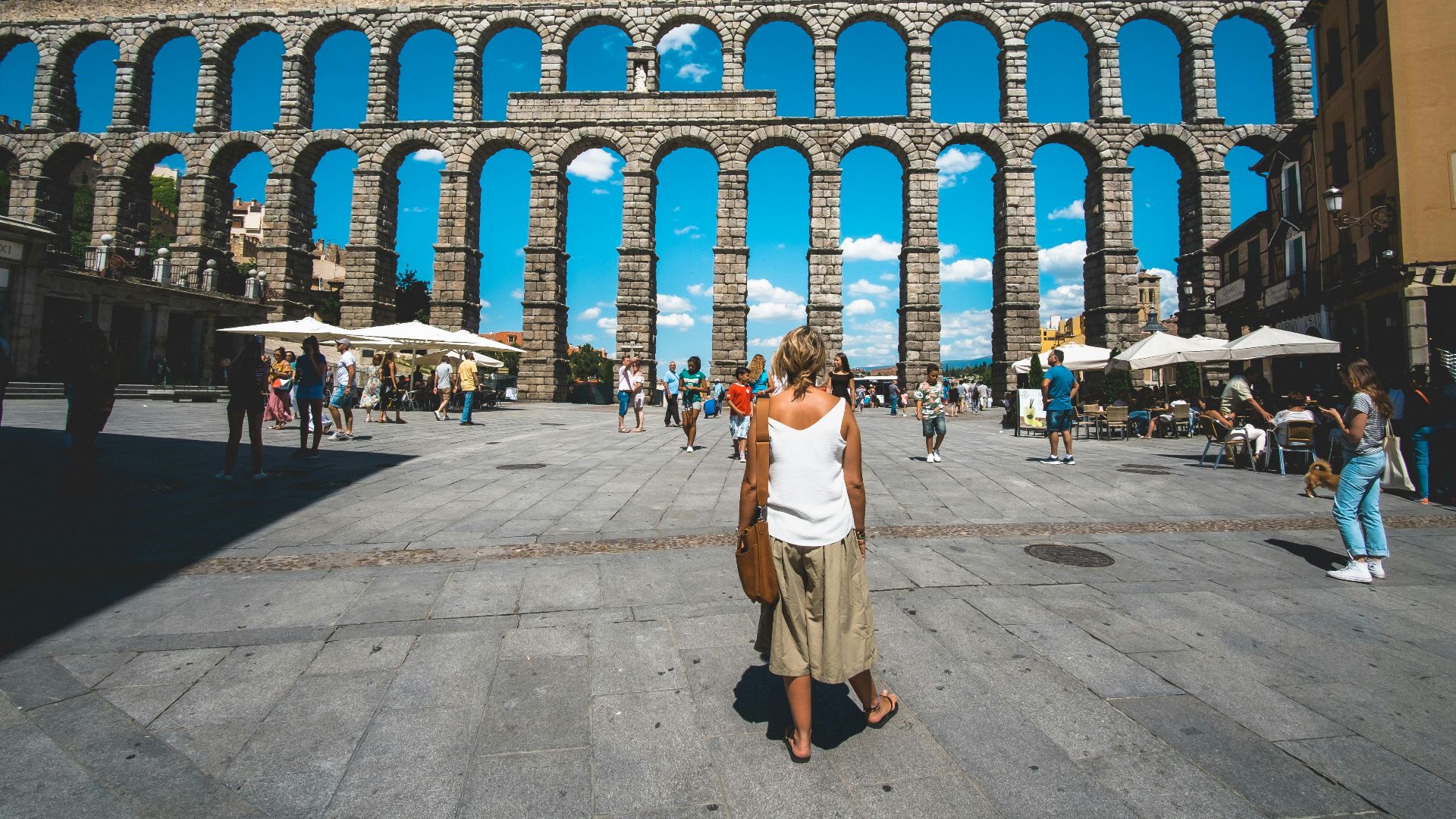
Ancient aqueducts remain some of the most impressive engineering achievements ever built because they solved enormous logistical problems without modern machinery or technology. Civilizations like the Romans understood that reliable access to clean water was essential for public health, agriculture, sanitation, and urban growth. Their solutions combined mathematics, architecture, and careful planning in ways that still impress engineers today.
Many of these structures continued functioning for centuries after construction, which highlights just how advanced ancient engineering techniques truly were. Some aqueduct systems stretched for dozens of miles while maintaining a gradual slope precise enough to keep water flowing steadily through gravity alone. The scale, durability, and complexity of these projects continue to influence modern water infrastructure and engineering design.
Ancient Engineers Mastered Precision And Gravity
One of the most remarkable aspects of ancient aqueducts was the precise grading required to move water efficiently over long distances. Engineers had to create channels with extremely slight slopes so water would continue flowing without moving too quickly or becoming stagnant. Roman builders often maintained gradients of only a few feet per mile across massive distances. Achieving that level of accuracy without modern surveying equipment was an extraordinary accomplishment.
Gravity served as the primary force behind most aqueduct systems, which meant engineers needed a deep understanding of terrain and elevation changes. Builders carefully routed aqueducts around hills, through valleys, and across uneven landscapes while preserving steady water flow. In some cases, tunnels were carved directly through mountains to maintain the correct path. These solutions required careful planning and highly organized labor systems.
Aqueduct construction also depended heavily on durable materials capable of surviving harsh weather and constant water exposure. Roman engineers commonly used stone, brick, and a form of early concrete that proved incredibly resilient over time. Many surviving aqueduct structures still stand today because these materials resisted erosion and structural collapse remarkably well. Their longevity continues to demonstrate the effectiveness of ancient construction methods.
Aqueducts Transformed Daily Life In Ancient Cities
Reliable water access completely changed the growth and organization of ancient cities. Aqueduct systems supplied water to public baths, fountains, private homes, and irrigation networks that supported growing populations. In Rome, some aqueducts delivered millions of gallons of water each day to support urban life. This consistent supply allowed cities to expand far beyond what local wells or rivers alone could support.
Public sanitation improved significantly in areas connected to large aqueduct systems. Running water helped flush waste from public latrines and sewer systems, reducing stagnant conditions that could contribute to disease. While ancient societies didn't fully understand modern germ theory, they recognized the practical benefits of cleaner and more reliable water supplies. Better sanitation also helped improve overall living conditions in densely populated cities.
Aqueducts became symbols of political power and civic pride as well. Massive arches and elevated channels demonstrated the wealth, stability, and technical skill of the civilizations that built them. Leaders often fund these projects to strengthen public support and display the strength of their governments. In many regions, aqueducts represented both practical infrastructure and powerful architectural achievements at the same time.
Many Ancient Aqueducts Continue To Inspire Modern Engineering
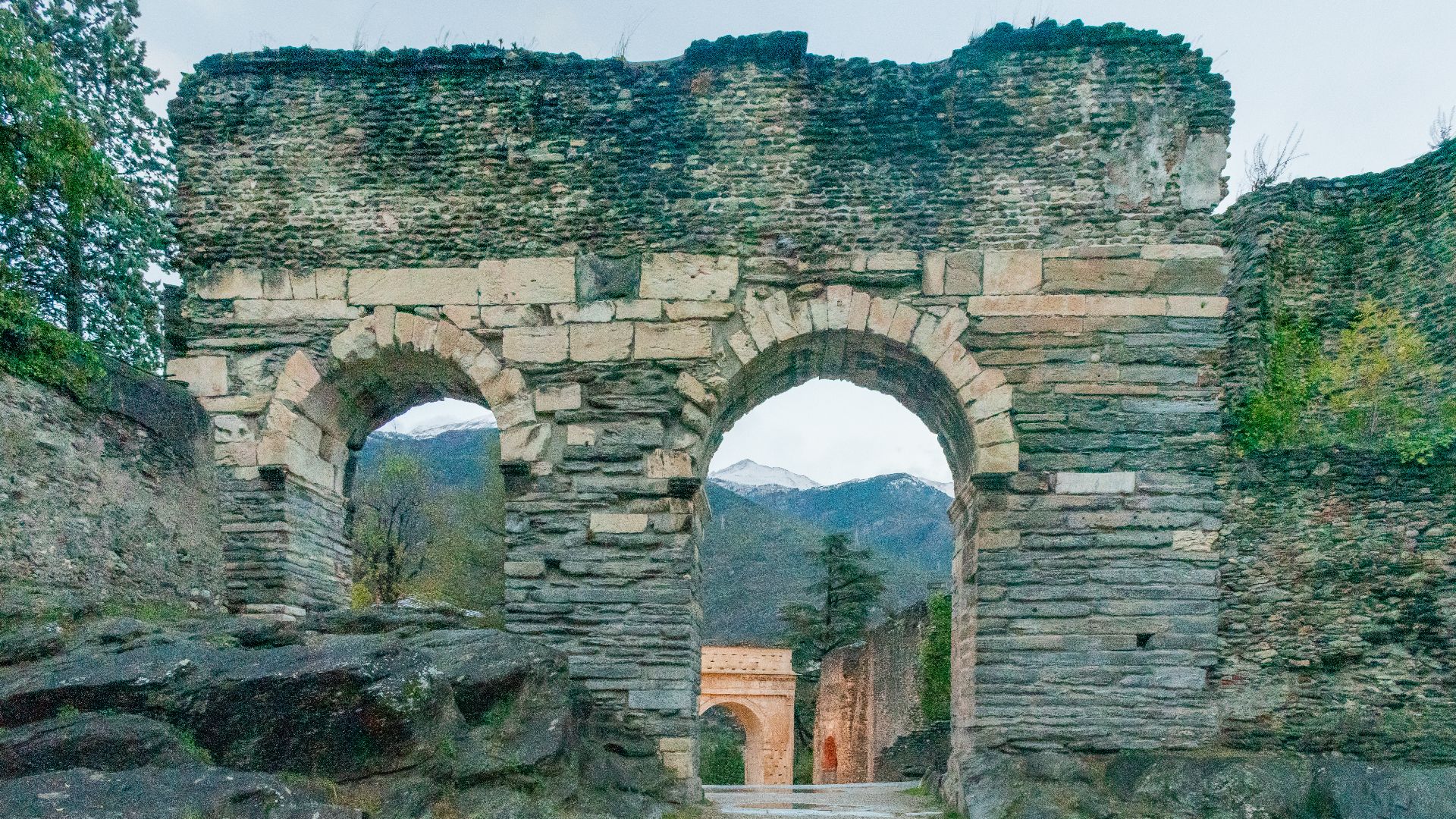
Modern engineers still study ancient aqueducts because many design principles remain surprisingly effective today. Gravity-fed water systems continue to reduce energy costs and improve long-term reliability in certain regions. The durability of Roman concrete has also attracted scientific interest because some ancient formulas appear more resistant to cracking than certain modern materials. Researchers continue examining these techniques to better understand long-lasting construction methods.
Several ancient aqueducts remained operational for hundreds of years after their original construction. Some sections of Roman aqueduct systems even continued supplying water into the modern era with repairs and modifications over time. Their ability to function across centuries highlights the quality of planning and craftsmanship involved in these projects. Few modern infrastructure systems are expected to survive that long without major reconstruction.
Tourists and historians continue visiting aqueduct sites because they offer visible proof of ancient engineering intelligence and ambition. Structures like the Pont du Gard in France and the Aqueduct of Segovia in Spain remain internationally recognized landmarks today. Their towering arches and carefully constructed channels still inspire admiration thousands of years after completion. These surviving systems remind people that advanced engineering existed long before modern technology transformed construction.
Ancient aqueducts succeeded because engineers combined careful mathematics, durable materials, and practical problem-solving on an enormous scale. Their systems supplied clean water, improved sanitation, and supported the growth of some of history's most influential civilizations. Even today, many of the principles behind aqueduct construction continue to influence infrastructure and engineering design around the world. The survival of these structures after centuries of weather, conflict, and change remains one of the clearest examples of human ingenuity in the ancient world.
KEEP ON READING

20 Greek Gods We Don't Often Talk About
Step Aside, Zeus. Greek mythology isn’t only about Zeus and…
By Elizabeth Graham Jan 16, 2026
10 Historic Courtship Practices That Should Be Brought Back &…
Old-School Dating Was a Mix of Charming & Unhinged. Historic…
By Emilie Richardson-Dupuis Jan 20, 2026
Pooches Of The Past: Extinct Dog Breeds
Unknown authorUnknown author on WikimediaDogs have been showing up in…
By Elizabeth Graham Jan 27, 2026
The 20 Craziest Silent Films Ever Made
When Silence Let the Madness Speak. Silent cinema didn’t just…
By Chase Wexler Jan 5, 2026
Legendary Tales: 20 Most Fascinating Mythical Creatures from Folklore
Mythological Beasts. Stories about mythical creatures endure for a simple…
By Christy Chan Jan 16, 2026
The three most expensive historical artifacts ever sold at auction
Attributed to Leonardo da Vinci on WikimediaAuctions are where history…
By Emilie Richardson-Dupuis Jan 9, 2026