 Hector John Periquin on Unsplash
When people think about the world's wealthiest companies, names like Apple, Microsoft, and NVIDIA usually come to mind. These businesses have reached extraordinary market valuations and influence industries around the globe. Yet centuries before the digital age, a trading company achieved a level of economic power that still captures historians' attention today.
The company was the Dutch East India Company, commonly known by its Dutch initials, the VOC. Founded in 1602, it became one of the most influential commercial organizations in history through international trade, government-backed privileges, and an enormous maritime network. Although comparisons with today's technology companies require careful context, estimates adjusted for modern purchasing power suggest the VOC's peak value exceeded that of any corporation in history.
How the Dutch East India Company Built An Economic Giant
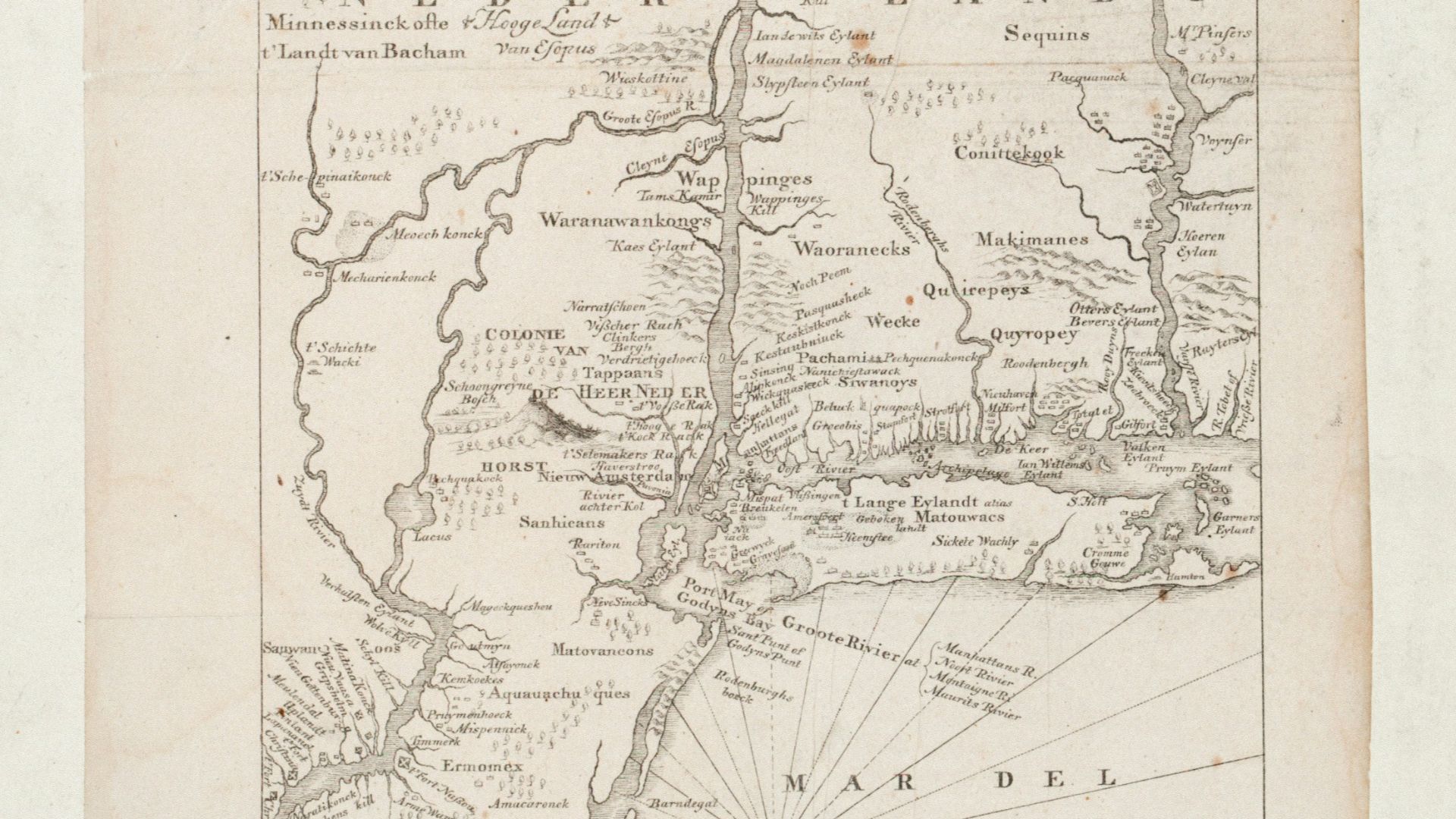
The Dutch East India Company was established by the Dutch Republic to unite several competing trading ventures into a single organization. Instead of allowing merchants to compete against one another in Asia, the government granted the VOC exclusive rights to conduct Dutch trade east of the Cape of Good Hope and west of the Strait of Magellan. This monopoly reduced internal competition while allowing resources to be concentrated on expanding overseas commerce.
One of the company's most important innovations was its financial structure. The VOC became the first company widely recognized for issuing shares that could be bought and sold by investors on a secondary market, helping lay the foundation for the modern stock market. Investors provided capital without participating directly in voyages, while the company gained long-term funding for increasingly ambitious operations.
Trade focused on highly valuable goods that were in great demand throughout Europe. Spices such as cloves, nutmeg, mace, cinnamon, and pepper generated enormous profits because they were relatively scarce and highly prized. As the company's network expanded, it also traded tea, textiles, porcelain, coffee, and other commodities that connected markets across Europe and Asia.
The VOC established its headquarters in Batavia, now Jakarta, Indonesia, which became the administrative center of its Asian operations. From there, the company coordinated fleets, warehouses, trade negotiations, and regional outposts across a vast geographic area. Its logistical capabilities were remarkable for the seventeenth century and demonstrated an impressive level of commercial organization.
More Than A Business: A Company With Government Powers
Unlike modern corporations, the Dutch East India Company possessed powers that today are usually reserved for sovereign governments. The Dutch government authorized the company to negotiate treaties, establish colonies, build forts, maintain military forces, and wage war when necessary to protect its commercial interests. This unique arrangement blurred the line between private enterprise and state authority.
The company's naval fleet became one of the largest commercial maritime operations of its era. Hundreds of ships regularly traveled between Europe, Africa, and Asia, transporting goods across thousands of miles of open ocean. Maintaining these voyages required skilled sailors, experienced navigators, detailed planning, and extensive financial resources.
The VOC also played a significant role in shaping global trade networks during the early modern period. Its commercial activities connected distant regions through increasingly regular exchanges of goods, knowledge, and cultural influences. While these networks expanded international commerce, they were also intertwined with colonial expansion and systems of exploitation that had lasting consequences for many local populations.
Managing such a vast organization required sophisticated administration. Company officials maintained detailed financial records, coordinated overseas offices, and communicated across long distances despite the limitations of seventeenth-century technology. The scale of these operations would have been extraordinary even by modern business standards.
Why The VOC's Wealth Still Fascinates Historians
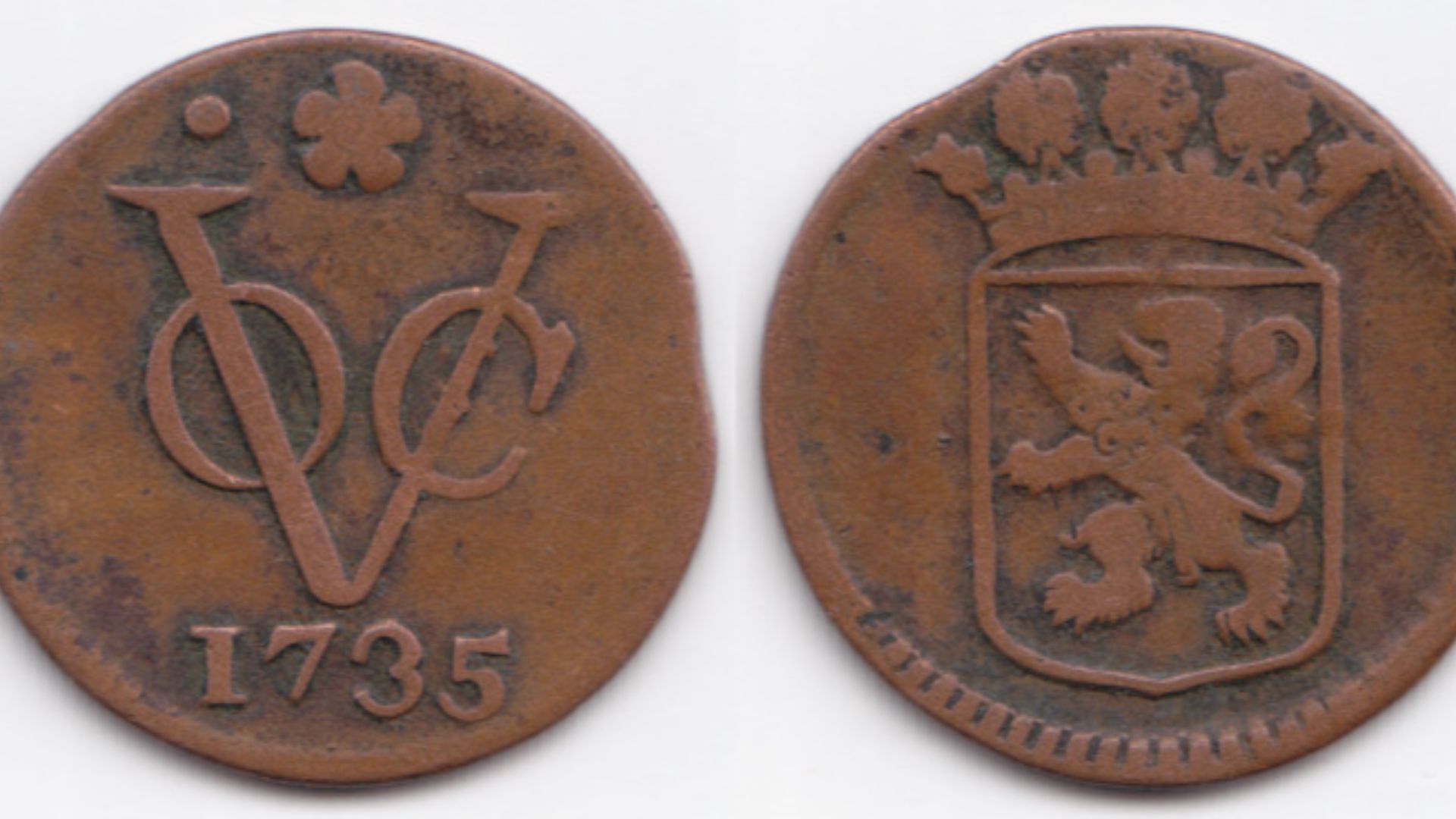
One reason the Dutch East India Company continues to attract attention is the sheer scale of its estimated value. Financial historians have attempted to adjust its market capitalization into modern dollars, with some estimates exceeding $7 trillion to $8 trillion in today's purchasing power. These figures are only approximations because economic conditions were dramatically different, but they illustrate just how dominant the company became within its historical context.
Comparisons with modern technology companies should also be understood carefully. Today's corporations operate within highly regulated international markets and generally don't possess military authority or government-granted monopolies comparable to those enjoyed by the VOC. Their valuations are also measured using modern financial systems that differ significantly from seventeenth-century markets.
Despite its enormous success, the company eventually encountered growing financial and administrative challenges. Rising operating costs, corruption in parts of the organization, military conflicts, changing trade conditions, and increased competition gradually weakened its position. By the end of the eighteenth century, the Dutch government dissolved the VOC, transferring many of its assets and responsibilities to the Dutch state.
The legacy of the Dutch East India Company extends far beyond its remarkable wealth. It helped shape global finance through innovations in corporate investment, demonstrated the potential of multinational business organizations, and influenced international trade on an unprecedented scale. At the same time, its history serves as a reminder that extraordinary commercial success often came alongside colonial domination and unequal systems that affected millions of people. Understanding both sides of that legacy provides a fuller picture of why this seventeenth-century monopoly remains one of history's most studied and influential companies.
KEEP ON READING