10 Surprising Truths About The Colosseum & 10 Myths That Refuse To Disappear
What the Stones Actually Say
Almost no one arrives at the Colosseum with a blank slate. The thumbs-down gesture and the lions are already loaded in your head before you buy a ticket, and most of that picture traces back to a Victorian painting and a few blockbusters. The documented history is stranger anyway. Sailors were assigned to awning duty, and an English botanist once counted 420 species of plant growing out of the ruins. Here's 10 things about the place that hold up, followed by 10 that don't.
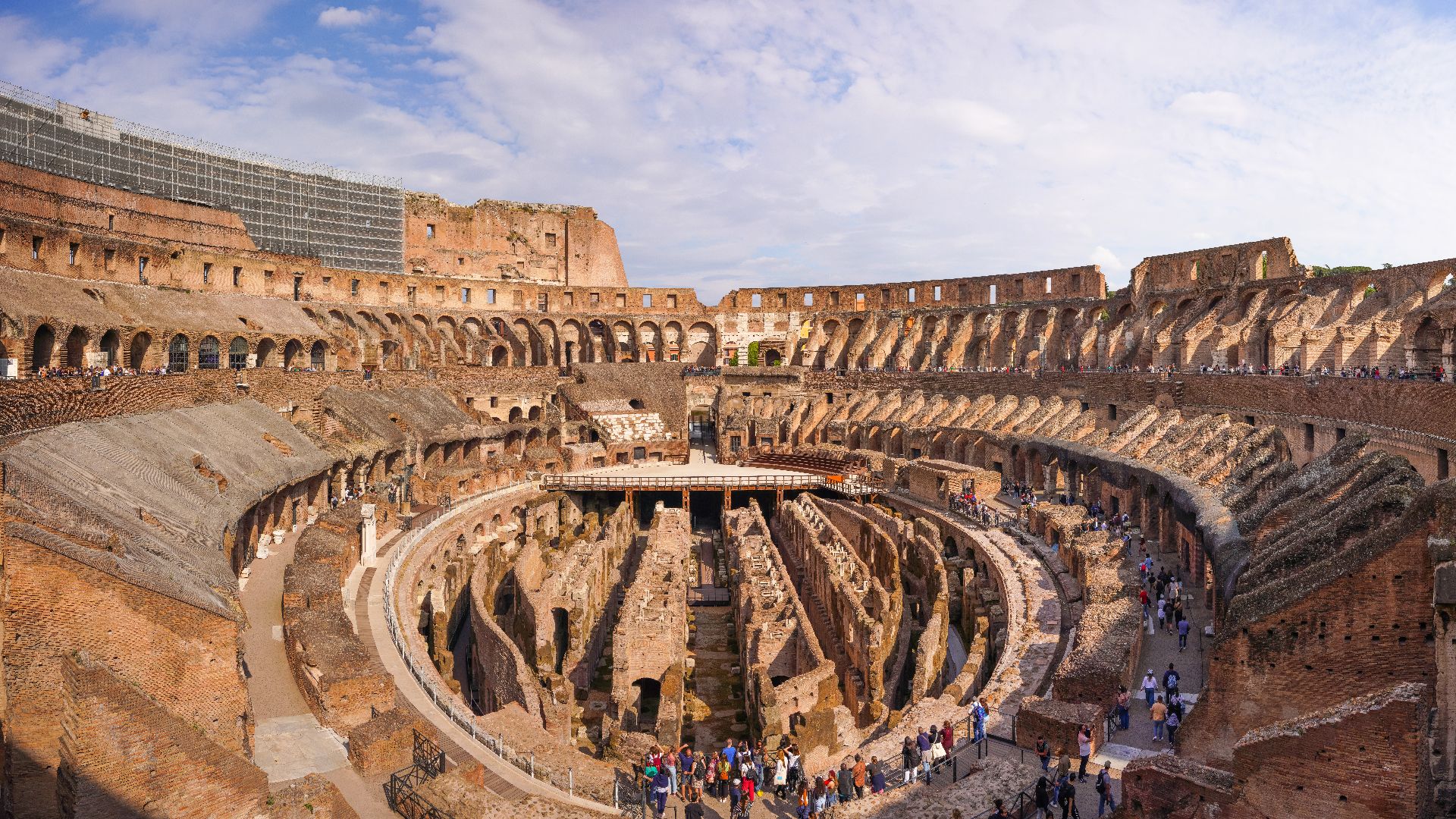
1. The Name Comes From a Statue
Its actual name was the Flavian Amphitheatre. Colosseum stuck because a giant bronze statue of Nero called the Colossus stood next door, and the nickname attached itself to the neighbor. Nobody called the building the Colosseum while gladiators were still working in it.
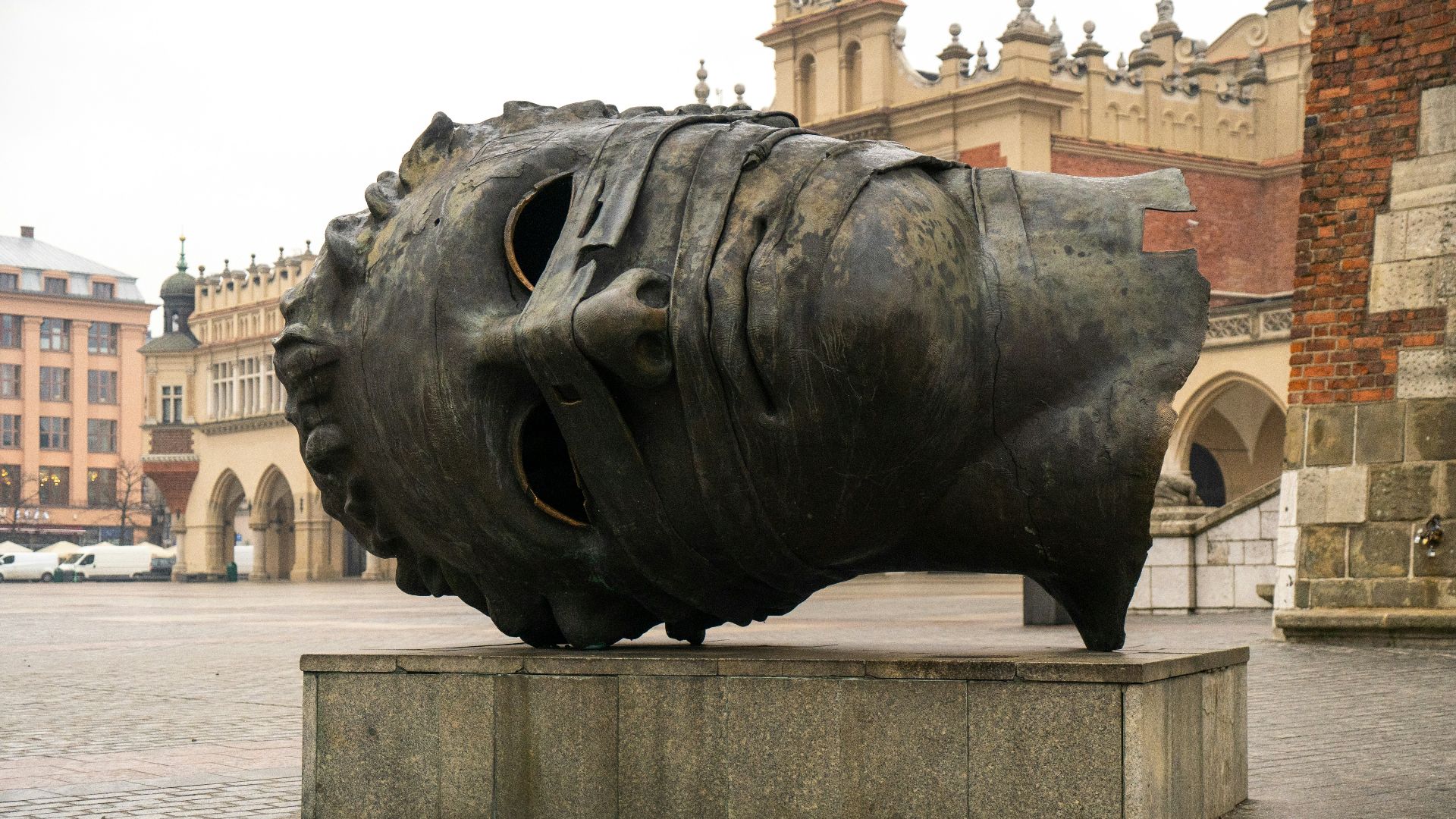
2. It Sits on Nero's Drained Lake
Nero had dug an artificial lake as part of the grounds of his private palace. The Flavians drained it and put a public amphitheater on top, which was a pointed way of handing the city back what an emperor had taken for himself.
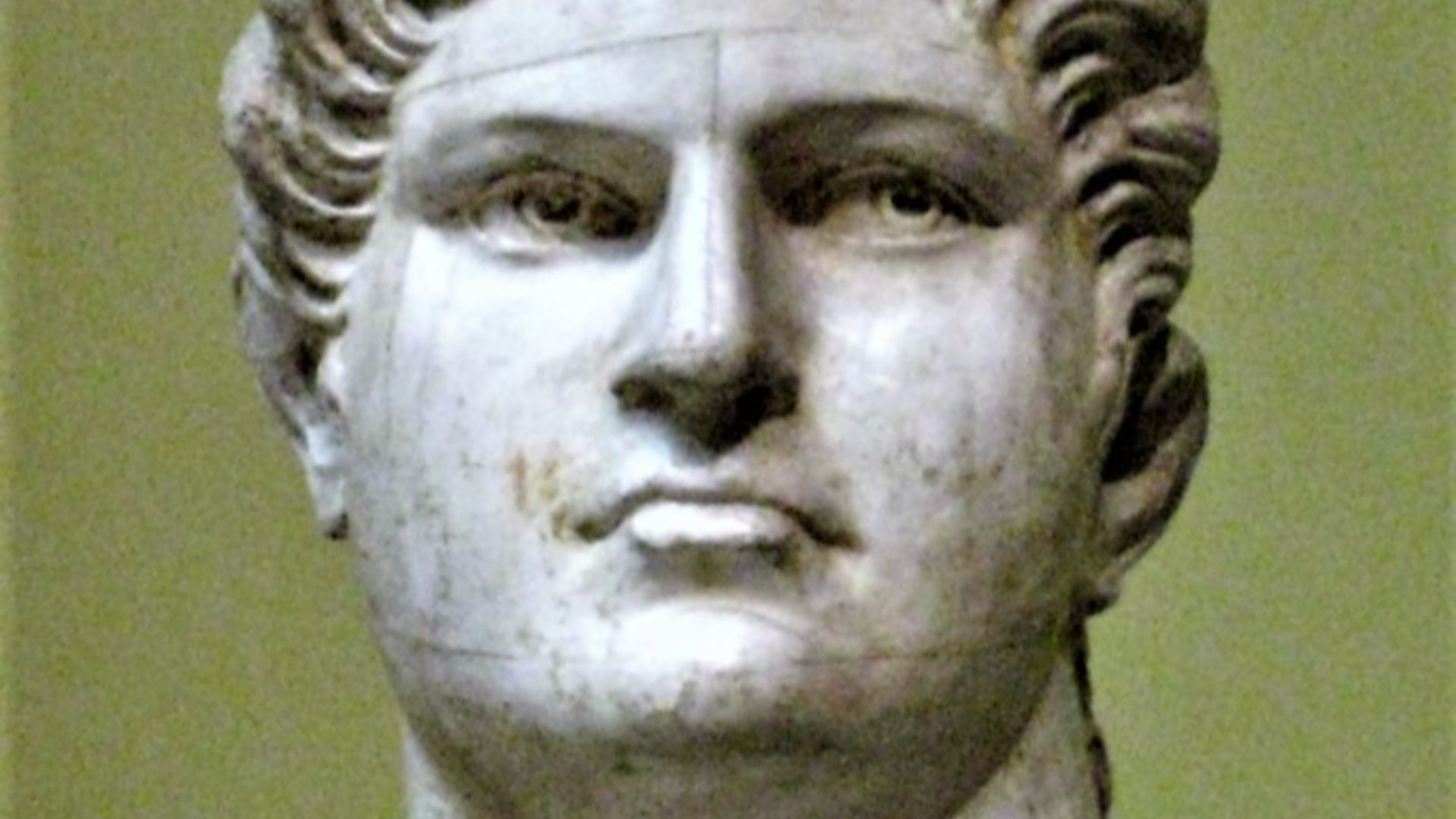
3. Jerusalem Paid for It
An inscription reconstructed from the holes left by missing bronze letters says the amphitheater was built from the spoils of war. The war was the Jewish revolt, and the money came out of the sack of Jerusalem in AD 70. The reconstruction is Géza Alföldy's, published in 1995.
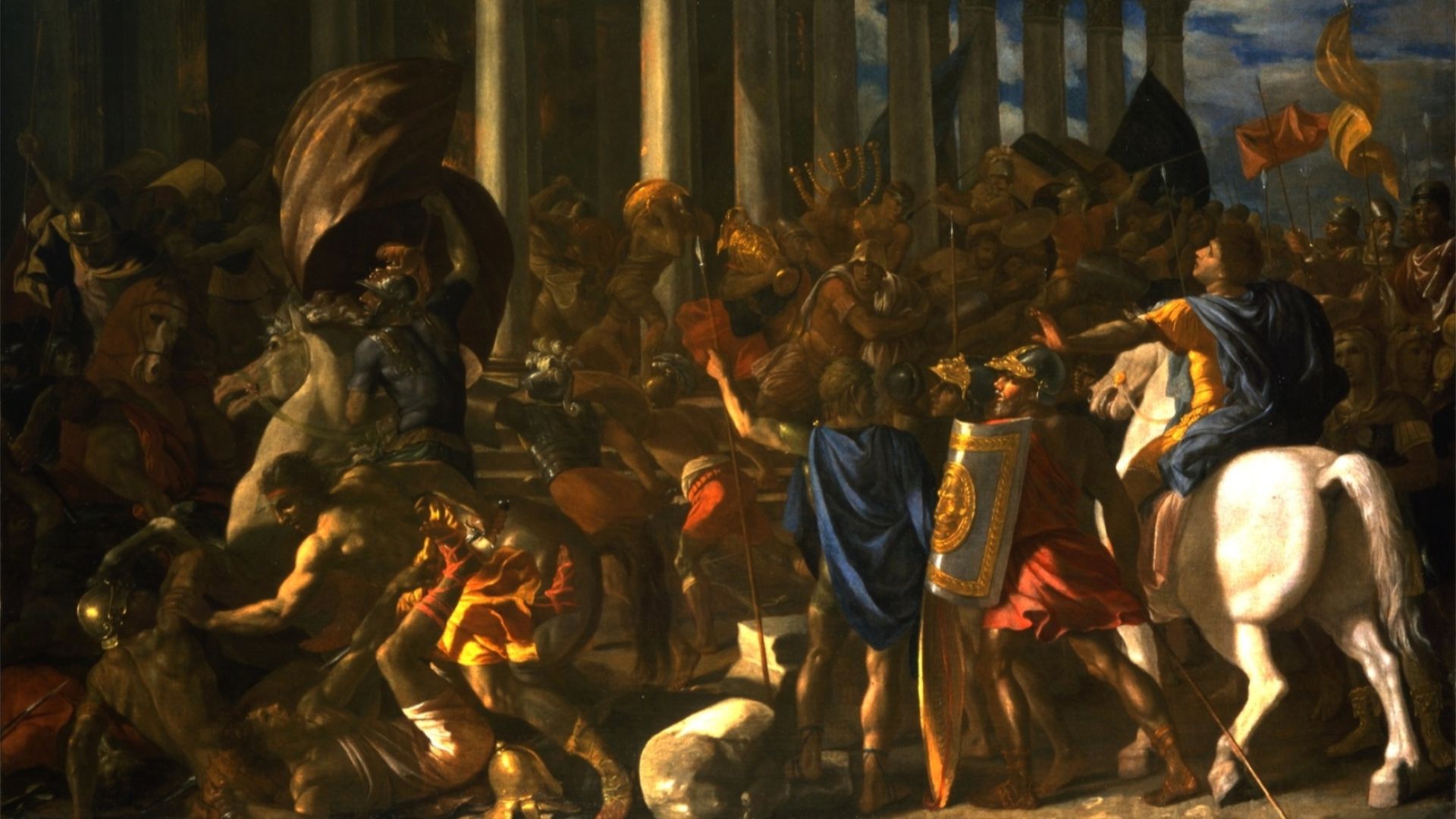
4. Tickets Were Bone Discs
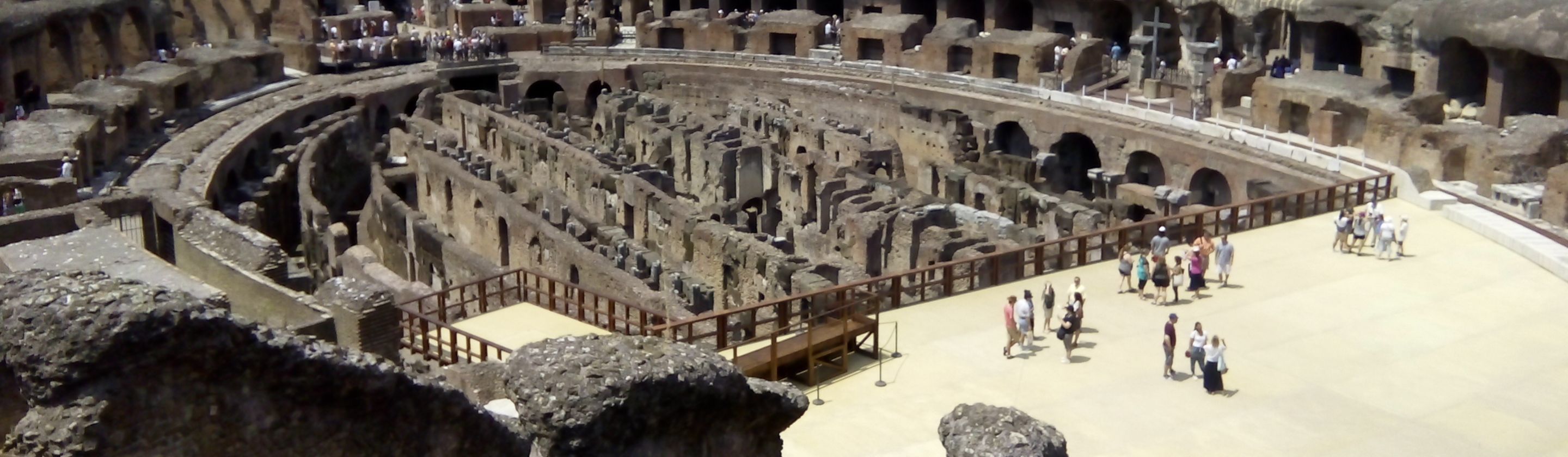
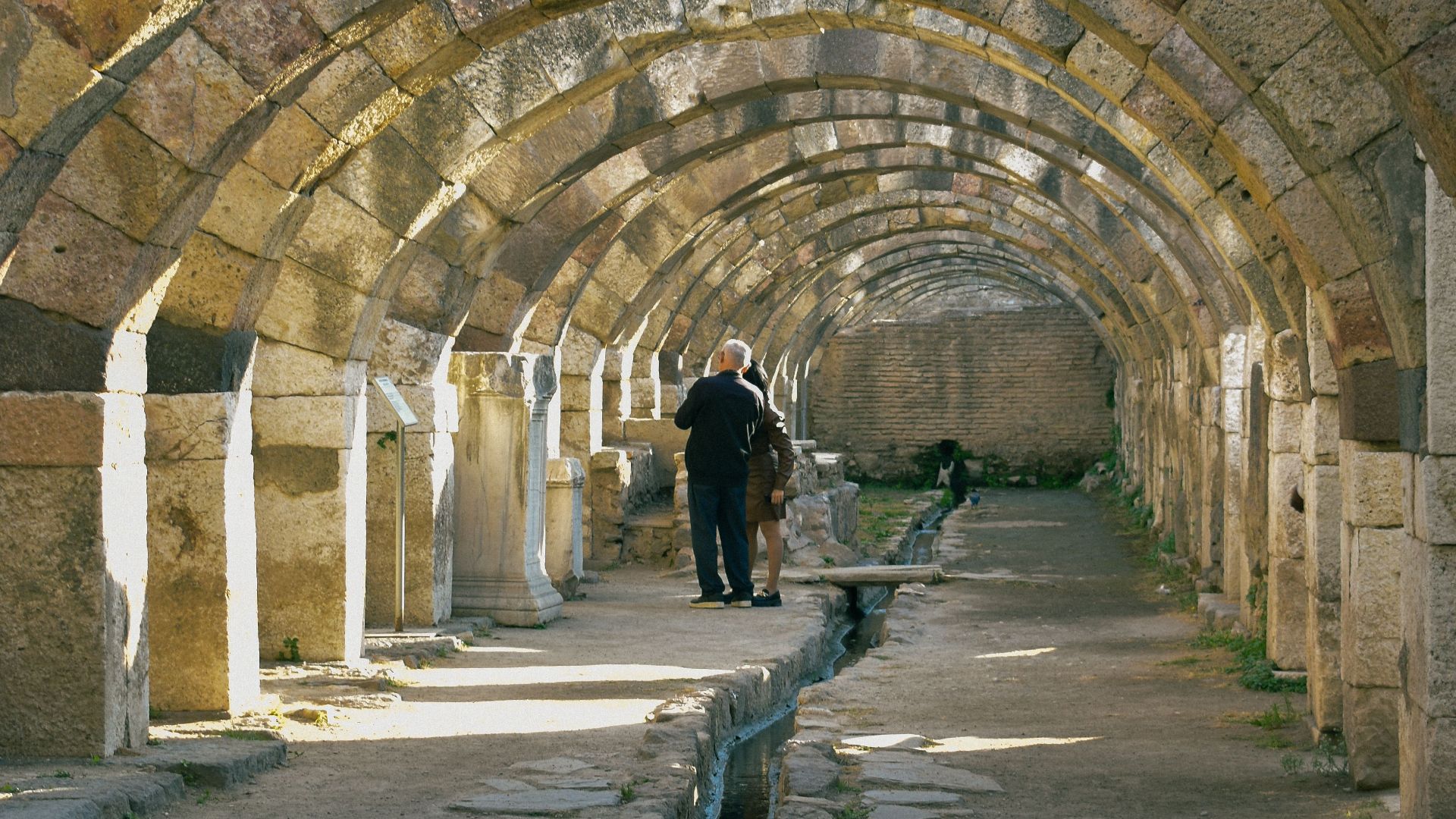
Spectators carried tesserae, small bone or ivory tokens stamped with an entrance arch, a tier, and a seat number. The 76 public arches were numbered so 50,000 people could file in without a scrum. Where you sat was fixed by rank, down to senators with their names cut into the marble.
5. The Navy Ran the Awning
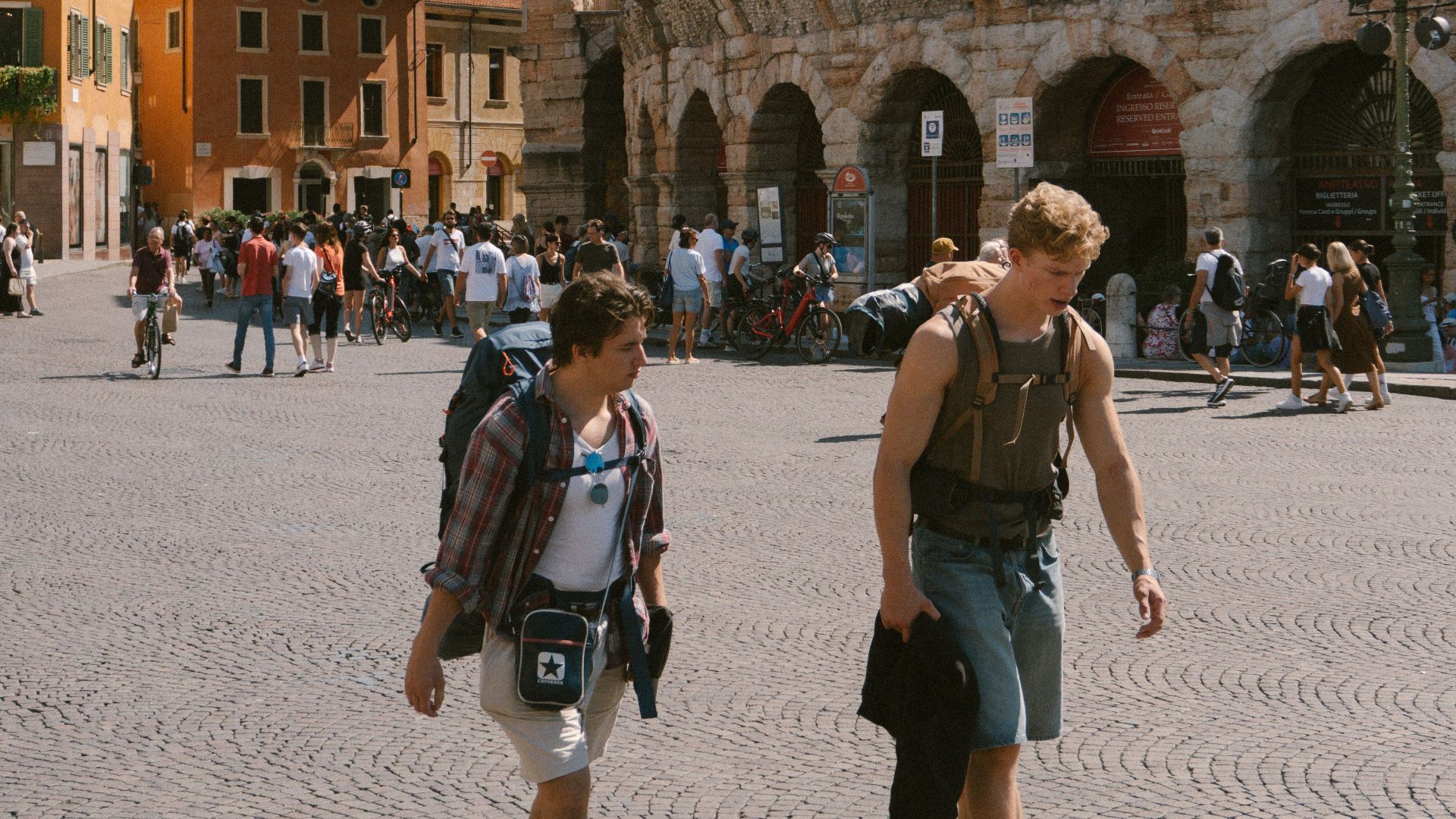
A detachment from the imperial fleet at Misenum was stationed near the amphitheater full time to work the velarium. Rigging a retractable canvas roof over a crowd that size is sailing work, and those men handled rigging for a living.
6. The Floor Had Elevators
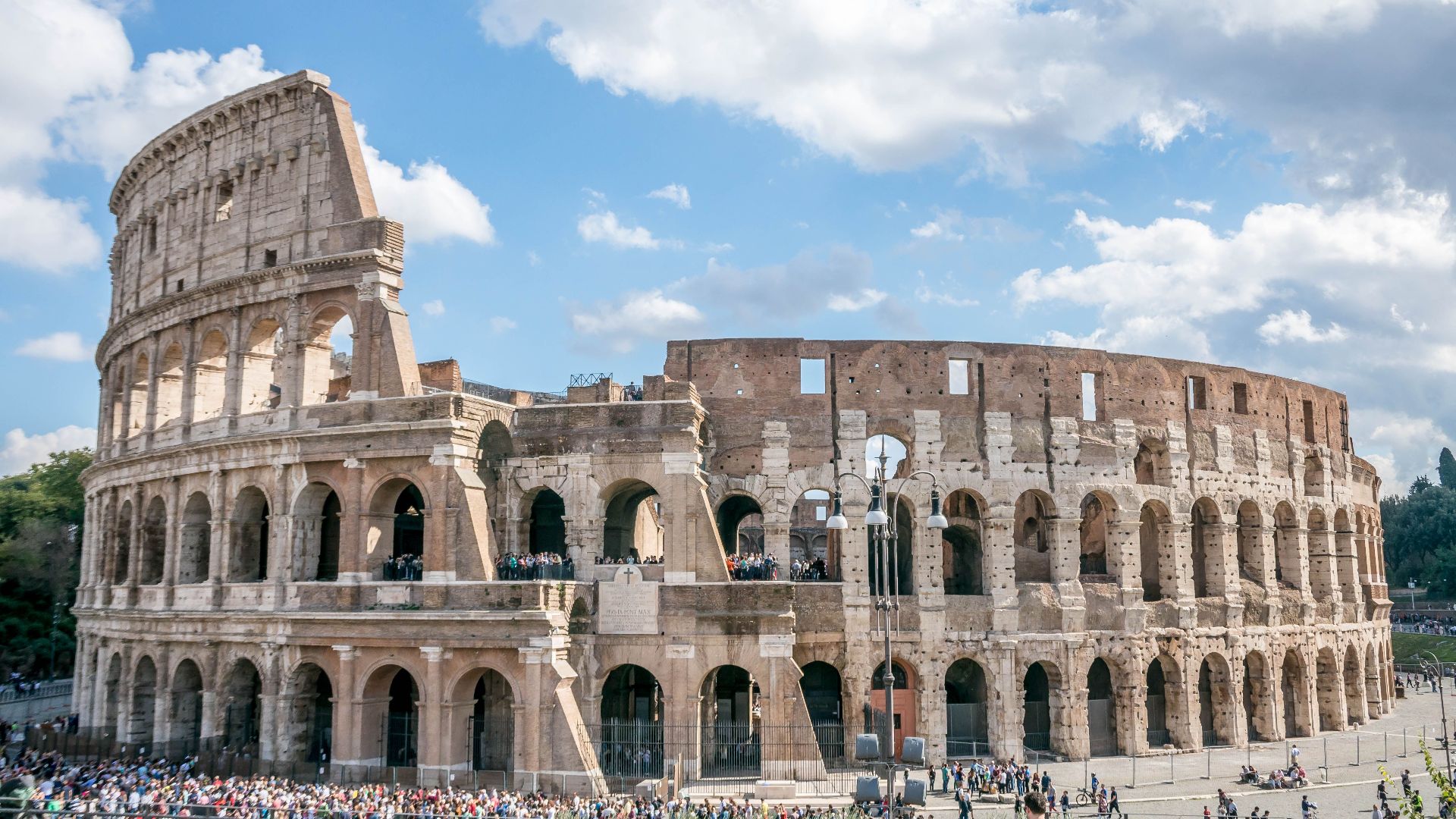
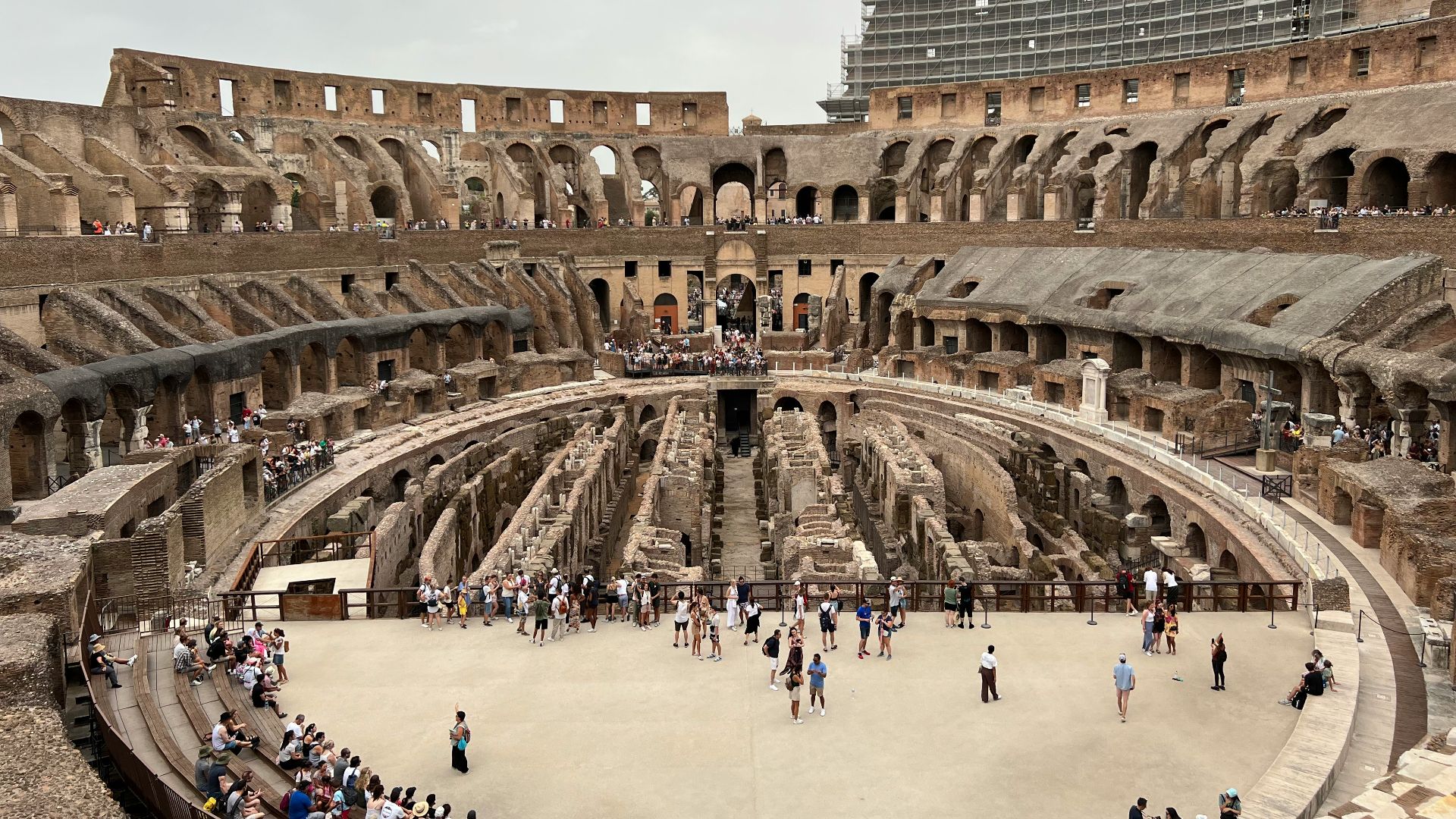
Beneath the sand sat the hypogeum, two levels of corridors, cages, and winches. Capstan-powered lifts hauled animals to trapdoors in the arena floor, so a leopard could appear in the middle of a show with no warning at all. A working replica was built for a documentary in 2015.
7. Three Hundred Tonnes of Iron Were Pried Out
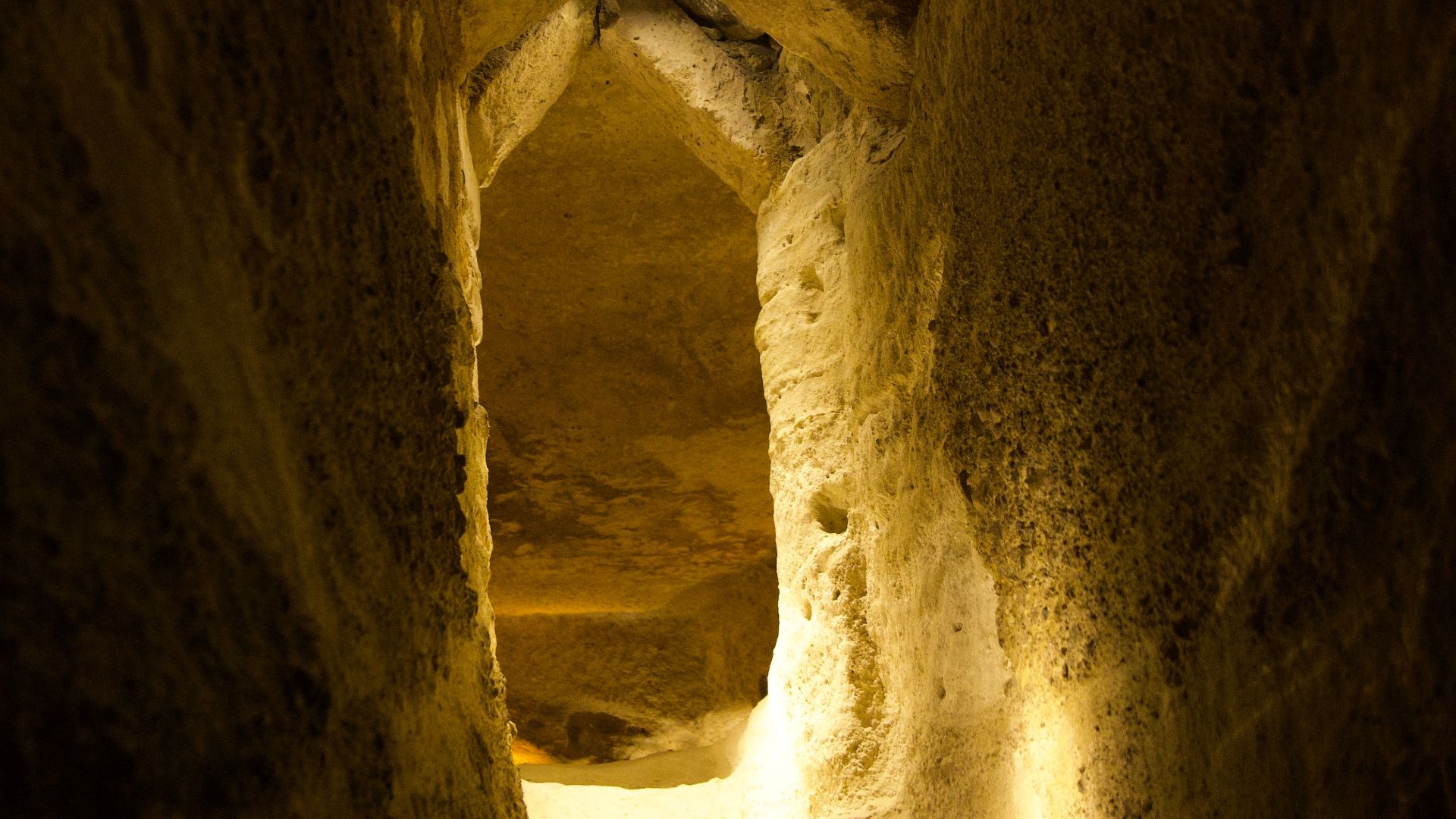
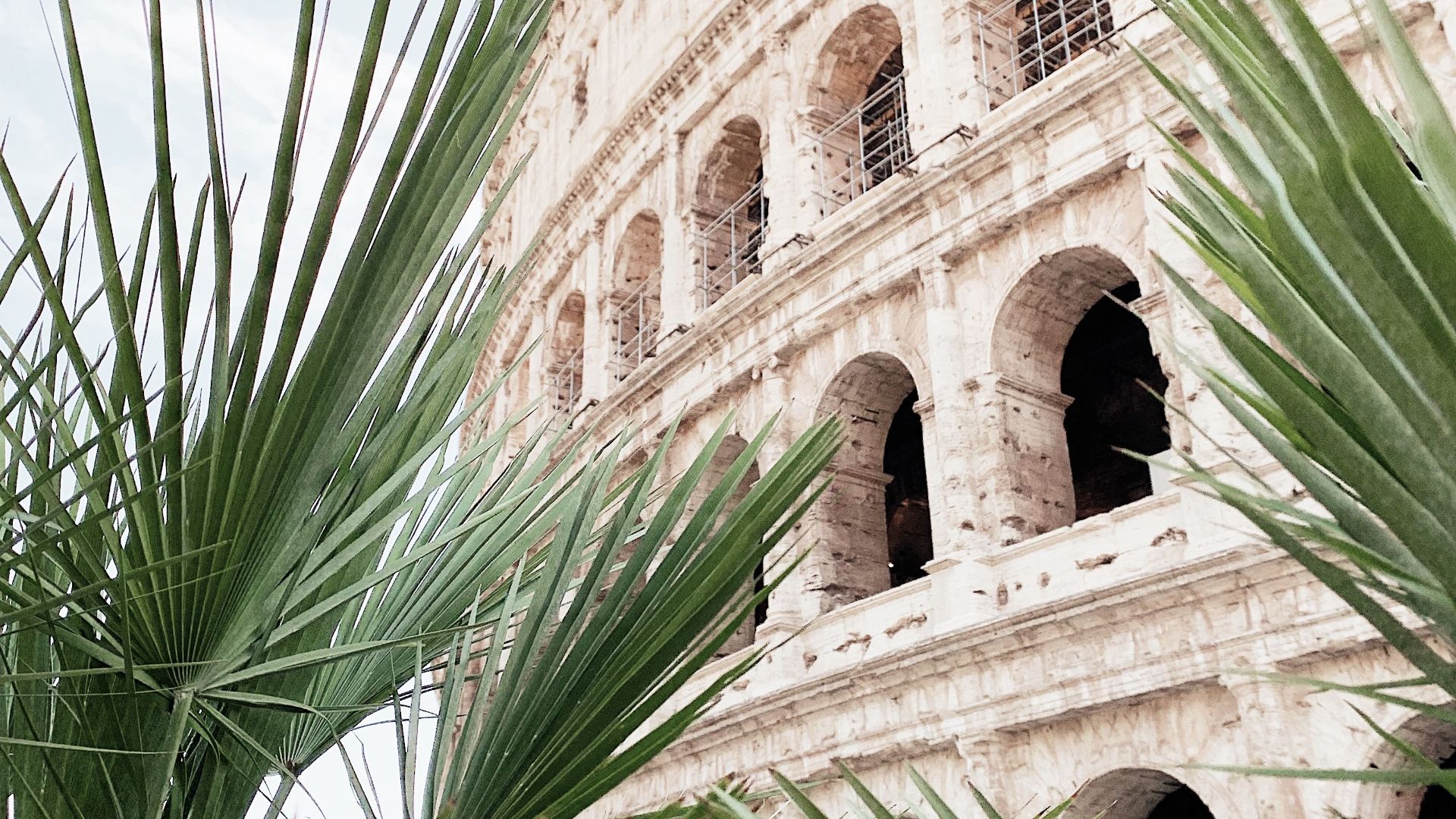
Those pockmarks across the travertine are not weathering. Scavengers dug out the iron clamps holding the blocks together, something like 300 tonnes of metal, and the holes are what they left behind.
8. Women Fought in the Arena
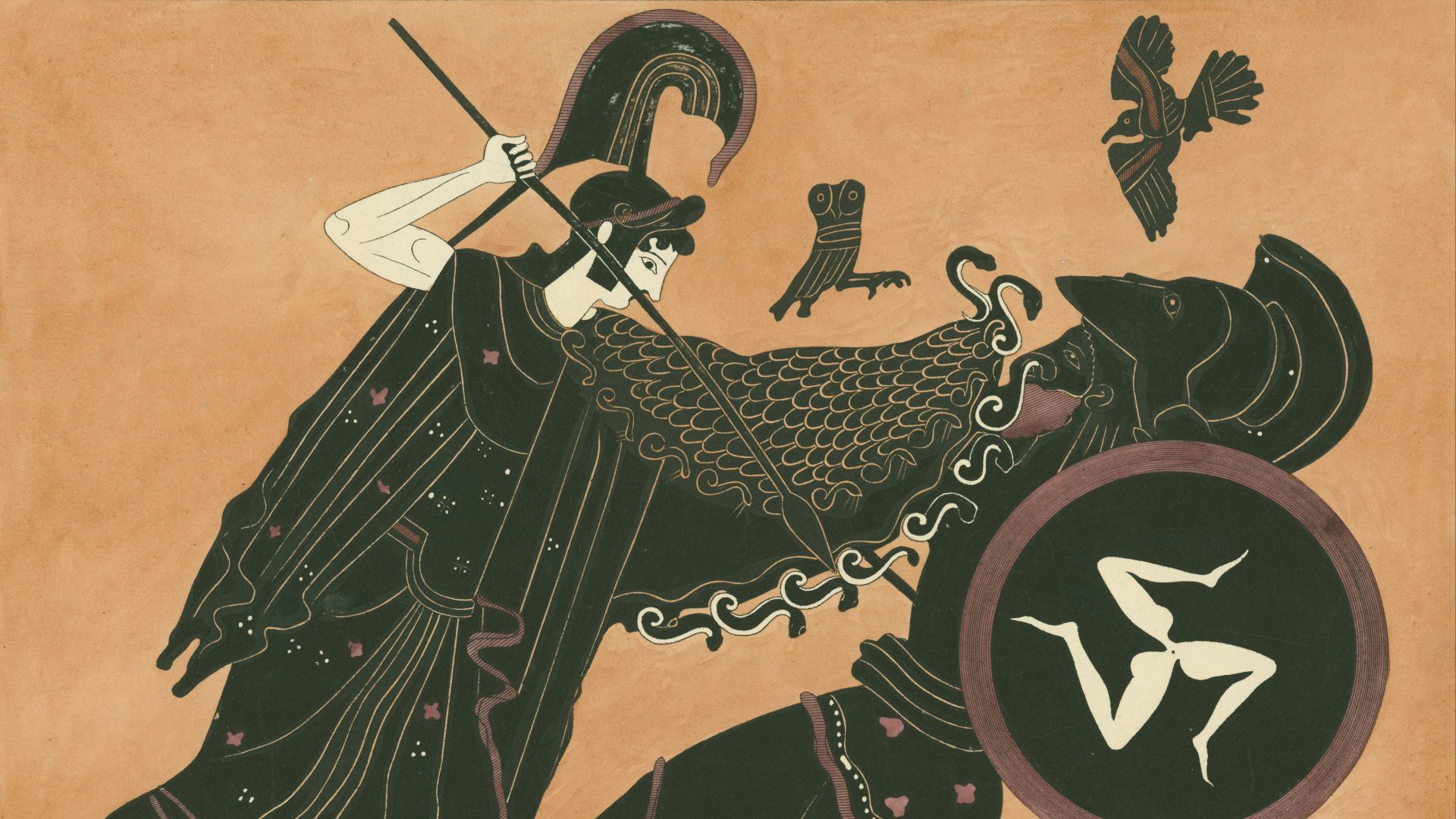
Domitian put female gladiators on by torchlight at his night games. A marble relief from Halicarnassus shows two of them, billed as Amazon and Achillia, fighting to a draw. Septimius Severus banned the practice around AD 200.
 The New York Public Library on Unsplash
9. A Botanist Found 420 Species Growing in It
By the 1850s the ruins had been left alone long enough to count as habitat. Richard Deakin published Flora of the Colosseum of Rome in 1855 after cataloging 420 plant species in the stonework, a few of which puzzled him by growing nowhere else nearby. The vegetation was stripped out later that century.
10. The Sewers Were Full of Snacks
A dig into the drains that started in 2021 pulled up olive pits and fig seeds along with bones from lions and bears. Fifty bronze coins came up too, plus a silver one struck around AD 171. Roman crowds ate like people at a ballpark and dropped the evidence under their feet.
Now, here's 10 myths that refuse to die.
1. Thumbs Down Meant Death
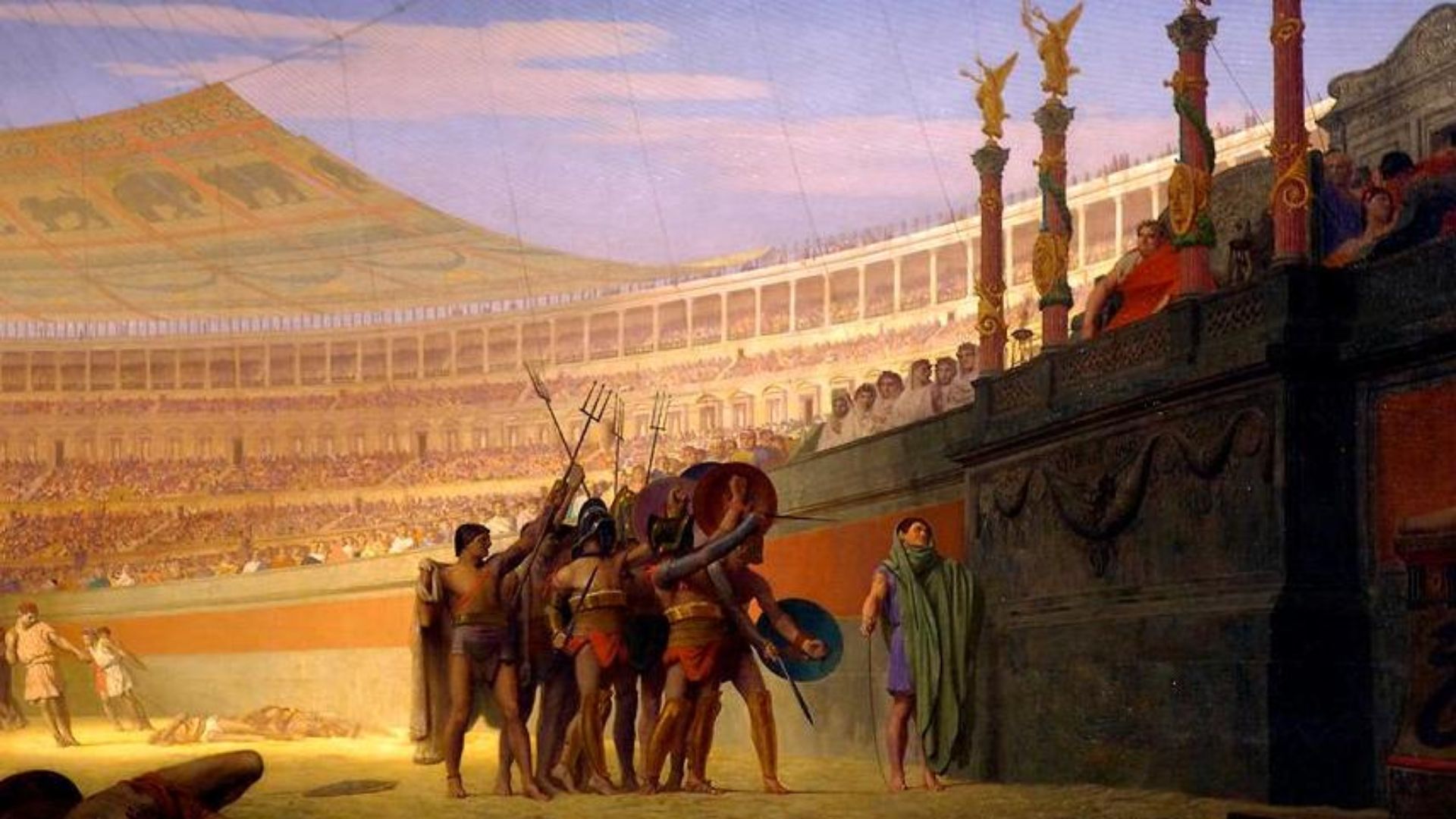
The gesture everyone pictures comes from Jean-Léon Gérôme's 1872 painting Pollice Verso. The Latin means turned thumb, and nobody can say which way it turned or what the crowd did with its hands. Gérôme's version was persuasive enough to become the record by default.

2. The Morituri Salute Was a Gladiator Line
That famous greeting shows up exactly once in the ancient sources, and not at a gladiator fight. Suetonius has condemned criminals saying it to Claudius before a staged naval battle on the Fucine Lake, well outside Rome. No gladiator is recorded saying it anywhere.
 Unknown authorUnknown author on Wikimedia
3. Christians Died There by the Thousands
Not one ancient source places a martyrdom inside the building. The tradition grew in later centuries and hardened in the 1600s, when a pamphlet opposing bullfights in the arena recast the place as sacred ground. Benedict XIV installed Stations of the Cross soon after, which settled the matter for most visitors.
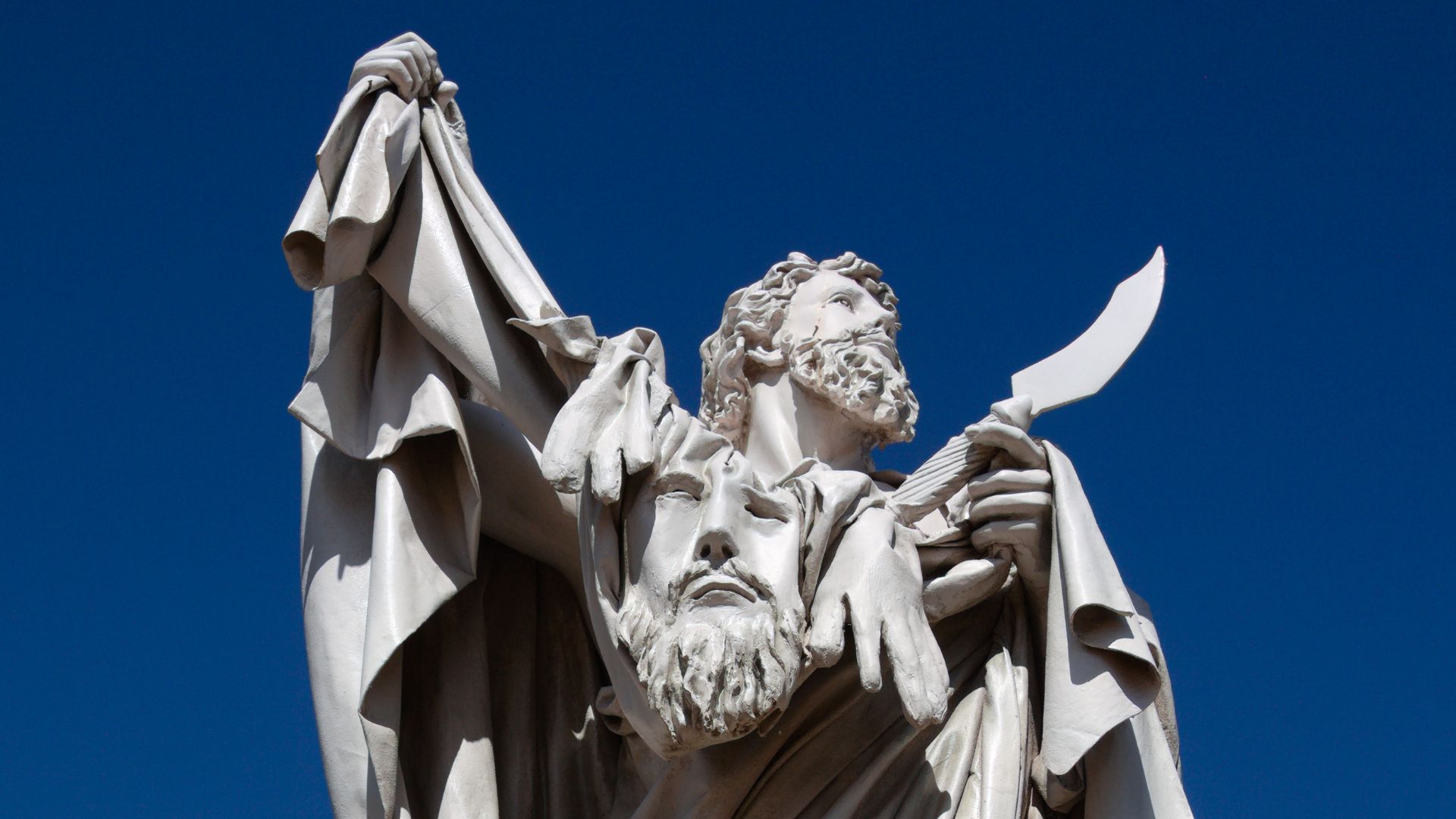
4. Every Fight Ended With a Corpse
Gladiators took years to train and belonged to owners who wanted them back in one piece. One estimate puts deaths at roughly one fight in five, with most bouts stopped short by missio. A fighter might appear two or three times a year, which is not the schedule of a man expected to die.
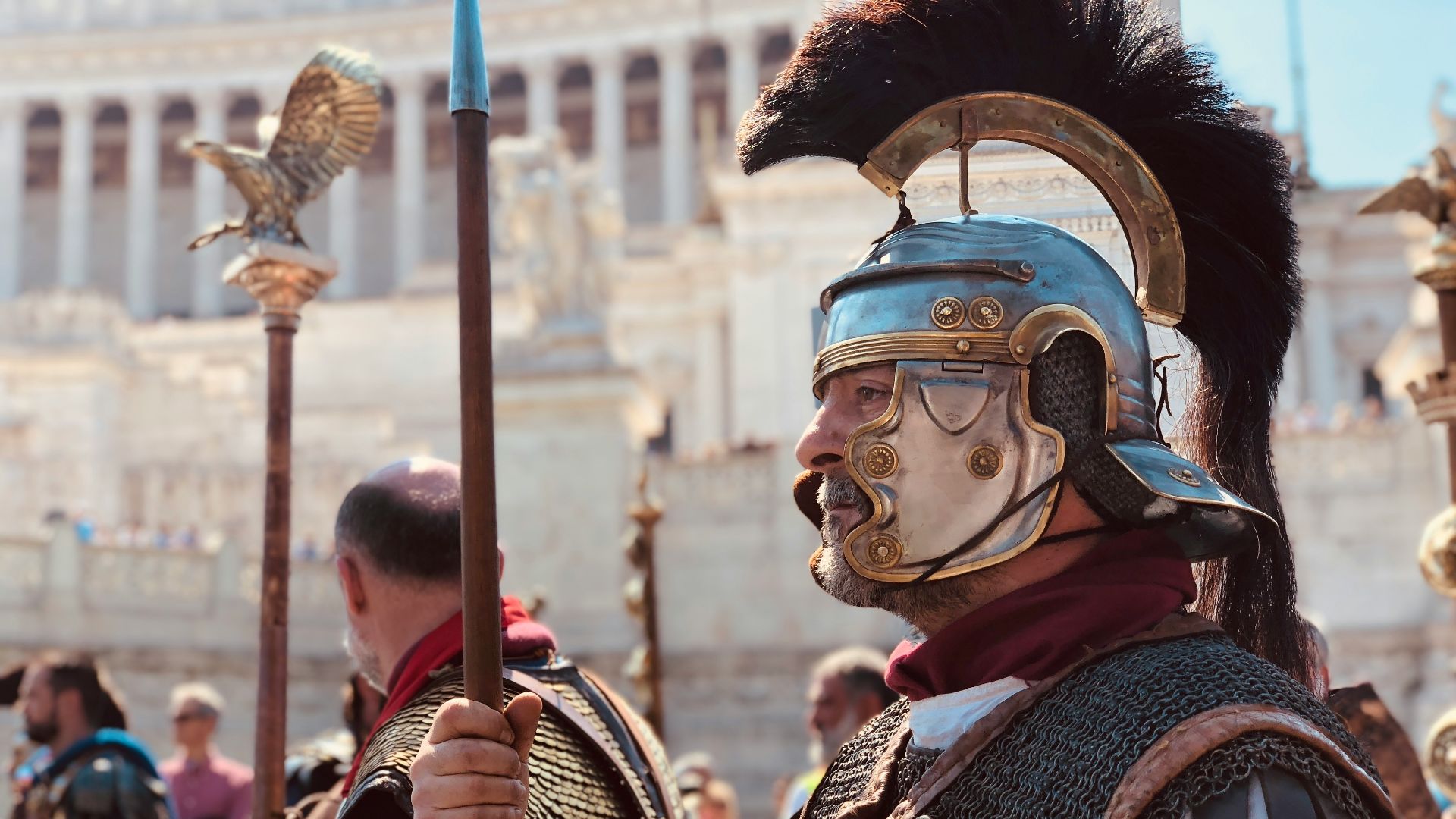 Maria Dolores Vazquez on Unsplash
5. They Were All Slaves
Many were prisoners of war or criminals sentenced to the arena. Others were free men who signed contracts laying out their fee and how often they would fight. Signing cost them their legal standing as citizens, and a surprising number made that trade anyway.
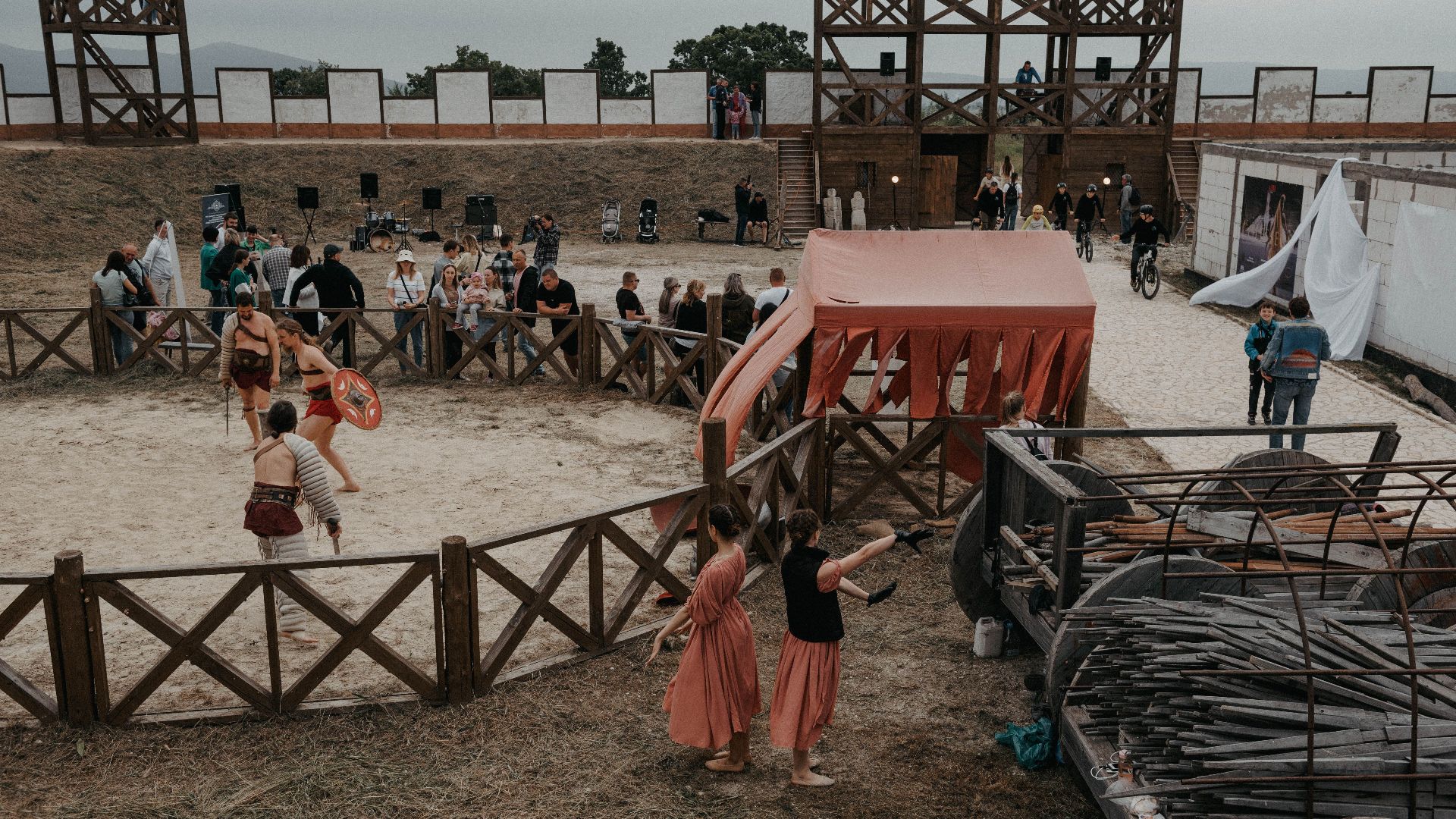
6. Spartacus Fought in the Colosseum
Spartacus was dead by 71 BC and the Colosseum opened in AD 80, which leaves a gap of roughly 150 years. He trained in Capua and fought his last battle in Lucania. The building he gets attached to was not even an idea yet.
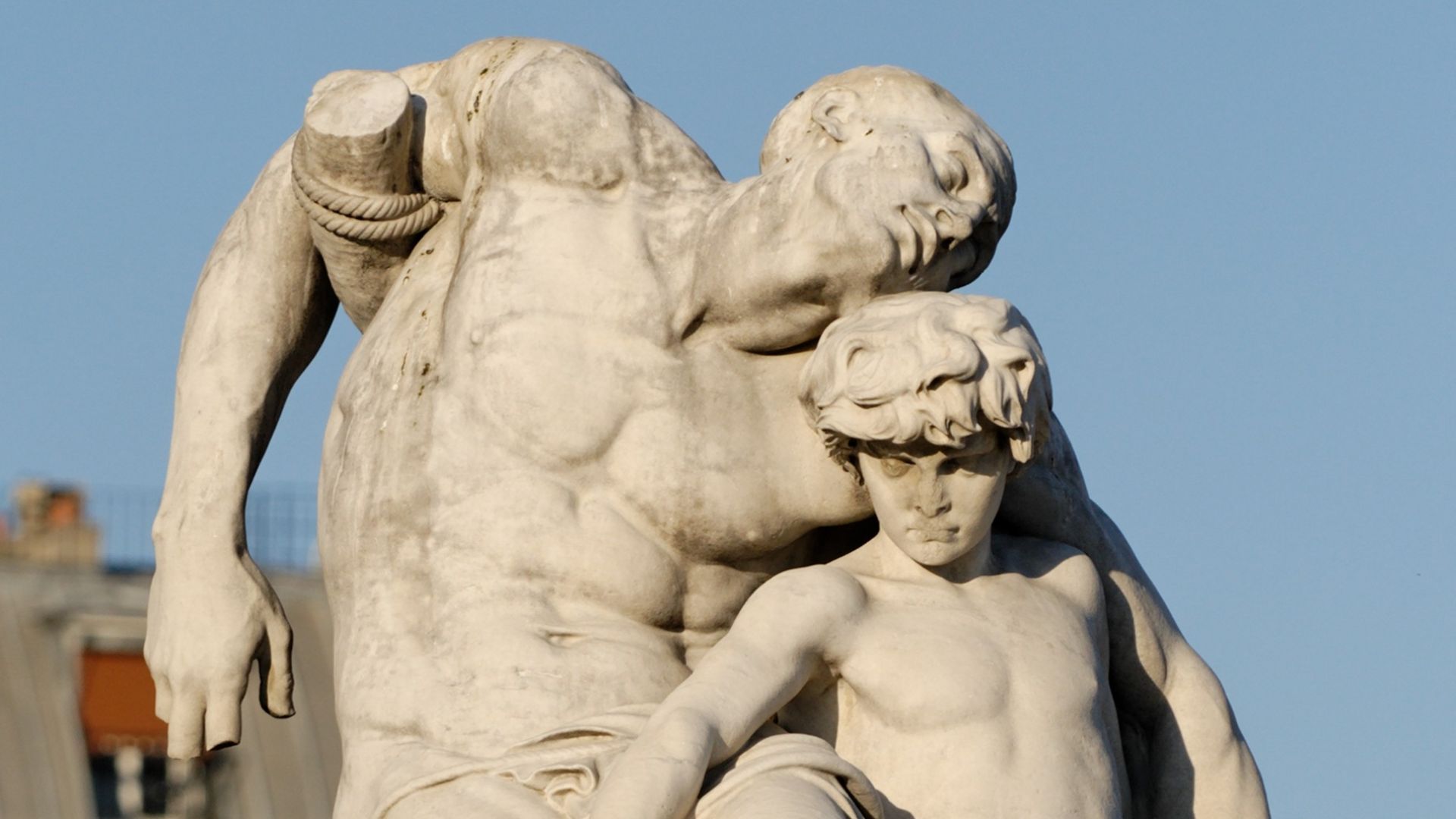 Louis-Ernest Barrias on Wikimedia
7. Vomitoria Were Rooms for Vomiting
A vomitorium is a passage that empties a crowd out of a stadium. The word comes from the Latin for spew, applied to the flow of people through an exit rather than anything they had for dinner.
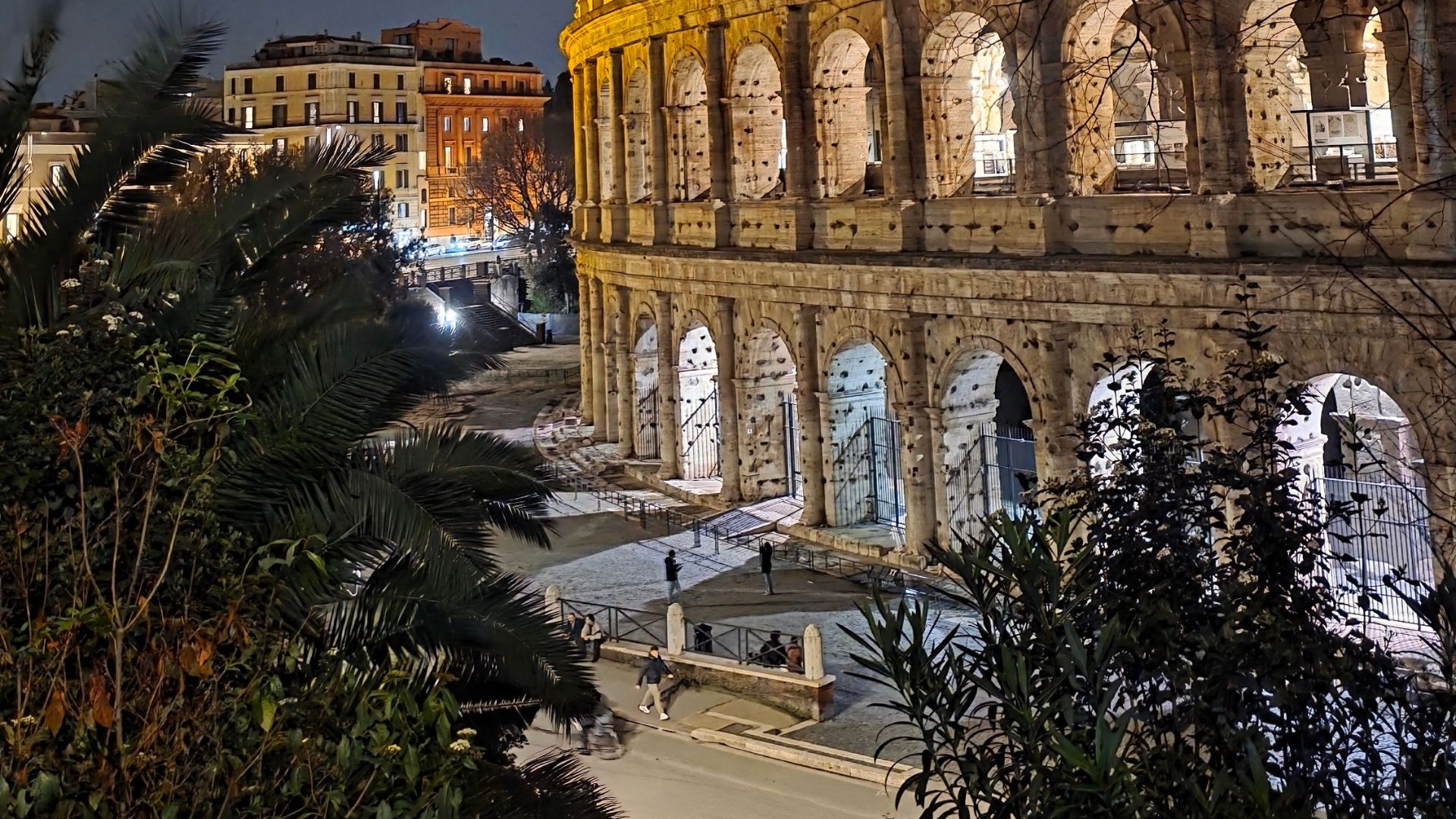
8. The Arena Was Flooded for Sea Battles All the Time
Mock naval battles did happen there, briefly, under Titus around AD 80. Once Domitian built the hypogeum underneath, flooding the floor became impossible and no further naumachiae in the Colosseum are recorded. The water shows lasted a handful of years.
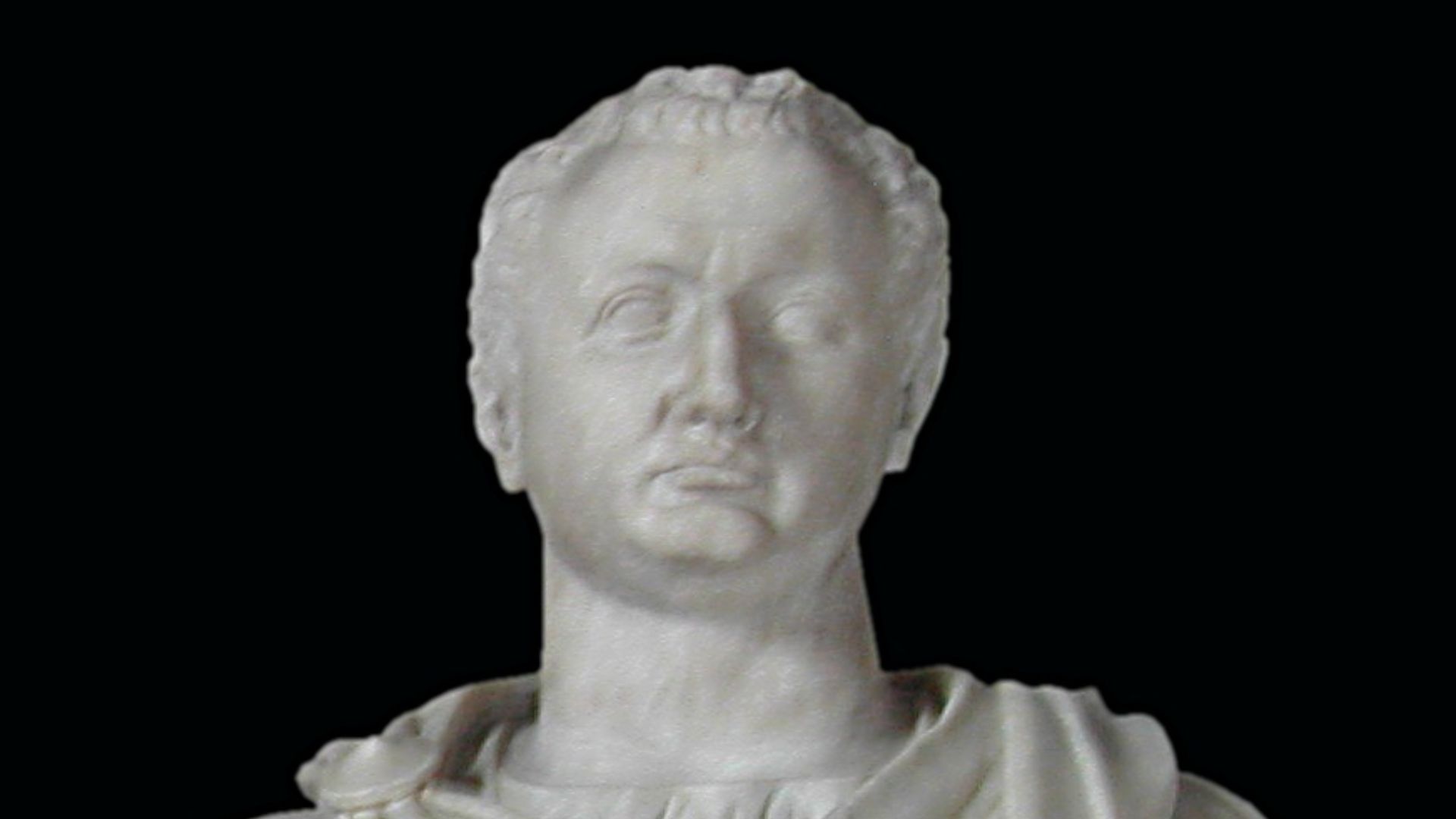 Original: FilipoCropped: TRAJAN 117 on Wikimedia
9. Barbarians Wrecked It
Most of the damage was seismic. A 1349 earthquake brought down the south outer wall, and the rubble was carted away as free building material for centuries afterward. Invading armies get credit for a collapse that gravity and scavengers handled between them.

10. It Sat Empty for 1,500 Years
Once the games stopped, the arcades filled up with workshops and housing, and one Roman family fortified the whole thing as a castle. A cemetery operated inside it for a while. The Colosseum only became a proper ruin in the 1800s, when the squatters were cleared out and the plants were scraped off the stone.
KEEP ON READING