20 Things That Were Already Happening in Human History While Mammoths Were Still Alive
20 Things That Were Already Happening in Human History While Mammoths Were Still Alive
The Timeline Is Wrong in Your Head
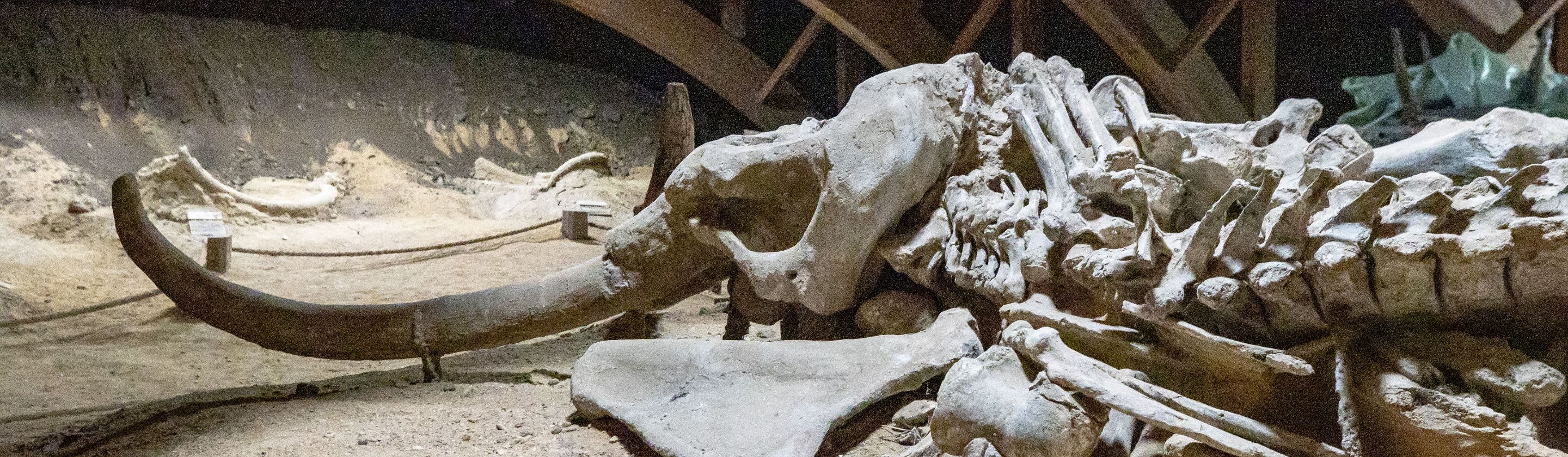
The last woolly mammoths died about 4,000 years ago on Wrangel Island, a patch of tundra off the Siberian coast. That date wrecks the mental filing system most of us carry, where mammoths sit next to cave paintings and everything else that feels safely prehistoric. The Great Pyramid had already been standing for five centuries. Law codes were written down, and cities on the other side of Asia had covered sewers running under the streets. Here's 20 things that were up and running while mammoths were still alive.

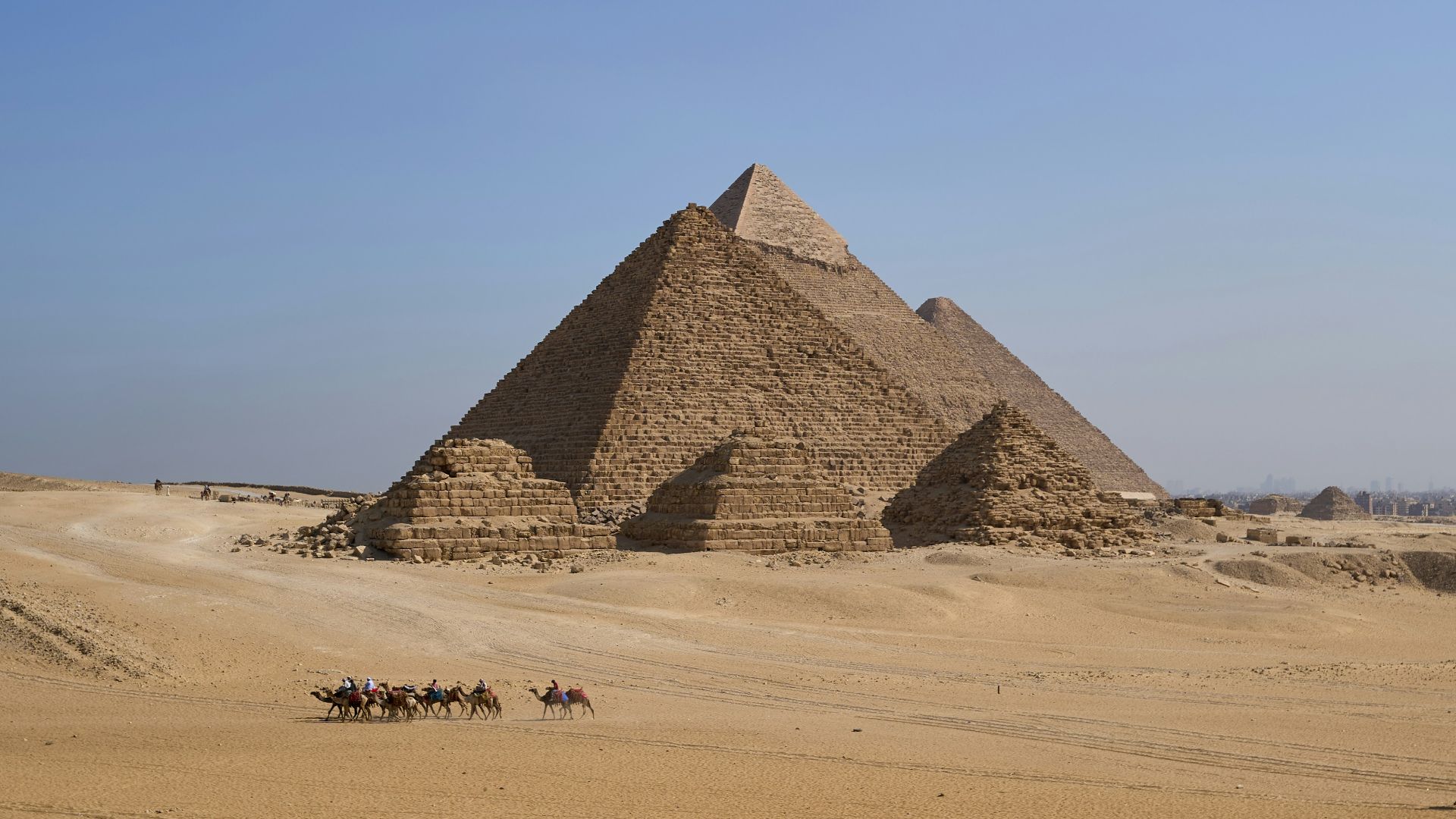
1. The Great Pyramid Was 500 Years Old
Khufu's pyramid at Giza was finished around 2560 BC. By the time the last mammoth died on Wrangel Island, it had been a tourist attraction for roughly five centuries, and nobody alive had seen it go up.
 Dmitrii Zhodzishskii on Unsplash
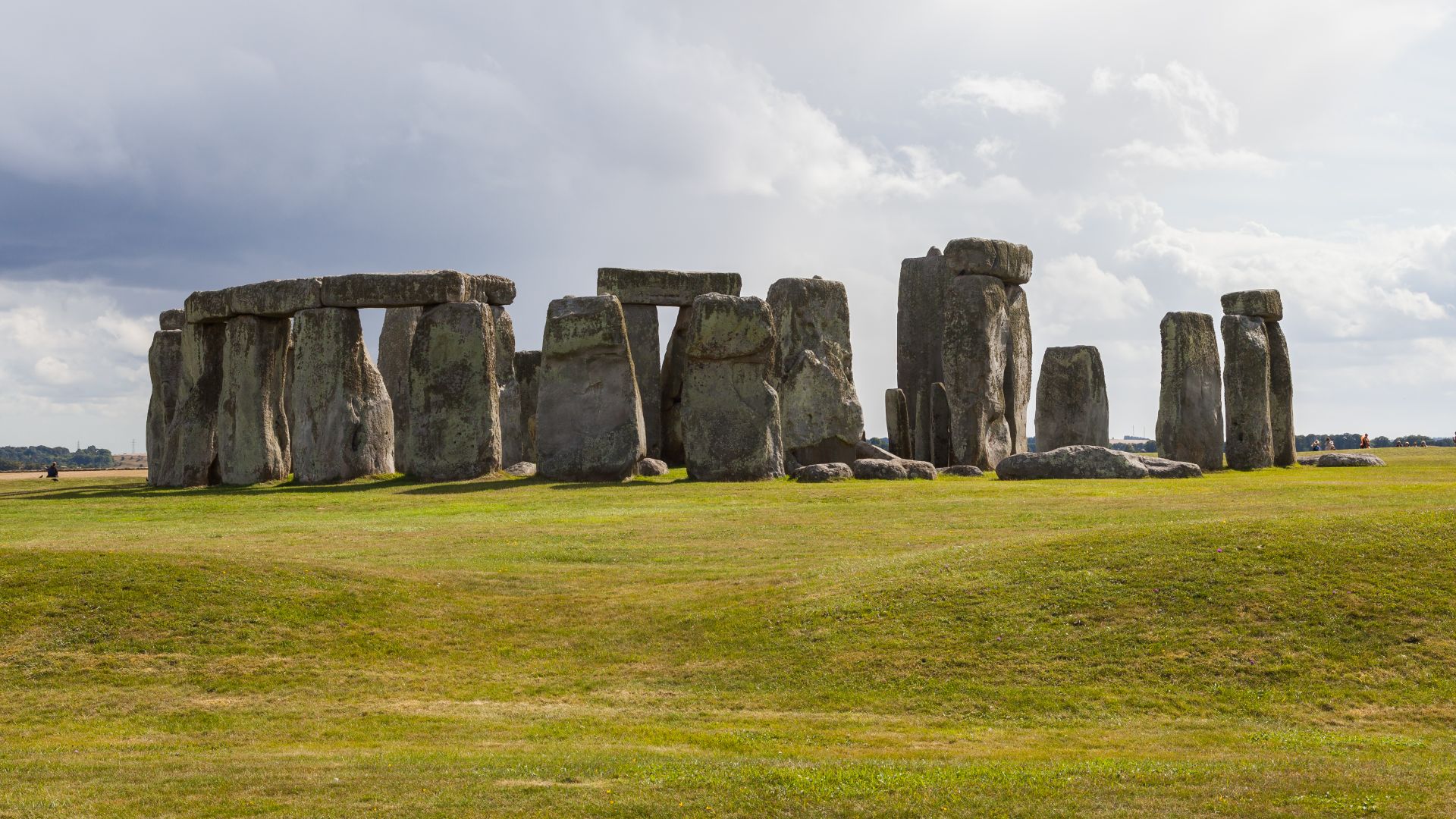
2. Stonehenge Was Finished
The sarsen circle went up around 2500 BC, on a site already in use for a thousand years. The monument everybody pictures as impossibly ancient was standing complete while mammoths grazed an Arctic island. Druids had nothing to do with building it, arriving roughly 2,000 years late.
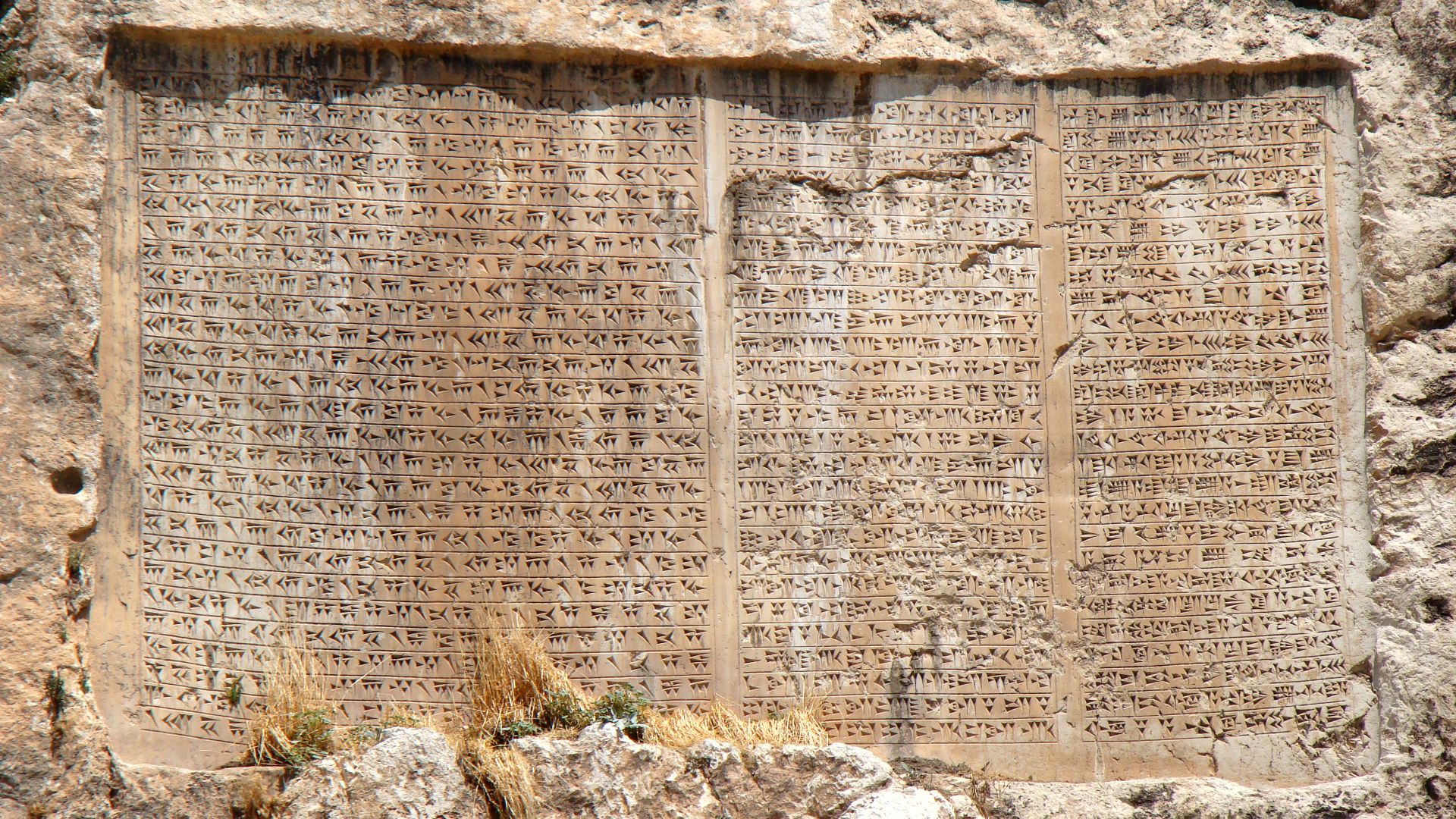
3. Writing Was 1,200 Years Old
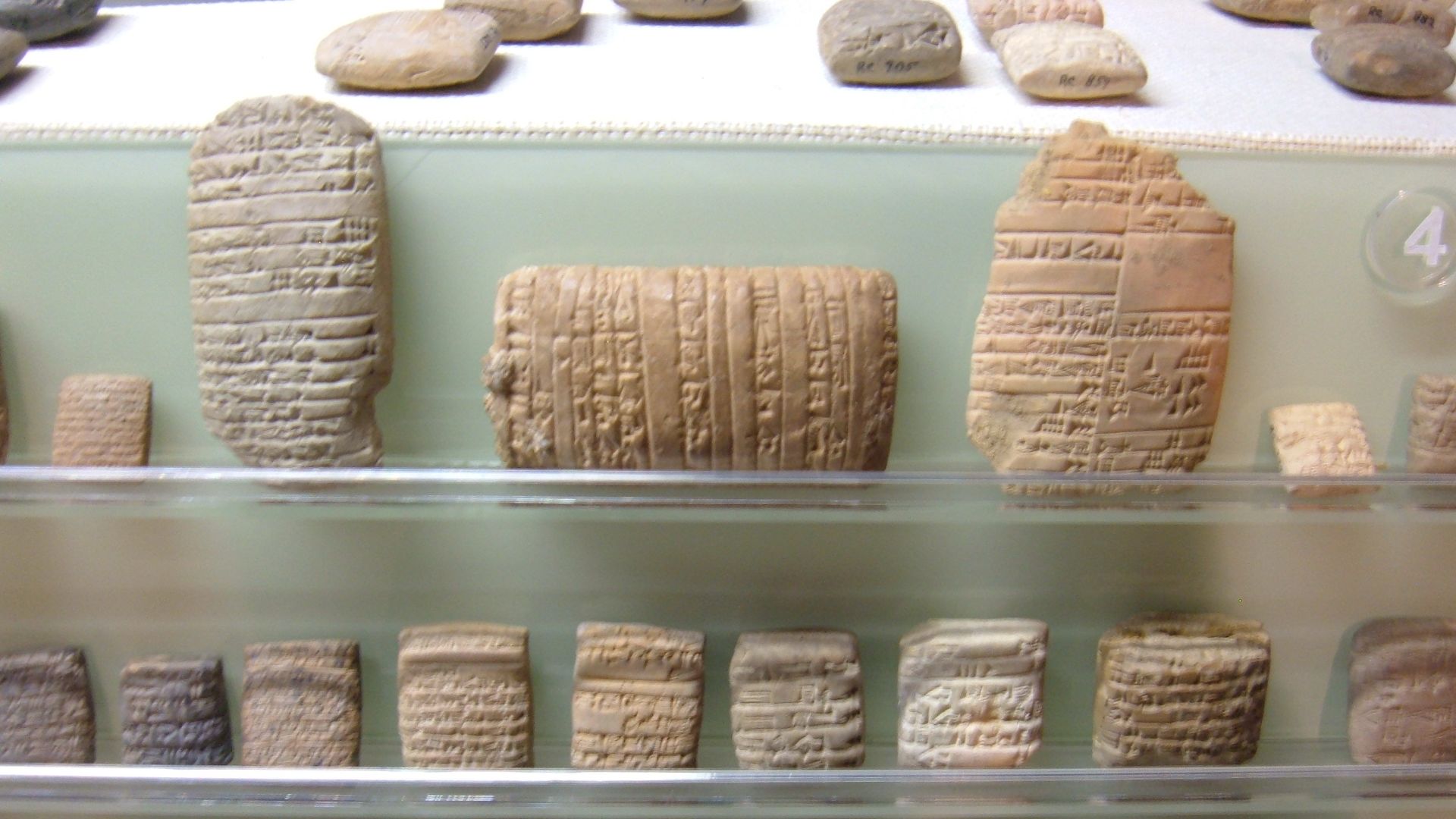
Cuneiform started as accounting marks in Uruk around 3200 BC. Scribes in Mesopotamia had been keeping ledgers and writing letters for more than a millennium before the last of the mammoths went. A good share of the surviving tablets are receipts.
 Bjørn Christian Tørrissen on Wikimedia
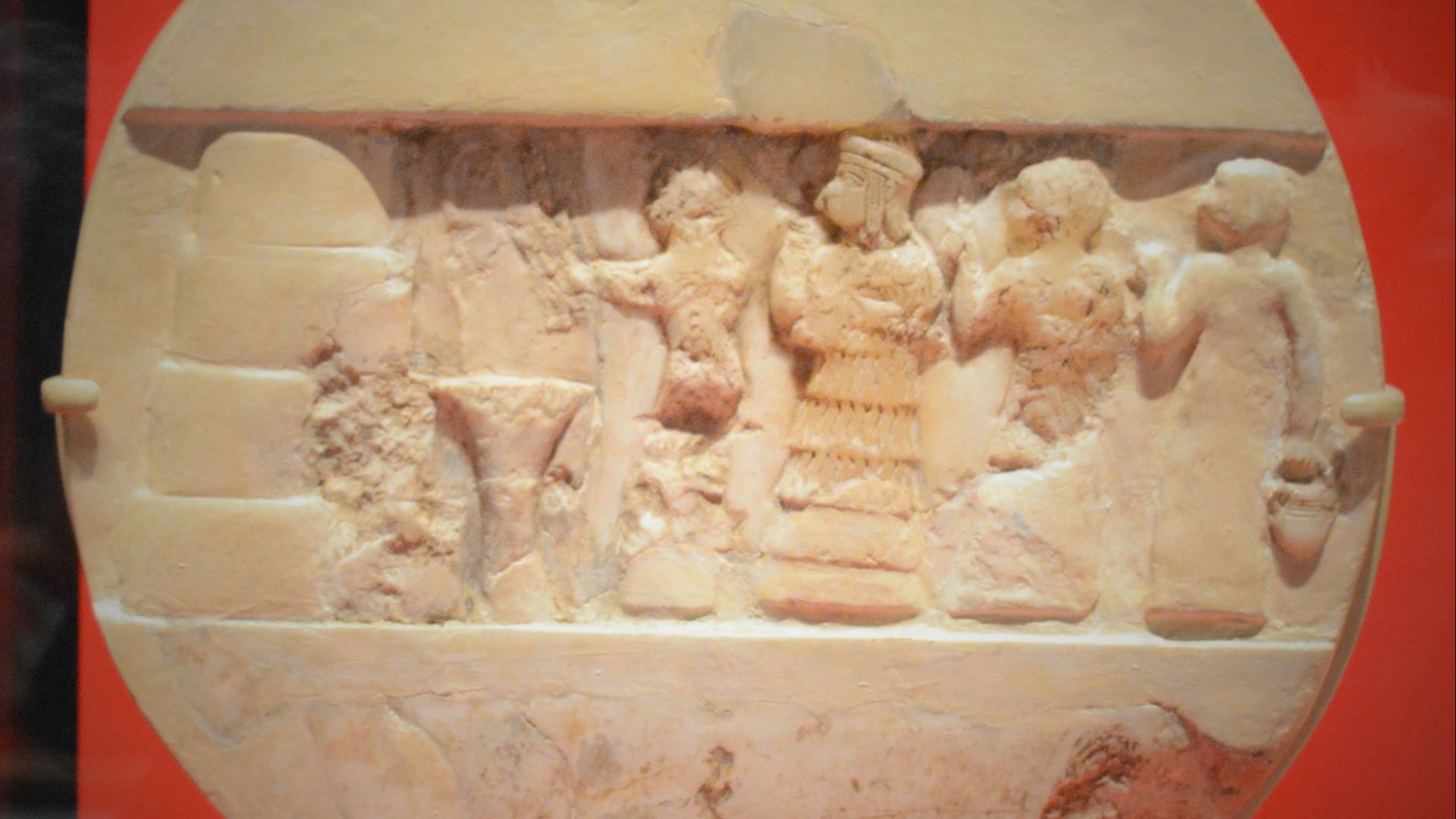
4. Books Had an Author's Name on Them
Enheduanna, a priestess at Ur, signed her hymns around 2300 BC. She's the earliest writer whose name is attached to her own work, which puts her about 1,500 years ahead of Homer.
5. Law Was Written Down
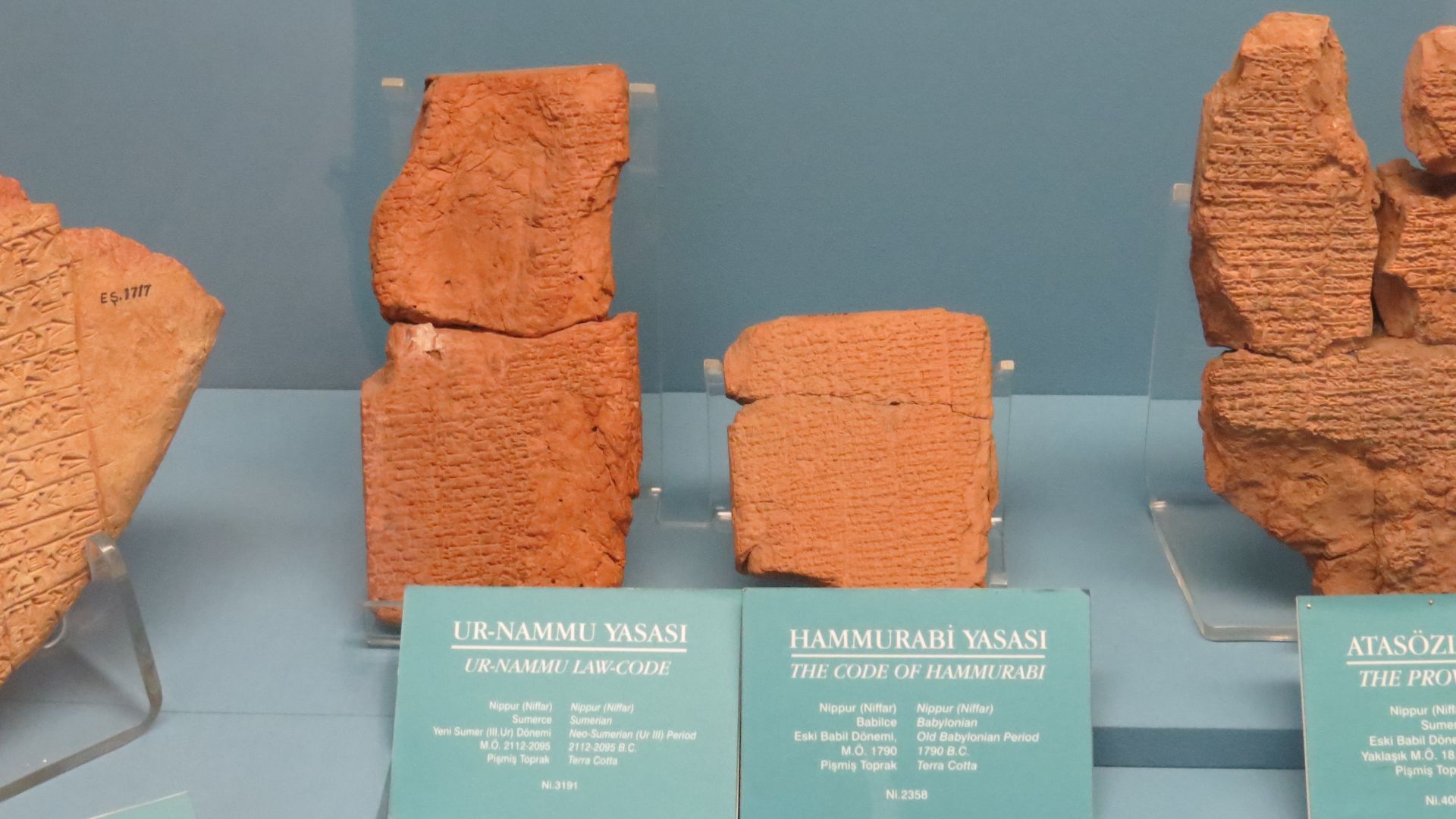
Fines in silver, set by injury, appear in the Code of Ur-Nammu around 2100 BC. A fixed penalty instead of an open-ended feud was already the written standard three centuries before the mammoths ran out. Hammurabi usually gets the credit, and his code is about three hundred years younger.
 David Berkowitz from New York, NY, USA on Wikimedia
6. Gilgamesh Was Old Literature
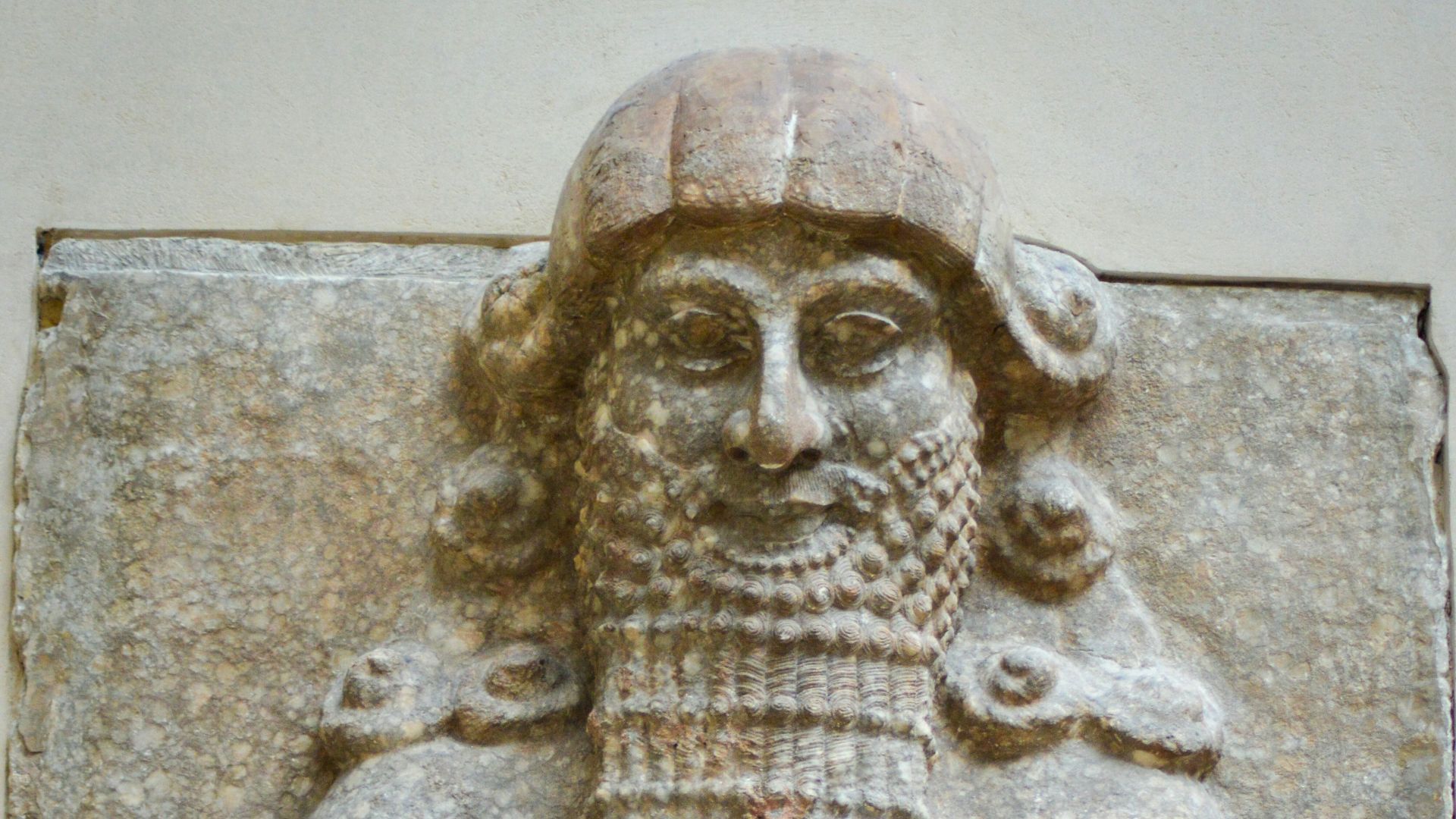
Sumerian poems about Gilgamesh were being copied by 2100 BC. A story about a king who goes looking for immortality and fails was already a few centuries old while a species that would soon be gone was still breathing.
 Richard Multimedia on Unsplash
7. Cities Had Sewers
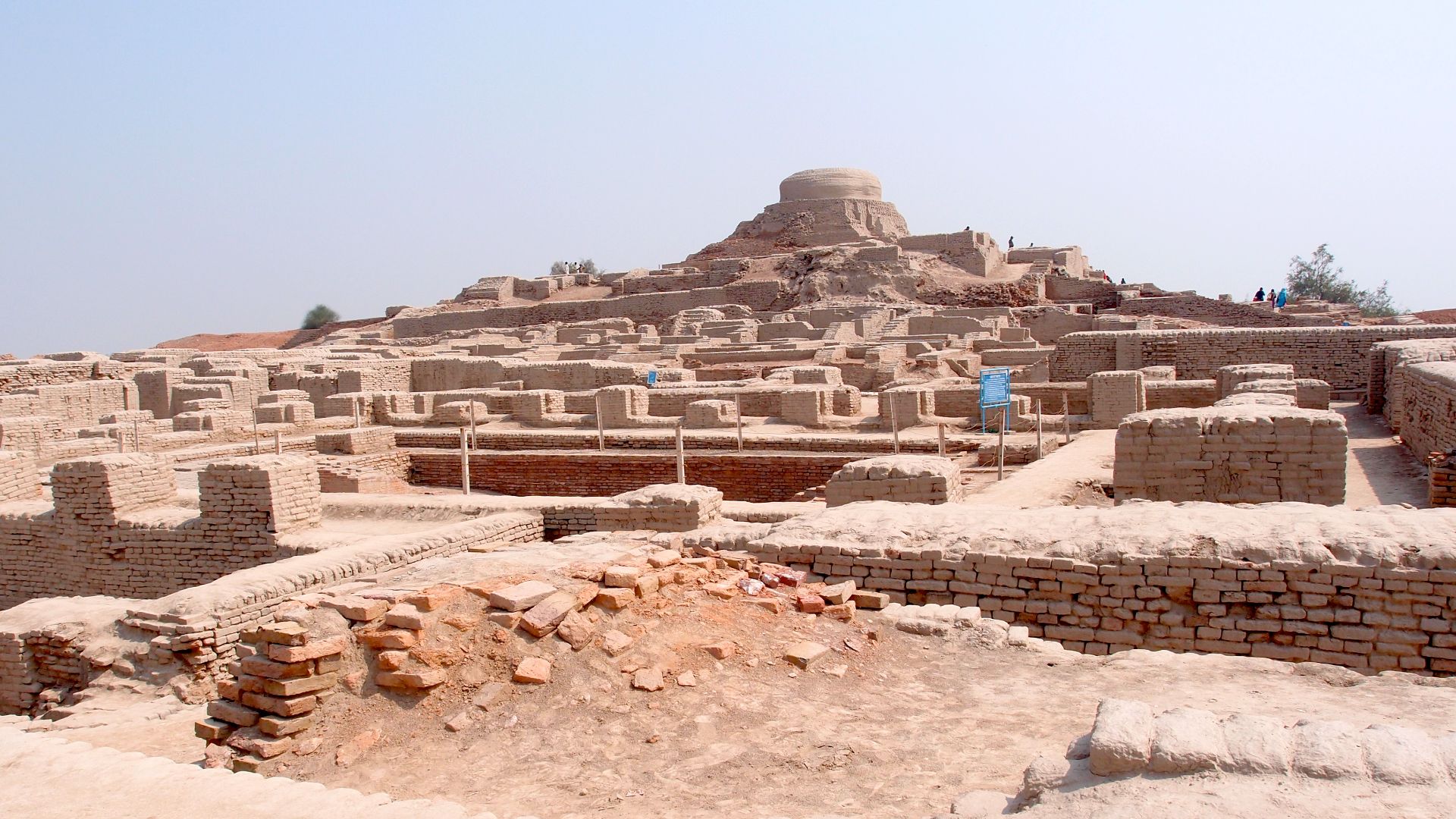
Mohenjo-daro, built around 2600 BC, ran covered drains down its streets and put toilets inside private houses. The covers lifted off so the channels could be cleaned. Much of Europe would not have plumbing that good again until the 1800s.
8. Weights Were Standardized
The Indus cities used cubical stone weights cut to one consistent system across hundreds of miles. Merchants in Harappa and merchants in Lothal measured grain the same way, which takes a standards authority and somebody enforcing it.
9. Chariots Had Spoked Wheels
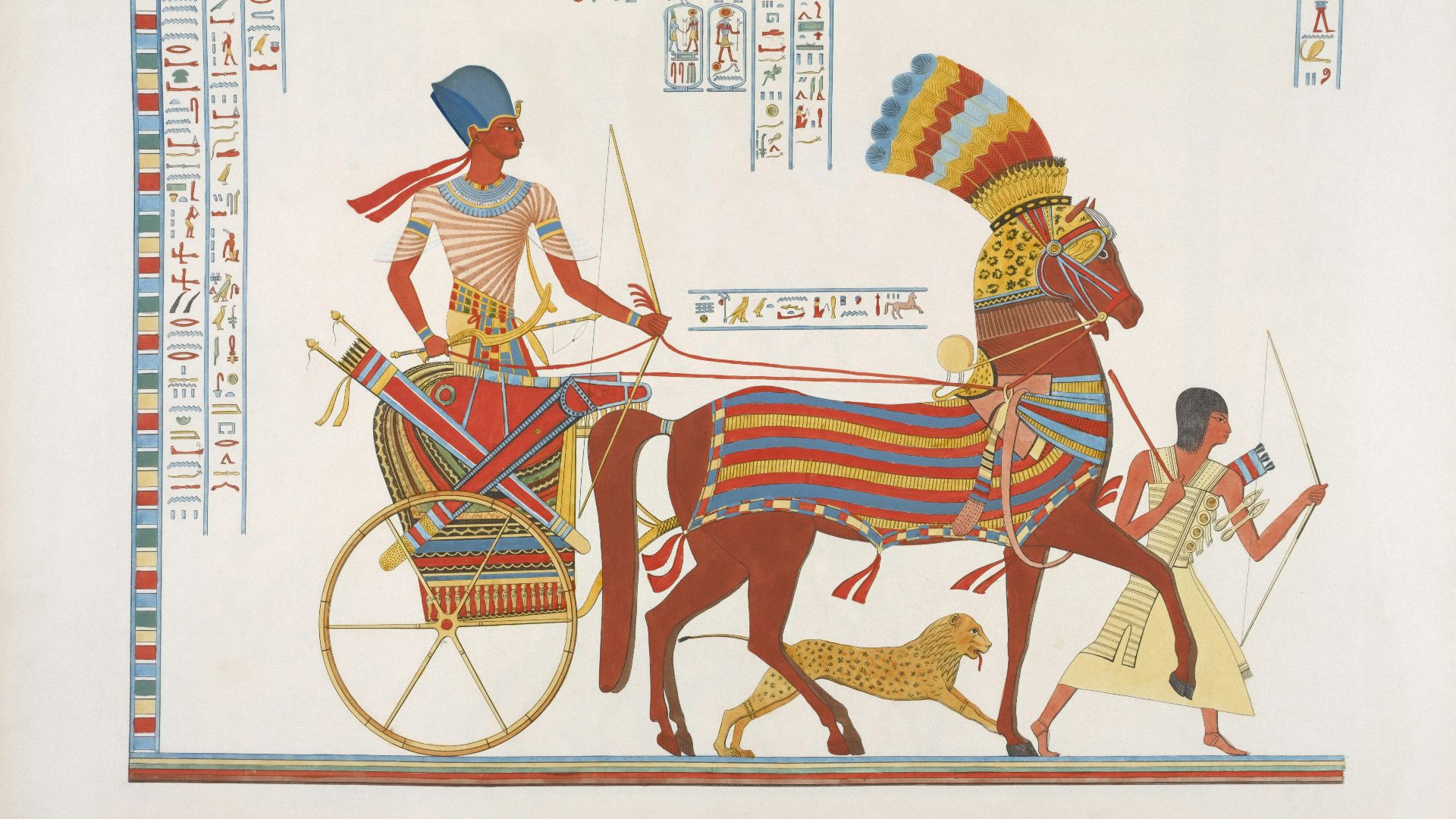
Burials at Sintashta in the southern Urals, dated to around 2000 BC, contain the oldest known chariots. Spoking a wheel is a real engineering problem, and it was solved a few thousand miles south of animals that were still alive.
 The New York Public Library on Unsplash
10. Newgrange Had Been Catching the Solstice for 1,200 Years
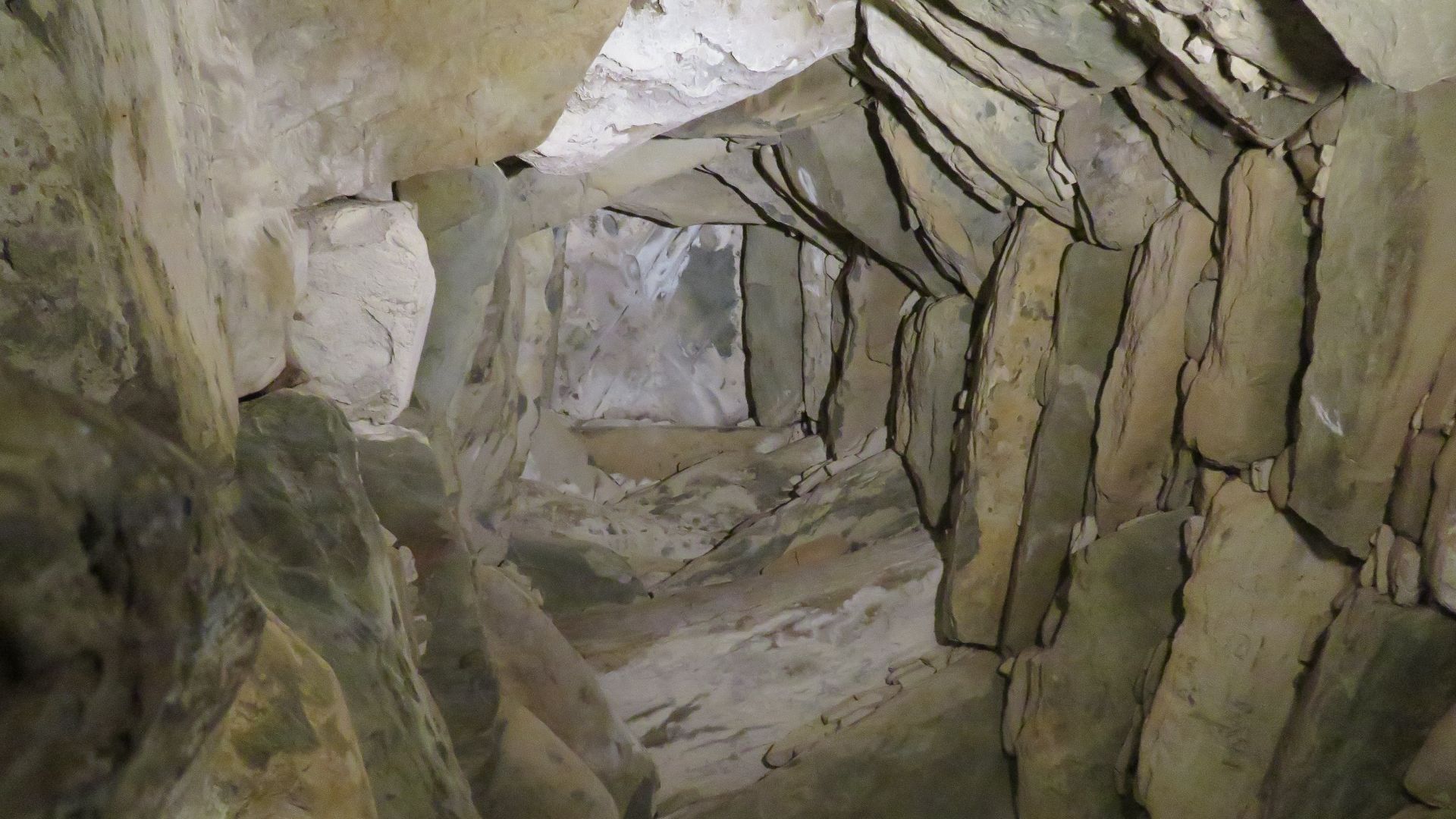
Sunrise on the winter solstice has been running the length of the Newgrange passage and into the back chamber since about 3200 BC. The tomb caught twelve hundred of those before the last mammoths died. It beats the Giza pyramids by roughly six centuries.
11. Skara Brae Had Built-In Furniture
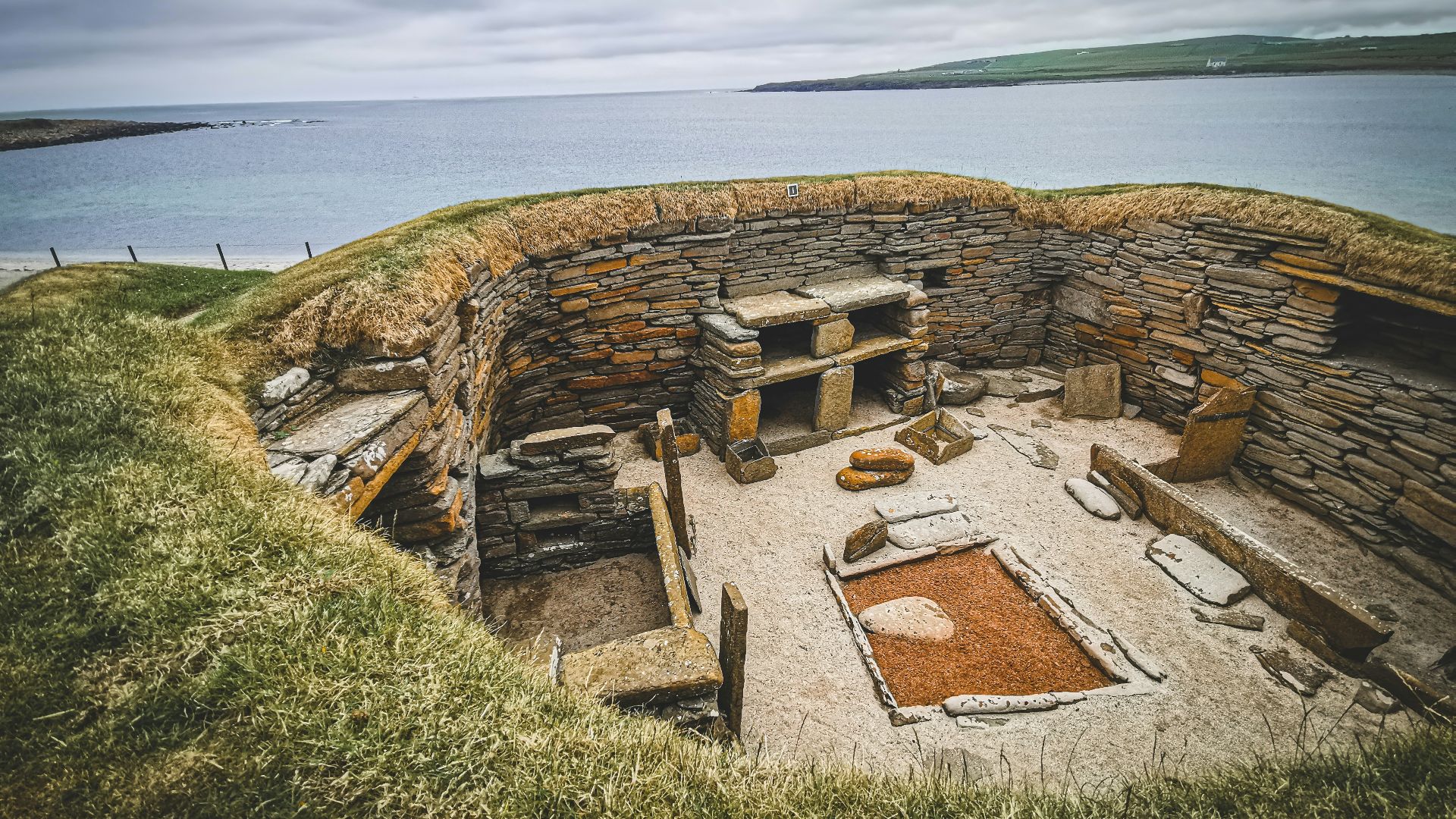
The stone village in Orkney was occupied from about 3100 BC. It has stone dressers and box beds still standing in the rooms, plus drains running under the floors, which is a level of domestic comfort nobody expects from 5,000 years ago.
12. Ötzi Was Carrying a Copper Axe
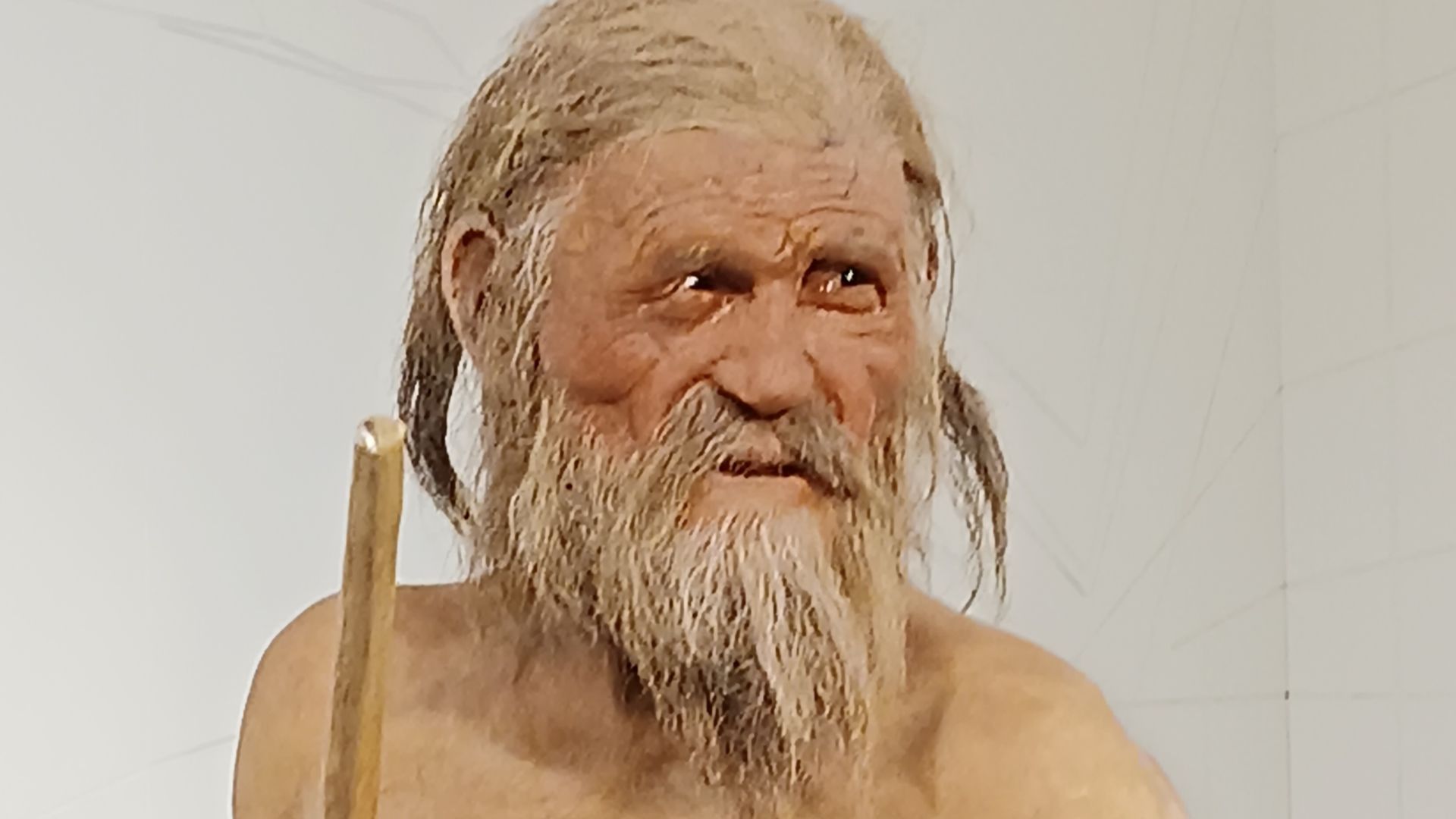
Ötzi died in the Alps around 3300 BC carrying an axe head of nearly pure copper, which takes smelting and a trade network to produce. He also had 61 tattoos, most of them inked over joints that scans show were worn out. Somebody was treating joint pain with a needle 5,300 years ago.
13. Workers Were Paid in Beer
Mesopotamian tablets list beer rations issued by the jug to laborers and temple staff, broken down by rank. Brewing was industrial enough to run a payroll on. Those ration lists double as some of the earliest personnel records anywhere.
14. Cheese Was Being Made in Poland
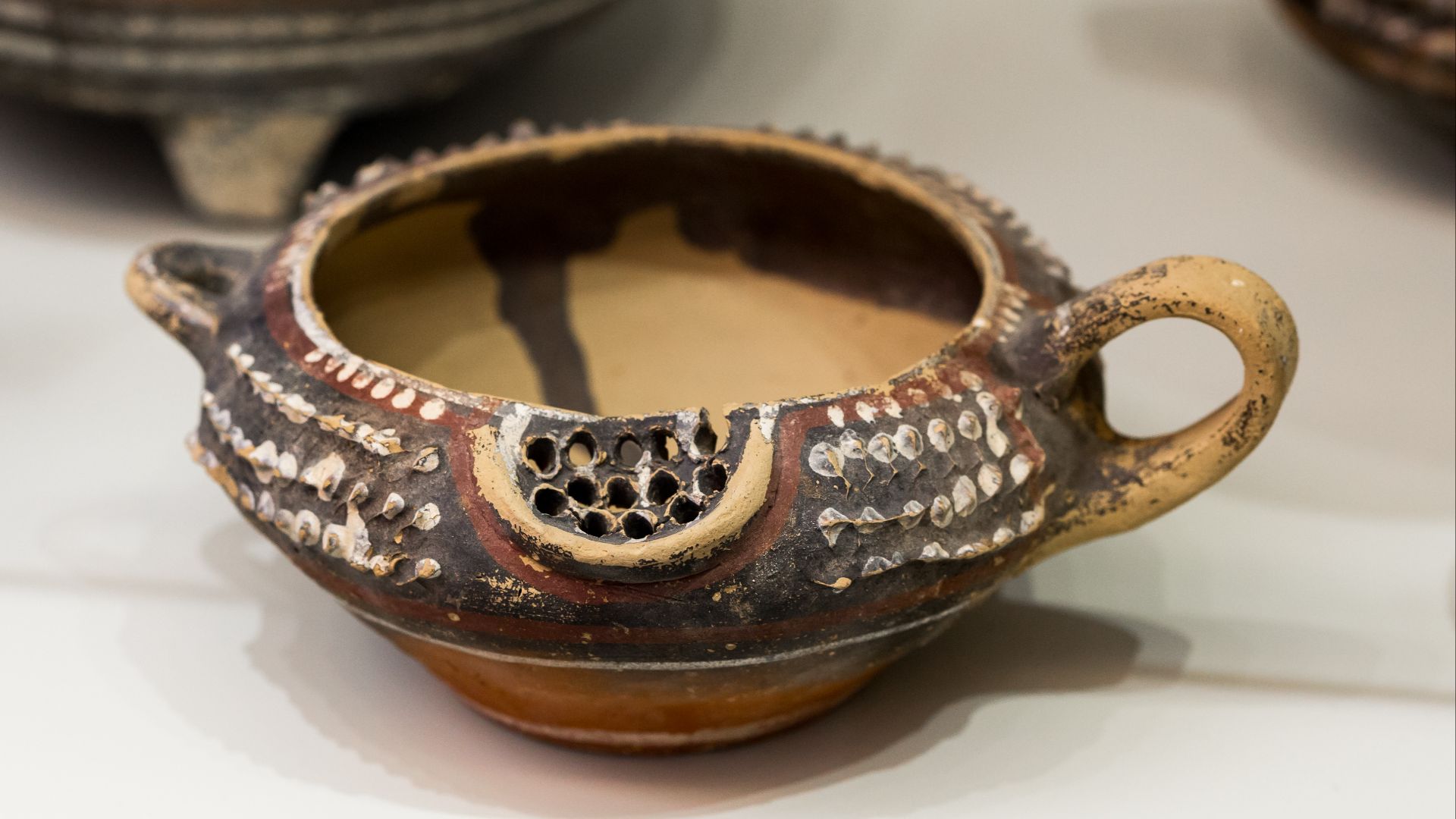
Perforated clay strainers from the Kuyavia region, about 7,000 years old, carry milk-fat residue. Somebody there was separating curds from whey in a place with no writing and no cities. The method got worked out and handed down with nothing recorded at all.
15. There Was a Winery in Armenia
A grape press and fermentation vats turned up in the Areni-1 cave, dating to about 4100 BC. Residue from the jars tests as wine. The scale of the operation points to production rather than one household's experiment.

16. Silk Was Being Woven in China
Residues and fragments from Henan push silk production back past 3000 BC. Raising silkworms and reeling their thread into cloth is a long chain of specialized knowledge, and it was already working. The cloth was moving along trade routes thousands of years before anyone named one after it.

17. The 60-Minute Hour Was Already Set
Sumerian mathematics ran on base 60, which is why an hour has 60 minutes and a circle has 360 degrees. That system was in daily use well before 2000 BC. You checked the time on it this morning.

18. Board Games Came With Rulebooks
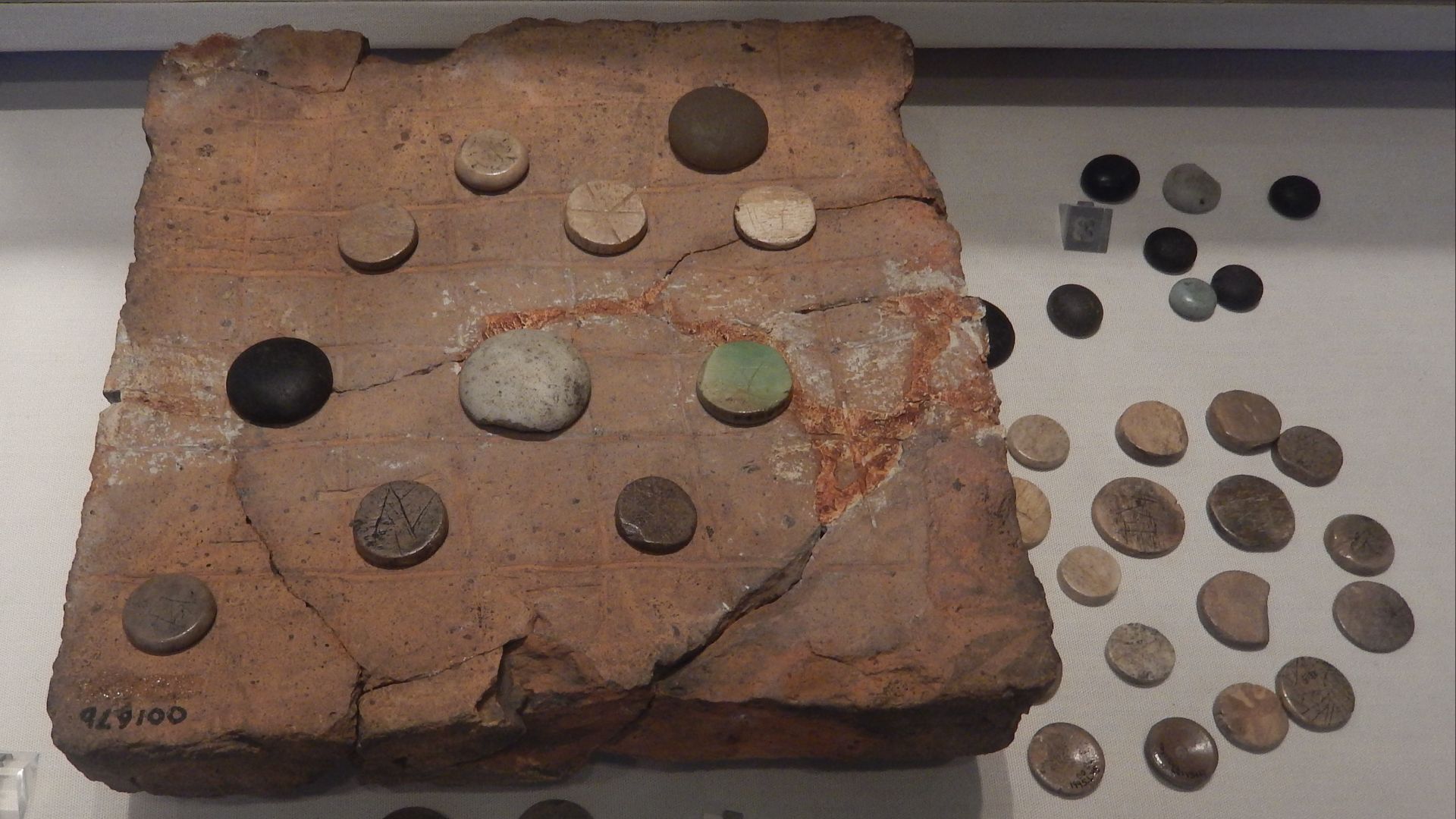
Boards inlaid with shell, along with dice, turned up in a cemetery at Ur dating to about 2600 BC. The Royal Game of Ur was a race game for two, and a tablet from centuries later lays out the rules. Writing down rules suggests people were arguing about them.
19. Bread Came Before Farming
Charred crumbs from Shubayqa in northeastern Jordan are 14,400 years old. That puts baked flatbread several thousand years ahead of anyone domesticating wheat, made by hunter-gatherers grinding wild grain and cooking it on hot stones.

20. Dogs Were Buried With Their People
A grave at Bonn-Oberkassel in Germany held a dog laid in with two humans about 14,000 years ago. The animal had survived a serious bout of distemper as a puppy, which takes weeks of somebody keeping it warm and fed. That is a relationship, not a tolerated scavenger.

KEEP ON READING