There’s More to the Mughals Than the Taj Mahal
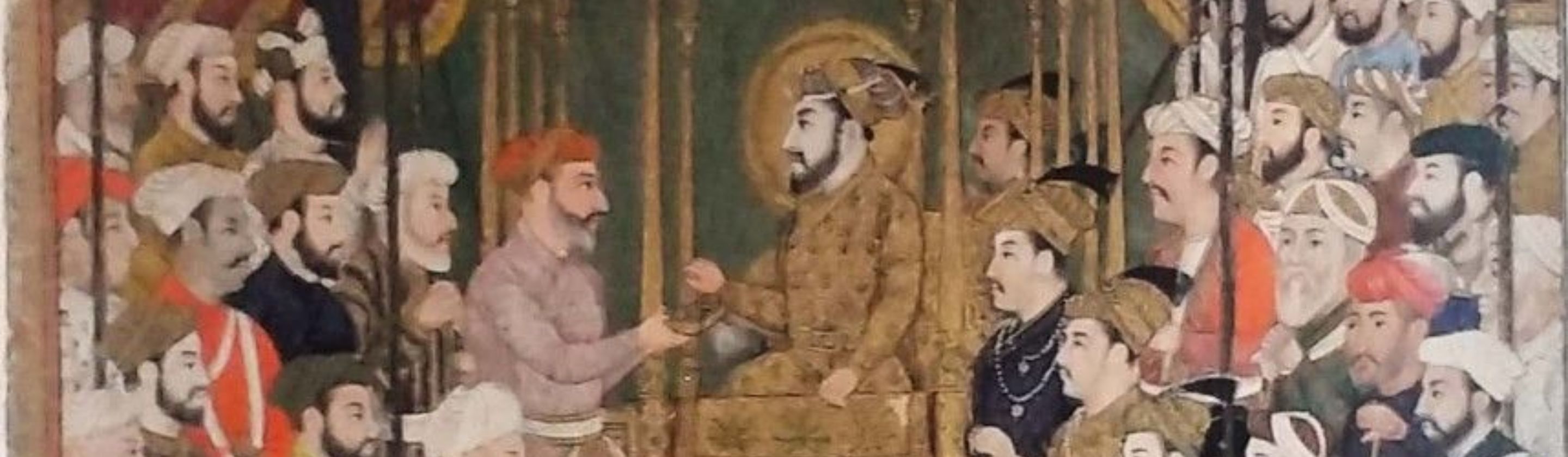
The Mughal Empire is one of those historical subjects that feels familiar even if you don't know quite as much about it as you think. The Taj Mahal, Akbar, Aurangzeb, enormous palaces, and lavish royal courts tend to dominate the popular image, but nearly three centuries of Mughal history can't be reduced to a handful of famous names and monuments. The empire changed considerably from one ruler to the next, absorbed influences from across South Asia and beyond, and governed a population far more diverse than its ruling dynasty. Here are 20 common assumptions about the Mughal Empire that deserve a closer look.
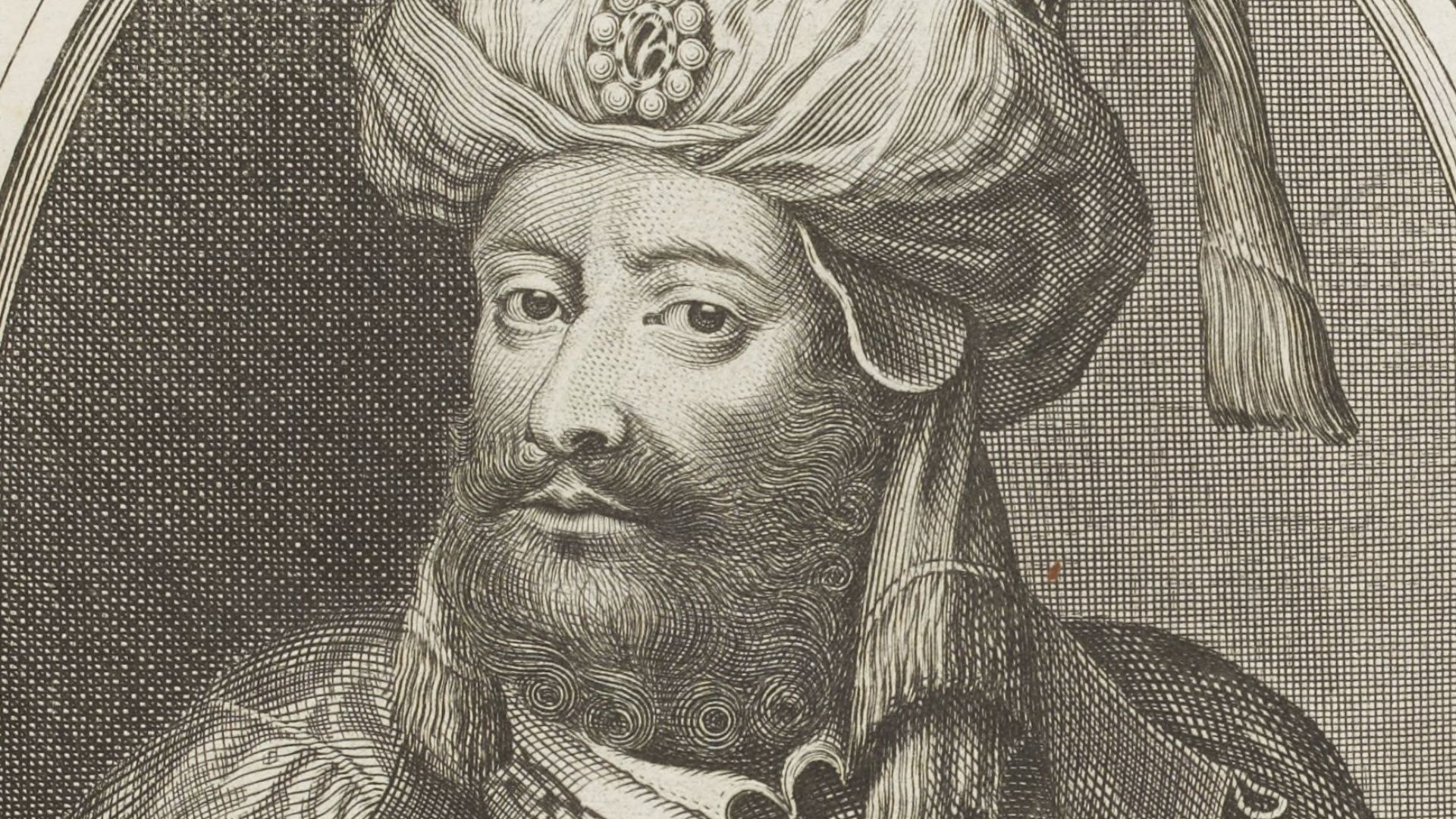 Nicolas de Larmessin on Wikimedia
1. The Mughals Were Simply Mongols
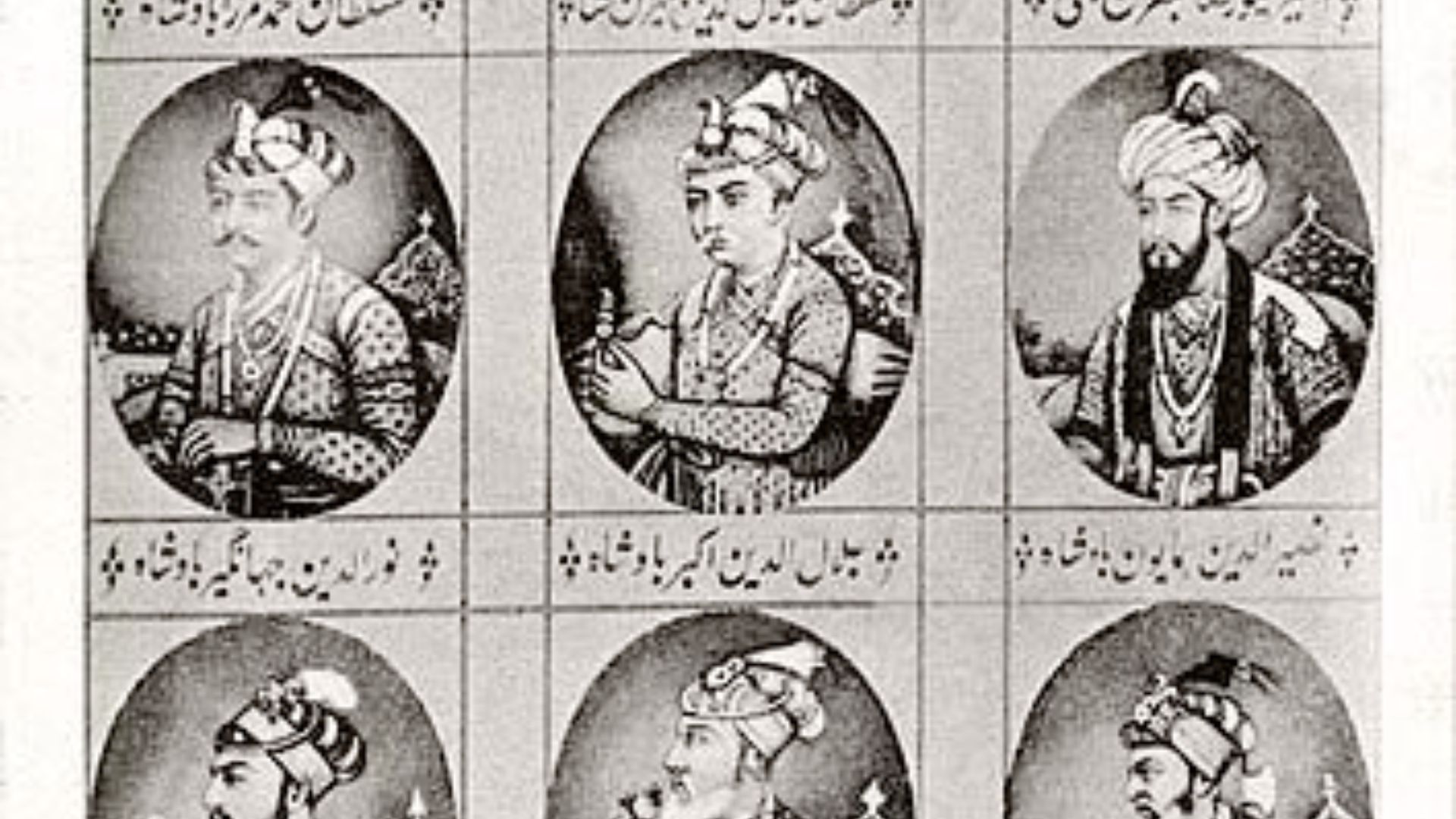
The name "Mughal" is related to the word "Mongol," but describing the dynasty as simply Mongolian leaves out a large part of its background. Founder Babur traced his ancestry to both Timur and Genghis Khan, while culturally he belonged to the Persian-influenced, Turkic world of Central Asia. Once the dynasty became established in India, Mughal court culture developed a distinct identity of its own.
2. Babur Arrived With a Fully Formed Empire
Babur's victory over Ibrahim Lodi at the First Battle of Panipat in 1526 is usually treated as the beginning of Mughal rule, but his position was anything but secure. He spent the next several years defeating rivals and trying to hold onto newly conquered territory. When he died in 1530, much of the work needed to turn those victories into a lasting imperial system was still unfinished.
3. The Mughals Ruled India Continuously From 1526
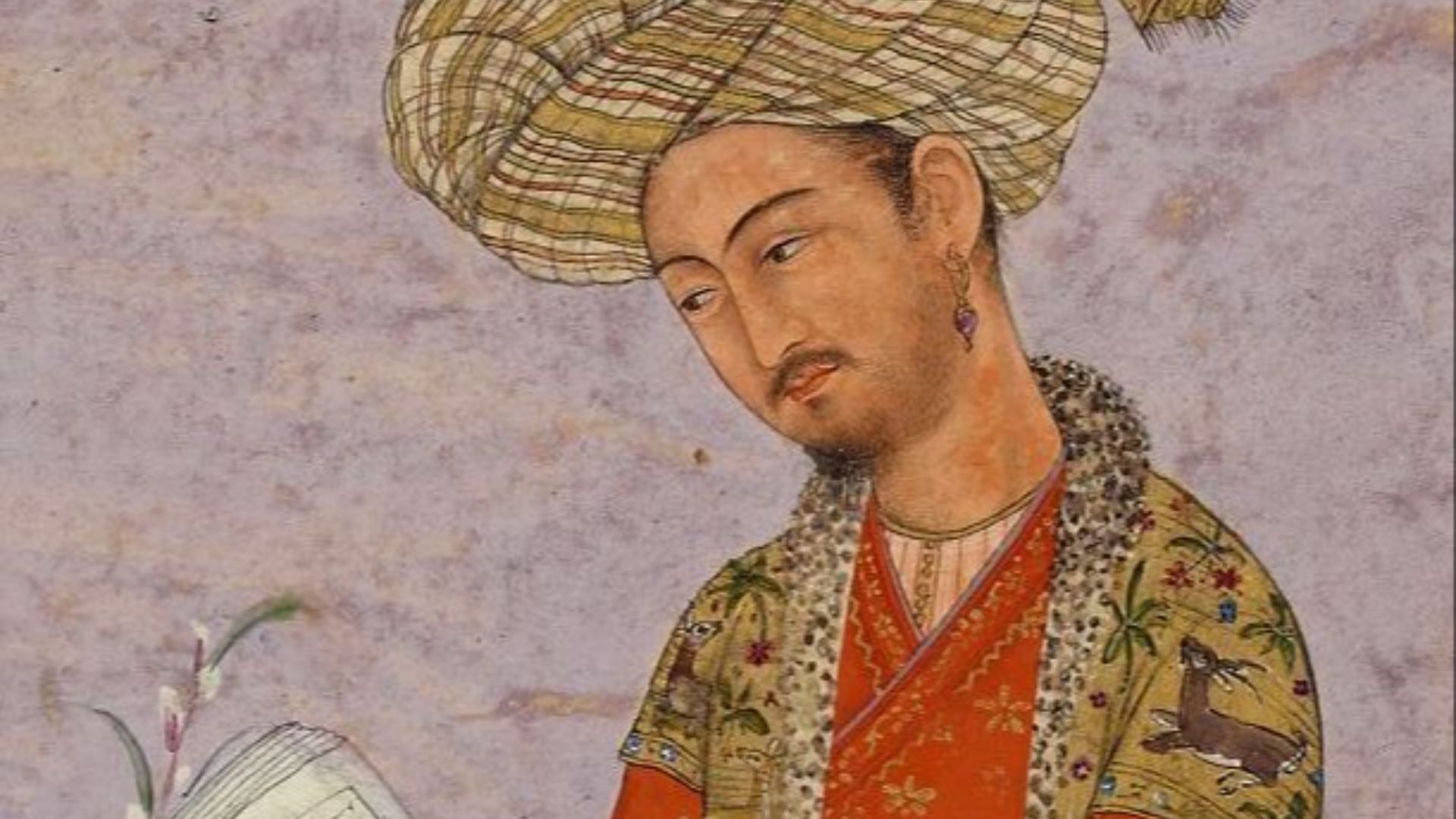
That clean timeline leaves out one pretty significant interruption. Babur's son Humayun lost control of his Indian territories to the Sur dynasty and spent years in exile before returning to Delhi in 1555. Mughal authority therefore had to be rebuilt before Akbar could begin the major expansion most people associate with the empire.
4. Akbar Was the Founder of the Empire
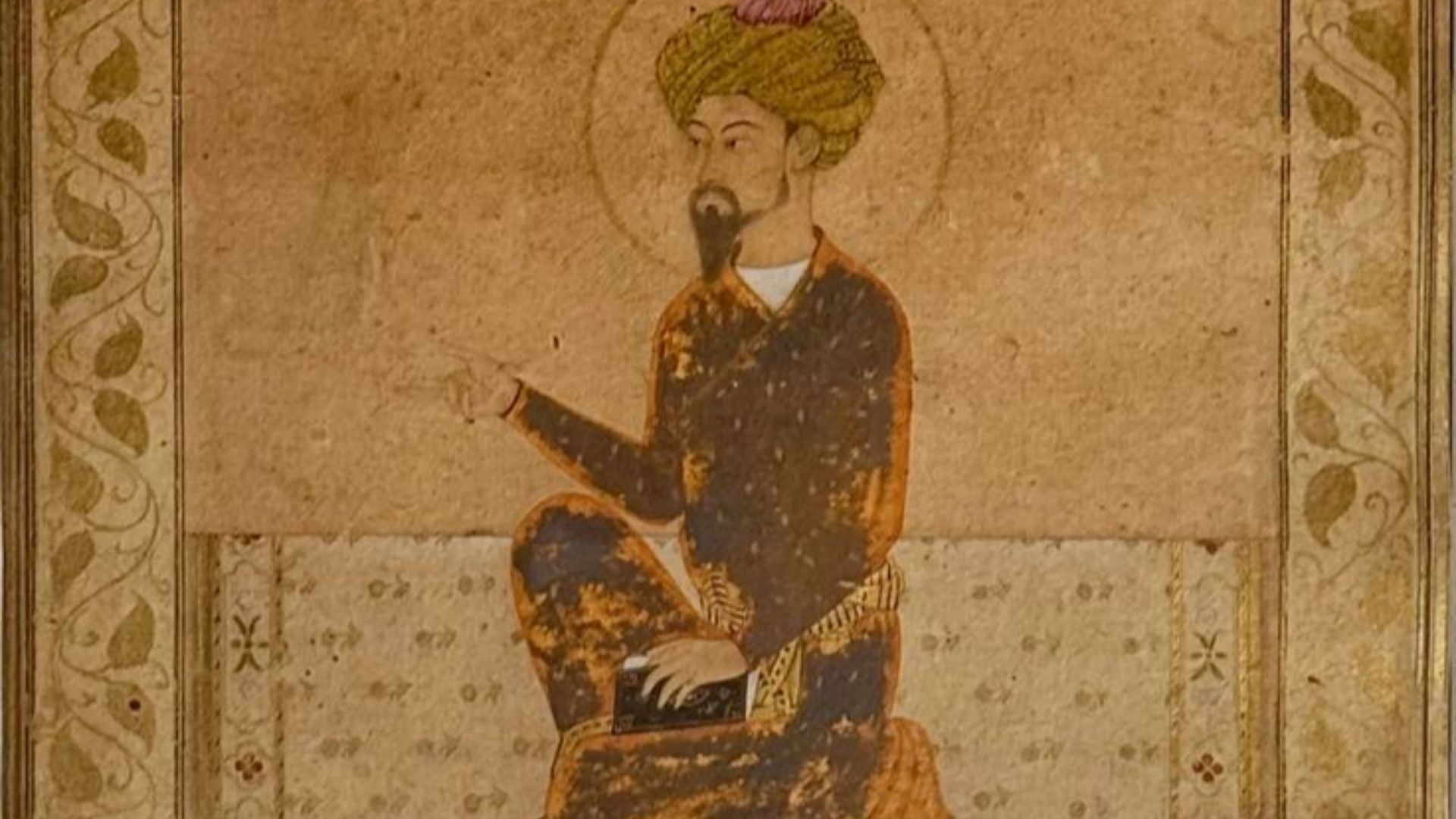
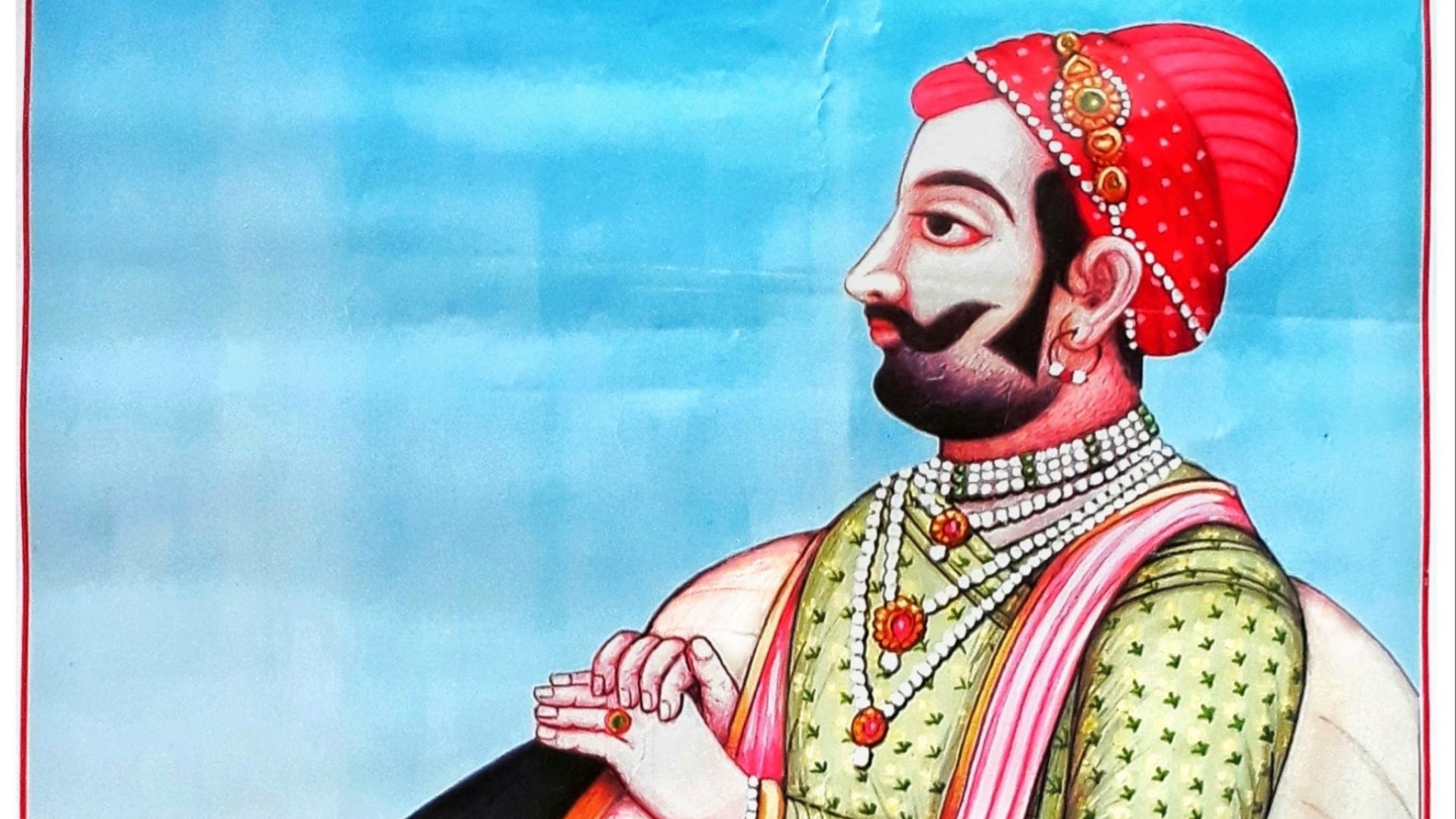
Akbar is so closely connected with Mughal power that it's easy to come away thinking he started the dynasty himself. His grandfather Babur founded Mughal rule in India, while his father Humayun eventually reclaimed the territory the family had lost. Akbar's achievement was turning that fragile inheritance into a far larger and more durable empire.
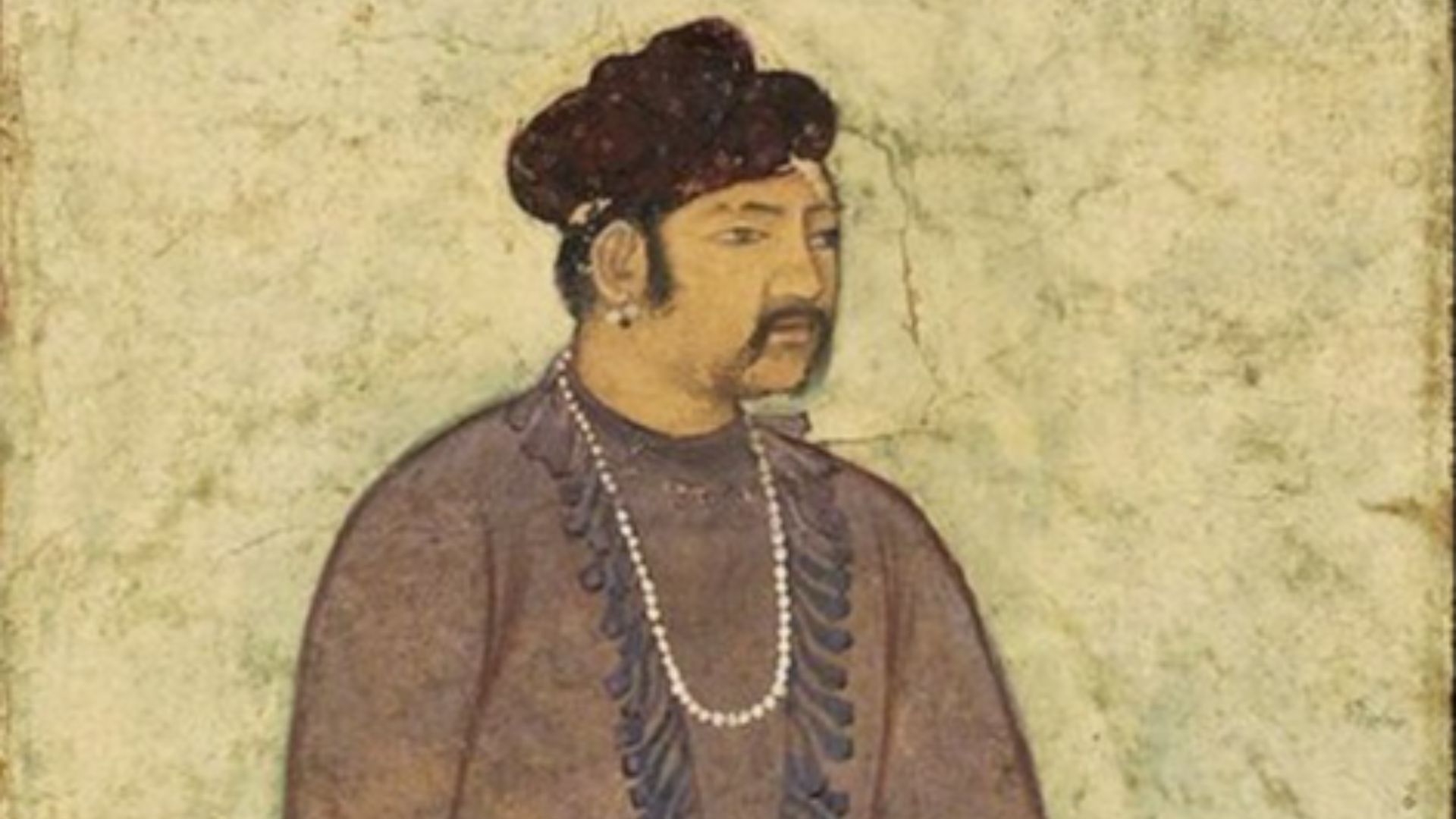 Manohar. Worked in late 16th century. on Wikimedia
5. Akbar Was Highly Educated in the Usual Sense
Akbar became famous for his intellectual curiosity, but he probably couldn't read or write in the conventional sense. However, that didn't stop him from surrounding himself with scholars, commissioning manuscripts, listening to texts read aloud, and supporting an enormous royal artistic workshop. His court became a major center of learning even though his own relationship with literacy was unusual.
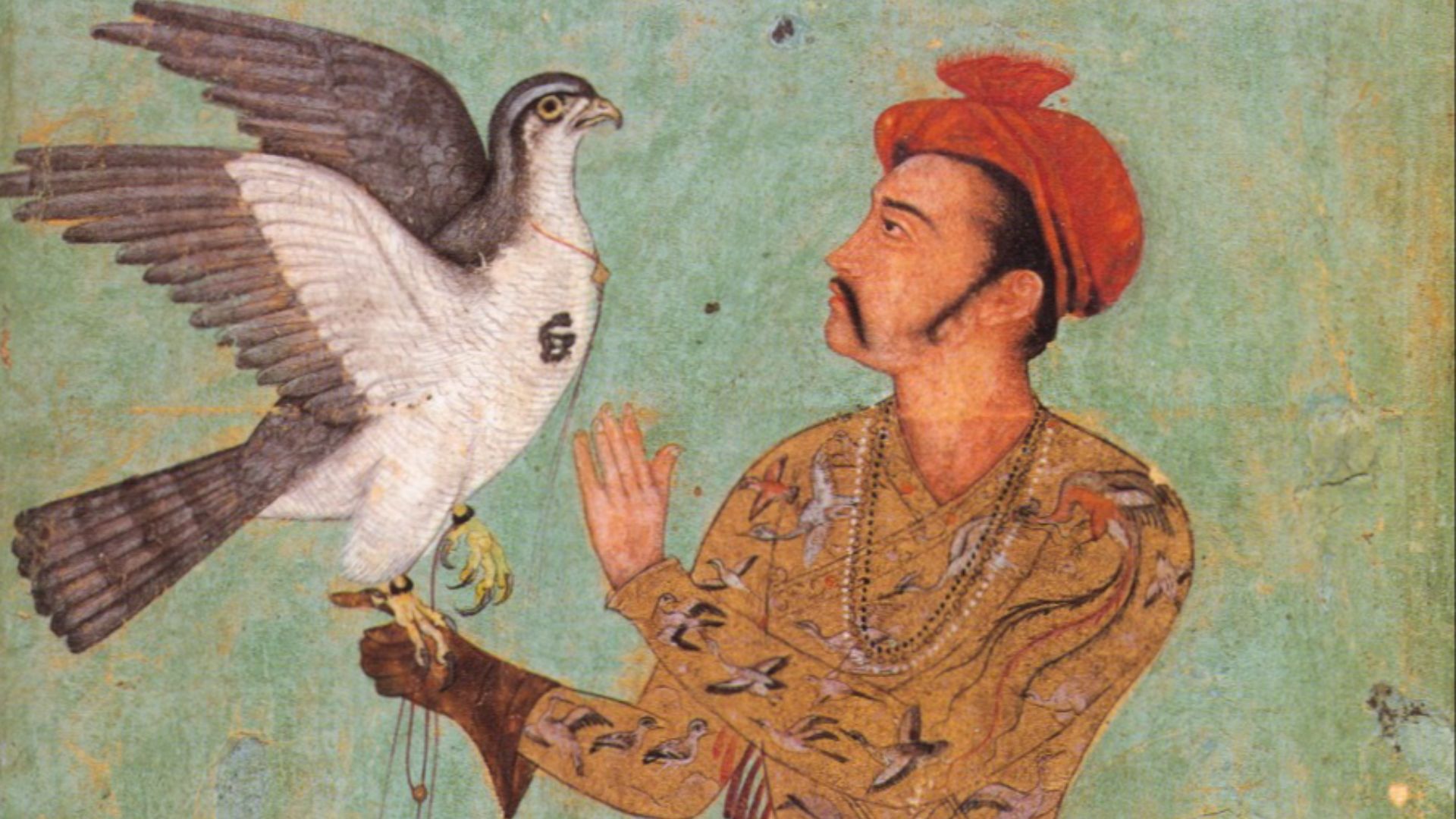
6. Mughal Culture Was Entirely Persian
Persian influence was enormous, and Persian served as the language of the court, but Mughal culture wasn't simply copied from Iran. Architecture, painting, clothing, food, music, and literature absorbed traditions from India, Central Asia, Persia, and eventually Europe. Mughal art became distinctive precisely because artists combined those influences rather than following a single tradition.
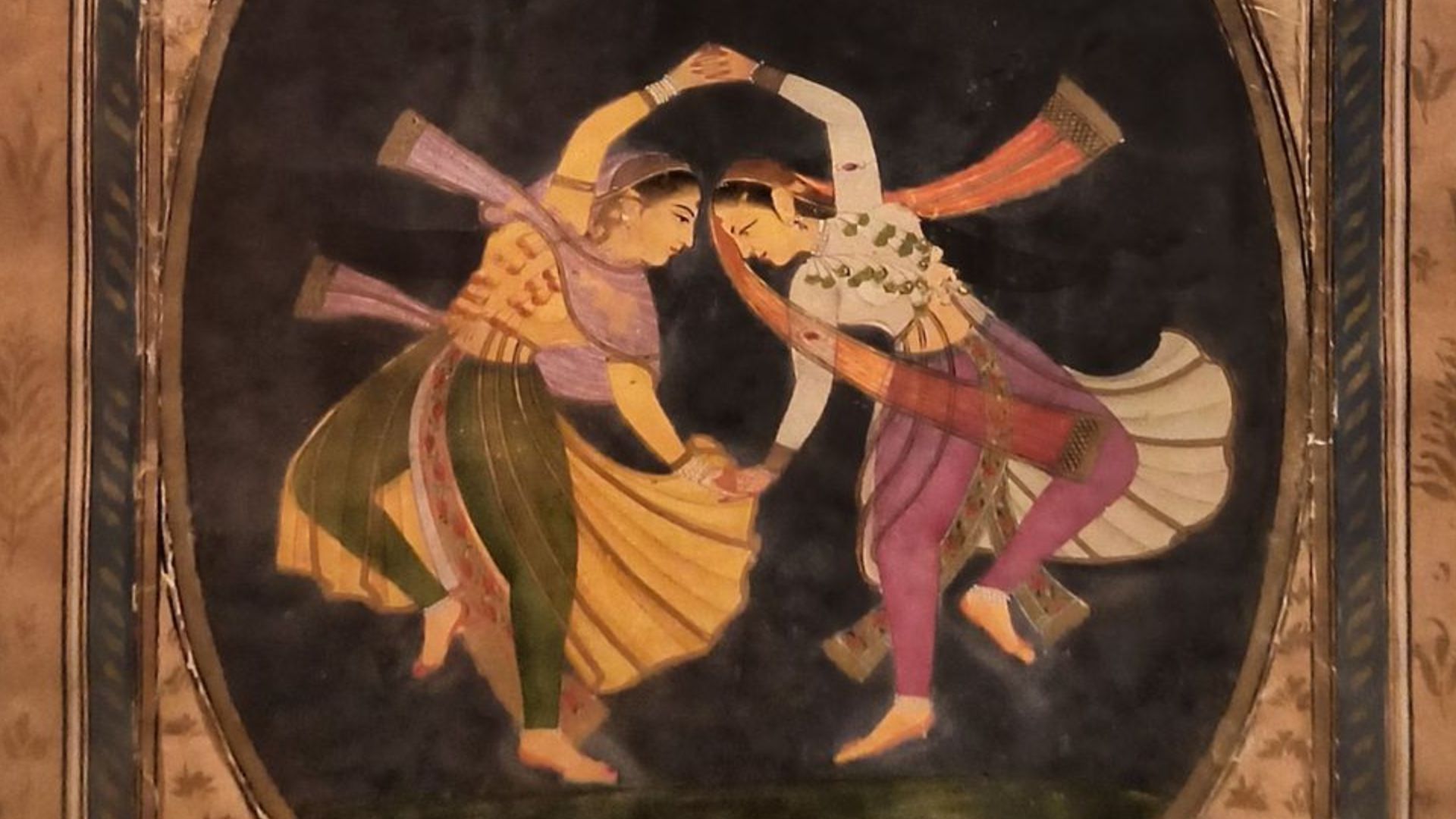
7. The Empire Was Religiously Uniform
The Mughal emperors were Muslim, but most of the people living under their rule weren't. Their territories included Hindus, Muslims, Jains, Sikhs, Christians, and followers of many regional traditions. Governing such a varied population meant Mughal politics could never be completely separated from India's religious diversity.
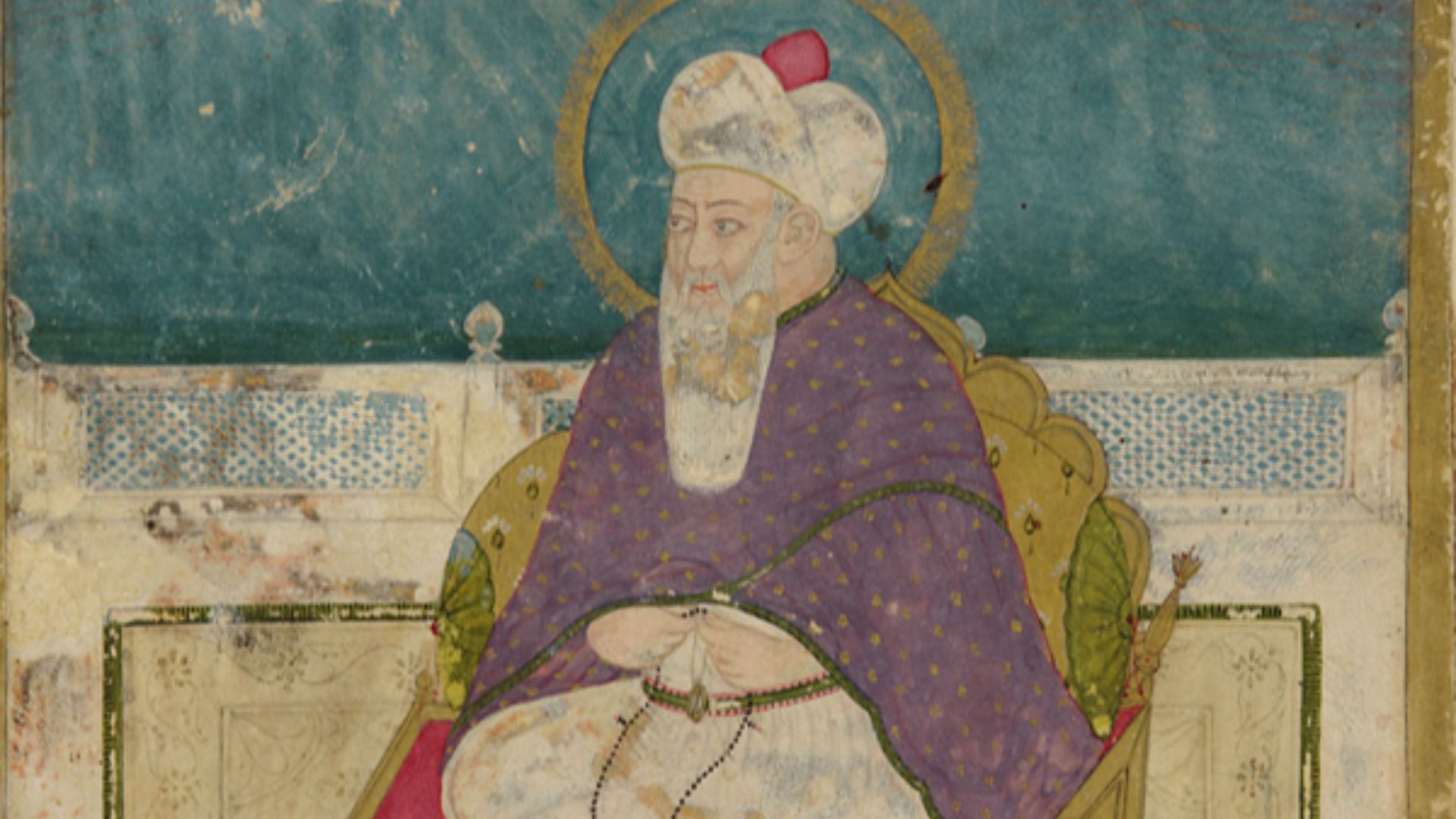
8. Akbar Simply Abandoned Islam
Akbar's religious experiments sometimes get presented as though he suddenly rejected Islam and invented a brand-new religion for everyone to follow. In reality, his court became a place where different traditions were debated, including Islam, Hinduism, Jainism, Christianity, Judaism, and Zoroastrianism. His Din-i Ilahi involved only a very small circle and never came close to becoming a popular replacement faith.
9. Every Mughal Emperor Followed the Same Religious Policy
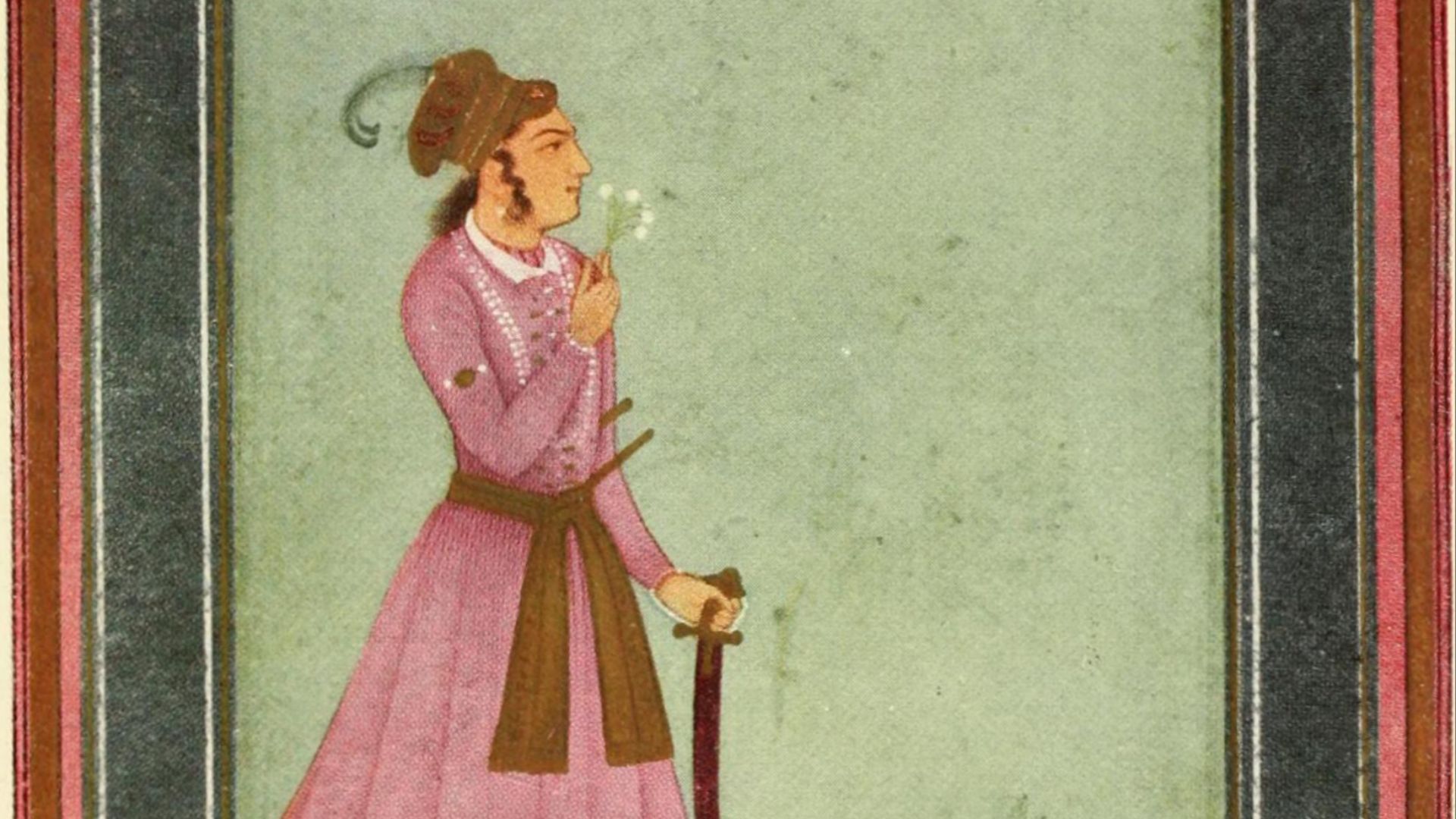
It's difficult to talk about "Mughal religious policy" as though it remained consistent for generations. Akbar promoted unusually broad religious accommodation, while later emperors changed direction depending on politics, personal beliefs, and the circumstances they faced. What happened at the imperial court could also look quite different from how local officials behaved across the empire.
10. Aurangzeb Can Be Explained With One Label
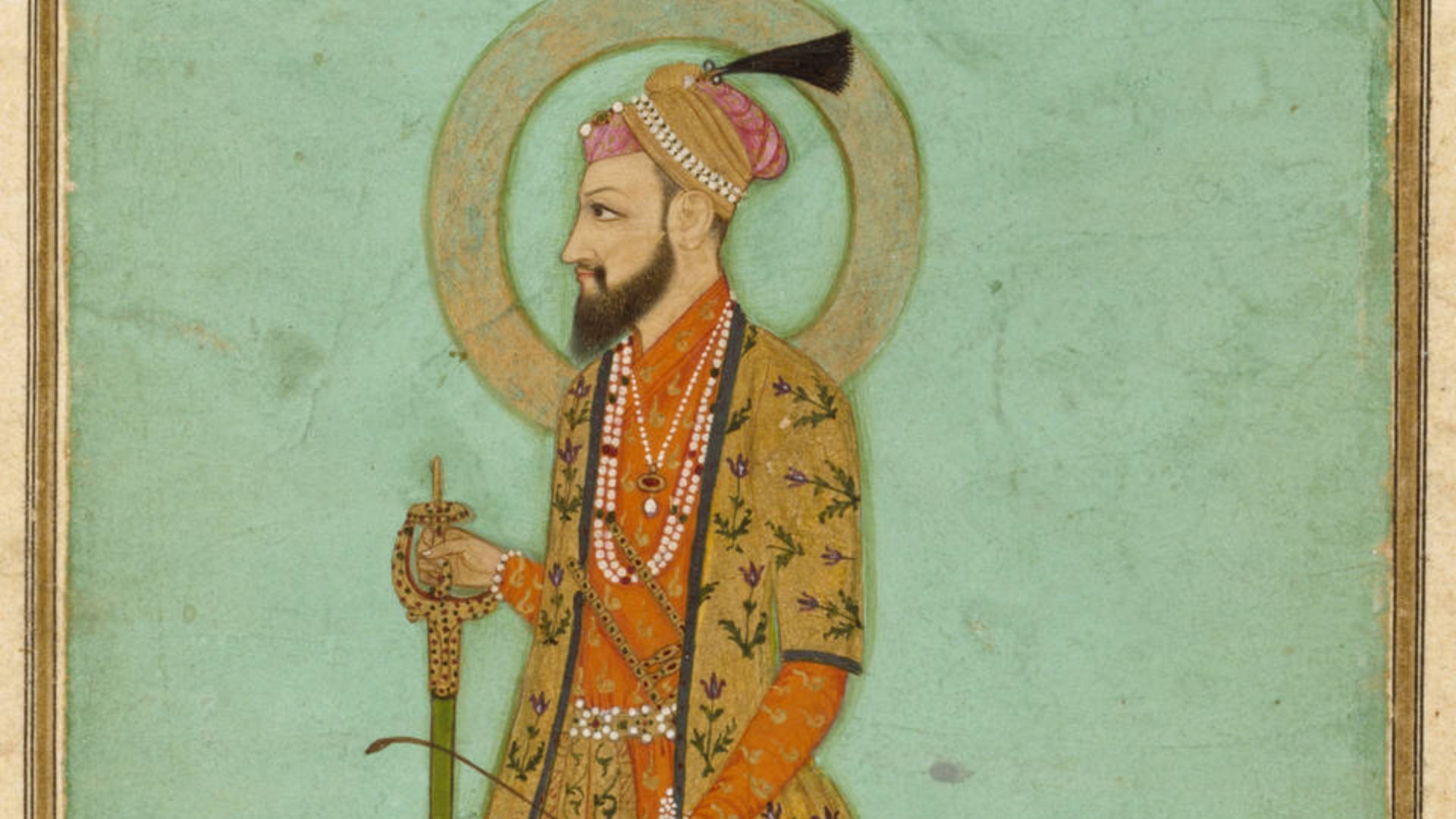
Aurangzeb is often portrayed either as a uniquely intolerant ruler or as someone whose religious policies barely mattered at all. Neither version does much justice to a complicated reign that lasted nearly half a century. His policies became more Islamic in tone than Akbar's, including the restoration of the jizya tax, but warfare, regional conflict, political calculation, and the demands of imperial administration also shaped his decisions.
11. Mughal Rule Was Based Only on Military Force
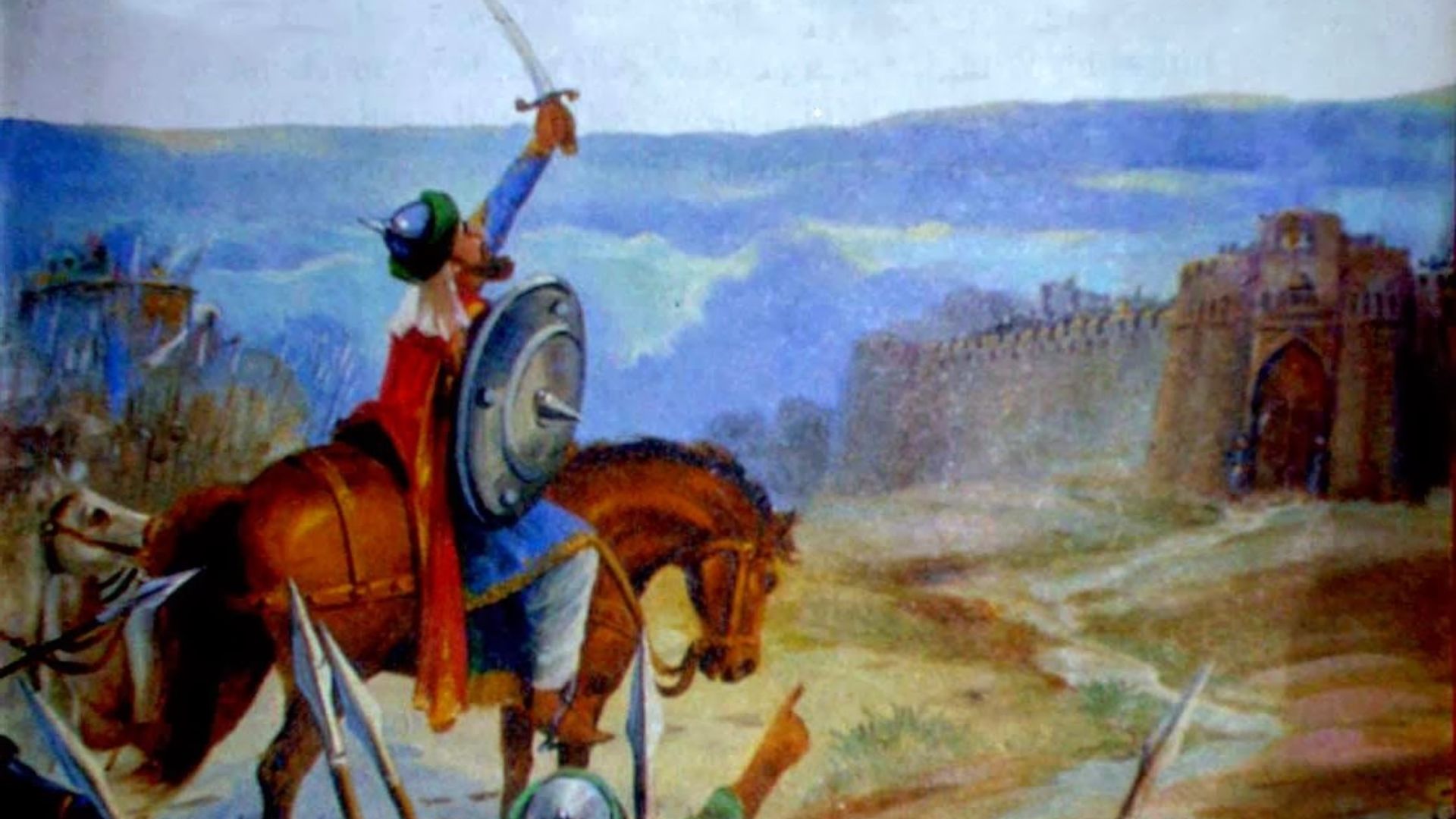
Conquest mattered enormously, but an empire covering much of the subcontinent couldn't survive on battlefield victories alone. Mughal rulers created administrative systems built around tax collection, provincial officials, military ranks, local elites, and negotiated alliances. Keeping influential regional families invested in the imperial system could be just as important as defeating them in battle.
12. Hindu Elites Were Completely Shut Out of Power
Many Hindu nobles, particularly Rajputs, held major positions within the Mughal political and military system. Marriage alliances and political partnerships became especially important under Akbar, helping tie regional ruling families more closely to the imperial court. That cooperation didn't prevent conflict, but the Mughal state certainly wasn't run exclusively by Muslim officials.
13. The Taj Mahal Was a Palace
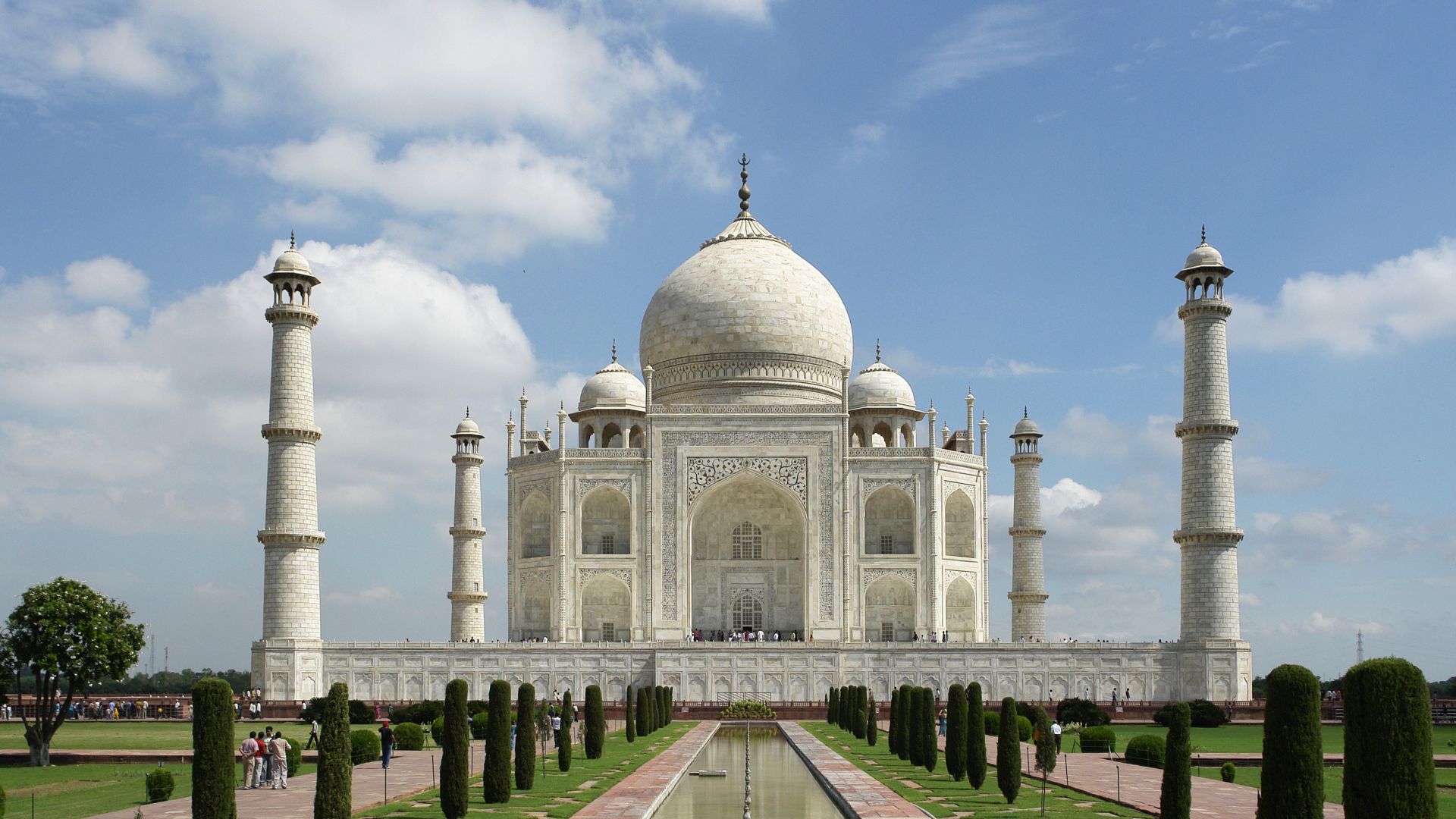
It's probably the best-known Mughal building in the world, but the Taj Mahal was never intended to be a royal residence. Shah Jahan commissioned it primarily as a mausoleum for his wife Mumtaz Mahal after her death in 1631. Shah Jahan was later buried there as well, so its main purpose was commemorative rather than residential.
 Yann; edited by Jim Carter on Wikimedia
14. Mughal Architecture Was Just About Giant White Buildings
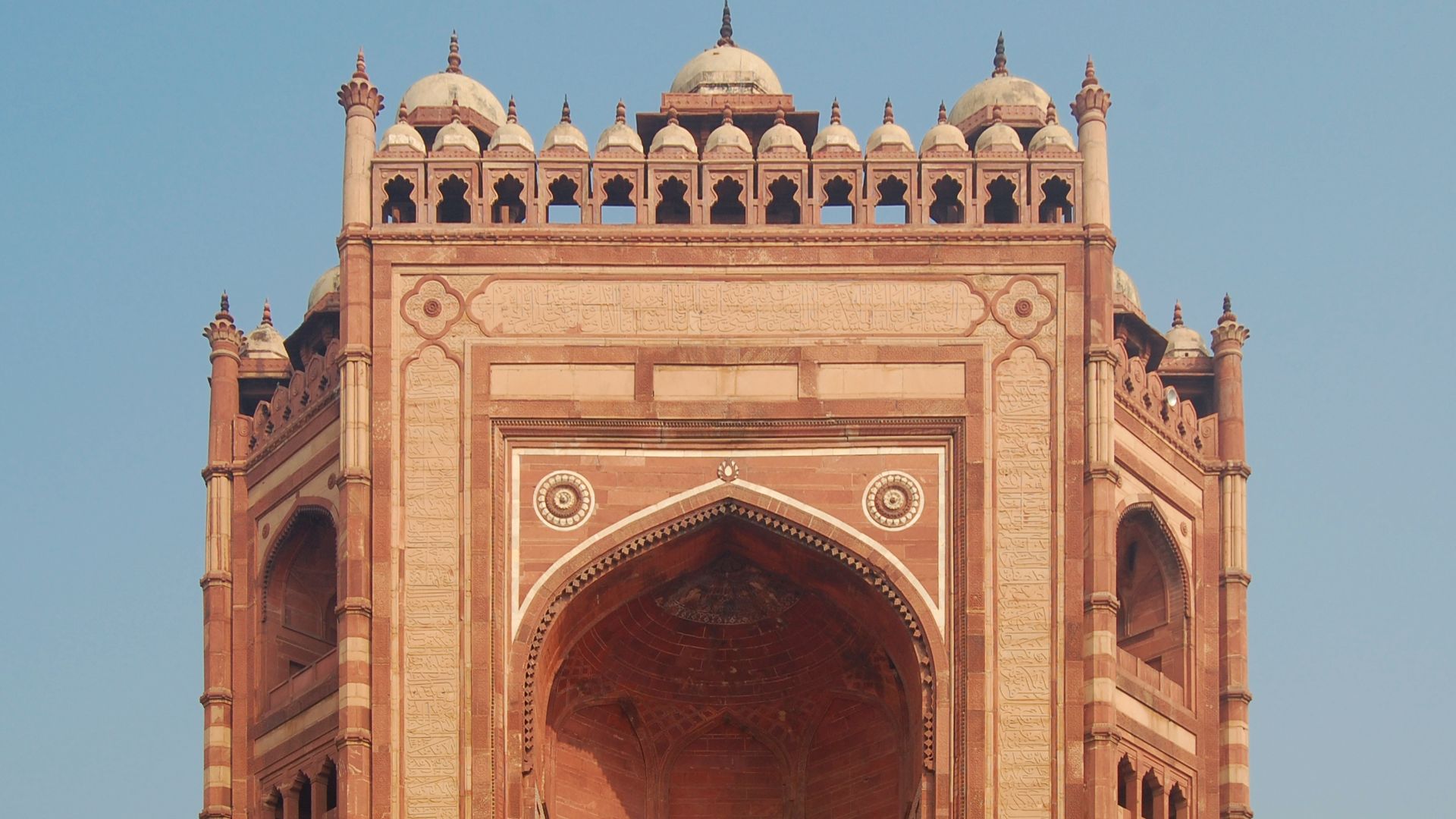
The Taj Mahal can make Mughal architecture seem more uniform than it really was. Red sandstone dominates places such as Fatehpur Sikri, while other monuments mix marble, intricate stonework, gardens, domes, courtyards, and regional design traditions. Akbar's buildings in particular brought together Central Asian and Indian architectural ideas in ways that looked very different from the Taj Mahal.
15. Mughal Artists Only Painted Royal Portraits
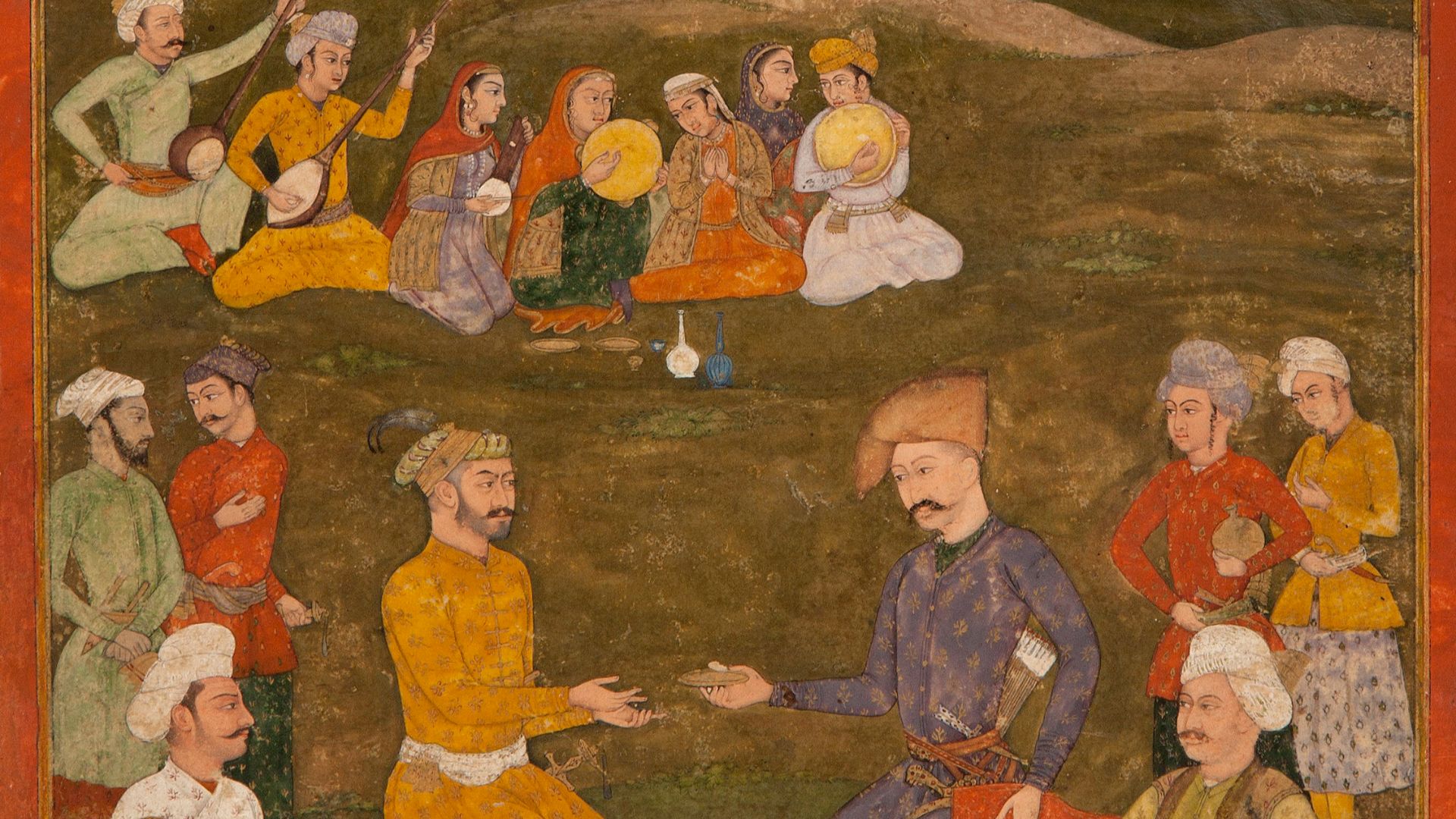
Emperors and nobles appeared often, but Mughal artists painted far more than royal portraits. Illustrated manuscripts included battles, hunts, animals, plants, literature, religious subjects, and scenes drawn from Indian epics. Jahangir's reign became especially known for careful observation of the natural world and highly detailed images of birds and animals.
16. European Influence Barely Reached the Mughal Court
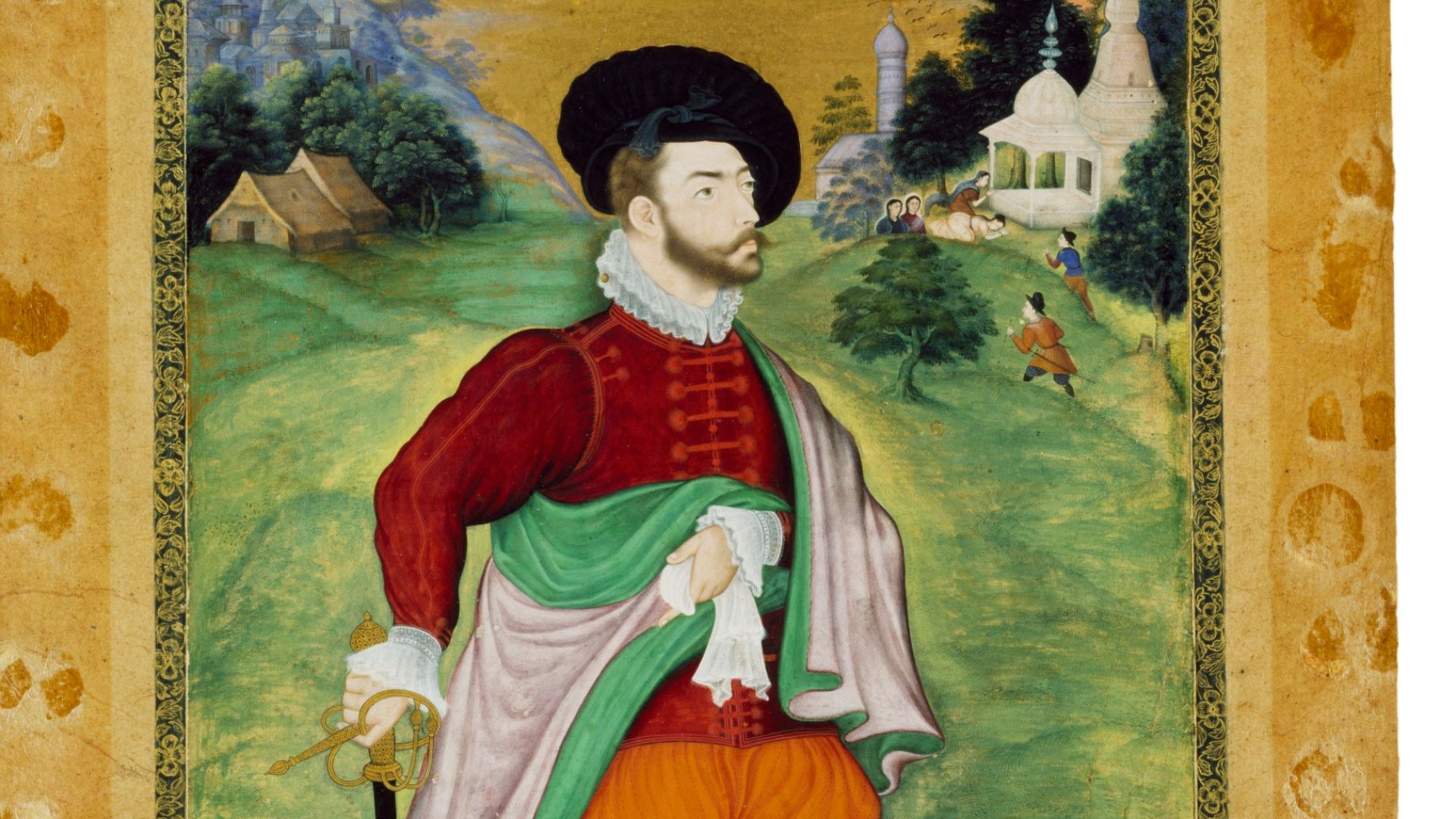
Europe wasn't nearly as removed from Mughal cultural life as people sometimes assume. European merchants, missionaries, diplomats, prints, paintings, and luxury goods all circulated through imperial networks. Mughal artists even borrowed techniques such as European-style shading and perspective while continuing to create work that looked distinctly Mughal.
 Unknown (production) on Wikimedia
17. The Mughal Economy Was Mostly About Royal Luxury
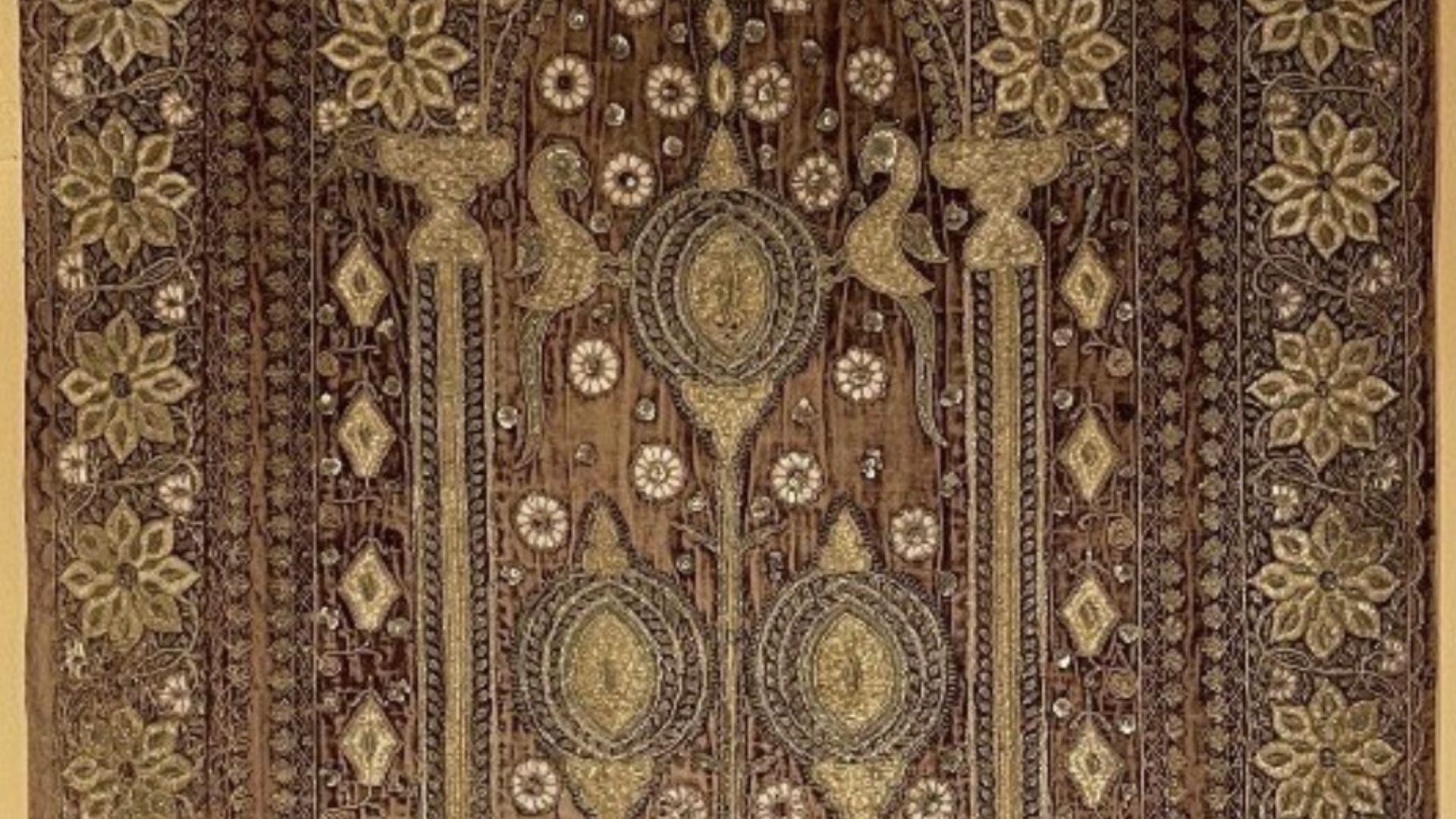
Jeweled thrones and extravagant objects make for memorable museum displays, but the empire's wealth wasn't generated inside the palace. Agriculture formed the backbone of the tax system, while textiles and other manufactured goods traveled through enormous domestic and international trade networks. Bengal and Gujarat, among other regions, became especially important centers of textile production and commerce.
 Gujarat/Surat Mughal workshop for the Indo-Portuguese market on Wikimedia
18. Mughal Emperors Lived Completely Cut Off From the World
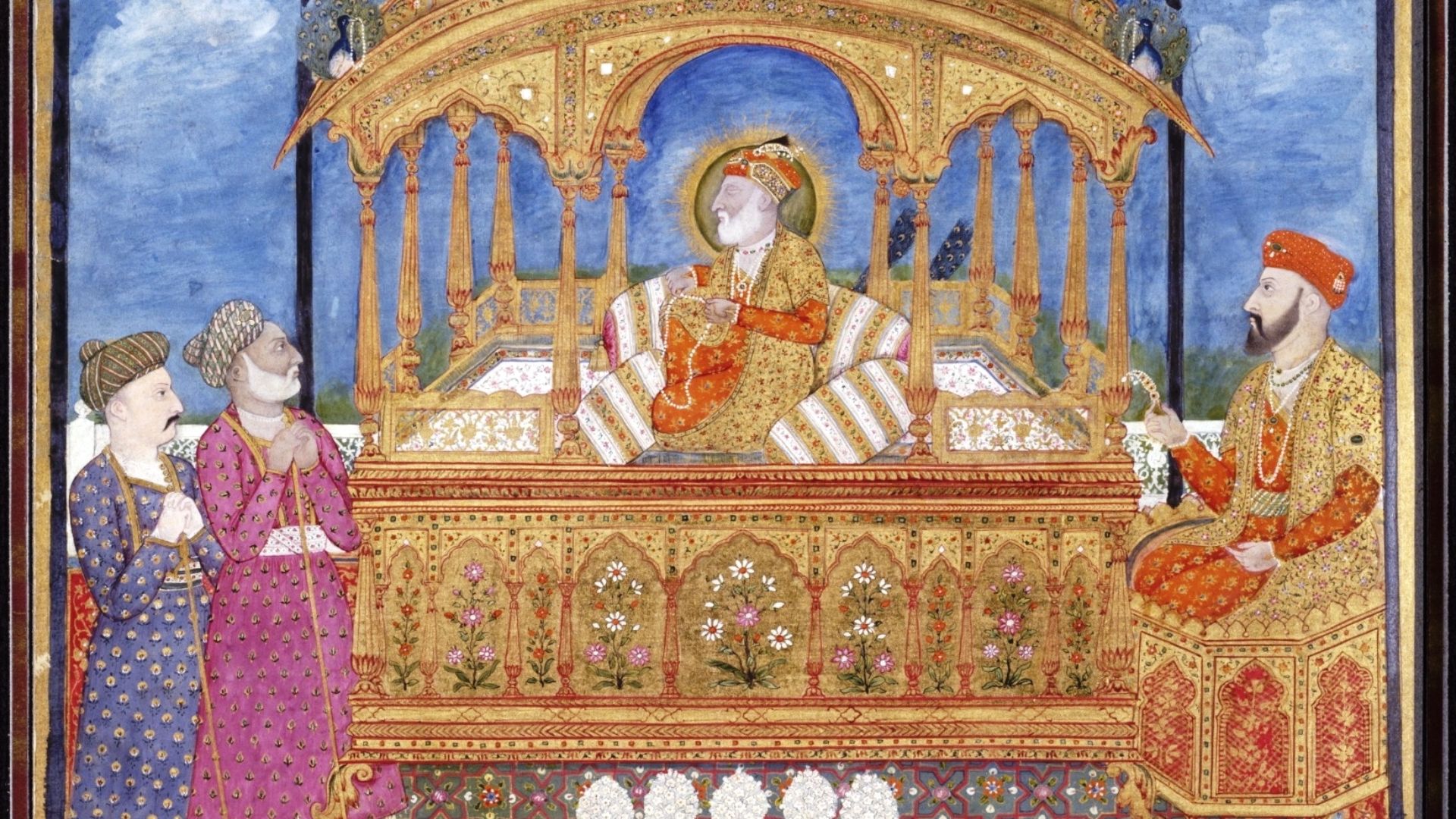
The imperial court was highly exclusive, but Mughal rulers weren't isolated from what was happening beyond their borders. They received ambassadors, merchants, artists, missionaries, and objects arriving from across Asia and Europe. Jahangir, for example, collected European artwork and luxury goods alongside pieces from other parts of the Islamic world.
 attributed to Khairullah (active 1800–1815) on Wikimedia
19. Aurangzeb's Death Instantly Ended the Empire
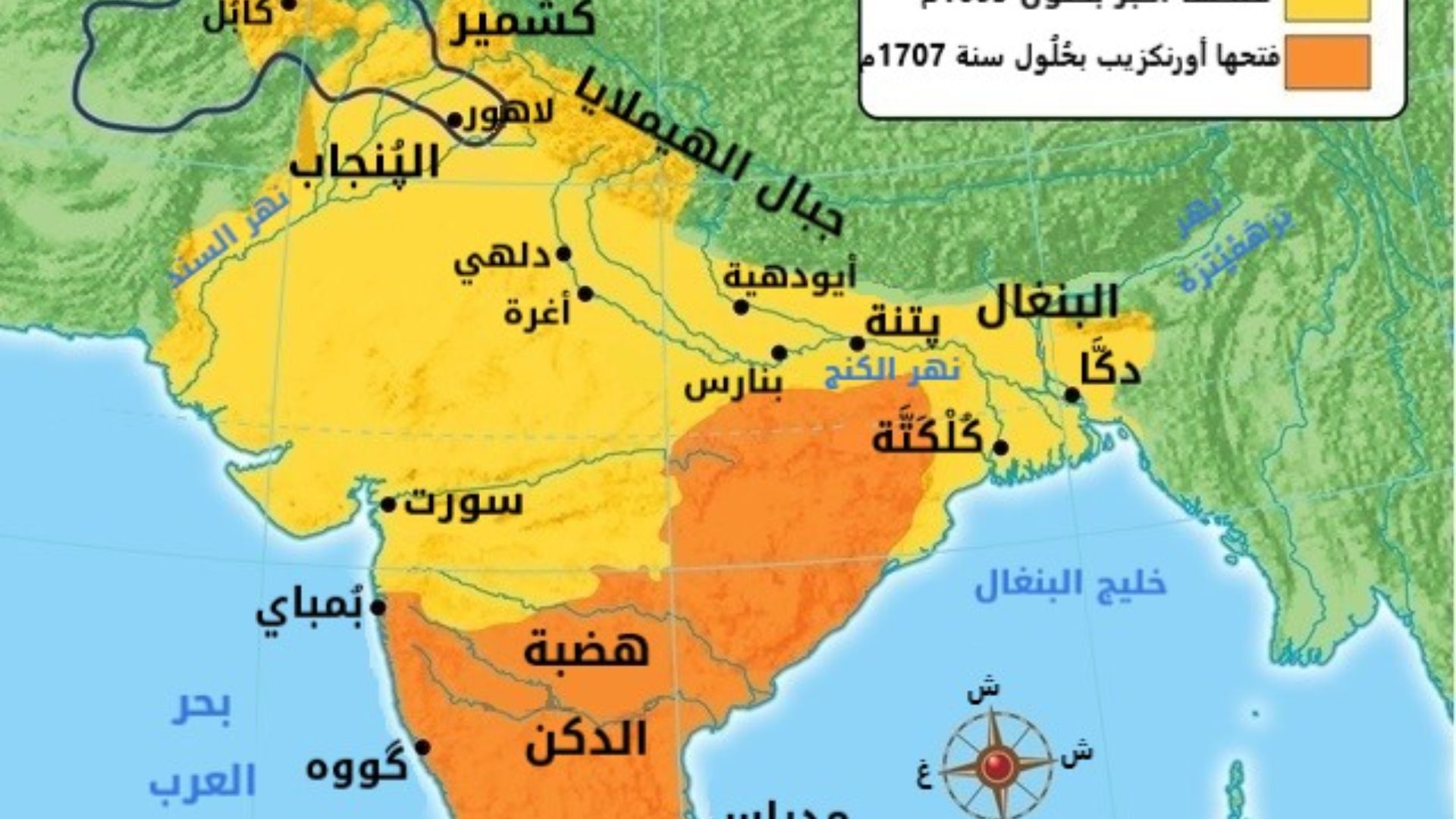
Aurangzeb died in 1707, but the Mughal dynasty survived for another century and a half. What faded much more quickly was the strong centralized authority enjoyed by earlier emperors, as regional powers became increasingly independent and later rulers struggled to control shrinking territory. Mughal emperors remained symbolically important long after they had lost the ability to dominate most of the subcontinent.
20. The British Simply Replaced the Mughals Overnight
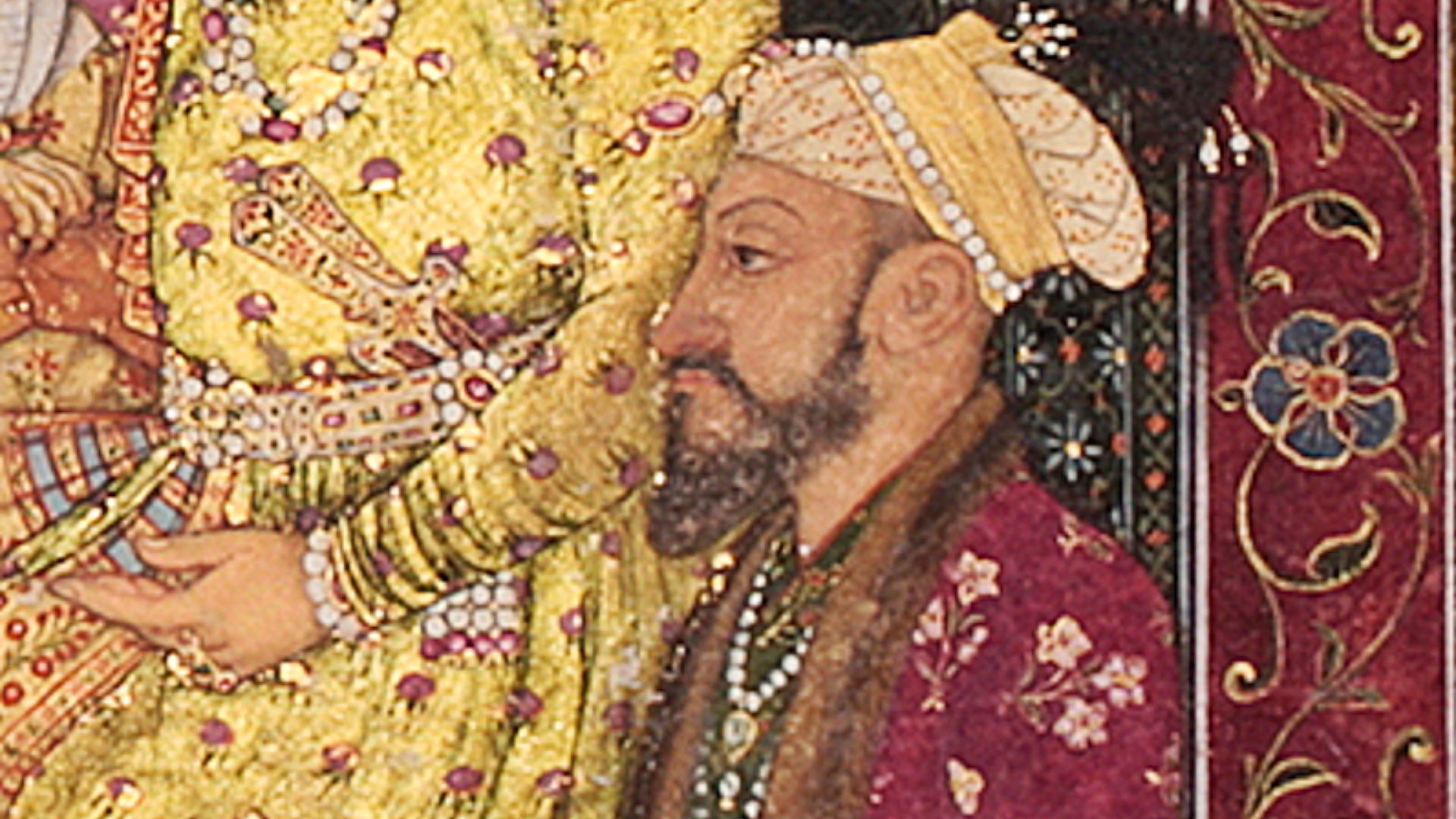
British power in India developed gradually as Mughal authority weakened and regional states became increasingly powerful. The East India Company expanded through warfare, alliances, revenue collection, and political intervention rather than simply taking over one intact empire all at once. The final Mughal emperor, Bahadur Shah II, wasn't formally removed until after the uprising of 1857, more than 300 years after Babur first captured Delhi.