When Humans Think They Beat Mother Nature
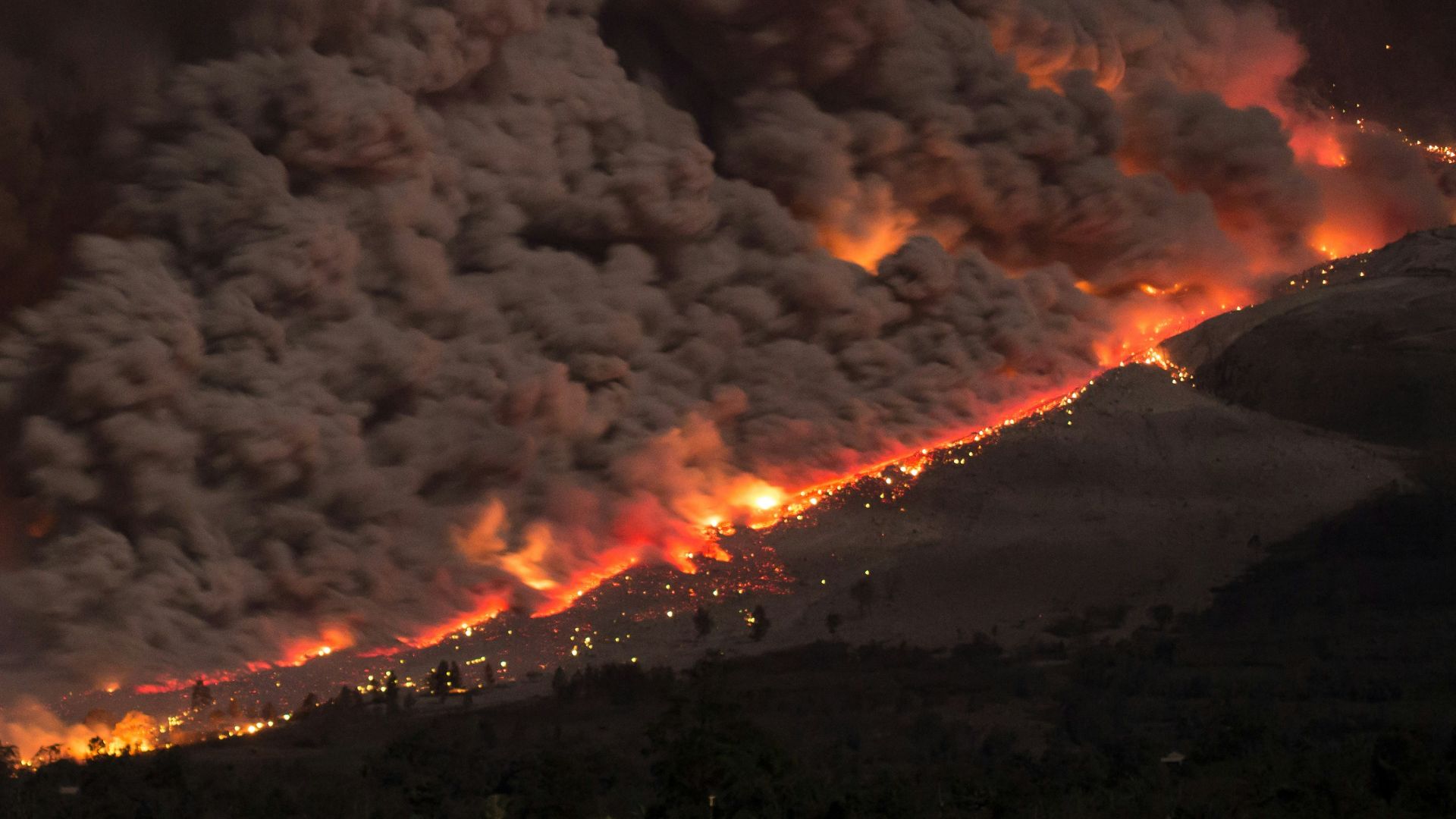
Empires can build enormous cities, raise huge armies, and create impressive systems for moving food and water, but none of that makes them immune to nature. Droughts, volcanic eruptions, floods, cooling temperatures, shifting rivers, and other environmental changes have repeatedly put powerful societies under enormous pressure. In many cases, nature wasn't the only reason an empire or civilization collapsed, but it created conditions that governments struggled to overcome.
1. The Akkadian Empire Faced A Massive Drought
For most of the late 3rd millennium B.C., the Akkadian Empire was able to control most of what we know today as Mesopotamia. However, their agricultural systems became imperiled as a result of a change toward a drier climate. Evidence from marine sediments indicates that regional aridity increased dramatically around the time the empire collapsed and remained elevated for centuries. With less reliable agriculture and pressure on food supplies, the empire became increasingly difficult to hold together.
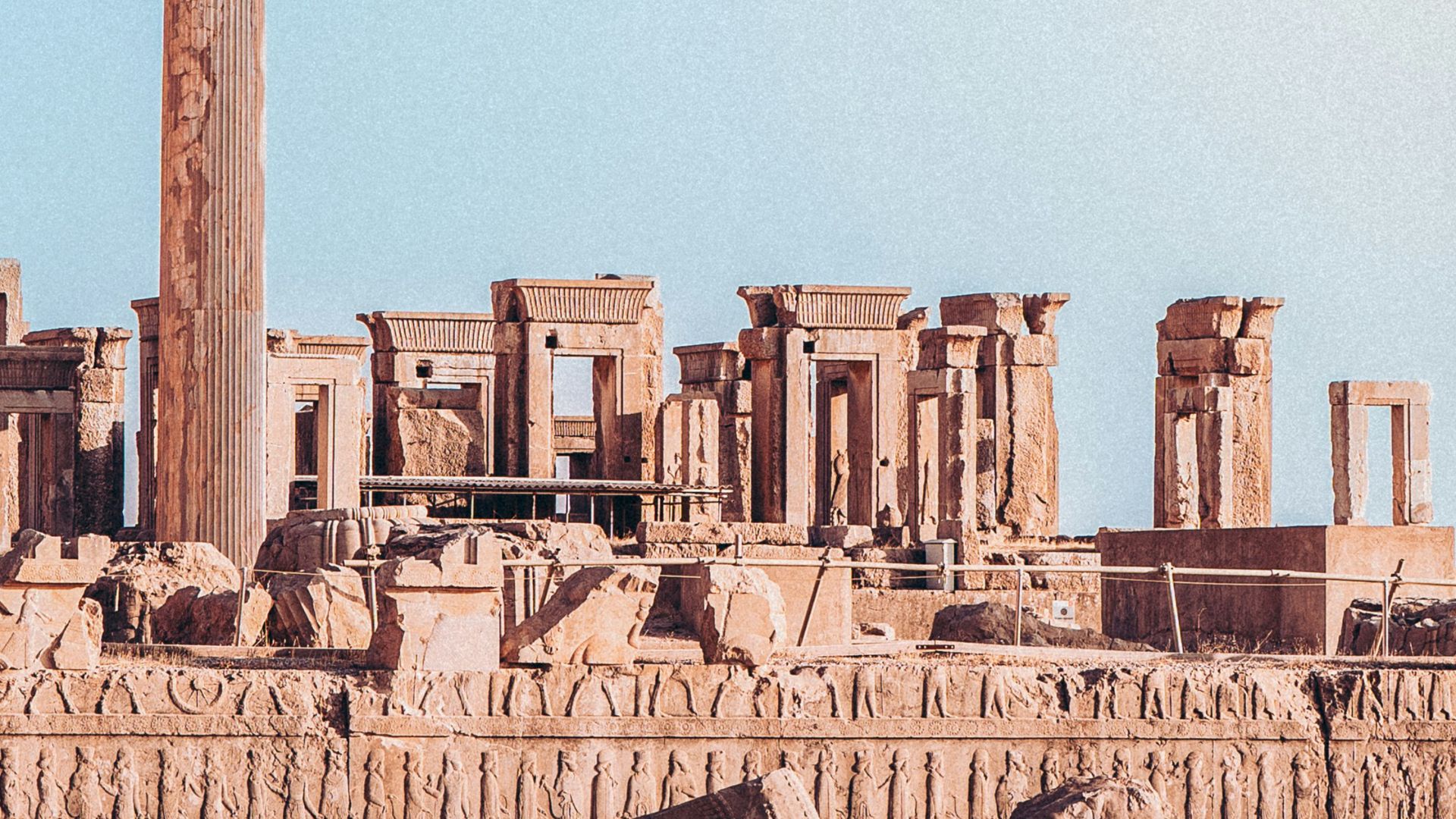 Morteza Mirhosseini on Unsplash
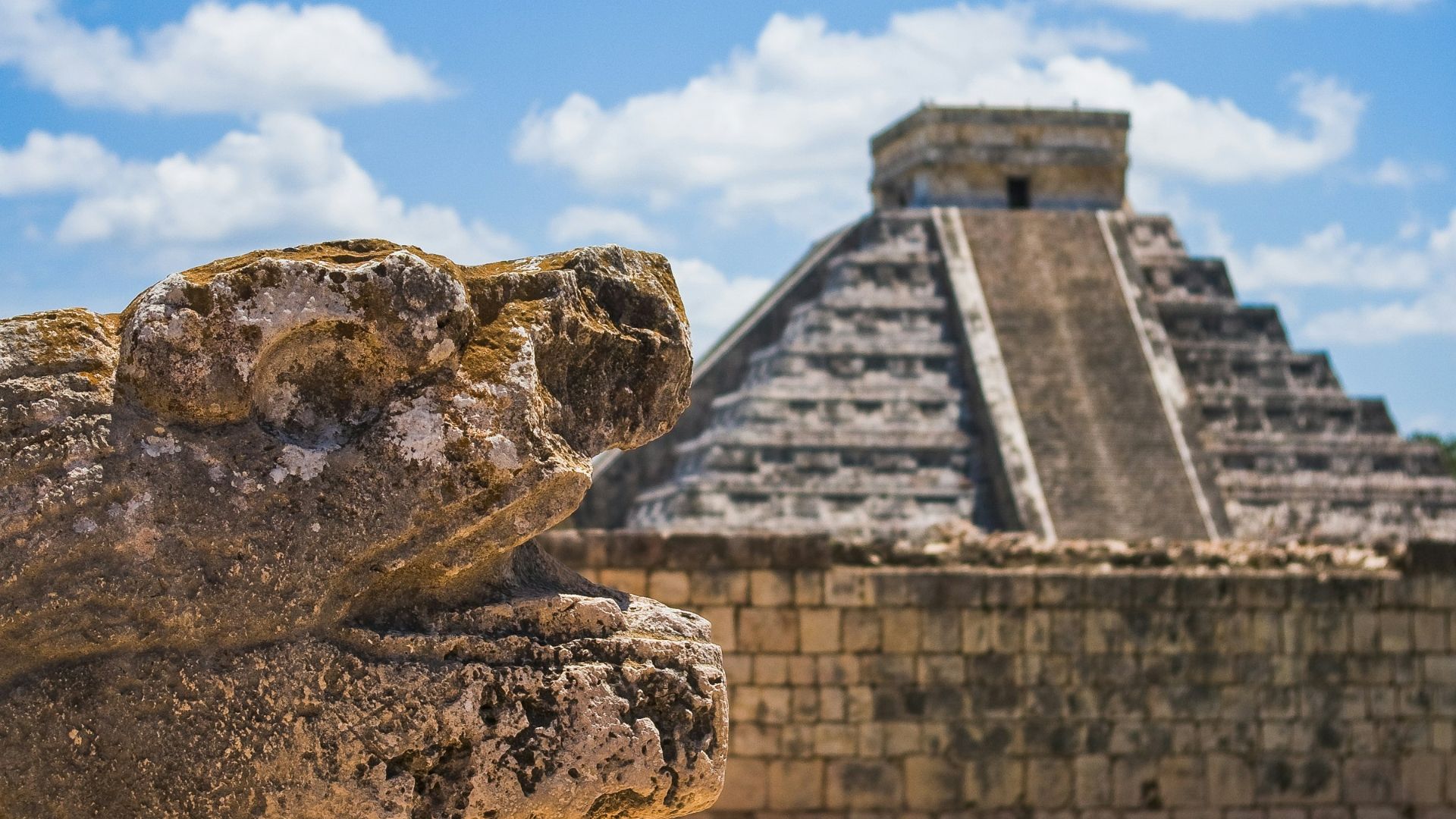
2. The Maya Were Hit By Repeated Droughts
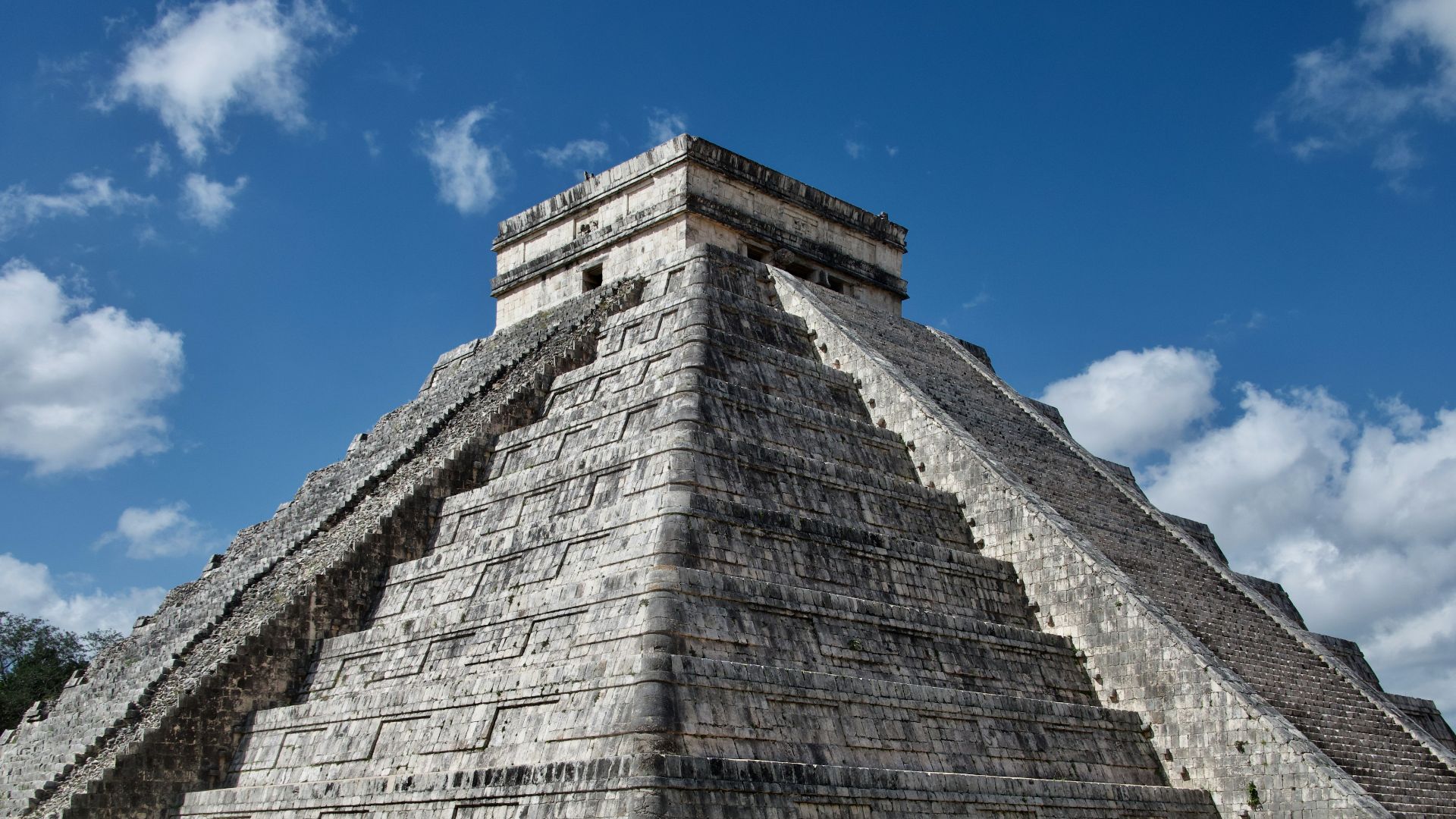
Although it may seem like the classic Maya civilization disappeared almost instantly, there were periods of extreme drought that led to political decline in several areas of the Maya world. Climate records show that there were extended periods of drought between the 9th and 11th centuries. Political instability and other problems were already developing, yet prolonged water shortages made recovery considerably harder.
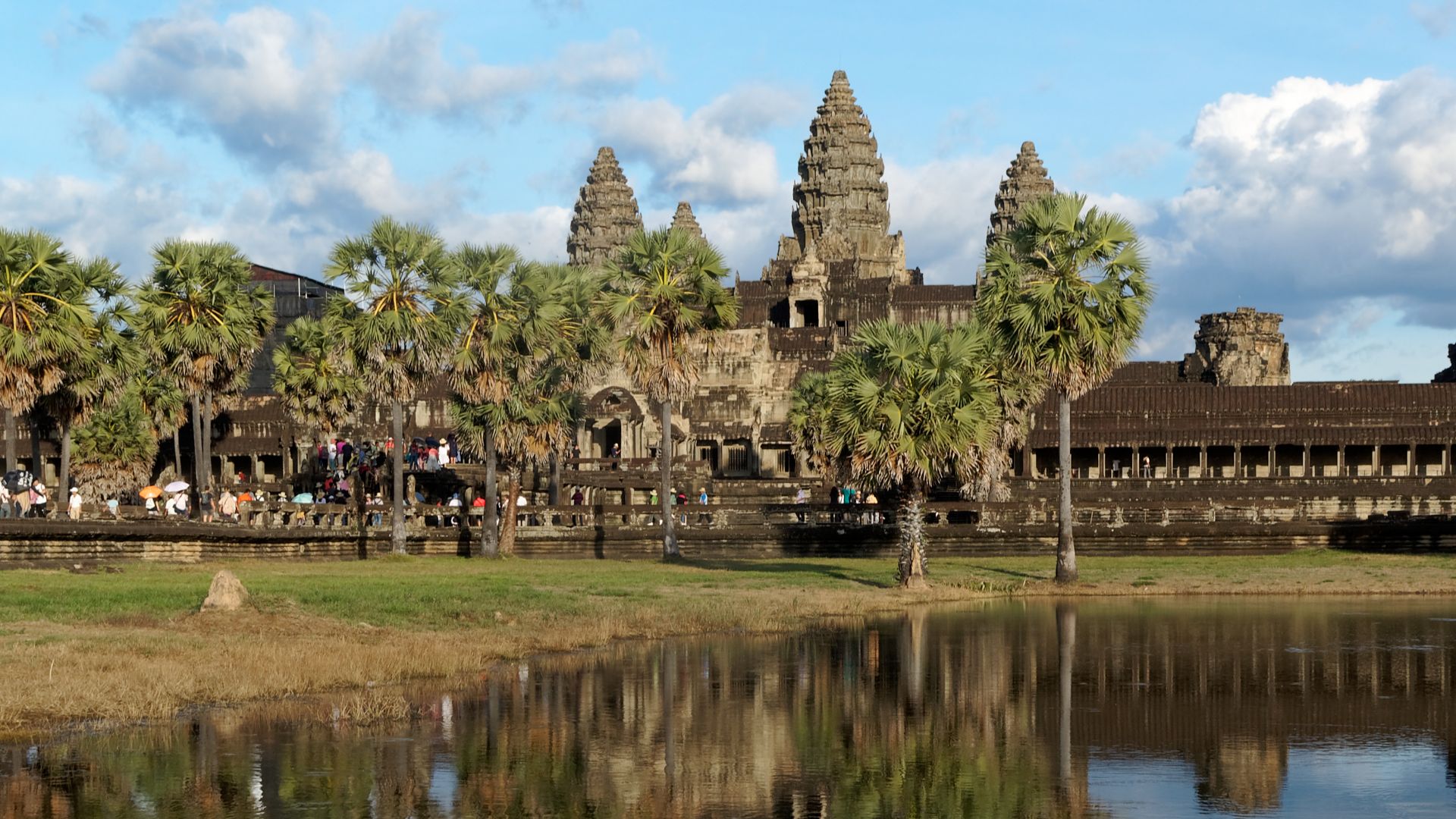
3. Angkor's Water System Couldn't Handle The Weather
Angkor relied on its massive reservoir system and canal networks to irrigate the area. At one point, they were plagued by periods of long drought followed by excessive amounts of rain during monsoon season. The droughts stressed agriculture and water supplies, while the heavy rains damaged the infrastructure itself, leaving the system increasingly difficult to maintain.
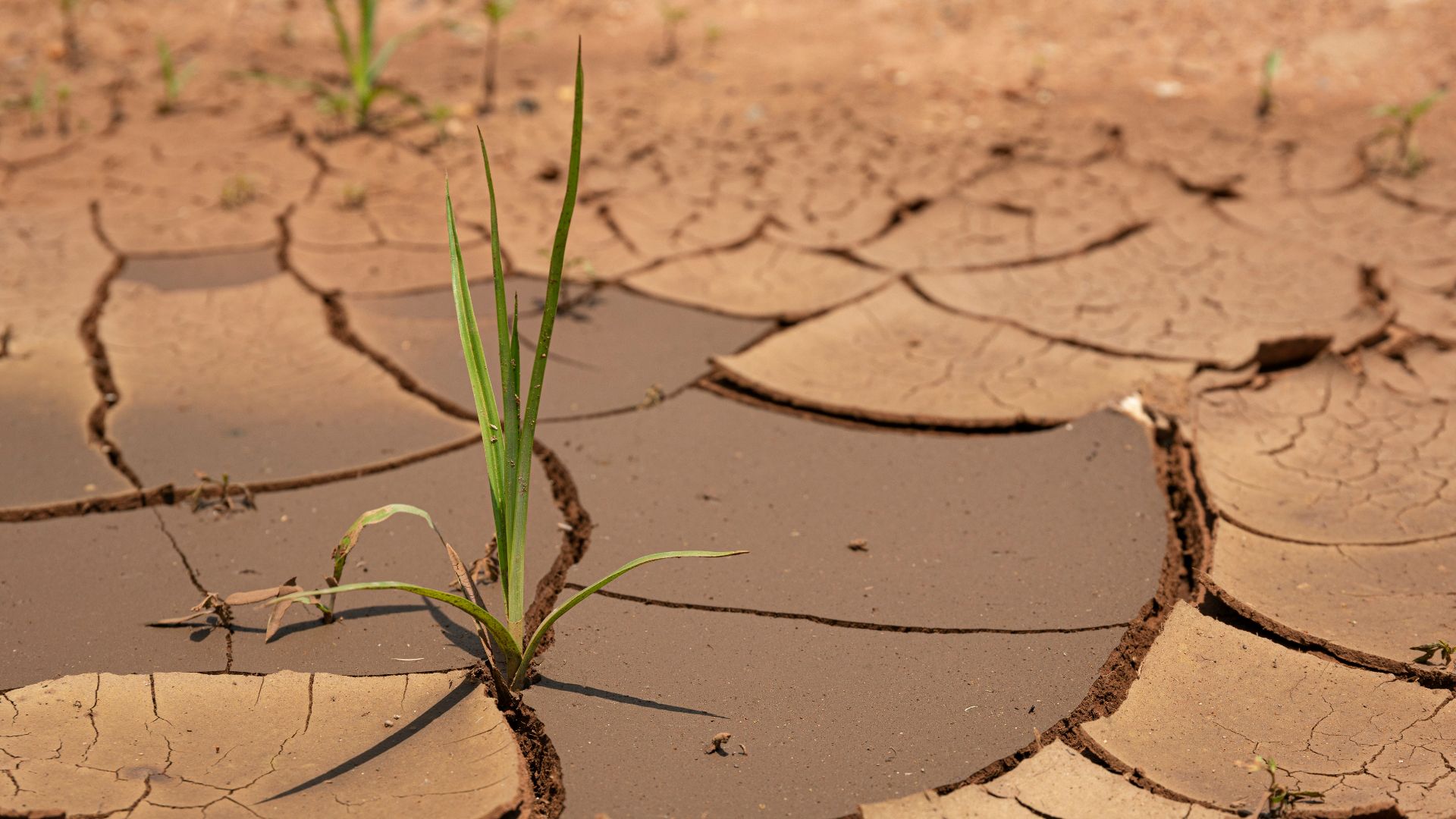 Carlett Badenhorst on Unsplash
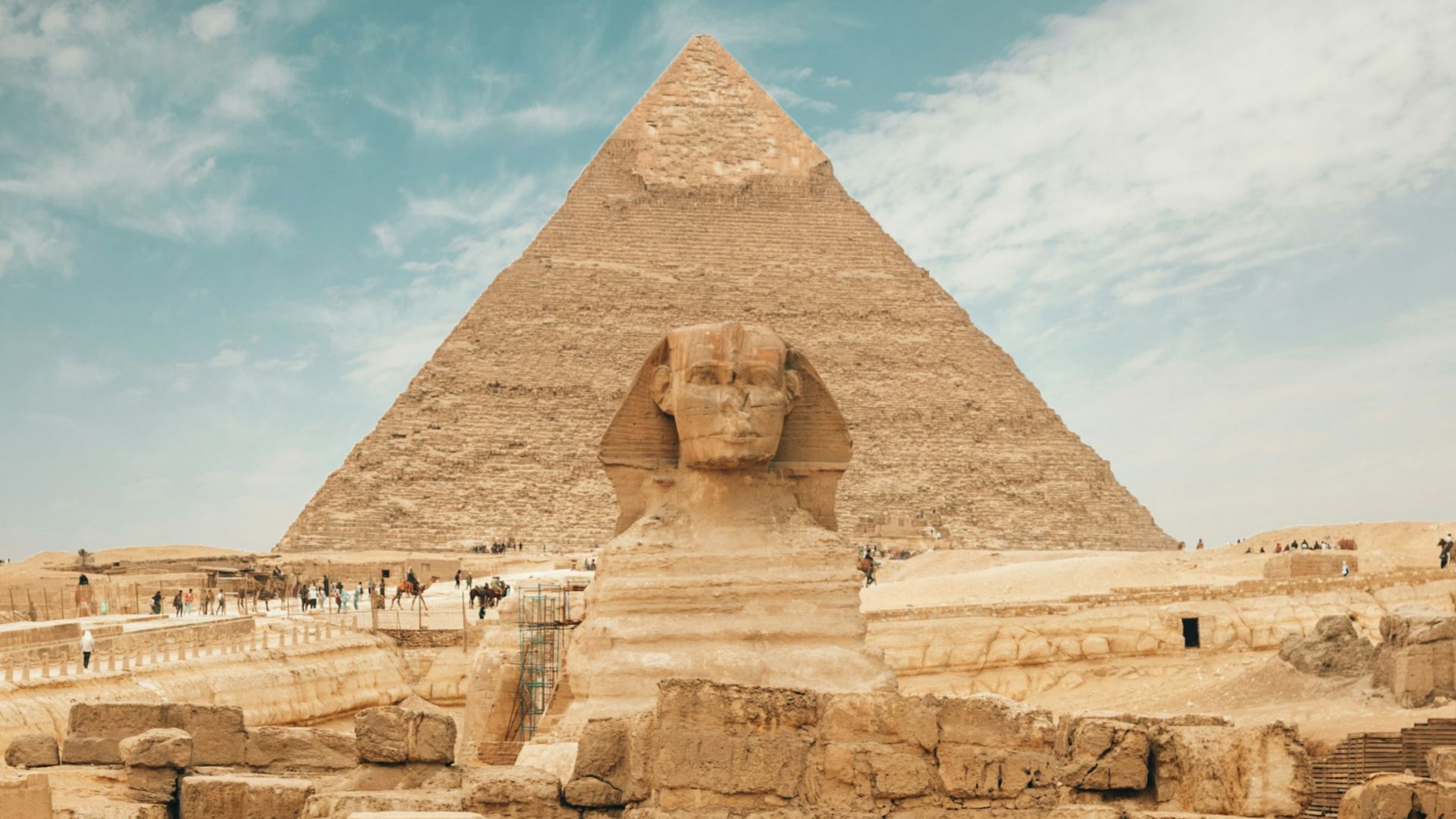
4. Egypt's Old Kingdom Suffered When The Nile Fell
When the Nile failed to replenish Egypt's farmland, the results could be devastating. It is thought that near the end of the Old Kingdom, there were lower amounts of Nile flooding, leading to famine and political unrest. An empire that had built some of the ancient world's most impressive monuments suddenly had a much more basic problem: producing enough food.
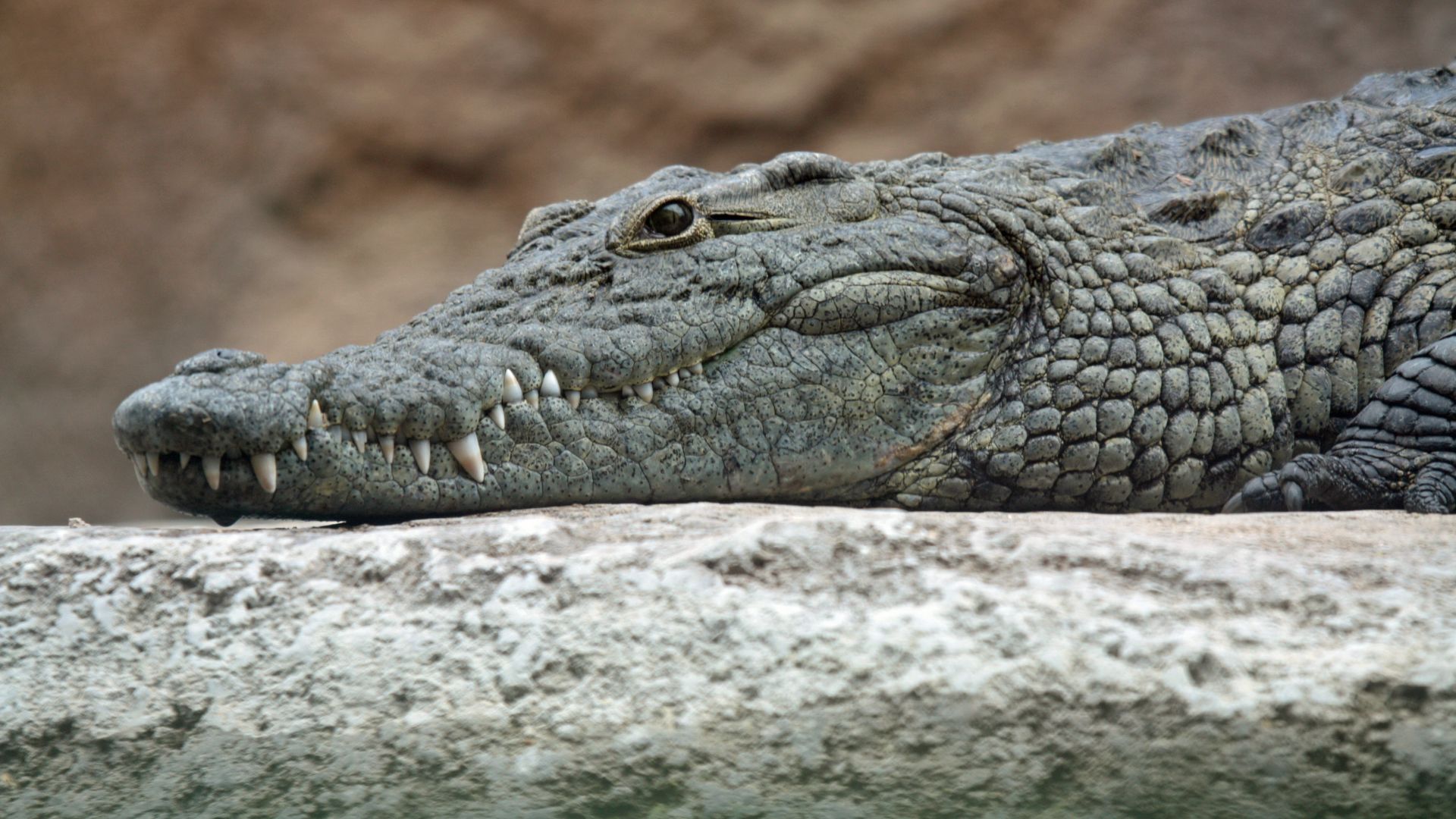
5. Tiwanaku Lost Its Agricultural Foundation
The Tiwanaku became a powerful civilization in the highlands around Lake Titicaca. Their ability to produce large amounts of food helped create cities that thrived around this. As food production declined, urban centers lost much of their ability to support the political structure that had made Tiwanaku so powerful.
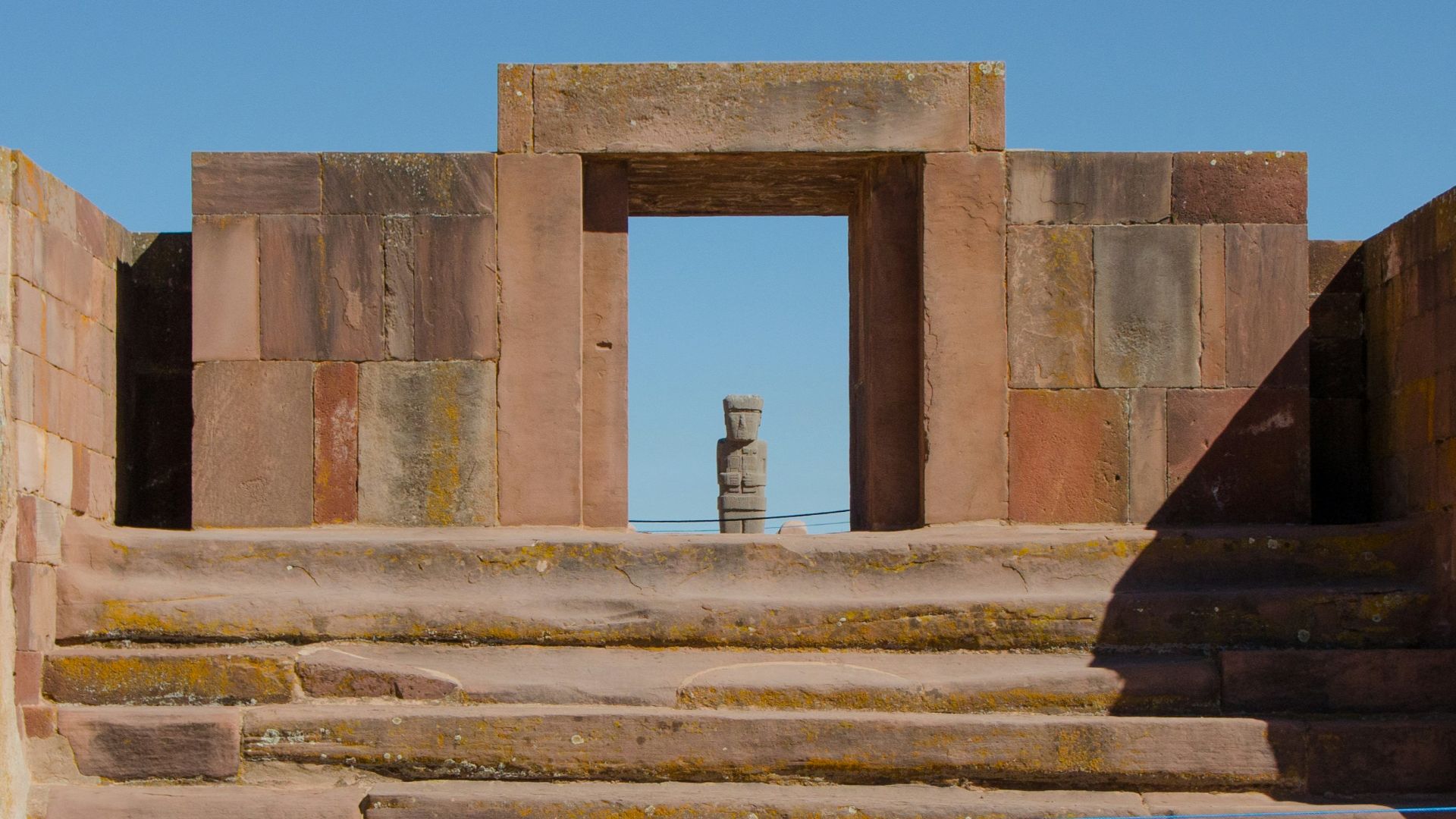
6. The Moche Were Overwhelmed By Climate Extremes
The Moche civilization of ancient Peru developed impressive cities, irrigation systems, and monumental architecture along a landscape that could be surprisingly unforgiving. Similar situations occurred during the rise and fall of the Moche civilization. Periods of drought struck many areas that were densely populated by the Moche. As they fell apart, so did their cities and government systems.
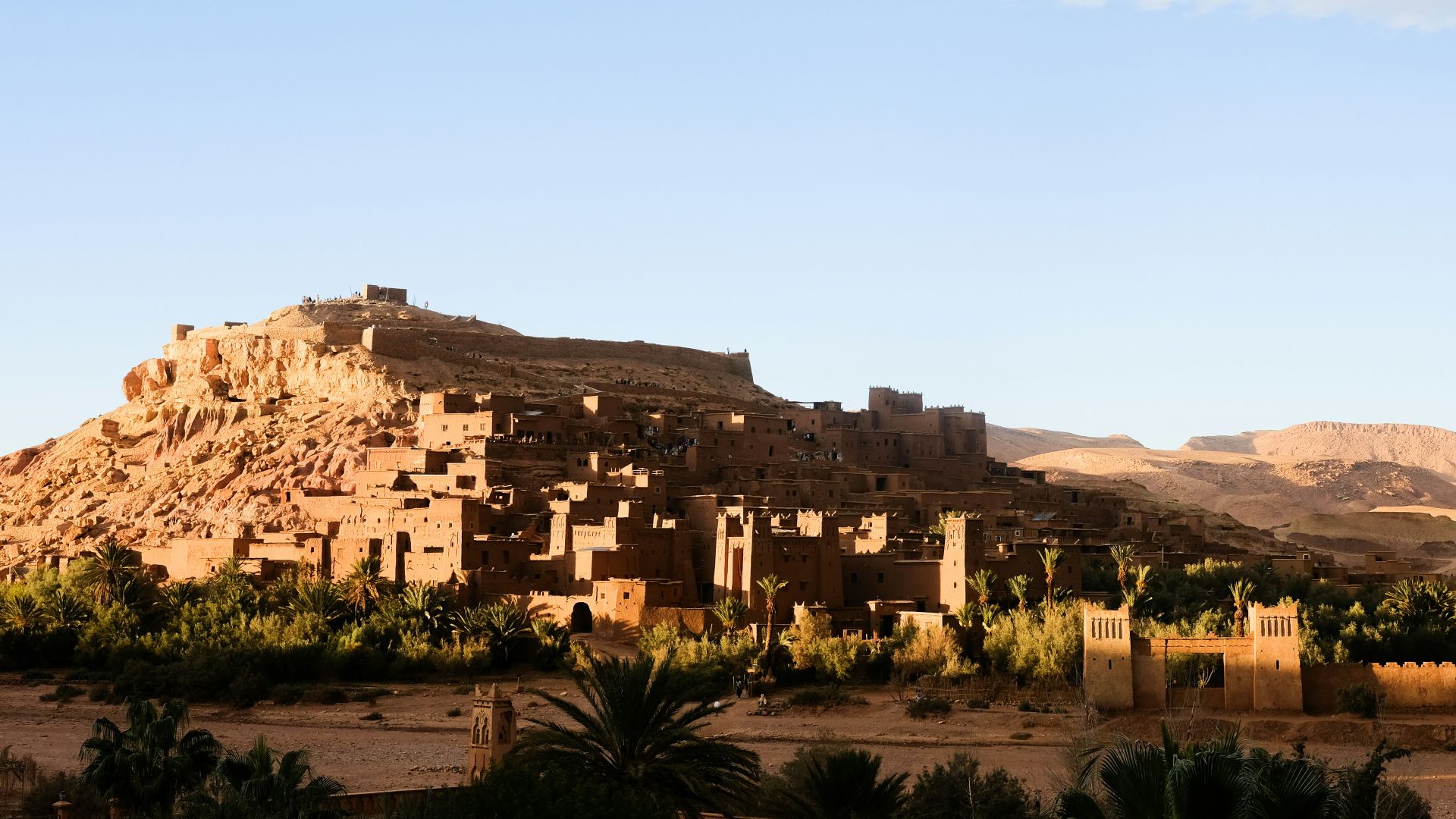
7. The Hittite Empire Had A Very Dry Problem
During the Late Bronze Age, the Hittites took over much of modern-day Turkey. At the end of the Bronze Age, they vanished just like many other civilizations. Studies show that during this time period, there was extreme drought in the Eastern Mediterranean. Although drought probably didn't play the biggest role in their fall, crop failures and food shortages would have made an already unstable political situation considerably worse.
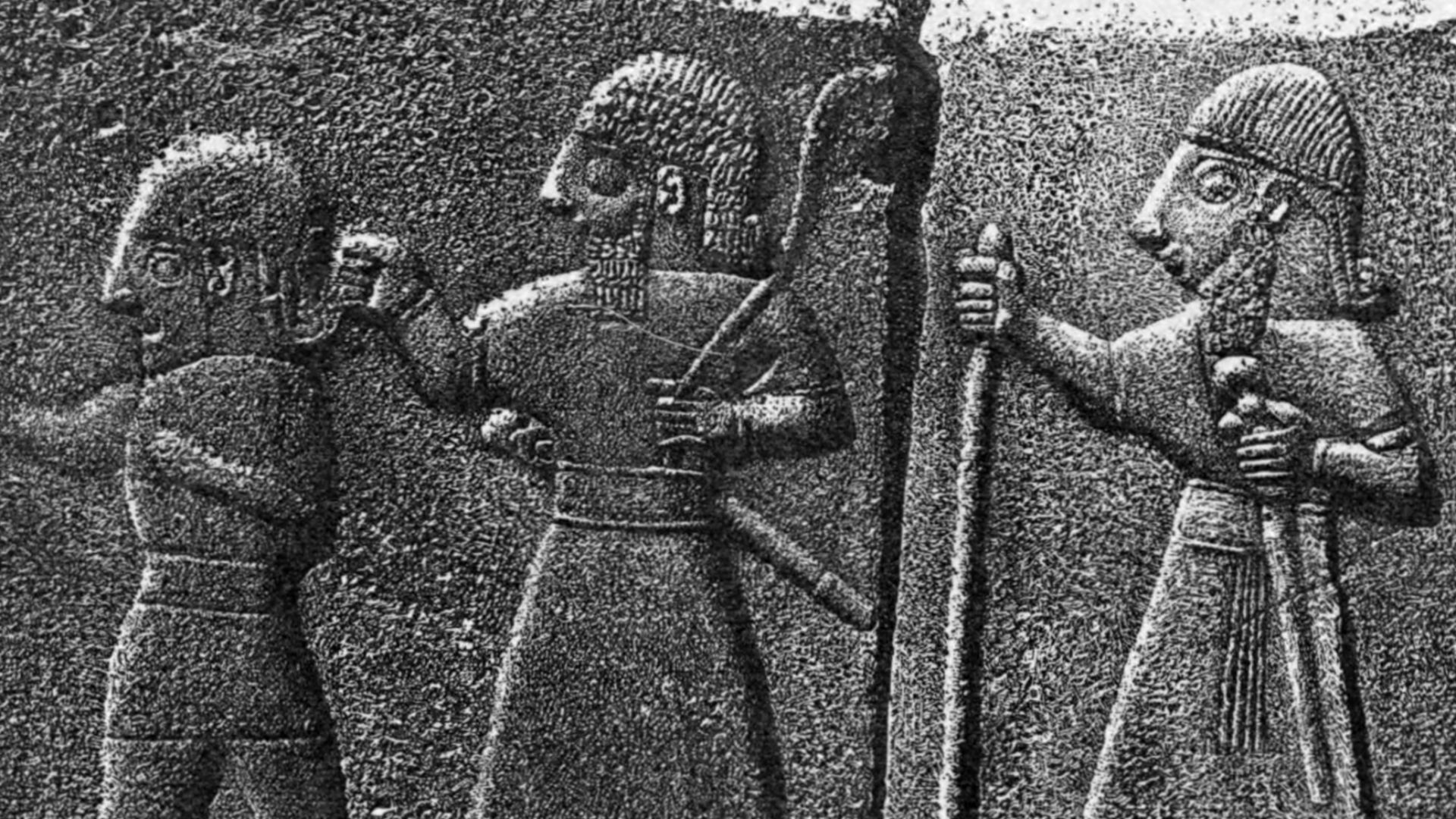 Archibald Henry Sayce on Wikimedia
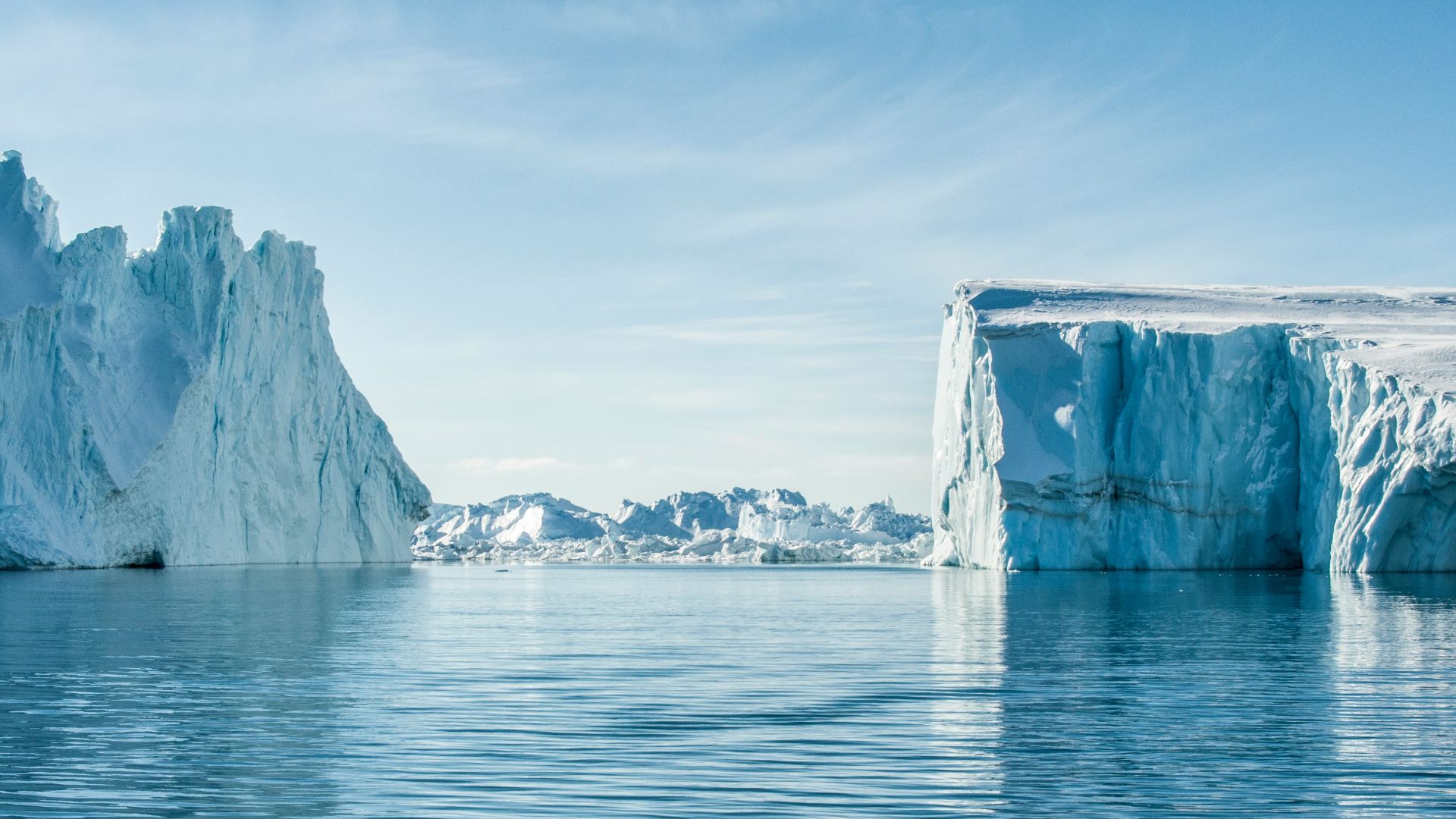
8. The Norse Settlements In Greenland Couldn't Beat The Cold
The Norse established farming communities in Greenland despite its difficult climate, maintaining settlements for centuries. Conditions became increasingly challenging as temperatures cooled and sea ice patterns changed during the period associated with the onset of the Little Ice Age. The amount of sea ice grew, and as the Norse tried to survive off what they could farm, they failed to thrive.
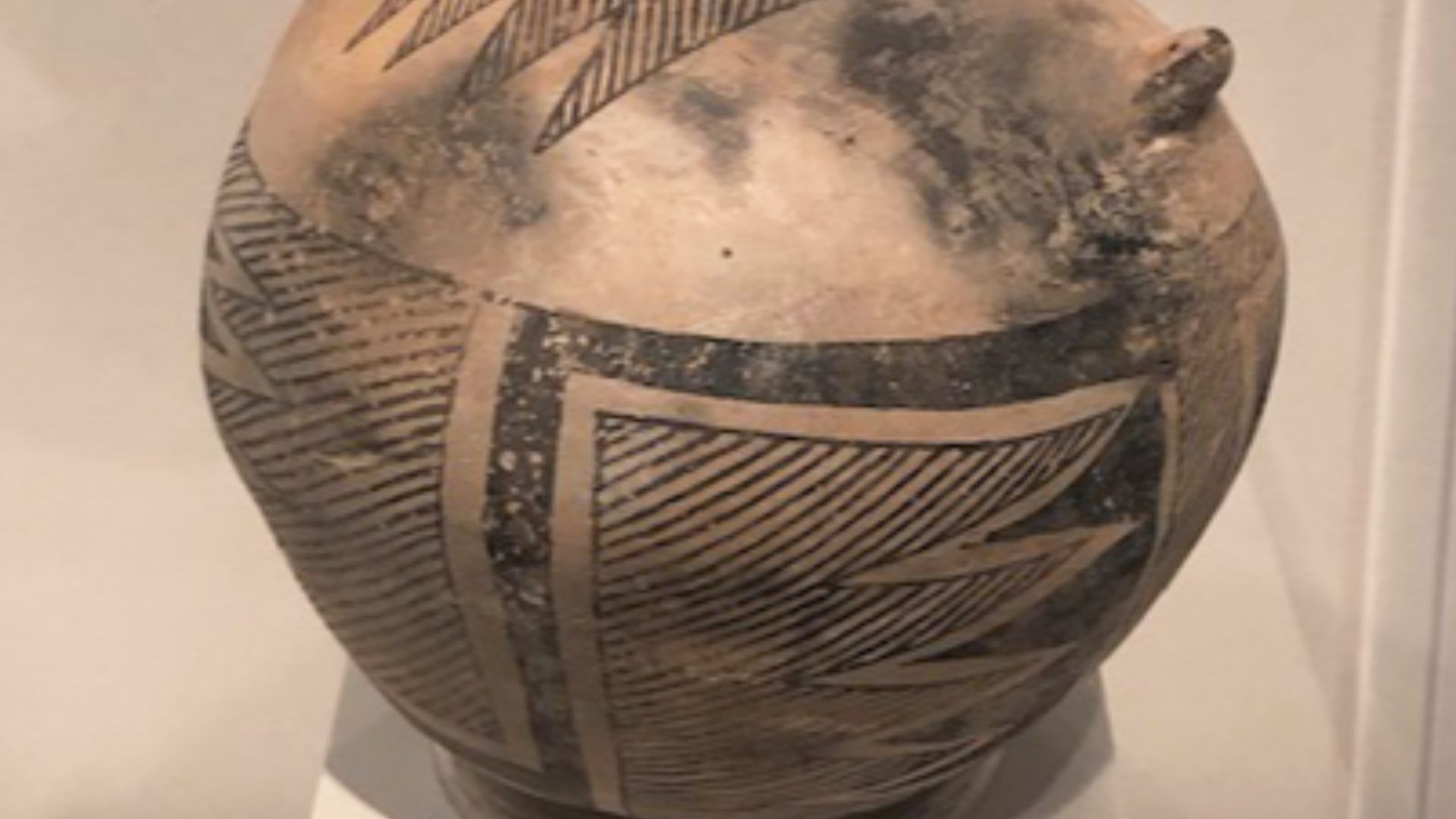
9. The Ancestral Puebloans Faced Long Droughts
The Ancestral Puebloans built substantial communities across the American Southwest, including impressive settlements that still attract visitors today. Tree-ring evidence shows that prolonged droughts affected the region during the late 13th century, putting enormous pressure on agriculture and water supplies. People eventually moved away from many of the major settlements, showing that sometimes the best response to an environmental crisis is simply to go somewhere else.
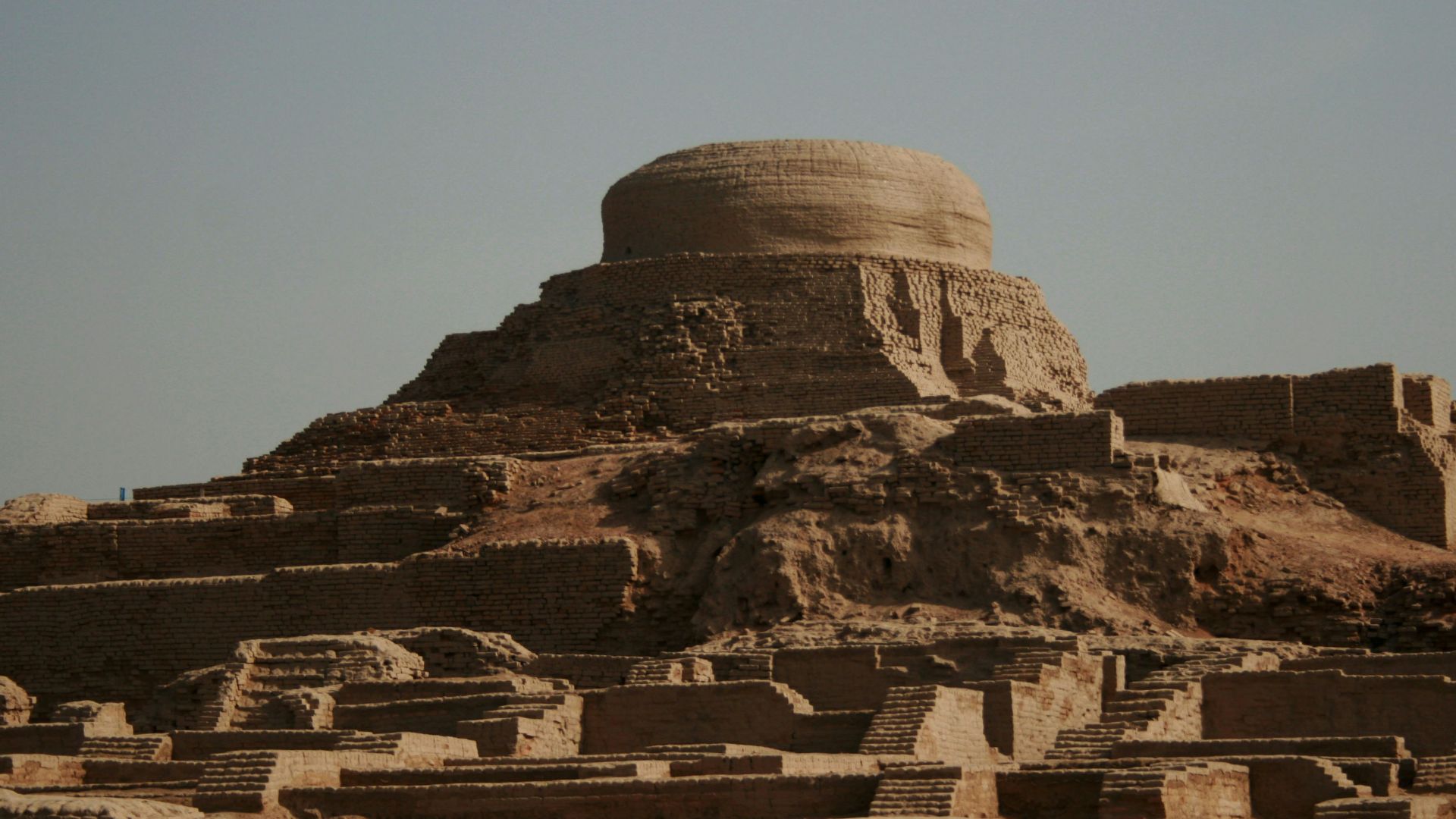
10. The Indus Valley Civilization Saw Its Rivers Change
Similar to many other civilizations in the world, the Indus Valley civilization used rivers for agricultural purposes. As rainfall and river flows changed, the cities of the Indus Valley began to diminish in size. Rather than one dramatic catastrophe ending everything at once, urban populations declined and communities gradually reorganized as environmental conditions changed.
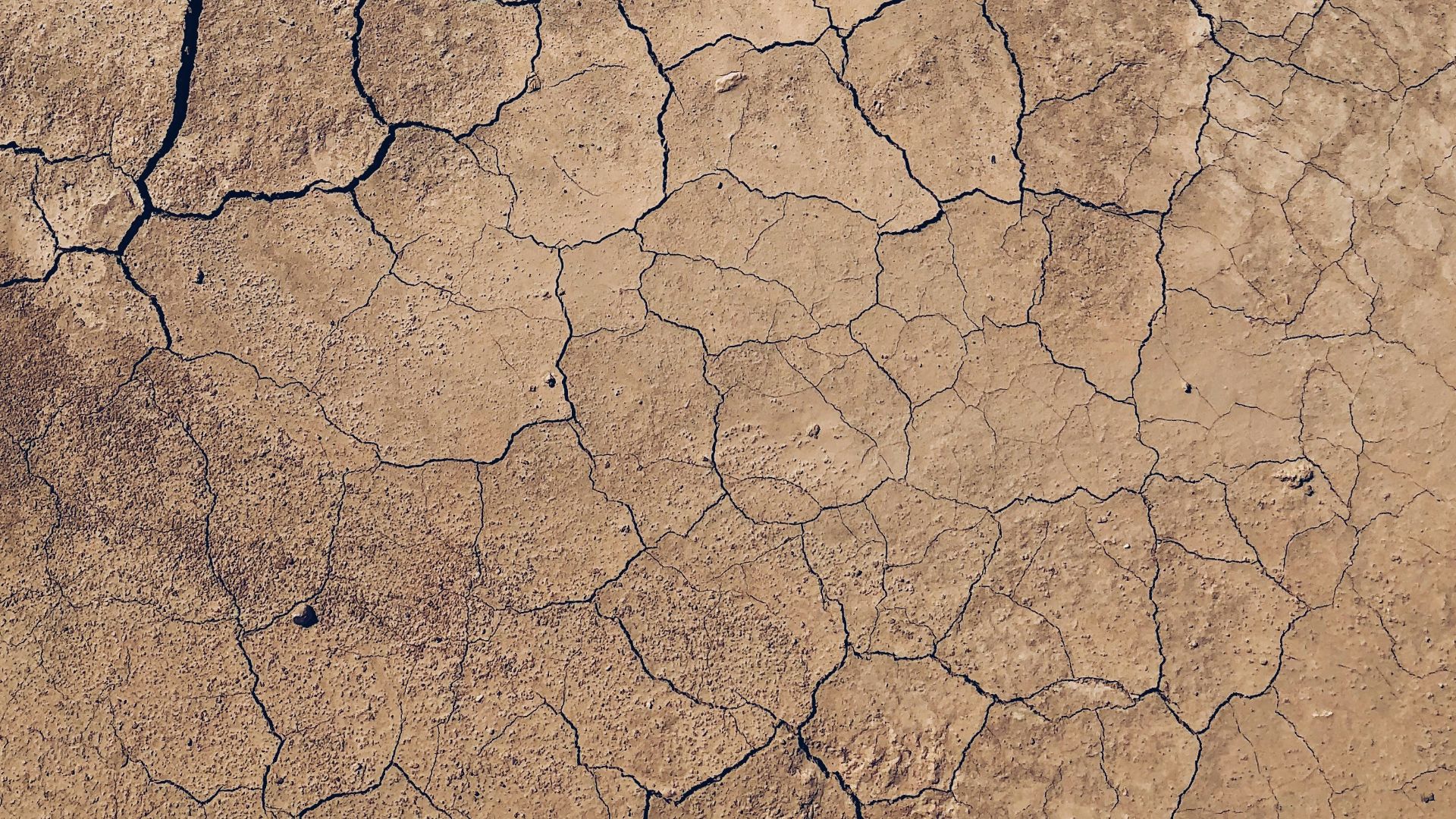
11. The Akkadian Heartland Was Struck By Dust And Dryness
It wasn't just a lack of rain that plagued the Akkadians. Studies have been done on various sites around the region that showed dust buildup. Lower agricultural yields and abandonment of areas followed. Once areas to the north of the empire began failing, the southern parts of the empire lost an important source of grain and became increasingly vulnerable to instability.
12. Angkor's Great Canals Were Damaged By Floods
Angkor's water system was one of the most ambitious infrastructure projects of the medieval world, which makes its environmental troubles especially striking. So it's interesting to see that natural forces played such a large role in its demise. When too much rain came during monsoon season, it began to wear away at their canals, leaving them unable to transport enough water to meet the demands of their environment.
13. The Maya Couldn't Easily Recover After The Dry Years
Although many civilizations have seen drought hit them, the Maya seem to have suffered from this more than others. When drought became a more frequent occurrence in the Maya world, their political units were suffering from issues that they couldn't recover from due to a lack of water. These problems made it increasingly difficult for some communities to maintain the systems that had supported them.
14. Egypt Was Vulnerable To A Changing Climate
Throughout its rule, the government of Egypt thrived on large amounts of agriculture. When drought struck and reduced Nile flooding during the end of the Old Kingdom, it proved fatal. Food shortages and political disorder followed, contributing to the fragmentation of centralized authority.
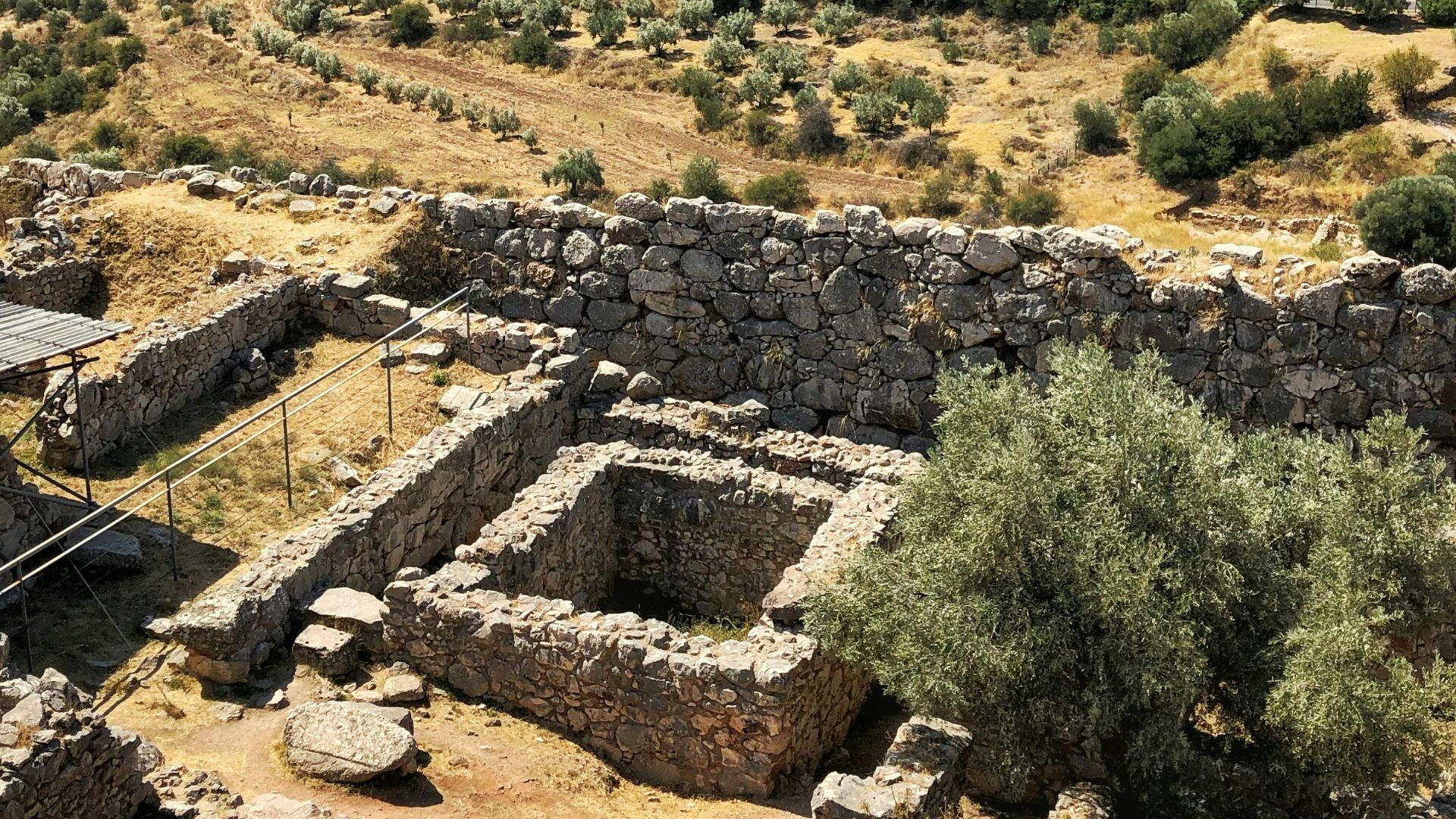
15. The Mycenaean World Was Hit During A Broader Crisis
Much like the other civilizations mentioned, the Mycenaeans fell during a time period when drought occurred. When trying to analyze what led to the Mycenaean downfall, environmental stress likely interacted with warfare, migration, political instability, and disruptions to trade, making this one of history's more complicated collapses.
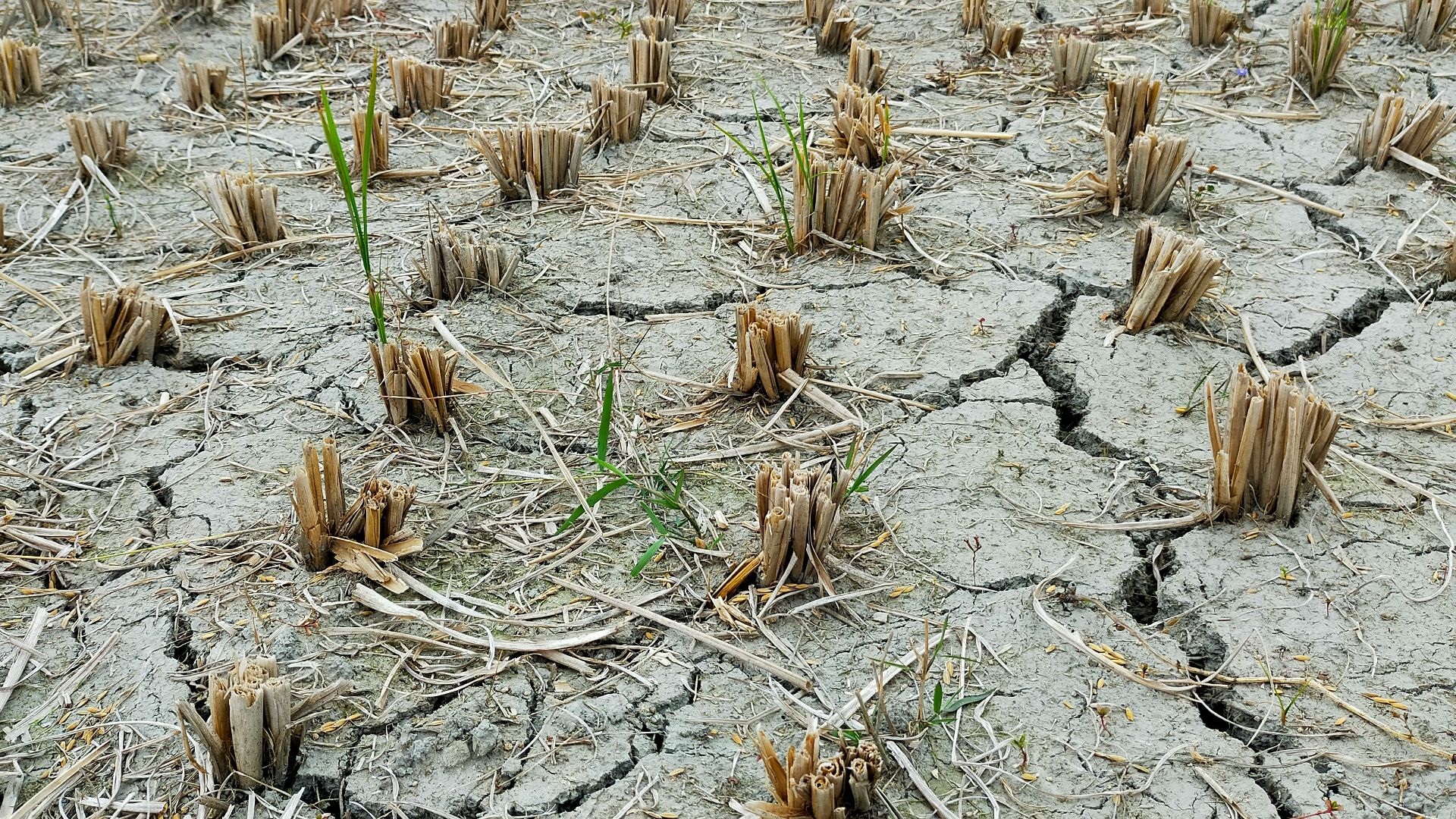
16. The Classic Maya Lost Major Cities
During the time period known as the Terminal Classic, many Maya cities to the south lost a large portion of their population. Drought may have been a factor, but it didn't affect all areas the same. Still, when water became unreliable, maintaining enormous cities and elaborate political systems became much more difficult.
 Md. Hasanuzzaman Himel on Unsplash
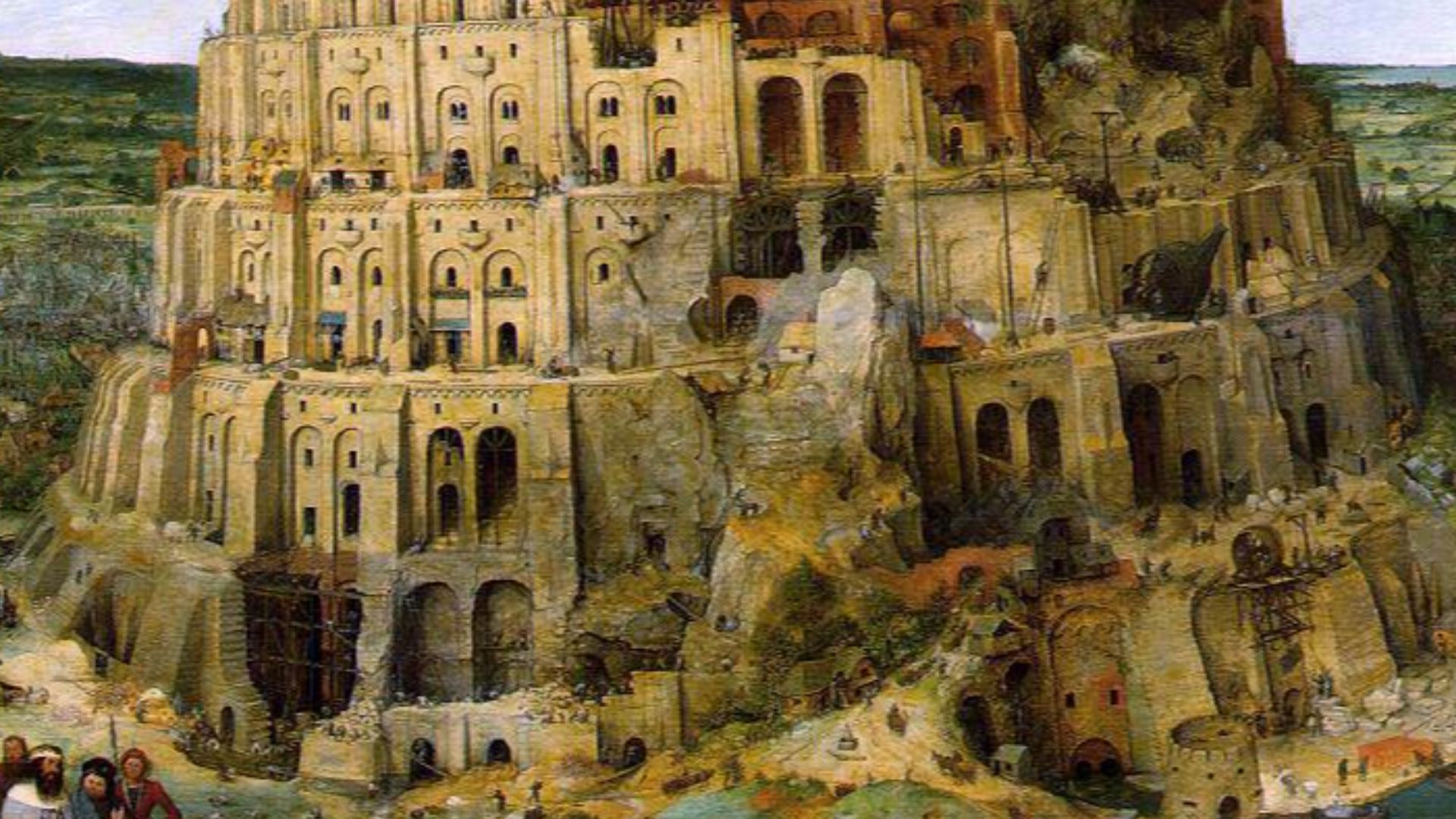
17. Mesopotamian Cities Were Pressured By Falling Water Supplies
Mesopotamian civilizations had spent thousands of years learning how to manage the Tigris and Euphrates, but river systems still depended on larger climatic patterns. During major periods of drought, lower river flows and declining agricultural production could put enormous pressure on urban populations. Irrigation could help, but it couldn't completely solve a regional shortage of water and food.
 Pieter Brueghel the Elder on Wikimedia
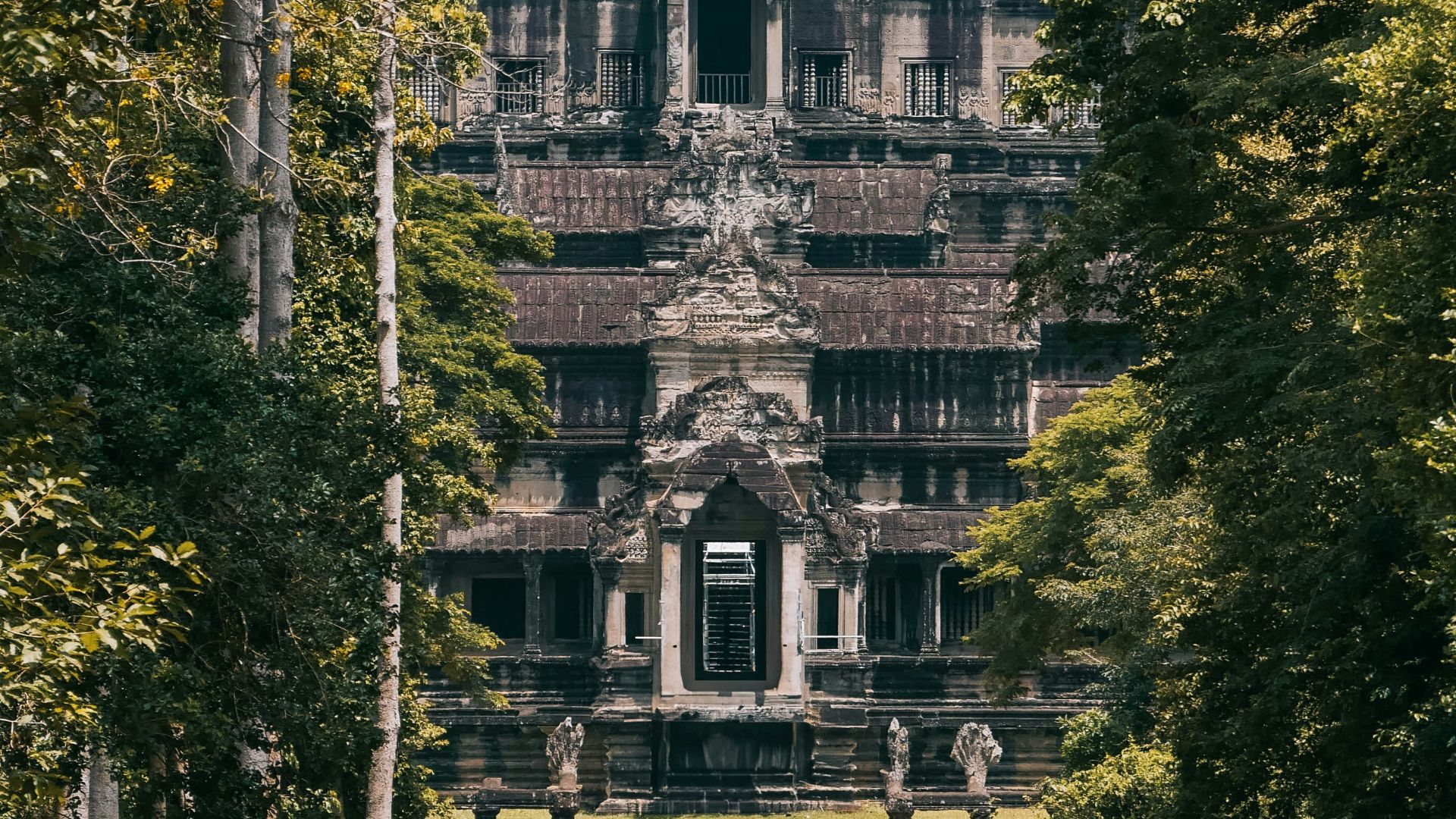
18. The Khmer Empire's Environment Became Increasingly Unpredictable
After long periods of drought, there were long periods of rain, which caused too much water to run through Angkor's water system. This played a huge factor in its decline. The people of Angkor were used to managing large amounts of water through their water management systems, but the climate changed and took this advantage away from them.
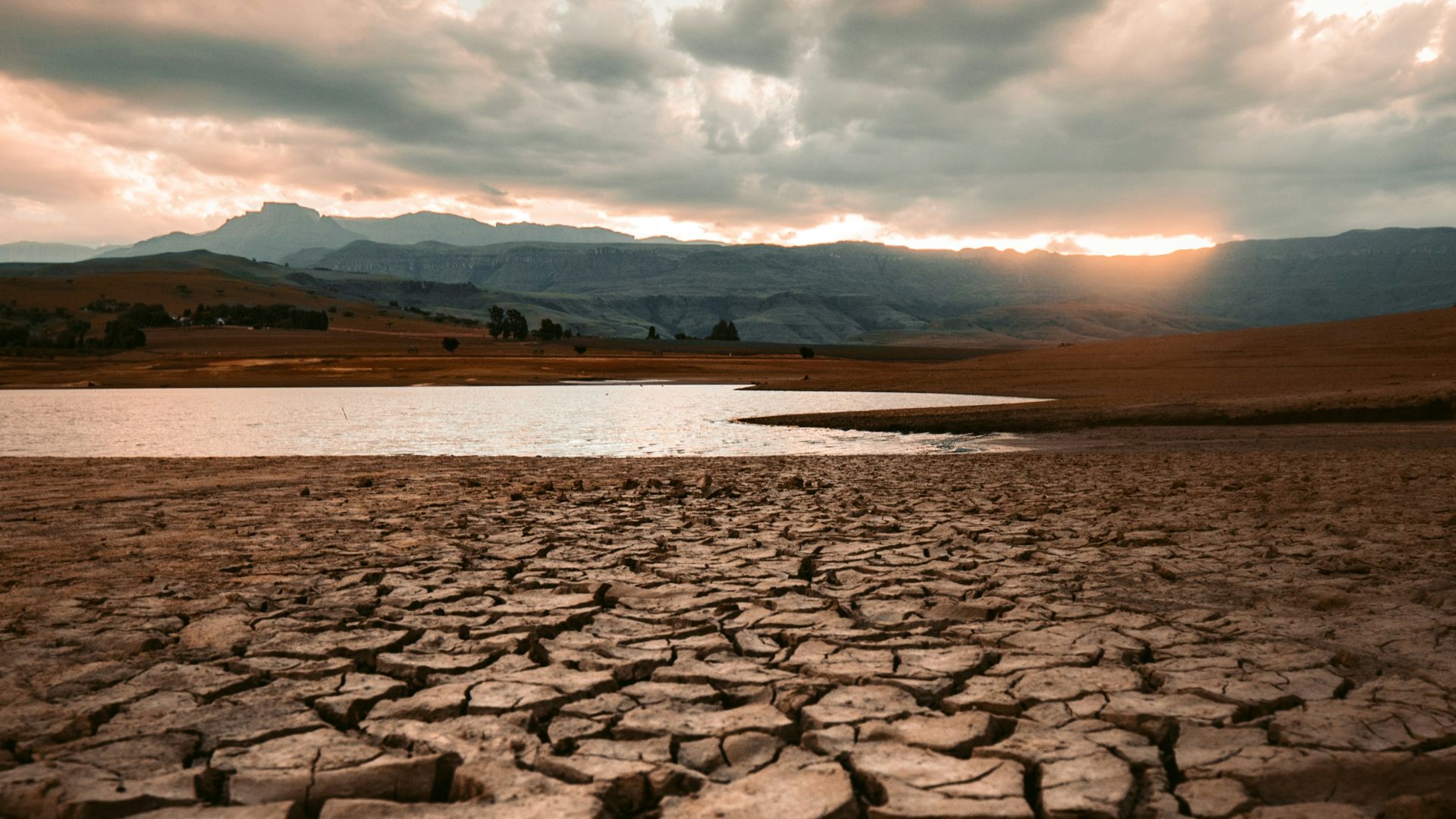
19. Ancient Southwest Societies Had To Abandon Major Settlements
Some of the states that were located in the Southwest suffered from a lack of rain. Studies have been done that show movement and instability within these cities during periods of drought. These communities weren't necessarily destroyed in a single dramatic event; instead, environmental pressure gradually changed where people could successfully live.
20. The 4,200-Year Climate Event Shook Multiple Civilizations
One of the most remarkable examples is a major climate disruption around 4,200 years ago that affected several parts of the ancient world. Evidence links this period with environmental stress in places including Mesopotamia and Egypt, while other regions also experienced significant changes. It didn't produce identical results everywhere, but it demonstrates just how vulnerable early states could be when the climate stopped behaving the way their economies expected.
KEEP ON READING