20 Things Governments Tried to Ban That People Refused to Give Up
Some Things Are Harder to Outlaw Than Expected
Governments have spent centuries trying to control what people drink, read, listen to, wear, and do for fun, but making something illegal doesn't automatically make people give it up. Plenty of bans simply pushed popular activities underground, where determined fans found creative ways to keep them going. Other restrictions became so difficult to enforce that authorities eventually backed down entirely. From hidden skateboarding sessions to illegal gin shops, these 20 examples show just how stubborn people can be when they're told a favorite pastime is suddenly off-limits.
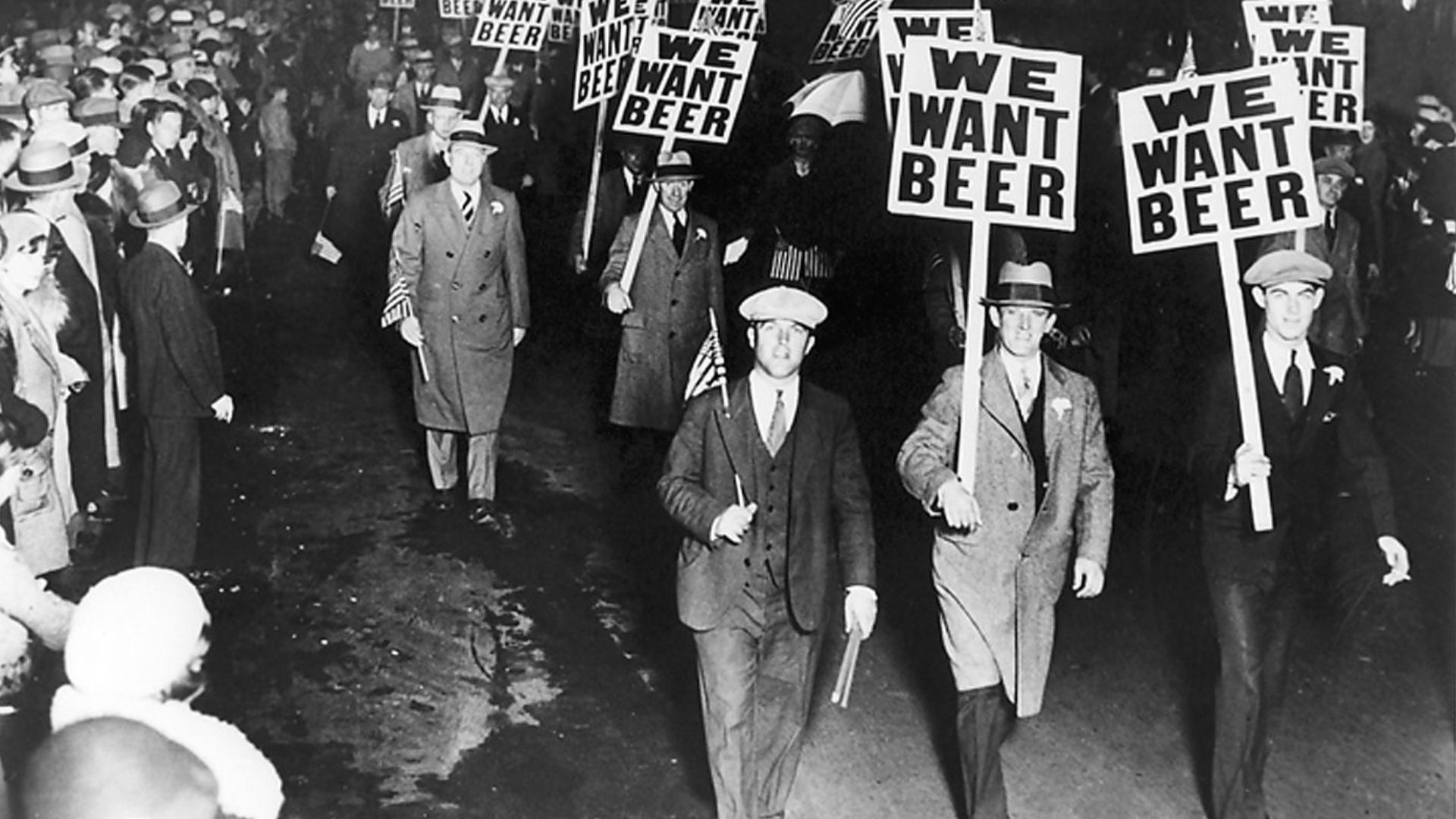
1. Alcohol During American Prohibition
The U.S. prohibited the manufacture, sale, and transportation of intoxicating liquor beginning in 1920, but that certainly didn't stop Americans from drinking. Bootleggers supplied illegal alcohol while speakeasies welcomed customers who weren't about to become sober simply because the government told them to. New York City alone was estimated to have tens of thousands of speakeasies, and Prohibition was eventually repealed in 1933.
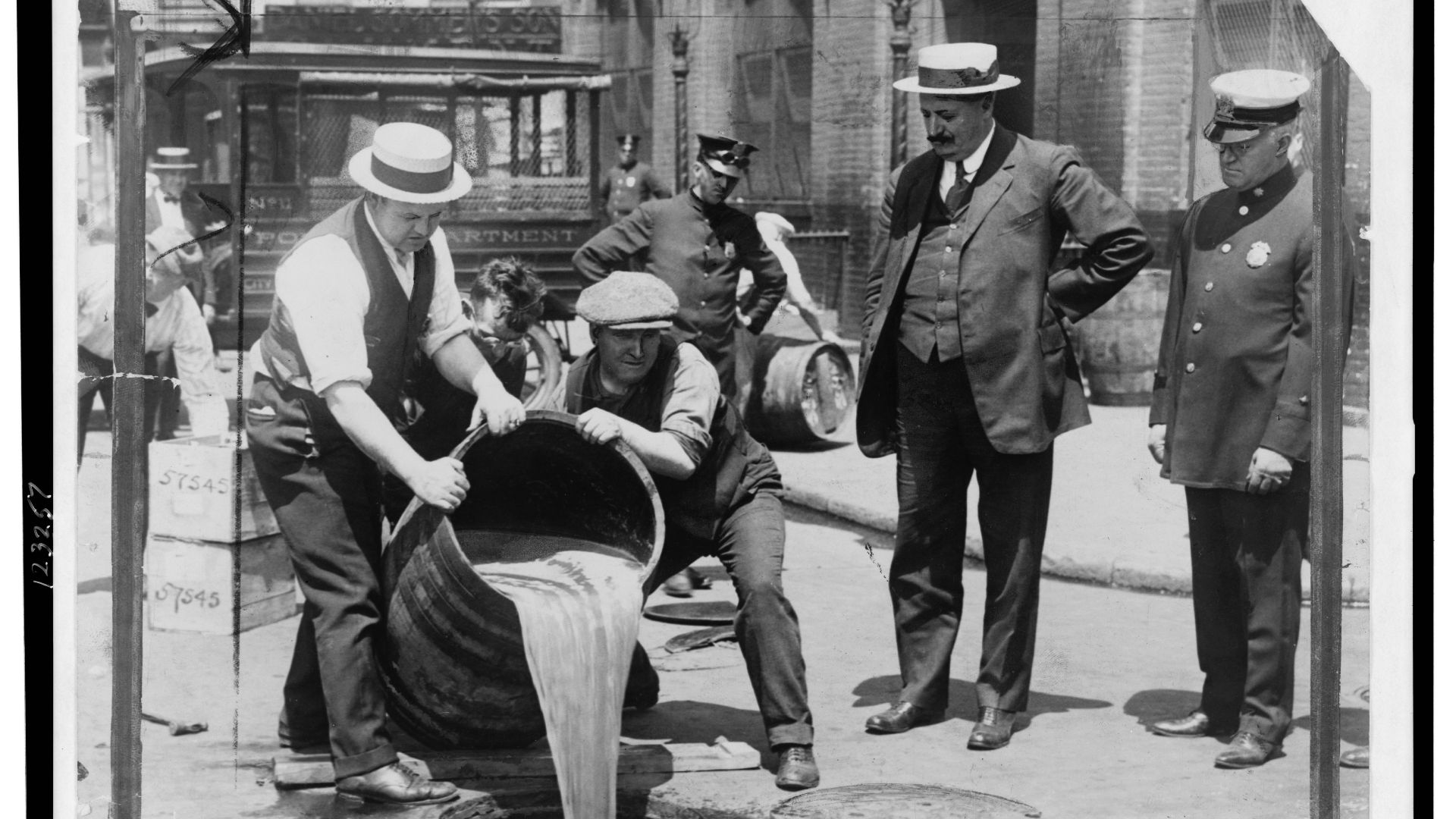
2. Gin in 18th-Century Britain
Britain's Gin Act of 1736 tried to squeeze the gin trade out of existence by imposing an enormous licensing fee on sellers. Instead, illegal vendors kept operating, while the law became widely ignored and deeply unpopular with the public. Parliament eventually abandoned the approach after discovering that making gin much harder to sell hadn't done much to convince people to stop drinking it.
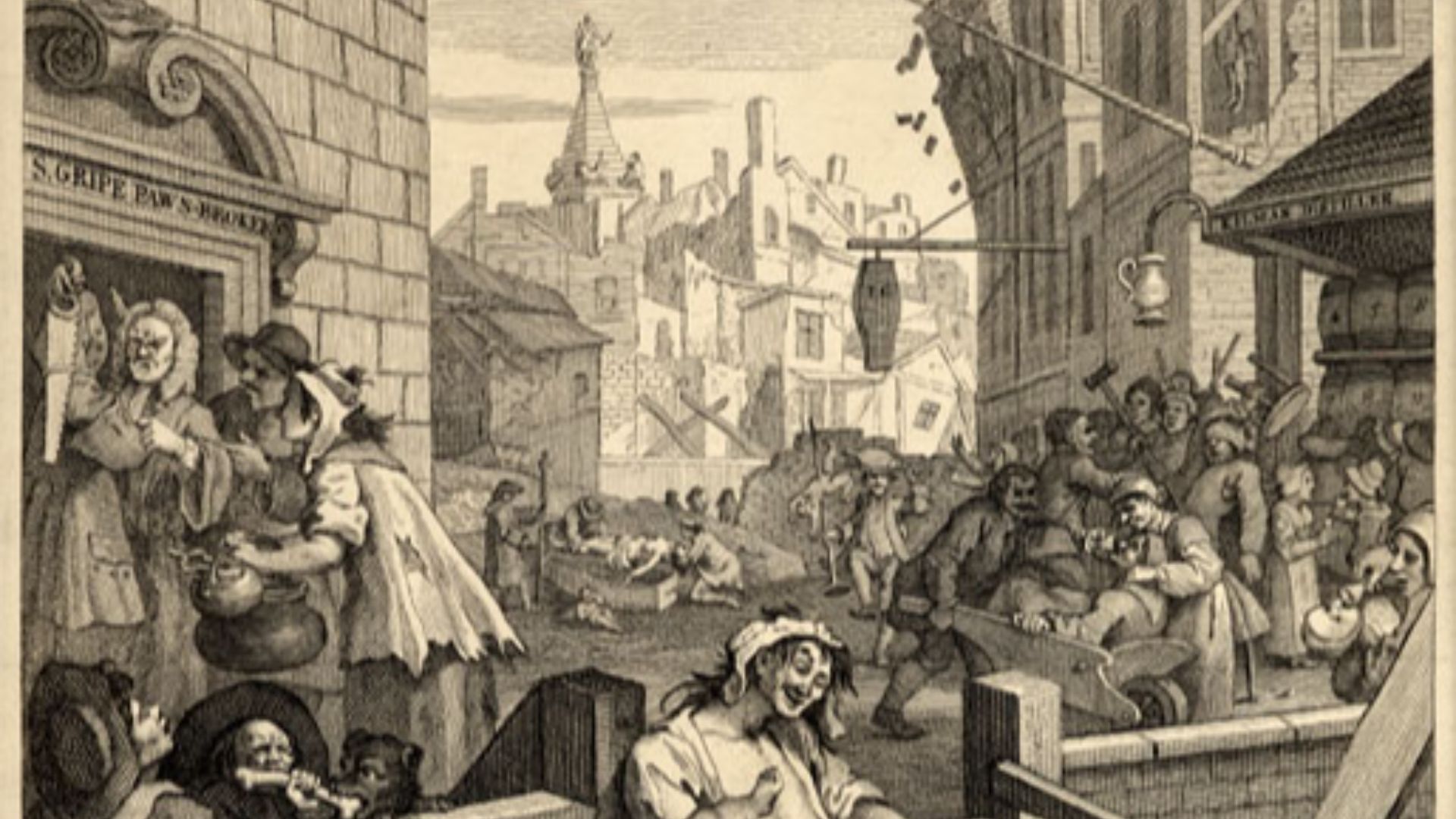
3. Christmas in Puritan England
During the 1640s, Parliament restricted traditional Christmas celebrations as part of a wider effort to remove religious practices Puritans considered excessive or unsupported by scripture. Plenty of people weren't willing to suddenly treat December 25 like any other winter day, and resistance appeared in several communities. Once the monarchy was restored in 1660, familiar Christmas traditions gradually returned to public life.
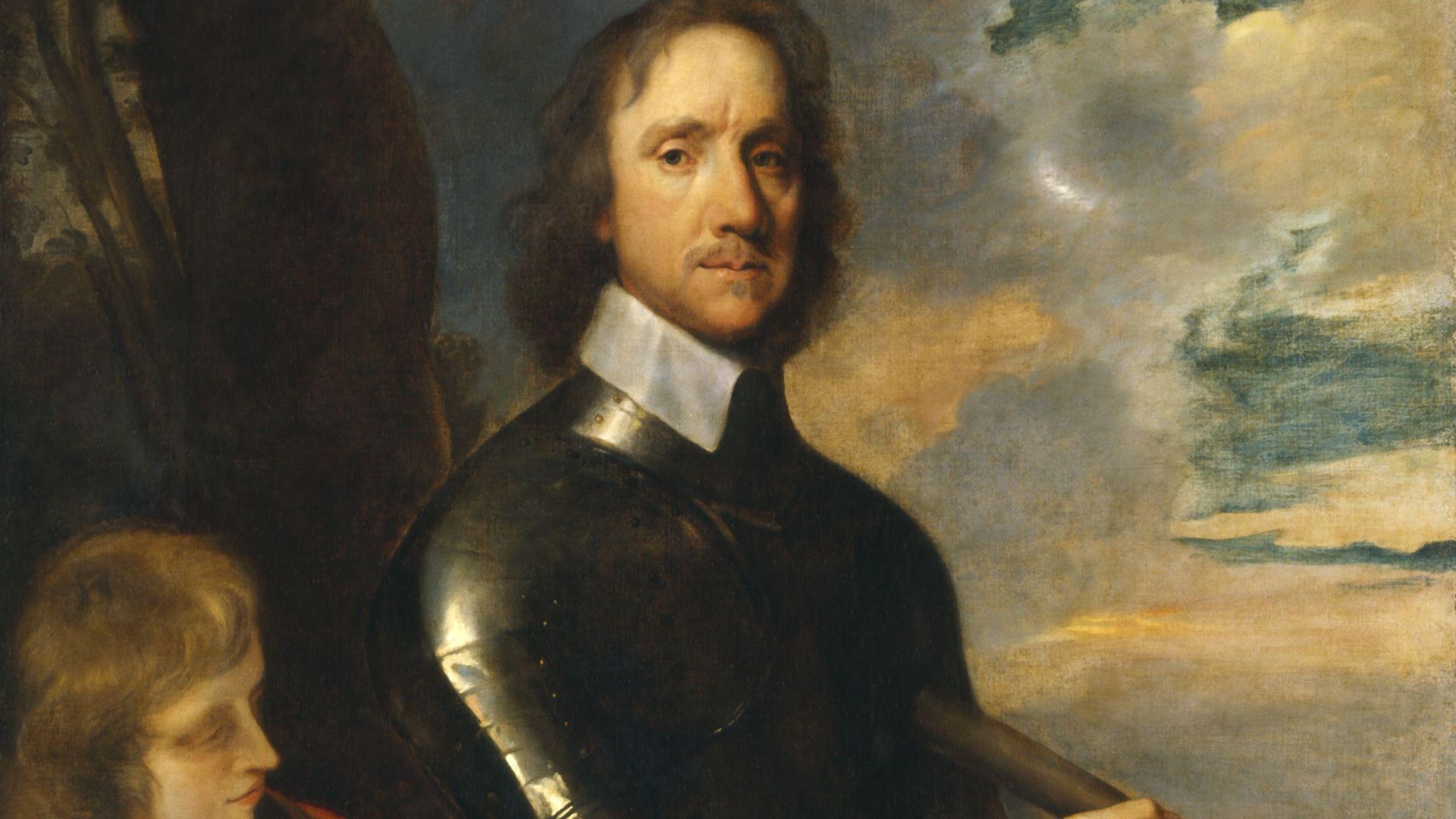
4. Football in Medieval England
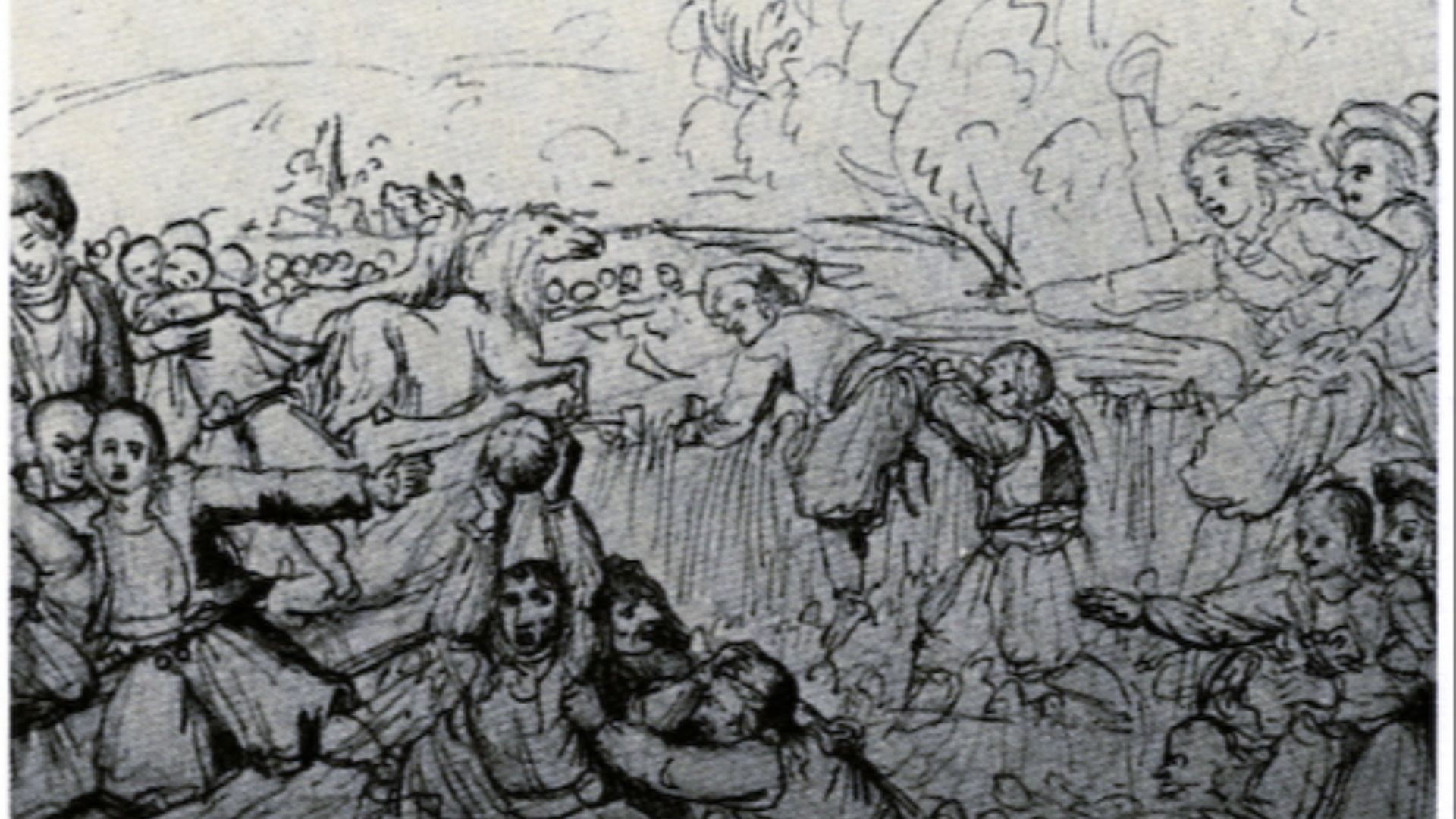
Long before soccer had referees, stadiums, and carefully marked fields, English authorities repeatedly tried to stop people from playing much rougher versions of football. London banned the game as early as 1314, and more than 30 similar orders appeared over the following centuries. The number of repeat attempts gives you a pretty good idea of how effective the bans were, since people continued finding excuses to kick a ball around anyway.
 Olivier Perrin (1761-1832) on Wikimedia
5. Coffee in the Ottoman Empire
Coffeehouses became major social gathering places across the Ottoman world, which sometimes made rulers nervous about what customers might be discussing over their cups. Authorities periodically tried to shut down coffeehouses and restrict the culture surrounding them, especially during periods of political tension. Coffee had already become such a normal part of everyday life, however, that permanently getting rid of it was never very realistic.

6. Pinball in New York City
New York City banned pinball machines in public places in 1942 because officials linked them to gambling, juvenile delinquency, and other social concerns. Police seized machines, and Mayor Fiorello La Guardia even took part in highly publicized events where confiscated machines were destroyed. Pinball remained popular in private spaces and elsewhere in the country until New York finally lifted the ban in 1976.

7. Ulysses in the United States
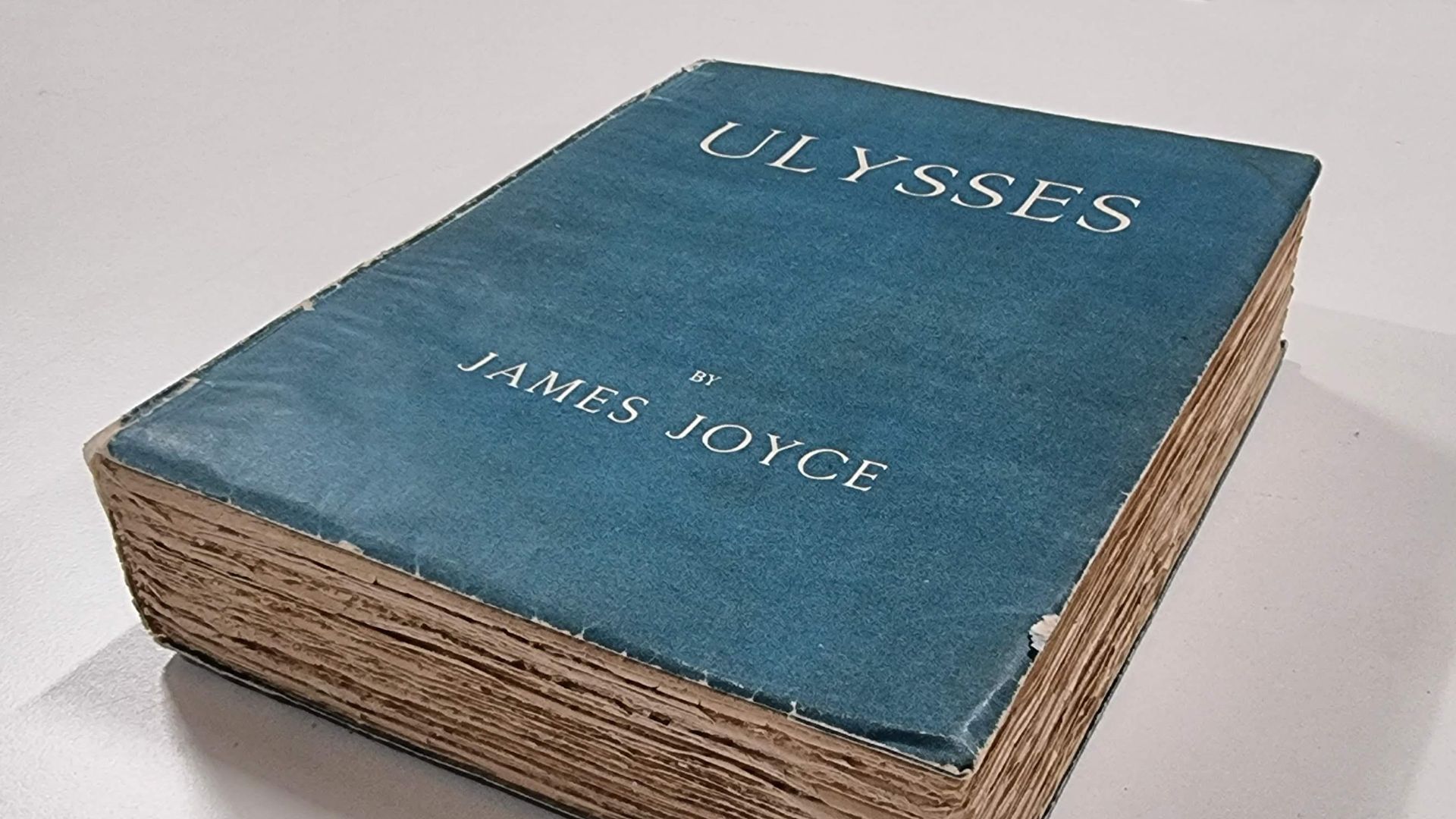
James Joyce's Ulysses was considered obscene under American law after a chapter appeared in The Little Review in 1921. For the next 12 years, readers who wanted the novel often depended on copies that had been smuggled into the country from abroad. In 1933, a court ruling finally cleared the way for legal publication in the U.S.
8. Western Rock Music in the Soviet Union
Soviet officials considered much Western popular music ideologically suspicious, but teenagers had little interest in listening only to government-approved songs. Fans famously copied banned jazz and rock recordings onto discarded X-ray film, creating homemade records sometimes called "bone records." Authorities cracked down on the practice, but underground music simply continued circulating through whatever new technology became available.
9. Western Radio Broadcasts in the Soviet Bloc
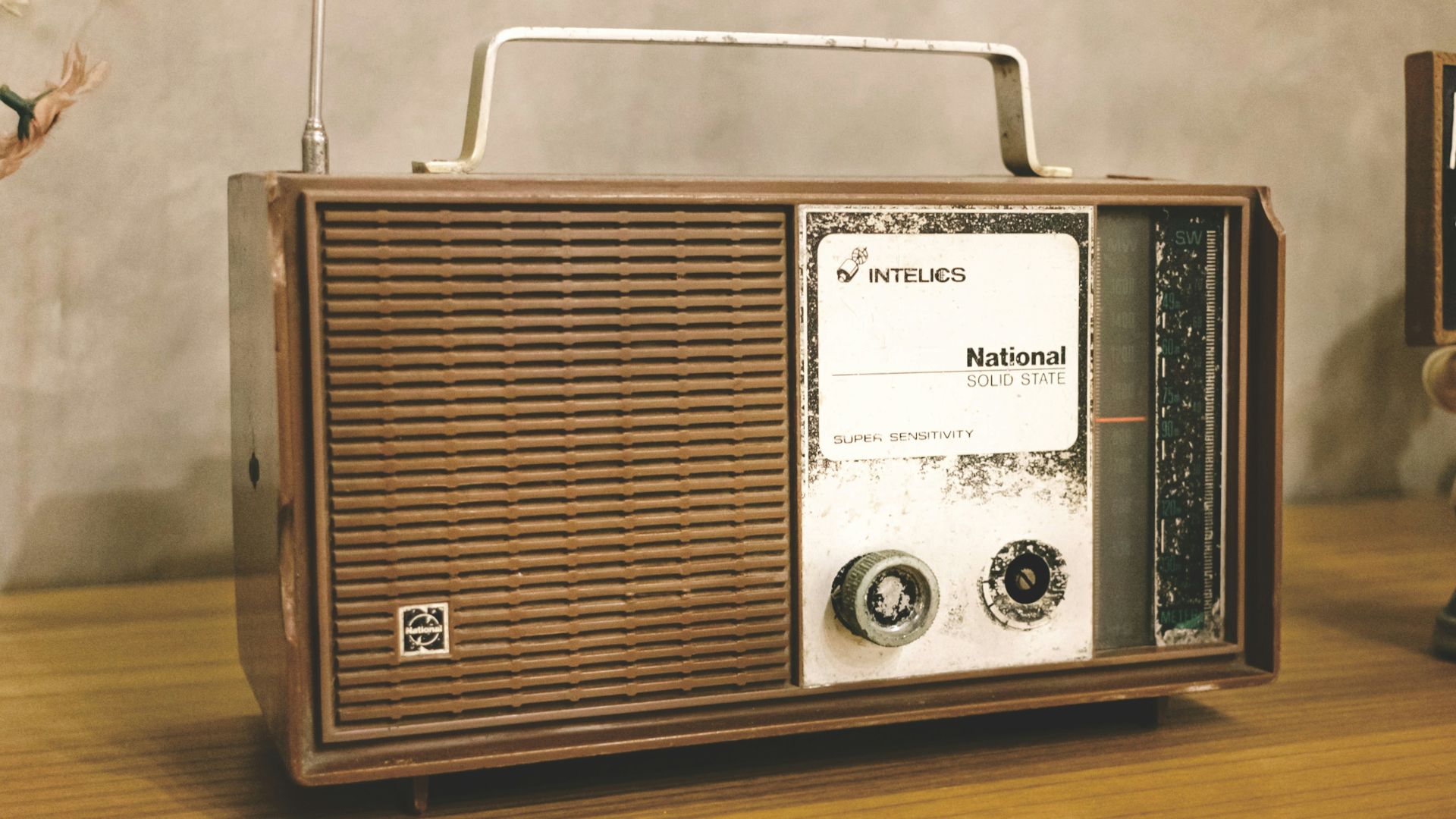
Communist governments spent years jamming broadcasts from outlets such as Radio Free Europe and Radio Liberty because they saw them as political and ideological threats. Listeners still fiddled with their radios, searched for clearer frequencies, and tried to pick out foreign news through all the interference. Authorities even monitored the audiences listening to those stations, which was a pretty clear sign that the jamming wasn't keeping everyone away.
10. Unapproved Books in the Soviet Union
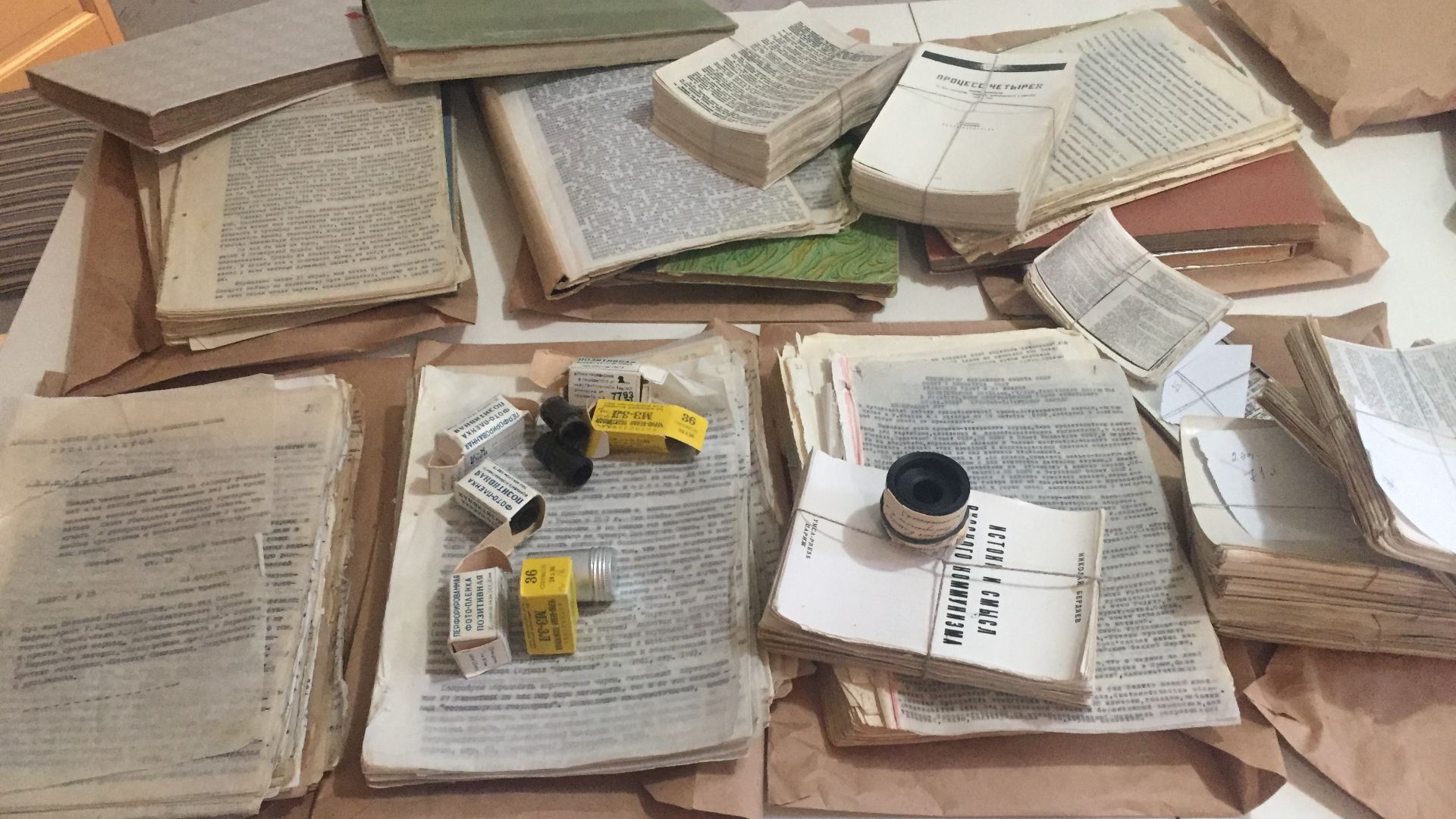
The Soviet government tightly controlled publishing and removed works that didn't fit official ideology from bookstores and libraries. Readers and writers fought back through samizdat, an underground network in which prohibited texts were copied by hand or typewriter before being passed from one person to another. Censorship could make certain books difficult to obtain, but it couldn't make readers stop wanting them.
11. Jazz & Swing in Nazi Germany
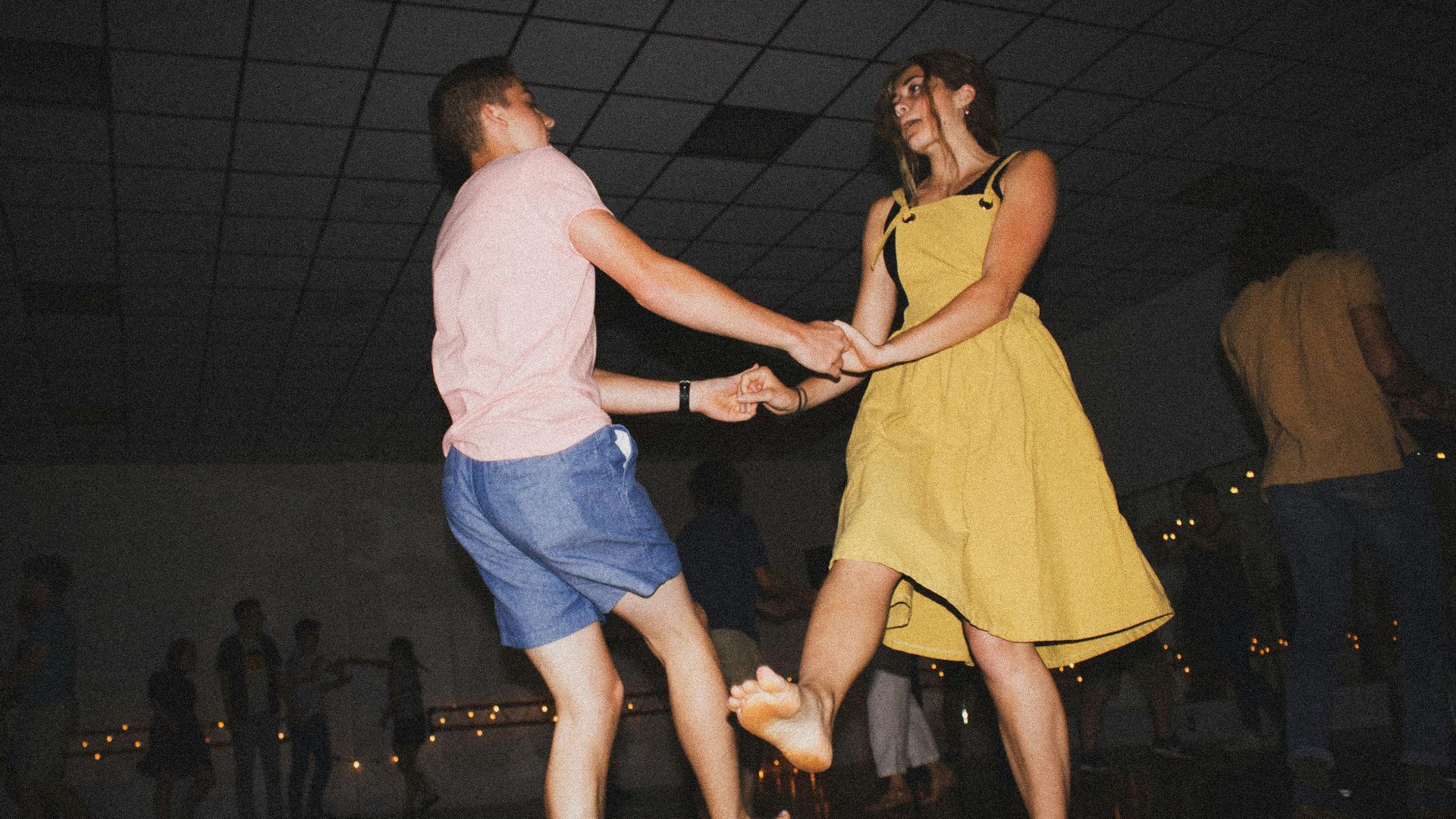
Nazi authorities considered much jazz and swing music culturally unacceptable, especially because of its foreign influences and connections to Black and Jewish musicians. Some young Germans responded by creating their own swing subculture, continuing to listen and dance despite mounting pressure from the regime. Members of the so-called Swing Youth were eventually targeted by authorities, showing just how seriously officials took a style of music they still couldn't completely eliminate.
12. Books the Nazis Considered "Un-German"
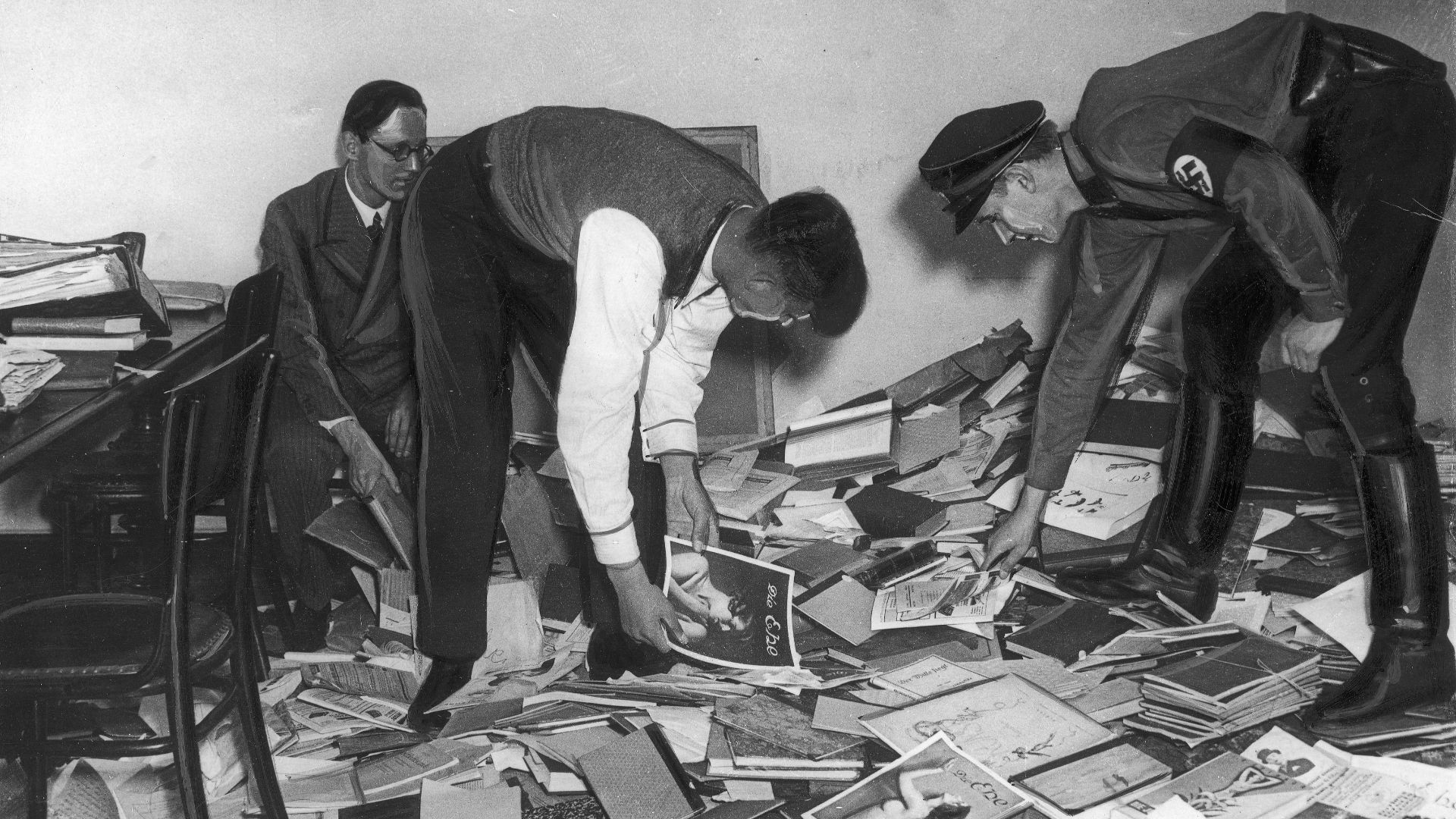
The Nazi regime censored huge numbers of books, while pro-Nazi students famously burned works by Jewish, pacifist, liberal, and left-wing writers in 1933. Libraries were purged, and publications appeared on official blacklists, but burning physical copies couldn't erase the ideas contained inside them. Many banned writers continued to be widely read outside Germany, while prohibited works survived in private collections and returned to shelves after the regime collapsed.
13. Chewing Gum in Singapore
Singapore banned the import, manufacture, and sale of chewing gum in 1992 after discarded gum caused cleaning problems and interfered with public infrastructure. Chewing gum itself wasn't completely illegal to possess or chew, although buying it became much more difficult. The rules later gained limited exceptions, and Singapore's unusually strict approach to gum became famous around the world.

14. Electronic Games in Greece
In 2002, Greece introduced an extremely broad law intended to crack down on illegal electronic gambling, but its wording also swept up ordinary computer and video games. That meant harmless titles such as Tetris and Pac-Man could technically fall under the prohibition when played in public places. Courts quickly challenged the law, highlighting how hard it was to target gambling machines without also catching millions of perfectly ordinary gamers in the process.

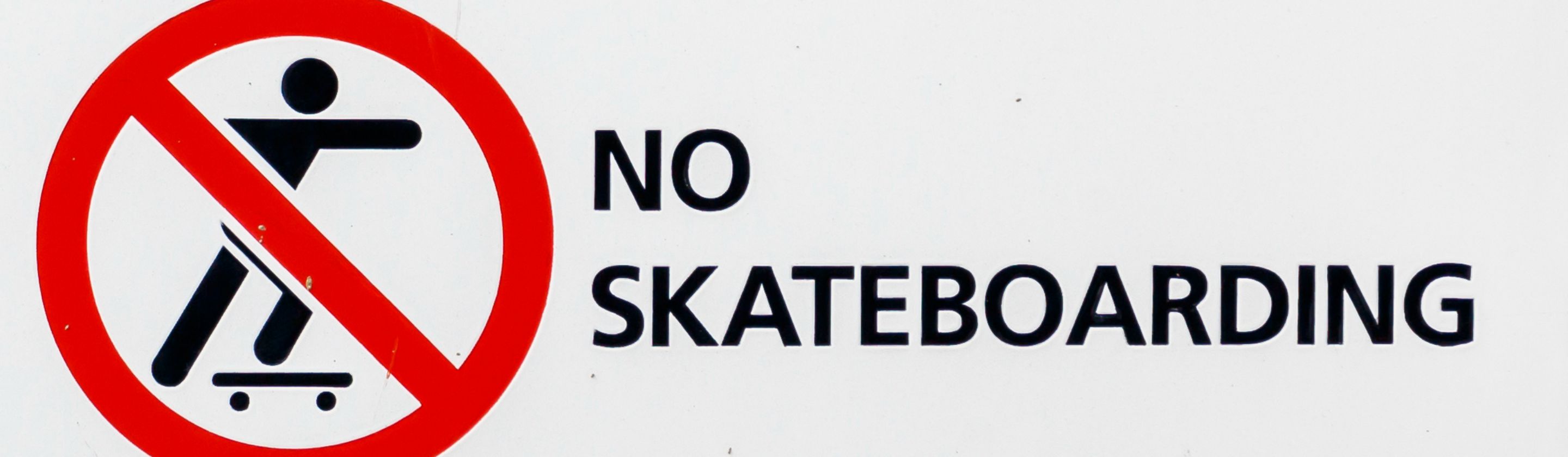
15. Skateboarding in Norway
Norway introduced an unusually comprehensive skateboard ban in 1978 that covered owning, using, selling, and distributing boards. Dedicated skaters weren't eager to give up the sport, so some built ramps in secluded locations and continued riding away from police attention. The government finally lifted the prohibition in 1989, allowing a hobby that had survived underground to return to public spaces.

16. Pants for Women in Paris
An old Paris regulation dating from 1800 required women who wanted to dress "like men" to obtain police permission, effectively restricting their ability to wear pants. Society moved on long before the rule did, and women in modern Paris clearly weren't lining up at police stations every time they wanted to put on trousers. The outdated regulation wasn't formally repealed until 2013, more than 200 years after it was introduced.

17. Absinthe in Switzerland
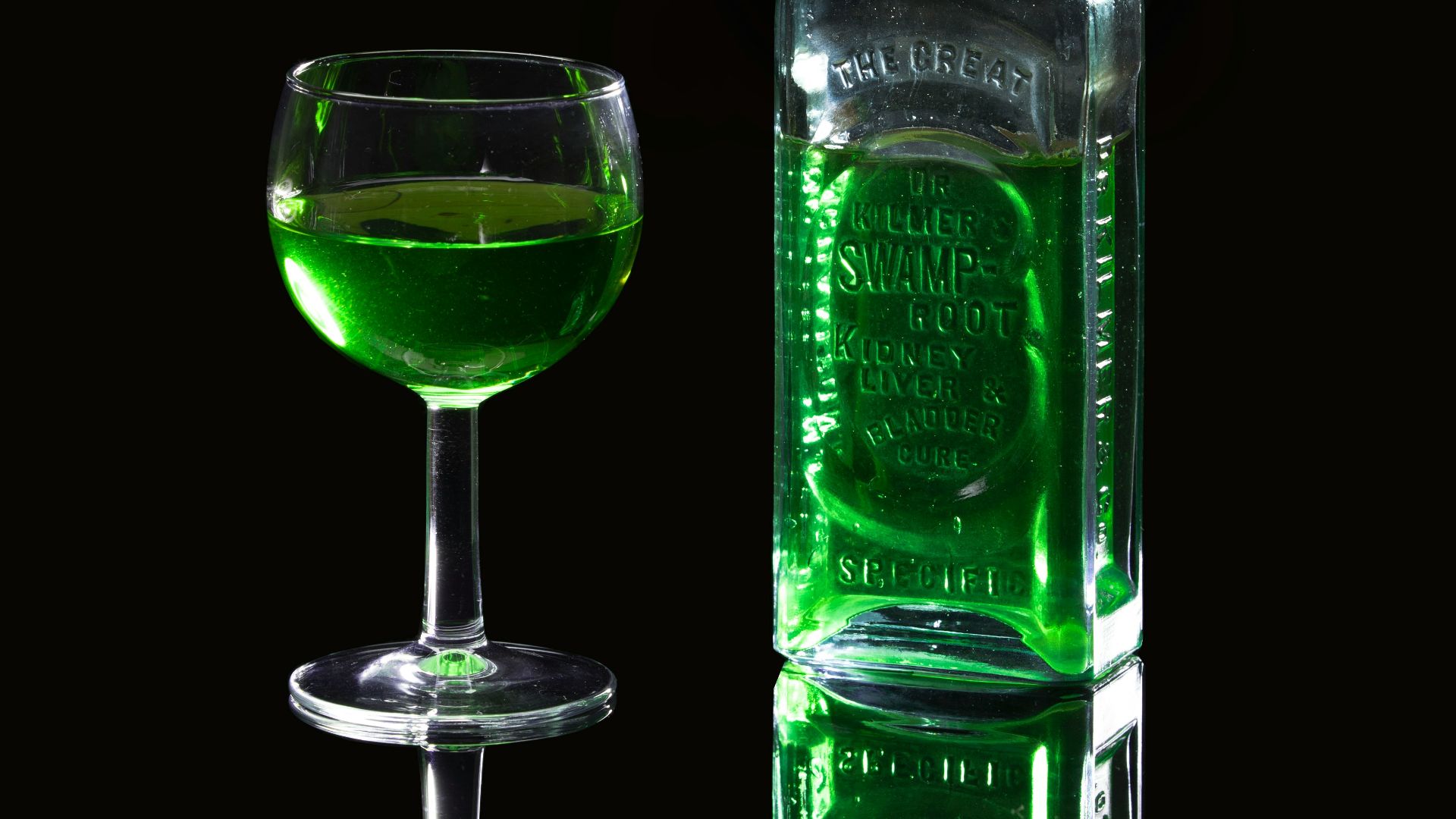
Switzerland outlawed absinthe in the early 20th century after the drink became linked with health scares and wider social concerns. Producers in the Val-de-Travers region had little interest in giving up a drink with deep local roots, so secret distilling continued for decades. When Switzerland legalized absinthe again in 2005, some producers had effectively kept the tradition alive underground for generations.
18. Tobacco Sales in Bhutan
Bhutan banned the sale of tobacco products in 2004 as part of one of the world's strictest approaches to tobacco control. Demand didn't disappear, though, and cigarettes continued entering the country through personal imports and illegal trade. The government eventually reversed course, lifting the sales ban after illicit cross-border tobacco trading became an added concern during the COVID-19 pandemic.
19. Foot Binding in China
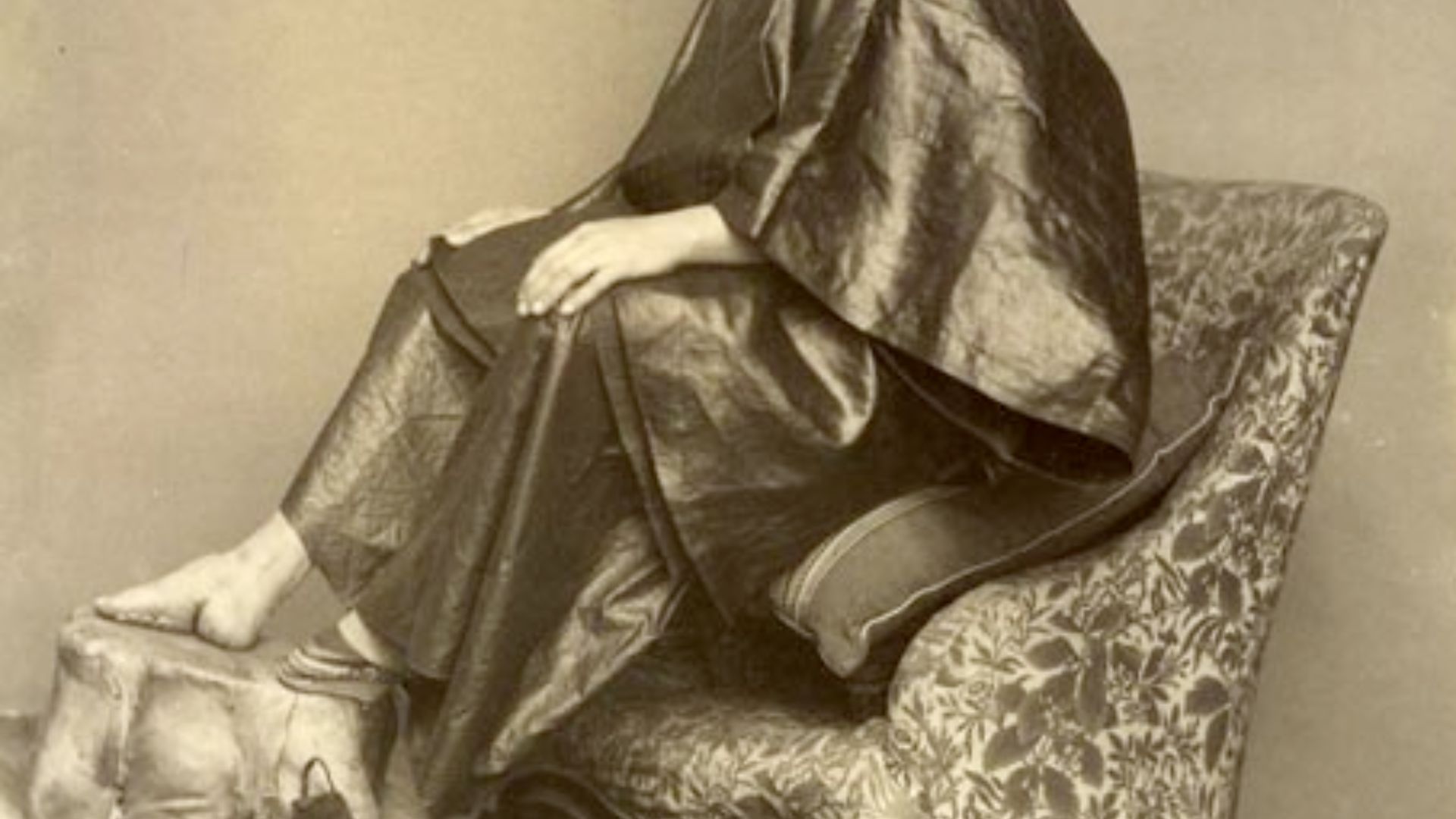
Chinese governments and ruling dynasties made several efforts to discourage or prohibit foot binding, but the deeply established custom was difficult to stamp out. The Manchu rulers of the Qing dynasty attempted to suppress the practice during the 17th century, but many Han Chinese families continued it anyway. In the end, changing social attitudes and organized anti-foot-binding campaigns did more to end the tradition than government orders alone.
20. Dancing in Japan
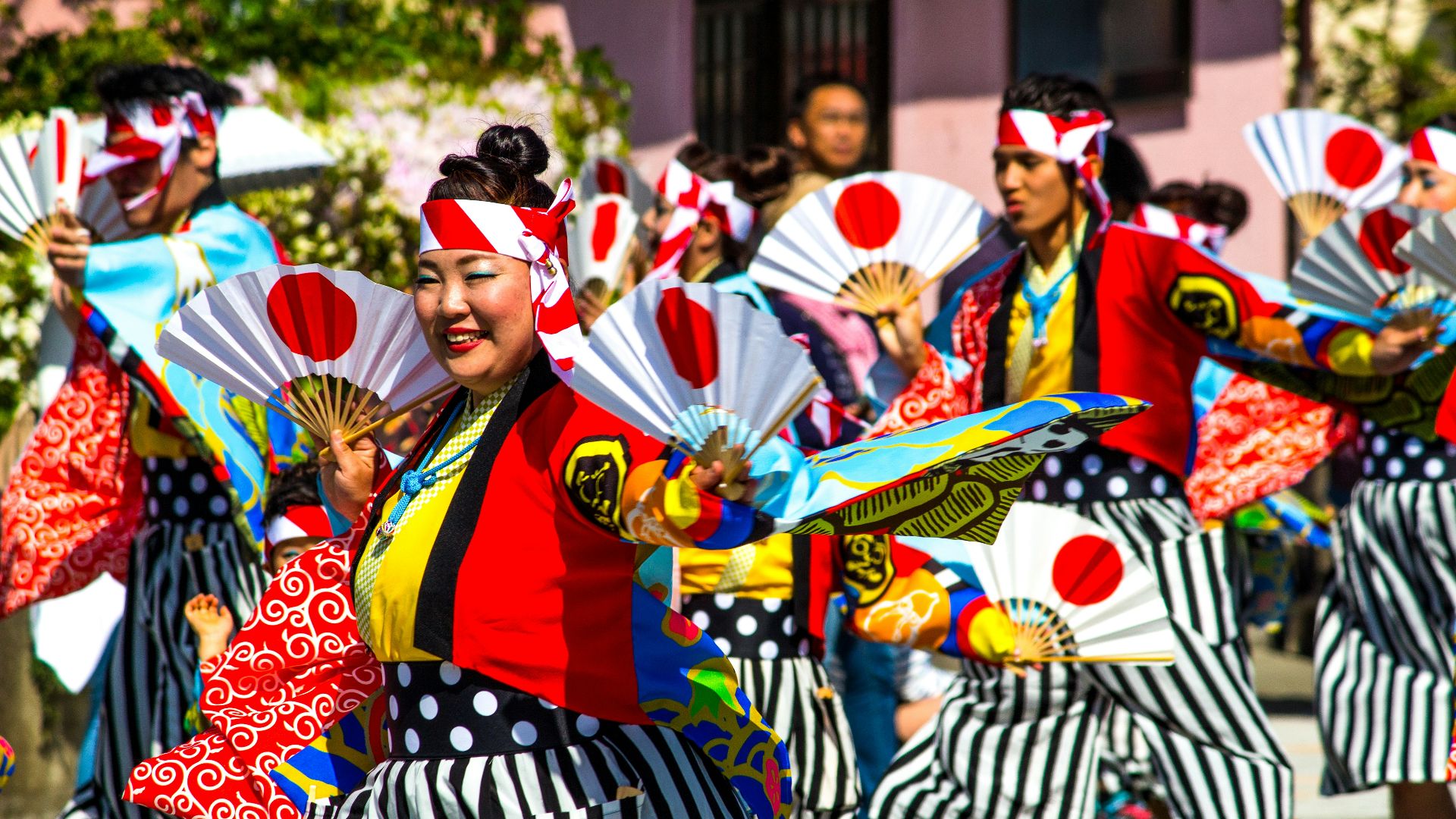
Japan introduced restrictions on late-night dancing under its 1948 Fueiho law, which required many clubs and dance venues to obtain special licenses. The rules became especially controversial decades later as police began enforcing them more aggressively against nightlife venues, even when customers were simply dancing to DJs. Club owners, musicians, and nightlife supporters pushed back, and the law was eventually revised in 2015 to loosen many of the restrictions.
KEEP ON READING