Gone Forever
Historians, archaeologists, museum workers, and restorers spend enormous amounts of time trying to preserve objects from the past, but preservation hasn't always been done with today's knowledge. Older conservation techniques sometimes involved harsh chemicals, aggressive cleaning, or repairs that seemed perfectly reasonable at the time. In other cases, fragile artifacts simply couldn't withstand the process of excavation, transportation, or restoration.
 Boston Public Library on Unsplash
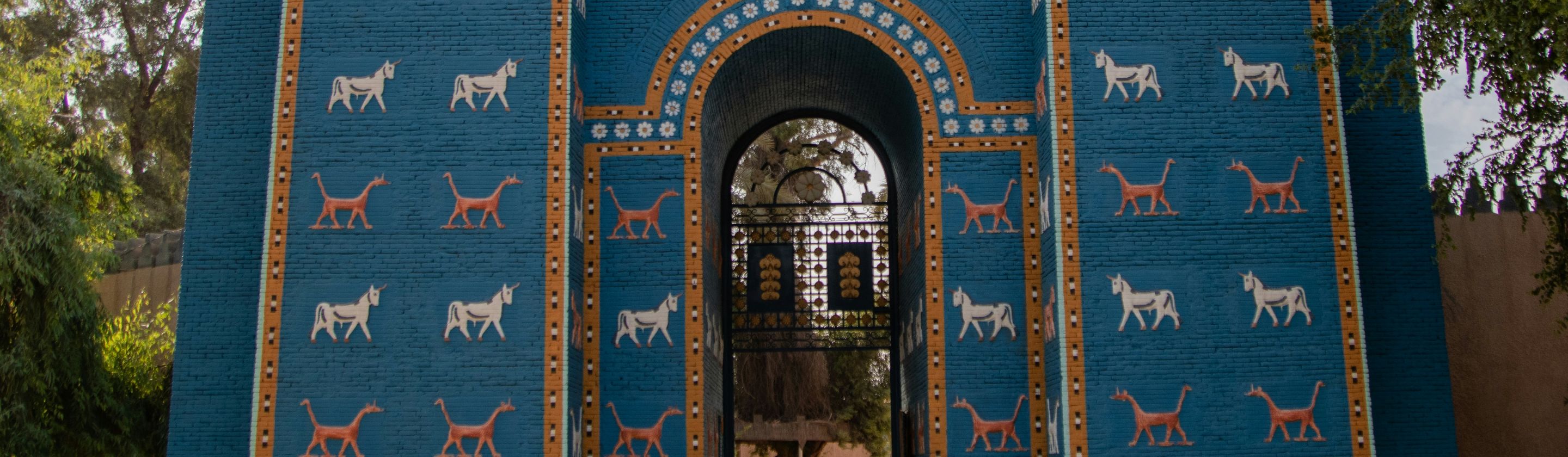
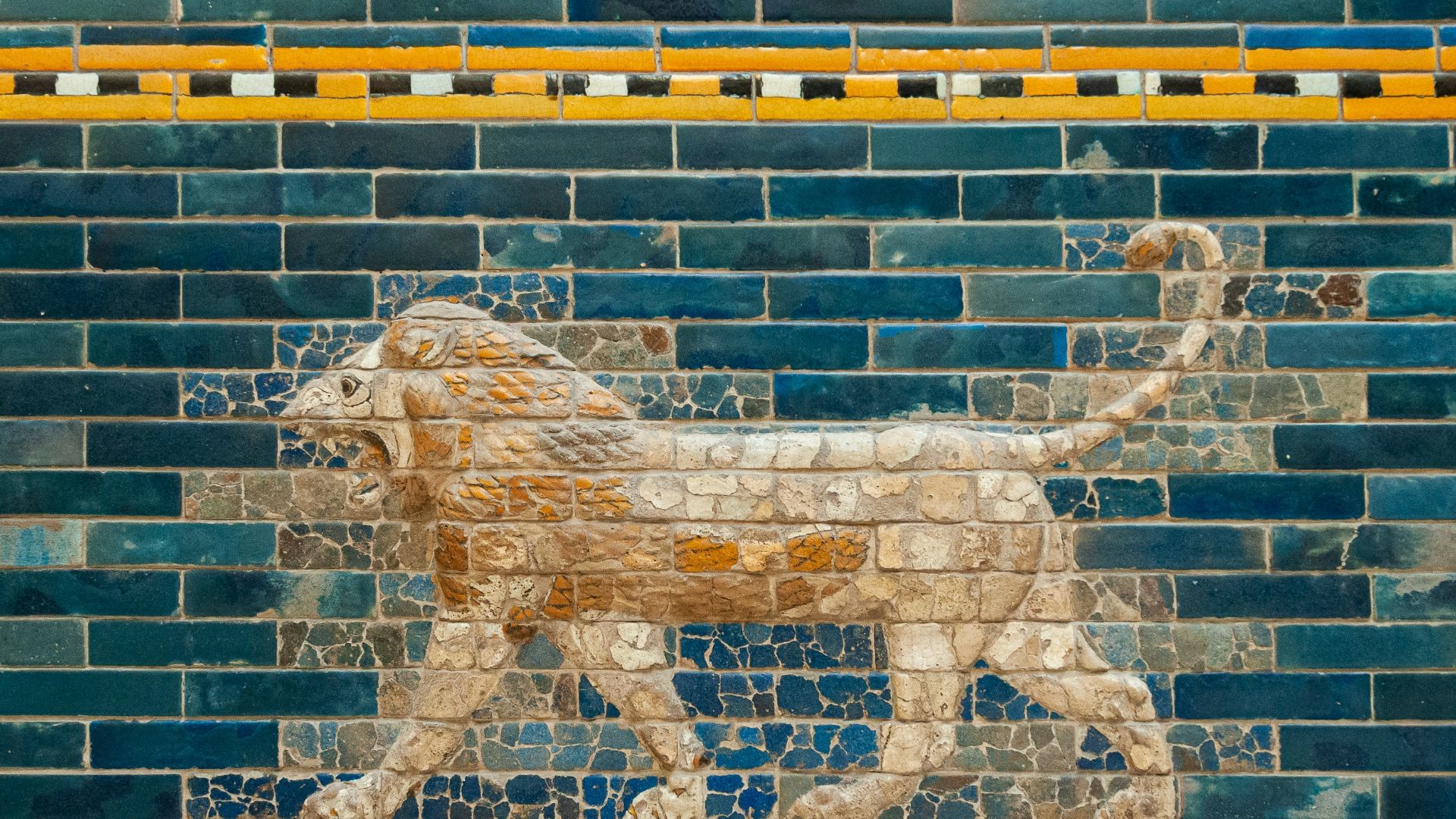
1. Cleaning the Ishtar Gate
The Ishtar Gate from the city of Babylon was dug up by Germans back in the early 1900s and brought to Berlin. Many pieces had to be cut to fit each other when reconstructing this ancient structure. Some of the original brick did get messed with during the excavation and restoration process.
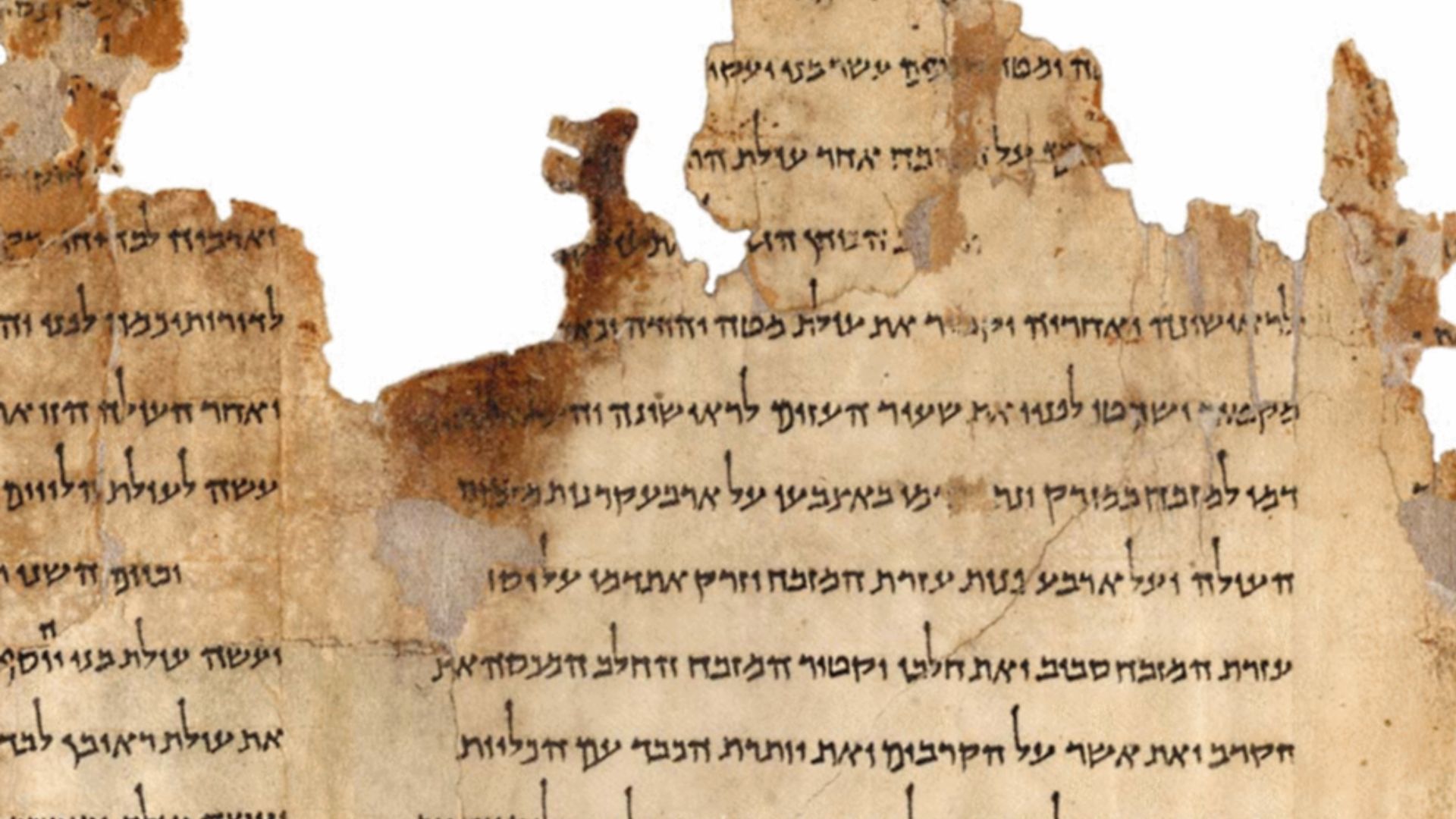
2. Scrubbing the Dead Sea Scrolls
There are so many factors that have gone into trying to conserve these scrolls. Parts of the manuscripts are very thin, which creates more difficulty. Many methods used by earlier researchers weren't as advanced as they are today and may have actually harmed some of the documents.
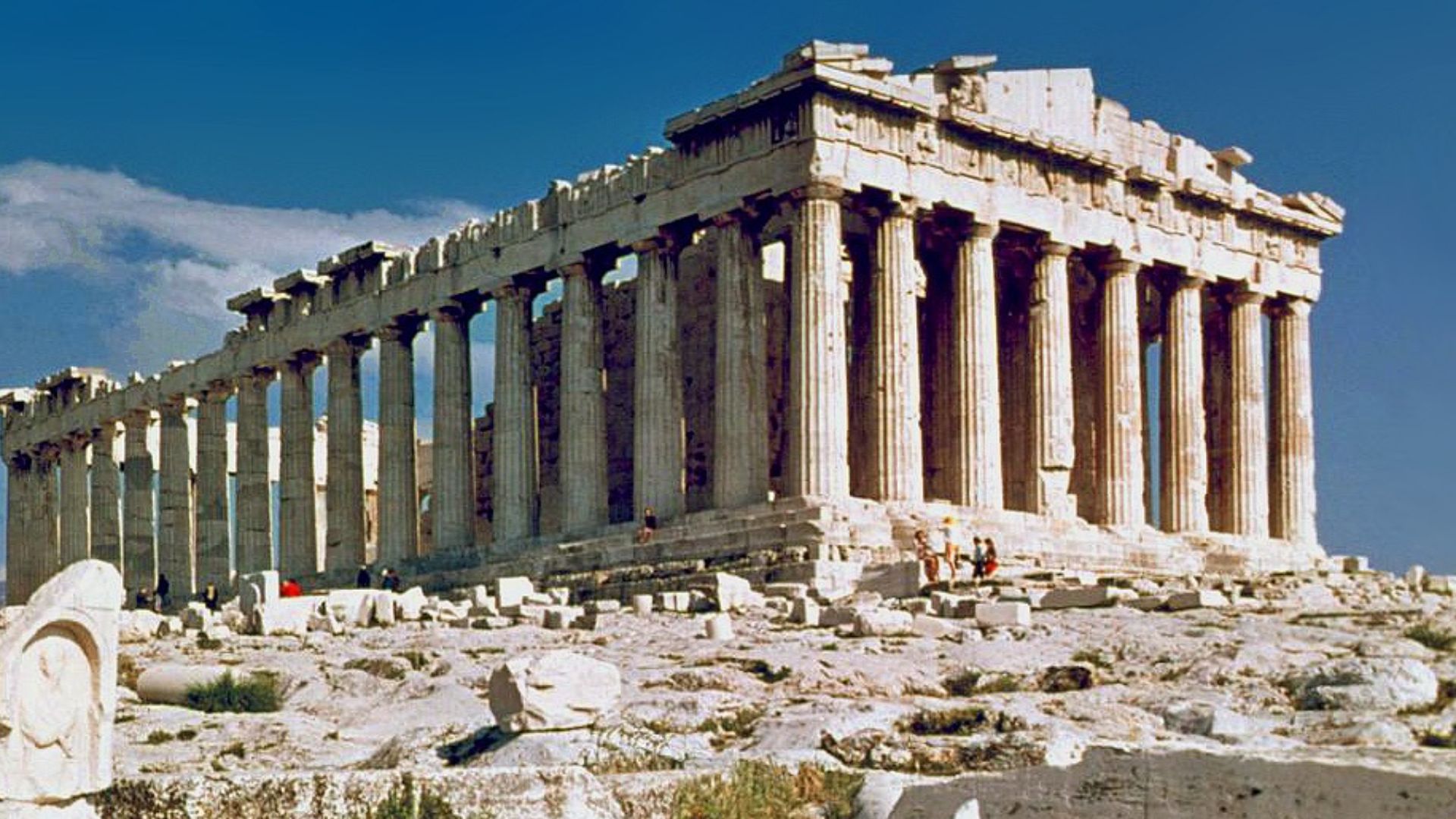
3. Restoring the Parthenon Marbles
The Parthenon Marbles have been damaged over time from pollution, war, and other natural disasters. But the restoration process also damaged some pieces. During the 1800s and early 1900s, the marbles were repaired using iron and other items that ended up harming the pieces.
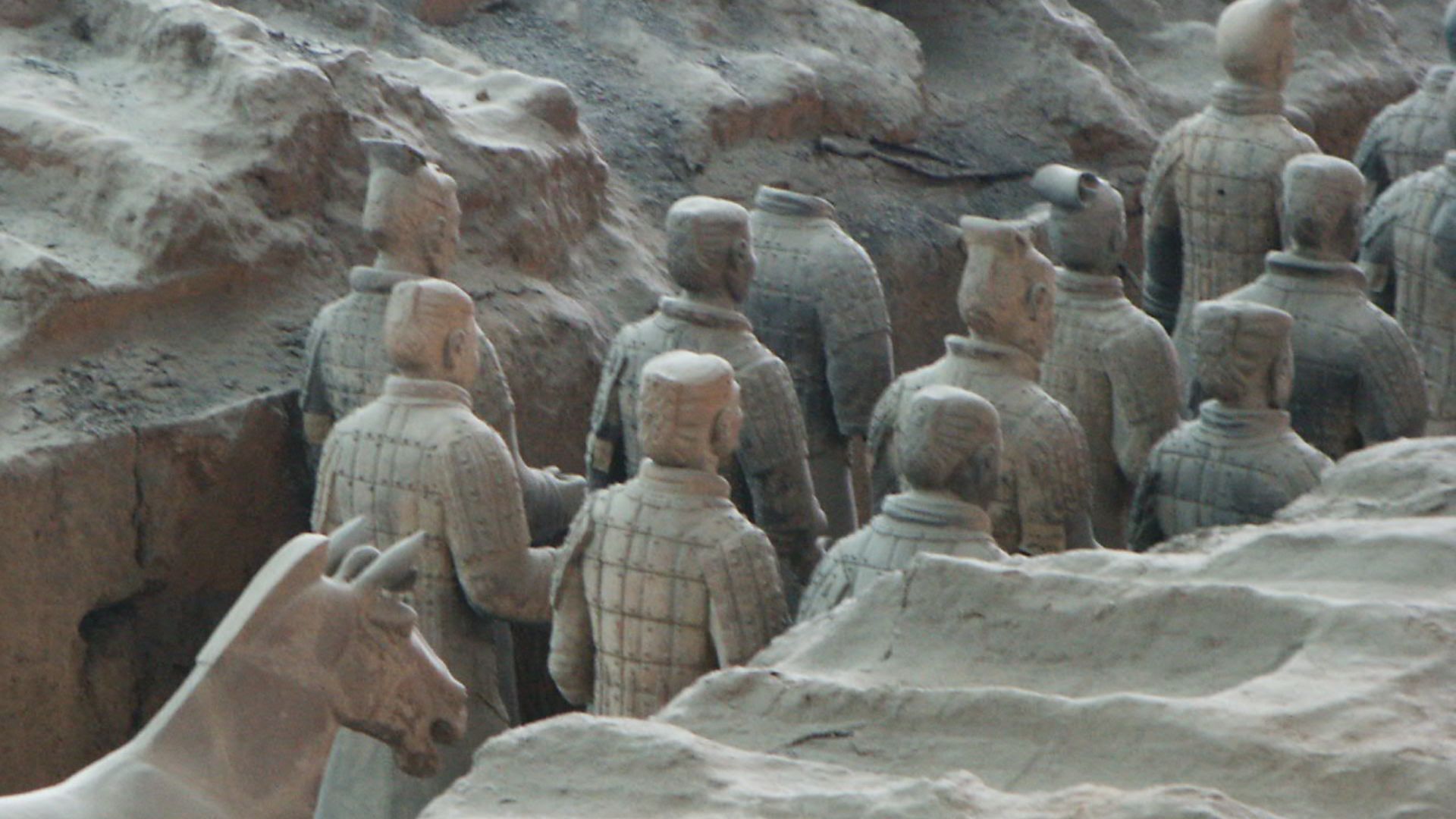
4. Cleaning the Terracotta Army
When the Terracotta Army was first excavated in China, conservation teams faced an enormous challenge because many of the figures had lost their original surface coatings. Many of the soldiers were missing their colors, and some had very fragile pigments that could fall off when exposed to air. There have been some cases where the terracotta warriors have been harmed during restoration.
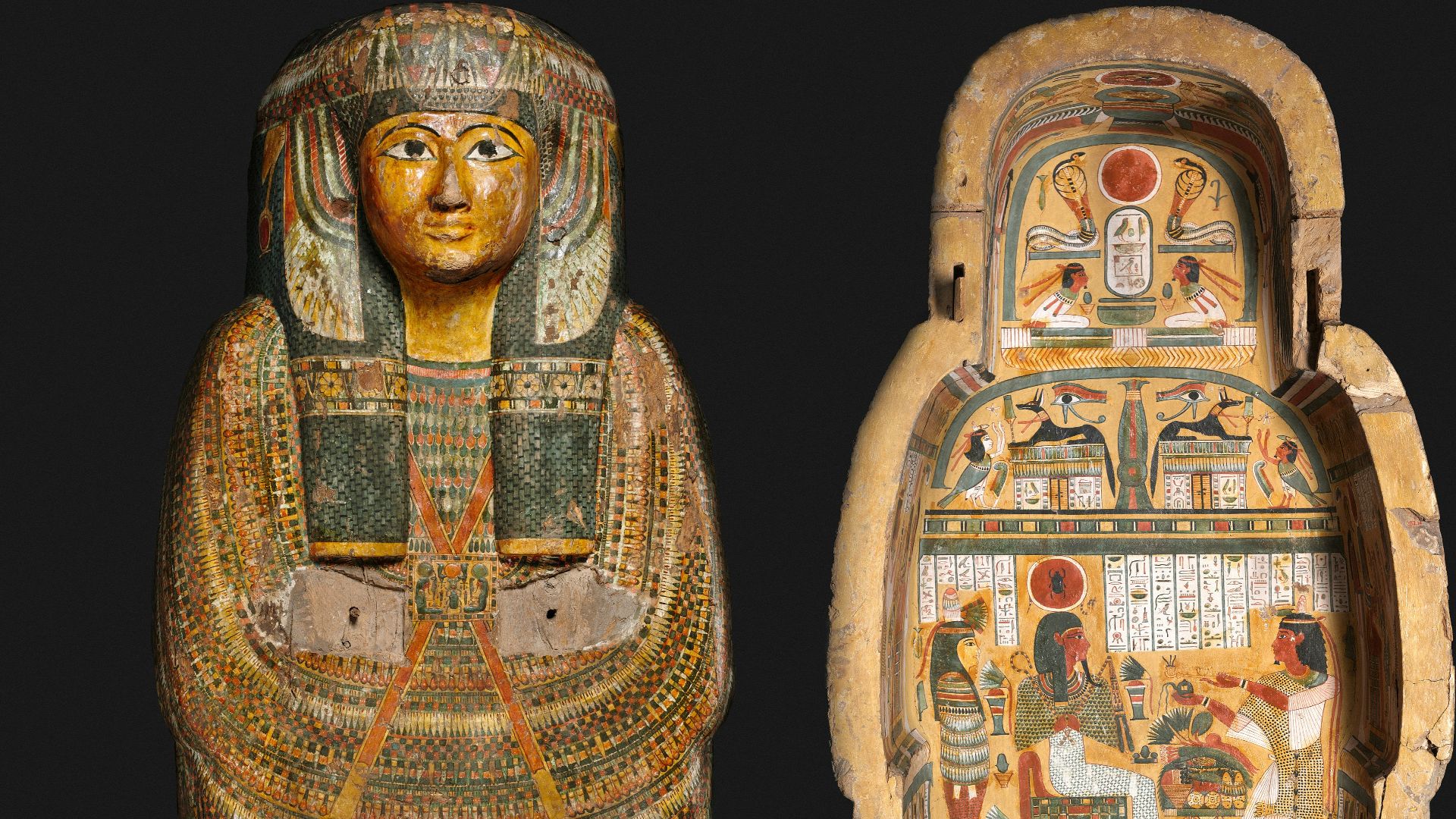
5. Treating Ancient Egyptian Mummies
Some mummies have been harmed by older research because we did not take precautions when dealing with these bodies. They may have been unwrapped from their bandages and handled more than they should have been. Modern researchers generally try to examine mummies with imaging technology and other noninvasive methods whenever possible.
 The Cleveland Museum of Art on Unsplash
6. Restoring the Sistine Chapel
When the Sistine Chapel was being cleaned by conservators, it sparked many arguments between people about whether it was cleaned too much or not enough. There were many stains and dirt that built up over time. The cleaning took away from all that.
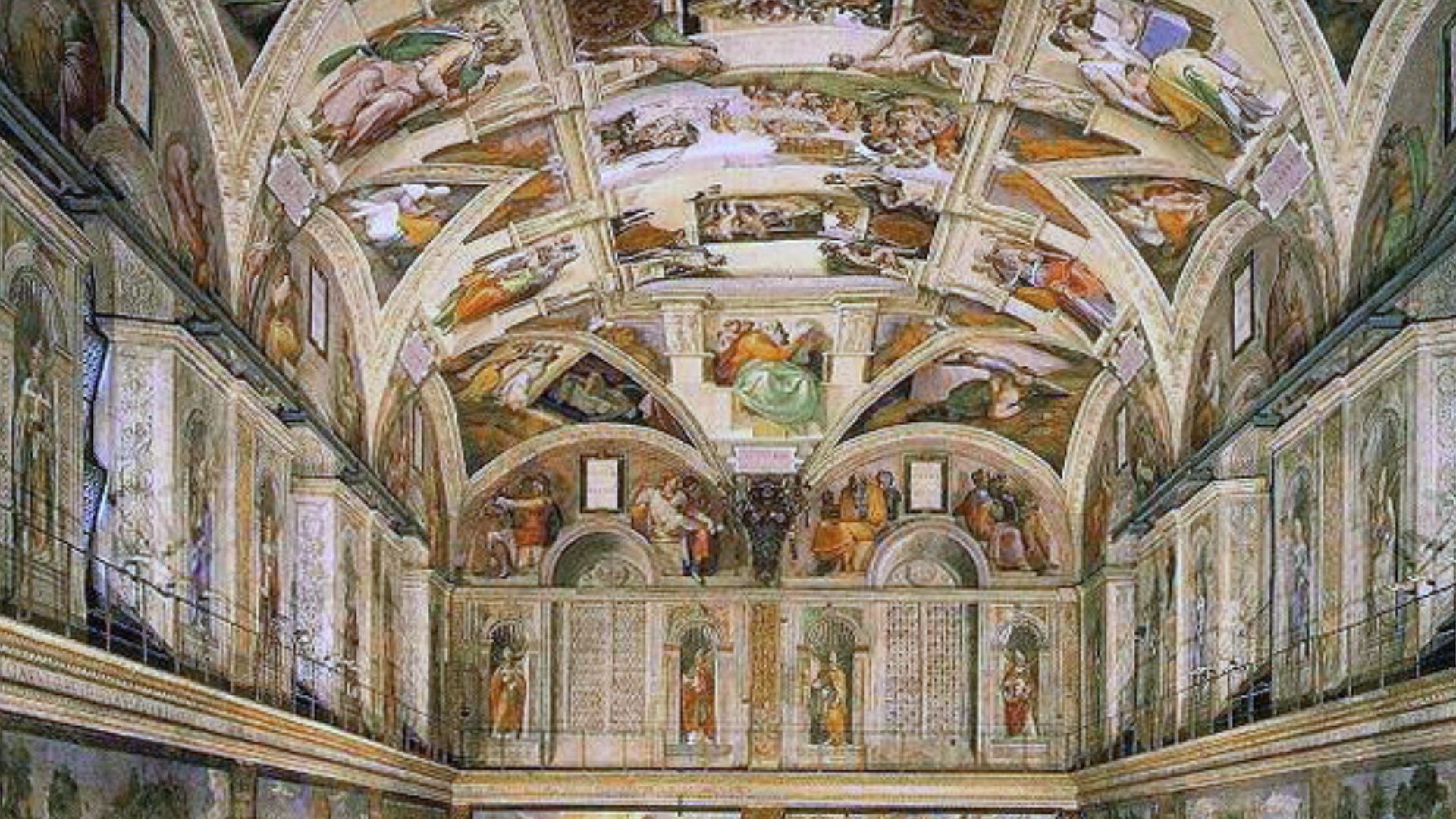 The original uploader was Snowdog at Italian Wikipedia. on Wikimedia
7. Repairing the Staffordshire Hoard
The Staffordshire Hoard was found in 2009 and contained thousands of gold and other pieces of military material. Some of the pieces were extremely small, and some may have been eroded due to the age of these pieces. Once these items were found, they had to be cleaned to show what they really looked like, and that may have harmed them.
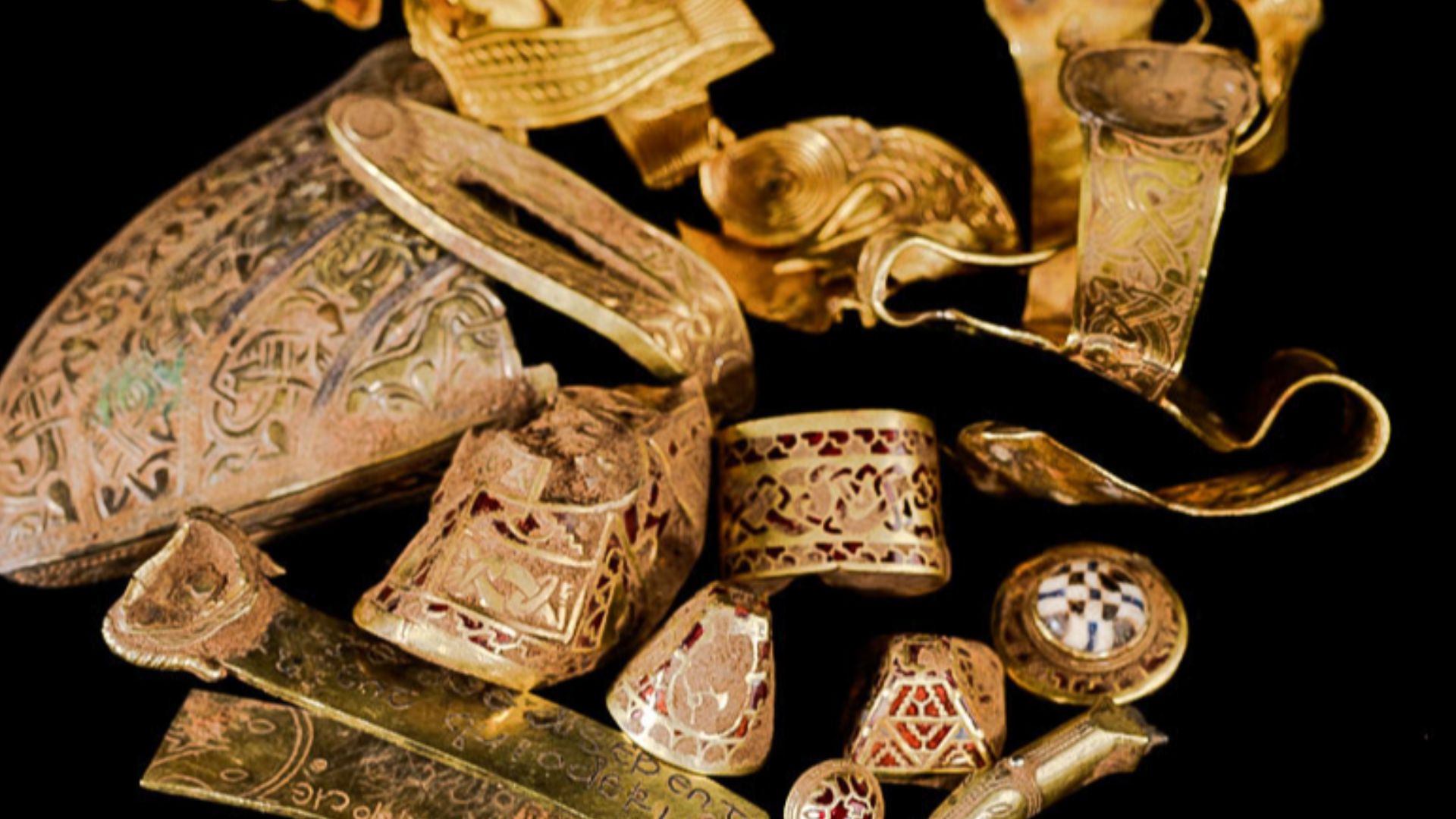 David Rowan, Birmingham Museum and Art Gallery on Wikimedia
8. Handling the Antikythera Mechanism
The Antikythera Mechanism was recovered from a Roman-era shipwreck in 1901, but its fragments were badly corroded and extremely difficult to interpret. Many pieces were broken apart, and some were too fragile to take apart. When you start breaking pieces of metal off another, they can become damaged, so we can only study what we can without breaking anything else.
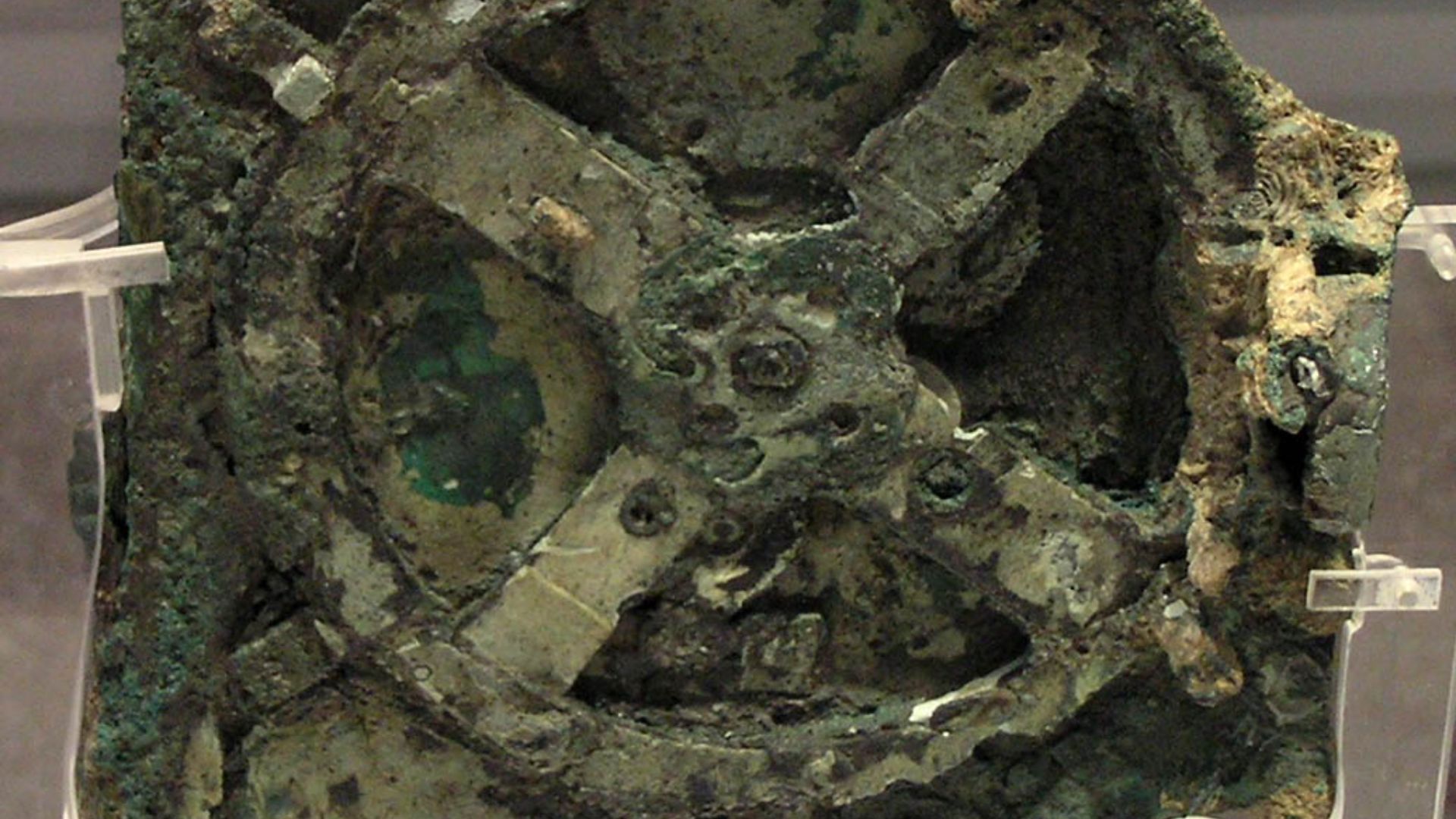 No machine-readable author provided. Marsyas assumed (based on copyright claims). on Wikimedia
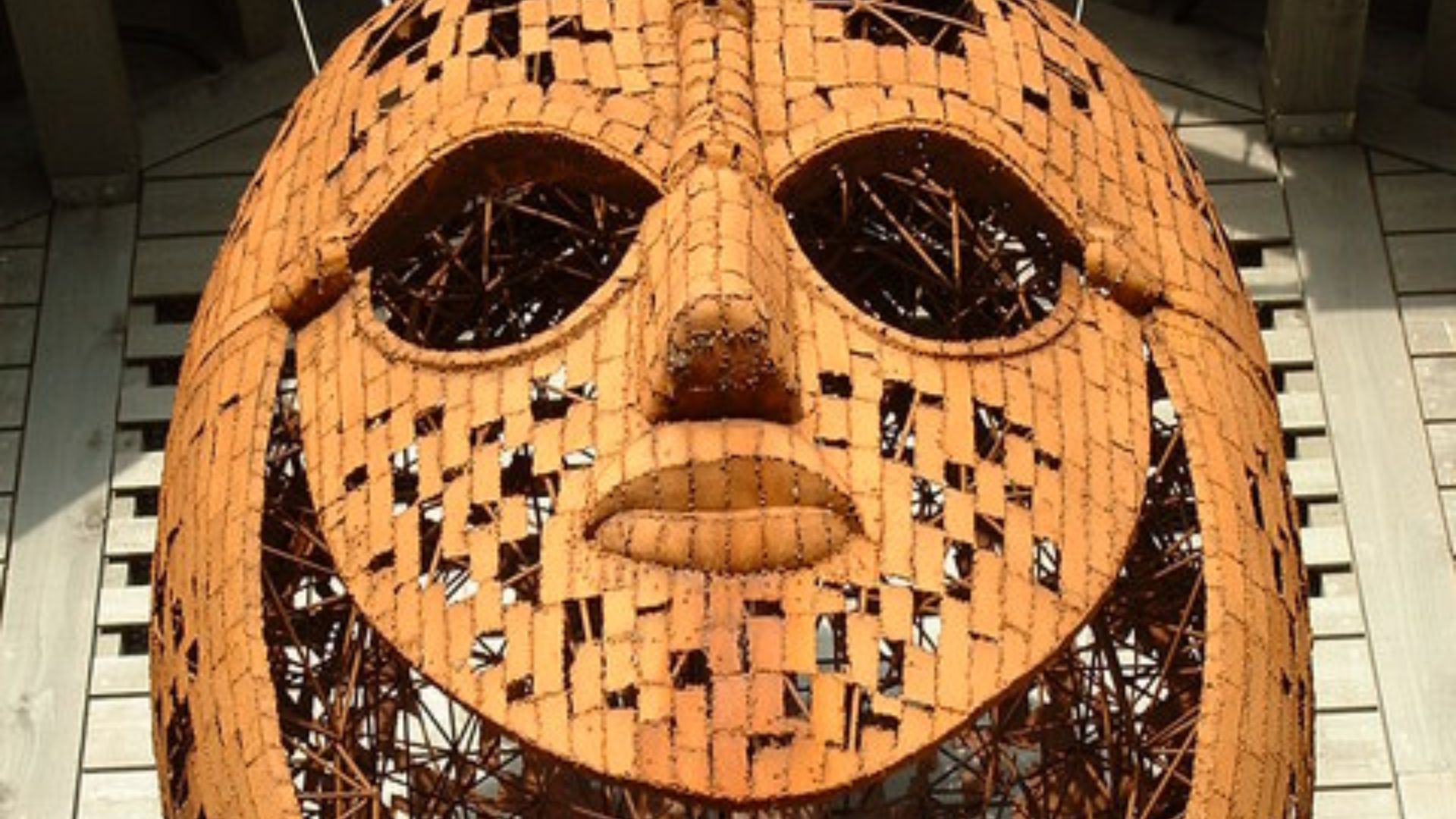
9. Preserving the Sutton Hoo Helmet
Similar to other helmets found, this helmet was found in many pieces that were broken apart. The helmet was covered in rust, and some pieces had disintegrated in the ground. This helmet hasn't been harmed that much but was hard to put back together.
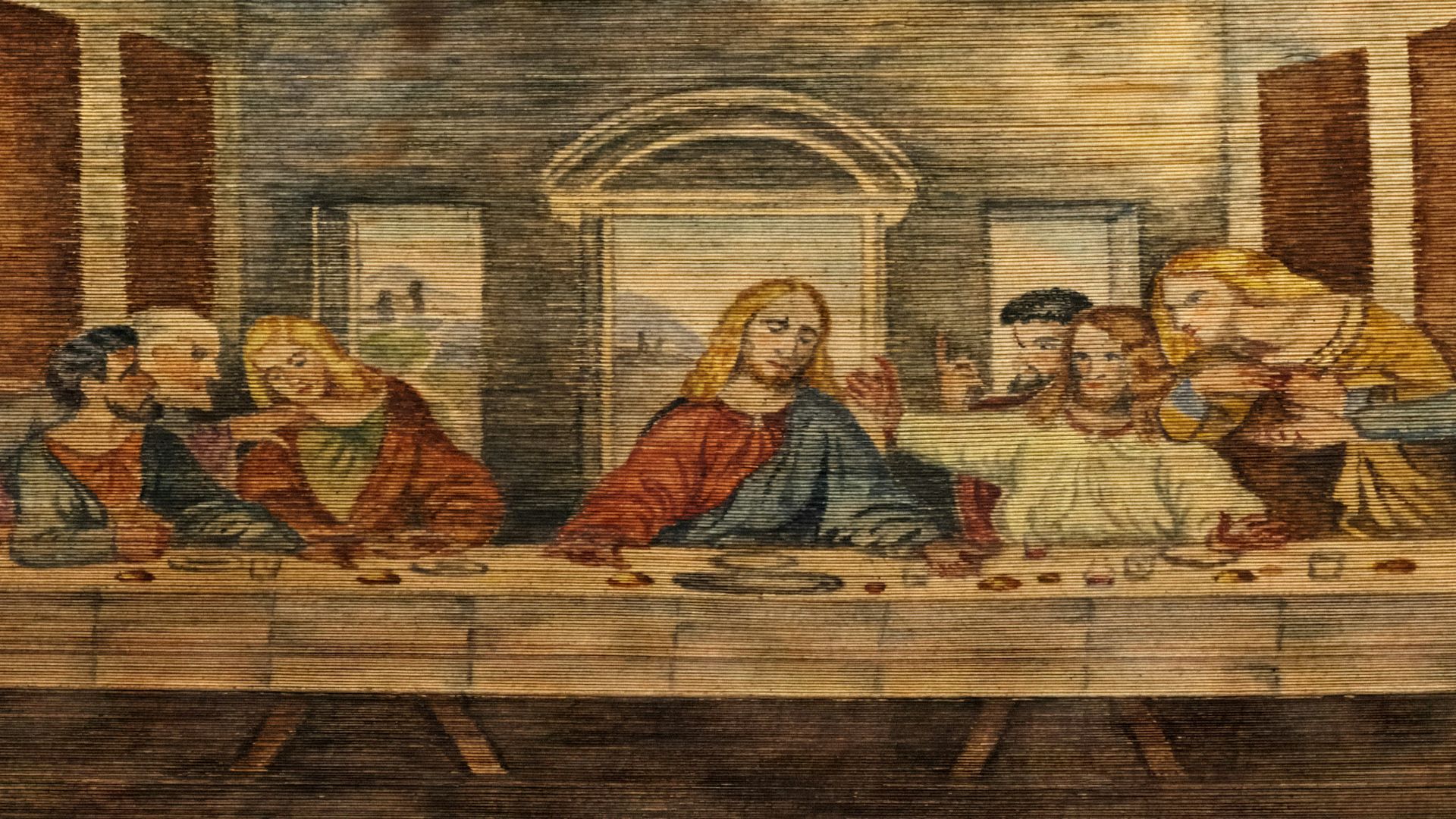
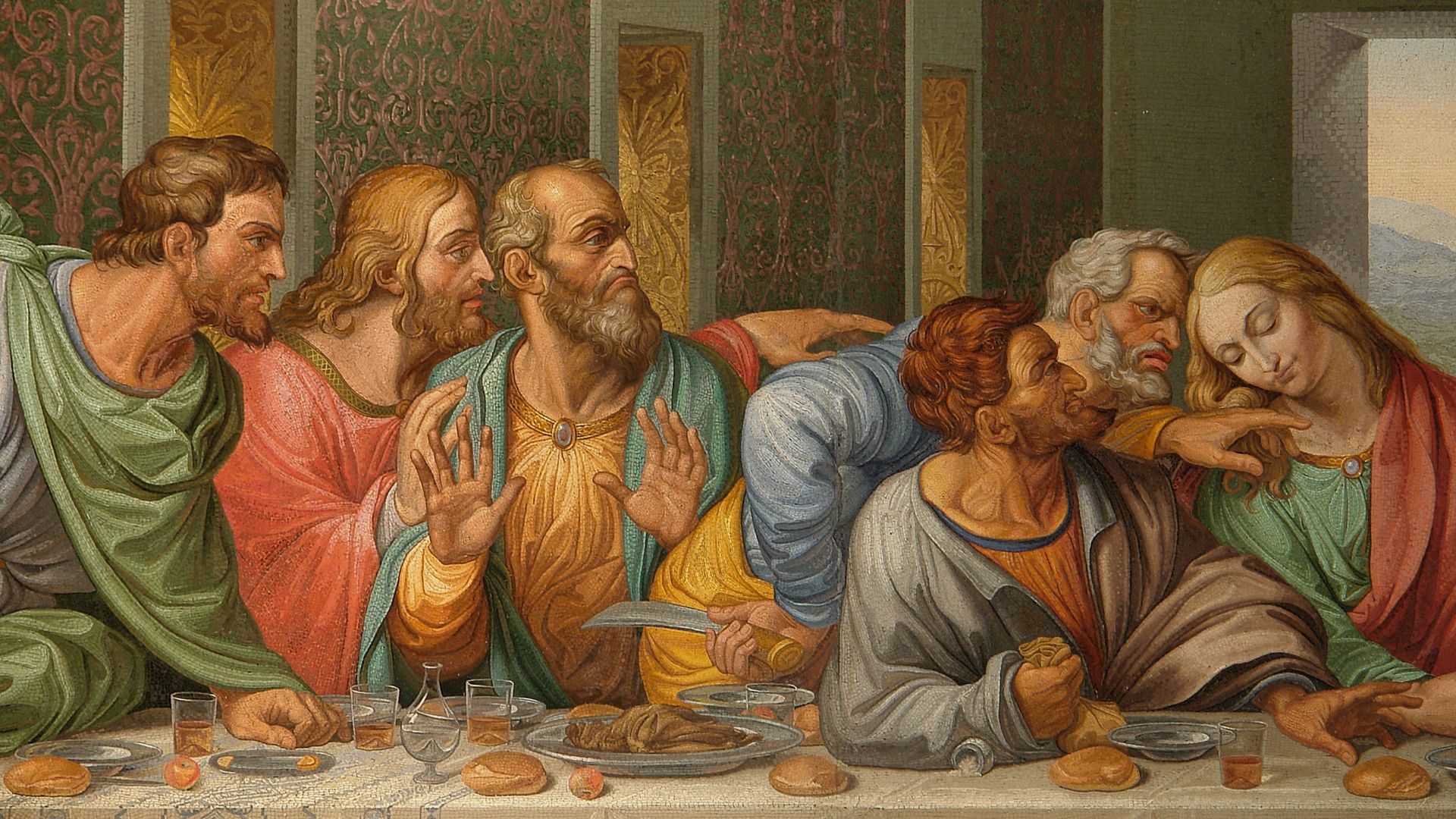
10. Restoring the Last Supper
Da Vinci's Last Supper was not created with the normal methods he normally would have used. Since he didn't use his typical style, it began to fade shortly after it was finished. It was then that it started to get chipped, and many people tried to fix it.
 Alberto Fernandez Fernandez on Wikimedia
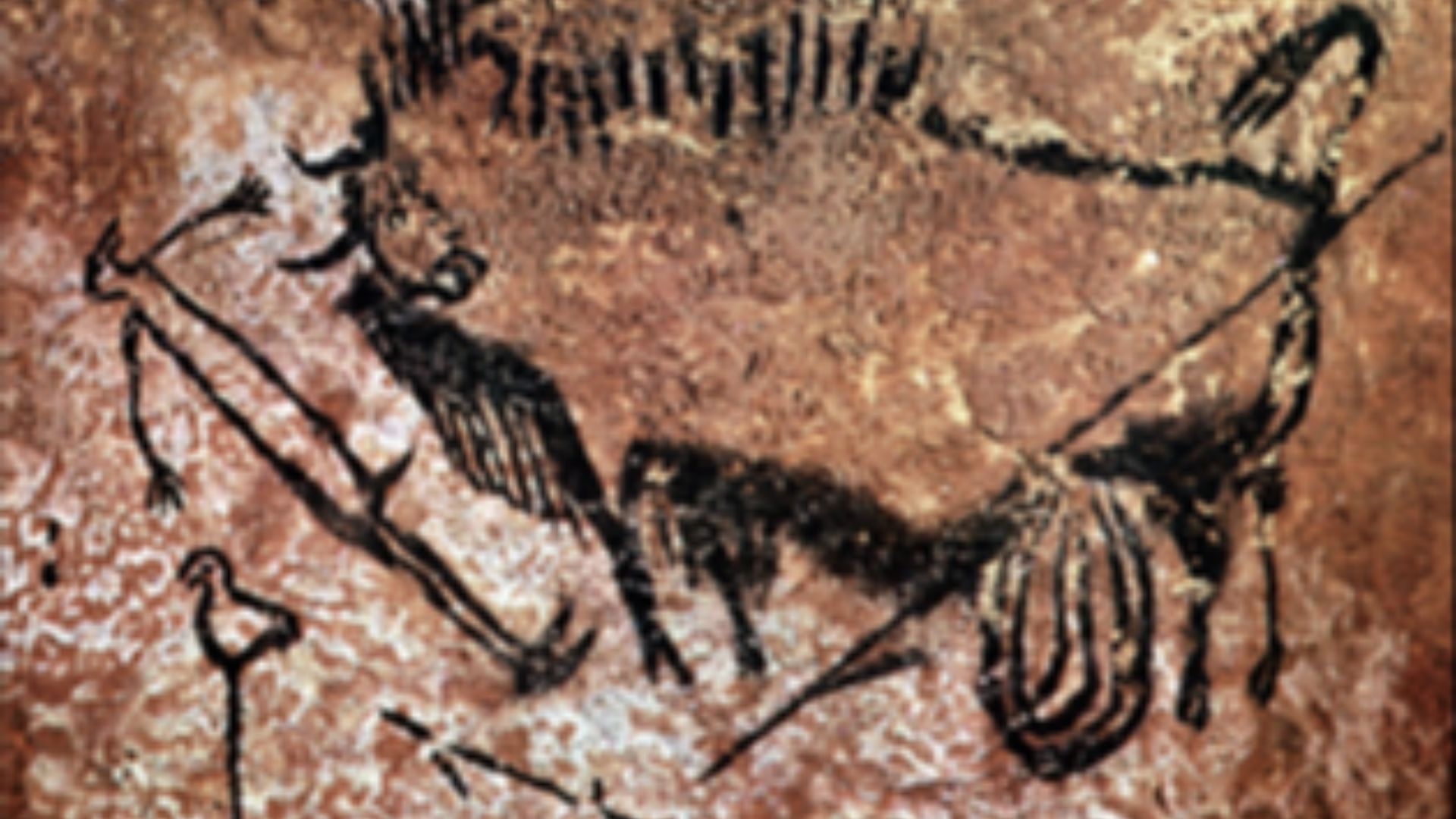
11. Protecting the Lascaux Cave Paintings
These cave paintings have been here for many years, but they have become deteriorated because of tourists visiting them. The caves were open to the public and began attracting people to view them. When you add people to an enclosed space with many years of paintings, harmful bacteria can begin growing on them.
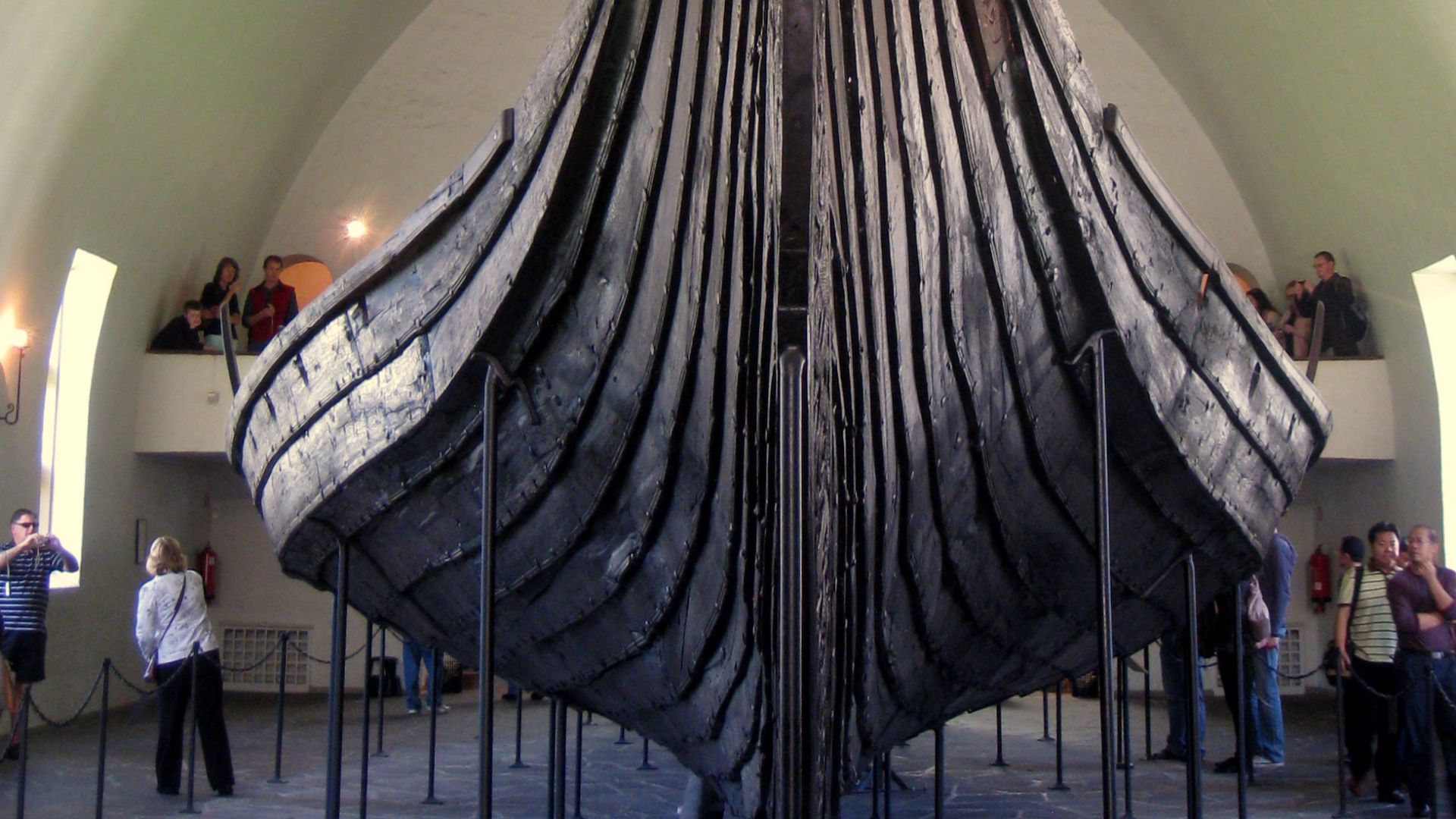
12. Preserving the Viking Oseberg Ship
The Oseberg Ship, discovered in Norway in 1904, contained remarkably preserved wooden objects from a Viking burial. Many things were found in this ship that were very fragile and needed to be preserved. Back then, they used certain chemicals that would keep the wood strong once it came out of the water.
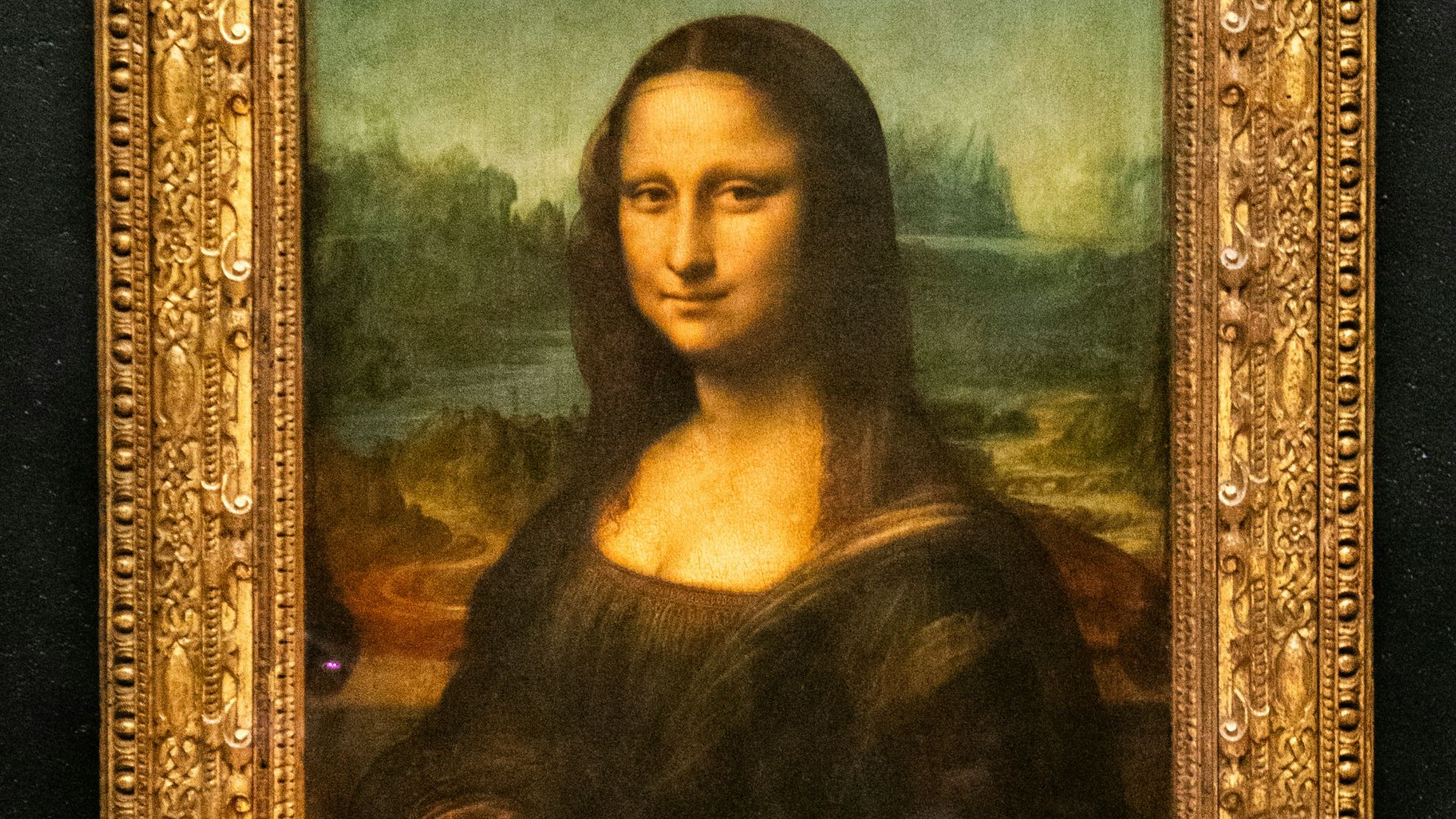
13. Restoring the Mona Lisa
The Mona Lisa has been cleaned many times throughout history. When you cover something in different layers of color, that color may change over time. We now know what the Mona Lisa looks like without the extra color on top of her, but that can become risky as well.
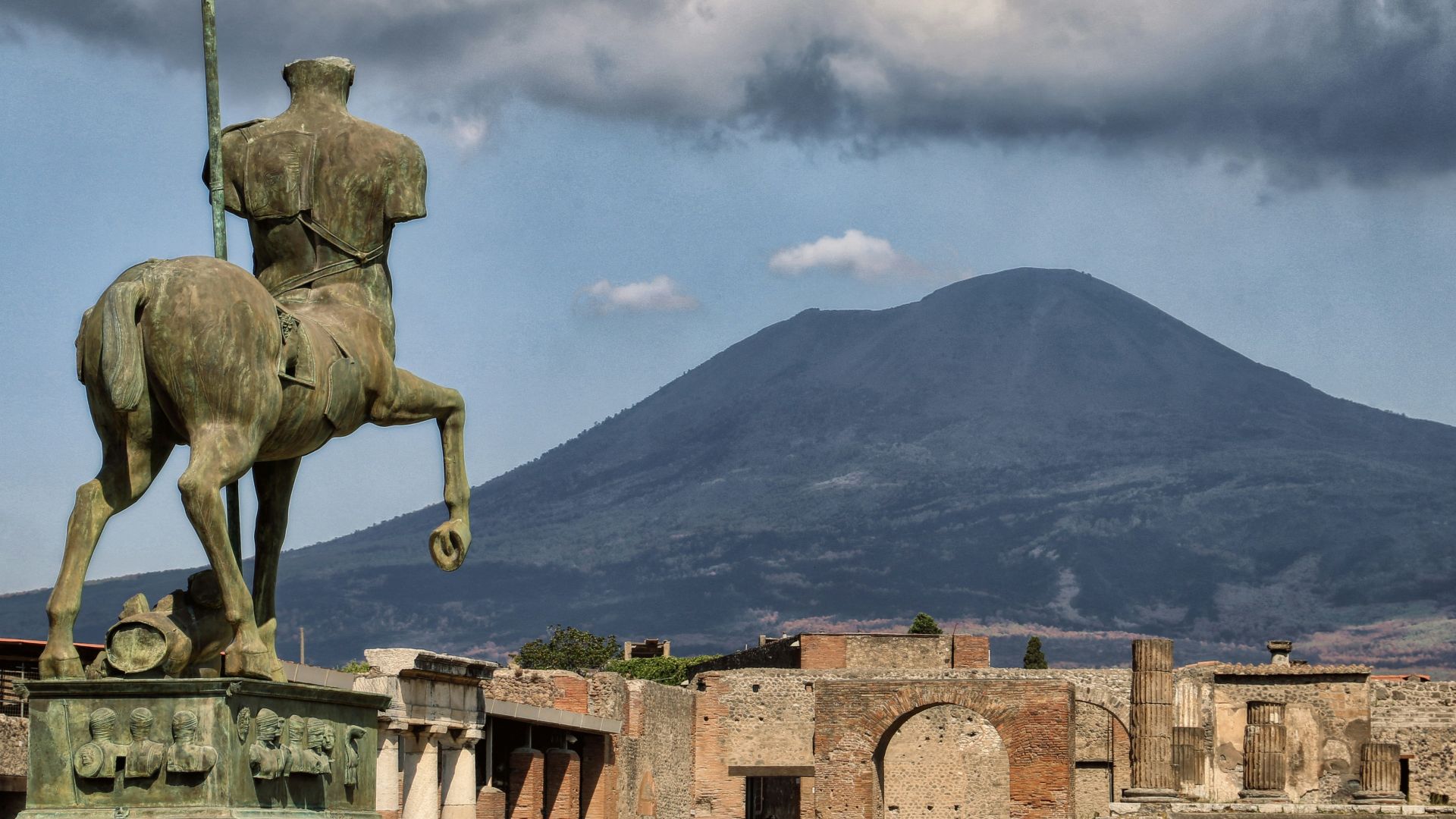
14. Excavating Pompeii
We've learned many things from Pompeii over the years, but digging has harmed the city. As we start to dig things out of the ground, they are subject to sun, rain, temperature, and many other outside elements. Today, conservation at Pompeii increasingly focuses on stabilizing structures and protecting areas that have already been uncovered.
 Iwona Castiello d'Antonio on Unsplash
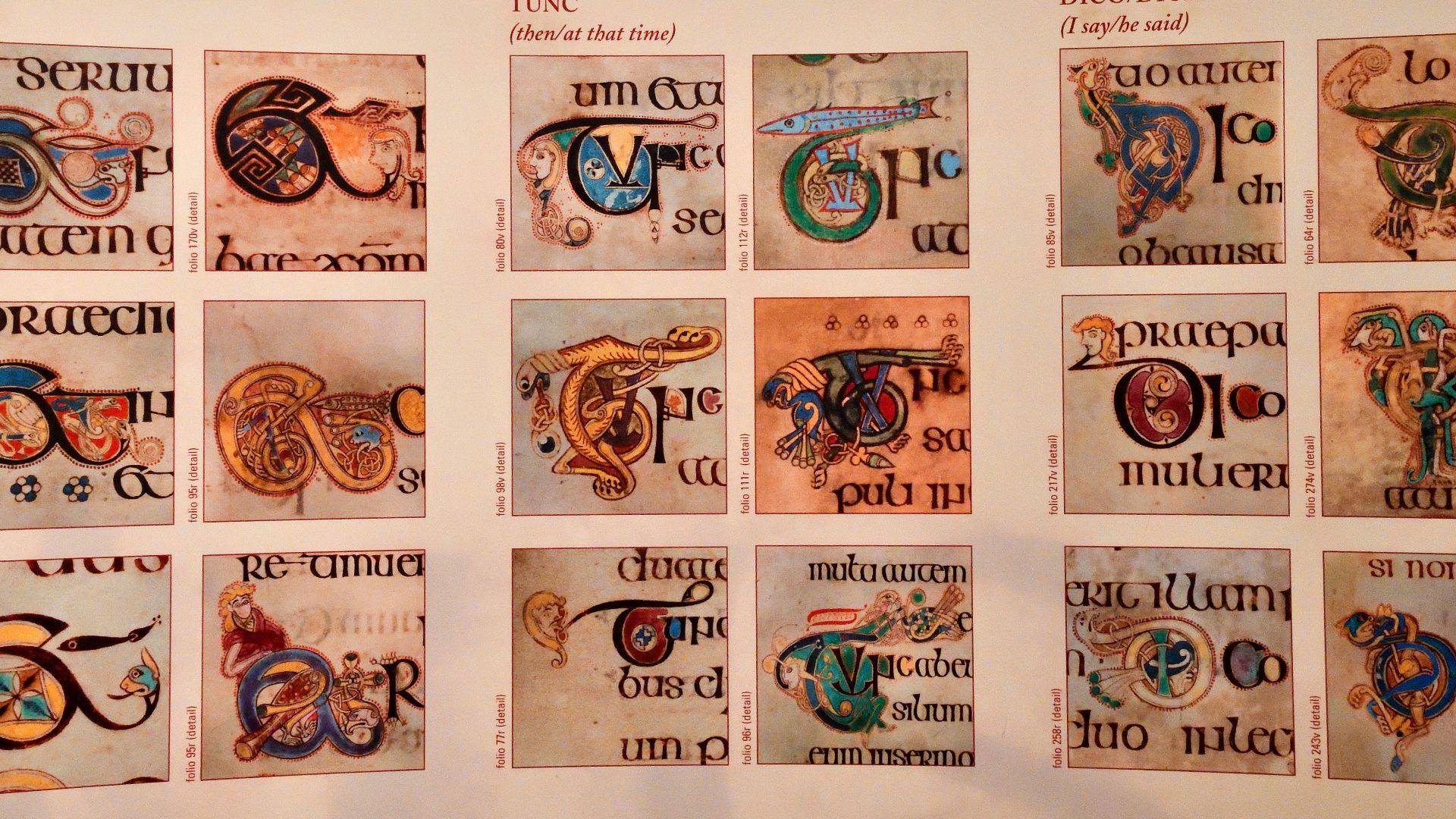
15. Treating the Book of Kells
The Book of Kells has survived for more than a thousand years, but handling and conservation have never been risk-free. If you're not careful when handling this book, you can tear pages and ruin the original writings on it. As we try to fix this book, we can inadvertently harm it more by adding new bindings or paper to it.
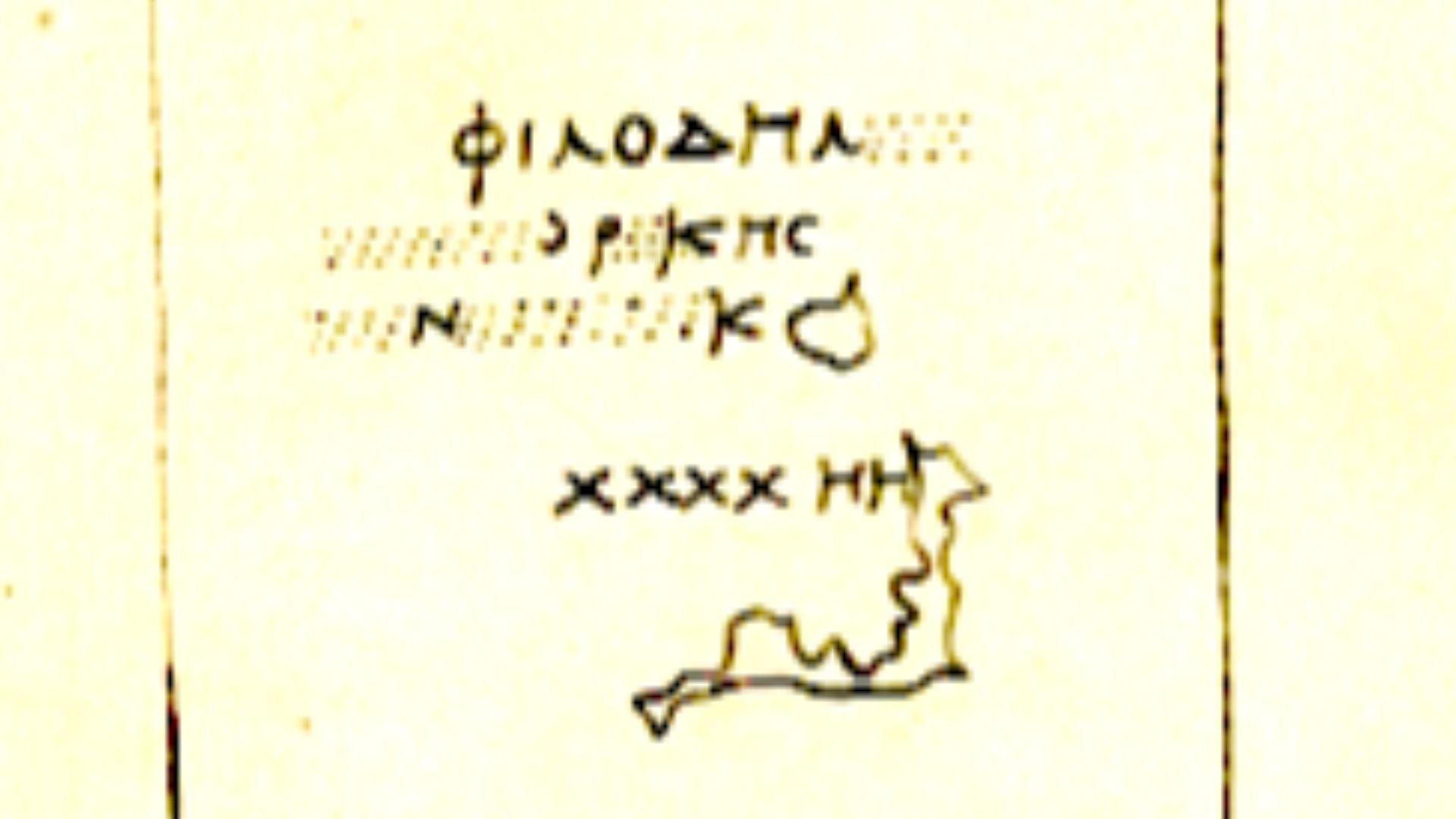
16. Preserving the Herculaneum Papyri
When these papyri were found, they were carbonized by fire from Mount Vesuvius. The material was cracked and very hard to read. People tried to unroll the papyri and ended up breaking pieces off the scroll.
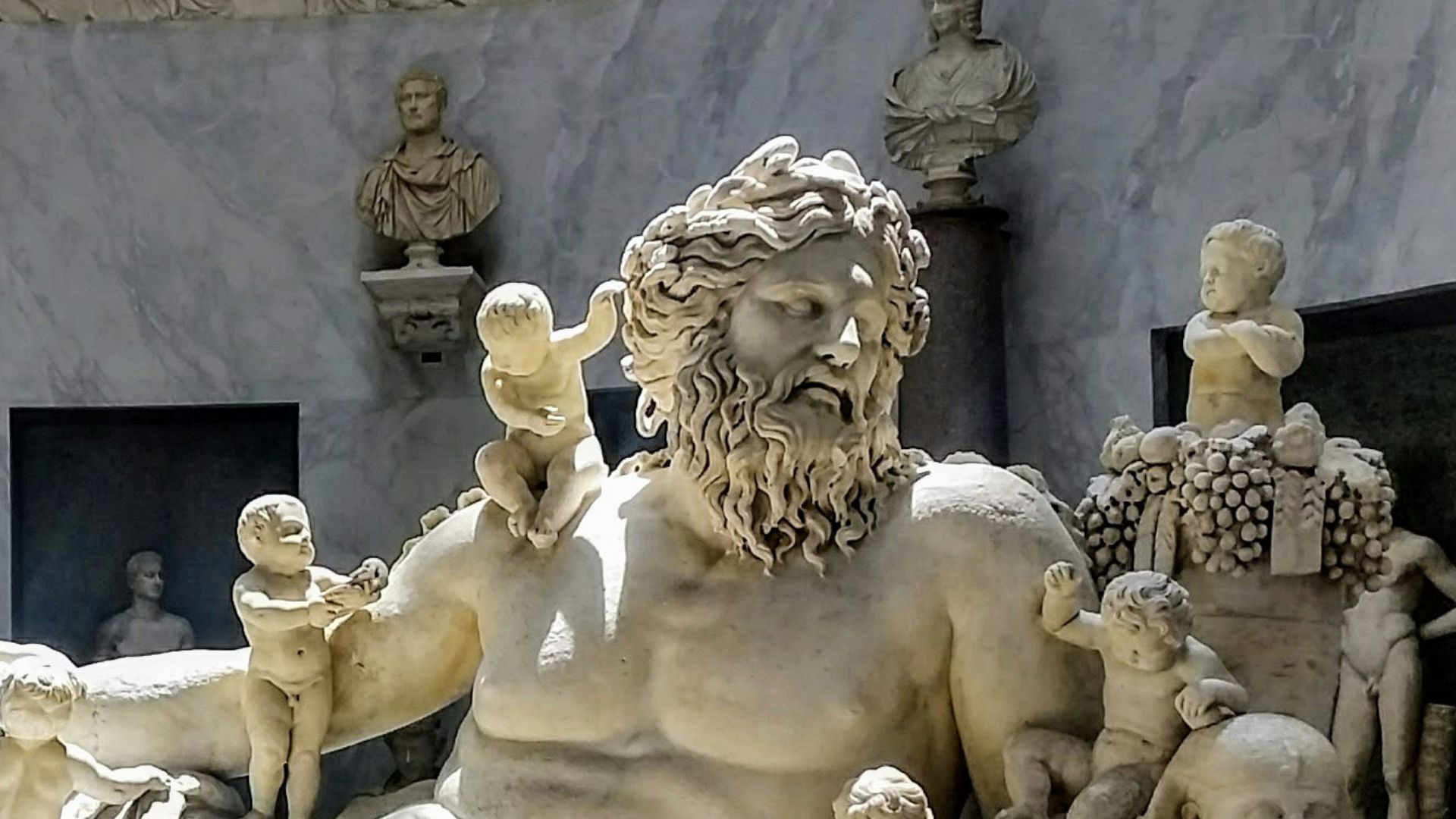
17. Cleaning Ancient Roman Statues
For centuries, ancient sculptures were sometimes cleaned far more aggressively than conservators would consider appropriate today. Many times, the statues would look better when cleaned but would have dirt that they originally had on them. When people are cleaning statues, they can be removing colors that may have been on the statue to begin with.
 Francisco Ghisletti on Unsplash
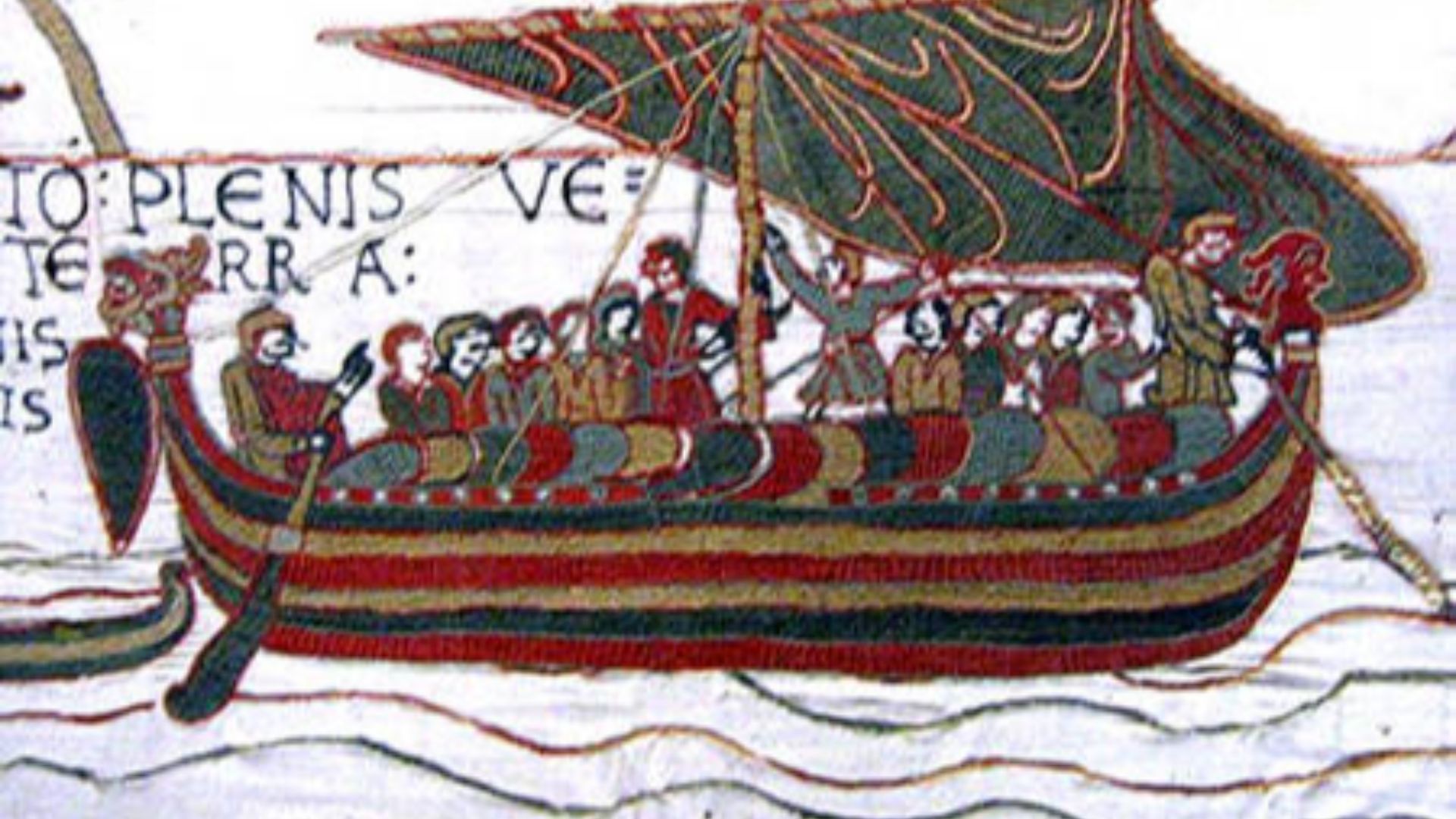
18. Conserving the Bayeux Tapestry
As with many artifacts, the Bayeux Tapestry has had to go through restoration over the years. Due to it being exposed to so many different elements, it is more likely to become fragile. Every time someone has repaired this piece, they may have damaged it more than it was before.
 Unknown authorUnknown author on Wikimedia
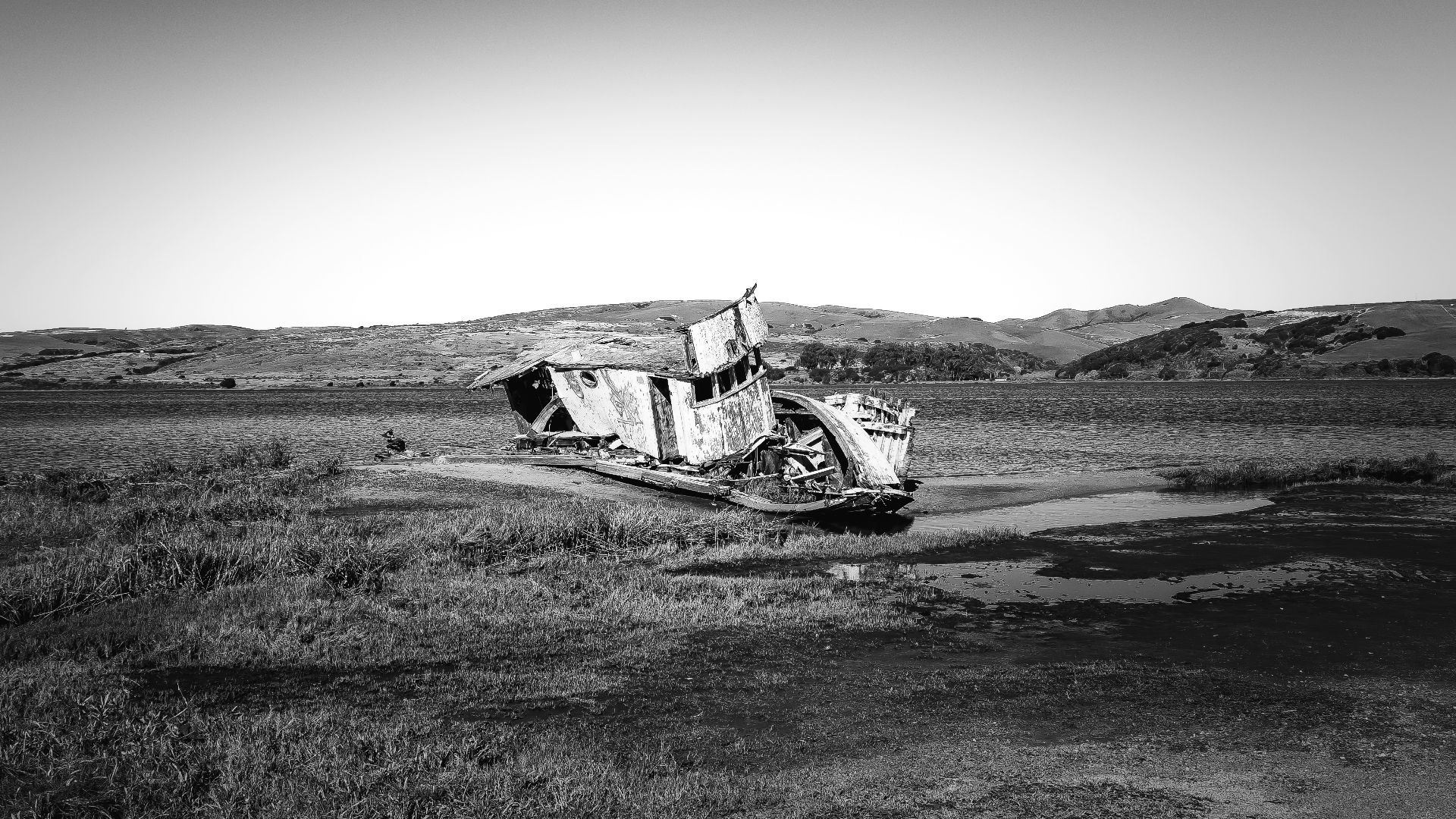
19. Restoring Ancient Shipwrecks
Underwater archaeology has repeatedly demonstrated that recovering an artifact can sometimes be more dangerous than leaving it underwater. Wood that has spent centuries saturated with water can collapse rapidly once it dries, so conservation must begin almost immediately after recovery. Earlier projects sometimes lacked the technology or resources needed to stabilize enormous wooden structures properly.
 Zachary Moneypenny on Unsplash
20. Photographing Fragile Manuscripts
Even when we are taking pictures of these fragile items, we can be harming them. Some books and items we want to photograph can become fragile when you place light on them. Modern institutions use specialized equipment and digital imaging techniques to reduce the need for physical handling.
KEEP ON READING