When History Turns Into Myth
Mythology is full of incredible stories, teaching us about gods, magical warriors, cursed kings, and larger-than-life heroes. But after reading such fantastical tales, it’s easy to assume these legendary characters never walked the earth. Well, think again. Several famous figures buried beneath centuries of supernatural storytelling began as real rulers, generals, officials, or scholars whose lives gradually became much stranger in the retelling. The magic may not have been real, but these 20 people most definitely were.
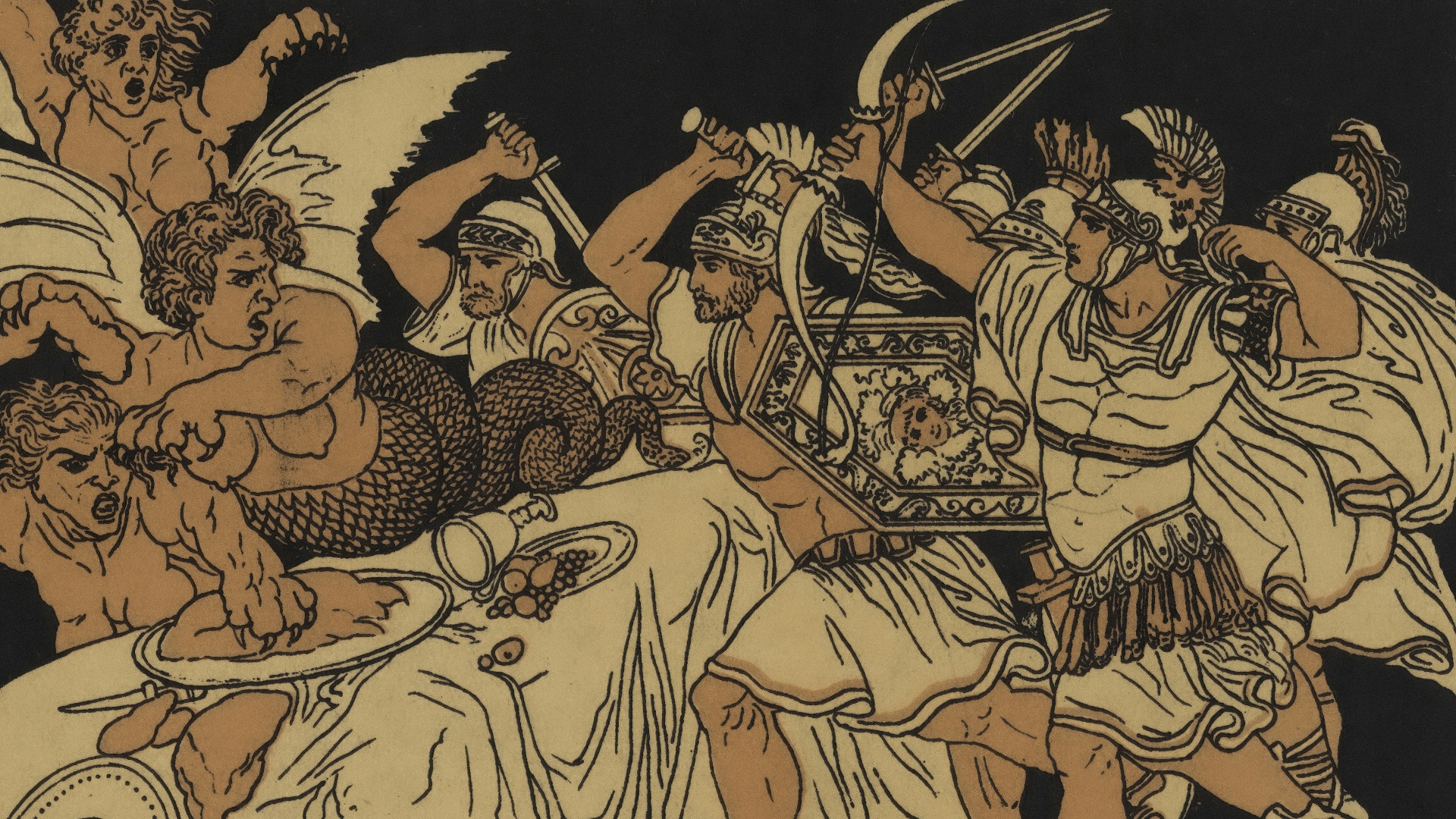 The New York Public Library on Unsplash
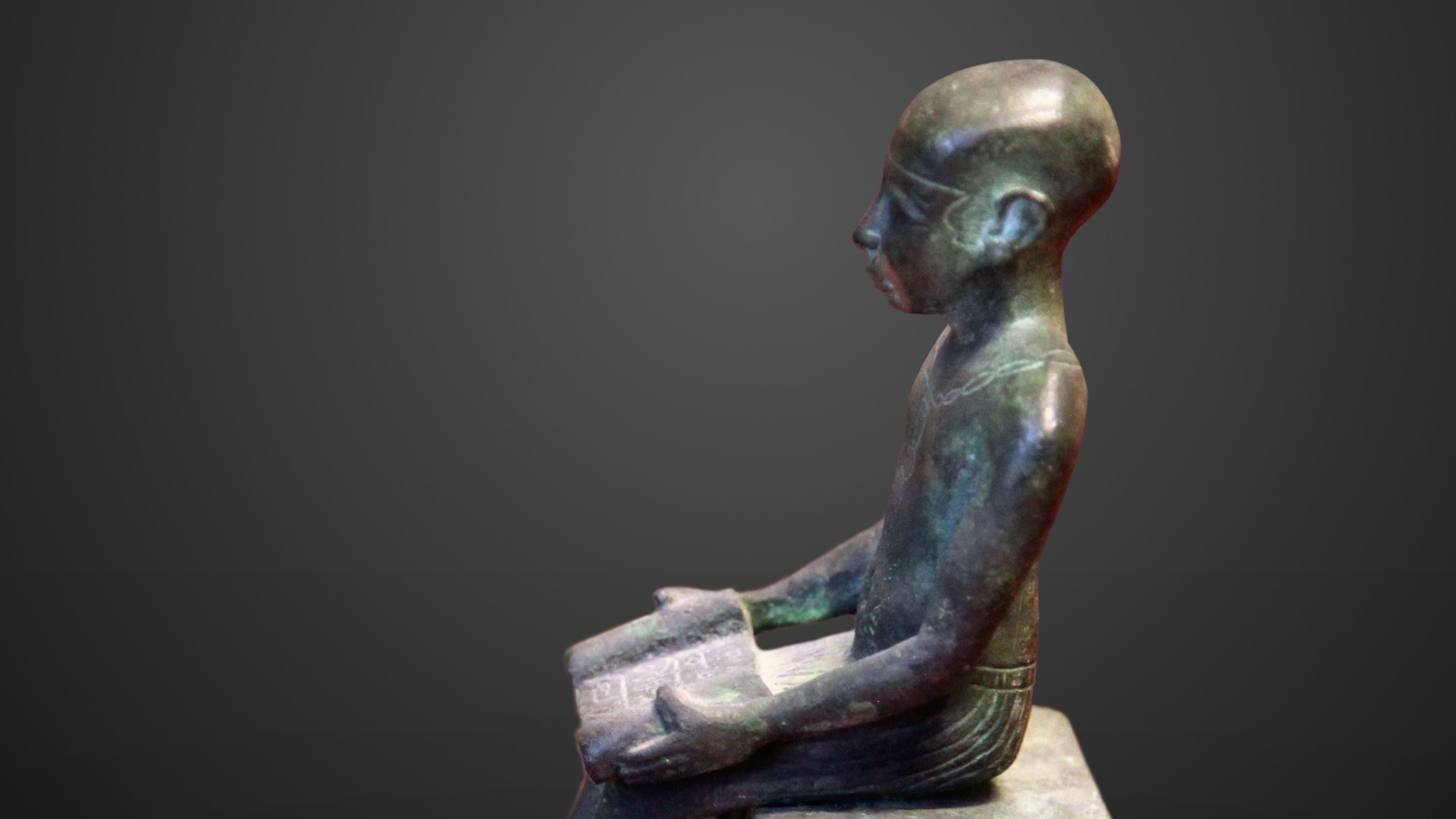
1. Imhotep
Imhotep wasn't originally an Egyptian god at all. He was actually a high-ranking official who served Pharaoh Djoser during the Third Dynasty around the 27th century BCE. He became associated with the construction of Djoser's Step Pyramid and developed such a reputation for wisdom that later Egyptians started to worship him as a divine healer. By the Ptolemaic period, his own cult was identified by Greeks with the healing god Asclepius.
2. Amenhotep, Son of Hapu
Amenhotep, son of Hapu, started with humble enough beginnings as a mortal administrator, architect, and royal official under Pharaoh Amenhotep III. His reputation, however, is what brought him into celebrity status. It survived for centuries after his death until Egyptians began treating him as a wise supernatural intermediary capable of helping worshippers.
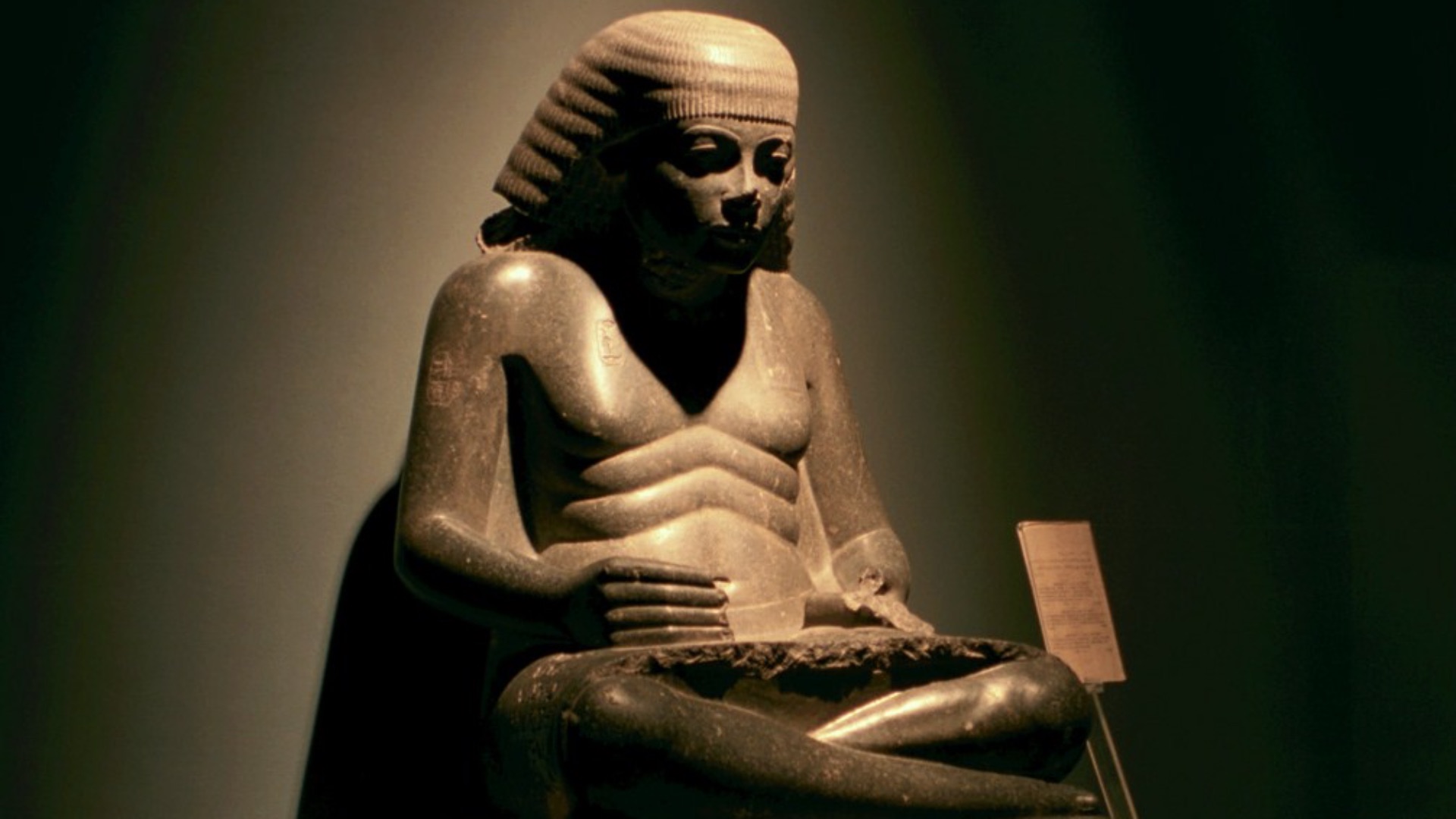 Amenhotep_(js).jpg: Jerzy Strzelecki
derivative work: Oltau (talk) on Wikimedia
Amenhotep_(js).jpg: Jerzy Strzelecki
derivative work: Oltau (talk) on Wikimedia
3. King Midas
We’ve all heard about the Midas who turns everything he touches into gold, but there was also a powerful Phrygian king behind the name. Assyrian records from the late eighth century BCE mention a ruler called Mita of Mushki, widely associated with the historical Midas of Phrygia. Unsurprisingly, his kingdom really was wealthy, but not to the degree the legends wrote about.
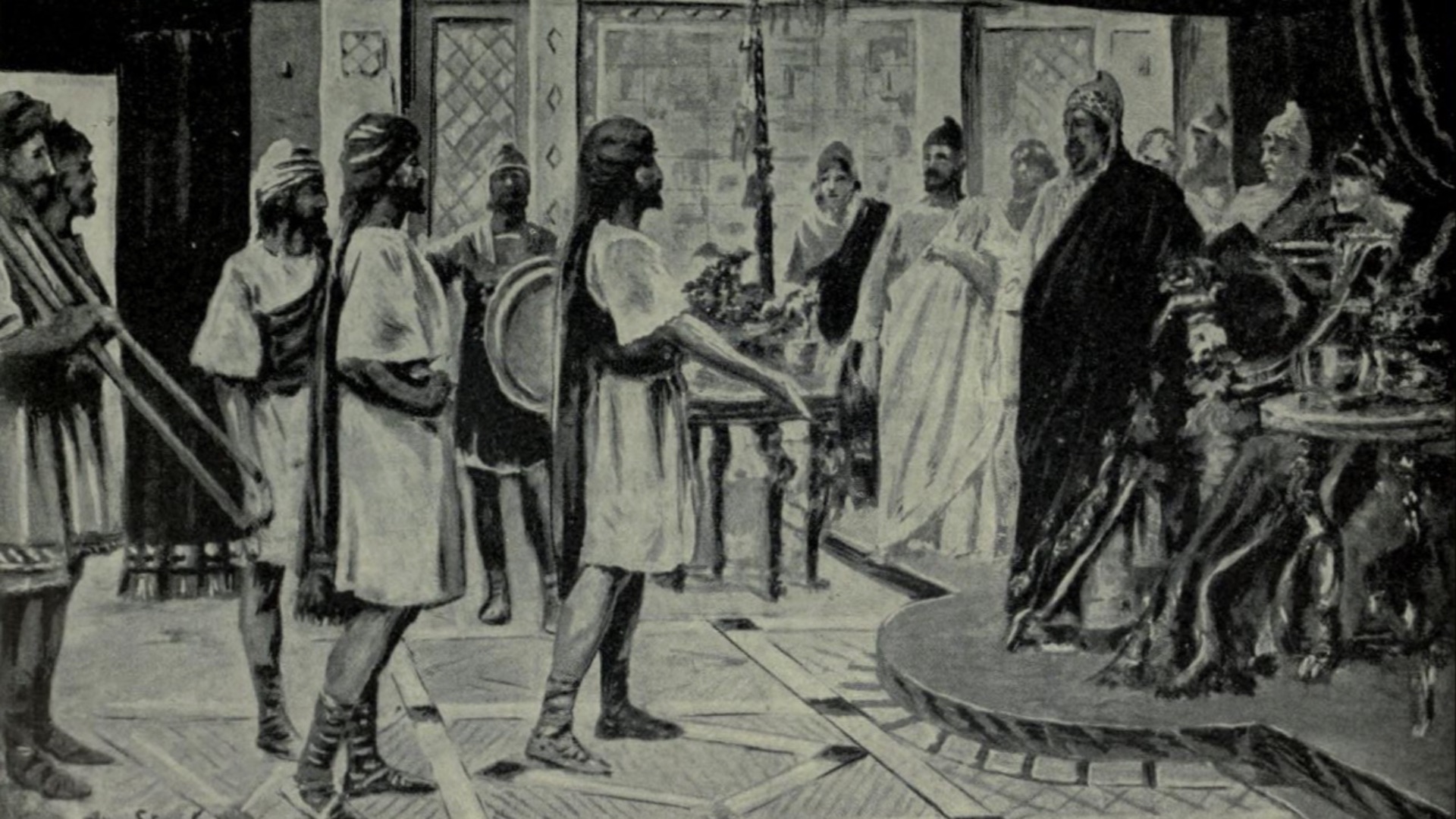 Creator:Allan Steward on Wikimedia
4. Semiramis
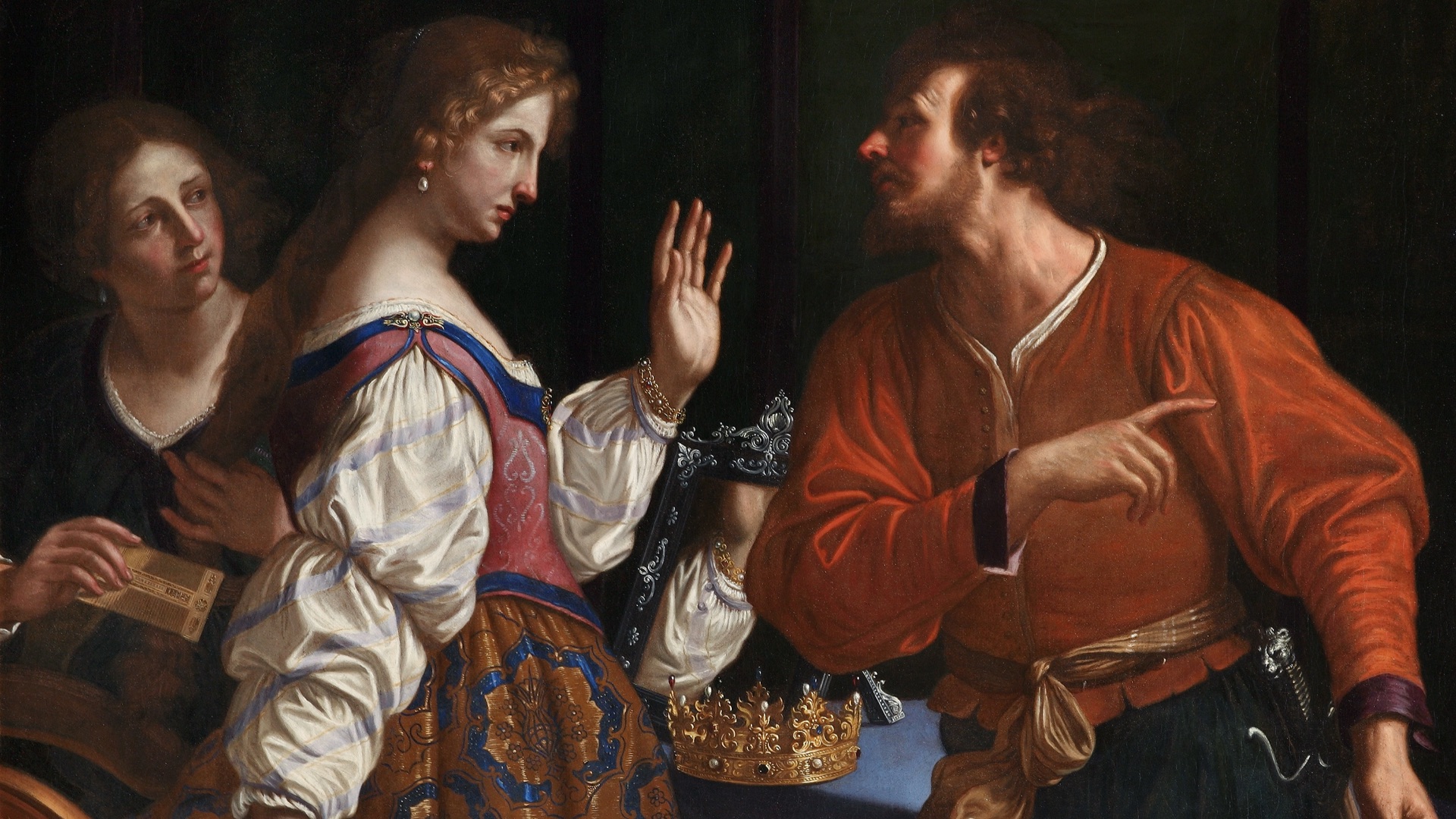
Ancient writers transformed Semiramis into an almost superhuman queen who supposedly conquered huge territories. The hullabaloo appears to have grown around Shammuramat, a real-life Assyrian queen who lived in the ninth century BCE and was the wife of Shamshi-Adad V. Why her, though? Historians think it had to do with her unusual political importance.
5. Gilgamesh
Gilgamesh spends his literary career fighting monsters, rejecting a goddess, and searching for immortality. It’s a good story, but there’s a little more to it than that. Scholars think the character originated with an actual king of Uruk. Sumerian traditions place him in the early third millennium BCE, and later king lists remembered him among Uruk's rulers.
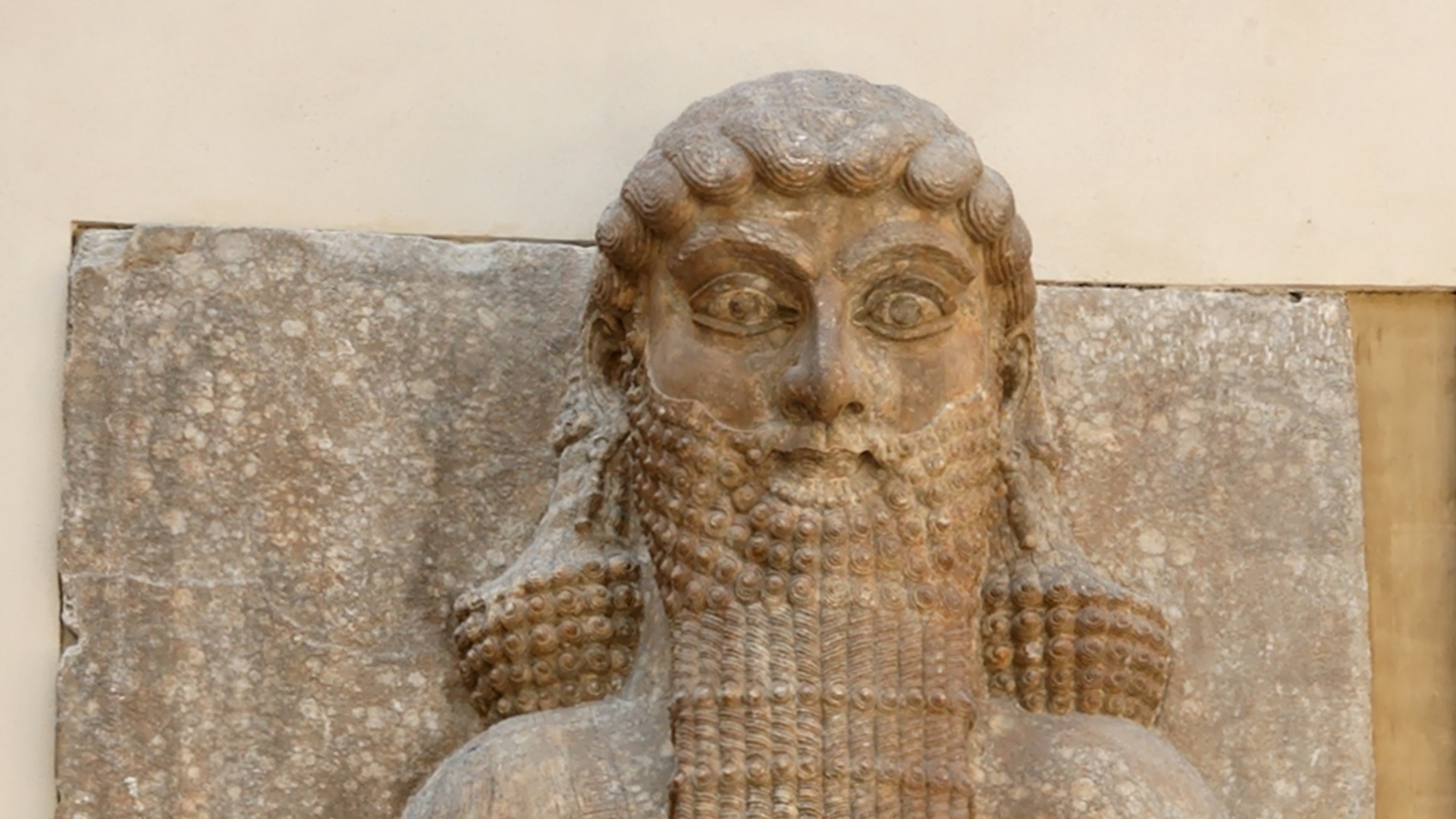 Unknown artistUnknown artist on Wikimedia
6. Sargon of Akkad
Any history buff already knows that Sargon of Akkad existed, ruling a vast Mesopotamian empire during the 24th and 23rd centuries BCE. Centuries later, however, stories about his childhood claimed that his mother secretly stuck him in a basket and sent him down a river before he rose from obscurity to kingship. It’s a dramatic origin, but the conqueror at the center of this tale was very real.
7. Naram-Sin
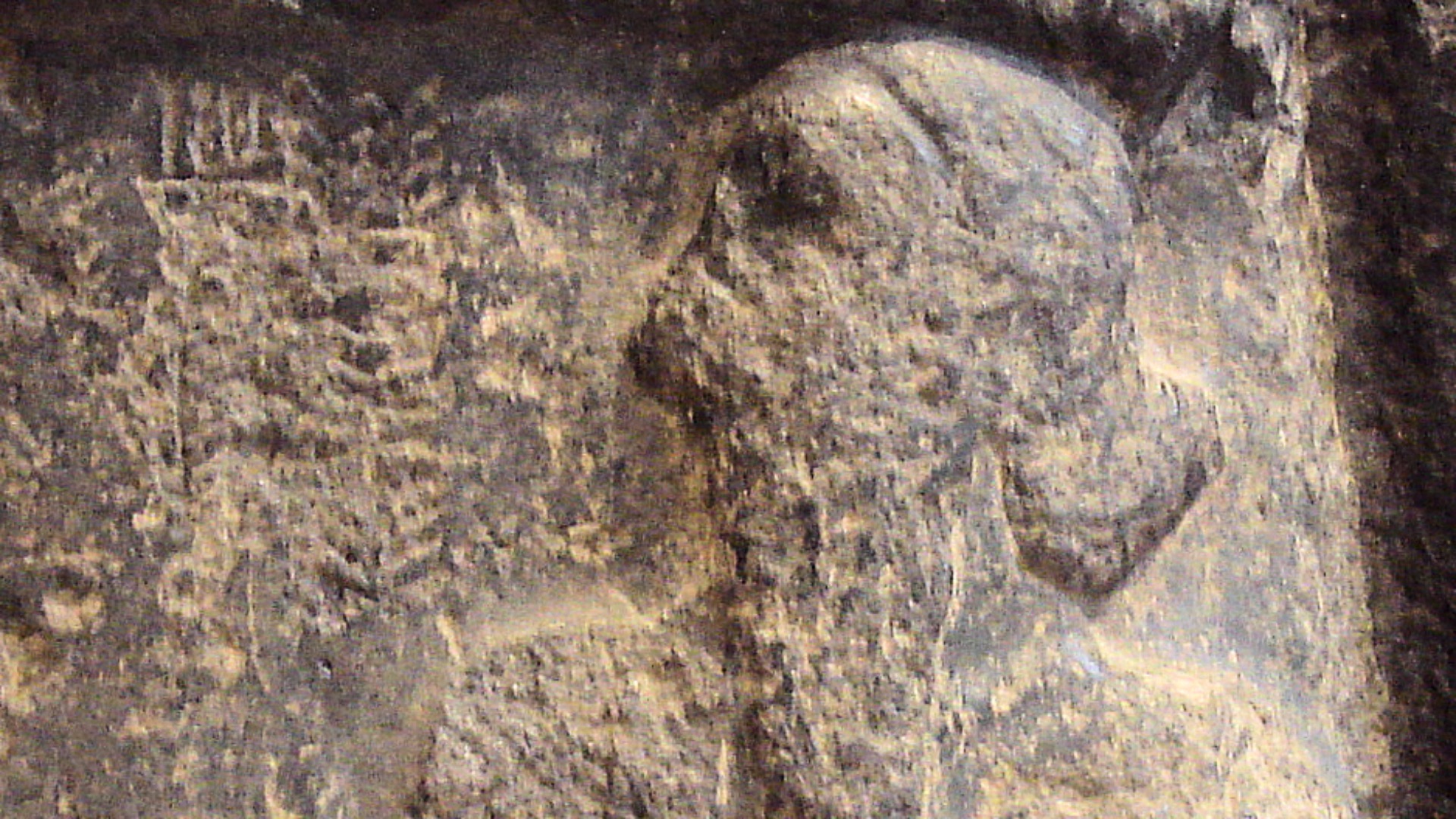
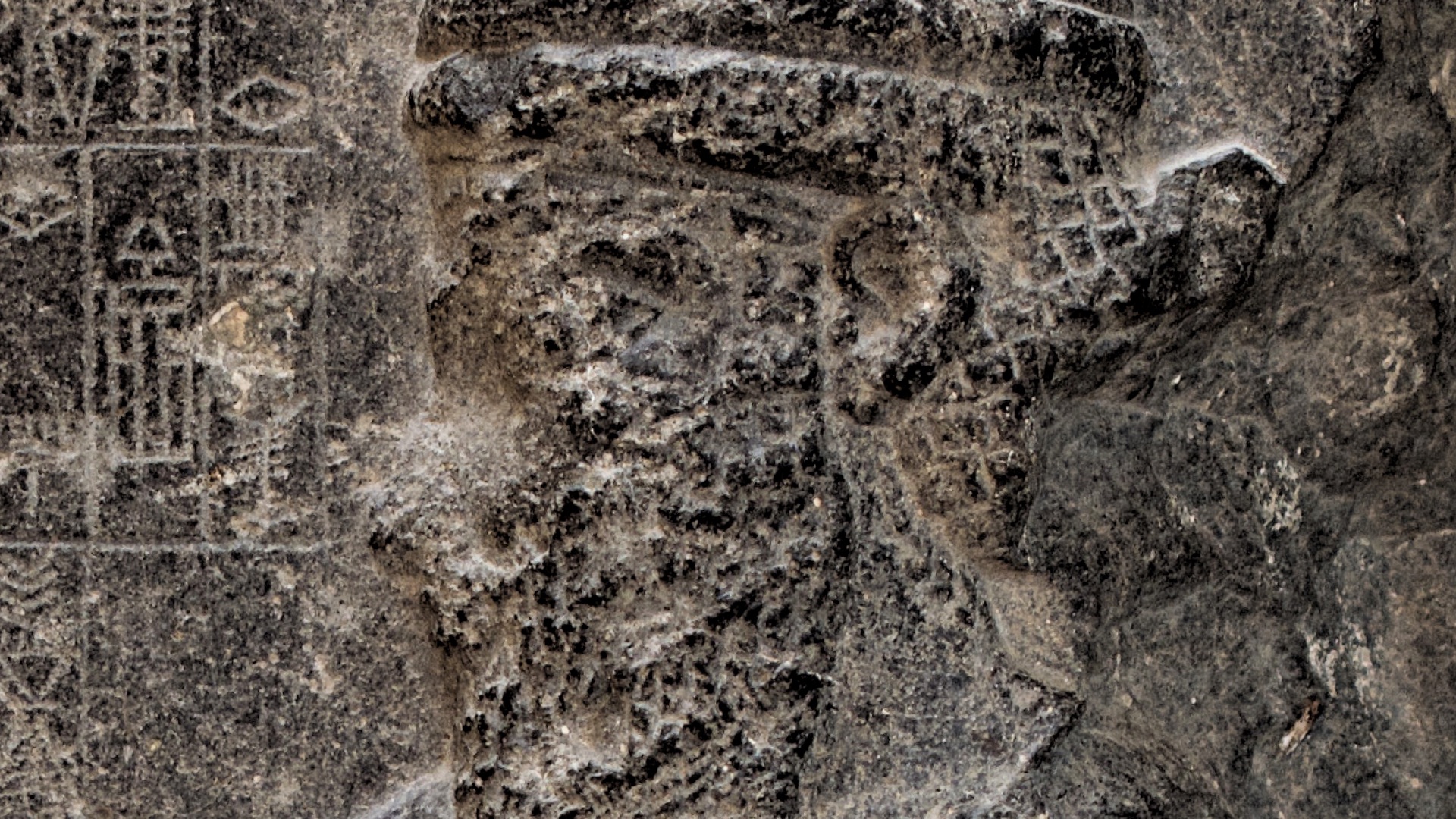
Sargon's grandson Naram-Sin ruled the Akkadian Empire in the 23rd century BCE and left behind plenty of evidence that he wasn't an invented character. During his reign, he took the unusual step of presenting himself as divine, and surviving images even show him wearing the horned helmet associated with gods. It’s not every day a king enters mythology while still alive, but here we are.
8. Alexander the Great
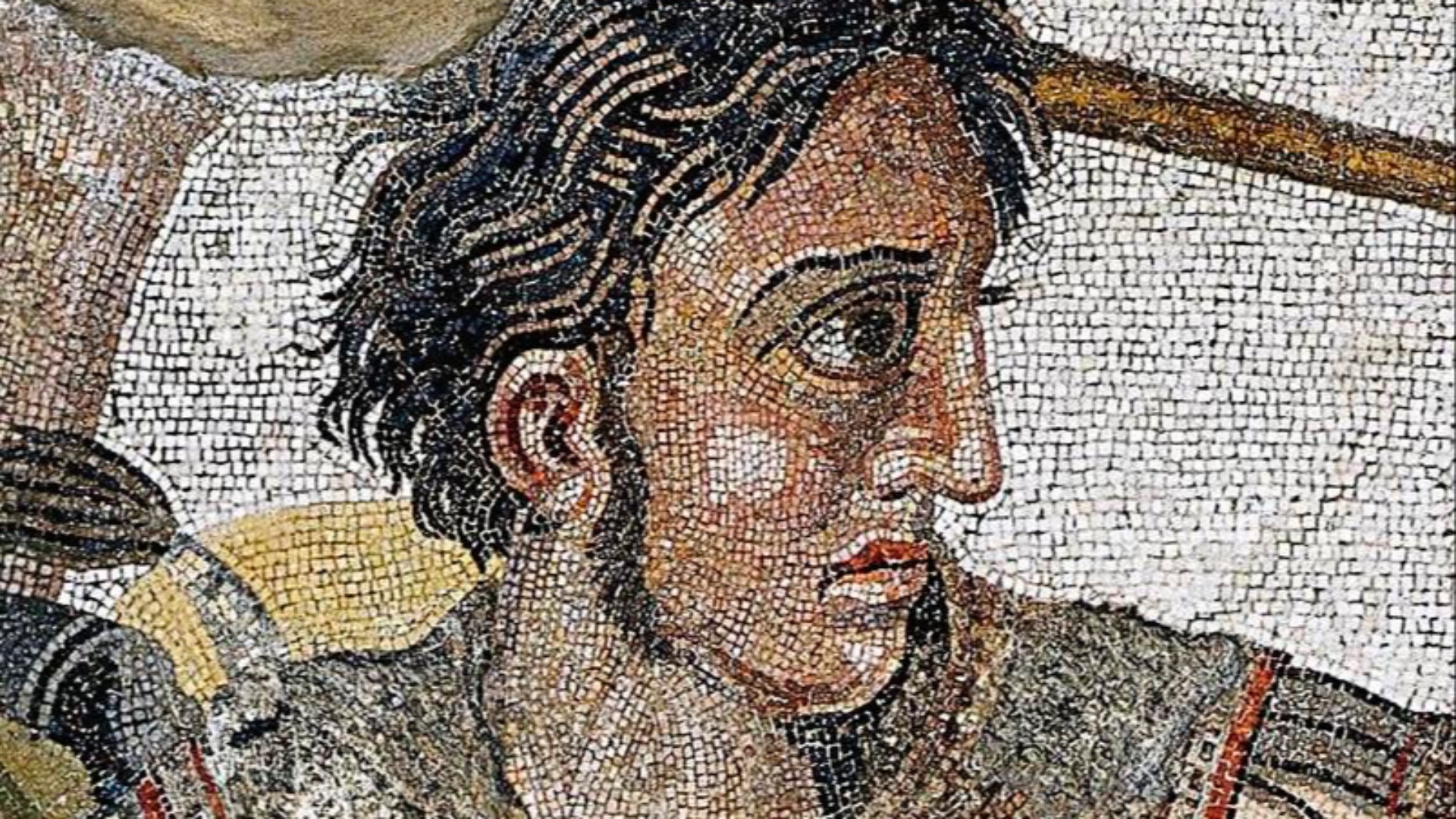
You’ve heard the name, but how well do you know the story? Alexander III of Macedon conquered the Persian Empire in Babylon in 323 BCE, which should’ve been enough. But we’re suckers for a good story, and later cultures gave him fabulous adventures involving strange creatures, miraculous journeys, and distant lands through the influential Alexander Romance tradition.
 Unknown authorUnknown author on Wikimedia
9. Julius Caesar
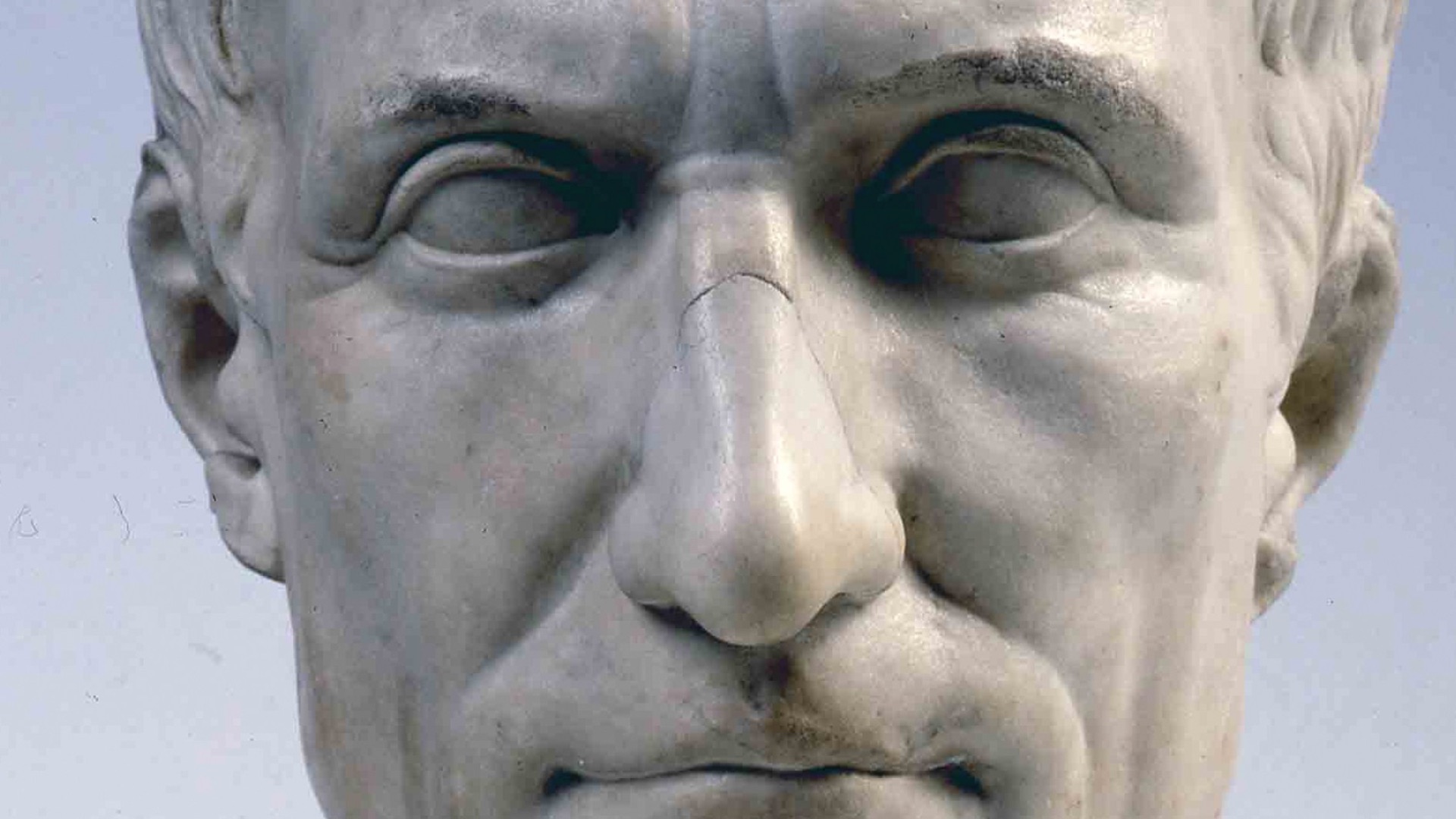
Julius Caesar was assassinated in Rome in 44 BCE, and while that would normally close the page on his chapter, his story didn't remain in the political history section. Romans deified him as Divus Julius, while the appearance of a comet during games held after his death was promoted as evidence of his ascent to the heavens.
 Unknown authorUnknown author on Wikimedia
10. Antinous
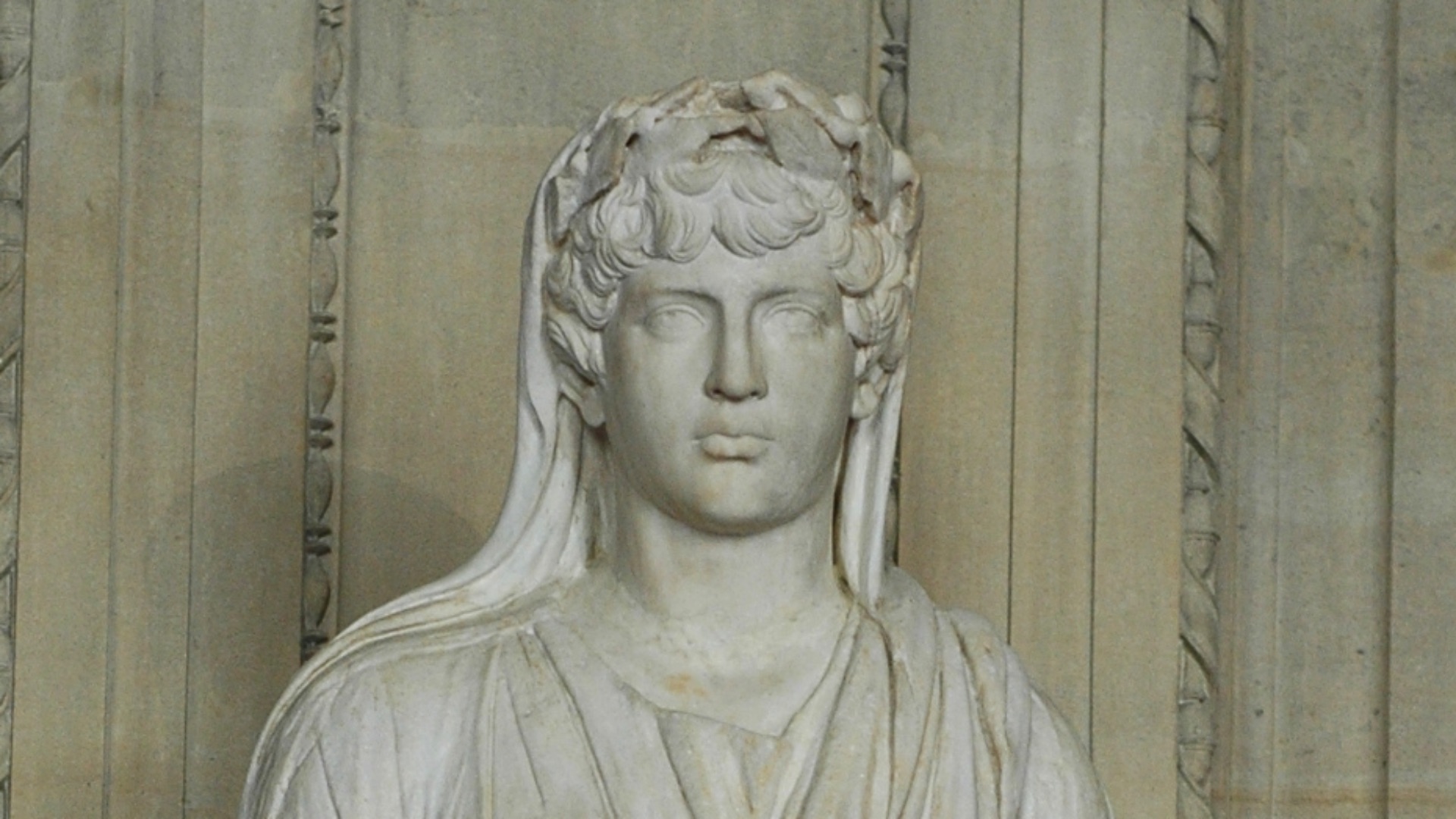
Antinous was a young favorite of Roman Emperor Hadrian who died in 130 CE under shaky circumstances (even to this day). Hadrian responded by founding Antinoöpolis in his honor and encouraging a cult that spread images of Antinous across the Roman world. The young man was identified with gods including Osiris, turning him into a genuine object of ancient worship.
 Unknown artistUnknown artist on Wikimedia
11. Guan Yu
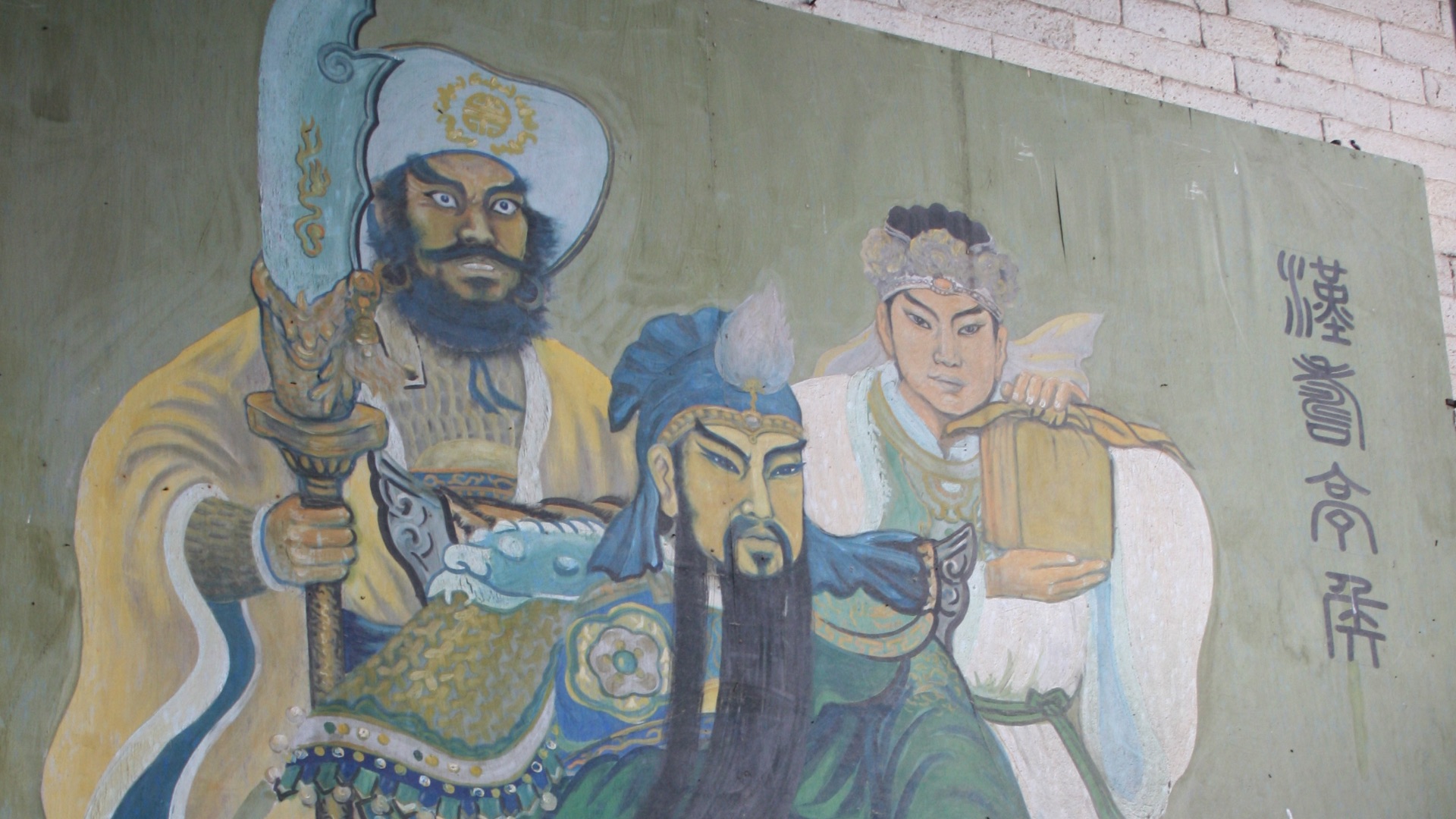
Guan Yu began as a military commander serving the warlord Liu Bei before his death in 220 CE. Later literature really went wild with his life, though, dramatically magnifying his loyalty and martial abilities. Religious traditions elevated him even further. Today, the general survives in Chinese folk religion and Daoist traditions as a revered divine protector.
12. Qin Qiong
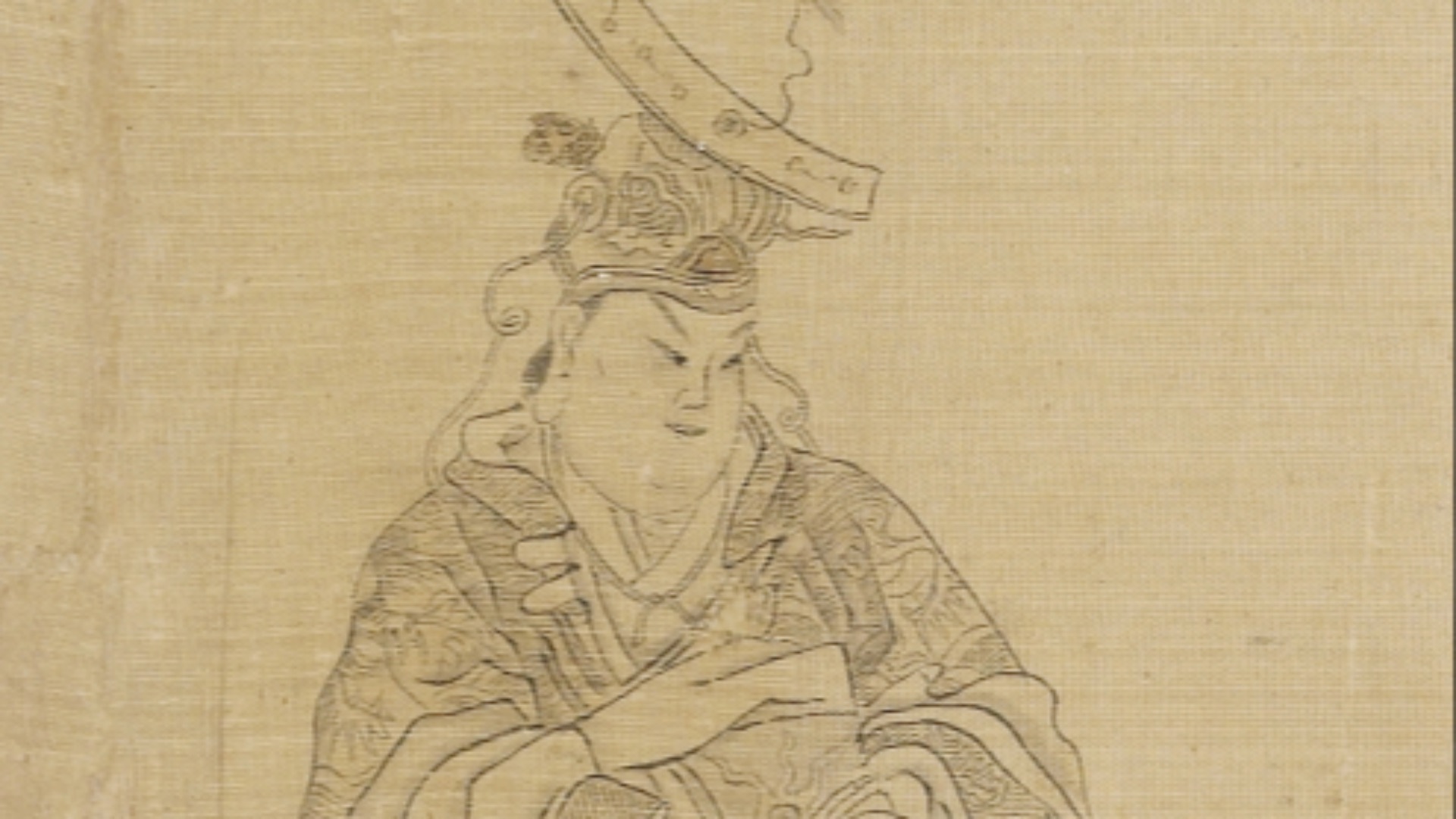
In reality, Qin Qiong helped establish China's Tang dynasty during the seventh century. In folklore, he was eventually paired with fellow warrior Yuchi Gong as a supernatural guardian whose image could protect houses from spirits. Prints showing Qin Qiong as one of China's famous Door Gods continued to appear for centuries after he was gone.
 Anonymous (China)Unknown author on Wikimedia
13. Yuchi Gong
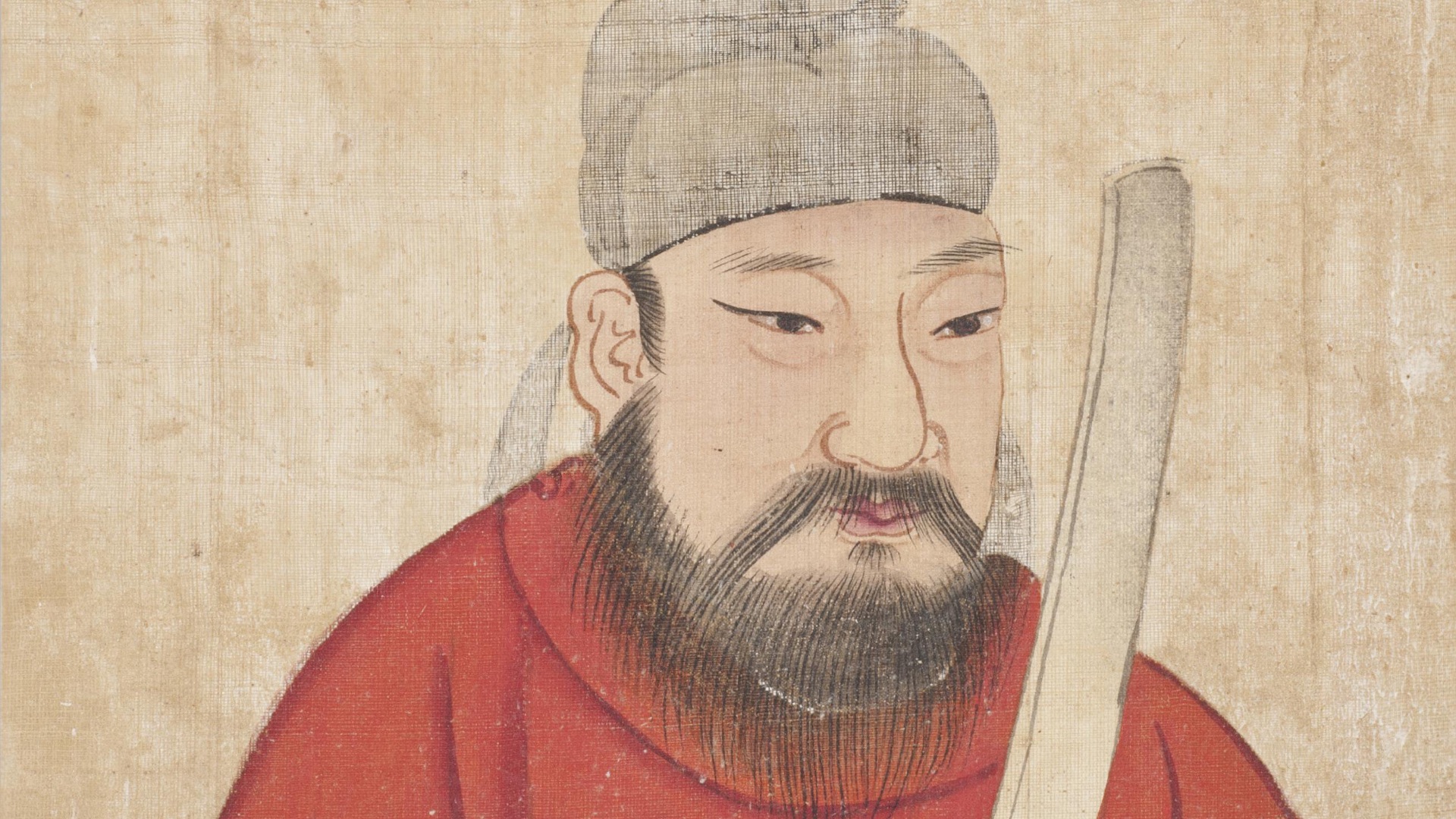
Speaking of Yuchi Gong, he was also known as Yuchi Jingde, and served Emperor Taizong of Tang. He became one of the dynasty's celebrated commanders, which is exactly why popular tradition was so enamoured with him. It was said that posting images of him and Qin Qiong beside an entrance could keep demons away.
 Unknown Chinese artist on Wikimedia
14. Sugawara No Michizane
Sugawara no Michizane was a Japanese scholar, poet, and statesman who died in 903 after losing a political struggle at court. That didn’t do anything to his reputation, however. When disasters and deaths later struck Kyoto, frightened contemporaries blamed his angry spirit and eventually honored him as Tenjin to calm it.
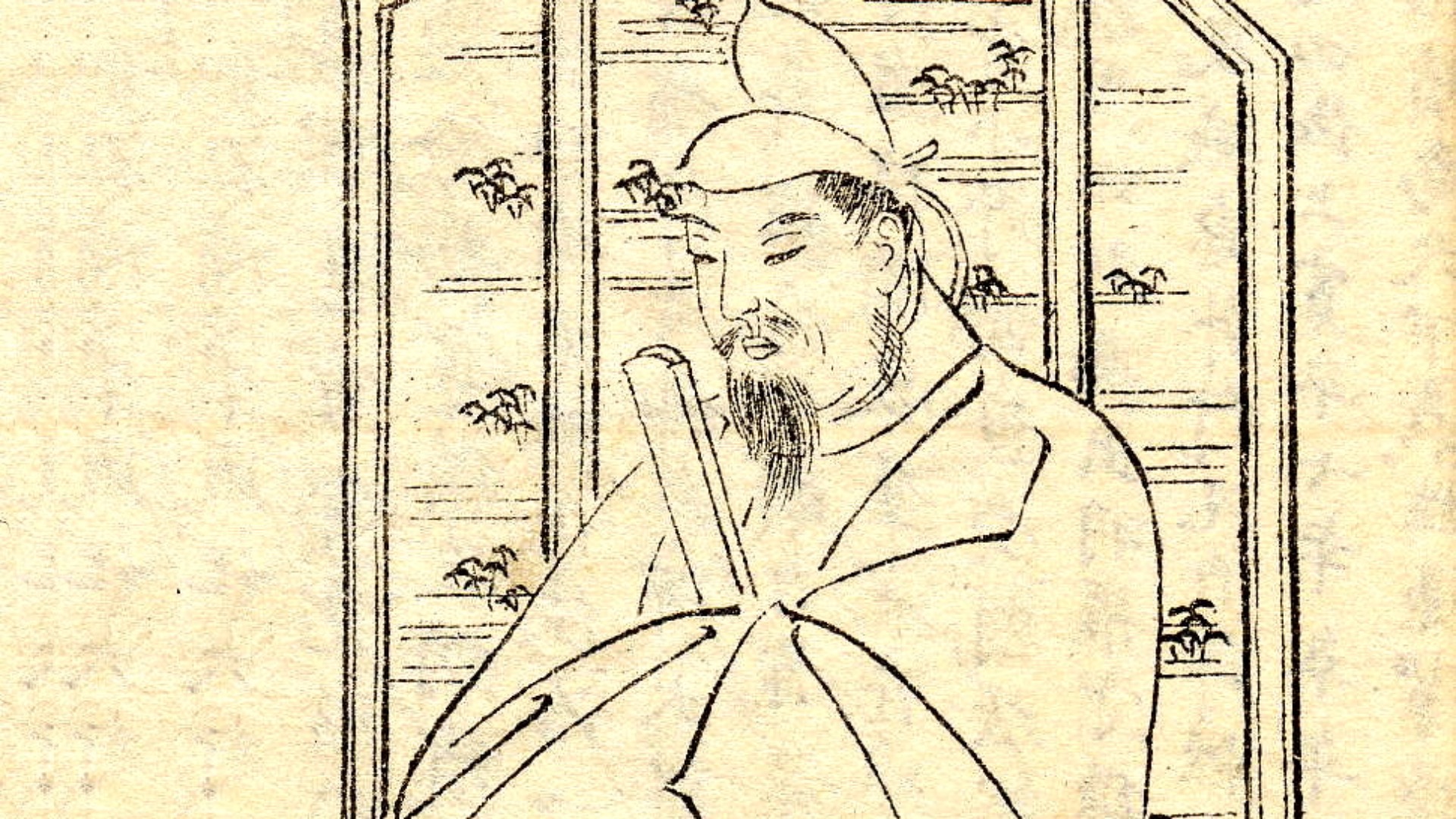
15. Tokugawa Ieyasu
Tokugawa Ieyasu founded Japan's Tokugawa shogunate after winning the Battle of Sekigahara in 1600 (and earning the title of shogun in 1603). Following his death in 1616, he was posthumously deified as Tōshō Daigongen and enshrined at Nikkō. Long story short, the guy who spent decades building earthly power gained a religious identity that lasted long after his dynasty disappeared.
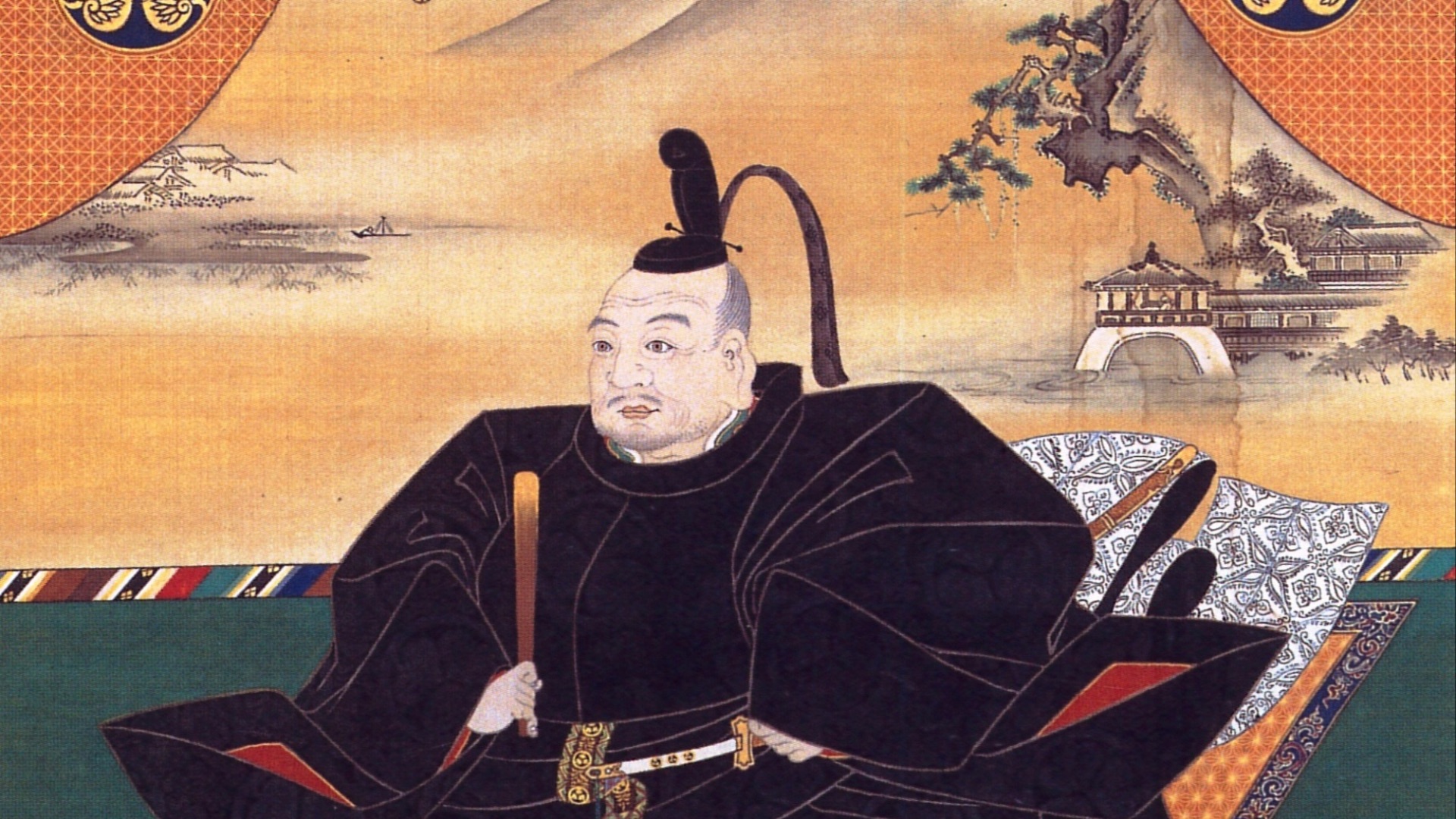
16. Sundiata Keita
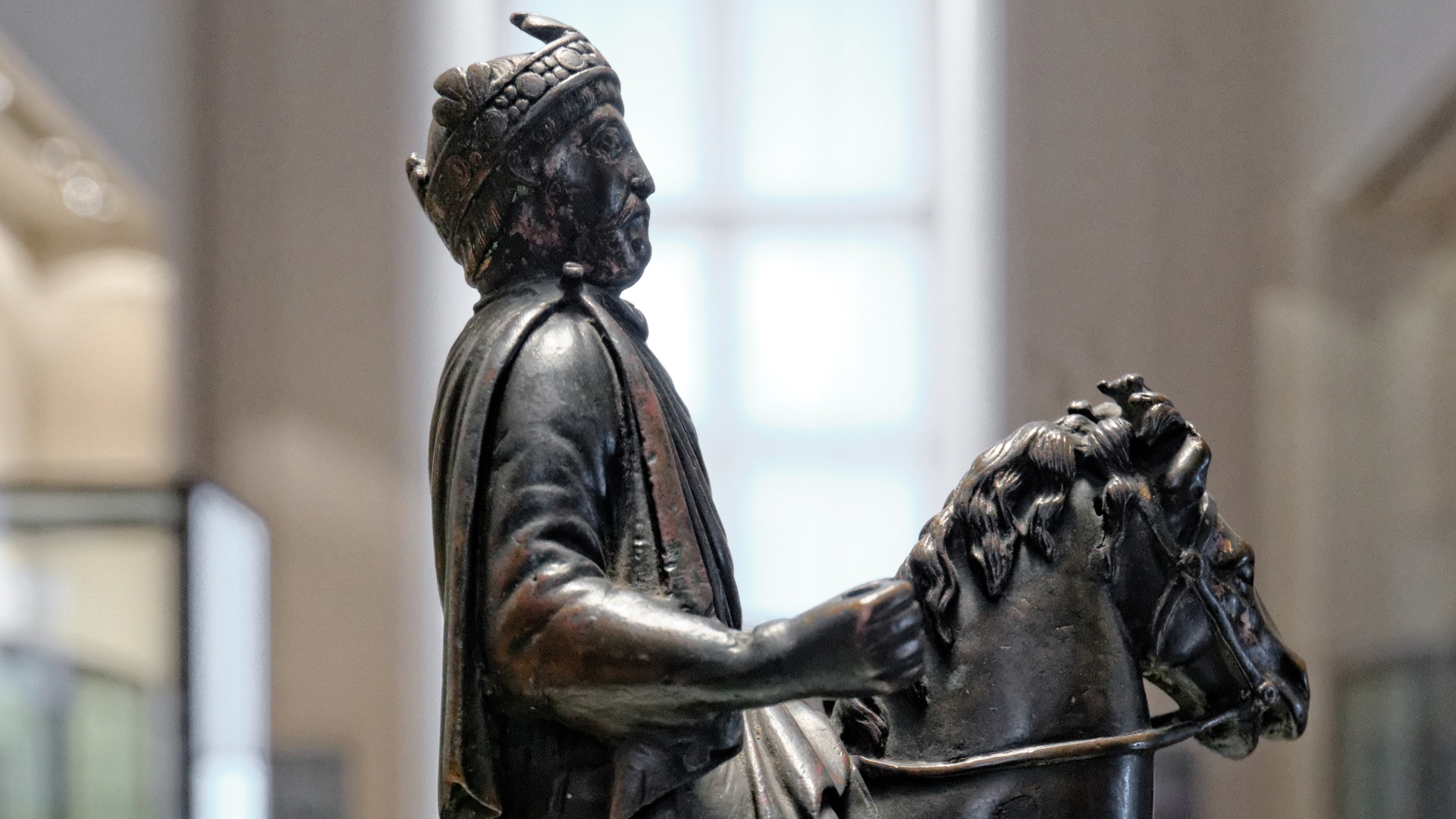
Sundiata Keita was the 13th-century founder of the Mali Empire, although much of what people know about him comes through stories. The Epic of Sundiata surrounds his rise with prophecy, magic, and supernatural opponents while preserving memories of his actual political struggles. Historians today distinguish the founder from the heroic Sundiata remembered by storytellers.

17. Charlemagne
Charlemagne ruled much of western Europe and was crowned emperor in Rome on Christmas Day in 800, leaving no question about whether he actually existed. Medieval storytellers, though, turned him into the towering ruler of the Matter of France. Works such as The Song of Roland also used him as the center of a legendary world that became much grander than his actual court.
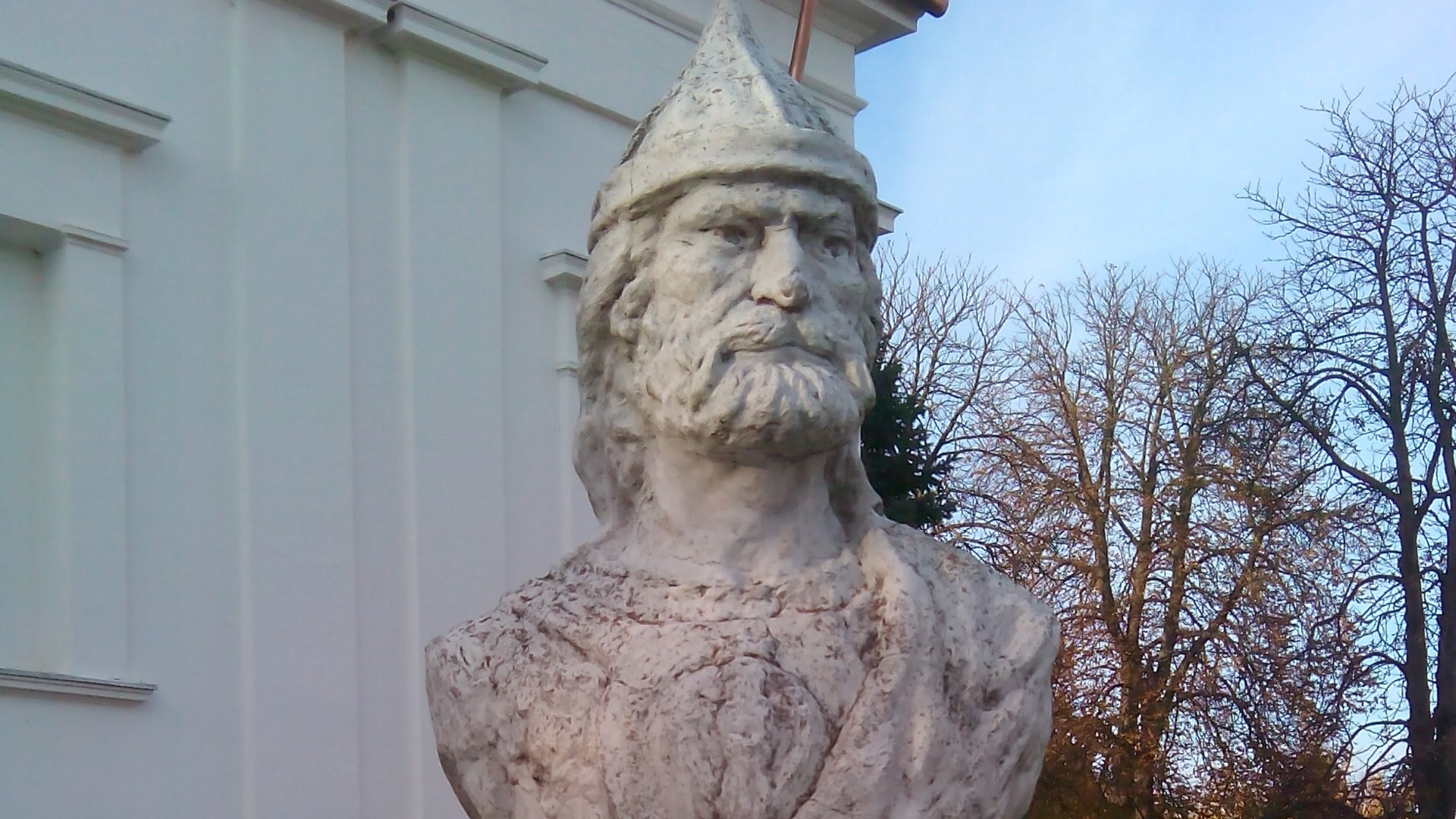
18. Attila the Hun
Attila terrorized the Roman world during the fifth century, ruling the Huns until his death in 453. But mythology is nothing without an antagonist, and Germanic heroic tradition later recast him as Etzel, a major character in works including the Nibelungenlied. The literary king bears only a passing resemblance to the conqueror described by late Roman observers, but they share the same origin.
19. Theodoric the Great
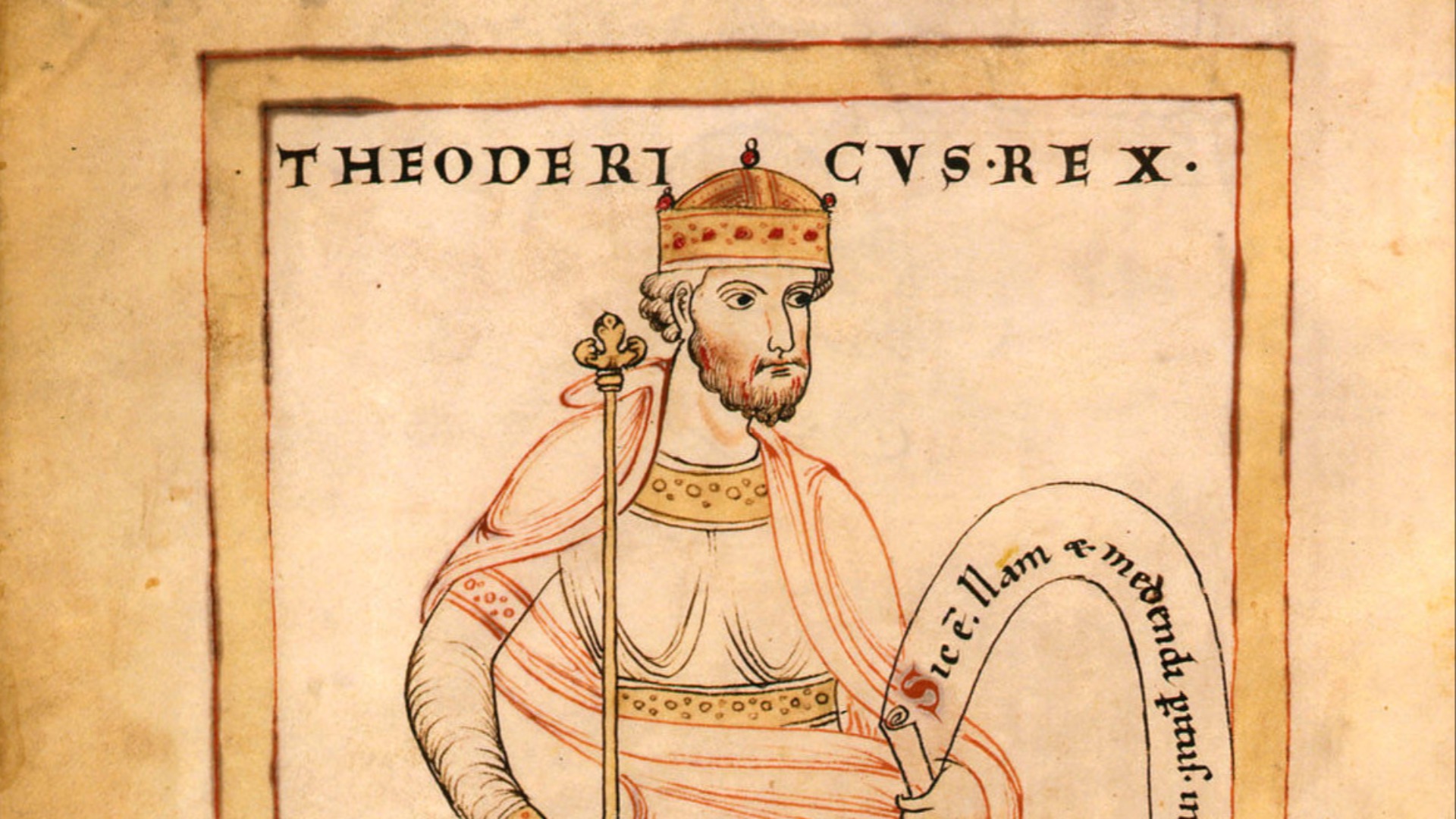
Theodoric the Great ruled the Ostrogothic kingdom of Italy from 493 until 526, making him one of the most important rulers of post-Roman Europe. In Germanic legends, however, he turned into something much more: Dietrich von Bern. He was an exiled hero whose adventures could involve everything from giants and dwarfs to dragons and other supernatural opponents.
20. Hygelac
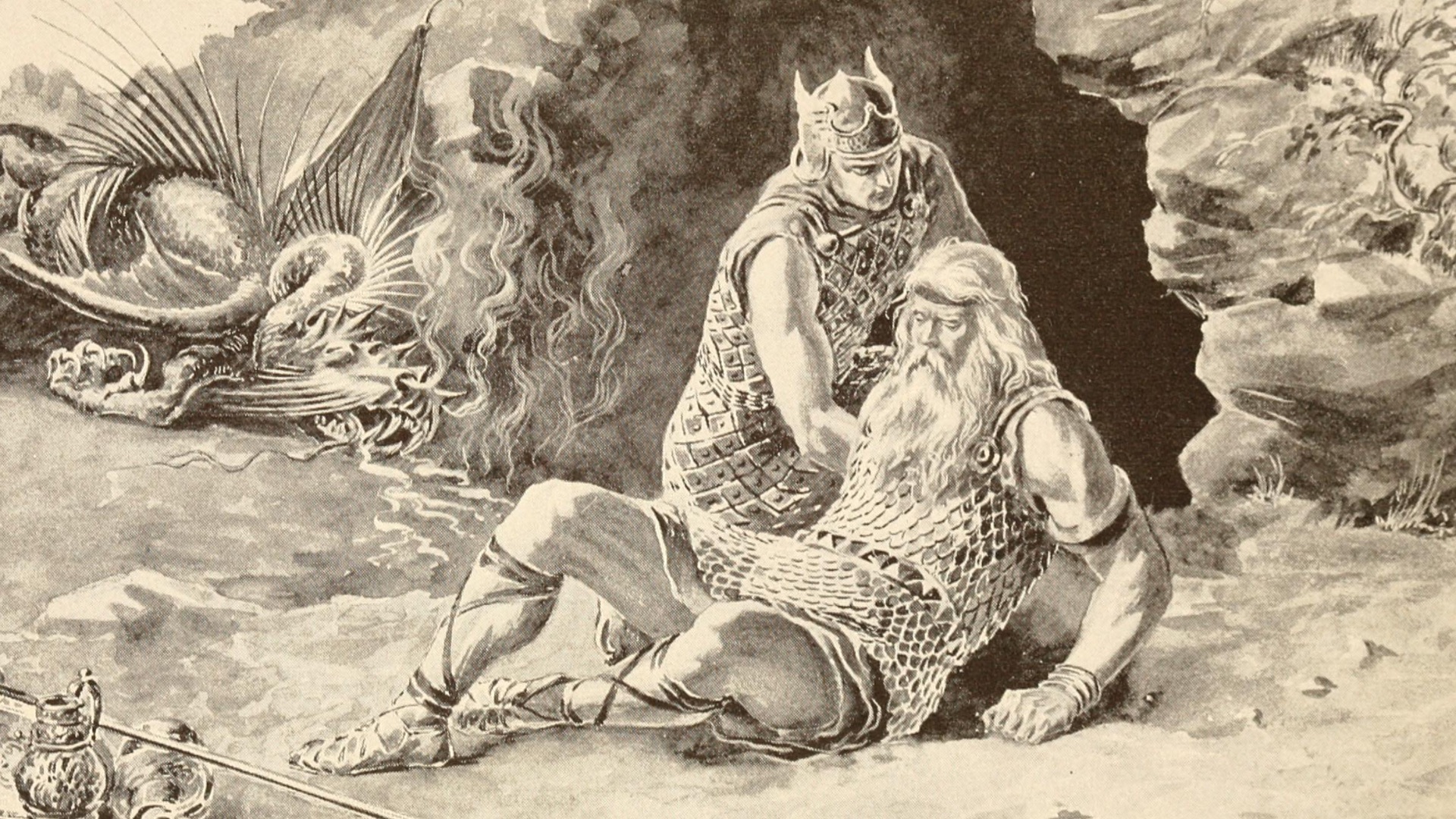
King Hygelac appears in Beowulf as the ruler of the Geats and the uncle of the poem's monster-fighting hero. Unlike Beowulf himself, Hygelac can, in fact, be connected with a Scandinavian ruler recorded by the sixth-century historian Gregory of Tours. Say what you will about it, but that small connection gives Beowulf at least one character who seems to have stepped directly out of documented history.
 Internet Archive Book Images on Wikimedia