20 of History's Most Unbelievable Military Operations
Plans That Somehow Left the Drawing Board
Military history is filled with enormous battles, but some operations stand out because the plans sound too strange, ambitious, or dangerous to have been approved. Commanders have used corpses carrying false documents, bouncing bombs, miniature submarines, disguised fishing boats, and overwhelming firepower deployed solely to cut down a tree. Some of these missions worked remarkably well, while others became famous for going wrong in ways their planners hadn’t anticipated. Here are 20 military operations that show just how creative and unpredictable warfare can become when conventional ideas no longer seem sufficient.
 The National Archives UK on Wikimedia
1. Operation Mincemeat
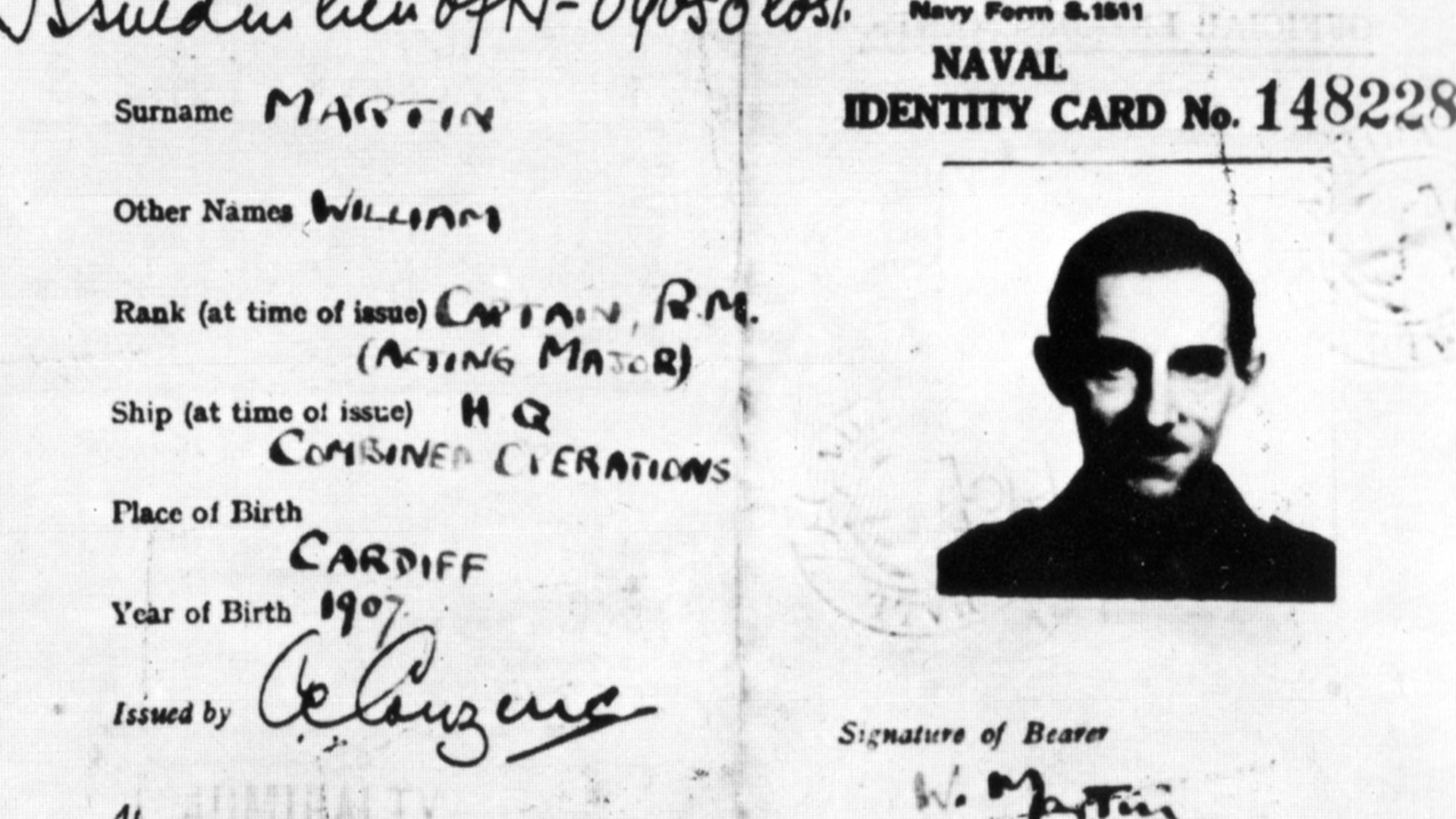
In 1943, British intelligence dressed a corpse as a Royal Marines officer and placed false invasion documents on the body. It was released near Spain in the hope that the papers would reach German intelligence and convince Nazi leaders that the Allies planned to invade Greece and Sardinia instead of Sicily. The deception worked, making one of World War II’s most effective agents a man who had never actually enlisted.
 Ewen Montagu Team on Wikimedia
2. Operation Fortitude
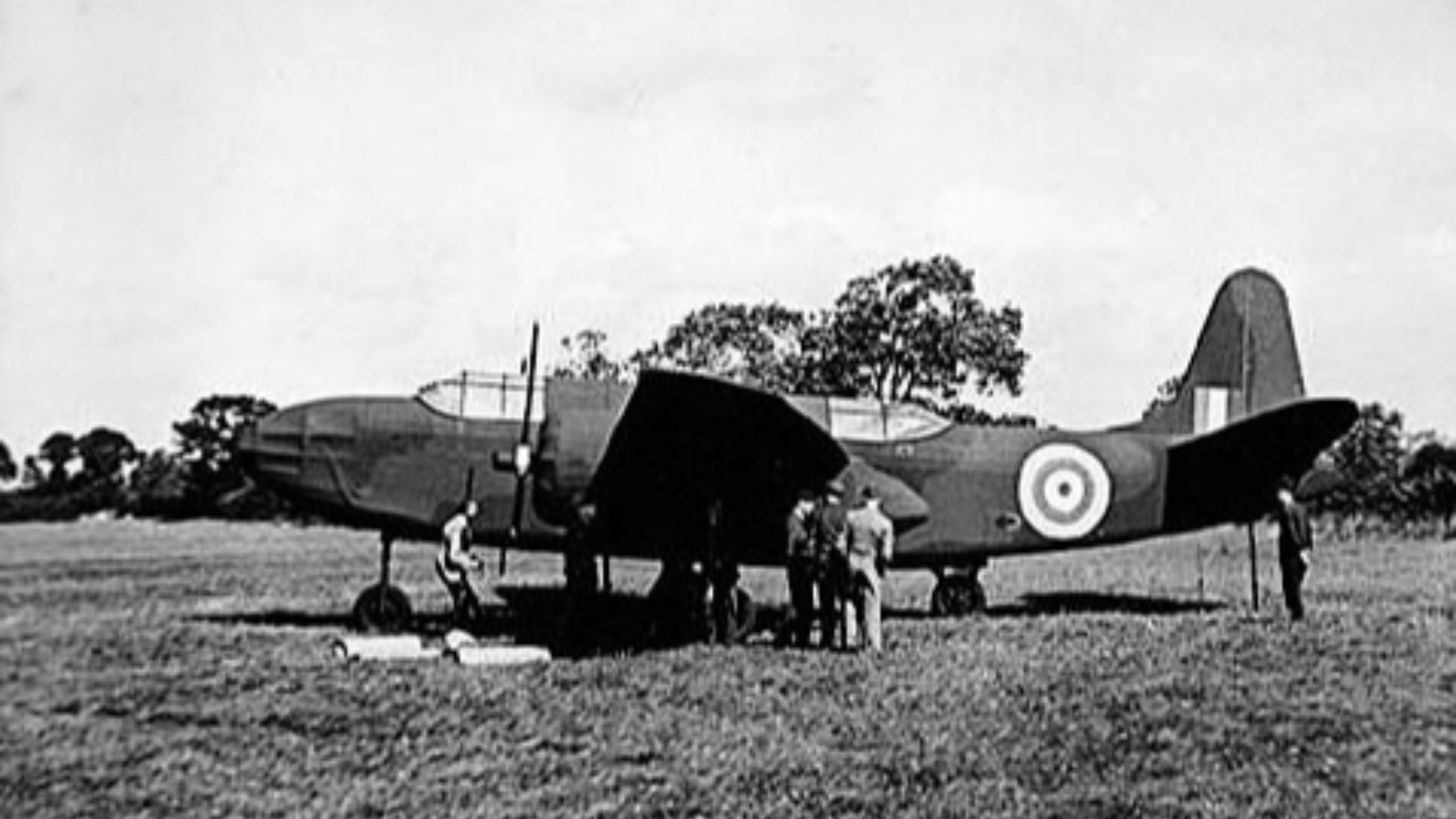
Before D-Day, the Allies created an imaginary army supposedly preparing to invade France at Pas-de-Calais. Inflatable tanks, fake radio traffic, dummy aircraft, and double agents helped make the fictional force appear convincing. Germany continued preparing for an attack elsewhere even after Allied troops began landing in Normandy, which gave the real invasion valuable breathing room.
 Royal Air Force official photographer on Wikimedia
3. Operation Chariot
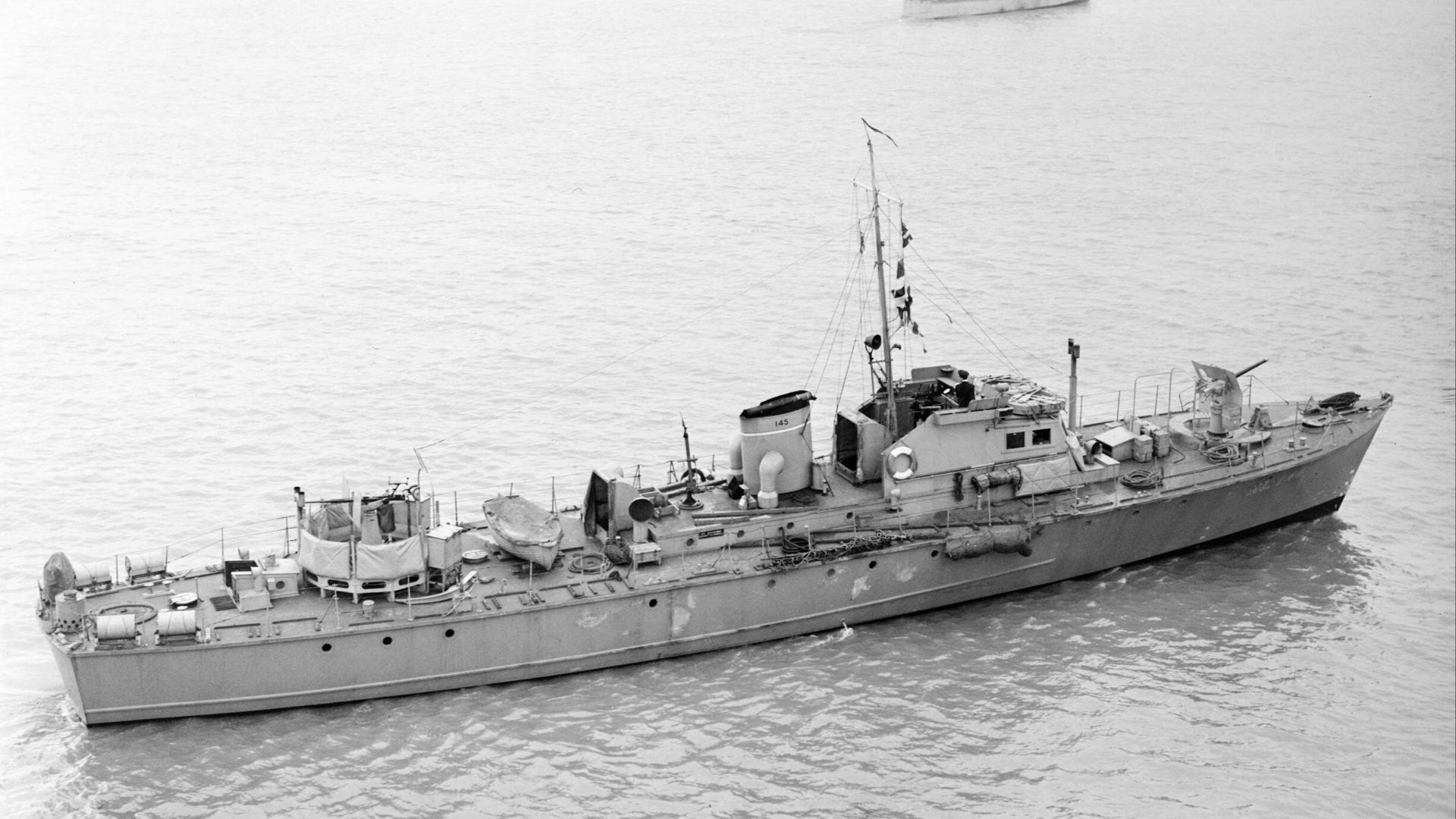
Britain’s plan for destroying the Normandie dry dock at Saint-Nazaire was to pack an obsolete destroyer with explosives and deliberately crash it into the gates. HMS Campbeltown sailed up a heavily defended estuary disguised to resemble a German warship, then accelerated through gunfire and rammed the dock at full speed. Commandos poured off the wreck to demolish nearby machinery, while the ship’s hidden charges exploded hours later and left the dock unusable for the rest of the war. It was essentially a one-way floating bomb combined with a commando raid, and somehow it worked.
 Davies, F A (Lt), Royal Navy official photographer on Wikimedia
4. Operation Chastise
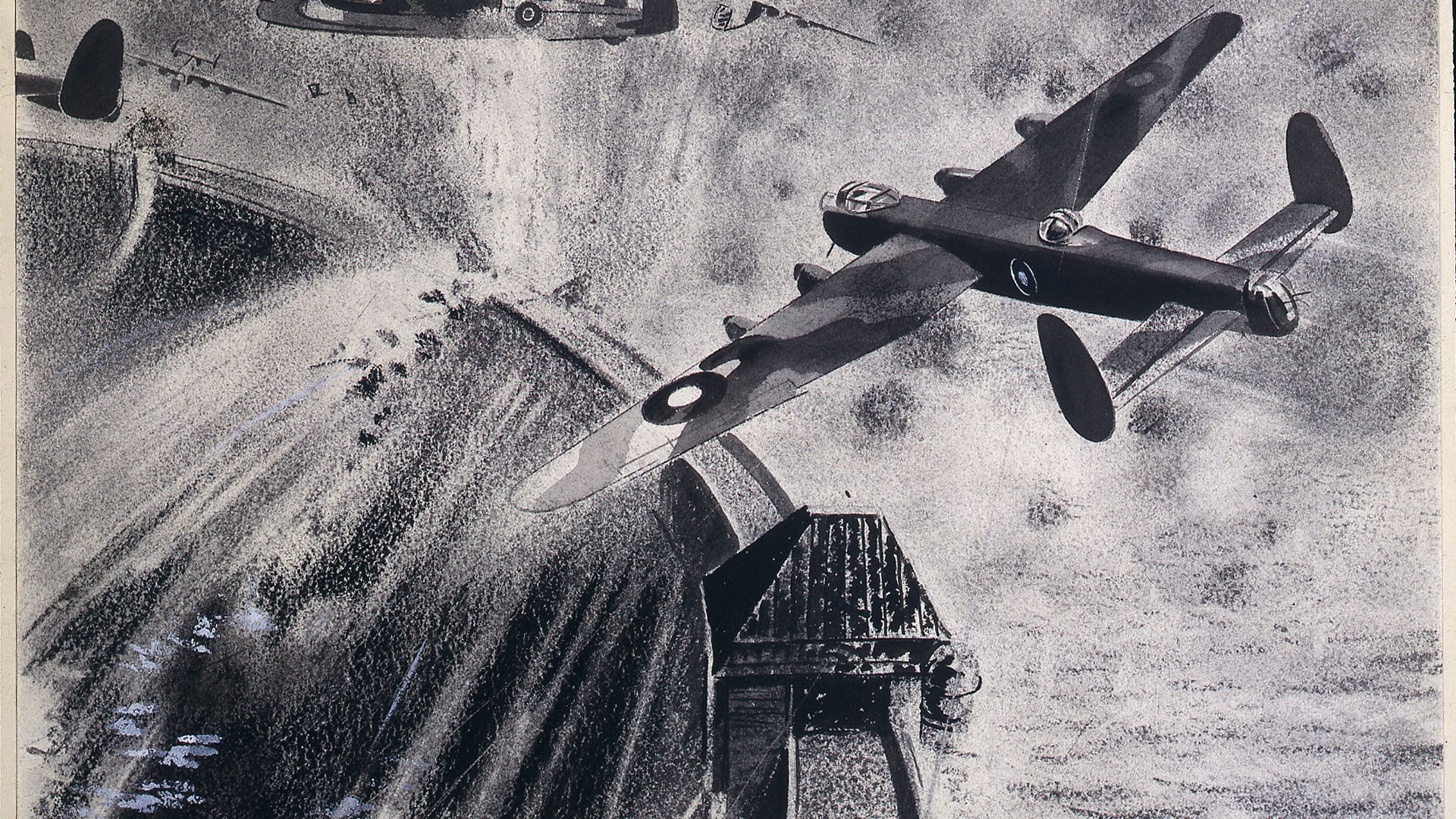
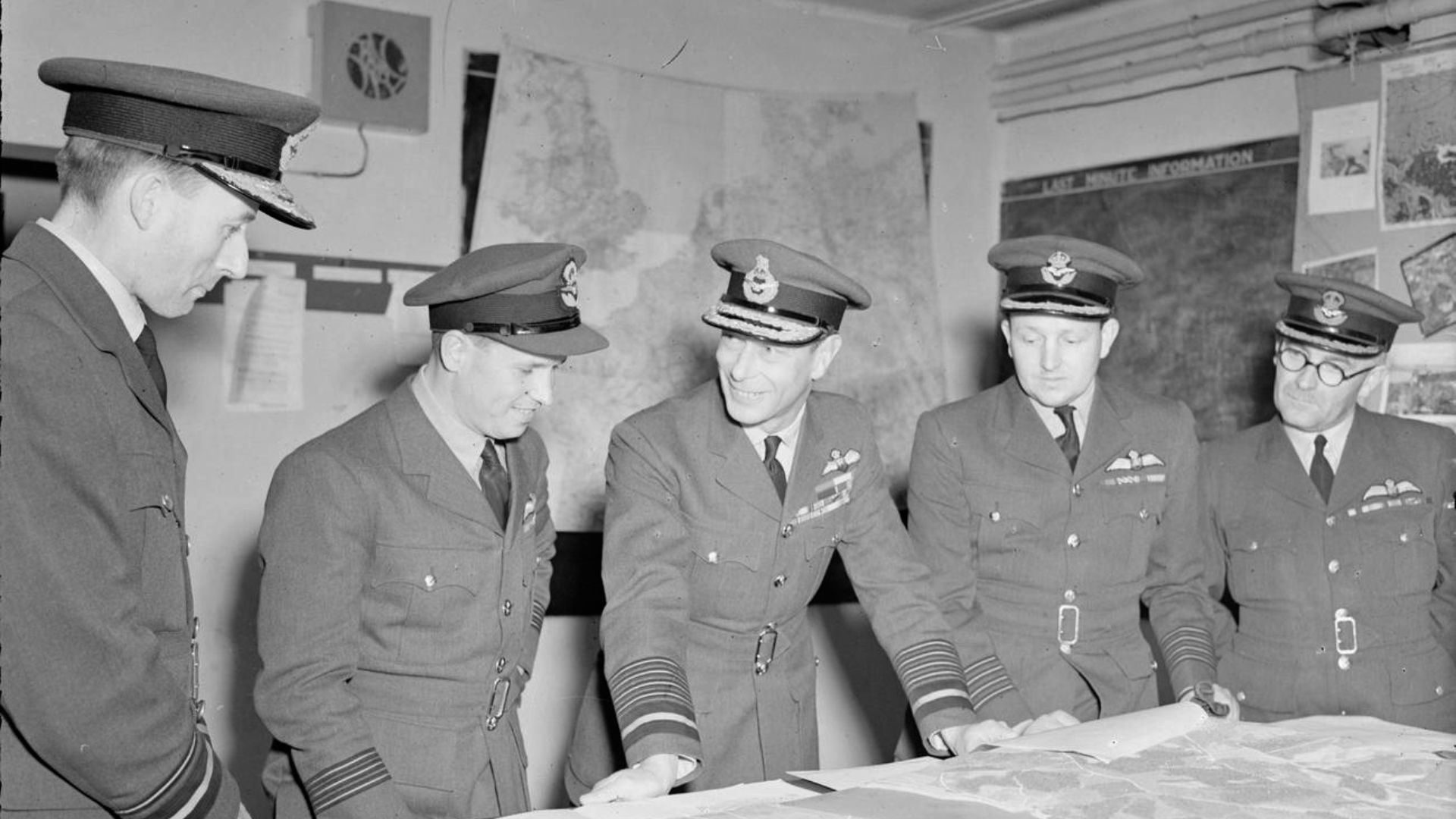
This famous Dambusters raid required British aircrews to fly at extremely low altitude and release specially designed bombs that bounced across the water. These unusual weapons had to skip over defensive torpedo nets before striking German dams in the Ruhr Valley. The operation breached two major dams, although the flooding unfortunately also killed large numbers of civilians, prisoners, and forced laborers.
 Hensser (F/O), Royal Air Force official photographer on Wikimedia
5. Operation Gunnerside
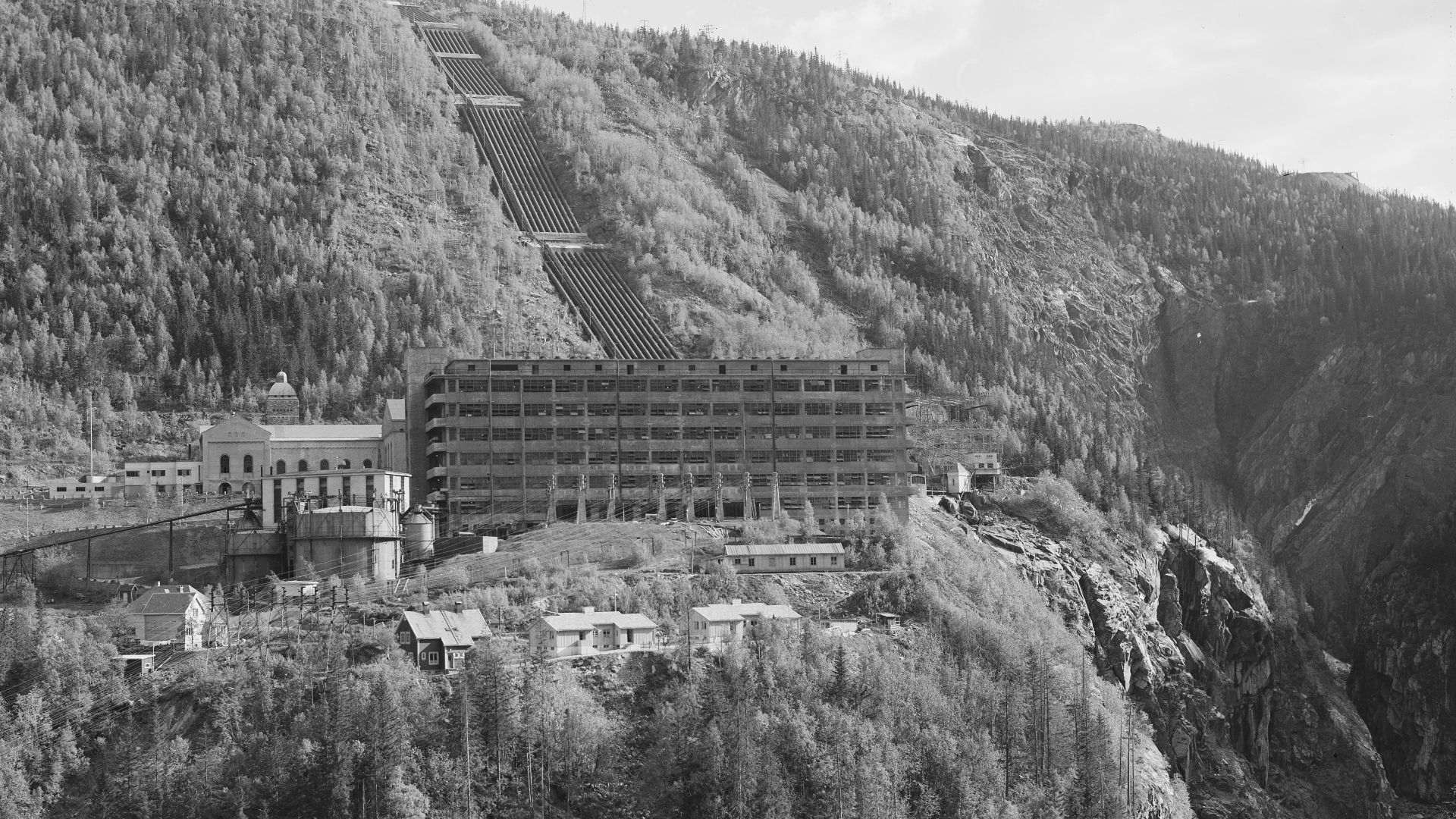
A small team of Norwegian commandos skied across a frozen landscape to sabotage the Vemork heavy-water plant in German-occupied Norway. They entered the facility, planted explosives, and escaped without firing a shot or losing a member of the raiding party. The attack destroyed vital equipment and hundreds of kilograms of heavy water connected to Germany’s nuclear research program.
6. Operation Anthropoid
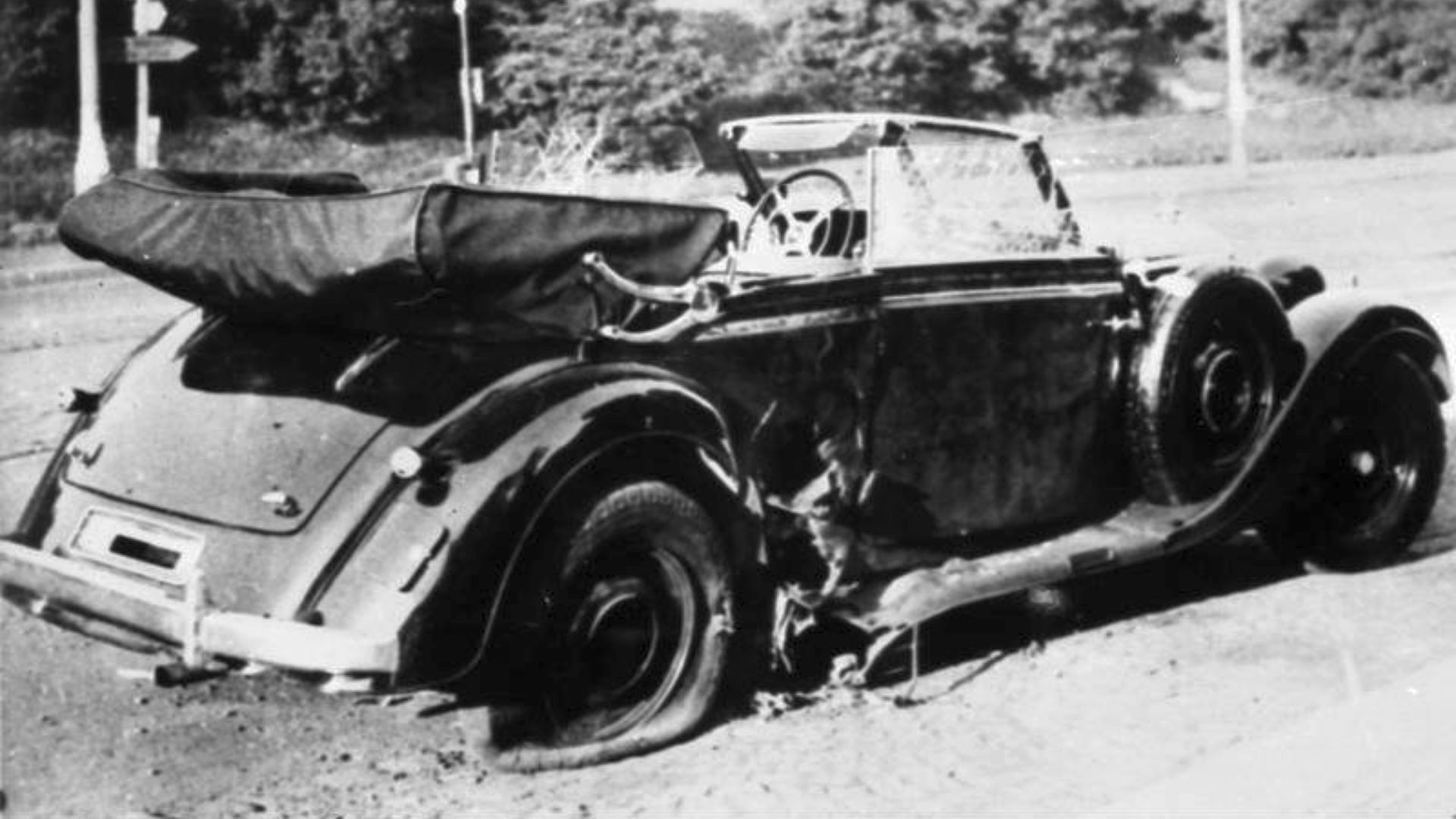
Czechoslovak agents parachuted into their occupied homeland with orders to assassinate Reinhard Heydrich, one of the most powerful officials in Nazi Germany. Their initial attack in Prague nearly failed when a gun jammed, but a grenade wounded Heydrich, who died several days later. The operation achieved its objective, though the Nazis responded with horrific reprisals against Czech civilians.
7. Operation Jericho
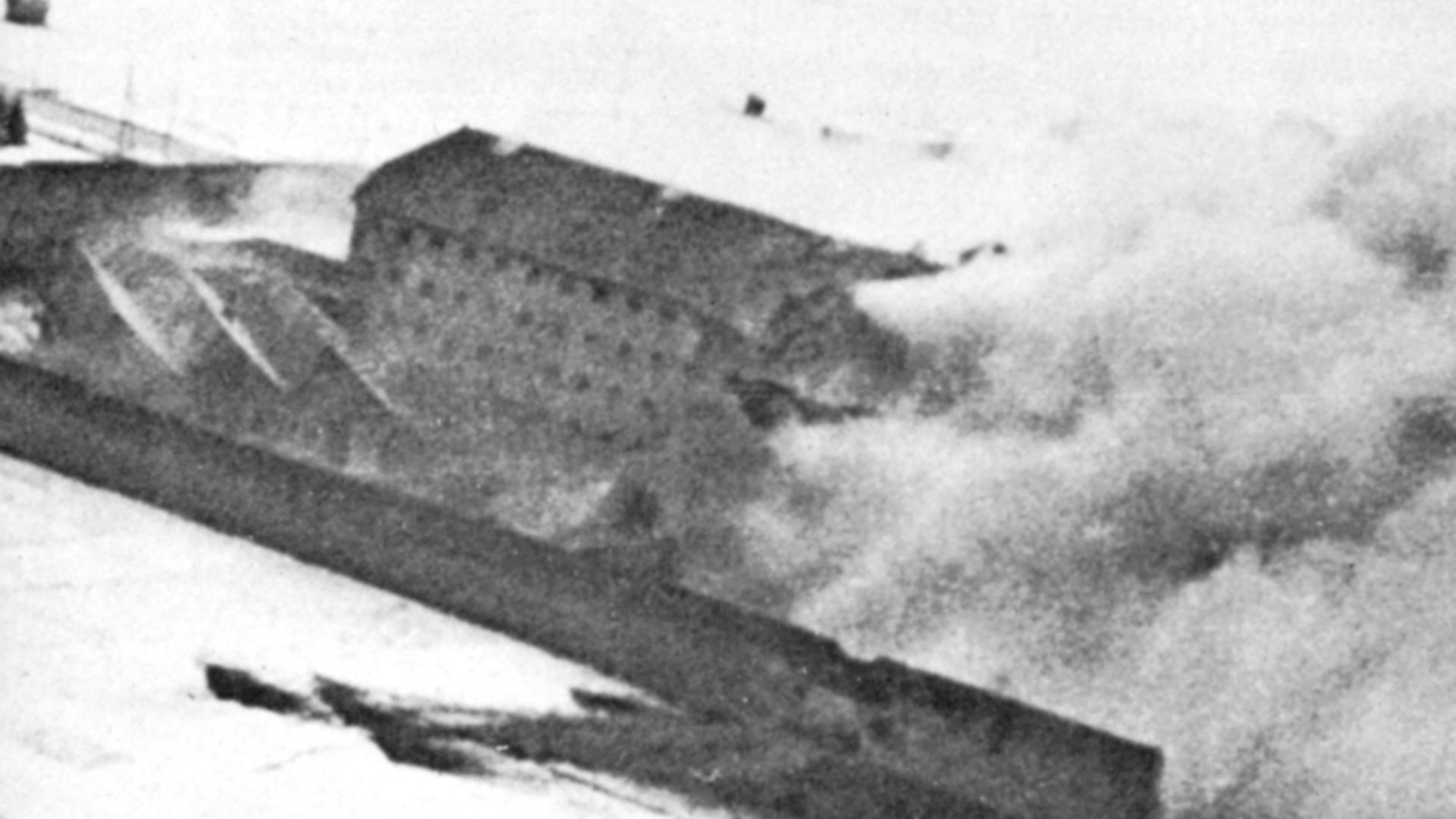
In February 1944, Royal Air Force Mosquito bombers attacked the walls and guard buildings of Amiens Prison in occupied France. The intention was to create escape routes for Resistance members and political prisoners believed to be facing execution. Bombing a prison to free its inmates was an extraordinary gamble, and 258 prisoners escaped through the breaches.
8. Operation Source
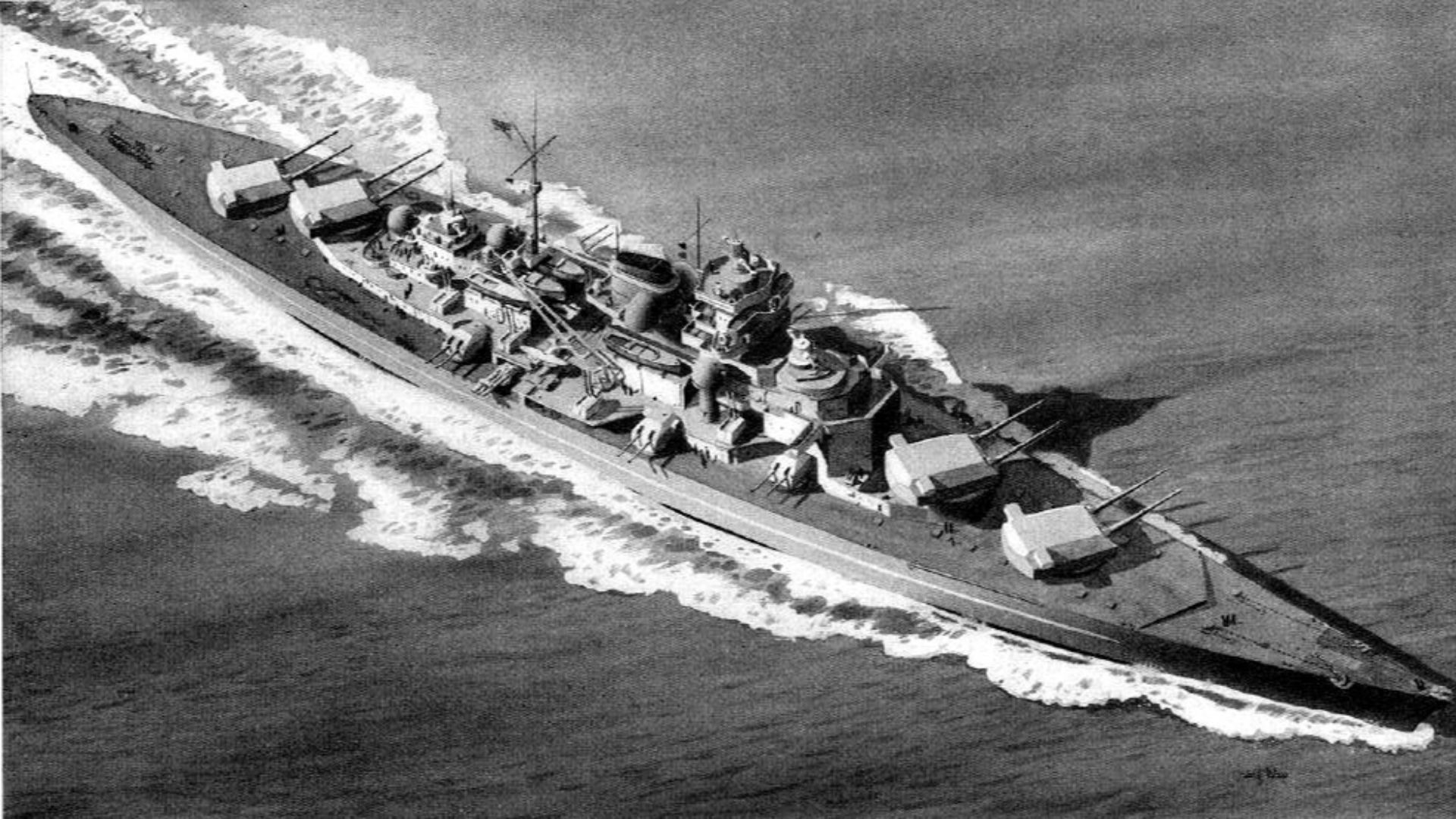
Britain used tiny X-class submarines to approach German warships hiding in heavily defended Norwegian waters. Their crews placed explosive charges beneath the battleship Tirpitz, even though navigating the protective nets and minefields offered little room for error. The attack badly damaged the enormous vessel and kept it out of action for months, despite the loss of every midget submarine involved.
9. Operation Vengeance
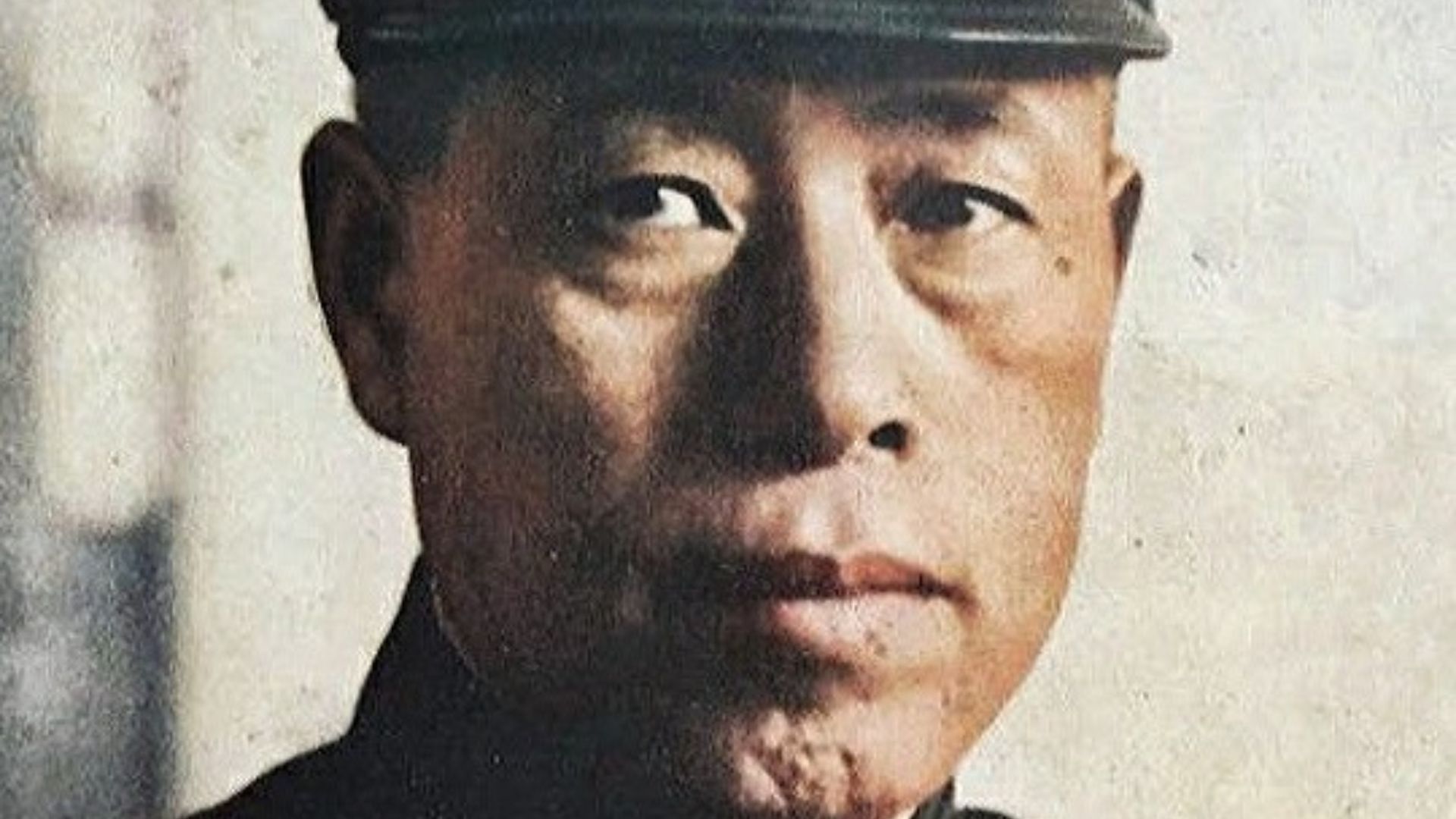
After American codebreakers learned Admiral Isoroku Yamamoto’s detailed travel schedule, the United States organized a mission to intercept his aircraft. P-38 fighters flew an unusually long route at low altitude to avoid detection before arriving at precisely the right place and time. They shot down Yamamoto’s bomber in April 1943, turning intercepted paperwork into a remarkably precise aerial ambush.
 The Advance in Nippon 画報 躍進之日本 (Gaho Yakushin no Nihon) on Wikimedia
10. Operation Hailstone
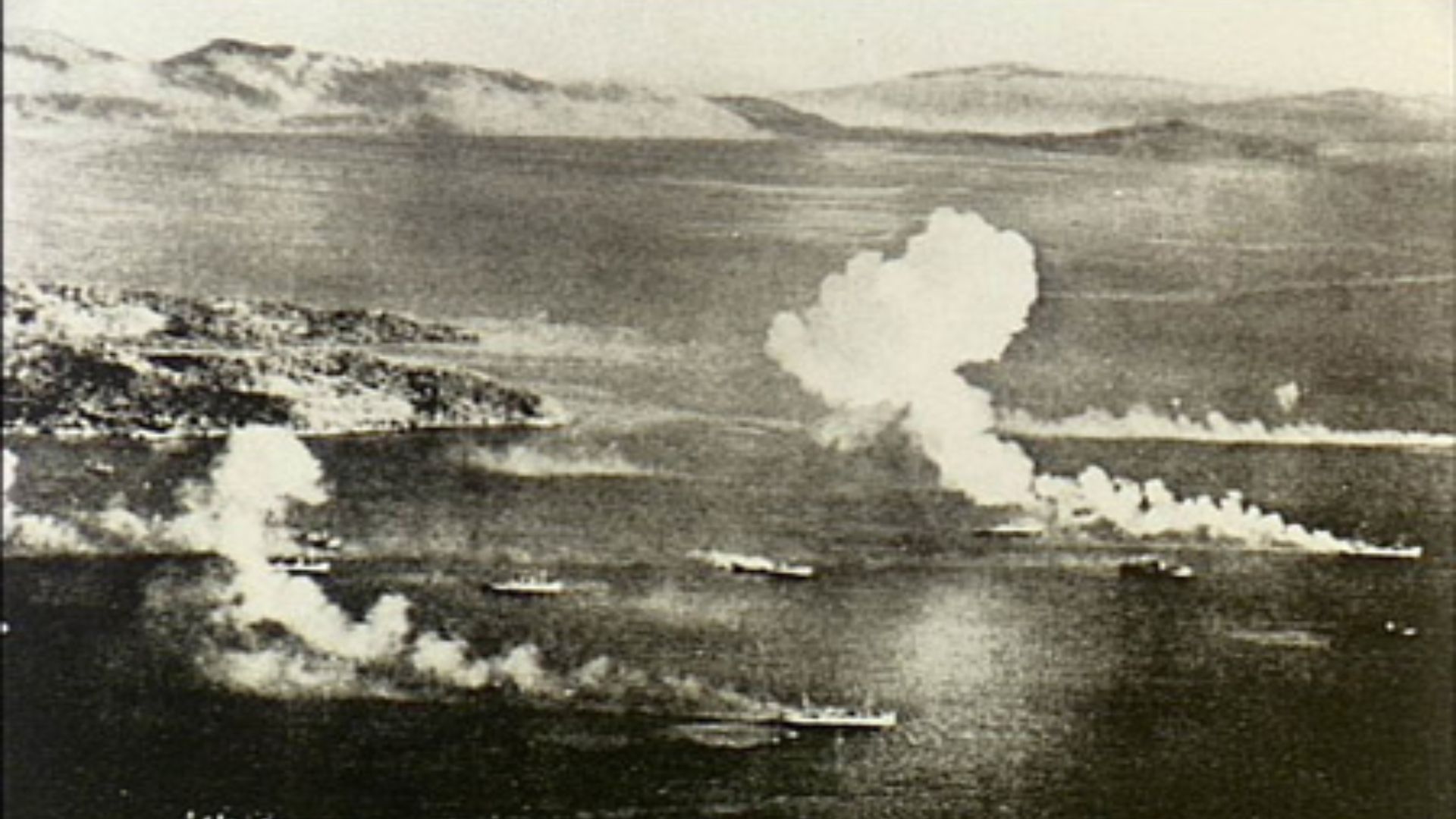
Truk Lagoon was one of Japan’s most important naval bases, and the U.S. attacked it with a massive carrier force in February 1944. Over two days, American aircraft and ships destroyed hundreds of planes and sank several warships and merchant vessels. The scale and speed of the assault earned it comparisons to Pearl Harbor, except this time Japan was on the receiving end.
11. Operation Cottage
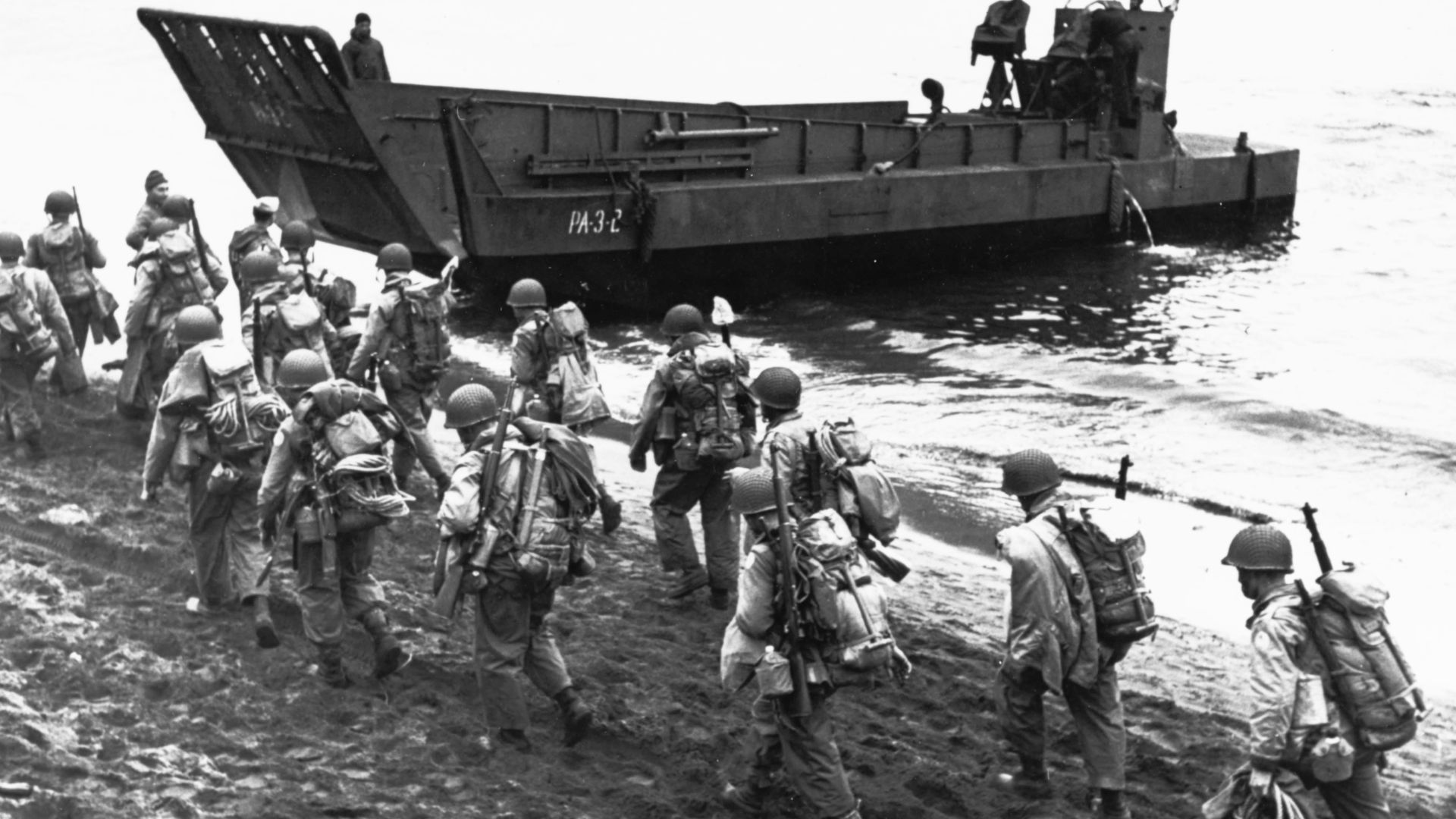
American and Canadian troops landed on the Aleutian island of Kiska in 1943, expecting a difficult fight against Japanese defenders. The Japanese had secretly evacuated weeks earlier, but poor visibility, mines, accidents, and friendly fire still caused hundreds of Allied casualties. It became the rare military operation in which an unoccupied island managed to fight back.
 Lt. Horace Bristol, USNR, Steichen photographic unit on Wikimedia
12. Operation Market Garden
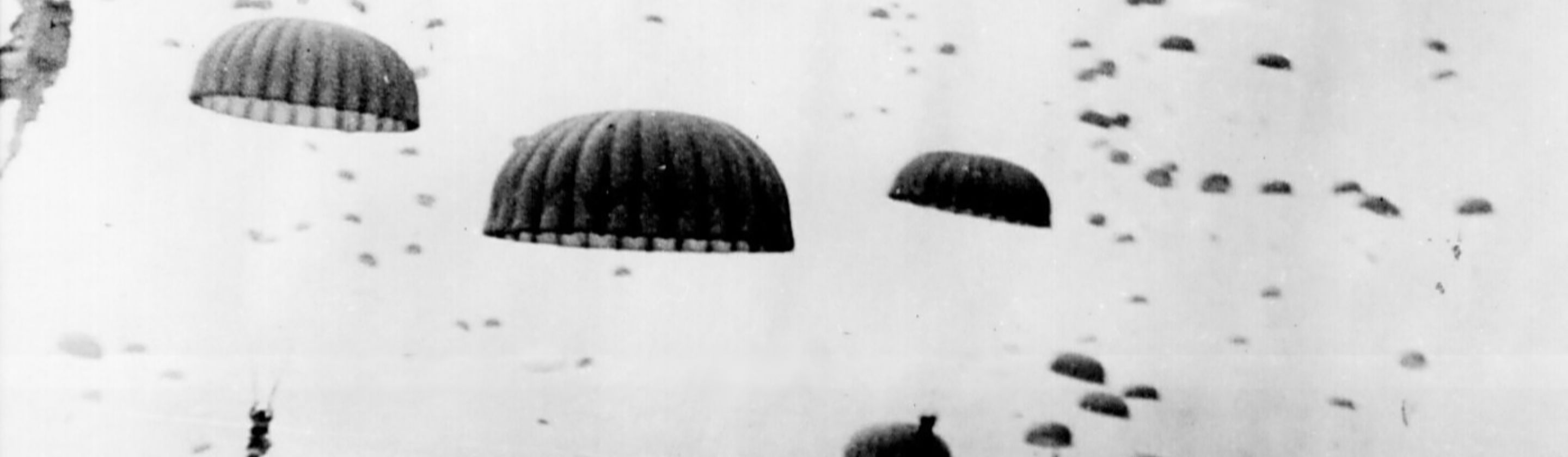
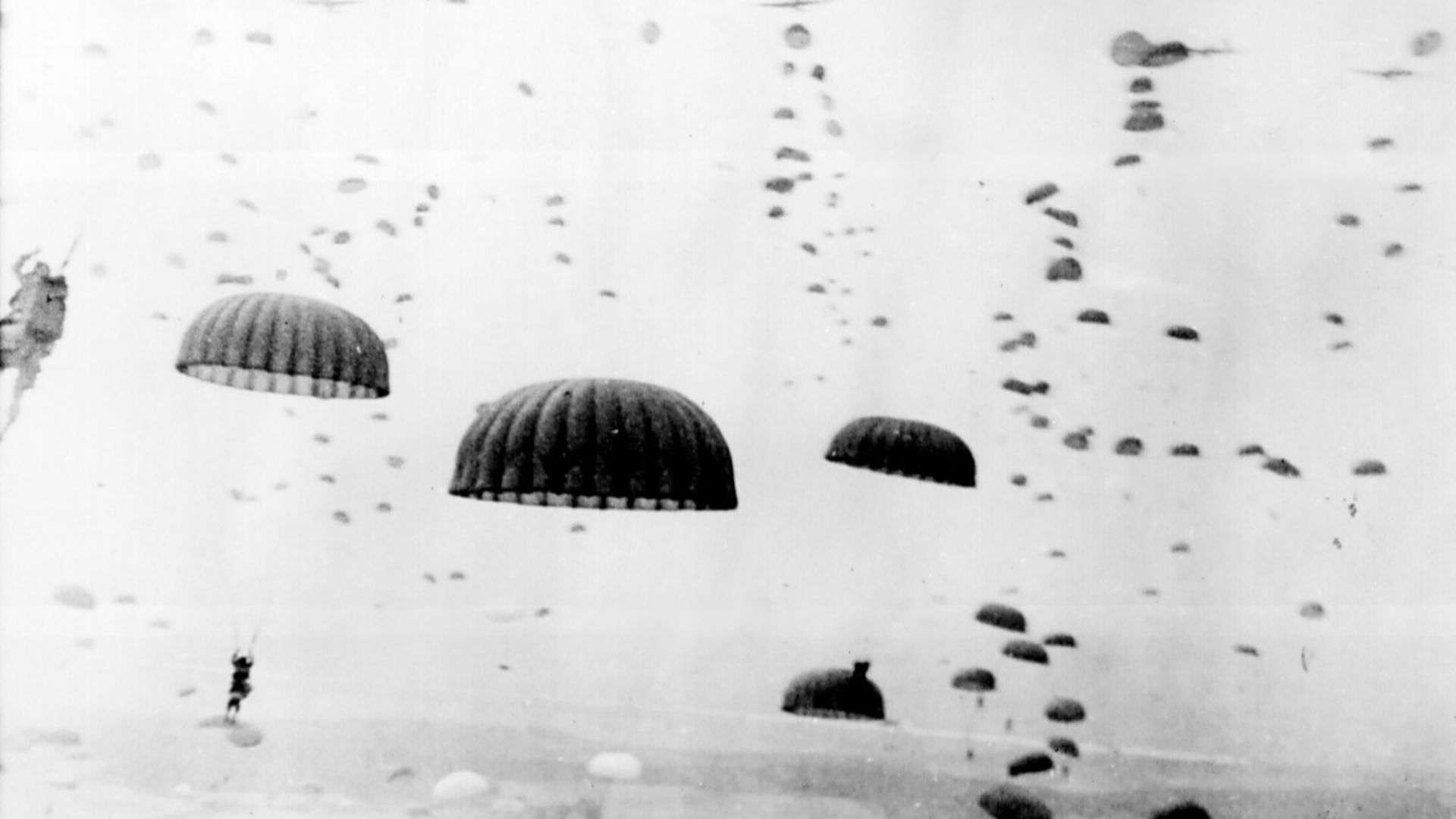
The Allies attempted to end World War II quickly by dropping tens of thousands of airborne troops across the Netherlands in September 1944. Paratroopers were expected to capture a chain of bridges while a ground column raced along a narrow road to relieve them. The plan was breathtakingly ambitious, but resistance, delays, and intelligence failures prevented the Allies from securing the final bridge at Arnhem.
 U.S. Army soldier on Wikimedia
13. Operation Overlord
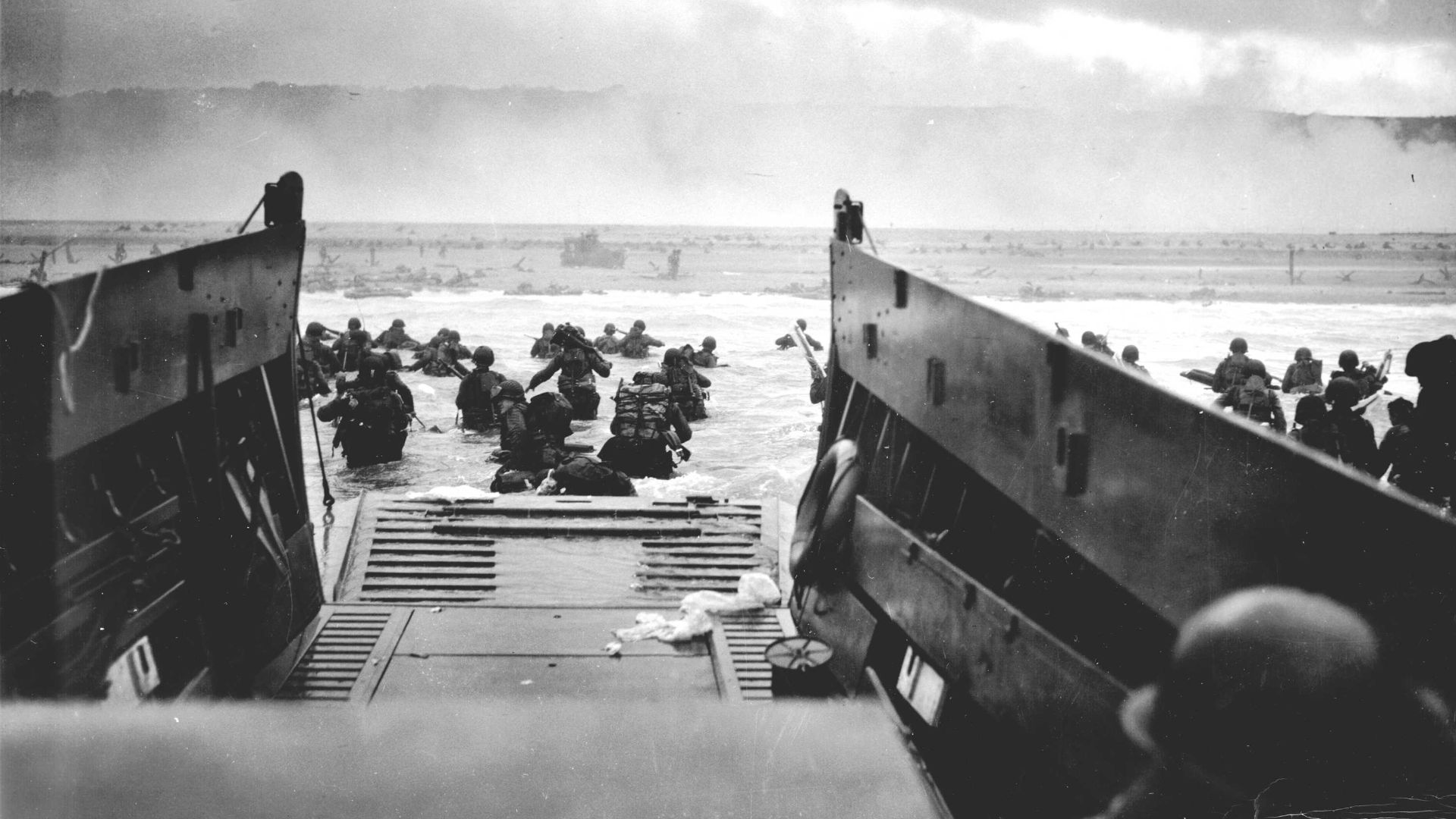
The Normandy invasion required years of secret planning, a vast buildup of personnel and equipment, and coordination among land, air, and naval forces. On June 6, 1944, Allied troops crossed the English Channel and attacked a heavily defended coastline in what became history’s largest amphibious invasion. It placed an entire army on the shores of occupied France.
 Robert F. Sargent, U.S. Coast Guard on Wikimedia
14. Operation Thunderbolt
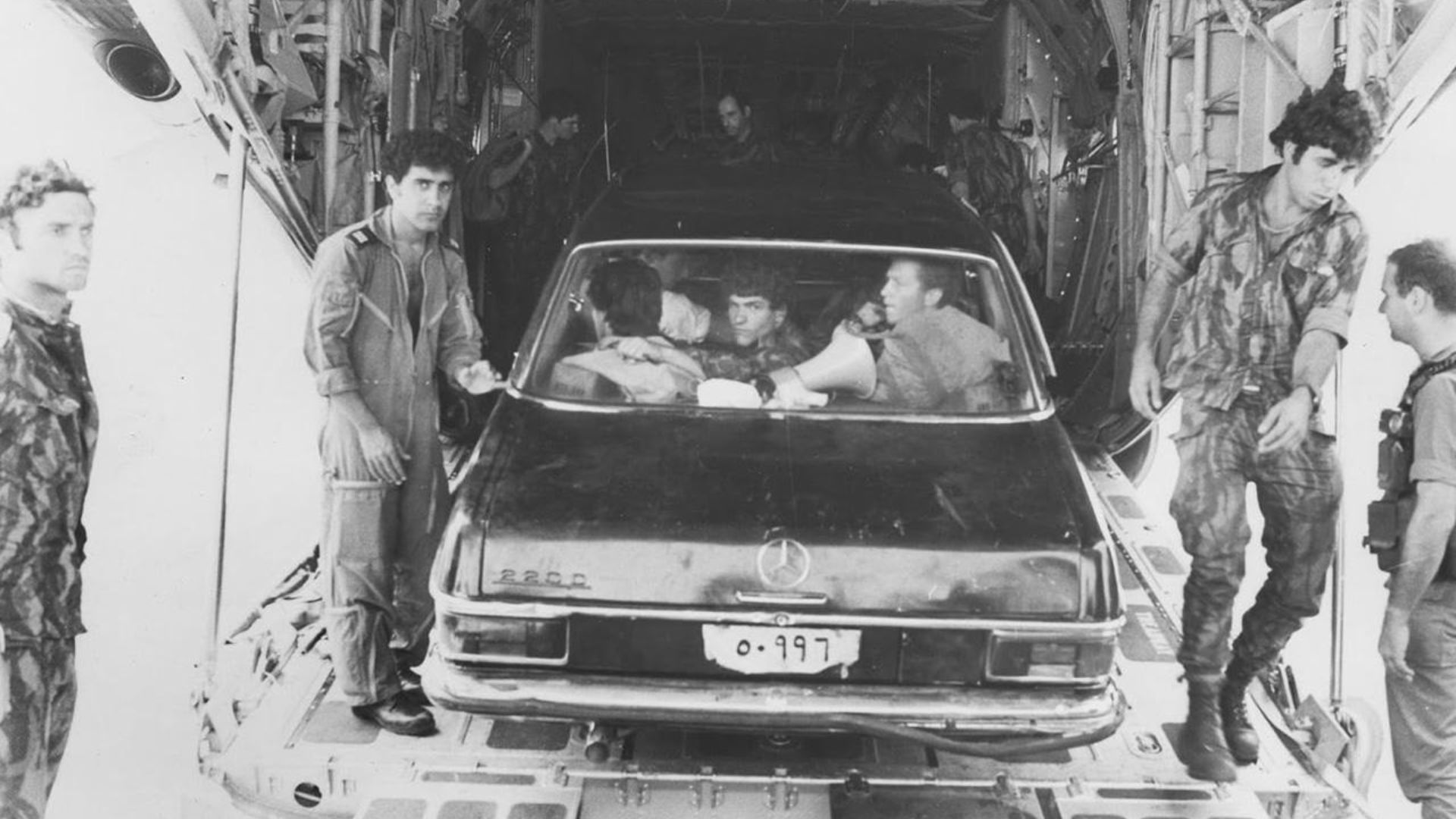
When hijackers held hostages at Entebbe Airport in Uganda, Israeli commandos flew thousands of miles to rescue them. The assault force approached the terminal in vehicles that included a black Mercedes intended to resemble Ugandan dictator Idi Amin’s motorcade. Most of the hostages were rescued during an operation lasting less than an hour, although three hostages and mission commander Yonatan Netanyahu were killed.
 IDF Spokesperson's Unit photographer on Wikimedia
15. Operation Paul Bunyan
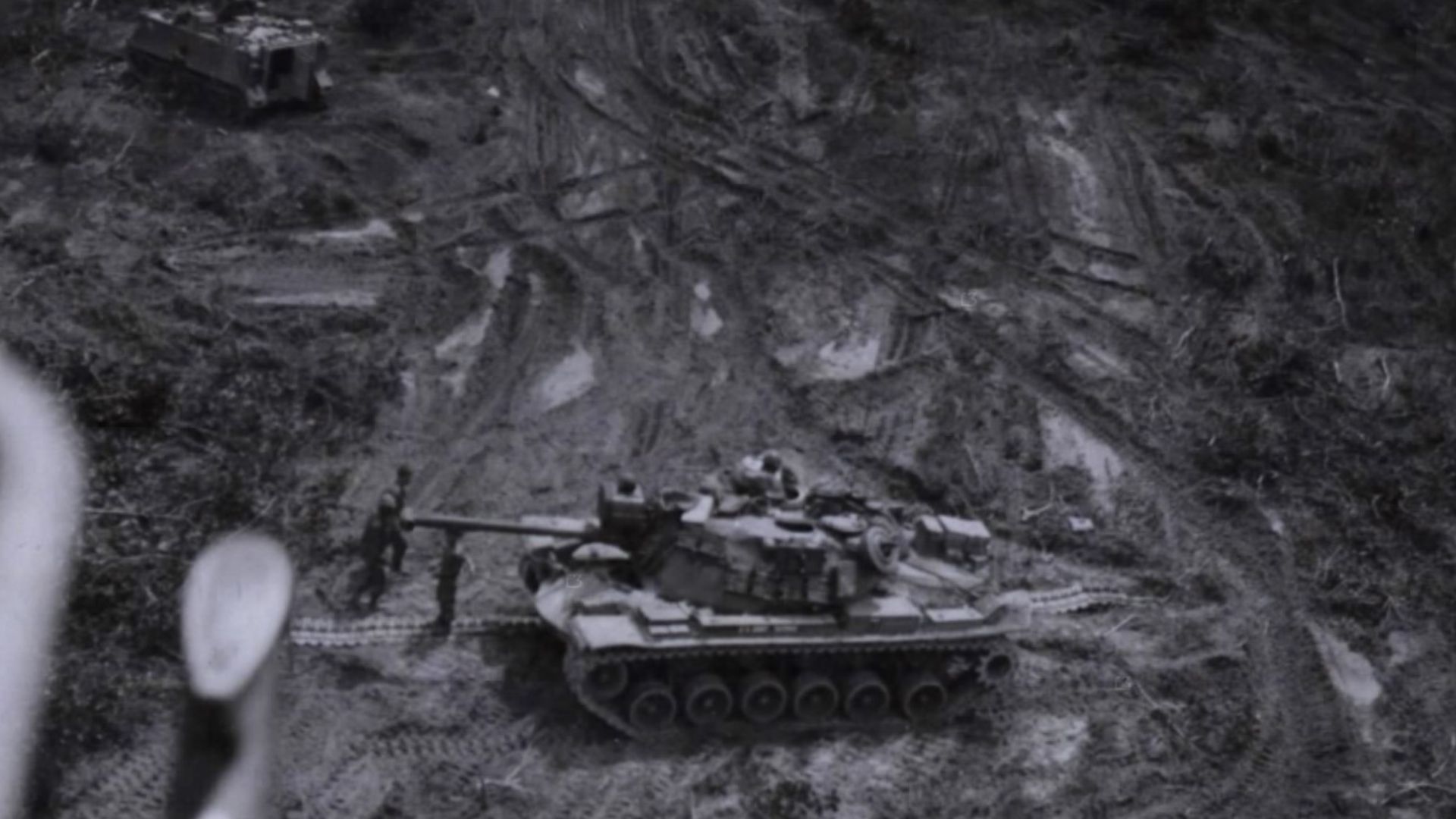
A dispute over a poplar tree in the Korean Demilitarized Zone turned deadly when North Korean soldiers killed two American officers in 1976. The U.S. and South Korea returned to cut down the tree with chainsaws, backed by hundreds of troops, attack helicopters, fighter aircraft, and bombers. It was possibly the most heavily protected landscaping job ever attempted, and the tree came down without another major clash.
 SPC Peter P. Ruplenas on Wikimedia
16. Operation Nimrod
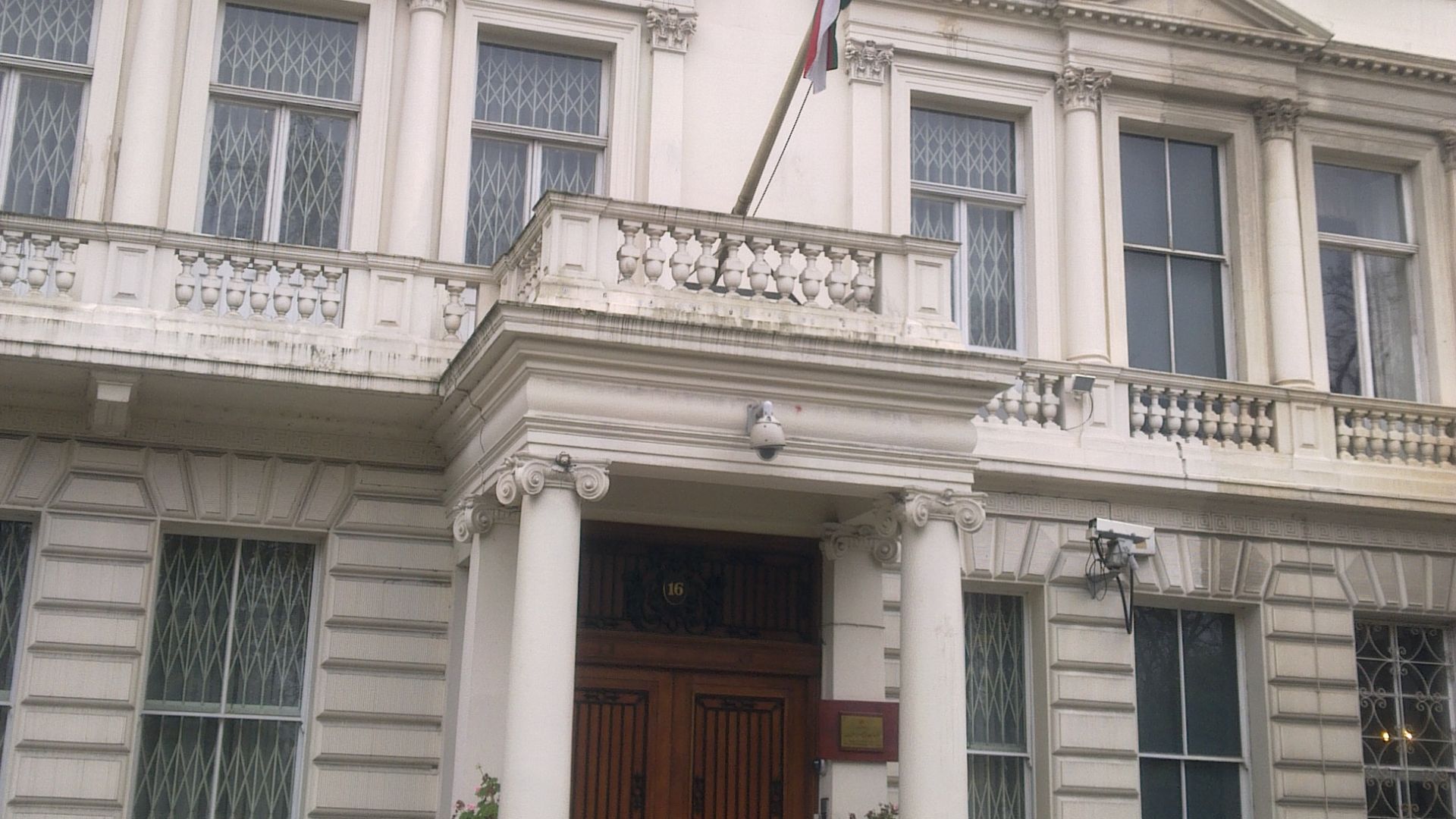
In 1980, SAS soldiers stormed the Iranian Embassy in London, ending a six-day hostage siege. Wearing black uniforms and masks, teams abseiled from the roof, blew through windows, and entered several parts of the building almost simultaneously. Much of the assault unfolded on live television, suddenly making a previously secretive special forces unit famous around the world.
17. Operation Eagle Claw
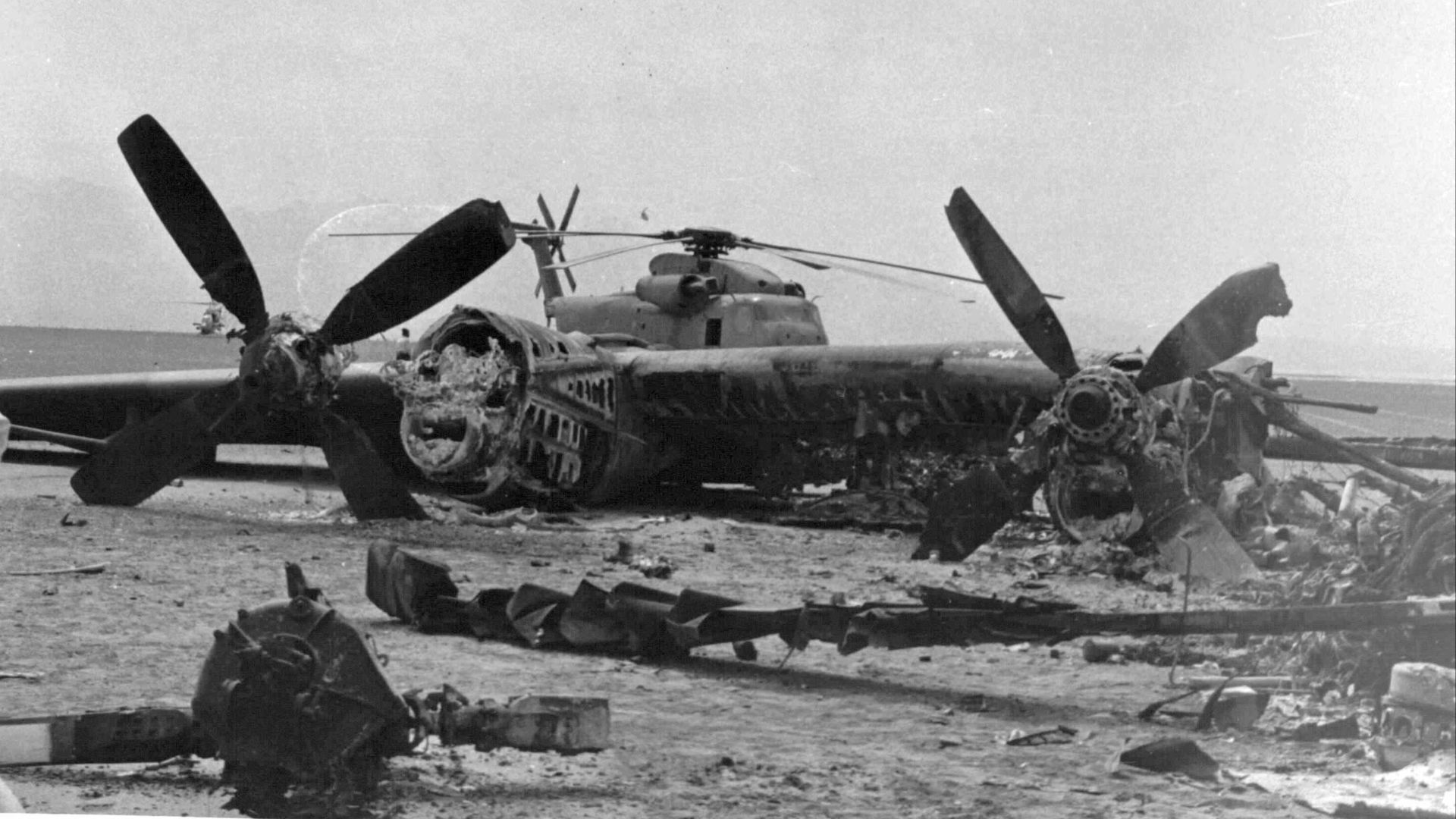
The U.S. planned an extremely complex 1980 mission to rescue American hostages being held in Tehran. Aircraft and helicopters were supposed to rendezvous secretly in the Iranian desert before commandos traveled into the capital, freed the captives, and escaped from a seized airfield. Mechanical failures, a sandstorm, and a deadly collision forced the mission to be abandoned before the rescue attempt could begin.
18. Operation Praying Mantis
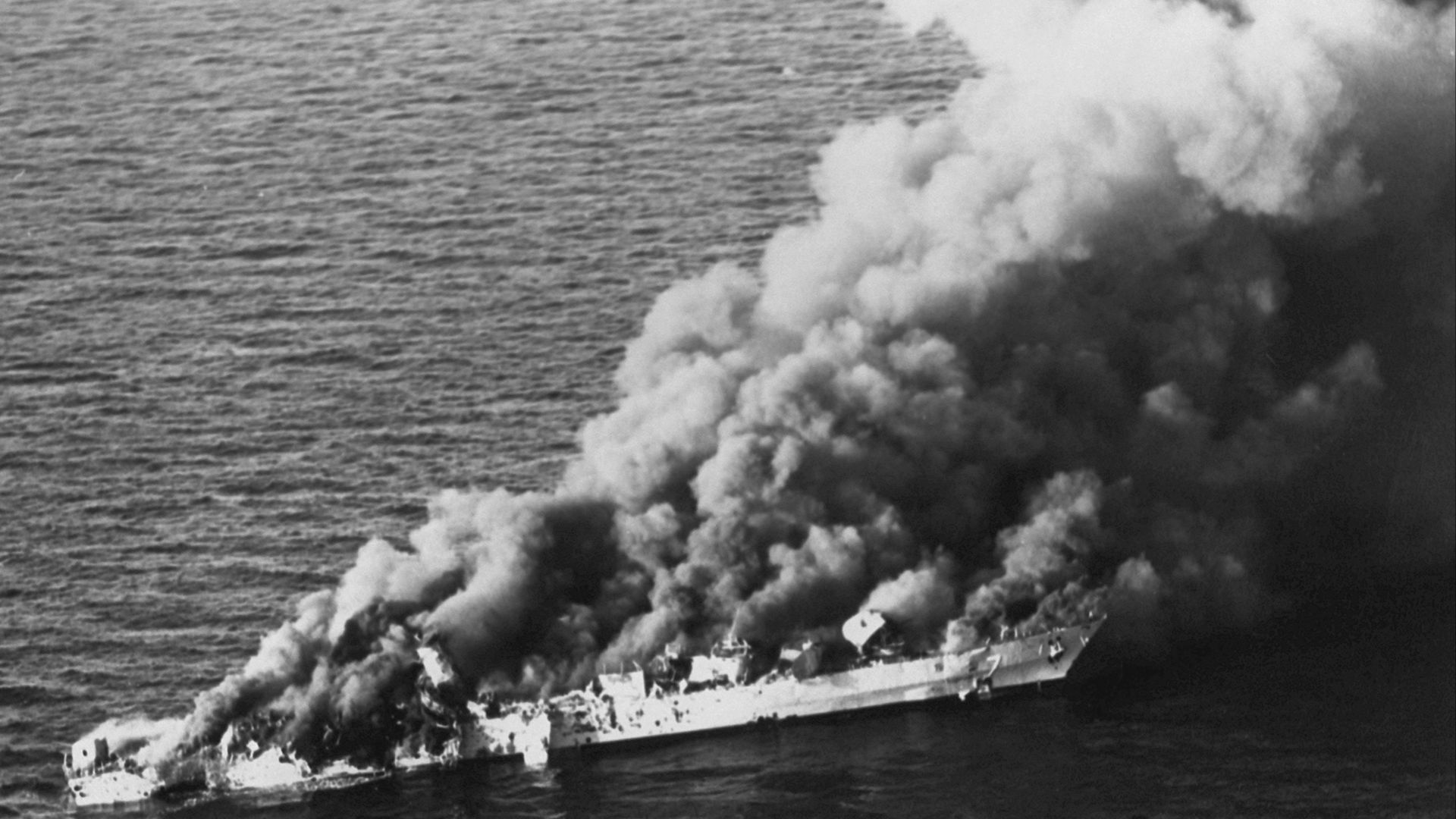
After the frigate USS Samuel B. Roberts struck an Iranian mine in 1988, the U.S. launched a large naval retaliation. American forces attacked oil platforms and engaged Iranian ships during the largest U.S. Navy surface action since World War II. By the end of the single-day operation, two Iranian ships had been sunk, another was badly damaged, and two military-used platforms had been destroyed.
 Service Depicted: Navy on Wikimedia
19. Operation Jaywick
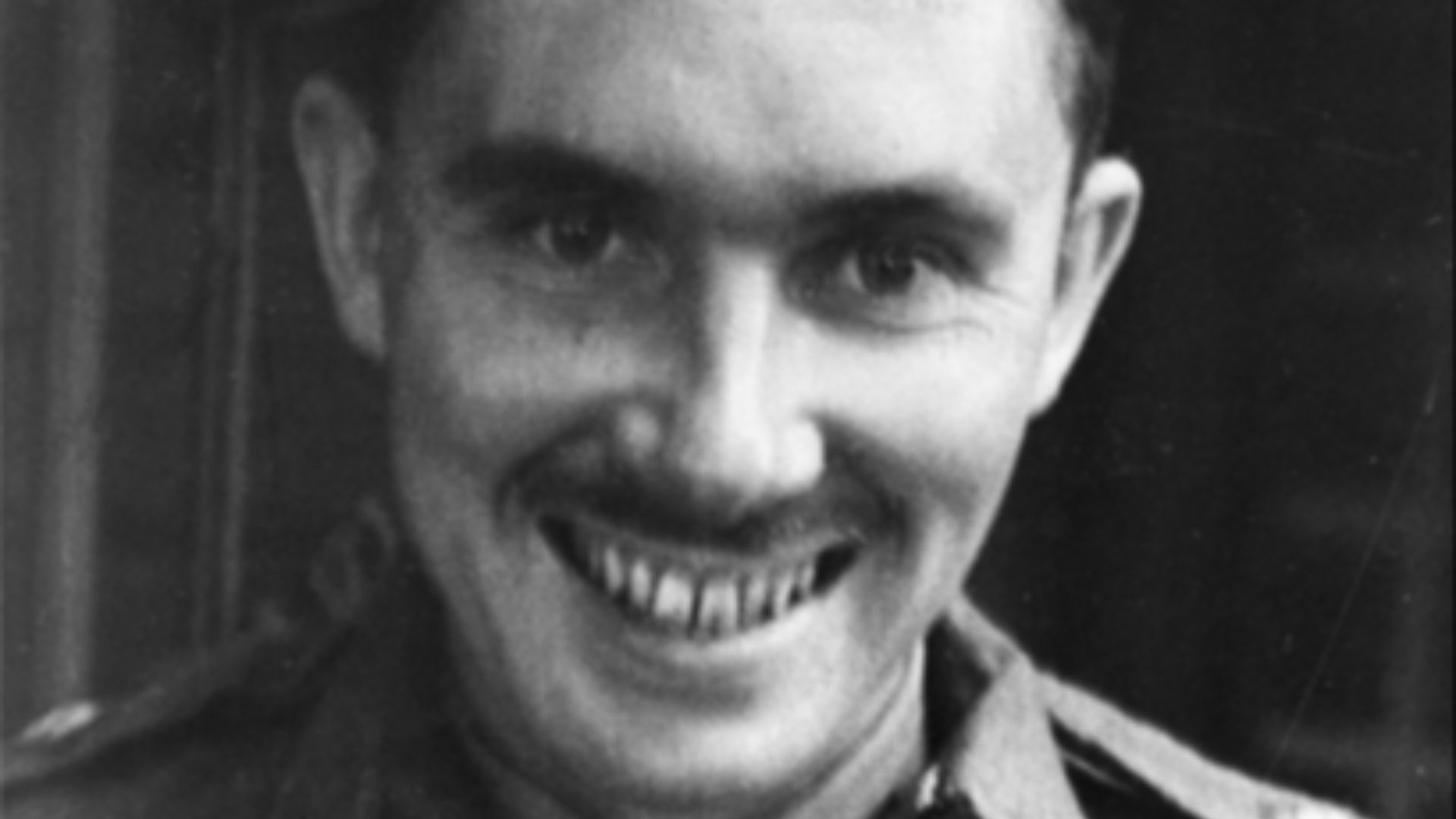
Fourteen Allied commandos and sailors traveled toward Japanese-occupied Singapore aboard a vessel disguised as an ordinary Asian fishing boat. Near the harbor, raiders switched to folding canoes, paddled toward enemy shipping, and attached limpet mines to several vessels. They escaped without losing a single member of the team, while their explosives sank or damaged six ships.
 Australian War Memorial on Wikimedia
20. Operation Ten-Go
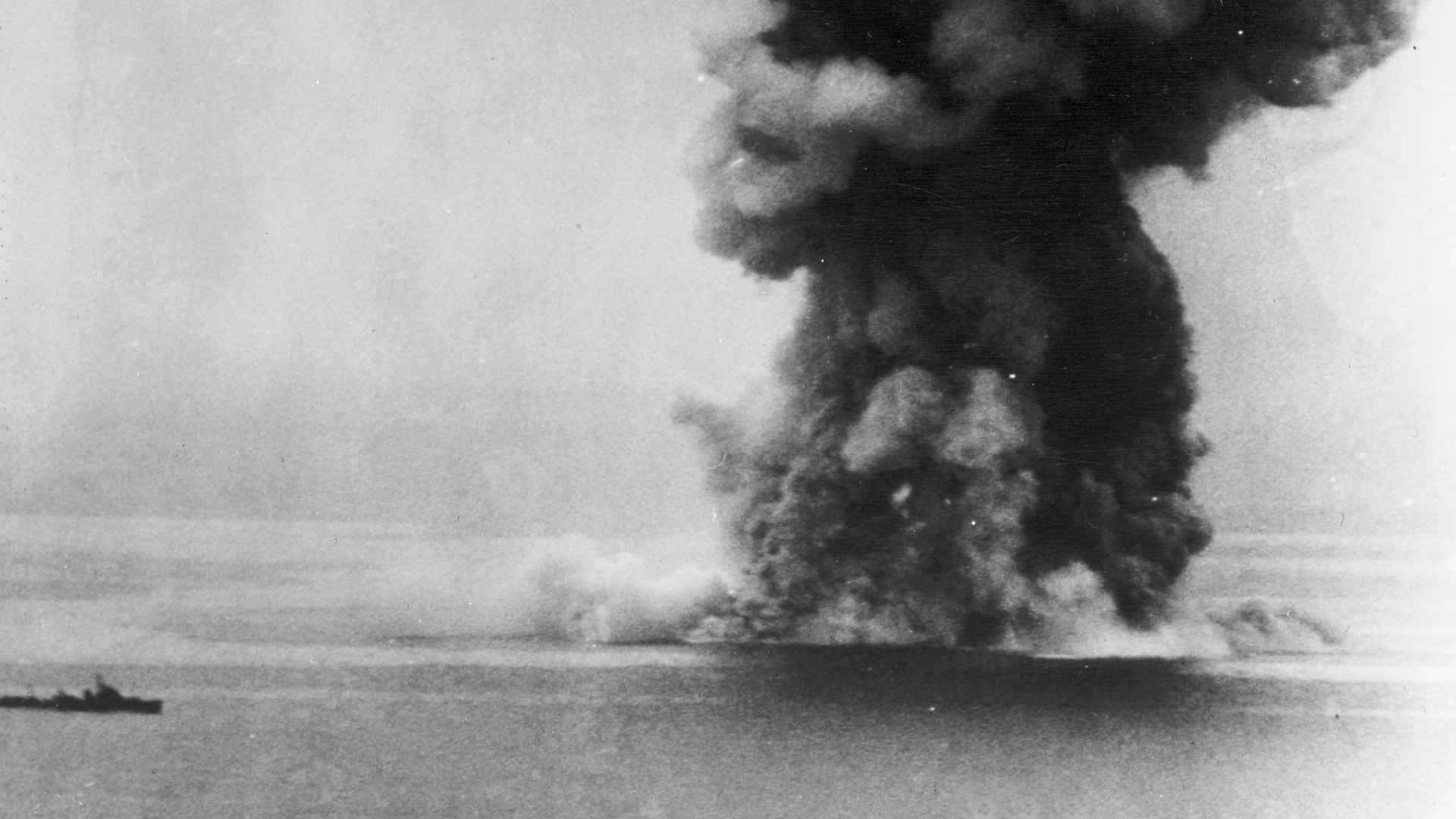
By April 1945, Japan sent the enormous battleship Yamato toward Okinawa with only enough fuel for a one-way mission. The ship was expected to beach itself and fight as a stationary gun battery after attacking the Allied invasion fleet. American carrier aircraft sank it before it reached the island, bringing one of history’s most desperate naval plans to a devastating end.
KEEP ON READING