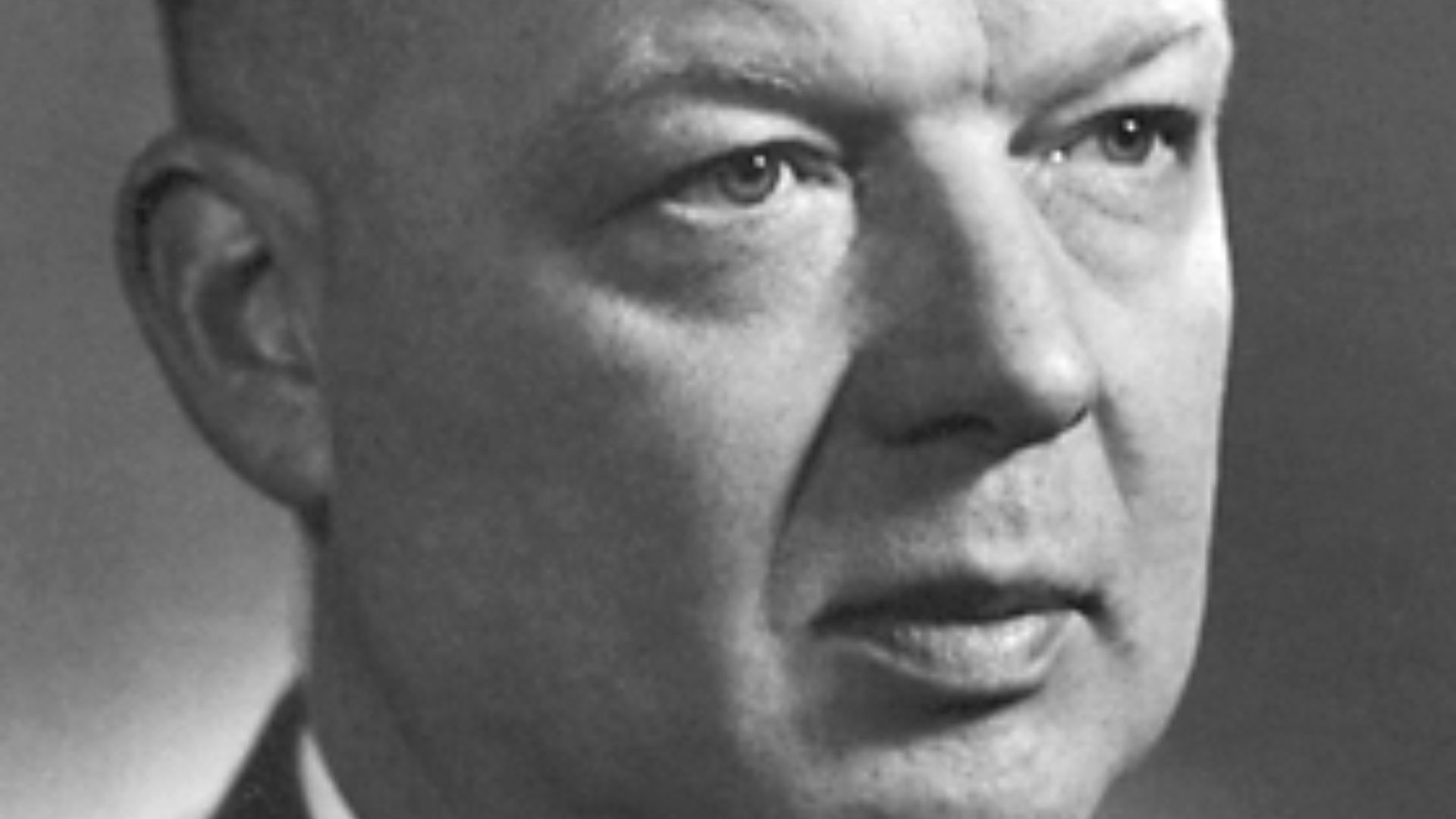
 Unknown authorUnknown author on Wikimedia
In the summer of 1929, a twenty-five-year-old surgical trainee in a small hospital outside Berlin decided the fastest way to prove a wild idea was to try it on his own body. No committee approved it. No senior colleague signed off on it. He simply waited for an opening, borrowed some equipment under false pretenses, and threaded a tube through a vein in his own arm until it reached his heart.
His name was Werner Forssmann, and what he did that afternoon eventually became the foundation of modern cardiac catheterization, a procedure now performed on millions of patients every year. It would take almost three decades, a world war, and a Nobel Prize before anyone treated the experiment as anything other than reckless.
The Idea Came From A Horse, Not A Human Trial
Forssmann had graduated medical school only a year earlier and was working in the surgical division at Auguste Viktoria Home, a hospital in Eberswalde, under a supervisor named Richard Schneider. Cardiology at the time relied almost entirely on listening to the heart and reading electrocardiograms, since the organ itself was considered far too dangerous to touch directly. Doctors widely assumed that inserting anything into the heart's chambers would trigger a fatal reaction.
What changed Forssmann's thinking was a diagram in a physiology textbook showing French researchers passing a thin tube into a horse's jugular vein to measure pressure inside its heart. If that worked on a horse without killing it, he reasoned, a similar approach might work in a person too, provided the tube entered somewhere gentler than the neck. He settled on the antecubital vein, the same vessel doctors still use for routine blood draws today, running through the crease of the elbow.
Schneider refused to authorize any such experiment on a patient, and understandably so, given how untested and dangerous the whole premise sounded on paper. Forssmann kept pushing the idea anyway, eventually deciding that if nobody would let him try it on someone else, he'd simply do it himself.
He Tricked The One Person Meant To Stop Him
Getting access to sterile equipment meant getting past Gerda Ditzen, the operating room nurse who controlled the supply cabinet. Forssmann told her about his plan and asked for her help, and she agreed on one condition, that he perform the procedure on her rather than risk his own life. He accepted her terms, at least out loud.
Once she was lying on the operating table, he strapped her down, telling her the restraint was simply standard procedure. He then appeared to numb and prepare her arm for the incision while actually anesthetizing his own elbow instead, working just out of her direct line of sight. By the time Ditzen realized what was happening, Forssmann had already opened a vein in his own arm and begun feeding a long ureteral catheter into it.
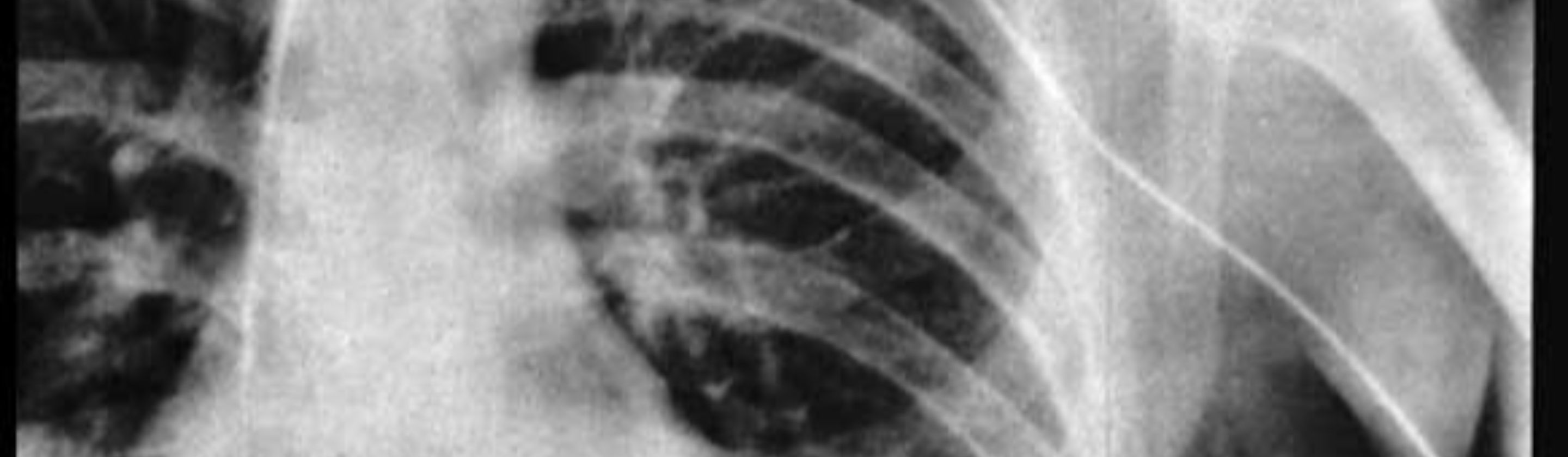
He pushed the catheter roughly two feet up his own vein, watching it disappear toward his shoulder and chest with no real certainty about what would happen once it reached his heart. Rather than waiting around to find out through symptoms, he and Ditzen walked down several flights of stairs to the hospital's X-ray department so he could get a radiographic image confirming exactly where the catheter had landed. The film showed the tip resting inside his right atrium, and he had, by every account since, just performed the first cardiac catheterization on a living human being.
The Discovery Took Nearly Thirty Years To Get Credit
Forssmann published his results that November in the German medical journal Klinische Wochenschrift, complete with the X-ray image as proof. Rather than praise, the paper mostly drew ridicule from established figures in German medicine. One prominent surgeon of the era dismissed the whole demonstration as the kind of stunt suited to a traveling circus rather than a serious clinical practice, a reaction that captured the broader mood among Forssmann's peers.
That professional backlash effectively closed off the surgical career Forssmann had hoped for, and he pivoted into urology instead, eventually working in relatively small clinical roles in Germany for decades afterward. Meanwhile, two American researchers at Columbia University, André Cournand and Dickinson Richards, picked up where his self-experiment left off, spending years refining catheterization into a legitimate diagnostic tool for measuring heart function.
In 1956, the Nobel Committee awarded the Prize in Physiology or Medicine jointly to Forssmann, Cournand, and Richards for their combined work on heart catheterization and its diagnostic applications. By that point, Forssmann was reportedly running a modest medical practice in a small German town, having spent nearly thirty years assuming the world had simply forgotten what he'd done to himself on a summer afternoon in Eberswalde.
KEEP ON READING