Sending a text message in Mandarin is no big deal today. The software handles so much of the work that it’s easy to miss what’s happening behind the scenes. That everyday process came after decades of technical work that started long before smartphones existed.
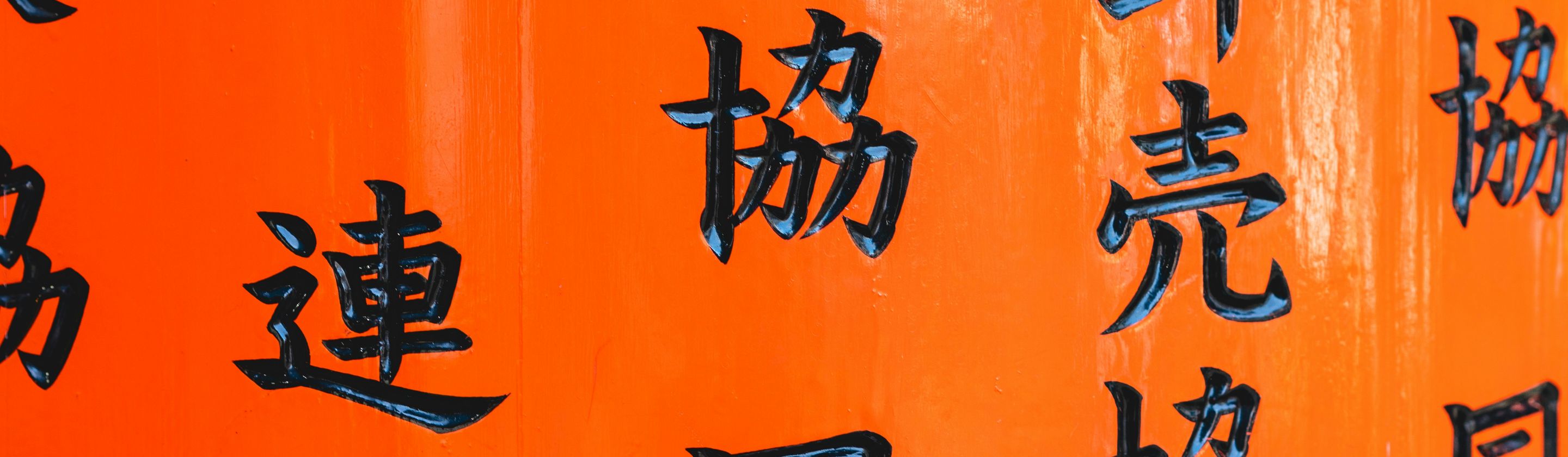
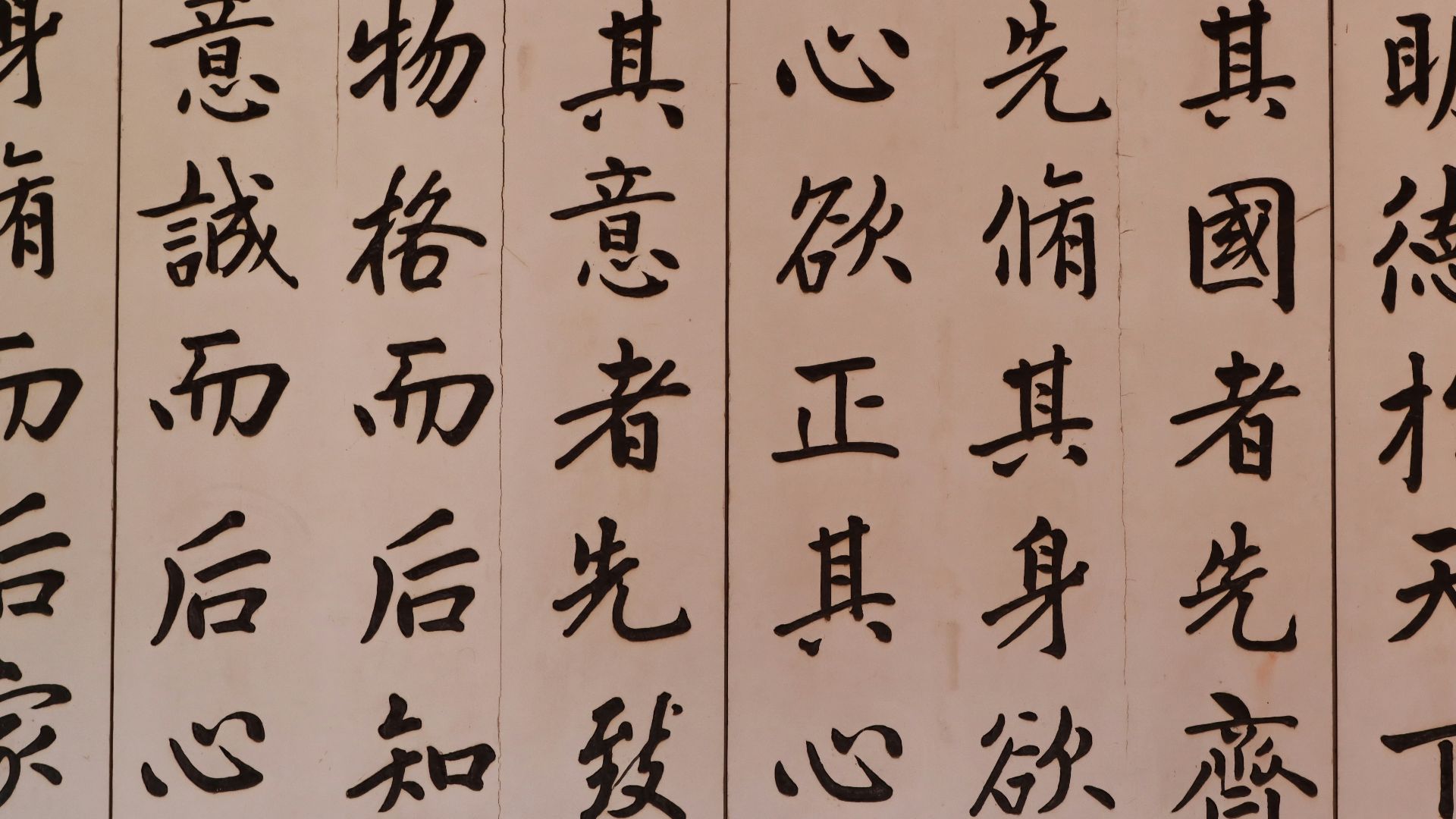
The challenge involved the Chinese characters used to write Mandarin, Cantonese, and several other Chinese languages. Machines built around alphabetic writing made those characters difficult to type, store, display, and transmit. That created momentum behind Latinization, which would have placed the Latin alphabet at the center of written communication. Engineers, linguists, and typists brought written Chinese into the digital age by changing the technology instead of giving up the writing system.
Typewriters and Computers
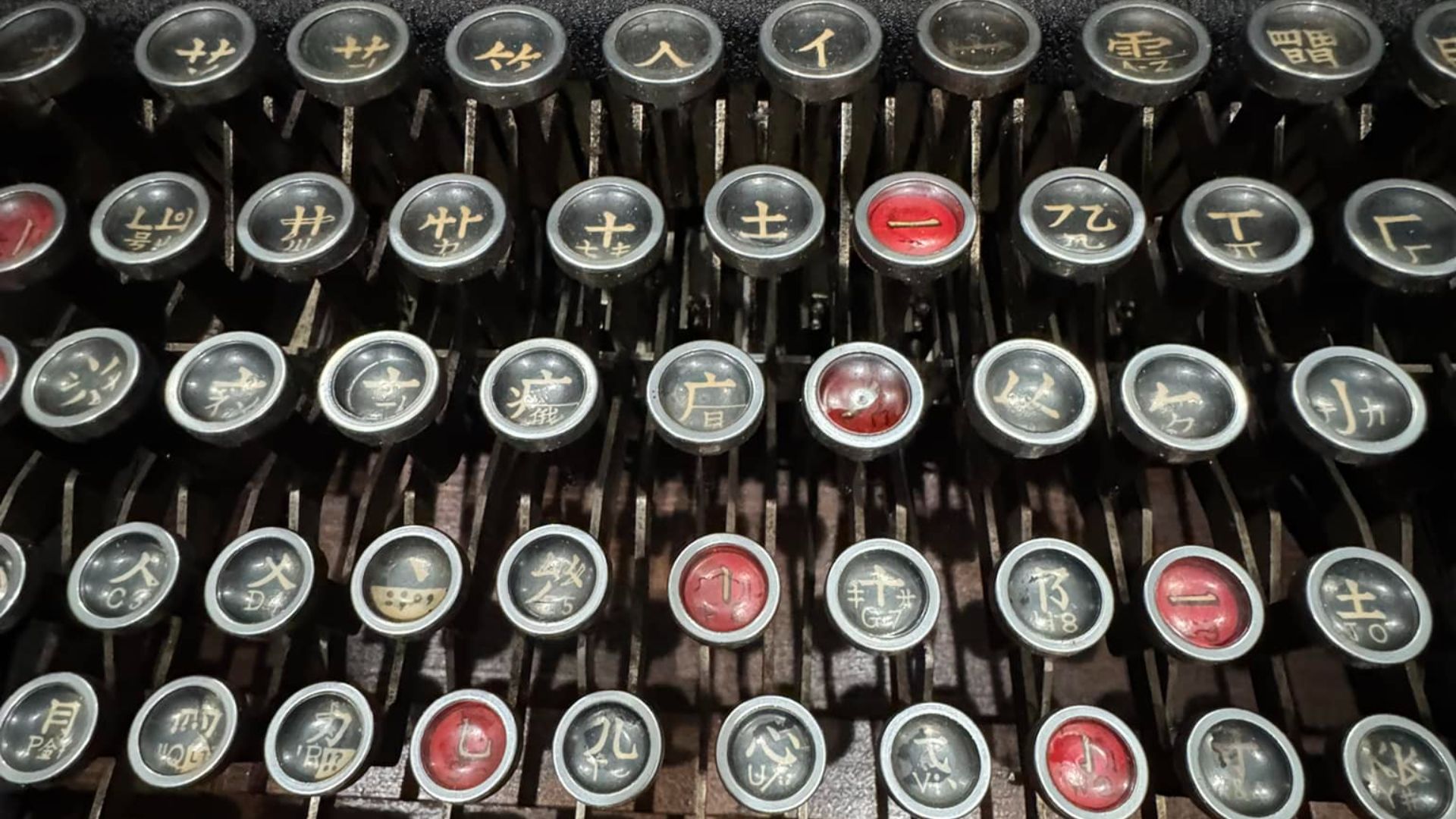
Office typewriters were built on a very simple setup: one key produced one letter. That worked neatly for alphabetic writing, where a small group of letters could cover the language on the page. Many Chinese languages are character-based rather than alphabetic or syllabic, so a standard QWERTY layout couldn’t work by simply adding a few more keys. Thomas Mullaney’s history of the Chinese typewriter covers a century of attempts to fit thousands of characters onto machines designed around the Latin alphabet.
Typists needed a different way to find and produce characters. Inventors didn’t create a giant keyboard with a separate key for every symbol, even though that’s the obvious idea people might picture at first. Some early typewriters organized characters by common use, which made frequently needed characters easier to reach. Later office machines used tray beds that clerks navigated quickly after substantial training.
Those systems made mechanical writing possible in these languages, even if they weren’t as straightforward as a regular alphabetic typewriter. The work depended on trained operators who knew how to move through the available characters efficiently. The machines showed that this writing could be handled mechanically, but they also showed why a compact keyboard would need another solution. Of course, the problem didn’t disappear when computers arrived.
Computers brought the same basic challenge along with limits on memory and screen technology. In 1959, MIT engineer Samuel Caldwell introduced the Sinotype, a prototype that explored entering Chinese characters through brushstrokes. Caldwell’s key insight was that keystrokes could identify a stored character in the computer’s memory instead of building it from scratch one stroke at a time. Stanford’s account of the Sinotype explains how that idea gave computers a workable way to handle a character-based writing system with a small keyboard.
Pinyin
Pinyin seemed like a natural answer because it uses Latin letters to represent Mandarin pronunciation. Chinese linguists developed Hanyu Pinyin in the 1950s, giving Mandarin a standardized phonetic spelling system. Mao Zedong also argued that China needed to adopt a Latin alphabet to become fully modern. On a keyboard designed for letters, that approach had clear appeal.
A Latin-letter system would have made the physical keyboard easier to use, since its keys already matched the letters in Pinyin. That said, Pinyin couldn’t settle every writing choice on its own. The system records pronunciation, while characters carry the written forms users need to select. Stanford’s history of Pinyin and Chinese computing traces how Pinyin became part of the solution rather than replacing the characters themselves.
Mandarin has extensive homophony, and the same unmarked Pinyin spelling can match multiple characters, especially when tone marks are omitted. That means a typed spelling can leave more than one possible character on the table. An Oxford study of Mandarin homophony notes that typing tonally unspecified Pinyin often produces a list of matching characters. The computer’s suggestions are shaped by statistical probabilities, while the user chooses the intended character.
That challenge led to a practical input method. Pinyin became a way to search for characters, allowing a user to type a sound and choose the intended result rather than replace characters with letters. The process keeps these many languages on the page while still letting users work with a compact alphabetic keyboard. Microsoft’s Simplified Chinese IME documentation shows that its candidate window offers characters whose Pinyin readings match what the user typed.
Moving Between Systems
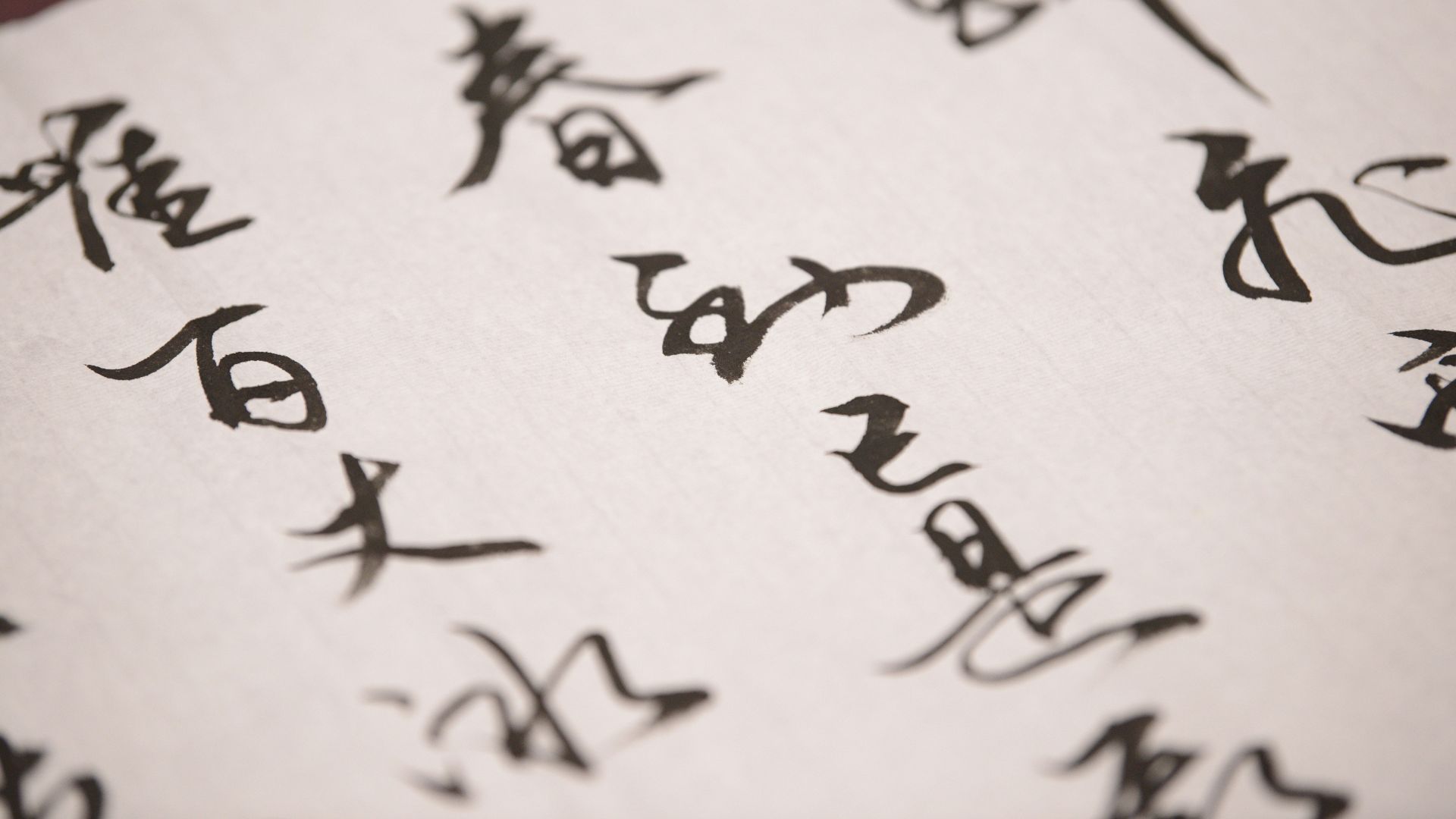
Typing was only half the job. Every character also needed a stable digital identity so it could be stored, displayed, printed, and transmitted correctly between systems. A character had to remain recognizable after it moved from one machine to another. China published GB/T 2312, a primary graphic character set standard, in 1980, and it took effect in 1981.
The standard addressed the basic need for these characters to have a consistent place in digital information exchange. It gave systems a shared reference for the characters they handled. Different regions and organizations developed different character sets, which made compatibility a major challenge. Unicode’s historical record shows that projects at Xerox and Apple in the late 1980s fed into an international effort to unify Chinese, Japanese, and Korean character encoding. The Chinese/Japanese/Korean Joint Research Group completed the Unified Repertoire and Ordering in 1992. The result appeared in Unicode and ISO standards the following year.
That work gave written Chinese languages a dependable place in global computing. By the 1990s, Pinyin-based predictive text had become effective at anticipating a user’s next character. The same broad approach now appears in familiar text suggestions and autocomplete tools. Stanford’s overview of predictive text shows how decades of engineering taught computers to process text beyond alphabetic writing.
Today’s phone keyboard makes the result feel simple, and that’s part of why this history can be easy to overlook. You can type a sound, choose a character, and send a message without needing to think about the decades of work behind that process. Chinese languages remained in use because machines, input methods, and standards changed to support them. The technology had to make room for the writing system, and it eventually did.