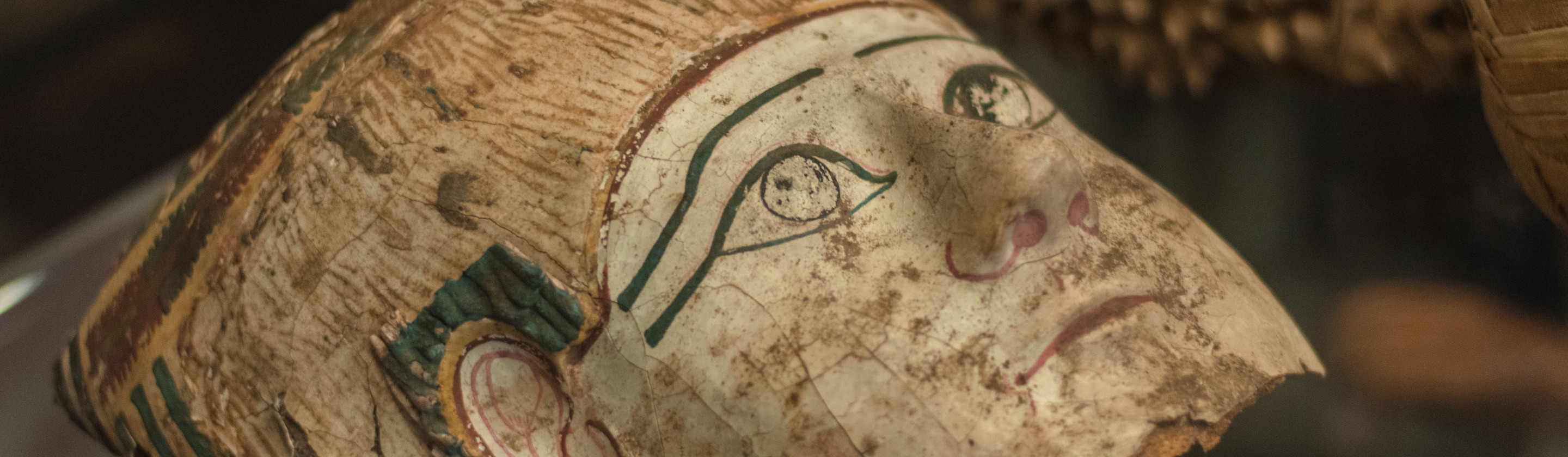
The Past Wasn’t Always Better
Sure, going back in time sounds exciting—that is, until you remember that much of the past came without modern medicine, reliable sanitation, personal freedom, or even a comfortable place to sleep. Wars also ravaged many communities, leaving behind scars that are still healing to this day. Yet, not all eras were morose and fraught with destruction; some periods had moments of remarkable creativity that would be tempting to experience firsthand. With that said, here are 10 periods most of us would never want to revisit, and 10 that might make time travel worth the risk.
 Fausto García-Menéndez on Unsplash
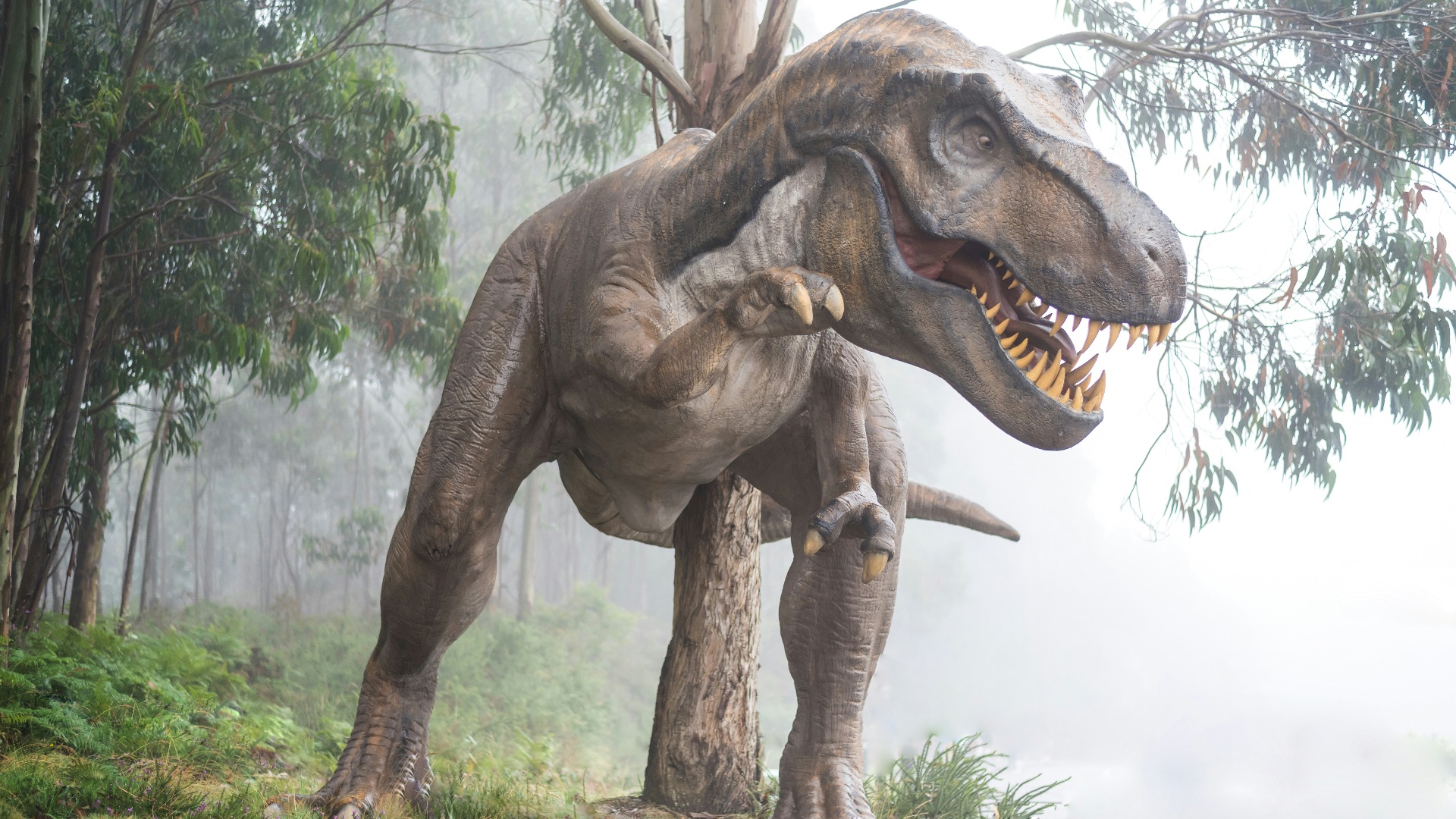
1. The Mesozoic Era
Living alongside dinosaurs would be far less entertaining than seeing them in a museum or documentary. Humans wouldn’t have access to safe shelter, familiar food, medicine, or any reliable protection from enormous predators. Even the climate, plant life, insects, and atmospheric conditions would make basic survival extremely difficult.
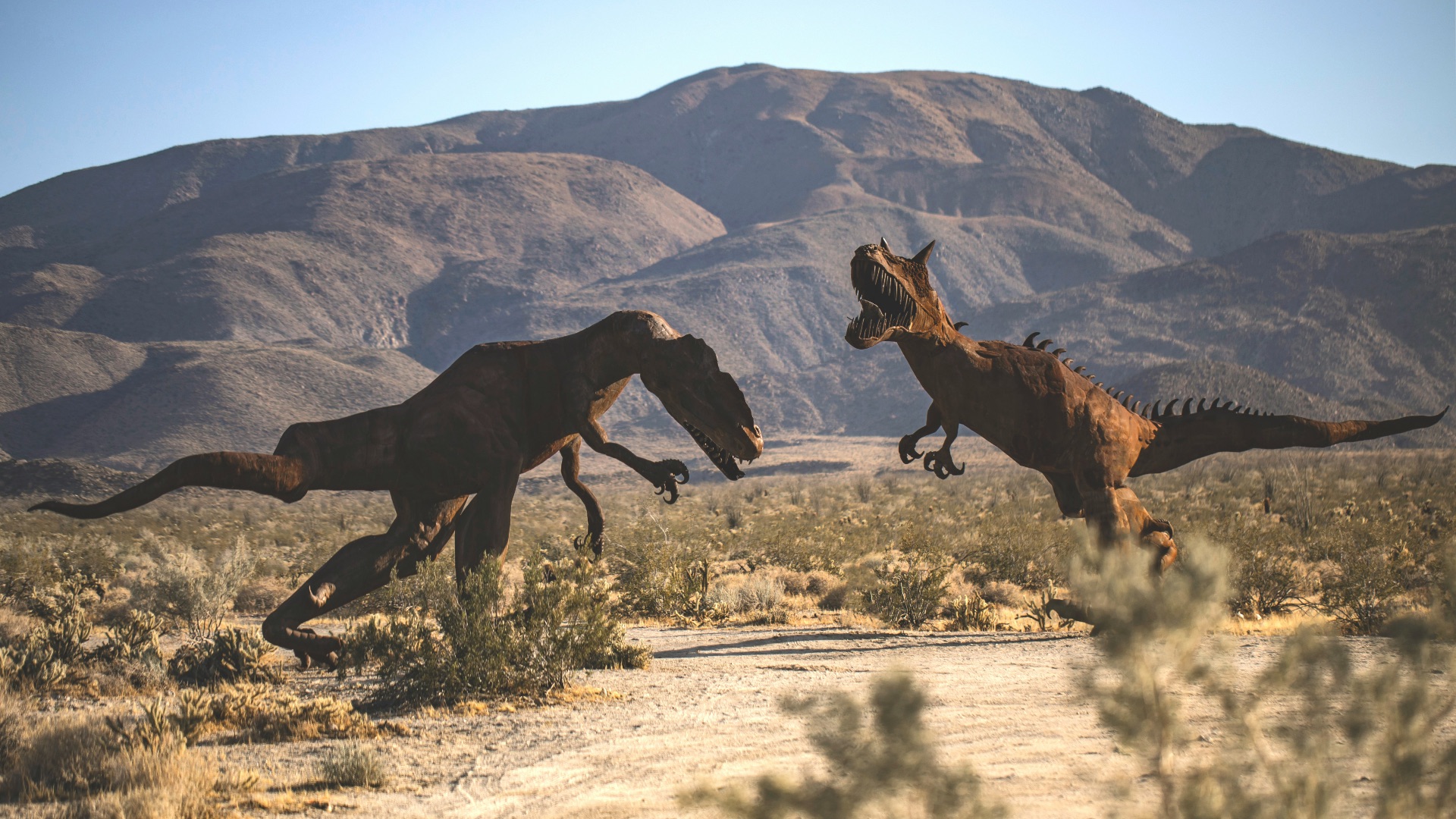
2. The Late Permian Period
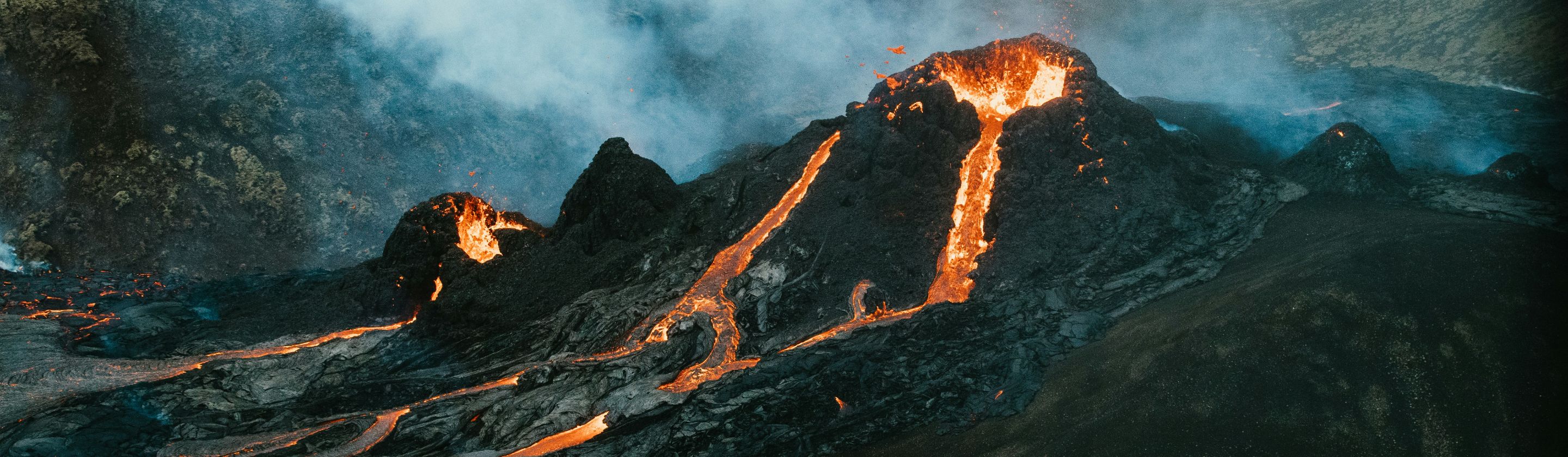
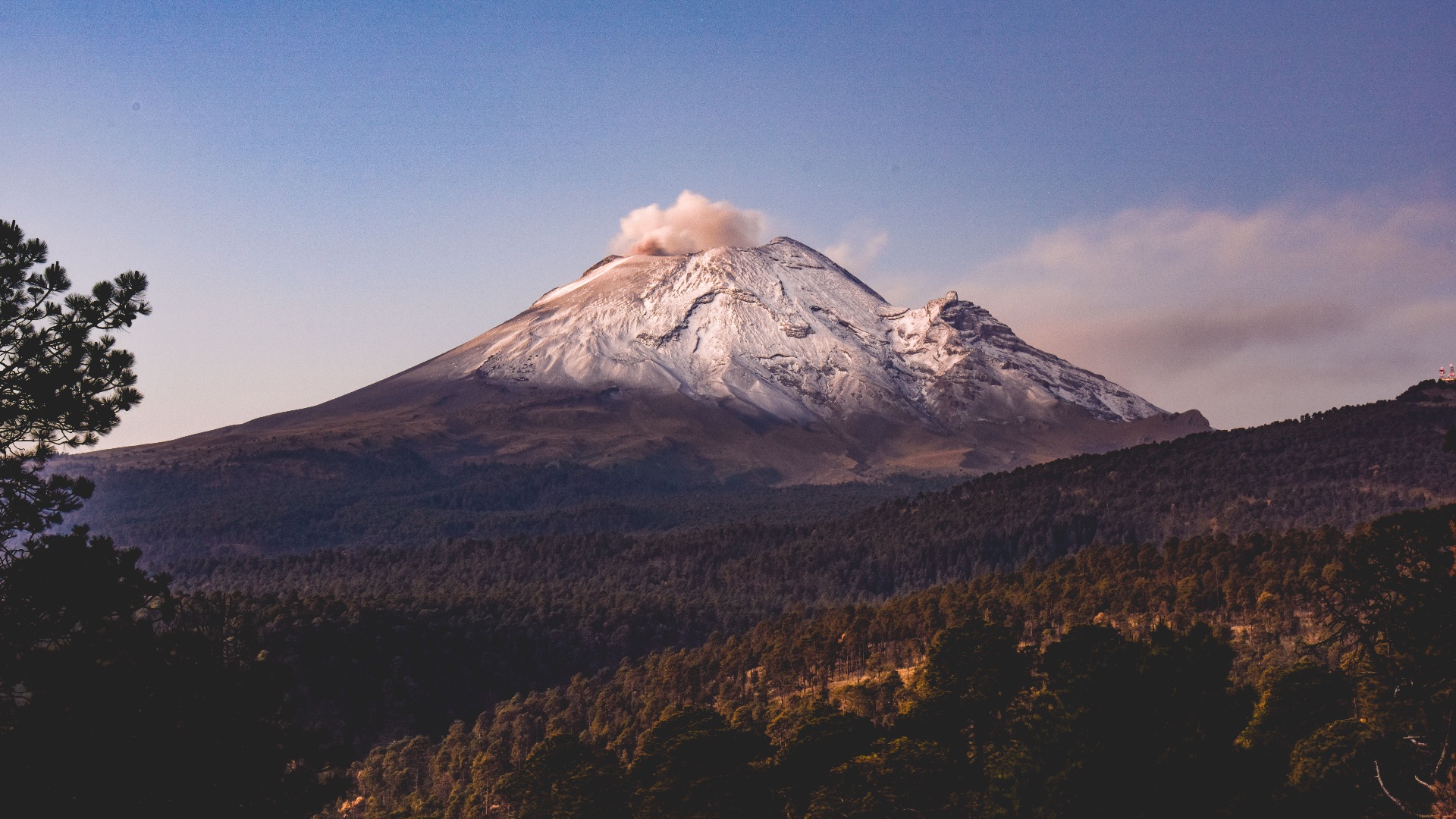
The closing years of the Permian Period brought intense volcanic activity, rising temperatures, and severe environmental disruption. Large areas of the planet became increasingly difficult for animal and plant life to inhabit. A person transported there would encounter an unfamiliar world with dangerous air, limited food, and no dependable source of clean water.
 Irving Joaquin Gutierrez on Pexels
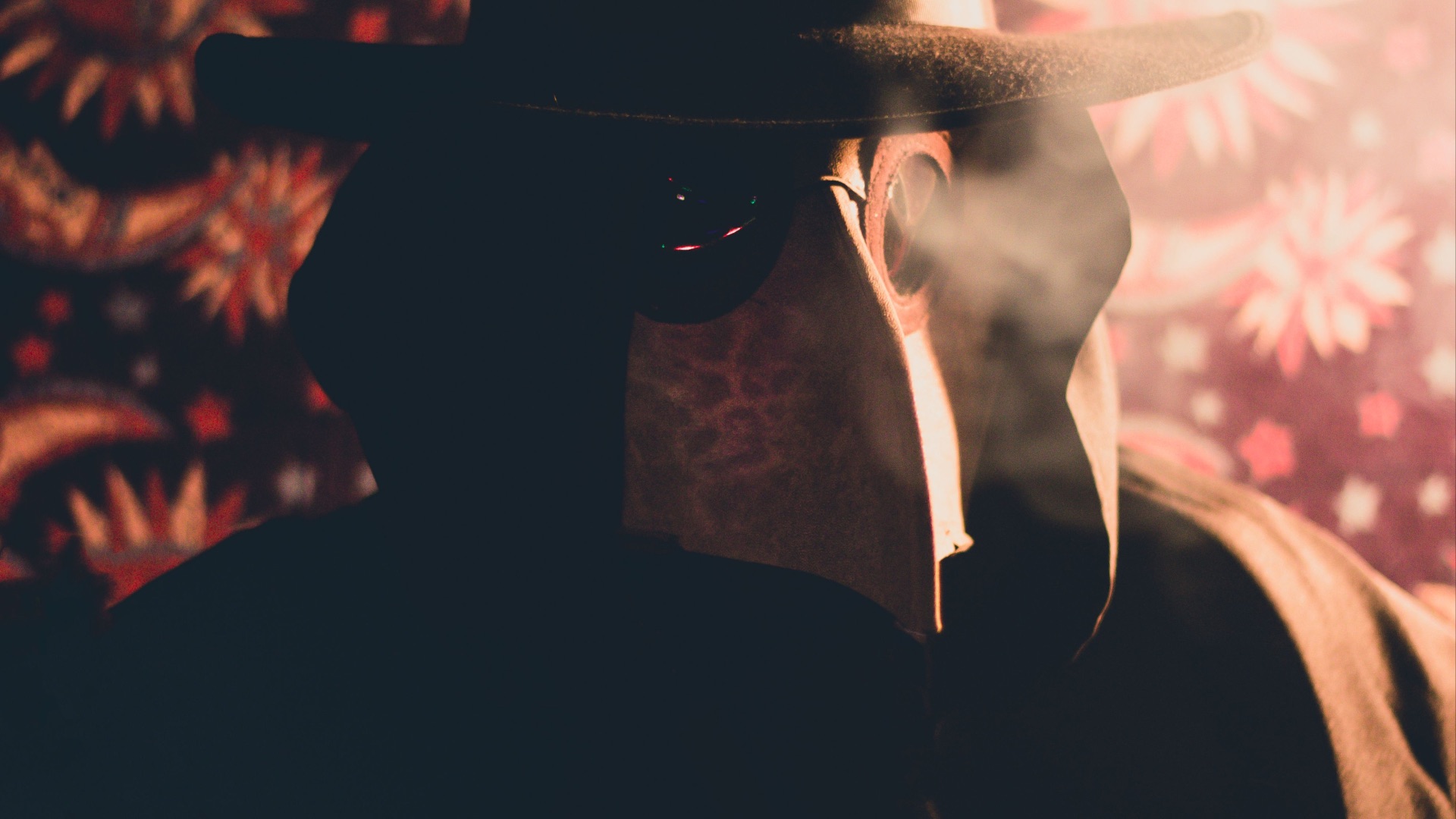
3. The Black Death
When the Black Death swept across Europe in the 14th century, communities had little understanding of how the disease spread or how to treat it. Millions died within only a few years, and fear often led to panic, persecution, and the abandonment of the sick. Even surviving the outbreak could mean losing most of your family, neighbors, and livelihood.
4. The Reign of Terror
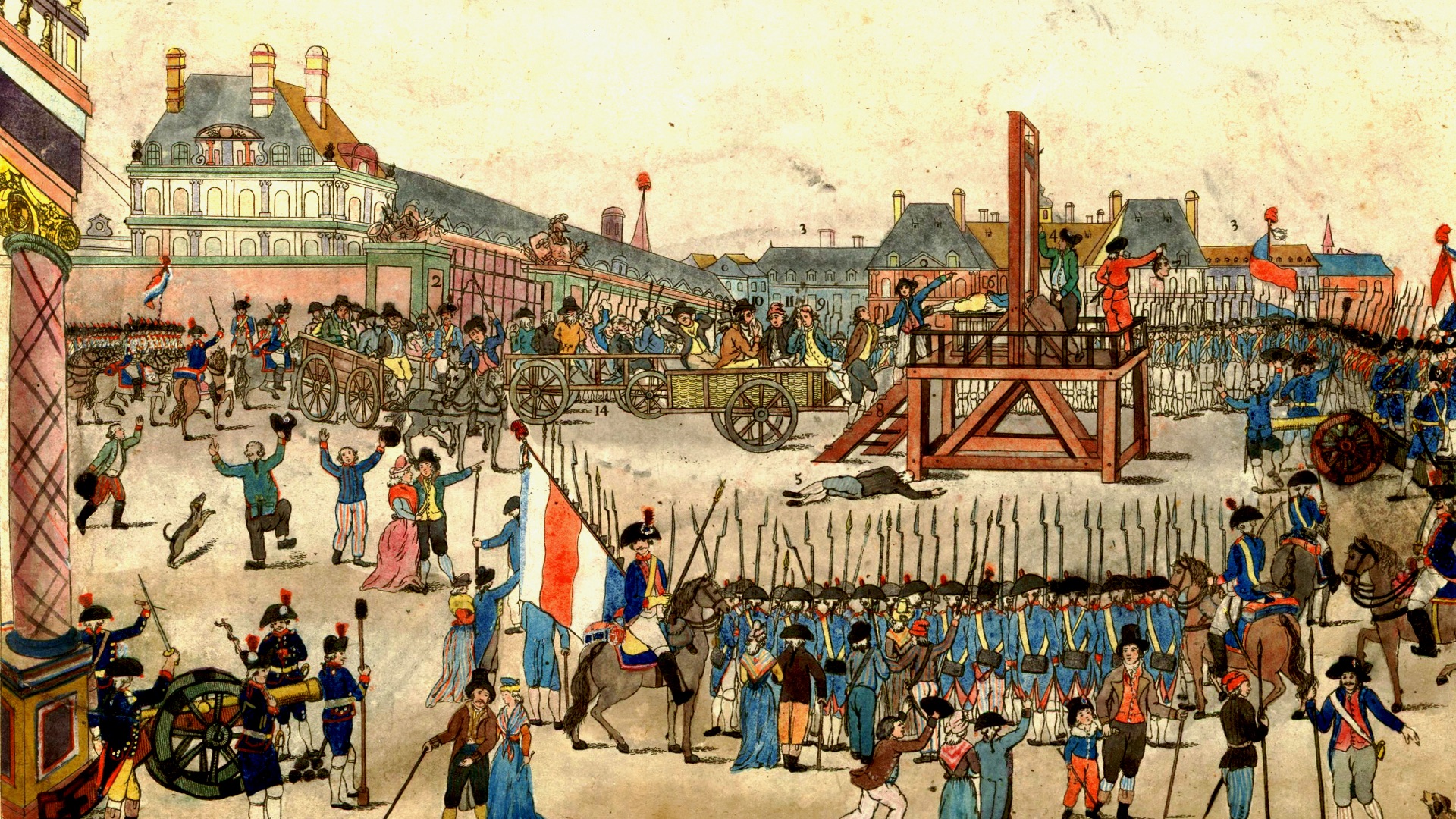
During the most violent phase of the French Revolution, accusations of disloyalty could quickly lead to imprisonment or execution. Revolutionary tribunals processed cases rapidly, and thousands were sent to the guillotine between 1793 and 1794. Political alliances shifted so often that even prominent revolutionaries could suddenly become targets themselves.
5. The Last Ice Age
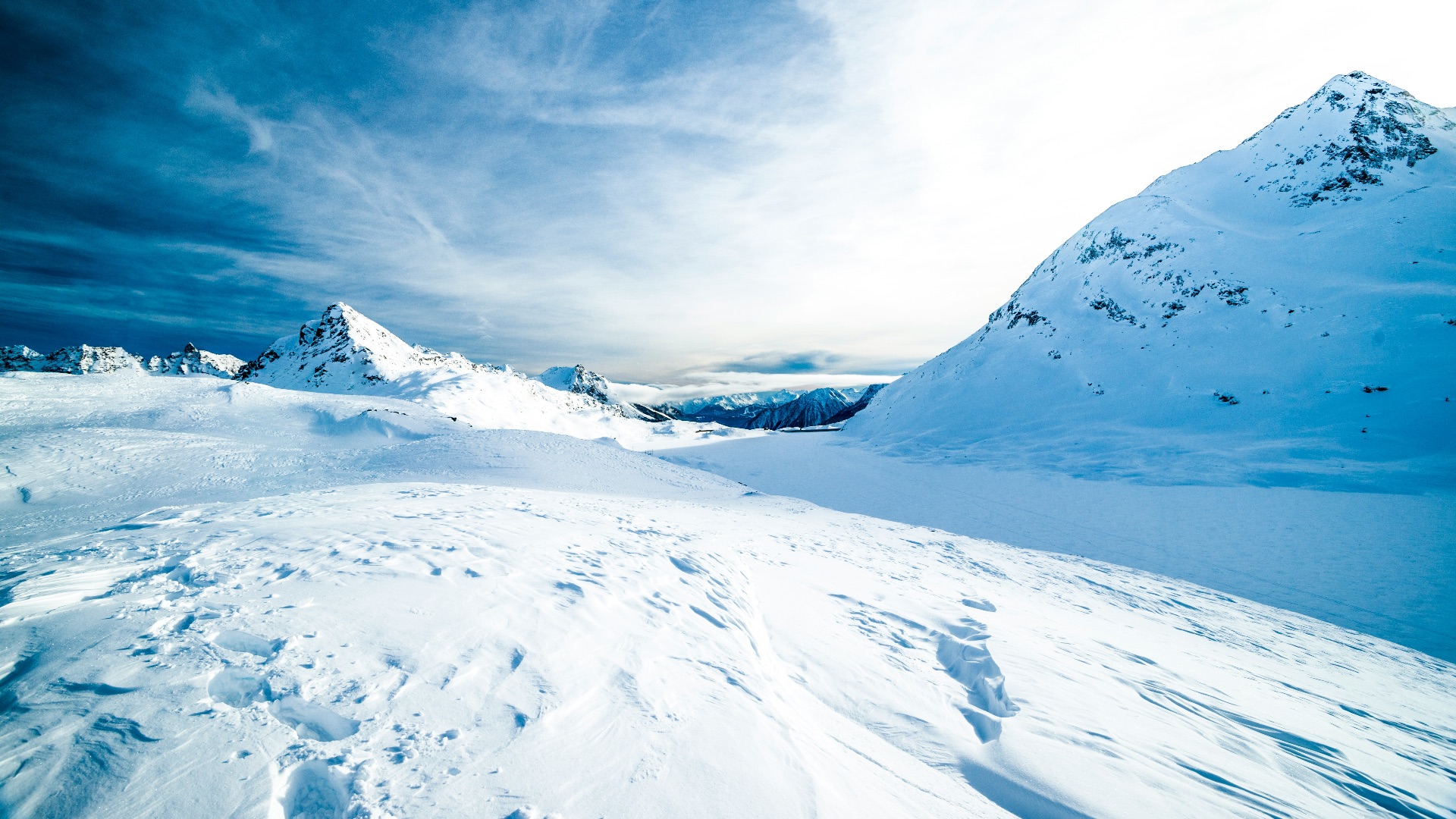
The Ice Age is often presented through impressive animals and dramatic frozen landscapes, but daily life required constant physical effort. People faced bitter temperatures, limited food supplies, dangerous wildlife, and few effective treatments for injuries or illness. Surviving winter depended on strong communal support, practical knowledge, and careful preparation.
6. World War I
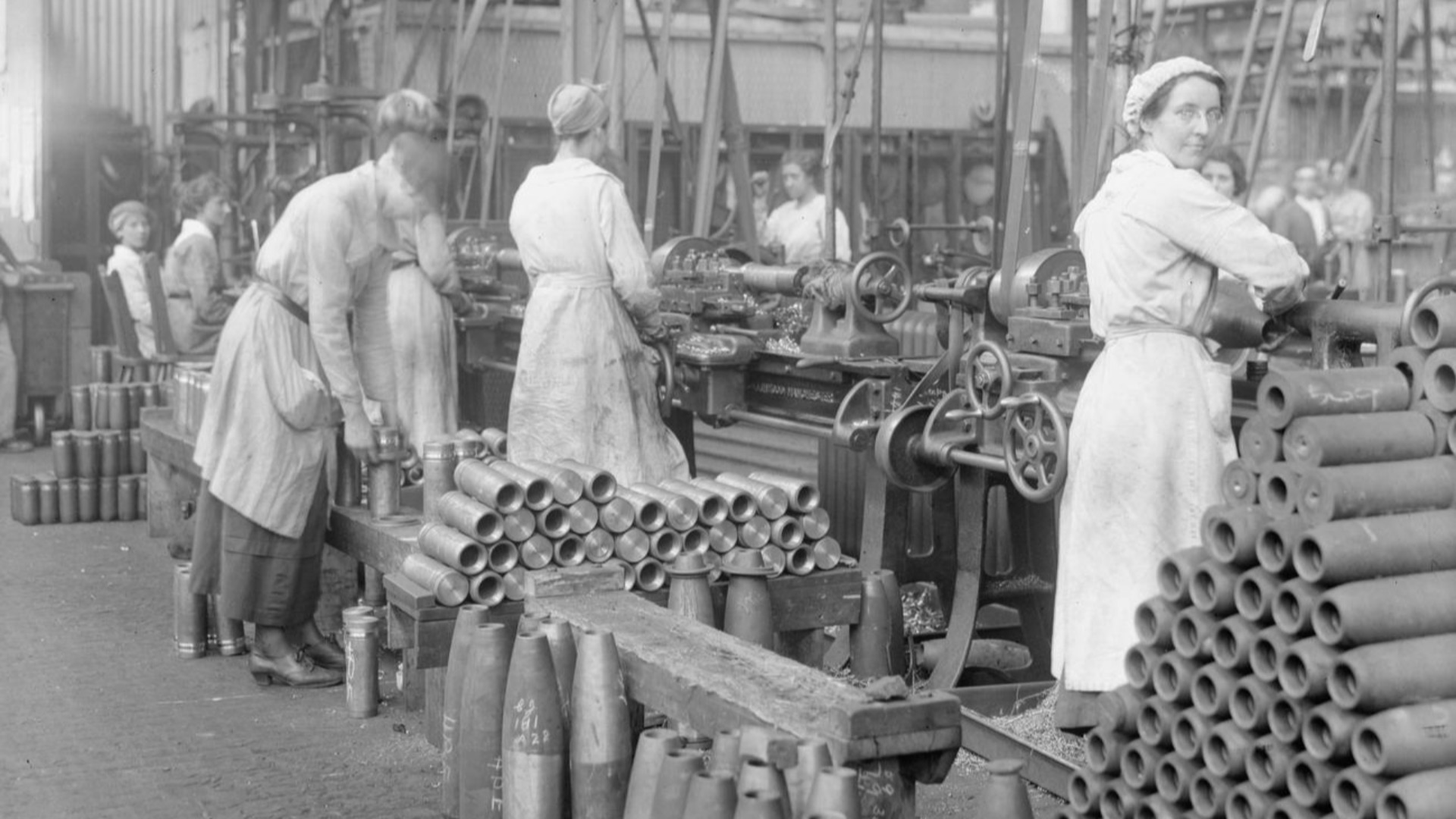
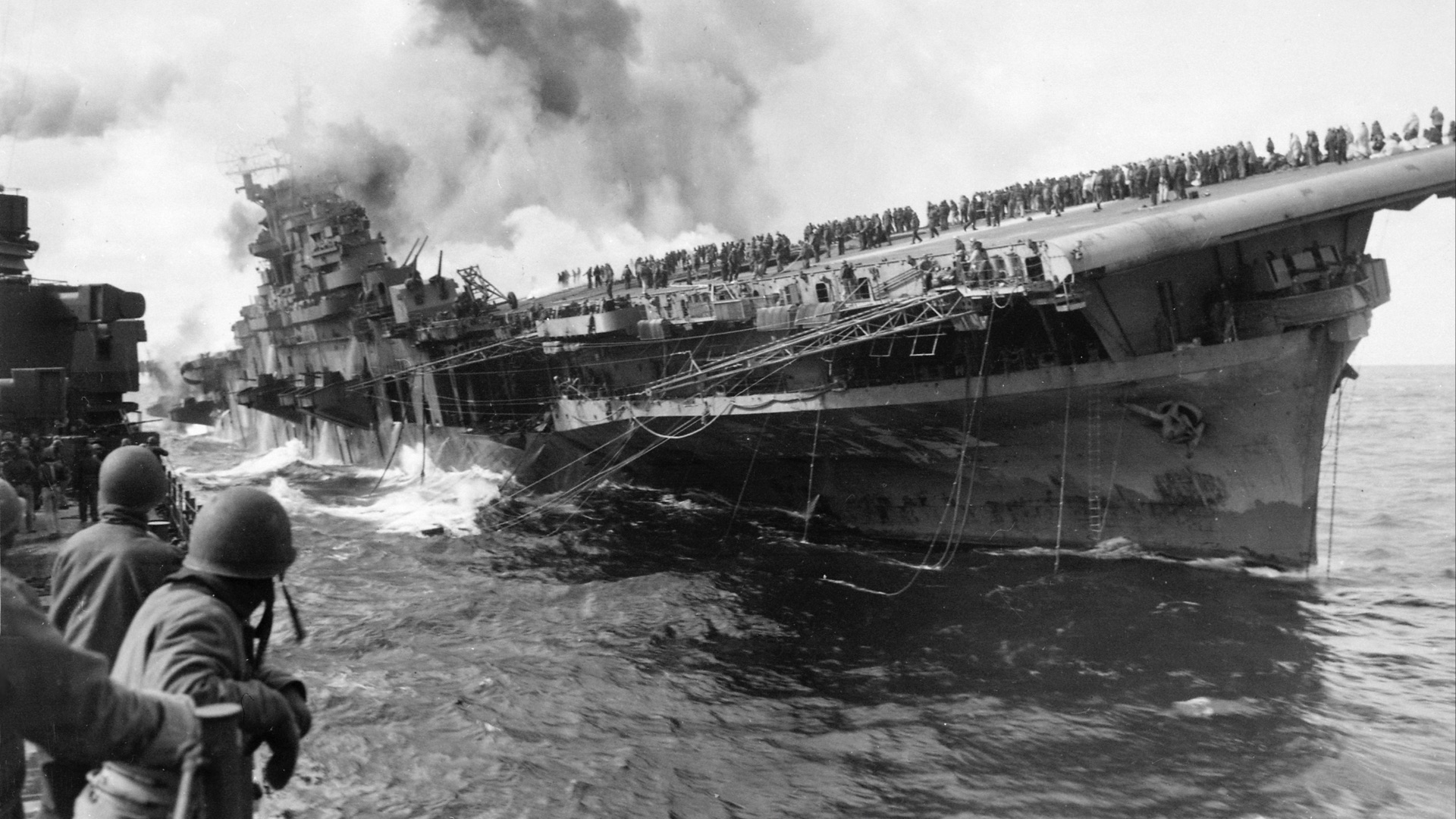
The First World War reshaped Europe into a vast, scarred expanse defined by entrenched stalemate and relentless attrition. Across the Western Front, opposing armies were locked into miles of mud-choked trenches, with shifting front lines producing only minimal gains while farmland, villages, and infrastructure were systematically destroyed. For those in uniform, life was governed by exhaustion, exposure, and the constant threat of modern weaponry, while civilians faced shortages of food and clean water, overwhelmed medical systems, and widespread displacement. Even in regions far from the fighting, societies endured rationing, economic disruption, and the psychological strain of a continent locked in prolonged, mechanized war.
7. World War II
The Second World War was a global conflict that deeply disrupted daily life across multiple continents. Cities were heavily damaged by bombing, and supply chains broke down, leading to strict rationing of essential goods like food and fuel. Many civilians were displaced due to fighting, evacuations, or collapsing infrastructure, while occupied regions faced constant uncertainty as control shifted rapidly. By the end of the war, entire borders and political systems had changed, leaving a lasting impact on how societies viewed stability and survival.
8. Before Anesthesia Was Invented
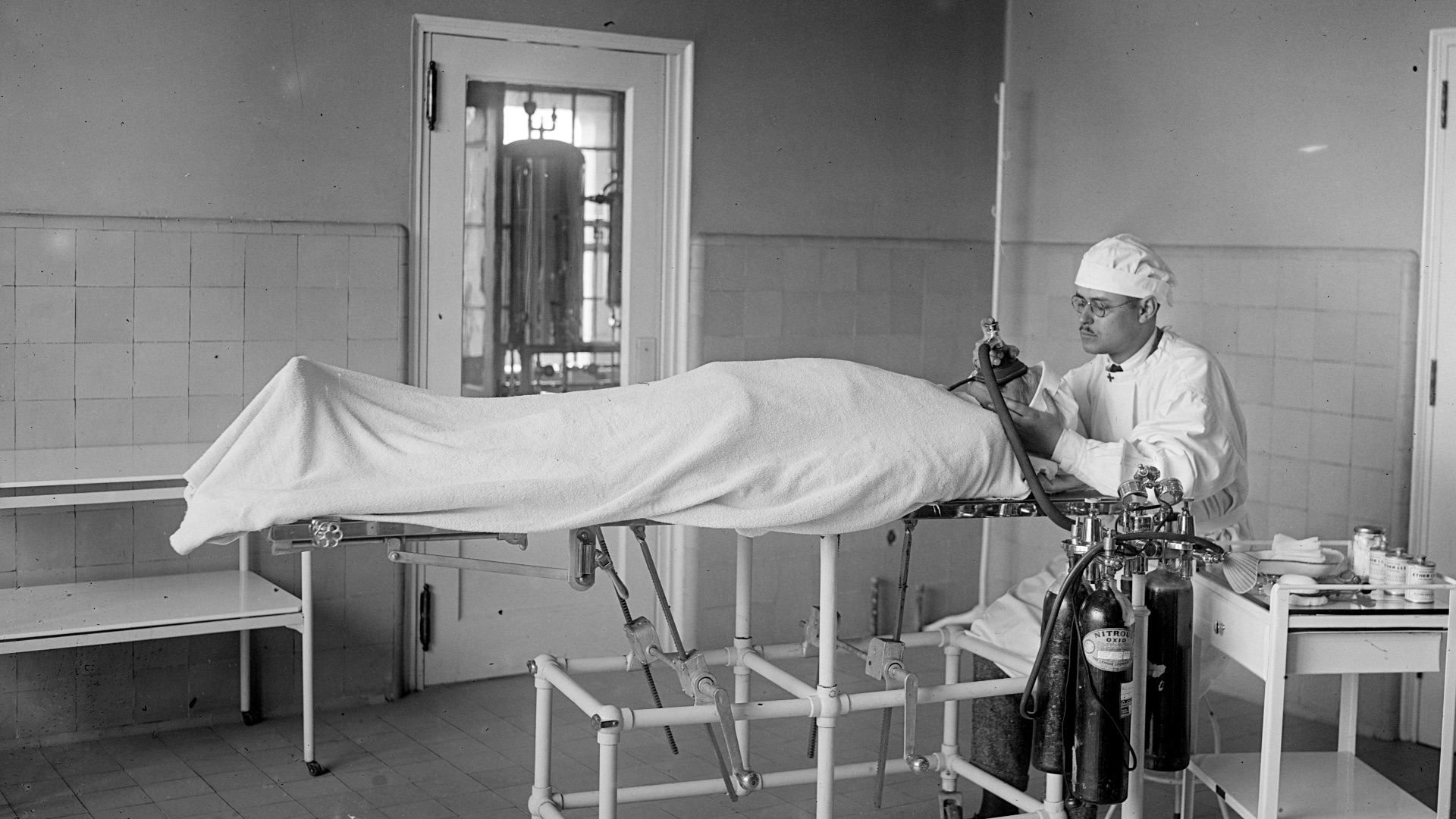
Before anesthesia became available in the mid-19th century, undergoing surgery was an experience defined by extreme pain and urgency. Operations such as amputations, tumor removals, and even dental extractions were performed with little more than alcohol, opium, or physical restraint to dull the suffering. Procedures had to be completed as quickly as possible, often in crowded, unsanitary conditions, with patients fully conscious throughout. The fear of surgery alone was enough to keep many people from seeking treatment until it was absolutely unavoidable.
 Balcer~commonswiki on Wikimedia
9. Life Before Modern Sanitation
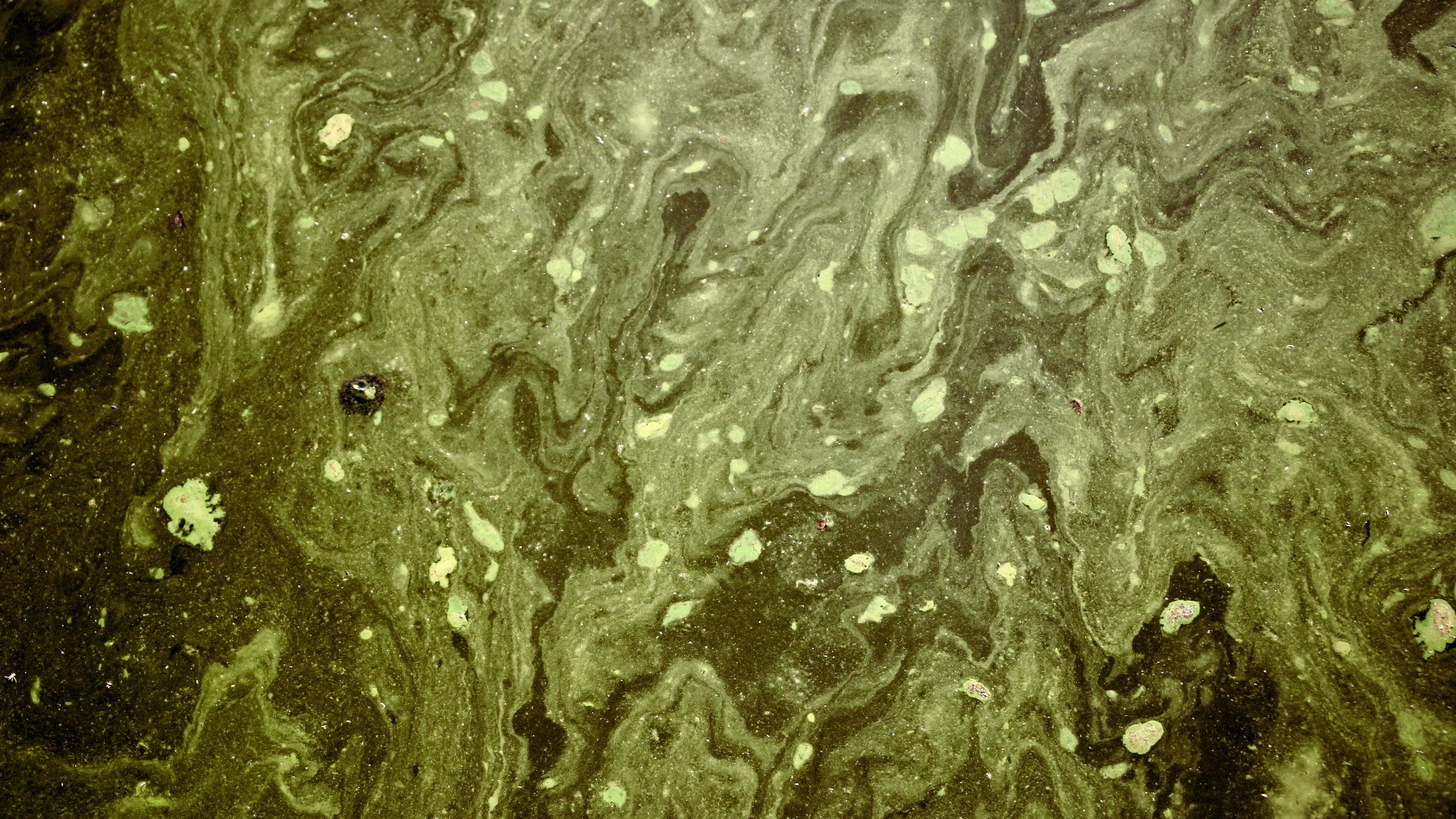
For much of human history, communities lacked sewer systems, dependable waste removal, and treated drinking water. Contaminated supplies could spread illness rapidly, especially in crowded towns where people lived close together. Everyday habits that now seem basic, such as safely disposing of waste or turning on a clean tap, simply weren’t available.
10. The Holocaust
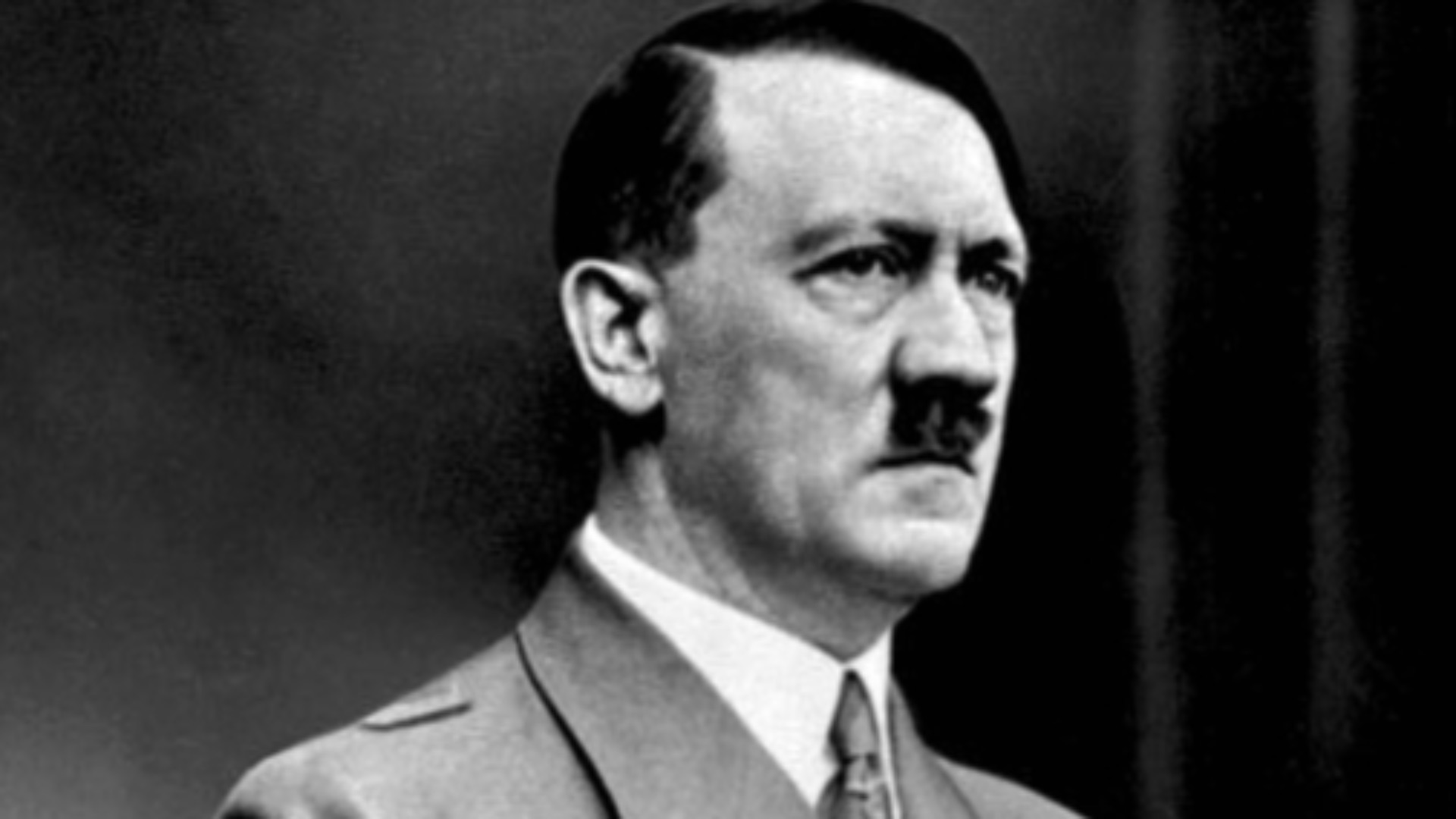
Under Nazi rule, millions of people were subjected to extreme persecution, violence, and state-sponsored oppression, including Jewish communities and many other targeted groups. Families were forcibly removed from their homes, stripped of their rights, and subjected to imprisonment and forced labor under brutal conditions. The period stands as a stark reminder of the dangers of unchecked authoritarian power, systemic discrimination, and state-driven violence.
While history is filled with eras we'd never like to revisit, there were still periods that would be interesting to see firsthand. Let's now take a look at some eras we wish we could go back to:
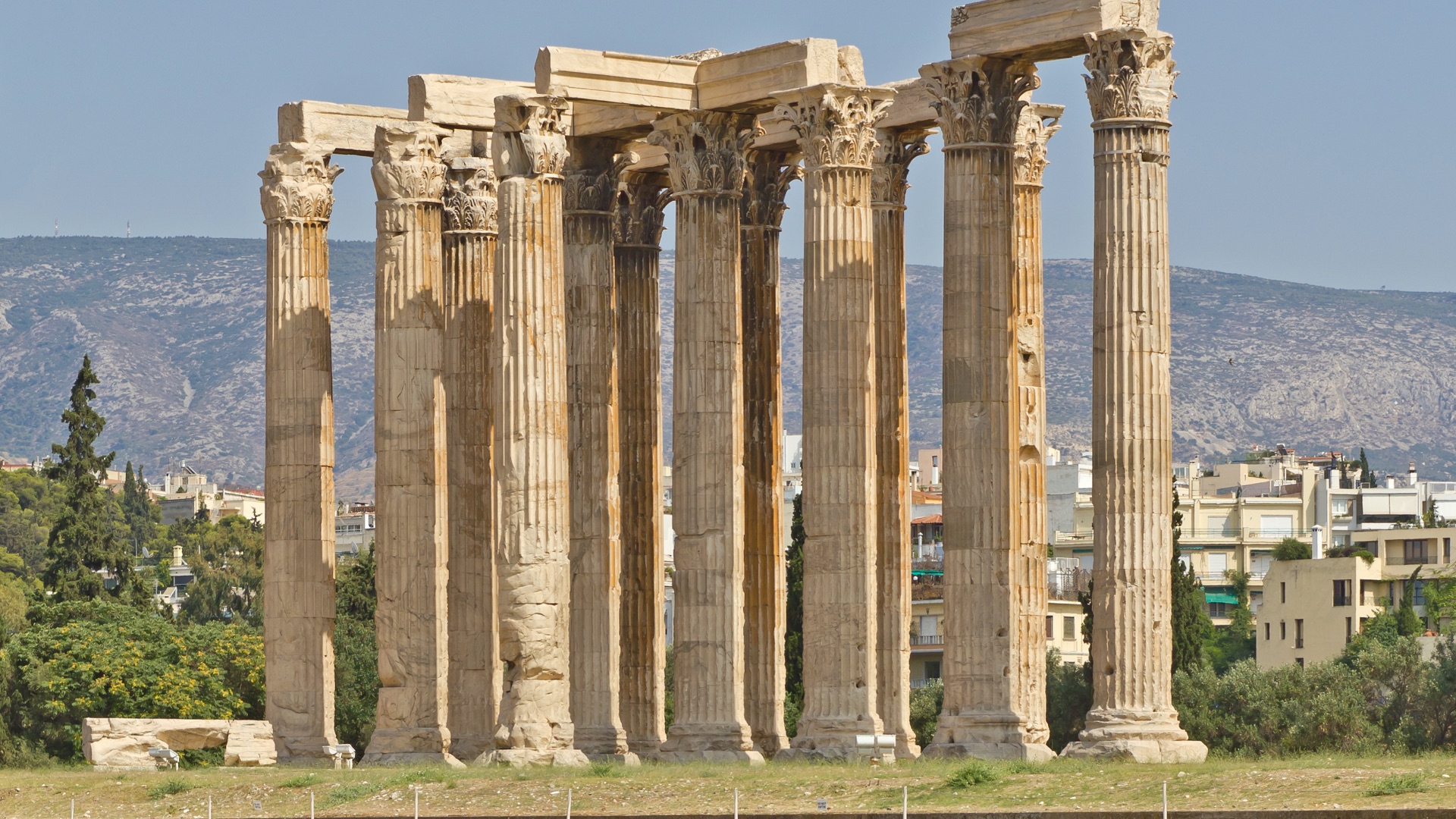
1. Ancient Athens During Its Cultural Height
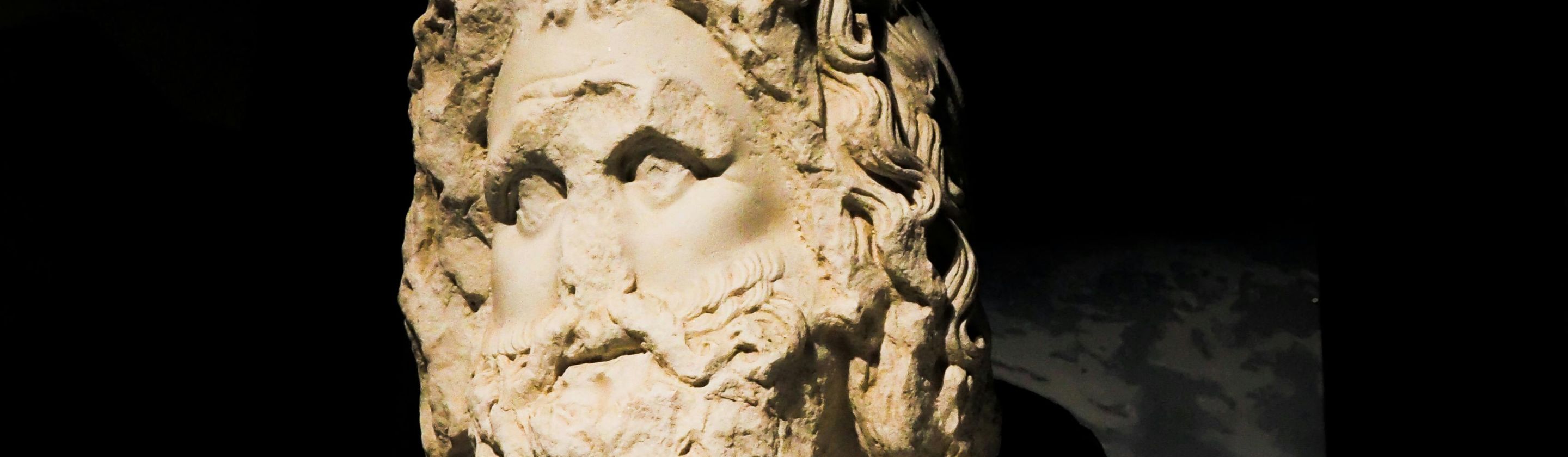
Fifth-century BCE Athens would offer an extraordinary look at the development of philosophy, theater, politics, and public debate. You could attend dramatic festivals, hear major thinkers speak, and watch important civic decisions unfold in real time. Daily life still had serious limitations, so this would be better suited to a carefully planned visit than permanent relocation.
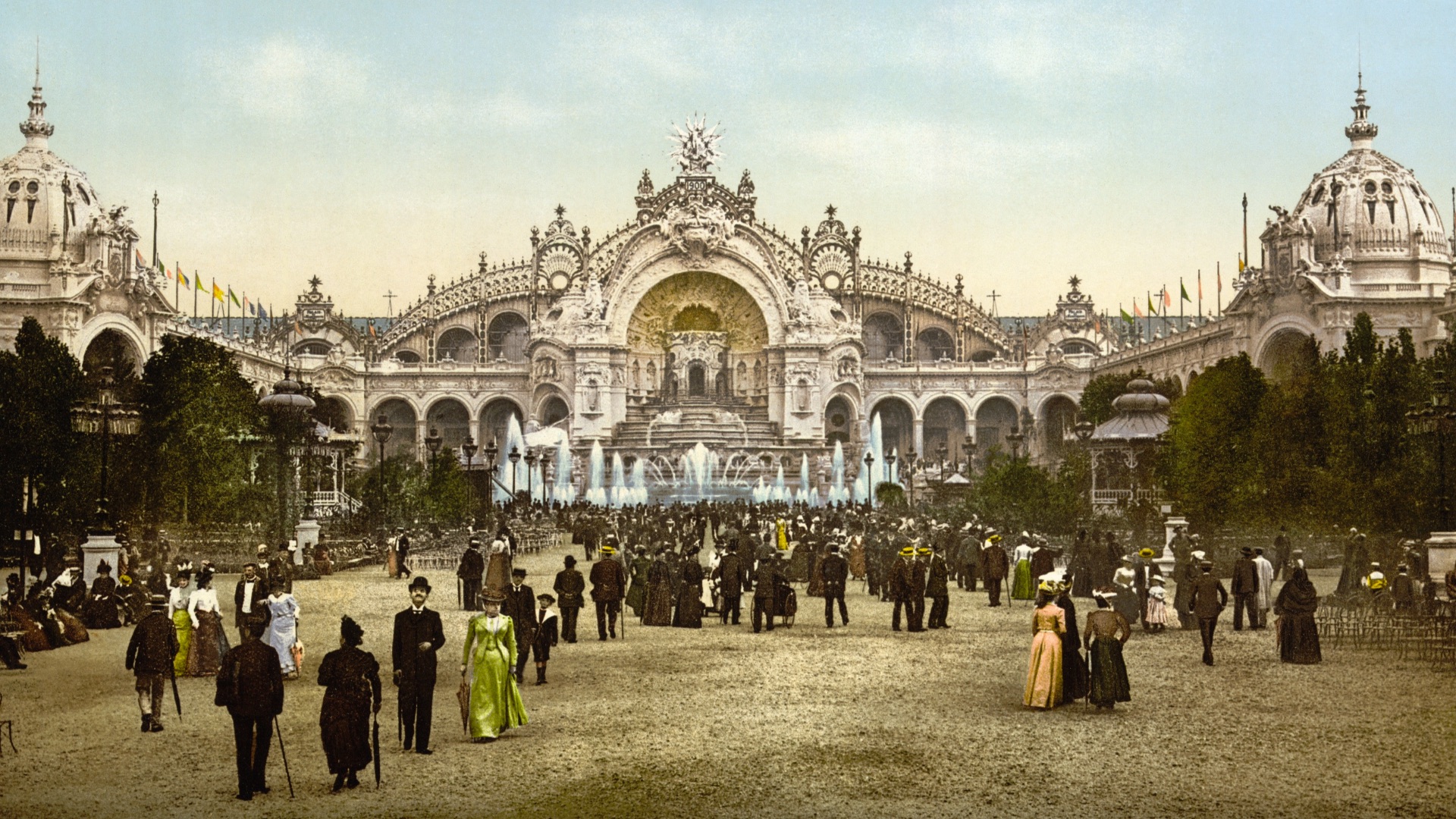
2. Paris During the Belle Époque
Paris from the late 19th century through the early 20th century was experiencing rapid changes in art, entertainment, transportation, and urban life. Cafés, exhibitions, theaters, and public venues brought together writers, painters, performers, and curious residents. Modern conveniences were beginning to appear, making the period somewhat more manageable for a present-day traveler.
 Unknown authorUnknown author on Wikimedia
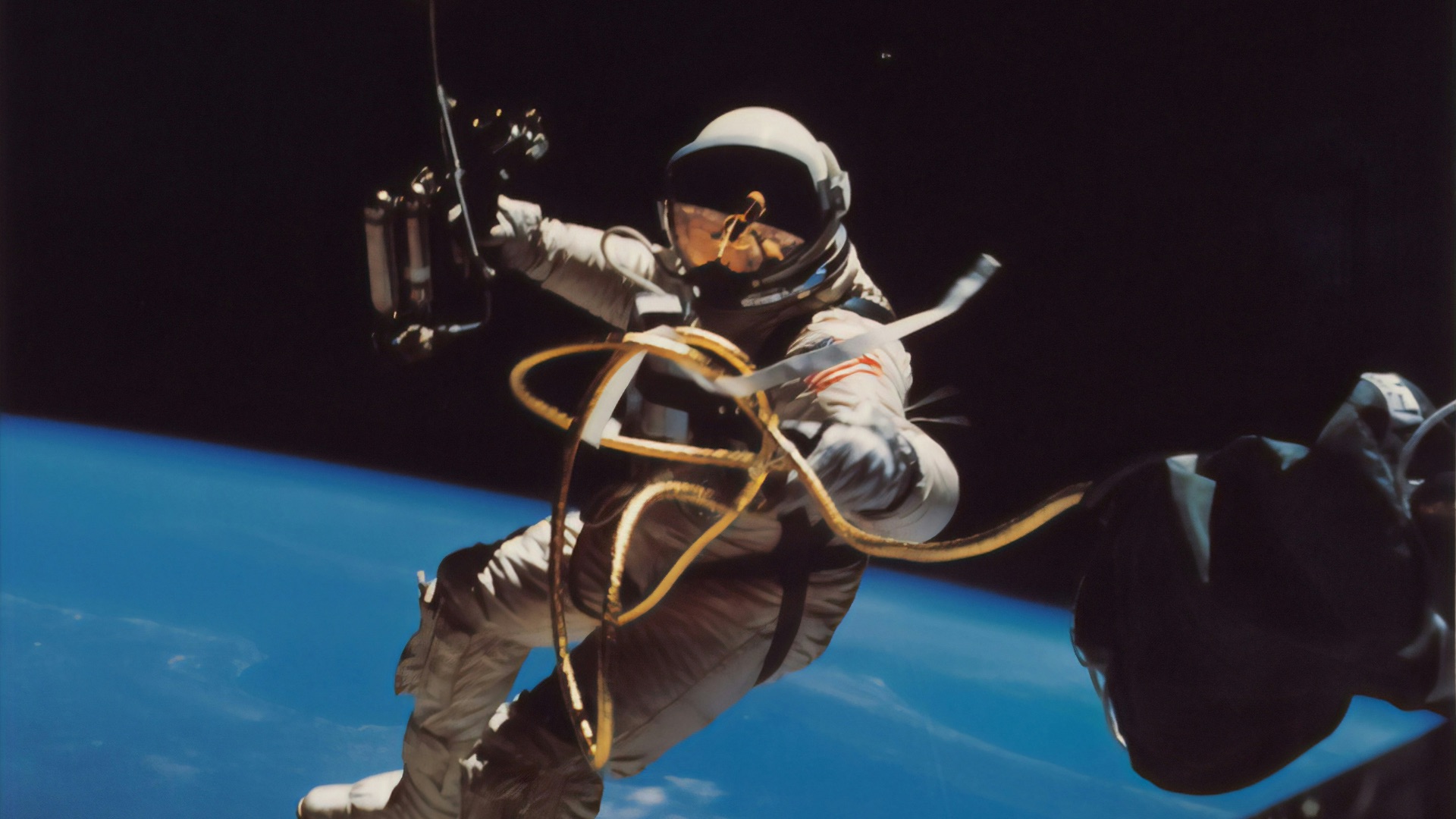
3. The Early Days of Space Exploration
The late 1950s and 1960s marked the beginning of humanity’s journey beyond Earth, when spaceflight shifted from theory into lived reality. The sudden appearance of artificial satellites—beginning with Sputnik in 1957—reshaped how people understood the planet and their place within it. Public imagination was soon captured again by the first human to leave Earth’s atmosphere. Watching Yuri Gagarin’s historic orbit in 1961 unfold in real time, knowing no human had ever seen the world from that vantage before, would be a moment of awe unlike anything in modern experience.
 The New York Public Library on Unsplash
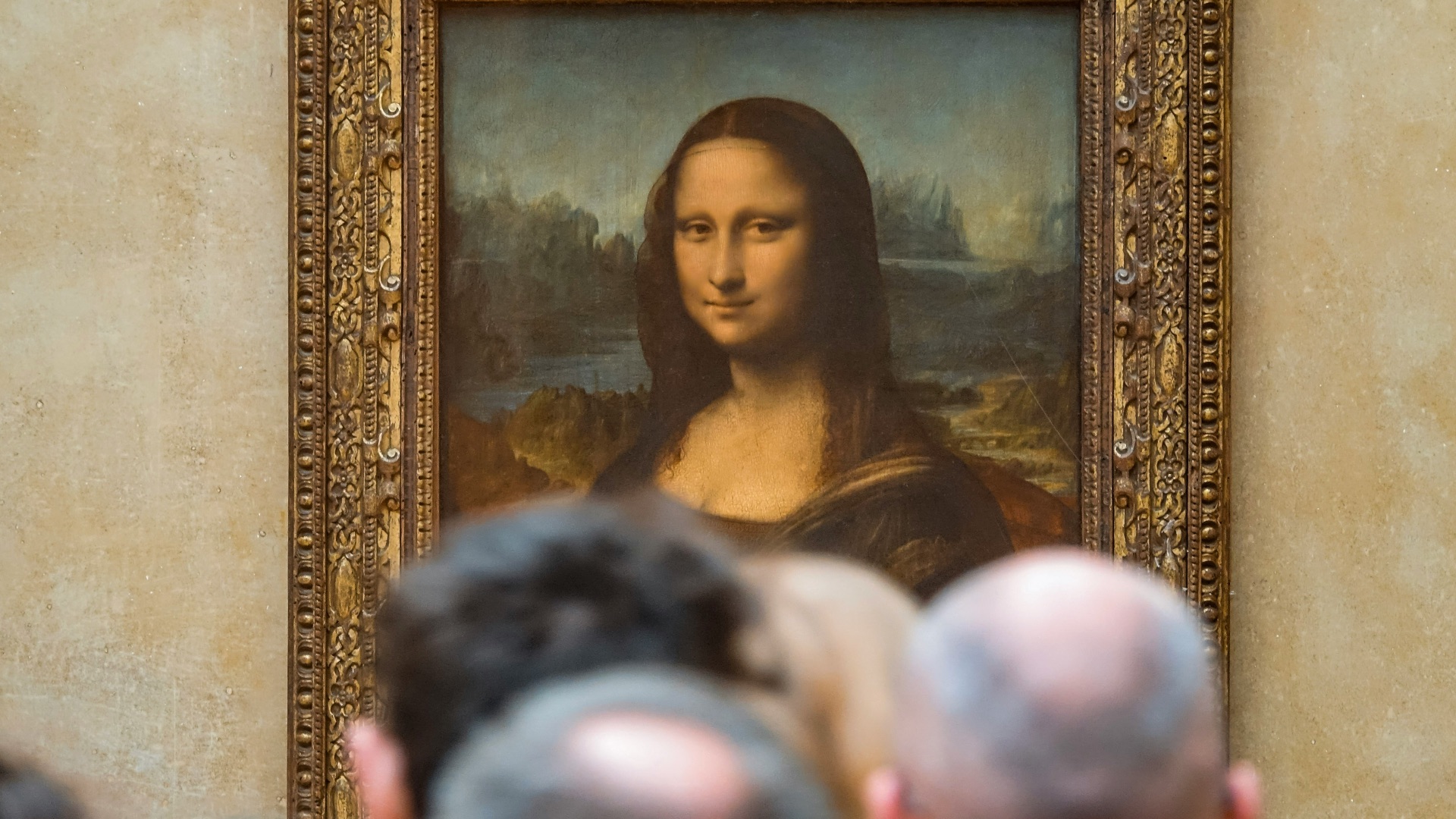
4. When Leonardo da Vinci Painted the Mona Lisa
Leonardo da Vinci began painting the Mona Lisa in the early 1500s, although he may have continued refining it for years. Watching him work would offer a rare glimpse into how he developed the portrait’s expression, background, and carefully blended details. You might even discover whether Lisa Gherardini truly posed for the painting and what Leonardo originally intended the finished work to represent.
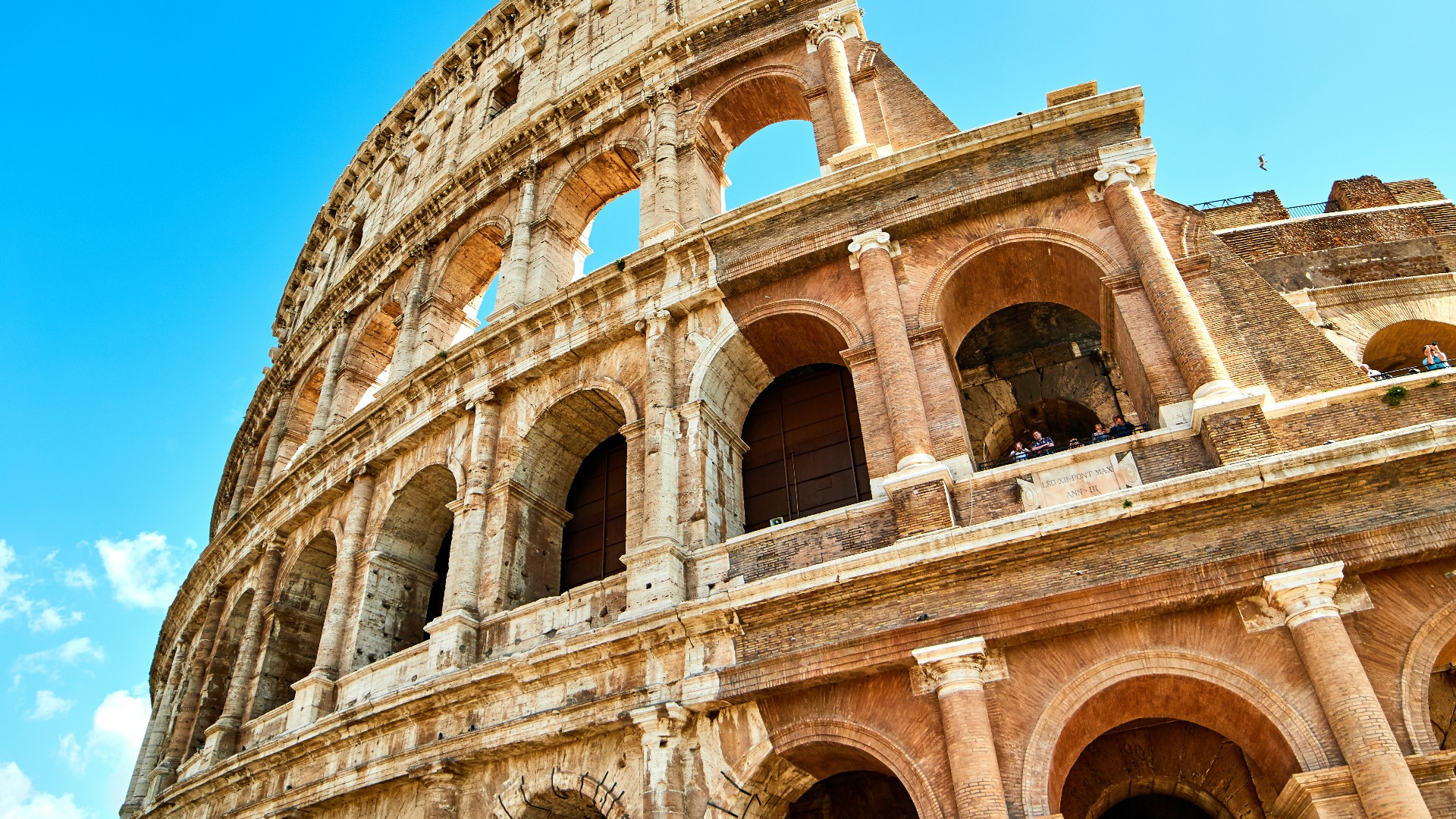
5. The Opening of the Colosseum
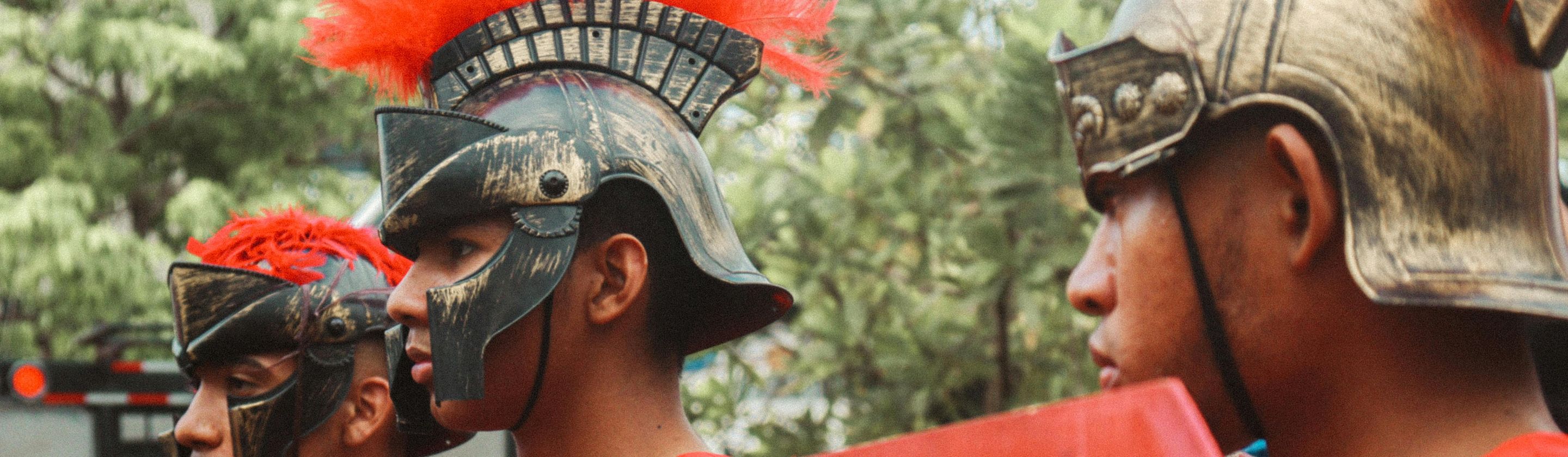
Construction of the Colosseum began under Emperor Vespasian around 70 to 72 CE and was completed under his son Titus in 80 CE. Seeing the enormous amphitheater when its stonework, seating areas, passageways, and decorations were still new would completely change how you picture ancient Rome. The inaugural celebrations reportedly continued for weeks, making the opening one of the city’s most anticipated public events.
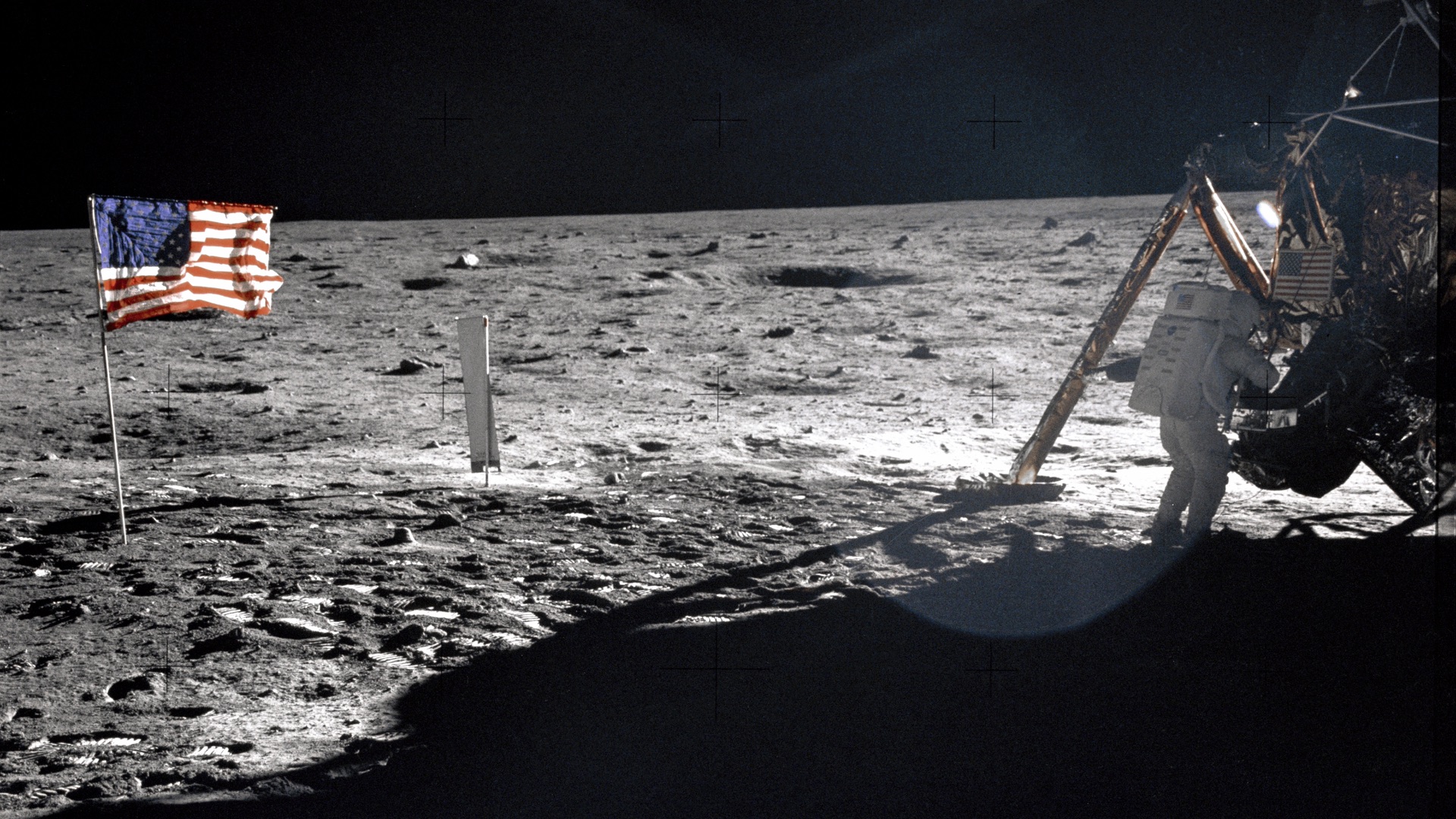
6. The First Moon Landing
On July 20, 1969, Apollo 11 astronauts Neil Armstrong and Buzz Aldrin landed on the Moon while Michael Collins remained in lunar orbit. Millions watched the mission on television, but returning to that day would let you experience the anticipation before anyone knew for certain that the landing would succeed. Hearing Armstrong’s first words and seeing the public reaction in real time would make the event feel entirely different from watching the surviving footage today.
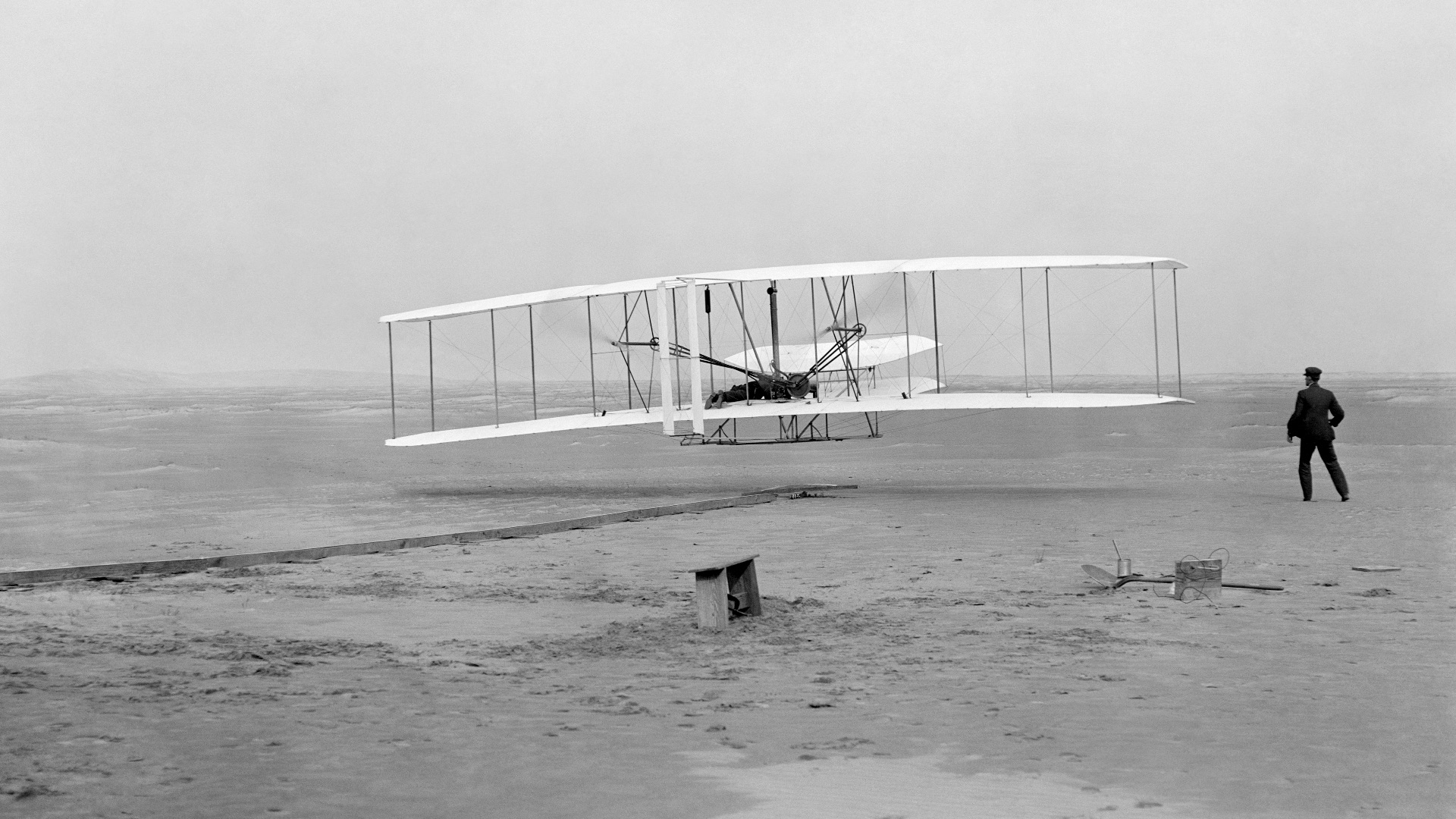
7. The First Flight by the Wright Brothers
On December 17, 1903, Orville and Wilbur Wright completed the first successful powered flights of their aircraft near Kitty Hawk, North Carolina. Only a small group of people witnessed the achievement, and the first flight lasted just 12 seconds. Standing on the sand as the machine lifted into the air would mean watching modern aviation begin in a remarkably simple setting.
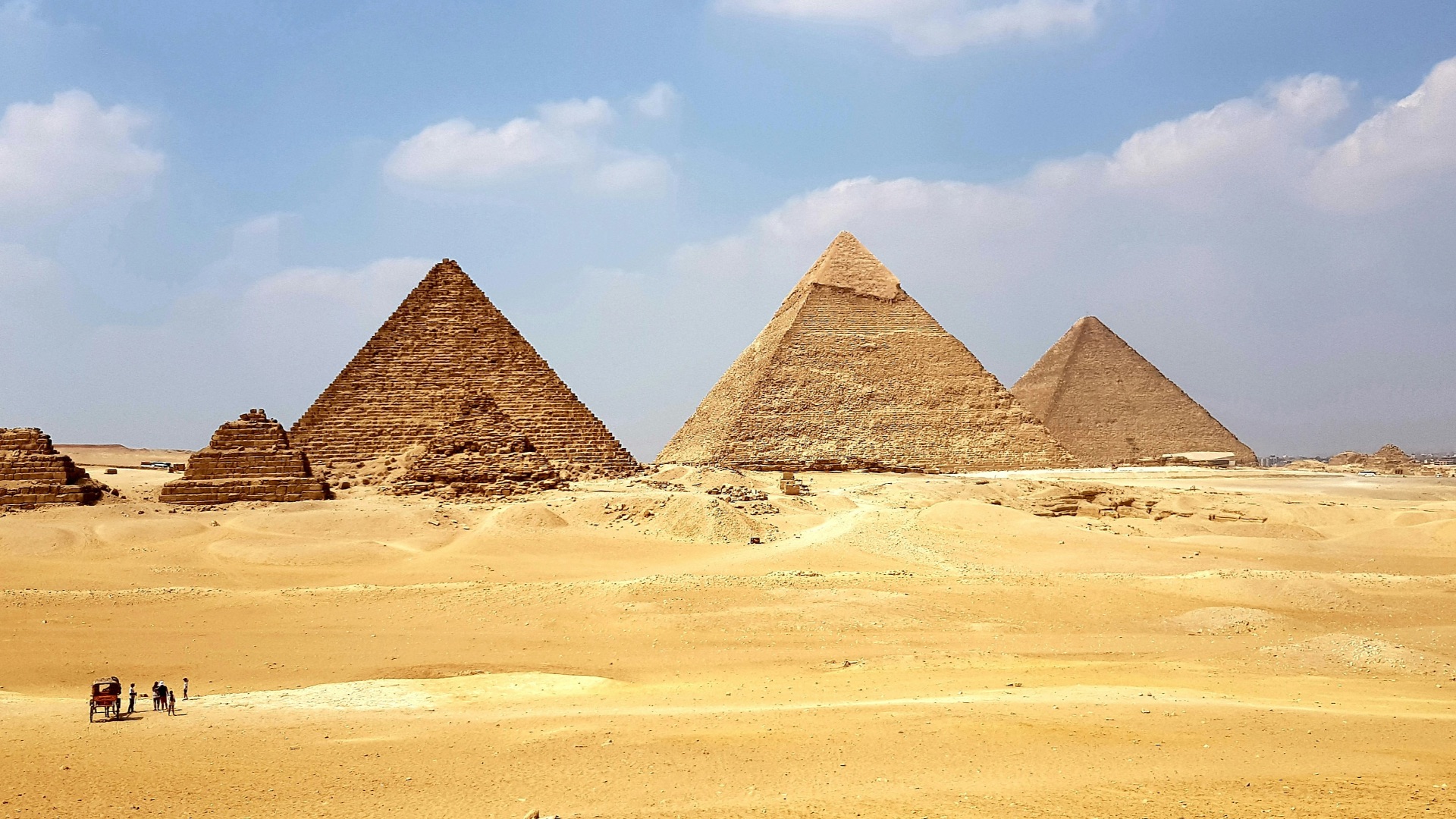
8. Ancient Egypt While the Great Pyramid Was Being Built
The Great Pyramid of Giza was constructed during the reign of Pharaoh Khufu around the 26th century BCE. Visiting during its construction would let you see how workers transported, shaped, and positioned enormous stone blocks without modern machinery. You could also experience Giza before its monuments had been weathered, damaged, or surrounded by a modern city.
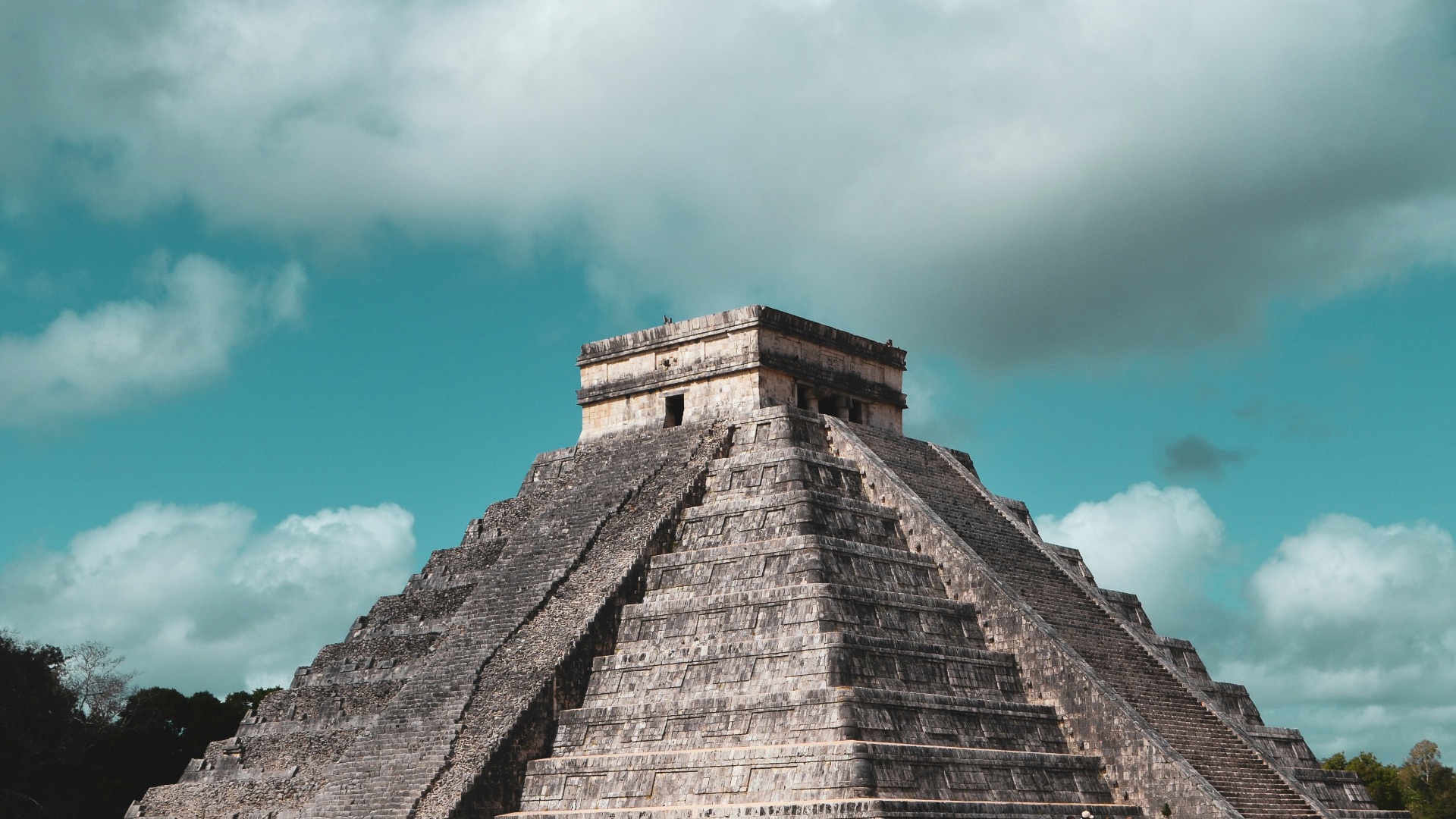
9. The Height of the Maya Civilization
During the Classic Maya period, major cities contained towering temples, royal courts, carved monuments, and busy public plazas. Visiting would reveal how Maya astronomers tracked celestial movements and how scribes recorded political and religious events in hieroglyphic writing. It would also offer a view of these cities while they were inhabited, maintained, and covered in painted decoration.
10. The Islamic Golden Age
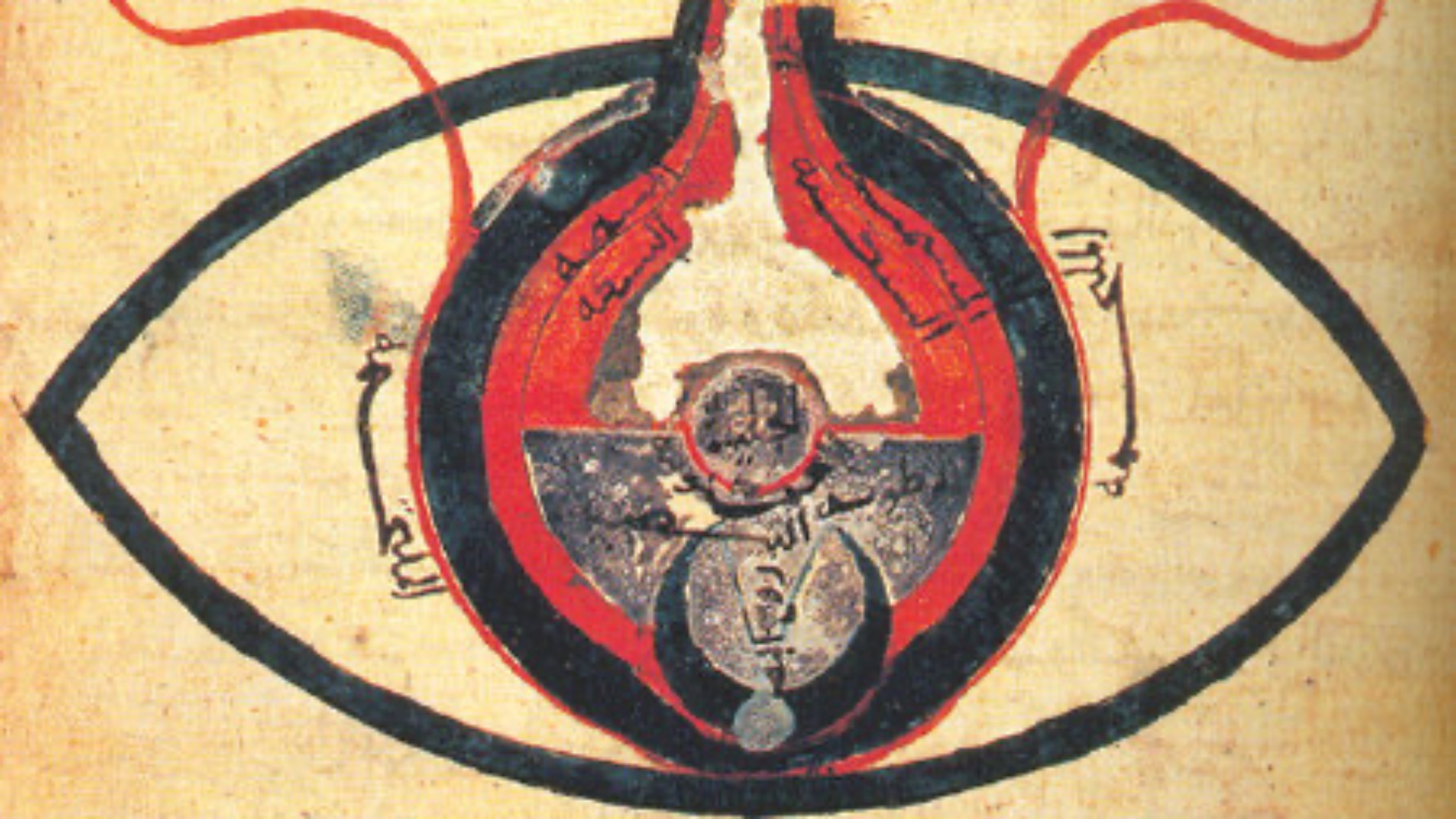
From roughly the eighth through the 13th centuries, scholars across the Islamic world made major advances in mathematics, medicine, astronomy, geography, and philosophy. You could visit libraries, hospitals, observatories, and centers of translation where knowledge from several civilizations was studied and expanded. Meeting thinkers such as Ibn Sina, Al-Khwarizmi, or Alhazen would make this an extraordinary period for anyone interested in science.
KEEP ON READING