Counting the Human Cost of War
Ranking history’s deadliest wars isn’t an exact exercise because older governments rarely kept complete records, while historians disagree about which deaths should be attributed to a conflict. Some estimates count only people killed directly in combat, whereas broader totals include civilians who died from massacres, famine, displacement, disease, and collapsing public services. The 20 figures below are cautious approximations, and the order may change depending on which scholarly estimates and definitions are used.
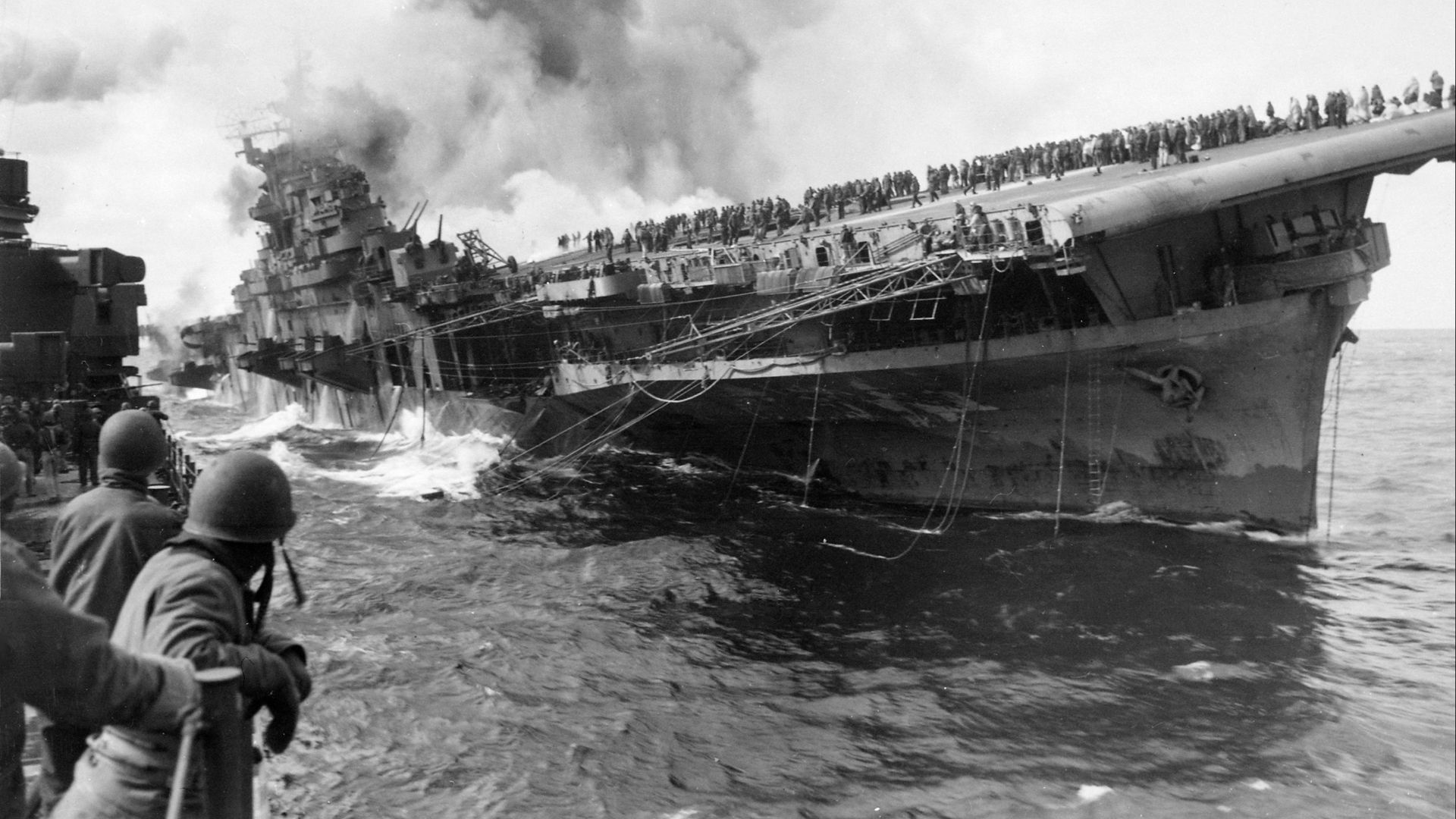
1. World War II
World War II caused an estimated 70 million to 85 million deaths between 1939 and 1945, making it history’s deadliest conflict by a wide margin. The fighting spread across Europe, Asia, Africa, and the Pacific, drawing dozens of countries into the struggle between the Allied and Axis powers.
2. The Mongol Conquests
The Mongol conquests of the 13th and 14th centuries may have caused roughly 30 million to 40 million deaths, although precise totals remain impossible to establish. Armies led by Genghis Khan and his successors invaded China, Central Asia, Persia, Eastern Europe, and the Middle East.
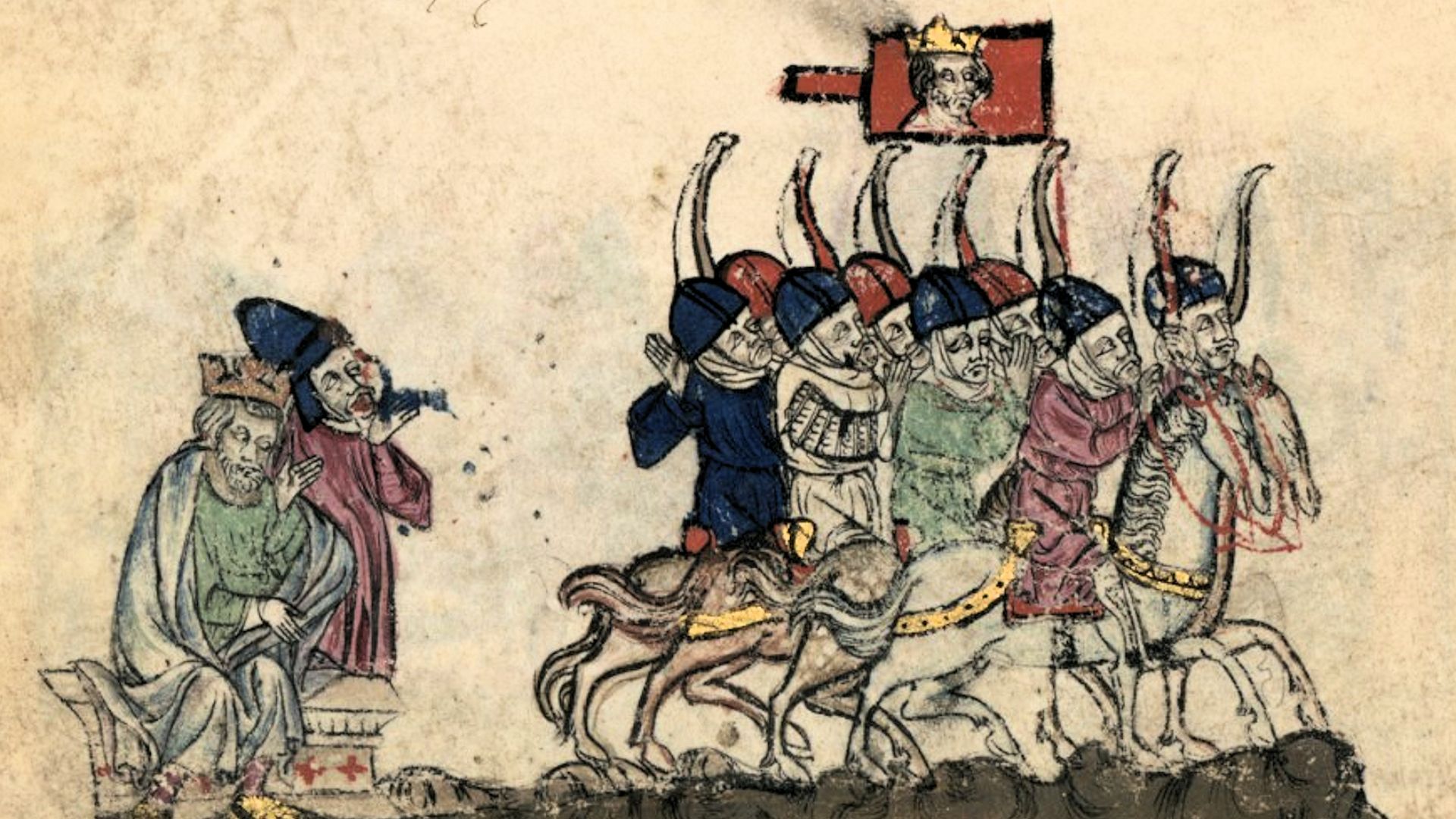 Haiton of Corycus (13th century) on Wikimedia
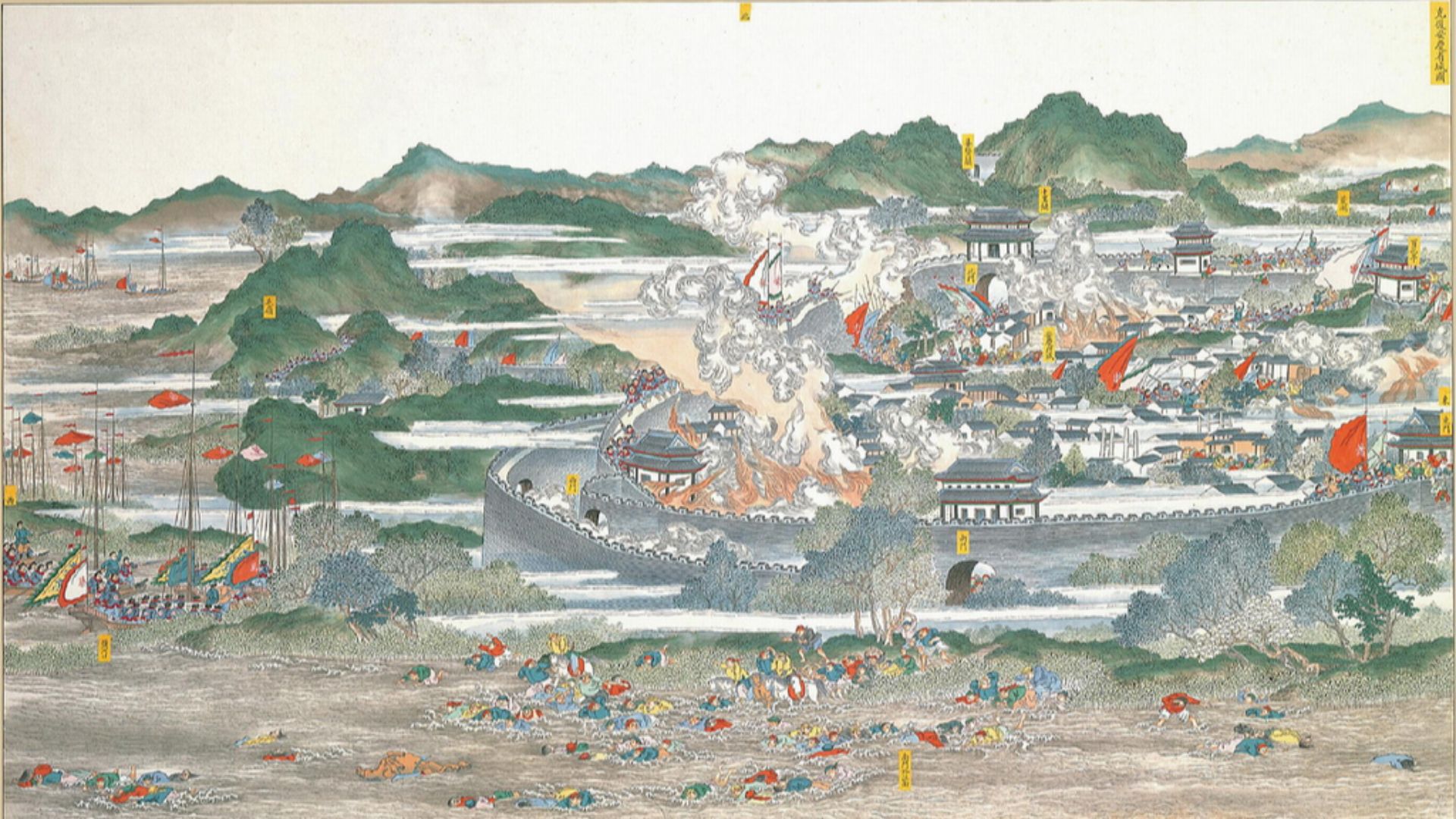
3. The Taiping Rebellion
The Taiping Rebellion devastated China from 1850 until 1864 and likely killed between 20 million and 30 million people. Combat accounted for only part of the toll, since famine, disease, massacres, and the destruction of farmland killed millions more.
4. The Ming-Qing Transition
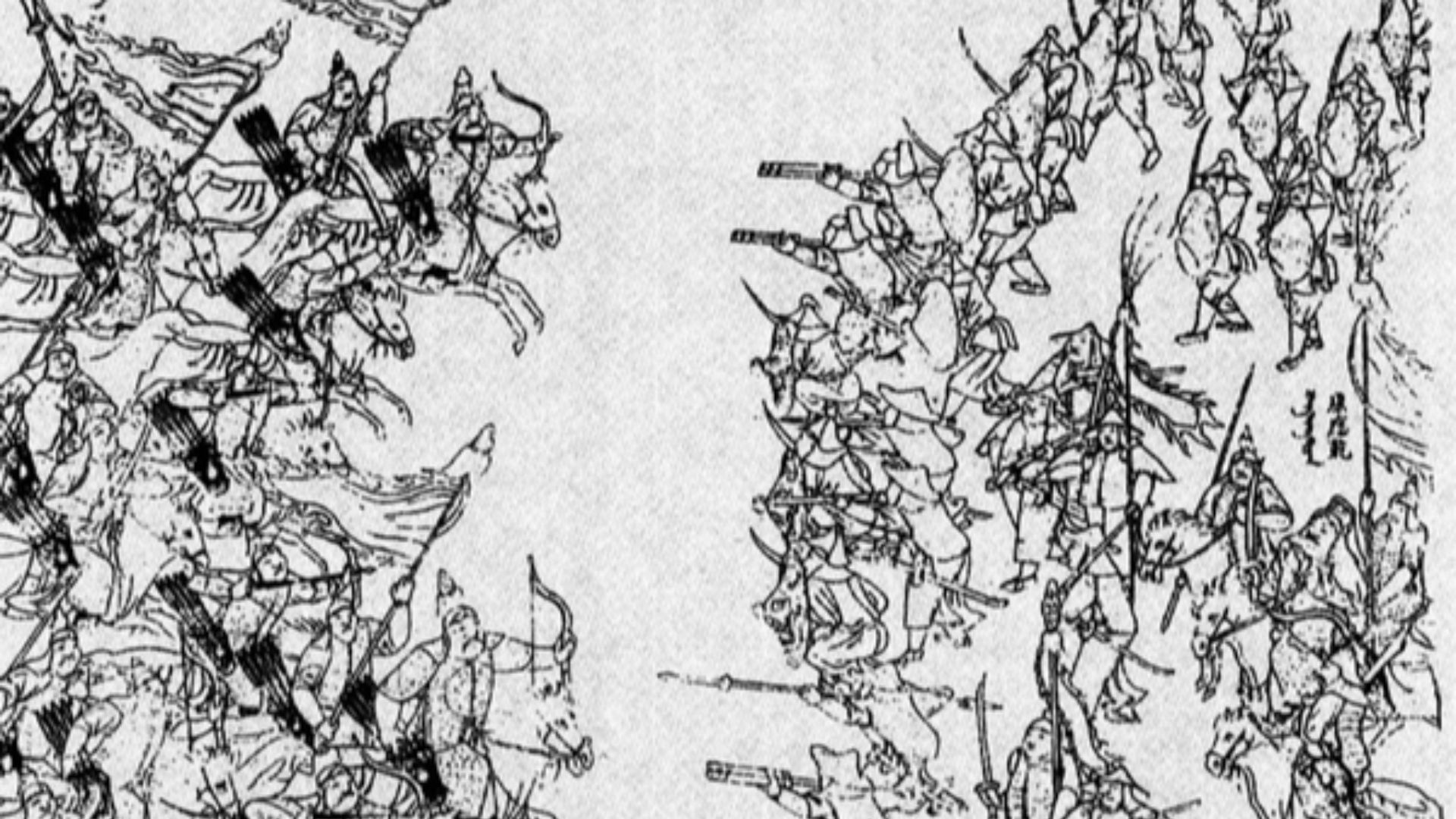
The collapse of the Ming dynasty and the rise of the Qing produced decades of rebellion, invasion, and internal warfare during the 17th century. Estimates commonly place the resulting death toll somewhere between 20 million and 25 million, although demographic evidence is incomplete.
 Unknown authorUnknown author on Wikimedia
5. The Second Sino-Japanese War
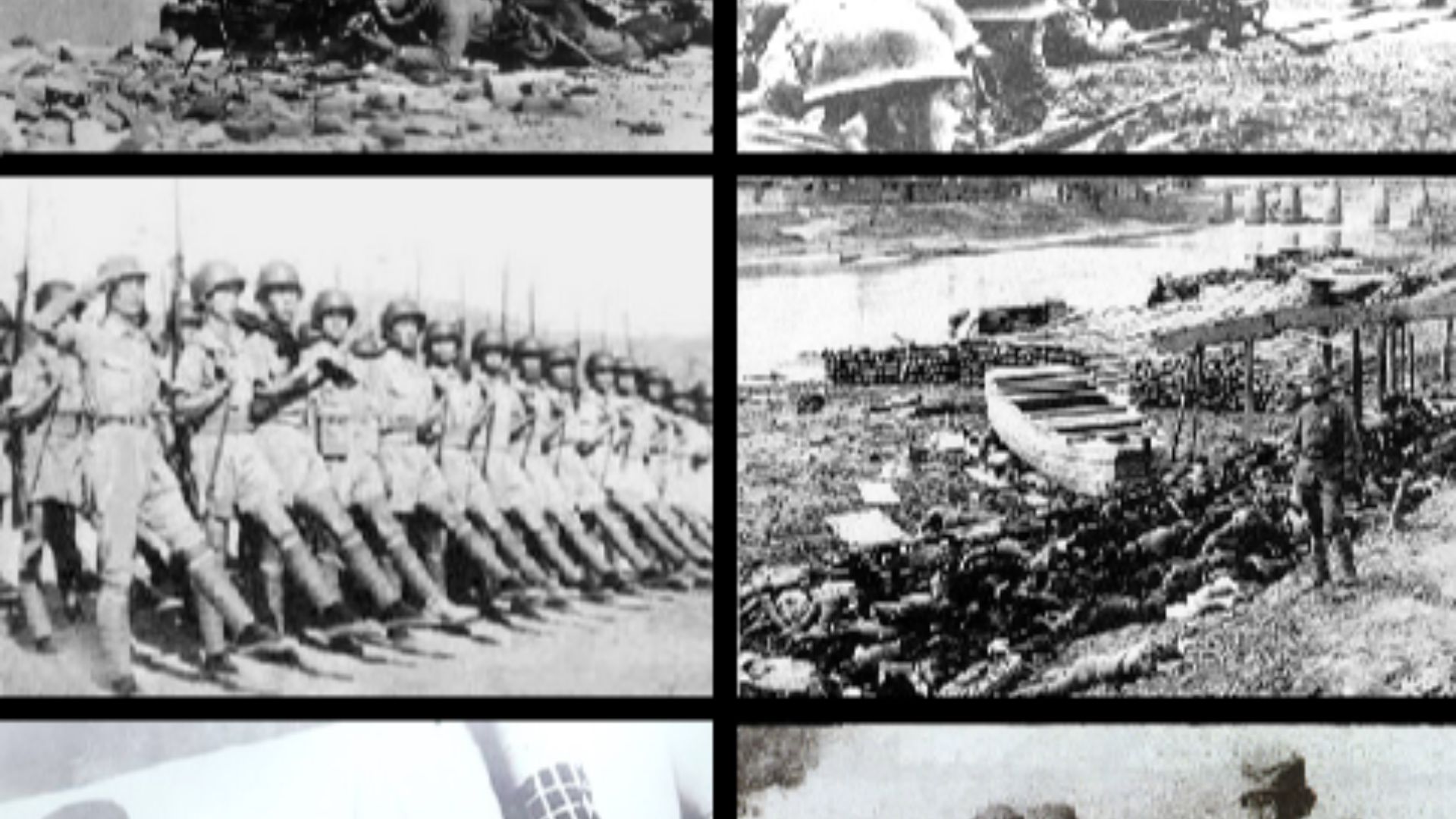
Japan’s full-scale invasion of China began in 1937, although hostilities between the countries had already been escalating for several years. Between 15 million and 20 million people may have died before the conflict ended with Japan’s surrender in 1945.
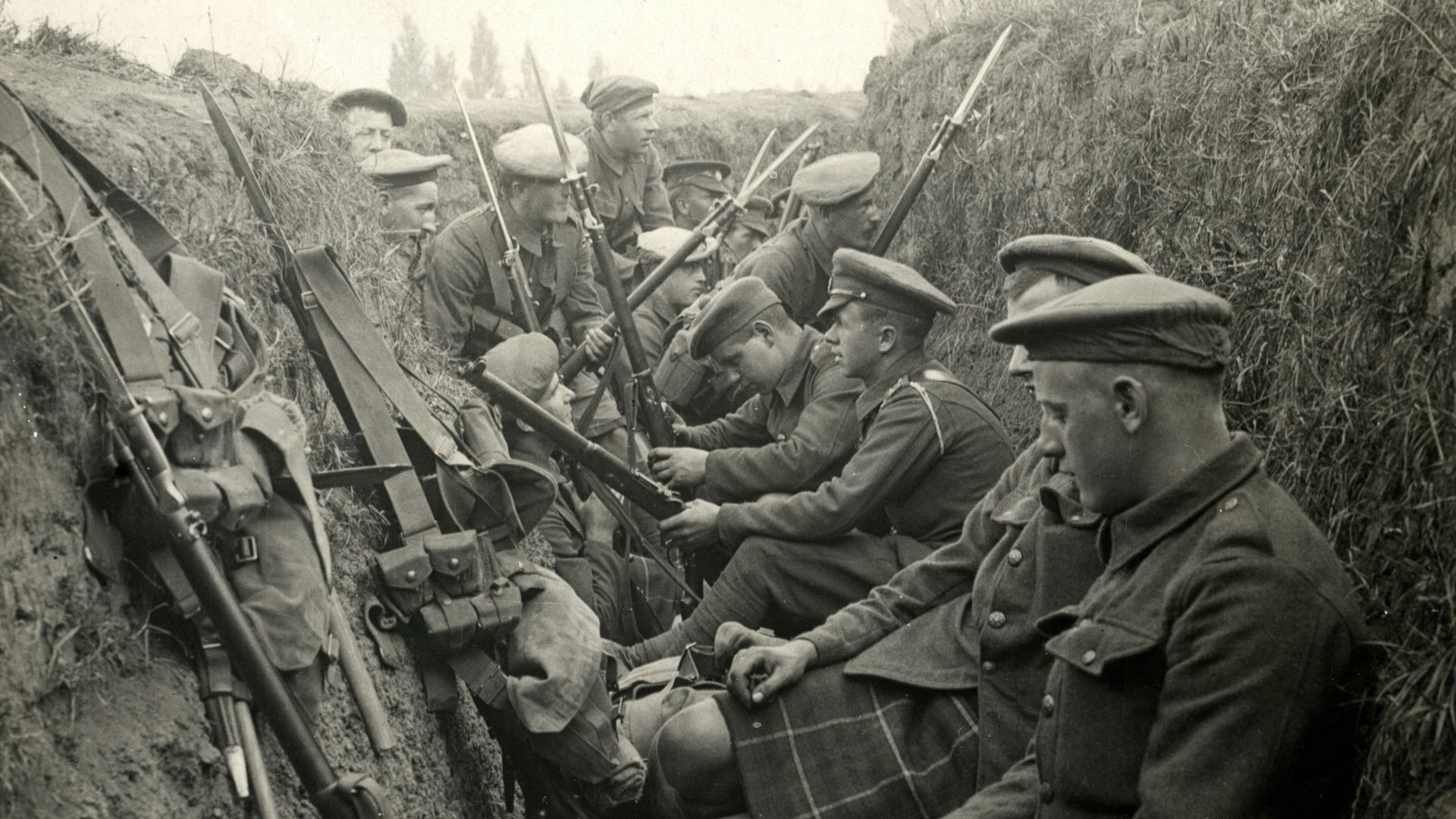
6. World War I
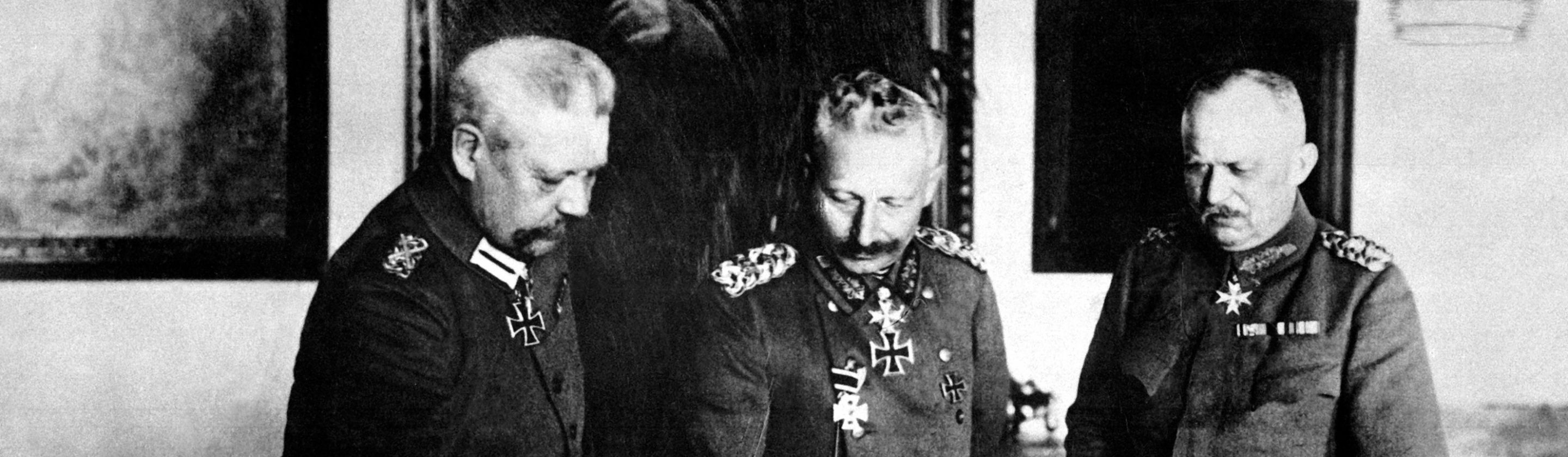
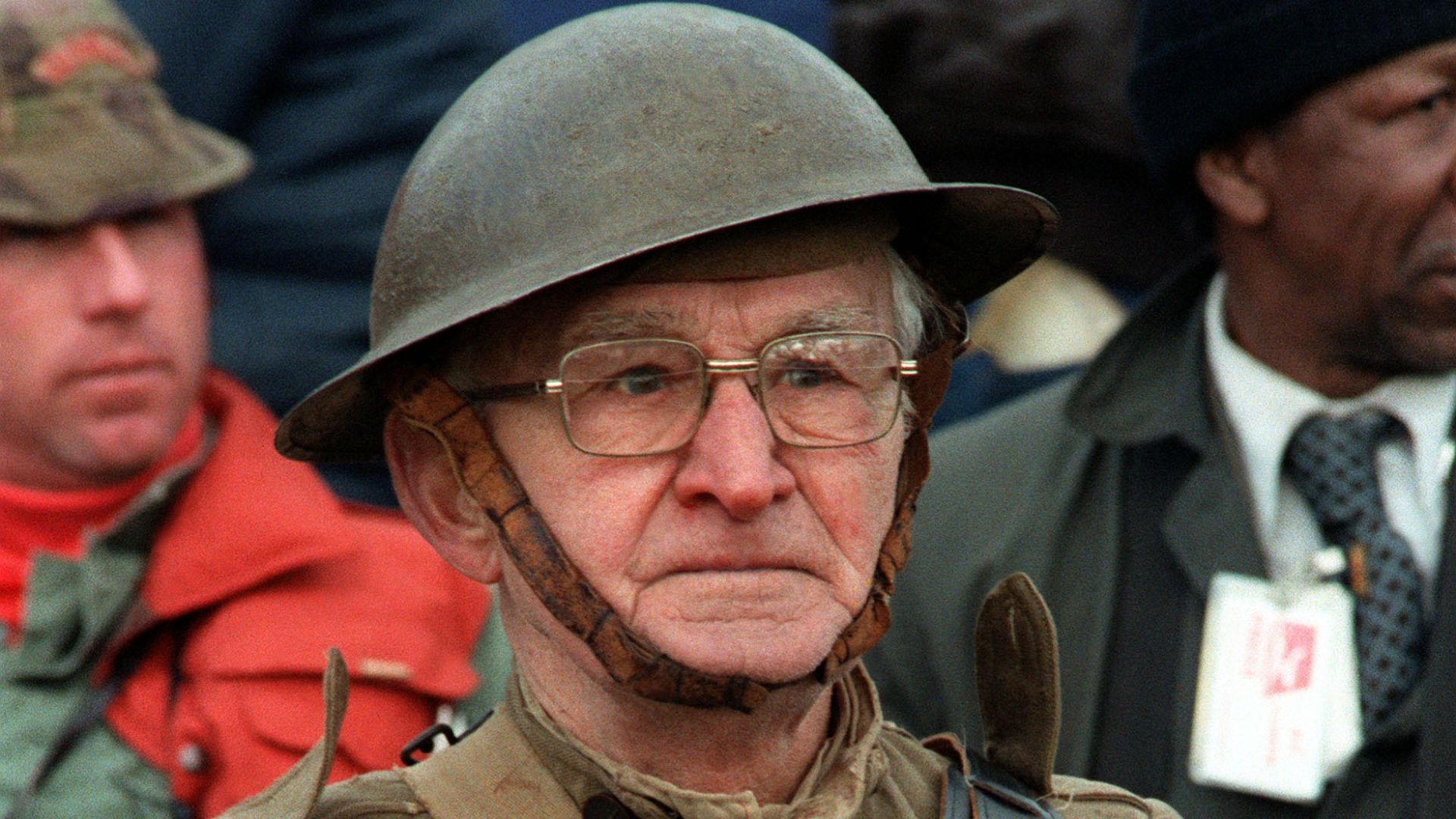
World War I killed approximately 15 million to 20 million soldiers and civilians between 1914 and 1918. Industrial weapons, artillery barrages, machine guns, poison gas, and prolonged trench warfare produced casualties on a scale that shocked contemporary societies.
7. The An Lushan Rebellion
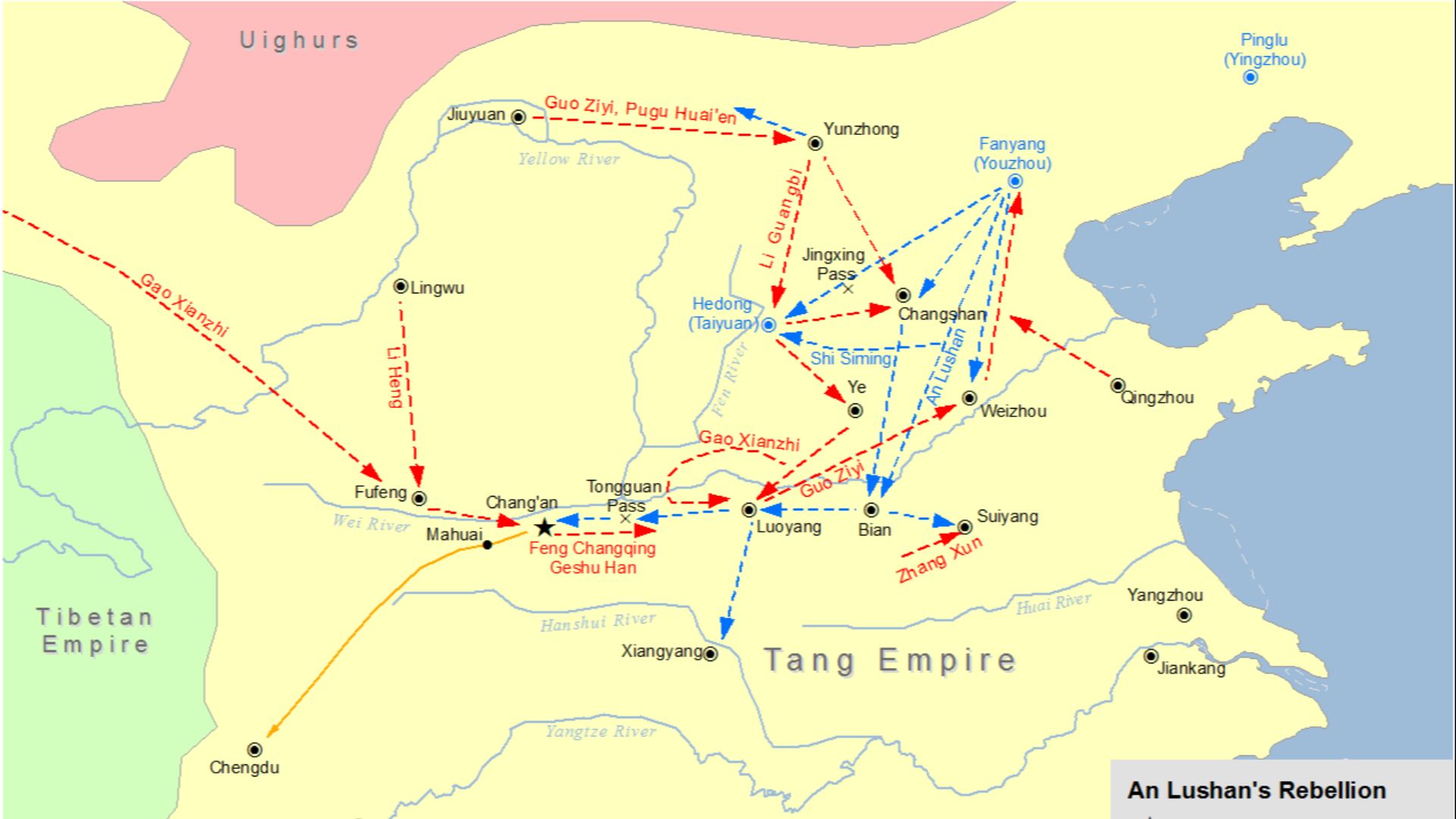
The An Lushan Rebellion erupted against China’s Tang dynasty in 755 and continued until 763. Older estimates have claimed as many as 36 million deaths, but much of that figure comes from disputed census declines that also reflected migration and administrative breakdown.
8. The Chinese Civil War
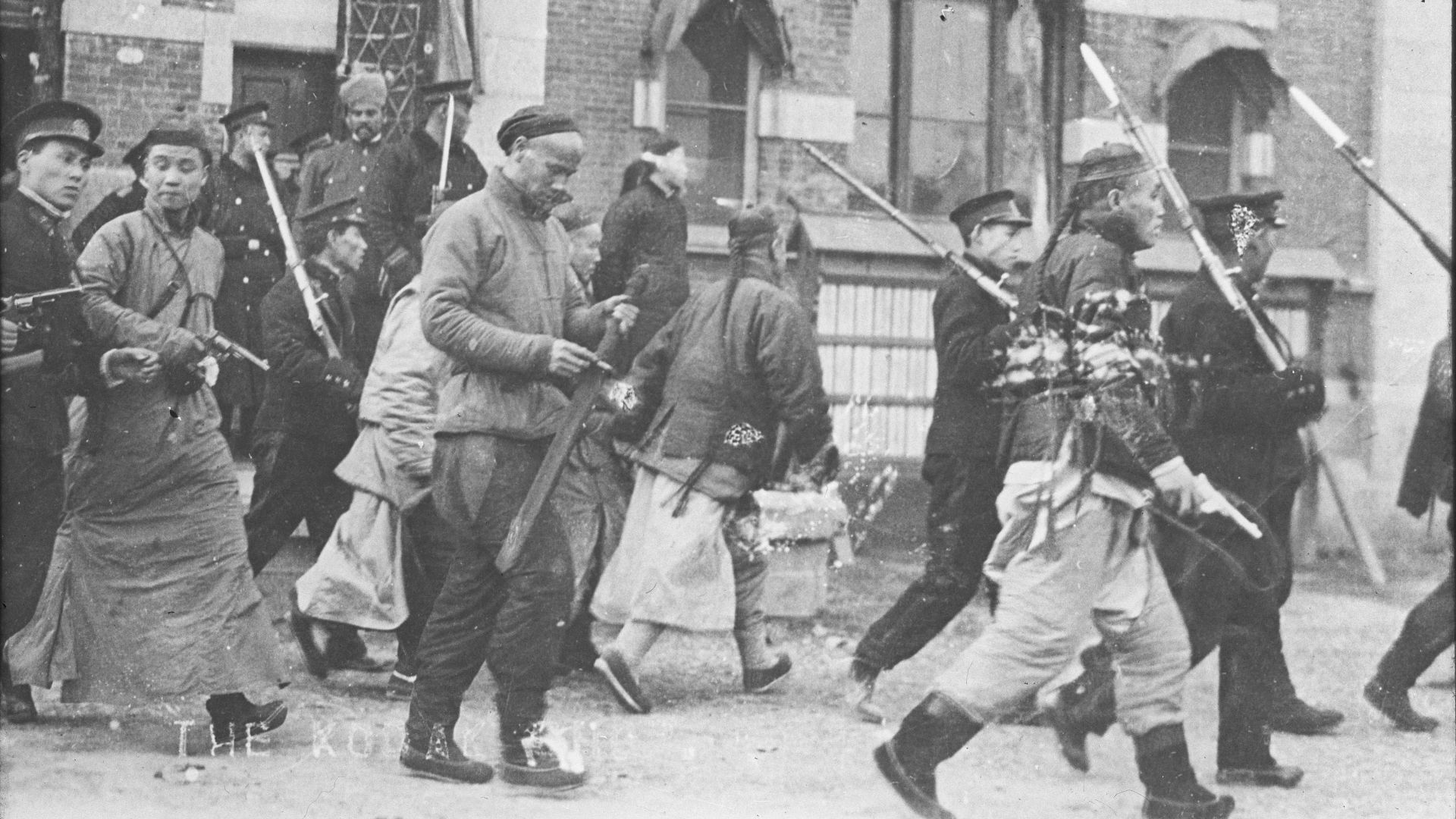
China’s civil war between Nationalist and Communist forces unfolded in several phases from the late 1920s until the Communist victory in 1949. The struggle overlapped with foreign invasion, political purges, local uprisings, and widespread social collapse, making its separate death toll difficult to calculate.
9. The Russian Civil War
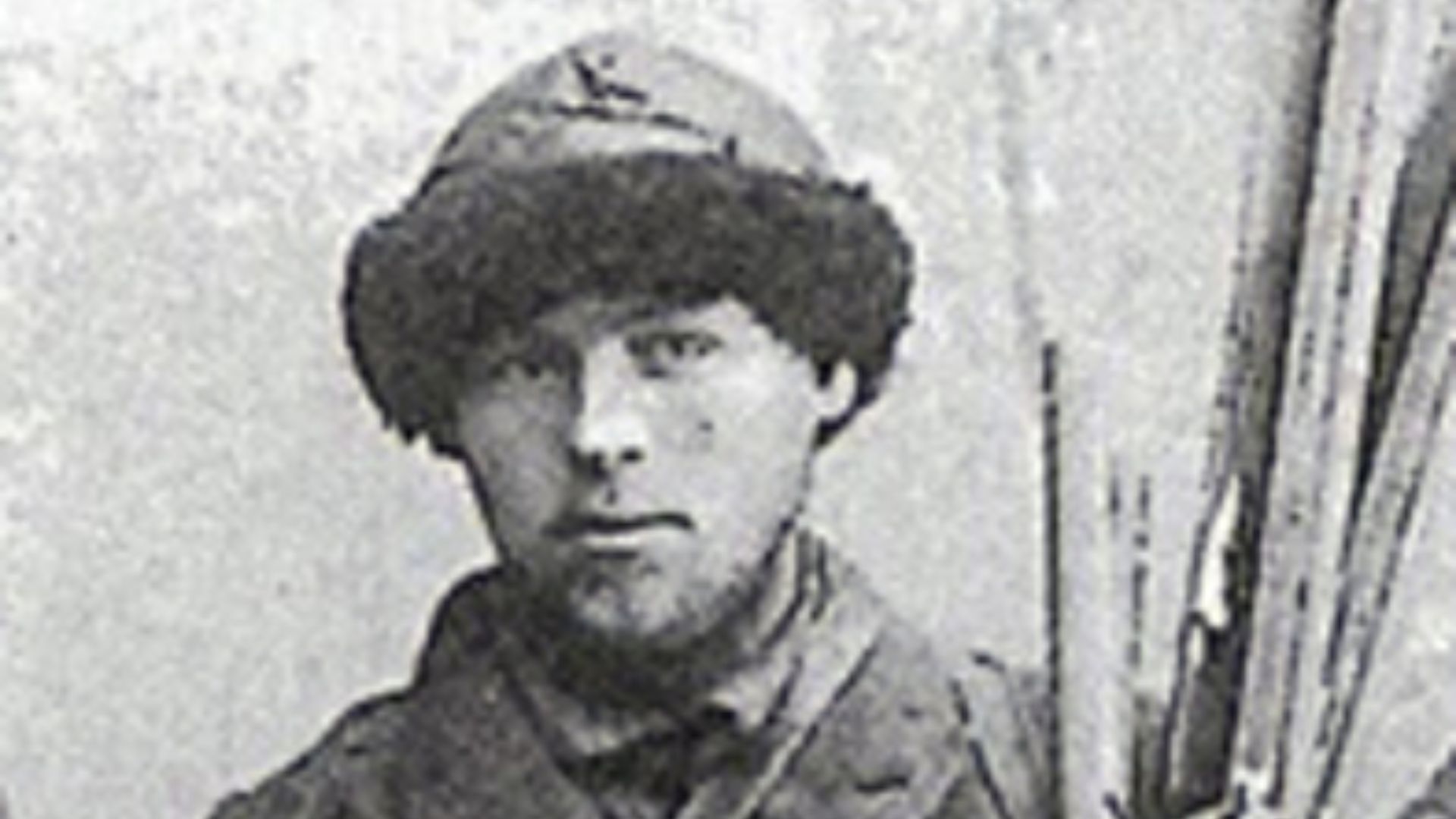
The Russian Civil War followed the revolutions of 1917 and involved Bolshevik forces, anti-Communist armies, foreign troops, nationalist movements, and independent armed groups. Between 7 million and 12 million people may have died before the main fighting ended in the early 1920s.
 Unknown authorUnknown author on Wikimedia
10. The Dungan Revolt
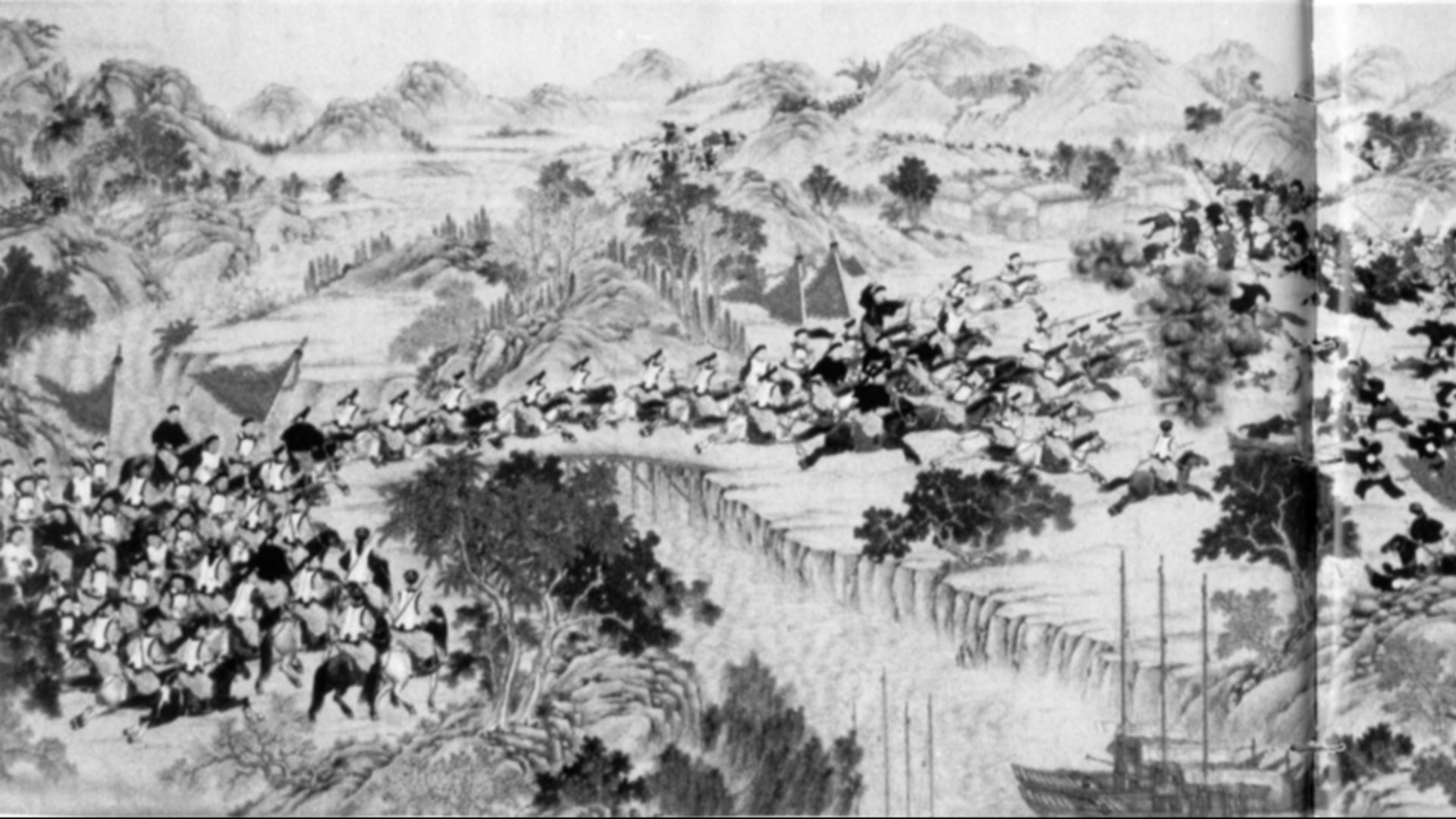
The Dungan Revolt began in northwestern China in 1862 amid tensions involving Muslim communities, Qing authorities, and other local populations. Warfare continued in different areas for more than a decade and may have killed between 8 million and 12 million people.
11. The Reconquista
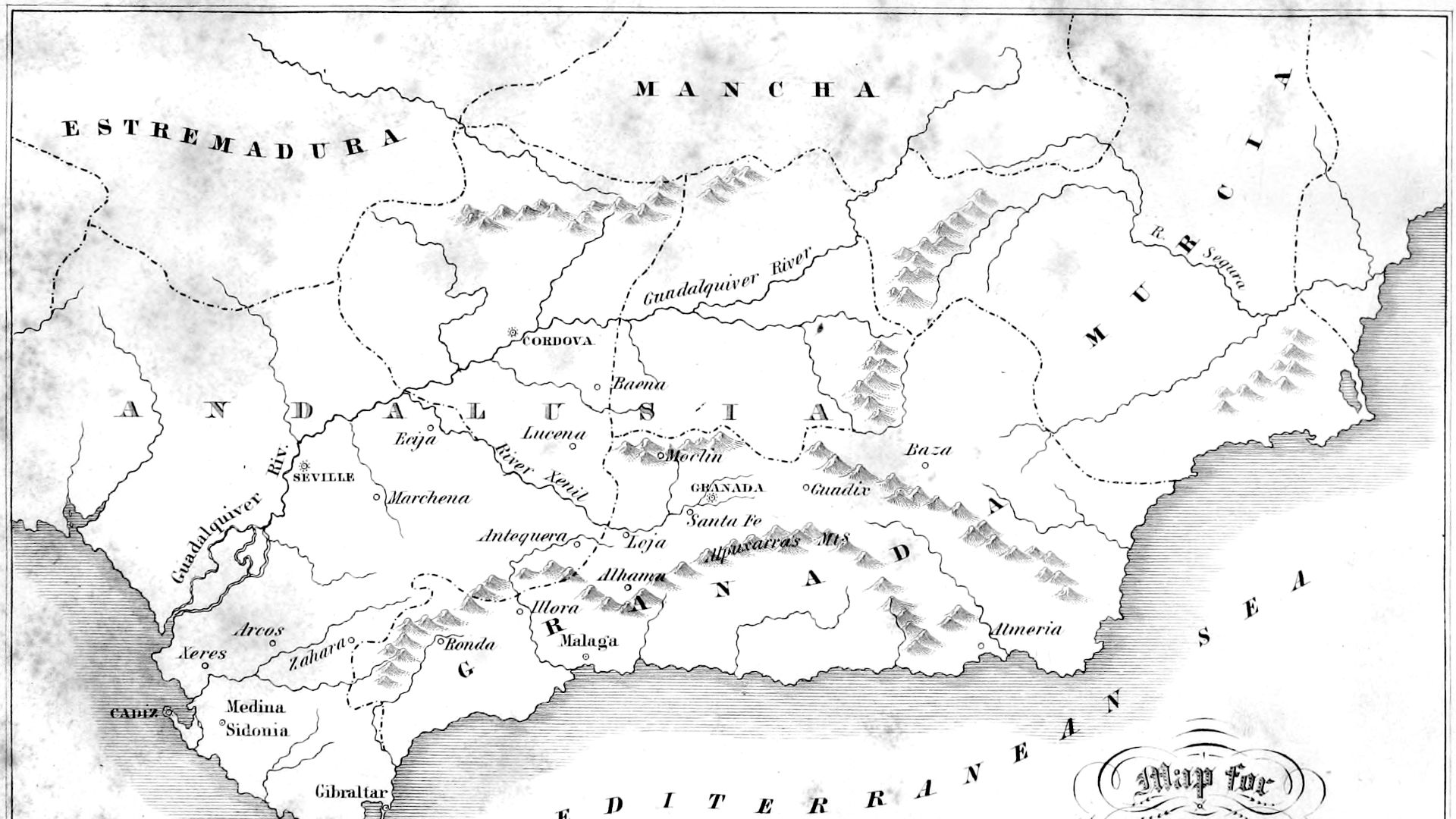
The Reconquista describes centuries of warfare through which Christian kingdoms gradually captured Muslim-controlled territories on the Iberian Peninsula. Because the campaigns stretched from the eighth century until 1492, estimates of the total number of deaths vary enormously and can reach several million.
 William Hickling Prescott on Wikimedia
12. The Thirty Years’ War
The Thirty Years’ War began in 1618 as a struggle within the Holy Roman Empire before expanding into a broader European contest. Approximately 4.5 million to 8 million people died by the time peace agreements ended the main conflict in 1648.
13. The Napoleonic Wars
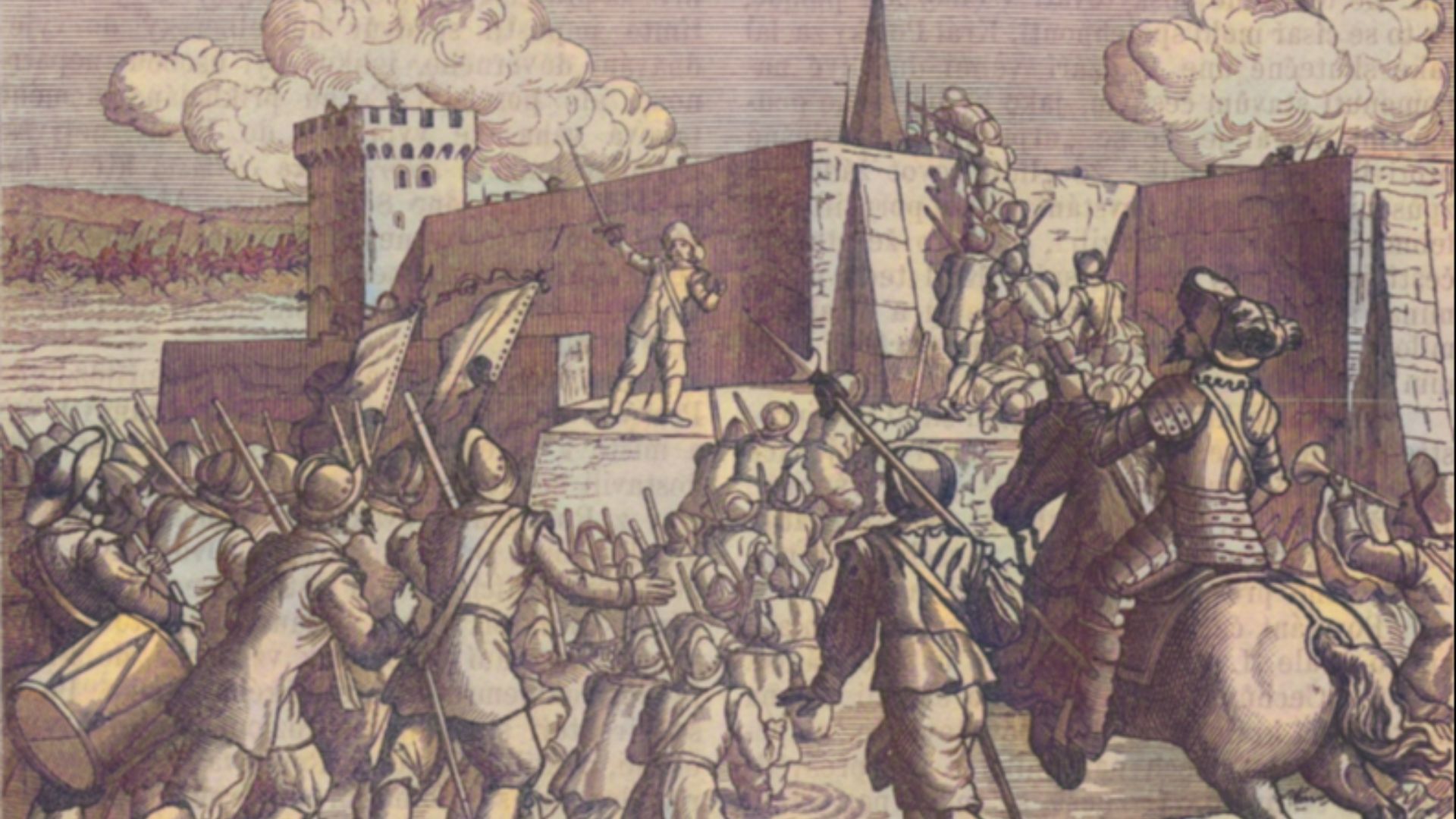
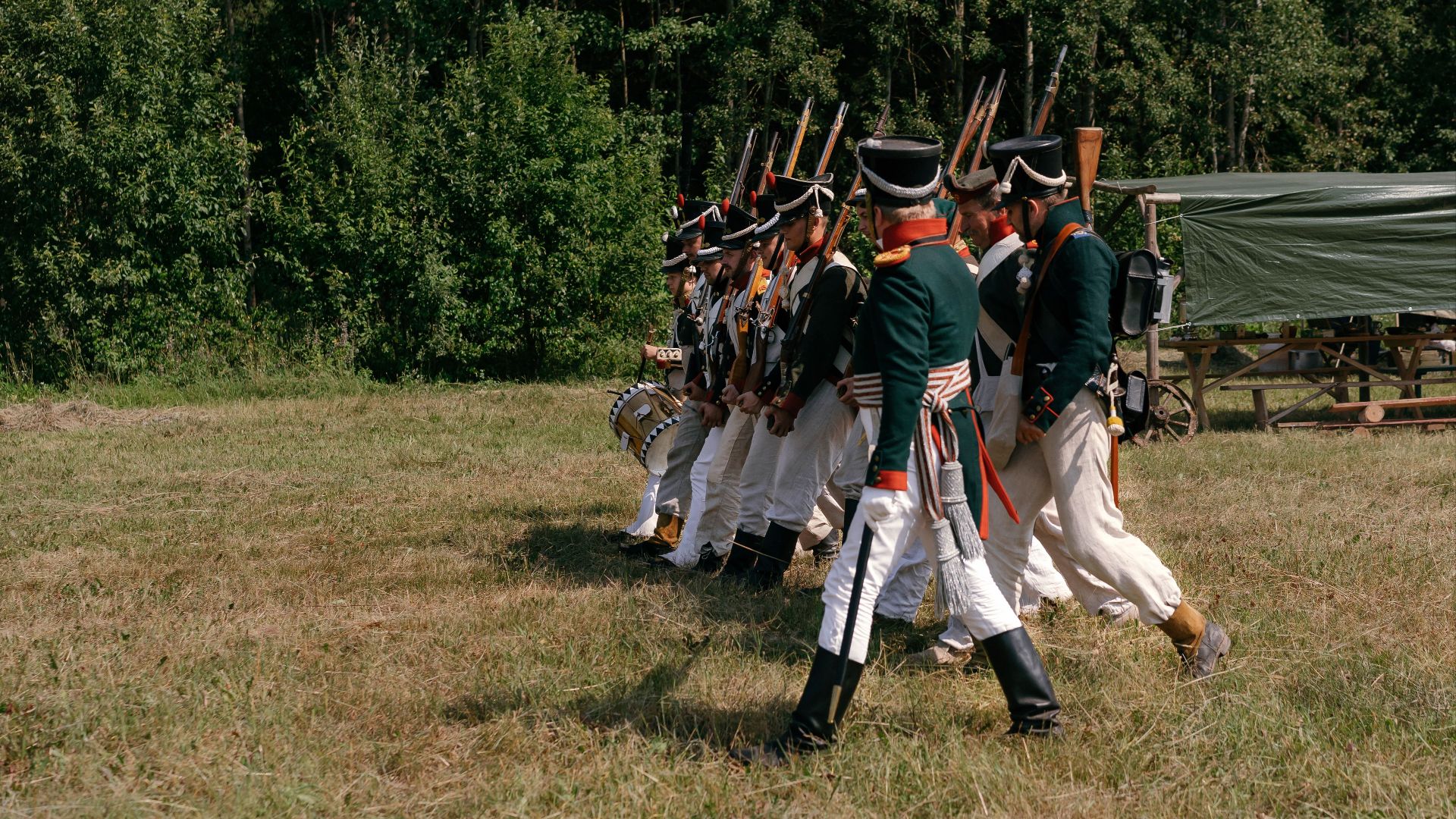
The Napoleonic Wars reshaped Europe and extended into the Mediterranean, the Caribbean, and other overseas regions between 1803 and 1815. Estimates often place the combined military and civilian death toll between 3.5 million and 6 million.
14. The Second Congo War
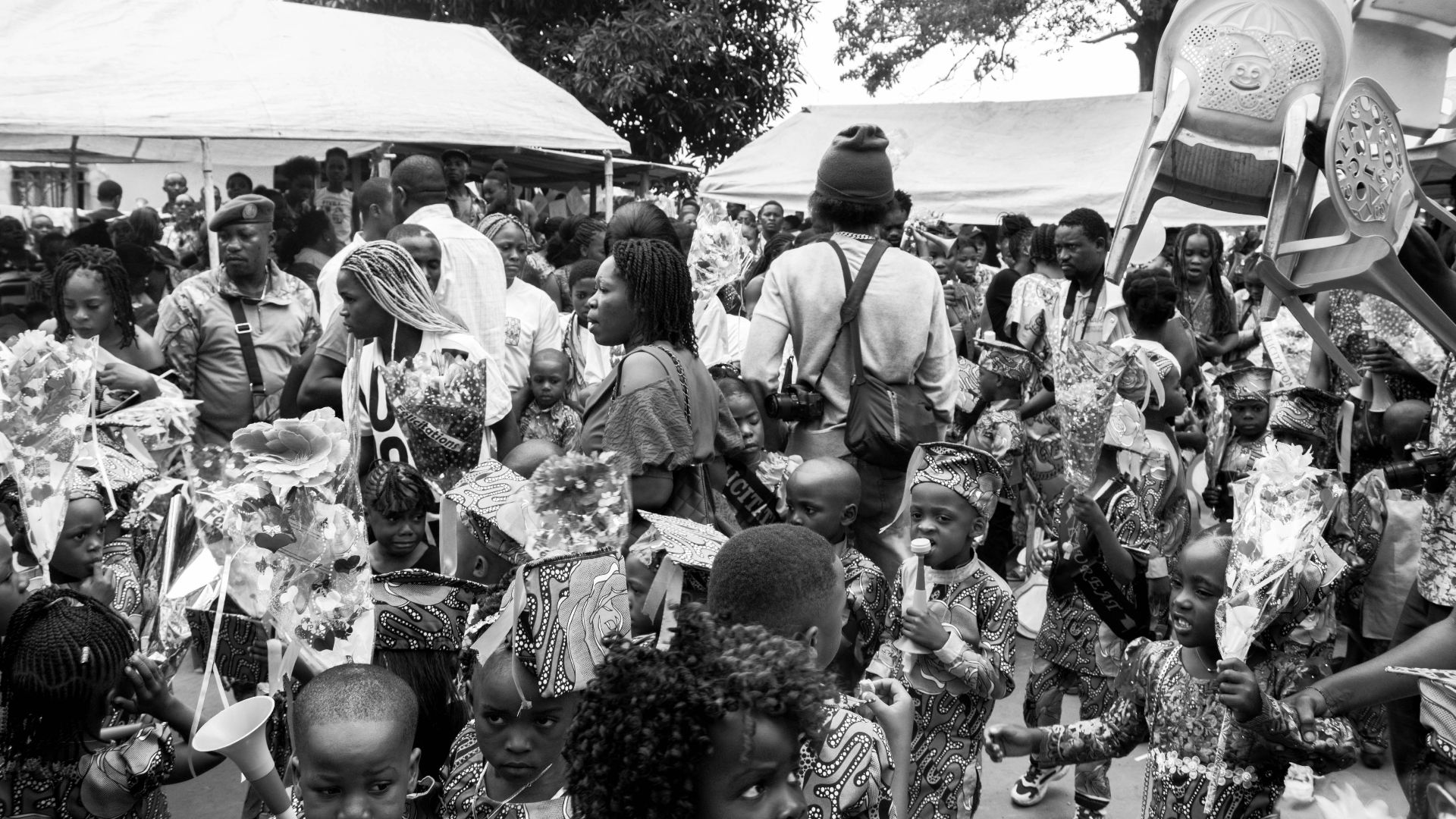
The Second Congo War began in 1998 and involved the Democratic Republic of the Congo, neighboring governments, and numerous armed organizations. Studies have attributed several million excess deaths to the conflict, with most resulting from disease, malnutrition, displacement, and the destruction of already limited health services.
 Johnnathan Tshibangu on Unsplash
15. The French Wars of Religion
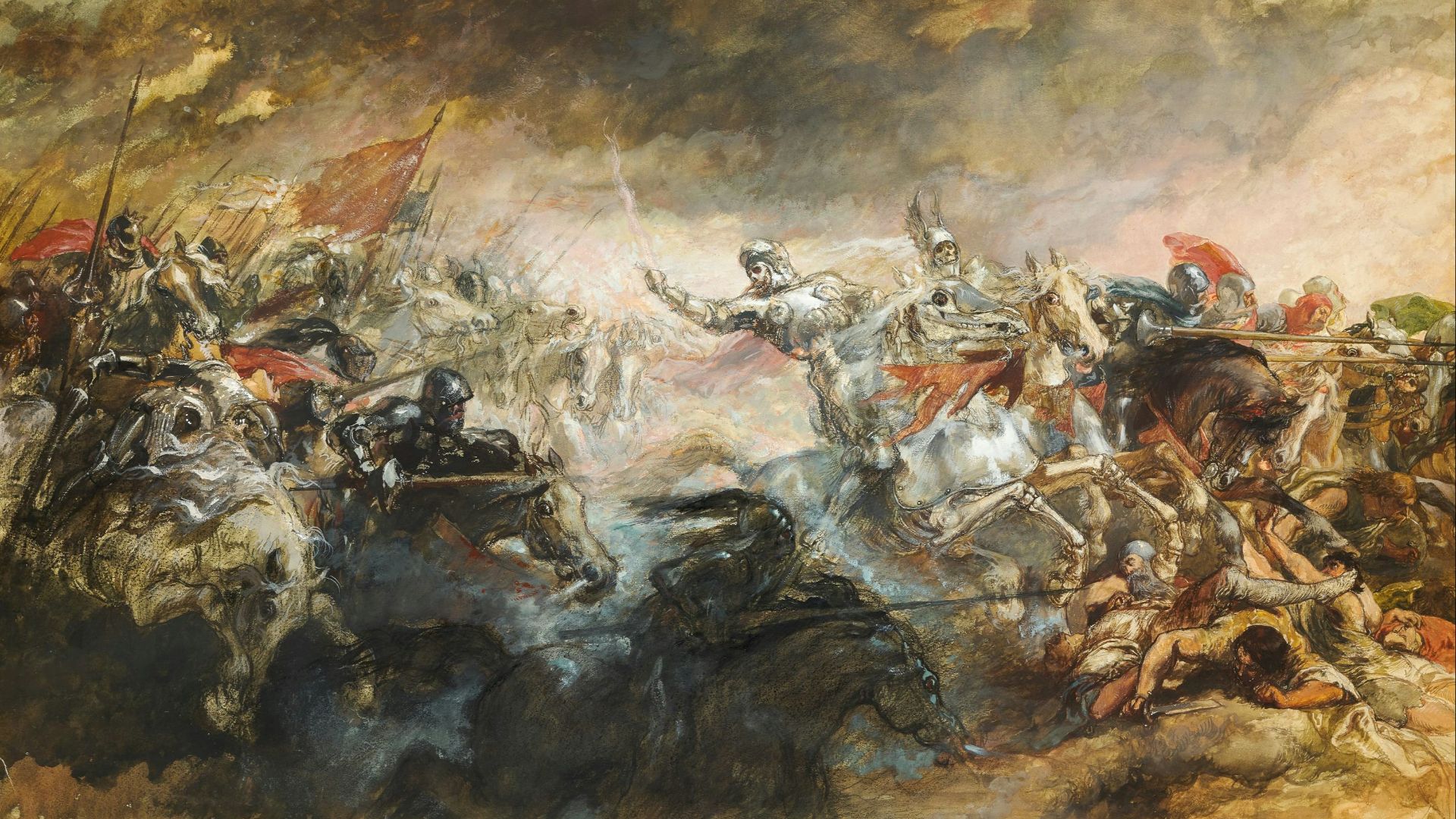
France experienced a series of civil wars between Catholics and Protestants from 1562 until 1598. Repeated campaigns, sieges, assassinations, and massacres may have contributed to between 2 million and 4 million deaths.
 Birmingham Museums Trust on Unsplash
16. The Korean War
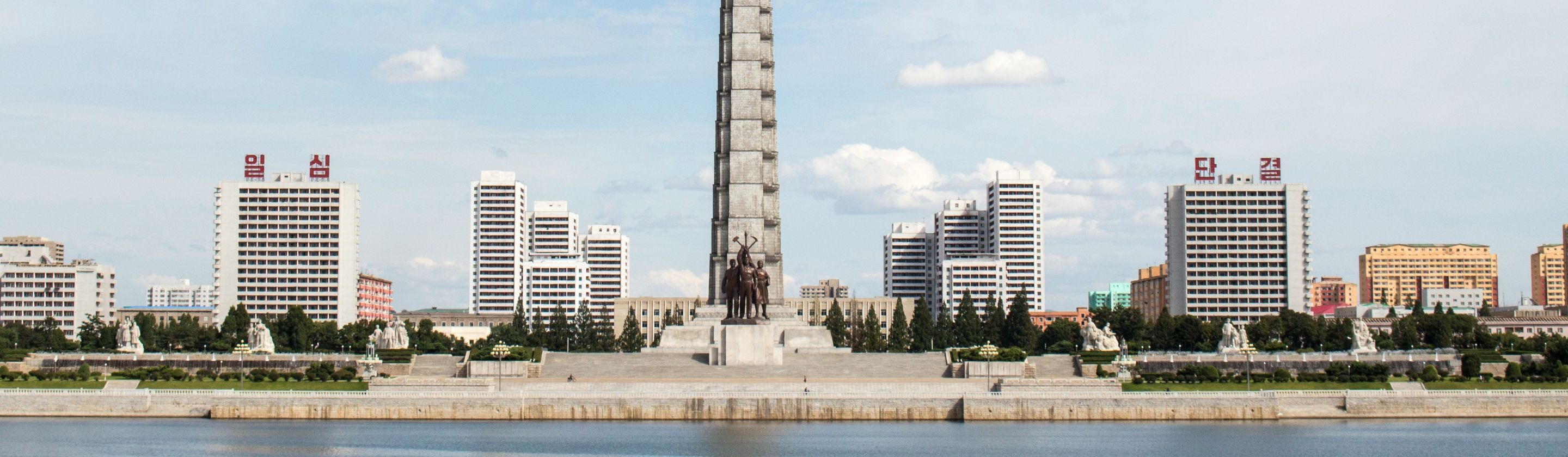
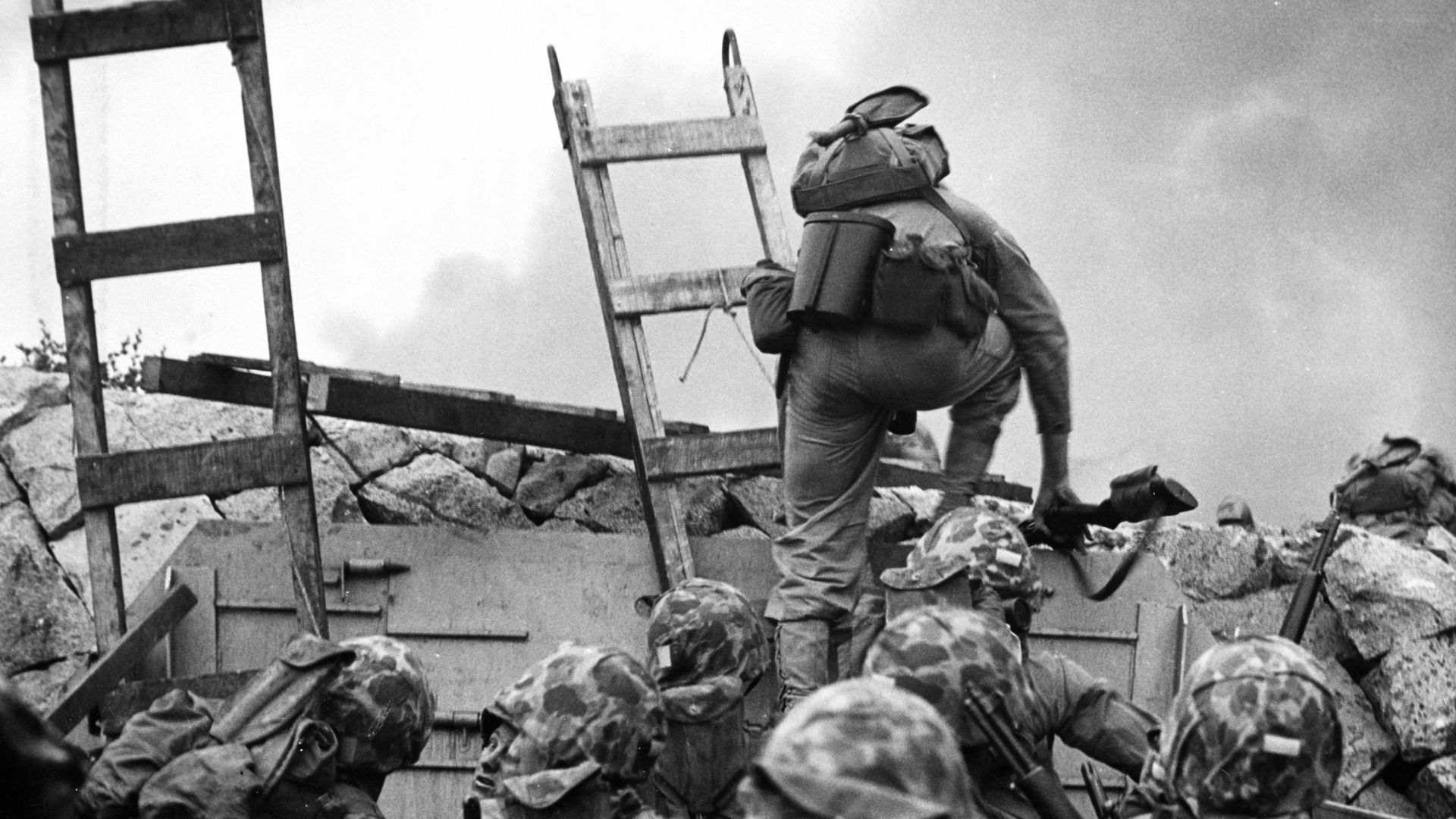
The Korean War began in 1950 after North Korean forces invaded South Korea and quickly became an international conflict. Roughly 2.5 million to 3.5 million people died before the 1953 armistice, with civilians representing a large share of the casualties.
17. The Vietnam War
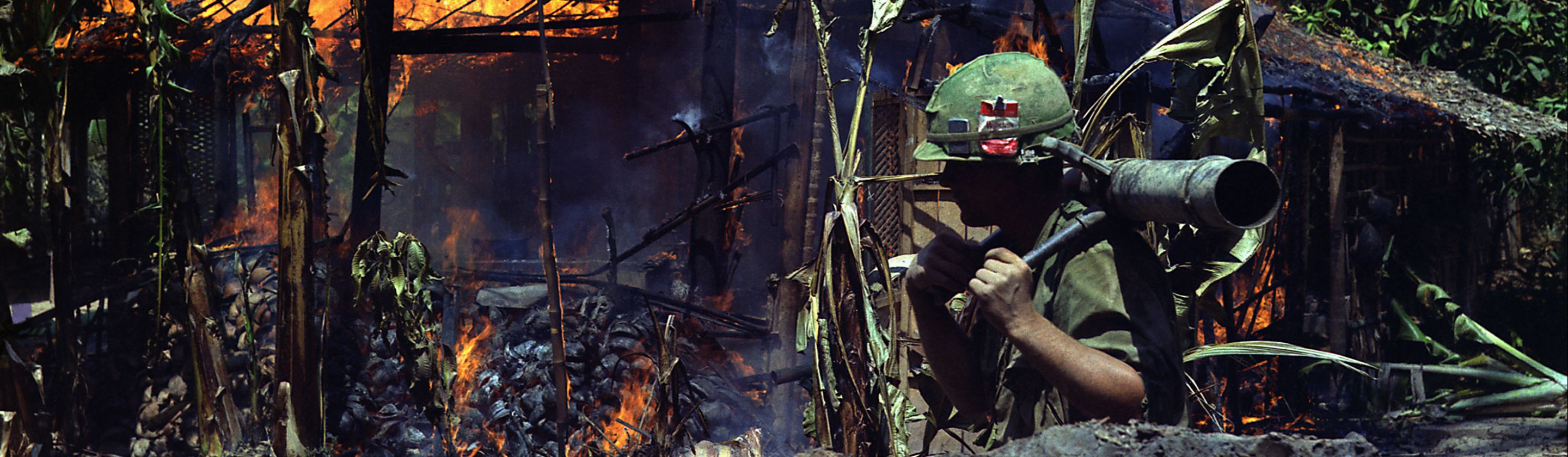
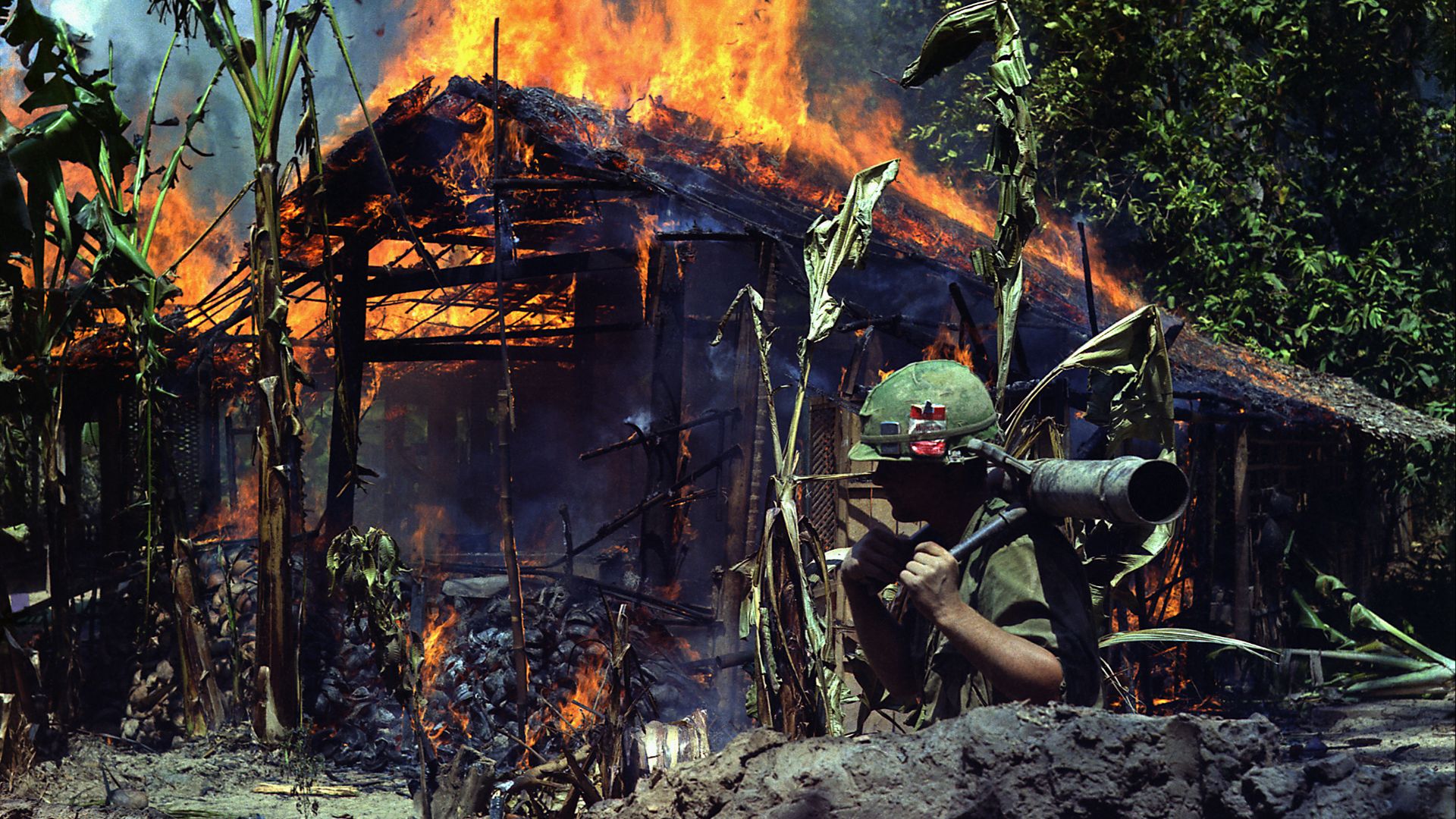
The Vietnam War developed from struggles over colonial rule, national reunification, and Cold War influence before ending in 1975. Estimates generally place the total number of Vietnamese, Cambodian, Laotian, American, and allied deaths between roughly 2 million and 3.5 million.
 Army Specialist Fourth Class Dennis Kurpius on Wikimedia
18. The Hundred Years’ War
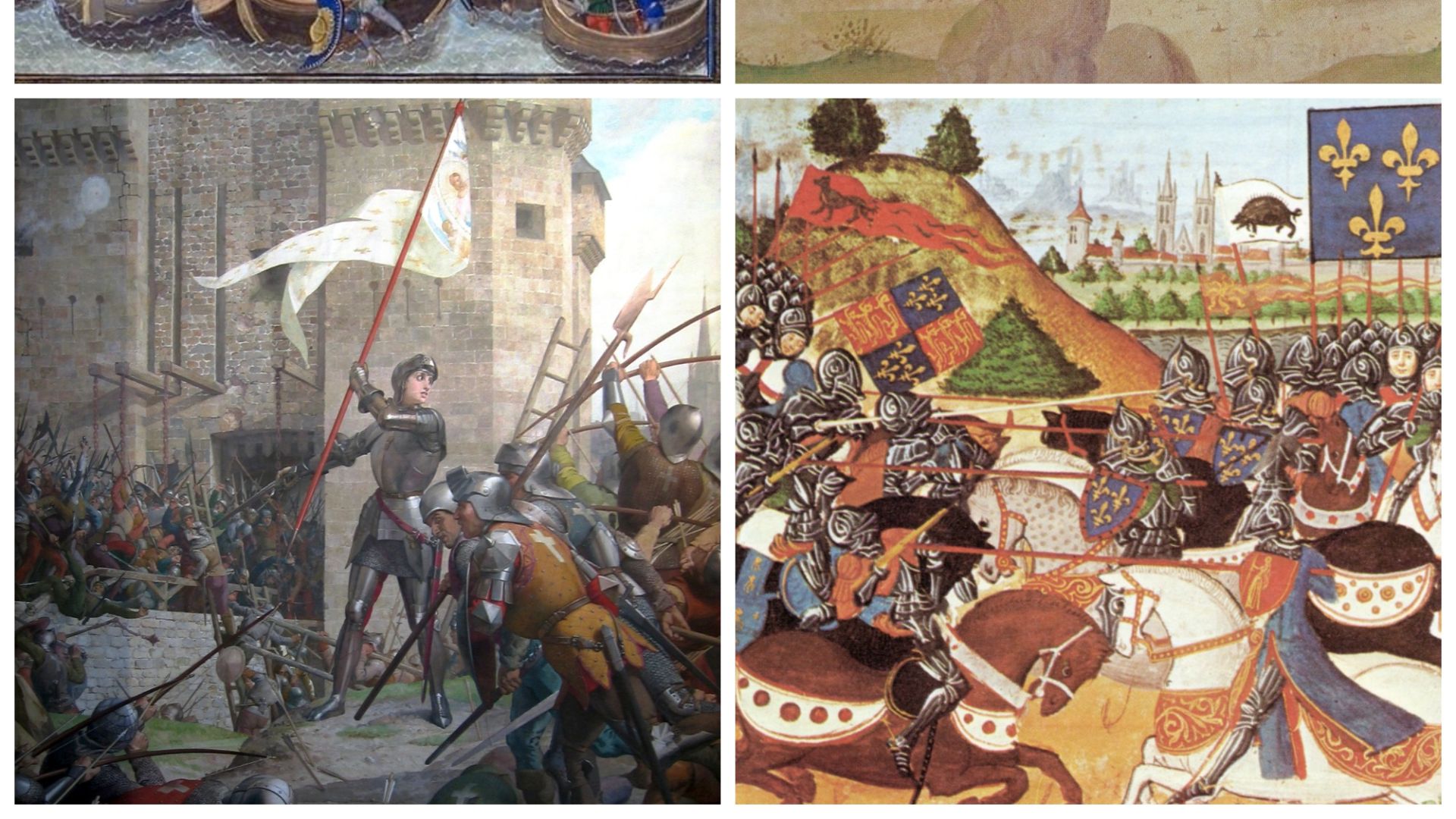
England and France fought the series of conflicts known as the Hundred Years’ War between 1337 and 1453. Death estimates commonly range from about 2 million to more than 3 million when battlefield losses and conflict-related civilian suffering are combined.
19. The Nigerian Civil War
The Nigerian Civil War began in 1967 after the southeastern region declared independence as the Republic of Biafra. Estimates range from about 1 million to 3 million deaths, with starvation and disease killing far more civilians than direct combat did.

20. The Crusades
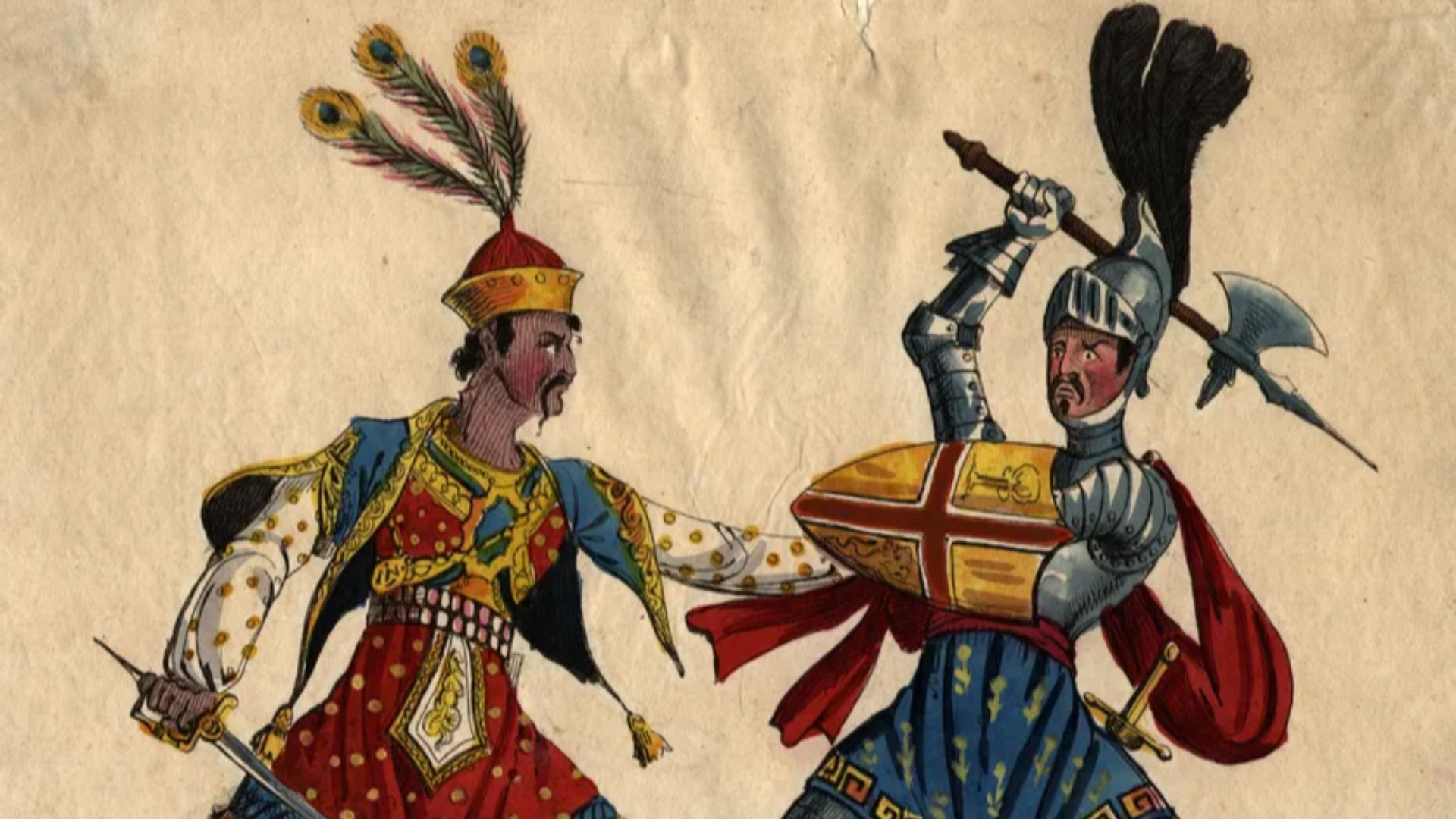
The Crusades included numerous religiously framed military campaigns fought in the Middle East, Europe, and parts of North Africa from the late 11th century onward. Estimates of their combined death toll range widely, with some suggesting approximately 1 million to 3 million deaths across several centuries.
KEEP ON READING