Gods Were Never Gentle
Greek mythology is often remembered for heroic quests and metaphorical monsters, but its darkest stories are built around things much more intense than that. In the scariest corners, you’ll find betrayal, revenge, and punishments that rarely fit the crime. To make things even worse (and more confusing), ancient writers didn’t always agree on every detail, so victims and endings changed depending on which poet told the story. Either way, these 20 myths remain some of the most disturbing tales the Greeks passed down.
 Pierre-Paul Prud'hon on Wikimedia
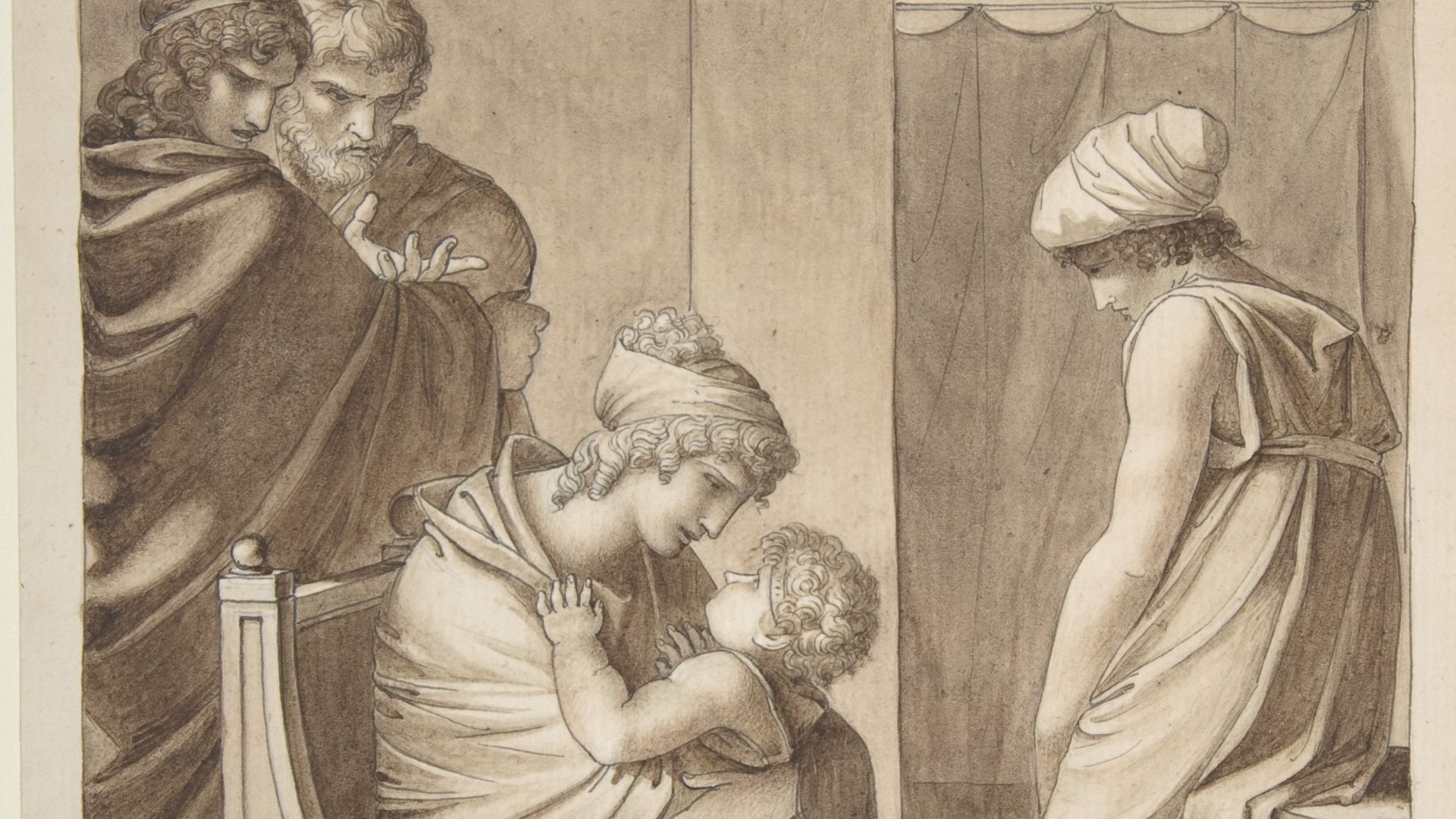
1. Cronus Swallowed His Own Children
After helping Gaia overthrow Uranus, Cronus then maimed his own dad and took control of the cosmos. Well, that wasn’t enough; he learned that one of his own children would replace him, so he swallowed Hestia, Demeter, Hera, Hades, and Poseidon shortly after their births. Rhea finally saved Zeus by hiding him and feeding Cronus a stone instead, but he barely made it out of there.
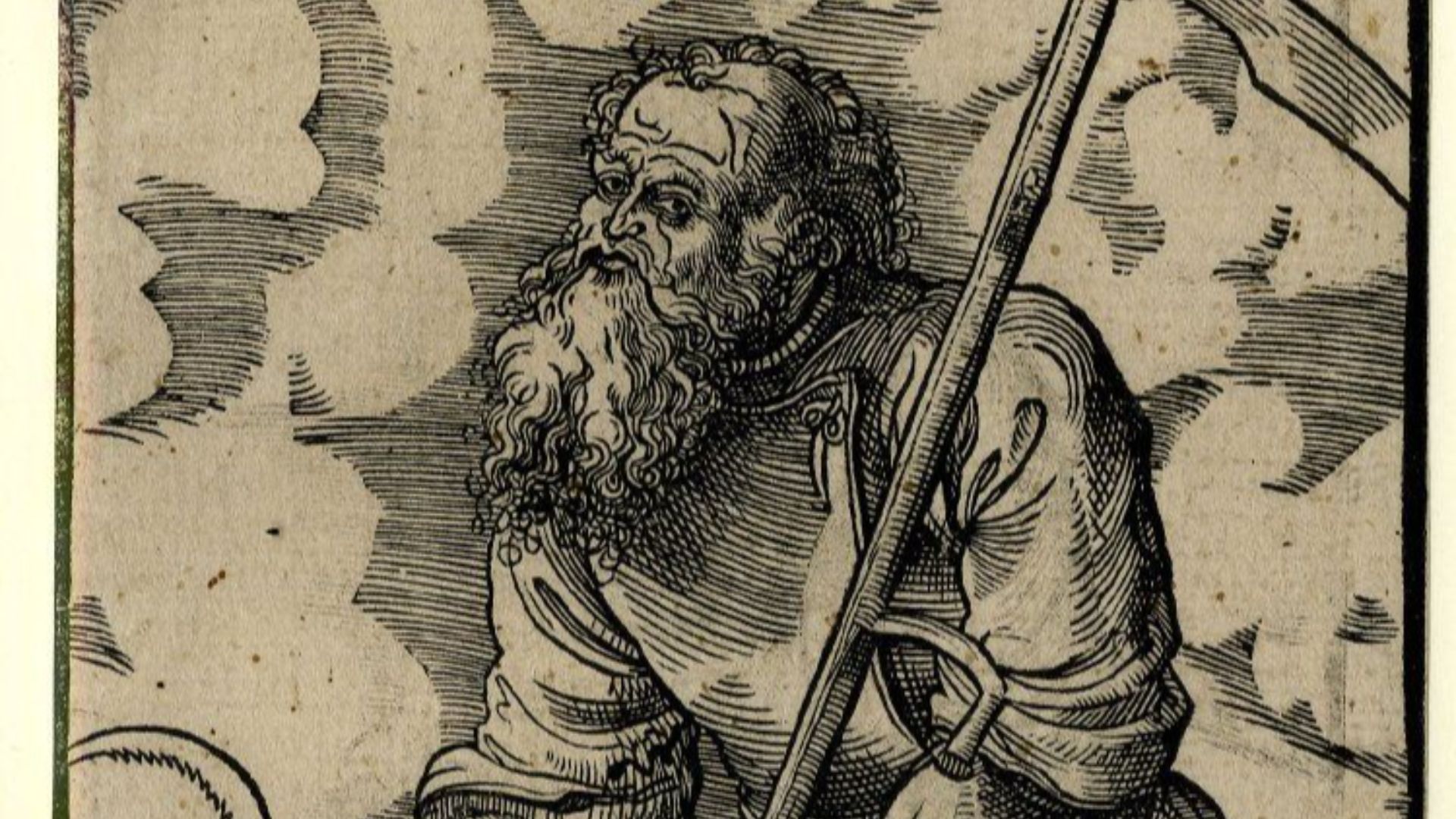
2. Prometheus Endured a Repeating Punishment
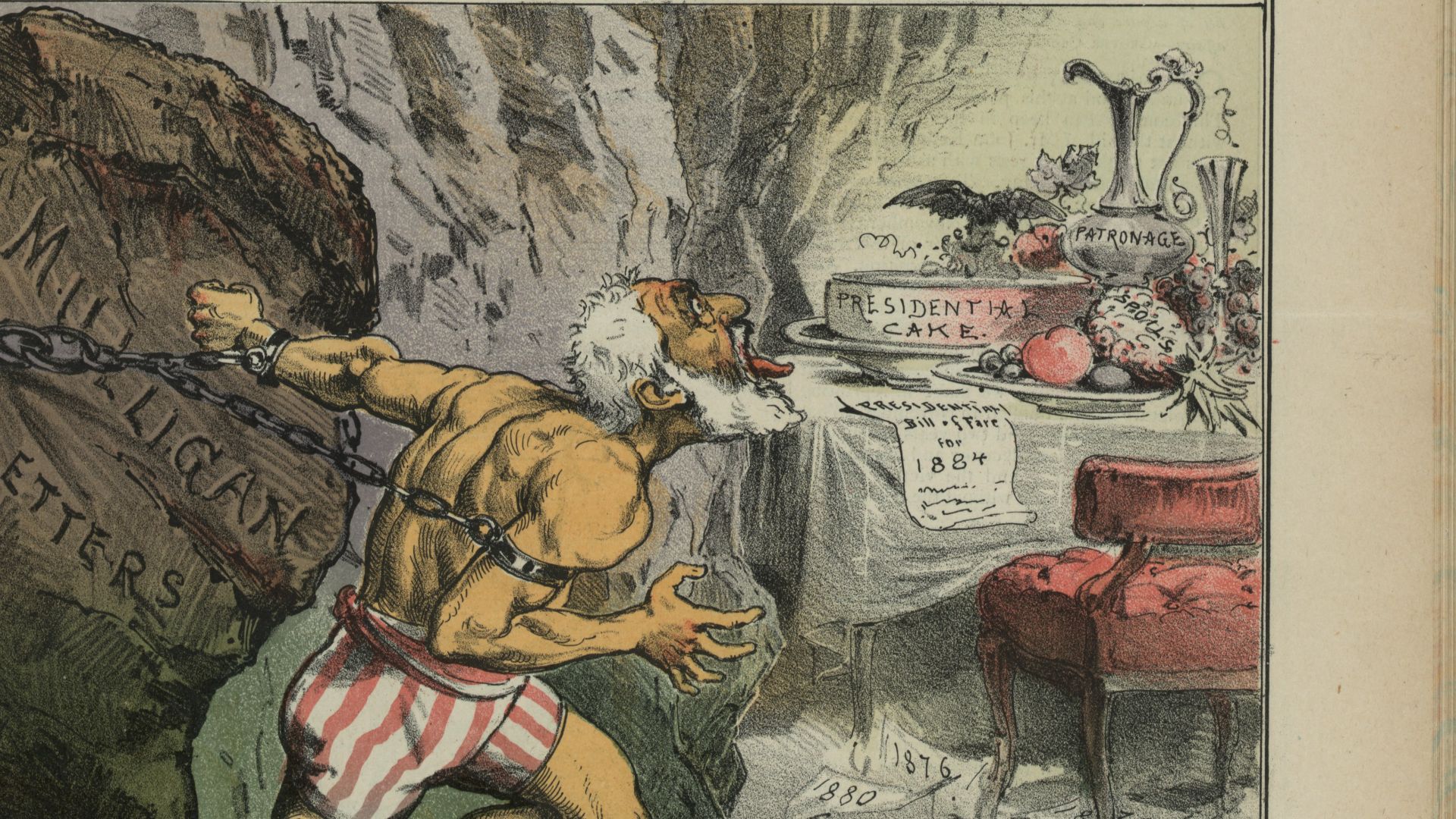
Prometheus stole fire from the gods, and when you poach things from divine beings…they don’t like that. After he delivered it to humanity, Zeus considered it an unforgivable act of defiance. A giant eagle then fed on Prometheus' regenerating liver. Heracles eventually killed the beast and released him, but only after Prometheus had endured the punishment for generations.
 José Clemente Orozco on Wikimedia
3. Tantalus Served His Son to the Gods
King Tantalus just wanted to test whether the gods truly knew everything, and they don’t like that either. In his quest to prove this, Tantalus killed his son Pelops and served him at a divine banquet. The gods recognized the meal and refused it, although a distracted Demeter ate part of Pelops’ shoulder before realizing. They restored Pelops, but Tantalus received eternal punishment in the Underworld.
4. Atreus Prepared a Horrifying Banquet
The feud between Atreus and Thyestes involved everything you never want to argue with your brothers about: adultery, exile, and revenge. Atreus invited Thyestes to a supposed reconciliation dinner only to kill several of his sons and serve them as the main course. Only after Thyestes had eaten did Atreus spill the beans.

5. Philomela’s Revenge Destroyed a Family
Tereus assaulted his sister-in-law Philomela, removing her tongue so she couldn’t tell anyone. Philomela exposed him anyway by weaving the story into a tapestry; once her sister caught wind of what happened, she retaliated by killing her own son and serving the child to Tereus during a meal. When Tereus discovered what happened, the gods ended the squabbling by transforming all three into birds.
 Elizabeth Jane Gardner on Wikimedia
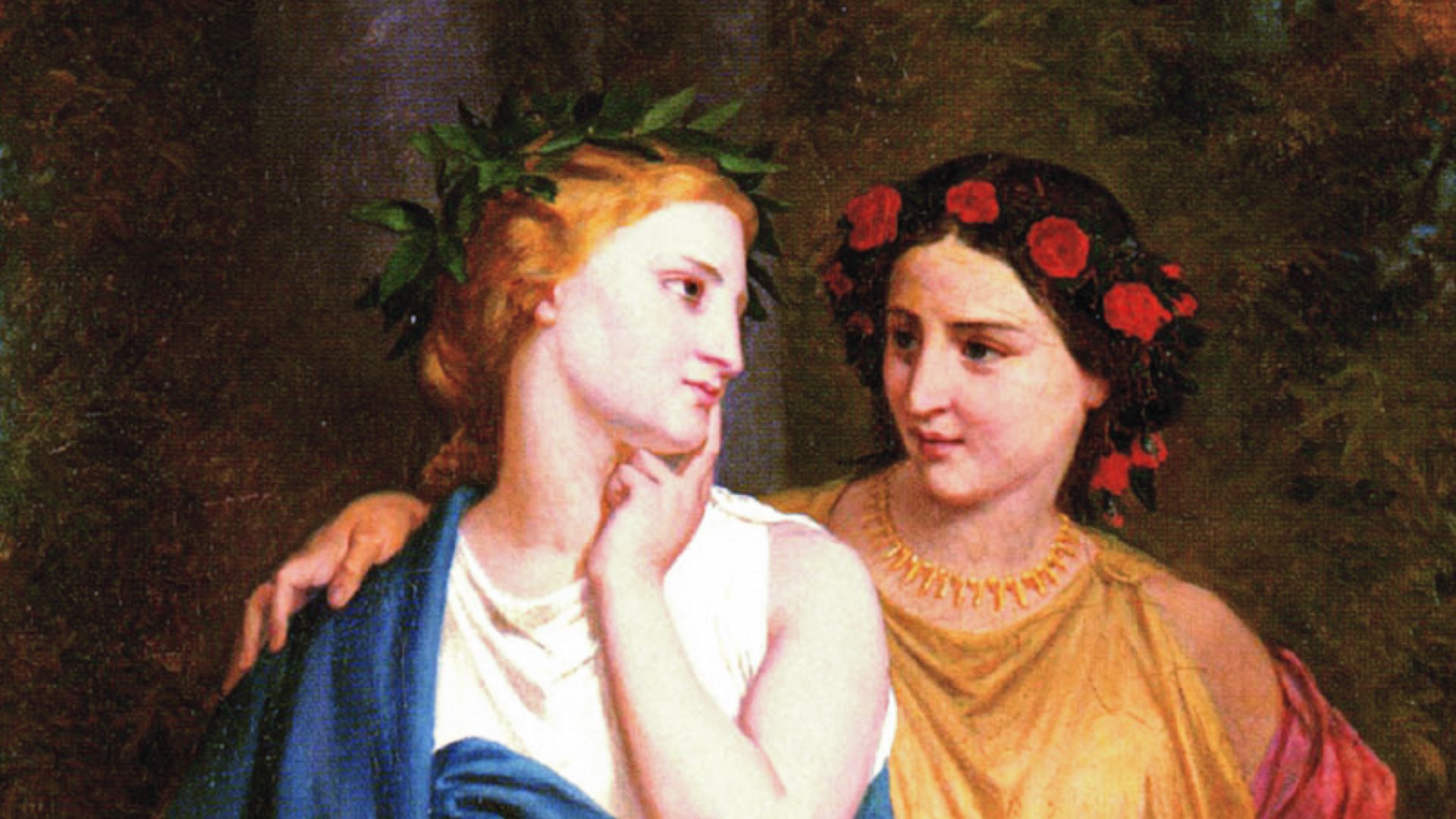
6. Medea Took Revenge on Jason
In Euripides’ Medea, Jason abandons Medea to marry Glauce. Medea then sends the new bride a poisoned robe and crown, killing both Glauce and her father when he tries to help her. She then attacks the sons she shares with Jason and escapes in a chariot drawn by serpents. That’ll teach you not to cheat.
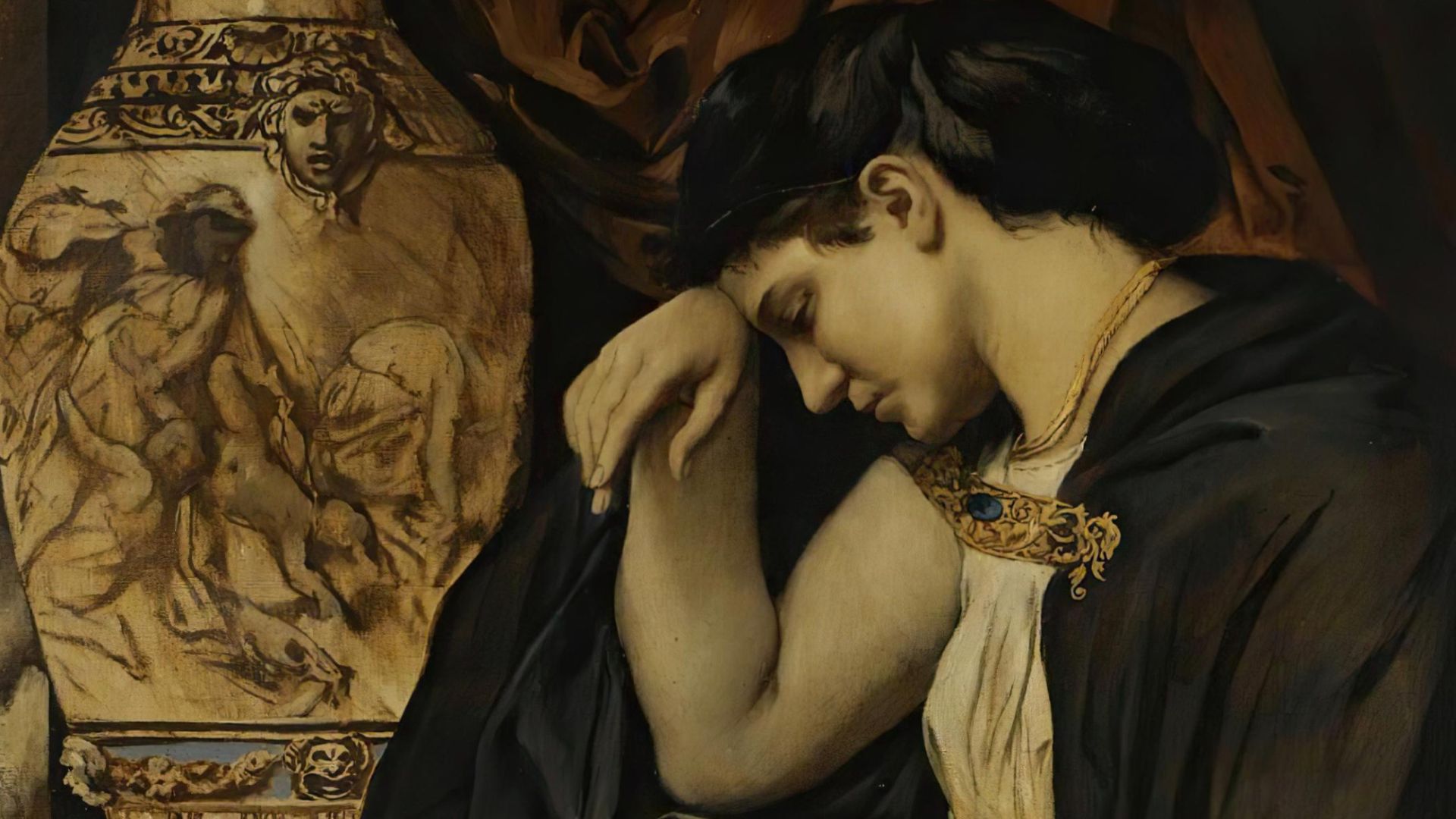
7. Heracles Killed His Family During a Madness
Heracles’ famous labors began with a tragedy that later retellings don’t always pay attention to. The thing is, Hera drove him into a temporary madness, during which he killed his wife Megara and their children. Once his mind cleared and he understood what he’d done, he eventually entered the service of King Eurystheus.
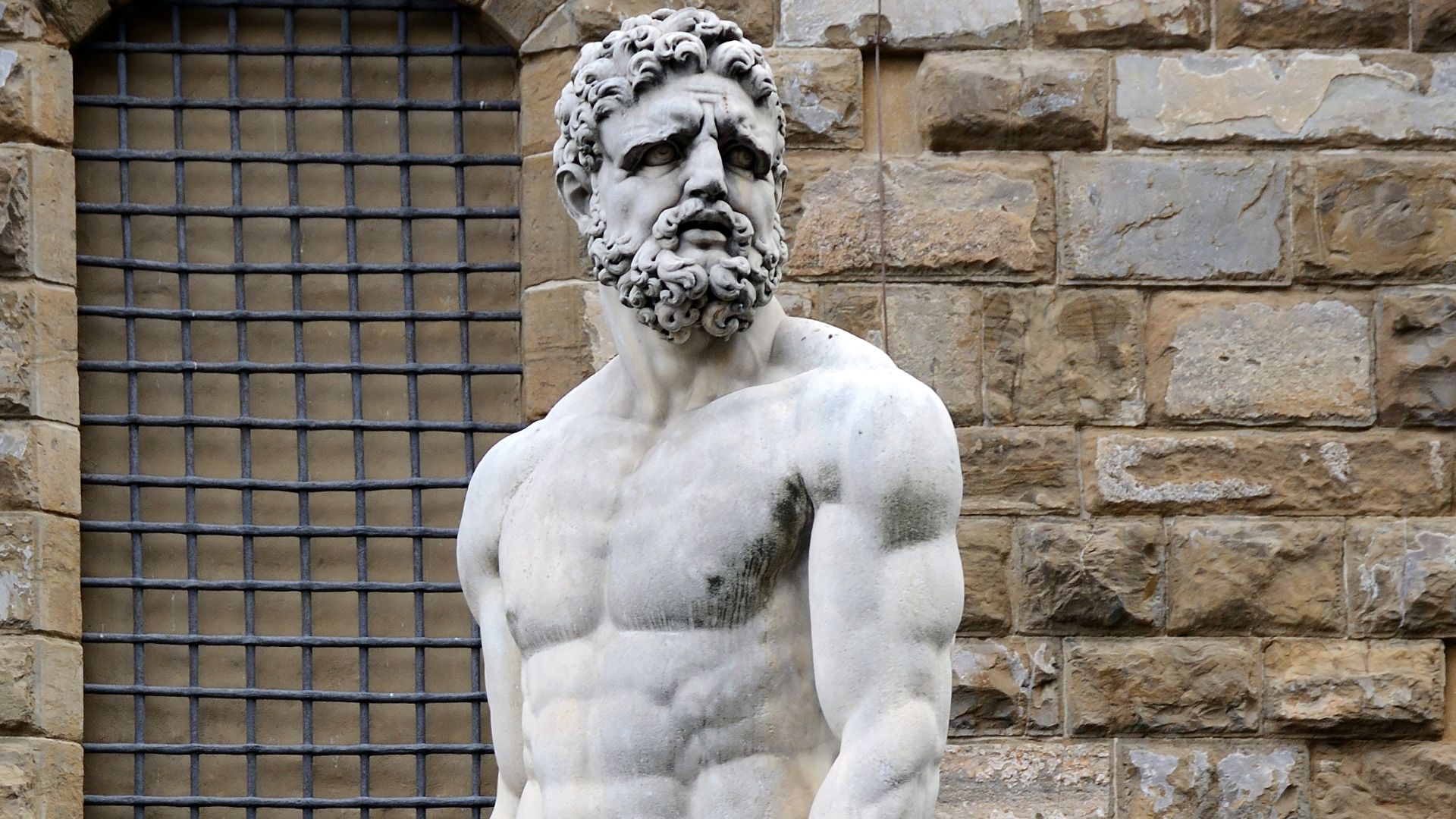 Livioandronico2013 on Wikimedia
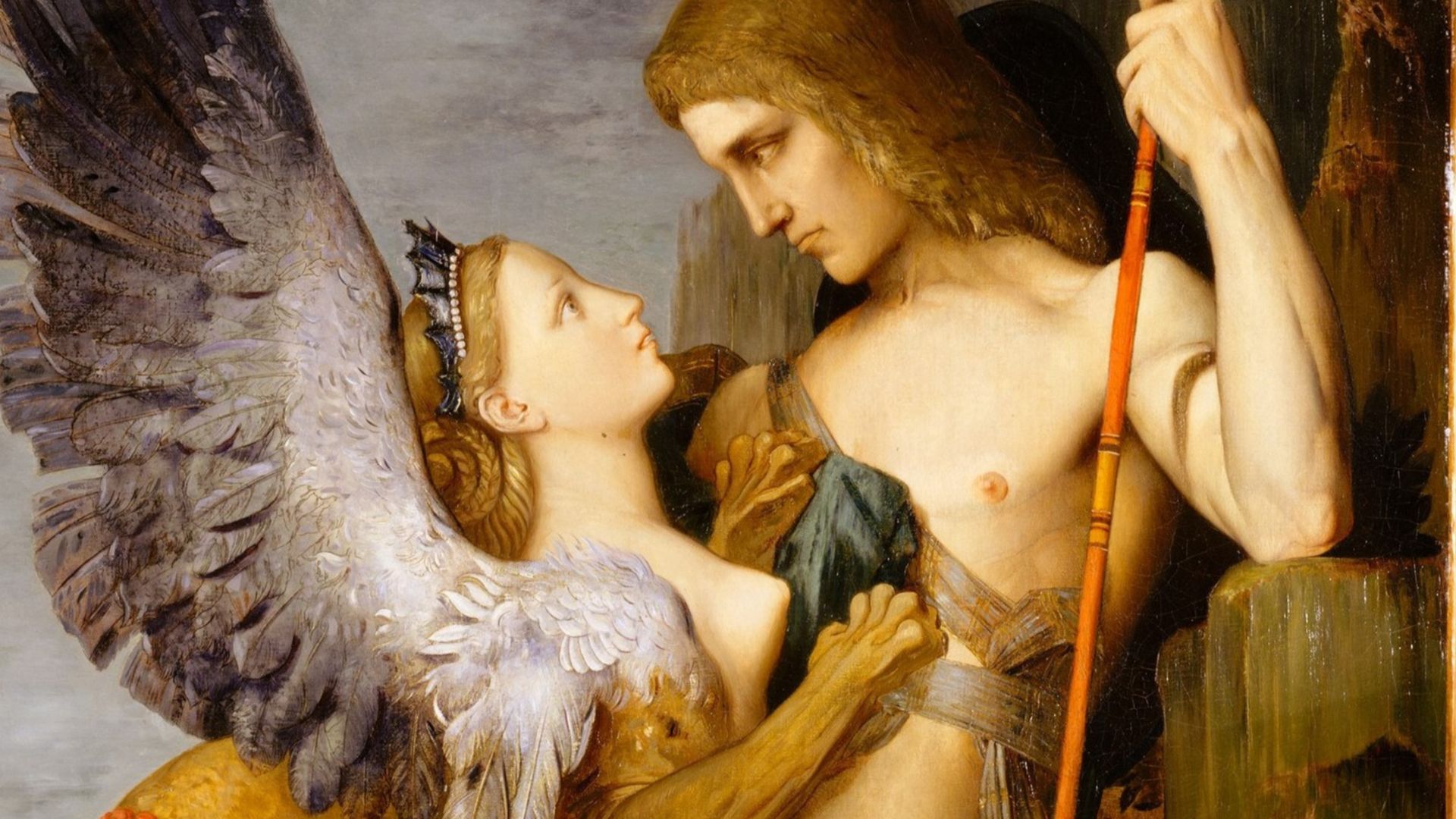
8. Oedipus Couldn’t Escape His Prophecy
The story is this: a prophecy warned that Oedipus would end his father’s life and marry his mother. After finding that out, his parents abandoned him as an infant. Well, since he was raised without knowing his true identity, he later did, in fact, kill King Laius and marry Queen Jocasta. When the truth came out, Jocasta took her own life, and Oedipus blinded himself.
9. Agamemnon Offered Iphigenia as a Sacrifice
When unfavorable winds stopped the Greek fleet from sailing to Troy, Calchas declared that Agamemnon had offended Artemis. So, the king then said his daughter would marry Achilles, only to prepare her as a sacrifice. Some stories say she died, but others have Artemis replace her with a deer and carry her away. Whatever the case, either version destroys Agamemnon’s family.
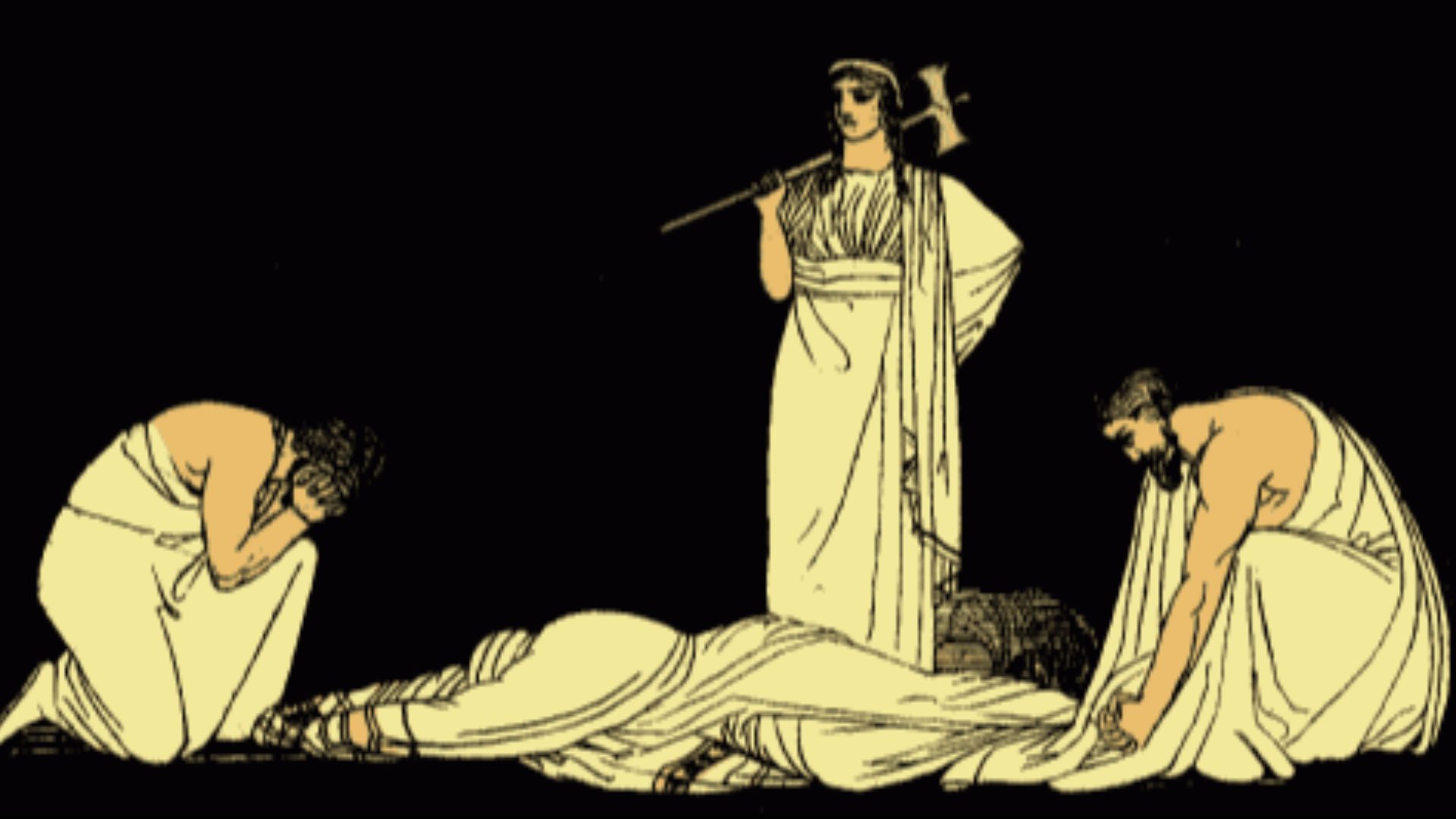
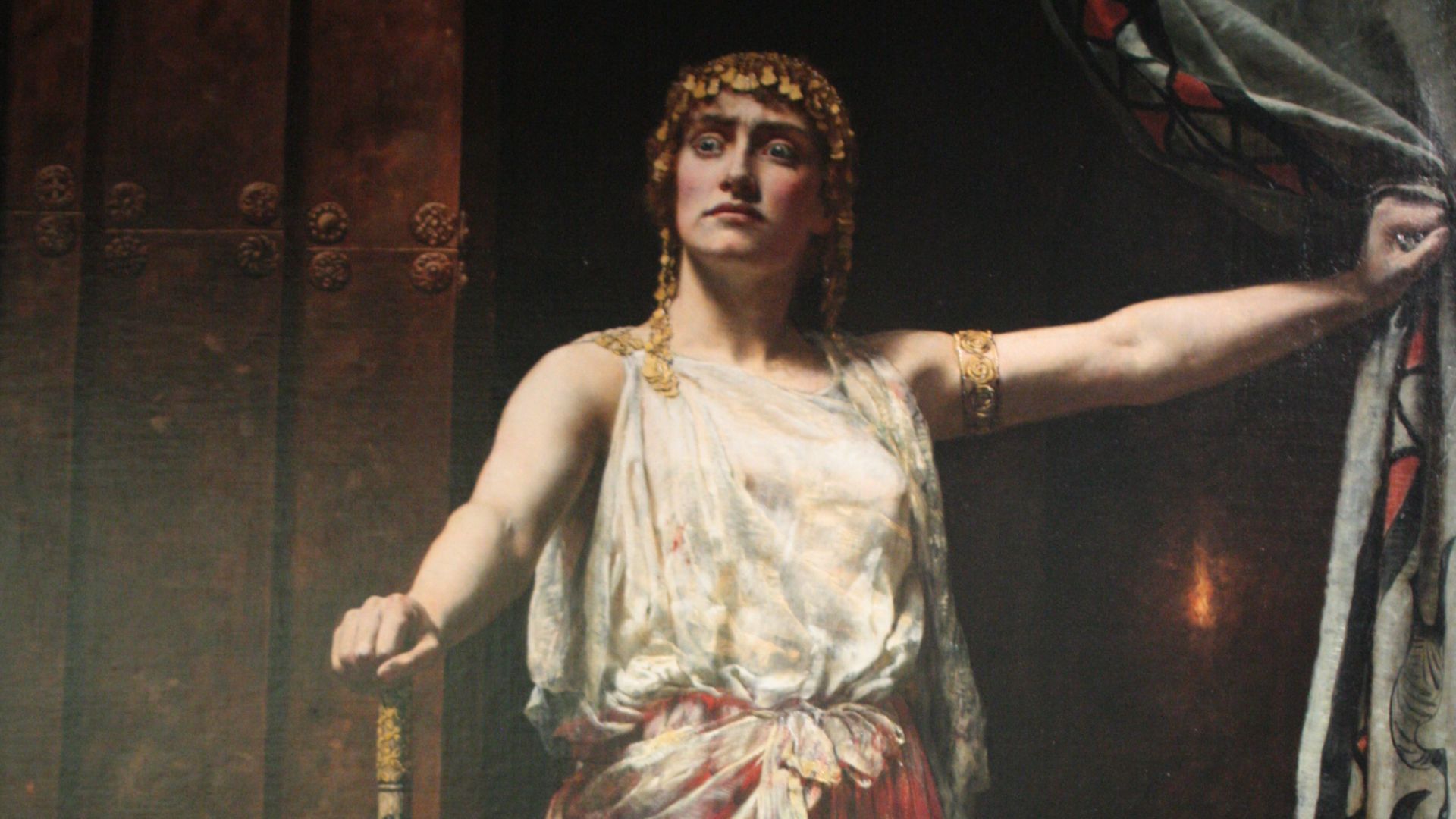
10. The House of Agamemnon Kept Taking Revenge
Speaking of whom, Clytemnestra waited for Agamemnon to return from the Trojan War—before killing him with a little help from her lover, Aegisthus. Her motives were driven by revenge for Iphigenia, resentment over Agamemnon’s actions, and anger that he returned home with the captive Cassandra. Their son Orestes later killed both Clytemnestra and Aegisthus.
 John Collier (d. 1934) on Wikimedia
11. Niobe Watched Her Children Die
Queen Niobe boasted that she deserved way more honor than the goddess Leto. Why? Because she had more kids. Apollo and Artemis answered that idea by killing Niobe’s children, leaving the grieving Niobe to eventually become stone, and even in her state, continue to produce tears.
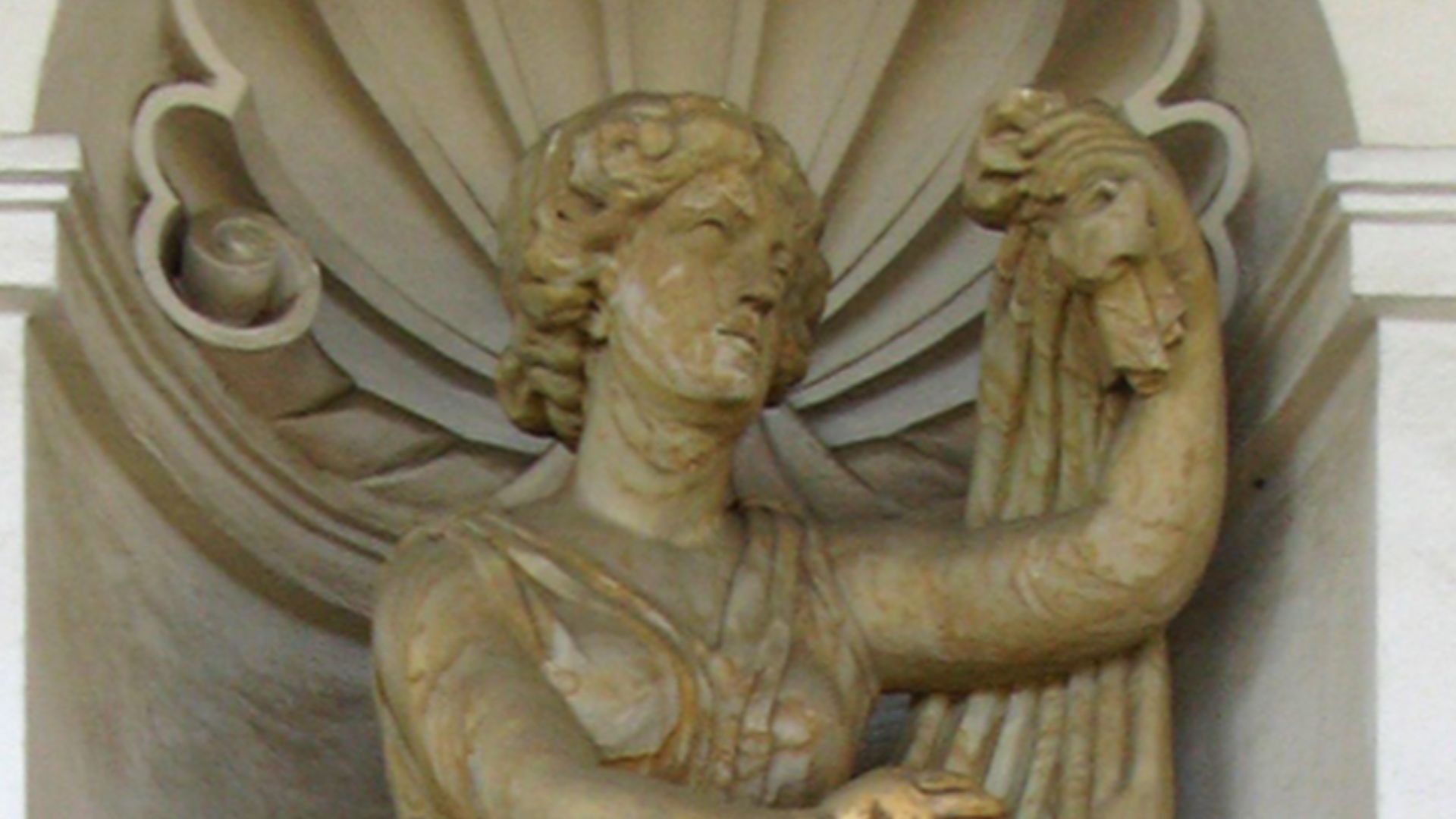
12. Apollo Had Marsyas Flayed
Marsyas was a satyr celebrated for playing the double flute. It seems innocent enough until you remember that he once made the unfortunate decision to challenge Apollo to a musical contest. Once Apollo was declared the winner, he became the ultimate sore loser, tying Marsyas to a tree and having him flayed as punishment for his pride.
 Asher Brown Durand on Wikimedia
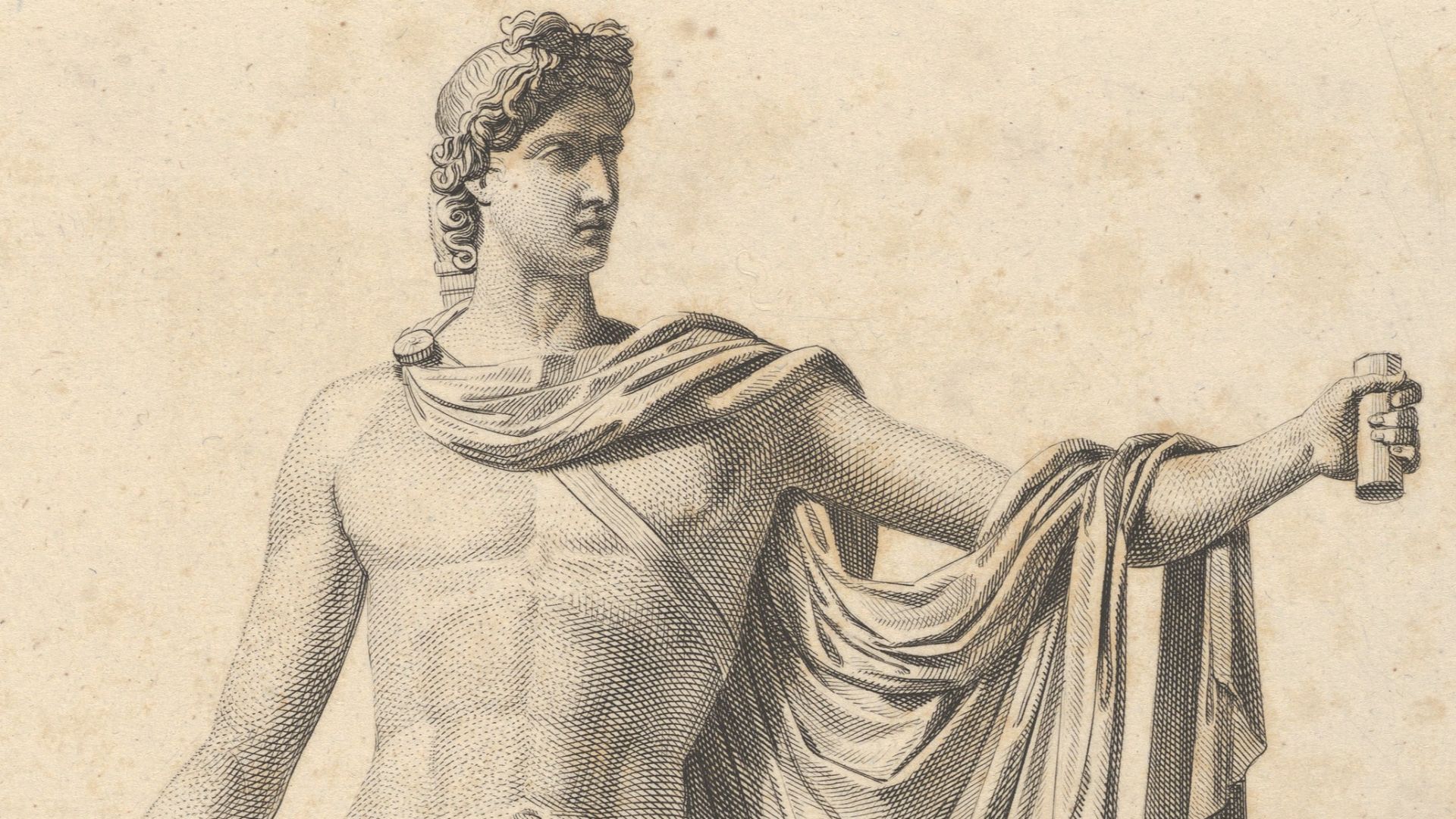
13. Actaeon Was Hunted by His Own Dogs
In the best-known version of Actaeon’s story, he accidentally saw Artemis bathing and was transformed into a stag before he could explain himself. His hunting dogs failed to recognize him in his new form and chased him as ordinary prey. Actaeon was then torn apart by the very animals he had trained.

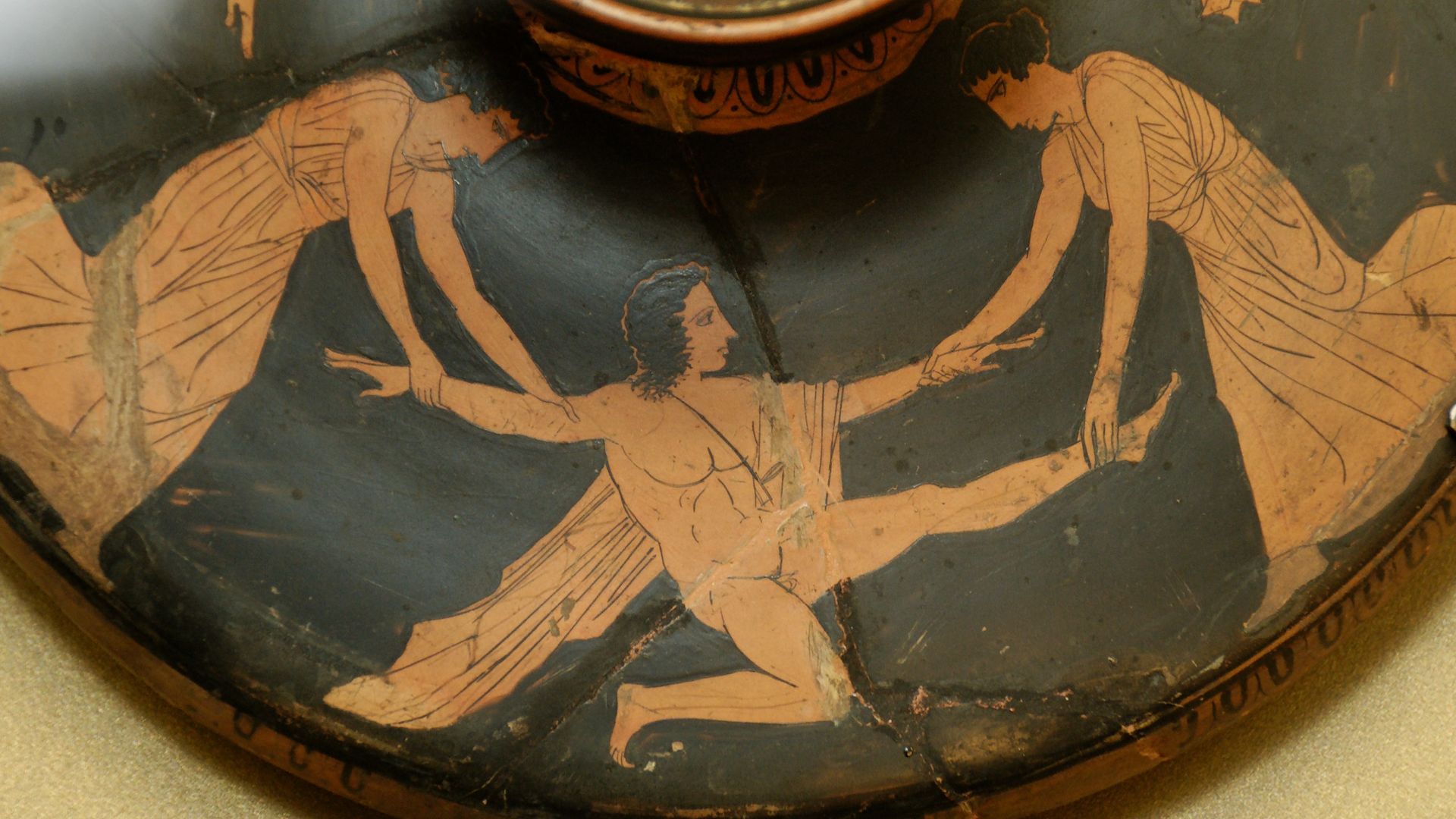
14. Pentheus Was Torn Apart by His Mother
King Pentheus of Thebes refused to recognize Dionysus as a god. He even tried to stifle his new religious rites. Sure enough, Dionysus lured him to Mount Cithaeron, where the king secretly watched the frenzied Maenads from a tree. The women discovered Pentheus and tore him apart.
 Unknown artistUnknown artist on Wikimedia
15. Scylla Betrayed Her Father for Minos
Scylla really got a bum deal on all sides in this one. During King Minos’ siege of Megara, she became so infatuated with him that she decided to help him defeat her own city. Her father had a purple lock of hair believed to protect him, so Scylla cut it off his head while he slept and handed it to Minos. Minos was then so disgusted by the betrayal that he abandoned her.
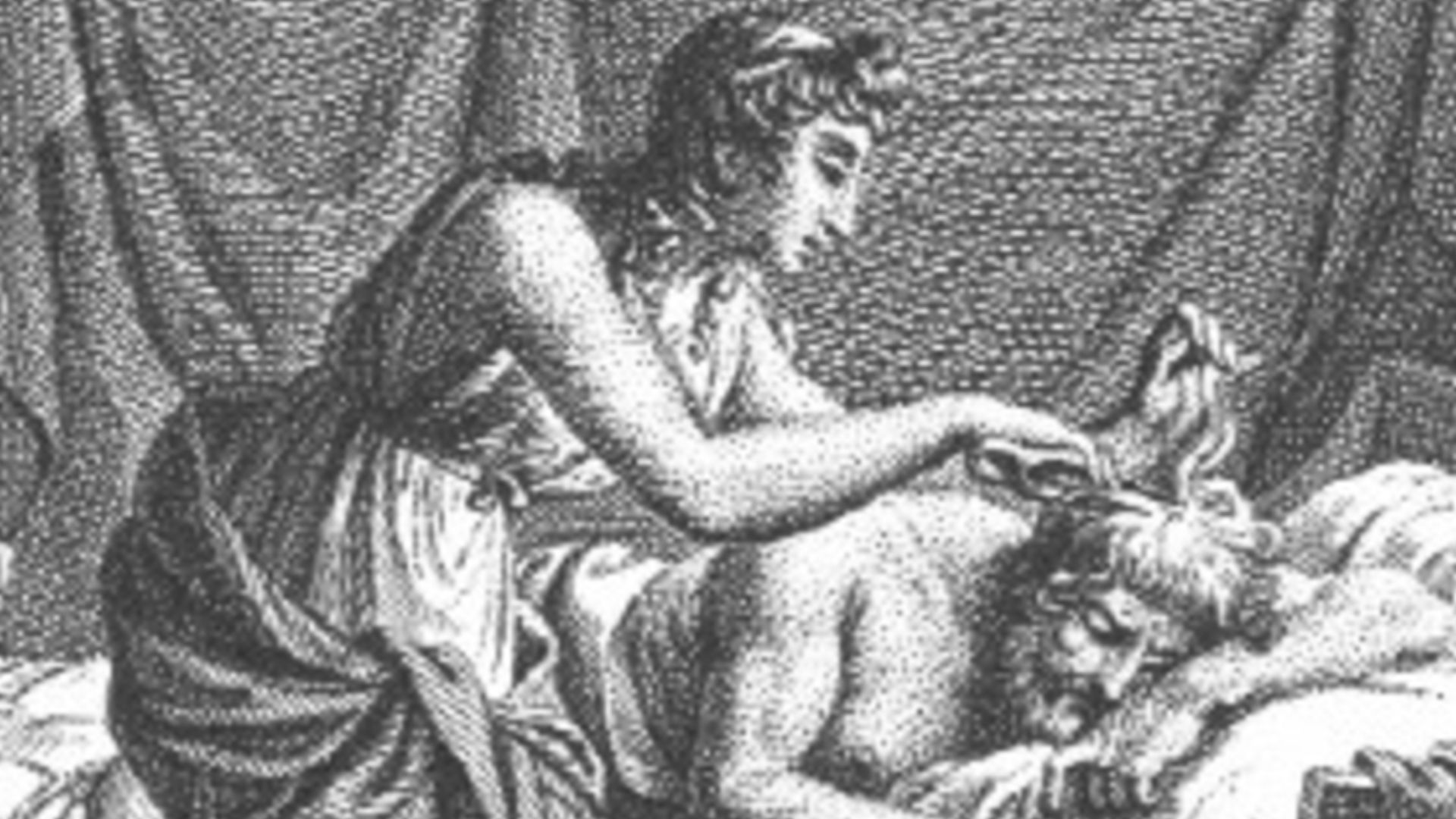 Nicolas-André Monsiau on Wikimedia
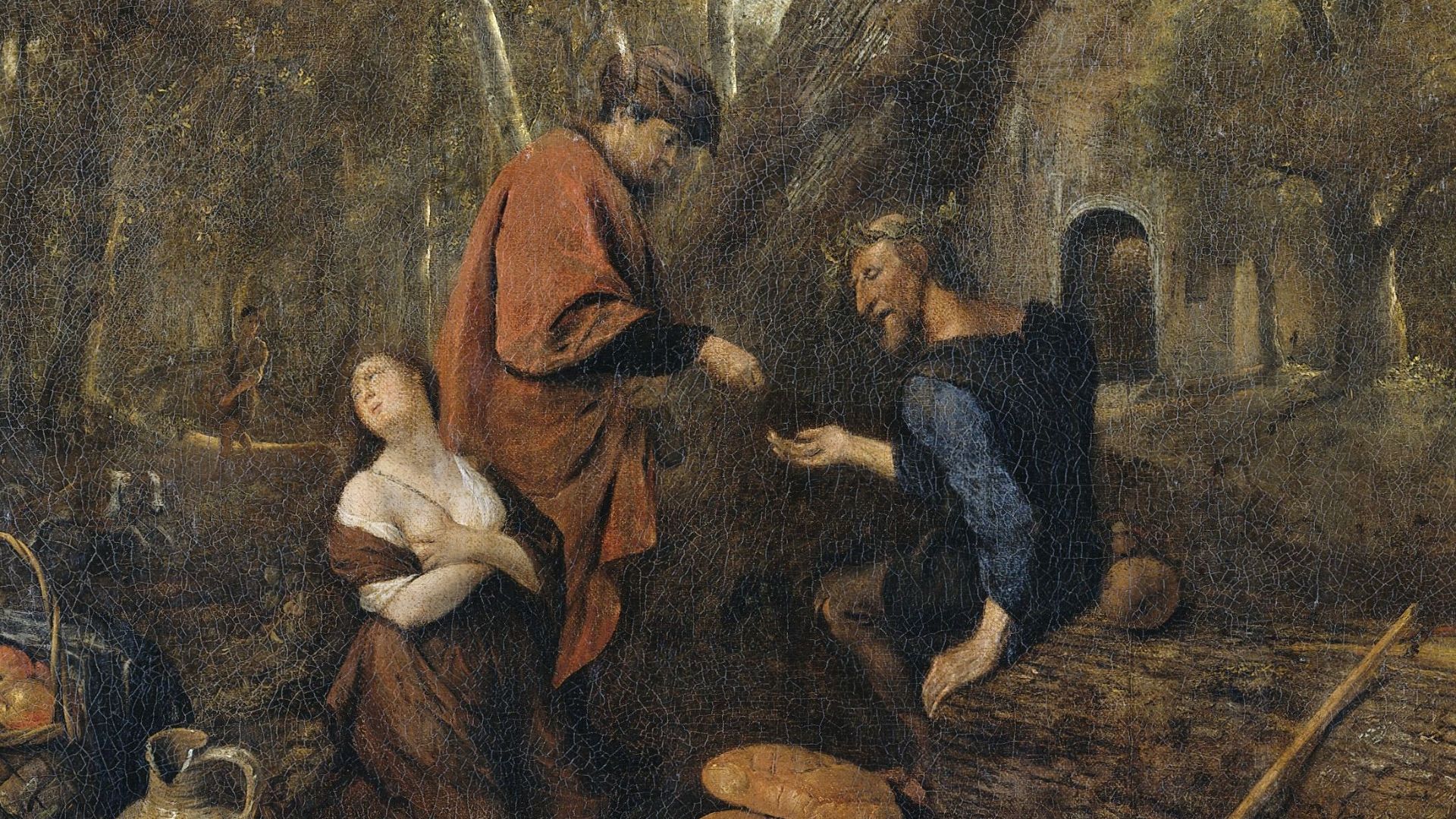
16. Erysichthon Could Never Stop Eating
Erysichthon ordered workers to cut down trees in a grove sacred to Demeter, all the while ignoring warnings that he was going against the goddess. Demeter didn’t let that go—she cursed him with a hunger that only got stronger no matter how much he consumed, eventually forcing him to sell his possessions and repeatedly exploit his daughter’s shape-shifting abilities.
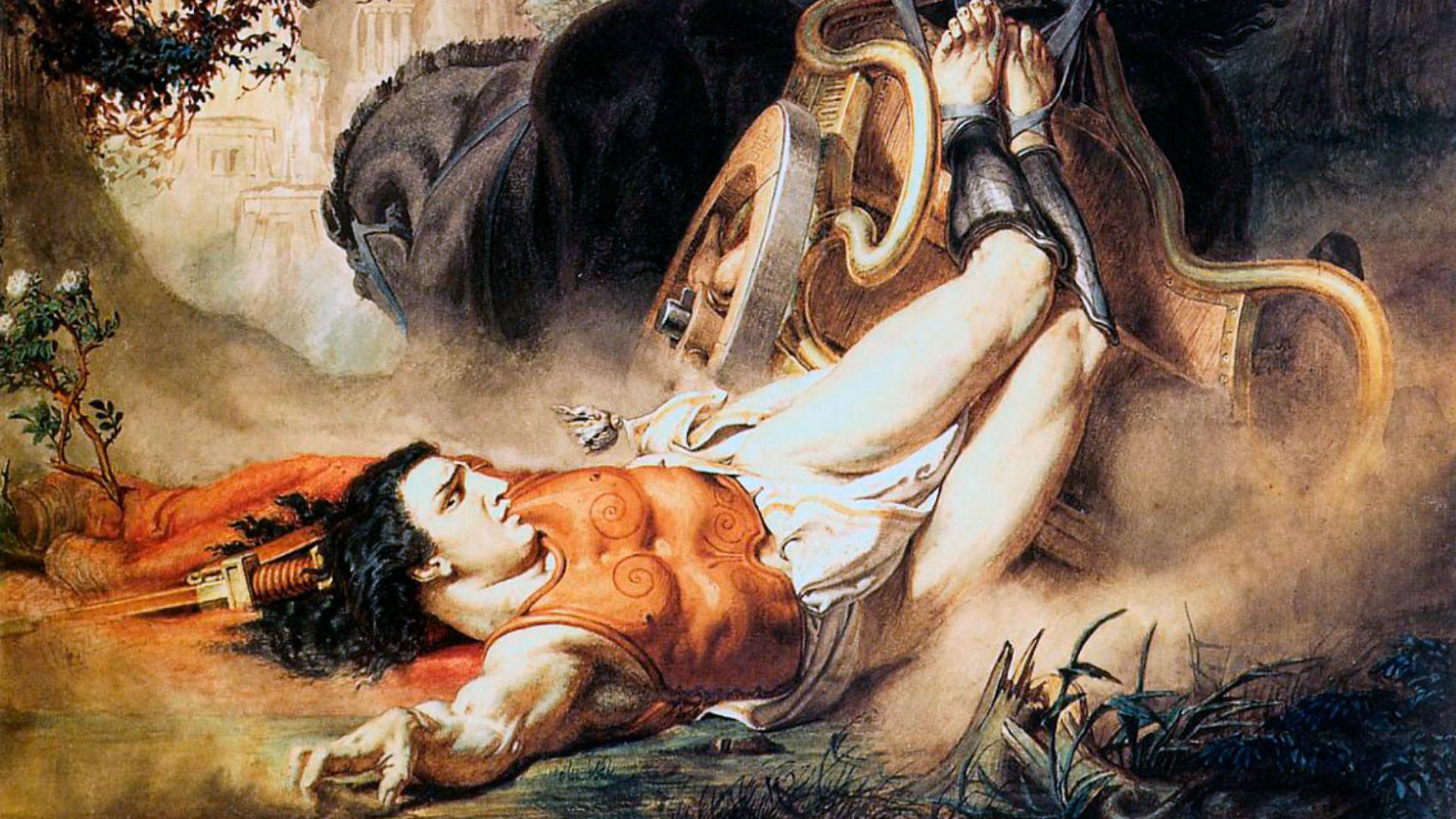
17. Hippolytus Died Because of a False Accusation
Hippolytus really didn’t want to hop in bed with his stepmother Phaedra, who had been compelled by Aphrodite to lust after him. Phaedra then accused him of assault, and Theseus believed it, asking Poseidon to punish his son. A bull popped out from the sea, terrified Hippolytus’ horses, and caused him to become entangled in the reins and dragged to his death.
 Lawrence Alma-Tadema on Wikimedia
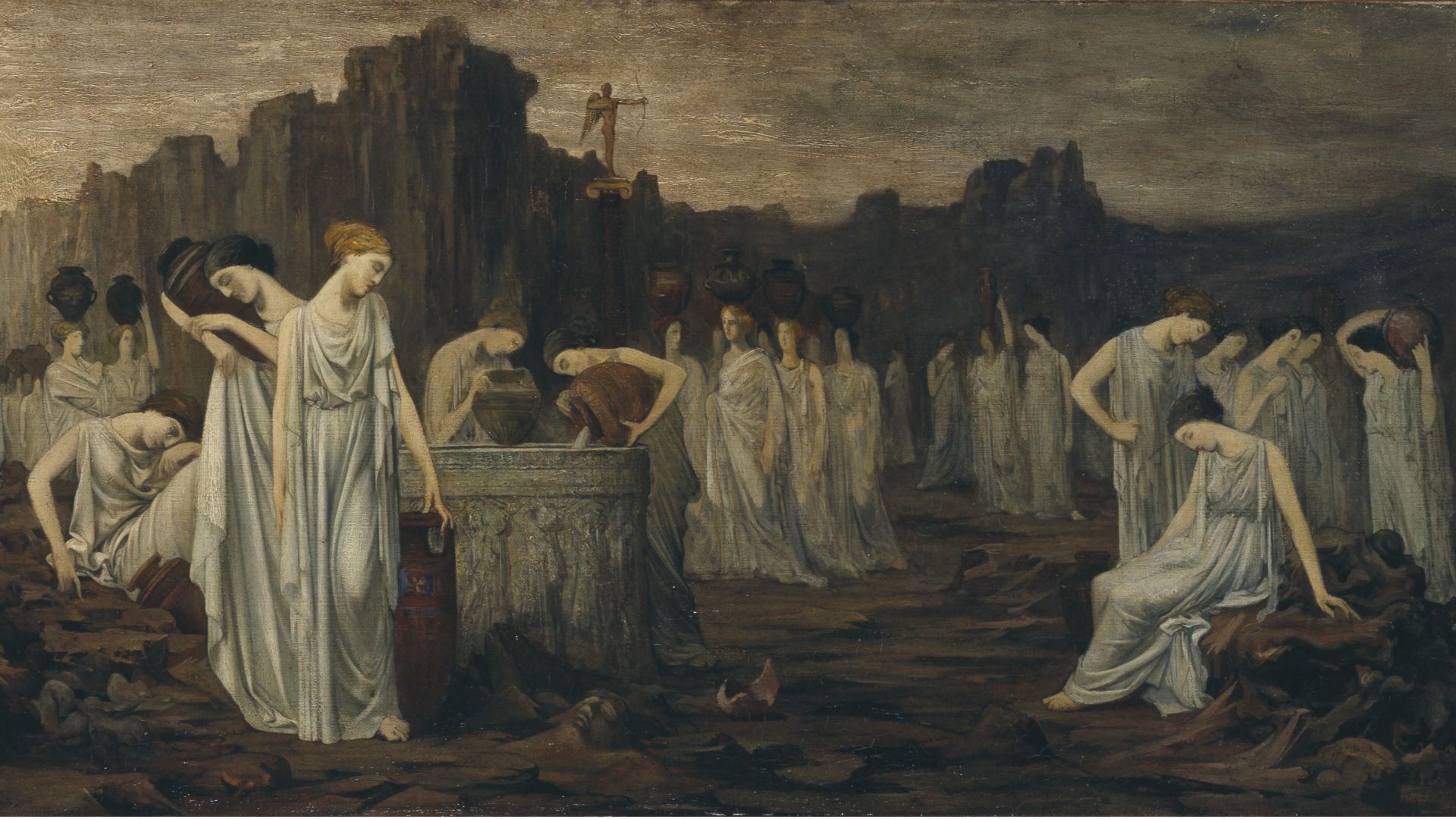
18. The Danaids Attacked Their Husbands
The 50 daughters of Danaus were forced to marry the 50 sons of their uncle Aegyptus. It was already bad enough, but following their father’s orders, 49 of the Danaids killed their husbands on the wedding night, while Hypermnestra spared Lynceus because he had respected her wishes.
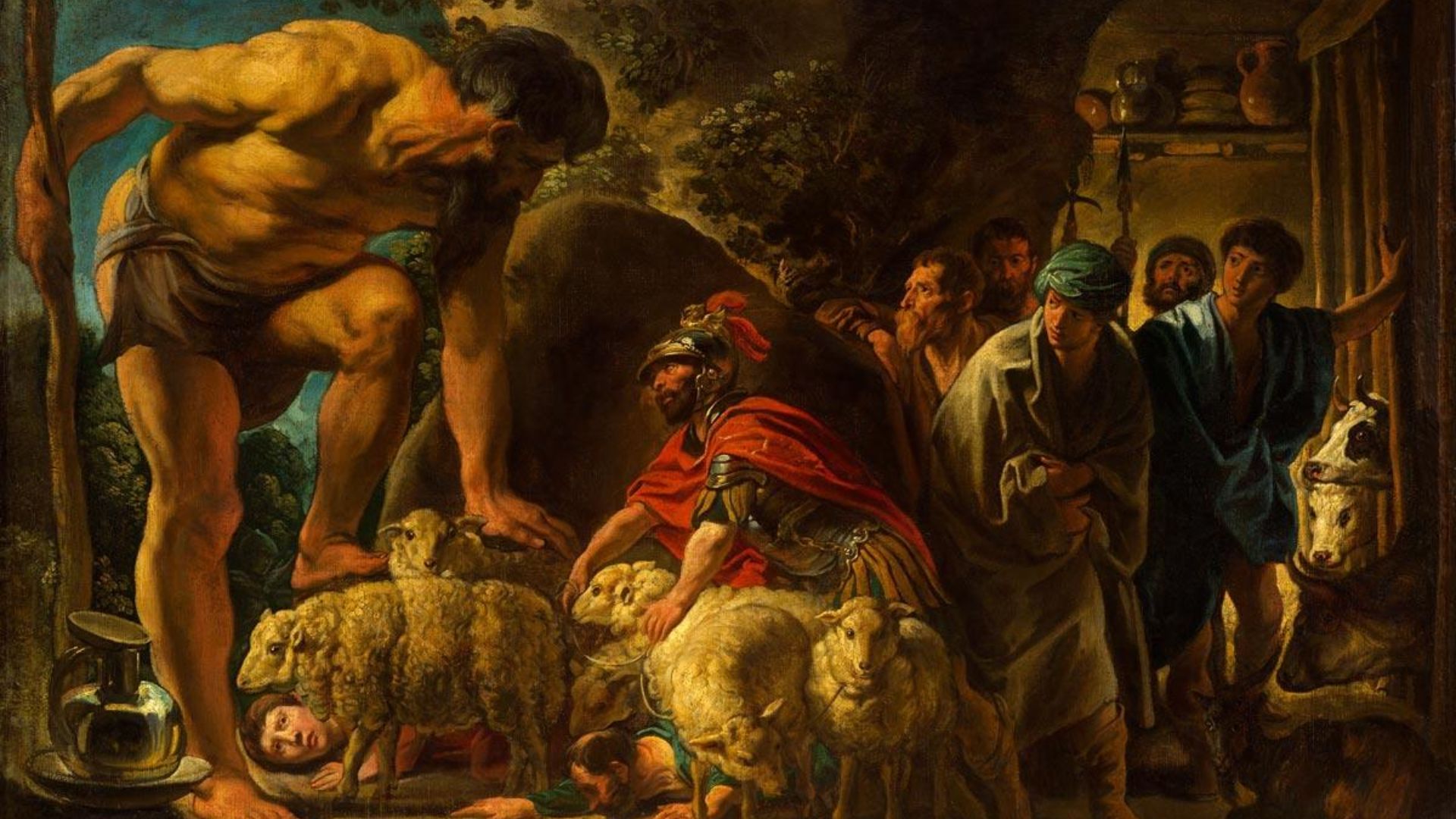
19. Polyphemus Ate Odysseus’ Companions
When Odysseus and his men entered the cave of Polyphemus, a gigantic Cyclops, they managed to get trapped behind a huge stone. In the interim, the Cyclops kills and eats several of the sailors before Odysseus intoxicates him and finally blinds him with a wooden stake.
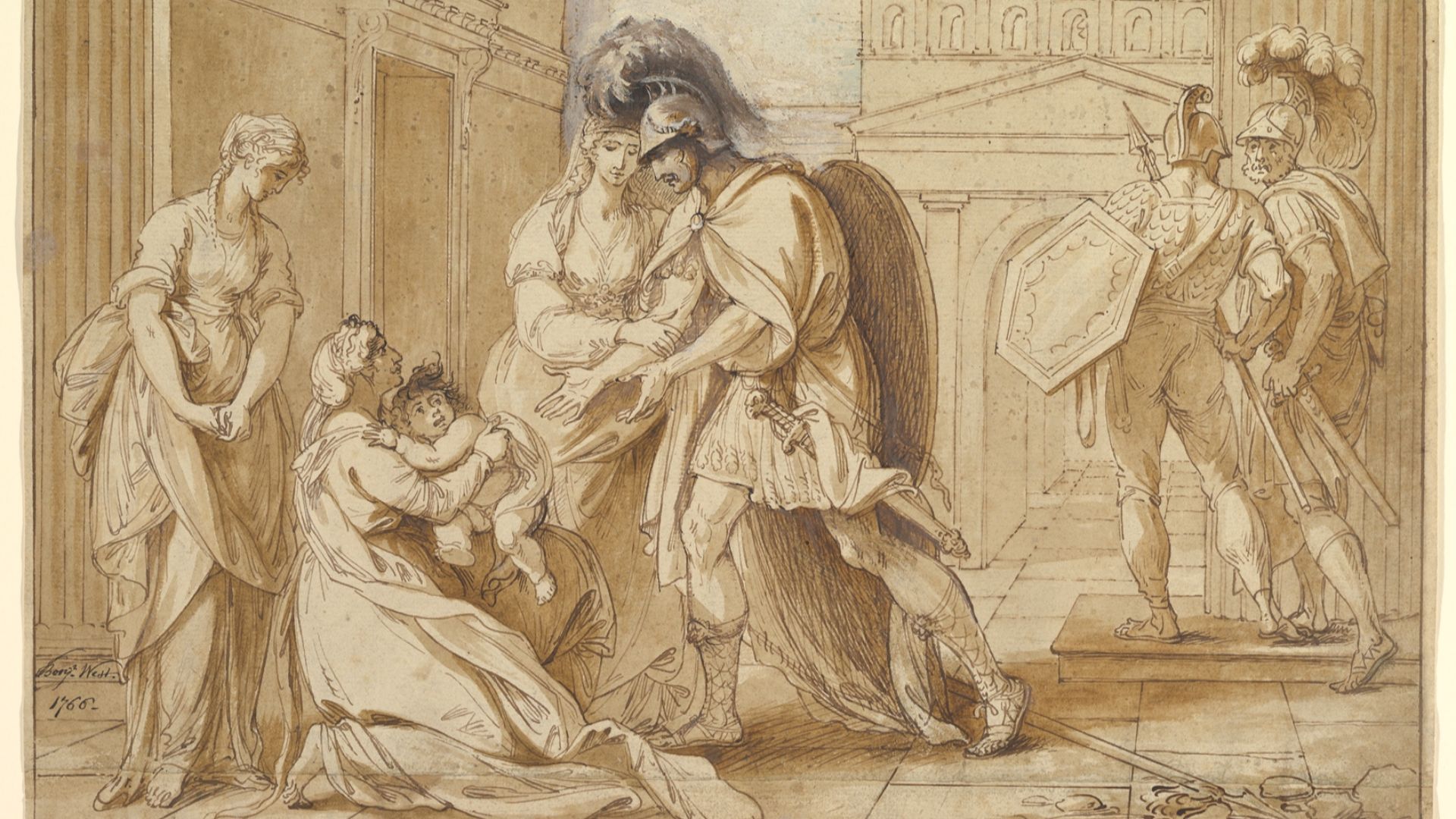
20. Astyanax Was Killed After Troy Fell
Astyanax was the young son of Hector and Andromache, making him a possible future heir after the Greeks took Troy. Rather than risk allowing him to grow up, the victors killed him. Stories often place his death among the final atrocities of the war.
KEEP ON READING