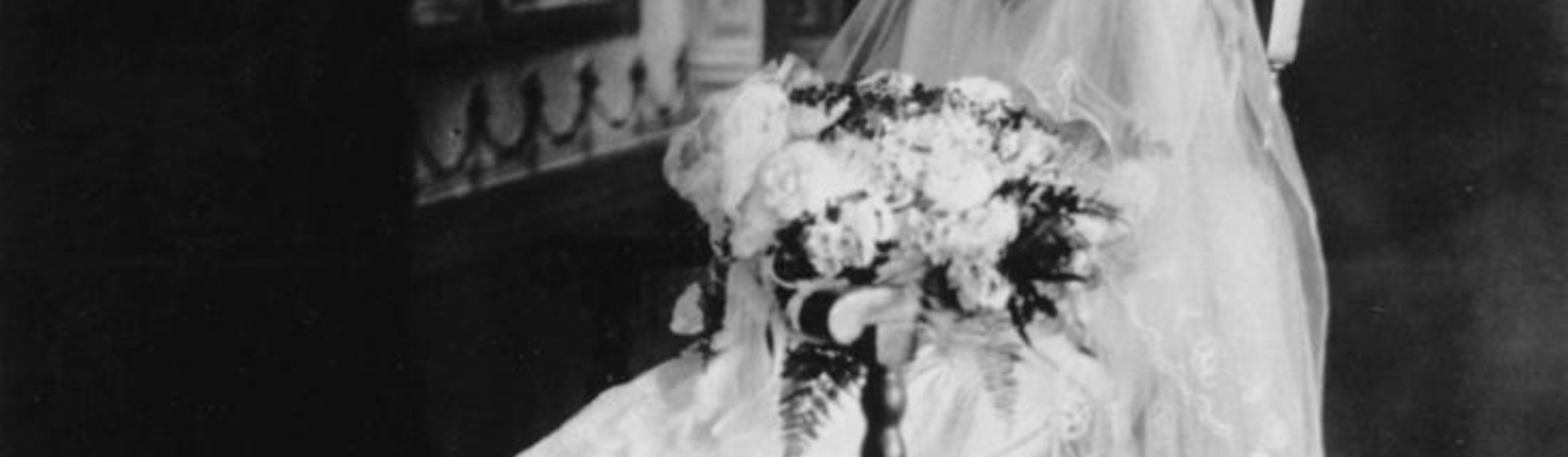
From The Engagement Announcement to the Last Thank-You Note
Weddings in the 1920s came with a long list of social rules, especially for brides from middle- and upper-class American families. A bride was expected to follow the proper customs from the moment her engagement became public. The basic expectations could get surprisingly specific, right down to how an invitation was wrapped and what happened to the bride’s glove during the ceremony. These 20 customs show how much planning and polite behavior could fall on a bride around a century ago.
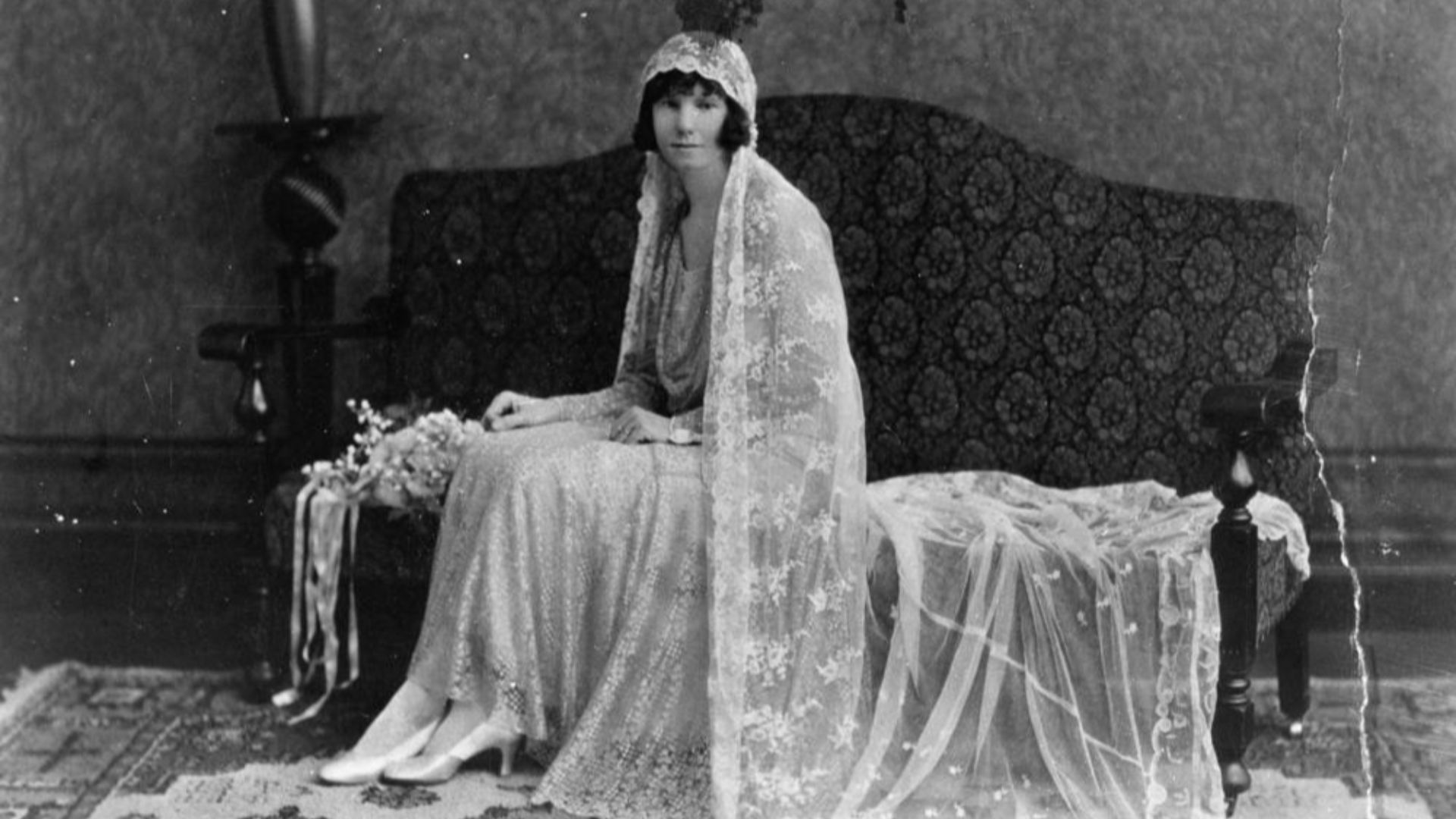 Contributor(s): Poulsen Studios on Wikimedia
1. Announcing the Engagement
A bride-to-be generally wasn’t supposed to make the formal engagement announcement herself. Her parents shared the news by sending cards, contacting a newspaper, or hosting a gathering where friends could hear about the match. Although the bride was the person getting married, her family usually decided when the news would be made public and how it would be presented.
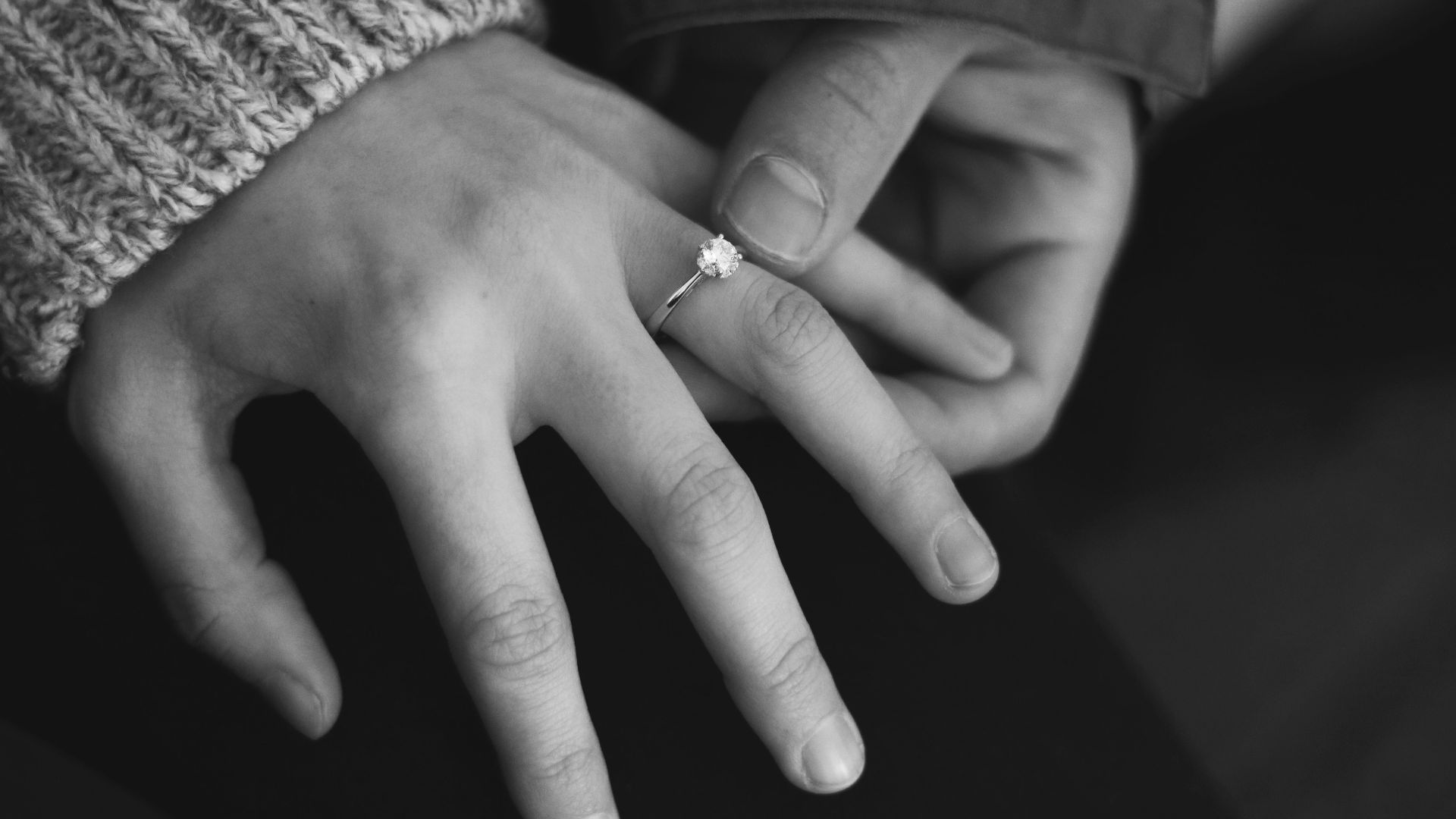
2. Close Relatives First
Aunts, uncles, cousins, and close friends could be told about the engagement several days before the wider announcement. The couple might write letters to relatives who lived far away and ask them to keep the news private until the chosen date. It gave the couple a little time to share their happy news personally before everyone else started talking about it.
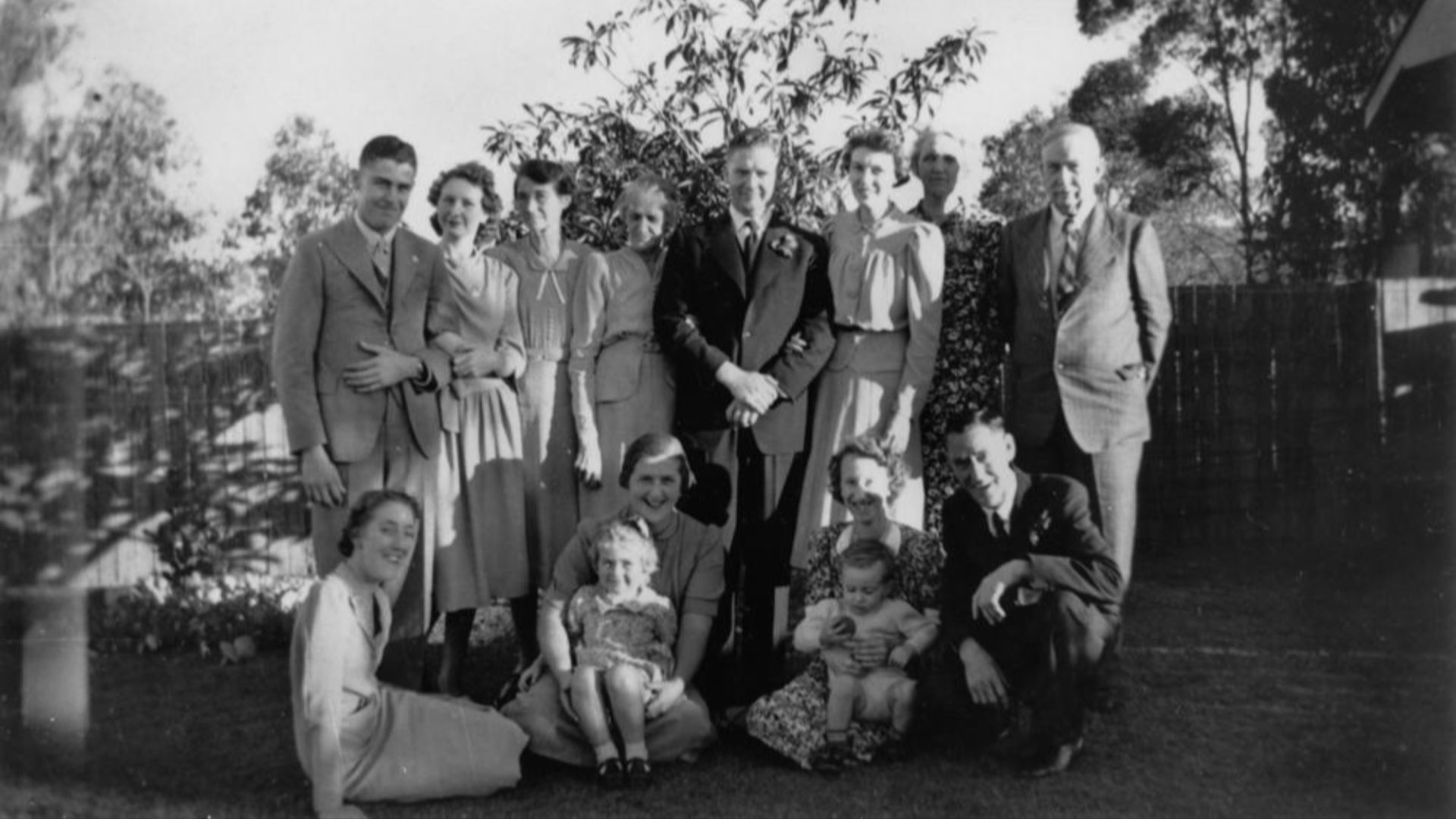
3. The Groom’s Family
After the engagement became public, members of the groom’s family were expected to welcome the bride with visits, meals, or a gathering in her honor. The bride then had to return their calls promptly as she began joining their family circle. Taking too long to respond could make her seem careless or uninterested.
4. Mourning
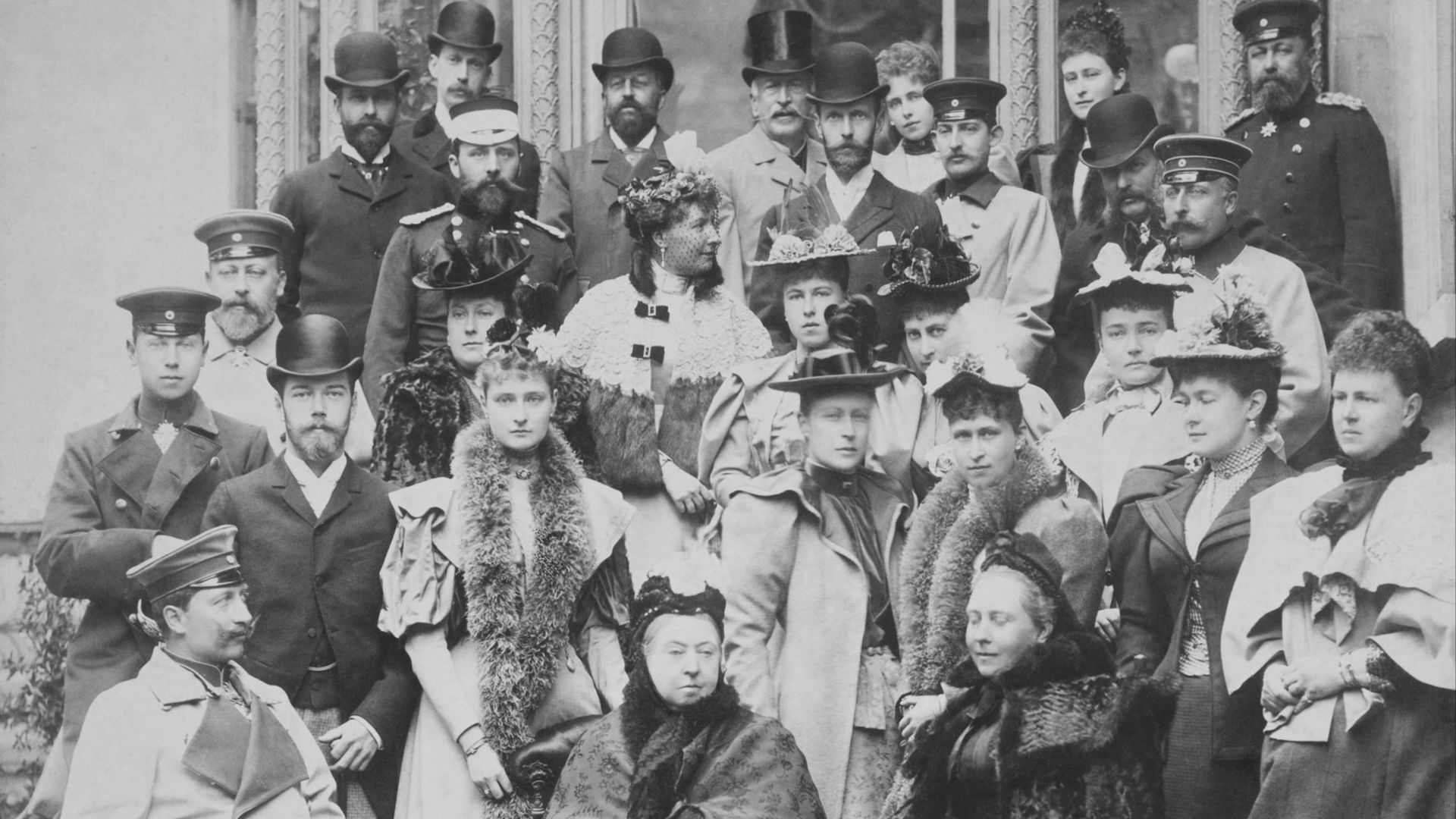
A recent death in either immediate family could delay the public engagement announcement. If the wedding still took place soon after the loss, it was supposed to remain private, quiet, and limited to close relatives.
5. The Church and Officiant
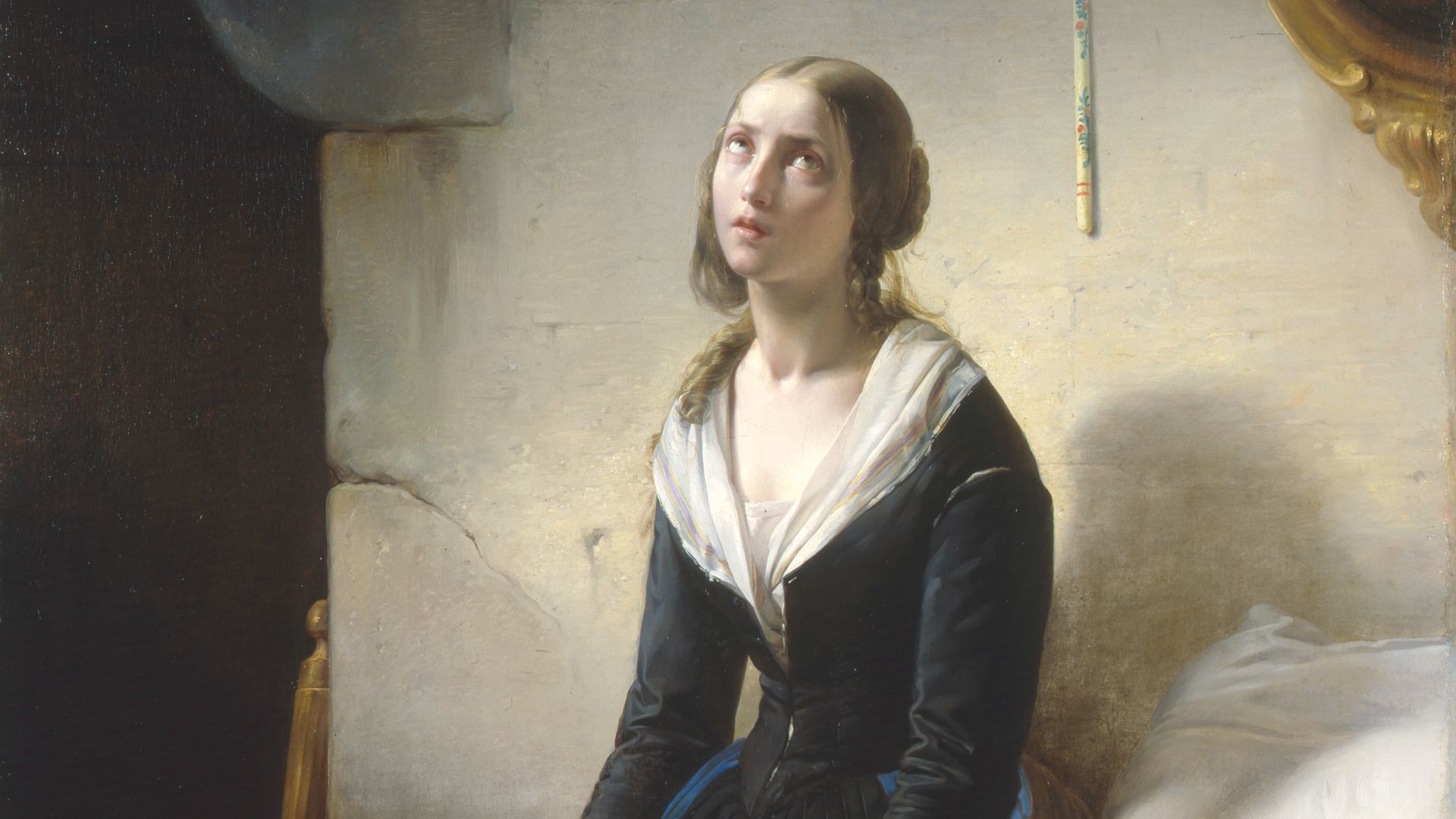
The family couldn’t finalize the wedding date until the church and clergyman were available. The bride’s mother often handled the first arrangements, although the bride and groom chose where they wanted to marry and who would perform the ceremony. Until those details were settled, the family couldn’t confidently order invitations, arrange travel, or move ahead with the rest of the plans.
6. The Guest List
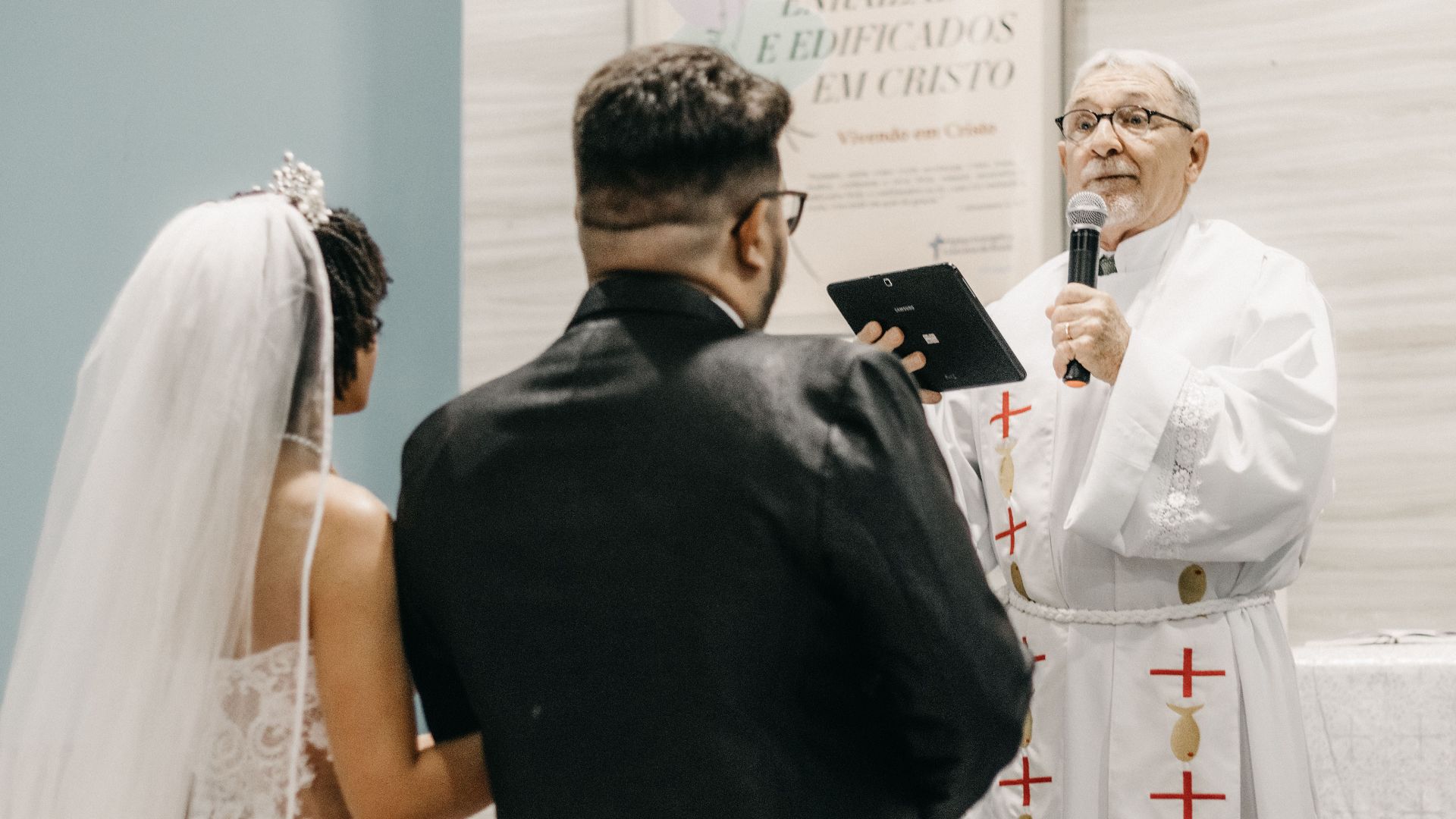
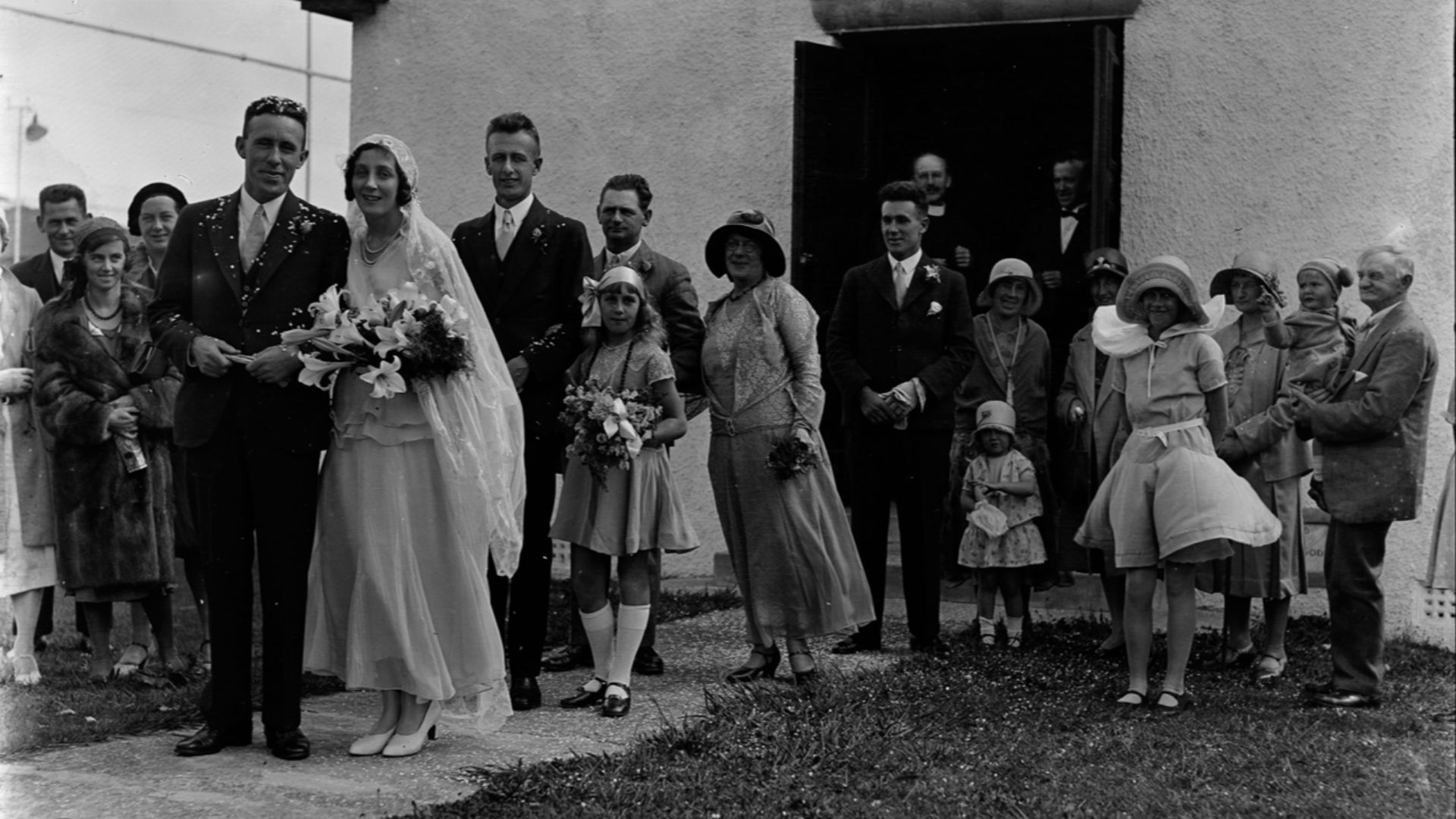
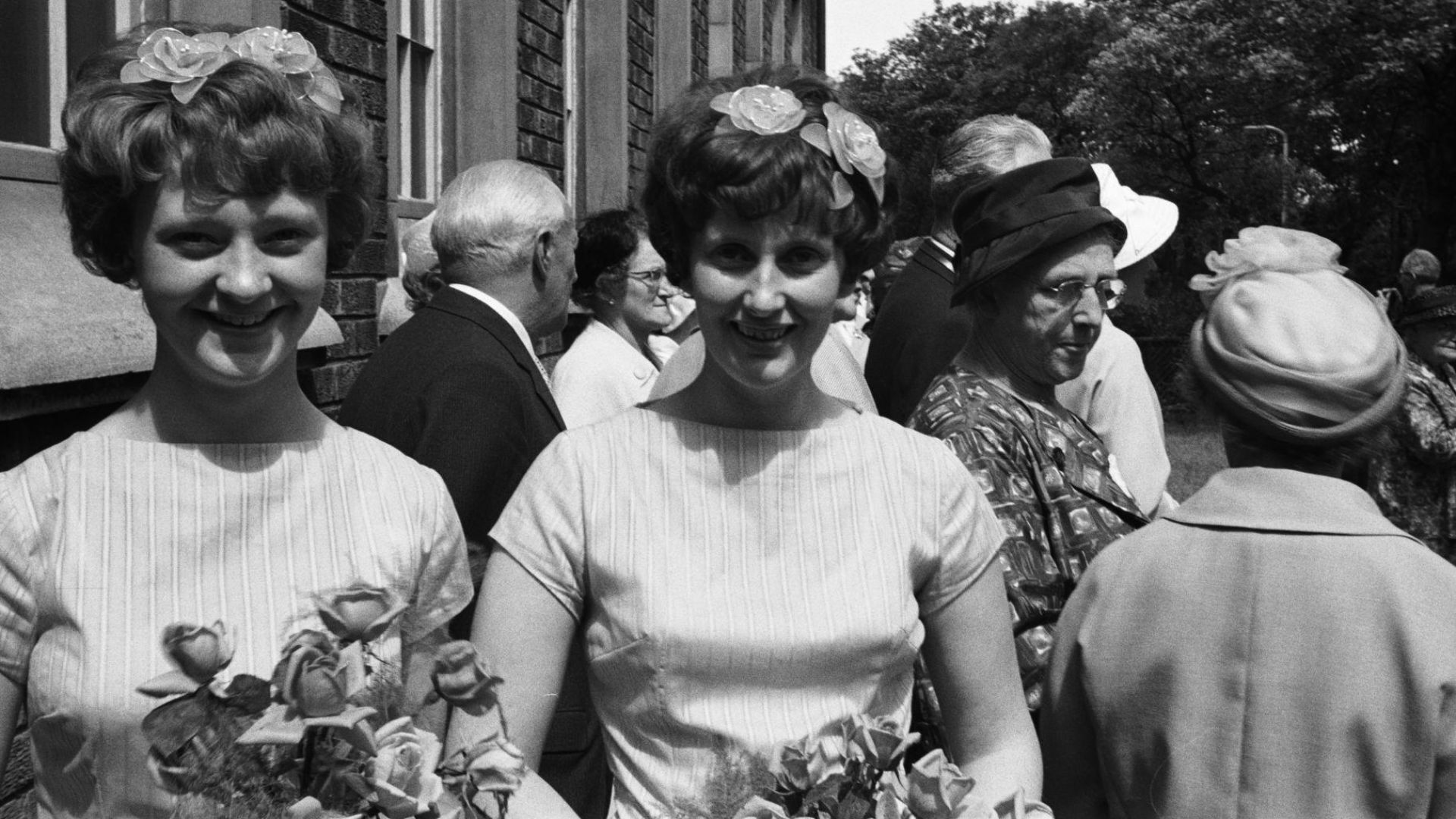
A large wedding included people from both families’ social circles, not only the couple’s closest friends. The bride worked with her parents and the groom’s family to decide who would receive an invitation.
 Collins, Tudor Washington, 1898-1970, photographer on Wikimedia
7. Approve Invitations
Formal wedding invitations were engraved on good-quality white or cream paper and sent in the names of the bride’s parents. Smaller weddings allowed more flexibility, including invitations written by hand. The paper, lettering, wording, and mailing date all helped show guests how formal the wedding would be.
8. Two Envelopes
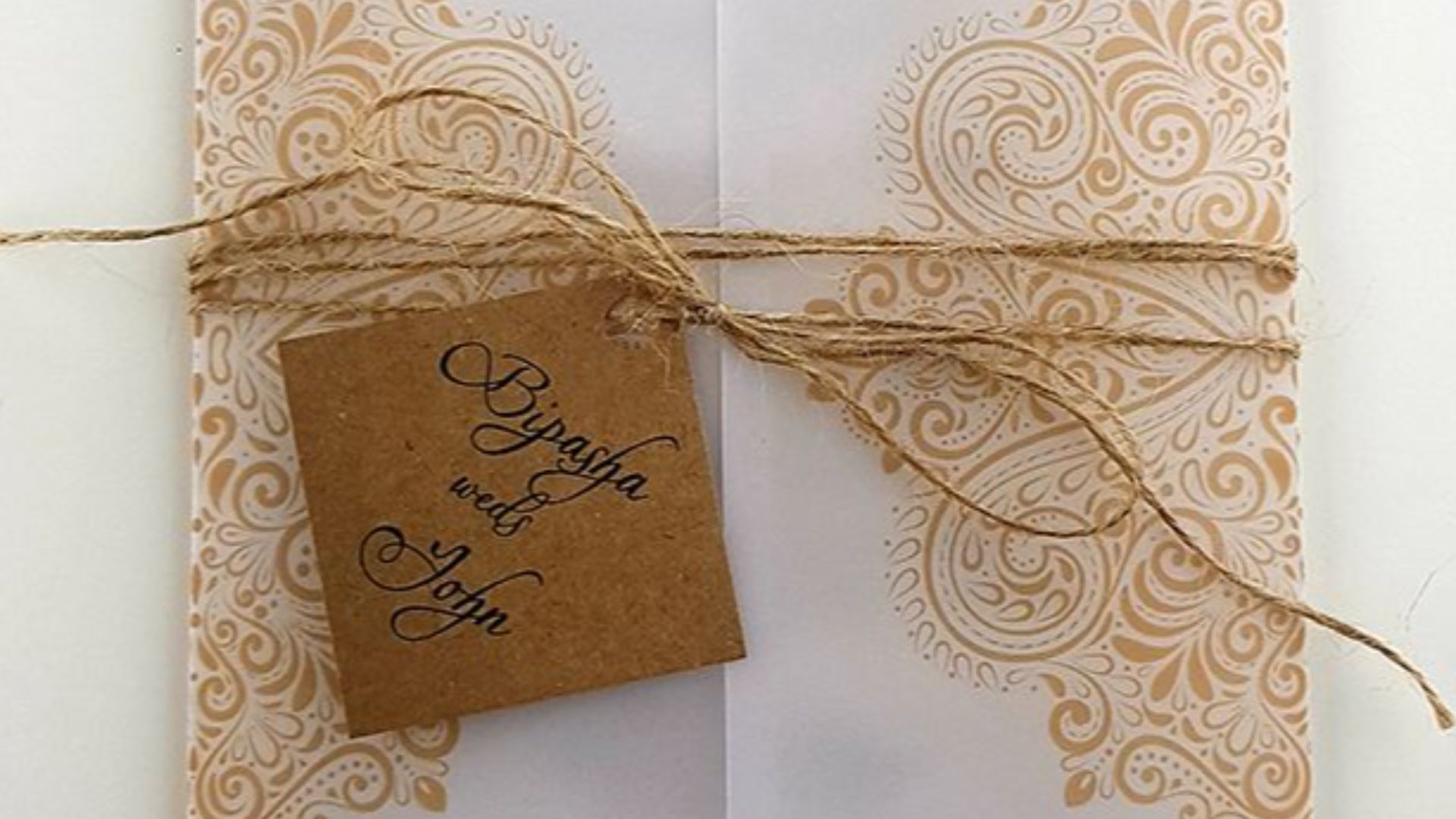
A formal wedding invitation was placed inside an unsealed inner envelope that protected it and carried the guest’s name. That envelope then went inside a slightly larger one, which was addressed, stamped, sealed, and mailed.
9. Expenses
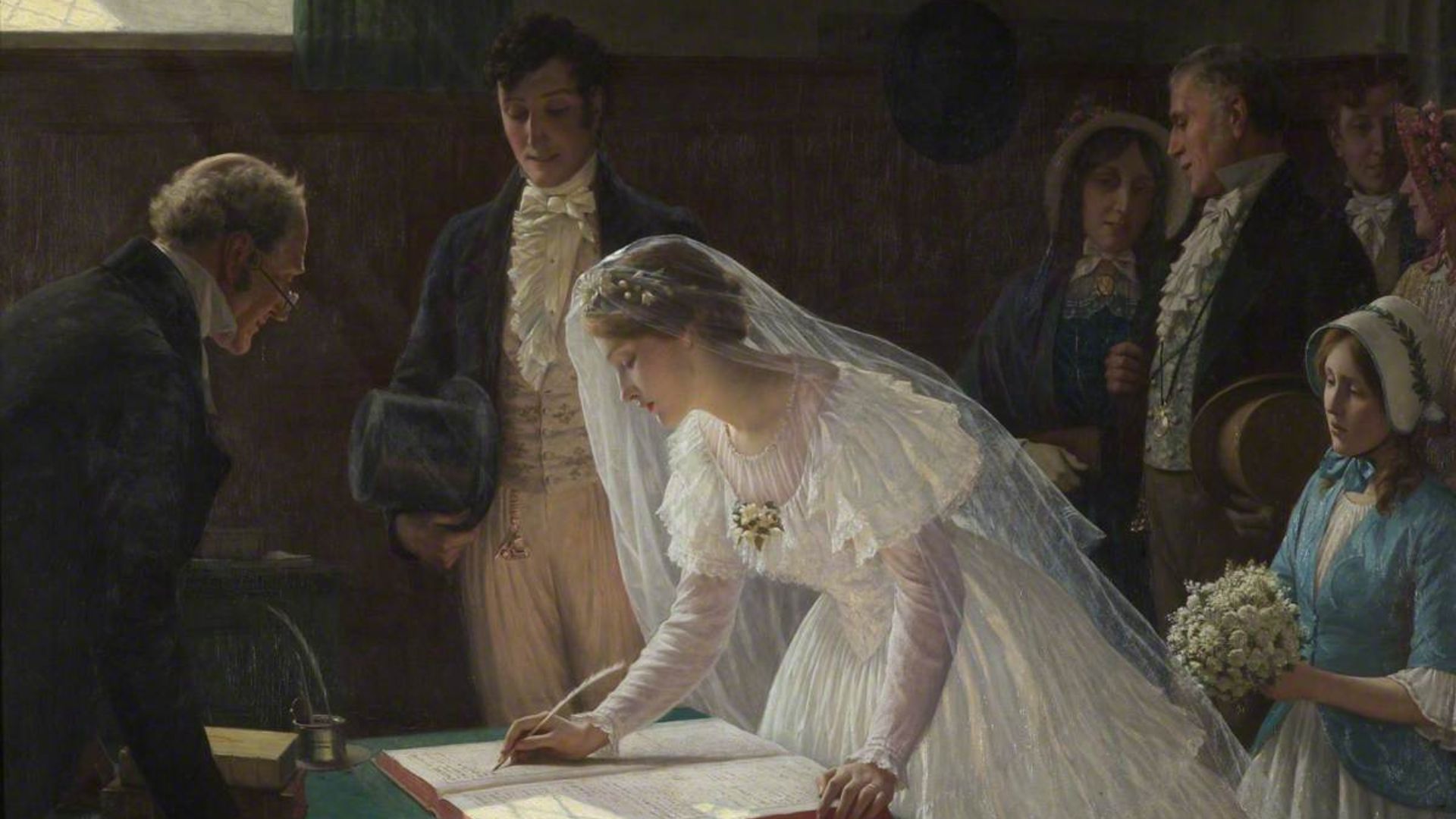
Most wedding costs were assigned to the bride’s parents, including the ceremony, invitations, and reception. The groom paid for certain items, such as the bride’s bouquet, the officiant’s fee, and gifts for his attendants. Since the bride’s parents covered most of the bill, their budget naturally shaped the number of guests, the location, the food, the decorations, and the overall size of the celebration.
 Edmund Blair Leighton on Wikimedia
10. Trousseaus
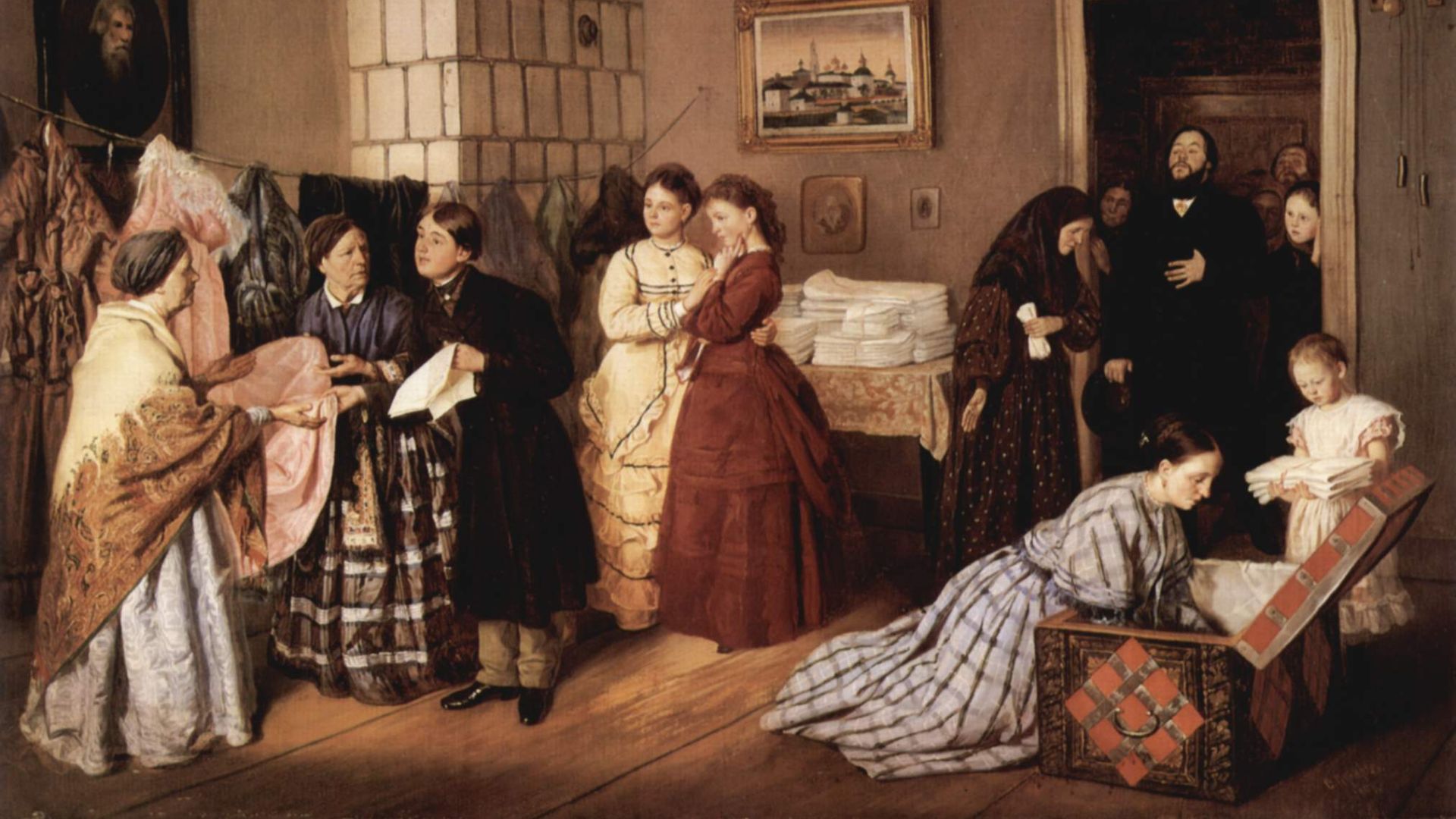
The bride prepared a collection of clothing and linens for her new life as a married woman. Depending on her budget and plans, her trousseau might include dresses, undergarments, hats, shoes, a suit, evening clothes, and a traveling outfit. Ready-made clothing was becoming more acceptable as practical choices became common.
 Vassili Vladimirovich Pukiryov on Wikimedia
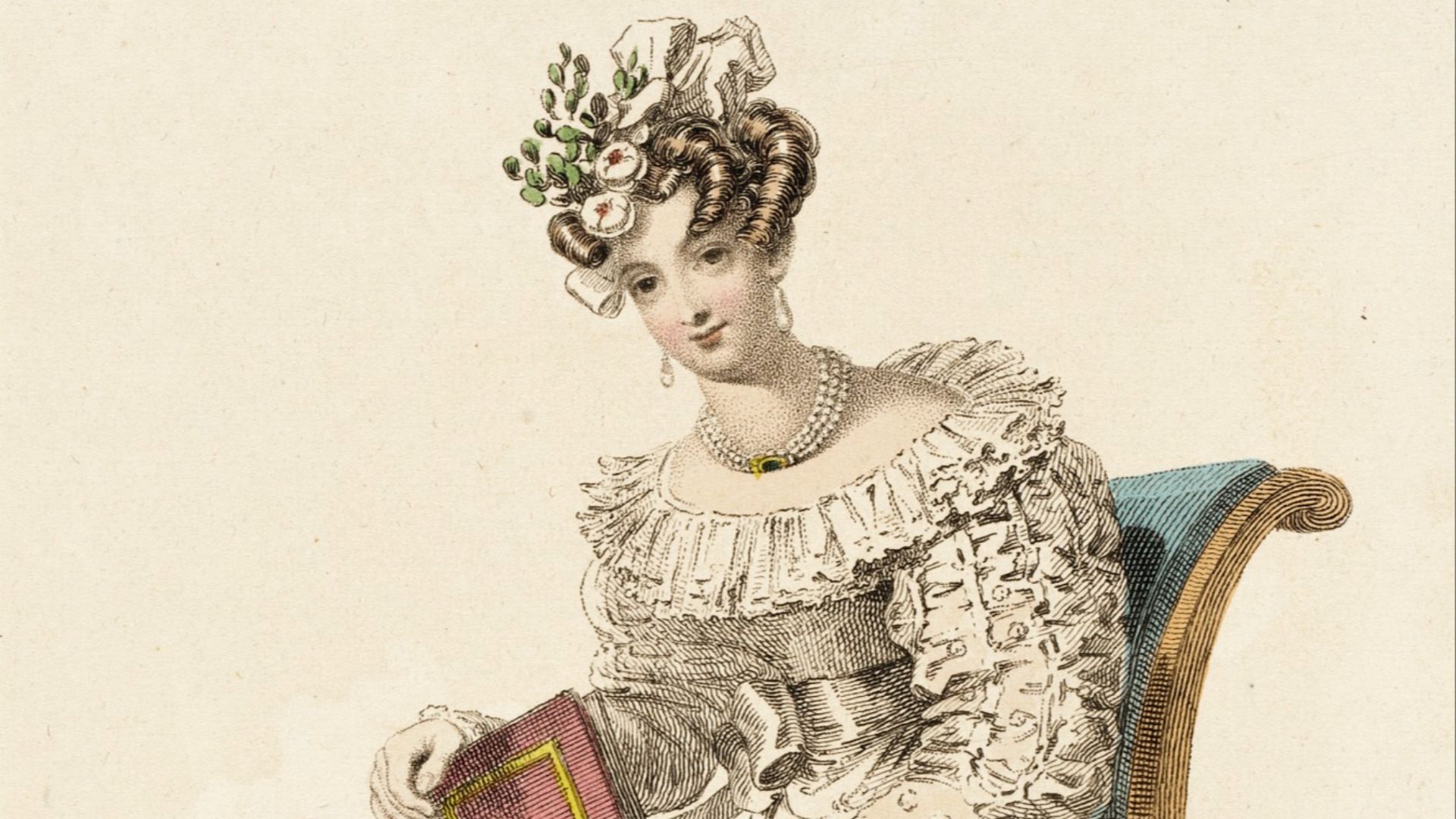
11. Provide Her Own Wedding Clothes
The groom wasn’t supposed to buy the bride’s wedding gown, trousseau, or honeymoon clothes. Those items came from the bride herself or her family, although she could accept an heirloom offered by the groom’s mother. The rule kept wedding gifts separate from the bride’s personal wardrobe.
 Rudolph Ackermann (England, London, 1764-1834) on Wikimedia
12. The Maid of Honor
A sister or closest friend usually served as the maid of honor. Bridesmaids came from the bride’s closest circle, although the groom’s sister might also be included. The bride had to think about the women she felt closest to while also trying not to offend relatives or create awkward feelings between the two families.
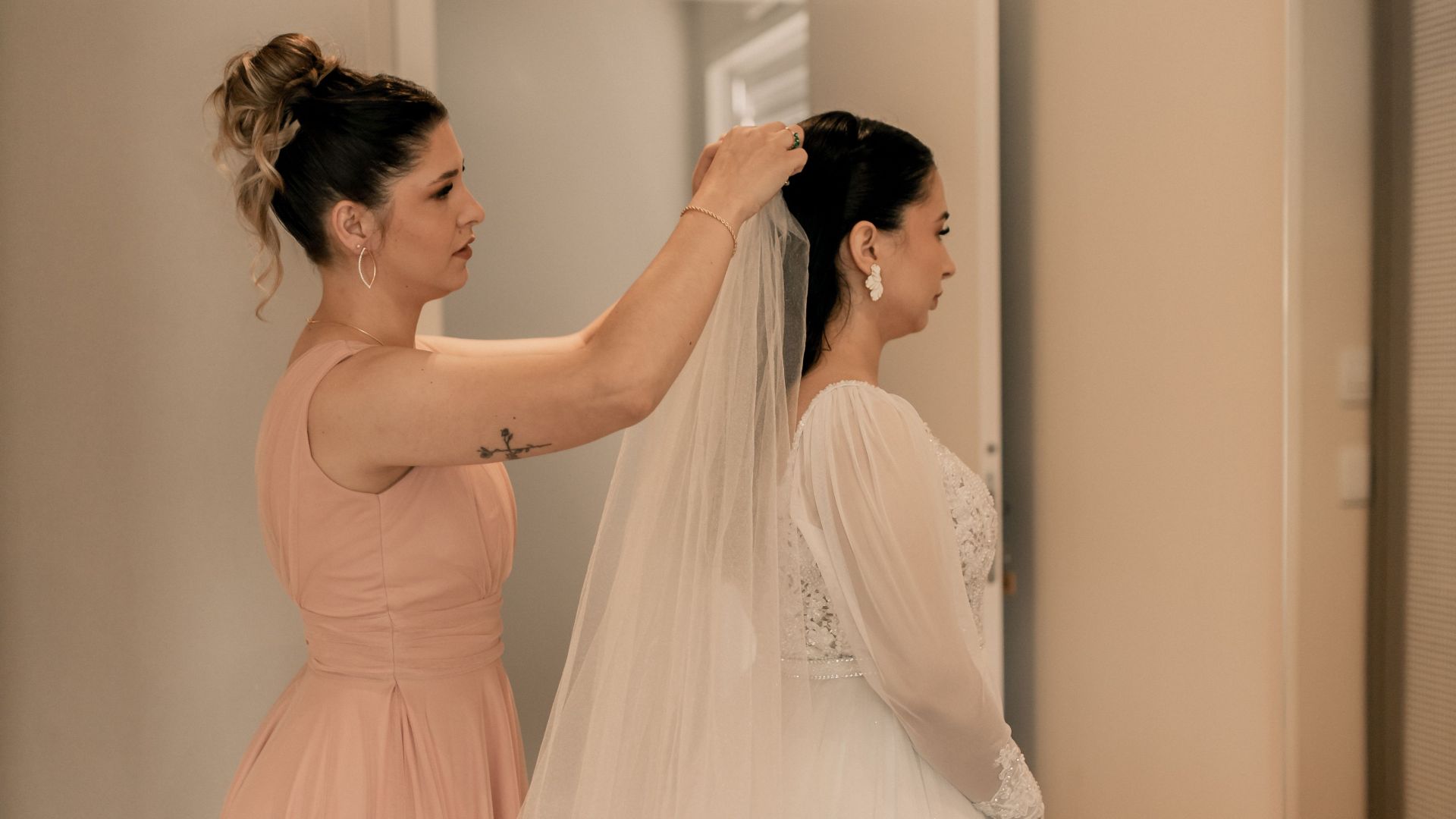
13. Asking Her Bridesmaids
The bride visited nearby friends personally when asking them to serve as bridesmaids. A letter was acceptable if someone lived far away, and the request was made well before the wedding. Being a bridesmaid could come with some serious expenses, so turning down the invitation didn’t always mean there was a problem with the friendship.
 National Library of Ireland on The Commons on Wikimedia
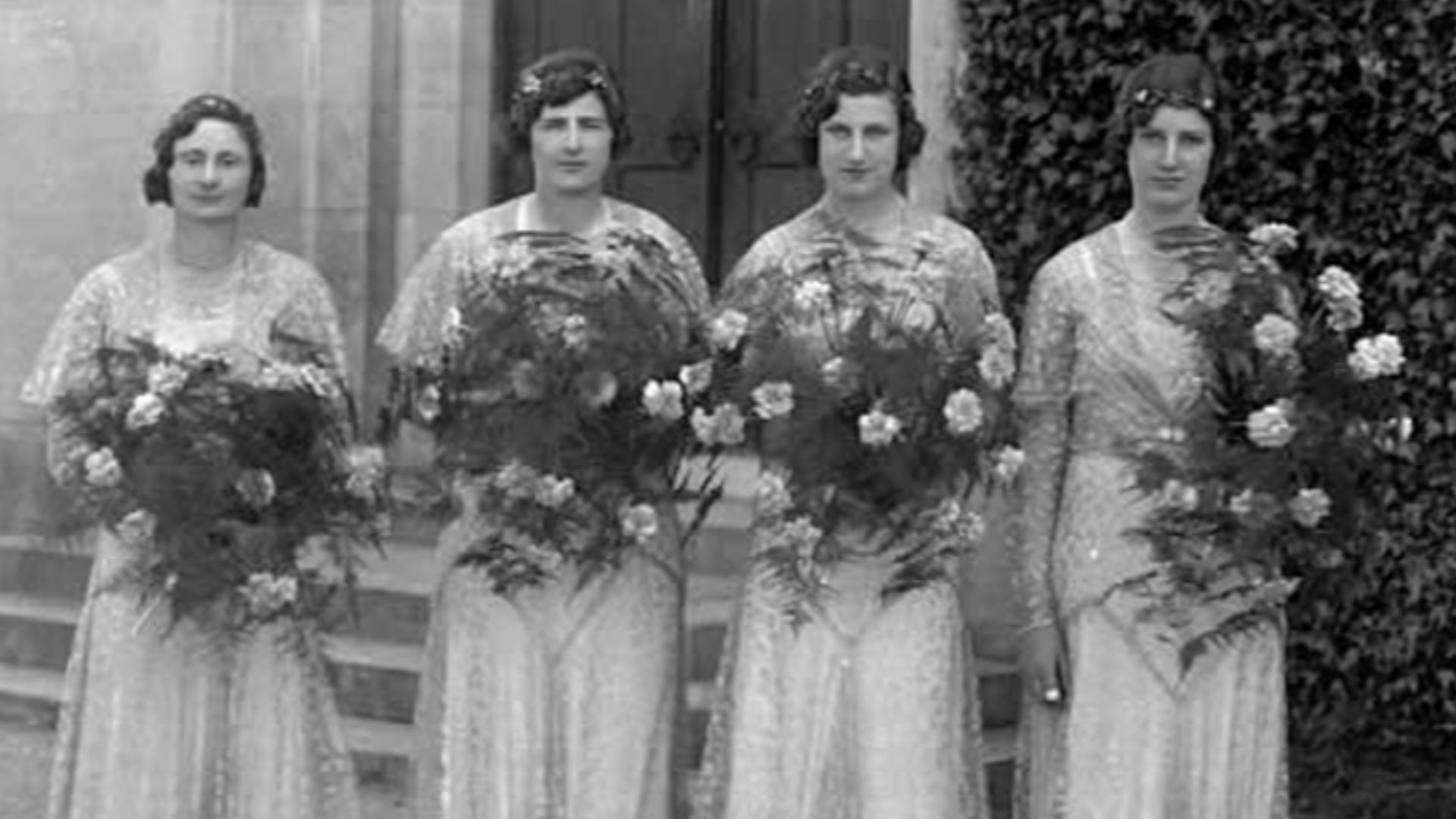
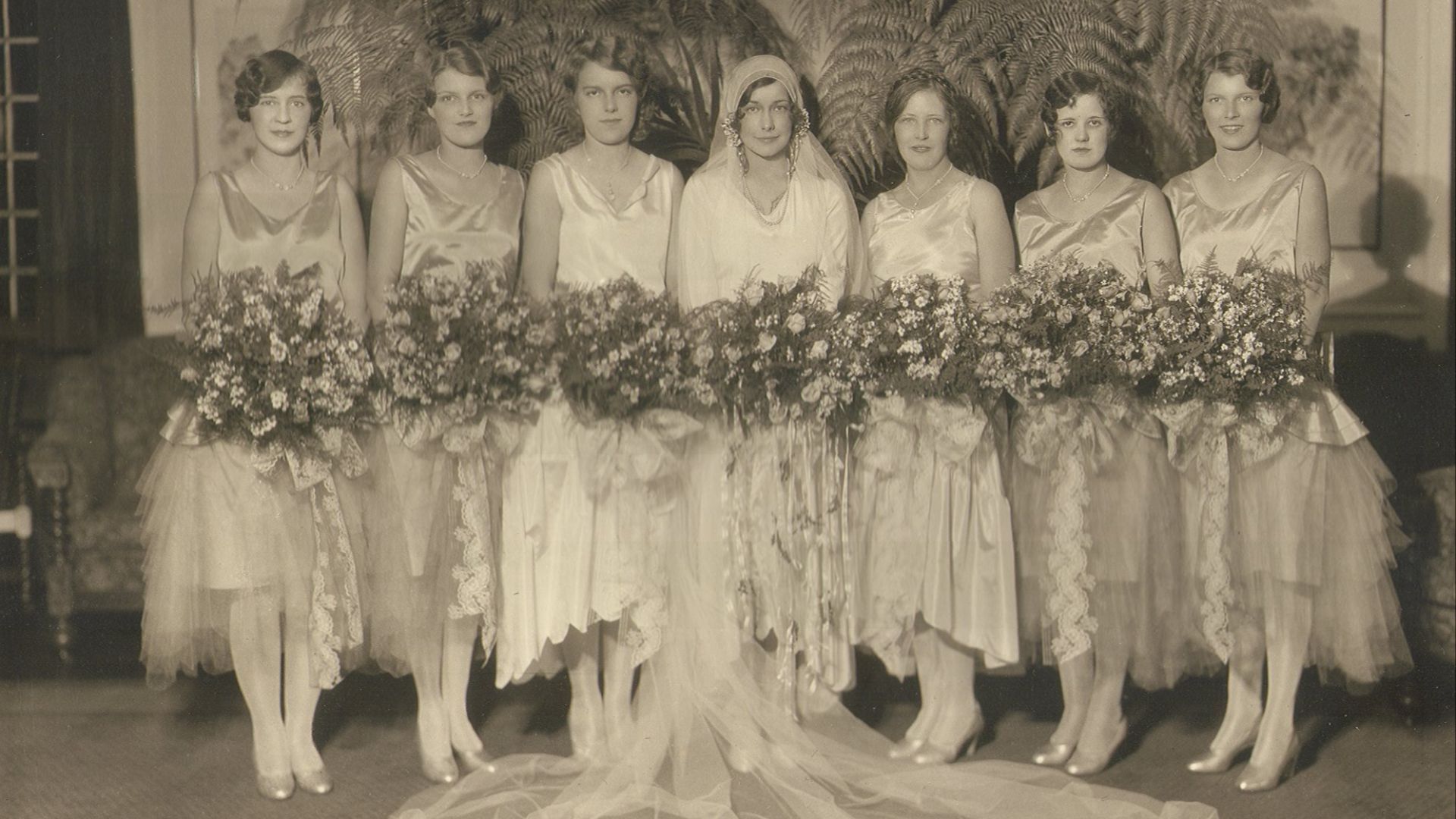
14. Coordinate the Bridesmaids’ Dresses
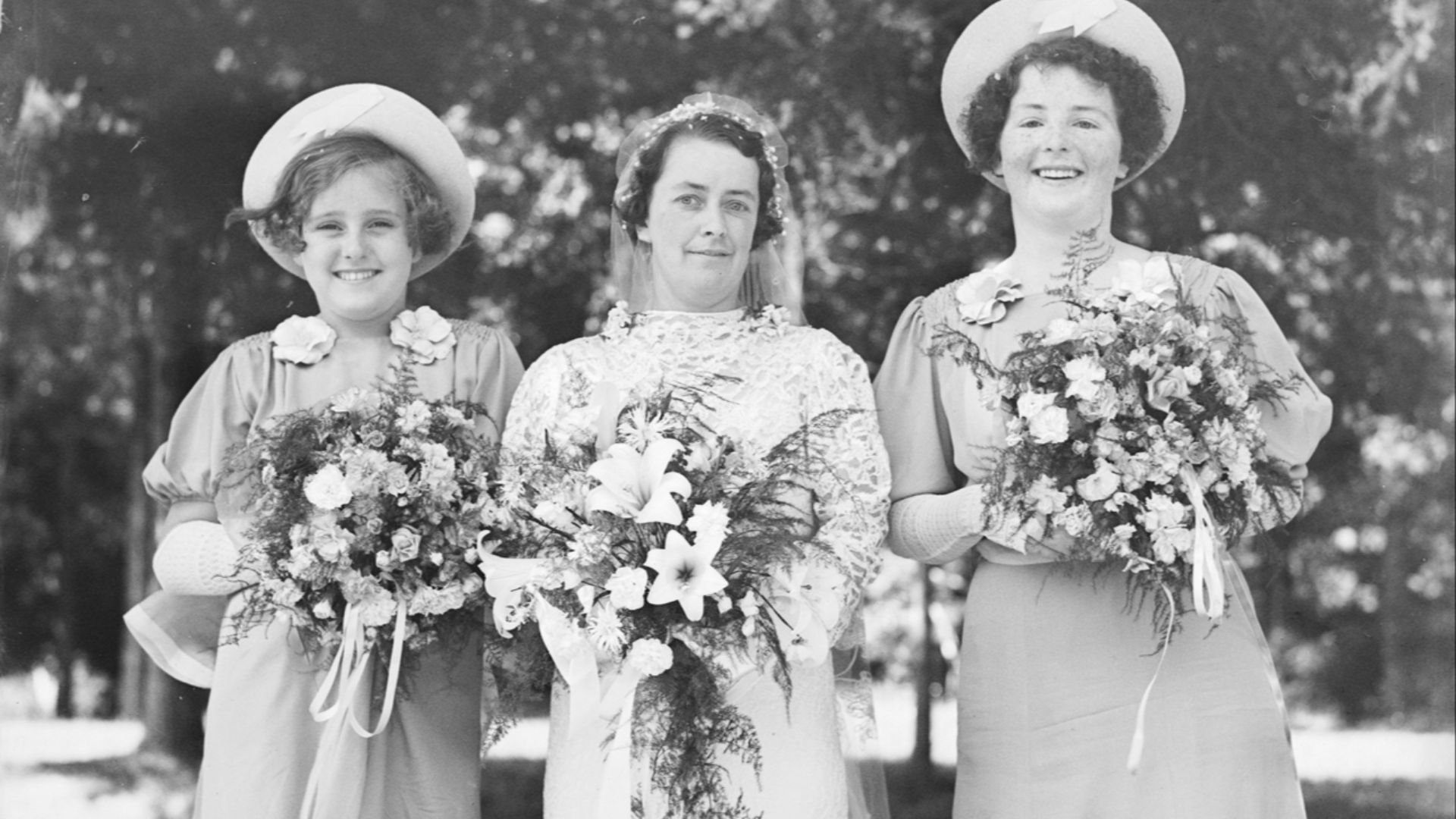
Bridesmaids’ gowns didn’t always have to match exactly, but their colors and general styles were expected to look good together. For a more formal wedding, the bride could suggest the kind of dress she wanted and trust her attendants to follow the plan. She might also attend their final fittings to make sure everything worked as a group.
 Photographer not credited; relative or work for hire of relative. on Wikimedia
15. Gift Giving
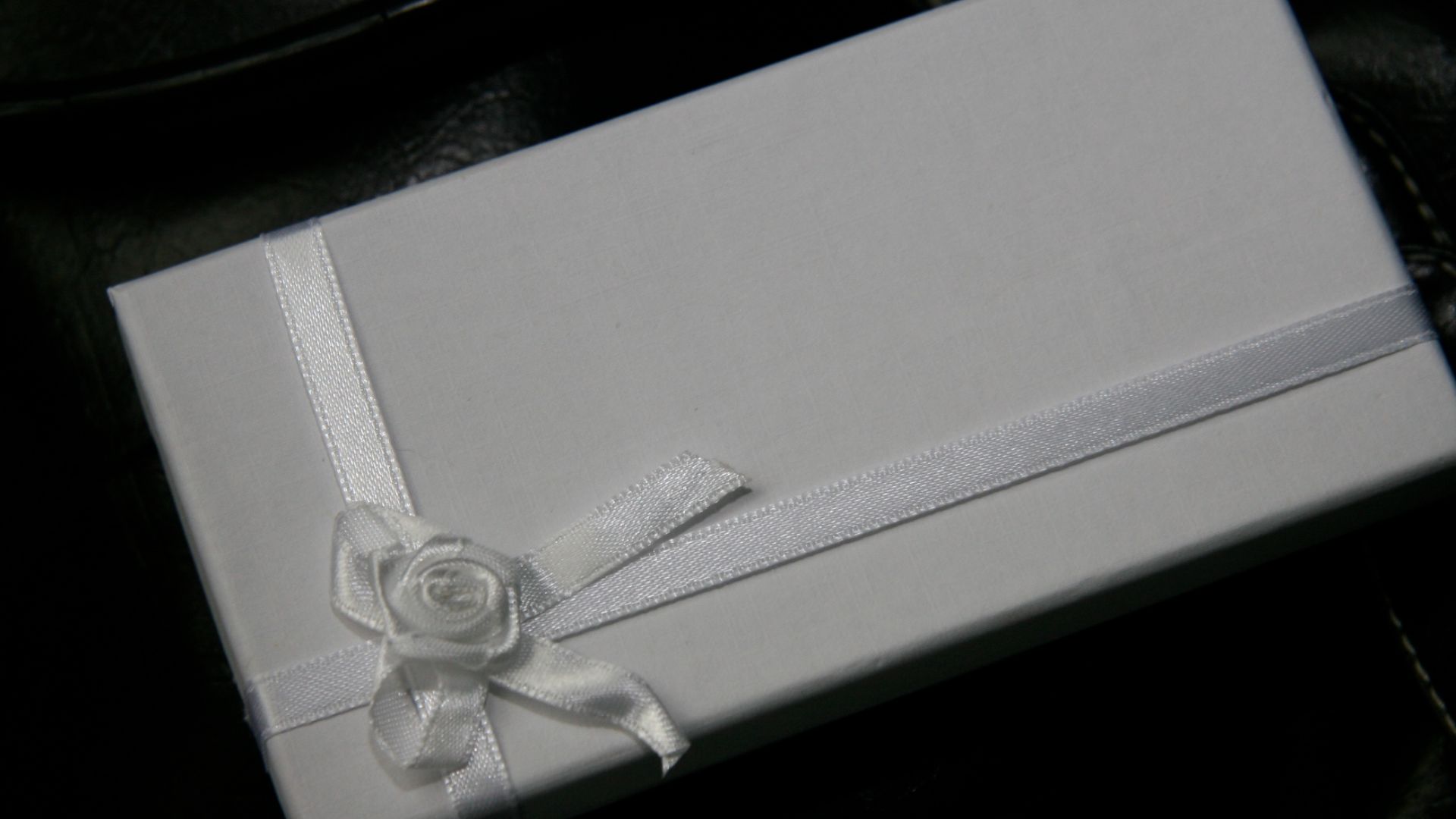
Before the ceremony, the bride gave her maid of honor and bridesmaids small keepsakes. Wearable gifts, including jewelry and decorative accessories, were especially common. These presents thanked the attendants for the time, money, and effort they had put into the wedding.
 Blaise Alleyne from Toronto, Canada on Wikimedia
16. Directing the Rehearsal
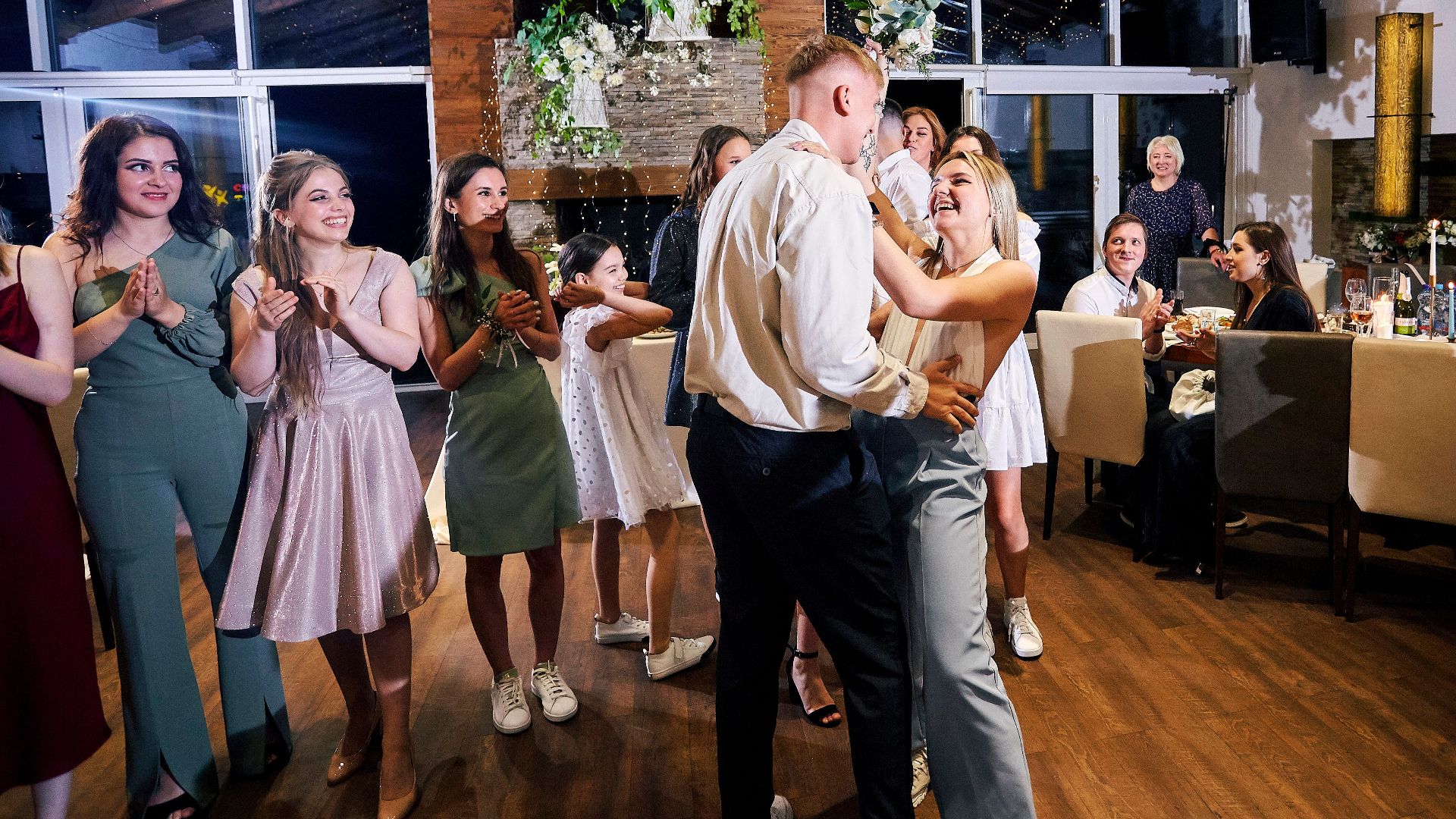
At a large church wedding, the bride oversaw the rehearsal and made sure the procession went according to plan. She might ask another woman to stand in for her because practicing her own role was considered unlucky.
17. Dress Codes
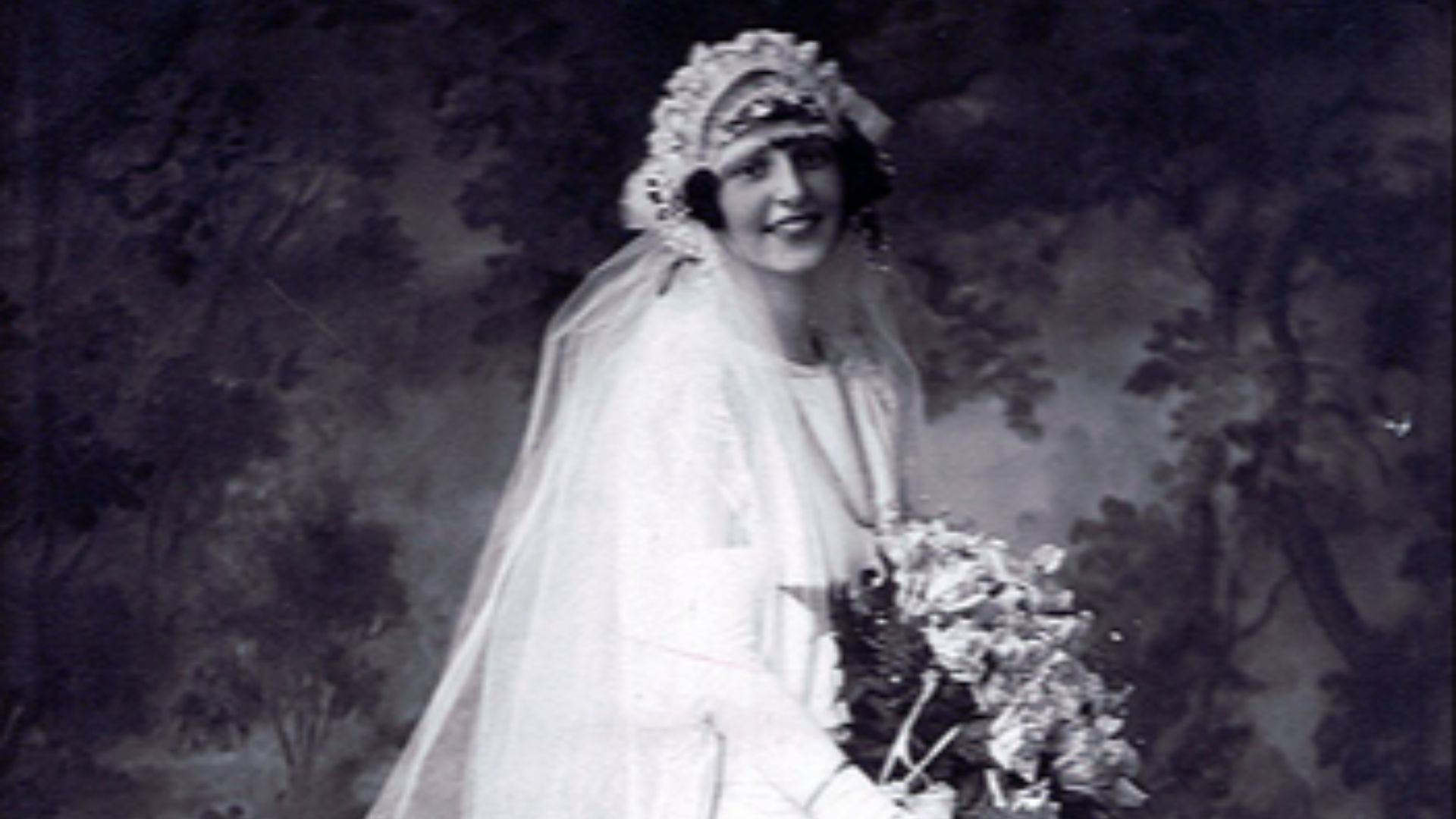
A bride having a formal church wedding could wear a white gown with a train, veil, gloves, white slippers, and pale flowers. Someone marrying in a civil ceremony, at a small wedding, or for a second time often wore a suit, afternoon dress, or traveling outfit instead.
18. Entering The Church
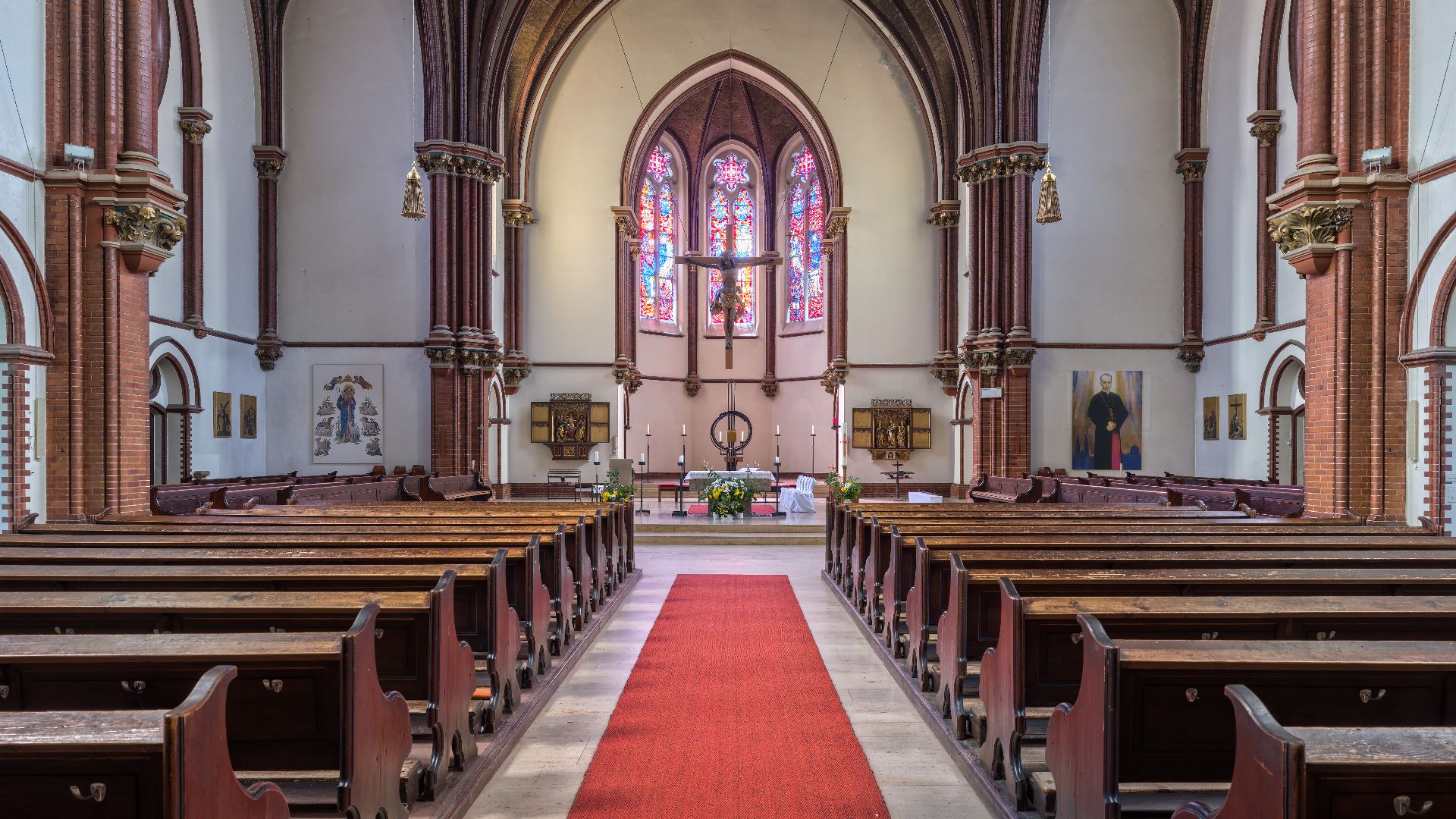
The bride was the last person to enter during the wedding procession. Her father, another relative, or a guardian usually escorted her and formally gave her away at the altar. Bridesmaids and the maid of honor walked ahead, leaving the bride’s entrance as the final and most closely watched part of the procession.
19. Preparing Her Hand
Before the ceremony, the bride could move her engagement ring to her right hand so the wedding band could be placed on her left. If she wore gloves, she needed to expose her ring finger by removing the glove or opening its seam. The maid of honor could hold the bride’s glove and bouquet during the ring exchange so everything stayed neat and orderly.
 Collins, Tudor Washington, 1898-1970, photographer on Wikimedia
20. Receive Guests and Write Thank-You Notes
At the reception, the bride stood beside her husband, greeted guests, accepted their good wishes, and made the first cut of the wedding cake. She was also expected to acknowledge every wedding gift with an individual letter that mentioned the present. A spoken thank-you or telephone call wasn’t considered enough.
KEEP ON READING