The Business of War
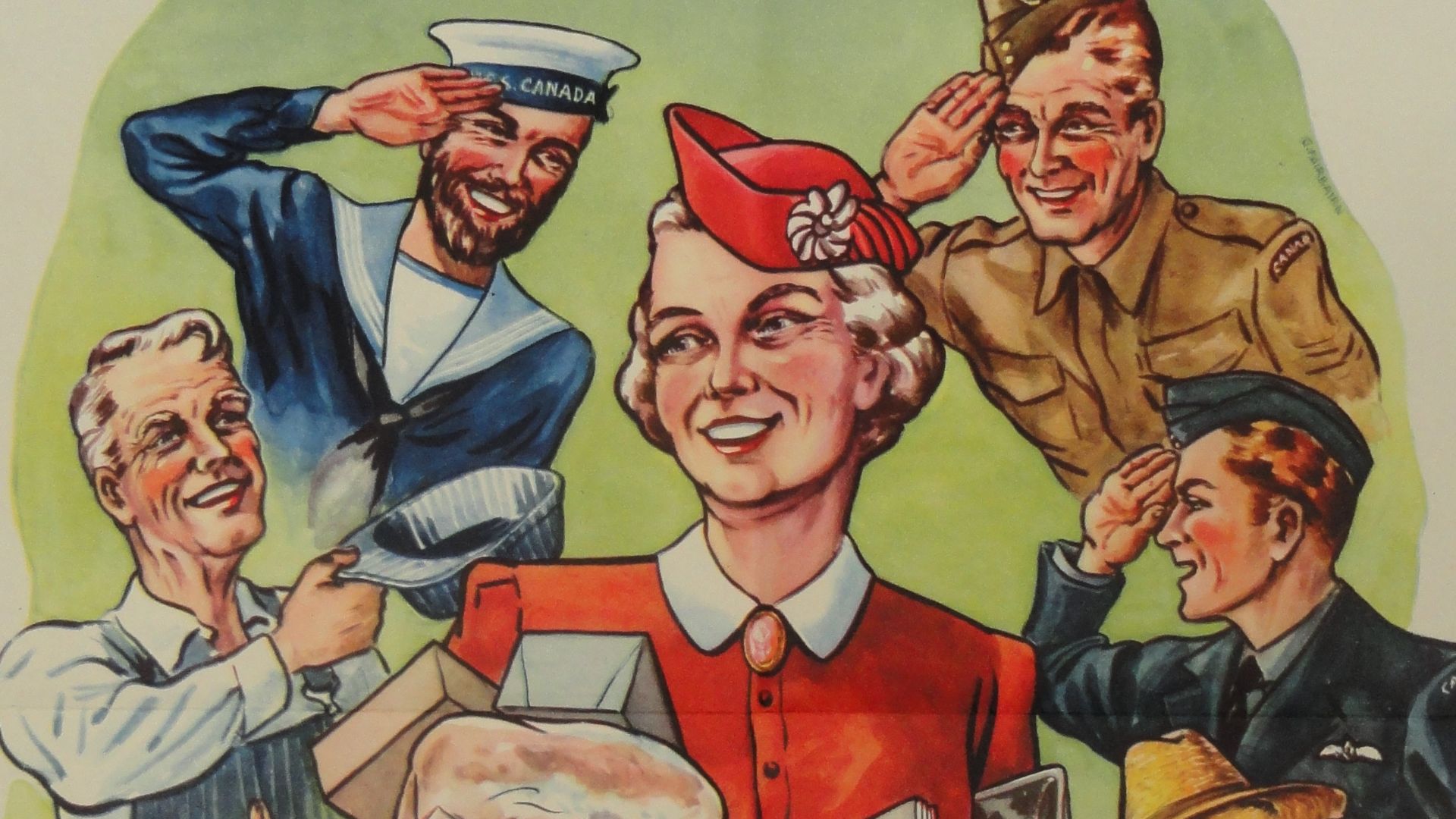
For many American families, the early 1940s brought new rules into nearly every part of the home. World War II rationing limited access to certain foods, gasoline, tires, shoes, and other everyday goods, while conservation campaigns urged people to make what they already had last longer. These habits weren’t the same in every household, and they were most closely tied to the wartime years from 1942 through 1945. Still, they shaped grocery trips, family meals, chores, driving habits, and even casual conversations with friends and neighbors. These 20 household rules became a familiar part of daily life on the American home front.
 Deseronto Archives on Wikimedia
1. Ration Books
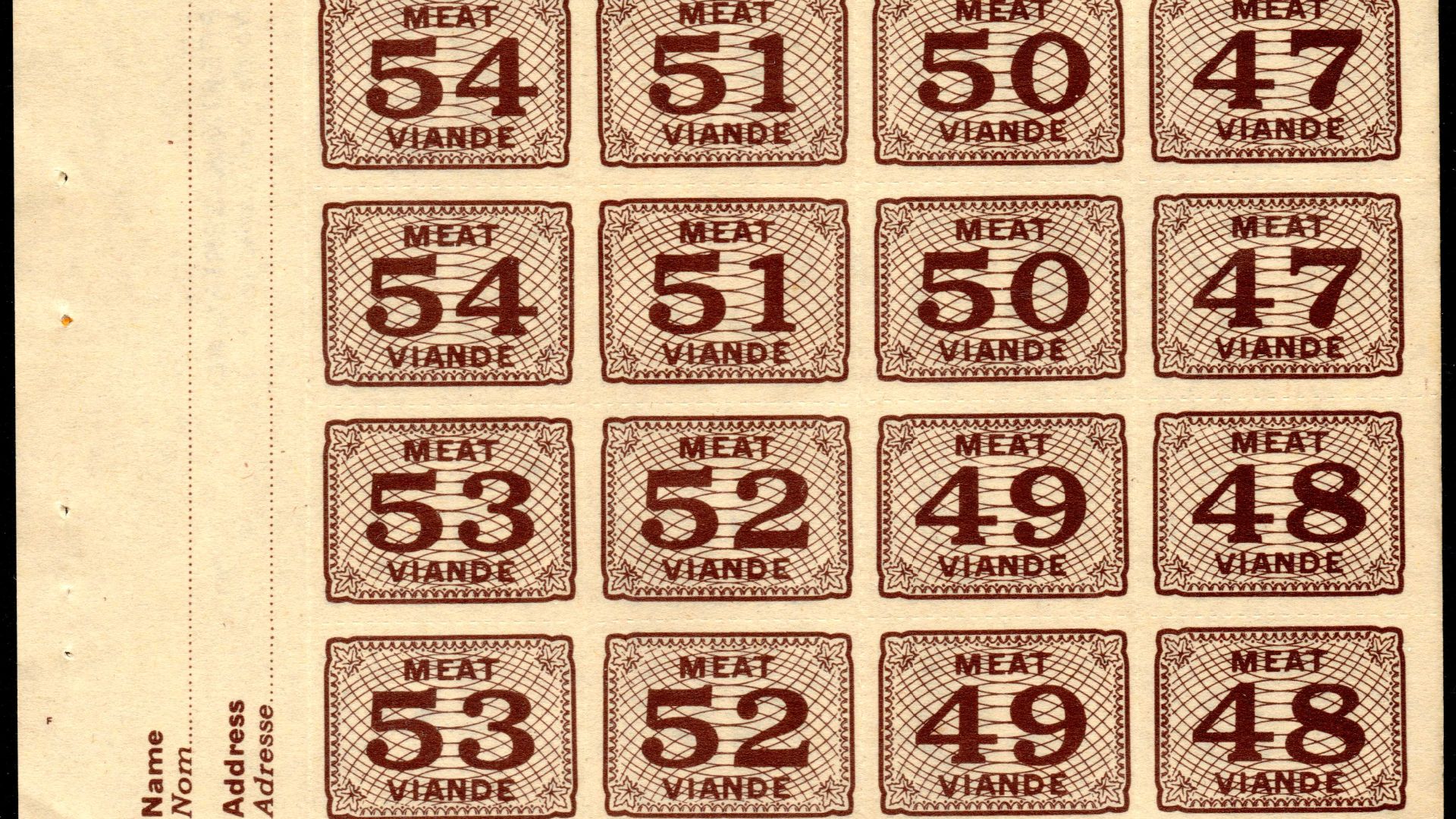
Ration books mattered almost as much as the money families brought to the store. Shoppers needed the correct stamps to buy controlled goods, so losing a book could quickly make everyone go hungry.

2. Check Point Values
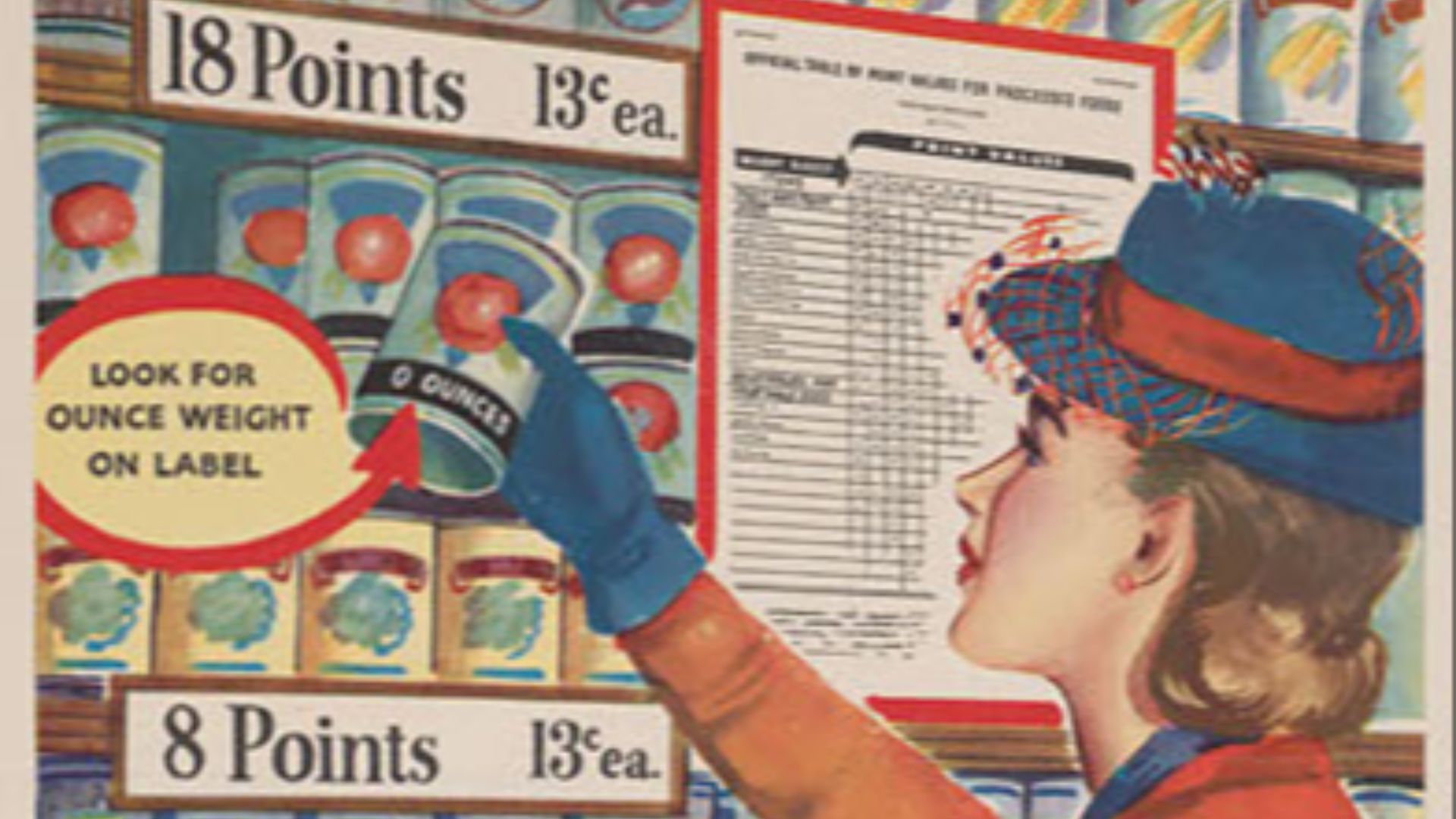
Families couldn’t always grab whatever they wanted from the grocery shelf. Many processed foods required blue points, while red points covered items such as meat, cheese, and certain fats. Since point values changed with supply and demand, shoppers had to check the latest charts and decide which foods were worth spending their limited points on.
 Office of Price Administration on Wikimedia
3. Buy Fresh Produce
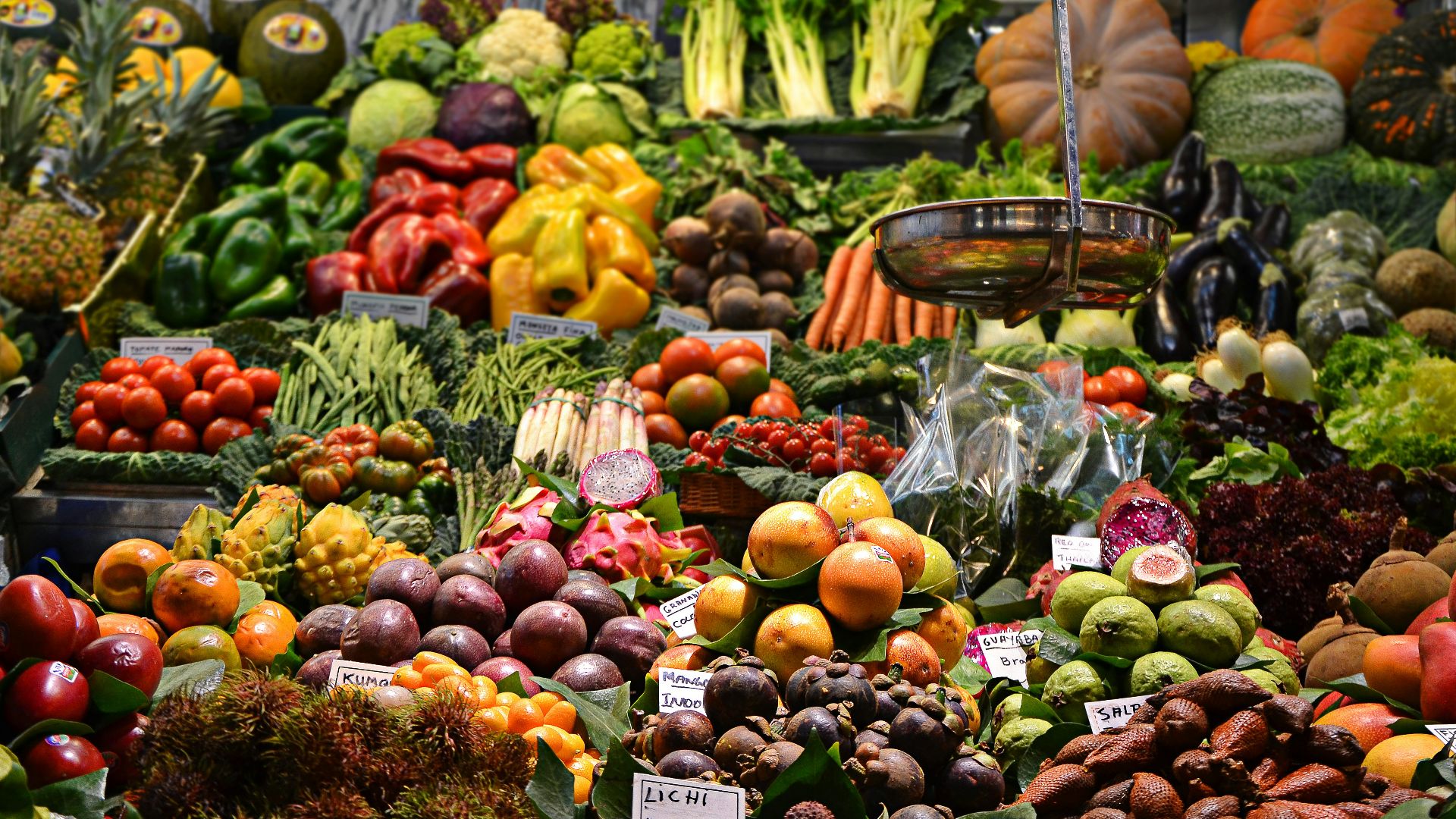
Fresh fruits and vegetables weren’t rationed, though that didn’t mean they were always easy to find. Certain foods could still be scarce, expensive, or out of season depending on where a family lived. When fresh produce was available, buying it helped save blue points for canned, frozen, dried, and other processed foods.
4. Make Meat Last
Popular cuts of beef often cost a large number of ration points, so serving a big piece of meat every night wasn’t practical. Home cooks stretched smaller portions by adding them to soups, stews, casseroles, hashes, and meat loaves.
 Government of Canada on Wikimedia
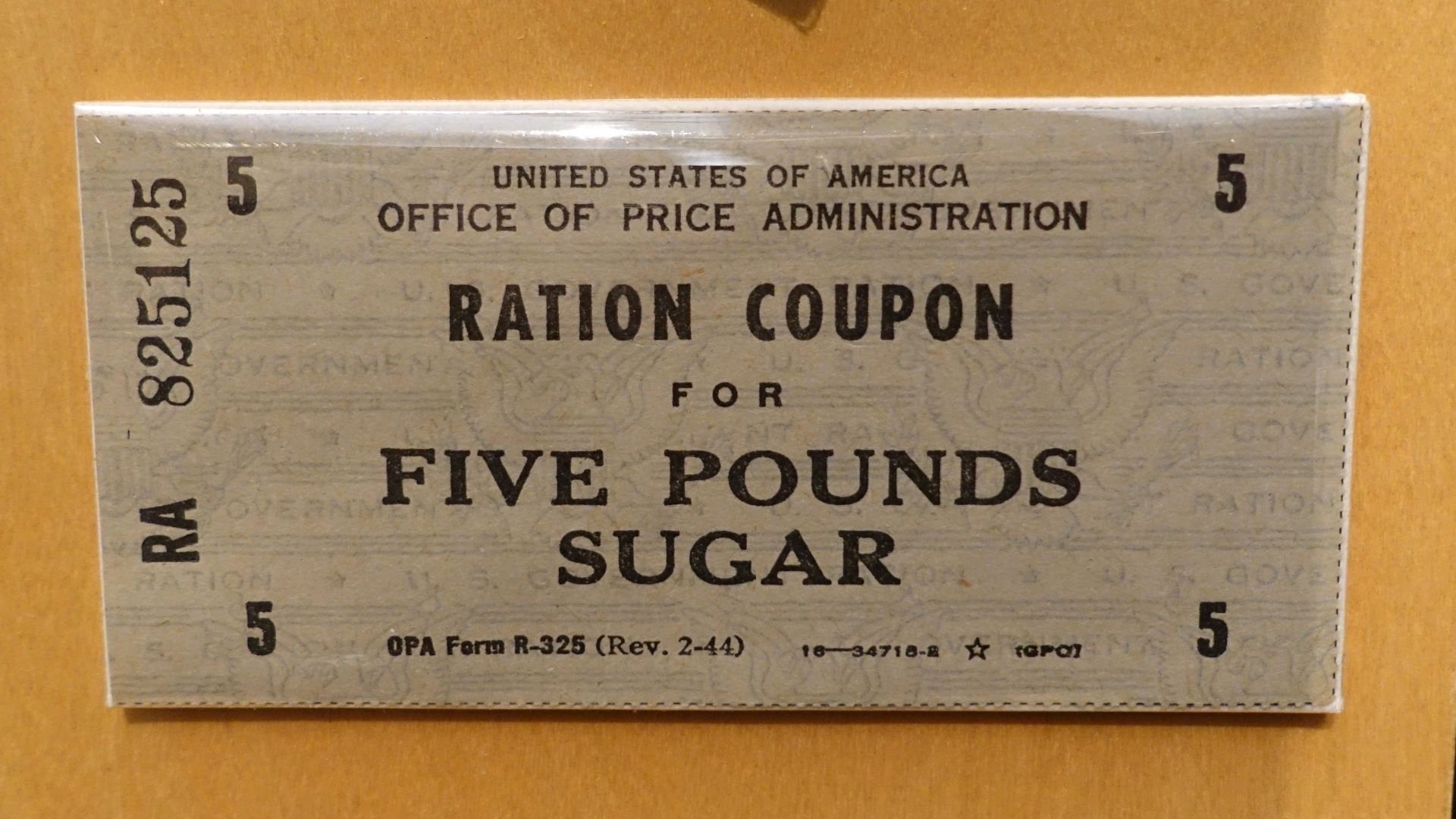
5. Measuring
Sugar stayed under rationing even after the war ended, while coffee was rationed from late 1942 into 1943. Butter, margarine, cheese, canned milk, and several cooking fats also faced restrictions. Cooks measured ingredients closely and adjusted familiar recipes so the household’s supply wouldn’t run out too soon.
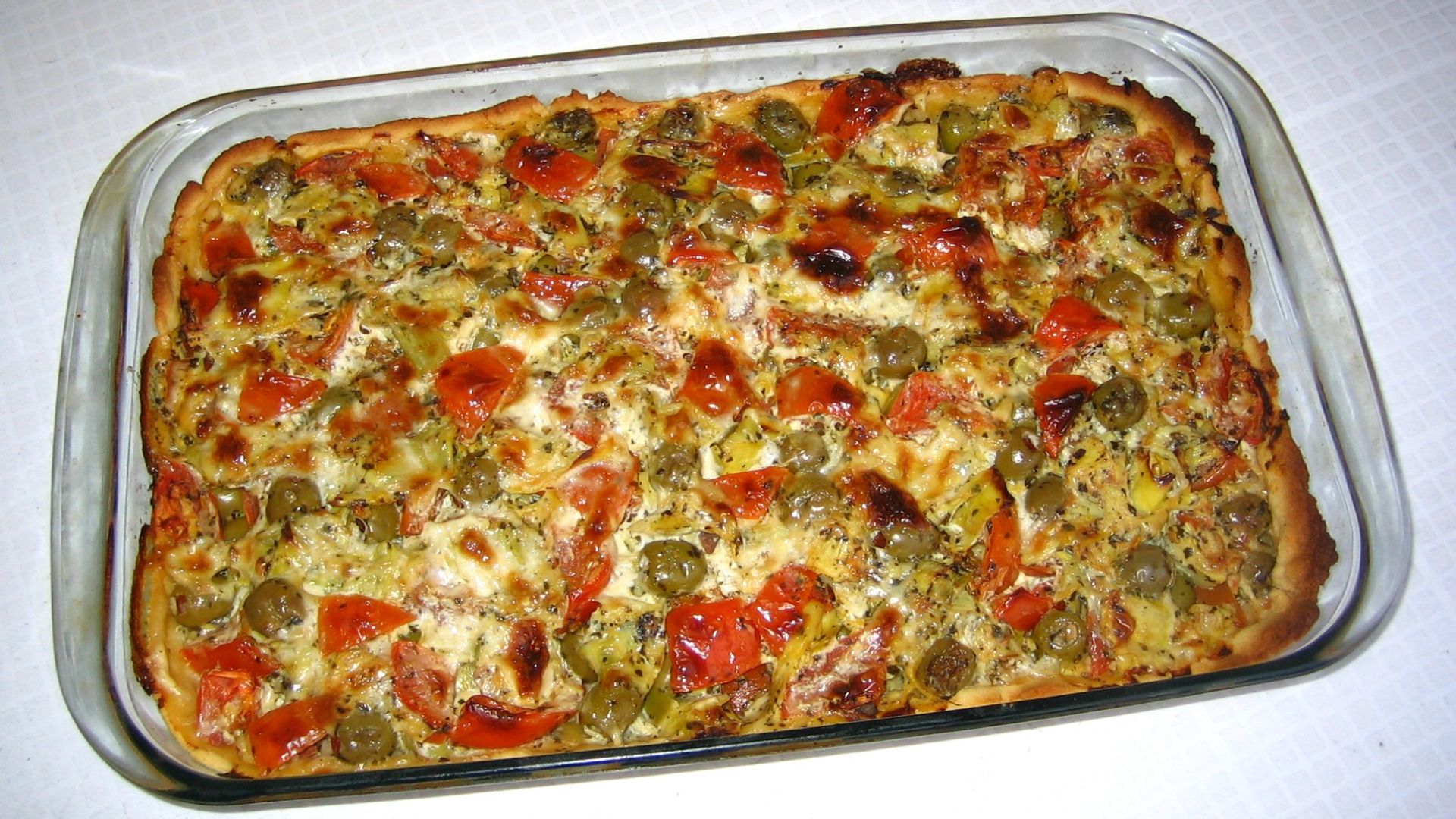
6. Leftovers
Wasting edible food was strongly discouraged during the war years. Stale bread could be turned into crumbs or pudding, leftover vegetables could go into soup, and small pieces of meat could show up in the next day’s hash or casserole.
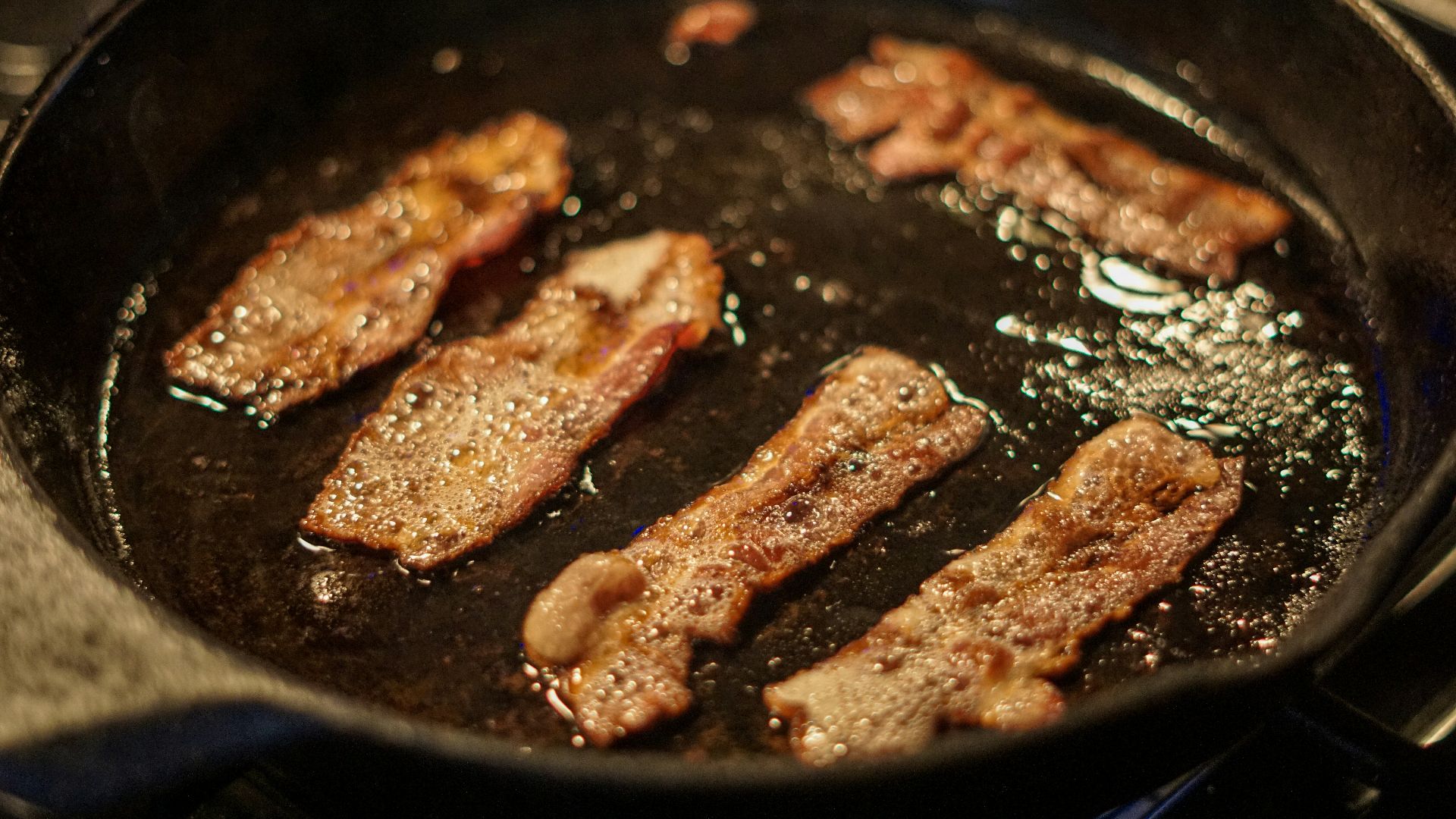
7. Saving The Drippings
Cooking fat wasn’t something families were expected to pour down the drain or toss in the trash. Households were encouraged to strain bacon grease, meat drippings, and other leftover fats into a clean container. The collected fat could be processed into glycerin, which was used in explosives, medicines, paint, and other wartime products.
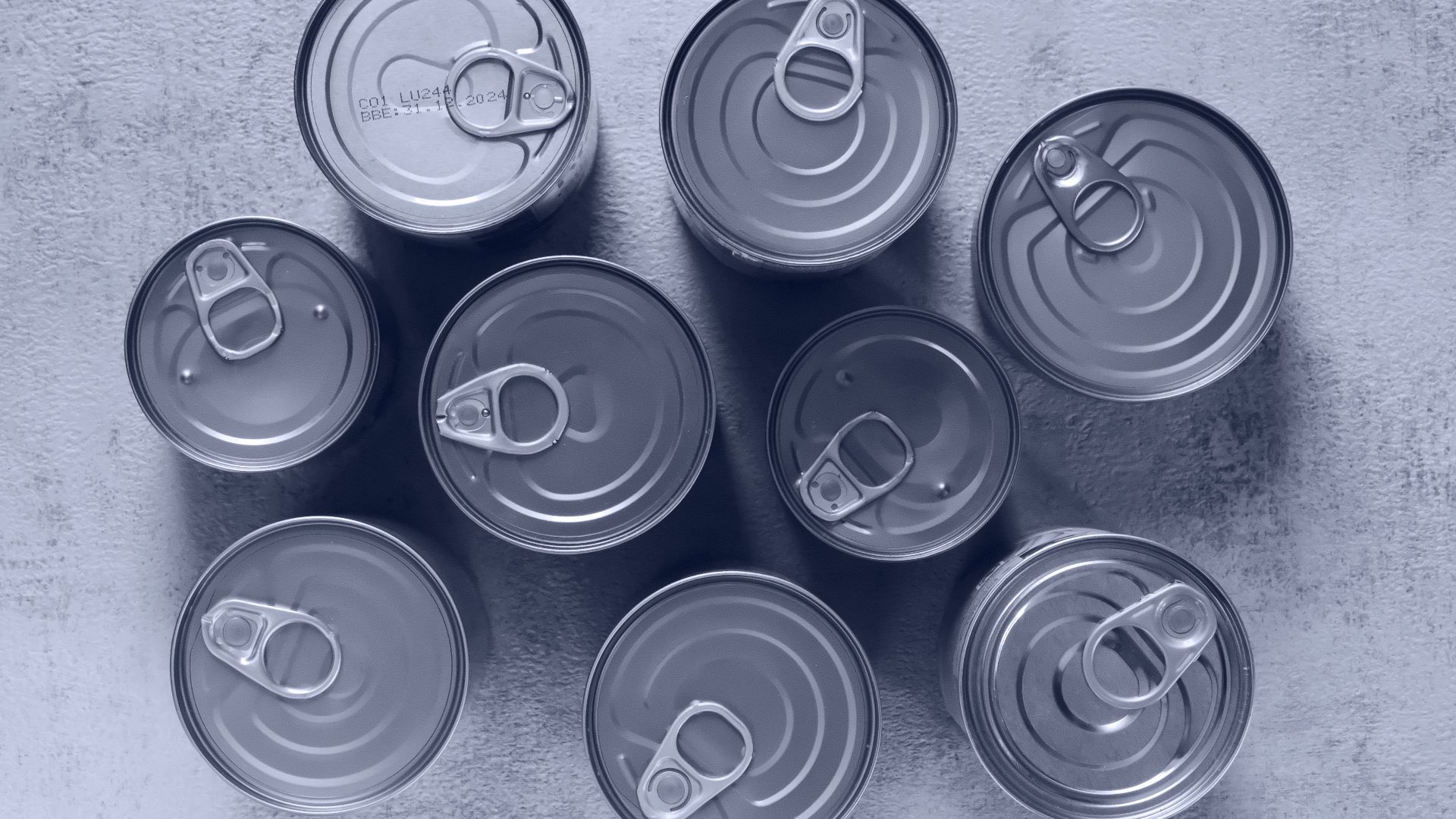
8. Tin Cans
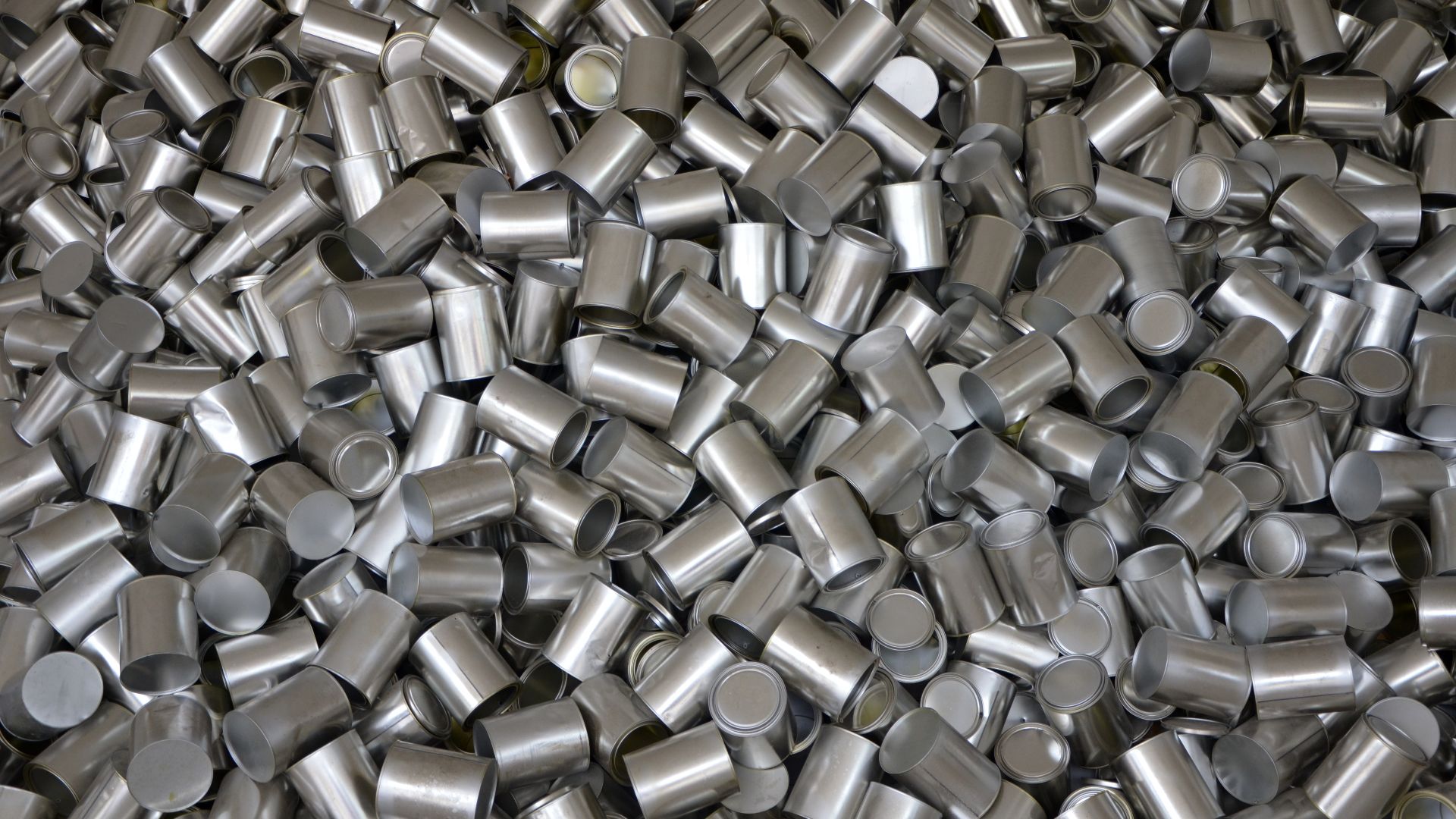
Empty cans needed a bit of work before they could be added to the salvage pile. Families were told to remove the ends and paper labels, wash the cans thoroughly, and flatten them. Preparing cans this way made them easier to store, collect, transport, and process when a school or neighborhood group came through.
9. Useful Scrap
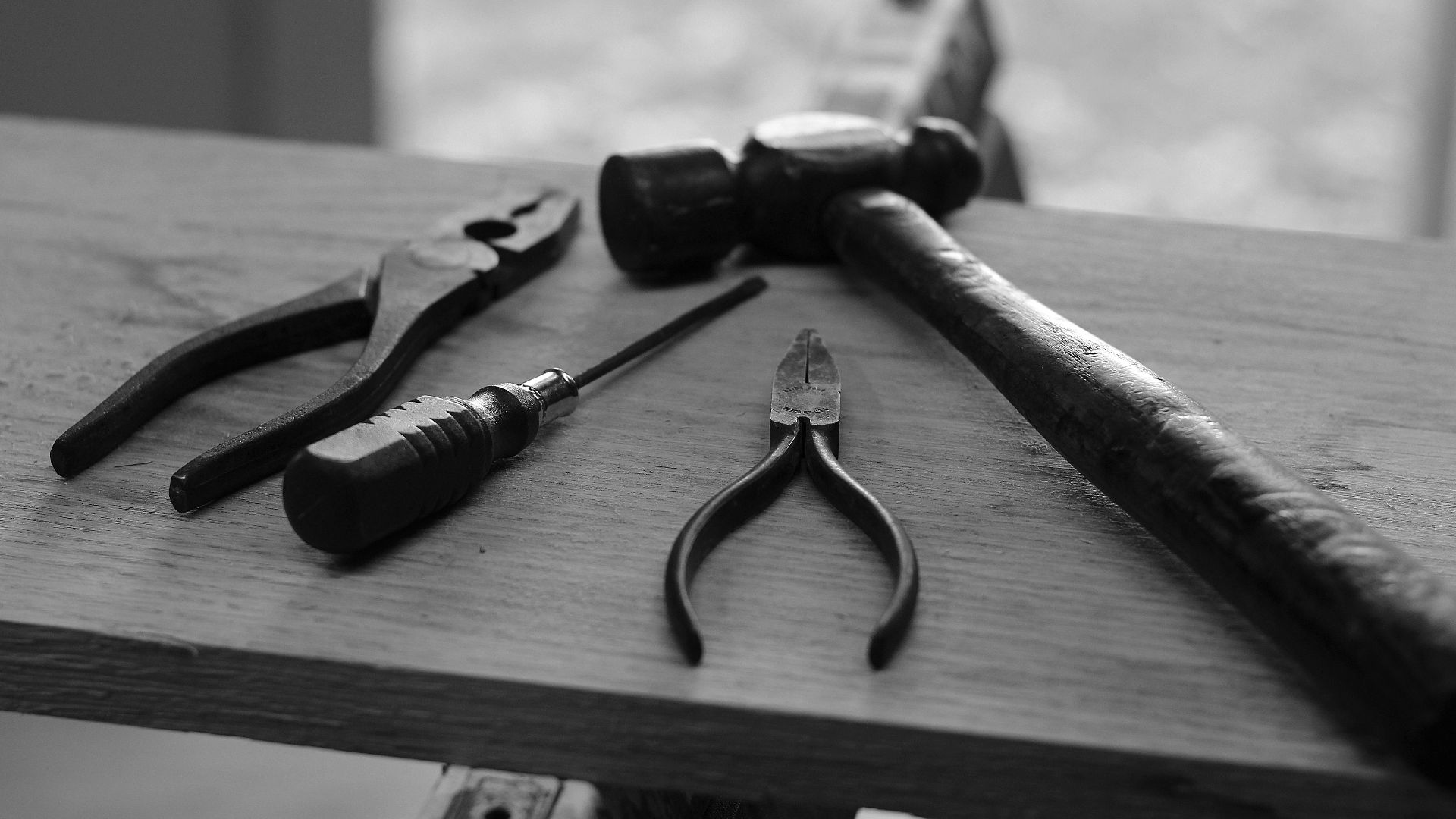
Families were encouraged to pause before throwing away anything made from paper, rubber, or metal. Old newspapers, worn rubber goods, broken tools, and unwanted household items could often be saved for local salvage drives. Many homes kept separate boxes or piles so useful materials would be ready when schools or community groups organized a collection.
10. The Victory Garden
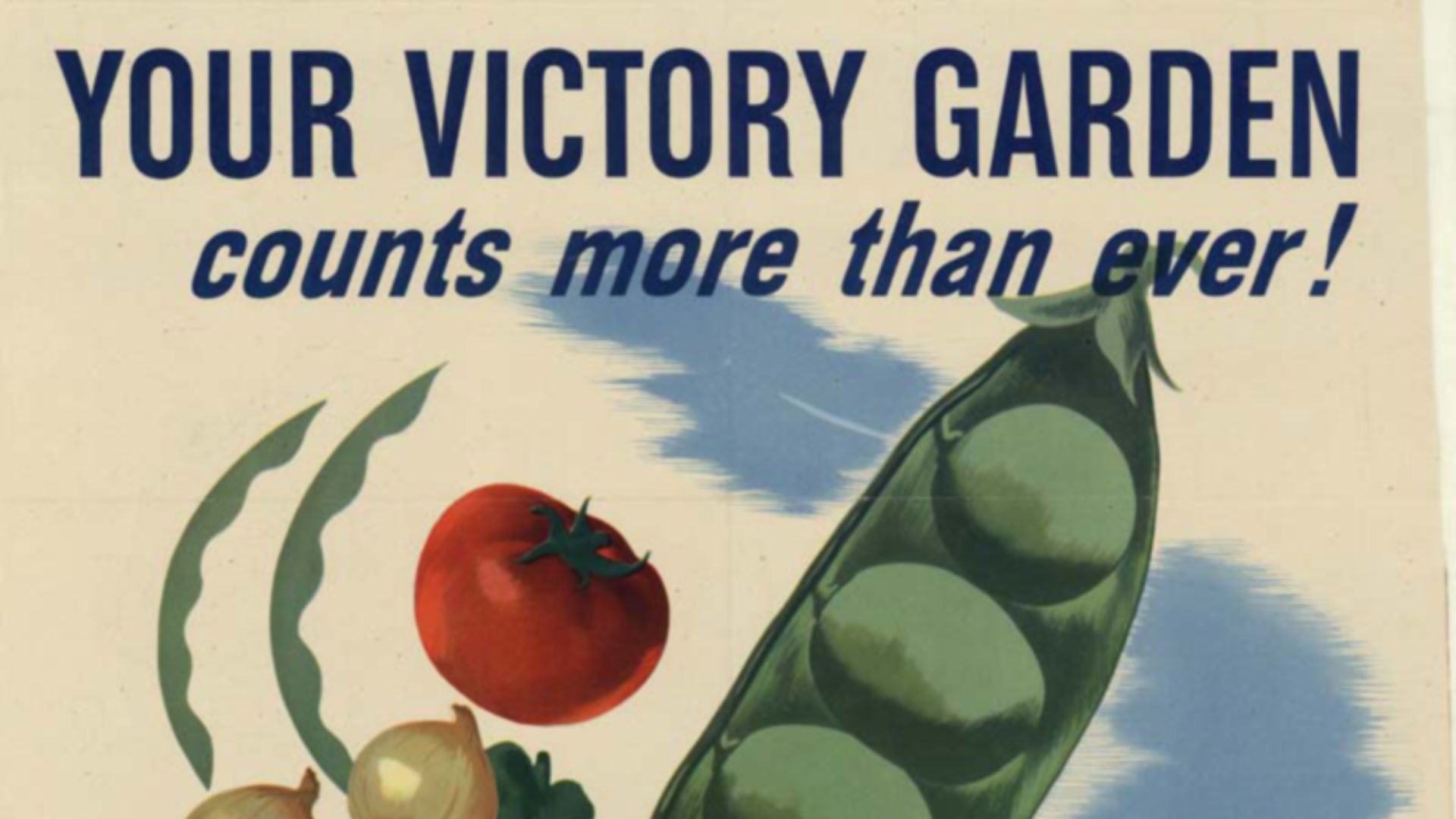
Victory Gardens appeared in backyards, community plots, school grounds, and any other space where vegetables could grow. Families used the produce to add fresh food to their meals and ease pressure on the grocery supply.
11. Preserving
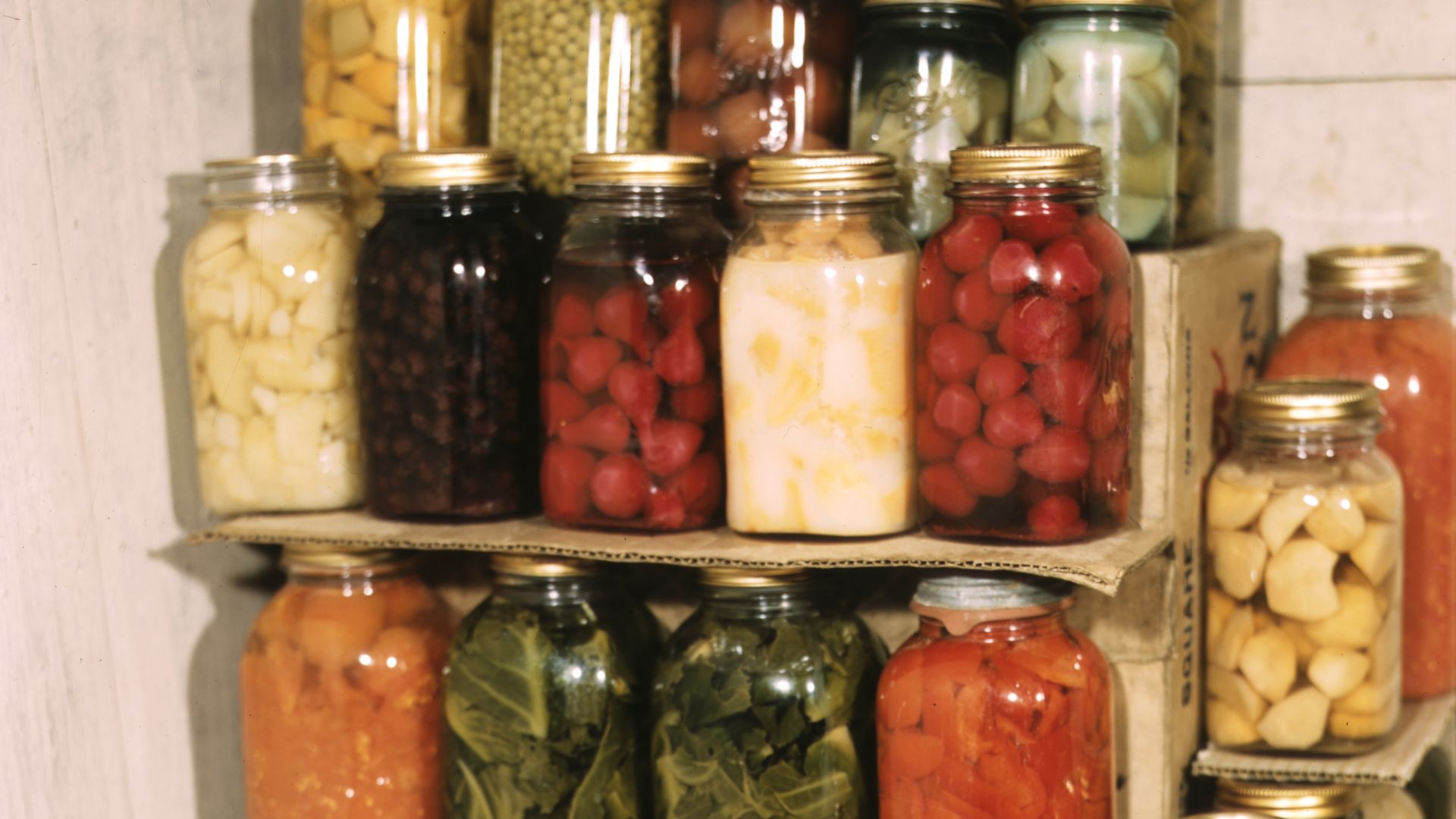
A successful garden wasn’t much help in winter if the summer harvest spoiled before anyone could use it. Families canned, dried, pickled, stored, or froze fruits and vegetables so they’d last beyond the growing season. Preserving food took extra time, but it helped keep homegrown produce on the table long after the garden stopped producing.
12. The Right Canning Method
Home canning had to be done correctly because sealed food could become dangerous if harmful bacteria survived. Acidic foods, including many fruits and tomatoes, could usually be processed in a hot-water bath. Meats and other vegetables required pressure canning, so families needed to follow the proper method rather than take chances on a shelf-stable food.
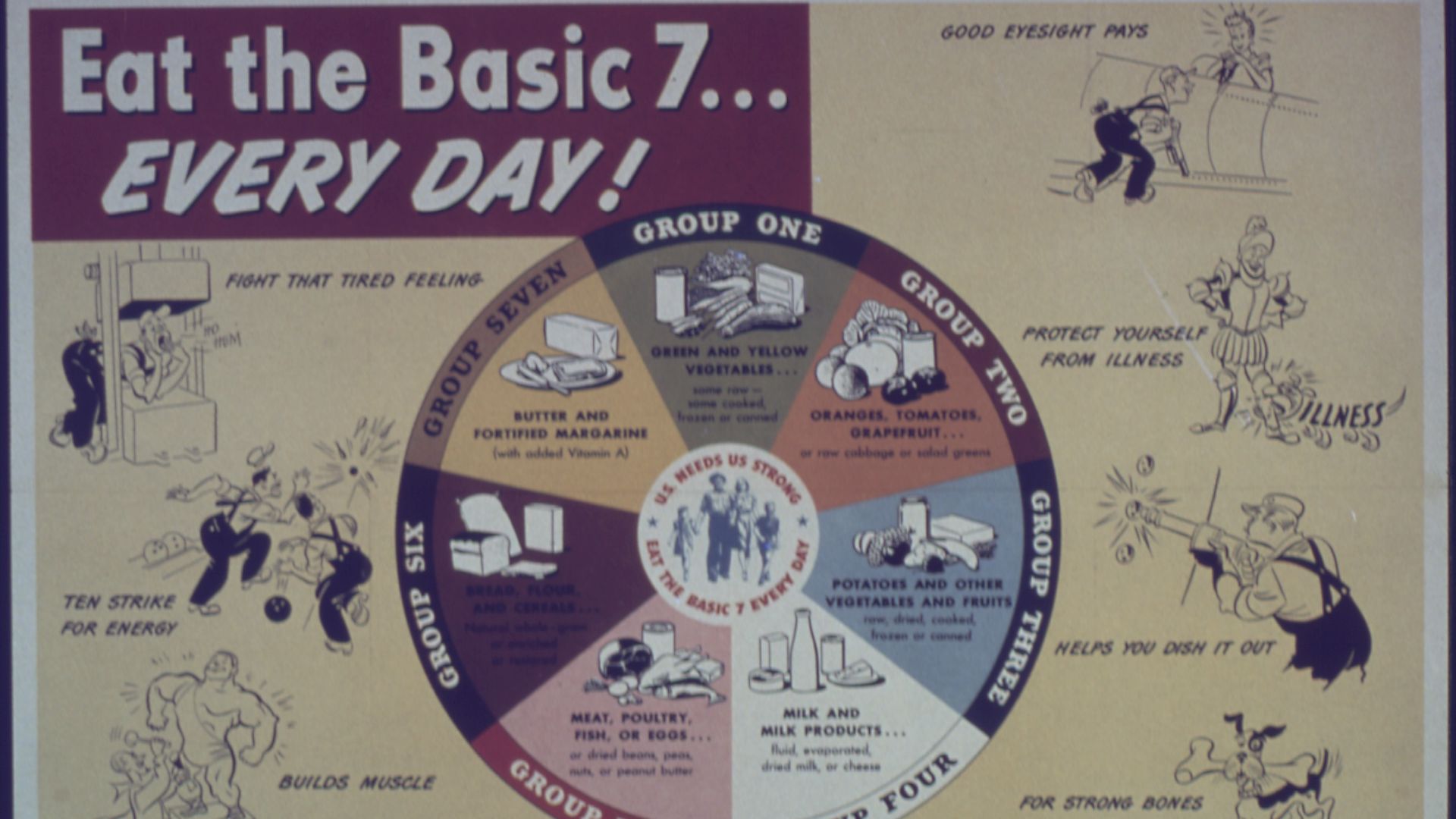
13. The Basic Seven
A wartime food guide divided daily eating into seven groups that included vegetables, fruit, dairy, protein foods, grains, and butter or fortified margarine. The guide appeared in nutrition posters, school lessons, and household meal-planning advice. Cost and cultural differences made it harder for some families to follow, but the Basic Seven still influenced how many people thought about a healthy meal.
 Unknown authorUnknown author or not provided on Wikimedia
14. Combining Errands
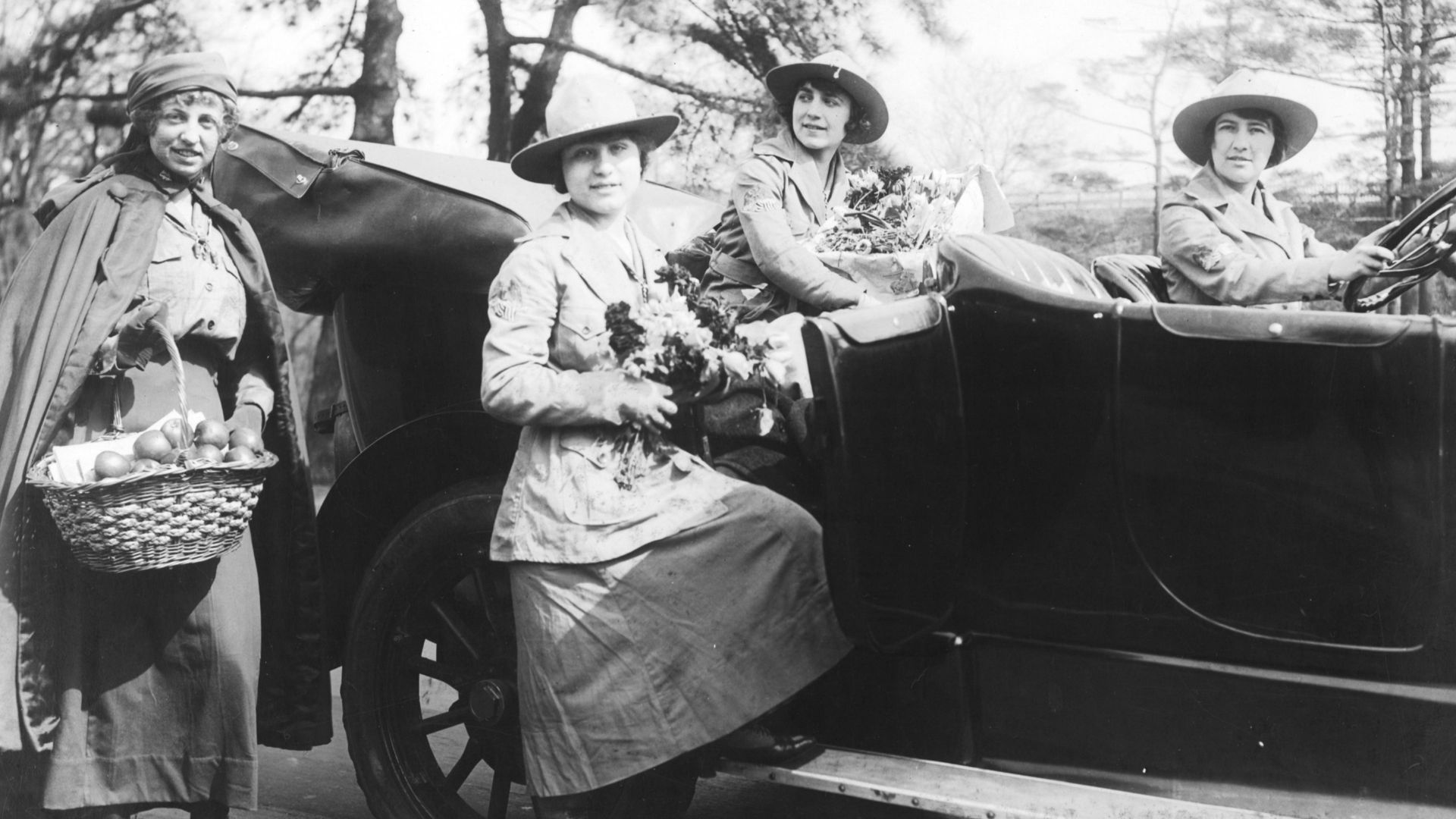
Gasoline rationing meant every turned engine had to do double or triple duty. One outing might include the grocery store, bank, post office, and another necessary stop so no fuel was wasted on repeat trips. Planning errands carefully also reduced wear on tires, which were difficult to replace during the war.
 Unknown authorUnknown author or not provided on Wikimedia
15. Ride Share
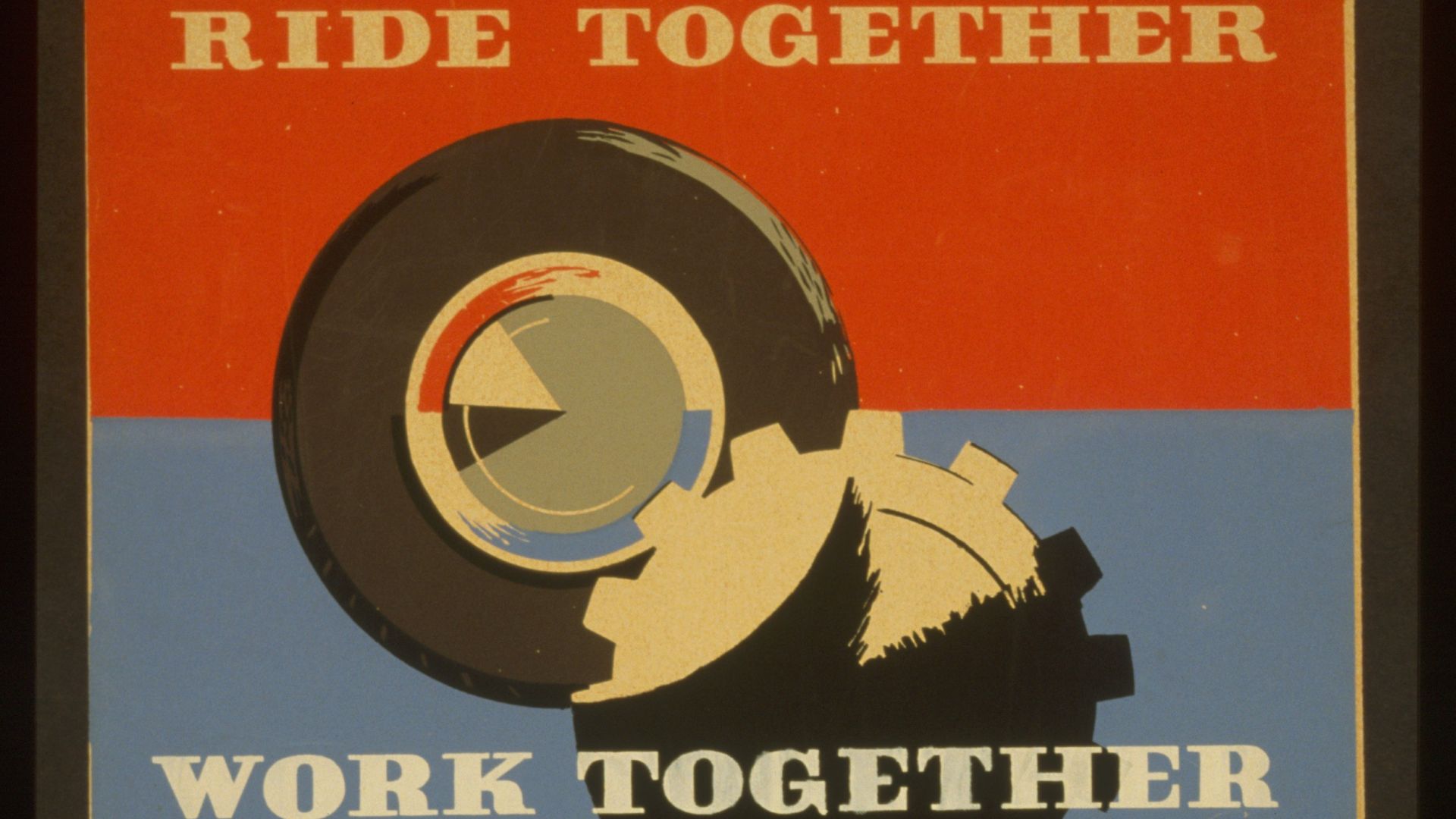
Carpools and car-sharing clubs helped households save both gasoline and rubber. Neighbors, relatives, and coworkers could travel together instead of taking several cars to the same area.
 Work Projects Administration Poster Collection on Wikimedia
16. Victory Speed
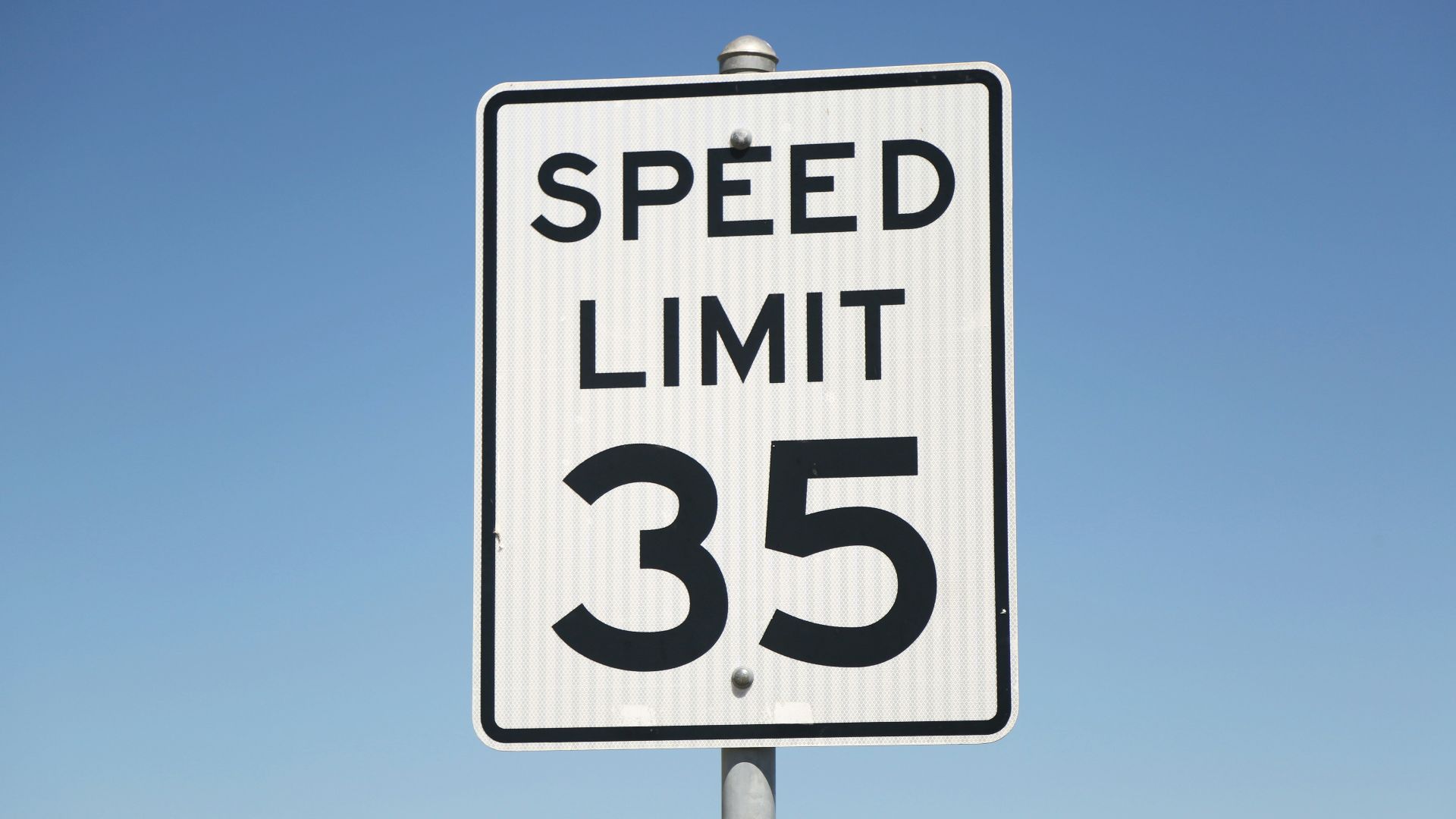
Drivers were urged to stay at or below the wartime “Victory Speed” of 35 miles per hour, mainly to reduce tire wear. Families were also encouraged to keep tires properly inflated, and to rotate them regularly.
17. Shoe Repair
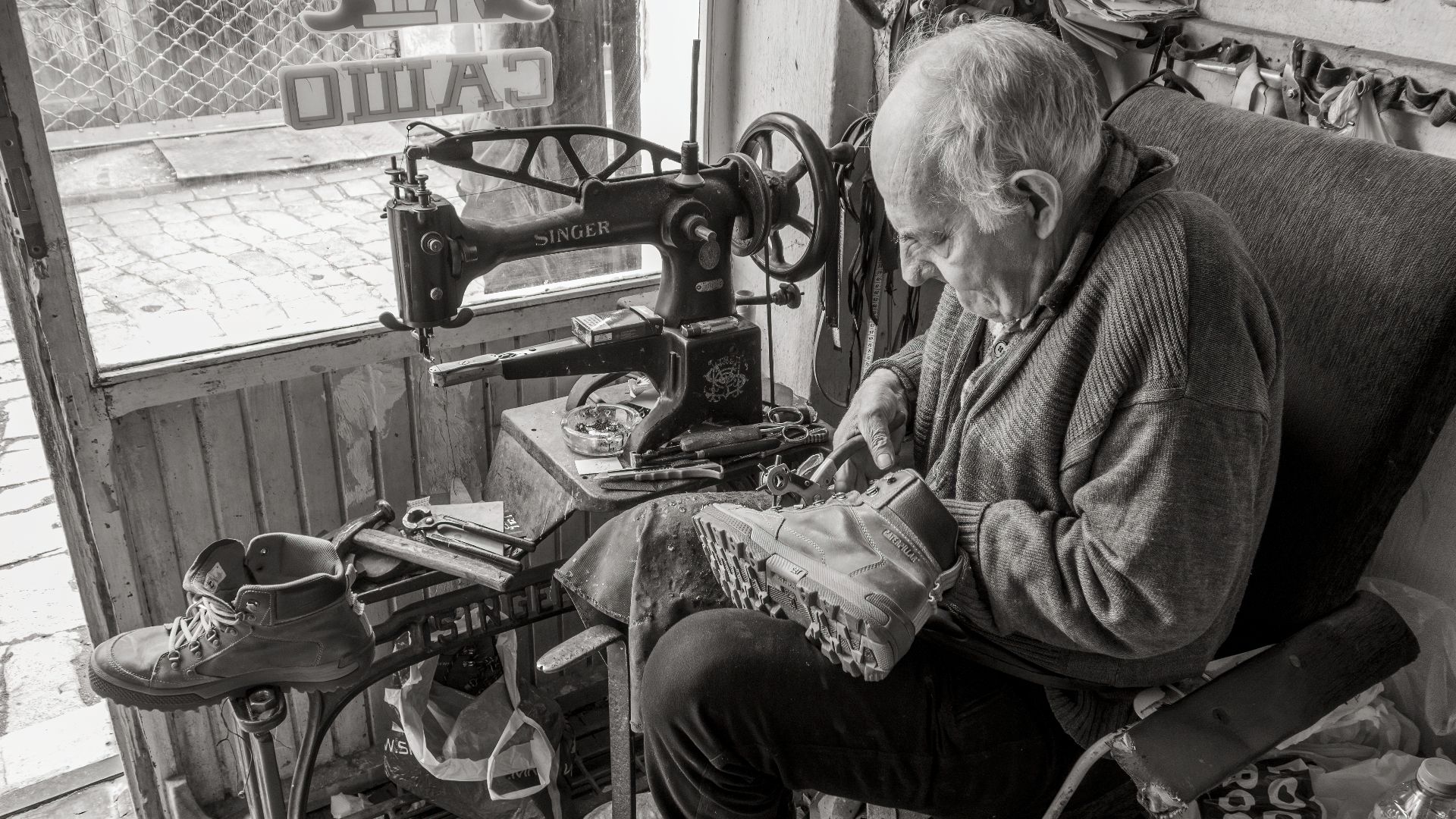
Leather shoes were rationed from 1943 through 1945, and each person received only a limited number of coupons. Worn soles often went to a cobbler for repair instead of sending the whole pair to the trash. Adults sometimes saved coupons for growing children, while secondhand or unrationed shoes gave families other ways to manage the shortage.
18. Blackout Instructions
In communities that held blackout drills, families turned off or covered lights and followed local civil-defense directions. Curtains, shades, and windows had to be checked for small gaps where light might escape. Even a faint glow could make a darkened building easier to spot, so everyone in the household had to cooperate until the drill ended.
 Diego Torres Silvestre from Sao Paulo, Brazil on Wikimedia
19. Keeping Private
Families were warned not to talk openly about troop movements, ship departures, military locations, or other logistical details. Information shared over the telephone, in a store, or during a chat with neighbors could travel much farther than the speaker meant it to. Households with relatives in uniform had to be especially careful about repeating details from letters or private conversations.
 Army; part of the collection of the Office of War Information on Wikimedia
20. War Stamps
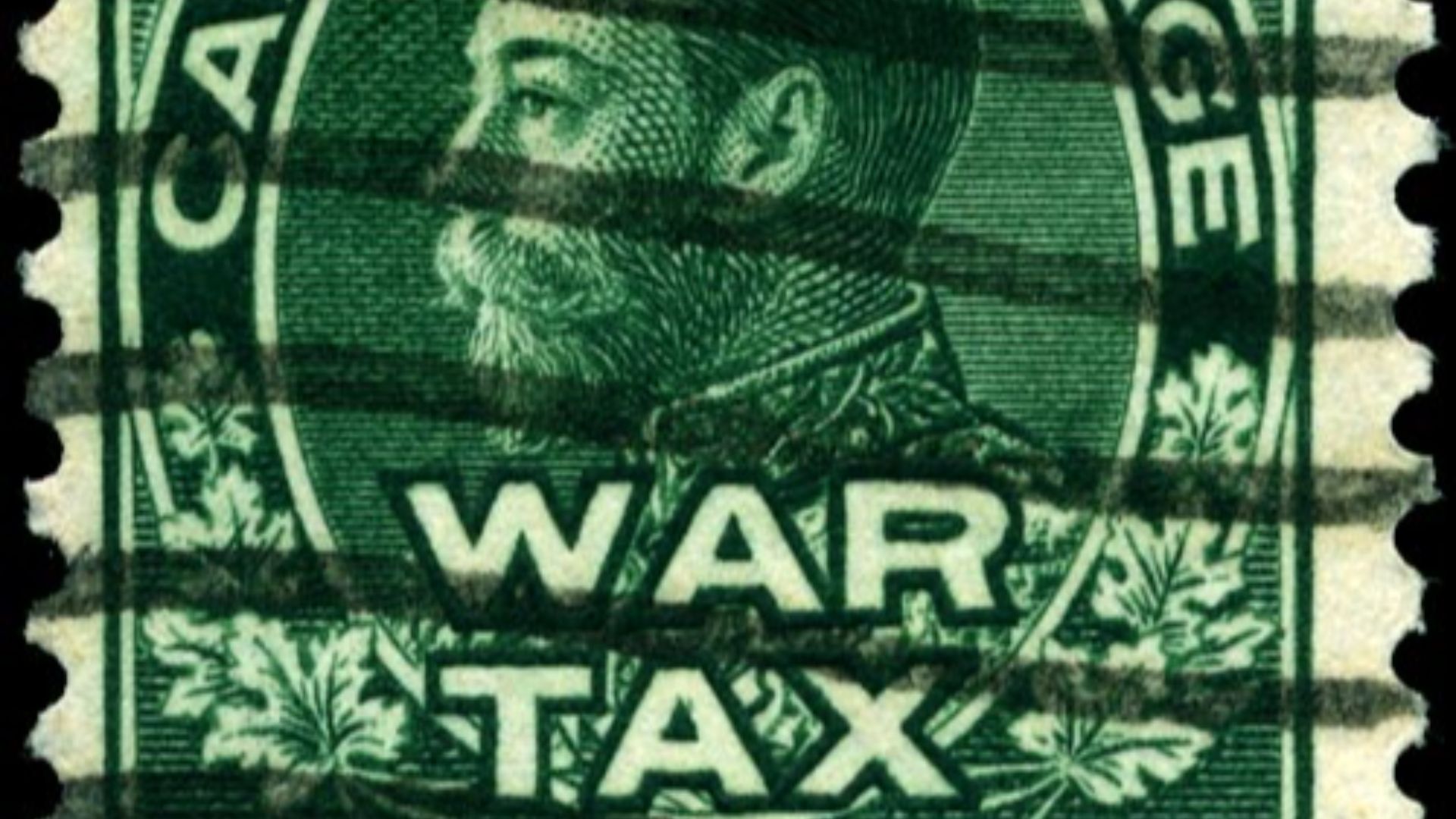
War savings stamps gave adults and children a way to contribute small amounts toward the war effort. Families could add coins to a stamp book over time, then exchange a completed book for the purchase of a war bond. Money that might’ve gone toward a small treat could become part of a household savings habit tied directly to wartime financing.
KEEP ON READING